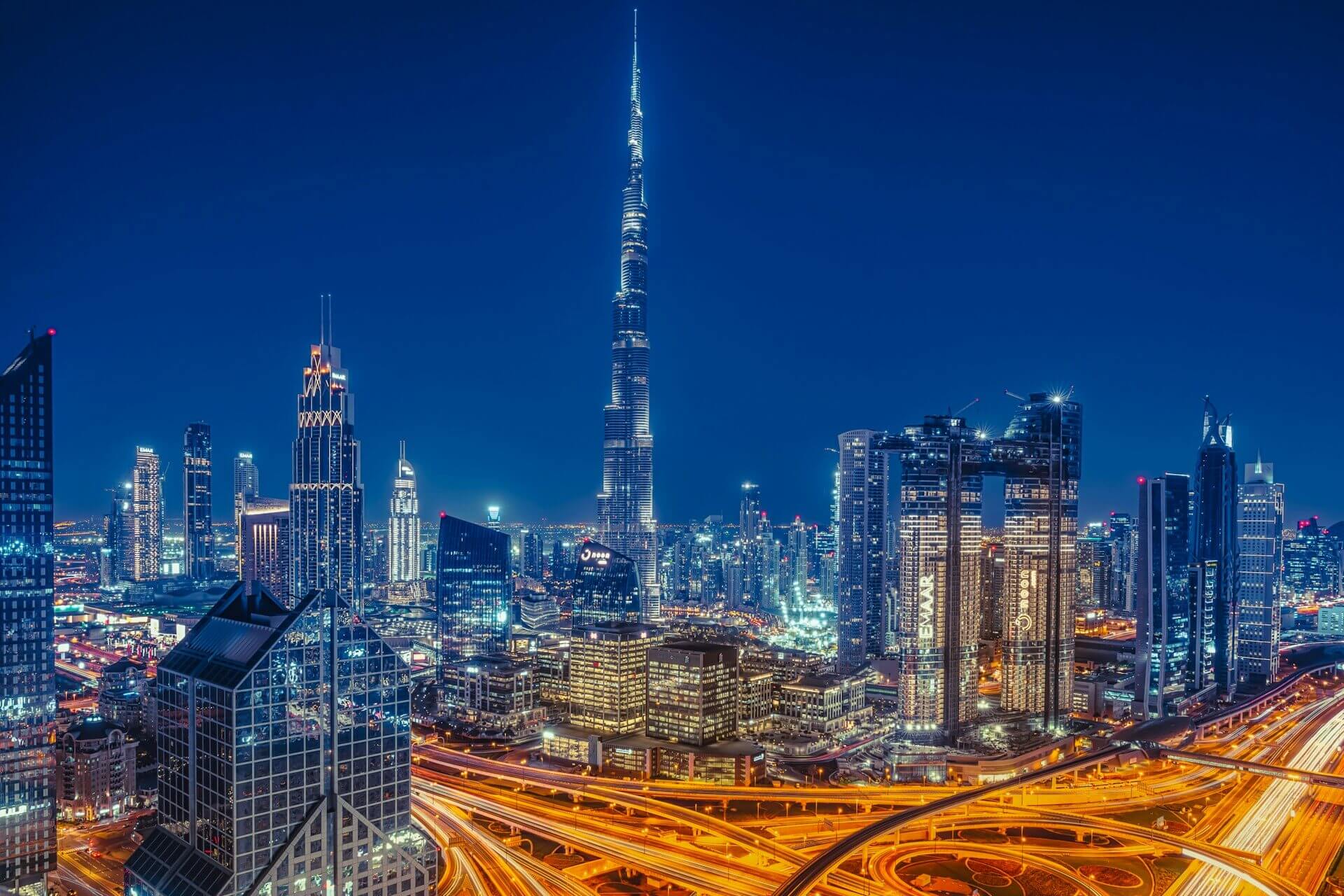
FOR SALE
AED 1,200,000AED 720,000
We help clients buy and rent the right property in Dubai — apartments, villas and investment units matched to budget, area and goals.
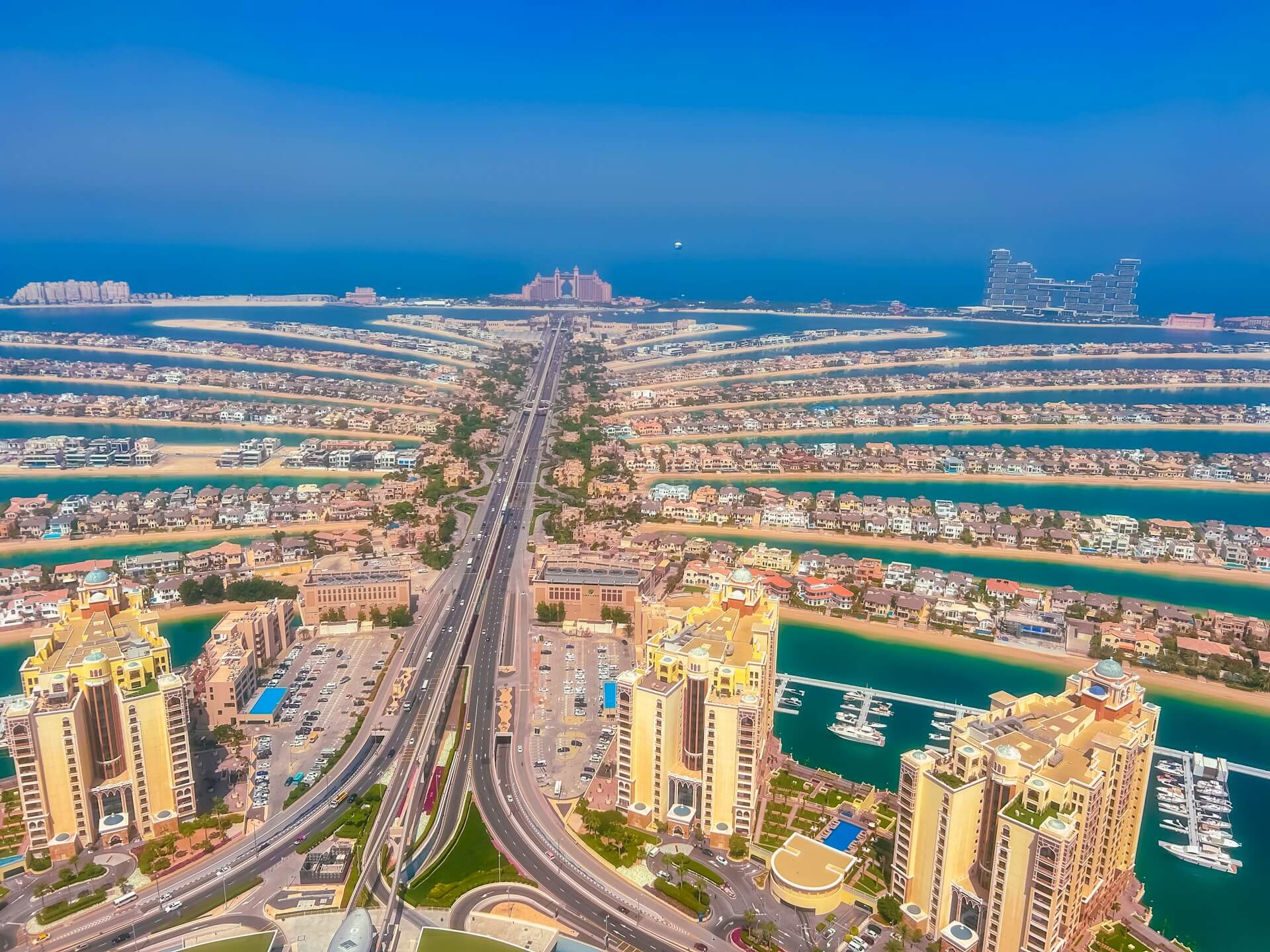
Dubai Property Selection focuses on apartments, villas and investment properties in key areas such as Dubai Marina, Downtown, Business Bay, Dubai Hills and Palm Jumeirah.
Instead of sending a huge list of random listings, we prepare a clean shortlist based on your budget, preferred area, bedrooms, timeline and purchase or rental goals.
Premium opportunities in Dubai — from compact investment units to signature villas and penthouses.
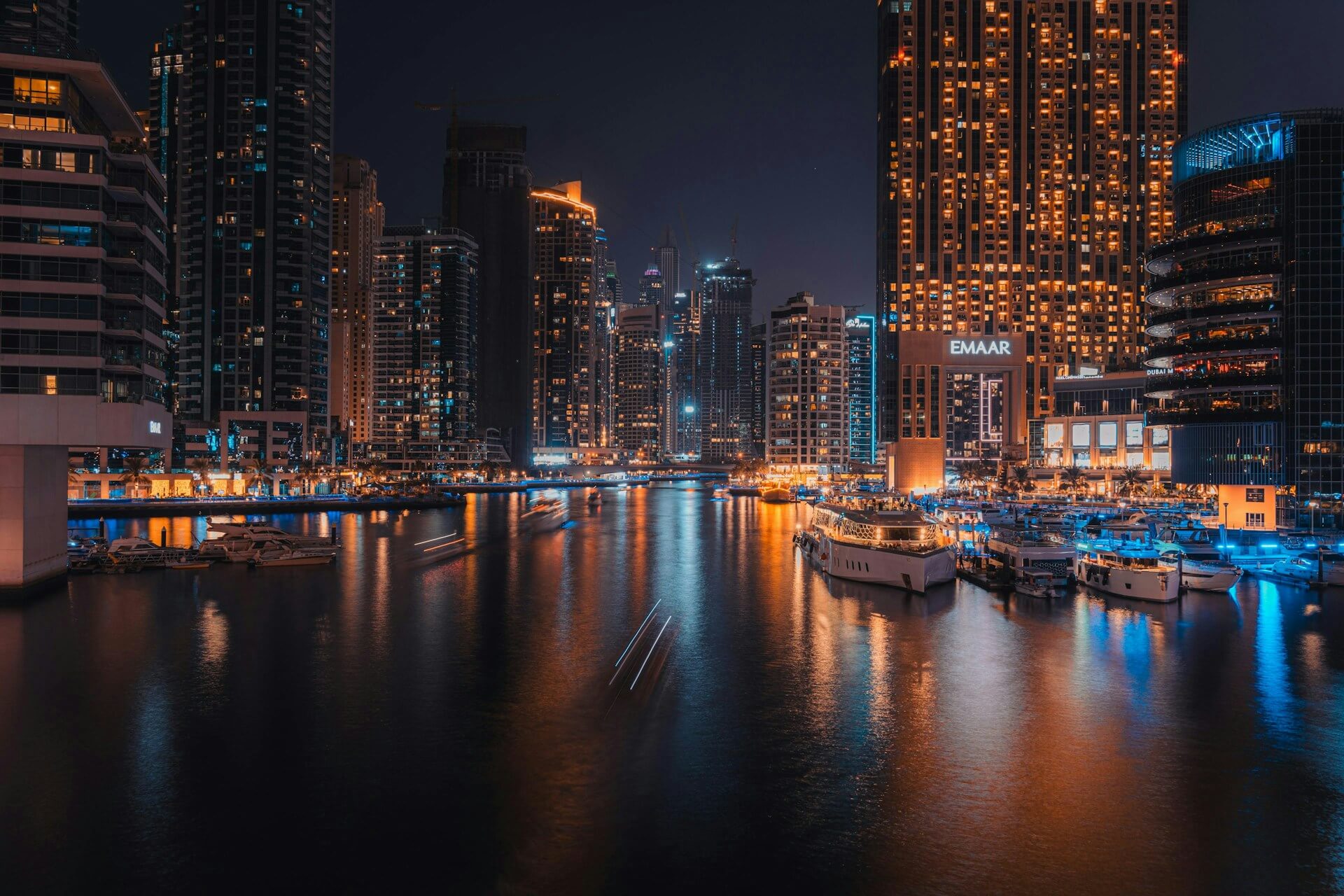
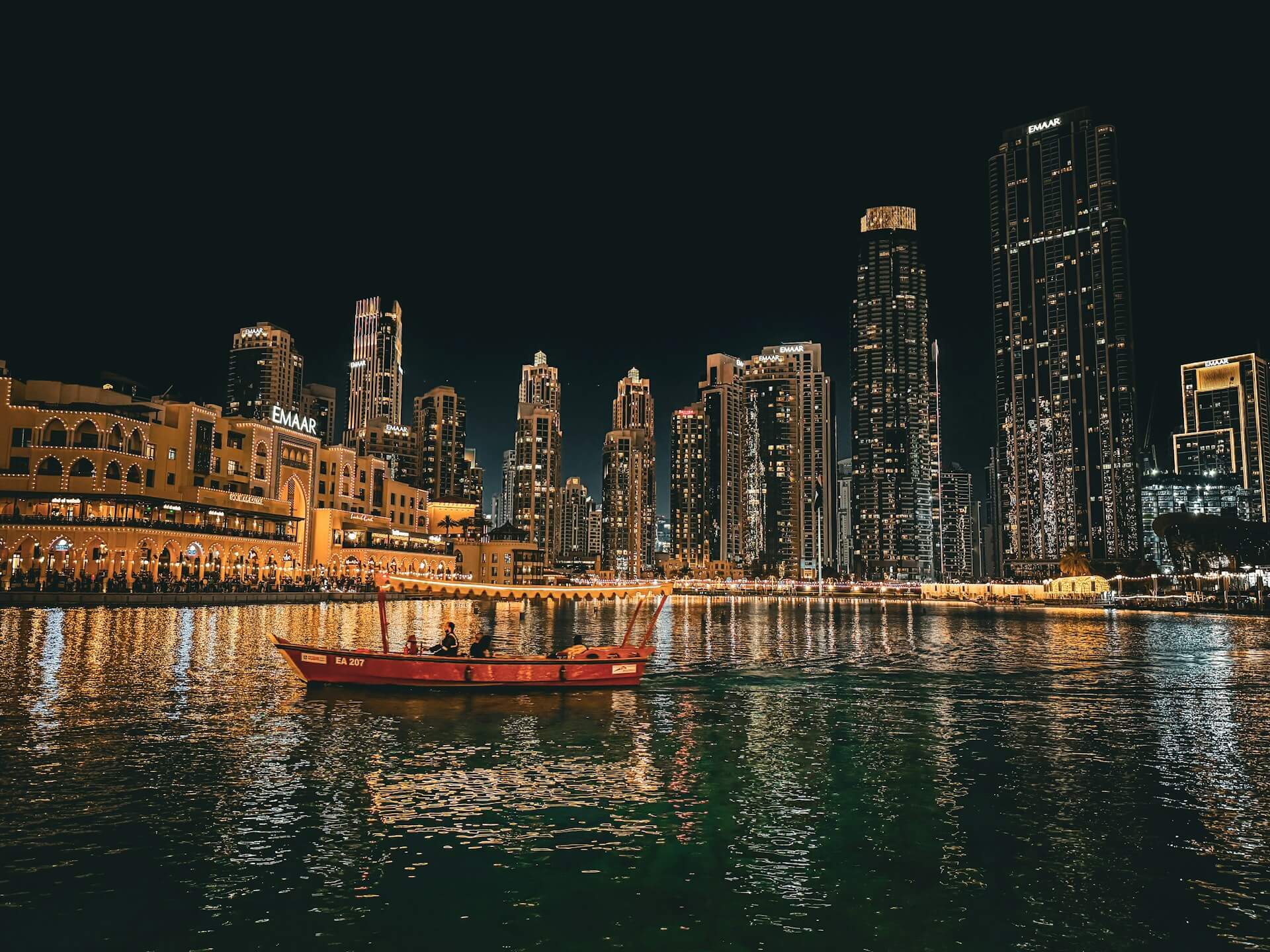

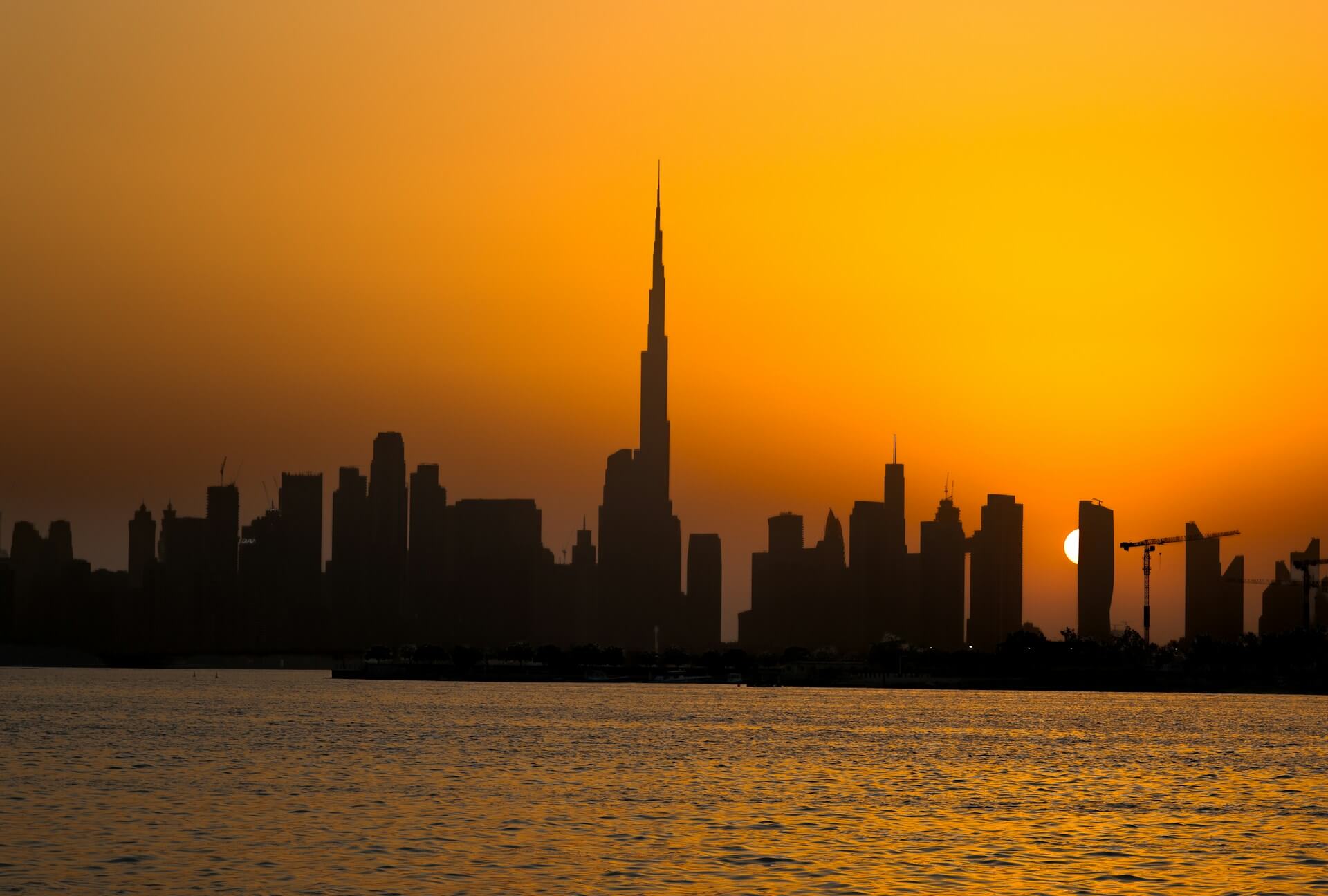
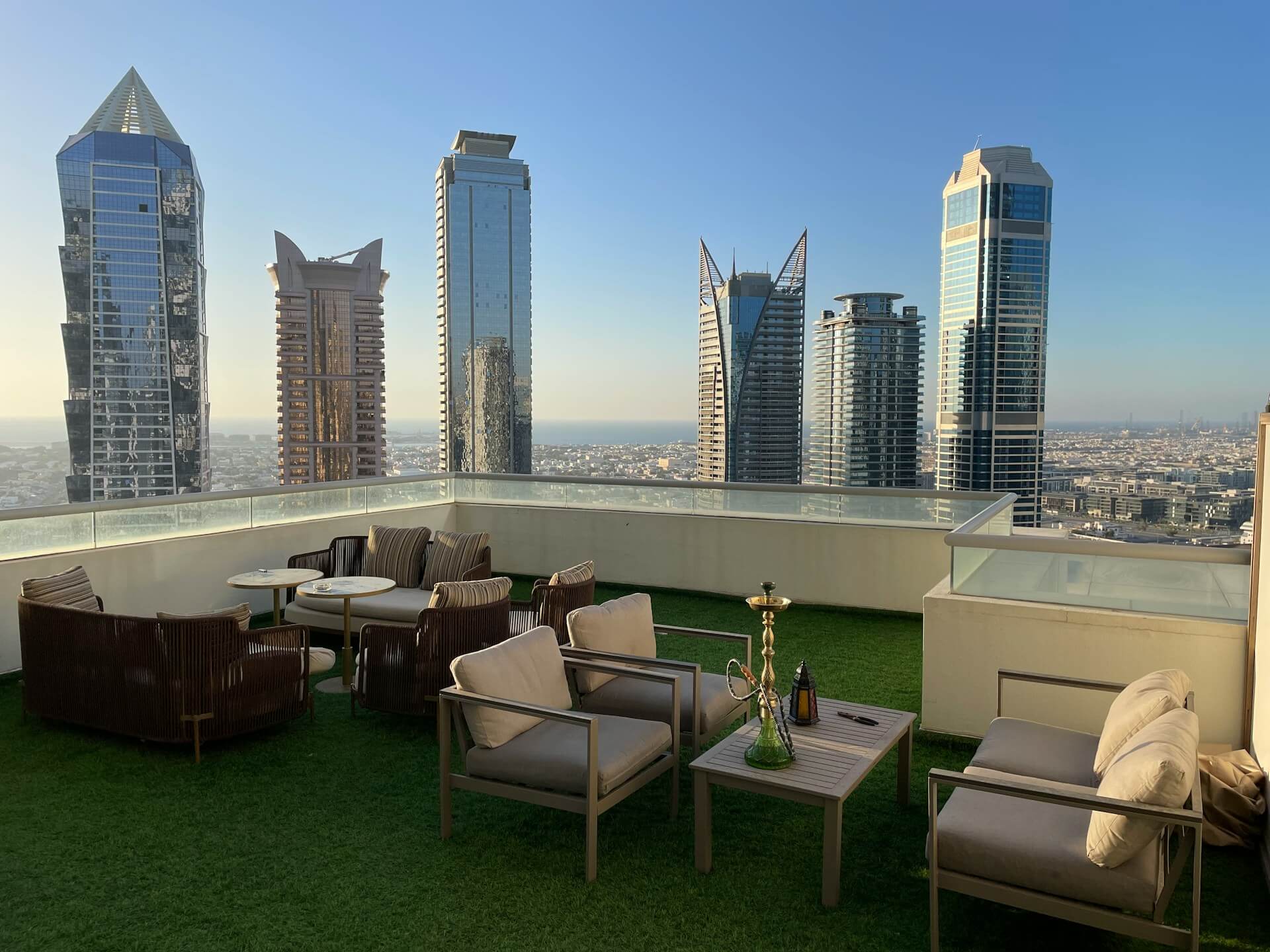
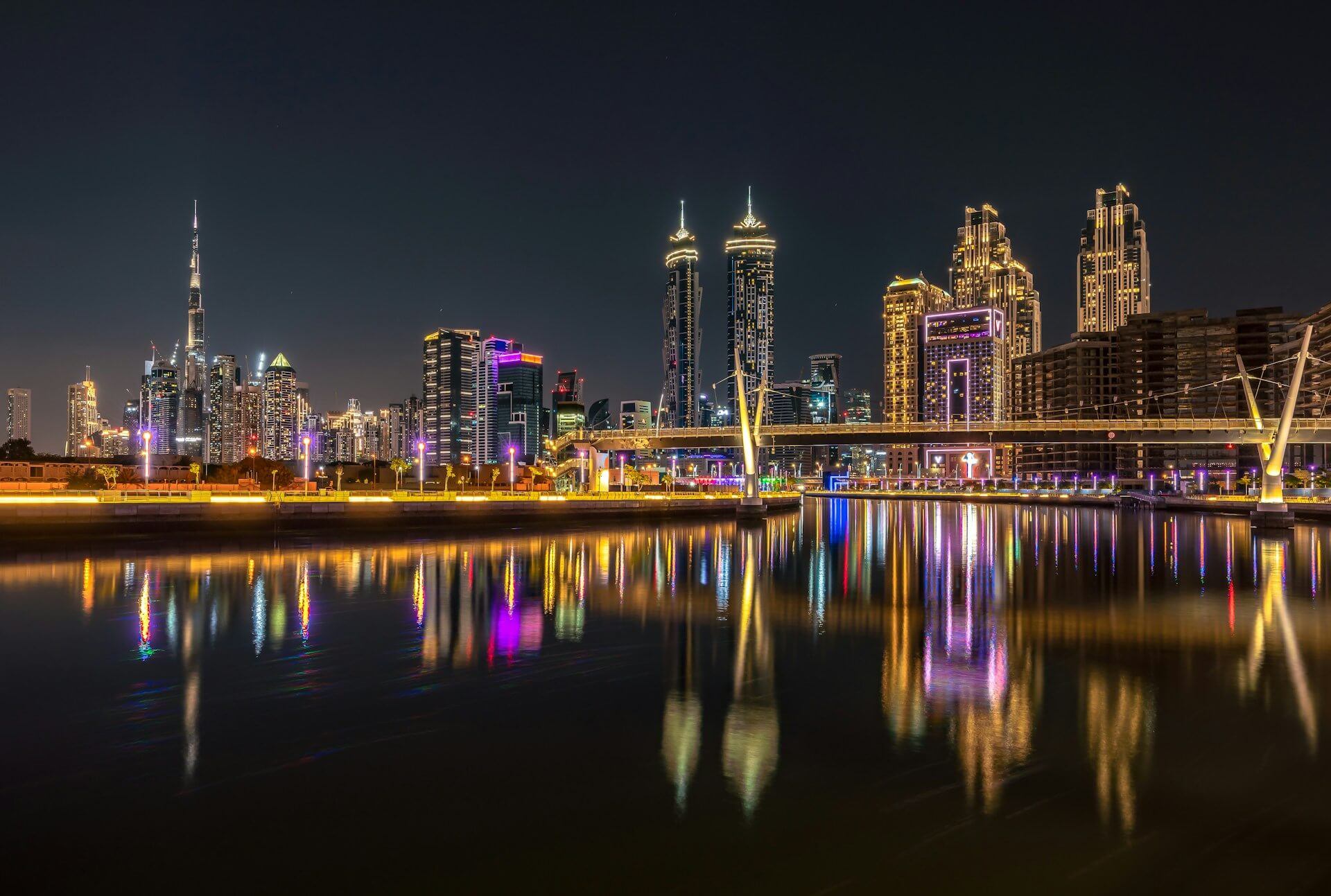
Comfortable long-term and premium rental options across Dubai.
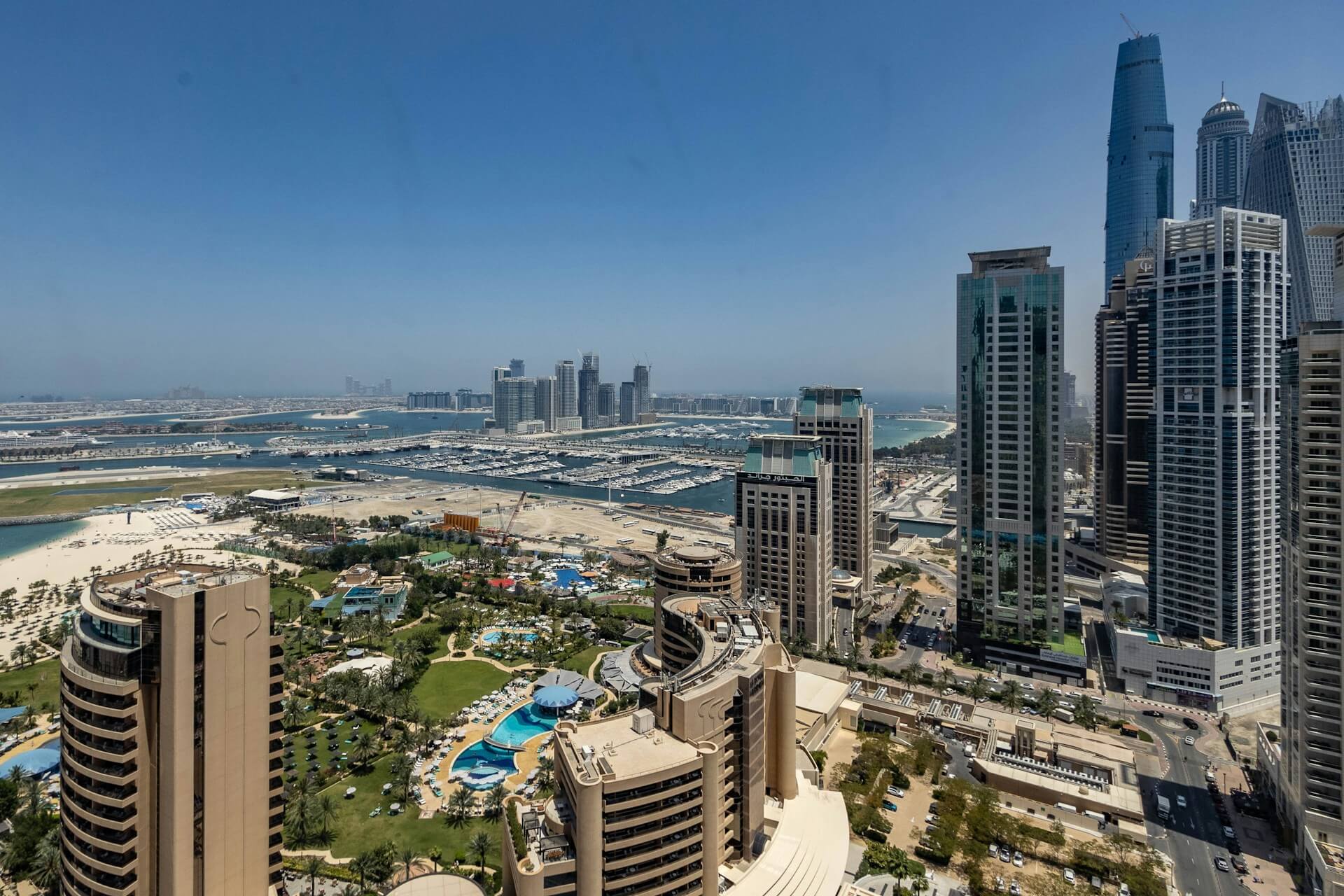

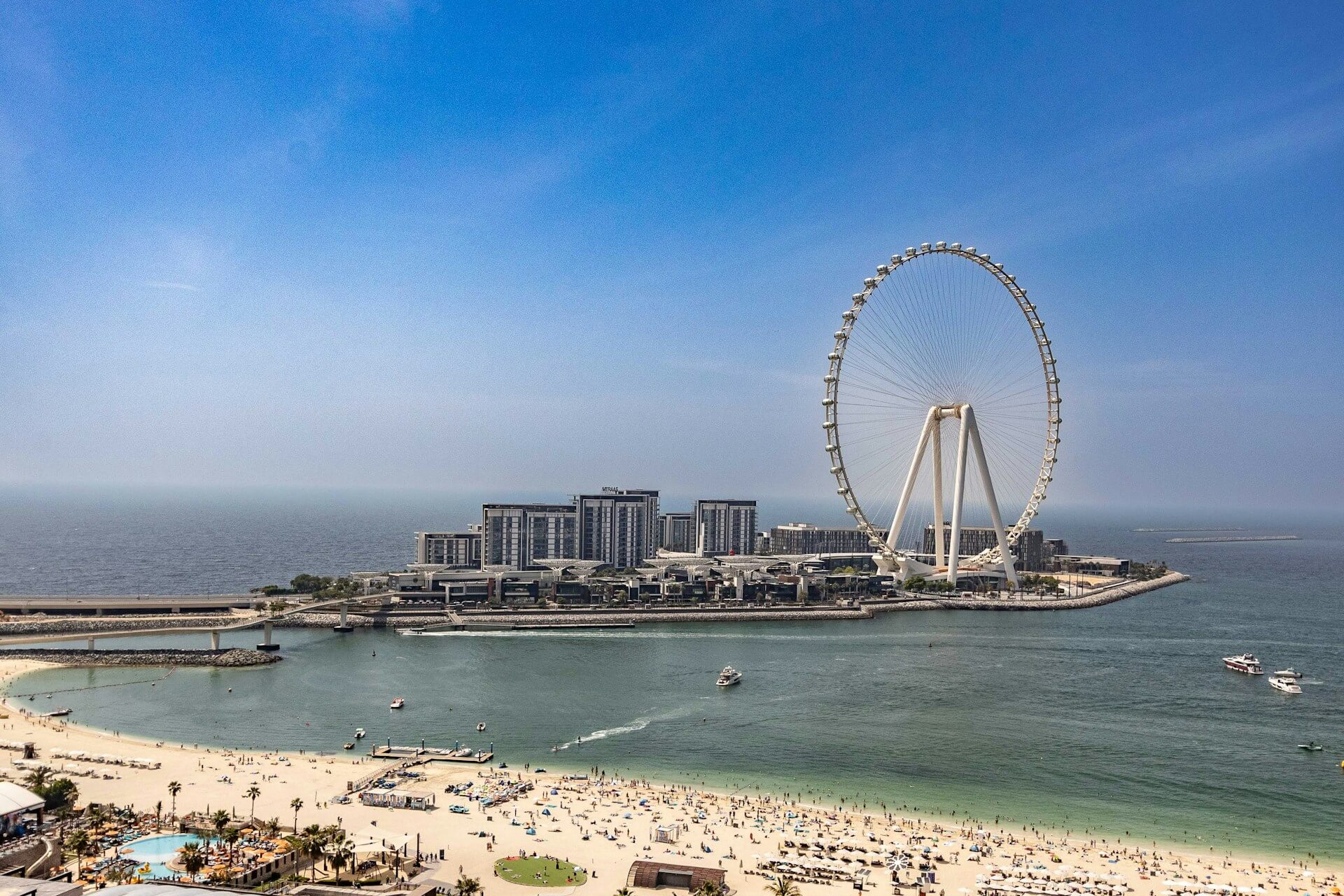
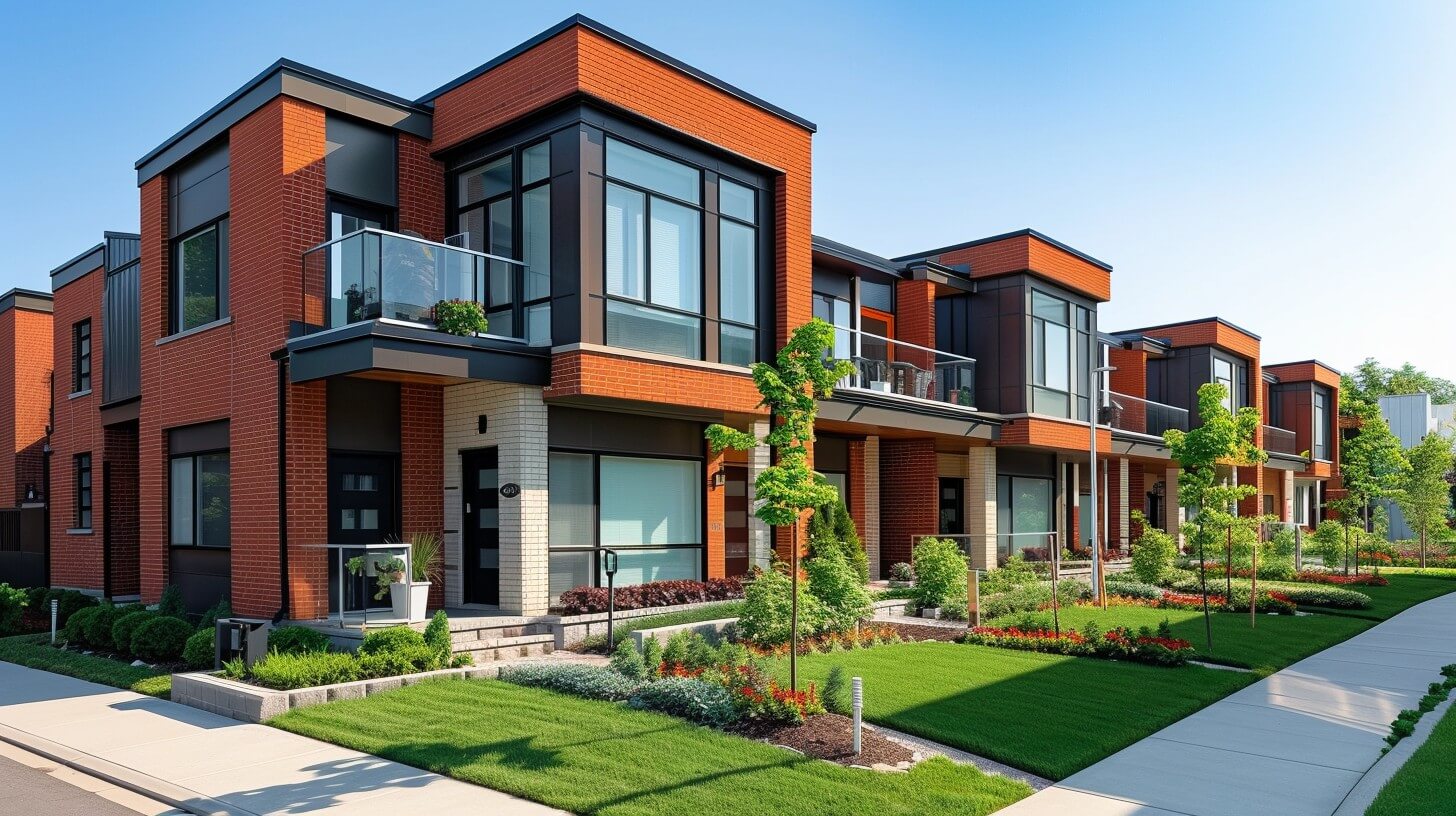

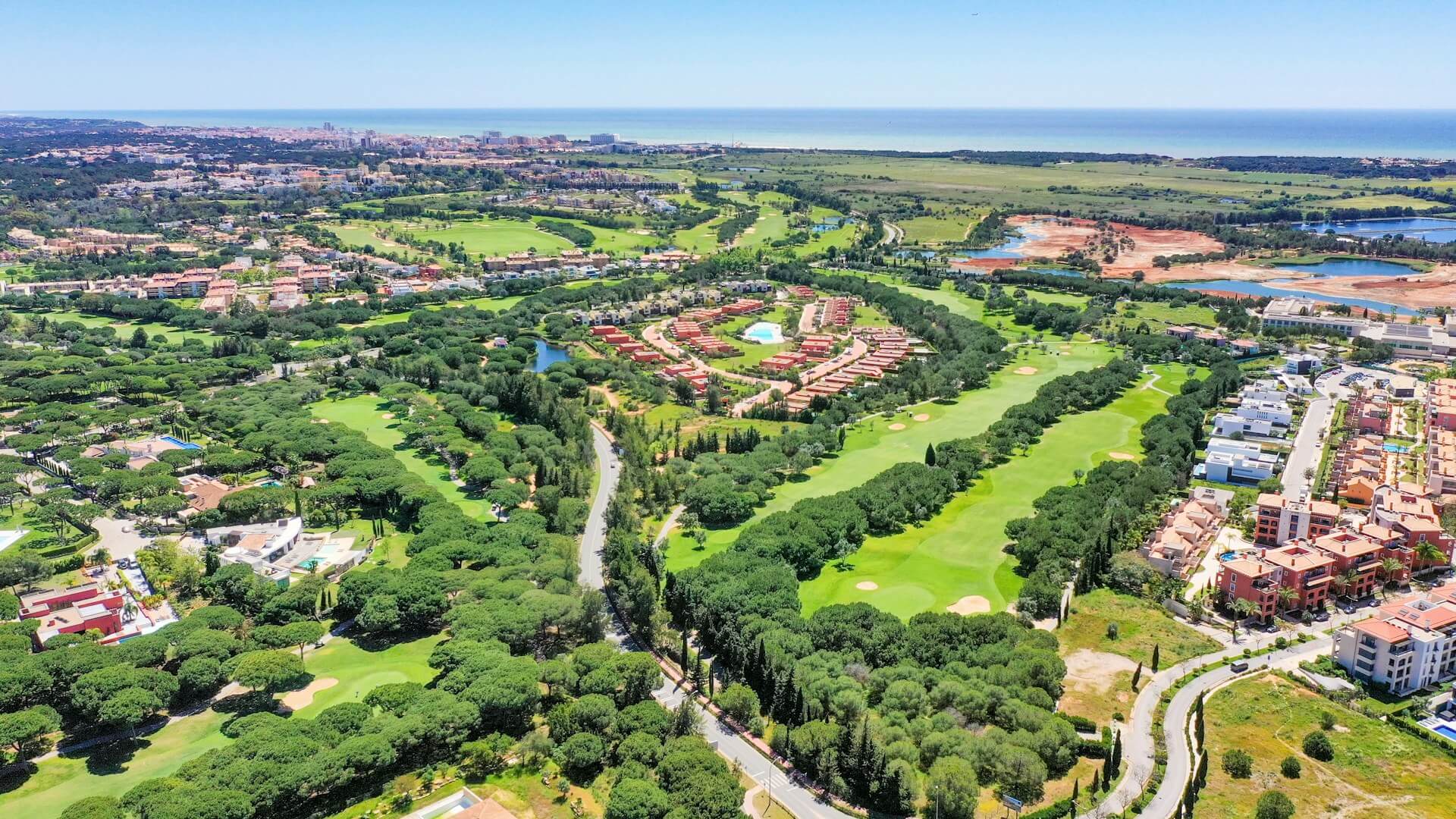
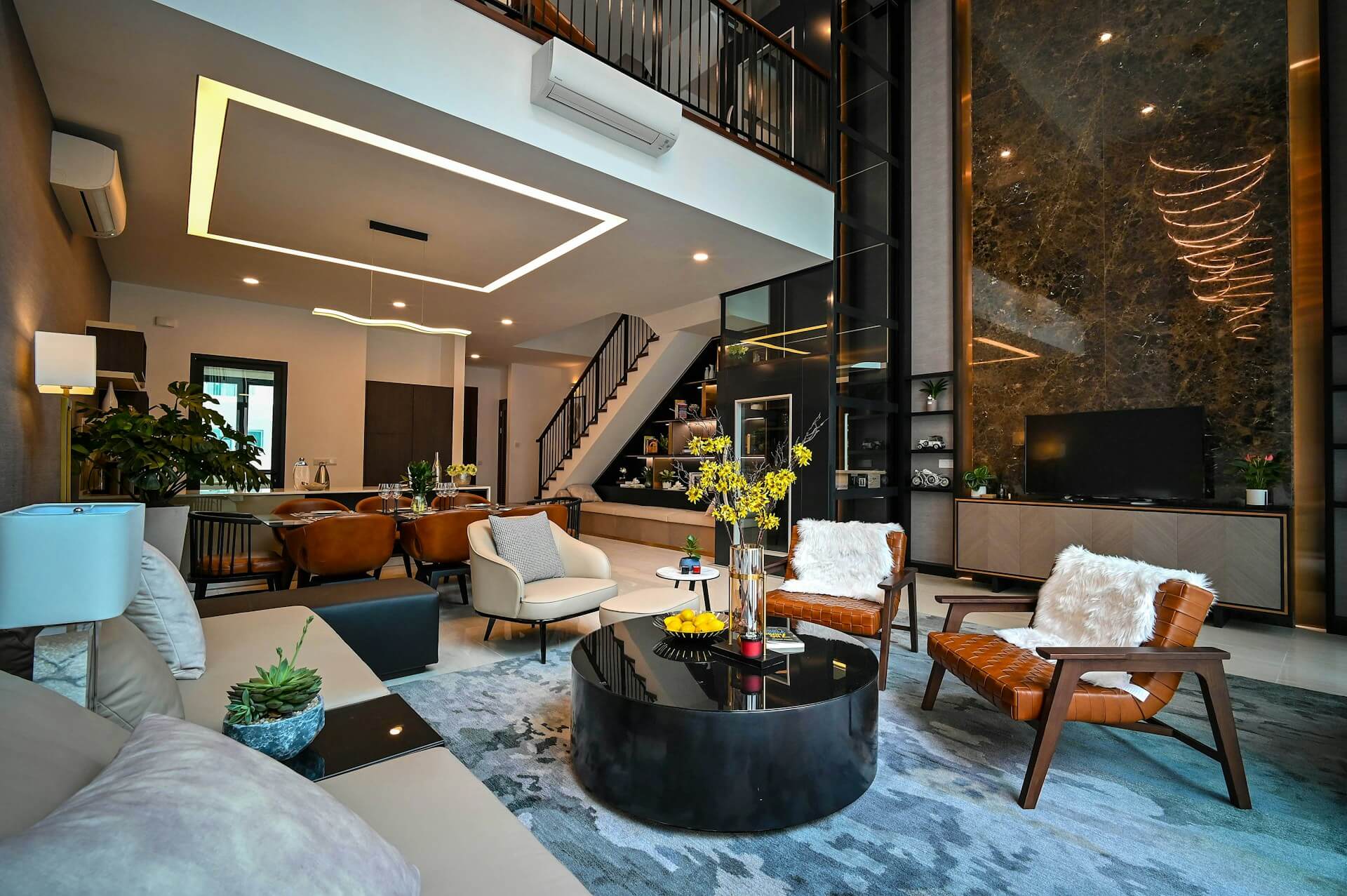
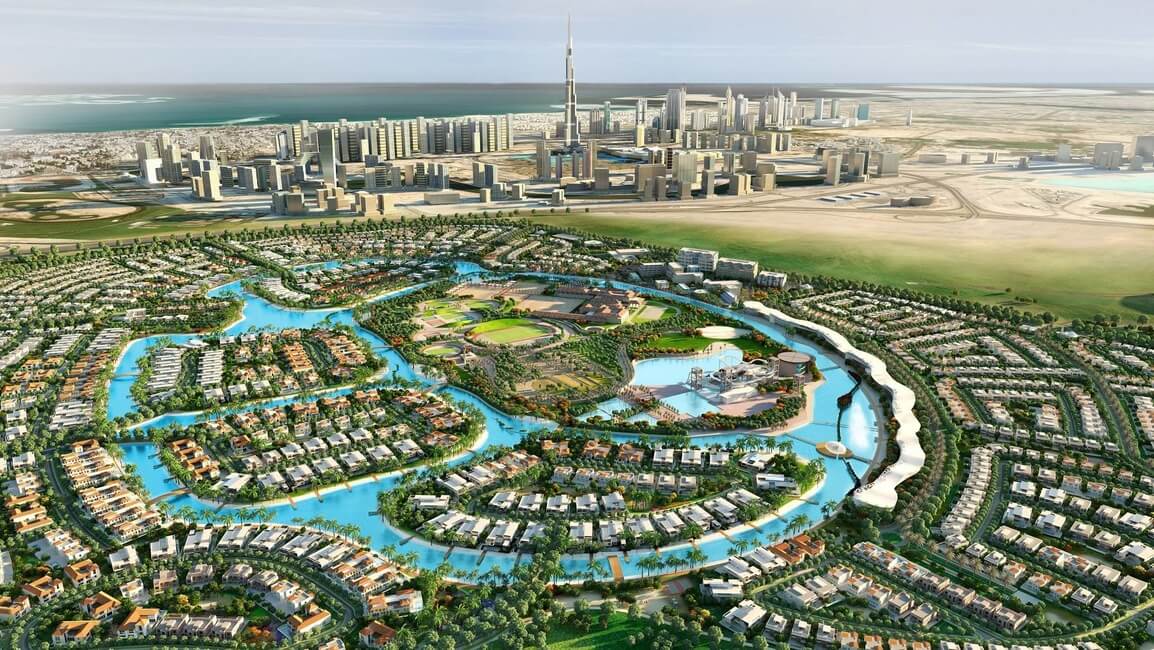
Investing in upscale detached residences within Dubai’s developments is currently justified by a blend of robust population influx and a strained supply chain. Entry capital starts at AED 3.5 million in peripheral communities and rises to AED 8 million in prime zones.
The highest rental returns, up to 7%, are recorded in emerging sectors where infrastructural projects are accelerating. Demand intensifies particularly due to longer-term residence visa policies and expanding expatriate populations, fueling immediate interest in new properties before project delivery.
Dubai’s residential market sees pronounced buyer activity in standalone family homes, driven by limited availability of ready units and the growing preference for lower-density living.
Areas offering large plots with private amenities outperform multi-unit developments in rental yield and price appreciation. Considering current mortgage trends and easing down-payment requirements, new property purchases are accessible for investors and owner-occupiers aiming at medium to long-term capital growth.
Market liquidity remains superior in locations closest to transport hubs and established urban centers of Dubai, where resale potential accelerates from 12 to 18 months post-handover.
Entry cost differences across neighborhoods reflect infrastructure maturity and community development status, guiding investment choice based on risk tolerance and intended holding period. New-release properties in Dubai’s less saturated districts still provide a buffer against price inflation seen in the central zones, making them attractive for portfolio diversification.
Investing in a residence under development in Dubai requires a clear understanding of current market dynamics and entry thresholds.
As of 2024, the most active transactions in Dubai occur within developments offering units priced from AED 3.5 million upwards, with neighborhoods like Arabian Ranches and Dubai Hills Estate leading in terms of buyer interest and future valuation.
The attractiveness of emerging residences in Dubai stems from limited immediate supply combined with growing expatriate inflows and government policies facilitating long-term visas.
For instance, visa reforms have increased demand among professionals seeking family-oriented homes, directly impacting neighborhoods such as Arabian Ranches where community infrastructure supports this demographic.
Entry capital for a typical three-bedroom townhouse within a development phase can range between AED 3.5 million and AED 6 million depending on the precise location and developer track record.
Buyers should consider payment plans spanning 3 to 5 years, easing upfront cash flow without sacrificing the appreciation potential situated in these growth corridors of Dubai.
Liquidity in these zones exceeds that of older established districts due to modern master-planned schemes and upcoming transportation links, including the expansion of Dubai Metro lines servicing Arabian Ranches and Dubai Hills. Turnover speed averages 6-9 months post-handover compared to 12+ months in less connected locations.
Comparatively, acquisitions in Dubai Marina or Business Bay demand 15-25% higher entry capital with a longer resale horizon, often 12-18 months, while rental yields in areas like Arabian Ranches maintain stabile returns near 6%, outperforming more central or older sectors.
These newly developed neighborhoods target mid-to-high net worth individuals prioritizing family-friendly environments and capital appreciation rather than immediate rental income.
Investor profiles usually involve long-term holding due to projected 7-10% annual value increase, bolstered by infrastructural expansions and limited plot release schedules.
5.5%-6.5% annually
Risk factors include fluctuations in global real estate financing and potential construction delays affecting exit timelines. Properties under development here are less favorable for buyers requiring immediate occupancy or short-term returns below five years.
Additionally, speculative purchase in less established peripheral communities lowers confidence due to sparse resale activity and longer vacancy periods.
While end-users benefit from modern amenities and tailored living spaces, speculative investors must analyze comparative costs in established versus emerging micro-locations within Dubai, balancing upfront capital with expected appreciation and rental demand shifts.
Arabian Ranches, for instance, exhibits stronger fundamentals in family demand and capital growth than remote outskirts currently undergoing development.
Acquiring properties mid-construction in Dubai’s accelerating residential zones delivers a cost advantage over completed stock valued 10-15% higher at handover.
However, buyers must conduct thorough due diligence on developer reputation and local infrastructure completion to ensure risk mitigation.
Start by confirming the developer’s registration with Dubai Land Department (DLD) and the Real Estate Regulatory Agency (RERA).
A valid RERA registration ensures legal compliance and protects investors from project delays or cancellations.
Check the developer’s portfolio focusing on completed projects in Dubai. Prioritize those with high delivery rates above 90%, as these indicate reliability and adherence to timelines. Analyze the quality of finishes and post-handover services by reviewing third-party audits and client testimonials.
Obtain the developer’s escrow account details for the specific initiative.
Escrow accounts managed under RERA guarantee that buyers’ funds are strictly allocated to construction costs rather than diverted elsewhere, reducing financial risk.
Evaluate the developer’s financial stability. Review recent credit ratings, available through commercial credit agencies or banking references in Dubai. Companies with solid capital reserves and minimal debt exposure demonstrate lower risk of insolvency during construction phases.
Compare project master plans against Dubai’s municipal approvals.
Authentic developers provide official permits for each phase, ensuring compliance with urban planning guidelines. Absence of such documentation signals potential legal or planning obstacles.
Contact real estate professionals specializing in Dubai’s off-market projects for insider knowledge on developer reputation, especially those active in regions with the highest development density.
Cross-check the developer’s branding with RERA’s official database to avoid fraudulent operators masquerading as established firms.
When targeting buy villa dubai off plan, upfront capital varies significantly depending on the developer and project location within Dubai.
Commonly, initial down payments range between 10% and 20% of the total price, typically due upon signing the sales agreement. Following this, staggered installments are linked to construction milestones, with payment schedules extending over 3–5 years. This spreads the financial burden but requires strict compliance to avoid late payment penalties.
Compared to ready properties, deferred payment terms here improve cash flow management, though buyers must consider the time value of money and inflation effects over the payment period.
Developers in prime Dubai districts often offer more flexible plans, but these require careful contract scrutiny, especially regarding penalty clauses and developer default protection.
Buyers should also budget for supplementary expenses: agency fees around 2%, Dubai Land Department registration fees at 4%, and developer service charges that might be due before handover. These costs depend on location-specific regulations and the project's scale in Dubai.
Mortgage options on under-construction units in Dubai remain limited; banks usually require 25–30% cash equity upfront and finance the remainder post-completion.
This increases initial capital demand versus ready properties, impacting investment viability depending on the buyer’s liquidity.
Comparing the financial obligation profile across different districts reveals that emerging areas typically demand lower entry costs but carry higher construction and delivery risks.
Established communities in Dubai command higher deposits with more assured schedules, improving predictability but raising initial expenditure.
Contract structures vary: some developers tie payments strictly to pre-set deadlines, while others base collections on approval of construction phases certified by third parties.
Effective buyer protection involves confirming whether escrow accounts are fully compliant with Dubai regulatory authority rules, limiting developers’ access to collected funds until reaching agreed milestones.
Foreign investors should account for currency fluctuations impacting total payment value over construction duration. Using multi-currency payment options offered in some Dubai projects can mitigate this risk but may involve additional banking fees.
Resale of contractual rights during the installment period is possible but may face discounting based on how close the project is to completion and market demand in Dubai.
This affects liquidity and must be factored into investment timing.
Key differences:
Strict budget discipline is necessary to avoid cash flow issues during long payment terms.
Buyers should perform scenario analyses, including worst-case delays and associated carry costs in Dubai.
Securing legal ownership of an off-plan property in Palm Jumeirah requires registration with Dubai Land Department’s (DLD) escrow services before any transaction. This safeguards funds and ensures project delivery compliance.
Buyers must obtain the Title Deed only after full payment and handover.
A crucial requirement is the Sale and Purchase Agreement (SPA) registration at DLD within 30 days of signing.
The SPA must specify payment schedules, completion timelines, penalties, and obligations. Absence or delay in SPA registration increases risk, particularly in emerging developments.
Verifying the developer’s registration with the Real Estate Regulatory Agency (RERA) is mandatory. RERA holds the developer accountable for timely completion. A RERA escrow account for the project guarantees that investors’ payments are protected and used exclusively for construction.
Review whether the project complies with Dubai’s strata laws governing shared ownership and maintenance responsibilities.
Understanding the regulatory framework minimizes disputes post-handover and clarifies ownership rights, especially in gated enclaves like Arabian Ranches.
Prior to contract signing, conduct a detailed due diligence of contractual clauses concerning delays, cancellations, and compensation.
Consultation with a legal specialist familiar with Dubai’s real estate laws mitigates financial exposure in cases of project postponement or developer insolvency.
Investors must ensure compliance with anti-money laundering (AML) regulations by providing identification and evidence of fund source.
This step is integral for transaction clearance through Dubai’s real estate ecosystem and for future resale prospects in Business Bay or Dubai Marina.
Upon project completion, registering the final Title Deed at DLD transfers ownership officially. This document enables the buyer to obtain residency visas under Dubai’s property investor program or undertake resale.
It is essential to verify no pending mortgages or liens exist on the asset before transfer.
| RERA developer registration check | Confirm developer legitimacy and escrow safeguards | Before agreement signing | High risk of project delay or cancellation |
| SPA registration at DLD | Legally bind buyer and developer, secure payment timeline | Within 30 days of SPA signing | Funds and ownership rights unprotected |
| Verify escrow account existence | Ensure funds are used only for construction | Pre-payment | Financial exposure from misuse of payments |
| Due diligence of contract terms | Analyze penalties, cancellation, and delay conditions | Before SPA signing | Unexpected financial loss and limited recourse |
| AML compliance | Verify identity and source of funds to clear transaction | Upon contract execution | Transaction rejection or future resale difficulties |
| Title Deed registration | Official ownership transfer | After final payment and handover | No legal ownership; restrictions on resale and visas |
Comparing legal protocols for developments across Dubai, completion guarantees and escrow management in Palm Jumeirah typically offer stronger investor protections than emerging clusters in Dubai South.
This reflects in the reduced legal disputes and smoother ownership transfer process observed in mature locations.
Failing to comply with these mandatory legal procedures increases exposure to project risks, limits ownership rights, and affects liquidity.
In contrast, meticulous adherence establishes full legal control and security, crucial when acquiring high-value residences in this location.
Buying a villa off plan offers the chance to customize certain features before construction is finished.
It typically involves lower prices compared to completed properties, with potential for value increase by the time the project is ready. Additionally, developers often provide flexible payment plans which can ease financial commitment.
Dubai has strict regulatory frameworks to protect buyers, including escrow accounts that ensure funds are only released as construction progresses. Many developers are reputable and well-established, providing transparency about timelines and project quality.
However, it is advisable to research the developer’s track record and consult legal advice before making a decision.
Key factors include the credibility of the developer, the location of the project, payment schedule, and the projected completion date.
Assessing future infrastructure plans in the area and potential rental yields can also help determine the investment’s profitability. Reading all contract terms carefully is necessary to avoid unexpected fees or delays.
Yes, mortgage options are available for off plan properties, though terms may differ from those for ready properties.
Banks often require an initial deposit, followed by staged payments aligned with the construction phases. It’s recommended to speak with multiple lenders to find conditions that fit your financial situation.
The construction period usually ranges from 18 to 36 months, depending on the size and complexity of the project.
Some delays can occur due to external factors like weather or supply chain issues, but developers generally provide estimated timelines. Staying in touch with the developer for updates throughout the process helps keep expectations realistic.
Purchasing a villa off plan in Dubai allows buyers to secure property at an early stage, often at a lower price compared to completed projects.
Buyers can benefit from flexible payment plans spread over the construction period, making it more manageable financially. Additionally, villas bought off plan are usually customizable to some extent, offering the chance to personalize design elements or layouts. Such investments may also see appreciable value growth by the time construction finishes, providing potential for profit if the market conditions remain favorable.
Ensuring the reliability of an off-plan villa development involves thorough research about the developer’s reputation and track record.
Established developers with a history of completed projects tend to inspire more confidence. Reviewing contract details carefully is essential, particularly concerning delivery timelines and clauses related to delays. It is also advisable to check if the project has necessary approvals and permits from relevant authorities. Consulting with real estate professionals and requesting references or previous buyers' feedback can provide additional assurance about the project’s quality and timely delivery.
Clear answers about buying, renting and investing in Dubai property.
Yes. Foreign buyers can purchase freehold property in designated areas such as Dubai Marina, Downtown Dubai, Business Bay, Palm Jumeirah, Dubai Hills and other approved communities.
It depends on your timeline, budget and goal. Buying is usually better for long-term plans, capital growth and rental income, while renting is better for flexibility and easier relocation.
The required budget depends on the area, building quality and property type. More accessible apartments can be found in developing communities, while prime locations and luxury properties require a much higher budget.
In addition to the purchase price, buyers should budget for the Dubai Land Department fee, registration and trustee fees, possible agency commission, mortgage-related costs if financing is used, and ongoing service charges for many buildings.
Yes, many banks in the UAE offer mortgages to foreign buyers. Approval depends on income, documents, deposit amount and the specific property being purchased.
Areas such as Dubai Marina, Downtown Dubai, Business Bay, Dubai Hills, JVC, Palm Jumeirah and Creek Harbour are often considered by investors, but the right area depends on whether your focus is yield, resale value, lifestyle appeal or long-term growth.
Rental yield varies by area, property type, furnishing level and market timing. In practice, many investors look for a balance between strong occupancy, reasonable service charges and sustainable tenant demand rather than chasing headline numbers alone.
Off-plan property is purchased directly from a developer before the project is completed. Buyers often choose off-plan because of payment plans, newer inventory and lower entry prices compared with some ready properties.
A proper review should consider the developer’s track record, payment plan, handover timeline, location quality, future supply in the area and the project’s resale or rental potential after completion.
For ready property, the timeline can move fairly quickly if the price is agreed, documents are prepared and the buyer is ready to proceed. Mortgage purchases usually take longer than cash deals.
Yes, many purchases can be handled remotely with the correct documents and proper support through the process. Remote buying is common for overseas investors and international clients.
The biggest risks are overpaying, choosing a weak location, buying an unsuitable layout, ignoring service charges, or selecting a project with low resale and rental demand. Good selection matters more than marketing promises.
In long-term rentals, rent is commonly agreed for a fixed term and often paid by one or several cheques depending on the landlord, property and negotiation.
Tenants are usually asked for identification and residency-related documents, and the exact set depends on their status in the UAE and the landlord’s requirements.
A security deposit is commonly required before move-in. The amount often depends on whether the property is furnished or unfurnished and should be clearly stated in the rental terms.
In many rental transactions, an agency commission is charged. The amount depends on the deal structure and should be confirmed before signing anything.
Tenants should review the deposit, Ejari registration, utility setup costs, parking terms if relevant, maintenance responsibilities and any conditions related to early termination or renewal.
Yes, negotiation is common. The final result depends on market conditions, the landlord’s flexibility, how long the property has been available and how prepared the tenant is to move forward.
It is important to check the condition of the unit, building quality, noise level, parking, view, maintenance status, contract terms and the reliability of the owner or manager.
Short-term rent offers flexibility and convenience but is usually more expensive. Long-term rent is generally more cost-effective and better suited for clients planning to stay longer.
During an active contract, the agreed rent usually remains fixed. Any increase is generally discussed at renewal and should follow the applicable rules and notice requirements.
This depends on the tenancy contract. Minor day-to-day issues may be handled by the tenant, while major maintenance is commonly the landlord’s responsibility, but the exact wording in the contract matters.
Ejari is the official registration of the tenancy contract in Dubai. It is important for legal recognition of the lease and is commonly needed for practical steps such as setting up utilities.
Yes. Furnished properties can be more convenient and faster to move into, while unfurnished options may work better for longer stays or tenants who want more control over the setup and budget.
We do not rely on random mass listings. We narrow the market based on budget, location, property type, investment goal, lifestyle needs and timeline, so clients can focus only on relevant options.
Yes. Support can include shortlisting, arranging viewings, comparing options, discussing terms, helping with negotiations and guiding the next steps of the transaction.
The best first step is to define the real budget, target areas, purpose, preferred property type and timeline. Once those points are clear, the selection becomes faster, cleaner and much more useful.