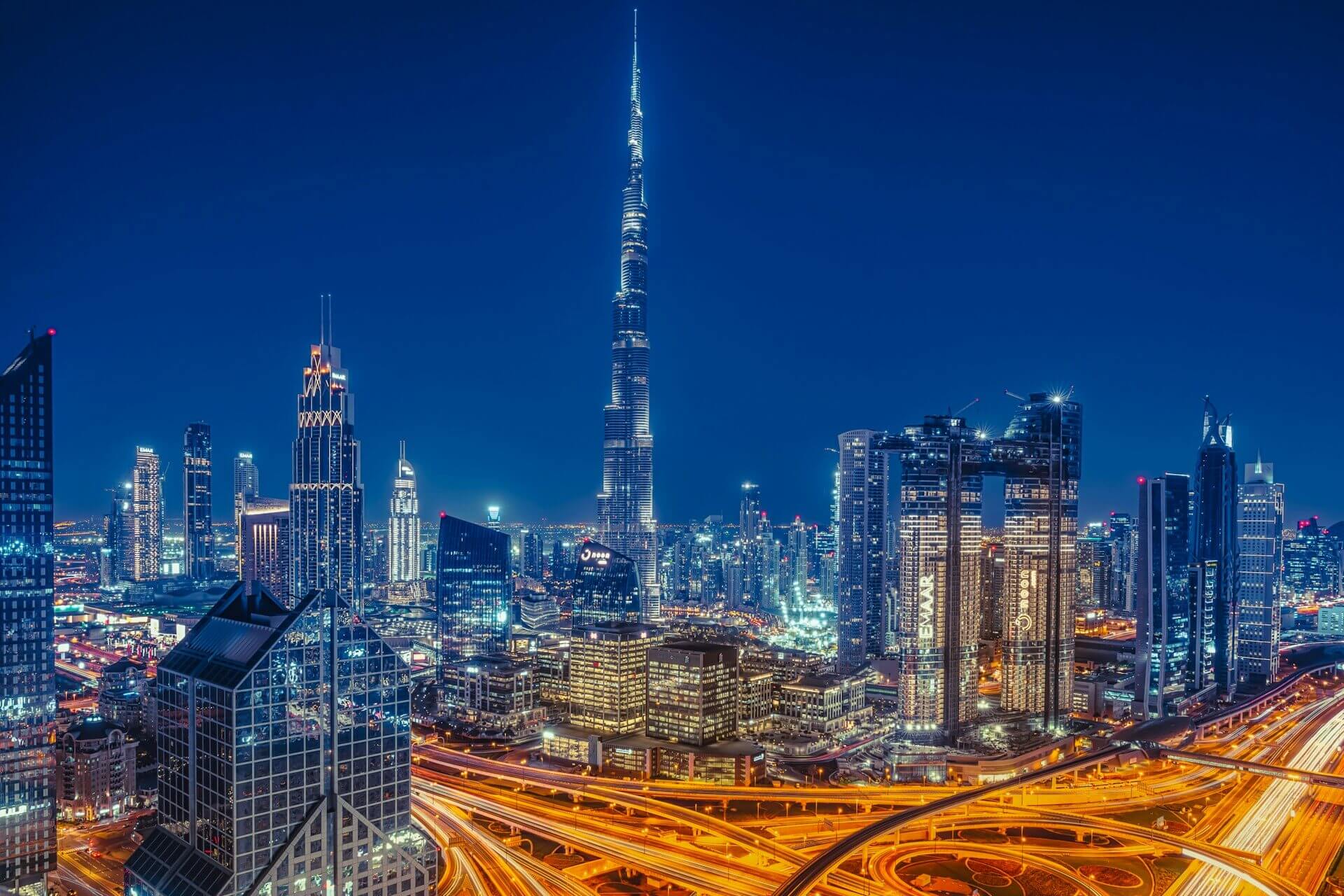
FOR SALE
AED 1,200,000AED 720,000
We help clients buy commercial property in Dubai — offices, retail units, warehouses and mixed-use investments matched to budget, location and income goals.
Dubai Property Selection focuses on commercial property across key business districts — DIFC, Business Bay, JLT, Downtown Dubai, Dubai South and free zones.
Instead of a broad list of random listings, we prepare a focused shortlist based on your budget, target sector, preferred location and investment or owner-occupation goals.
Premium commercial opportunities in Dubai — from compact investment offices to signature retail and industrial assets.
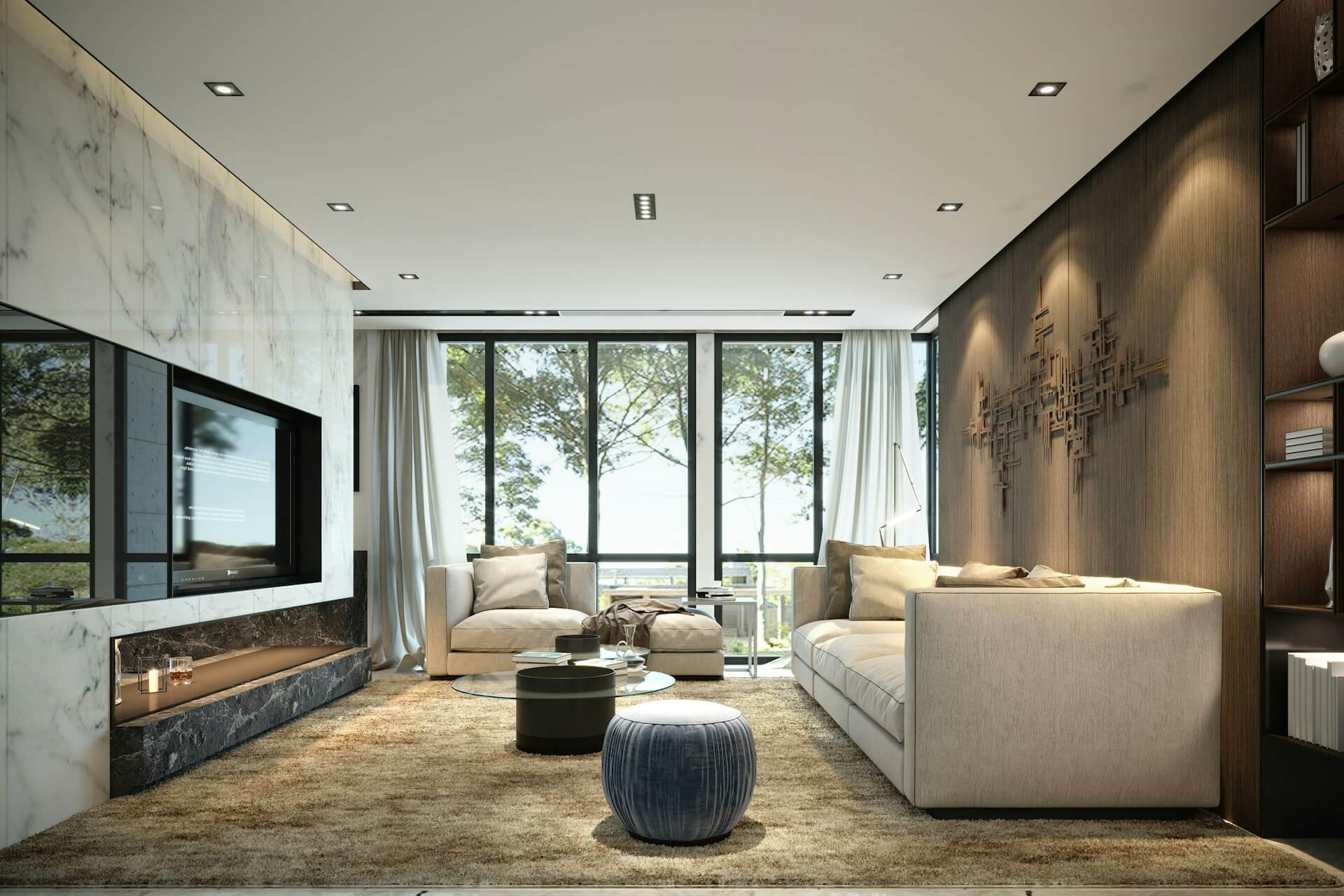
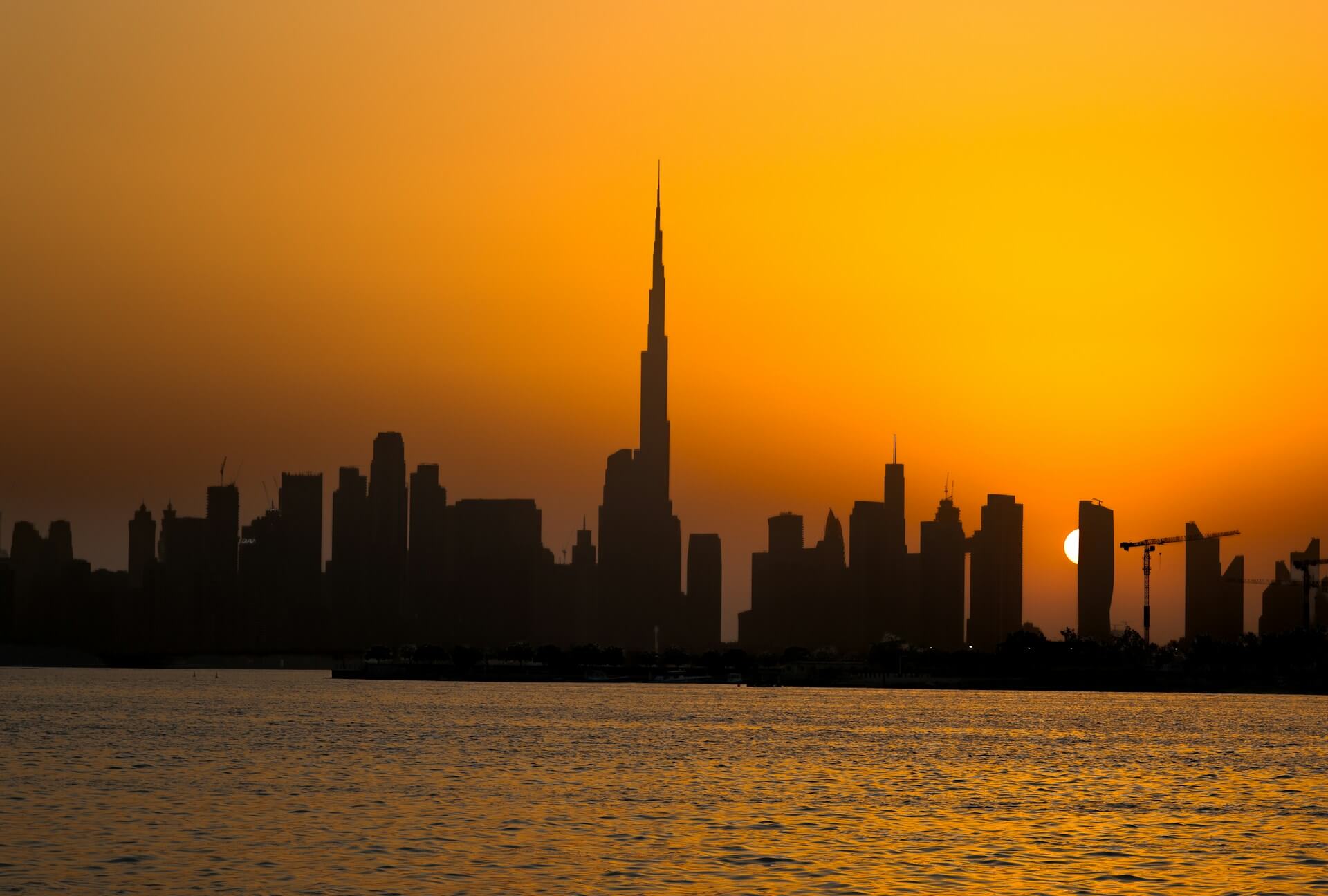
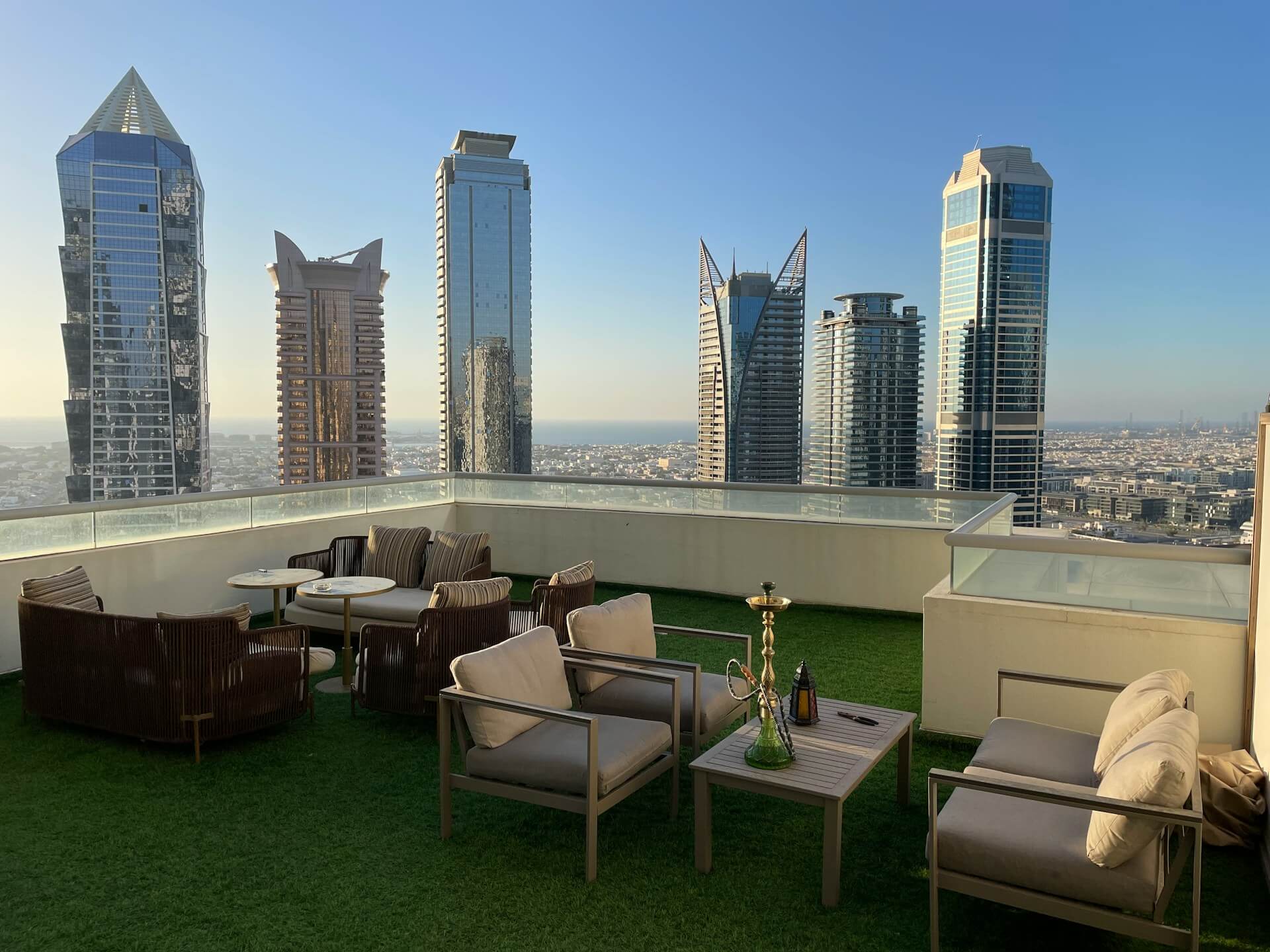
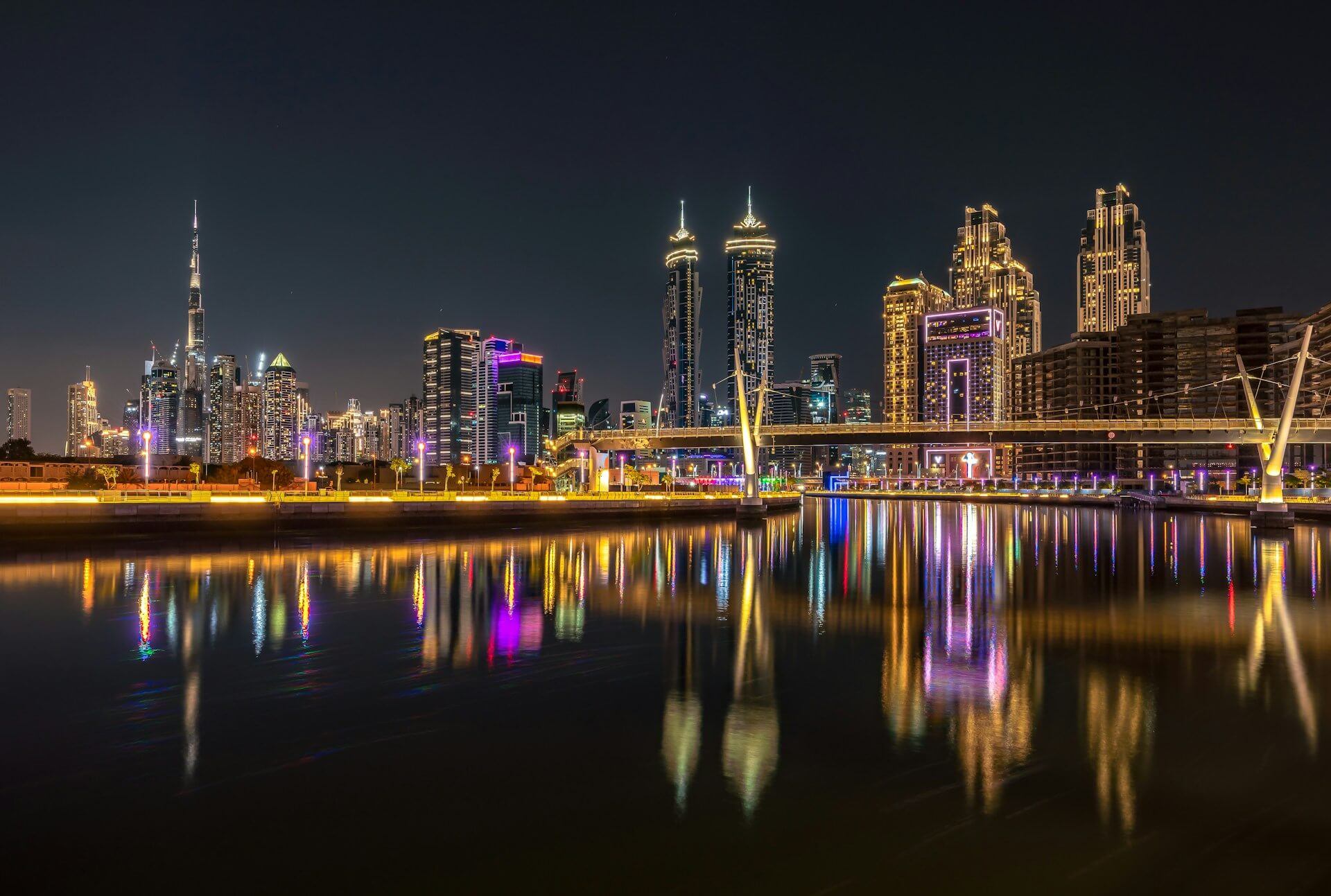
Comfortable long-term and premium rental options across Dubai.
The market for commercial property for sale in Dubai in 2026 is structurally different from the residential segment — and significantly less understood by international buyers who have focused primarily on apartments and villas. Office vacancy in Grade A buildings in DIFC fell to 4.2% in 2025. Retail occupancy in Dubai's prime malls exceeds 97%. Industrial and logistics demand in Dubai South and Dubai Industrial Park is running ahead of new supply by a margin that has not been seen since 2015. Commercial property in Dubai offers gross yields of 6–10% depending on asset class and location, zero capital gains tax on exit, and lease structures that are fundamentally more stable than residential tenancies. For an investor who has already built residential exposure in Dubai, or who is entering the market for the first time with an income-first objective, commercial property in Dubai in 2026 deserves serious analysis.
Three macro forces have converged to create the strongest commercial property demand environment in Dubai since the city's post-2008 recovery, and all three are medium-term trends rather than short-term catalysts.
The first is corporate relocation and business registration growth. Dubai registered over 45,000 new businesses in 2025 — a 22% increase year-on-year. These are not shell companies: they are operating businesses requiring physical office space, retail presence, and in many cases logistics infrastructure. Financial services firms from London and Geneva, technology companies from the US and India, commodity traders from Switzerland and Singapore, and family offices from across the globe have all established or expanded Dubai operations in the past three years. Every new business registration that requires a physical address is a potential tenant for commercial property in Dubai.
The second force is supply constraint in the Grade A office segment. DIFC and Downtown Dubai have essentially no new Grade A office supply completing in 2026 or 2027. The pipeline of new office development in prime Dubai locations is thin, and planning approvals for new towers have slowed. In a market where new business registrations are running at record levels and existing Grade A vacancy is below 5%, the supply-demand equation for premium commercial property in Dubai strongly favours landlords and asset owners.
The third force is the infrastructure maturation of Dubai's logistics and industrial zones. Dubai South — the master development adjacent to Al Maktoum International Airport — is completing its logistics and light industrial phases at a pace that is drawing regional distribution operations away from Jebel Ali and older industrial clusters. Al Maktoum Airport's expansion to become the world's largest airport by capacity is a 20-year infrastructure commitment that makes Dubai South one of the most significant long-term logistics real estate plays in the Middle East. Commercial property investors who enter Dubai South in 2026 are buying into the early phase of a infrastructure cycle that will not peak for a decade.
Commercial property in Dubai spans four primary asset classes — offices, retail, industrial/logistics, and mixed-use — each with its own supply dynamics, tenant profile, yield profile, and risk characteristics. Understanding the differences is the starting point for any serious investment decision.
Office property accounts for the largest share of commercial property transactions in Dubai by value. The market segments sharply between Grade A, Grade B, and Grade C product — and the investment case differs significantly between these tiers.
Grade A offices in Dubai — primarily in DIFC, Downtown Dubai, and One Central — are the most institutionally credible commercial assets in the city. These buildings have international construction standards, building management that meets global corporate occupier requirements, and tenants who are multinational corporations, financial institutions, and professional services firms. Lease terms are typically 3–5 years with annual escalation clauses. Vacancy in Grade A DIFC office space is below 5% in 2026 — which means that in practice, available Grade A office space in DIFC is almost non-existent in the secondary market.
Grade B offices in Business Bay, JLT, and Tecom represent the mid-market office segment. These buildings attract SMEs, regional headquarters of mid-size international firms, and fast-growing startups that need more space than a serviced office but cannot afford DIFC rents. Grade B office yields in Dubai are typically 7–8% gross — higher than Grade A — because entry prices are lower relative to achievable rents. The tenant turnover risk is higher than Grade A, but occupancy rates across well-located Grade B buildings in Business Bay and JLT consistently exceed 88–92%.
Grade C offices — older stock in secondary locations — offer the highest entry yields at 9–11% gross but carry material vacancy risk, higher maintenance costs, and weaker resale depth. For experienced commercial investors comfortable with active management, Grade C assets in emerging Dubai locations can deliver strong cash-on-cash returns. For first-time commercial property buyers, Grade C is the highest-risk entry point and should be approached with careful due diligence on building condition and tenant quality.
Retail commercial property in Dubai divides between mall-based retail and street-level retail, and the investment fundamentals of these two sub-categories are completely different.
Mall-based retail units in Dubai's prime shopping destinations — Dubai Mall, Mall of the Emirates, City Walk, and The Dubai Frame area — are among the most sought-after retail commercial assets in the Middle East. Occupancy in Dubai's top malls exceeds 97%. Leases are typically 3–5 years with turnover rent provisions that link landlord income to tenant sales performance. These units are rarely available for purchase — most prime mall retail is held by developers or institutional investors. When they do transact, they generate gross yields of 7–9% and sell at premium pricing that reflects both the income stability and the scarcity of available units.
Street-level retail — ground-floor units in residential towers, community retail in master-planned developments, and standalone retail pavilions — is the more accessible commercial property segment in Dubai. Units are available from AED 800,000 in secondary locations to AED 8–15 million for prime ground-floor positions in Downtown Dubai or Dubai Marina. Yields range from 6% in prime locations to 10% in emerging community retail. The risk in street-level retail in Dubai is footfall dependency: a retail unit in a community that has not yet reached critical resident density will underperform until the surrounding population reaches a threshold that sustains consistent customer traffic.
Industrial and logistics commercial property in Dubai is the least glamorous and most consistently profitable segment of the market for income-focused investors. Warehouses, light industrial units, and logistics facilities in Dubai South, Dubai Industrial Park (DIP), and Jebel Ali Free Zone (JAFZA) generate gross yields of 8–12% — the highest of any commercial property asset class in the city.
Demand for industrial and logistics property in Dubai is driven by three structural factors: the growth of e-commerce requiring last-mile distribution facilities, the expansion of Dubai as a regional re-export hub, and the Al Maktoum Airport development which is drawing logistics operations to Dubai South specifically. Lease terms for industrial property in Dubai are typically 3–5 years with annual escalation, and tenant turnover is low — a logistics operator who has fitted out a warehouse to their specification and integrated it into their supply chain does not move voluntarily.
The primary limitation of industrial property in Dubai for international investors is management intensity. A warehouse requires active property management — maintenance of loading docks, roller shutters, electrical systems, and HVAC — that is more operationally demanding than managing an office or retail unit. Buyers who purchase industrial property through a professional asset manager who handles tenant relations and maintenance avoid this complexity entirely.
Mixed-use commercial buildings in Dubai — structures that combine ground-floor retail, office floors, and sometimes serviced apartment components — have emerged as a significant investment category since 2020. Business Bay, JLT, and Jumeirah Lake Towers all host mixed-use buildings where the commercial component (retail and office) generates income while the residential component benefits from Dubai's strong apartment rental market.
For investors who want commercial property income diversification without managing multiple separate assets, a well-selected mixed-use building in Business Bay or JLT provides exposure to retail, office, and residential rental streams from a single Title Deed. Entry prices for mixed-use commercial floors start from AED 2–3 million for individual floors in established Business Bay buildings.
The following reflects secondary market pricing for commercial property for sale in Dubai in early 2026.
In absolute terms, entry-level commercial property in Dubai starts from AED 400,000–600,000 for small Grade B offices in JLT. Grade A DIFC offices of 1,000 sq ft start from AED 2.5–4.5 million. A 5,000 sq ft warehouse in Dubai South starts from AED 2–3.5 million. Transaction costs for commercial property in Dubai are the same as residential: 4% DLD transfer fee, 2% agent commission plus 5% VAT on commission, NOC fee, and DLD registration.
Dubai International Financial Centre is the most institutionally credible office address in the Middle East and Africa. DIFC operates under its own legal framework — English common law — which is the primary reason that global financial institutions, law firms, and professional services companies choose it over any other Dubai commercial address. KPMG, Deloitte, Goldman Sachs, JP Morgan, Clifford Chance, and hundreds of other tier-one firms have their regional headquarters in DIFC.
Commercial property for sale in DIFC is among the scarcest in Dubai. The total built office space in DIFC is approximately 4 million sq ft, of which fewer than 200,000 sq ft — 5% — is vacant at any given time. When a DIFC office unit comes to market, it typically sells within 3–6 weeks at or above asking price. Grade A DIFC office prices of AED 2,500–4,500 per sq ft reflect both the scarcity and the quality of the tenant covenant that DIFC office ownership delivers.
DIFC office yields of 6–7% are the lowest of any Dubai commercial location — but the tenant quality, lease stability, and resale liquidity are the highest. A DIFC office unit leased to a multinational professional services firm on a 5-year lease is a near-institutional income stream in a jurisdiction with zero capital gains tax. For a buyer comparing DIFC commercial property against a prime London office, the differential in total after-tax return over a 10-year hold is material and consistently favours Dubai.
Business Bay is Dubai's largest commercial district by total floor space and the most actively traded commercial property location in the city. The district sits adjacent to Downtown Dubai and the Dubai Canal, offering a combination of office, retail, and mixed-use commercial property at price points 30–50% below DIFC.
Grade B offices in Business Bay generate gross yields of 7–8% with occupancy rates consistently above 88%. The tenant base is diverse — regional headquarters of mid-size international companies, fast-growing Dubai-based businesses, professional service firms, and tech companies that want a central Dubai address at below-DIFC pricing. Business Bay commercial property benefits from strong metro connectivity, proximity to Downtown, and the continued development of the Canal-side retail and hospitality infrastructure.
Business Bay is also where the largest volume of commercial property transactions in Dubai occurs. This liquidity means exit optionality: a well-priced Grade B office in a recognised Business Bay tower typically sells within 45–60 days. For investors who want the strongest combination of yield, liquidity, and central location in Dubai's commercial market, Business Bay is the most balanced choice.
Jumeirah Lake Towers is a mature mixed-use development offering commercial property at the lowest price point of any established Dubai business district. Grade B offices in JLT trade at AED 900–1,400 per sq ft, generating gross yields of 8–9% from a tenant base of SMEs, regional offices of international companies, and professional service firms.
JLT's commercial property market benefits from metro access, the proximity to Dubai Marina, and the established retail and F&B infrastructure within the development. The limitation of JLT commercial property relative to Business Bay or DIFC is tenant covenant quality — the SME and startup tenant base generates higher yields but also higher turnover risk than the multinational tenants that occupy Grade A space in DIFC.
For commercial property investors whose primary objective is income yield at a lower entry price point, JLT delivers consistently strong returns. Entry from AED 400,000 for small office units makes JLT one of the most accessible commercial property investment markets in Dubai for buyers with capital below AED 1 million.
Dubai South is the most significant long-term commercial property opportunity in Dubai for investors with a 7–15 year horizon. The master development adjacent to Al Maktoum International Airport encompasses logistics, light industrial, aviation, and residential zones across 145 square kilometres. When Al Maktoum Airport reaches its planned capacity — 260 million passengers per year and 16 million tonnes of cargo — Dubai South will be the largest airport-adjacent commercial real estate market on earth.
Warehouses and light industrial units in Dubai South currently trade at AED 400–700 per sq ft, generating gross yields of 8–11% from logistics operators, e-commerce fulfilment companies, and light manufacturers. The infrastructure is completing rapidly — road networks, utilities, and community facilities are all advancing. The risk is timeline: Dubai South's full potential will not be realised until Al Maktoum Airport completes its major expansion phases, which extends beyond 2030.
For a commercial property investor who wants the highest current yield in Dubai combined with significant long-term appreciation potential as infrastructure matures, Dubai South industrial property is the most compelling entry available in 2026. The entry price of AED 2–4 million for a functional warehouse with reliable logistics tenants generating 9–10% gross yield is difficult to replicate in any comparable global logistics market.
One Central, the commercial development adjacent to Dubai World Trade Centre and connected to DIFC via the financial district corridor, offers Grade A office commercial property at slightly lower price points than DIFC itself. Grade A offices in One Central trade at AED 2,000–3,000 per sq ft and generate gross yields of 6.5–7.5%.
Downtown Dubai's street-level retail commercial property — ground-floor units in towers along Sheikh Mohammed Bin Rashid Boulevard — represents some of the most valuable retail commercial property in the region. Entry prices of AED 3,000–5,000 per sq ft for prime Downtown retail reflect occupancy rates that rarely drop below 95% and tenant covenants from international restaurant groups, luxury retail brands, and established F&B operators.
The tax framework for commercial property in Dubai is more nuanced than for residential property, and understanding it correctly is essential before committing capital.
Zero capital gains tax applies to all commercial property sales in Dubai, regardless of the owner's nationality or holding period. This is the same as residential property and represents a structural advantage over every major Western commercial property market.
VAT at 5% applies to commercial property transactions in Dubai — unlike residential property, which is zero-rated for VAT purposes. When buying commercial property in Dubai, the 5% VAT is typically payable on the purchase price in addition to the 4% DLD transfer fee. If you are registered as a VAT-paying entity in the UAE, you can reclaim this VAT — making the effective cost equivalent to residential entry costs. If you are not VAT-registered, the 5% VAT is an additional cost of entry that should be factored into your total acquisition budget.
Corporate income tax at 9% was introduced in the UAE in June 2023 for businesses with taxable income above AED 375,000 per year. For a commercial property investor whose rental income from Dubai commercial property exceeds this threshold, the 9% corporate tax applies to net rental income — not gross rental income, and not to capital gains. Below the AED 375,000 threshold, no corporate tax applies. Individual investors holding commercial property in their personal name rather than through a company structure may be treated differently — specialist UAE tax advice is strongly recommended for commercial property investors.
Commercial property rental income in Dubai is subject to a 5% municipality fee levied on the annual rent value, typically paid by the tenant. This is not a tax on the landlord's income — it is a cost borne by the tenant that is factored into lease negotiations.
For an investor choosing between residential and commercial property in Dubai, the key variables are yield, lease structure, management intensity, and tax treatment.
Yield: commercial property in Dubai consistently outperforms residential on gross yield. Grade B offices in Business Bay yield 7–8%; Dubai Marina apartments yield 7–8% for comparable entry prices. Industrial property in Dubai South yields 8–11%; residential property at the same price point yields 5–7%. The commercial premium on yield exists because commercial leases are longer, tenants are more creditworthy, and vacancy risk is more predictable.
Lease structure: commercial leases in Dubai are typically 3–5 years with annual escalation clauses. Residential leases are typically 1 year. A commercial property investor with a 5-year lease signed at a Grade B Business Bay office has income visibility for 5 years. A residential investor with an annual lease signed at a JVC apartment faces annual re-leasing risk, rent renegotiation, and potential vacancy gaps between tenancies.
Management intensity: commercial property in Dubai typically requires less day-to-day management than residential. Office and retail tenants maintain the interior of their leased space. Industrial tenants manage their operational fit-out. Residential tenants generate maintenance requests, turnover costs, and re-leasing administration that commercial tenants do not.
Tax: residential property in Dubai generates zero income tax on rental income for individual owners. Commercial property generates 9% corporate tax on net income above AED 375,000 per year. For investors with commercial rental income below this threshold, the tax differential is zero. For investors with substantial commercial rental portfolios, the 9% corporate tax is a real cost that reduces net yield by approximately 0.5–1 percentage point — still far below the 20–45% income tax rates applicable to commercial rental income in the UK, Germany, or France.
The off-plan commercial property market in Dubai is smaller and less liquid than the off-plan residential market, but it exists — primarily in new towers in Business Bay, JVC commercial zones, and Dubai South industrial phases.
Off-plan commercial property in Dubai offers payment plan flexibility and occasionally entry pricing below secondary market rates. For industrial property in Dubai South, off-plan warehouse units from Nakheel and the Dubai South development authority have been available at 15–20% below comparable ready stock. For buyers with a 2–3 year investment horizon who can tolerate the construction period without rental income, this discount can represent meaningful value.
Ready commercial property in Dubai offers immediate rental income, complete visibility of the building's management quality and tenant mix, and zero construction risk. For an investor whose primary objective is income from day one, ready commercial property in an established Business Bay building generating AED 150,000–300,000 per year outperforms an off-plan unit in the same area generating zero income during construction.
The critical due diligence point for off-plan commercial property in Dubai is developer track record. Commercial off-plan delivery timelines have historically been more variable than residential — commercial fit-out requirements, MEP complexity, and building management certification processes all add timeline uncertainty beyond the shell construction phase. Verify the developer's specific commercial delivery history, not just their residential record, before committing to off-plan commercial in Dubai.
Income-focused investors seeking yields above residential levels. Commercial property in Dubai consistently delivers gross yields of 7–11% — above the 5–7% achievable on residential property in comparable locations. For investors whose primary objective is income rather than capital appreciation, commercial property in Dubai is the more efficient vehicle, particularly in the Grade B office and industrial segments.
Business owners who want to own their operating premises. For a business operating in Dubai that is currently paying AED 200,000–500,000 per year in office rent, purchasing the office rather than leasing transfers that rental cost from an expense line to a balance sheet asset. The business pays itself rent, builds equity in the asset, and eliminates the risk of lease non-renewal or forced relocation at above-market rents. Owner-occupied commercial property in Dubai carries zero risk of displacement and benefits from the same zero capital gains tax on eventual sale as any other Dubai real estate.
Investors diversifying from residential exposure. For a buyer who already holds residential property in Dubai and wants to add commercial exposure to their portfolio, the longer lease structures, higher yields, and different economic drivers of commercial property provide genuine diversification. Commercial property rental demand in Dubai is driven by corporate activity and trade volumes — different forces from the residential market's HNWI migration and family relocation drivers.
Long-term logistics investors targeting Dubai South. For investors with a 10–15 year horizon who believe in Al Maktoum Airport's development trajectory, Dubai South industrial property offers current yields of 8–11% combined with a long-term appreciation case that is grounded in genuine infrastructure investment rather than speculation. Entry prices of AED 2–5 million for functional warehouse units with reliable tenants are accessible to a wide range of international investors.
Can foreigners buy commercial property in Dubai?
Yes. Foreign nationals and foreign-owned companies can purchase freehold commercial property in designated zones including DIFC, Business Bay, JLT, Downtown Dubai, and free zones such as DMCC and Dubai South. Full ownership rights apply with no nationality restrictions. Commercial property in DIFC operates under English common law, making ownership structures and lease enforcement familiar to international buyers.
What is the minimum price for commercial property for sale in Dubai?
Entry-level commercial property in Dubai starts from AED 400,000–600,000 for small Grade B offices in JLT. Retail units begin from AED 800,000 in secondary community locations. Grade A DIFC offices of 1,000 sq ft start from AED 2.5–4.5 million. Warehouses in Dubai South begin from AED 1.5–2 million for standard industrial units.
What rental yield can I expect from commercial property in Dubai?
Gross yields range from 6–7% for Grade A offices in DIFC and Downtown to 7–9% for Grade B offices in Business Bay and JLT, 7–9% for prime retail, and 8–11% for industrial and logistics property in Dubai South and DIP. Net yields after VAT, corporate tax, service charges, and management are typically 1–2 percentage points below gross.
Is VAT payable when buying commercial property in Dubai?
Yes. Commercial property transactions in Dubai are subject to 5% VAT, payable in addition to the 4% DLD transfer fee. VAT-registered buyers can reclaim this cost. Non-VAT-registered buyers should factor the 5% VAT into their total acquisition cost, making the effective entry cost 9% above the purchase price before agent commission.
Is there capital gains tax on commercial property in Dubai?
No. The UAE levies zero capital gains tax on commercial property sales. Rental income above AED 375,000 per year is subject to 9% corporate income tax for business entities. Below this threshold, no tax applies. Individual investors should obtain UAE tax advice on their specific holding structure.
Does buying commercial property in Dubai qualify for the Golden Visa?
Yes. Commercial property purchases at AED 2 million and above qualify the buyer for the UAE 10-year Golden Visa, covering the buyer and immediate family members. Most Grade A office units and prime retail commercial property in Dubai exceeds this threshold comfortably.
How does commercial property leasing work in Dubai?
Commercial leases in Dubai are typically 3–5 years for offices and retail, with annual rent escalation of 5–10% built into the lease structure. Industrial leases are typically 3–5 years. Rent is commonly paid annually or bi-annually by post-dated cheques or bank transfer. Ejari registration applies to commercial leases as well as residential. Tenants are responsible for their internal fit-out costs; landlords are responsible for the building shell and common areas.
The structural case for commercial property for sale in Dubai in 2026 is built on converging supply constraints, record corporate registration growth, infrastructure maturation in key logistics zones, and a tax environment that makes Dubai commercial property ownership structurally more efficient than equivalent assets in London, Singapore, Paris, or Frankfurt.
For maximum income stability and institutional tenant quality: DIFC Grade A offices, entry from AED 2.5 million per 1,000 sq ft. Gross yields of 6–7%, vacancy below 5%, multinational tenants on 3–5 year leases. The most defensible commercial property position in Dubai.
For the best balance of yield, liquidity, and central location: Business Bay Grade B offices, entry from AED 1.2–1.8 million per 1,000 sq ft. Gross yields of 7–8%, strong SME and regional HQ tenant demand, metro access, the most actively traded commercial property market in Dubai.
For maximum current yield with long-term appreciation upside: Dubai South warehouses and light industrial units, entry from AED 1.5–3.5 million. Gross yields of 8–11%, logistics tenant stability, Al Maktoum Airport development as the 10–15 year appreciation driver. The highest-yielding commercial property available in Dubai in 2026.
For retail income in an established high-footfall location: prime community retail in Downtown Dubai or Dubai Marina, entry from AED 2–8 million for street-level units. Gross yields of 7–9%, occupancy above 95%, F&B and retail tenants on 3–5 year leases.
Do not buy without assessing your VAT and corporate tax position, reviewing all existing leases before MOU, commissioning a building condition survey for older stock, or expecting residential-level liquidity for commercial assets. Within those constraints, commercial property for sale in Dubai in 2026 offers gross yields, lease stability, and tax efficiency that make it one of the most compelling commercial real estate investment markets available to international buyers globally.
Clear answers about buying, renting and investing in Dubai property.
Yes. Foreign buyers can purchase freehold property in designated areas such as Dubai Marina, Downtown Dubai, Business Bay, Palm Jumeirah, Dubai Hills and other approved communities.
It depends on your timeline, budget and goal. Buying is usually better for long-term plans, capital growth and rental income, while renting is better for flexibility and easier relocation.
The required budget depends on the area, building quality and property type. More accessible apartments can be found in developing communities, while prime locations and luxury properties require a much higher budget.
In addition to the purchase price, buyers should budget for the Dubai Land Department fee, registration and trustee fees, possible agency commission, mortgage-related costs if financing is used, and ongoing service charges for many buildings.
Yes, many banks in the UAE offer mortgages to foreign buyers. Approval depends on income, documents, deposit amount and the specific property being purchased.
Areas such as DIFC, Business Bay, Dubai South, JLT, Downtown Dubai and Dubai Marina are often considered by commercial investors, but the right area depends on whether your focus is yield, resale value or long-term growth.
Commercial rental yields in Dubai range from 6–7% for Grade A offices to 8–11% for industrial property. Net yields after costs are typically 1–2 percentage points lower than gross.
Off-plan property is purchased directly from a developer before the project is completed. Buyers often choose off-plan because of payment plans and lower entry prices compared with some ready properties.
For ready commercial property, the timeline from MOU to Title Deed is typically 30–45 days for cash purchases. Mortgage purchases take longer.
Yes, many purchases can be handled remotely with the correct documents and proper support. Remote buying is common for overseas investors, but a physical inspection of commercial property before purchase is strongly recommended.
We narrow the market based on budget, asset class, location, income goal and investment horizon, so clients focus only on relevant options rather than random listings.
Define your asset class preference, target location, income objective, holding horizon, and tax position. Once those points are clear, the selection becomes faster and the investment decision far more precise.