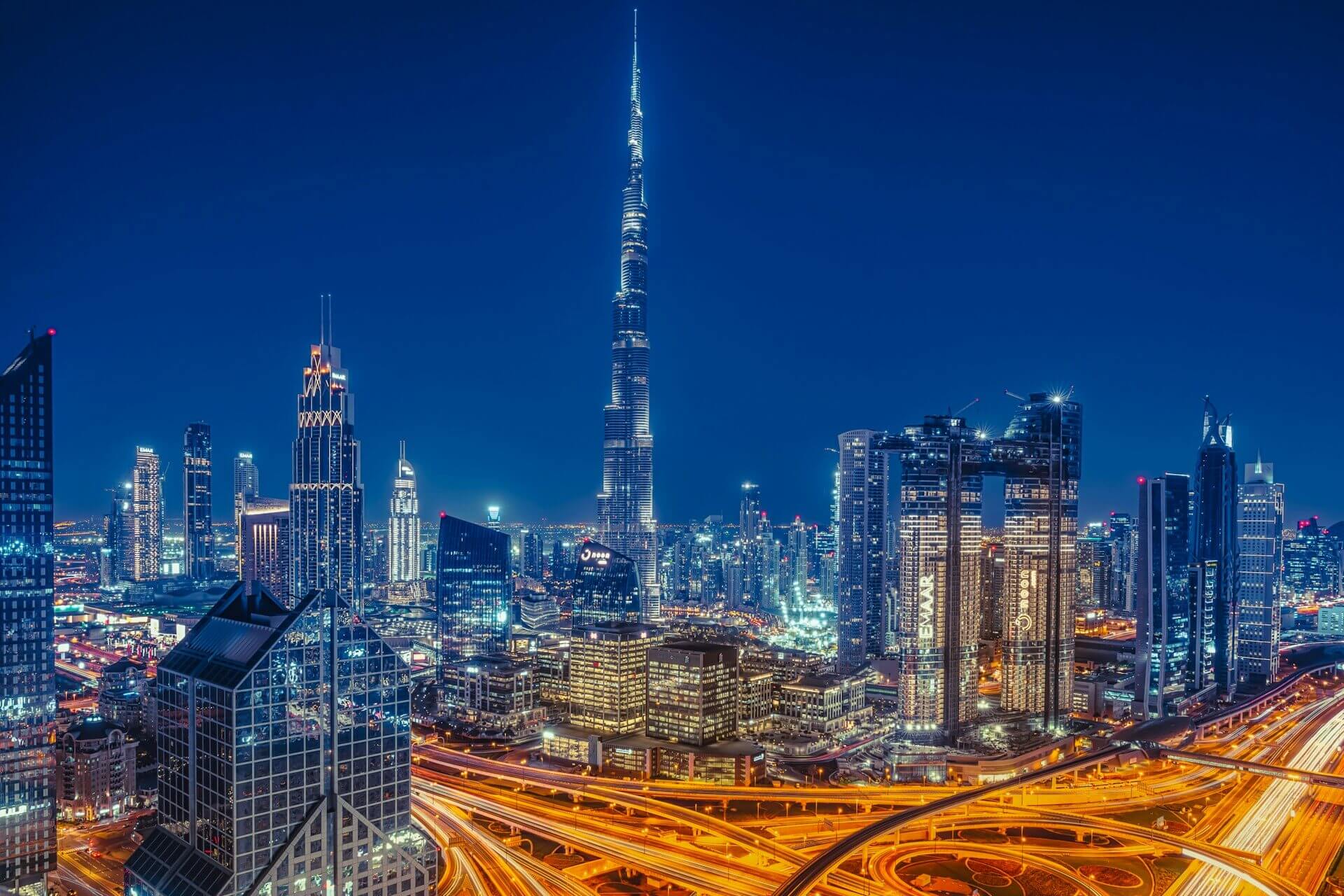
FOR SALE
AED 1,200,000AED 720,000
We help clients buy and rent the right property in Dubai — apartments, villas and investment units matched to budget, area and goals.
Dubai Property Selection focuses on apartments, villas and investment properties in key areas such as Dubai Marina, Downtown, Business Bay, Dubai Hills and Palm Jumeirah.
Instead of sending a huge list of random listings, we prepare a clean shortlist based on your budget, preferred area, bedrooms, timeline and purchase or rental goals.
Premium opportunities in Dubai — from compact investment units to signature villas and penthouses.
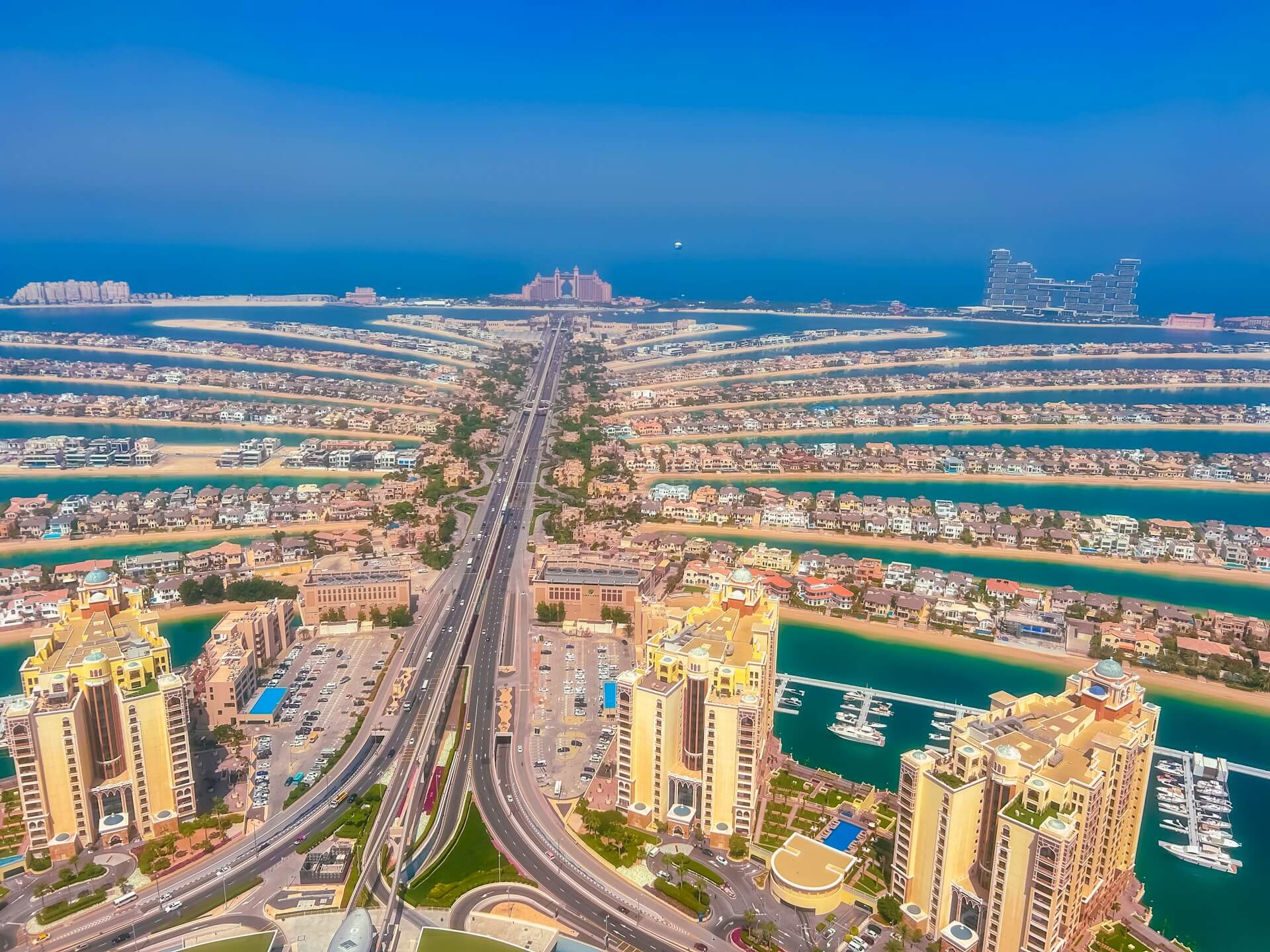
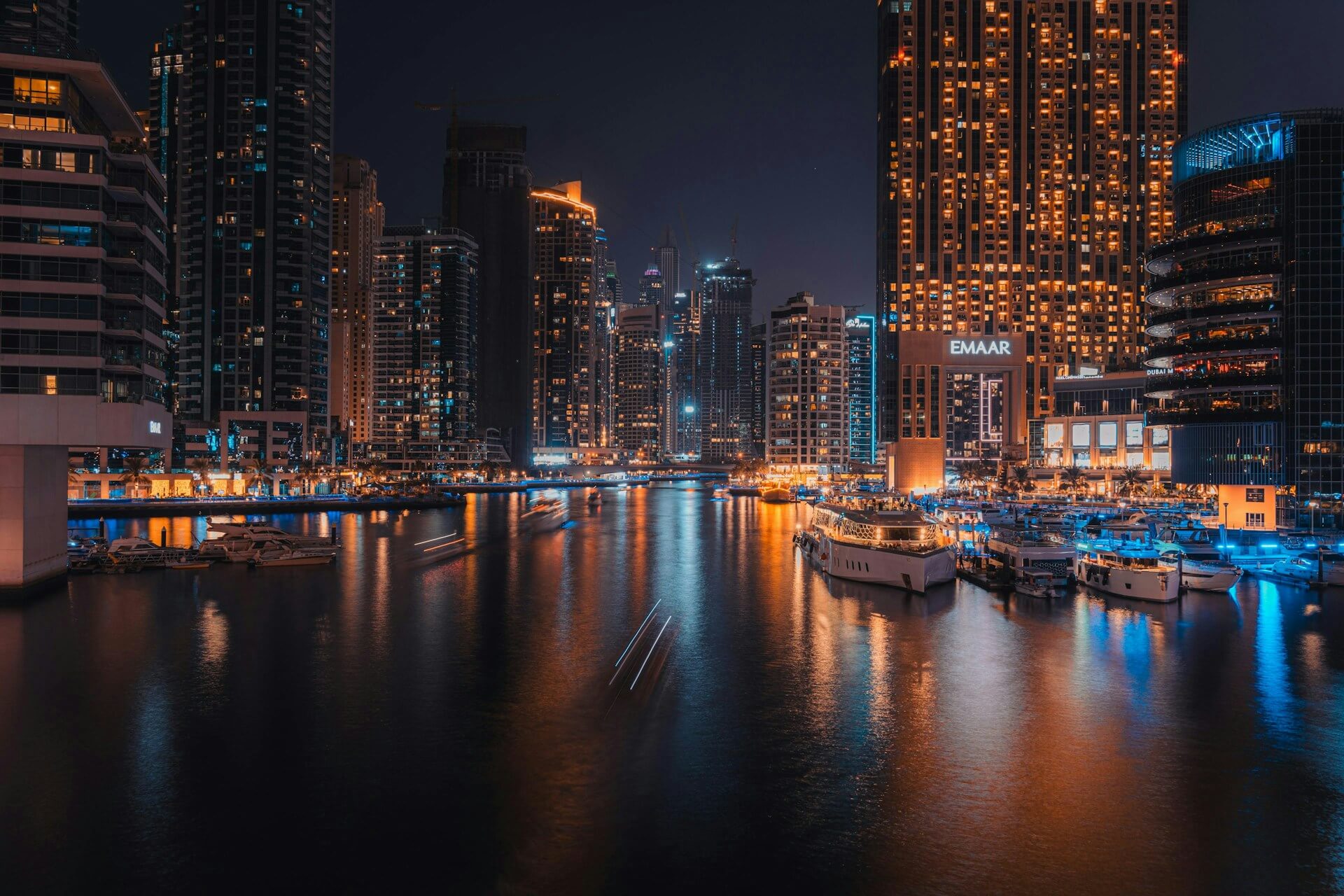
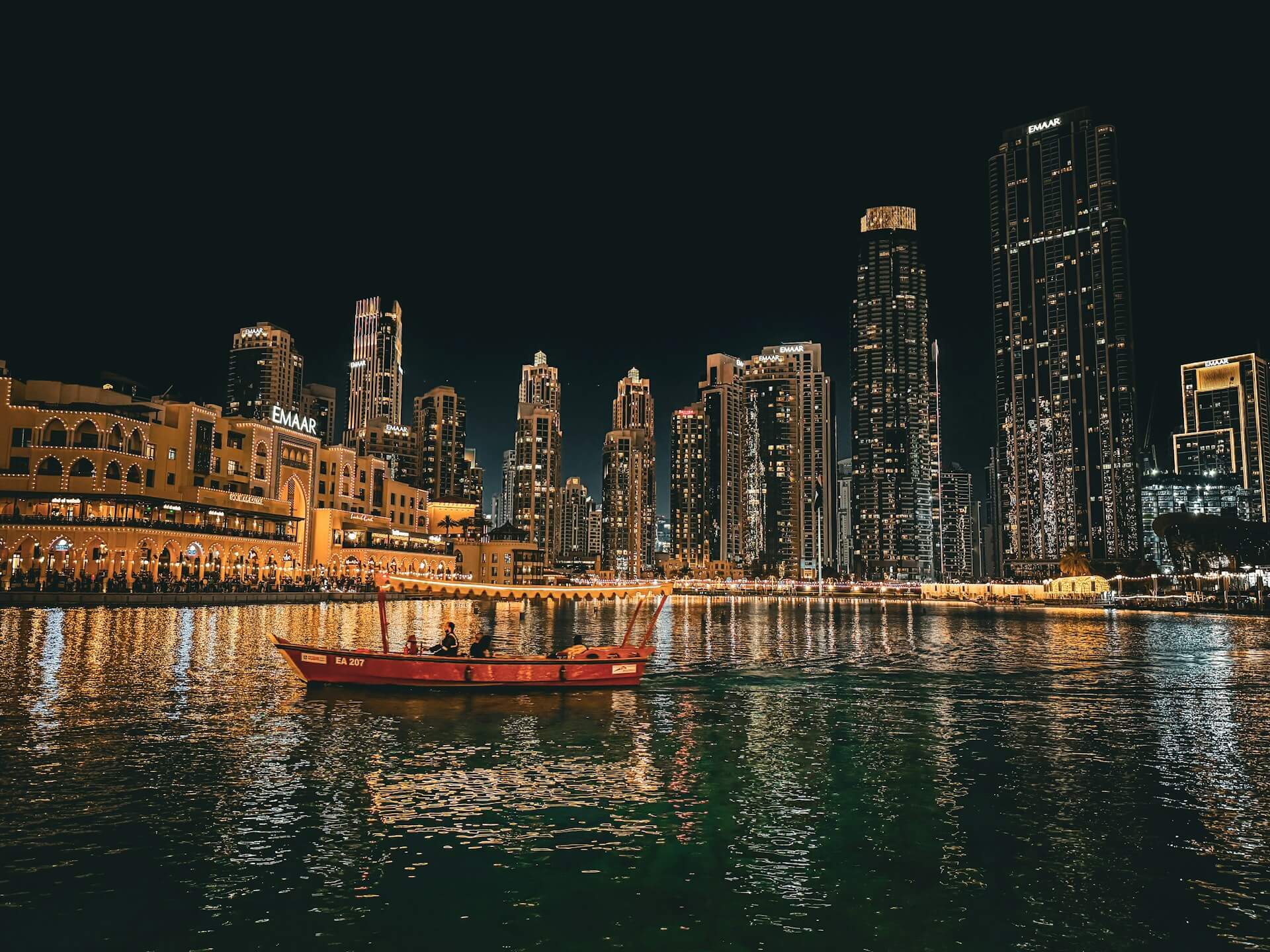
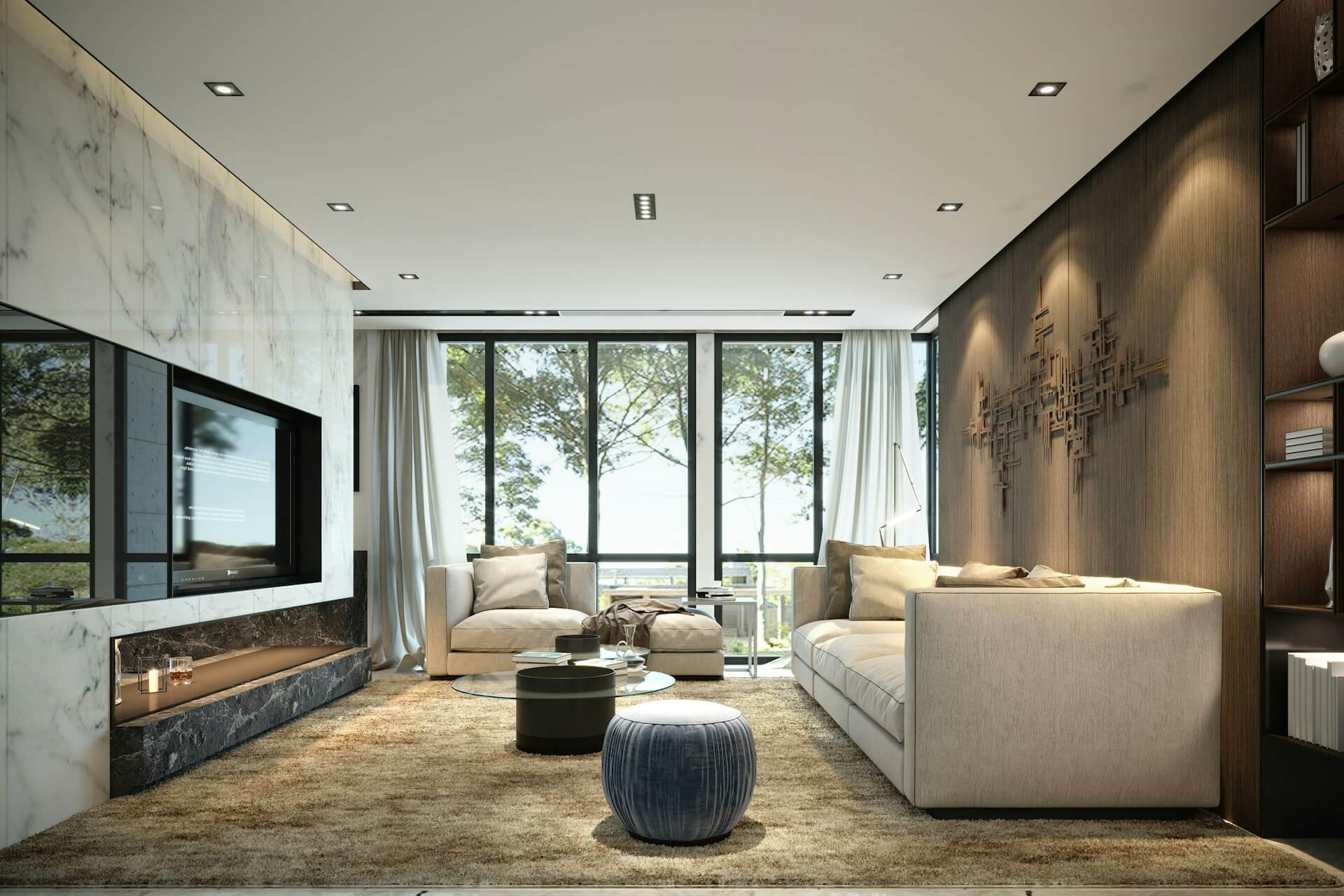
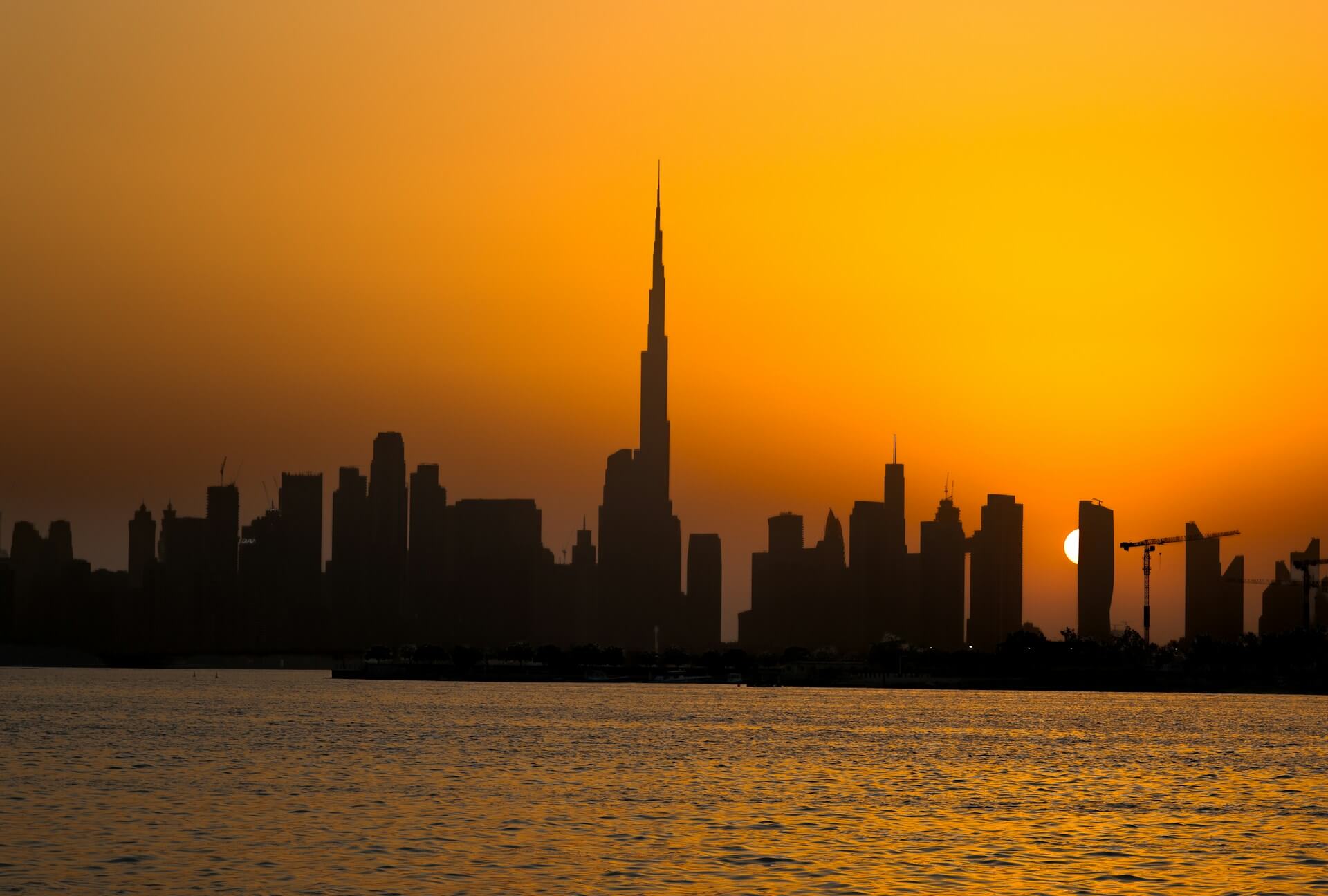
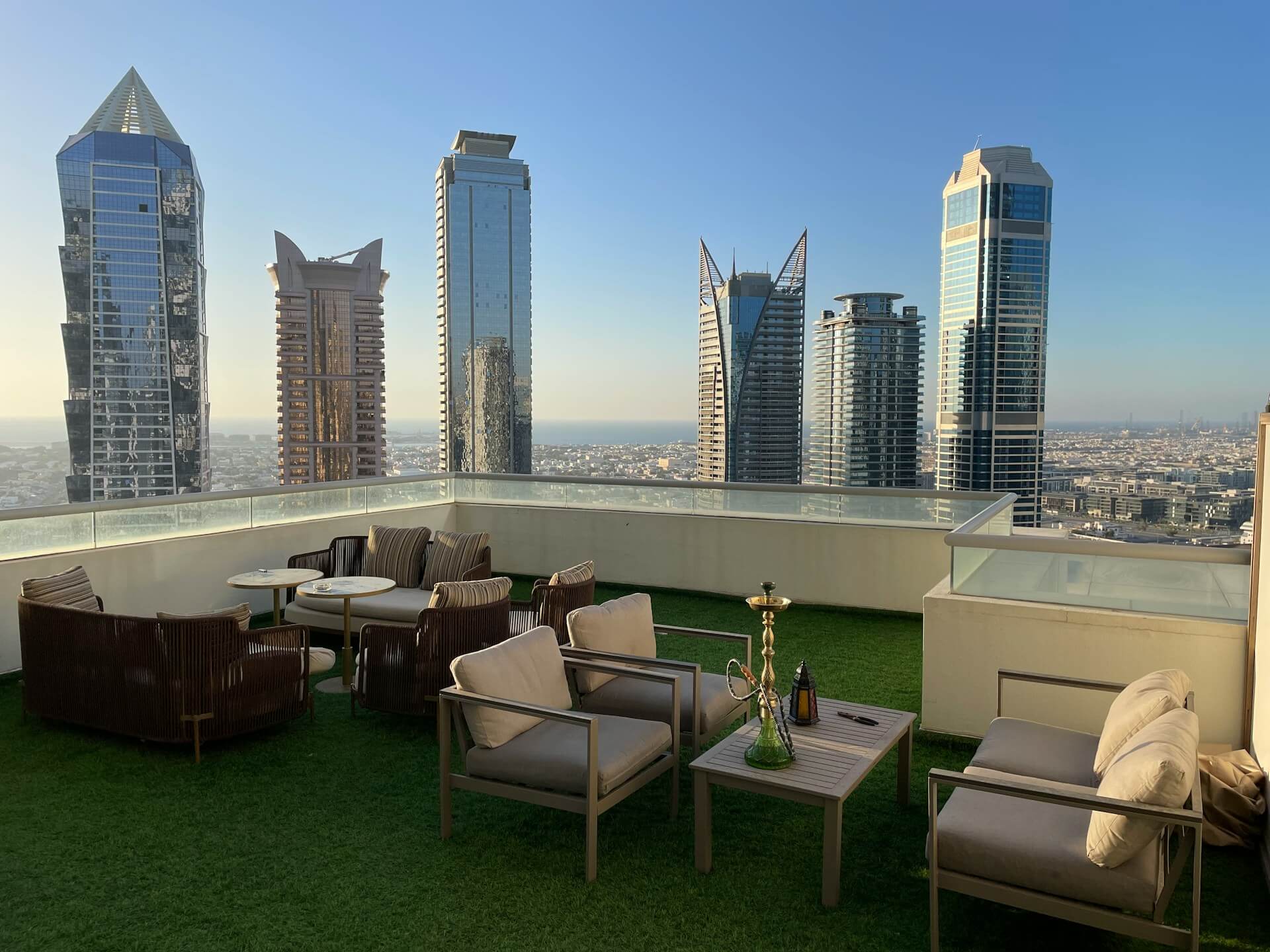
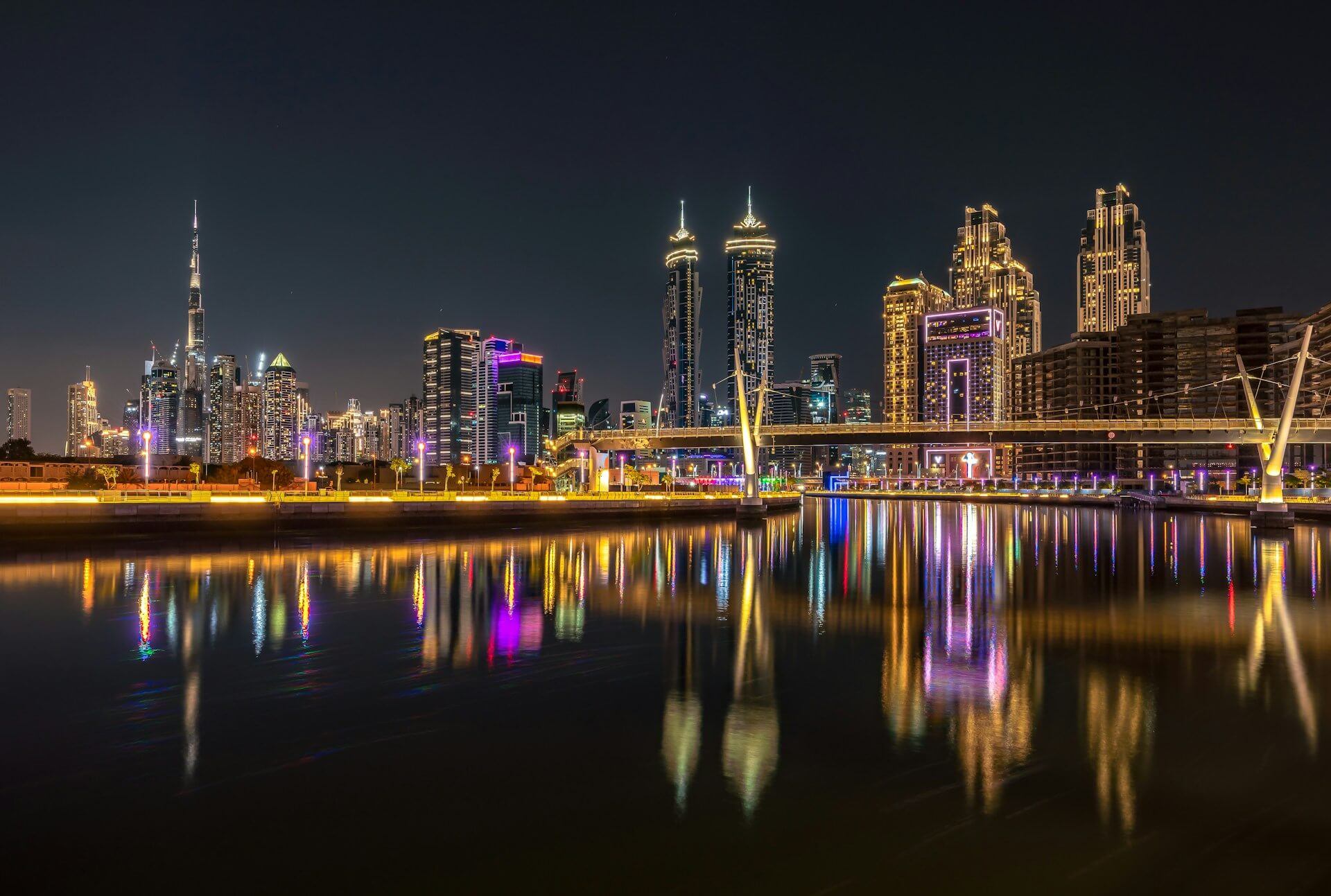
Comfortable long-term and premium rental options across Dubai.
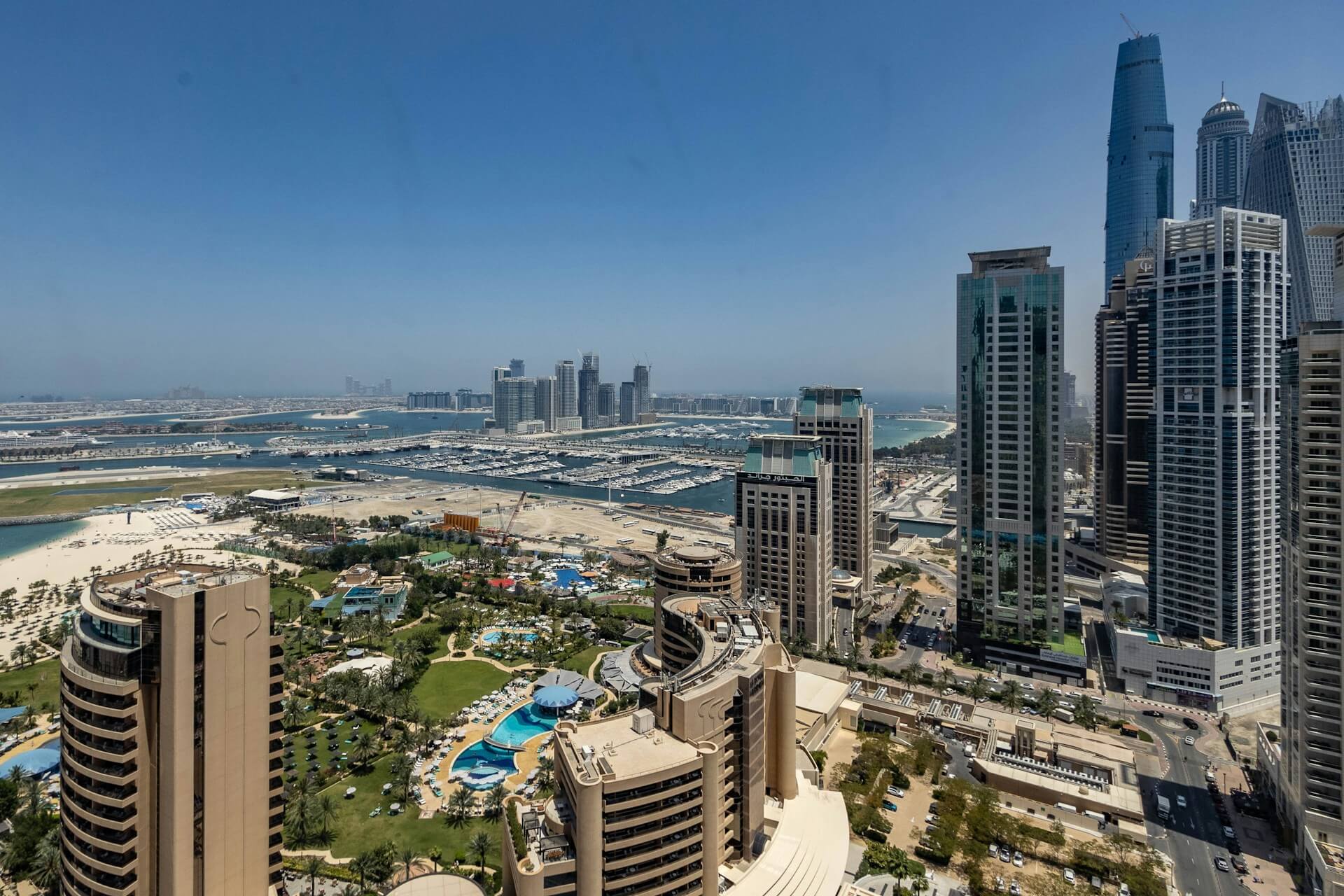

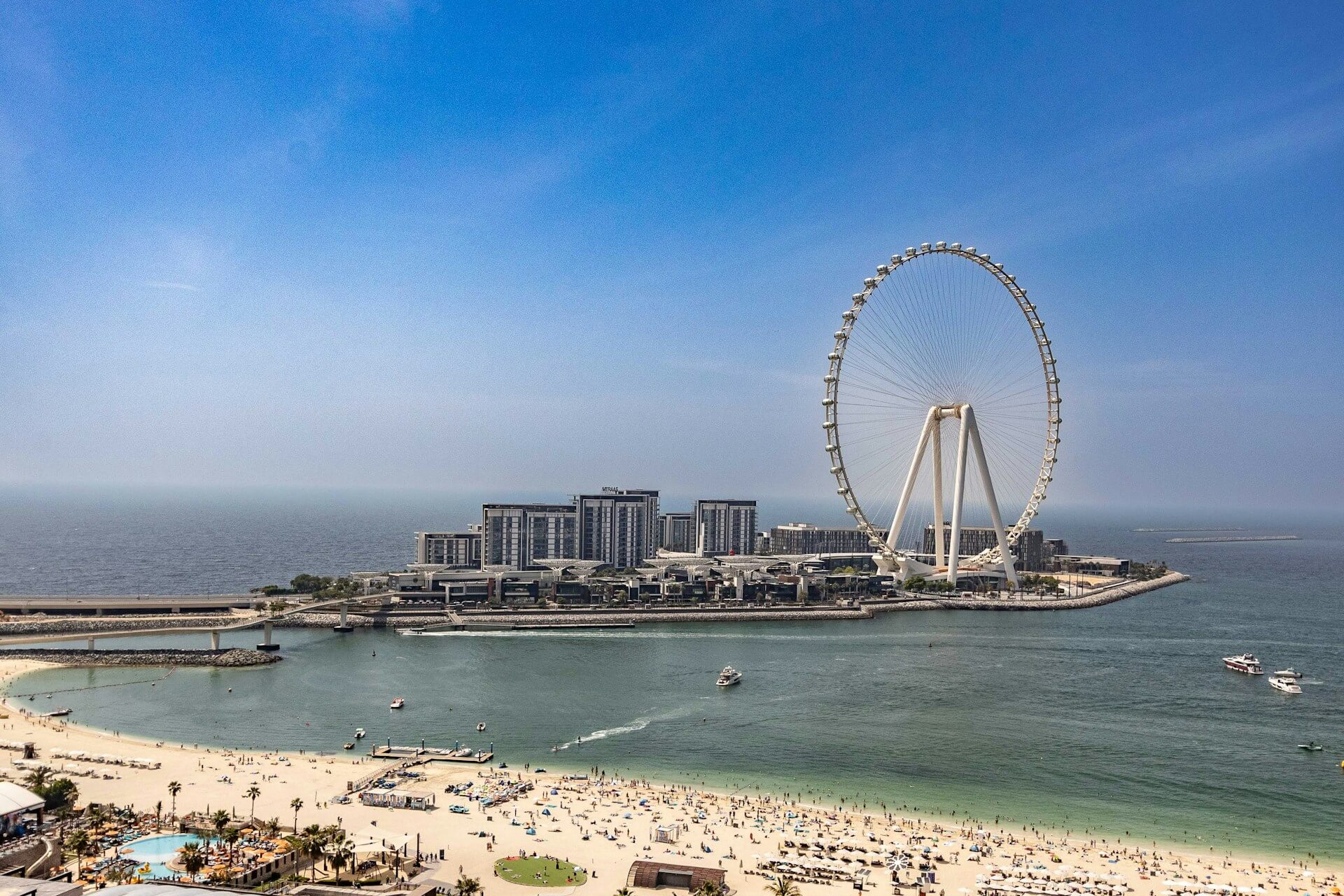
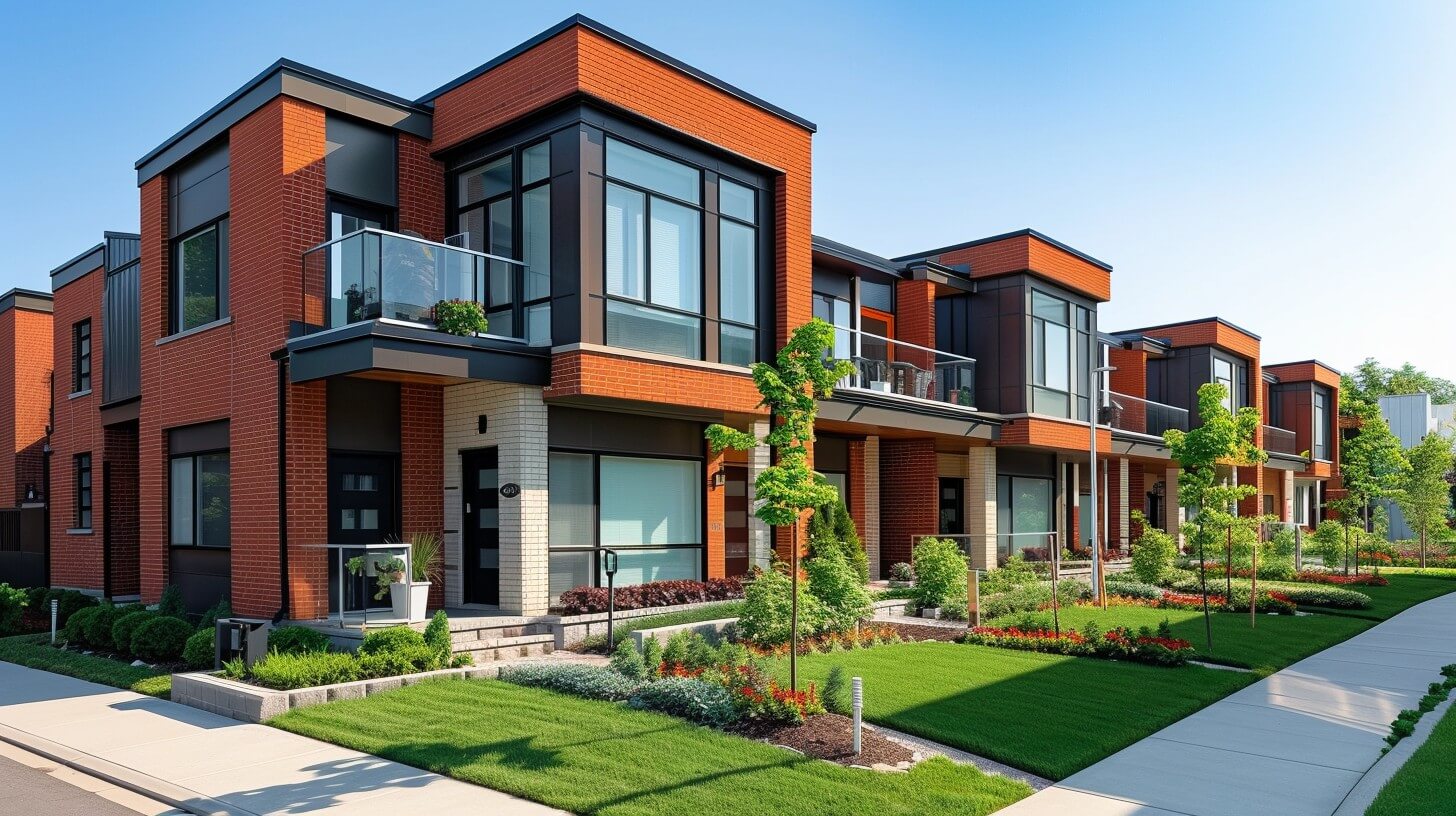
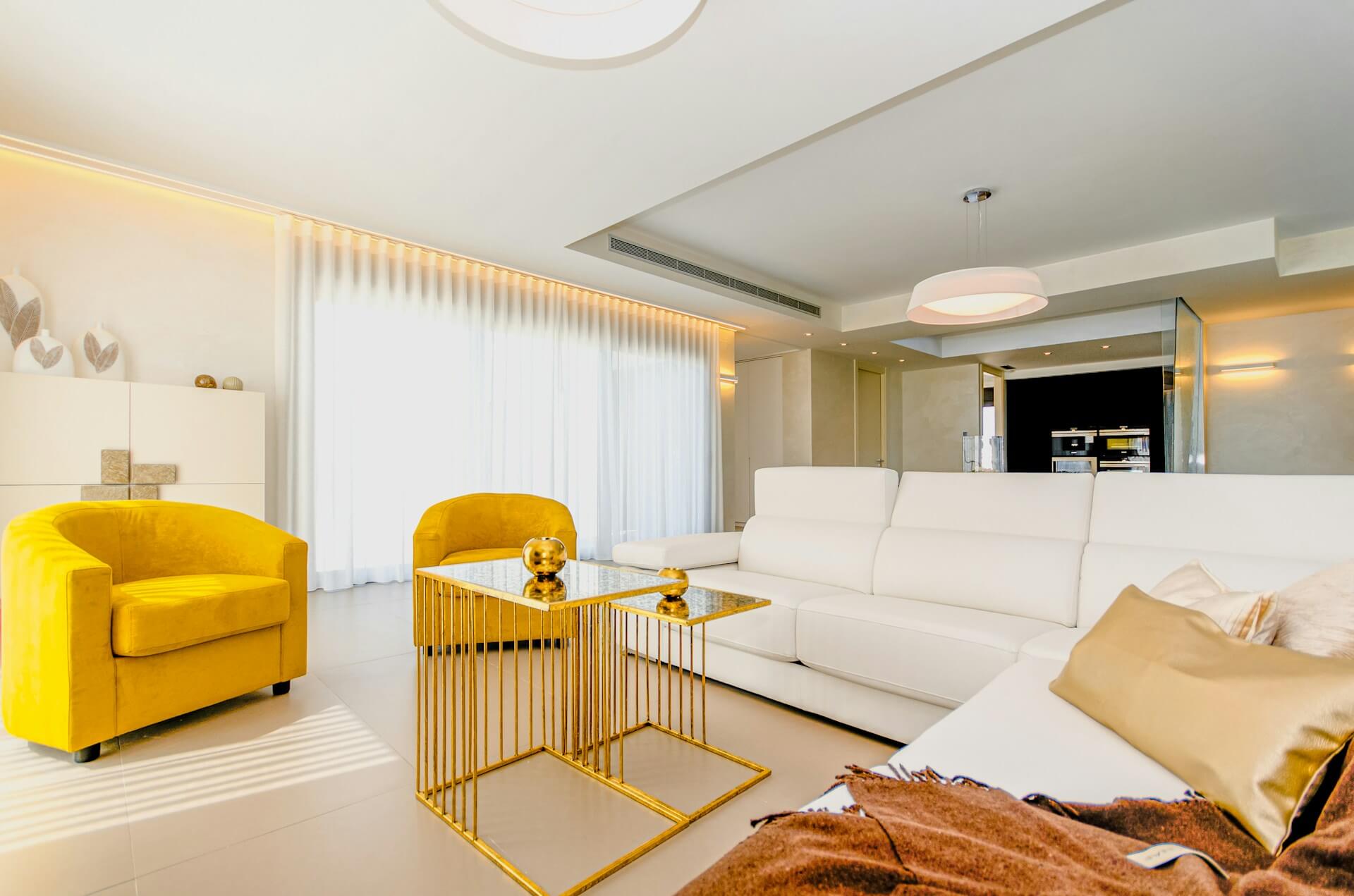
The decline in real estate Dubai down signals an entry window with prices falling by 12–15% compared to last year. Entry costs for residential units in Dubai's primary districts now start from AED 900,000 in areas like Business Bay, while prime locations such as Dubai Marina require AED 1.5 million and above.
Rental yields continue to hover between 6.5% and 8%, with liquidity remaining stable in waterfront and central business hubs, driven by improving visa policies and steady population growth. Recent regulatory adjustments targeting foreign investment, combined with oversupply corrections, explain the current market deceleration.
Business Bay and Dubai Marina stand out as demand centers amid market softening, due to strong end-user activity linked to new employment visas and infrastructure expansions.
Buyers aiming for short- to mid-term capital appreciation will find Dubai Marina’s mature inventory more liquid but at a higher price point, whereas Business Bay offers entry into a developing hub with more favorable pricing and similar rental returns. Off-plan projects in both locations show slower sales velocity but can yield greater capital growth over 24–36 months if delivery schedules hold.
For budget-conscious investors focusing on steady income, units around AED 1 million in Business Bay provide the best balance of yield and manageable entry capital.
Conversely, those targeting long-term value accumulation and higher resale potential should consider Dubai Marina, where premium tower resales maintain stronger price floors despite volume contraction. Rental demand here benefits from a higher proportion of corporate tenants and short-term lease uptake, pushing effective yields above 7.5% consistently.
Current fluctuations in property values across Dubai have created selective buying opportunities, especially in Business Bay, where prices have corrected by 8-12% since Q4 2023.
The keyword "Real estate Dubai down" accurately reflects this trend, signaling a short-term market contraction primarily driven by oversupply in certain segments like high-rise apartments.
Investors considering entry should prioritize developments in Business Bay with established infrastructure and strong end-user demand, such as completed low-rise mixed-use projects.
Entry costs for mid-range apartments now average AED 850,000, down from previous peaks near AED 950,000, enabling a 6-7% gross rental yield under current leasing conditions.
Strict mortgage regulations and tightened credit negatively impact speculative purchases but benefit owner-occupiers and long-term investors targeting stable cash flow. Business Bay’s vacancy rates hover around 18%, slightly above Dubai Marina’s 15%, but rental rates remain firm due to limited comparable supply in highly accessible locations near DIFC and Dubai Canal.
Comparing entry points, newer developments in Dubai Marina still command a premium–around AED 1.2 million for similar-sized units–with slightly better liquidity but lower yield (around 5.5%).
Investors focused on capital preservation and quicker turnaround should weigh the higher cost against Business Bay’s discount and greater yield.
Off-plan projects in Business Bay post-correction allow for 15-18% lower price points but carry typical delivery and market risks.
Ready-to-move stock offers immediate rental income, crucial under current economic volatility. For rental-focused portfolios, Business Bay’s ongoing population growth and infrastructure upgrades forecast gradual absorption of excess inventory within 12-18 months.
Buyers should avoid properties in overly dense, speculative towers with weak developer reputation due to rising vacancy and downward pressure on rents.
Entry should be limited to units with floor plans and finishes competitive with existing supply. New trends in short-term leasing are less pronounced here compared to Dubai Marina, indicating stronger appeal for traditional tenants and families.
In summary, Business Bay presents a tactical pause in valuation, suitable for investors with capital between AED 800,000 and AED 1 million seeking mature locations with tangible yield and exit options.
Those prioritizing faster resale should consider Dubai Marina despite elevated prices. Timing remains crucial; market stability is expected only after Q3 2024, providing a window for buyers to position themselves effectively amid ongoing price adjustments.
Entry costs in Dubai’s residential sector have decreased by 12–18% year-on-year across mid-range apartments, notably in Jumeirah Village Circle and Dubai Silicon Oasis.
This adjustment reflects an oversupply of ready units combined with a slowdown in end-user purchasing, especially among non-residents.
Buyers targeting long-term capital appreciation should prioritize developments with strong master developers like Emaar, where discounts remain under 10%, compared to smaller off-plan projects facing declines exceeding 20%.
Demand persists due to visa reforms and the shift toward longer-term family rentals, but the residential market is segmented.
For 1-bedroom units in Dubai Marina, prices have softened by 14%, yet rental yields remain stable at around 6.5% due to robust tourist inflows supporting short-term leasing. Conversely, emerging communities like Dubailand show sharper price decreases (up to 22%) accompanied by higher vacancy risks, making them less favorable for investor portfolios focused on cash flow.
Comparatively, townhouse and villa prices in Arabian Ranches recorded only a 7% correction, sustaining higher liquidity because of limited supply and steady family demand.
Entry thresholds for villas have now become more accessible, starting from AED 3.5 million, attracting end-users seeking lifestyle purchases rather than speculative plays. Apartment investors should consider projects with completed infrastructure over newly launched schemes, where price uncertainty and extended handover timelines increase holding costs.
Mortgage lending policies remain stringent, increasing buyer scrutiny on debt service ratios and deposit sizes.
Available leverage at 60–70% LTV is primarily for Emirati and GCC nationals, reducing speculative foreign investment and pressuring prices downward in secondary sales. Cash buyers possess negotiation power; discounts for immediate purchase in Dubai Marina and Downtown can reach 8–12%, while in less established communities, sellers might reduce up to 18% just to liquidate inventory.
Offsetting factors include infrastructure developments–Expo 2020 legacy projects continue to enhance demand corridors, particularly areas like District 2020 where prices have stabilized after initial drops.
In contrast, suburban locations without metro access or schools face prolonged correction phases. Consequently, investment strategies should focus on well-connected zones offering consistent rental income and manageable entry capital above AED 1 million for apartments, AED 3 million for villas.
Short-term fluctuations stem from an influx of new deliverables and rental market normalization after peak pandemic volatility.
However, the supply pipeline is expected to reduce by 2025, tightening availability and underpinning potential price recovery. Differentiating between off-plan projects with extended payment plans and ready units that can achieve faster occupancy is critical. Ready properties in Dubai Marina and JBR currently outperform off-plan equivalents in terms of lease-up speed and resale prospects.
Investors prioritizing capital preservation should avoid peripheral zones with high vacancy rates, such as areas beyond Dubai South, where rental yield drops below 5% and price volatility remains elevated.
This market correction phase favors cash-rich buyers or those with long investment horizons exceeding five years. Renters and short-term lease investors benefit from pockets like Business Bay, where a 6.8% gross yield aligns with premium service apartments maintaining stable occupancy.
The decline in Dubai property market conditions has shifted average rental returns, with recent data indicating a drop from 7.5% in 2022 to 6.2% in early 2024 for prime locations like Dubai Marina and Business Bay.
Investors should now expect softer yields, especially in oversupplied segments such as high-rise apartments. For example, Downtown Dubai apartments, despite a price correction of 12%, have seen rental rates fall by 8%, compressing net income margins substantially.
Conversely, villa communities like Arabian Ranches maintain more resilient rental returns around 5.8%, due to limited supply and strong demand from relocating families.
Entry cost for a 3-bedroom villa in Arabian Ranches is approximately AED 2.5 million, delivering 3% to 4% rental yield but with better long-term capital preservation compared to apartments. This contrasts with Palm Jumeirah, where despite higher property prices averaging AED 4 million, rental yields have declined below 5%, reflecting slower tenant uptake.
| Dubai Marina | 1.8 million (1-bed) | 6.0 | 7.2 | Down 16% |
| Downtown Dubai | 2.2 million (1-bed) | 6.5 | 7.0 | Down 7% |
| Arabian Ranches | 2.5 million (3-bed villa) | 5.8 | 6.0 | Stable |
| Palm Jumeirah | 4 million (2-bed apartment) | 4.8 | 5.3 | Down 10% |
Entry capital now offers an opportunity: apartments in Business Bay priced at AED 1.6 million for a one-bedroom generate yields close to 6%, but investors face higher volatility and longer vacancy periods of 45-60 days compared to 30 days in Dubai Marina.
Ready properties continue to offer better immediate rental income than off-plan, which still lack sustained tenant demand in the current market.
Investors prioritizing short-term rental income should focus on proven locations with existing tenant pools like Dubai Marina, where occupancy remains above 88%, versus emerging developments outside the city core with occupancy rates below 75%. However, yield compression in Dubai Marina requires negotiating purchase prices 8-10% below listed to maintain a positive cash flow.
Compared with international hubs, Dubai’s rental yields remain competitive but no longer lead the market as they did before the correction.
For instance, yields in London average around 4.5%, and New York near 3.9%, but these cities offer stronger regulatory protections and stable tenant profiles, lowering risk. Dubai’s current regime demands careful selection of locations and property types to mitigate rising vacancy rates and rental decreases.
For those targeting long-term capital preservation, properties in established villa communities with steady rental demand and less supply increase represent a more secure option, despite lower yields.
Apartments offer higher yields but come with elevated vacancy risks and require active asset management. The mix of asset type, location, and tenant profile will dictate the net annual return.
The entry level for meaningful rental returns now leans toward mid-range apartments and well-located townhouses in Dubai Marina and Arabian Ranches, requiring budgets starting at AED 1.6 million and AED 2.2 million respectively.
Properties above AED 3 million face softer rental income growth and longer vacancy periods, reducing short-term ROI.
When this approach does NOT fit: Investors seeking immediate, high cash flow should avoid heavily corrected apartment stocks in less central locations, which show yields below 5% and fill vacancies slowly. Buy-to-lease buyers relying on tourist-driven short-term rentals must consider new regulations limiting nightly leasing in certain sectors, impacting Dubai Marina and Palm Jumeirah.
Liquidity challenges affect luxury apartments the most, where rental contraction discourages buyers needing quick asset turnover.
Conversely, villas in Arabian Ranches and Emirates Hills maintain better resale velocity due to consistent tenant interest and lower market volatility.
Focusing on waterfront developments in Dubai yields the most resilient asset values amid the current market correction. Projects along Dubai Marina and Palm Jumeirah maintain a 3-5% smaller price depreciation compared to inland locations.
Designated entry budgets start at AED 1.2M for studios in Dubai Marina, while Palm Jumeirah’s similar units begin around AED 1.8M, reflecting stronger asset retention and liquidity.
Buyers should prioritise ready-made assets over off-plan options as resale properties in Dubai Marina and Business Bay show quicker turnaround times, averaging 60 days, versus 180+ days for off-plan units.
This is crucial in a market where short-term liquidity affects holding costs and exit strategies.
Targeting assets with direct rental potential enhances returns despite overall market softness. Apartments in Jumeirah Lake Towers present rental yields up to 7.2%, outperforming Palm Jumeirah’s capped 5.8%, indicating better cash flow even with lower capital appreciation prospects.
Capital preservation requires avoiding peripheral or newly launched projects lacking established infrastructure.
Areas such as Dubai South currently face higher vacancy rates exceeding 20%, leading to prolonged resale durations and potential negative cash flow, deterring investors focused on steady income.
Comparing mid-range apartments in Dubai Marina versus Villas in Arabian Ranches clarifies risk and return profiles: Dubai Marina offers entry capital from AED 1.5M with yields around 6.5%, liquidity within 2 months; Arabian Ranches villas cost upwards of AED 4M, provide lower yields near 4.2%, and may require 6+ months to sell.
For end-users considering lifestyle purchases, Business Bay’s evolved infrastructure and metro connectivity support near-term value stability, but entry prices start at AED 1.3M for one-bedroom units, higher than other established districts offering similar features with reduced premiums.
Mortgage conditions also shape strategy: post-2023 tightening in loan-to-value ratios limit financing to 80% for residents and 50% for non-residents.
Buyers must budget for a minimum 20-50% down payment when acquiring units in Dubai Marina and the Palm, impacting overall capital deployment.
Investors looking for capital appreciation should focus on projects under phased completion in Downtown Dubai and Jumeirah Lake Towers.
While these areas have seen price corrections of 8-12%, their proximity to business hubs and demand from relocating professionals provide upside potential once market sentiment improves.
Buyers must integrate a blended approach: acquire ready units with proven rental demand in Dubai Marina and Jumeirah Lake Towers to ensure positive cash flow, while selectively adding off-plan assets in Downtown Dubai for future capital gains.
This balances current income against longer-term growth in a soft market.
Not recommended are purchases aimed solely at speculative gains in districts with stagnant infrastructure development, such as Dubai South or Dubai Silicon Oasis, where price drops exceed 15% and tenant inflows are limited, risking negative total returns and illiquidity.
Entry capital in the most resilient zones requires AED 1.2M–2M for studios and one-bedroom apartments, delivering rental yields between 6% and 7.2%.
This range allows flexibility between investment and occupation purposes while avoiding unsustainable price risks seen in emerging communities.
Market timing remains critical: buyers should avoid entering during peak off-plan launches or before major infrastructure milestones are completed, as these periods have historically driven price volatility and delayed demand pickup within Dubai Marina, Palm Jumeirah, and Business Bay.
The recent decline in Dubai's property market can be attributed to several factors.
One significant cause is the oversupply of residential units, which has led to increased competition among sellers and downward pressure on prices. Additionally, changes in global economic conditions, such as fluctuating oil prices and geopolitical tensions, have influenced investor confidence.
The impact of travel restrictions and changing preferences due to the pandemic also played a role by affecting both local and international demand for properties.
The reduction in property prices has created a more favorable environment for buyers, especially those looking for entry points into the market at lower costs. For investors, this shift means potentially lower returns in the short term, but it also allows for opportunities to acquire assets at discounted rates, possibly yielding better long-term gains if the market recovers.
However, some investors have grown cautious due to uncertainties about how long the price adjustments will continue.
Yes, some neighborhoods have experienced a sharper decline in property values compared to others. Areas with a higher concentration of new developments and those that had a previous surge in prices tend to show more significant drops.
Suburban locations and luxury segments, in particular, have seen steeper adjustments as supply exceeded demand. Conversely, well-established districts with limited new construction have maintained more stable values.
Buyers interested in the current market conditions might consider focusing on properties that have been on the market for a longer time, as sellers may be more willing to negotiate prices.
Conducting thorough research on the developer’s reputation and the projected infrastructure developments in the area can help identify properties with potential for appreciation.
Additionally, securing favorable financing options now could maximize investment benefits over the coming years.
The outlook suggests a gradual stabilization as supply starts to align more closely with demand.
Some analysts predict that prices may level off or experience moderate growth, especially if economic indicators improve and international travel increases. Government initiatives aimed at attracting foreign investors and residents could support market recovery. Still, prospects depend heavily on broader economic factors and shifting buyer behavior.
The decline in Dubai's property prices can be linked to several influences.
Firstly, an increase in the supply of new developments has created more options for buyers, leading to heightened competition among sellers. Secondly, changing visa and residency policies have affected demand, as fewer investors feel motivated to purchase properties without long-term security.
Additionally, global economic uncertainties and fluctuating oil prices have impacted investor confidence in the region, resulting in reduced activity. Together, these factors have combined to create downward pressure on prices in Dubai’s real estate sector.
A drop in property values could offer opportunities but also introduces risks for investors targeting rental income.
On one side, lower purchase prices might make investments more affordable, potentially increasing future returns if the market recovers. However, decreased market activity can slow rental demand, which may result in longer vacancy periods or reduced rental rates. Investors should carefully assess the specific area they’re interested in, consider the quality and amenities of the property, and study trends in occupancy and rental yields before making decisions.
Patience and thorough research are important for navigating the current conditions.
Clear answers about buying, renting and investing in Dubai property.
Yes. Foreign buyers can purchase freehold property in designated areas such as Dubai Marina, Downtown Dubai, Business Bay, Palm Jumeirah, Dubai Hills and other approved communities.
It depends on your timeline, budget and goal. Buying is usually better for long-term plans, capital growth and rental income, while renting is better for flexibility and easier relocation.
The required budget depends on the area, building quality and property type. More accessible apartments can be found in developing communities, while prime locations and luxury properties require a much higher budget.
In addition to the purchase price, buyers should budget for the Dubai Land Department fee, registration and trustee fees, possible agency commission, mortgage-related costs if financing is used, and ongoing service charges for many buildings.
Yes, many banks in the UAE offer mortgages to foreign buyers. Approval depends on income, documents, deposit amount and the specific property being purchased.
Areas such as Dubai Marina, Downtown Dubai, Business Bay, Dubai Hills, JVC, Palm Jumeirah and Creek Harbour are often considered by investors, but the right area depends on whether your focus is yield, resale value, lifestyle appeal or long-term growth.
Rental yield varies by area, property type, furnishing level and market timing. In practice, many investors look for a balance between strong occupancy, reasonable service charges and sustainable tenant demand rather than chasing headline numbers alone.
Off-plan property is purchased directly from a developer before the project is completed. Buyers often choose off-plan because of payment plans, newer inventory and lower entry prices compared with some ready properties.
A proper review should consider the developer’s track record, payment plan, handover timeline, location quality, future supply in the area and the project’s resale or rental potential after completion.
For ready property, the timeline can move fairly quickly if the price is agreed, documents are prepared and the buyer is ready to proceed. Mortgage purchases usually take longer than cash deals.
Yes, many purchases can be handled remotely with the correct documents and proper support through the process. Remote buying is common for overseas investors and international clients.
The biggest risks are overpaying, choosing a weak location, buying an unsuitable layout, ignoring service charges, or selecting a project with low resale and rental demand. Good selection matters more than marketing promises.
In long-term rentals, rent is commonly agreed for a fixed term and often paid by one or several cheques depending on the landlord, property and negotiation.
Tenants are usually asked for identification and residency-related documents, and the exact set depends on their status in the UAE and the landlord’s requirements.
A security deposit is commonly required before move-in. The amount often depends on whether the property is furnished or unfurnished and should be clearly stated in the rental terms.
In many rental transactions, an agency commission is charged. The amount depends on the deal structure and should be confirmed before signing anything.
Tenants should review the deposit, Ejari registration, utility setup costs, parking terms if relevant, maintenance responsibilities and any conditions related to early termination or renewal.
Yes, negotiation is common. The final result depends on market conditions, the landlord’s flexibility, how long the property has been available and how prepared the tenant is to move forward.
It is important to check the condition of the unit, building quality, noise level, parking, view, maintenance status, contract terms and the reliability of the owner or manager.
Short-term rent offers flexibility and convenience but is usually more expensive. Long-term rent is generally more cost-effective and better suited for clients planning to stay longer.
During an active contract, the agreed rent usually remains fixed. Any increase is generally discussed at renewal and should follow the applicable rules and notice requirements.
This depends on the tenancy contract. Minor day-to-day issues may be handled by the tenant, while major maintenance is commonly the landlord’s responsibility, but the exact wording in the contract matters.
Ejari is the official registration of the tenancy contract in Dubai. It is important for legal recognition of the lease and is commonly needed for practical steps such as setting up utilities.
Yes. Furnished properties can be more convenient and faster to move into, while unfurnished options may work better for longer stays or tenants who want more control over the setup and budget.
We do not rely on random mass listings. We narrow the market based on budget, location, property type, investment goal, lifestyle needs and timeline, so clients can focus only on relevant options.
Yes. Support can include shortlisting, arranging viewings, comparing options, discussing terms, helping with negotiations and guiding the next steps of the transaction.
The best first step is to define the real budget, target areas, purpose, preferred property type and timeline. Once those points are clear, the selection becomes faster, cleaner and much more useful.