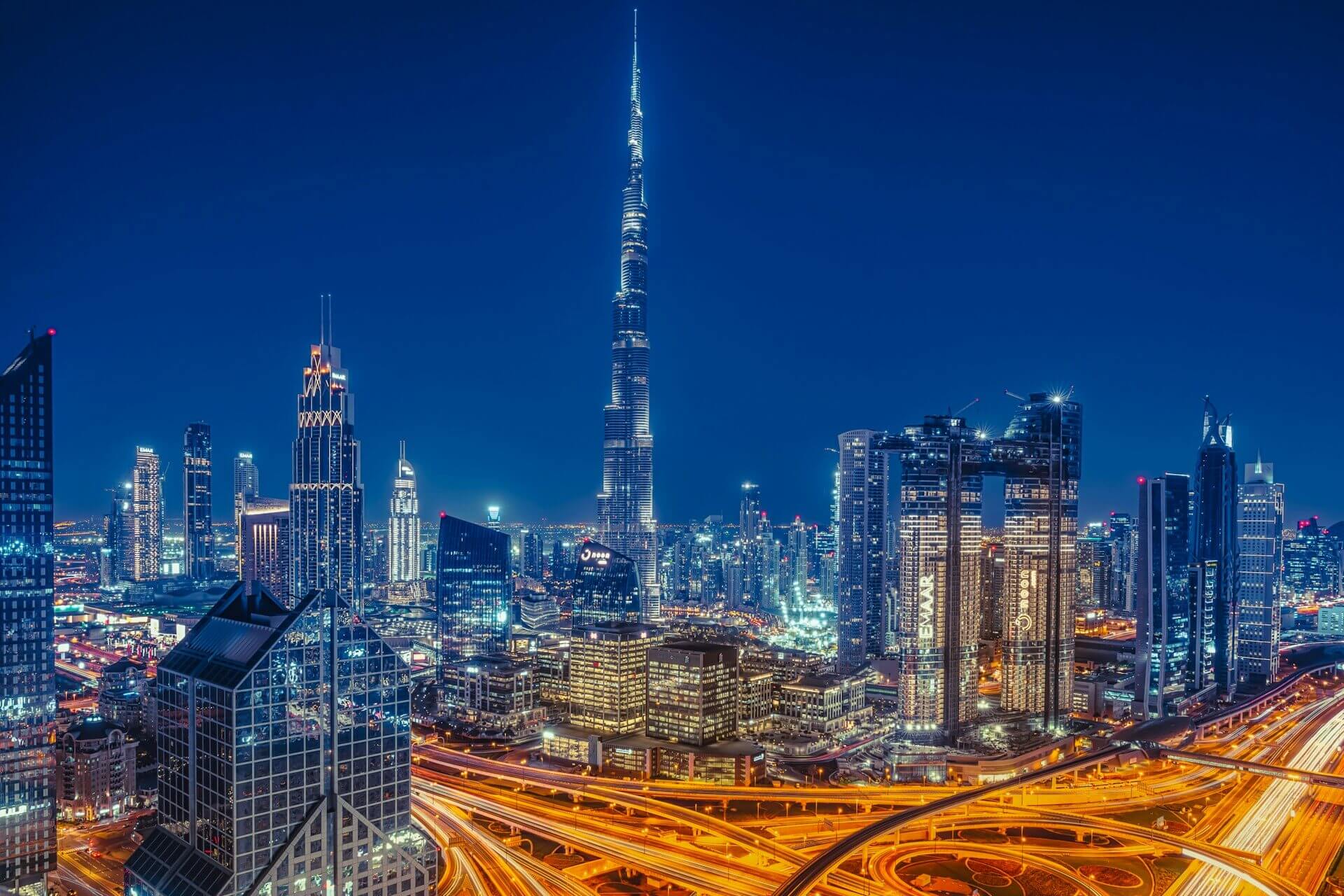
FOR SALE
AED 1,200,000AED 720,000
We help clients buy and rent the right property in Dubai — apartments, villas and investment units matched to budget, area and goals.
Dubai Property Selection focuses on apartments, villas and investment properties in key areas such as Dubai Marina, Downtown, Business Bay, Dubai Hills and Palm Jumeirah.
Instead of sending a huge list of random listings, we prepare a clean shortlist based on your budget, preferred area, bedrooms, timeline and purchase or rental goals.
Premium opportunities in Dubai — from compact investment units to signature villas and penthouses.
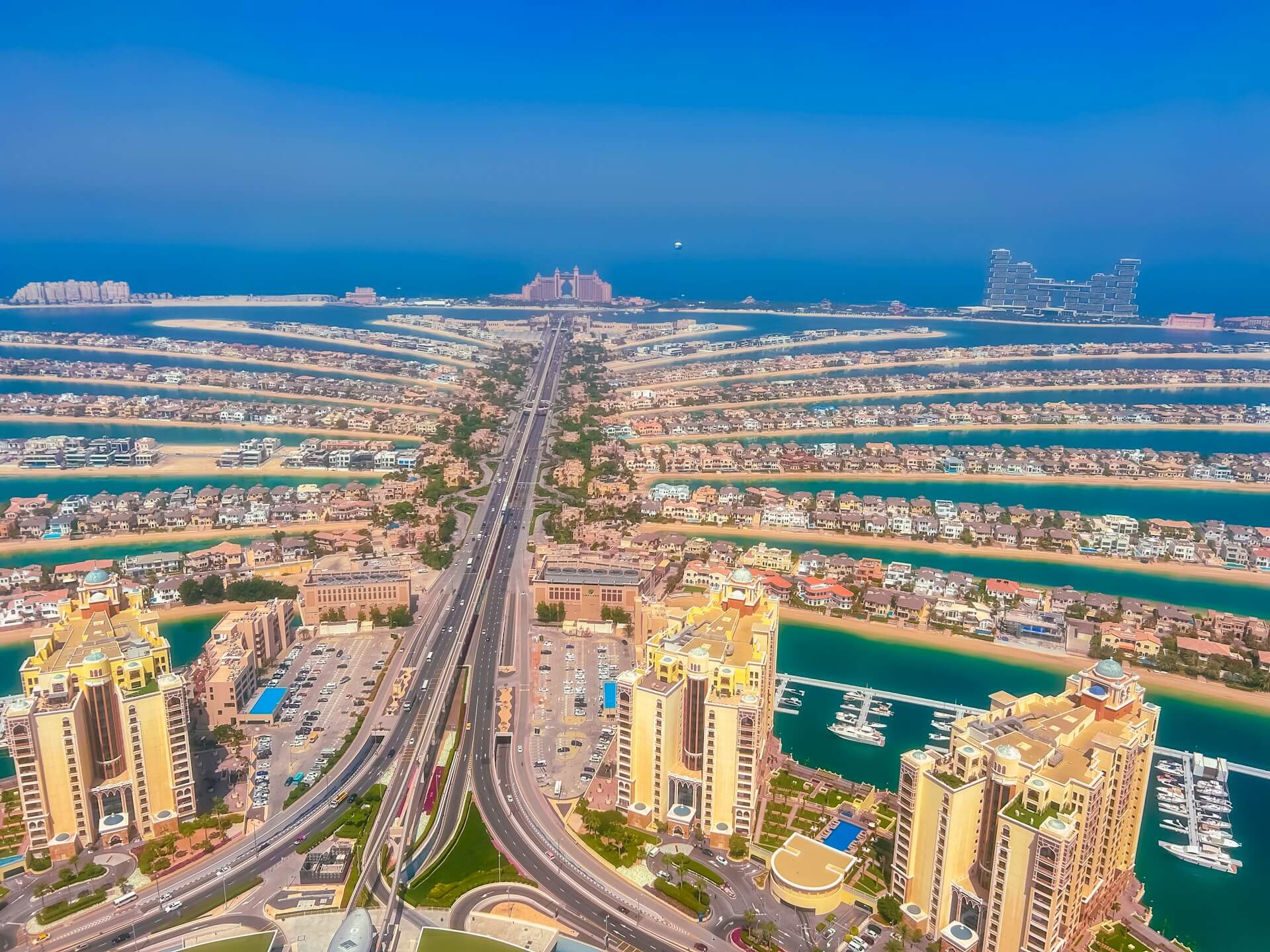
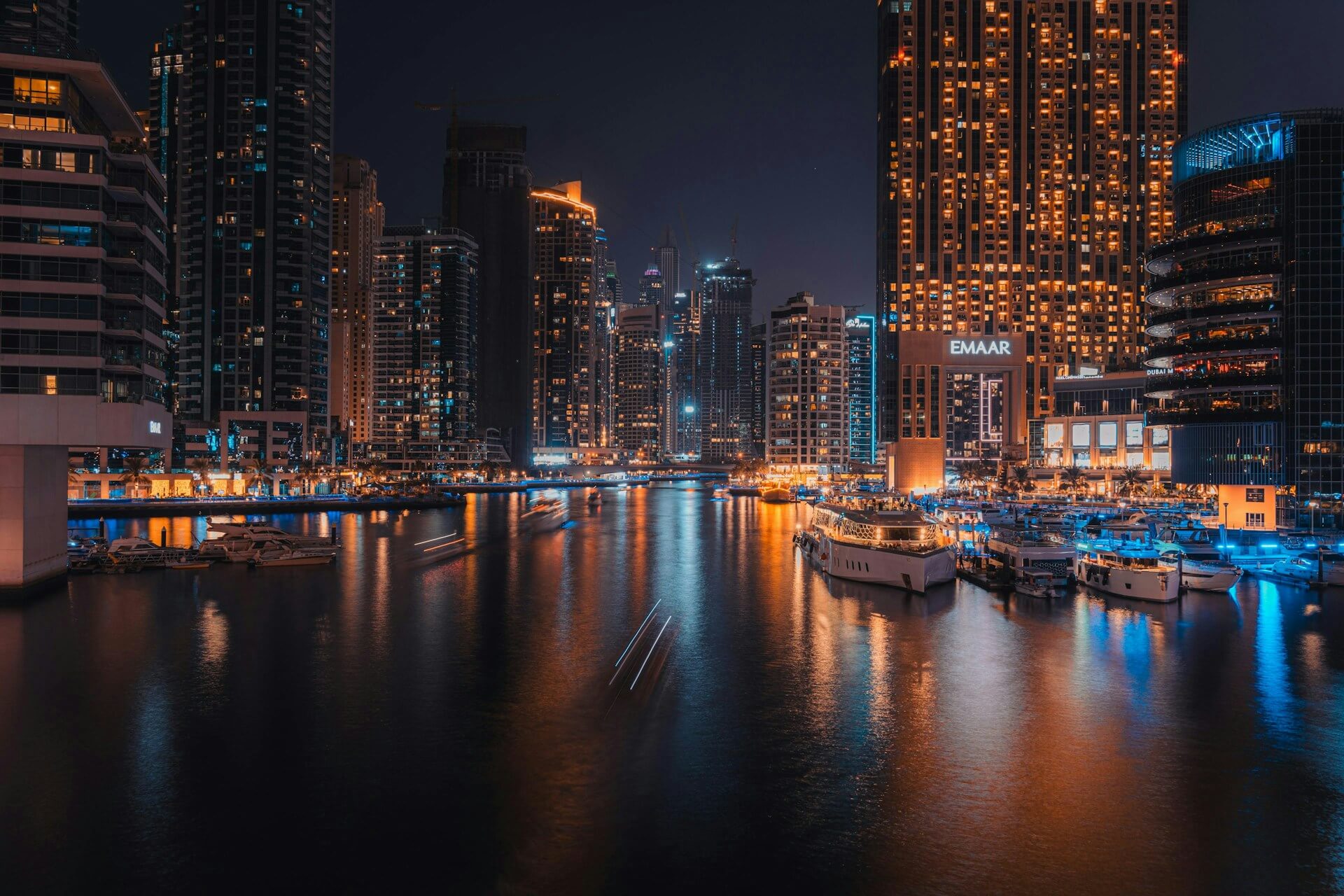
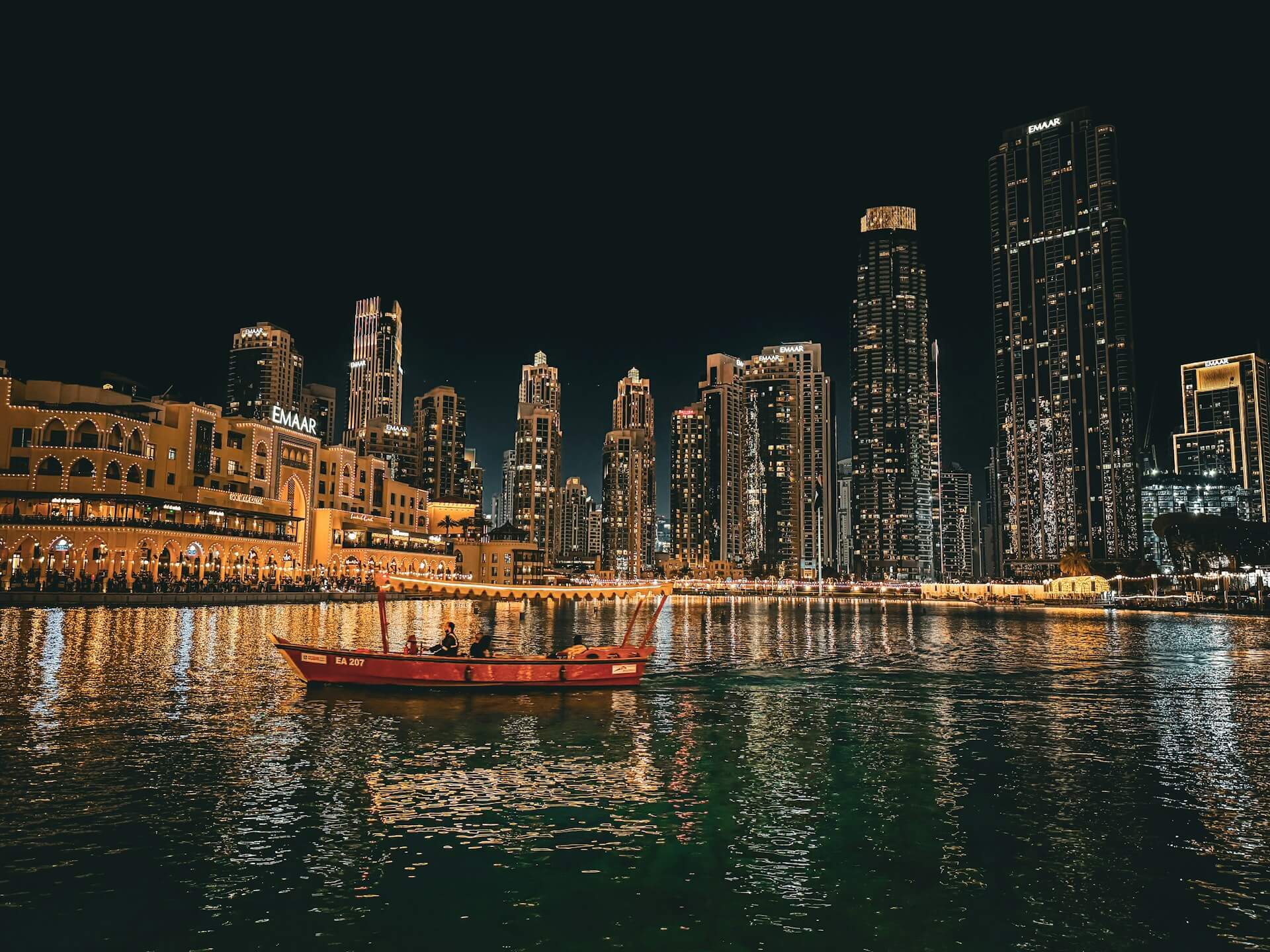
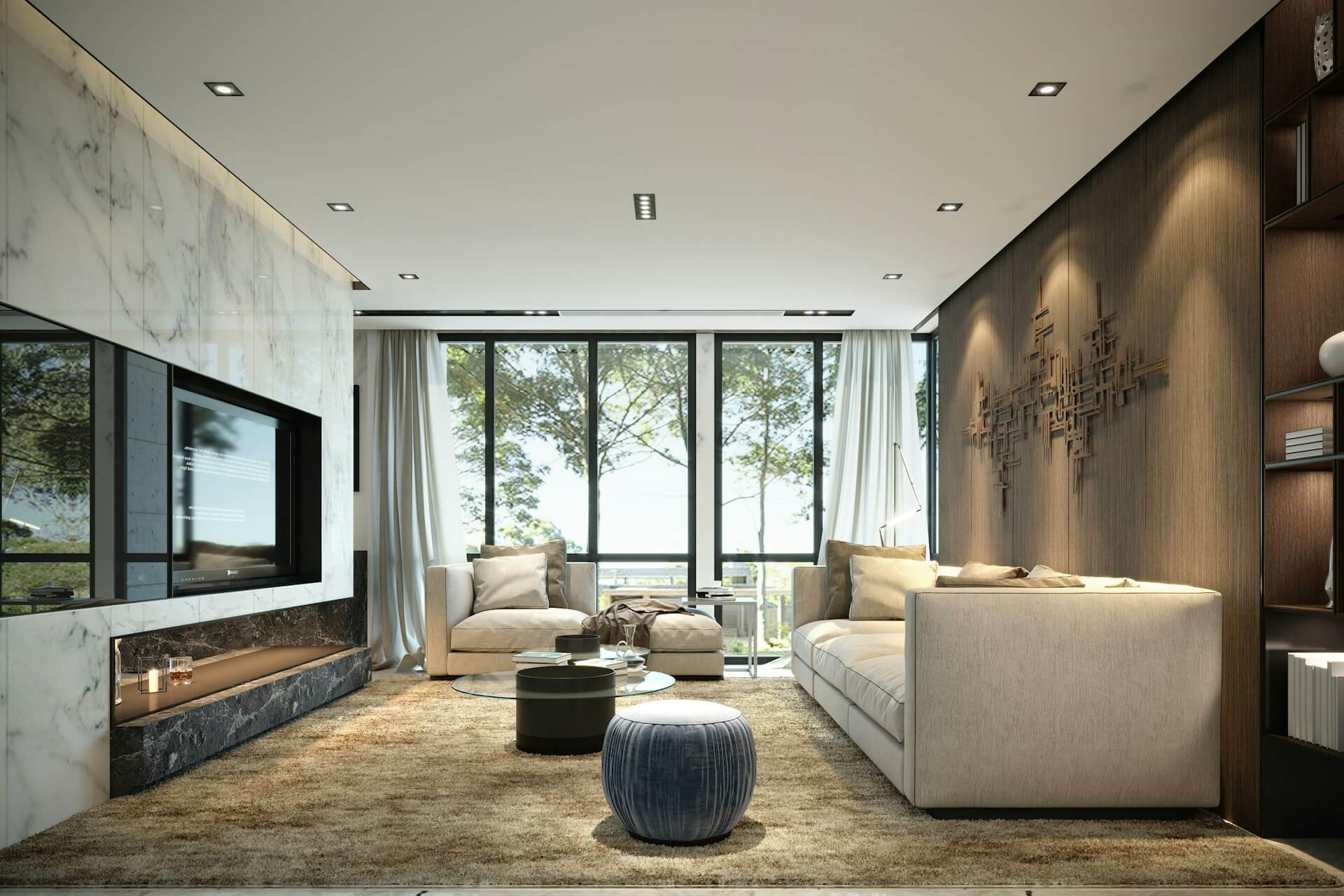
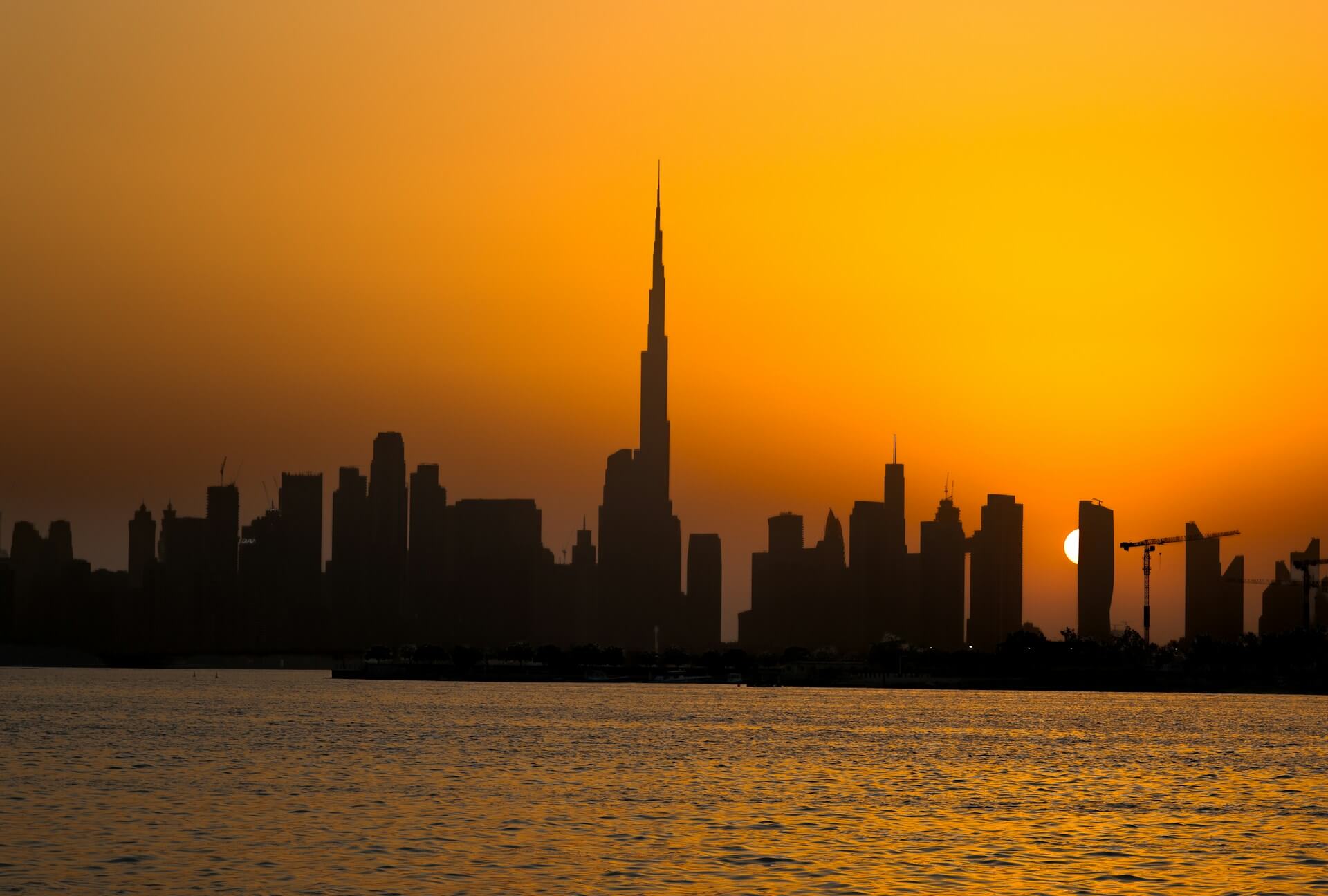
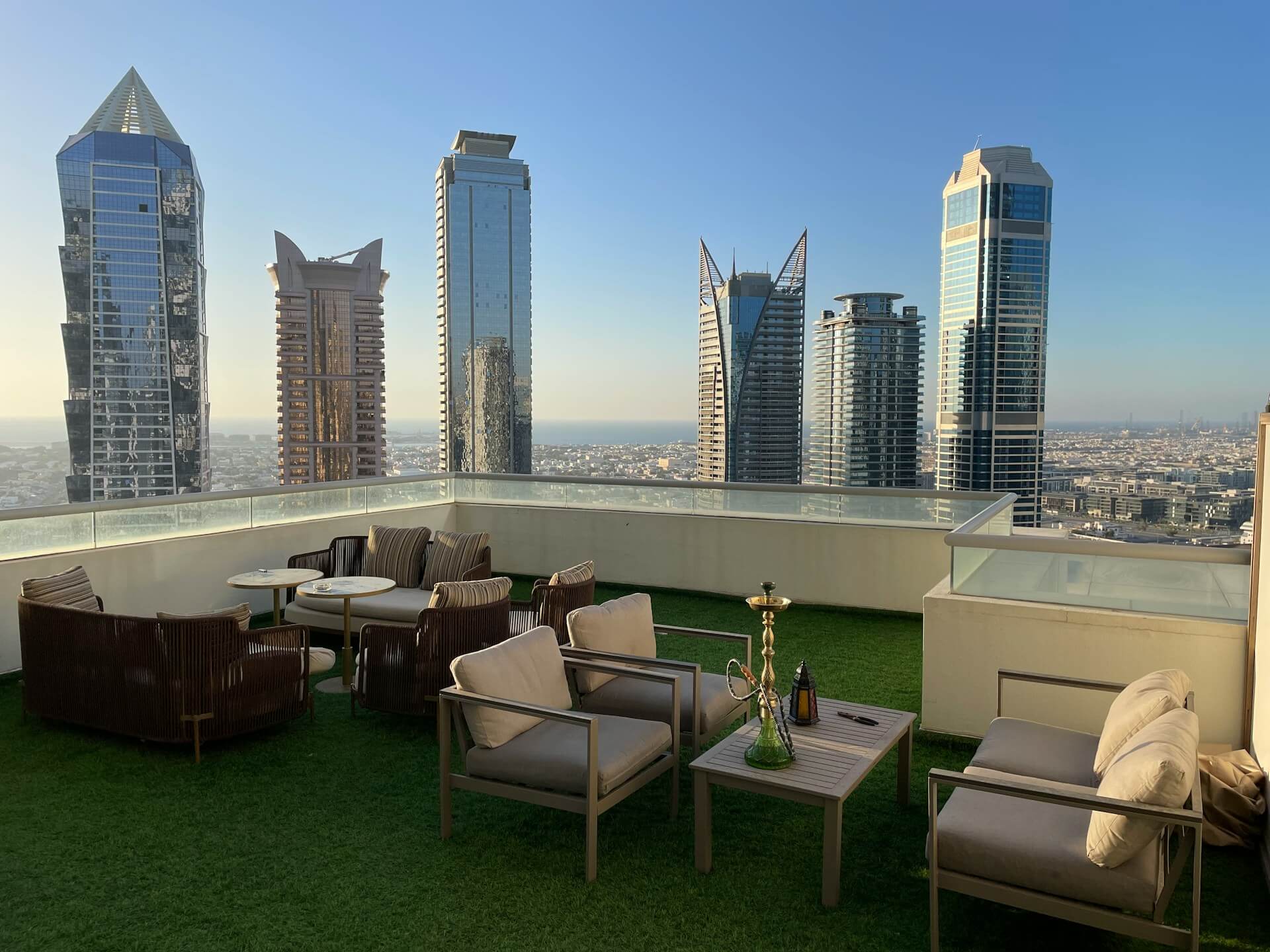
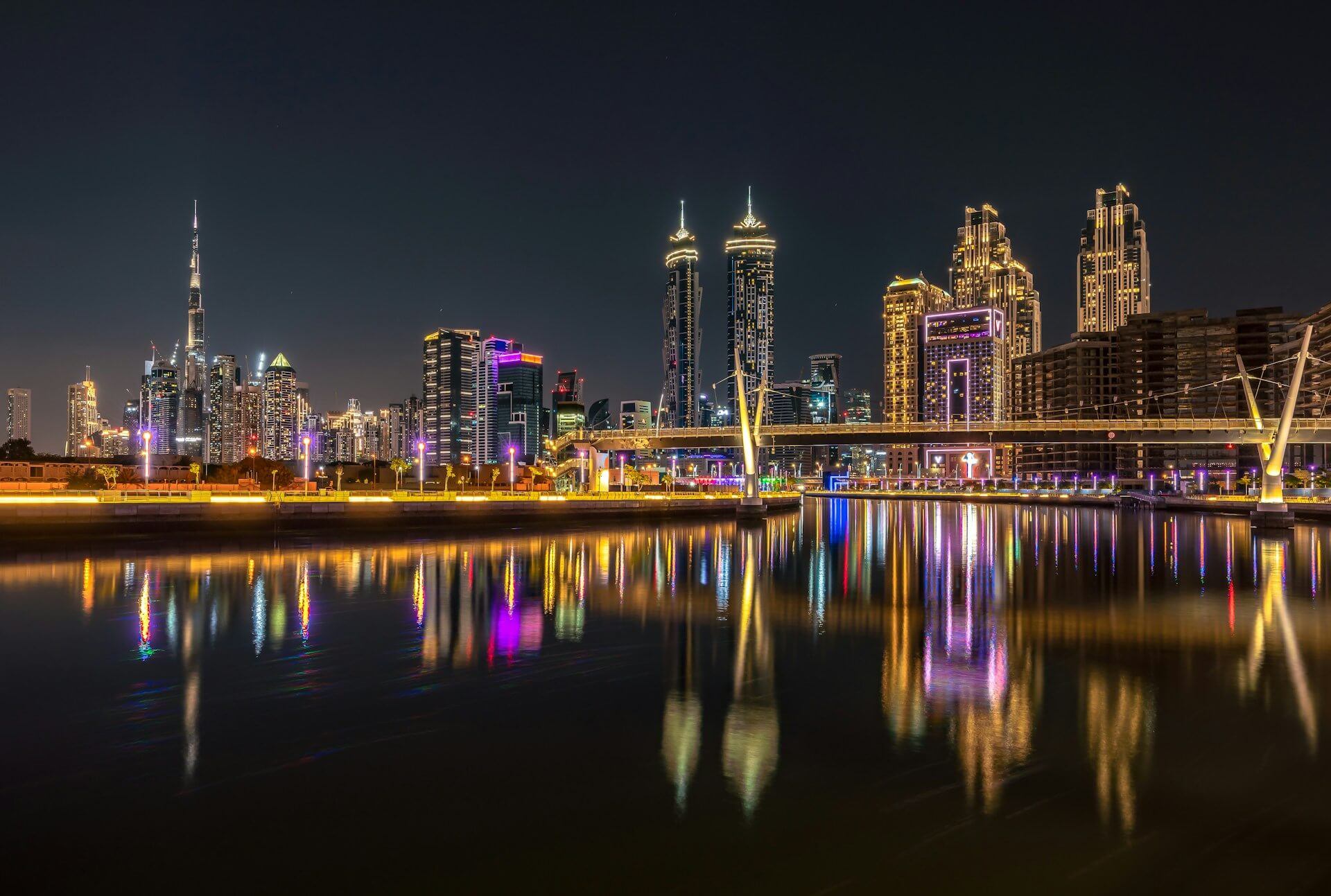
Comfortable long-term and premium rental options across Dubai.
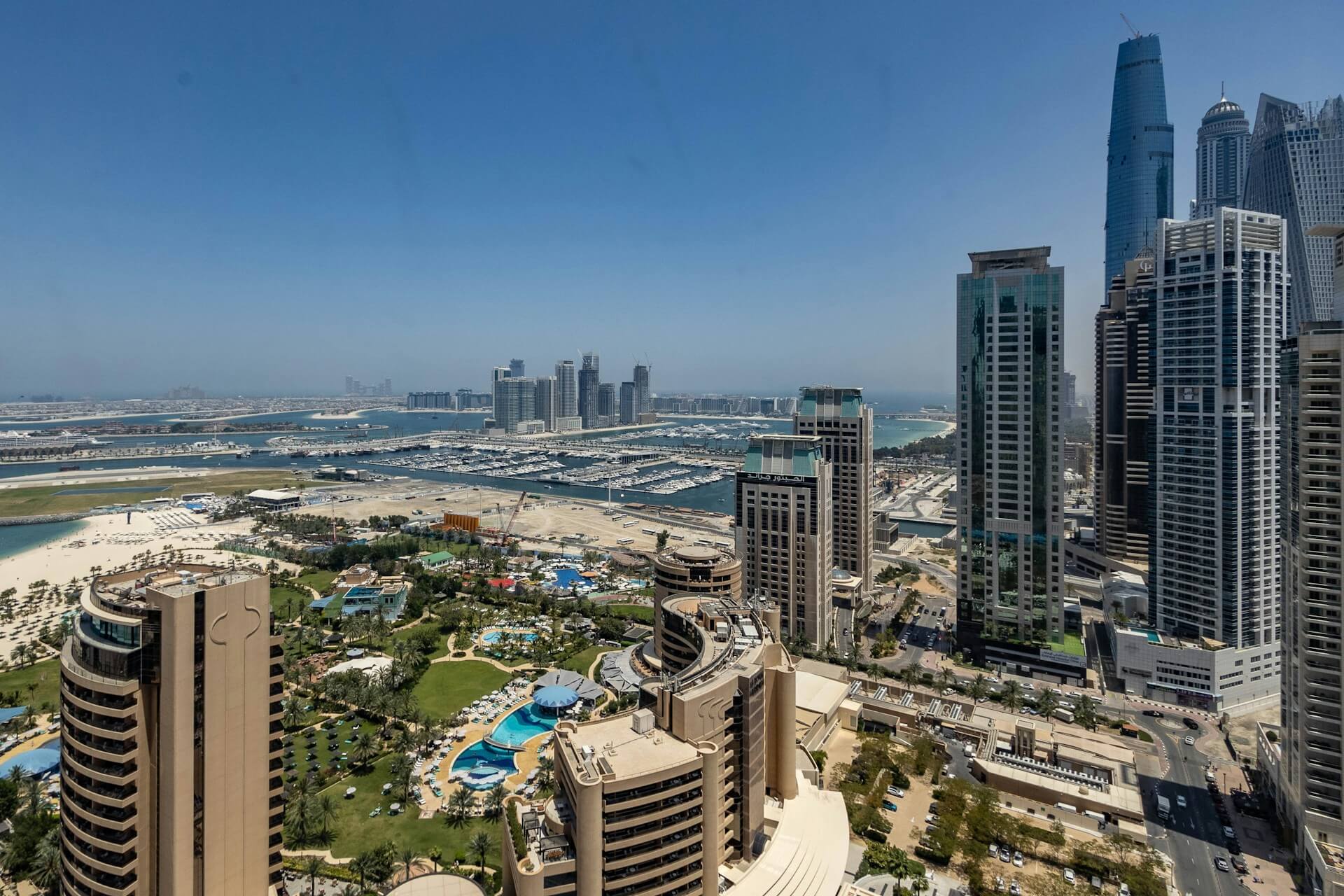

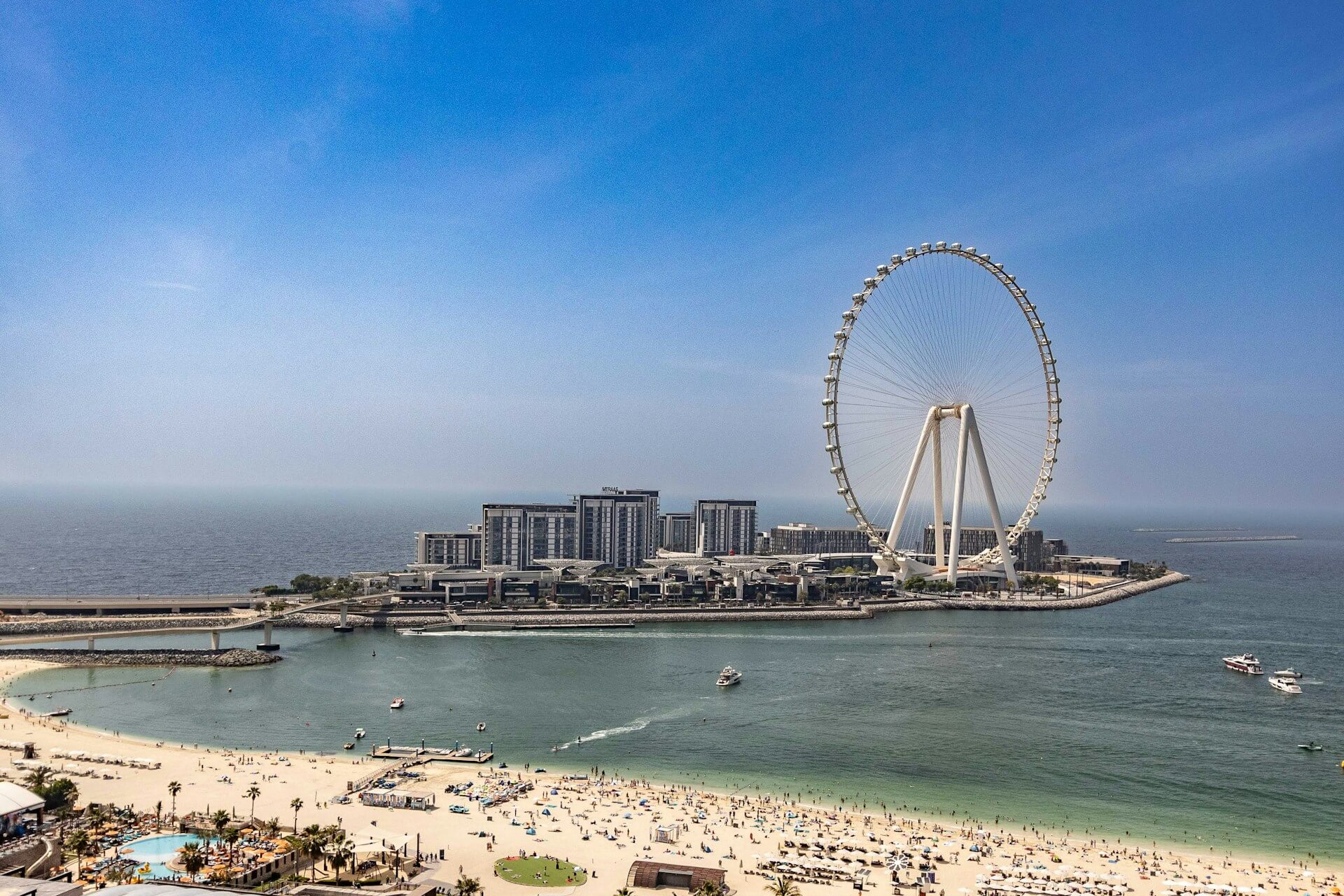
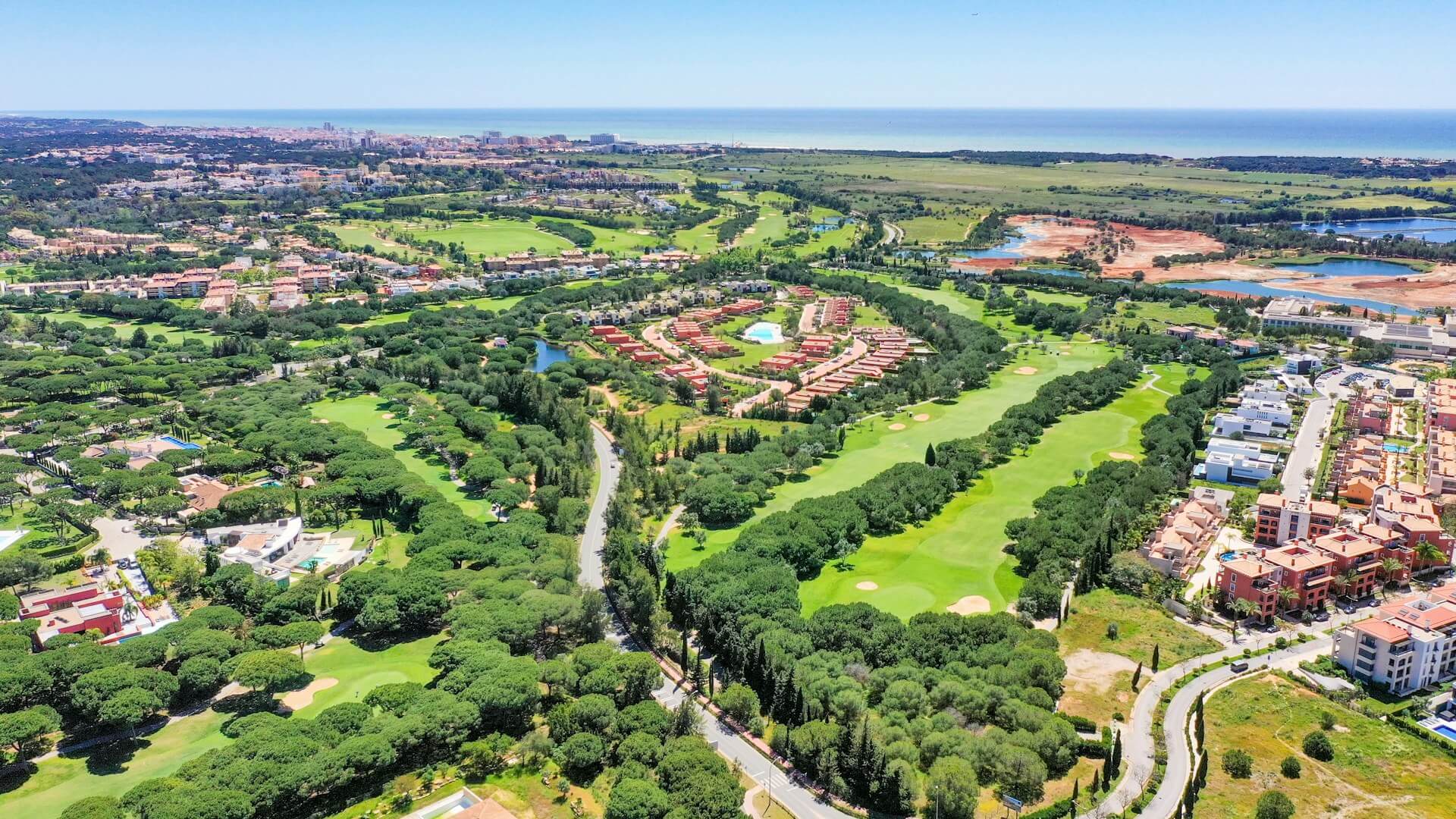
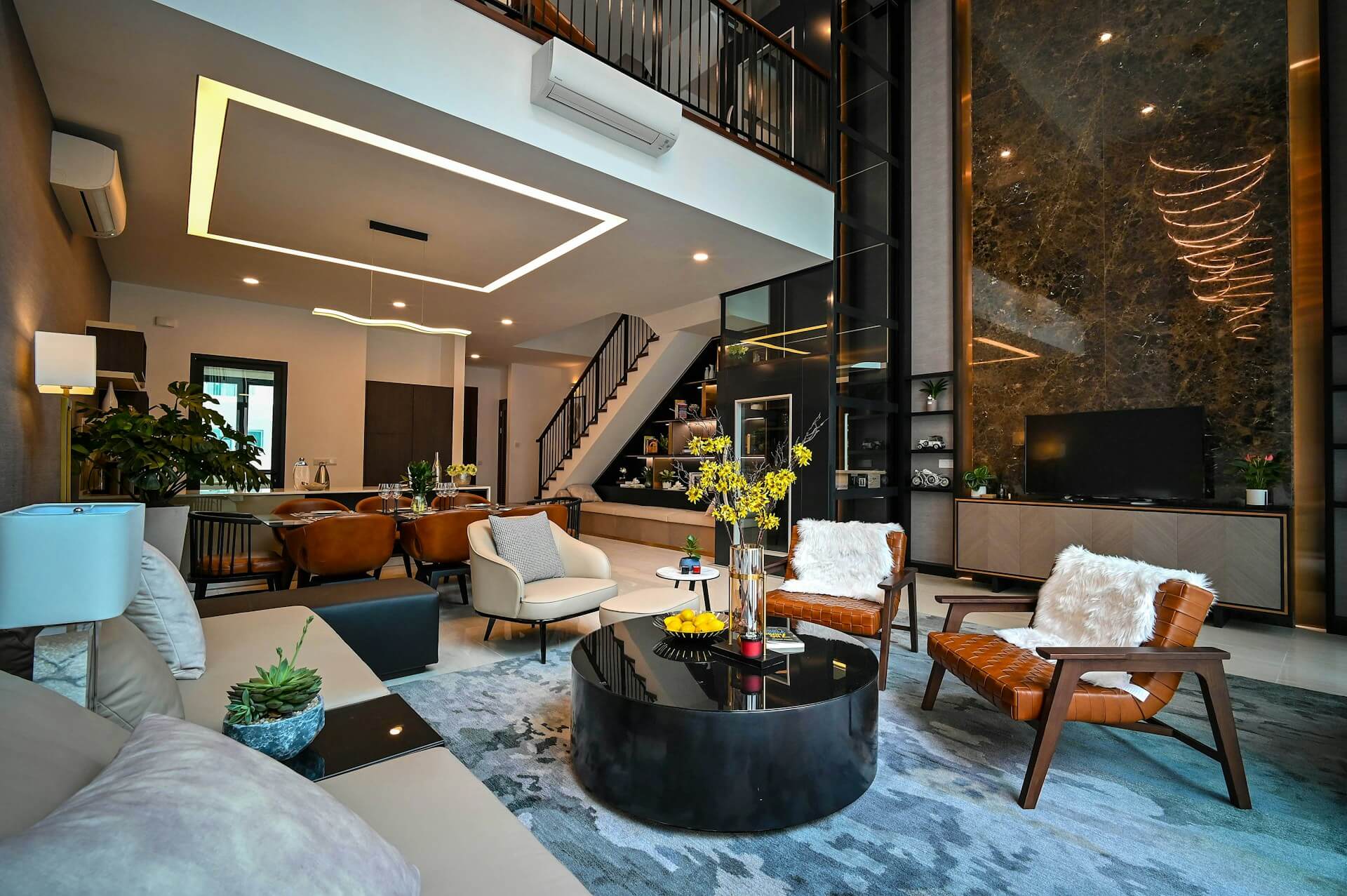
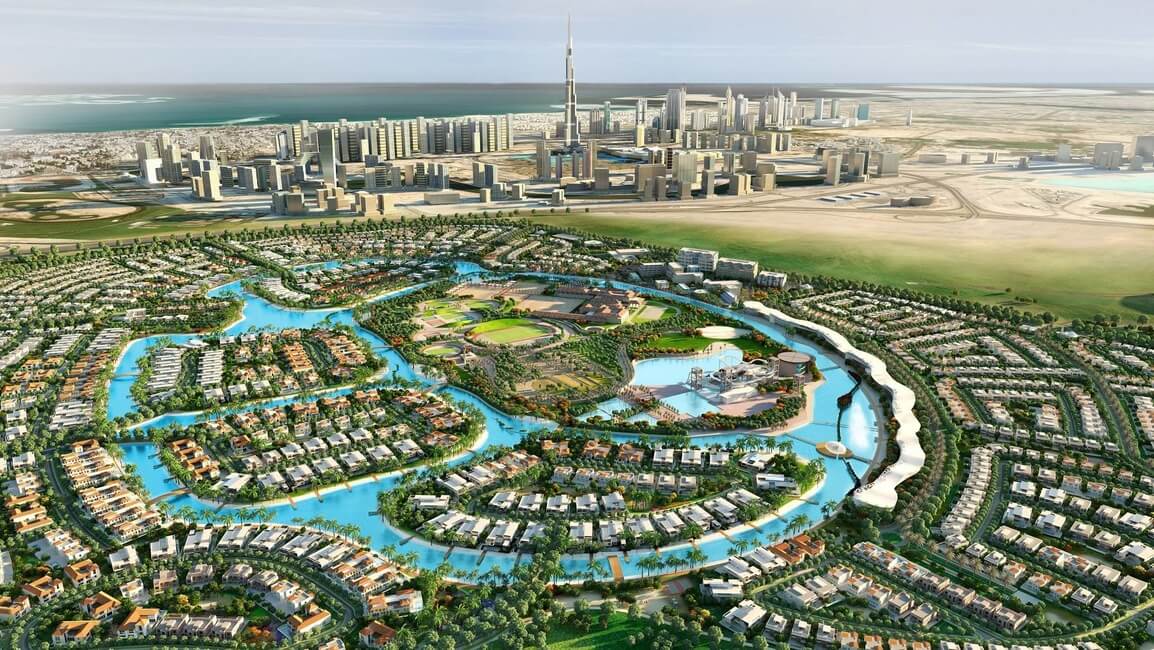
Rental prices in Palm Jumeirah currently reflect strong demand, with average monthly fees for a one-bedroom unit starting at AED 85,000 annually. Entry-level leasing budgets typically begin around AED 80,000, while luxury villas command upwards of AED 300,000 per year. This level of activity is underpinned by a growing influx of expatriates and tourism-related short-term occupancies, making this sector attractive for investors seeking stable cash flow.
Occupancy rates exceed 85% across key residential segments in Palm Jumeirah, supported by limited new developments and sustained relocation trends.
This coastal destination remains a primary choice due to its waterfront appeal combined with relatively strong rental returns of 5-6% gross for apartments compared to 3-4% in other comparable locations within Dubai.
Demand is predominantly concentrated in ready-to-move units, which outpace off-plan leasing options in terms of liquidity and immediate yield.
Considering capital allocation, leasing a mid-size apartment here requires initial budgets in the range of AED 120,000 to 160,000 annually, depending on specific sub-communities. Villas and larger townhouses start substantially higher but offer lower relative yield. Investors focusing on leasehold revenue streams should prioritize this neighborhood over emerging peripheral communities, where lower entry points often correlate with higher vacancy risk and slower turnover.
Average Dubai property rent prices currently range from AED 60 to AED 110 per square foot annually, depending on the community and property type.
For example, apartments in Dubai Marina command rates between AED 75 and AED 100 per sq ft, whereas villa rentals in Arabian Ranches typically exceed AED 90 per sq ft. Adjusting expectations to submarket differences is critical for realistic budgeting.
Strong expatriate inflow and renewed visa policies have surged leasing demand in Dubai.
Areas offering ready inventory with modern amenities show rental growth between 5% and 8% year-on-year, outpacing emerging zones where supply still outmatches interested tenants. The shortage of quality units in premium clusters underpins the higher leasing tariffs there.
For long-term tenants, Arabian Ranches offers larger villas at moderately lower rents than Palm Jumeirah, where lifestyle premiums push rates higher.
Dubai Marina’s apartment leasing market remains the most liquid, with short vacancy periods supporting stable asking figures. Choosing between these districts should consider tenant profile: families favor Arabian Ranches; young professionals prioritize Dubai Marina.
An initial annual leasing budget in Dubai Marina for a one-bedroom flat hovers around AED 70,000 to AED 85,000, while villa rentals in Arabian Ranches start near AED 140,000 per year.
Palm Jumeirah requires a minimum of AED 150,000 annually for comparable units, reflecting exclusivity. Market data indicates that entry-level lease budgets vary considerably by development maturity and community infrastructure.
Yield calculations highlight Dubai Marina as the top option for residential income generation, delivering gross yields up to 7%, owing to strong demand and consistent occupancy.
Arabian Ranches offers yields closer to 5.5%, offset by lower capital requirement for larger units. Palm Jumeirah, while prestigious, sees lower rental returns around 4% due to elevated lease costs relative to sale prices.
Comparing off-plan versus ready leasing reveals off-plan rentals are generally 10–15% cheaper but carry higher vacancy risk.
Ready accommodations, especially in well-established districts like Dubai Marina and Arabian Ranches, benefit from immediate availability, lower default risk, and quicker tenancy turnovers.
Risk factors include potential oversupply in less central locations, which may lead to rental declines of 5–8% annually.
Areas with ongoing heavy construction see fluctuating leasing demand and longer vacancy periods. Investors targeting lease income should avoid speculative zones lacking confirmed delivery within 12 months.
For tenants prioritizing proximity to business hubs and nightlife, Dubai Marina offers unmatched convenience but at a premium cost.
Conversely, renters seeking space and family-oriented amenities find Arabian Ranches more cost-effective. Villas command significantly higher leasing budgets than apartments across all evaluated regions.
When not to commit: avoid signing multi-year leases in submarkets where new developments are scheduled to launch imminently. Rental drops of up to 7% are possible within 12–18 months post-new project deliveries.
Investors should monitor supply pipelines closely before underwriting commitments, especially in Dubai Marina and Palm Jumeirah.
In summary, the leasing market’s entry point varies drastically by community–Dubai Marina suits yield-focused investors aiming for swift turnovers, Arabian Ranches appeals to end-users prioritizing space, and Palm Jumeirah caters to high-net-worth tenants accepting lower income multiples.
Understanding the nuanced interplays between demand, supply, and tenant preferences is key before entering any segment.
The current average rent prices by district in Dubai reveal stark differences in investment thresholds and tenant profiles.
For instance, Downtown Dubai demands a yearly average of AED 120,000 for a one-bedroom apartment, reflecting its premium status and high demand from professionals seeking proximity to business hubs.
In contrast, Dubai Marina offers slightly lower rates, averaging AED 100,000 annually for similar units, benefiting from strong expatriate inflows and solid short-term rental potential.
Al Barsha presents a more affordable entry point, with one-bedroom accommodations averaging AED 60,000 per year. This makes it a preferred option for mid-budget tenants and smaller investor budgets.
Meanwhile, Business Bay, with an average annual cost of AED 95,000 for one-bedroom flats, combines centrality and upgraded infrastructure, fostering consistent tenant demand.
| Downtown Dubai | 120,000 | 195,000 | 320,000 |
| Dubai Marina | 100,000 | 160,000 | 270,000 |
| Business Bay | 95,000 | 150,000 | 250,000 |
| Al Barsha | 60,000 | 95,000 | 160,000 |
| Jumeirah Village Circle | 55,000 | 85,000 | 140,000 |
Comparing districts, Downtown Dubai's higher entry costs correlate with stronger tenant retention and corporate leasing agreements, resulting in fewer vacancy periods.
Dubai Marina offers better short-term rental flexibility and moderate entry points, making it suitable for portfolio diversification. Al Barsha and Jumeirah Village Circle cater to longer lease arrangements with budget-conscious tenants, reducing per square foot income but also lowering risk of prolonged vacancies.
Investors targeting quick capital recovery should prioritize Downtown Dubai and Dubai Marina due to their liquidity and premium demand.
Conversely, areas like Al Barsha serve end-users or tenants who value affordability, shifting yield expectations downward but broadening potential tenant profiles. Business Bay forms a hybrid option balancing cost and robust infrastructure growth, suitable for those seeking mid-level entry with stable capital appreciation.
Entry capital for 1-bedroom units varies from AED 800,000 in Al Barsha to over AED 1.5 million in Downtown Dubai.
This translates into gross returns of approximately 7% in Dubai Marina versus 5% in Business Bay and 6% in Al Barsha. Thus, immediate yield differs by district, influenced by tenant demand variations and proximity to commercial centers.
Risk assessment indicates higher price volatility in Downtown Dubai due to rapid upscale projects and luxury market shifts, while Al Barsha’s comparatively stable mid-tier demand cushions downside.
Liquidity is strongest in core districts like Downtown Dubai and Dubai Marina, with faster lease turnovers and resale activity. Peripheral areas show slower movements but lower entry prices.
Short-term leases dominate in Dubai Marina and Downtown Dubai, aligning with transient working professionals and tourists, enhancing cash flow but increasing management complexity.
Long-term tenants are more common in Al Barsha and Jumeirah Village Circle, favoring consistent occupancy but potentially lengthening vacancy periods between contracts.
The analysis highlights the significance of matching investment goals with district characteristics: prioritize Downtown Dubai for capital growth and lease premium; Dubai Marina for balanced yield and tenant turnover; Al Barsha for cash flow stability through affordable units.
Business Bay fits investors wanting a blend of city-center access and moderate pricing.
Monthly rent trends in Dubai reveal distinct trajectories between apartments and villas, driven primarily by recent shifts in tenant profiles and supply dynamics. Apartments typically demand lower monthly fees, averaging AED 70,000–85,000 annually depending on location and size, while villas start at AED 150,000 and can exceed AED 300,000 in prime communities.
For investors aiming at quarterly or yearly yields, apartments in central Dubai provide more consistent seasonal demand, with a typical lease term of 12 months and an average monthly rate around AED 6,000–7,000 for mid-range units.
Villas, conversely, attract longer leases due to family tenants, with monthly fees averaging AED 12,500–18,000 in markets like Arabian Ranches or Jumeirah Park, reflecting larger space and facilities.
Between 2023 and mid-2024, villa fees grew by approximately 8%, outpacing apartment increments which hovered near 4%. This divergence results from limited villa supply combined with rising demand from relocating international families and professionals relocating amidst visa reforms in Dubai.
Entry costs for renting apartments favor mid-budget tenants, with studios and one-bedroom units in Business Bay and Dubai Marina commanding monthly fees from AED 5,500 to 8,000.
Villas require roughly double this commitment in the same districts, thus narrowing accessibility but increasing exclusivity and stability of tenant profiles.
Liquidity considerations differ significantly: apartments offer faster lease turnovers with an average vacancy period of 2–3 weeks due to larger tenant pools and corporate housing demand in Dubai Marina.
Villas experience up to 6 weeks of vacancy post-lease, reflecting niche family market preferences and fewer relocations during off-peak seasons.
Comparing districts, Arabian Ranches villas exhibit stronger rental resilience amid economic slowdowns, while apartment clusters in Jumeirah Lakes Towers display quicker adaptation to market shifts, likely from younger professionals preferring flexible leases.
For tenants prioritizing immediate budget constraints and mobility, apartments deliver lower entry requirements and enhanced short-term options.
Investors with a longer horizon and preference for steady income streams will find villas more aligned to their portfolio, despite higher initial leasing premiums and longer vacancy risks.
Off-plan villas lag in monthly demand due to limited availability, with ready units in established clusters commanding premium fees.
Apartments benefit from both off-plan attractiveness and ready inventory, easing monthly fee adjustments based on market appetite.
Short-term rentals skew heavily towards apartments, with average monthly yields nearing 7%, while villas hover around 5%, reflecting higher operational costs and seasonality. This distinction advises investors and tenants to weigh monthly income goals against upkeep and leasing flexibility.
Not suitable for tenants with tight liquidity or those requiring swift turnover are villa agreements given longer lease commitments.
Apartments carry higher risk of fee depreciation in oversupplied districts, especially during peak off-plan launches.
Monthly fee trends underscore a clear cost-to-benefit trade-off: apartments ease initial commitments with faster turnover, while villas offer upward income potential at higher price points and longer-term tenant reliability within Dubai’s evolving market conditions.
Proximity to metro stations in Dubai has a measurable effect on rental rates, with apartments located within a 500-meter radius commanding between 10% to 25% higher monthly fees compared to similar units farther away.
For example, in Business Bay, studios near the metro line rent for approximately AED 55,000 annually, while those beyond walking distance average AED 44,000.
In Dubai Marina, properties within a 300-meter range from the tram or metro experience an uplift of around 15% in leasing value versus those located over 800 meters out.
The premium aligns with convenience for daily commuters and expats prioritizing accessibility to business districts and educational institutions.
Entry capital requirements increase notably for developments adjacent to metro stops, with average transactional values up to 20% above the district mean.
Investors targeting higher yield segments should consider that metro-facing units also demonstrate lower vacancy periods–typically 5% shorter–enhancing cash flow stability.
Comparing metro-adjacent locations reveals that older communities like Al Rigga and Bur Dubai, despite affordable asking amounts, achieve a smaller rental uplift (around 8%) from metro proximity versus newer developments such as Jumeirah Lake Towers or Dubai Silicon Oasis, where the impact can reach 20%-25%.
This difference correlates with surrounding infrastructure, demand concentration, and tenant profiles.
While villas rarely benefit directly from metro adjacency due to their larger plot sizes and suburban positioning, townhouse clusters within 800 meters of stations in areas like Arabian Ranches II demonstrate a moderate rental increment near 7%-10%, mainly for tenants valuing commuting ease.
Financially, investors should factor in that metro-adjacent assets carry higher entry costs, but compensation through streamlining tenancy cycles and consistent mid-tier rental premiums supports a 6%-7% annual gross return.
In contrast, similar units outside immediate metro reach tend to yield closer to 5%-5.5%, with longer vacancy durations.
In terms of liquidity, metro proximity enhances resale potential; listings near Green or Red Line stations sell approximately 15% faster based on transaction records from 2022-2023.
This makes such units preferable for investors prioritizing exit speed and turnover.
Metro adjacency attracts both end-users and expatriates reliant on public transport, increasing long-term demand.
Conversely, risk emerges if new lines or extensions fail to materialize on schedule nearby, leading to temporary dips in tenant interest.
For tenants keen on optimizing monthly payments, properties located 700-1000 meters from metro stations in emerging districts like Dubai South present competitive rates with only modest reductions in accessibility–typically a 5%-8% discount compared to metro-proximate alternatives.
Balancing higher entry costs against accelerated leasing velocity and rent uplift favors choosing developments within 500 meters of metro hubs for projects targeting capital preservation and income consistency.
Several aspects affect rental prices in Dubai's housing market.
The location is a primary factor; properties situated in central areas or near beaches typically command higher rents. The type of accommodation, such as villas, apartments, or townhouses, also plays a significant role.
Additional elements include the age and condition of the building, availability of amenities like swimming pools, gyms, and security services, as well as proximity to key facilities such as schools, shopping centers, and transport hubs. Market supply and demand, along with economic conditions, impact pricing as well.
Rent varies considerably across Dubai’s neighborhoods.
Prime locations like Downtown Dubai and Dubai Marina generally have higher prices due to their prestige, extensive amenities, and strong demand. Areas such as Jumeirah, Palm Jumeirah, and Business Bay also tend to show elevated rental rates. On the other hand, emerging or less central communities like International City, Al Nahda, or Dubai Silicon Oasis offer more affordable options.
Rent in these areas can be lower by approximately 30-50%, making them attractive for budget-conscious tenants or families seeking more space for less cost.
In recent months, Dubai’s rental market has seen a gradual increase in asking prices, especially in high-demand segments like luxury apartments and villas.
This upward movement reflects a recovering economy and growing interest from expatriates and investors. Additionally, there has been a preference for larger living spaces following global changes in remote work patterns, which shifted demand towards properties with dedicated home office areas or sizeable balconies. However, more affordable neighborhoods remain competitive, with landlords adjusting prices to attract tenants amid heightened options.
Lease agreements in Dubai commonly run for one year, with tenants often required to pay rent in multiple post-dated checks, usually four to twelve installments.
Security deposits equivalent to one month’s rent are standard. Some landlords include maintenance charges in the rental fee, while in other cases tenants cover them separately. It is usual for contracts to specify responsibilities regarding utilities and property upkeep. Early termination clauses and rent increase conditions are typically outlined, offering clarity to both parties.
Prospective tenants should carefully review contracts and clarify any doubts before signing.
The introduction of new housing projects in Dubai has broadened options for renters and increased competition among landlords. New developments often feature modern designs, advanced facilities, and integrated community services, which attract tenants willing to pay a premium.
However, the increased supply has also encouraged price adjustments in older or less centrally located properties as landlords seek to maintain occupancy. In some cases, promotional offers and flexible payment plans accompany new launches, providing short-term incentives that can influence the rental market trends across various segments.
Apartment rental costs in Dubai have experienced fluctuations over the past few years due to various factors such as shifts in demand, new developments, and economic conditions.
After a period of decline, certain areas have seen moderate increases, especially in locations popular among expatriates and professionals. However, some neighborhoods still offer relatively affordable options compared to prime districts. The market continues to reflect a mix of supply availability and tenant preferences.
Clear answers about buying, renting and investing in Dubai property.
Yes. Foreign buyers can purchase freehold property in designated areas such as Dubai Marina, Downtown Dubai, Business Bay, Palm Jumeirah, Dubai Hills and other approved communities.
It depends on your timeline, budget and goal. Buying is usually better for long-term plans, capital growth and rental income, while renting is better for flexibility and easier relocation.
The required budget depends on the area, building quality and property type. More accessible apartments can be found in developing communities, while prime locations and luxury properties require a much higher budget.
In addition to the purchase price, buyers should budget for the Dubai Land Department fee, registration and trustee fees, possible agency commission, mortgage-related costs if financing is used, and ongoing service charges for many buildings.
Yes, many banks in the UAE offer mortgages to foreign buyers. Approval depends on income, documents, deposit amount and the specific property being purchased.
Areas such as Dubai Marina, Downtown Dubai, Business Bay, Dubai Hills, JVC, Palm Jumeirah and Creek Harbour are often considered by investors, but the right area depends on whether your focus is yield, resale value, lifestyle appeal or long-term growth.
Rental yield varies by area, property type, furnishing level and market timing. In practice, many investors look for a balance between strong occupancy, reasonable service charges and sustainable tenant demand rather than chasing headline numbers alone.
Off-plan property is purchased directly from a developer before the project is completed. Buyers often choose off-plan because of payment plans, newer inventory and lower entry prices compared with some ready properties.
A proper review should consider the developer’s track record, payment plan, handover timeline, location quality, future supply in the area and the project’s resale or rental potential after completion.
For ready property, the timeline can move fairly quickly if the price is agreed, documents are prepared and the buyer is ready to proceed. Mortgage purchases usually take longer than cash deals.
Yes, many purchases can be handled remotely with the correct documents and proper support through the process. Remote buying is common for overseas investors and international clients.
The biggest risks are overpaying, choosing a weak location, buying an unsuitable layout, ignoring service charges, or selecting a project with low resale and rental demand. Good selection matters more than marketing promises.
In long-term rentals, rent is commonly agreed for a fixed term and often paid by one or several cheques depending on the landlord, property and negotiation.
Tenants are usually asked for identification and residency-related documents, and the exact set depends on their status in the UAE and the landlord’s requirements.
A security deposit is commonly required before move-in. The amount often depends on whether the property is furnished or unfurnished and should be clearly stated in the rental terms.
In many rental transactions, an agency commission is charged. The amount depends on the deal structure and should be confirmed before signing anything.
Tenants should review the deposit, Ejari registration, utility setup costs, parking terms if relevant, maintenance responsibilities and any conditions related to early termination or renewal.
Yes, negotiation is common. The final result depends on market conditions, the landlord’s flexibility, how long the property has been available and how prepared the tenant is to move forward.
It is important to check the condition of the unit, building quality, noise level, parking, view, maintenance status, contract terms and the reliability of the owner or manager.
Short-term rent offers flexibility and convenience but is usually more expensive. Long-term rent is generally more cost-effective and better suited for clients planning to stay longer.
During an active contract, the agreed rent usually remains fixed. Any increase is generally discussed at renewal and should follow the applicable rules and notice requirements.
This depends on the tenancy contract. Minor day-to-day issues may be handled by the tenant, while major maintenance is commonly the landlord’s responsibility, but the exact wording in the contract matters.
Ejari is the official registration of the tenancy contract in Dubai. It is important for legal recognition of the lease and is commonly needed for practical steps such as setting up utilities.
Yes. Furnished properties can be more convenient and faster to move into, while unfurnished options may work better for longer stays or tenants who want more control over the setup and budget.
We do not rely on random mass listings. We narrow the market based on budget, location, property type, investment goal, lifestyle needs and timeline, so clients can focus only on relevant options.
Yes. Support can include shortlisting, arranging viewings, comparing options, discussing terms, helping with negotiations and guiding the next steps of the transaction.
The best first step is to define the real budget, target areas, purpose, preferred property type and timeline. Once those points are clear, the selection becomes faster, cleaner and much more useful.