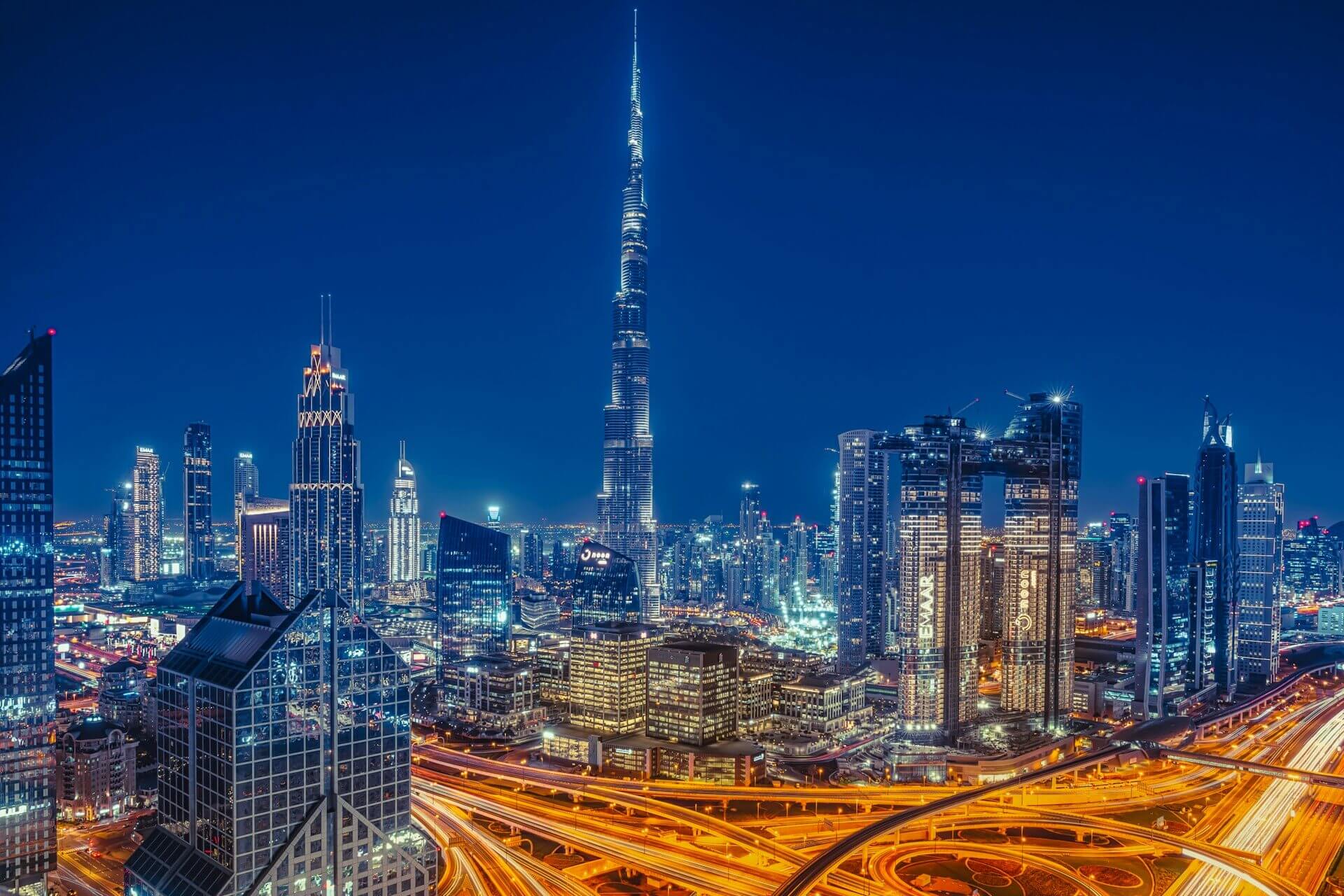
FOR SALE
AED 1,200,000AED 720,000
We help clients buy and rent the right property in Dubai — apartments, villas and investment units matched to budget, area and goals.
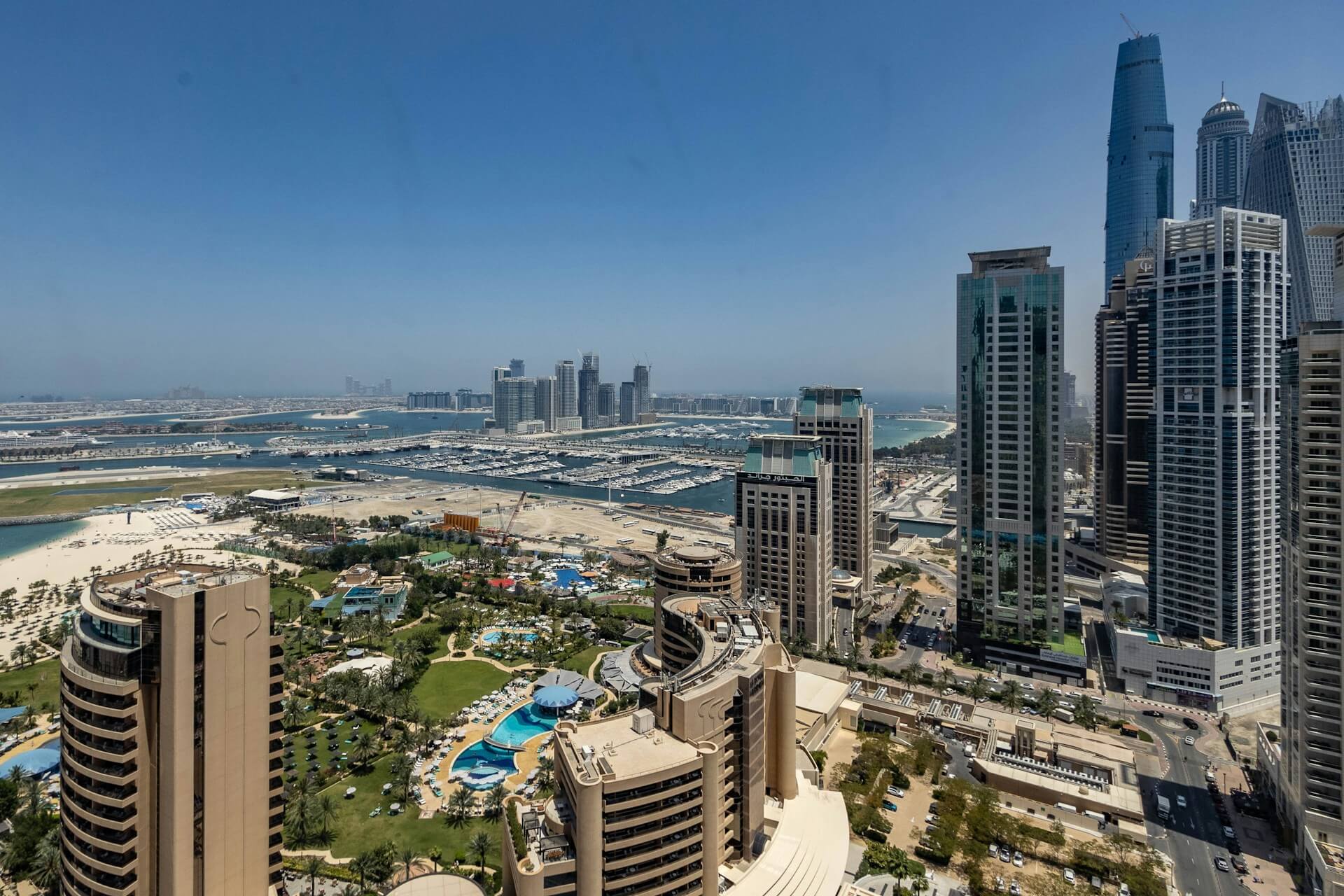
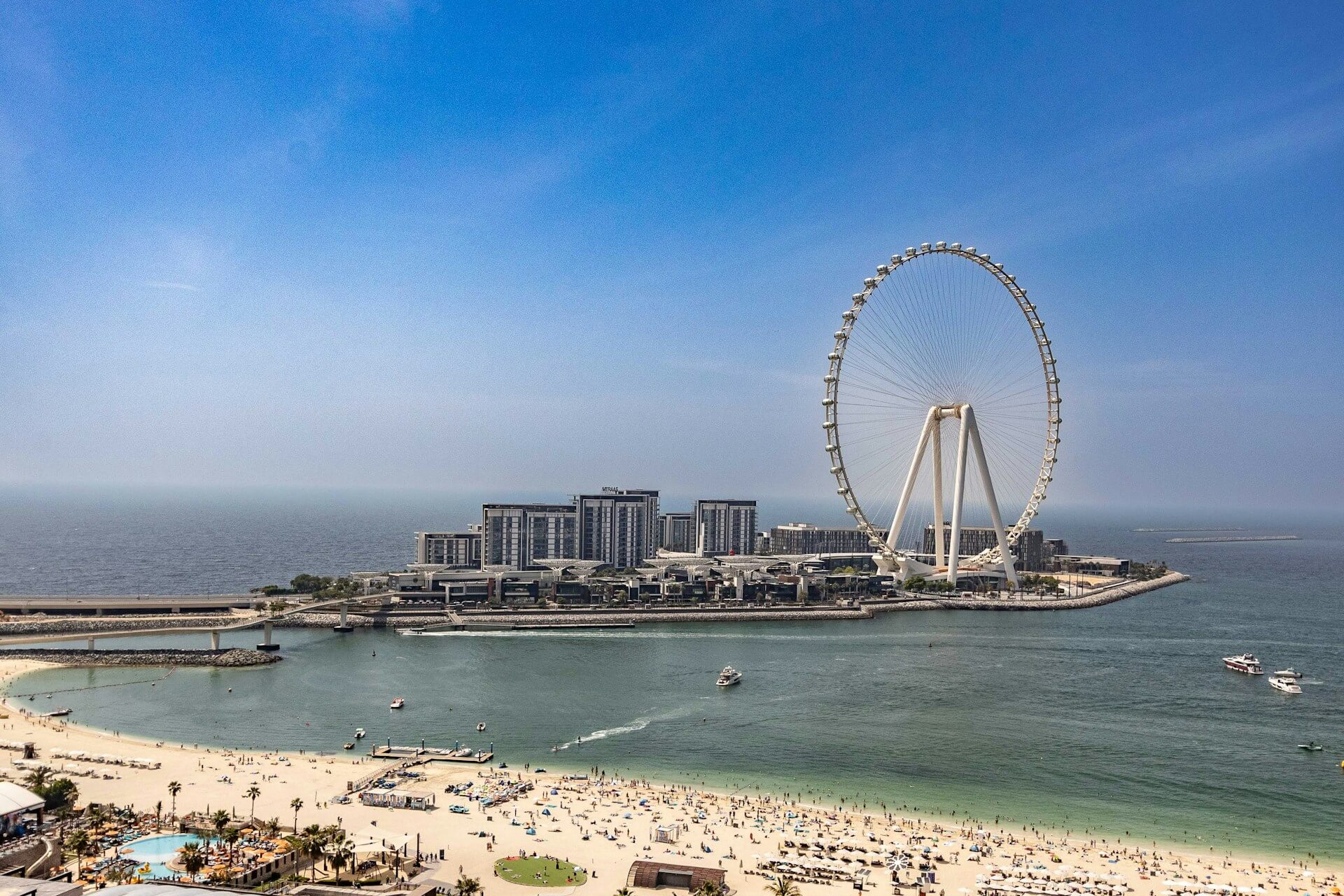
Dubai Property Selection focuses on apartments, villas and investment properties in key areas such as Dubai Marina, Downtown, Business Bay, Dubai Hills and Palm Jumeirah.
Instead of sending a huge list of random listings, we prepare a clean shortlist based on your budget, preferred area, bedrooms, timeline and purchase or rental goals.
Premium opportunities in Dubai — from compact investment units to signature villas and penthouses.
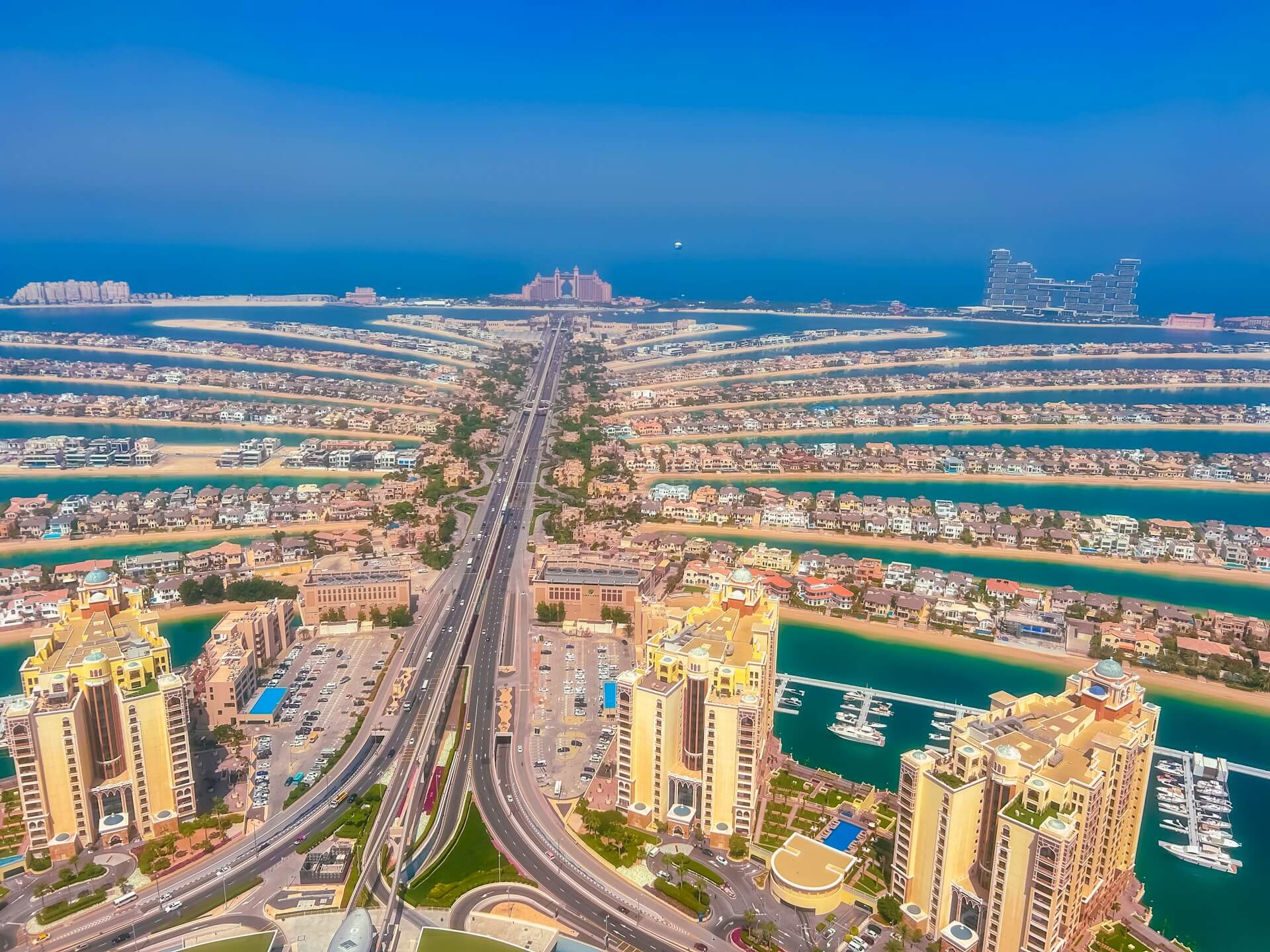
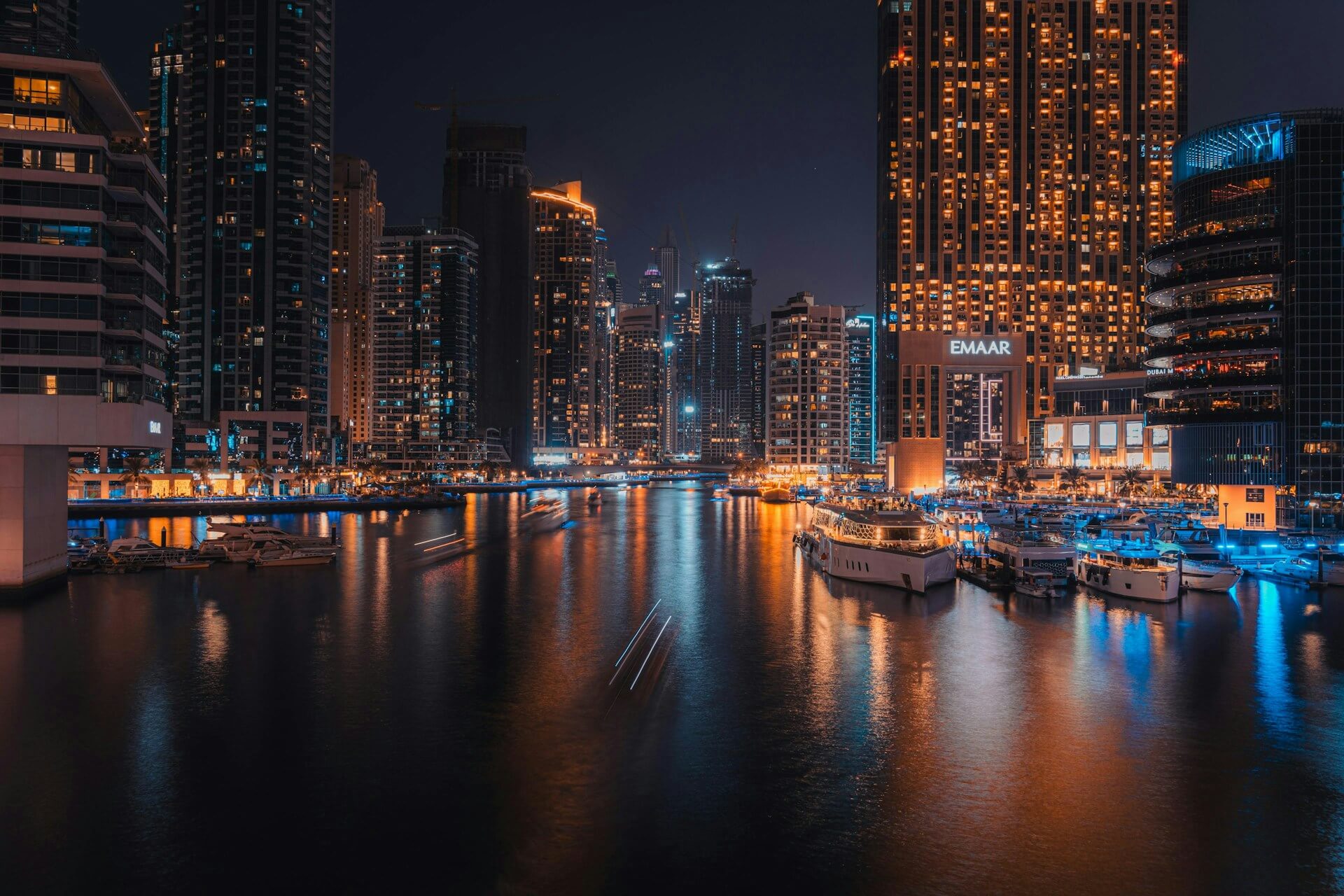
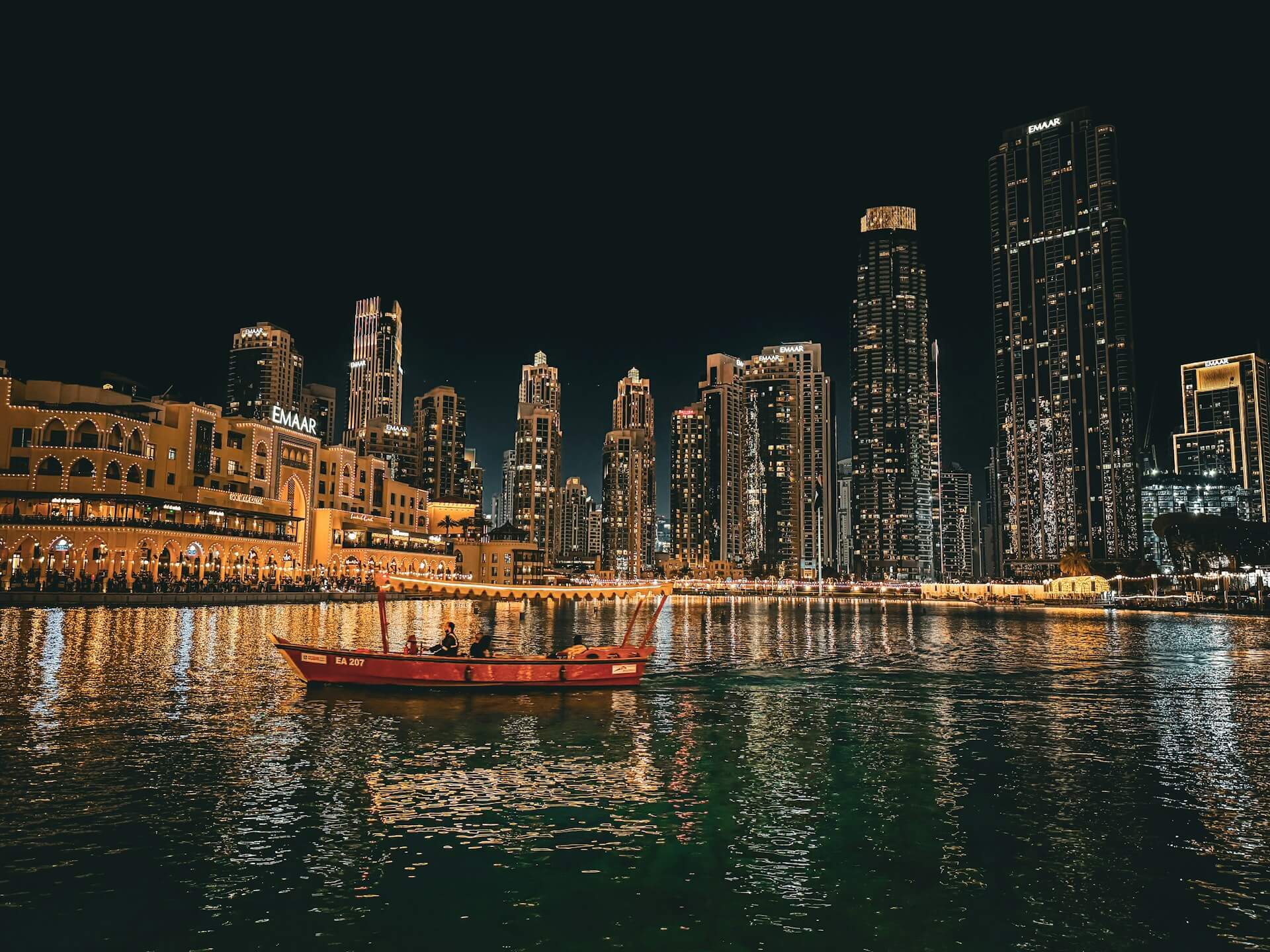
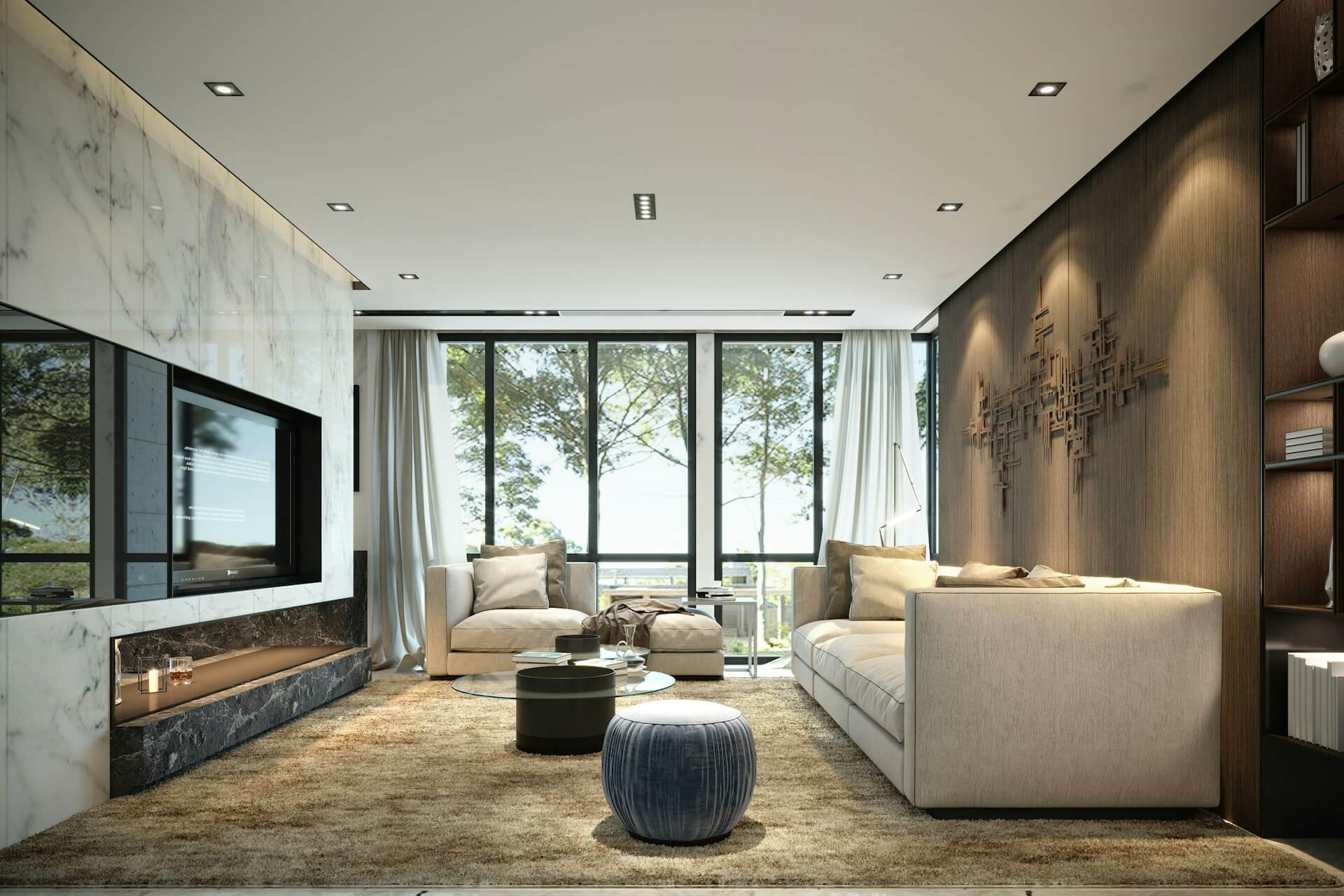
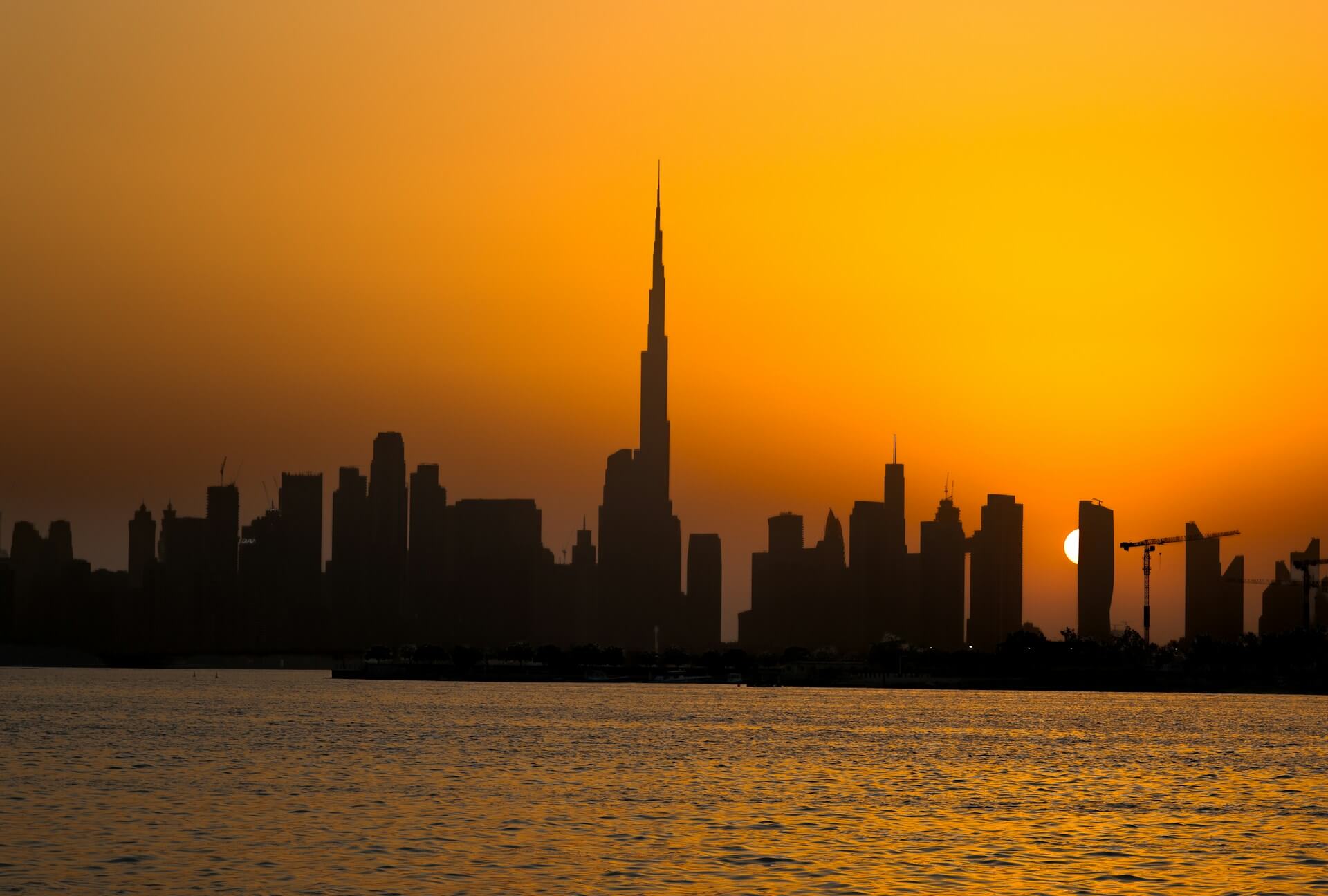
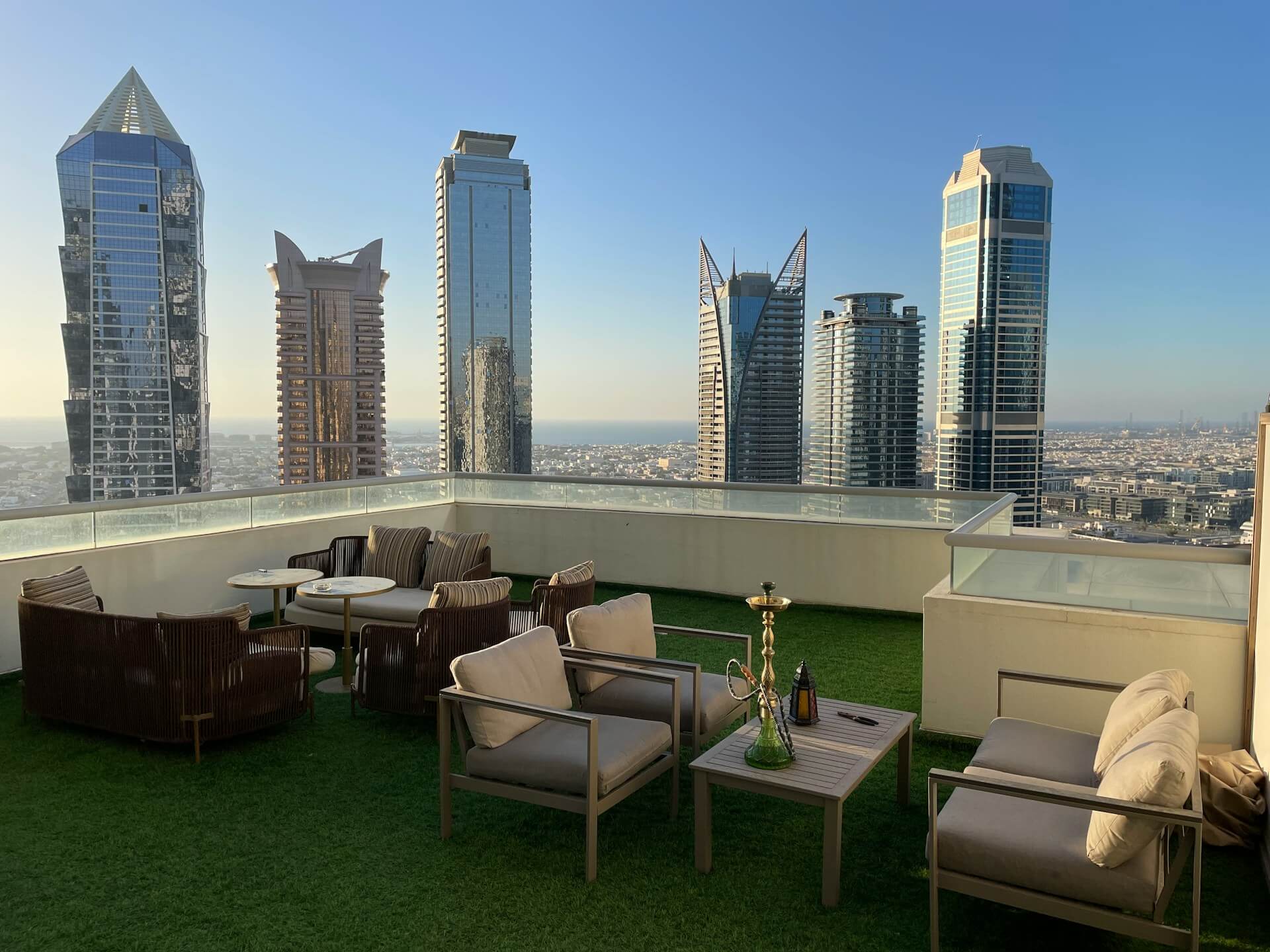
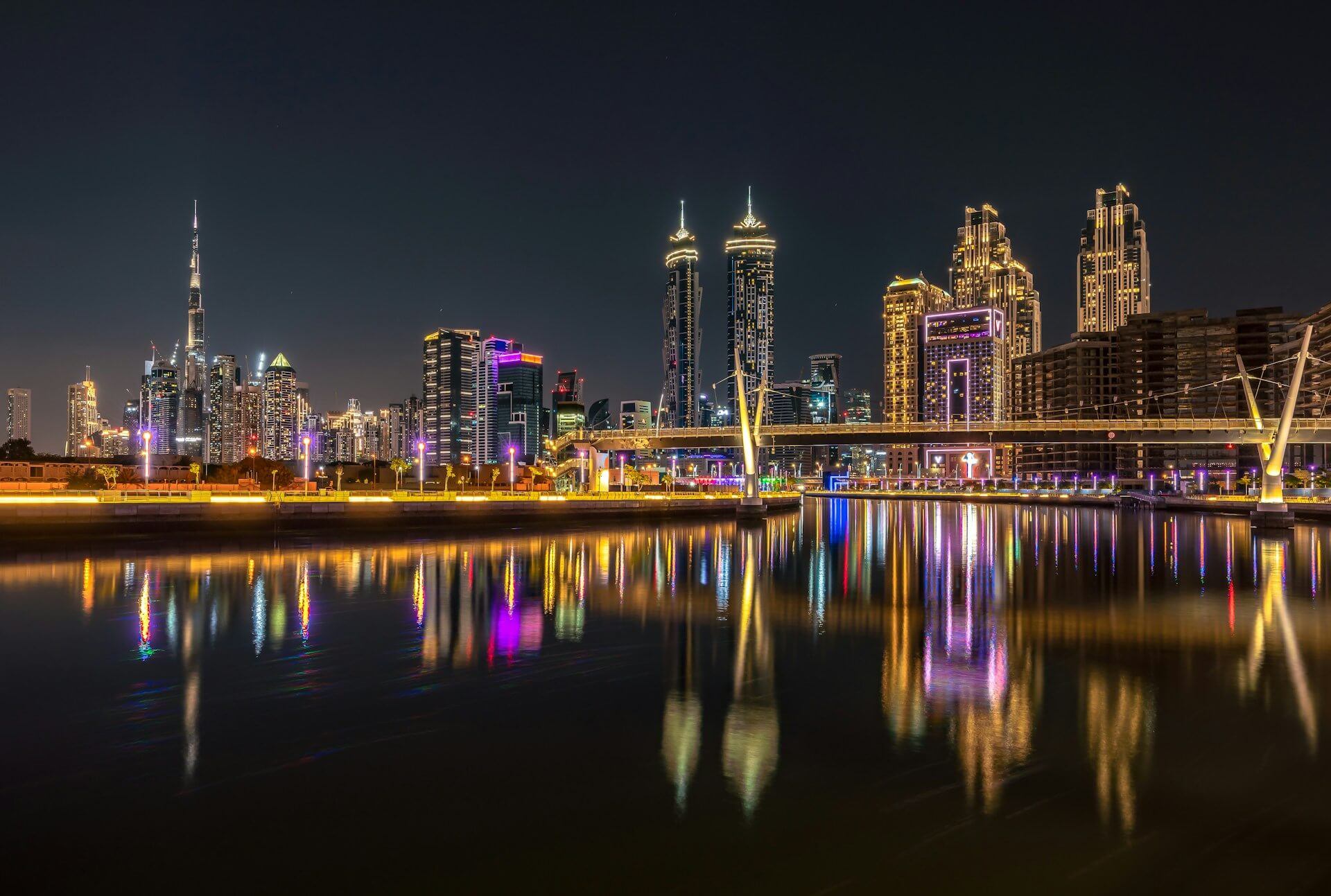
Comfortable long-term and premium rental options across Dubai.
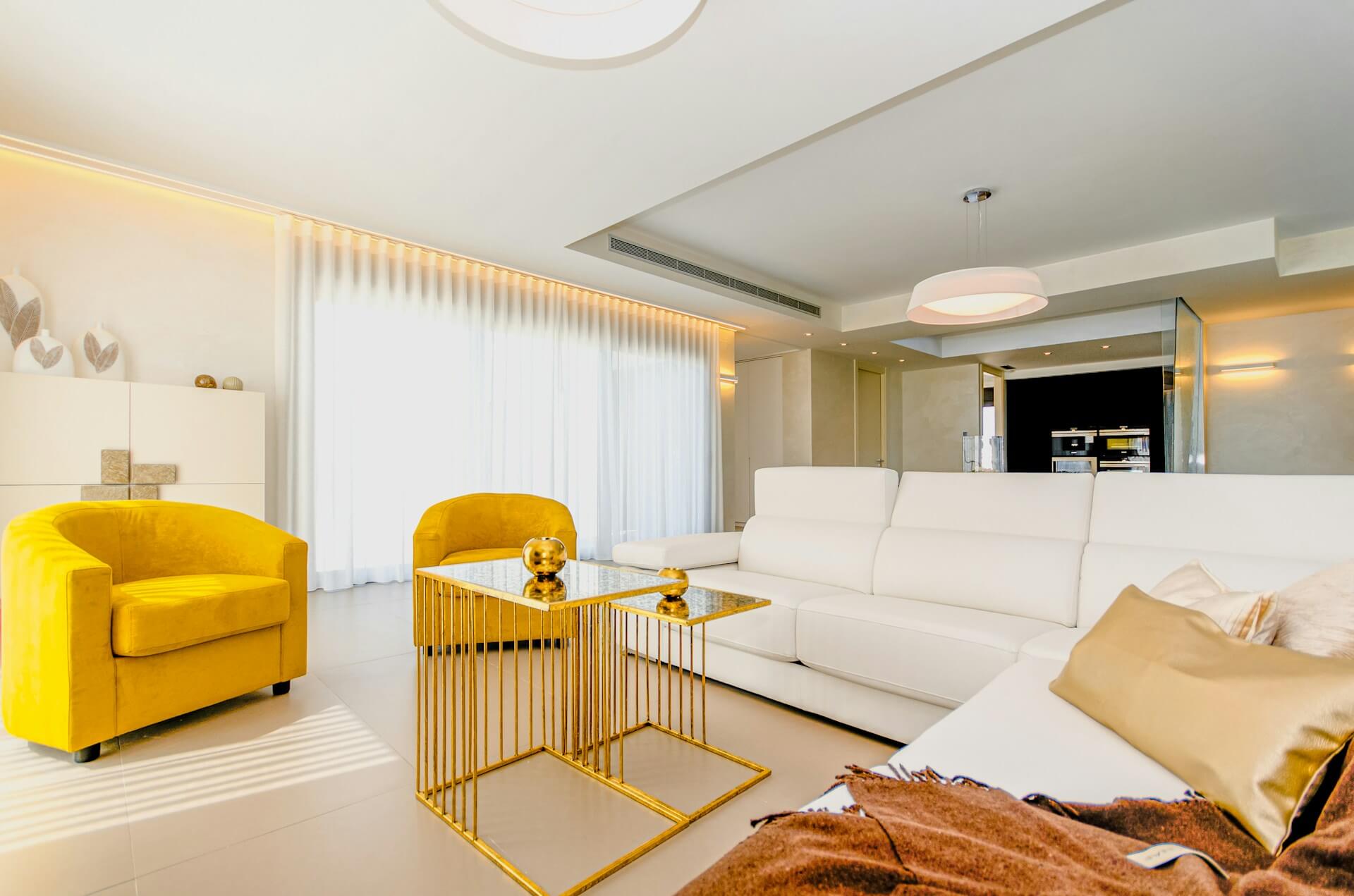
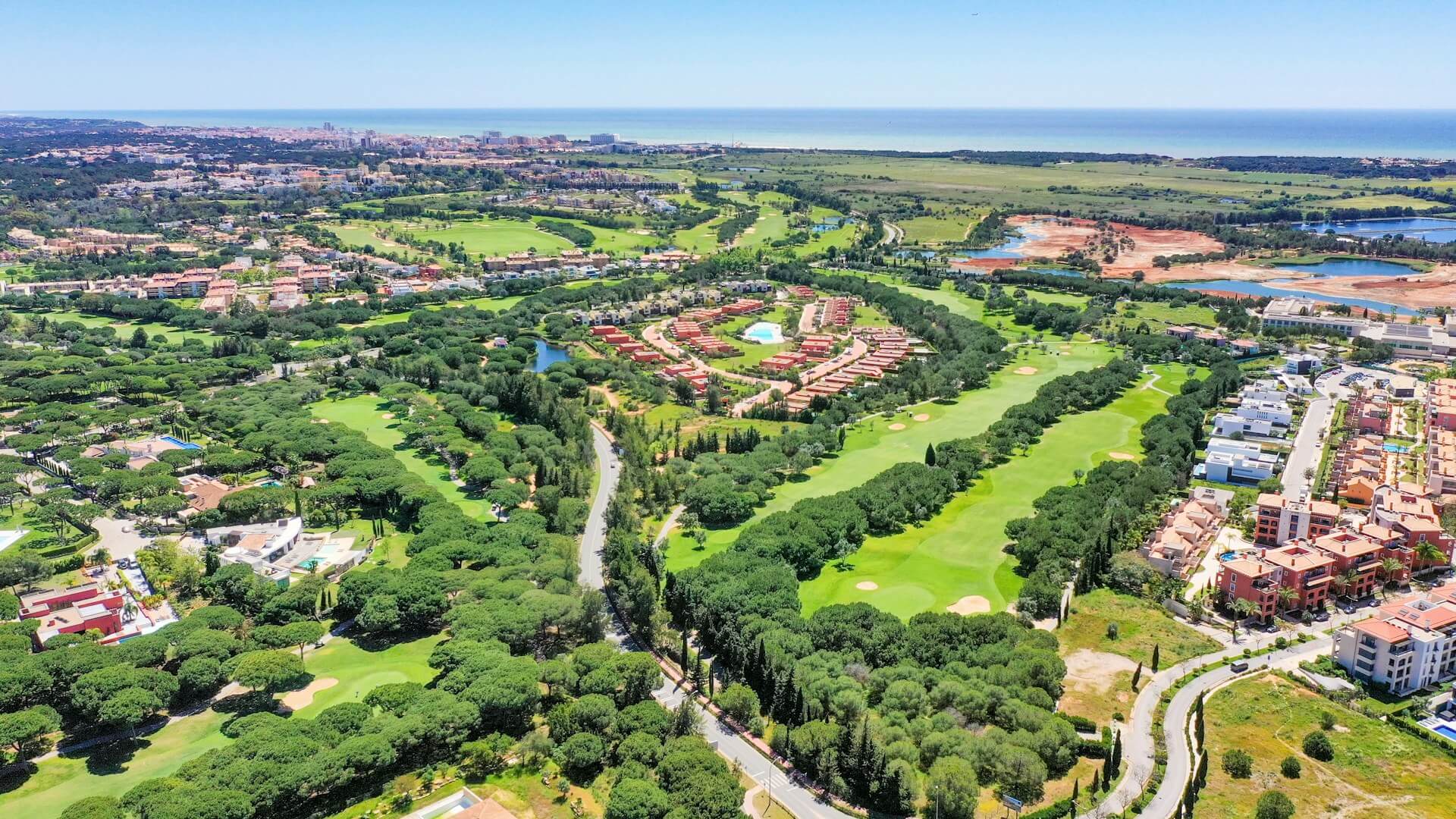
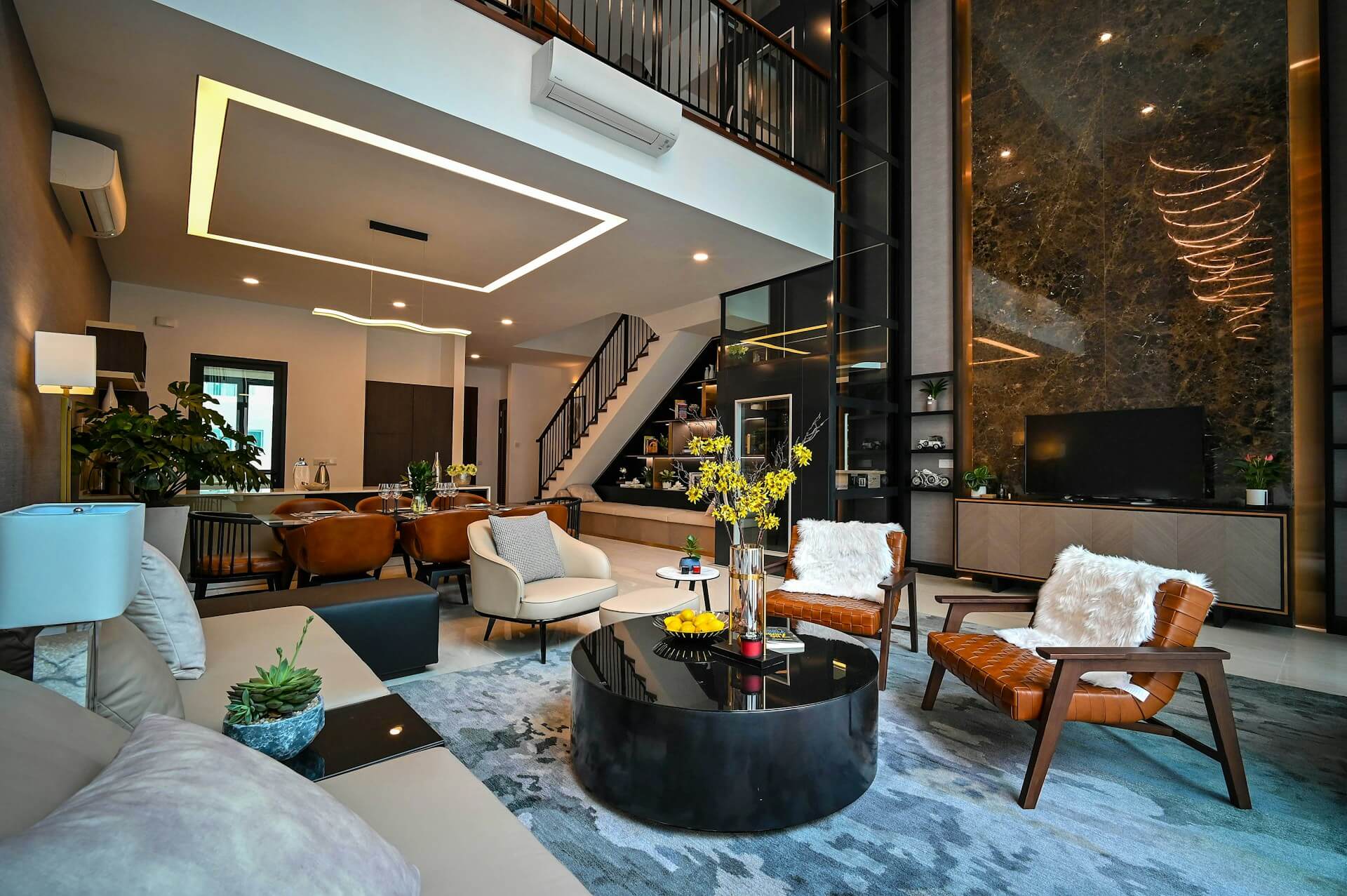
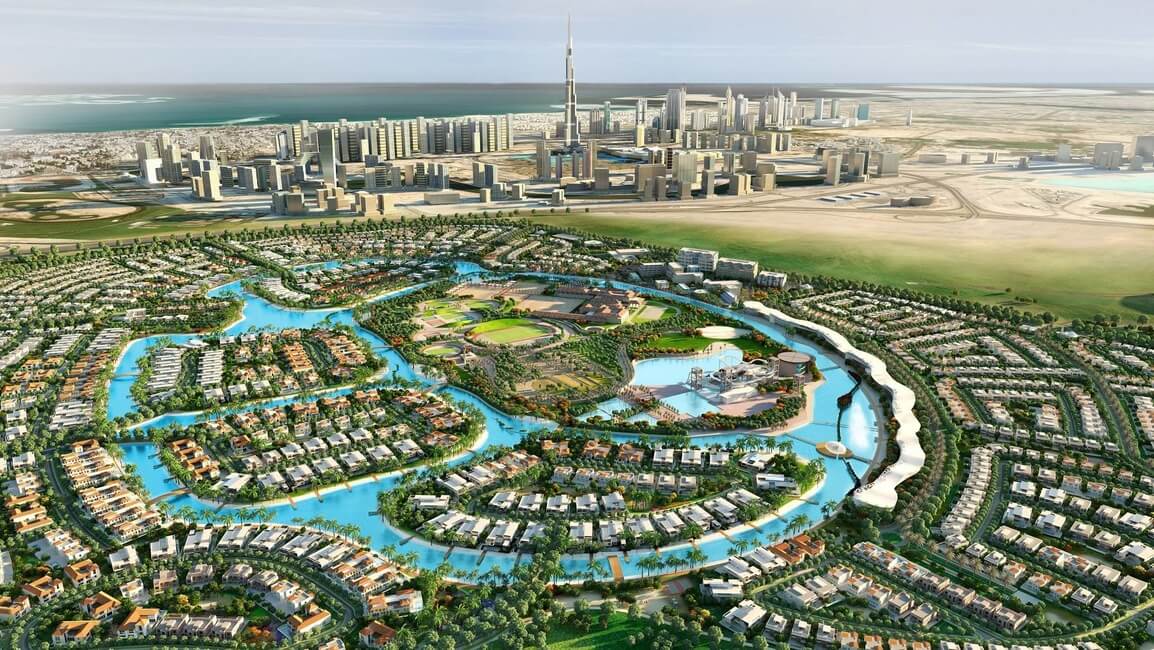
Investing in villas within Emirates Hills currently requires a minimum capital outlay starting around AED 15 million, positioning it among the higher entry points in Dubai’s luxury residential market. Demand concentrates heavily on well-maintained detached estates with private pools and golf course views, driven by ultra-high-net-worth individuals seeking asset diversification and privacy.
The community sustains liquidity due to limited supply and continued interest from international buyers, reinforcing its status as a cornerstone for long-term capital preservation.
Dubai’s Emirates Hills consistently attracts buyers prioritizing exclusivity and architectural customization, differentiating it from other upscale pockets such as Palm Jumeirah or Dubai Marina, where high-rise living prevails.
Unlike high-density districts, properties here offer substantial plot sizes from 10,000 sq ft upwards, contributing to pricing resilience amid market fluctuations. Current trends show price adjustments within a moderate 3-5% range year-on-year, aligned with the broader luxury segment’s stability.
Entry-level options predominantly consist of mid-sized mansions priced around AED 15–20 million, while flagship residences easily surpass AED 50 million.
This spectrum allows acquisition strategies focused either on personal use with potential appreciation or pure investment targeting rental yields between 4–6% gross, significantly outperforming standard villa yields in less exclusive parts of Dubai.
Premium detached homes in Emirates Hills command consistently higher premiums due to their gated security and direct access to Emirates Golf Club, features unmatched by competing enclaves.
Active buyer pools mainly include GCC nationals and global HNWIs interested in second-home ownership, capital gains, or residency-linked visa advantages, which stimulate upward demand for ready-to-occupy detached properties rather than off-plan launches.
The scarcity of new supply inflates resale values and reduces holding period risk, making the locality a preferred choice among cautious investors. Moreover, the limited availability of larger lots restricts supply growth, maintaining price momentum despite occasional wider market softness in Dubai.
The current buying climate within Emirates Hills requires minimum capital starting at AED 20 million for a detached villa with land exceeding 12,000 sq.ft, reflecting a 5% price increase year-on-year driven by scarcity of resale properties and sustained demand from high-net-worth individuals relocating to Dubai.
Compared to other wealthy gated enclaves in Dubai, Emirates Hills offers lower volatility due to strict community regulations limiting new supply, which preserves asset value.
In contrast, areas like Palm Jumeirah present more off-plan options but carry higher short-term price fluctuations and longer liquidity cycles.
The predominance of ready-to-move-in estates in Emirates Hills accelerates transaction speed, averaging 90 days from offer to closure, significantly faster than emerging upscale districts where off-plan projects typically extend closing timelines by 6-12 months.
Net rental returns hover around 3%, slightly below Dubai’s villa segment average of 3.5%, yet Emirates Hills significantly outperforms in capital appreciation at approximately 7-8% annually.
Investors targeting wealth preservation and steady long-term growth prioritize this locale, while short-term yield seekers often prefer areas with greater tenant turnover.
Exclusivity and legacy appeal attract primarily end-users–executives and entrepreneurial families with emphasis on privacy and proximity to prestigious schools and golf clubs in Dubai.
Investor interest aligns with visa-stimulated migration inflows and international buyer confidence in Dubai’s stable regulatory environment.
Comparing resale dynamics, Emirates Hills outpaces equivalent subdivisions in Dubai Hills Estate, where bulk off-plan projects and broader supply create downward price pressures and longer holding periods.
Consequently, asset liquidity in Emirates Hills remains notably stronger, particularly under economic shifts affecting speculative buying.
Budget segmentation illustrates a divide: properties priced below AED 20 million in Dubai’s luxury enclaves tend to be townhouses or smaller plots, while Emirates Hills primarily accommodates high-capital villas, positioning it out of reach for mid-level investors but ideal for UHNW buyers seeking portfolio diversification.
Off-plan inventory within Emirates Hills is minimal, with most developers focusing on secondary market transactions.
This restricts entry points but reduces construction risk and price unpredictability inherent in new developments across Dubai’s fringe luxury districts.
This opportunity is ill-advised for investors prioritizing rental yields above 5%, as Emirates Hills’ capital lock-in period and holding costs, including community fees and maintenance, reduce overall cash flow efficiency.
Additionally, foreign buyers should consider potential liquidity constraints during economic downturns due to sharper price rebounds.
The exact market price for villas in Emirates Hills ranges from AED 45 million to AED 250 million, depending on plot size, build quality, interior design, and waterfront positioning.
Entry-level properties, typically 8,000–10,000 sq.ft. built-up area on standard 20,000 sq.ft. plots, command prices starting around AED 45 million. Larger estates exceeding 30,000 sq.ft. of built-up area on premium lakeside plots can reach AED 250 million and above.
The demand driving these valuations is fueled by limited resale inventory combined with a preference shift towards turnkey, spacious mansions among local and expatriate buyers.
This supply constraint results from prolonged off-plan project delays and a near halt in new land releases within Emirates Hills, which is a critical factor supporting price stability and gradual appreciation.
Compared to other secluded luxury enclaves in Dubai such as Al Barari or Jumeirah Islands, Emirates Hills prices exhibit a 30–40% premium because of superior infrastructure and proven capital preservation over the last decade. While entry-level luxury compounds outside Emirates Hills start from approximately AED 20 million, investors targeting established greenery and long-term value retention prioritize Emirates Hills despite the higher threshold cost.
Current transaction data from Q1–Q2 2024 reveal an average price per square foot increasing from AED 4,500 to AED 7,000 within Emirates Hills, significantly higher than Dubai’s average villa pricing at AED 2,200 per sq.ft.
Positioning on the golf course or waterfront access boosts per square foot values by 20–30%, emphasizing the price premium for exclusivity and privacy.
For buyers calculating total purchase costs, expect an average upfront budget of AED 50–60 million to secure a villa suitable for family living or high-profile residency.
This capital outlay includes purchase price, DLD fees, and expected renovation or furnishing expenses, typically adding 5–10% more depending on customization levels.
Given this pricing scale, lifestyle buyers seeking space and status dominate, but a segment of investors targets villas for long-term capital growth rather than rental yield, as expected gross yields rarely exceed 3% due to the high entry cost and market profile.
Liquidity remains moderate with average resale periods ranging between 9 to 15 months, reflecting the niche buyer pool and regulatory requirements associated with such properties in Emirates Hills.
Comparing ready-to-move-in villas versus off-plan options, the latter are scarce and come at a slight discount (5-8%), but delivery timelines are uncertain. Most buyers prioritize immediate possession given the unpredictability of new developments within Emirates Hills, reinforcing premium prices for resale mansions.
Profitability risks emerge if the market experiences geopolitical instability or sharp interest rate increases affecting Dubai’s luxury real estate attractiveness.
Short-term investors may face delayed exit prospects due to lower transactional volume in this ultra-luxury segment. Therefore, acquisition is most viable for high-net-worth individuals with a 5+ year investment horizon or end-users focused on exclusive residence.
Securing a property in Emirates Hills requires detailed attention to title deed status. Verify that the ownership is freehold and that property documentation is cleared of encumbrances; incomplete paperwork significantly reduces liquidity prospects in Dubai.
Demand for fully registered villas remains robust in Emirates Hills, ensuring smoother resale and mortgage approvals compared to leasehold options.
Plot size directly affects valuation and compliance with community regulations. Parcels typically range between 10,000 and 20,000 sq.ft; larger plots command a premium with price per sq.ft often 15% higher. Confirm that your intended property’s boundaries conform to current master plans, as deviations can result in costly legal challenges or limits on future extensions.
Infrastructure readiness within Emirates Hills influences both habitability and asset appreciation.
Check road quality, sewerage connections, and electricity grid integration. Some pockets, especially near service roads, still experience periodic interruptions or maintenance outages. Choosing locations with confirmed developer-completed infrastructure reduces unforeseen renovation costs by up to 10% of initial investment.
Architectural compliance with community guidelines matters for preserving resale value.
Emirates Hills enforces strict facade and landscaping standards. Ensure landscaping maintenance responsibilities are clearly transferred and secured via homeowners’ association agreements; failure to maintain can lead to fines affecting overall holding costs.
Additionally, verify the status of external aesthetics approvals if considering modifications.
The average age of the villa impacts immediate repairs and upgrade needs. Properties over 10 years old in Emirates Hills often require HVAC system replacements or pool refurbishments, which can add AED 500,000–AED 1,000,000 depending on size. Newly built estates feature warranties on structural elements and appliances for at least two years, significantly reducing short-term outlays.
Security arrangements must be examined in detail.
Emirates Hills features multiple gated zones, each with varying levels of 24/7 security personnel and electronic surveillance. Access control protocols differ; verify if the villa is inside a sub-community with additional private perimeter controls as these influence both insurance premiums and resident turnover.
| Ownership Status | Freehold documentation completeness | Liquidity and resale speed |
| Plot Size | Compliance with community regulations | Valuation premium or discount |
| Infrastructure | Utility connections and road quality | Maintenance costs and daily living comfort |
| Architectural Compliance | Permits and HOA maintenance clauses | Fines avoidance and aesthetic value |
| Property Age | Warranty status & renovation needs | Immediate capital expenditure |
| Security Level | Access controls and patrol frequency | Insurance costs and desirability |
Utility setup costs vary within Emirates Hills; some sections include annual service charges reaching AED 40,000, covering landscaping and security, while others require owners to arrange private services.
Clarify annual fees and confirm no hidden assessments to avoid unexpected cashflow burdens post-purchase.
Parking facilities influence both convenience and compliance with community rules. Villas with integrated garages tend to have a 7–10% higher exit price.
Serviced parking bays outside the property are being restricted by local authorities, which elevates demand for homes that include ample covered parking.
Emirates Hills primarily features luxury villas that vary in architectural styles, sizes, and designs.
You can find spacious multi-bedroom mansions with private gardens, swimming pools, and custom interiors. The neighborhood is known for its exclusivity and high-end finishes, offering properties that suit families looking for privacy and comfort as well as investors interested in prestigious real estate.
Emirates Hills offers a unique lifestyle characterized by quiet streets, lush greenery, and gated security.
Unlike high-rise apartments common in the city, the villas provide more space both indoors and outdoors. The community is well-established, attracting affluent residents who value privacy and an elite environment. It is also close to major facilities such as golf courses, international schools, and premium shopping centers, making daily living convenient yet exclusive.
Purchasing a home in Emirates Hills involves regular maintenance and community fees that cover landscaping, security, and communal area upkeep.
These fees can vary depending on the property size and exact location within the community. Potential buyers should review these costs carefully, as they contribute to preserving the area's high standards and can affect the overall monthly expenditure associated with owning a property.
Emirates Hills has consistently attracted investors due to its prestigious reputation and limited supply of homes.
Property values tend to hold well, with occasional appreciation reflecting Dubai’s real estate market trends.
The exclusivity of the community and high demand from affluent buyers contribute to its stable position. However, as with any investment, market conditions and economic factors should be carefully evaluated before making a purchase.
Residents enjoy access to several premium amenities, including private golf courses nearby, fitness centers, exclusive clubs, and top international schools.
Security is tightly controlled with gated access throughout the community. Additionally, many villas come with features like private pools, landscaped gardens, and spacious garages. Shopping malls, fine dining, and healthcare services are also located a short drive away, enhancing the convenience of living in this area.
Emirates Hills offers a variety of luxury villas, ranging from Mediterranean to contemporary architectural styles.
These properties typically feature spacious layouts with multiple bedrooms, private gardens, swimming pools, and high-quality finishes. The community is known for its large plots, allowing for unique customizations and ample outdoor space, which appeals to buyers looking for privacy and exclusivity.
Clear answers about buying, renting and investing in Dubai property.
Yes. Foreign buyers can purchase freehold property in designated areas such as Dubai Marina, Downtown Dubai, Business Bay, Palm Jumeirah, Dubai Hills and other approved communities.
It depends on your timeline, budget and goal. Buying is usually better for long-term plans, capital growth and rental income, while renting is better for flexibility and easier relocation.
The required budget depends on the area, building quality and property type. More accessible apartments can be found in developing communities, while prime locations and luxury properties require a much higher budget.
In addition to the purchase price, buyers should budget for the Dubai Land Department fee, registration and trustee fees, possible agency commission, mortgage-related costs if financing is used, and ongoing service charges for many buildings.
Yes, many banks in the UAE offer mortgages to foreign buyers. Approval depends on income, documents, deposit amount and the specific property being purchased.
Areas such as Dubai Marina, Downtown Dubai, Business Bay, Dubai Hills, JVC, Palm Jumeirah and Creek Harbour are often considered by investors, but the right area depends on whether your focus is yield, resale value, lifestyle appeal or long-term growth.
Rental yield varies by area, property type, furnishing level and market timing. In practice, many investors look for a balance between strong occupancy, reasonable service charges and sustainable tenant demand rather than chasing headline numbers alone.
Off-plan property is purchased directly from a developer before the project is completed. Buyers often choose off-plan because of payment plans, newer inventory and lower entry prices compared with some ready properties.
A proper review should consider the developer’s track record, payment plan, handover timeline, location quality, future supply in the area and the project’s resale or rental potential after completion.
For ready property, the timeline can move fairly quickly if the price is agreed, documents are prepared and the buyer is ready to proceed. Mortgage purchases usually take longer than cash deals.
Yes, many purchases can be handled remotely with the correct documents and proper support through the process. Remote buying is common for overseas investors and international clients.
The biggest risks are overpaying, choosing a weak location, buying an unsuitable layout, ignoring service charges, or selecting a project with low resale and rental demand. Good selection matters more than marketing promises.
In long-term rentals, rent is commonly agreed for a fixed term and often paid by one or several cheques depending on the landlord, property and negotiation.
Tenants are usually asked for identification and residency-related documents, and the exact set depends on their status in the UAE and the landlord’s requirements.
A security deposit is commonly required before move-in. The amount often depends on whether the property is furnished or unfurnished and should be clearly stated in the rental terms.
In many rental transactions, an agency commission is charged. The amount depends on the deal structure and should be confirmed before signing anything.
Tenants should review the deposit, Ejari registration, utility setup costs, parking terms if relevant, maintenance responsibilities and any conditions related to early termination or renewal.
Yes, negotiation is common. The final result depends on market conditions, the landlord’s flexibility, how long the property has been available and how prepared the tenant is to move forward.
It is important to check the condition of the unit, building quality, noise level, parking, view, maintenance status, contract terms and the reliability of the owner or manager.
Short-term rent offers flexibility and convenience but is usually more expensive. Long-term rent is generally more cost-effective and better suited for clients planning to stay longer.
During an active contract, the agreed rent usually remains fixed. Any increase is generally discussed at renewal and should follow the applicable rules and notice requirements.
This depends on the tenancy contract. Minor day-to-day issues may be handled by the tenant, while major maintenance is commonly the landlord’s responsibility, but the exact wording in the contract matters.
Ejari is the official registration of the tenancy contract in Dubai. It is important for legal recognition of the lease and is commonly needed for practical steps such as setting up utilities.
Yes. Furnished properties can be more convenient and faster to move into, while unfurnished options may work better for longer stays or tenants who want more control over the setup and budget.
We do not rely on random mass listings. We narrow the market based on budget, location, property type, investment goal, lifestyle needs and timeline, so clients can focus only on relevant options.
Yes. Support can include shortlisting, arranging viewings, comparing options, discussing terms, helping with negotiations and guiding the next steps of the transaction.
The best first step is to define the real budget, target areas, purpose, preferred property type and timeline. Once those points are clear, the selection becomes faster, cleaner and much more useful.