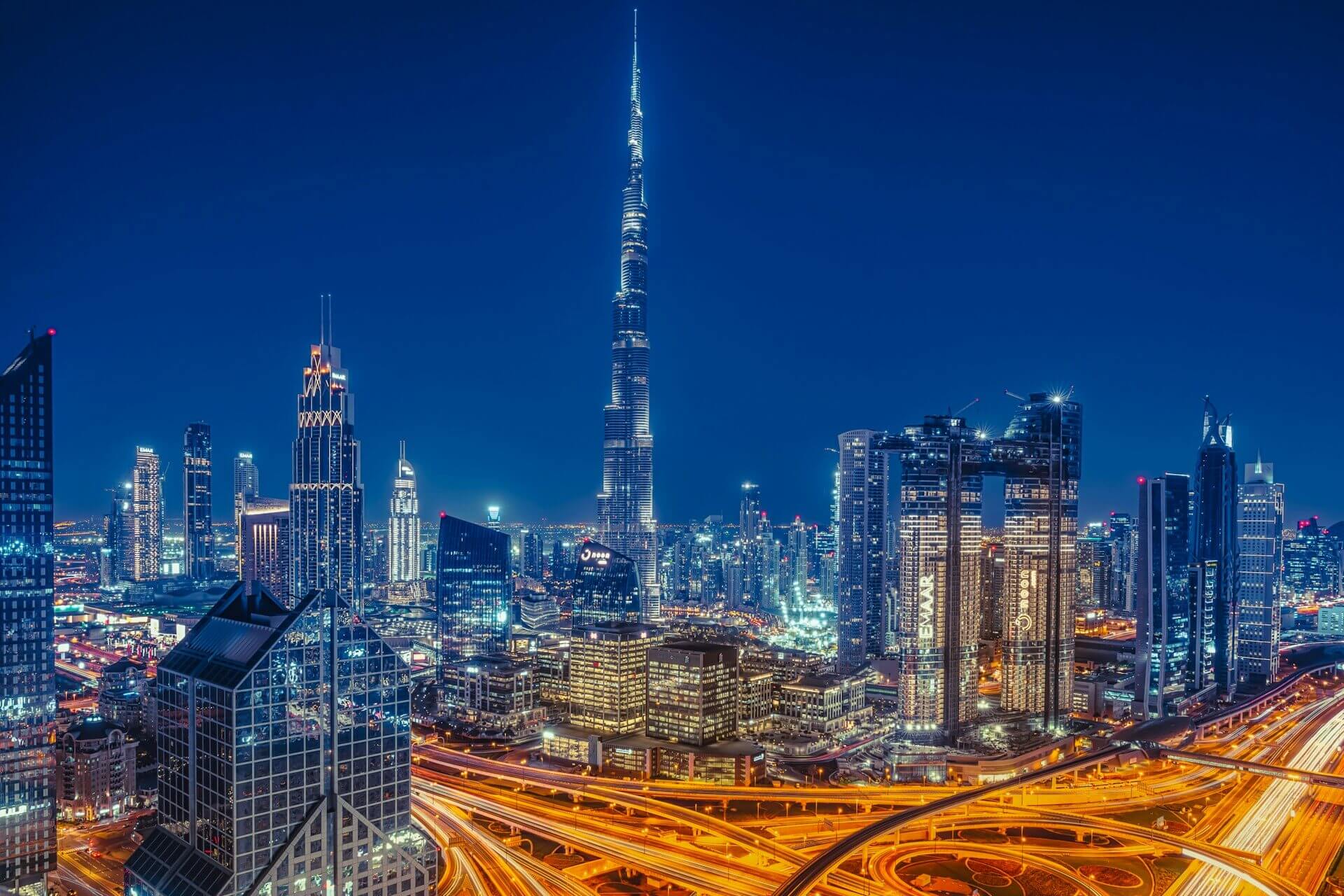
FOR SALE
AED 1,200,000AED 720,000
We help clients buy and rent the right property in Dubai — apartments, villas and investment units matched to budget, area and goals.
Dubai Property Selection focuses on apartments, villas and investment properties in key areas such as Dubai Marina, Downtown, Business Bay, Dubai Hills and Palm Jumeirah.
Instead of sending a huge list of random listings, we prepare a clean shortlist based on your budget, preferred area, bedrooms, timeline and purchase or rental goals.
Premium opportunities in Dubai — from compact investment units to signature villas and penthouses.
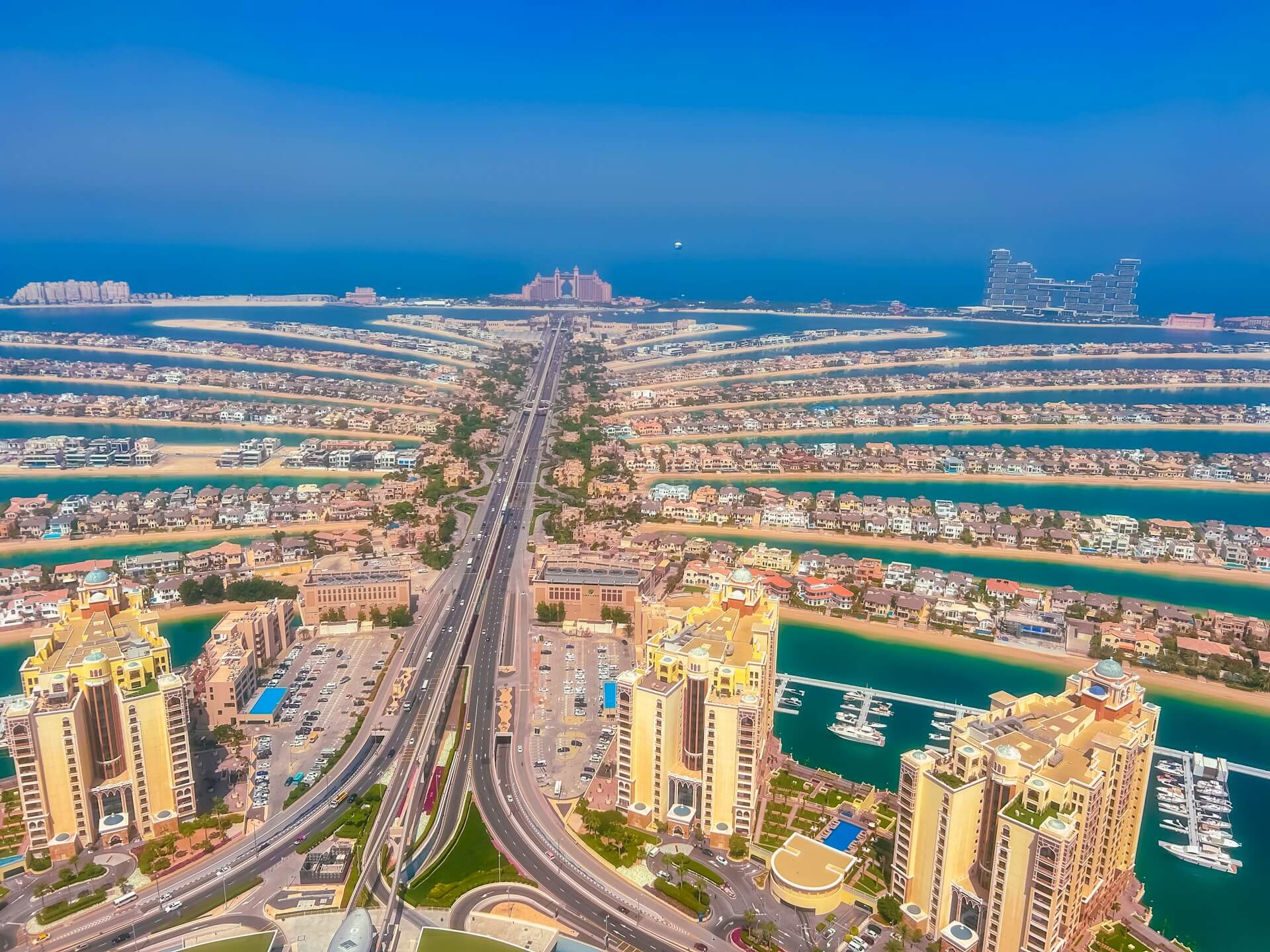
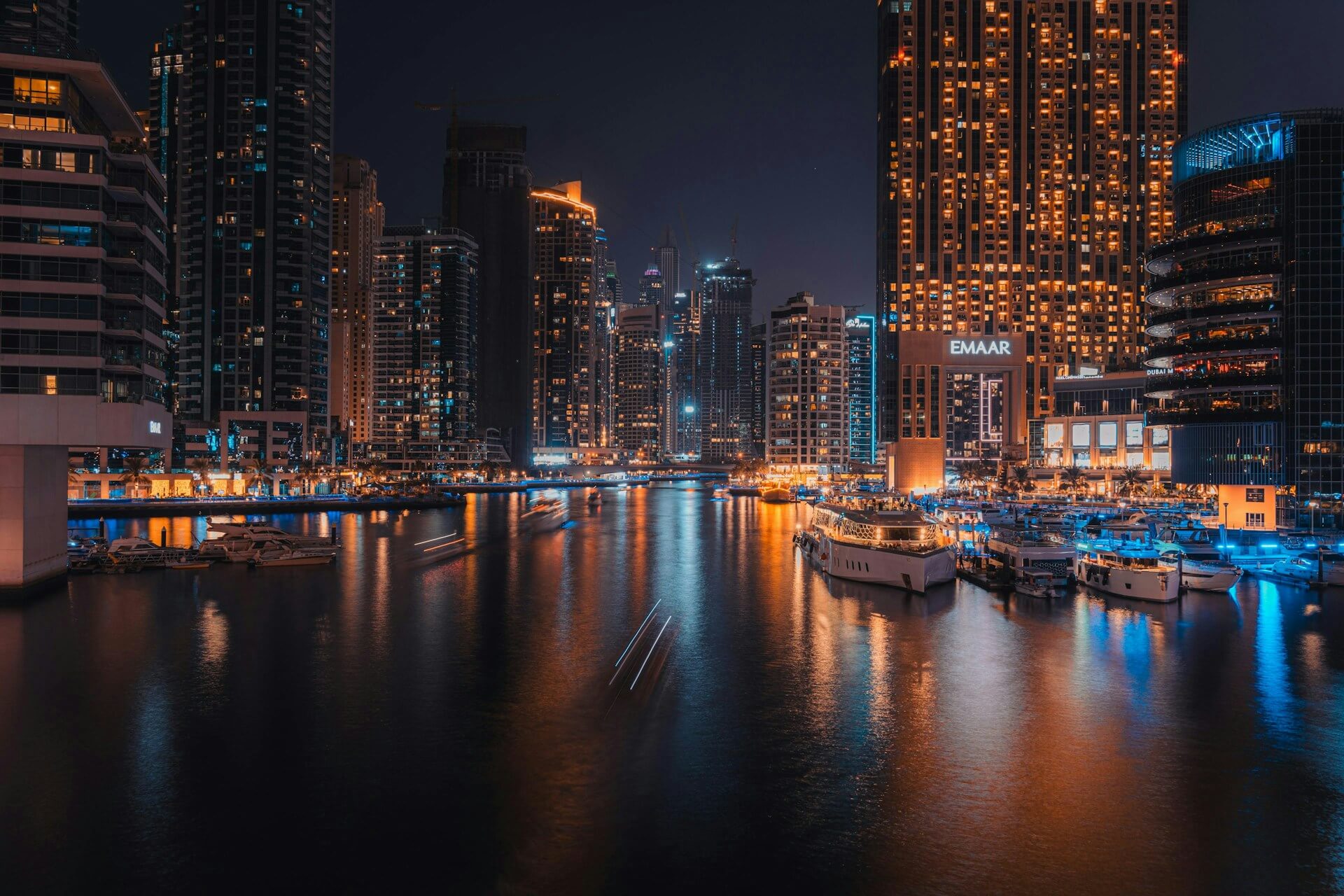
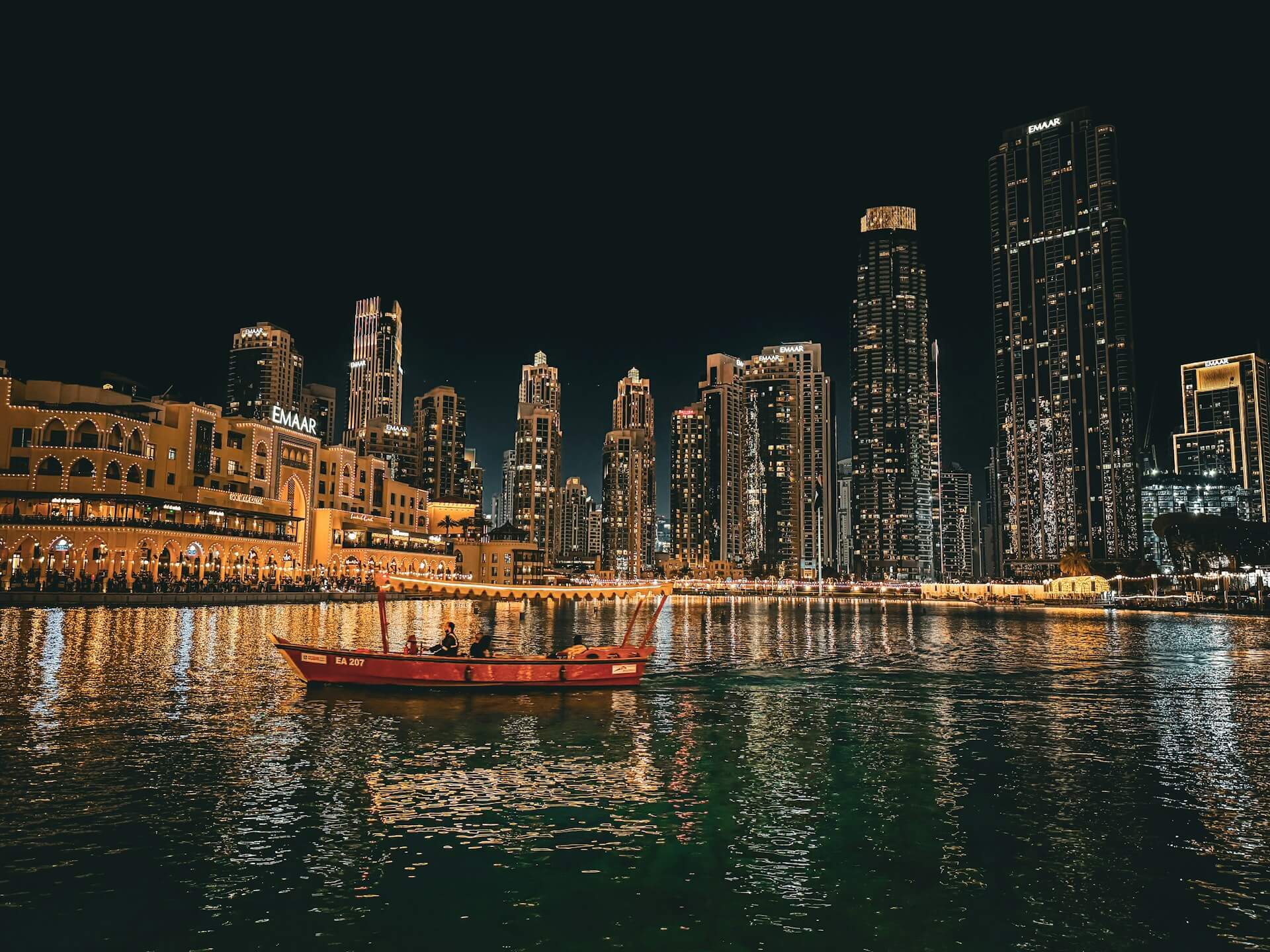


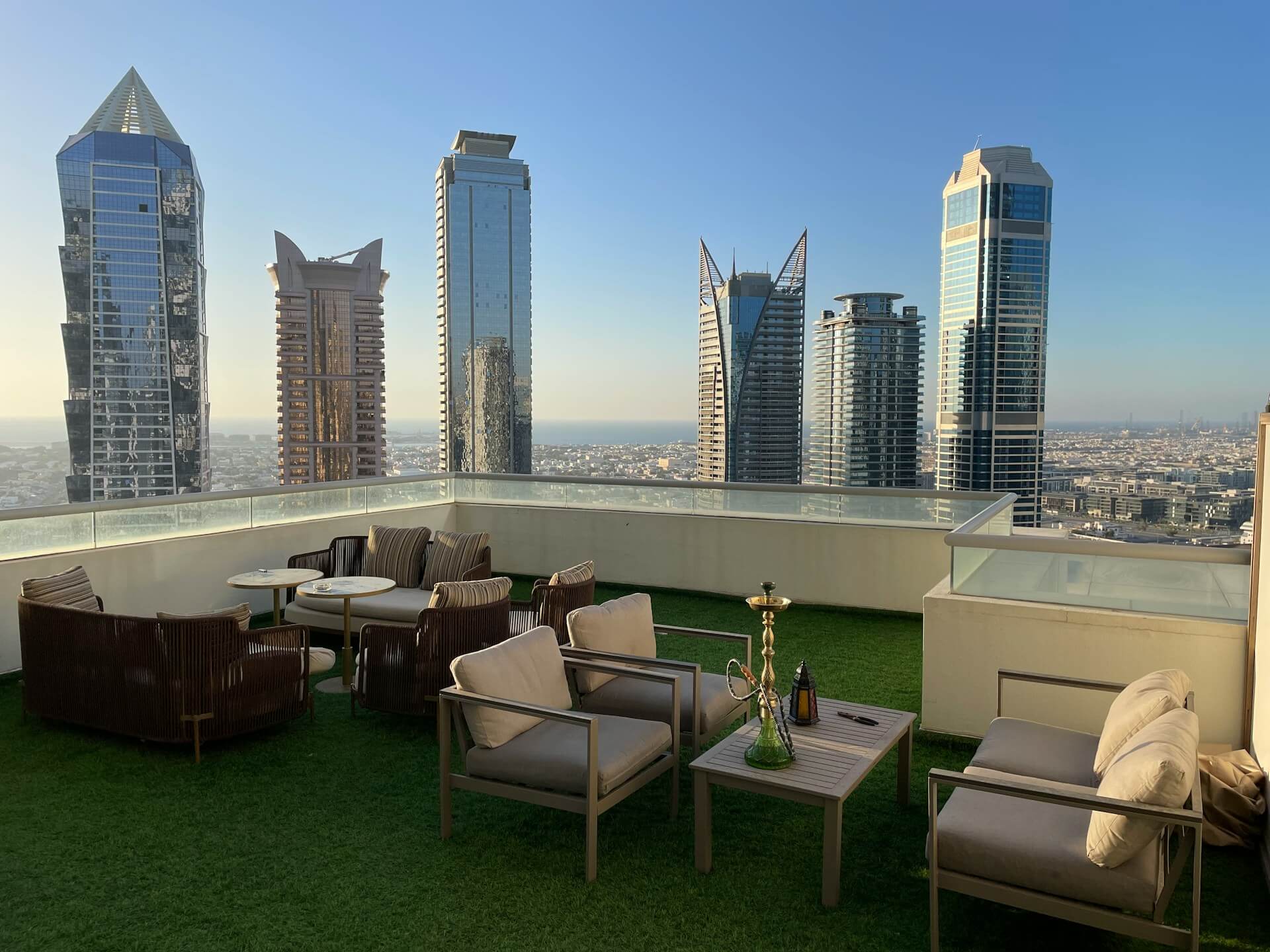
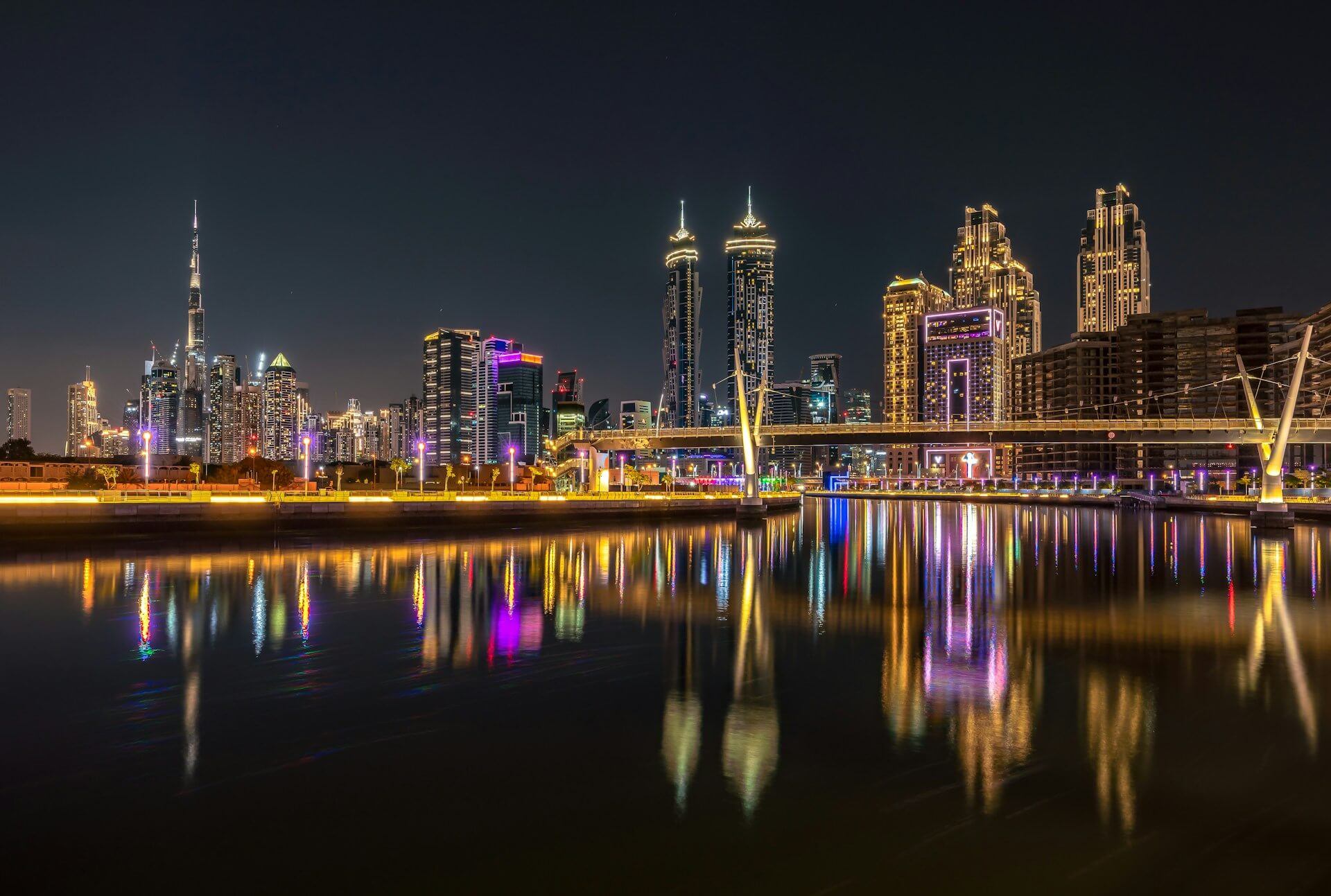
Comfortable long-term and premium rental options across Dubai.
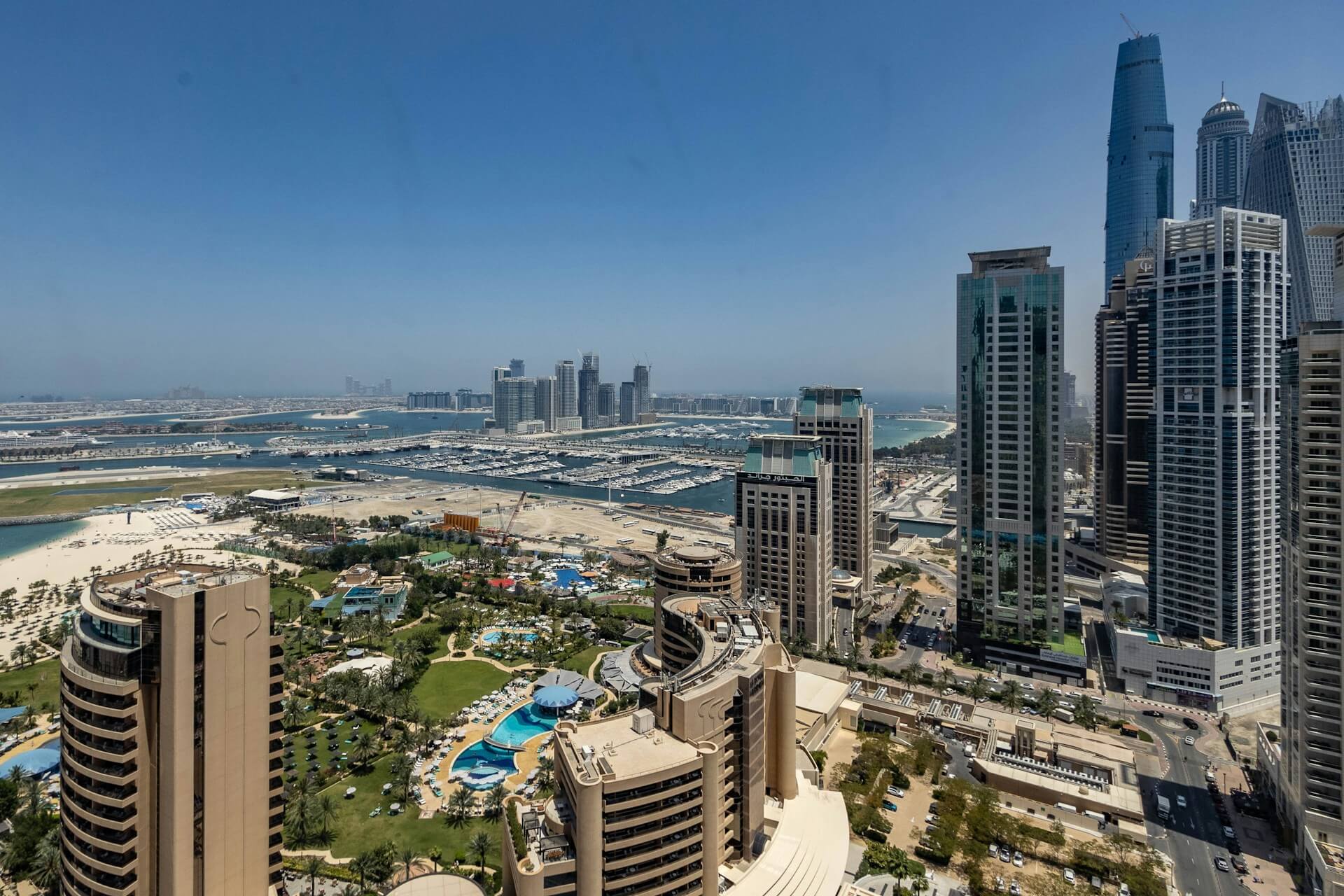

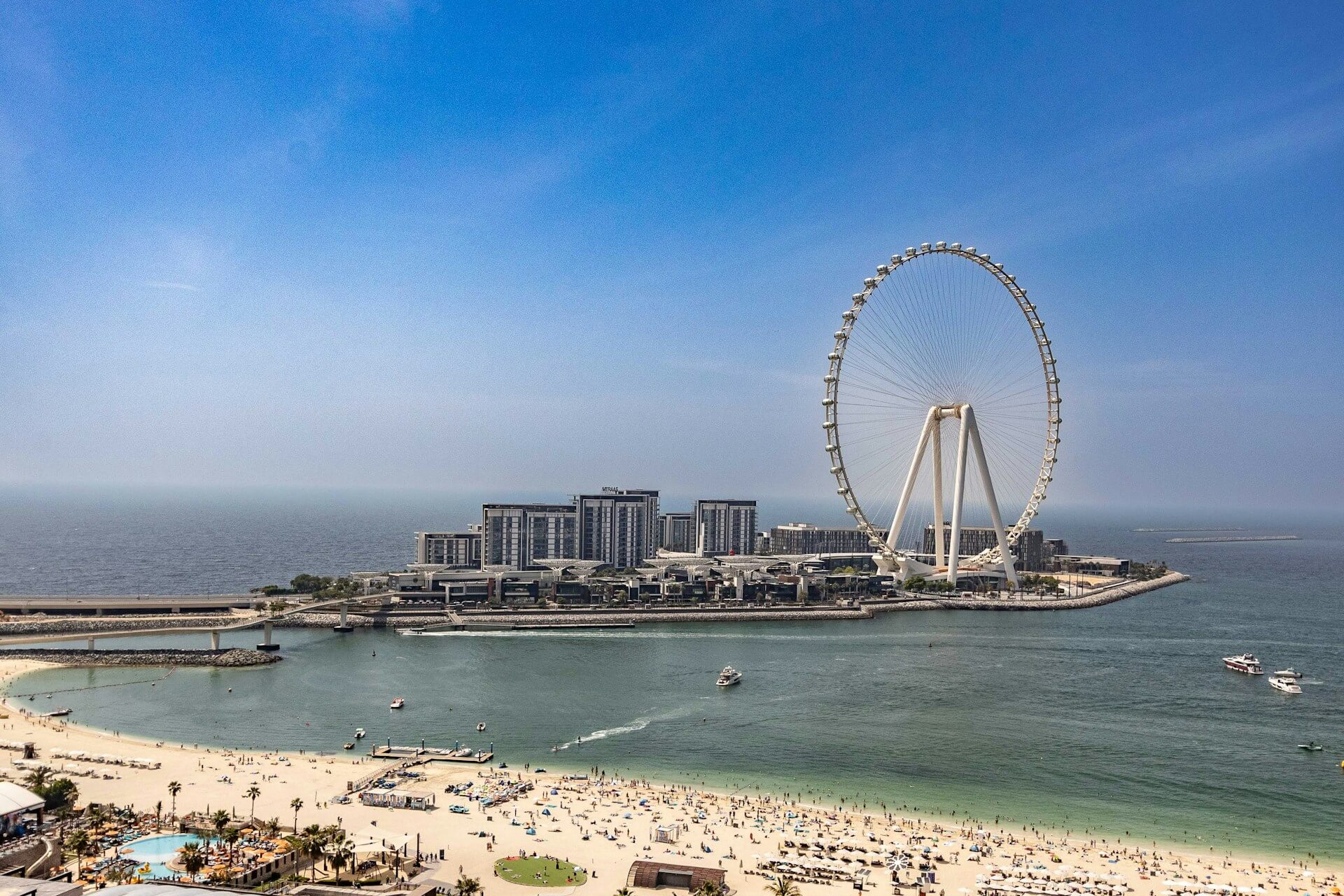


Investing in Dubai real estate directly from the United States is feasible and increasingly common. Demand remains robust in key locations such as Dubai Marina, Palm Jumeirah, Business Bay, and Arabian Ranches, supported by a combination of population influx, visa reforms, and tourism growth. Entry prices vary by area but typically start around AED 1 million (~USD 272,000) for apartments in emerging districts, while prime properties in Dubai Marina or Palm Jumeirah begin closer to AED 2.5 million (~USD 680,000).
This market currently offers net rental yields between 6% and 8% in high-demand zones, with liquidity strongest in ready developments.
Double-digit capital appreciation remains realistic in Dubai Marina and Palm Jumeirah, driven by limited supply and rising end-user interest. Off-plan projects command a discount of 10%–15% but carry delivery and market risks. Cross-border investors from the USA enjoy a straightforward legal framework with no restrictions on foreign ownership in designated freehold areas, transparent title registration, and multiple financing options, including local and international lenders.
Compliance with UAE property purchase regulations requires a valid residency status or a local trustee arrangement, though recent reforms simplify this process.
Buyers should expect additional costs such as a 4% Dubai Land Department registration fee, agency commissions (typically 2%), and annual service charges averaging AED 20–30 per square foot depending on the project.
Close collaboration with specialised agencies familiar with US investors’ requirements is recommended to manage currency transfer, contract legality, and tax implications effectively.
International investors residing in the USA face no legal barriers when securing residential or commercial units within Dubai.
Ownership rights extend to foreigners with clear freehold options in designated zones. Remote transactions rely heavily on trusted local agencies and legal representatives to ensure compliance and title verification.
Given current market conditions in Dubai, interest from overseas remains strong, driven by visa reforms, no property taxes, and favorable financing options.
Entry-level investment typically starts at AED 750,000 ($205,000), predominantly in emerging districts like Dubai South or Dubai Creek Harbour, where pricing is more accessible compared to core areas.
Remote purchasing necessitates robust digital due diligence and notarized Power of Attorney (PoA) arrangements, allowing agents to negotiate and close deals on behalf of non-resident buyers.
This mitigates the need for physical presence but requires reliable legal counsel to navigate documentation and registration at DLD (Dubai Land Department).
When evaluating Dubai’s real estate market remotely, emphasis should be placed on developments offering ready inventory over off-plan schemes to reduce risks linked to project delays and market fluctuations. Locations such as Dubai Marina provide quicker capital appreciation and higher rental returns, albeit at steeper initial costs compared to less mature communities.
American investors need to consider currency exchange volatility and potential financing availability through local banks that offer mortgage facilities to foreigners–currently capped at 75% loan-to-value for expatriates.
Cash purchase remains the simplest method, avoiding cross-border loan complications.
Liquidity prospects differ markedly between established hubs like Downtown Dubai, where demand from end-users yields faster resale, and peripheral zones with longer holding periods. Market transparency and property registration efficiency make Dubai attractive; however, remote buyers must accept slower transactional timelines due to additional verification steps.
Investment strategies should be aligned with personal goals: asset diversification within multiple projects or targeting high-demand neighborhoods for immediate rental income.
The UAE’s visa-linked residence permits incentivize medium to long-term holders, especially in developments connected to free zones.
Foreign nationals hesitant about navigating local standards may encounter pitfalls if engaging directly without professional intermediaries.
Regulatory updates and compliance with AML (Anti-Money Laundering) protocols demand thorough understanding to avoid transaction delays or legal issues.
Purchasing without on-site inspection elevates risks of misjudging finish quality, developer reputation, and community evolution.
Virtual tours and third-party inspections partially mitigate these concerns, but investors must reconcile with the absence of tactile assessment common in domestic transactions.
Engagement with Dubai’s real estate market from the USA is optimal when leveraging experienced brokerage firms offering turnkey solutions, including legal, escrow, and property management services.
This approach ensures smoother capital deployment, regulatory adherence, and asset optimization.
Foreign nationals acquire full freehold ownership rights in designated zones within Dubai, allowing complete control over the asset and the ability to lease or sell without restrictions. Ownership registration is executed through the Dubai Land Department, granting legal title that is irrevocable and protected by UAE federal law.
The distinction between freehold and leasehold rights is critical.
Freehold ownership confers indefinite holding periods, whereas leasehold options, typically spanning 99 years or less, provide limited-term possession rights without full title transfer. For overseas investors, prioritizing freehold areas ensures asset permanence and full market flexibility.
When acquiring real estate remotely, it is mandatory to appoint a registered local agent or legal representative to handle contractual processes, title registration, and compliance with anti-money laundering regulations.
All agreements must be notarized and registered to secure ownership rights under Dubai’s strict regulatory framework.
Mortgage eligibility for foreign investors varies by financial institution, but non-residents generally access up to 50% financing, subject to credit checks and proof of income. Title deeds can be leveraged as collateral, increasing purchasing power within designated freehold communities.
Joint ownership structures are allowed, with options for individual full ownership or forming companies through the Dubai International Financial Centre to hold assets.
Trust arrangements are also possible, facilitating estate planning and asset protection for foreign buyers.
Resale rights carry no restrictions in freehold zones, contributing to higher liquidity. However, transfer fees and Value Added Tax (VAT) on services related to property transactions must be factored into total acquisition costs.
Regulatory amendments are infrequent but can impact visa eligibility linked to real estate holdings.
Currently, properties valued at AED 1 million or above qualify investors for renewable residency visas, presenting an additional benefit tied to ownership rights.
Notably, some projects offer “usufruct” rights, granting long-term usage without ownership transfer, mostly seen in government-backed developments.
These should be distinguished from outright ownership to avoid misinterpretation of legal rights.
Understanding the precise governance of ownership rights within specific projects in freehold zones like Palm Jumeirah or Business Bay is essential. Buyers must verify title deed authenticity, developer compliance, and absence of liens or encumbrances before committing funds.
Consulting Dubai Land Department records is a standard due diligence step.
Initiate the transaction by appointing a registered power of attorney (POA) in Dubai to represent your interests.
The POA document must be notarized and legalized through the UAE Embassy in Washington, DC, and subsequently attested by the UAE Ministry of Foreign Affairs. This step ensures a legally binding authorization for contract signing and dealing with developer or escrow arrangements on your behalf.
Secure a no-objection certificate (NOC) from the developer before proceeding with any contract finalization.
This document confirms your eligibility to register the asset under your name and avoids potential legal obstacles during title transfer. The NOC application process, strictly regulated by Dubai Land Department (DLD), can take up to 30 days and requires payment of stipulated fees.
Engage a certified real estate lawyer experienced in Dubai transactions to review the sales agreement and draft the necessary documents.
Given remote management, contract scrutiny must cover buyer protections, payment milestones, cancellation clauses, and dispute resolution mechanisms specific to Dubai property law.
Legal fees usually range between 0.5% and 1% of the transaction value.
Open an account with a Dubai-based bank to facilitate escrow payments and ensure funds are securely held until all conditions are met. Escrow arrangements, mandatory for projects registered with the Real Estate Regulatory Agency (RERA), separate buyer payments from developer operational accounts, reducing the risk of project delays or cancellations.
Complete your Remote Buyer Registration with Dubai Land Department via an online portal that allows electronic submission of documents, contract registration, and fee payments.
This digital system expedites the issuing of Title Deeds without needing in-person attendance, which is crucial when managing acquisitions internationally.
Ensure compliance with Anti-Money Laundering (AML) policies by submitting certified identification documents, proof of funds, and declarations as part of Dubai Land Department’s Know Your Customer (KYC) controls.
Verification may extend transaction timelines but guarantees transparency and legality within the regulatory framework.
After Title Deed issuance, coordinate with your POA to collect the deed and register final utility connections and municipal services if required.
Remote handover often involves trusted local agencies or property management companies authorized on your behalf to terminate the legal process efficiently.
Consider using independent third-party escrow services that provide additional transaction security beyond mandatory escrow accounts, especially for off-plan contracts.
These services hold funds in trust and release payments based on construction milestones verified by certified inspectors.
When selecting developments within Dubai, prioritize those with RERA registration and confirmed escrow accounts. This reduces exposure to legal risks and increases confidence in contractual commitments when managing the purchase process abroad.
Non-registered projects often face delays or registration issues complicating remote investments.
Purchasing real estate in Dubai offers a direct pathway to investor visas under specific conditions. To obtain a long-term residence permit via investment, the minimum expenditure on the asset must be AED 1 million (approximately USD 272,000), excluding service charges.
This visa is typically granted for three years and renewed upon continued ownership.
Comparison of visa options linked to real estate reveals that projects located in Dubai Marina provide high acceptance rates due to established compliance with government standards. In contrast, newer developments may face longer approval times. Unlike short-term tourist visas, investor residency grants multiple renewable entries and is valid for family sponsorship, a critical factor for relocation buyers.
The investor visa eligibility excludes mortgages with less than 50% equity; full or majority cash transactions secure smoother approvals.
Owners needing residency should submit property contracts, proof of payment, and health insurance documents. Dubai’s Immigration Authority enforces strict documentation timelines, typically requiring submission within 30 days of purchase.
Residency linked to investment does not confer citizenship but facilitates access to banking, education, and healthcare services. The primary limitation is the visa’s dependence on continuous ownership; selling the asset usually invalidates the visa, which must be canceled or transferred accordingly.
For buyers targeting rental income, holding an investor visa shortens bureaucratic processes when registering leases and signing service contracts.
This contrasts with non-resident investors, whose operation costs and administrative steps increase significantly.
| Investor Visa | AED 1 million+ | 3 years | Yes, upon ownership retention | Allowed | 50%+ equity preferred |
| Long-term Residence | AED 5 million+ (commercial real estate) | 5 years | Subject to renewal | Allowed | Strict compliance needed |
| Short-term Entry Permit | None | 30 days | Limited renewal | No | Not applicable |
Commercial asset acquisition warrants a minimum AED 5 million investment to qualify for 5-year residency, though this option demands scrutiny of property value appreciation and resale potential before commitment.
Residential units in Dubai Marina priced over AED 1 million remain optimal for medium-term visa strategies.
Foreign investors must consider timing: visa processing averages 3-6 weeks post-confirmation of payment.
Failure to maintain valid health insurance or residency status can delay renewals or cause fines. Additionally, the title deed must remain registered solely under the investor's name for uninterrupted visa validity.
Despite the advantages, restrictions include ineligibility for naturalization and mandatory compliance with local immigration laws.
Certain categories of investors, such as corporate buyers or those owning mortgaged units under 50% down payment, encounter additional hurdles or disqualification from residency-linked programs.
In summary, acquiring residential real estate in Dubai Marina for AED 1 million+ enables access to a renewable three-year investor visa that supports family relocation and operational ease.
Commercial investments can unlock longer residency but require thorough market analysis for feasibility. Mortgaged units with low equity reduce visa prospects and complicate procedural workflows.
Yes, foreign nationals, including U.S. citizens, can purchase property in Dubai. The city allows non-residents to own properties in designated freehold areas.
Buyers must follow the emirate’s property registration process, and it is advisable to work with a local real estate agent or legal advisor to navigate the regulations and documentation efficiently.
Americans face no specific restrictions different from other foreigners when purchasing property in Dubai.
However, buyers must ensure they acquire property only in areas approved for foreign ownership, known as freehold zones. Additionally, the ownership does not grant residency rights automatically; separate visa procedures apply if you intend to live in Dubai.
citizen buying real estate in Dubai?
The process begins with selecting a property in a freehold area, followed by making an offer and signing a memorandum of understanding. After that, the buyer pays a deposit, usually 10% of the property price. Subsequently, the buyer applies for ownership transfer at the Dubai Land Department, pays the registration fees, and settles the remaining payment.
It is crucial to conduct due diligence and seek legal advice to confirm title, payments, and regulatory compliance.
Financing options vary, but many buyers from the U.S.
use cash or obtain mortgage loans from banks operating in Dubai or international lenders supporting overseas property investments. Some UAE banks offer financing to foreigners, often requiring a higher down payment and a strong credit background.
It's advisable to compare mortgage conditions and verify all terms with financial advisors before committing.
Buying property in Dubai may make a buyer eligible for a residence visa, but this depends on the property's value and other criteria set by UAE authorities. For example, properties above a certain price threshold might qualify the buyer for a longer-term residence visa, typically renewable.
However, ownership itself does not guarantee permanent residency, and applicants must meet additional conditions such as maintaining property ownership and health insurance.
Yes, a US citizen can buy property in Dubai without being physically present in the country. Many international buyers complete the process remotely by working with licensed real estate agents and legal representatives.
The paperwork can be handled online or through authorized power of attorney agreements, allowing the buyer to complete transactions from abroad. However, it is important to verify the property’s title and ensure compliance with Dubai’s property ownership regulations for foreigners.
Foreign buyers, including those from the US, can purchase certain types of properties in Dubai, primarily in designated freehold areas.
In these zones, international investors have the right to own property outright, meaning they hold the title on a freehold basis. Outside these areas, property ownership might be limited to leasehold arrangements, which provide the right to use the property for a set number of years but not full ownership. It is advisable to check the classification of the property and confirm ownership rights before proceeding with any purchase.
Clear answers about buying, renting and investing in Dubai property.
Yes. Foreign buyers can purchase freehold property in designated areas such as Dubai Marina, Downtown Dubai, Business Bay, Palm Jumeirah, Dubai Hills and other approved communities.
It depends on your timeline, budget and goal. Buying is usually better for long-term plans, capital growth and rental income, while renting is better for flexibility and easier relocation.
The required budget depends on the area, building quality and property type. More accessible apartments can be found in developing communities, while prime locations and luxury properties require a much higher budget.
In addition to the purchase price, buyers should budget for the Dubai Land Department fee, registration and trustee fees, possible agency commission, mortgage-related costs if financing is used, and ongoing service charges for many buildings.
Yes, many banks in the UAE offer mortgages to foreign buyers. Approval depends on income, documents, deposit amount and the specific property being purchased.
Areas such as Dubai Marina, Downtown Dubai, Business Bay, Dubai Hills, JVC, Palm Jumeirah and Creek Harbour are often considered by investors, but the right area depends on whether your focus is yield, resale value, lifestyle appeal or long-term growth.
Rental yield varies by area, property type, furnishing level and market timing. In practice, many investors look for a balance between strong occupancy, reasonable service charges and sustainable tenant demand rather than chasing headline numbers alone.
Off-plan property is purchased directly from a developer before the project is completed. Buyers often choose off-plan because of payment plans, newer inventory and lower entry prices compared with some ready properties.
A proper review should consider the developer’s track record, payment plan, handover timeline, location quality, future supply in the area and the project’s resale or rental potential after completion.
For ready property, the timeline can move fairly quickly if the price is agreed, documents are prepared and the buyer is ready to proceed. Mortgage purchases usually take longer than cash deals.
Yes, many purchases can be handled remotely with the correct documents and proper support through the process. Remote buying is common for overseas investors and international clients.
The biggest risks are overpaying, choosing a weak location, buying an unsuitable layout, ignoring service charges, or selecting a project with low resale and rental demand. Good selection matters more than marketing promises.
In long-term rentals, rent is commonly agreed for a fixed term and often paid by one or several cheques depending on the landlord, property and negotiation.
Tenants are usually asked for identification and residency-related documents, and the exact set depends on their status in the UAE and the landlord’s requirements.
A security deposit is commonly required before move-in. The amount often depends on whether the property is furnished or unfurnished and should be clearly stated in the rental terms.
In many rental transactions, an agency commission is charged. The amount depends on the deal structure and should be confirmed before signing anything.
Tenants should review the deposit, Ejari registration, utility setup costs, parking terms if relevant, maintenance responsibilities and any conditions related to early termination or renewal.
Yes, negotiation is common. The final result depends on market conditions, the landlord’s flexibility, how long the property has been available and how prepared the tenant is to move forward.
It is important to check the condition of the unit, building quality, noise level, parking, view, maintenance status, contract terms and the reliability of the owner or manager.
Short-term rent offers flexibility and convenience but is usually more expensive. Long-term rent is generally more cost-effective and better suited for clients planning to stay longer.
During an active contract, the agreed rent usually remains fixed. Any increase is generally discussed at renewal and should follow the applicable rules and notice requirements.
This depends on the tenancy contract. Minor day-to-day issues may be handled by the tenant, while major maintenance is commonly the landlord’s responsibility, but the exact wording in the contract matters.
Ejari is the official registration of the tenancy contract in Dubai. It is important for legal recognition of the lease and is commonly needed for practical steps such as setting up utilities.
Yes. Furnished properties can be more convenient and faster to move into, while unfurnished options may work better for longer stays or tenants who want more control over the setup and budget.
We do not rely on random mass listings. We narrow the market based on budget, location, property type, investment goal, lifestyle needs and timeline, so clients can focus only on relevant options.
Yes. Support can include shortlisting, arranging viewings, comparing options, discussing terms, helping with negotiations and guiding the next steps of the transaction.
The best first step is to define the real budget, target areas, purpose, preferred property type and timeline. Once those points are clear, the selection becomes faster, cleaner and much more useful.