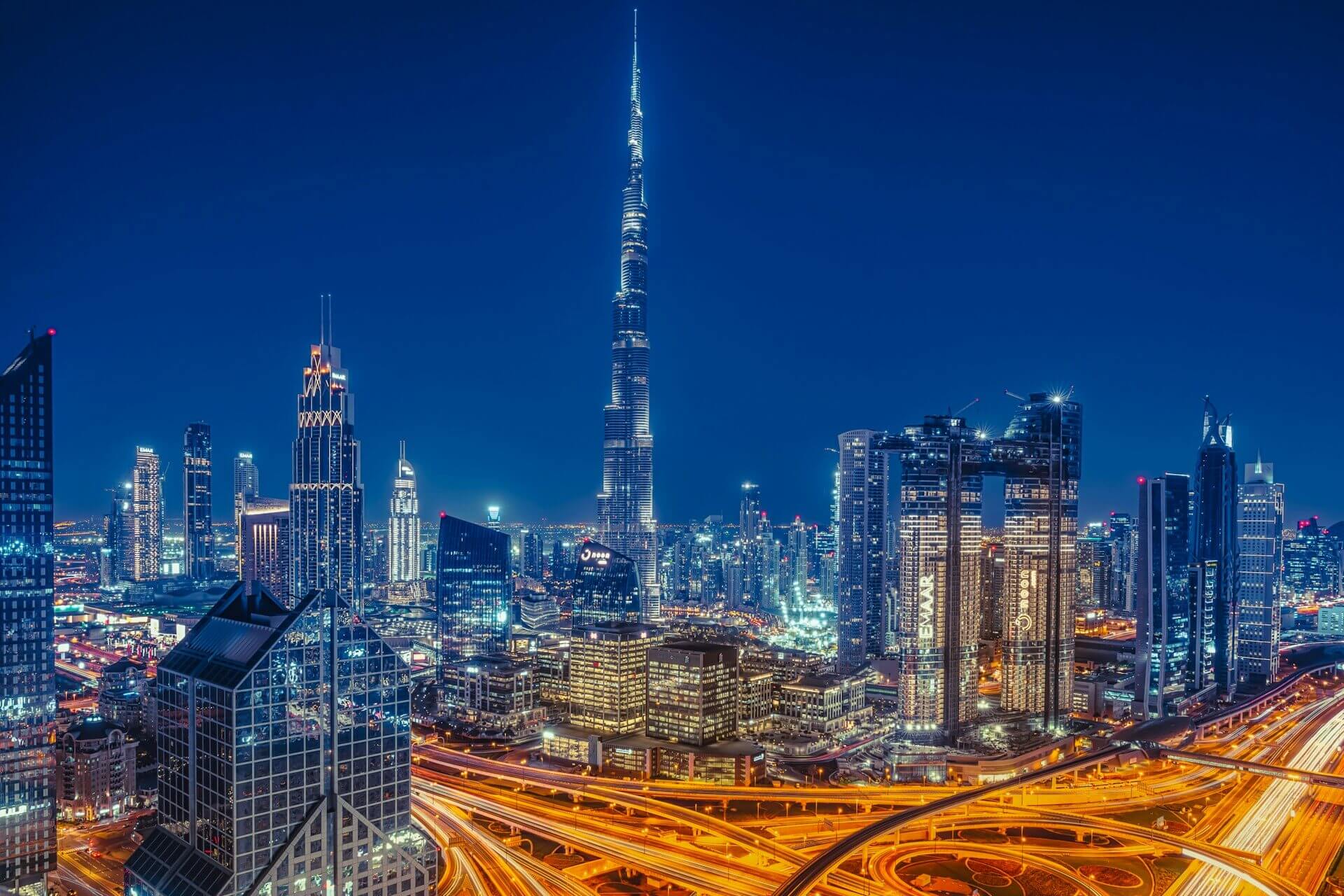
FOR SALE
AED 1,200,000AED 720,000
We help clients buy and rent the right property in Dubai — apartments, villas and investment units matched to budget, area and goals.
Dubai Property Selection focuses on apartments, villas and investment properties in key areas such as Dubai Marina, Downtown, Business Bay, Dubai Hills and Palm Jumeirah.
Instead of sending a huge list of random listings, we prepare a clean shortlist based on your budget, preferred area, bedrooms, timeline and purchase or rental goals.
Premium opportunities in Dubai — from compact investment units to signature villas and penthouses.
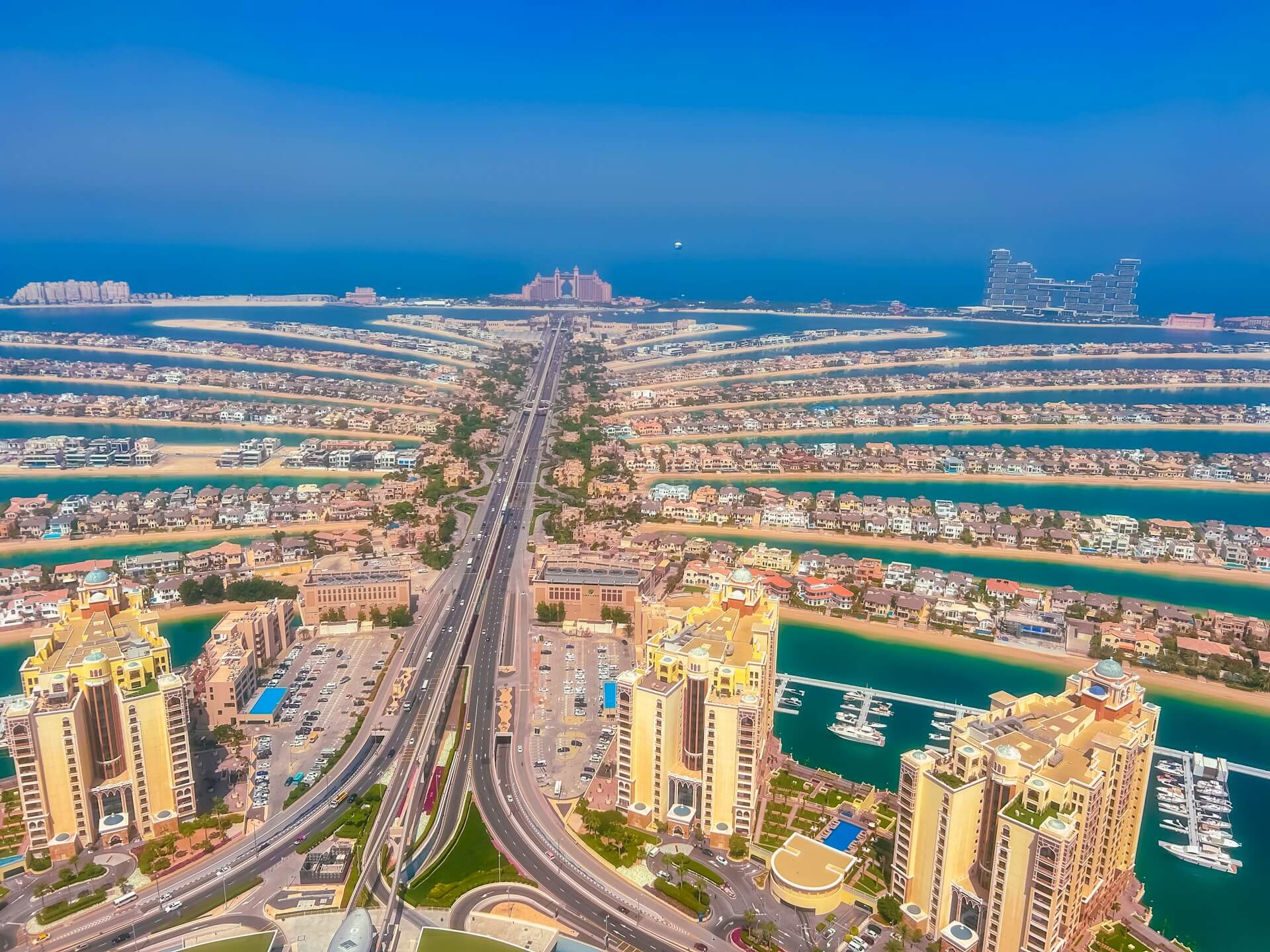
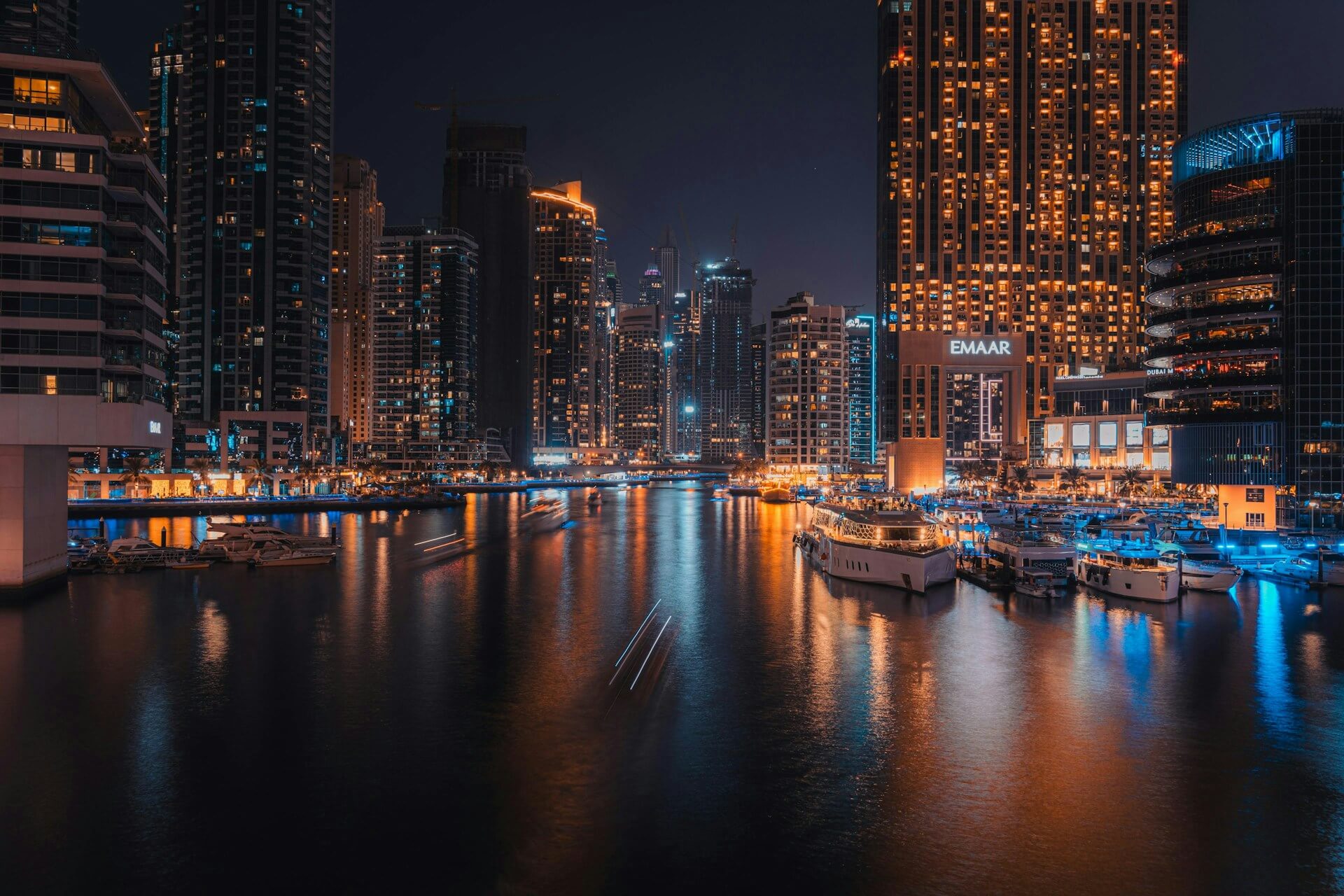
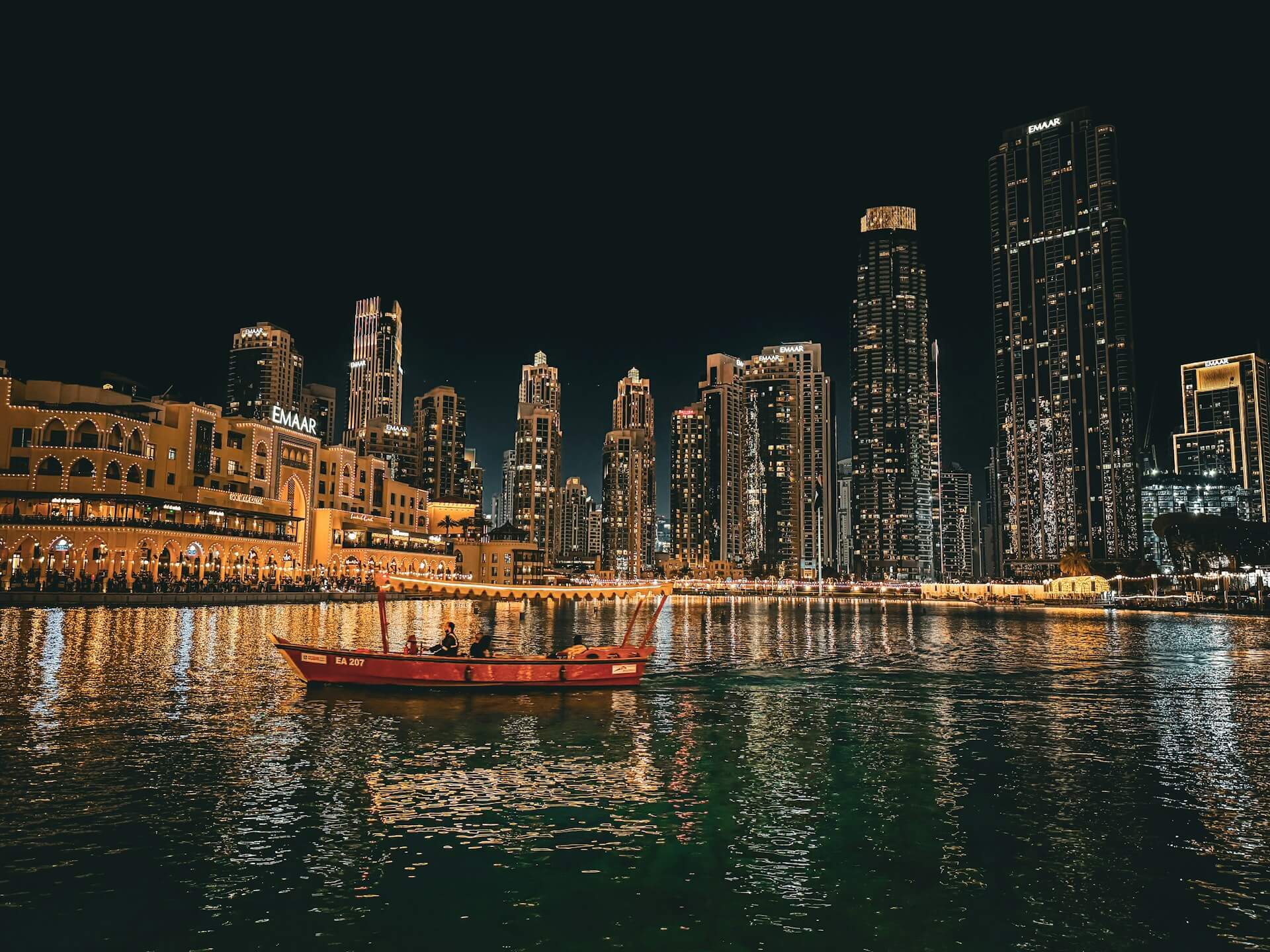
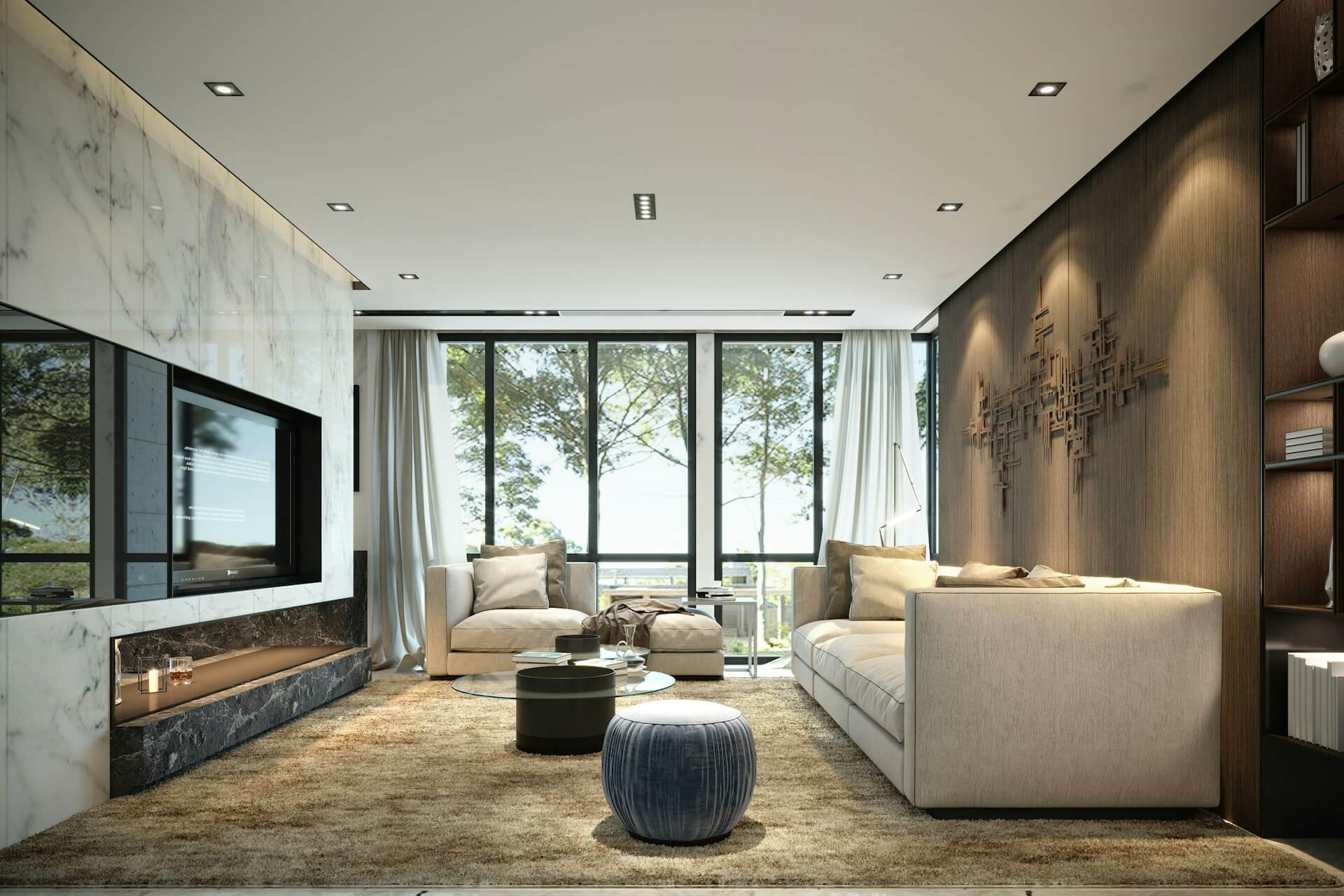
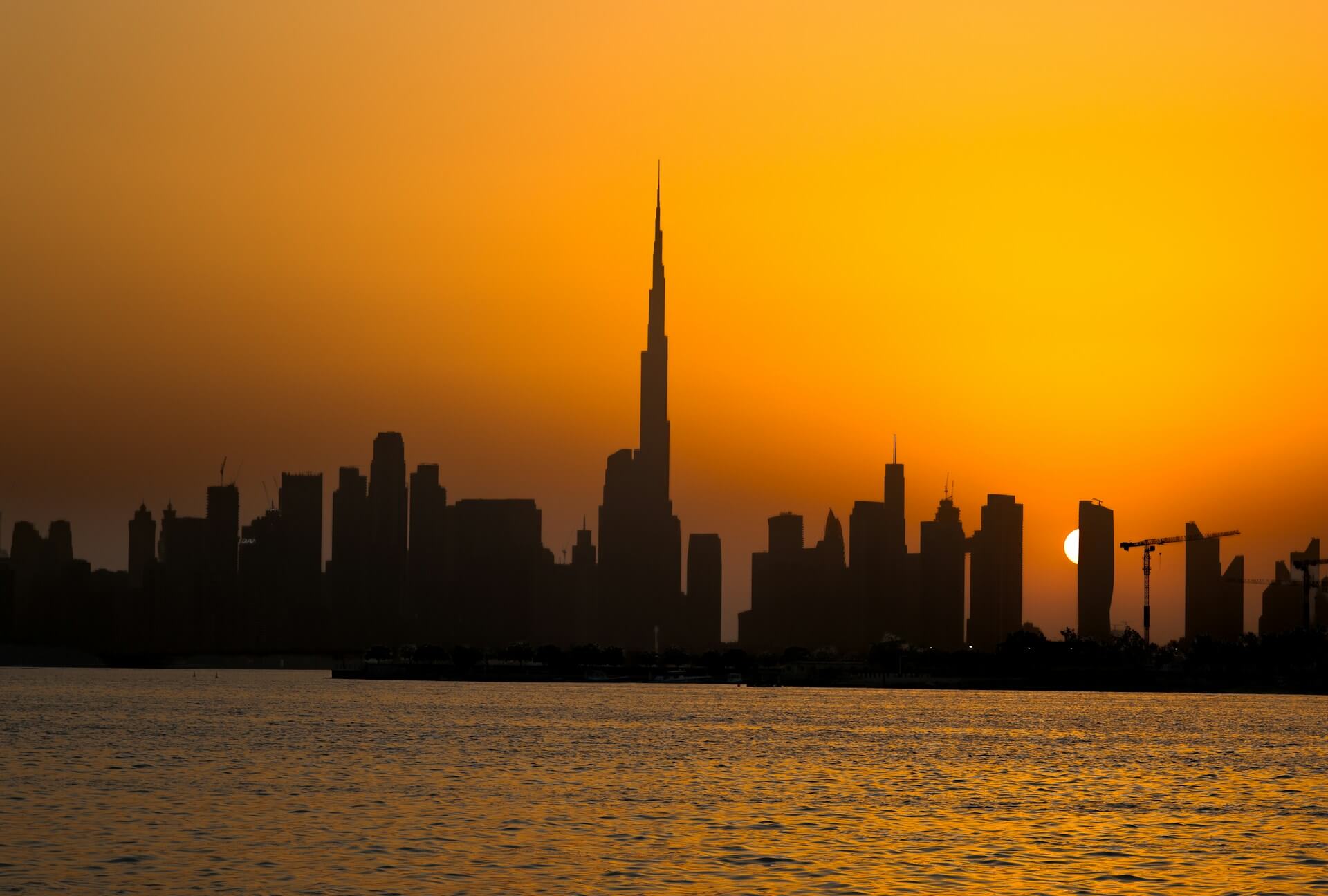
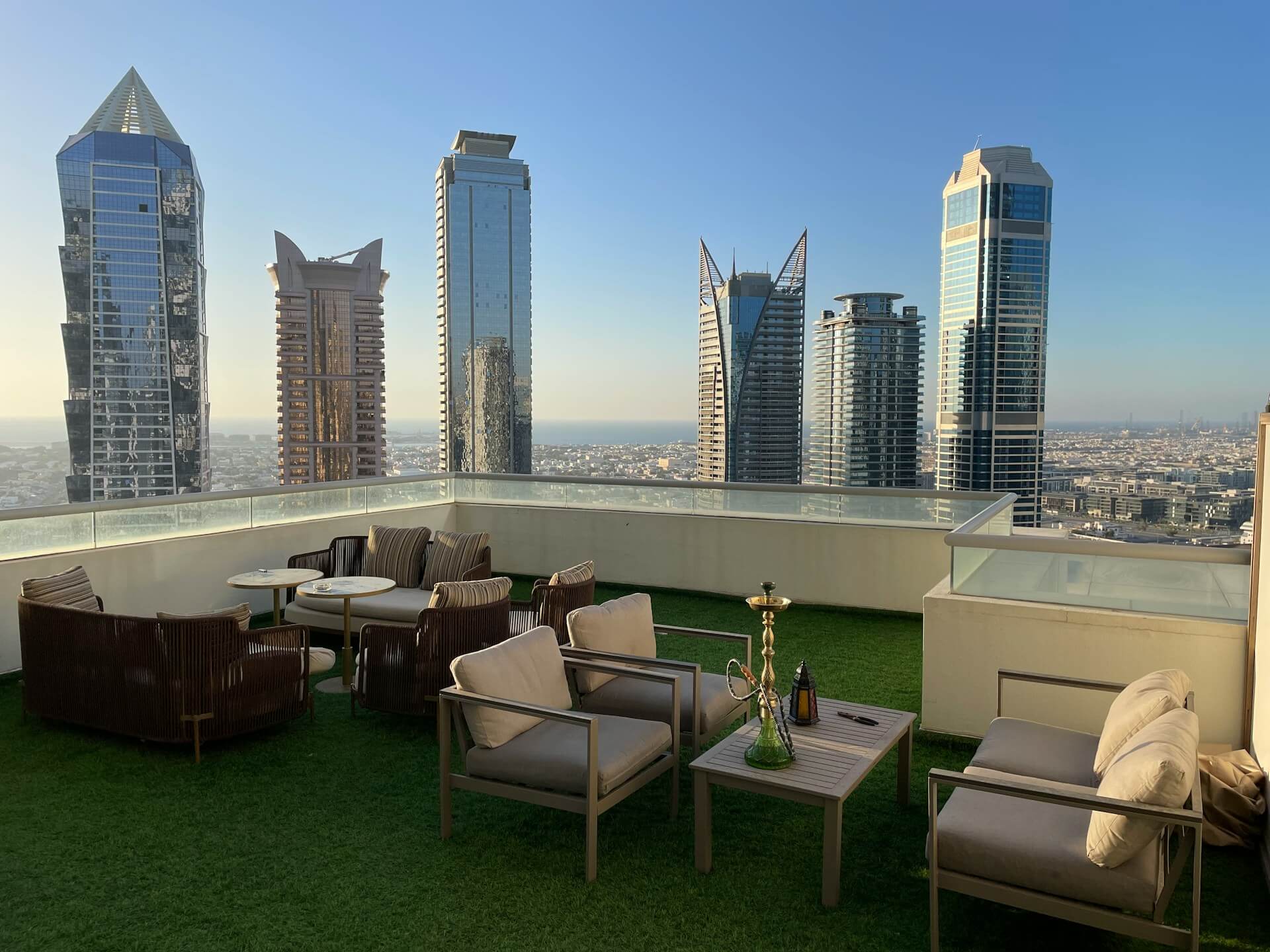
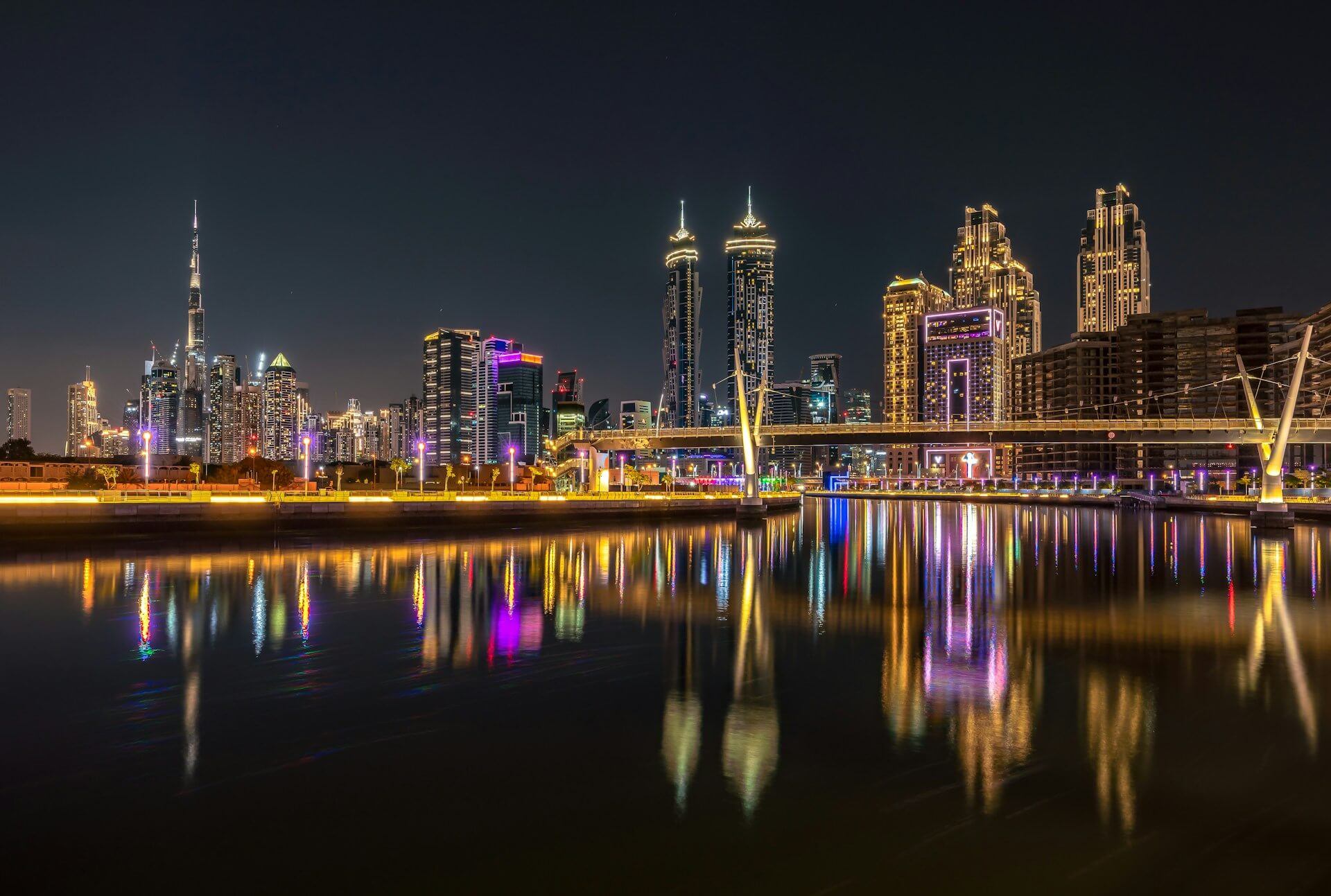
Comfortable long-term and premium rental options across Dubai.
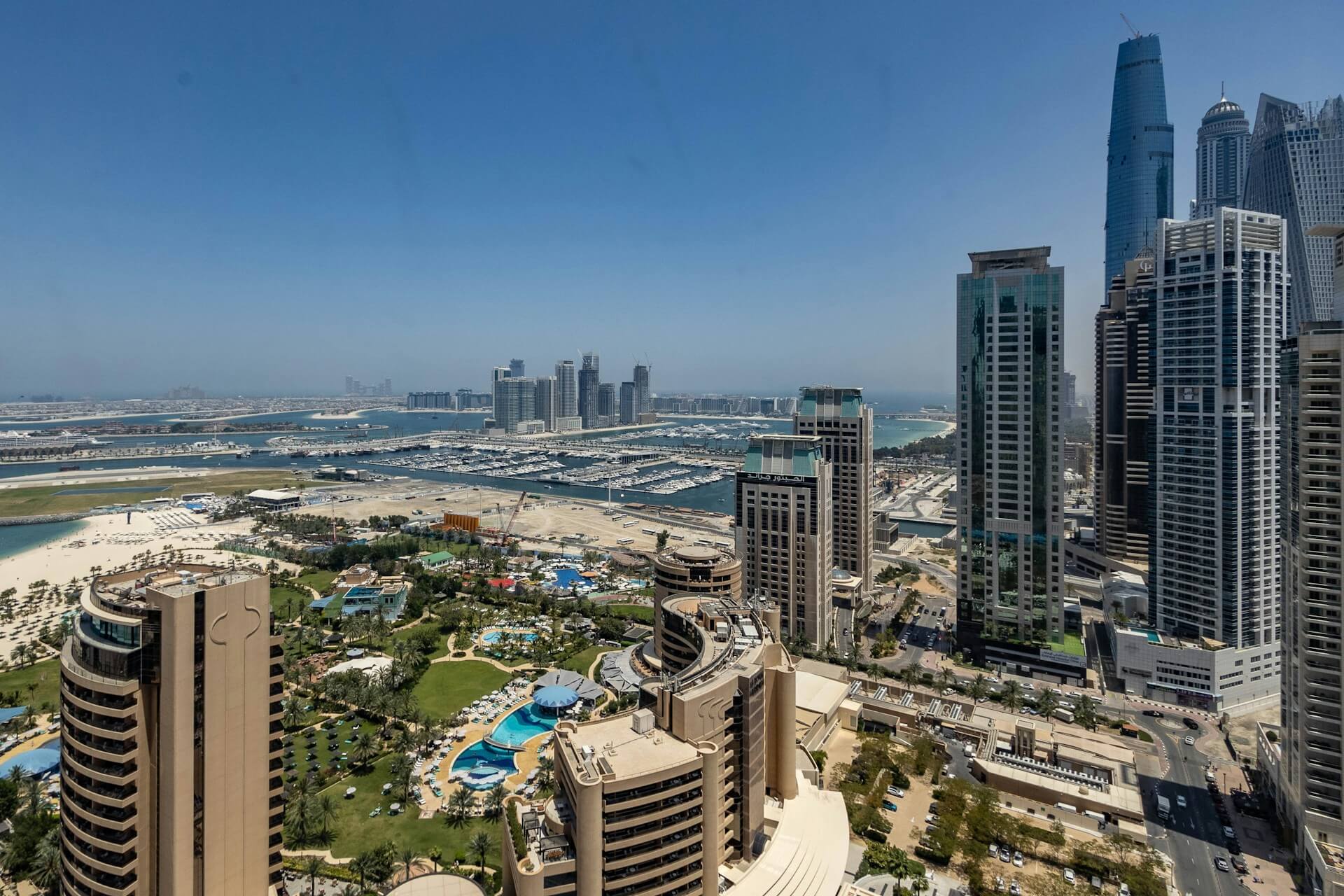
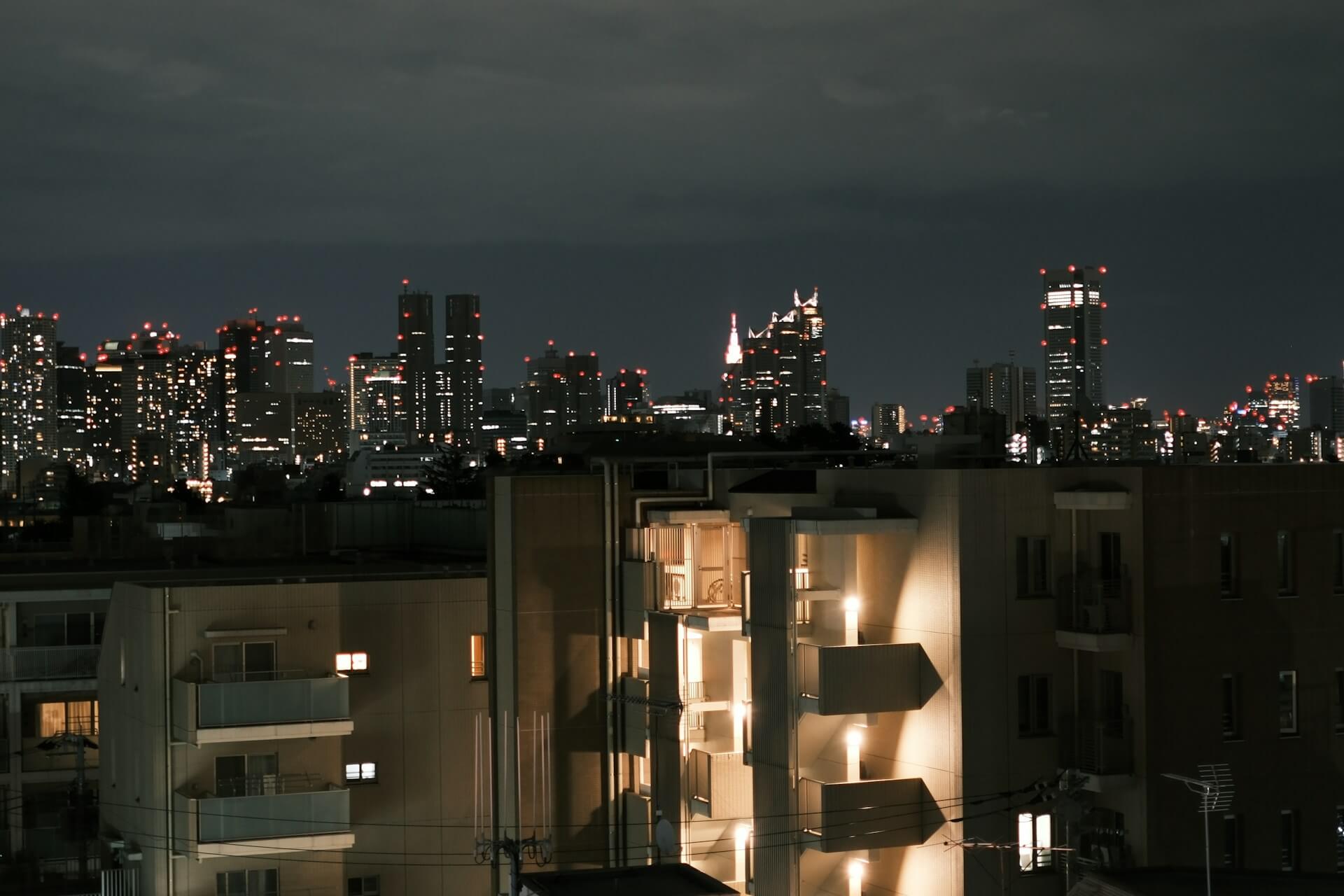
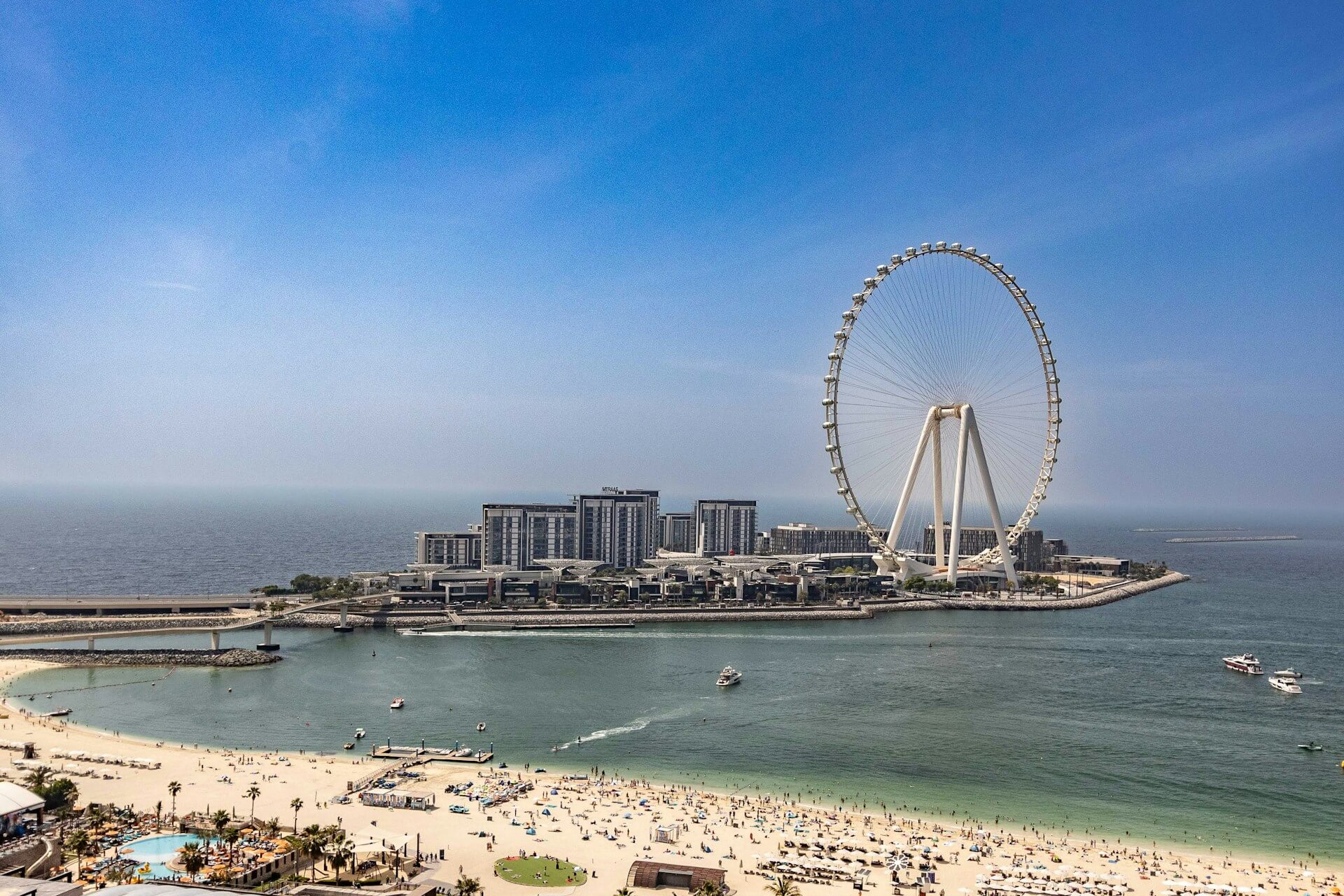
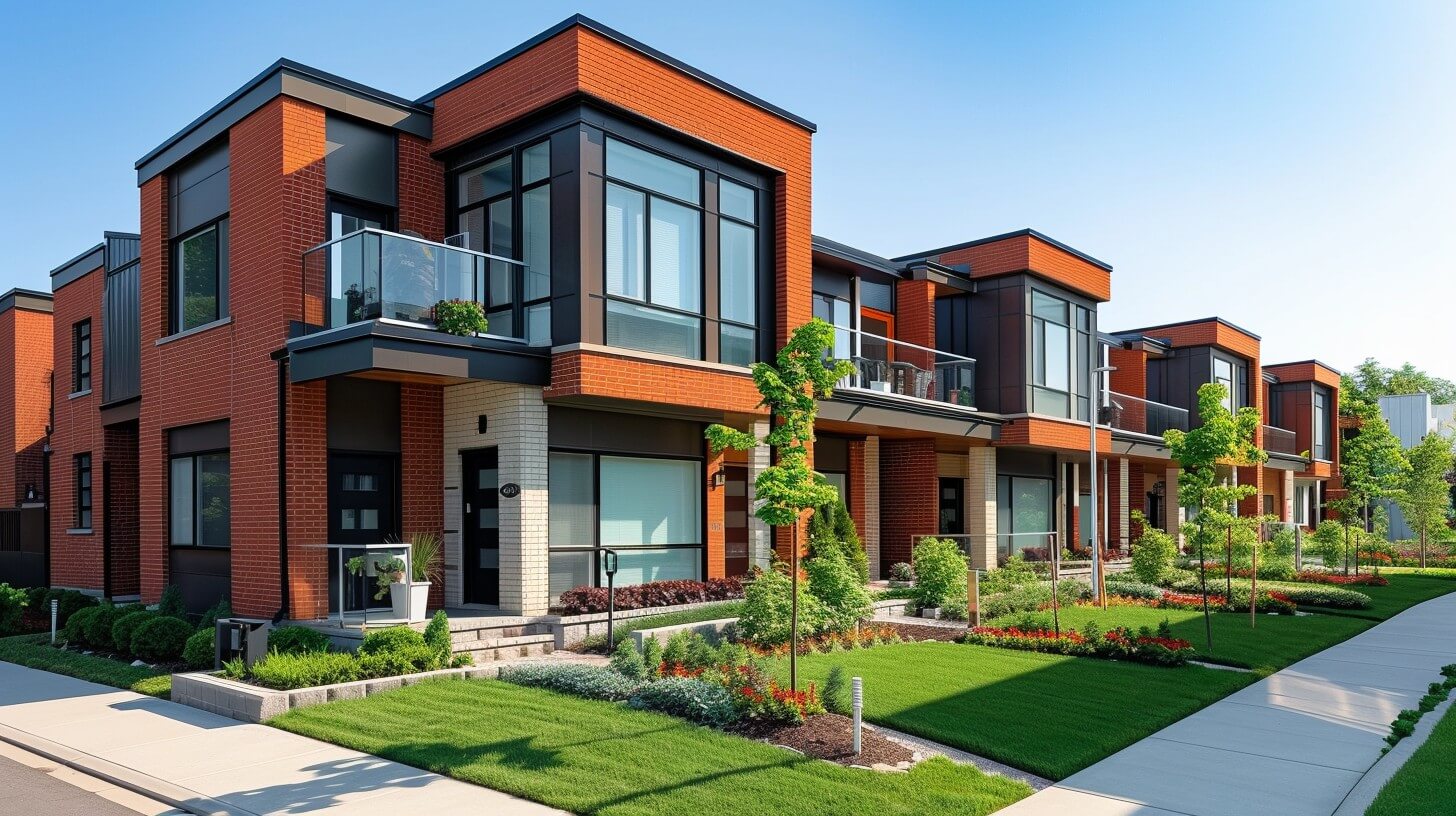
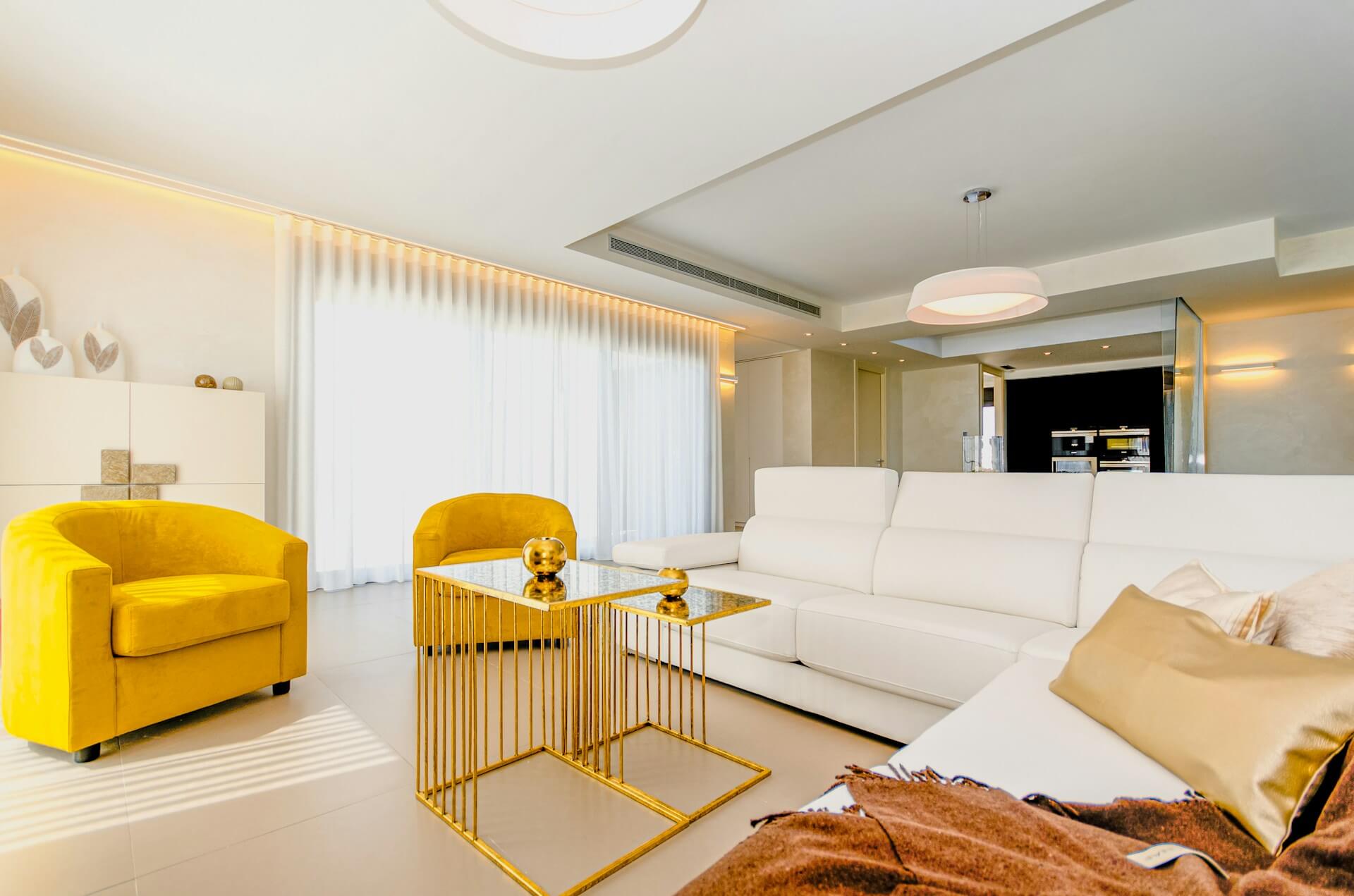
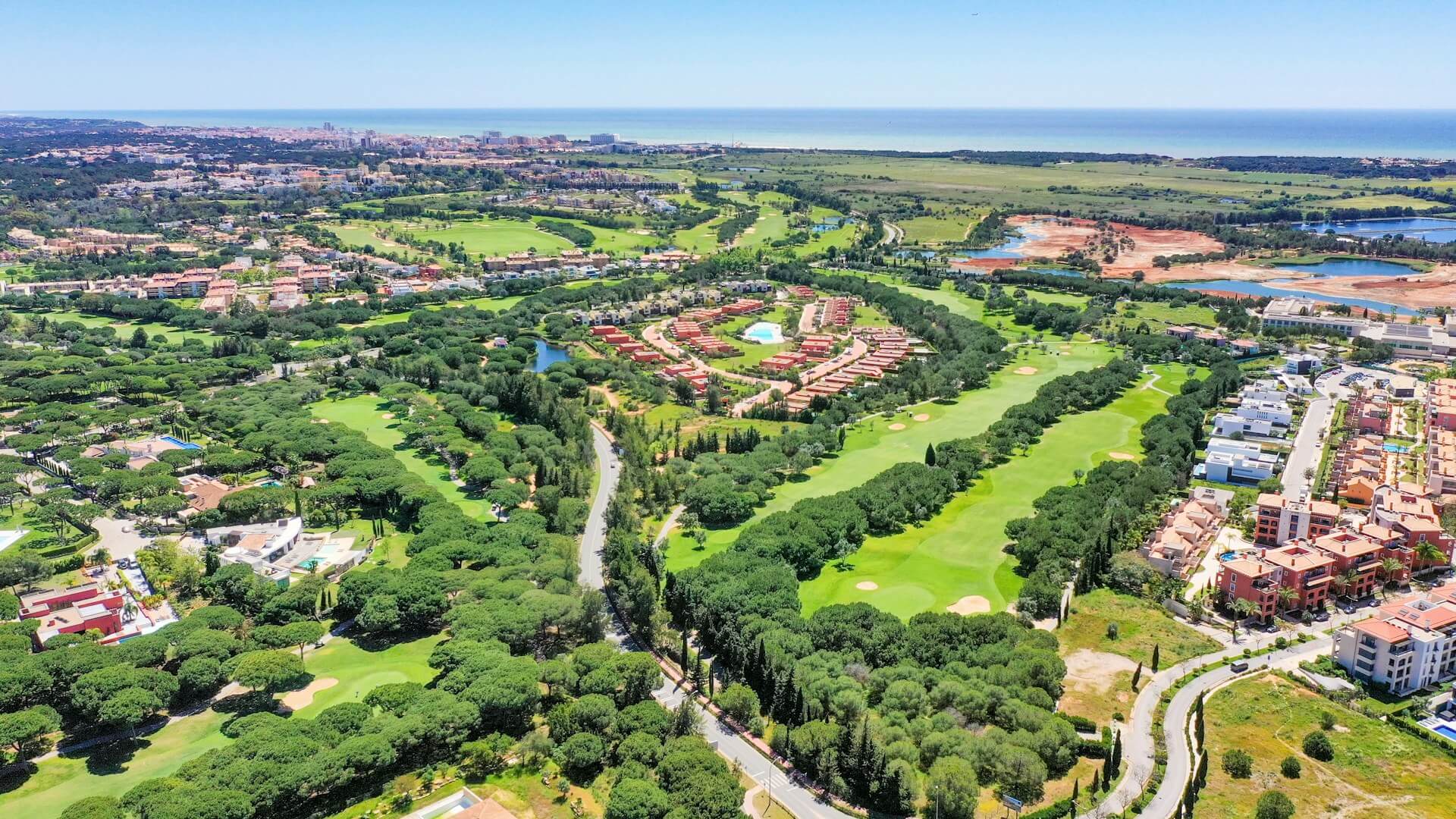
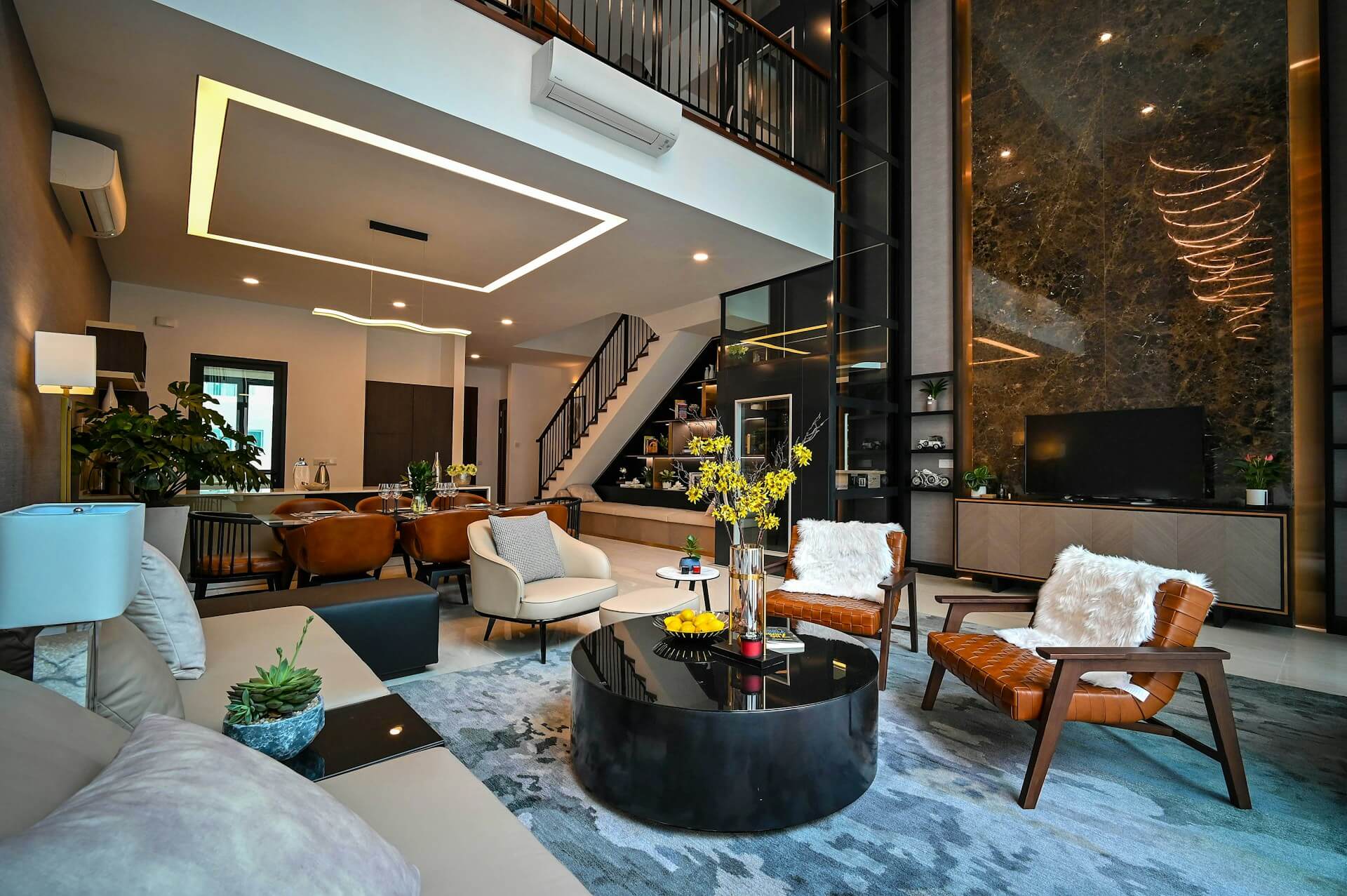
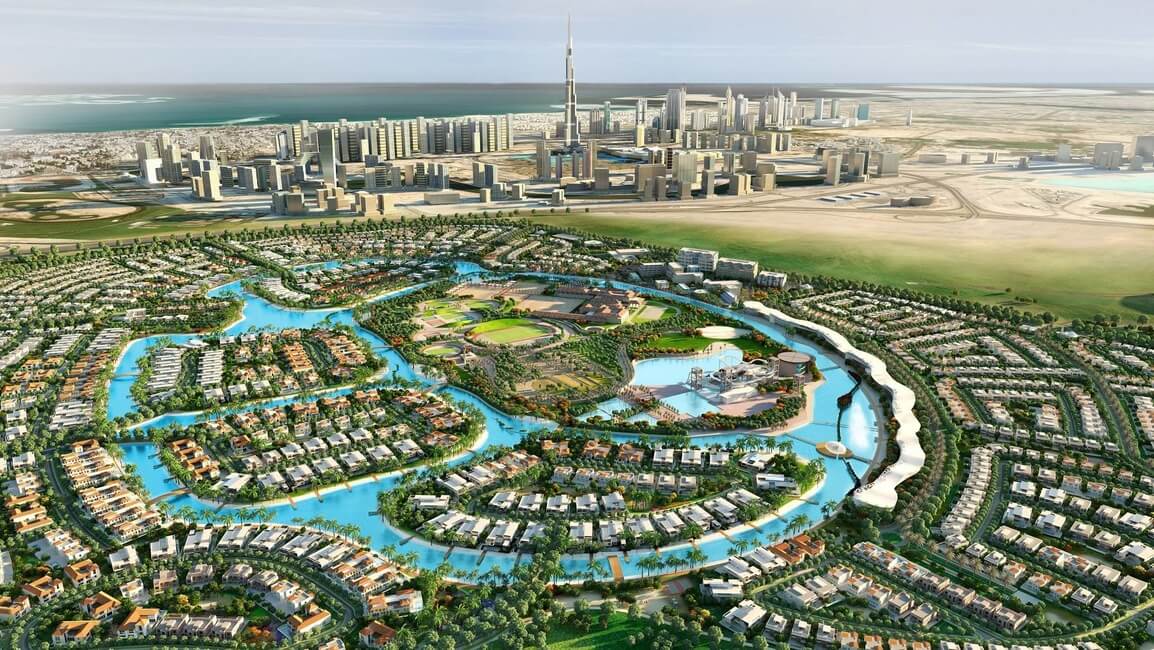
Acquiring one of the most expensive houses in Dubai requires budgets starting from AED 50 million, with concentrated demand centered around Palm Jumeirah and Emirates Hills. Market activity is driven by international high-net-worth individuals seeking luxury properties as safe assets and lifestyle upgrades amid tightening global liquidity.
Entry capital heavily depends on location and property scale: villas on the Palm typically range from AED 50-120 million, while gated communities in Emirates Hills offer options starting at AED 35 million with expansive plots and private amenities.
Resale velocity and rental yield are strongest in Palm Jumeirah, where waterfront ownership commands premiums exceeding 15% over similar assets in Business Bay or Dubai Marina.
The scarcity of waterfront estates combined with a limited supply pipeline sustains pressure on prices and guarantees liquidity for well-positioned villas. Conversely, ultra-luxury properties in emerging developments show greater price volatility and longer exit timelines. Investors targeting fixed returns should prioritize established neighborhoods with proven cash flow–especially those near major infrastructure and tourism hubs within Dubai.
Currently, demand stems from visa-linked buyers attracted by Dubai’s flexible residency options, and a surge in lifestyle purchasers capitalizing on global uncertainties.
Unlike mass-market projects, standalone mansions in premium enclaves provide unique hedges against inflation and currency fluctuations. Careful budget allocation must consider transaction costs, developer premiums for branded residences, and service fees, which can add 5-8% on top of asking prices. Buyers should avoid projects with delayed completion risks or oversupplied adjacent districts where capital growth prospects are limited.
Entry threshold for elite properties within Dubai typically starts around AED 50 million, with select waterfront villas on Palm Jumeirah and Emirates Hills exceeding AED 150 million.
These segments attract a niche of international buyers targeting not only status but also capital preservation amid fluctuating global markets. Current market activity is supported by a shortage of ultra-luxe inventory combined with high-net-worth individuals relocating due to favorable visa policies and tax benefits in Dubai.
Comparing waterfront estates in Palm Jumeirah with golf-front mansions in Emirates Hills reveals distinct returns.
While the island properties show moderate year-on-year capital appreciation of 4–6%, Emirates Hills estates demonstrate stronger rental yields averaging 7%, due to consistent demand from long-term tenants seeking exclusivity. However, liquidity in Palm Jumeirah tends to be higher, driven by ready-to-move-in villas and branded developments that appeal to end-users preferring immediate possession.
Supply remains extremely limited across both areas, constrained by the finite plot availability and strict regulatory controls.
This scarcity underpins price stability despite broader market corrections. Additionally, premium ready developments on Palm Jumeirah have an advantage over off-plan offerings, as buyers prioritize completed assets amid economic uncertainty. Emirates Hills offers more flexibility for customization but involves longer timelines and construction risks.
For capital-intensive buyers focusing on lifestyle-driven investment, residences on Palm Jumeirah provide direct beach access and iconic views, supporting short-term rental income up to 8% annually under current regulations.
Conversely, Emirates Hills villas appeal primarily to family-oriented occupiers and investors valuing sustained rental streams and long-term value retention due to the estate’s exclusivity and proximity to key business districts in Dubai.
Market sensitivities increase when considering entry costs above AED 100 million, where the pool of potential purchasers narrows significantly, impacting resale speed. Prospective buyers must weigh whether purchasing at this level aligns with their liquidity needs, as transactions can take 12 to 18 months to close.
Additionally, properties solely dependent on foreign investors may face elevated risk during macroeconomic downturns, whereas those attracting established expatriates tend to outperform.
Developments employing strong brand affiliation, such as those linked to luxury hotel operators on Palm Jumeirah, demonstrate superior liquidity and higher rental premiums, often commanding yields 1 to 2 percentage points greater than standalone villas.
Nevertheless, these branded assets usually require a premium of 10–15% on the acquisition price, influencing overall return on investment calculations.
Risk factors for this segment include potential market oversupply if new mega-projects enter the ultra-luxury niche, alongside regulatory changes affecting foreigners’ ownership rights or taxation.
Buyers should avoid finalizing deals during periods of international financial instability or geopolitical tensions, where capital flows into Dubai’s high-end properties tend to slow significantly.
Investors prioritizing stable cash flow might lean towards Emirates Hills for its consistent occupancy and comparatively less dependency on tourist seasons, unlike Palm Jumeirah, where short-term rental success can fluctuate seasonally. For wealth preservation with long holding periods, waterfront estates on the island remain attractive thanks to limited waterfront availability and iconic status.
In conclusion, acquisition at entry points above AED 50 million in Palm Jumeirah or Emirates Hills is justified for those targeting asset diversification combined with capital appreciation and yield enhancement.
Lifestyle buyers and investors valuing quick exit will find Palm Jumeirah’s waterfront properties more suitable, whereas Emirates Hills offers solid fundamentals for steady rental income and family use. Careful timing and due diligence on liquidity conditions remain critical to maximize returns in Dubai’s elite property segment.
Palm Jumeirah remains the foremost destination for acquiring exclusive waterfront estates, with entry points starting around AED 15 million for villas and soaring beyond AED 120 million for sprawling mansions.
Its unique island geography ensures limited supply, maintaining high demand from global investors and end-users seeking privacy combined with direct beach access in Dubai. Premium developments such as Signature Villas and Shoreline Villas deliver diverse architectural styles, appealing to both modern and traditional tastes.
Emirates Hills distinguishes itself through expansive plots over 10,000 sq.
ft., with prices typically ranging from AED 20 million to AED 150 million. Unlike Palm Jumeirah’s coastal allure, Emirates Hills offers golf course vistas and gated security, attracting ultra-high-net-worth individuals targeting long-term residence or portfolio diversification in Dubai. This neighborhood’s slow inventory growth increases price stability but results in longer acquisition timelines due to limited availability.
Al Barari presents a contrasting option with emphasis on green surroundings and exclusive custom-built estates.
Entry capital here starts at AED 10 million, offering homes embedded in botanical gardens. Buyers valuing seclusion and environmental integration prioritize this area within Dubai.
While liquidity here is lower compared to Emirates Hills, the niche appeal sustains stable capital values and caters to lifestyle-oriented investors.
Dubai Hills Estate is emerging as a competitive enclave for luxury property acquisitions, boasting contemporary villas and mansions priced between AED 5 million and AED 30 million.
The community’s strategic positioning near the city center and availability of ready properties offer a faster transaction cycle and appealing yields for investors keen on capital appreciation paired with early-stage growth prospects in Dubai’s high-end market.
Jumeirah Islands offers a middle ground with villas on landscaped islands surrounded by lakes, with pricing from AED 7 million upwards.
The area attracts buyers prioritizing lifestyle over waterfront exclusivity, with higher rental yields compared to Emirates Hills but slightly lower resale speed. Its established infrastructure supports steady end-user demand, making it suitable for owner-occupiers seeking spacious homes with less initial capital than Palm Jumeirah.
Comparison and Recommendations: Palm Jumeirah commands the highest capital but benefits from superior liquidity and global prestige. Emirates Hills suits investors focused on capital preservation and exclusivity but demands patience due to limited availability.
Dubai Hills Estate offers a blend of lower entry points and quicker turnover, ideal for market entrants balancing risk and growth potential. Al Barari is preferable for niche buyers prioritizing unique environments over rapid capital gains. Jumeirah Islands fit those seeking better rental returns within a mature community setting.
When Not to Invest: Buyers with entry capital under AED 5 million should avoid Emirates Hills and Al Barari due to steep thresholds.
Investors seeking quick resale might face challenges in Al Barari and Emirates Hills because of low transactional volume. Entrepreneurs targeting high rental yields will find Palm Jumeirah less attractive, as luxury beachfront rent often maintains occupancy but at moderate returns relative to purchase price.
Additionally, speculative buyers should be cautious in off-plan projects across these neighborhoods to avoid liquidity bottlenecks during market slowdowns in Dubai.
Contemporary minimalism with a focus on clean lines and expansive glass facades sets the benchmark in Dubai's luxury segment.
This style demands a capital entry starting from AED 20 million in communities like Emirates Hills and Jumeirah Golf Estates, delivering properties with advanced smart-home integration and maximum natural light.
Neo-classical designs maintain strong appeal among elite investors seeking timeless elegance combined with modern amenities. Villas featuring grand columns, intricate stonework, and high ceilings in Al Barari and Palm Jumeirah typically require an initial outlay of AED 25–35 million, appealing to buyers valuing exclusivity and craftsmanship.
In contrast, Mediterranean-inspired estates in Dubai Hills Estate and Akoya Oxygen attract purchasers prioritizing outdoor connectivity and lush landscaping.
These properties range from AED 15 million, offering courtyards, arcades, and terracotta roofs, beneficial for families focused on wellness and resort-style living.
Futuristic designs incorporating sustainable materials and energy-efficient technologies are emerging, particularly in new developments such as Dubai Creek Harbour. Entry costs start at AED 18 million, targeting environmentally conscious buyers aiming for long-term value retention and reduced utility expenses.
Comparative insights:
For investors prioritizing liquidity, properties in established areas with contemporary or neo-classical designs show easier turnover compared to more niche Mediterranean or futuristic projects.
End-users seeking primary homes lean toward Mediterranean estates for lifestyle benefits, while corporate clients and HNWI (high-net-worth individuals) often prefer monumental neo-classical or sleek minimalist villas.
Given the entry amounts, selecting a design should align with investment horizon: shorter-term holdings favor minimalist styles in Emirates Hills for quicker exit; longer-term strategies benefit from neo-classical grandeur in Palm Jumeirah, where historical price trajectory confirms steady growth.
When this architectural choice becomes less advisable: avoid futuristic projects if risk tolerance is low or market data is insufficient.
Mediterranean-style compounds may underperform in liquidity during market slowdowns. High maintenance costs in neo-classical estates demand careful calculation of holding expenses versus anticipated returns.
The cost of high-end homes in Dubai is affected by several key elements. Location plays a major role; properties in exclusive neighborhoods or waterfront areas typically command higher prices.
Architectural design and unique features, such as private beaches, expansive pools, and state-of-the-art technology, add significant value.
Additionally, the reputation of developers and the level of privacy and security offered contribute to the premium pricing. Market demand for luxury living combined with Dubai’s position as a global business and tourism hub also drives prices upward.
The most priceless residences are often found in neighborhoods like Emirates Hills, Palm Jumeirah, and Dubai Hills Estate.
Emirates Hills is famous for its villa-lined streets set around a championship golf course, offering exclusivity and prestige. Palm Jumeirah provides waterfront views alongside private yacht access. Dubai Hills Estate combines vast green spaces with premium urban conveniences, making it a sought-after area for luxury living.
These locations provide privacy and remarkable amenities, contributing significantly to the elevated property values.
Properties in Dubai frequently feature vast land plots, cutting-edge smart home technology, and architectural innovations that rival other major luxury markets such as London, New York, or Monaco.
Dubai’s tropical climate also allows for outdoor lifestyles with amenities like open-air spas, infinity pools, and rooftop lounges that are less common in colder climates.
Moreover, buyers often find a combination of futuristic and traditional design styles in Dubai mansions, which offers a distinct blend not commonly seen elsewhere.
While prices might be comparable or higher depending on the specifics, Dubai offers unique experiences tied to its geographic and cultural appeal.
The extravagant residences in Dubai boast features exceeding standard luxury expectations. This includes private cinemas, underground garages for multiple vehicles, personal spas and gyms, indoor pools, and expansive gardens with exotic landscaping.
Many include direct beach access or private docks for yachts. Some also have specialized rooms like wine cellars, game rooms, home offices with panoramic views, or even art galleries. Security systems are advanced and discreet, ensuring residents’ peace of mind without compromising style.
These details combine to create an exceptional living environment tailored to affluent lifestyles.
Dubai’s luxury property sector has seen steady growth influenced by factors such as increased foreign investment, the city’s expanding role as a regional business center, and successful tourism strategies.
Developers have focused on delivering remarkably distinct homes with unparalleled craftsmanship and impressive amenities. Regulations ensuring high standards and infrastructure improvements have boosted buyer confidence.
While market dynamics shift due to global economic trends, Dubai continues to attract wealthy buyers seeking residences that offer a combination of investment value and lavish living. The variety and scale of luxury projects have expanded, indicating ongoing interest and development within this segment.
Clear answers about buying, renting and investing in Dubai property.
Yes. Foreign buyers can purchase freehold property in designated areas such as Dubai Marina, Downtown Dubai, Business Bay, Palm Jumeirah, Dubai Hills and other approved communities.
It depends on your timeline, budget and goal. Buying is usually better for long-term plans, capital growth and rental income, while renting is better for flexibility and easier relocation.
The required budget depends on the area, building quality and property type. More accessible apartments can be found in developing communities, while prime locations and luxury properties require a much higher budget.
In addition to the purchase price, buyers should budget for the Dubai Land Department fee, registration and trustee fees, possible agency commission, mortgage-related costs if financing is used, and ongoing service charges for many buildings.
Yes, many banks in the UAE offer mortgages to foreign buyers. Approval depends on income, documents, deposit amount and the specific property being purchased.
Areas such as Dubai Marina, Downtown Dubai, Business Bay, Dubai Hills, JVC, Palm Jumeirah and Creek Harbour are often considered by investors, but the right area depends on whether your focus is yield, resale value, lifestyle appeal or long-term growth.
Rental yield varies by area, property type, furnishing level and market timing. In practice, many investors look for a balance between strong occupancy, reasonable service charges and sustainable tenant demand rather than chasing headline numbers alone.
Off-plan property is purchased directly from a developer before the project is completed. Buyers often choose off-plan because of payment plans, newer inventory and lower entry prices compared with some ready properties.
A proper review should consider the developer’s track record, payment plan, handover timeline, location quality, future supply in the area and the project’s resale or rental potential after completion.
For ready property, the timeline can move fairly quickly if the price is agreed, documents are prepared and the buyer is ready to proceed. Mortgage purchases usually take longer than cash deals.
Yes, many purchases can be handled remotely with the correct documents and proper support through the process. Remote buying is common for overseas investors and international clients.
The biggest risks are overpaying, choosing a weak location, buying an unsuitable layout, ignoring service charges, or selecting a project with low resale and rental demand. Good selection matters more than marketing promises.
In long-term rentals, rent is commonly agreed for a fixed term and often paid by one or several cheques depending on the landlord, property and negotiation.
Tenants are usually asked for identification and residency-related documents, and the exact set depends on their status in the UAE and the landlord’s requirements.
A security deposit is commonly required before move-in. The amount often depends on whether the property is furnished or unfurnished and should be clearly stated in the rental terms.
In many rental transactions, an agency commission is charged. The amount depends on the deal structure and should be confirmed before signing anything.
Tenants should review the deposit, Ejari registration, utility setup costs, parking terms if relevant, maintenance responsibilities and any conditions related to early termination or renewal.
Yes, negotiation is common. The final result depends on market conditions, the landlord’s flexibility, how long the property has been available and how prepared the tenant is to move forward.
It is important to check the condition of the unit, building quality, noise level, parking, view, maintenance status, contract terms and the reliability of the owner or manager.
Short-term rent offers flexibility and convenience but is usually more expensive. Long-term rent is generally more cost-effective and better suited for clients planning to stay longer.
During an active contract, the agreed rent usually remains fixed. Any increase is generally discussed at renewal and should follow the applicable rules and notice requirements.
This depends on the tenancy contract. Minor day-to-day issues may be handled by the tenant, while major maintenance is commonly the landlord’s responsibility, but the exact wording in the contract matters.
Ejari is the official registration of the tenancy contract in Dubai. It is important for legal recognition of the lease and is commonly needed for practical steps such as setting up utilities.
Yes. Furnished properties can be more convenient and faster to move into, while unfurnished options may work better for longer stays or tenants who want more control over the setup and budget.
We do not rely on random mass listings. We narrow the market based on budget, location, property type, investment goal, lifestyle needs and timeline, so clients can focus only on relevant options.
Yes. Support can include shortlisting, arranging viewings, comparing options, discussing terms, helping with negotiations and guiding the next steps of the transaction.
The best first step is to define the real budget, target areas, purpose, preferred property type and timeline. Once those points are clear, the selection becomes faster, cleaner and much more useful.