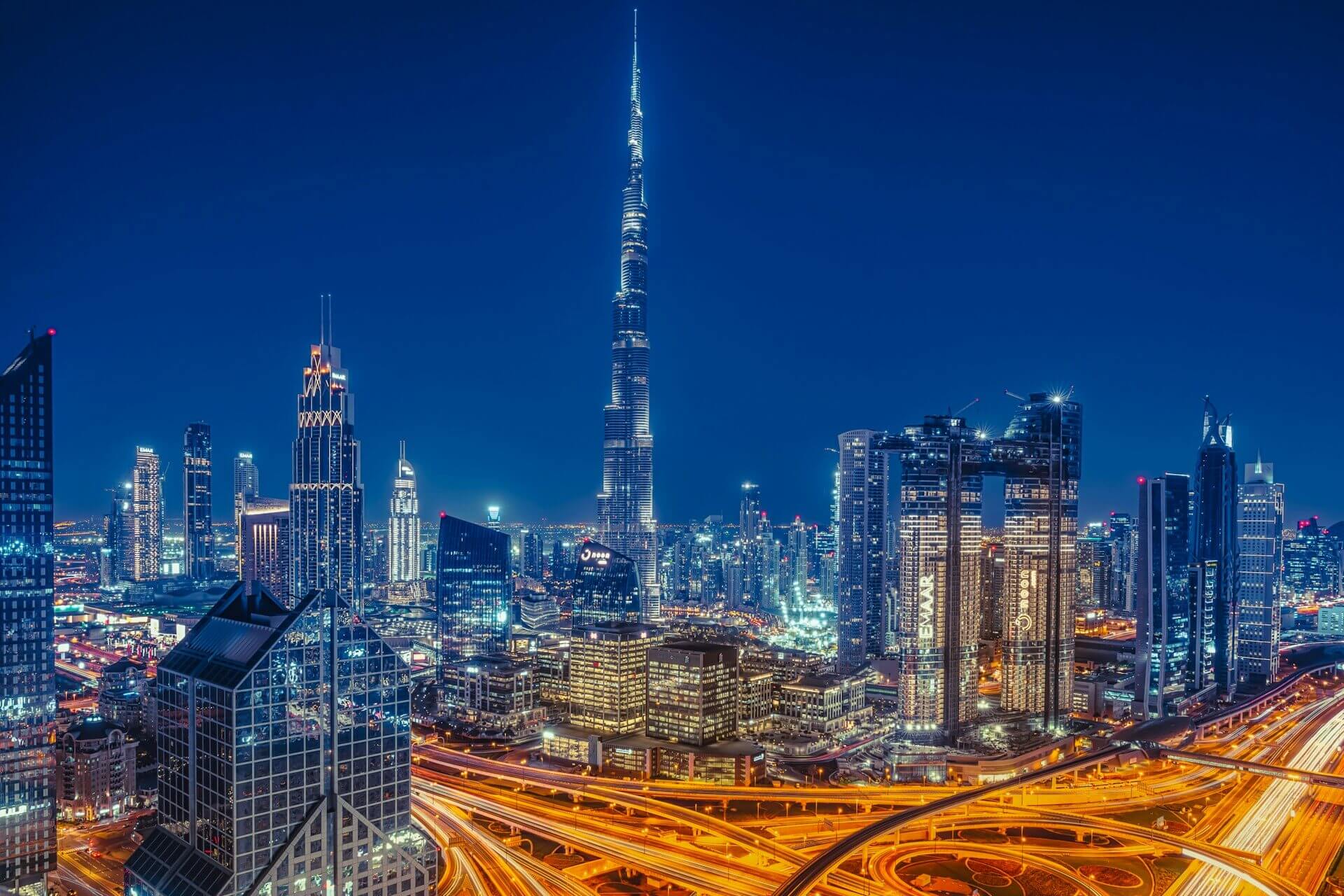
FOR SALE
AED 1,200,000AED 720,000
We help clients buy and rent the right property in Dubai — apartments, villas and investment units matched to budget, area and goals.
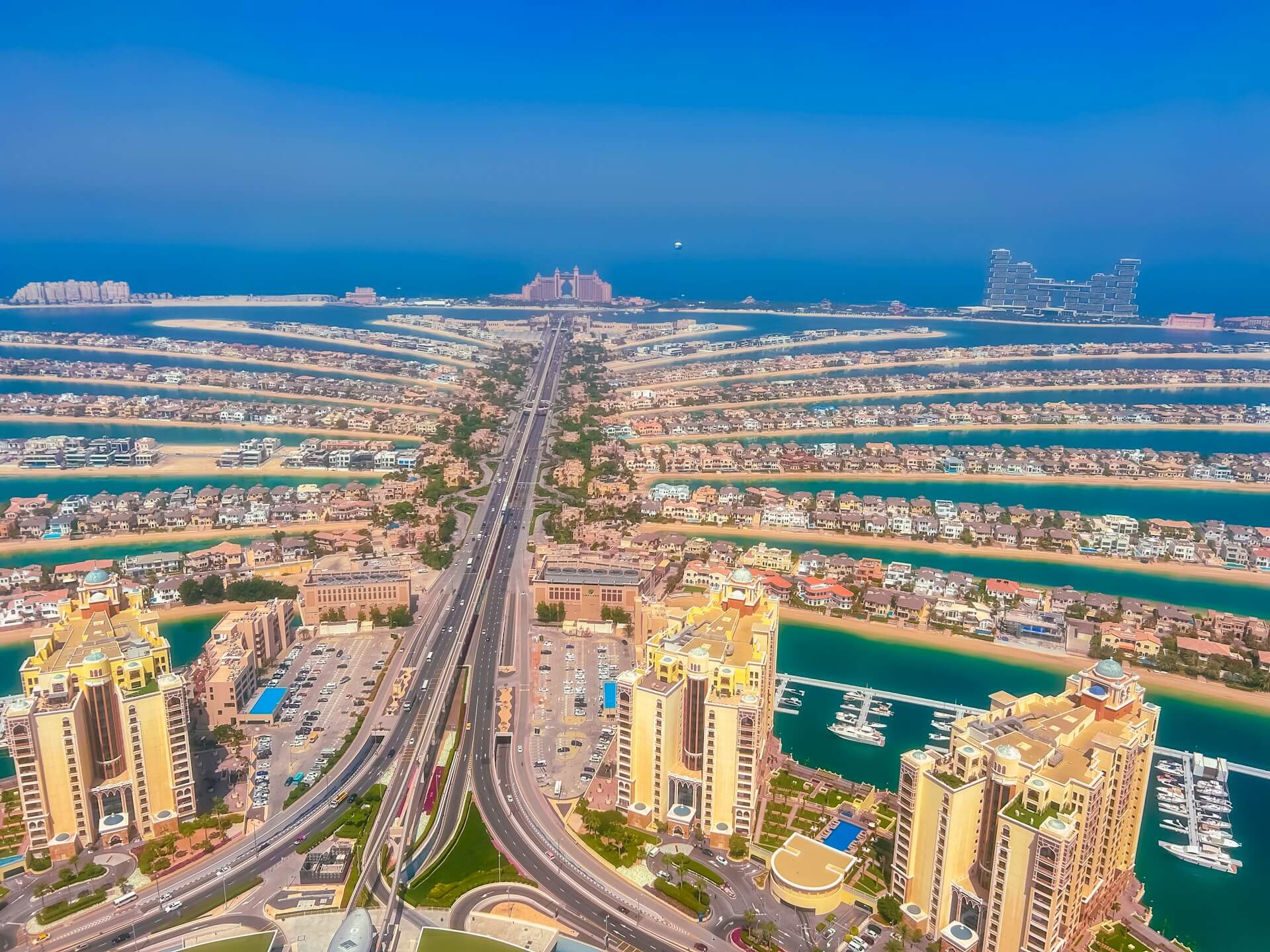
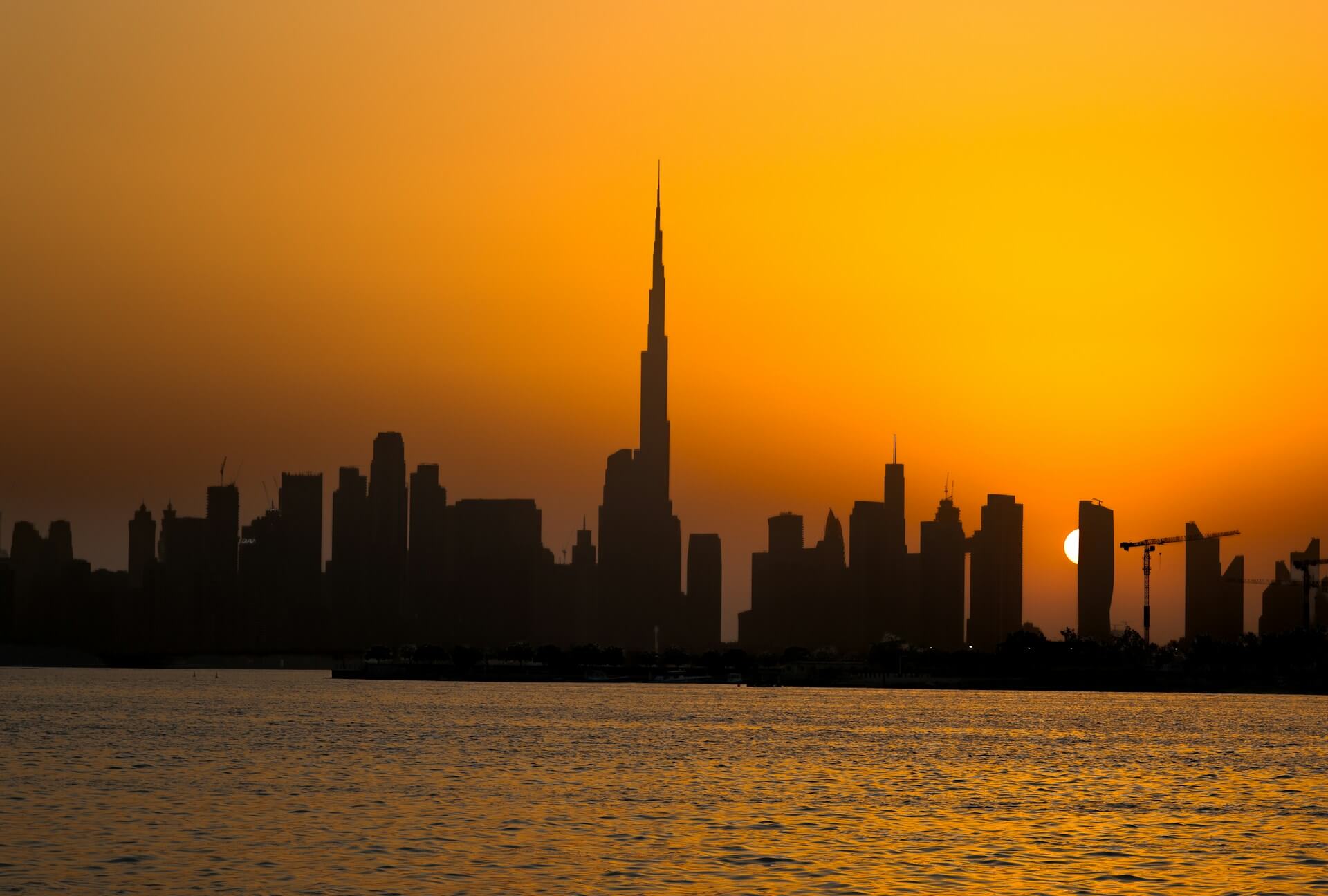
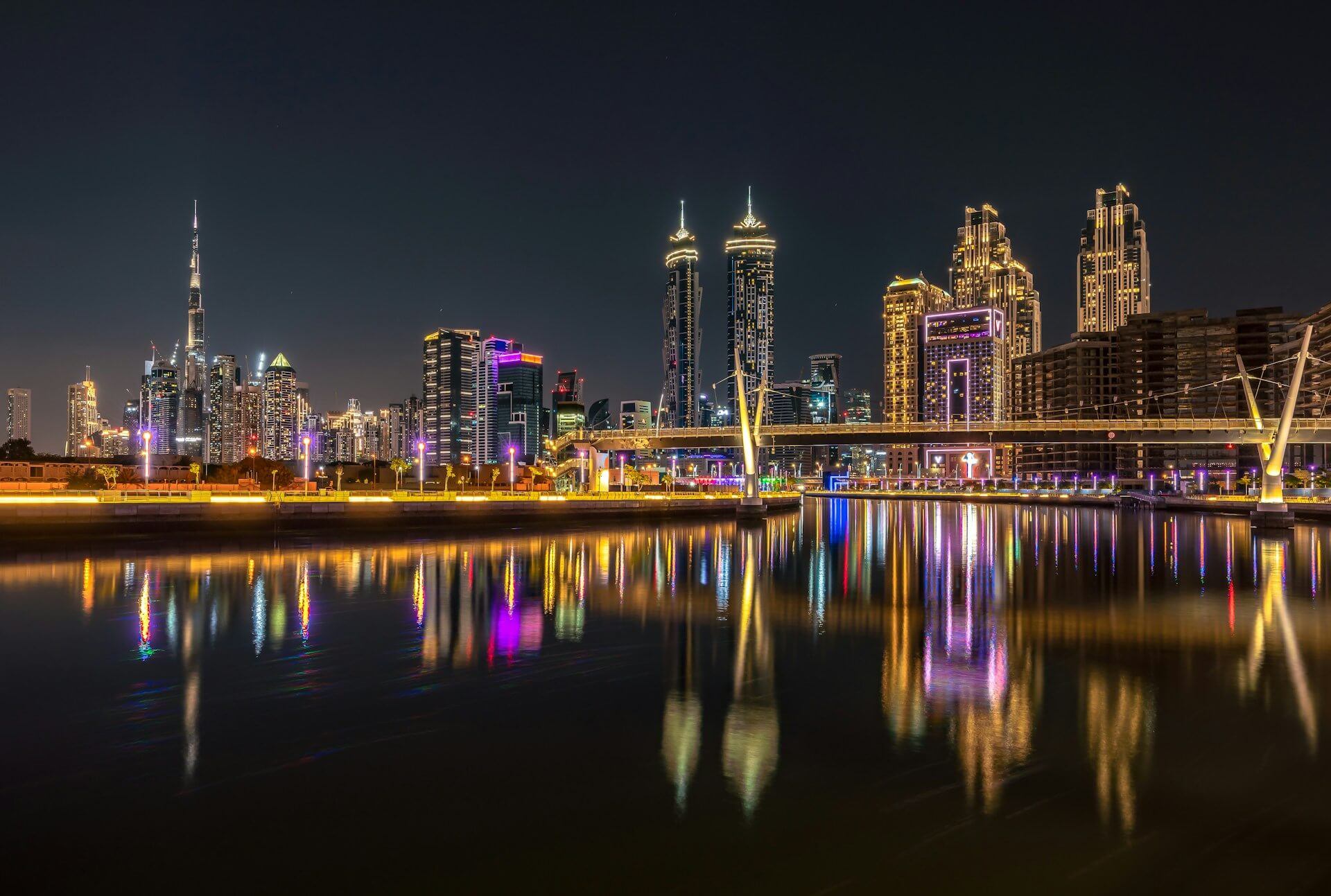
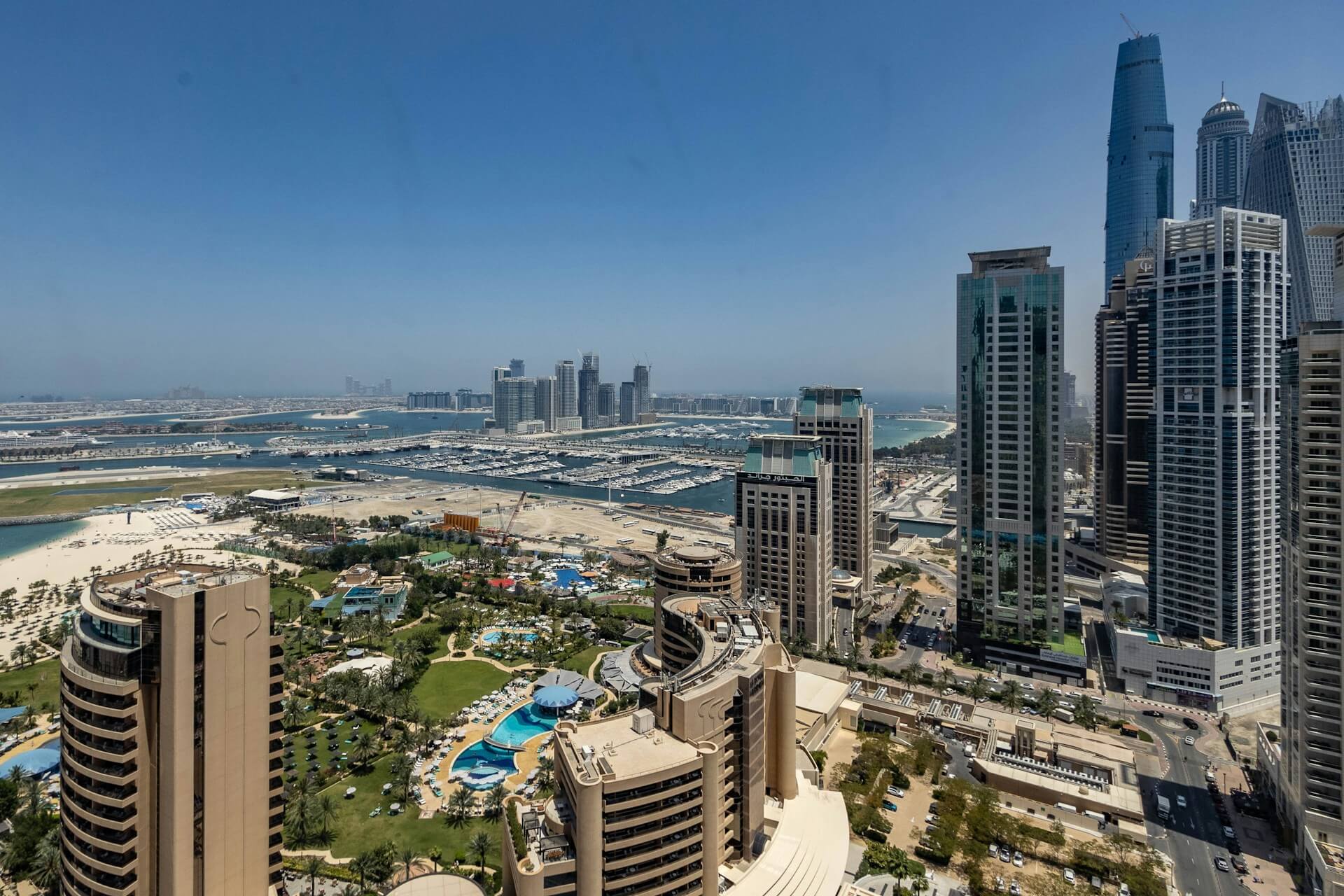
Dubai Property Selection focuses on apartments, villas and investment properties in key areas such as Dubai Marina, Downtown, Business Bay, Dubai Hills and Palm Jumeirah.
Instead of sending a huge list of random listings, we prepare a clean shortlist based on your budget, preferred area, bedrooms, timeline and purchase or rental goals.
Premium opportunities in Dubai — from compact investment units to signature villas and penthouses.
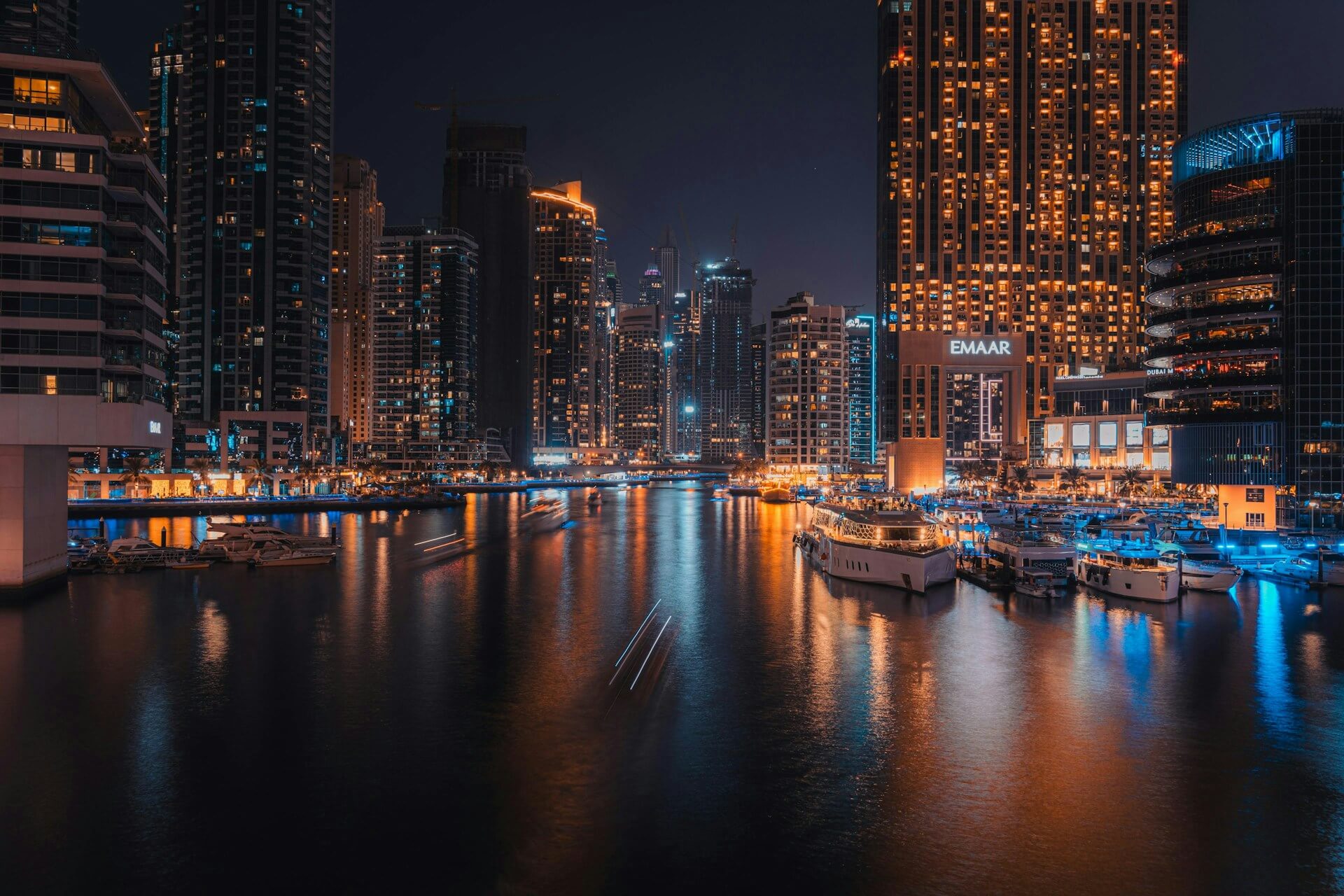
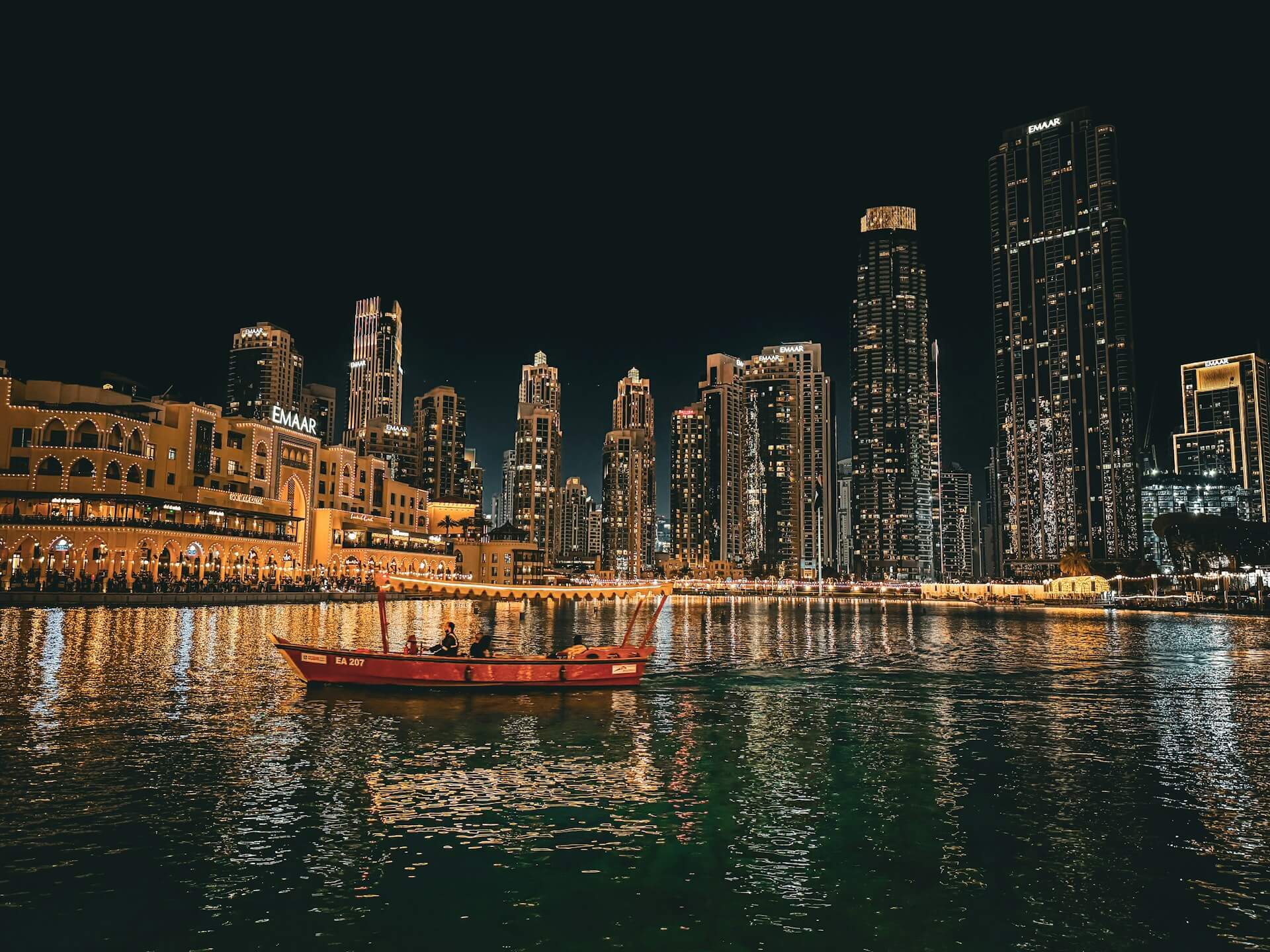

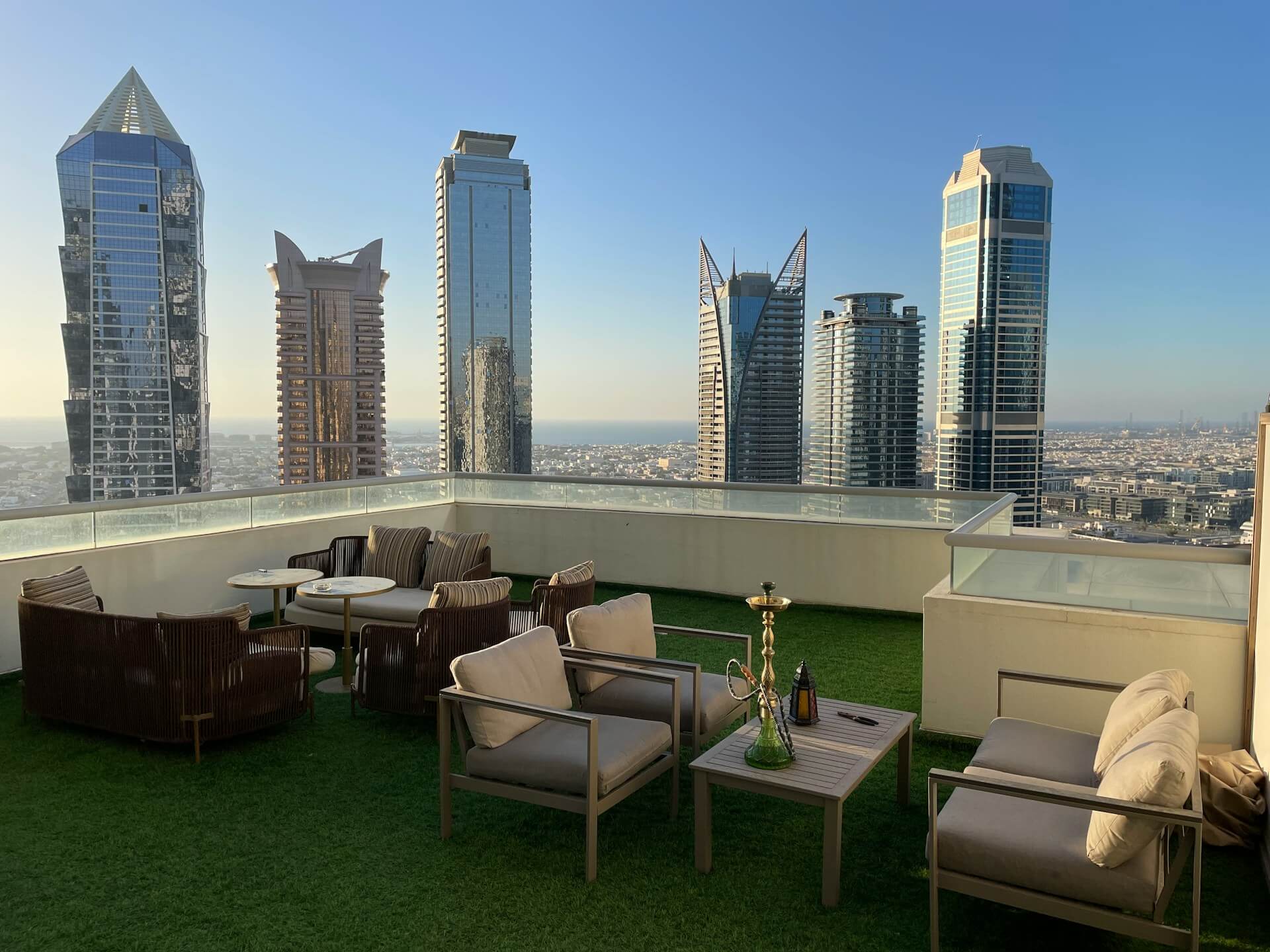
Comfortable long-term and premium rental options across Dubai.

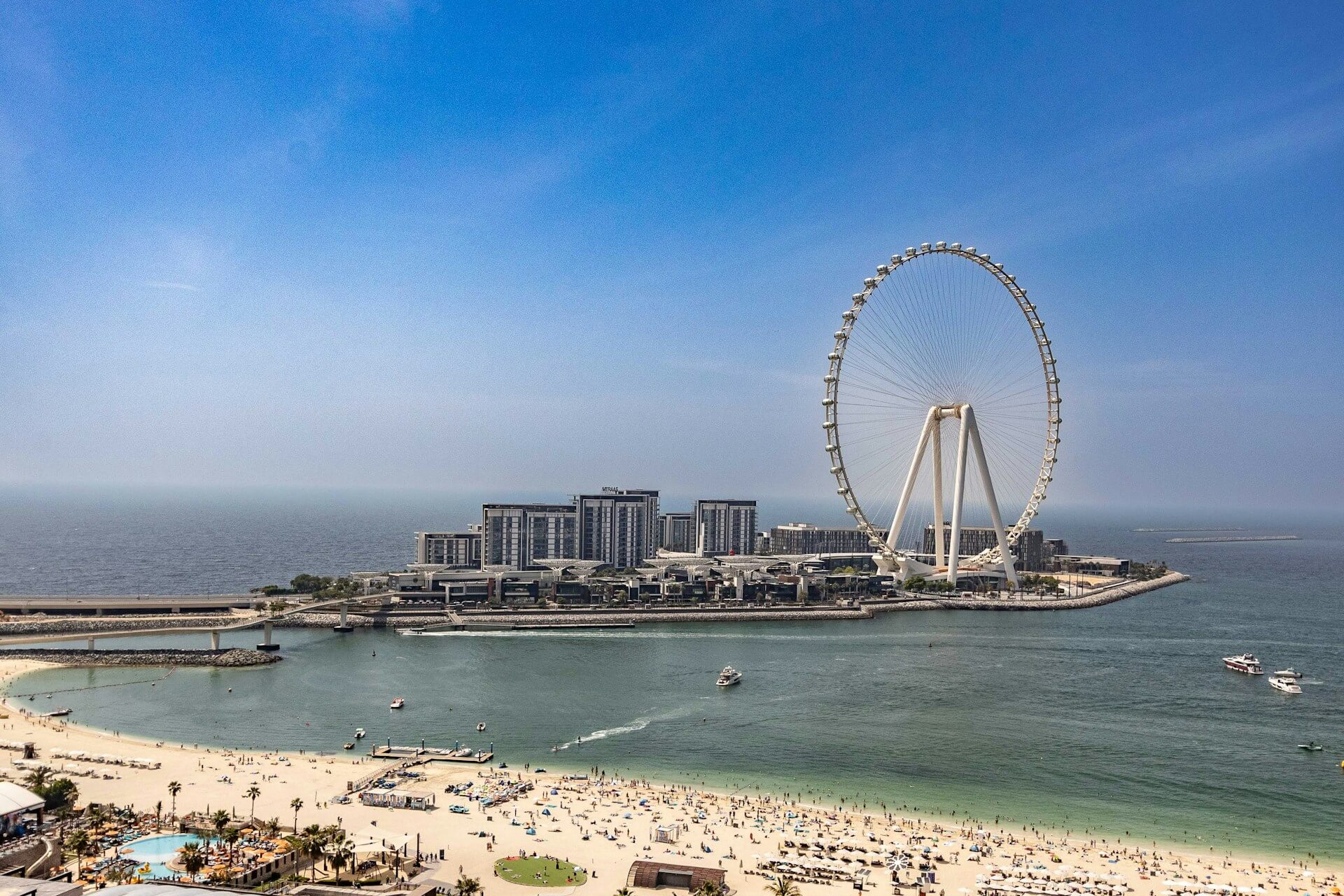
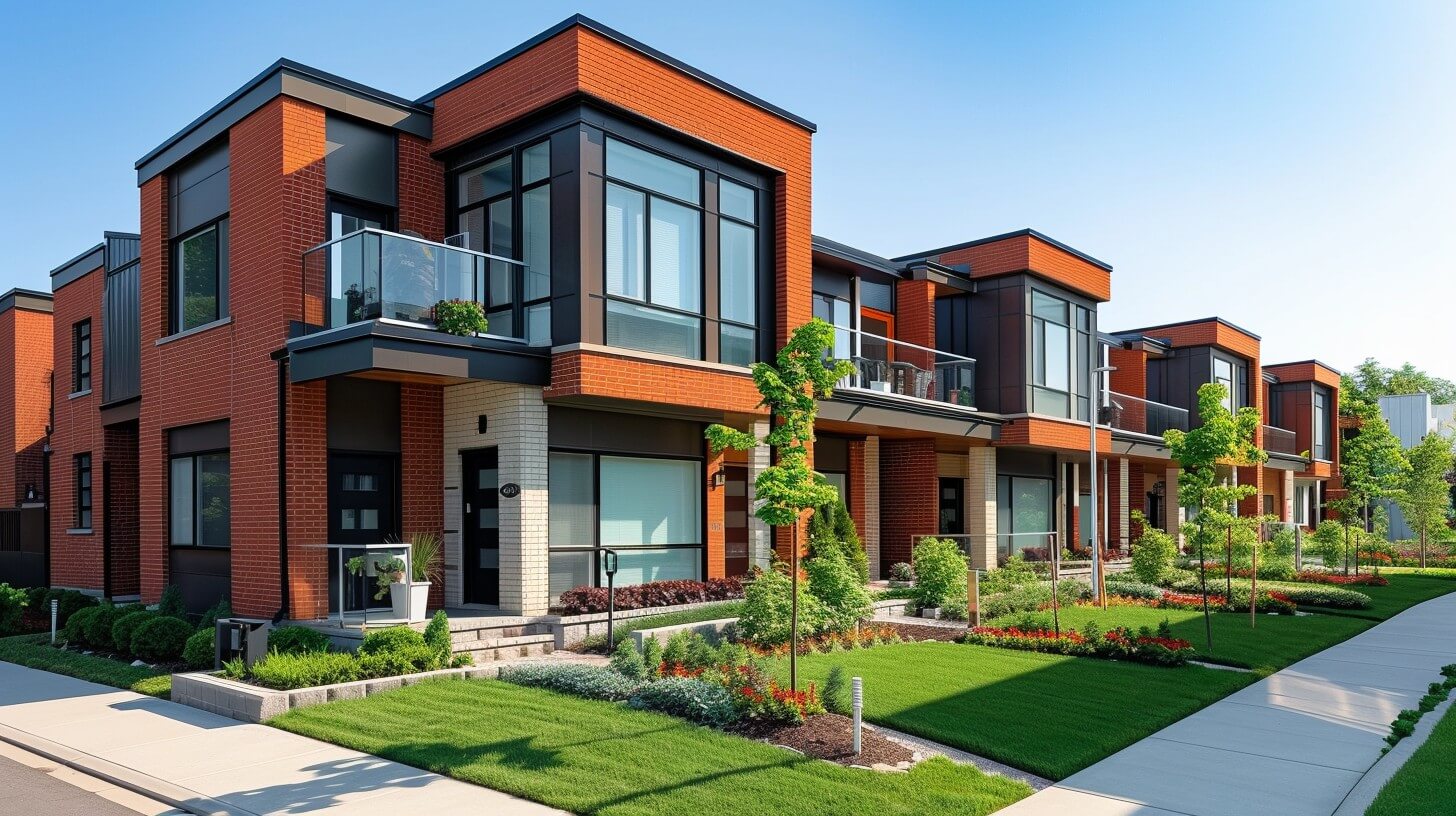

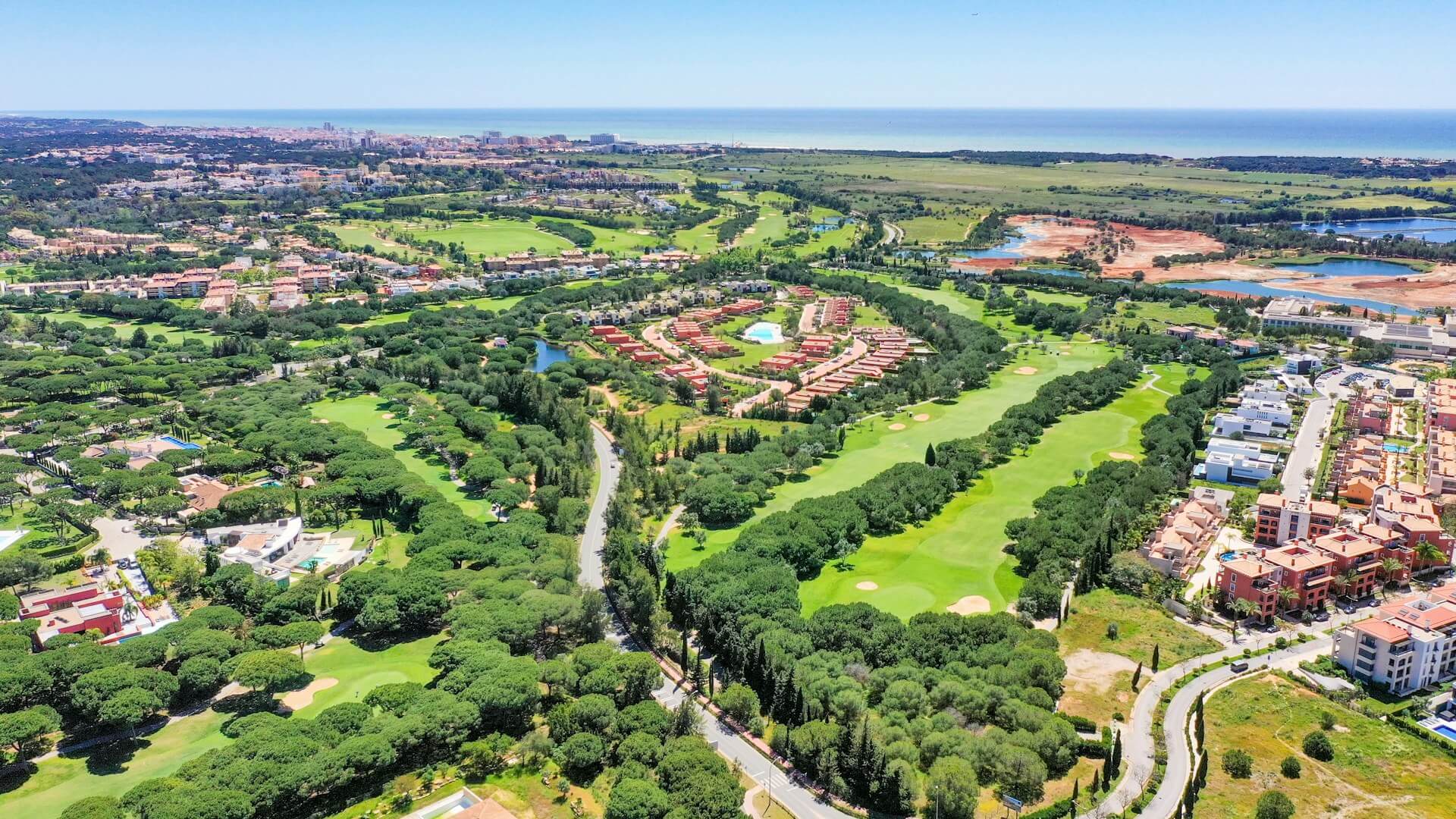
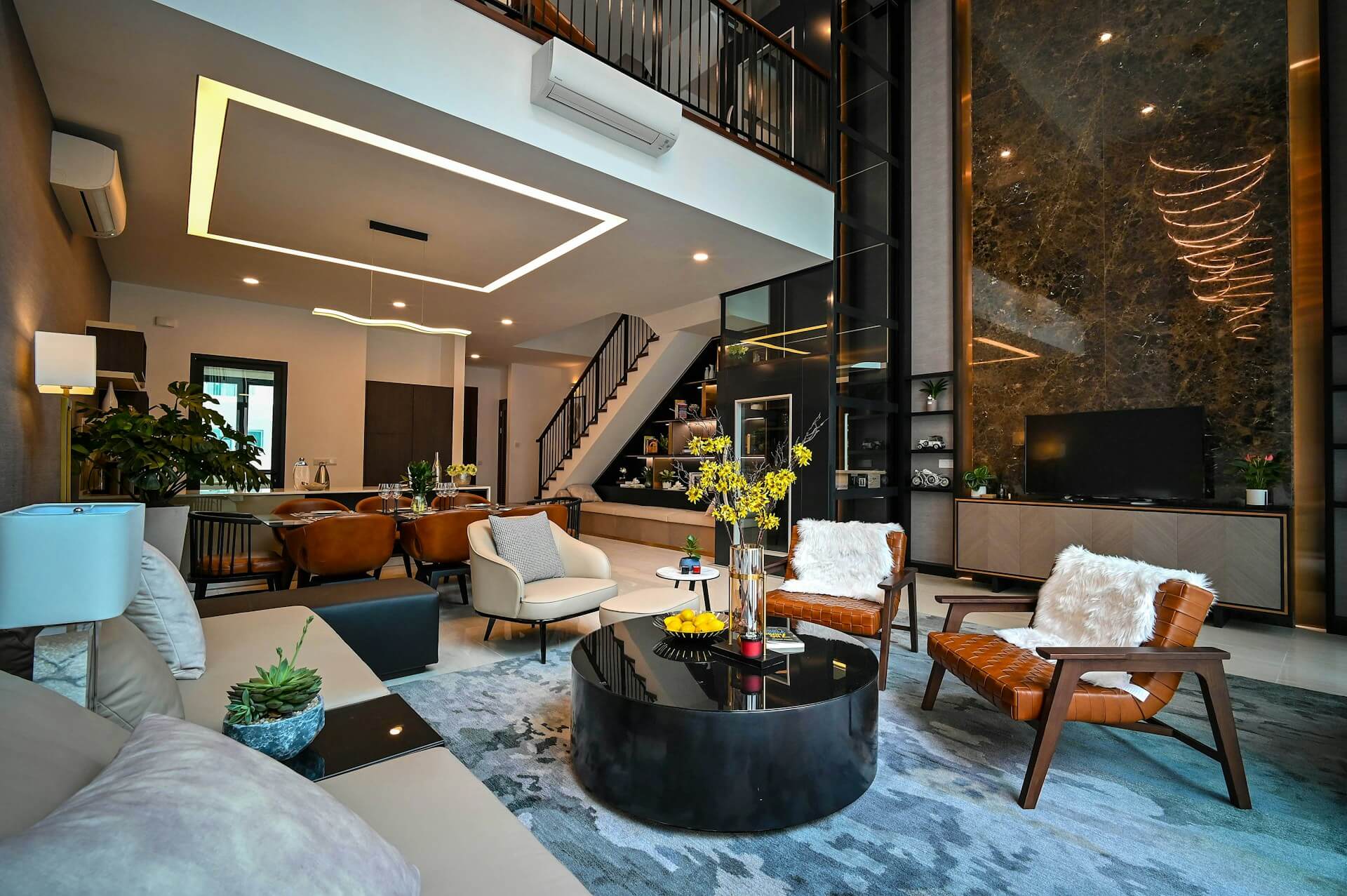
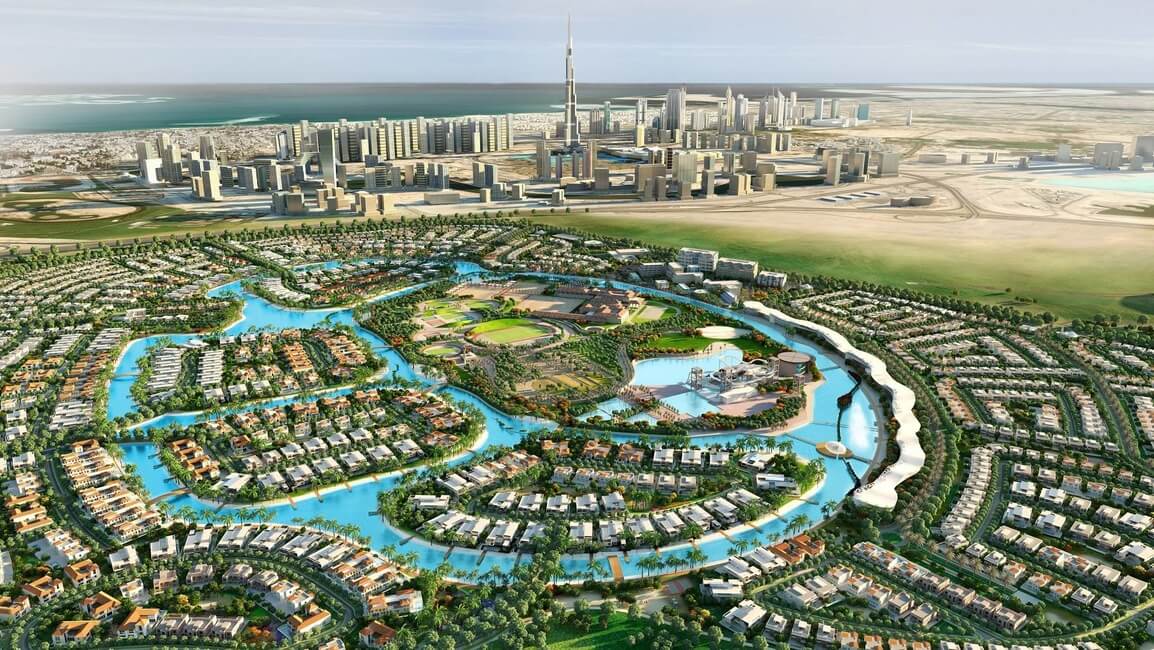
Yes, purchasing plots in Dubai is accessible primarily to foreign nationals in designated freehold areas, with several government-backed developments offering parcels starting from AED 3 million. Demand is strongest in zones like Dubai South and Dubai Land, where regulatory frameworks support direct ownership and zoning allows residential and commercial use.
Entry requires a minimum capital outlay typically above AED 3 million, reflecting the premium value and limited availability of undeveloped territory.
Current market activity derives from strategic infrastructural projects, such as Expo 2020 legacy developments and Dubai South’s growth as a logistics hub, which stimulate both end-user interest and capital appreciation potential.
Investors benefit from relatively low holding costs and regulatory clarity, with available plots ranging from 500 to 5,000 square metres in freehold neighborhoods, offering strong resale prospects and development flexibility.
Acquiring a parcel in Dubai’s freehold zones mandates adherence to specific ownership regulations, with significant restrictions on exact location and permitted uses.
These conditions ensure a balanced supply in the market and stabilize asset values, while government initiatives continue to expand freehold options cautiously. This combination of controlled supply and infrastructure expansion sustains liquidity and rental demand in those sectors.
Investing in freehold plots within Dubai faces significant regulatory constraints, especially outside designated zones.
While certain master developments, such as Dubai South and selected parts of Dubai Land, offer parcel ownership opportunities, unrestricted acquisition in most of Dubai remains unavailable to foreigners. Existing inventory primarily consists of off-plan villa plots and parcels within integrated communities designed to accommodate bespoke residential projects.
Dubai’s focus on vertical developments and mixed-use projects has limited the availability of standalone ground parcels for sale.
As a result, where purchasable parcels exist, prices per square foot often equal or exceed premium villa prices due to scarcity and prime locations, particularly in Dubai Hills Estate and Mohammed Bin Rashid City.
Entry capital for plots in Dubai starts around AED 3 million for smaller plots within less central master developments, with prices escalating quickly in areas featuring advanced infrastructure and established amenities.
Unlike apartments or villas, costs include additional fees: municipal charges, developer service fees related to infrastructure development, and reservation deposits that can exceed 15% up front.
Return projections for vacant plots are less predictable compared to finished properties.
Appreciation hinges on completion of planned master infrastructure, community development, and demand for luxury custom villas. Annualized gains of 5-7% are achievable but require holding periods exceeding 5 years.
Liquidity is notably lower due to niche buyer pools and financing difficulties; few lenders provide mortgages on raw plots, increasing reliance on cash transactions.
When comparing Dubai’s available plots to villa resale opportunities within the same master developments, up-front costs are generally higher due to additional infrastructure commitments. Conversely, purpose-built villas with established rental histories offer better short-term cash flow and more straightforward resale processes.
For investors seeking capital appreciation with long-term horizons and tolerance for higher risk, plots in high-growth community extensions may be suitable. End-users prioritizing swift property occupancy benefit more from completed villas.
Areas such as Dubai South present relatively affordable entry points for those interested in parcels, thanks to ongoing development phases and government backing.
These zones also benefit from proximity to Expo 2020 legacy infrastructure, promising improved connectivity and potential for future value growth. Meanwhile, central locations like Mohammed Bin Rashid City command premiums but provide stronger prospects for future demand and community completion within 2-3 years.
Those unsuited for this market segment include buyers requiring immediate rental yields or quick resale.
Plots involve holding costs, with no immediate revenue streams. Also, speculative purchasers relying on external financing face challenges due to stringent loan conditions. Market volatility tied to infrastructure delivery delays or policy changes further increases investment risk.
In summary, acquisition of freehold parcels within Dubai requires a robust financial base, acceptance of lower near-term liquidity, and a strategic focus on location within approved developments.
Long-term capital growth remains the primary reward, conditional on market timing and infrastructure progress.
Investment options in Dubai’s terrain cover several categories, each defined by its zoning and intended usage. Distinguishing between residential plots, commercial parcels, and industrial zones is fundamental for assessing capital requirements and expected returns.
Residential plots are primarily allocated within designated communities offering plot sizes from 2,500 to 10,000 square feet, targeting end-users focused on villa developments.
Entry capital for these sites starts at approximately AED 4 million in locations like Arabian Ranches, while more established spots such as Palm Jumeirah exceed AED 10 million. Yield stability depends on the community’s maturity and demand for standalone properties.
Commercial plots in Dubai are concentrated within free zones and business parks, including areas like Dubai Silicon Oasis and Jebel Ali Free Zone.
These parcels range from 5,000 to over 50,000 square feet, catering to office complexes, retail hubs, and mixed-use projects. Capital requirements start from AED 8 million but can escalate rapidly given proximity to main transport corridors. Commercial terrain offers higher liquidity due to corporate demand but carries elevated risks linked to economic cycles and tenant turnover.
Industrial lands are available in designated zones such as Dubai Industrial City and Al Quoz, generally ranging between 10,000 and 100,000 square feet.
Initial investment begins at around AED 3 million, making them more accessible for manufacturing or logistics companies. Industrial parcels present moderate returns, supported by ongoing infrastructure expansion, but resale speed is slower compared to residential or commercial sectors.
Off-plan land sales predominantly target master developments where buyers reserve plots under long-term plans, with prices considerably lower than ready land but requiring longer capital lock-up periods.
For investors prioritizing fast liquidity, ready-to-develop parcels in areas with ongoing construction and regulatory clearance offer safer entry points.
| Residential | 2,500 – 10,000 | 4 – 12 | Medium | End-Users, Long-Term Investors |
| Commercial | 5,000 – 50,000+ | 8 – 30+ | High | Developers, Corporate Investors |
| Industrial | 10,000 – 100,000 | 3 – 10 | Low-Medium | Logistics, Manufacturing Businesses |
| Off-Plan | Varies by project | 2 – 6 | Low | Speculative Investors, Developers |
Comparing locations, shoreline-adjacent plots such as those on the Palm provide elevated price points and slower turnover, suited for ultra-high-net-worth individuals focused on asset appreciation.
Conversely, inland options near Business Bay allow quicker entry and are preferable for commercial developments with significant foot traffic.
Risk assessment varies notably by category: residential parcels in emerging districts present resale challenges during market slowdowns, while commercial land near metro infrastructure supports consistent demand despite economic fluctuations.
Industrial zones remain tied to sector-specific dynamics, requiring specialized expertise to mitigate hold risks.
Selecting between ready-terrain and off-plan commitments depends on capital flexibility and timeline. Ready sites facilitate immediate development or leasing, enhancing revenue generation speed, unlike off-plan which demands patient capital but offers attractive pricing buffers.
Foreign nationals are permitted to acquire real estate in designated freehold zones across Dubai, subject to specific regulatory conditions.
Ownership rights extend solely to properties within these approved areas, with full freehold title granted under the Dubai Land Department’s jurisdiction.
Outside these zones, ownership is limited to leasehold arrangements, typically ranging from 30 to 99 years.
Investors must fulfill identity verification through submission of a valid passport and an entry permit or residency visa when applicable. Certain freehold districts restrict purchase eligibility based on nationality or sector if linked to government or strategic assets.
Verification of non-restricted nationality status is essential prior to transaction initiation.
Entry capital requirements depend on the location within Dubai, with some premium zones mandating minimum investment thresholds exceeding AED 1 million for residential parcels. Developers often require upfront deposits of 10-20% during off-plan purchases, aligning with Dubai Land Department stipulations for registration. Foreign entities or companies require additional documentation, including trade licenses and board resolutions, to qualify for ownership registration.
Legal compliance mandates registration of transactions with the Dubai Land Department.
Foreign entities must provide notarized power of attorney and demonstrate financial solvency for approval. Mortgage lending follows strict criteria; non-residents face higher down payments (typically 25-40%) and limited loan-to-value ratios compared to residents.
Restrictions apply to agricultural or government-designated lands; such classifications fall outside freehold zones, barring direct acquisition.
Industrial or commercial plots are usually accessible only through government tenders or joint ventures, limiting straightforward foreign ownership.
Compared to non-freehold areas, freehold estates within Dubai offer full title deeds transferable to heirs or third parties without restrictions, providing security and liquidity advantages.
Yet, foreign buyers should consider regional variations: areas like Dubai Marina, Business Bay, or Arabian Ranches offer straightforward procedures and market transparency, whereas emerging zones may impose additional bureaucratic steps.
Acceptable legal status depends on registered residency or corporate establishment in Dubai for some purchases.
Residency visa holders gain access to expanded financial products, improving leverage options. Non-residents must plan higher cash reserves and anticipate extended documentation per regulatory scrutiny.
The first mandatory step in the legal acquisition of real estate parcels in Dubai involves obtaining a No Objection Certificate (NOC) from the Dubai Land Department (DLD).
This document confirms the seller’s legal right to dispose of the property and clears any pending service fees or mortgages. Without an NOC, registration cannot proceed.
Following the NOC issuance, a memorandum of understanding (MOU) must be drafted and signed by both parties, outlining the sale conditions, payment terms, and timelines. The MOU usually requires a 10% deposit, serving as a binding commitment. In Dubai, all MOUs related to land transactions are registered with the DLD, ensuring enforceability under local law.
After the MOU, the buyer requests a title deed transfer through the DLD.
This process typically takes 7-14 business days, during which the department verifies ownership, checks for encumbrances, and confirms compliance with planning regulations. Title transfer fees stand at 4% of the purchase price, split evenly between the buyer and seller unless otherwise negotiated.
Ownership rights for expatriates are secured via freehold and leasehold options depending on the designated zones.
Dubai designates specific freehold zones where foreigners hold full title rights, facilitating straightforward registration. In contrast, leasehold rights, often 99-year terms, are available in other areas but come with restrictions on resale and subleasing.
Mortgages are accessible to foreign investors under regulated frameworks, notably through local banks with caps on loan-to-value ratios: 75% for residents and 65% for non-residents in Dubai.
Mortgage approval requires a comprehensive credit and income assessment. Legal due diligence is essential to confirm the compatibility of financing terms with land use rights.
It is advised to engage registered real estate agents and legal advisors who specialize in Dubai land regulations.
They ensure contractual compliance, conduct title searches, and verify zoning restrictions specific to Dubai. Such expertise reduces risks related to title disputes and incorrect procedural execution.
Transactions must be executed using the DLD’s e-Registry system, guaranteeing transparency and preventing fraudulent sales.
The system records the buyer's details, seller’s documents, payment proofs, and issues the new title deed electronically.
This digital verification is enforceable in courts in Dubai, making it the definitive ownership proof.
Compliance with Dubai Municipality zoning and building codes is compulsory before registration approval. Purchasers should verify if the plot’s designated use matches their development plans to avoid penalties or invalidation post-purchase.
Confirming whether environmental clearances apply is also critical in Dubai’s regulatory framework.
Escrow accounts regulated by the Real Estate Regulatory Agency (RERA) protect payments until all contractual milestones are fulfilled. This mechanism secures both parties, ensuring funds release only after legal verification and title transfer completion in Dubai. It is strongly recommended to utilize escrow services in all dealings.
Transfer taxes and administrative fees must be budgeted within the acquisition cost.
Apart from the 4% DLD fee, additional costs include NOC fees (ranging from AED 500 to AED 1,000), registration fees, and agency commissions, generally around 2%. These vary by locality and transaction value across Dubai.
Unlike some jurisdictions, Dubai law permits the recording of usufruct rights and easements on land titles, which might affect property value and transferability.
Prospective investors should verify all encumbrances and rights registered in the title deed to avoid future restrictions in Dubai.
The entire legal process typically spans 3 to 6 weeks under normal conditions but can extend if due diligence uncovers legal issues or if financing approval delays occur. Expedited services are available in Dubai at additional costs, offering a faster title issuance timeline up to 5 business days.
Non-compliance with legal procedures leads to delayed ownership, potential loss of deposits, and risks of disputes that are costly to resolve in Dubai’s courts.
Therefore, adherence to prescribed steps and close liaison with the Dubai Land Department are mandatory.
Yes, foreign nationals are allowed to buy property in designated areas in Dubai, often referred to as freehold zones.
These areas have been set aside to enable non-citizens to own land and real estate with full ownership rights.
Buyers can acquire property through freehold ownership, where they have complete rights to the land and building.
Alternatively, there is leasehold ownership, which grants rights to the property for a specified period, commonly up to 99 years. Freehold rights are generally preferred by foreign investors for long-term investment security.
While foreigners can purchase in freehold areas, they should be mindful of specific regulations tied to each community and project.
It's advisable to work with a registered real estate agent and consult legal advice to ensure compliance with local laws, verify title deeds, and understand fees associated with registration and maintenance.
Dubai offers a well-regulated real estate market with clear laws supporting foreign ownership, which can be an advantage over some nearby areas.
Additionally, the city's infrastructure, business environment, and ongoing development projects contribute to its appeal. However, market conditions fluctuate, so prospective buyers should assess timing, location, and property type carefully.
The process usually begins with selecting a suitable property and conducting due diligence.
After agreement on price and terms, a sales agreement is signed, followed by payment of a deposit. The buyer then applies for a No Objection Certificate from the developer if required.
Finally, the transfer is completed at the Dubai Land Department where the title deed is issued, confirming the new ownership.
Foreigners can buy land in Dubai, but there are specific zones designated for non-nationals where purchases are permitted. These areas are known as freehold zones, allowing full ownership rights. Outside these zones, buying land is usually limited or requires special permissions.
It is important to verify whether the property falls within these areas and understand the local laws regarding land acquisition, including registration processes and any restrictions that might apply.
Clear answers about buying, renting and investing in Dubai property.
Yes. Foreign buyers can purchase freehold property in designated areas such as Dubai Marina, Downtown Dubai, Business Bay, Palm Jumeirah, Dubai Hills and other approved communities.
It depends on your timeline, budget and goal. Buying is usually better for long-term plans, capital growth and rental income, while renting is better for flexibility and easier relocation.
The required budget depends on the area, building quality and property type. More accessible apartments can be found in developing communities, while prime locations and luxury properties require a much higher budget.
In addition to the purchase price, buyers should budget for the Dubai Land Department fee, registration and trustee fees, possible agency commission, mortgage-related costs if financing is used, and ongoing service charges for many buildings.
Yes, many banks in the UAE offer mortgages to foreign buyers. Approval depends on income, documents, deposit amount and the specific property being purchased.
Areas such as Dubai Marina, Downtown Dubai, Business Bay, Dubai Hills, JVC, Palm Jumeirah and Creek Harbour are often considered by investors, but the right area depends on whether your focus is yield, resale value, lifestyle appeal or long-term growth.
Rental yield varies by area, property type, furnishing level and market timing. In practice, many investors look for a balance between strong occupancy, reasonable service charges and sustainable tenant demand rather than chasing headline numbers alone.
Off-plan property is purchased directly from a developer before the project is completed. Buyers often choose off-plan because of payment plans, newer inventory and lower entry prices compared with some ready properties.
A proper review should consider the developer’s track record, payment plan, handover timeline, location quality, future supply in the area and the project’s resale or rental potential after completion.
For ready property, the timeline can move fairly quickly if the price is agreed, documents are prepared and the buyer is ready to proceed. Mortgage purchases usually take longer than cash deals.
Yes, many purchases can be handled remotely with the correct documents and proper support through the process. Remote buying is common for overseas investors and international clients.
The biggest risks are overpaying, choosing a weak location, buying an unsuitable layout, ignoring service charges, or selecting a project with low resale and rental demand. Good selection matters more than marketing promises.
In long-term rentals, rent is commonly agreed for a fixed term and often paid by one or several cheques depending on the landlord, property and negotiation.
Tenants are usually asked for identification and residency-related documents, and the exact set depends on their status in the UAE and the landlord’s requirements.
A security deposit is commonly required before move-in. The amount often depends on whether the property is furnished or unfurnished and should be clearly stated in the rental terms.
In many rental transactions, an agency commission is charged. The amount depends on the deal structure and should be confirmed before signing anything.
Tenants should review the deposit, Ejari registration, utility setup costs, parking terms if relevant, maintenance responsibilities and any conditions related to early termination or renewal.
Yes, negotiation is common. The final result depends on market conditions, the landlord’s flexibility, how long the property has been available and how prepared the tenant is to move forward.
It is important to check the condition of the unit, building quality, noise level, parking, view, maintenance status, contract terms and the reliability of the owner or manager.
Short-term rent offers flexibility and convenience but is usually more expensive. Long-term rent is generally more cost-effective and better suited for clients planning to stay longer.
During an active contract, the agreed rent usually remains fixed. Any increase is generally discussed at renewal and should follow the applicable rules and notice requirements.
This depends on the tenancy contract. Minor day-to-day issues may be handled by the tenant, while major maintenance is commonly the landlord’s responsibility, but the exact wording in the contract matters.
Ejari is the official registration of the tenancy contract in Dubai. It is important for legal recognition of the lease and is commonly needed for practical steps such as setting up utilities.
Yes. Furnished properties can be more convenient and faster to move into, while unfurnished options may work better for longer stays or tenants who want more control over the setup and budget.
We do not rely on random mass listings. We narrow the market based on budget, location, property type, investment goal, lifestyle needs and timeline, so clients can focus only on relevant options.
Yes. Support can include shortlisting, arranging viewings, comparing options, discussing terms, helping with negotiations and guiding the next steps of the transaction.
The best first step is to define the real budget, target areas, purpose, preferred property type and timeline. Once those points are clear, the selection becomes faster, cleaner and much more useful.