
FOR SALE
AED 1,200,000AED 720,000
We help clients buy and rent the right property in Dubai — apartments, villas and investment units matched to budget, area and goals.
Dubai Property Selection focuses on apartments, villas and investment properties in key areas such as Dubai Marina, Downtown, Business Bay, Dubai Hills and Palm Jumeirah.
Instead of sending a huge list of random listings, we prepare a clean shortlist based on your budget, preferred area, bedrooms, timeline and purchase or rental goals.
Premium opportunities in Dubai — from compact investment units to signature villas and penthouses.
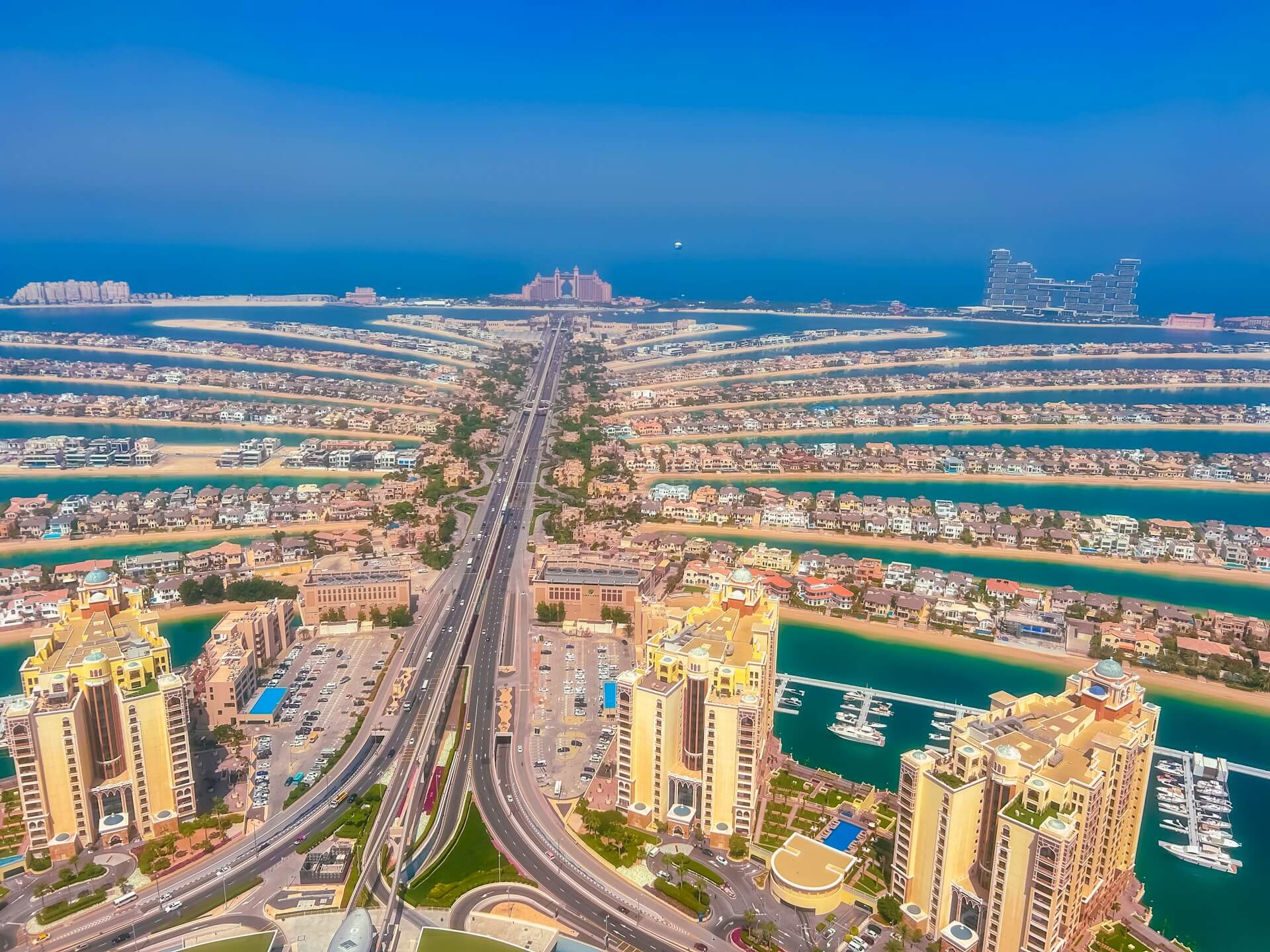
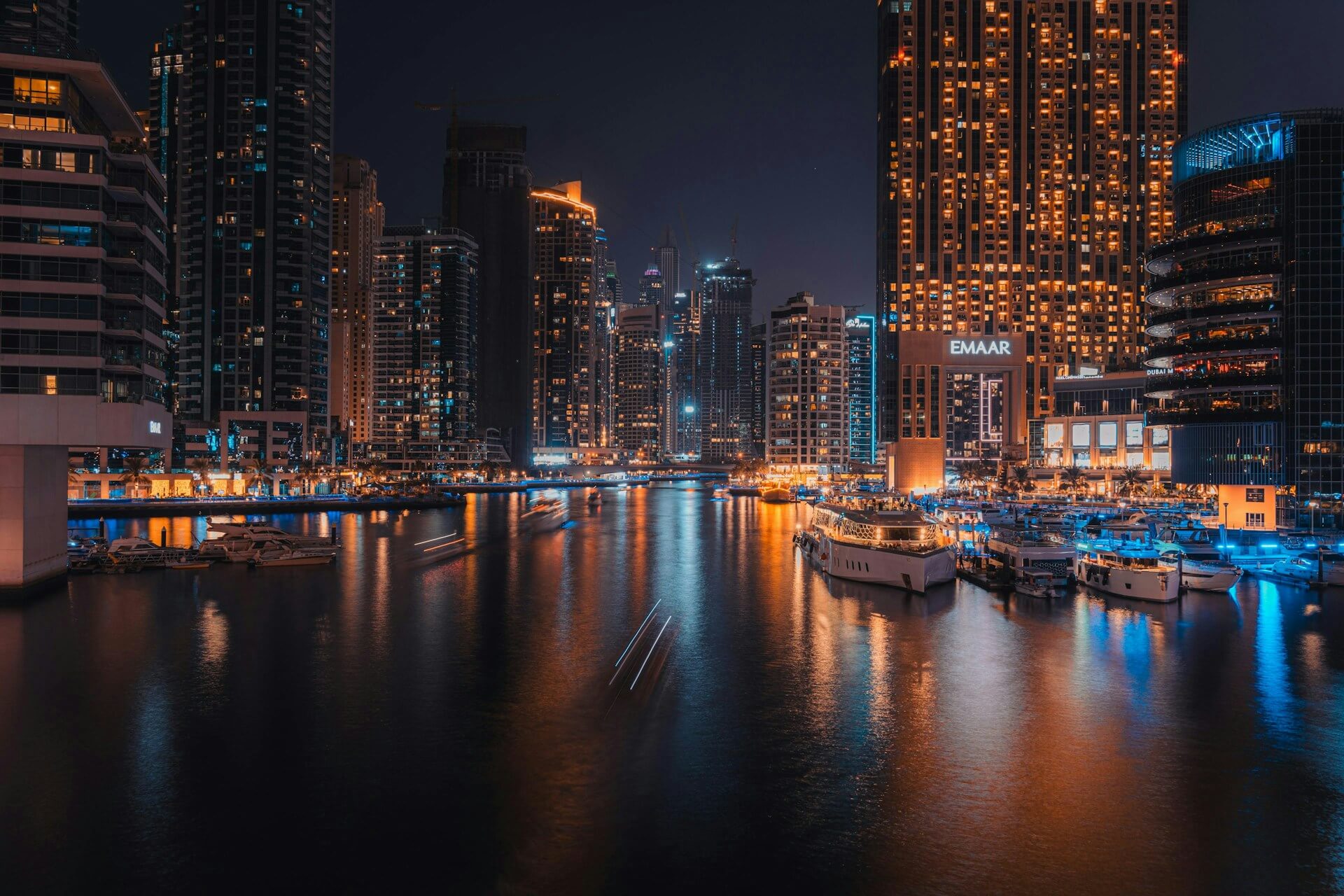
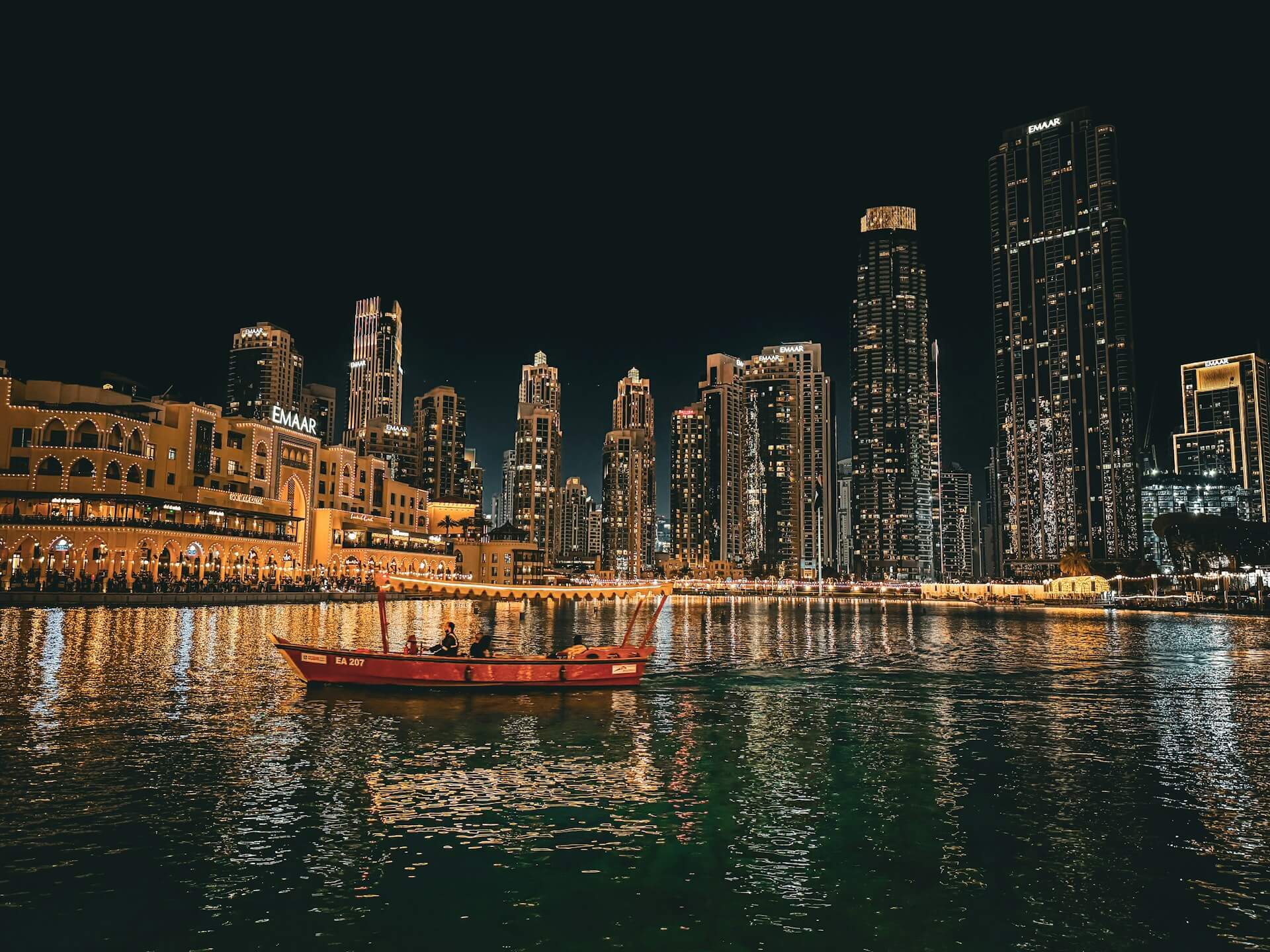

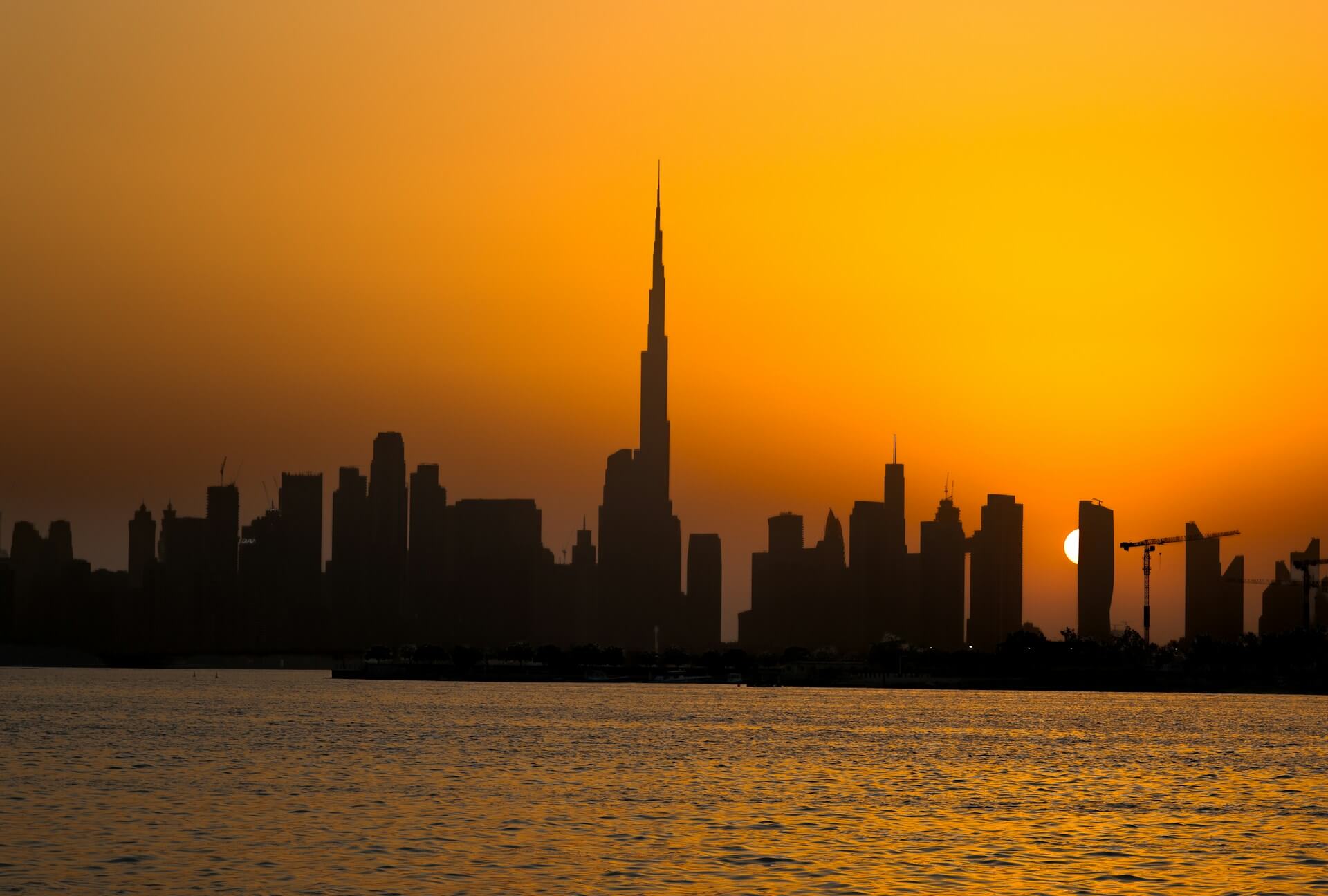
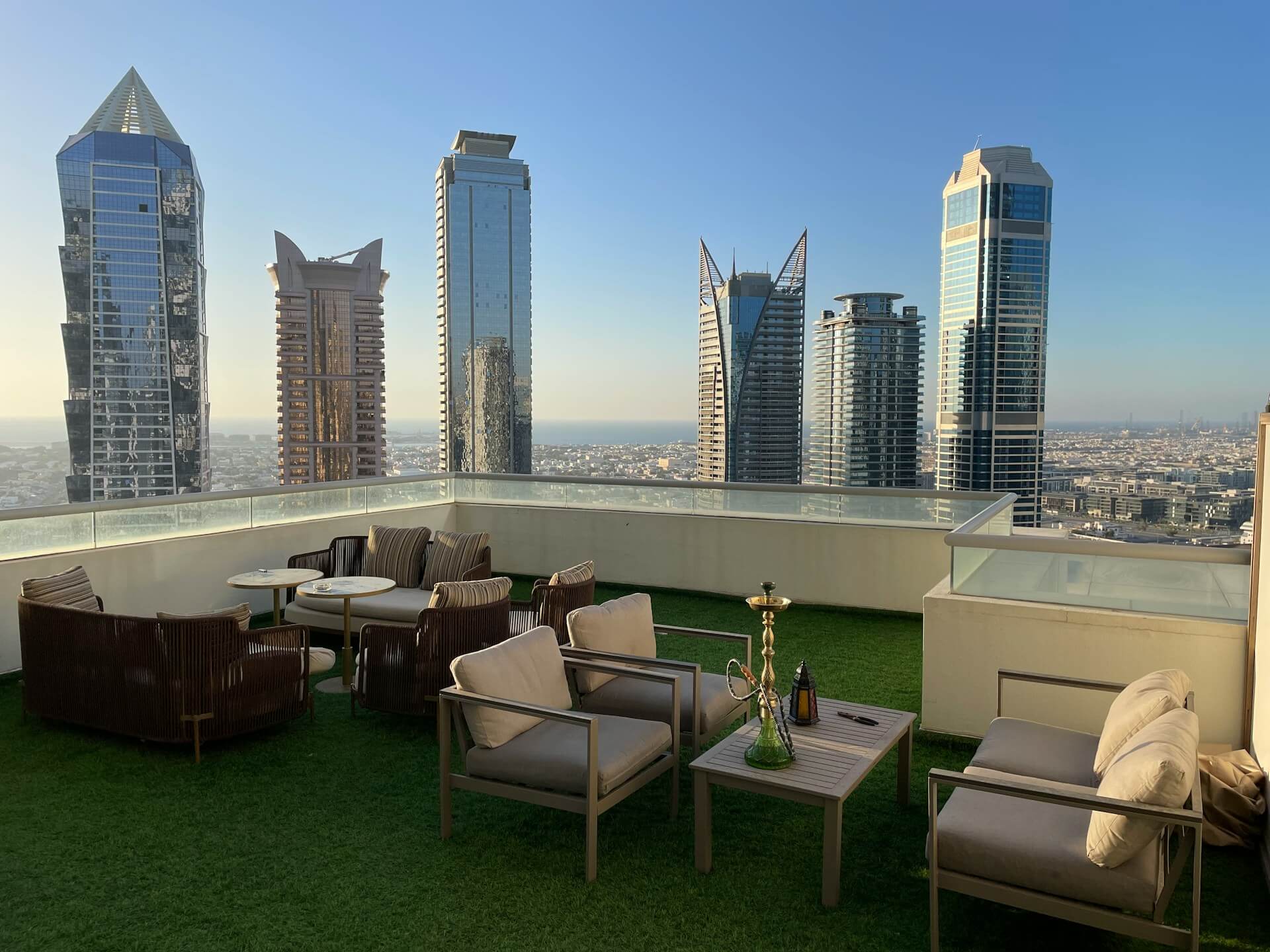
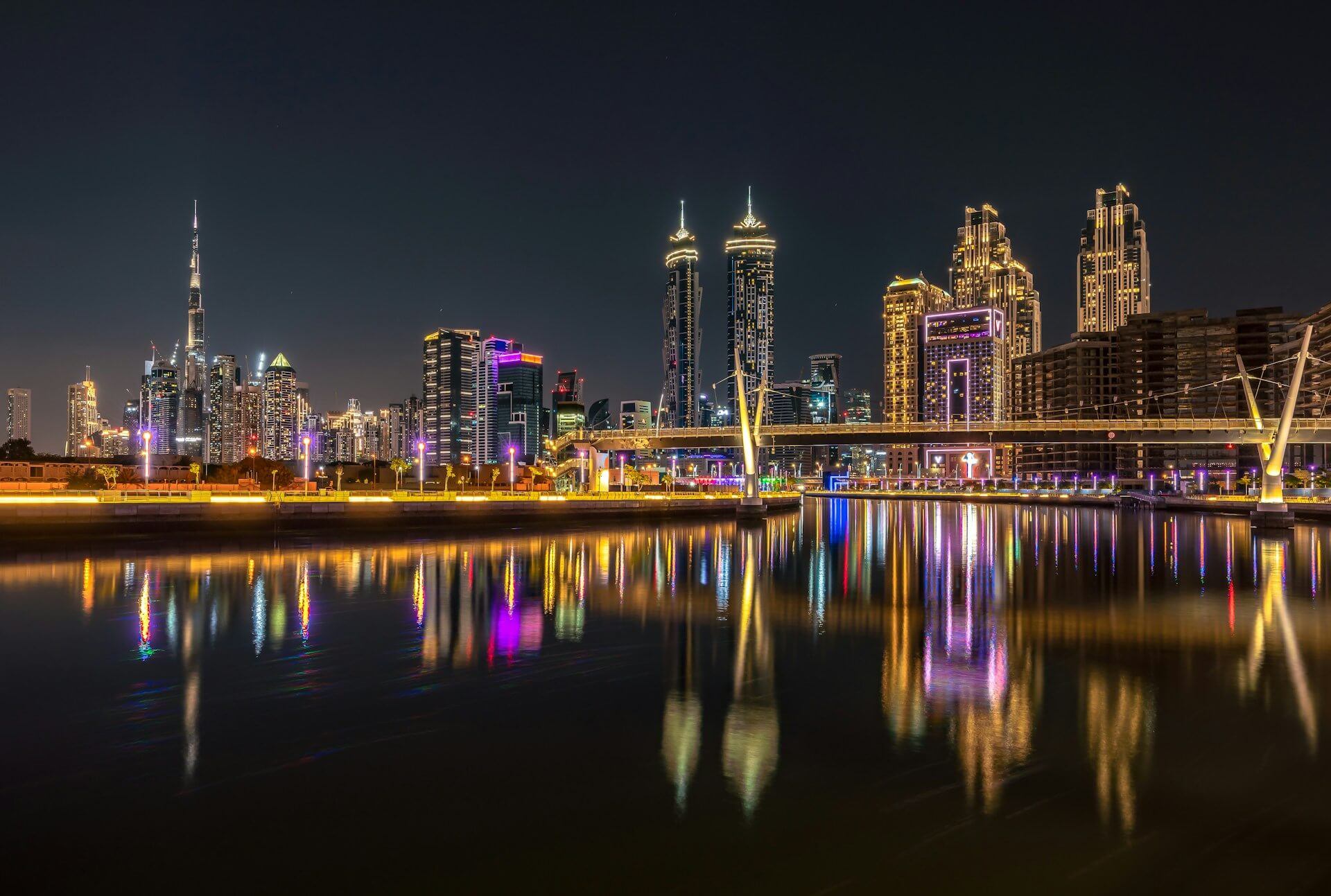
Comfortable long-term and premium rental options across Dubai.
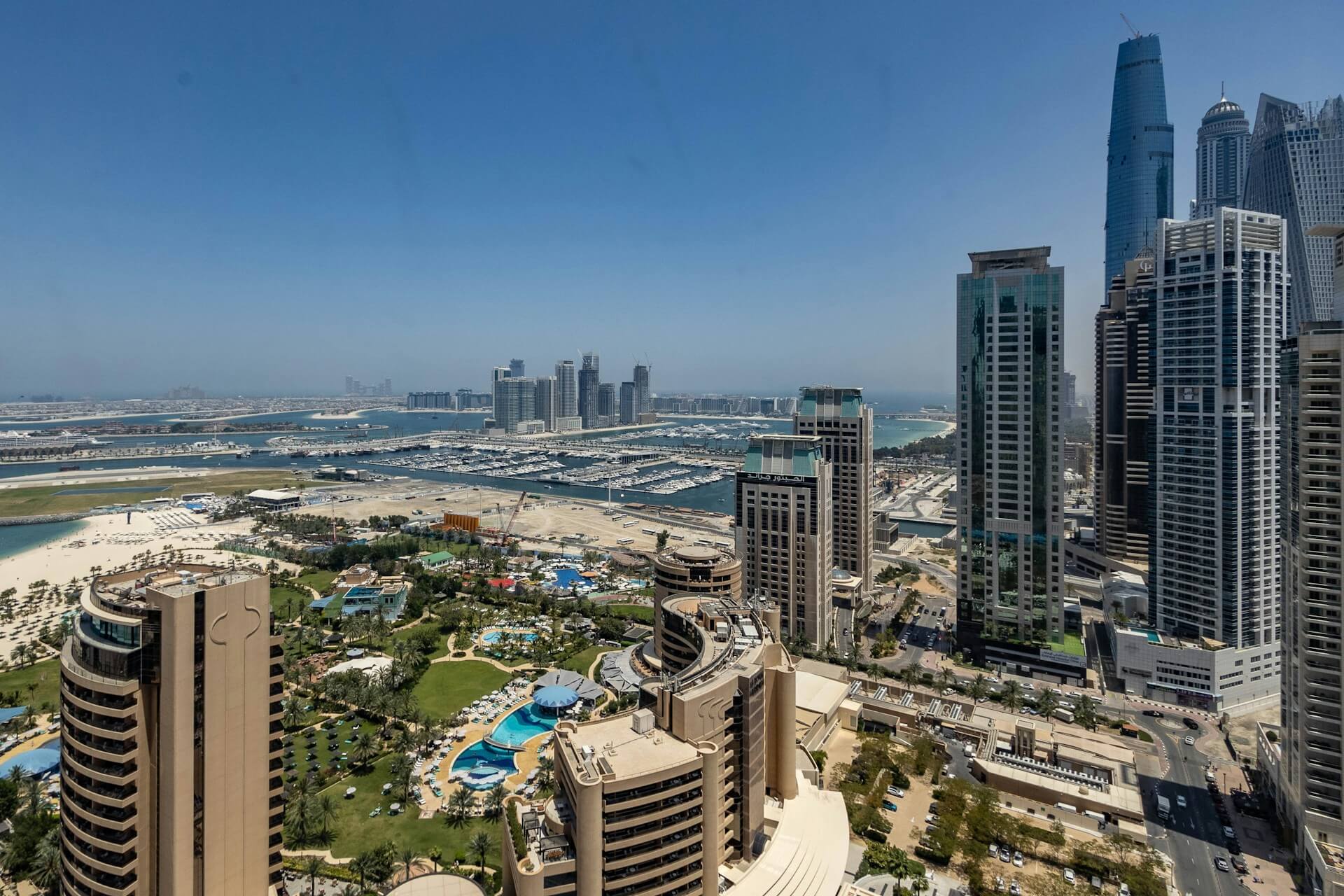

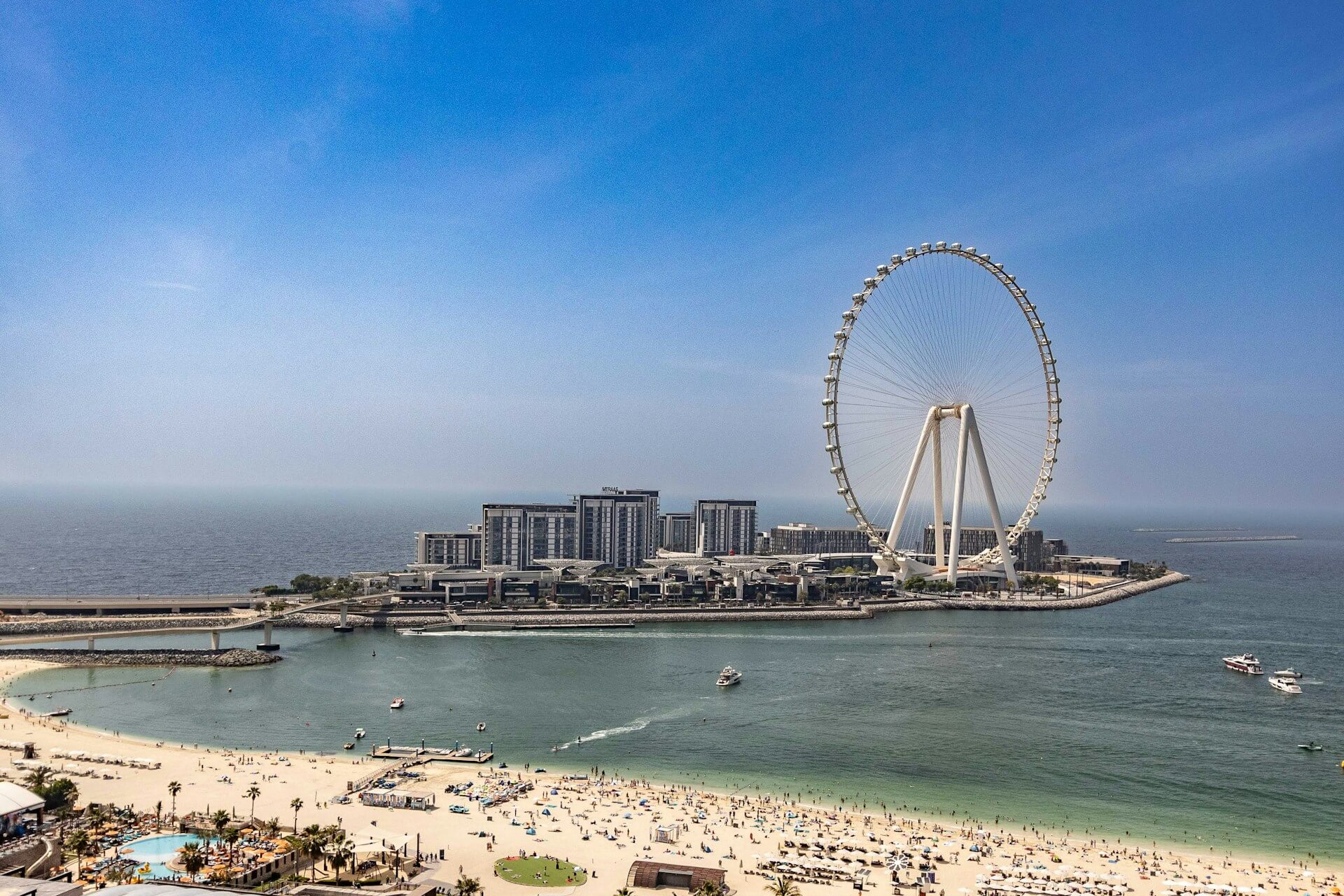


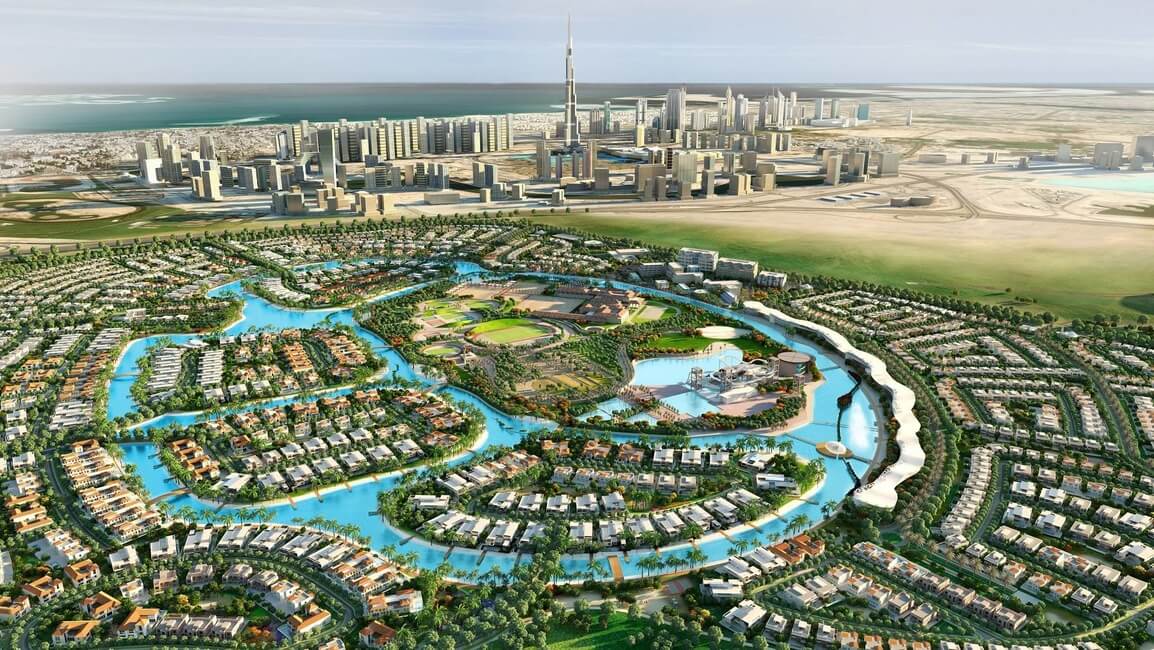
The current market in Downtown remains a prime target for acquisition due to stable demand driven by significant government infrastructure projects and a rising influx of expatriates relocating for work. Entry-level units start around $450,000, with resale properties offering faster liquidity compared to off-plan options. Rental returns average 6.5%, outperforming many other central localities in Dubai.
This combination of moderate entry capital and consistent yield supports immediate consideration for both end-users and investors.
Downtown’s appeal stems from limited new supply; only 8% of current stock is on the market, curbing oversaturation risks common in other parts of Dubai. This shortage, matched with increasing population growth and visa reforms boosting residency demand, sustains price resilience and reduces vacancy rates to below 7%. The area commands higher long-term appreciation than emerging districts thanks to its established infrastructure and proximity to key business hubs.
Compared to Dubai Marina, Downtown presents slightly lower acquisition costs but stronger exit prospects within 6 to 9 months.
Rental demand is more diversified, attracting a mix of professionals and families, whereas Dubai Marina skews heavily to short-term tourist tenants. The choice between ready-to-move properties and upcoming developments here is primarily driven by investor patience and required cash flow timelines.
Securing a flat in the heart of Dubai necessitates an entry capital typically starting from AED 1.5 million for studios and one-bedroom units, with mid-range projects in Business Bay ranging between AED 2.5 to 4 million for two-bedroom layouts.
For investors targeting larger properties or premium addresses within Dubai Marina, minimum budgets escalate beyond AED 6 million. Additional transaction costs such as agent fees (2%), registration fees (4%), and developer charges add roughly 7% to the upfront investment. Mortgage availability in the Dubai central districts remains accessible, with typical down payments at 20–25%, although foreign buyers should anticipate stricter lending criteria compared to peripheral locations in Dubai.
Given the concentration of established and upcoming developments in Business Bay, cost differentiation reflects factors like building age, infrastructure proximity, and access to transport nodes.
For instance, units closer to Dubai Metro stations command a 10–15% premium compared to similar properties farther away. Developers in Dubai Marina emphasize waterfront access, which increases entry prices by 20–30%, influencing capital requirements significantly. Investors should validate current market price indices indexed by Dubai Land Department to avoid overpayment amid fluctuating demand.
When evaluating cost, buyers must consider the varying maintenance fees across Business Bay towers, which can range from AED 15 to 30 per sq.
ft annually depending on amenities. These charges impact long-term holding costs and net returns. Additionally, Dubai Marina properties often impose elevated service fees due to marina berths and exclusive facilities, sometimes exceeding AED 35 per sq. ft. This variable strongly affects net profitability and should be factored into total investment outlay.
Competition remains intense among developers offering off-plan units in upcoming Business Bay projects, often priced 10–25% below ready properties in Dubai Marina, providing a strategic alternative for entry-level investors.
However, timeline risks and potential construction delays in Dubai should be carefully assessed. Ready-to-move stock in Business Bay provides immediate rental income with occupancies consistently above 80%, an advantageous trade-off compared to speculative acquisitions.
The capital locked in ready assets, primarily in Dubai Marina, offers higher liquidity but demands substantially more initial investment.
Ultimately, budgeting for a core-central flat in Dubai aligns with strategic investment goals: for rental income, expect upfront costs from AED 2 million with associated holding expenses, while capital appreciation investments require readiness to commit AED 5 million or above in premium locations.
The capital intensity in Dubai Marina generally secures stronger liquidity, while Business Bay presents more accessible entries albeit with slightly lower resale velocity.
Begin by consulting crime statistics from official sources such as local police departments or government crime mapping websites for Dubai.
These databases provide detailed data on recent incidents by type and frequency, allowing precise comparison of safety levels between different sectors of Dubai.
Prioritize zones where reported violent crime and property-related offenses remain below the Dubai average, especially for residential enclaves near the city center.
Beyond raw numbers, analyze safety trends over the last 12-24 months in Dubai to gauge whether security conditions are improving, stable, or deteriorating. Areas with consistent annual reductions in thefts, assaults, and break-ins suggest effective law enforcement presence and community vigilance, critical for safeguarding long-term asset value.
Conversely, spikes in criminal activity warrant caution even if current averages appear acceptable.
Engage with local neighborhood watch groups or online forums specific to Dubai districts to gather qualitative insight on public safety.
Resident feedback often uncovers emerging issues like undocumented construction, transient populations, or poorly lit streets, which official reports may not capture promptly.
Combine these firsthand accounts with official data to develop a nuanced safety profile for each targeted residential investment.
Evaluate the presence and responsiveness of emergency and law enforcement services within Dubai’s jurisdiction.
Proximity to police stations, frequency of patrols, and availability of rapid response units contribute significantly to risk mitigation. Compare this infrastructure across multiple localities: zones with higher law enforcement density typically exhibit faster crime resolution times and deterrent effects, reducing potential losses.
Consider environmental factors impacting neighborhood safety in Dubai.
Elements such as street lighting intensity, traffic patterns, and urban design influence crime likelihood. Well-lit streets and controlled traffic flow reduce opportunities for opportunistic crimes, while areas with blind spots or abandoned spaces carry elevated risks. Visual audits or professional safety assessments can identify these micro-level variables.
Review Dubai Police initiatives and smart city technologies deployed at the district level.
CCTV coverage, AI-powered security monitoring, and integrated communication platforms enhance surveillance capabilities, lowering the probability of unresolved incidents.
Districts with advanced technological integration in public safety measures often outperform counterparts lacking these investments.
Factor in socio-economic indicators such as unemployment rates, income diversity, and educational attainment within Dubai neighborhoods. Higher economic stability and community investment correlate with reduced crime rates. Cross-reference these metrics with crime statistics to identify residential zones exhibiting both financial robustness and low security threats, optimizing resident safety without compromising budget.
| Official crime statistics (Dubai Police) | Incidence of violent/property crime | Direct measure of threat levels |
| Trend analysis (12-24 months) | Yearly change in crime rates | Indicates improving or worsening conditions |
| Local community input | Resident reports and forums | Uncovers unreported or new problems |
| Law enforcement proximity | Distance to patrol units and stations | Affects response rate and deterrence |
| Environmental design | Lighting, traffic, street visibility | Physical factors reducing crime risk |
| Technological measures | CCTV and smart security systems | Enhances monitoring and incident resolution |
| Socio-economic data | Employment, education, income levels | Correlates with community stability |
For investors targeting Dubai, prioritize neighborhoods demonstrating consistent low crime rates supported by strong law enforcement and community engagement.
Avoid areas where crime statistics fluctuate widely or where infrastructure upgrades have stalled, as these factors increase security risk and can negatively affect future returns or occupancy. A rigorous, multi-factor safety assessment is integral to making a sound residential property acquisition within Dubai’s urban core.
Obtain the title deed copy from the seller and verify it with the Dubai Land Department (DLD).
Confirm that the names on the title deed match the seller’s official identification and that there are no liens, mortgages, or legal disputes registered against the property. This step eliminates risks of hidden encumbrances.
Request the latest service charge and maintenance receipts issued by the developer or property management. These documents prove the absence of outstanding debts that could affect ownership transfer or property use.
Cross-checking these with the master developer records in Dubai ensures payments are up to date.
Verify the property’s registration status on the DLD’s online portal. Enter the title deed or property number to access official records detailing ownership history, transfers, and any encumbrances.
Ensure the property is not flagged as a subject of litigation or auction, common issues affecting resale liquidity in Dubai.
Examine the developer’s completion certificate and building permits to confirm that construction was finalized legally and according to approved plans.
Properties without valid completion certificates might face restrictions on ownership transfer or obtaining residency visas in Dubai, impacting long-term use or investment returns.
Validate the identity and authority of the seller through official identification and, if applicable, power of attorney documents. In Dubai’s market, brokers and agents often facilitate transactions, but verify that signing authorities are properly documented to prevent fraudulent activity.
Consult with a specialized property lawyer or legal consultant familiar with Dubai real estate laws.
They can perform comprehensive due diligence on underlying contracts, check for any restrictive covenants, and confirm all legal requirements for ownership transfer and registration compliance are met.
Obtain a no-objection certificate (NOC) from the developer confirming that the property has no restrictions or unpaid fees.
The NOC is mandatory for property transfer on the DLD platform and protects against potential future claims.
Review the purchase agreement carefully before signing. Confirm that all terms align with the verbal negotiations and legal standards mandated by Dubai real estate regulations.
Pay attention to clauses regarding damages, possession timelines, and cancellation conditions to avoid costly disputes later.
Compare the verified documentation with similar transactions in Dubai to assess any anomalies. Deviations from typical timelines or excessive fees could indicate complications affecting resale or financing options.
Following these verification steps reduces legal risks and ensures clear title ownership, a prerequisite for efficient registration at the Dubai Land Department and seamless property transfer within Dubai’s regulated market.
Calculating total investment costs requires precise accounting of several mandatory expenditures beyond the purchase price when acquiring a residence in Dubai.
Property transfer fees stand at 4% of the registered value, payable to Dubai Land Department (DLD), which significantly adds to upfront capital requirements. Additional administrative charges such as the DLD document registration fee of AED 580 and mortgage registration fees starting from AED 380 must also be factored in.
Buyers must include agent commissions averaging 2% of the sales price, unless the developer offers direct sales.
Legal fees vary but typically range between AED 5,000 and AED 15,000 depending on transaction complexity; budgeting conservatively here prevents unexpected overheads.
If financing is involved, mortgage arrangement fees of 1% to 2% alongside valuation and life insurance premiums elevate the entry cost.
Annual housing fees in Dubai commonly range from AED 10 to AED 25 per square foot, charged by homeowners’ associations or management companies for upkeep of communal facilities. Higher-end developments in Dubai maintain costs around AED 20-25 per square foot, whereas secondary neighborhoods may offer reduced maintenance at AED 10-15.
These fees influence net yield calculations and should be scrutinized relative to amenities offered.
Property tax in Dubai remains nil, a strong advantage over many global markets; however, utility costs and municipality service charges (typically 5% of annual rent value if rented out) apply, impacting net income projections for investors. Insurance premiums depend on coverage but expect AED 1,000–AED 3,000 annually for fire and public liability insurance tailored to residential units.
Comparing total entry costs reveals Marina projects demanding 6–7% additional capital above price due to DLD, fees, and upfront maintenance deposits.
Conversely, new off-plan units in Business Bay might require slightly lower ancillary expenses, closer to 5%, given developer incentives absorbing certain charges.
Buyers prioritizing shorter holding periods should weigh these differing cost structures carefully, as operational expenses affect liquidity and break-even horizons.
Maintenance budgeting requires attention to the building’s age and construction quality. Developments over 10 years old in Dubai often incur higher service fees and unexpected repair costs, whereas newer communities typically offer fixed service charges locked by developers or management firms. Reserve funds for maintenance escalation–estimated at 5% per annum–should be embedded in long-term cost planning if retaining the property beyond typical five-year horizons.
When projecting net returns, deduct cumulative transaction fees along with ongoing service charges from gross rent forecasts to assess realistic cash flow.
Though the absence of income tax in Dubai improves net profitability, management fees averaging 5–10% of rental income for leasing agents further reduce investor margins.
A clear understanding of these fiscal requirements permits accurate capital allocation, enabling more strategic decision-making between districts and property types.
Properties in emerging zones can offer lower acquisition surcharges but potentially higher maintenance variability, contrasting with established developments where fees are stable but upfront outlays notably greater. Align cost profiles with investment timeframes to avoid cash flow pressure and optimize total return potential.
When buying an apartment in the city center, it’s important to evaluate several aspects such as proximity to work or public transport, safety of the neighborhood, availability of nearby amenities like shops and medical centers, and the quality of the building itself.
Additionally, understanding the local property market trends and potential future developments in the area will help ensure a wise investment.
Apartments located in downtown areas usually come with a higher price tag compared to properties in the suburbs.
This is primarily due to the convenience of access to business districts, cultural venues, restaurants, and public transport hubs. However, the price difference may also reflect the smaller size or older age of units available in the center versus newer developments in less central locations.
It is advisable to verify the ownership documents thoroughly to confirm the seller's legal right to sell the property.
Checking for any outstanding debts or liens associated with the apartment is also necessary. You might want to confirm the building’s compliance with local regulations and zoning laws.
Consulting with a qualified real estate lawyer can help prevent potential complications after the purchase.
Maintenance expenses can vary widely but often include monthly fees for building upkeep, which cover cleaning of common areas, security, and repairs to shared facilities.
Additional costs might be related to utilities, property taxes, and insurance. Older buildings might require more frequent repairs, so it’s wise to inquire about recent renovations or planned works in the apartment complex.
Residing downtown offers easy access to cultural events, dining, entertainment, and public transportation, often leading to a more active and connected lifestyle.
On the downside, there can be higher noise levels and less green space compared to outlying neighborhoods. For many, the convenience and vibrant atmosphere outweigh these factors, but personal preferences should guide the decision.
Clear answers about buying, renting and investing in Dubai property.
Yes. Foreign buyers can purchase freehold property in designated areas such as Dubai Marina, Downtown Dubai, Business Bay, Palm Jumeirah, Dubai Hills and other approved communities.
It depends on your timeline, budget and goal. Buying is usually better for long-term plans, capital growth and rental income, while renting is better for flexibility and easier relocation.
The required budget depends on the area, building quality and property type. More accessible apartments can be found in developing communities, while prime locations and luxury properties require a much higher budget.
In addition to the purchase price, buyers should budget for the Dubai Land Department fee, registration and trustee fees, possible agency commission, mortgage-related costs if financing is used, and ongoing service charges for many buildings.
Yes, many banks in the UAE offer mortgages to foreign buyers. Approval depends on income, documents, deposit amount and the specific property being purchased.
Areas such as Dubai Marina, Downtown Dubai, Business Bay, Dubai Hills, JVC, Palm Jumeirah and Creek Harbour are often considered by investors, but the right area depends on whether your focus is yield, resale value, lifestyle appeal or long-term growth.
Rental yield varies by area, property type, furnishing level and market timing. In practice, many investors look for a balance between strong occupancy, reasonable service charges and sustainable tenant demand rather than chasing headline numbers alone.
Off-plan property is purchased directly from a developer before the project is completed. Buyers often choose off-plan because of payment plans, newer inventory and lower entry prices compared with some ready properties.
A proper review should consider the developer’s track record, payment plan, handover timeline, location quality, future supply in the area and the project’s resale or rental potential after completion.
For ready property, the timeline can move fairly quickly if the price is agreed, documents are prepared and the buyer is ready to proceed. Mortgage purchases usually take longer than cash deals.
Yes, many purchases can be handled remotely with the correct documents and proper support through the process. Remote buying is common for overseas investors and international clients.
The biggest risks are overpaying, choosing a weak location, buying an unsuitable layout, ignoring service charges, or selecting a project with low resale and rental demand. Good selection matters more than marketing promises.
In long-term rentals, rent is commonly agreed for a fixed term and often paid by one or several cheques depending on the landlord, property and negotiation.
Tenants are usually asked for identification and residency-related documents, and the exact set depends on their status in the UAE and the landlord’s requirements.
A security deposit is commonly required before move-in. The amount often depends on whether the property is furnished or unfurnished and should be clearly stated in the rental terms.
In many rental transactions, an agency commission is charged. The amount depends on the deal structure and should be confirmed before signing anything.
Tenants should review the deposit, Ejari registration, utility setup costs, parking terms if relevant, maintenance responsibilities and any conditions related to early termination or renewal.
Yes, negotiation is common. The final result depends on market conditions, the landlord’s flexibility, how long the property has been available and how prepared the tenant is to move forward.
It is important to check the condition of the unit, building quality, noise level, parking, view, maintenance status, contract terms and the reliability of the owner or manager.
Short-term rent offers flexibility and convenience but is usually more expensive. Long-term rent is generally more cost-effective and better suited for clients planning to stay longer.
During an active contract, the agreed rent usually remains fixed. Any increase is generally discussed at renewal and should follow the applicable rules and notice requirements.
This depends on the tenancy contract. Minor day-to-day issues may be handled by the tenant, while major maintenance is commonly the landlord’s responsibility, but the exact wording in the contract matters.
Ejari is the official registration of the tenancy contract in Dubai. It is important for legal recognition of the lease and is commonly needed for practical steps such as setting up utilities.
Yes. Furnished properties can be more convenient and faster to move into, while unfurnished options may work better for longer stays or tenants who want more control over the setup and budget.
We do not rely on random mass listings. We narrow the market based on budget, location, property type, investment goal, lifestyle needs and timeline, so clients can focus only on relevant options.
Yes. Support can include shortlisting, arranging viewings, comparing options, discussing terms, helping with negotiations and guiding the next steps of the transaction.
The best first step is to define the real budget, target areas, purpose, preferred property type and timeline. Once those points are clear, the selection becomes faster, cleaner and much more useful.