
FOR SALE
AED 1,200,000AED 720,000
We help clients buy and rent the right property in Dubai — apartments, villas and investment units matched to budget, area and goals.
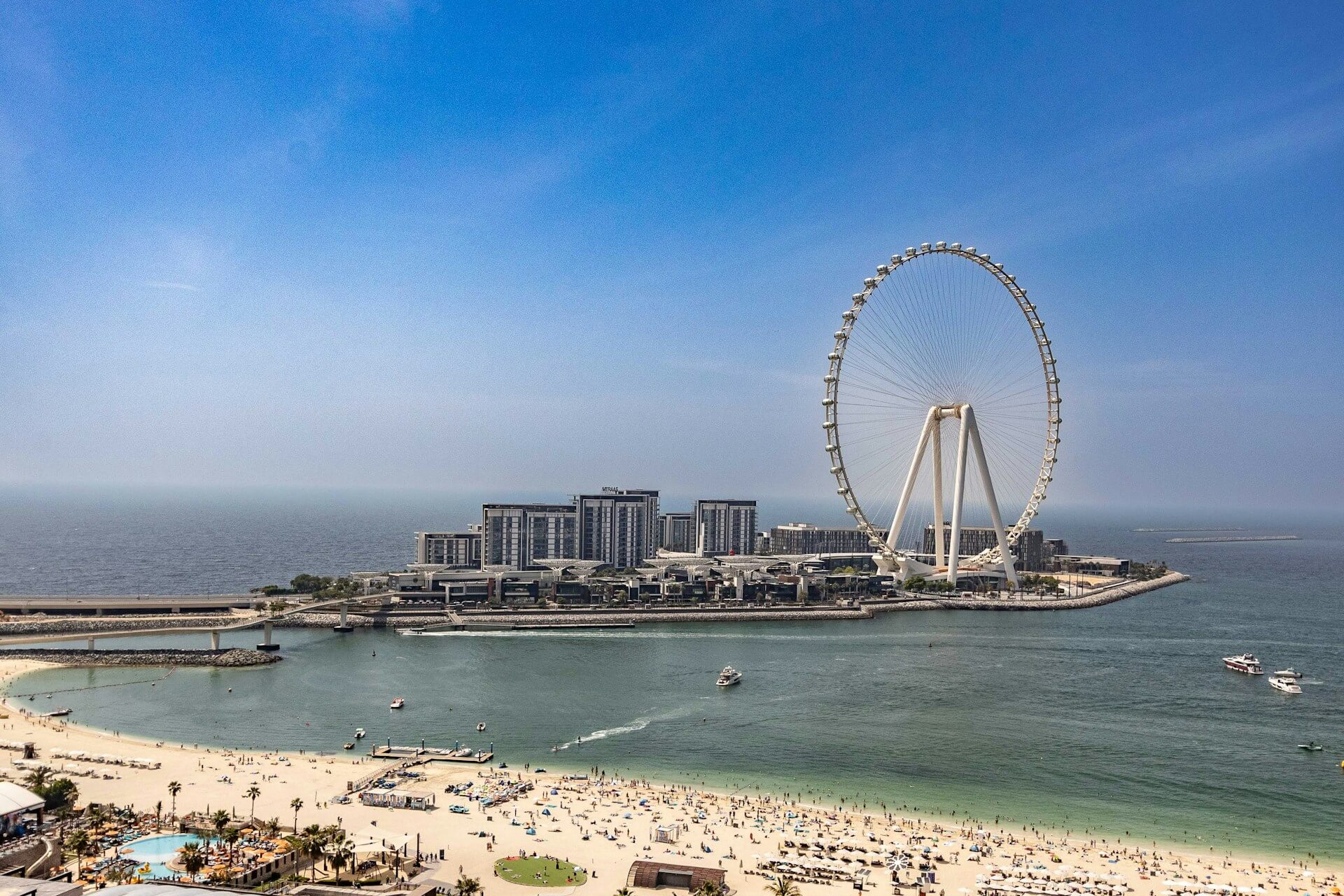
Dubai Property Selection focuses on apartments, villas and investment properties in key areas such as Dubai Marina, Downtown, Business Bay, Dubai Hills and Palm Jumeirah.
Instead of sending a huge list of random listings, we prepare a clean shortlist based on your budget, preferred area, bedrooms, timeline and purchase or rental goals.
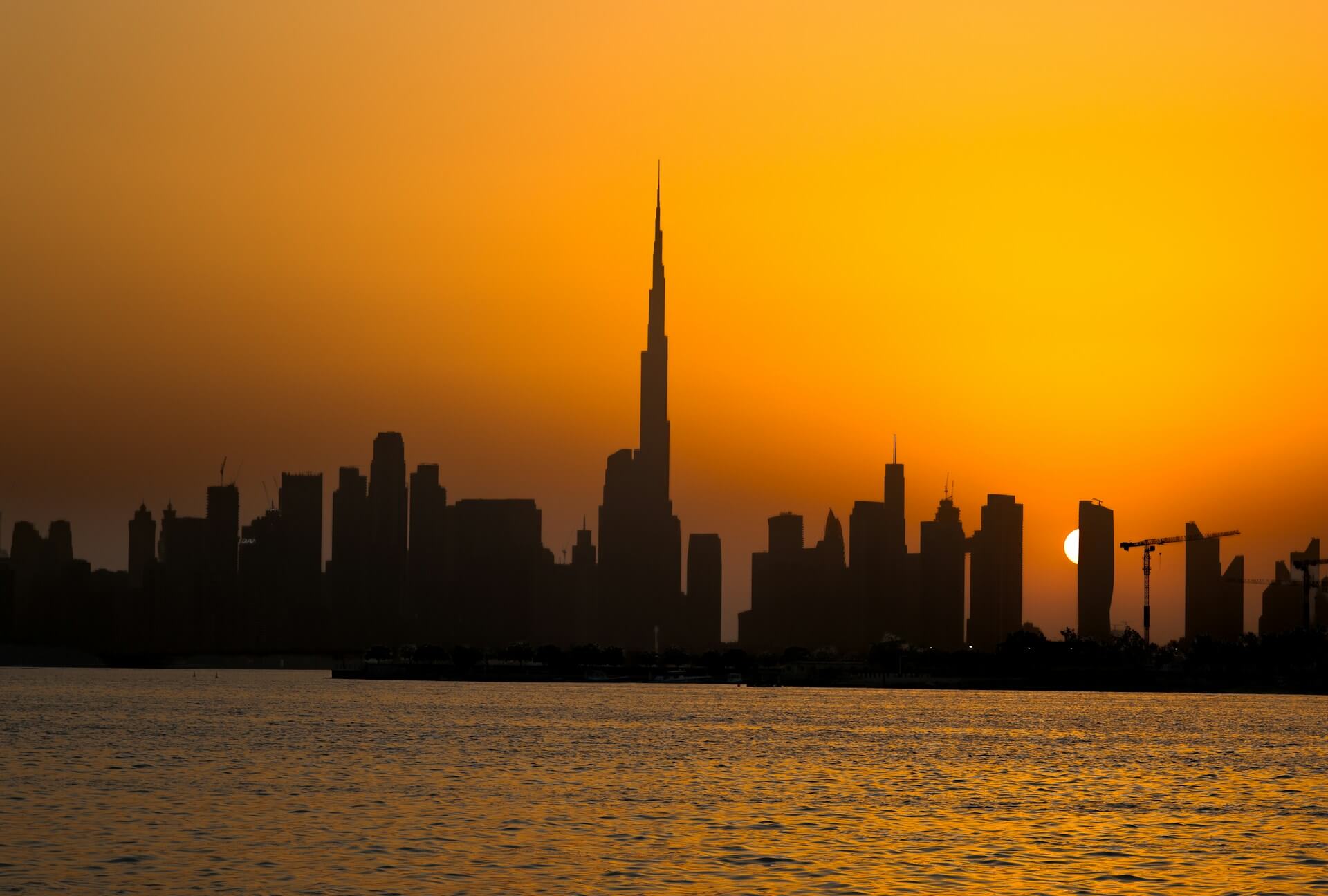
Premium opportunities in Dubai — from compact investment units to signature villas and penthouses.
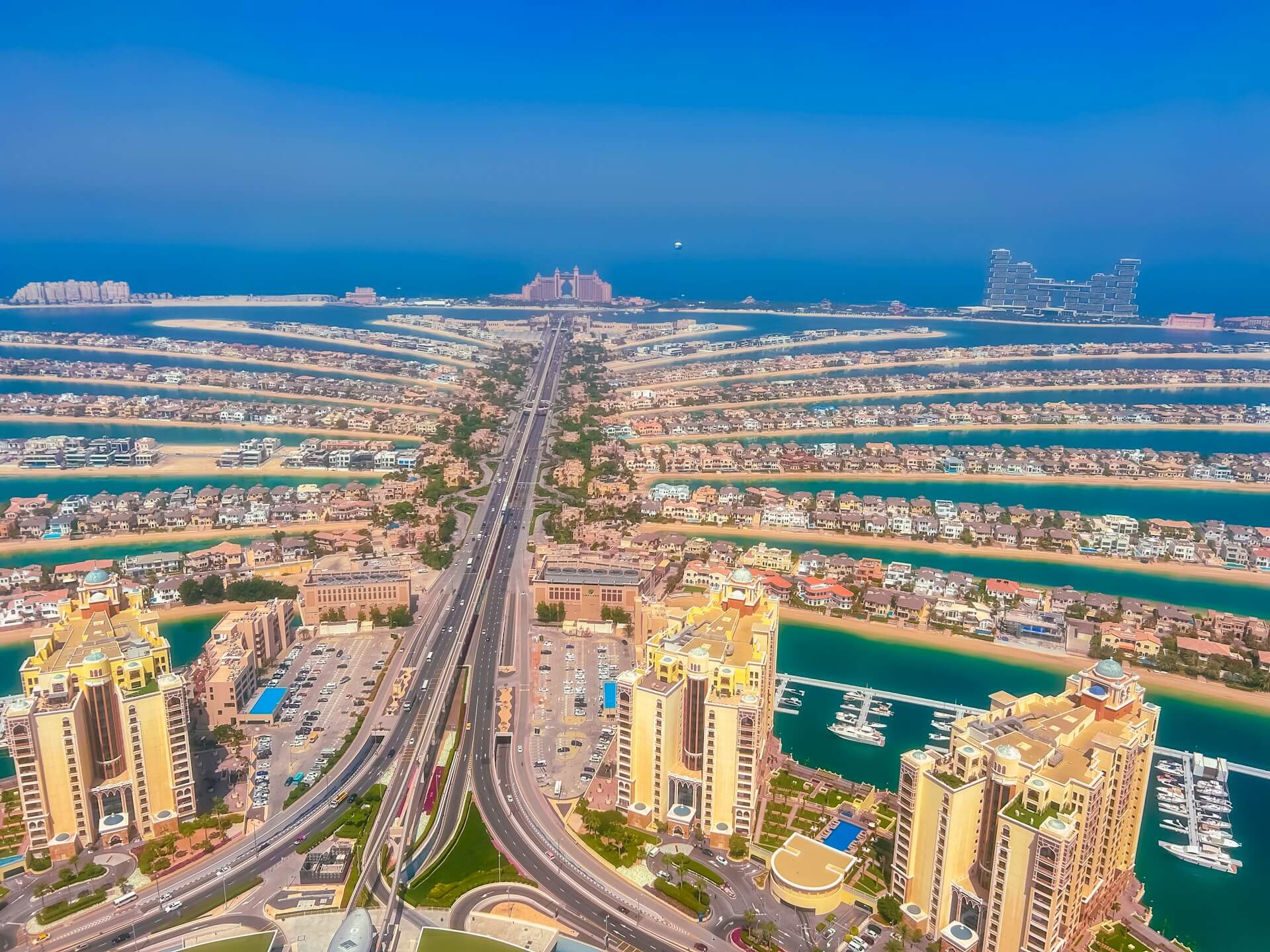
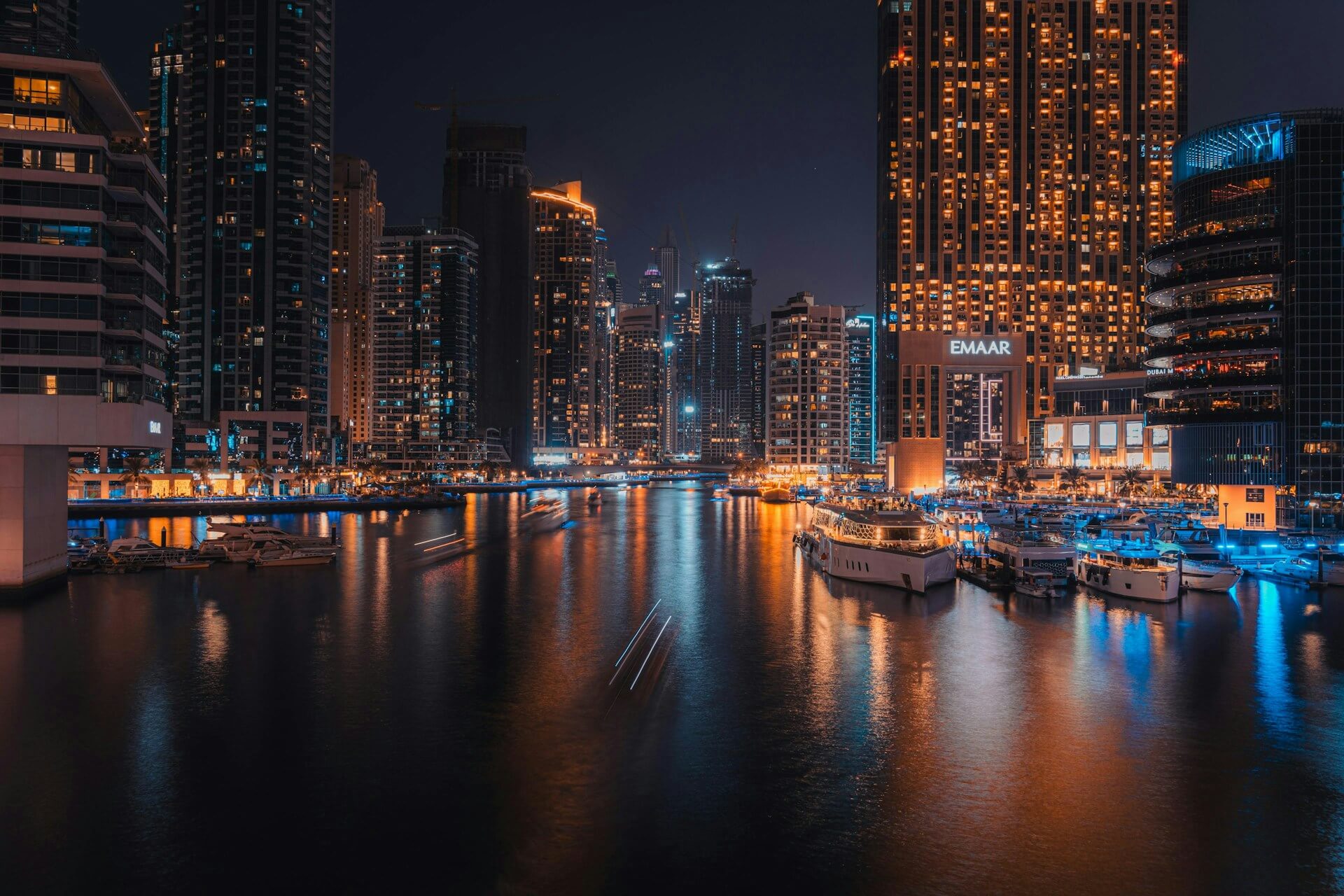
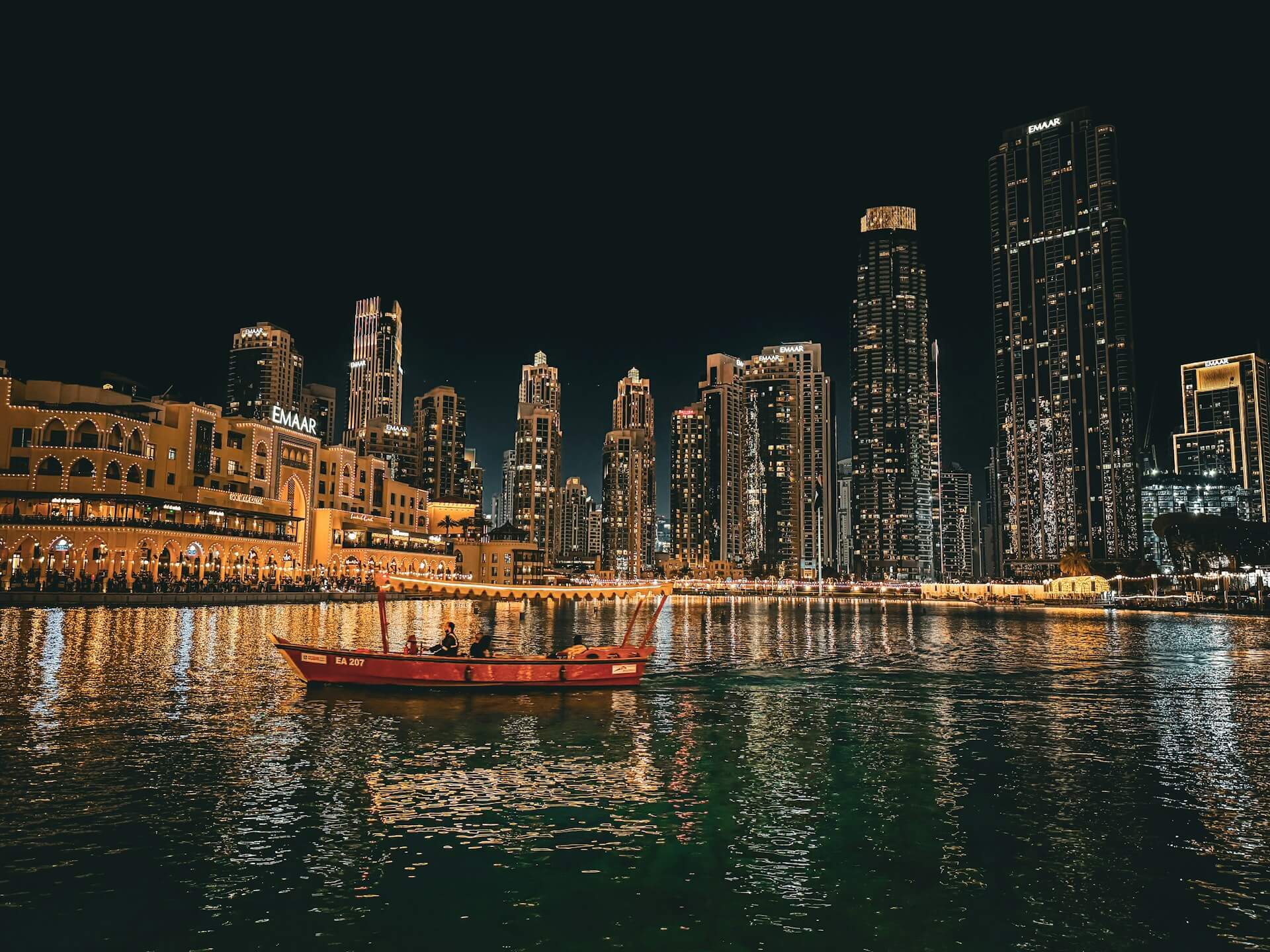
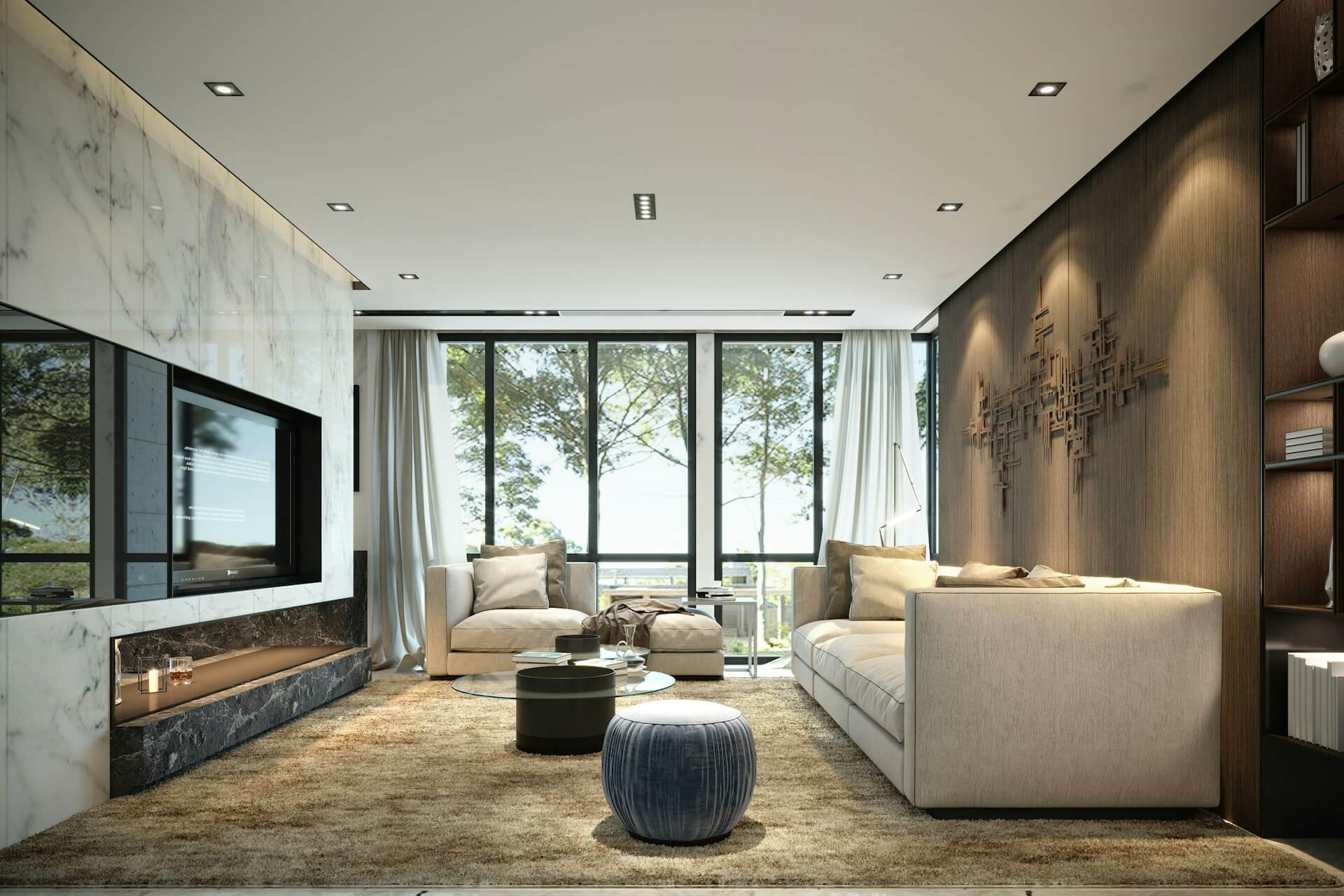
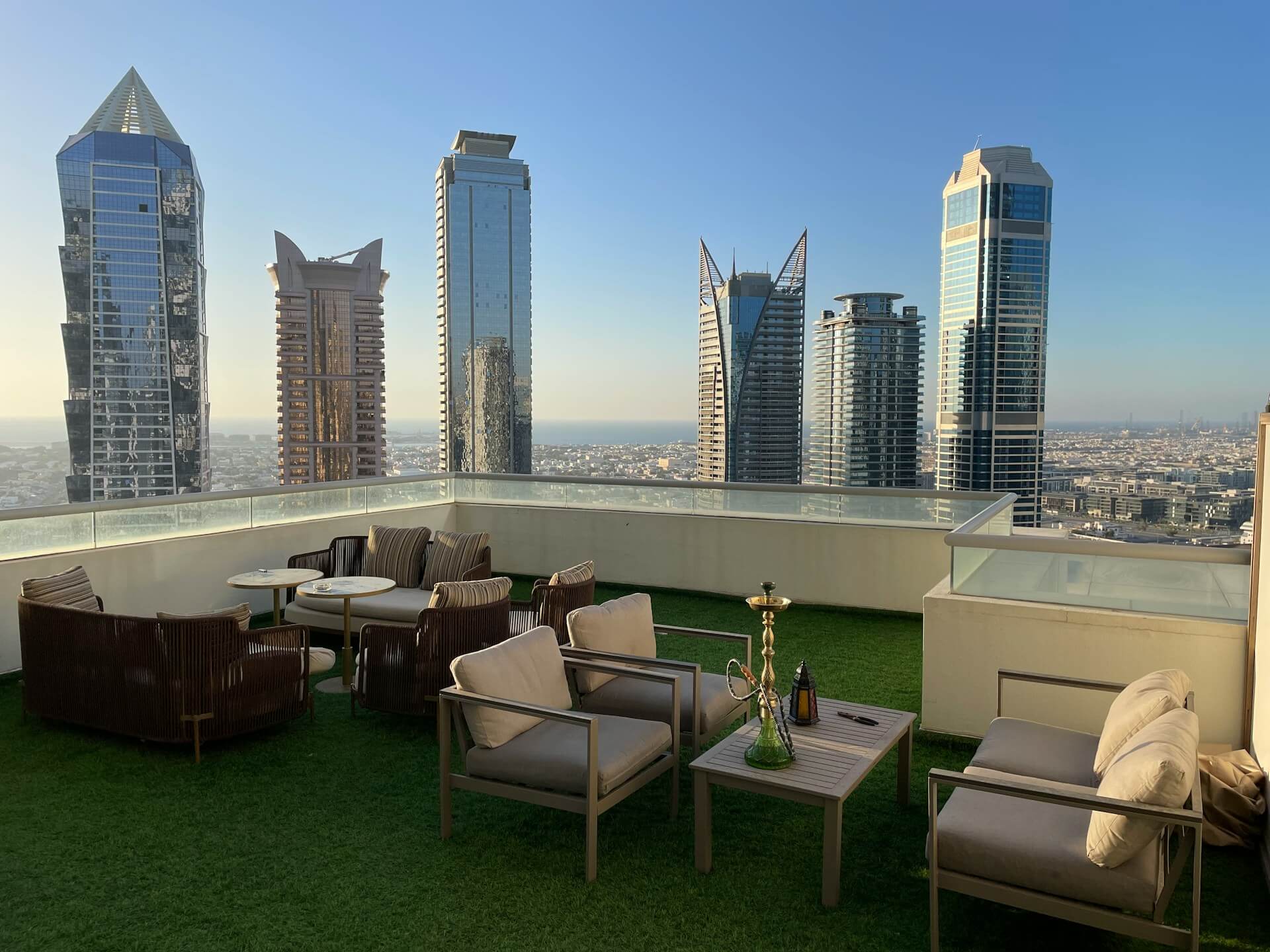
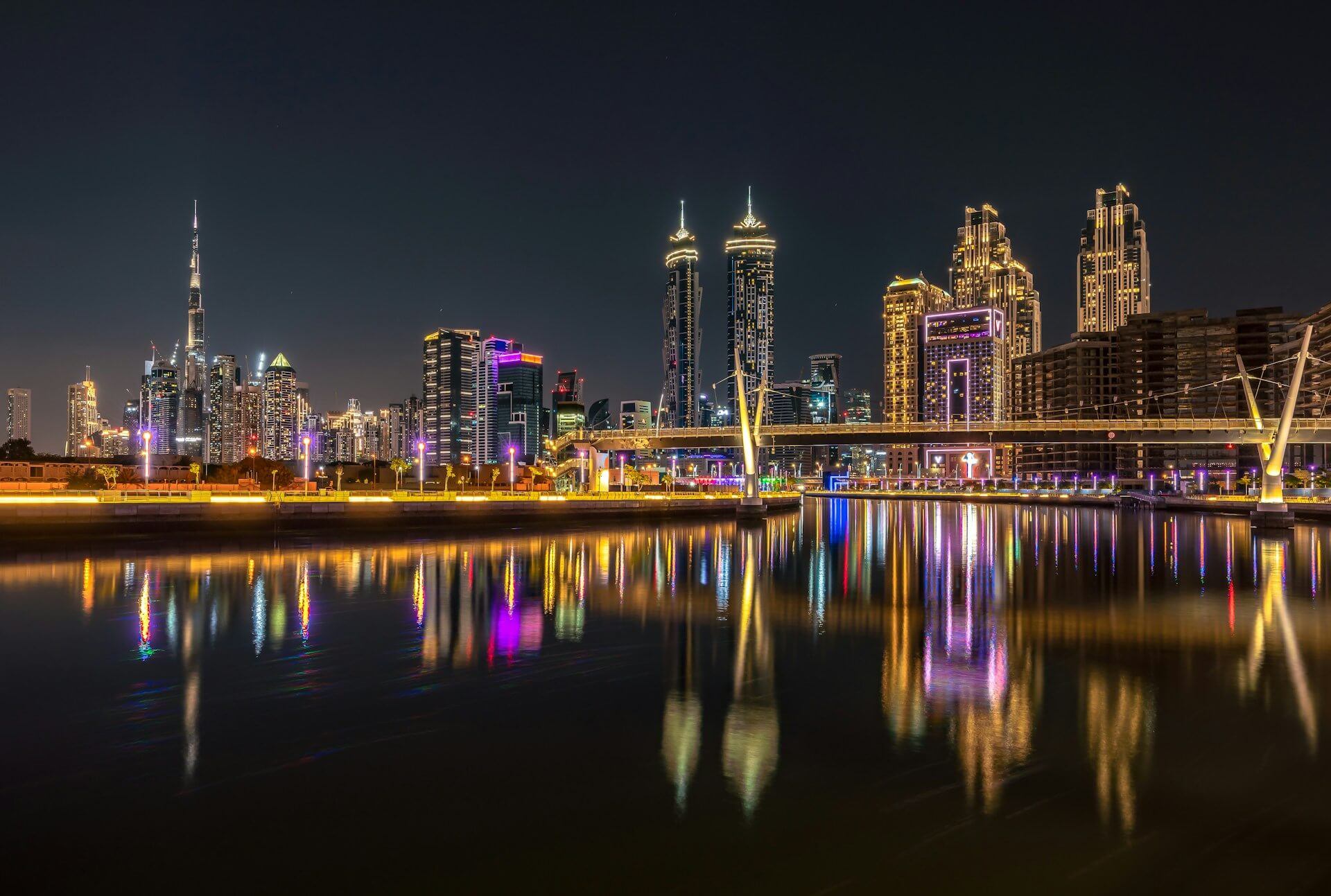
Comfortable long-term and premium rental options across Dubai.
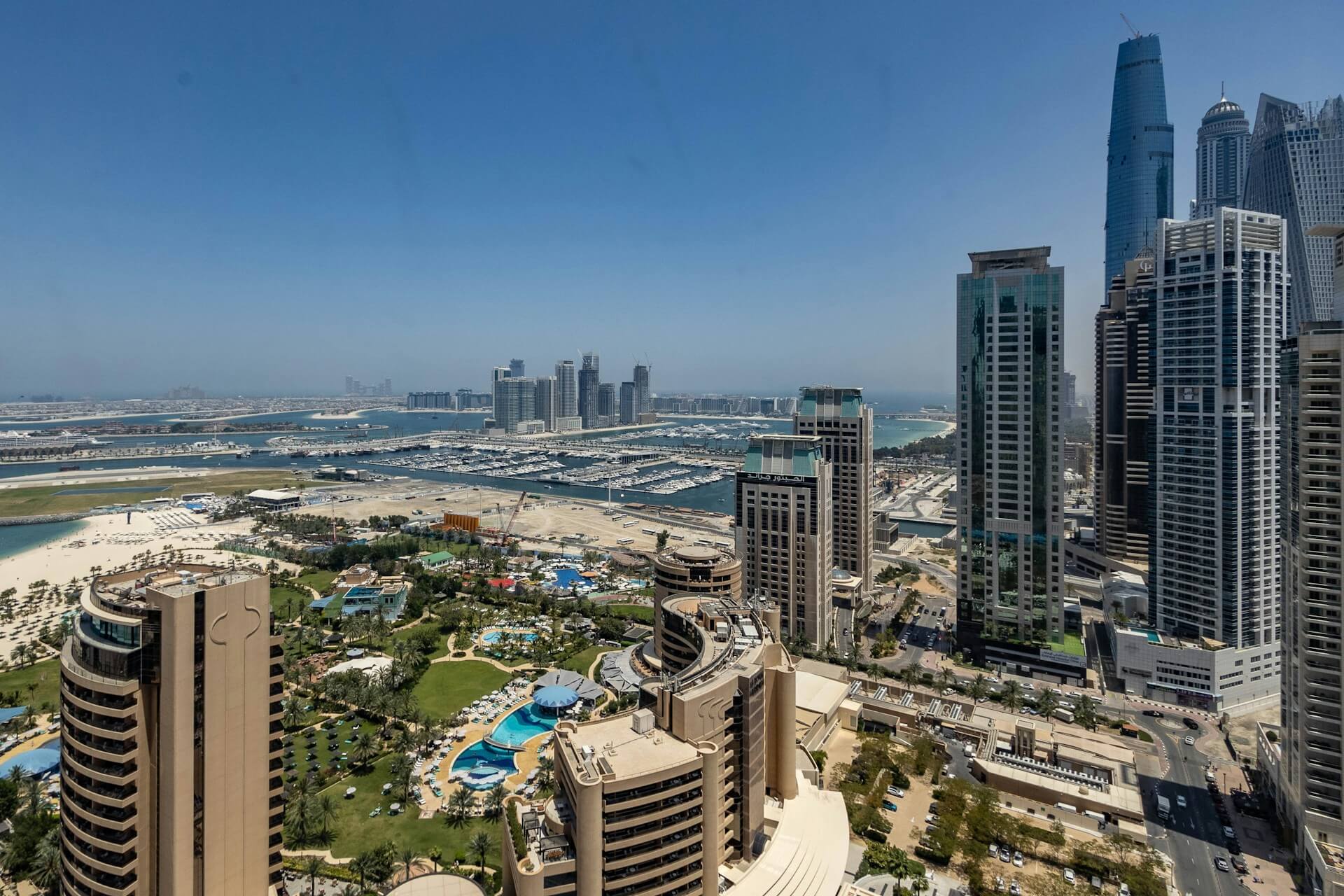

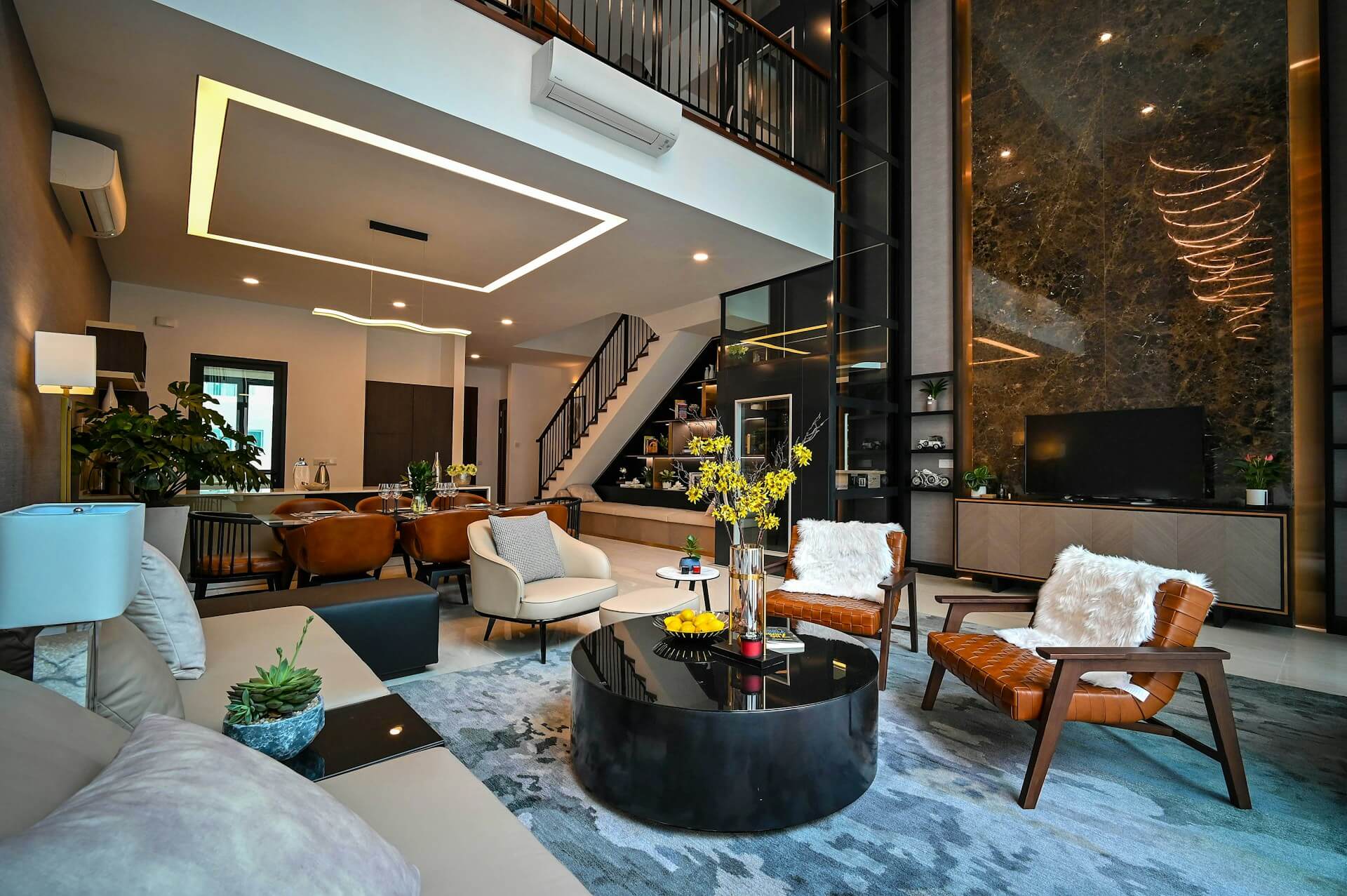
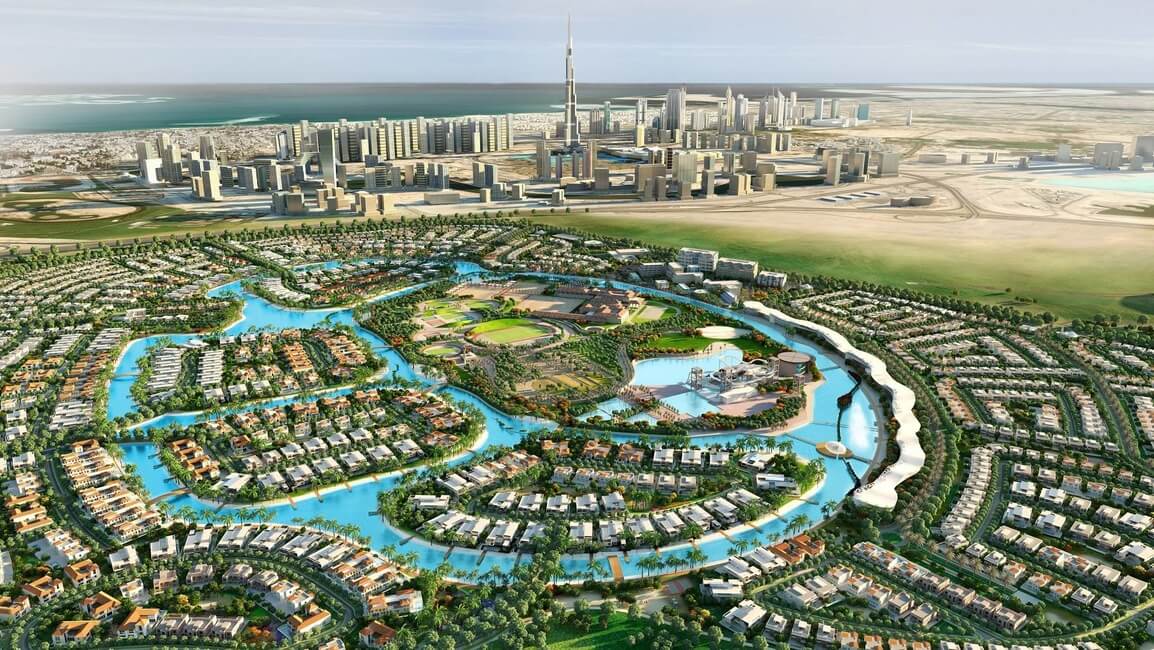
The current entry level for a two-bedroom residential unit in Dubai ranges from AED 900,000 in emerging neighbourhoods up to AED 2.5 million in prime locations.
Demand peaks strongest in Dubai Marina, Downtown Dubai, and Business Bay, where both investor and end-user interest drives competitive pricing and higher rental returns. Dubai’s market activity is supported by a tightened inventory and visa-linked demand, making these zones more resilient in price retention and liquidity.
Investors targeting mid-tier offers find limits around AED 1.2–1.6 million in areas like Jumeirah Village Circle and Dubai Silicon Oasis, where yields stabilize near 6–7%.
Comparatively, luxury sectors such as Palm Jumeirah and DIFC command premiums exceeding AED 3 million but deliver lower gross yields below 5%, balanced by long-term capital appreciation potential. Entry capital must align with investment goals–whether prioritising cash flow or asset appreciation–while factoring in transactional and holding costs unique to Dubai.
Active demand is underpinned by relocation trends, especially from professionals attracted by the economic zones and new visa regulations.
Limited supply within well-established clusters forces buyers into either older stock with immediate rental prospects or higher-priced new developments. This bifurcation creates distinct risk profiles depending on location and delivery status–ready units generally offer faster rental activation compared to off-plan properties, which might require a longer horizon for capital gains.
Investors targeting a two-chamber unit in Dubai should be prepared to allocate between AED 900,000 and AED 2.5 million depending on the neighborhood and building specifications.
Locations like Dubai Marina demand higher entry capital, with prices averaging AED 1.8 million for ready-to-move-in homes, while emerging locations such as Jumeirah Village Circle offer options starting near AED 900,000.
Luxury towers in Business Bay command premiums pushing well above AED 2.4 million, primarily driven by high finishes and proximity to downtown commercial centers.
Conversely, off-plan projects in Dubai South allow acquisition at 15–25% lower initial costs but require 2–3 years for delivery, impacting short-term cash flow.
Budget segmentation in the two-room sector reflects clear distinctions:
Legacy freehold neighborhoods predominantly see price stability due to limited new supply, keeping acquisition capital requirements elevated but promising better liquidity.
For buyers prioritizing cost-efficiency and flexibility, selecting emerging micro-locations near transport corridors in Dubai presents an optimal starting point without compromising future asset appreciation potential.
Rental costs for 2 bedroom units across Dubai range widely, reflecting each district’s demand, infrastructure, and proximity to key services.
For investors aiming at predictable cash flow, choosing the right zone can impact entry expenses and returns significantly.
In Downtown Dubai, monthly leases average between AED 110,000 and AED 140,000 annually, driven by high tenant demand from professionals and expatriates attracted to the central location and business hubs. However, entry costs remain steep due to premium pricing.
Conversely, Business Bay offers more accessible leases, typically AED 90,000 to AED 120,000 per year, with greater supply supporting competitive rental rates and better yield potential.
Dubai Marina commands annual rents in the AED 95,000 to AED 130,000 range.
The waterfront lifestyle draws renters but demands higher upfront deposits and fees, raising the initial capital needed. For investors targeting long-term capital appreciation alongside steady rental income, Dubai Marina retains solid appeal, though with slightly lower yield percentages compared to emerging zones.
Emerging communities like Jumeirah Village Circle (JVC) and Dubai South present more affordable options.
Rent averages hover around AED 55,000 to AED 75,000 yearly in JVC, a quarter less than mature districts, encouraging tenants prioritizing budget and amenities over prime locations. Dubai South offers similar leasing prices but with potential future infrastructure improvements that could boost demand and resale value. Entry capital here is substantially lower, reducing investment risk.
For stable cash flow with less entry pressure, areas such as Al Barsha and Jumeirah Lake Towers provide mid-tier rental prices, generally AED 75,000 to AED 100,000 per annum.
These zones balance accessibility with lifestyle offerings, delivering moderate yields and strong end-user demand. They suit investors focused on occupier solidity rather than speculative growth.
Comparing yield, Business Bay and JLT typically offer 6–7% net rental returns, outpacing Downtown Dubai, where yields compress to 4.5–5.5% despite higher rents due to elevated valuations.
JVC and Dubai South yield around 7–8% but come with higher vacancy risks as infrastructure and tenant profiles evolve.
Liquidity varies accordingly. Downtown Dubai and Dubai Marina maintain quicker turnaround due to sustained investor and tenant interest. JVC and Dubai South face longer vacancy periods, requiring patient capital and emphasis on future development phases.
Lease duration and end-user demand also influence decision-making.
Short-term rentals perform best in Dubai Marina and Downtown due to tourism and business travel. Business Bay and Al Barsha favor corporate tenancies on longer leases, stabilizing income but slightly lowering turnover. Emerging communities rely mostly on long-term residential tenants, increasing vacancy sensitivity during market shifts.
Entry capital for last-year transactions demonstrates that fully furnished two-bedroom units in Downtown often start near AED 1.8 million purchase price, demanding a minimum 20% down payment plus fees around AED 100,000 upfront.
In contrast, JVC’s comparable units average AED 900,000 to AED 1.1 million, lowering barriers for first-time investors or those targeting diversification within Dubai.
For renters focusing on affordability balanced with proximity, Al Barsha and JLT stand out, while investors seeking capital growth and high-profile tenants gravitate toward Downtown and Dubai Marina despite lower yields. Business Bay offers a middle path, combining relatively strong returns with manageable entry costs.
Selecting a zone aligns with investment strategy: prioritize margins and cash flow in emerging zones, or capital preservation and resale speed in established hubs.
Timing also impacts rental rates; market corrections have briefly pressured leases in Downtown but left suburban districts less affected.
When Not to Lease: Avoid districts with fluctuating infrastructure plans or oversupplied inventories where vacancy rates exceed 15%, notably some new Dubai South developments. Also, steer clear of units with wishful financing assumptions or those heavily reliant on tourist demand in periods of travel restrictions.
The average entry price for a two-bedroom residence in Dubai currently ranges between AED 1.1 million and AED 2.5 million depending on the locality, building age, and property format.
Communities like Dubai Marina and Business Bay present higher initial capital requirements, typically from AED 1.8 million to AED 2.5 million, reflecting their prime waterfront positions and mature infrastructure.
Contrastingly, emerging hubs such as Dubai South and Al Furjan offer more accessible entry points, generally between AED 1.1 million and AED 1.5 million.
These areas attract buyers focused on capital appreciation rather than immediate rental income due to ongoing development and increasing connectivity.
In Dubai Marina, ready units command a premium of about 10-15% over off-plan options, attributable to established amenities and rental demand.
Buyer premiums in Business Bay remain stable, with prices holding firm thanks to corporate relocations and sustained end-user interest. For investors prioritizing liquidity and quicker resale, locations like Jumeirah Lake Towers offer moderate prices starting from AED 1.3 million, balanced by strong tenant demand and frequent transactions.
Entry costs differ significantly based on buyer intent.
Lifestyle purchasers targeting areas such as Palm Jumeirah should anticipate budgets upwards of AED 2.2 million, reflecting exclusivity and limited supply. Investment-driven buyers gravitate towards newly launched townships with lower prices but potentially higher volatility, like Dubai Hills Estate, where two-bedroom units start near AED 1.4 million.
Prime neighborhoods come with elevated transaction fees and annual service charges, often adding 5-7% to the upfront expenditure.
Secondary locations typically feature lower levies, reducing holding costs and improving net yields. Mortgage availability remains robust across communities, though loan-to-value ratios vary; central districts allow up to 80%, while peripheral zones require larger down payments, impacting total capital required at acquisition.
Choosing ready stock entails immediate full payment or financing, while off-plan acquisitions spread financial outlay over construction phases.
Buyers seeking minimal upfront capital may prefer off-plan projects in newer communities, yet should account for longer waiting periods and regulatory risks. Conversely, completed residences in areas like Downtown Dubai assure immediate possession but come at a 20-30% higher price per square foot.
Comparing resale prospects, Dubai Marina and Downtown Dubai provide superior liquidity and stronger resale price retention, particularly for units priced above AED 2 million.
Locations such as Dubai Creek Harbour show promise for mid-term gains but carry higher market entry uncertainty. Investors focused on consistent cash flow should favor Business Bay or Jumeirah Lake Towers, combining moderate purchase costs with favorable tenant profiles.
For buyers prioritizing low entry capital and future value growth, emerging communities like Dubai South offer multiple new developments under AED 1.3 million, but longer vacancy risks and resale challenges must be weighed carefully.
High-end enclaves require substantially larger budgets but deliver lower risk and transparent market behaviour.
When Not to Enter: Purchases in off-plan developments without proven delivery timelines, or properties in less connected districts with limited infrastructure, may suppress capital appreciation and complicate exit strategies. Lifestyle buyers with limited budgets should avoid overleveraged acquisitions far from urban centers, where resale market activity is thin.
Investors dependent on short-term rental income must bypass locations with volatile tourism flows or restrictive regulatory frameworks.
Newer developments with modern facilities generally command prices 10-20% above those in older buildings within the same Dubai locality. Properties completed within the last five years in Dubai offer enhanced infrastructures such as smart home systems, energy-efficient designs, and advanced security.
This directly translates to higher purchase costs and rental premiums. For example, in Business Bay, a two-bedroom unit in a 3-year-old tower averages AED 1.6 million, while a similar-sized unit in a 10+ years old building is priced around AED 1.3 million.
Buildings aged over ten years often face depreciation effects unless extensively renovated. Common drawbacks include outdated interiors, limited parking, and older community amenities, which suppress values by approximately 15-25% compared to newer projects in Dubai.
Investors targeting long-term capital appreciation should prioritize ready properties under 7 years old, especially in districts like Dubai Marina where lifestyle amenities directly influence resale speed.
The availability and calibre of amenities have a measurable effect on valuation. Developments featuring gyms, pools, children’s play areas, and retail podiums maintain a 7-12% price advantage over counterparts lacking these conveniences in Dubai. Communities such as Palm Jumeirah set higher benchmarks due to private beach access and marina services, boosting entry costs but also ensuring consistently lower vacancy rates.
Comparing off-plan and ready stock: off-plan two-bedrooms with premium amenities in emerging Dubai locations (e.g., Dubai Creek Harbour) offer entry points from AED 1.2 million, yet lack immediate access to facilities, incurring holding costs and delayed rental income.
Conversely, ready properties in established communities with full amenities attract tenants swiftly, stabilizing yields around 6-7% annually.
In terms of liquidity, units in developments with comprehensive amenities and less than a decade old tend to resell 30-40% faster than older counterparts without upgrades, particularly in Business Bay and Dubai Marina.
The buyer pool also narrows for aged properties with limited facilities, escalating vacancy risk and lowering price appreciation potential.
For investors and end-users seeking low risk and faster turnover, properties within 5-7 years of completion combined with modern amenities present the most balanced profile in Dubai.
Buildings exceeding 15 years with minimal upgrades are typically suited for buyers with lower entry budgets but willing to accept poorer resale prospects and limited rental demand.
When not to pursue older assets lacking significant amenities: this approach suits neither professional investors targeting steady capital growth nor tenants prioritizing comfort.
Such properties often see prolonged vacancy periods and diminished rental premiums in Dubai’s competitive environment. Avoid these unless purchase price discounts exceed 25% compared to newer options within the same area.
Entry capital varies accordingly: new developments with full facilities require budgets at least AED 300,000 higher than older constructions in Dubai for a two-bedroom unit. Yet this delta offers stronger long-term stability. Those prioritizing cash flow and market agility should remain cautious with vintage stock absent upgrades.
The price of a two-bedroom apartment in Dubai typically ranges between AED 90,000 and AED 150,000 per year in popular neighborhoods like Dubai Marina, Jumeirah Lake Towers, and Downtown Dubai.
Prices vary depending on the exact location, building amenities, and proximity to key facilities such as malls and metro stations.
Location plays a significant role in determining rental or purchase prices for two-bedroom apartments.
Areas closer to the city center or waterfront tend to command higher rates due to convenience and views. In more suburban or developing districts, prices can be substantially lower, offering more affordable options for residents seeking quieter surroundings or longer commuting times.
Yes, fully furnished two-bedroom apartments usually cost more than unfurnished units because they come with furniture, kitchenware, and essential appliances.
The premium varies depending on the quality and style of furnishings, but renters can typically expect to pay 10-20% extra for furnished accommodations, which is convenient for short-term stays or those without their own furniture.
Tenants should consider utility bills such as electricity, water, and cooling charges, which may or may not be included in the rent depending on the lease agreement.
Maintenance fees and service charges can also apply, especially in gated communities or high-end buildings. Additionally, security deposits equivalent to one or two months’ rent are usually required upfront.
Whether renting or buying is more economical depends on individual circumstances and market conditions.
Renting offers flexibility without a large initial investment, suitable for short to medium stays. Purchasing involves upfront costs like down payments and fees but can be beneficial for long-term residents aiming to build equity.
Market trends show competitive pricing in both options, so careful comparison based on your plans is advised.
The cost of a two-bedroom apartment in Dubai varies depending on the location, type of building, and amenities offered. On average, prices can range from around AED 800,000 to AED 2.5 million for properties in popular districts. More affordable options may be found in emerging neighborhoods, while luxury developments tend to be on the higher end of that scale.
Clear answers about buying, renting and investing in Dubai property.
Yes. Foreign buyers can purchase freehold property in designated areas such as Dubai Marina, Downtown Dubai, Business Bay, Palm Jumeirah, Dubai Hills and other approved communities.
It depends on your timeline, budget and goal. Buying is usually better for long-term plans, capital growth and rental income, while renting is better for flexibility and easier relocation.
The required budget depends on the area, building quality and property type. More accessible apartments can be found in developing communities, while prime locations and luxury properties require a much higher budget.
In addition to the purchase price, buyers should budget for the Dubai Land Department fee, registration and trustee fees, possible agency commission, mortgage-related costs if financing is used, and ongoing service charges for many buildings.
Yes, many banks in the UAE offer mortgages to foreign buyers. Approval depends on income, documents, deposit amount and the specific property being purchased.
Areas such as Dubai Marina, Downtown Dubai, Business Bay, Dubai Hills, JVC, Palm Jumeirah and Creek Harbour are often considered by investors, but the right area depends on whether your focus is yield, resale value, lifestyle appeal or long-term growth.
Rental yield varies by area, property type, furnishing level and market timing. In practice, many investors look for a balance between strong occupancy, reasonable service charges and sustainable tenant demand rather than chasing headline numbers alone.
Off-plan property is purchased directly from a developer before the project is completed. Buyers often choose off-plan because of payment plans, newer inventory and lower entry prices compared with some ready properties.
A proper review should consider the developer’s track record, payment plan, handover timeline, location quality, future supply in the area and the project’s resale or rental potential after completion.
For ready property, the timeline can move fairly quickly if the price is agreed, documents are prepared and the buyer is ready to proceed. Mortgage purchases usually take longer than cash deals.
Yes, many purchases can be handled remotely with the correct documents and proper support through the process. Remote buying is common for overseas investors and international clients.
The biggest risks are overpaying, choosing a weak location, buying an unsuitable layout, ignoring service charges, or selecting a project with low resale and rental demand. Good selection matters more than marketing promises.
In long-term rentals, rent is commonly agreed for a fixed term and often paid by one or several cheques depending on the landlord, property and negotiation.
Tenants are usually asked for identification and residency-related documents, and the exact set depends on their status in the UAE and the landlord’s requirements.
A security deposit is commonly required before move-in. The amount often depends on whether the property is furnished or unfurnished and should be clearly stated in the rental terms.
In many rental transactions, an agency commission is charged. The amount depends on the deal structure and should be confirmed before signing anything.
Tenants should review the deposit, Ejari registration, utility setup costs, parking terms if relevant, maintenance responsibilities and any conditions related to early termination or renewal.
Yes, negotiation is common. The final result depends on market conditions, the landlord’s flexibility, how long the property has been available and how prepared the tenant is to move forward.
It is important to check the condition of the unit, building quality, noise level, parking, view, maintenance status, contract terms and the reliability of the owner or manager.
Short-term rent offers flexibility and convenience but is usually more expensive. Long-term rent is generally more cost-effective and better suited for clients planning to stay longer.
During an active contract, the agreed rent usually remains fixed. Any increase is generally discussed at renewal and should follow the applicable rules and notice requirements.
This depends on the tenancy contract. Minor day-to-day issues may be handled by the tenant, while major maintenance is commonly the landlord’s responsibility, but the exact wording in the contract matters.
Ejari is the official registration of the tenancy contract in Dubai. It is important for legal recognition of the lease and is commonly needed for practical steps such as setting up utilities.
Yes. Furnished properties can be more convenient and faster to move into, while unfurnished options may work better for longer stays or tenants who want more control over the setup and budget.
We do not rely on random mass listings. We narrow the market based on budget, location, property type, investment goal, lifestyle needs and timeline, so clients can focus only on relevant options.
Yes. Support can include shortlisting, arranging viewings, comparing options, discussing terms, helping with negotiations and guiding the next steps of the transaction.
The best first step is to define the real budget, target areas, purpose, preferred property type and timeline. Once those points are clear, the selection becomes faster, cleaner and much more useful.