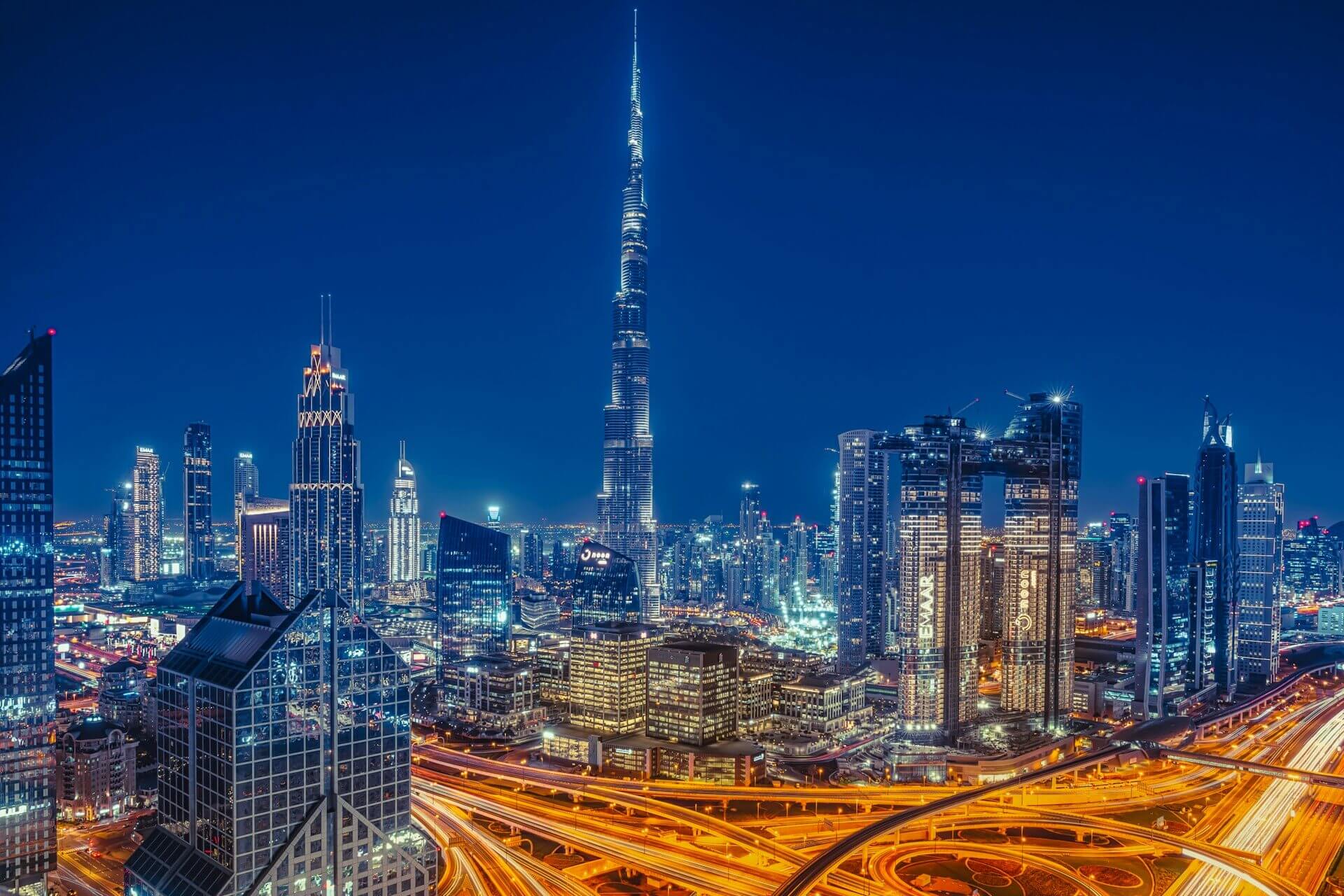
FOR SALE
AED 1,200,000AED 720,000
We help clients buy and rent the right property in Dubai — apartments, villas and investment units matched to budget, area and goals.
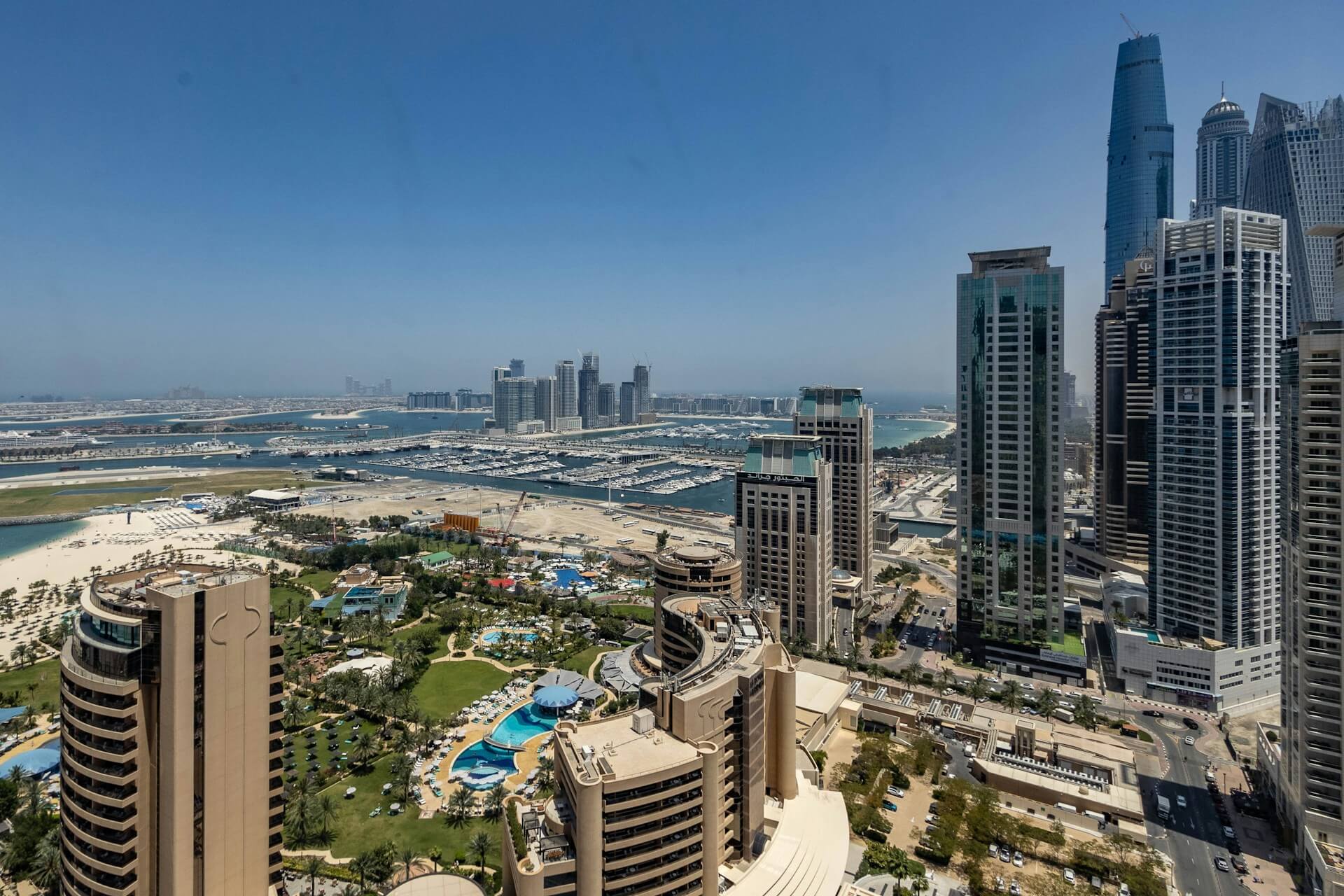
Dubai Property Selection focuses on apartments, villas and investment properties in key areas such as Dubai Marina, Downtown, Business Bay, Dubai Hills and Palm Jumeirah.
Instead of sending a huge list of random listings, we prepare a clean shortlist based on your budget, preferred area, bedrooms, timeline and purchase or rental goals.
Premium opportunities in Dubai — from compact investment units to signature villas and penthouses.
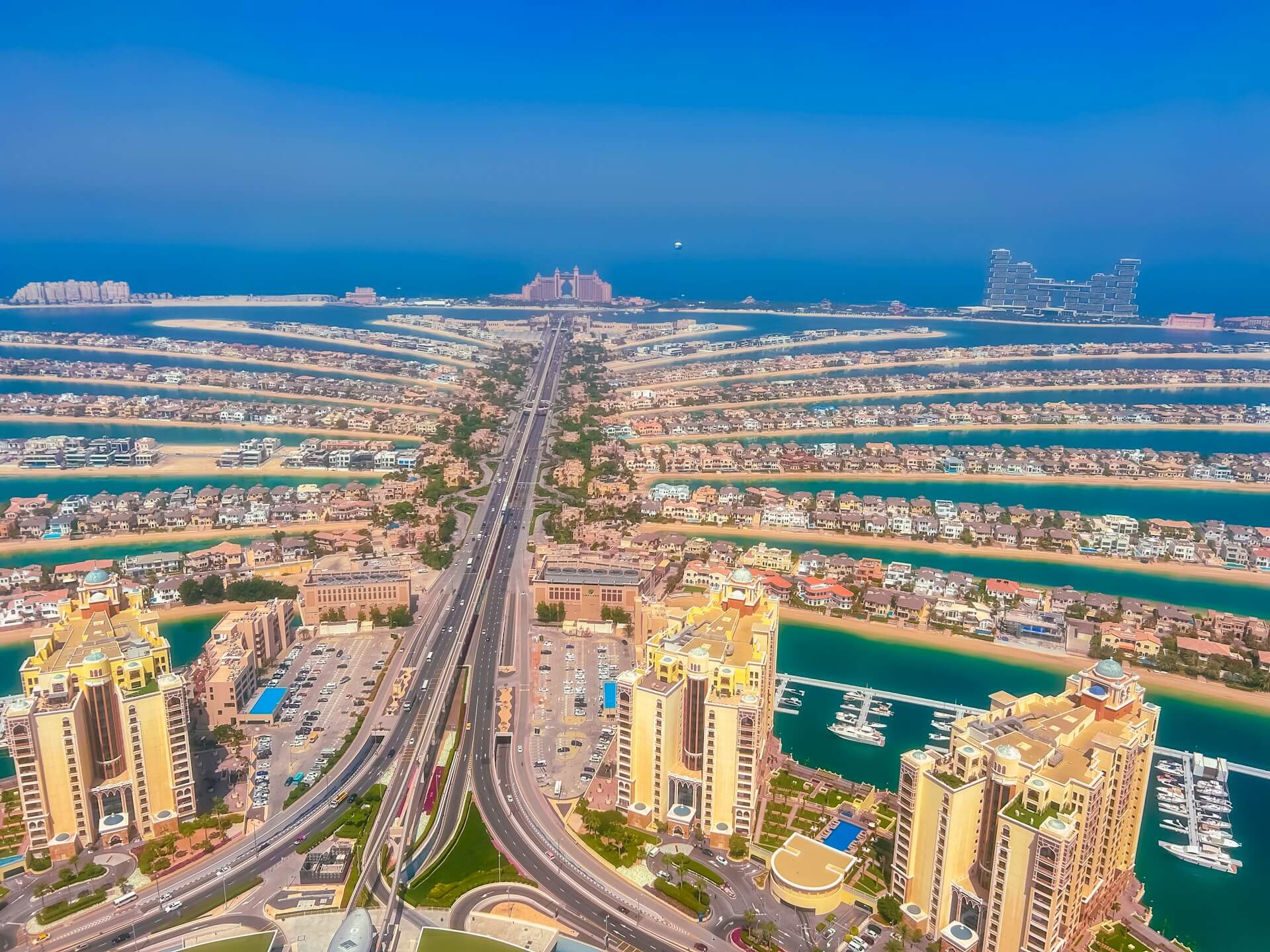
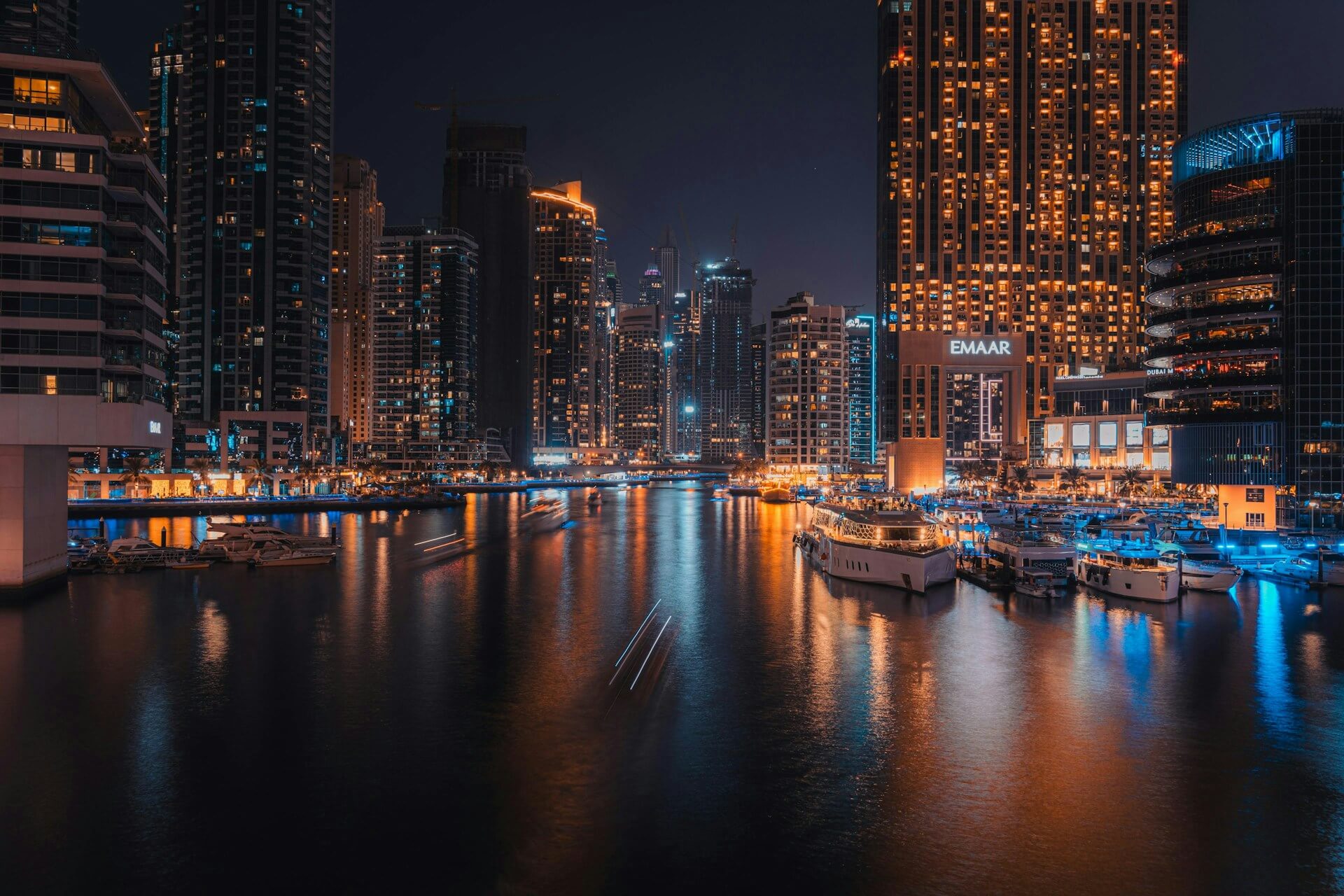
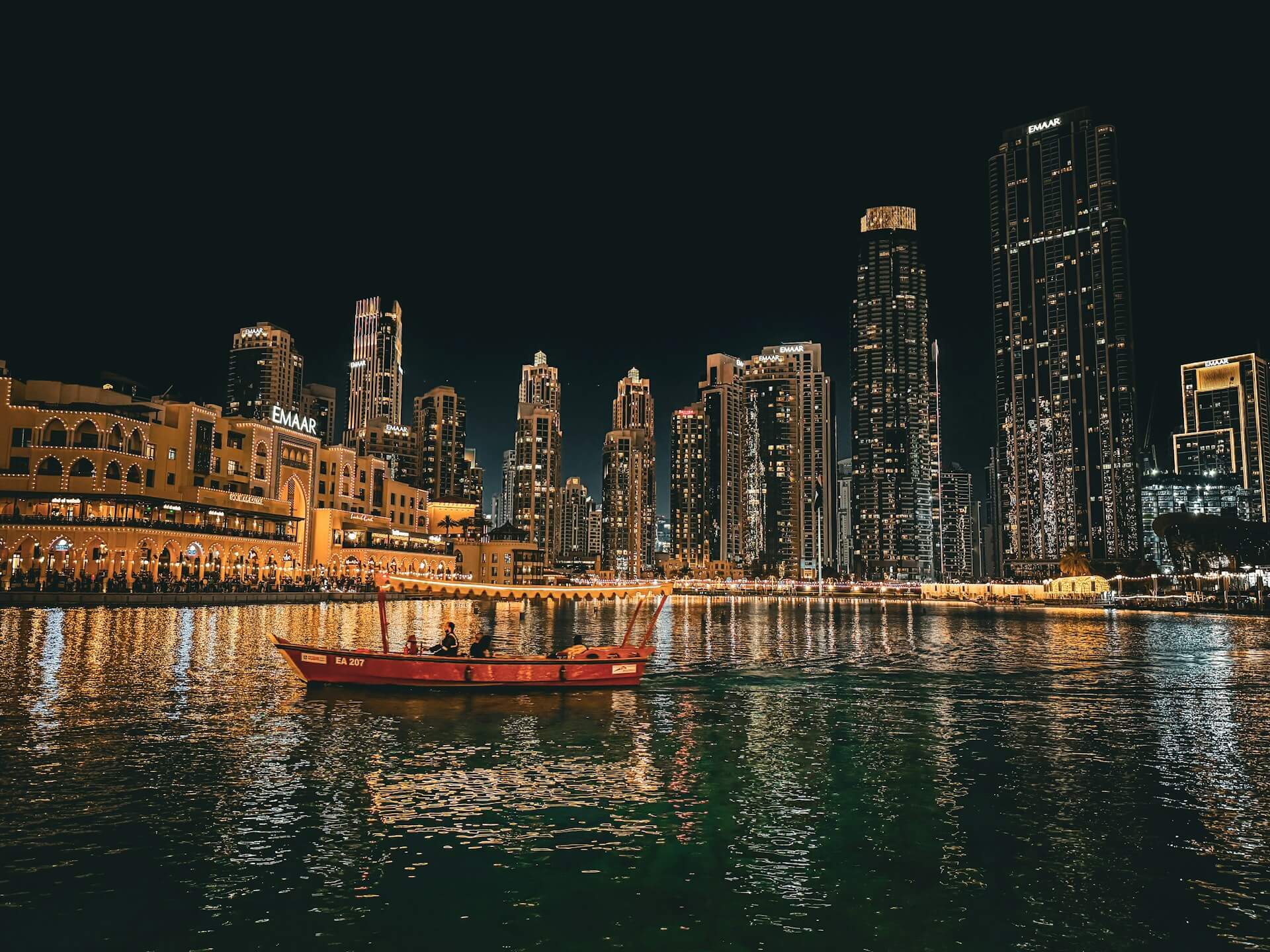
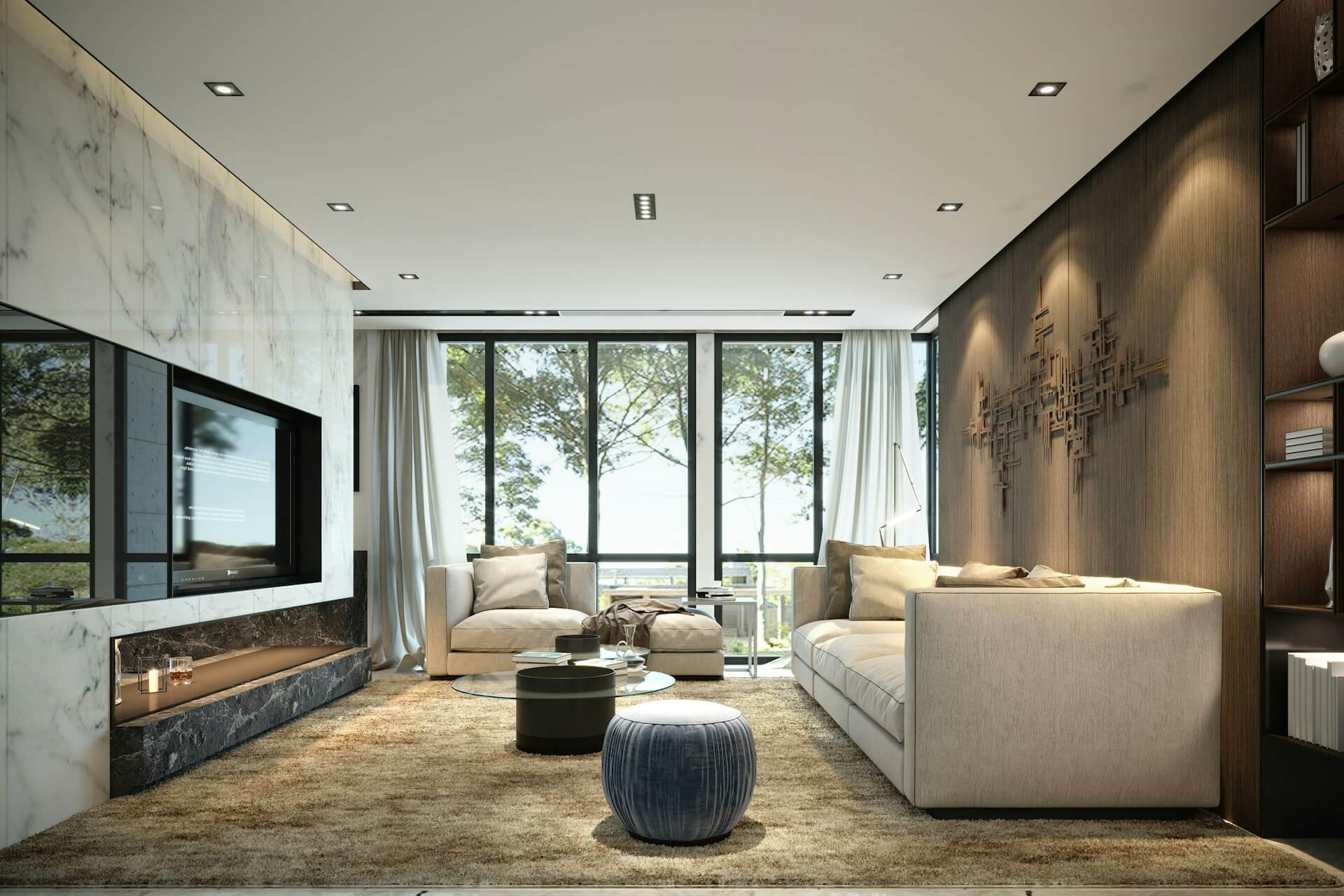
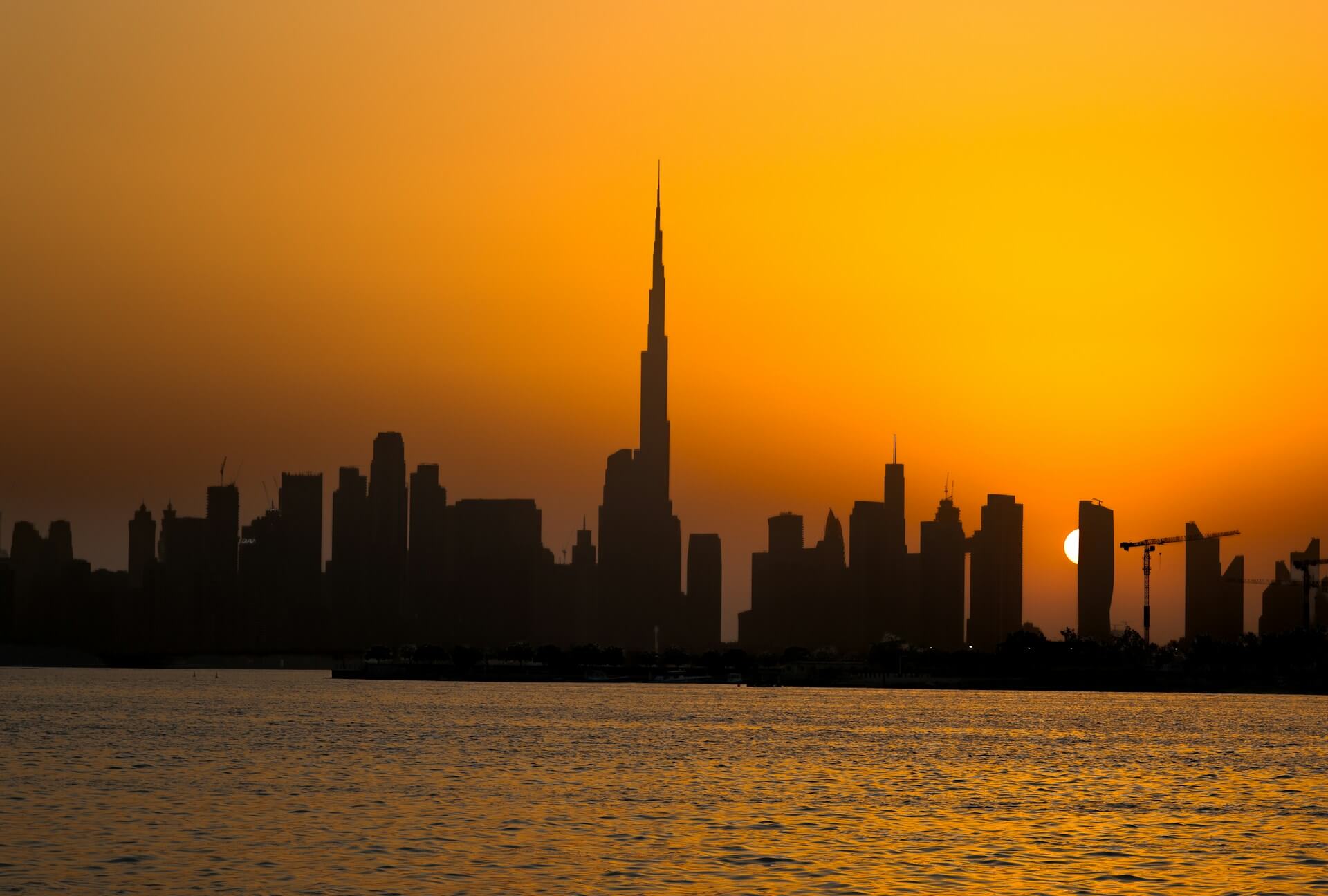
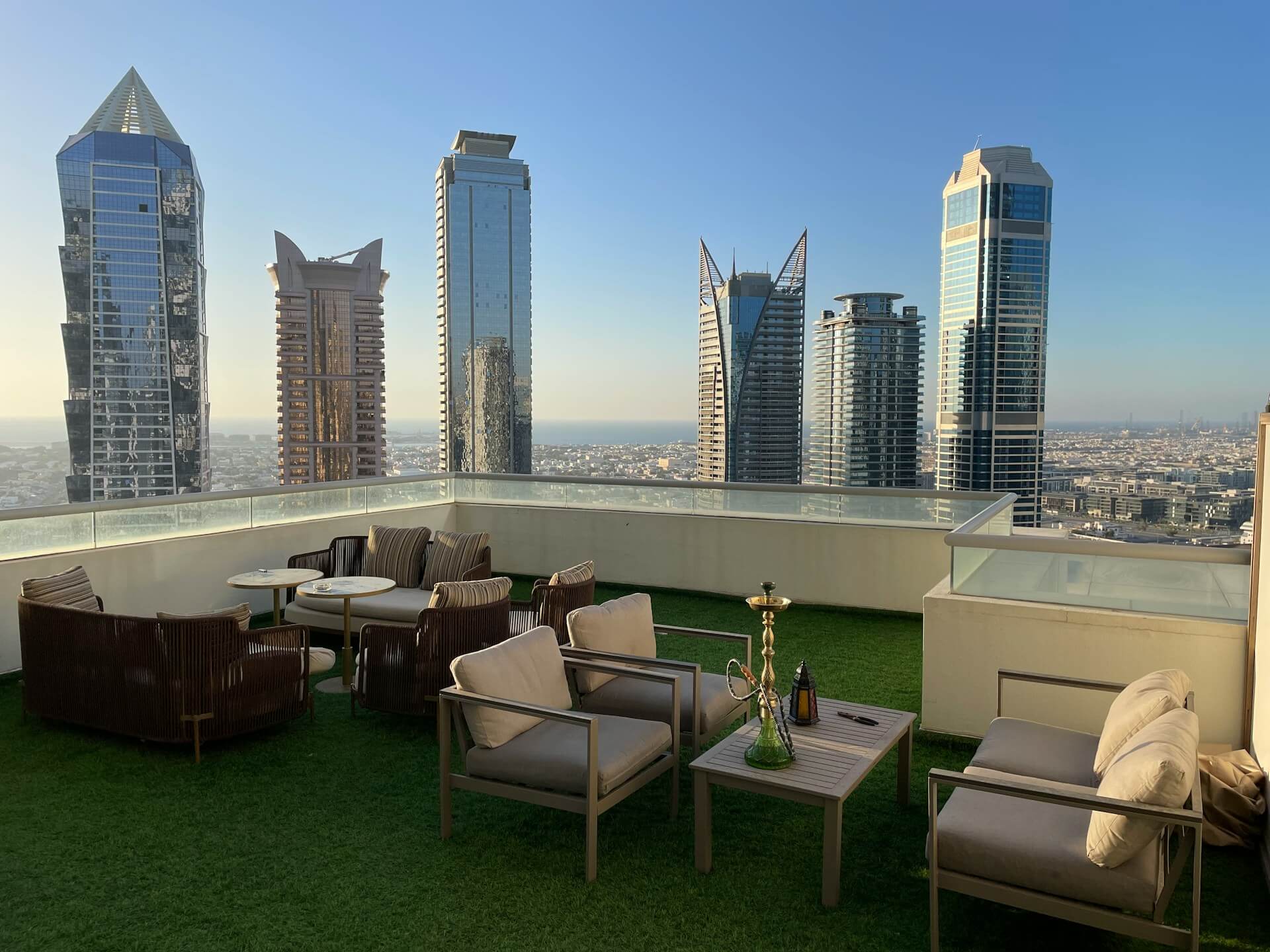
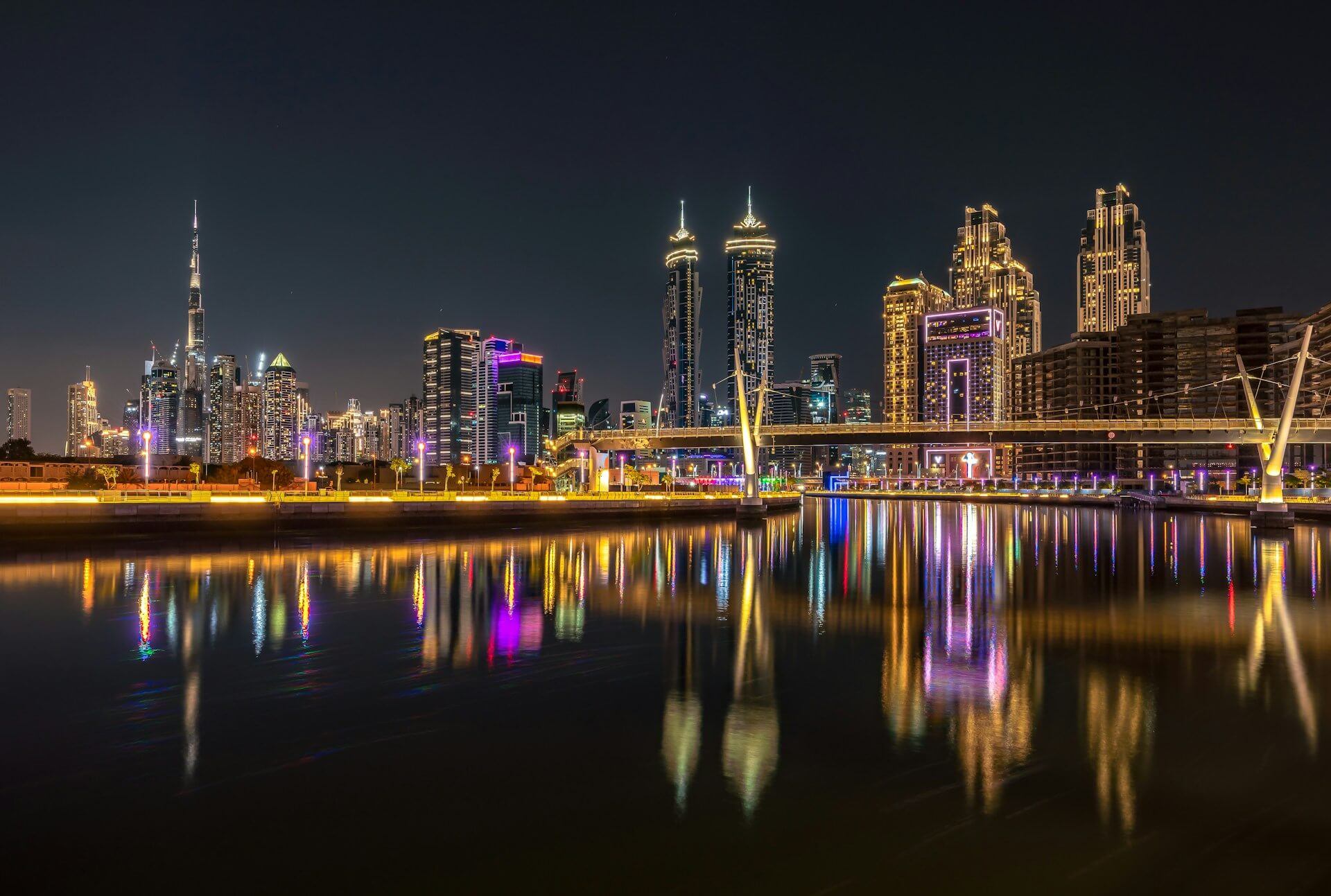
Comfortable long-term and premium rental options across Dubai.
Monthly charges for residential units in Dubai vary significantly depending on location, property size, and quality. For instance, a one-bedroom apartment in Dubai Marina typically commands between AED 60,000 to AED 90,000 annually, while a similar unit in Business Bay ranges from AED 55,000 to AED 80,000. Villas in Arabian Ranches start at AED 150,000 and can exceed AED 300,000 per year, reflecting strong demand in family-friendly communities.
Entry into the leasing market in Dubai requires a minimum yearly budget of approximately AED 50,000 for affordable units, with high-end segments demanding upwards of AED 250,000.
Demand stems from the sharp increase in expatriate arrivals and robust economic diversification within Dubai. The introduction of long-term residency visas and enhanced infrastructure projects have stimulated migration, leading to a tightening of available supply in central precincts such as Dubai Marina and Business Bay.
Limited inventory in these hubs has pushed prices upward, while emerging locations offer more competitive rates but with longer commutes. Investors and tenants prioritizing proximity to key business zones and leisure destinations gravitate towards waterfront and downtown districts in Dubai for convenience and lifestyle balance.
Leasing expenses in Dubai differ markedly across project types.
Ready-to-move-in apartments deliver immediate access to facilities and established communities but come at a premium, especially in Dubai Marina. Off-plan developments offer reduced rates–up to 20% lower–but carry risks related to delivery timelines and market shifts.
Select gated villa enclaves like Arabian Ranches provide stable pricing with less volatility, catering to users seeking privacy and family-oriented environments. Assessing these alternatives against investment or lifestyle goals is crucial for aligning expectations with financial capacity.
Monthly leasing fees in Dubai vary significantly by location and property type, with annual rates often ranging from AED 35,000 for studios in emerging districts up to AED 350,000 for luxury villas in prime sectors.
Entry-level budgets in well-established districts typically start around AED 60,000 per annum for one-bedroom apartments. This baseline is critical for investors and tenants to set realistic financial expectations when targeting Dubai’s residential market.
In Dubai, mid-range neighborhoods such as Jumeirah Village Circle and Dubai Silicon Oasis provide more affordable options, averaging AED 50,000–80,000 annually for two-bedroom units, whereas Business Bay and Dubai Marina require premiums closer to AED 90,000–150,000.
Villas in Arabian Ranches and Palm Jumeirah command rents from AED 180,000 to over AED 350,000 per year depending on plot size and finishes. For budget-sensitive entrants, focusing on areas like Dubai Sports City or Al Furjan can reduce financial exposure by 20–30% compared to core hubs.
When comparing monthly leasing demands across segments, apartments offer higher yields with lower absolute entry capital, typically requiring AED 150,000–300,000 in upfront security deposits and agent fees.
Townhouses and villas may demand initial commitments exceeding AED 500,000, restricting accessibility to high-net-worth individuals. This disparity influences liquidity and turnover speeds: mid-size apartments in Dubai Marina often lease within 30–45 days, while premium villas in Palm Jumeirah may remain vacant for 90+ days, affecting investor cash flow projections.
Leasing dynamics also reflect tenant profiles; Dubai Marina and Business Bay attract young professionals and expatriate couples, favoring properties with modern amenities and proximity to workplaces.
Arabian Ranches targets families prioritizing space and community infrastructure, allowing landlords to command higher monthly fees but facing longer vacancy periods. Understanding these nuances tailors financial strategies according to the intended holder’s objectives–capital preservation versus yield maximization.
The leasing market’s drivers stem from continuous population growth and visa incentives in Dubai, fueling sustained demand for varied residential solutions.
Infrastructure expansion, including Metro extensions and commercial project completions, elevates rental levels in adjacent zones. Areas like Dubai Marina benefit from tourist influxes stabilizing short-term tenancy, whereas emerging developments still depend heavily on corporate relocations and expat inflow.
Off-plan leasing opportunities present lower upfront commitments but carry risks of delayed handovers and variable market rates.
Ready-to-move-in properties in well-known communities command premium leasing fees but ensure immediate cash flow. Investors must weigh the initial capital required against anticipated lease premiums, factoring in Dubai’s regulatory environment that favors transparency but may impose service charge variances impacting net returns.
Short-term leasing markets produce higher monthly income but demand increased management and exposure to seasonal occupancy shifts, especially in hotspots like Palm Jumeirah and Dubai Marina.
Long-term leases provide stability in suburban projects such as Arabian Ranches, appealing to lifestyle tenants over investment speculators. This bifurcation impacts the amount needed upfront to secure tenancy and the expected net operating income.
Comparing cost structures, entry financial requirements in Dubai’s core sections demand significantly more capital than peripheral developments but benefit from faster rental uptake and stronger exit potentials.
Risk appetite dictates location choice: conservative investors may prefer established areas with steady demand despite higher entry sums; opportunistic stakeholders might target newer developments with price discounts but uncertain absorption rates.
For expatriates, budgeting around AED 80,000–120,000 annually for compact apartments near Downtown Dubai or Dubai Marina ensures accessibility to social and work amenities.
Conversely, investors eyeing villa clusters in Arabian Ranches or Palm Jumeirah must prepare for annual commitments from AED 250,000 upward, anticipating proportional rental income yet factoring in prolonged vacancy risk during market softening.
Rent escalation trends historically have averaged 3–5% annually in Dubai, but significant variations occur depending on macroeconomic shifts and local initiatives.
Areas with upcoming infrastructure projects consistently outperform others in rental appreciation, underscoring the importance of location-specific capital deployment to optimize monthly leasing expectations within Dubai.
Identifying the optimal district for leasing requires precise understanding of current average monthly lease rates across key Dubai neighborhoods.
For one-bedroom apartments, Downtown Dubai demands approximately AED 7,500–9,000, driven by its central location and direct access to business hubs. Dubai Marina offers a slightly lower range at AED 6,500–8,500, favored by tenants seeking waterfront views alongside vibrant dining options.
For families prioritizing space and gated developments, Arabian Ranches presents villas and townhouses averaging AED 15,000–22,000 monthly, reflecting demand for suburban tranquility with community amenities.
In contrast, Business Bay’s high-rise apartments command AED 6,800–9,200 per month, supported by proximity to commercial offices and upscale retail.
Emerging areas such as Jumeirah Village Circle present more affordable leasing options, with studios to two-bedroom units averaging AED 4,500–7,000 monthly.
While these locations provide better entry points, they show lower short-term occupancy rates compared to established hubs, affecting rental income consistency.
| Downtown Dubai | 1-Bedroom | 7,500 – 9,000 |
| Dubai Marina | 1-Bedroom | 6,500 – 8,500 |
| Business Bay | 1-Bedroom | 6,800 – 9,200 |
| Arabian Ranches | 3-Bedroom Villa | 15,000 – 22,000 |
| Jumeirah Village Circle | Studio – 2 Bedroom | 4,500 – 7,000 |
The financial entry level varies accordingly.
Securing a one-bedroom lease in Downtown Dubai implies readiness to invest upward of AED 90,000 annually, while Arabian Ranches requires triple that for villa contracts.
Dubai Marina offers a balance between affordability and lifestyle, appealing particularly to expatriate tenants.
Comparatively, industrial-adjacent Dubai Silicon Oasis presents coworking and residential units for AED 3,800–5,500 monthly, reflecting lower demand among transient professionals. This reduces risk on capital but limits yield potential due to occupancy volatility.
Leasing prices escalate near metro lines and business clusters, inflating premiums but assuring higher liquidity.
Contrastingly, peripheral neighborhoods offer cost efficiency at the expense of slower tenant turnover and reduced market depth.
Short-term rentals outperform in Dubai Marina and Downtown Dubai, where tourism and corporate travel fuel occupancy above 75%, justifying higher monthly tariffs. Conversely, Arabian Ranches and Jumeirah Village Circle register steadier but lower yields, suited for long-term residents prioritizing space over immediacy.
Clear segmentation emerges: investors focused on quicker capital recovery prefer centrally located apartments commanding elevated monthly leases.
Lifestyle seekers or larger families lean toward suburban villas with predictable but lower monthly costs.
Jumeirah Lakes Towers (JLT) sits between these poles, with one-bedroom apartments averaging AED 5,800–7,500 per month, offering competitive entry and stable tenant interest due to mixed-use development attracting both professionals and short-term visitors.
When selecting a location, aligning financial capacity with target occupants is crucial.
High-demand hubs require upfront capital near AED 90,000 per annum for modest units, justified by rental income stability and quick re-leasing potential.
Zones with lower price points reduce entry barriers but bear higher vacancy risks and slower turnover, demanding investors or tenants with longer time horizons and tolerance for periods without occupants.
The exact monthly expenses for accommodation in Dubai depend heavily on the property's classification.
Apartments typically require an initial outlay starting at AED 45,000 annually for a one-bedroom unit, with prices escalating sharply in prime zones exceeding AED 90,000. Villas command a substantially higher budget, often beginning from AED 150,000 per year for three-bedroom units, with luxury compounds pushing annual charges beyond AED 300,000.
Studio flats offer a cost-effective alternative, particularly in emerging communities of Dubai, averaging AED 30,000-40,000 yearly.
However, these are less common in well-established locations where demand for larger residences dominates the market. Townhouses, positioned between apartments and villas in terms of space and pricing, typically range from AED 80,000 to 140,000 annually depending on proximity to major hubs like Dubai Marina or Business Bay.
In Dubai's market, purpose-built residences with amenities such as gyms and pools impose premium charges, usually 10-15% above standard standalone properties.
For investors prioritizing yield, smaller apartments in centrally located vertical developments offer better occupancy rates and steady income, while families seeking long-term tenancy favor spacious townhouses in quieter districts that balance cost and living standards.
Comparing entry points, studios and one-bedroom units in less central districts of Dubai require significantly lower capital, making them suitable for individual tenants or young professionals.
Conversely, villas and branded residences register minimal vacancy but demand upfront commitment exceeding AED 1.2 million annually when leasing. Liquidity varies accordingly; apartments maintain faster turnaround times due to broader renter pools, while high-end detached homes may remain listed for months.
Short-term leasing options affect pricing as well. Apartments in Dubai’s Business Bay and Dubai Marina see marked increases–up to 30% on annual figures–during tourist seasons, while villa compounds offer limited flexible tenancy but higher rates due to exclusivity.
Prospective occupants must weigh immediate affordability against potential fluctuations based on lease term and target demographic.
For relocation purposes, townhouses in Dubai’s Arabian Ranches and Meadows present balanced pricing with family-size configurations averaging AED 110,000 per year, providing stability and community infrastructure that justify premium costs.
In contrast, entry costs in emerging developments often include incentives or reduced fees but risk slower market absorption.
When assessing value for budget allocation, the differential between apartments and villas in Dubai often exceeds 2.5 times annually. Investors should consider that while villas typically incur higher upkeep and security costs, their appeal to long-term end-users offers reduced volatility compared to high-density residential blocks.
Ultimately, choosing accommodation in Dubai hinges on balancing capital availability with lifestyle needs.
Apartments suit individuals or couples with moderate budgets and need for mobility. Villas accommodate families requiring privacy and space at a substantial price. Townhouses bridge the gap for those seeking mid-level investment and residential comfort.
The monthly rent for a one-bedroom apartment in Dubai typically ranges between AED 40,000 and AED 70,000 per year, which translates to roughly AED 3,300 to AED 5,800 per month.
Prices vary depending on the area; popular neighborhoods like Downtown Dubai or Dubai Marina tend to have higher rents, while places farther from the city center may offer more affordable options.
Some of the more budget-friendly areas include Dubai Silicon Oasis, International City, and Discovery Gardens.
These locations often provide lower rent prices compared to central districts. However, accessibility to public transport and amenities may differ, so it's important to consider your priorities like commute and lifestyle while selecting a neighborhood.
In most cases, utility bills such as electricity, water, and cooling charges are not included in the rent and must be paid by the tenant separately.
Some landlords might offer all-inclusive rent deals, but this is less common. Therefore, it’s advisable to budget additionally for utilities, which can vary depending on consumption and property size.
Landlords in Dubai usually request a security deposit equivalent to 5% of the annual rent for unfurnished properties and sometimes up to 10% for furnished ones.
This deposit is refundable at the end of tenancy, provided there is no damage to the property. Also, most rental agreements require post-dated cheques covering the entire rent amount, usually split into multiple payments.
Rent fluctuations are influenced by several factors such as location, building age, proximity to transportation, schools, and shopping centers.
Newer developments with modern facilities generally command higher rent. The type of property—whether it’s a studio, apartment, or villa—also plays a role. Additionally, economic conditions and real estate market demand affect rental rates during different times of the year.
The cost of renting a one-bedroom apartment in Dubai varies depending on the area and the quality of the building.
On average, prices range from approximately 40,000 to 80,000 AED per year, which breaks down to about 3,300 to 6,700 AED per month. More affordable options can be found in neighborhoods farther from the city center, while luxury apartments in prime locations like Downtown Dubai or Dubai Marina tend to be at the higher end of the spectrum.
Clear answers about buying, renting and investing in Dubai property.
Yes. Foreign buyers can purchase freehold property in designated areas such as Dubai Marina, Downtown Dubai, Business Bay, Palm Jumeirah, Dubai Hills and other approved communities.
It depends on your timeline, budget and goal. Buying is usually better for long-term plans, capital growth and rental income, while renting is better for flexibility and easier relocation.
The required budget depends on the area, building quality and property type. More accessible apartments can be found in developing communities, while prime locations and luxury properties require a much higher budget.
In addition to the purchase price, buyers should budget for the Dubai Land Department fee, registration and trustee fees, possible agency commission, mortgage-related costs if financing is used, and ongoing service charges for many buildings.
Yes, many banks in the UAE offer mortgages to foreign buyers. Approval depends on income, documents, deposit amount and the specific property being purchased.
Areas such as Dubai Marina, Downtown Dubai, Business Bay, Dubai Hills, JVC, Palm Jumeirah and Creek Harbour are often considered by investors, but the right area depends on whether your focus is yield, resale value, lifestyle appeal or long-term growth.
Rental yield varies by area, property type, furnishing level and market timing. In practice, many investors look for a balance between strong occupancy, reasonable service charges and sustainable tenant demand rather than chasing headline numbers alone.
Off-plan property is purchased directly from a developer before the project is completed. Buyers often choose off-plan because of payment plans, newer inventory and lower entry prices compared with some ready properties.
A proper review should consider the developer’s track record, payment plan, handover timeline, location quality, future supply in the area and the project’s resale or rental potential after completion.
For ready property, the timeline can move fairly quickly if the price is agreed, documents are prepared and the buyer is ready to proceed. Mortgage purchases usually take longer than cash deals.
Yes, many purchases can be handled remotely with the correct documents and proper support through the process. Remote buying is common for overseas investors and international clients.
The biggest risks are overpaying, choosing a weak location, buying an unsuitable layout, ignoring service charges, or selecting a project with low resale and rental demand. Good selection matters more than marketing promises.
In long-term rentals, rent is commonly agreed for a fixed term and often paid by one or several cheques depending on the landlord, property and negotiation.
Tenants are usually asked for identification and residency-related documents, and the exact set depends on their status in the UAE and the landlord’s requirements.
A security deposit is commonly required before move-in. The amount often depends on whether the property is furnished or unfurnished and should be clearly stated in the rental terms.
In many rental transactions, an agency commission is charged. The amount depends on the deal structure and should be confirmed before signing anything.
Tenants should review the deposit, Ejari registration, utility setup costs, parking terms if relevant, maintenance responsibilities and any conditions related to early termination or renewal.
Yes, negotiation is common. The final result depends on market conditions, the landlord’s flexibility, how long the property has been available and how prepared the tenant is to move forward.
It is important to check the condition of the unit, building quality, noise level, parking, view, maintenance status, contract terms and the reliability of the owner or manager.
Short-term rent offers flexibility and convenience but is usually more expensive. Long-term rent is generally more cost-effective and better suited for clients planning to stay longer.
During an active contract, the agreed rent usually remains fixed. Any increase is generally discussed at renewal and should follow the applicable rules and notice requirements.
This depends on the tenancy contract. Minor day-to-day issues may be handled by the tenant, while major maintenance is commonly the landlord’s responsibility, but the exact wording in the contract matters.
Ejari is the official registration of the tenancy contract in Dubai. It is important for legal recognition of the lease and is commonly needed for practical steps such as setting up utilities.
Yes. Furnished properties can be more convenient and faster to move into, while unfurnished options may work better for longer stays or tenants who want more control over the setup and budget.
We do not rely on random mass listings. We narrow the market based on budget, location, property type, investment goal, lifestyle needs and timeline, so clients can focus only on relevant options.
Yes. Support can include shortlisting, arranging viewings, comparing options, discussing terms, helping with negotiations and guiding the next steps of the transaction.
The best first step is to define the real budget, target areas, purpose, preferred property type and timeline. Once those points are clear, the selection becomes faster, cleaner and much more useful.