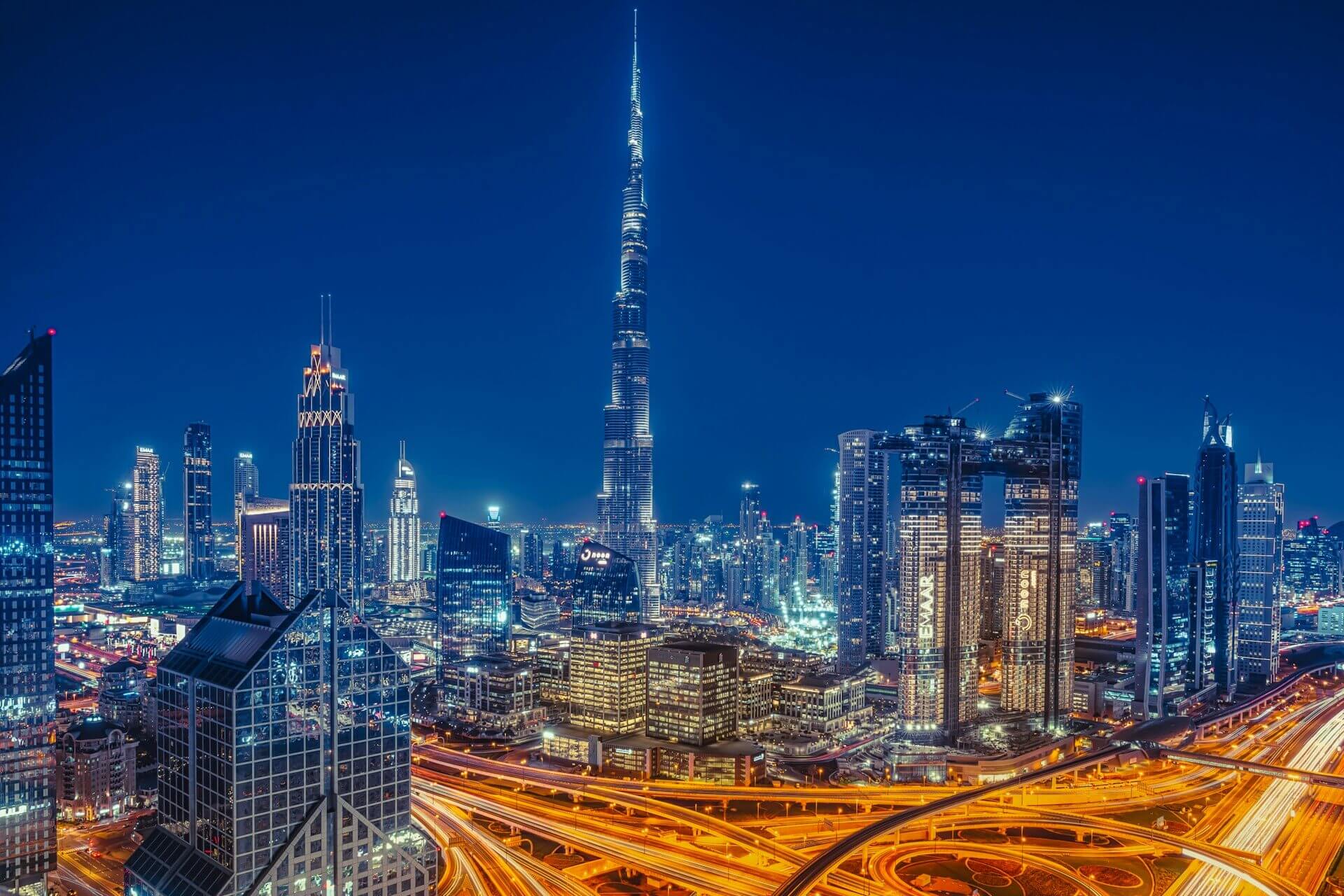
FOR SALE
AED 1,200,000AED 720,000
We help clients buy and rent the right property in Dubai — apartments, villas and investment units matched to budget, area and goals.
Dubai Property Selection focuses on apartments, villas and investment properties in key areas such as Dubai Marina, Downtown, Business Bay, Dubai Hills and Palm Jumeirah.
Instead of sending a huge list of random listings, we prepare a clean shortlist based on your budget, preferred area, bedrooms, timeline and purchase or rental goals.
Premium opportunities in Dubai — from compact investment units to signature villas and penthouses.
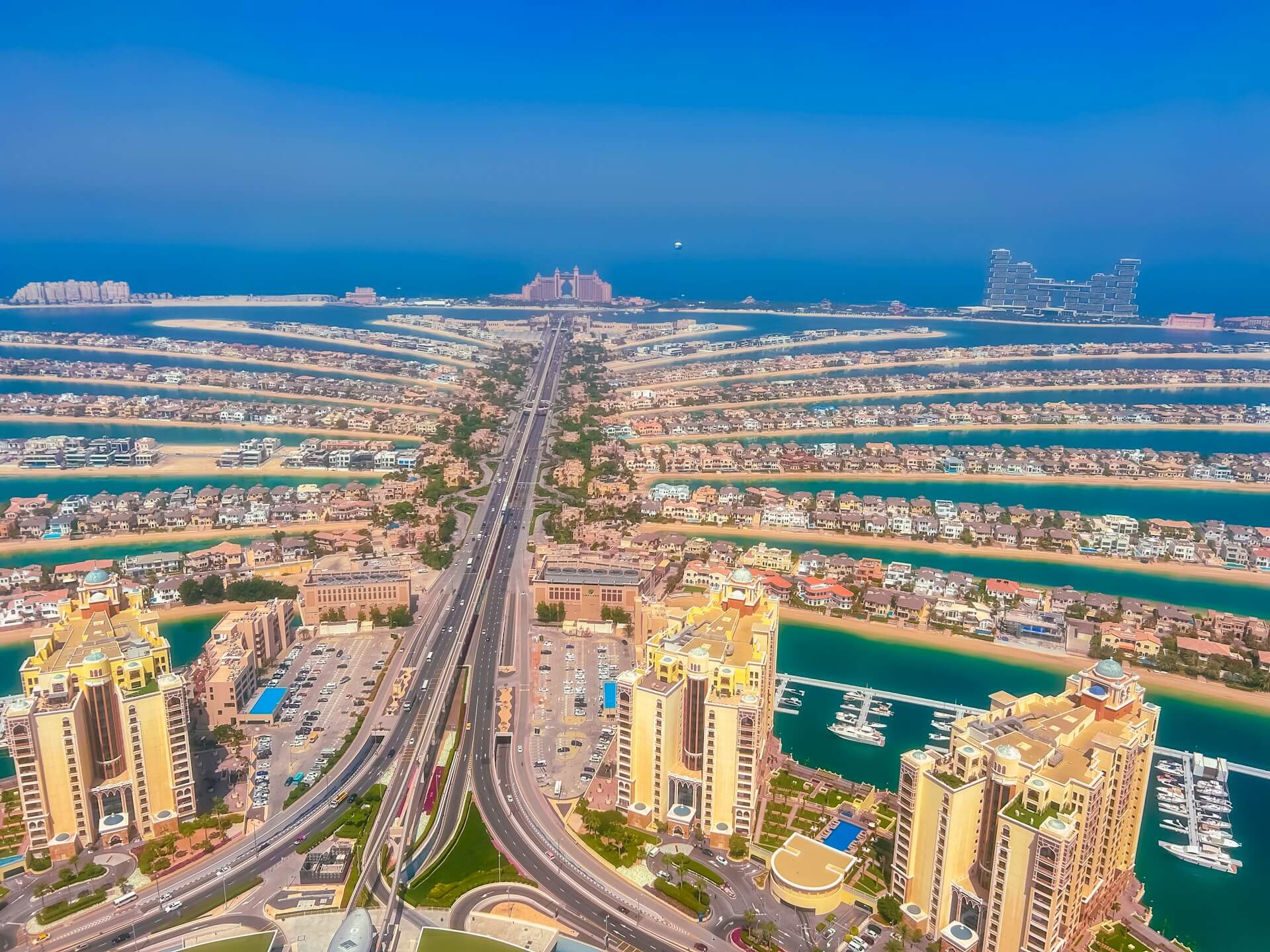
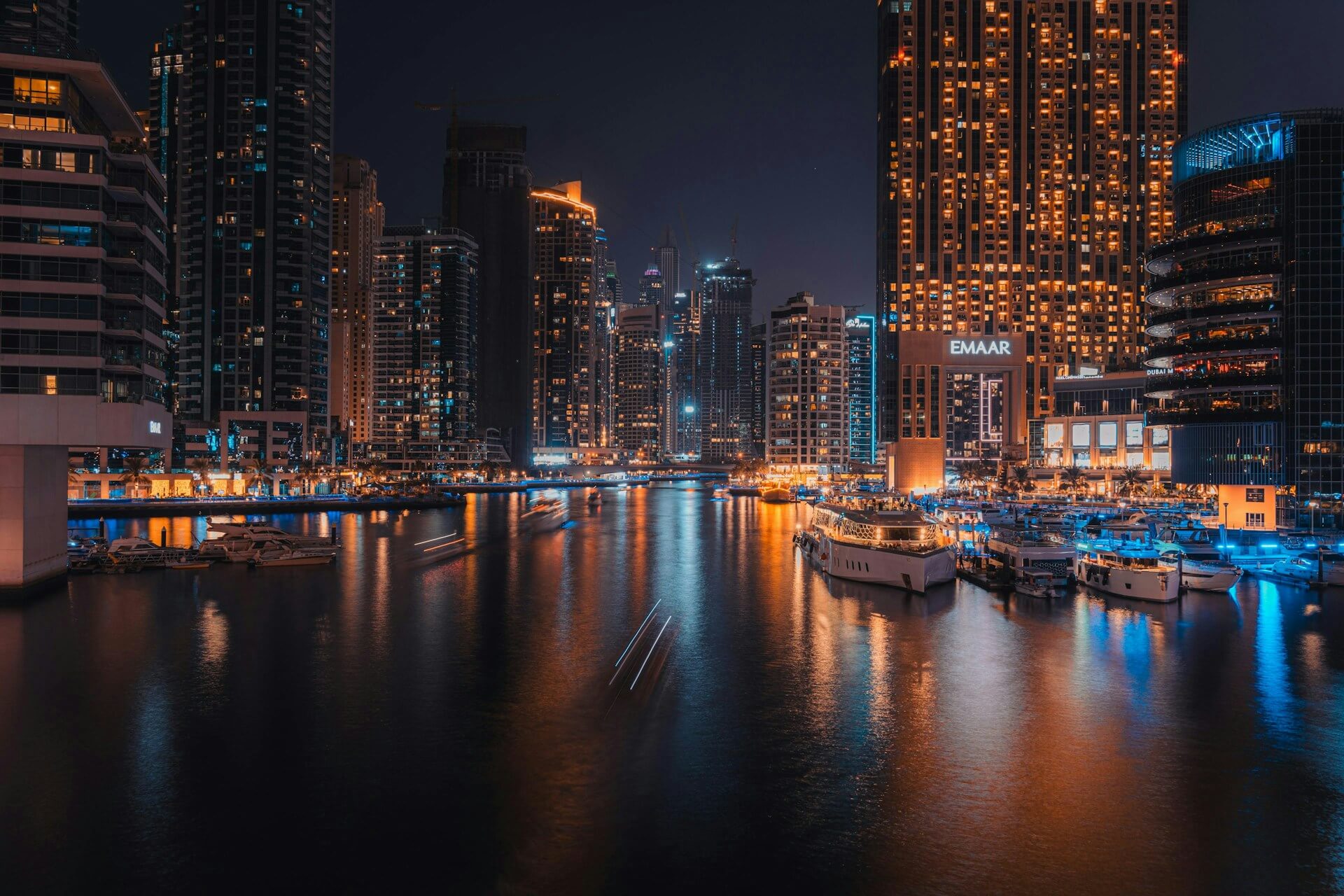
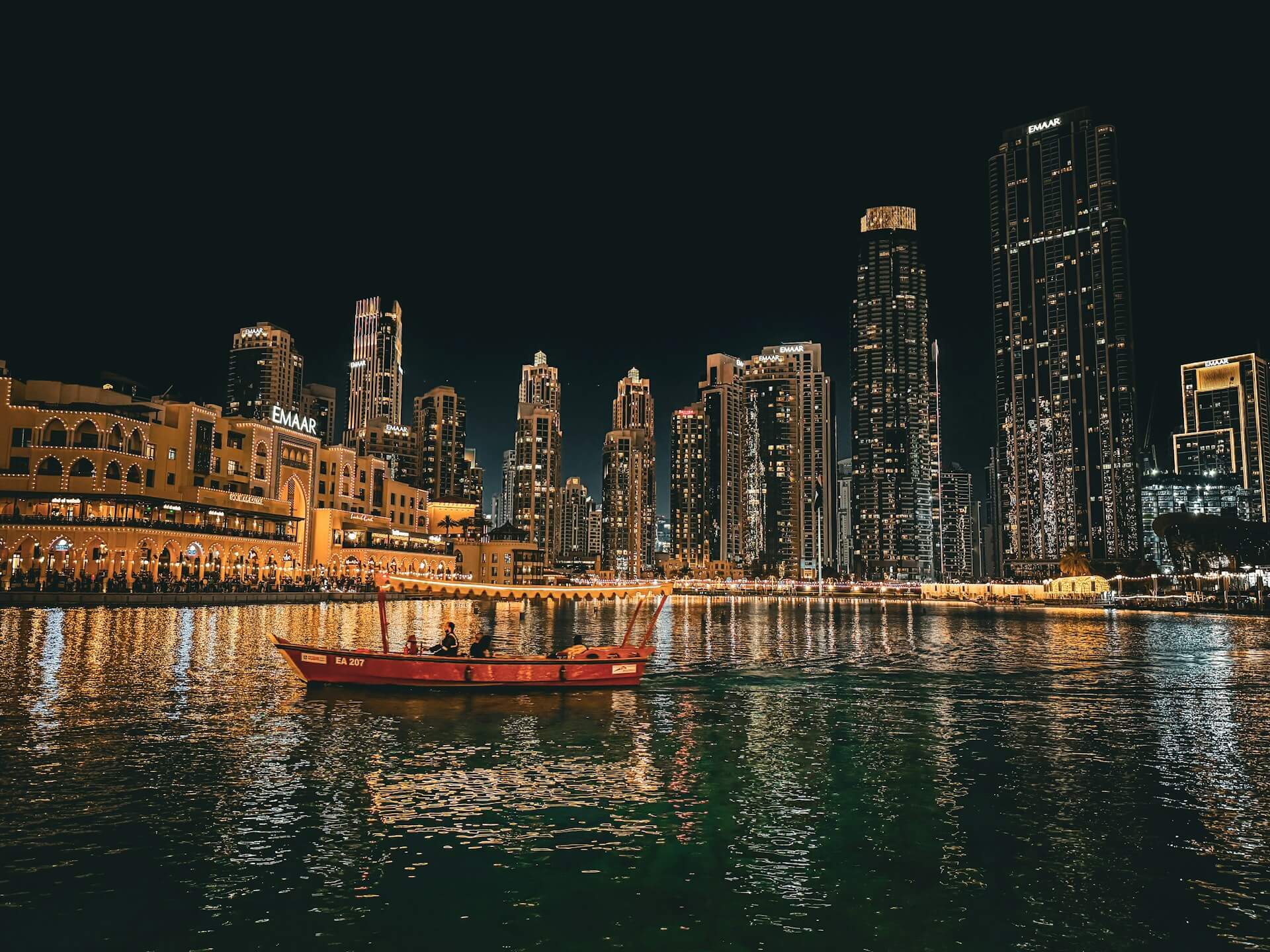
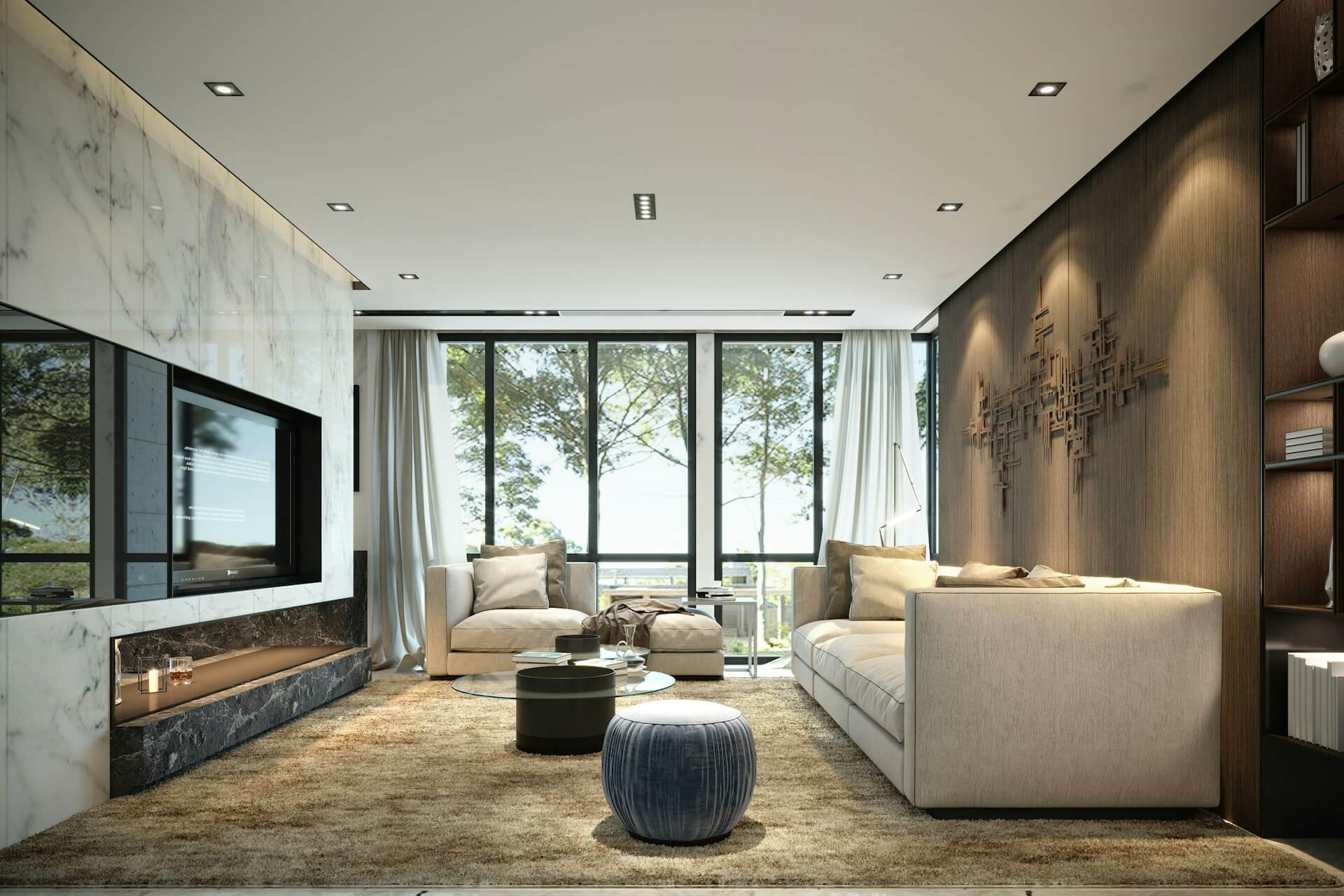
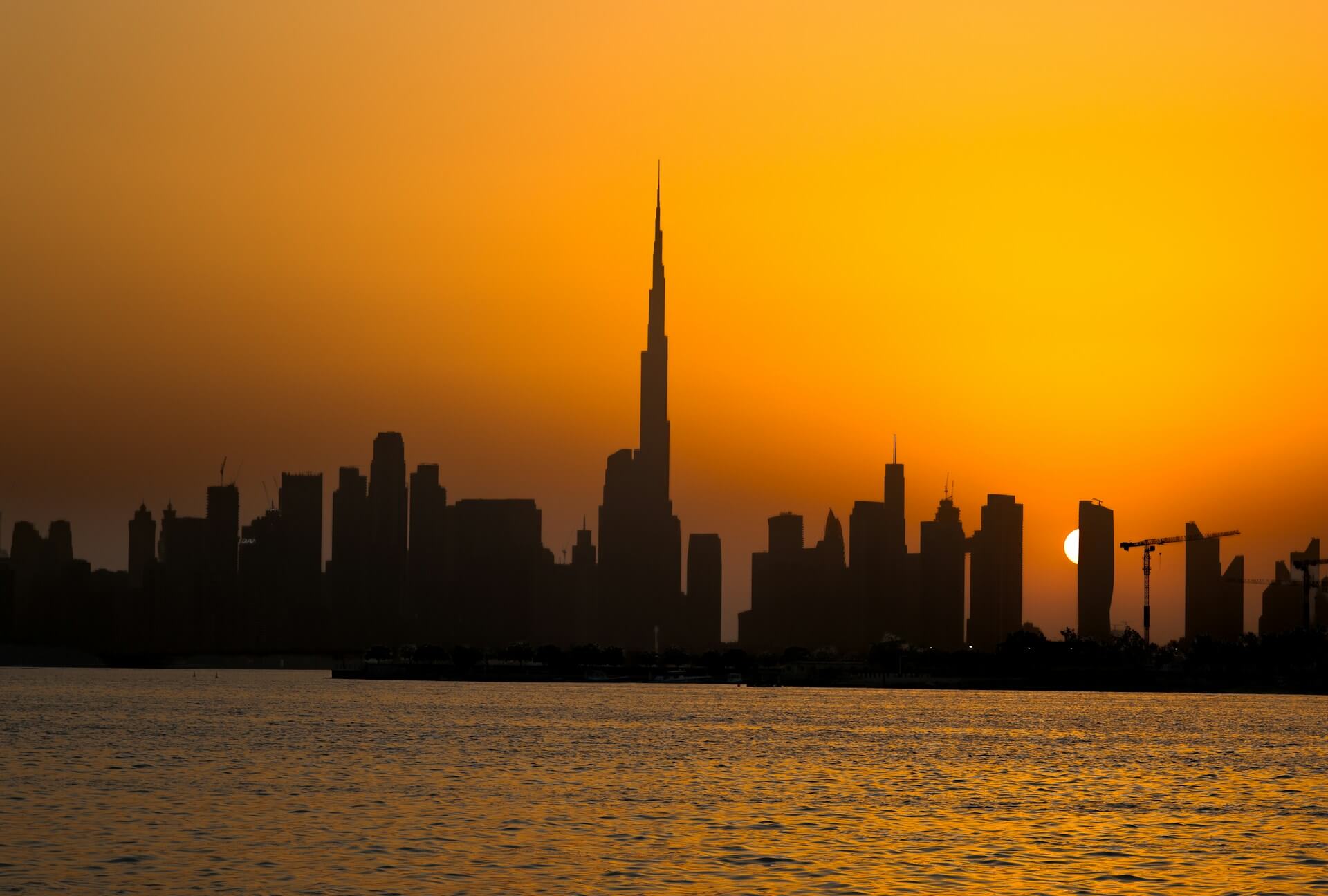
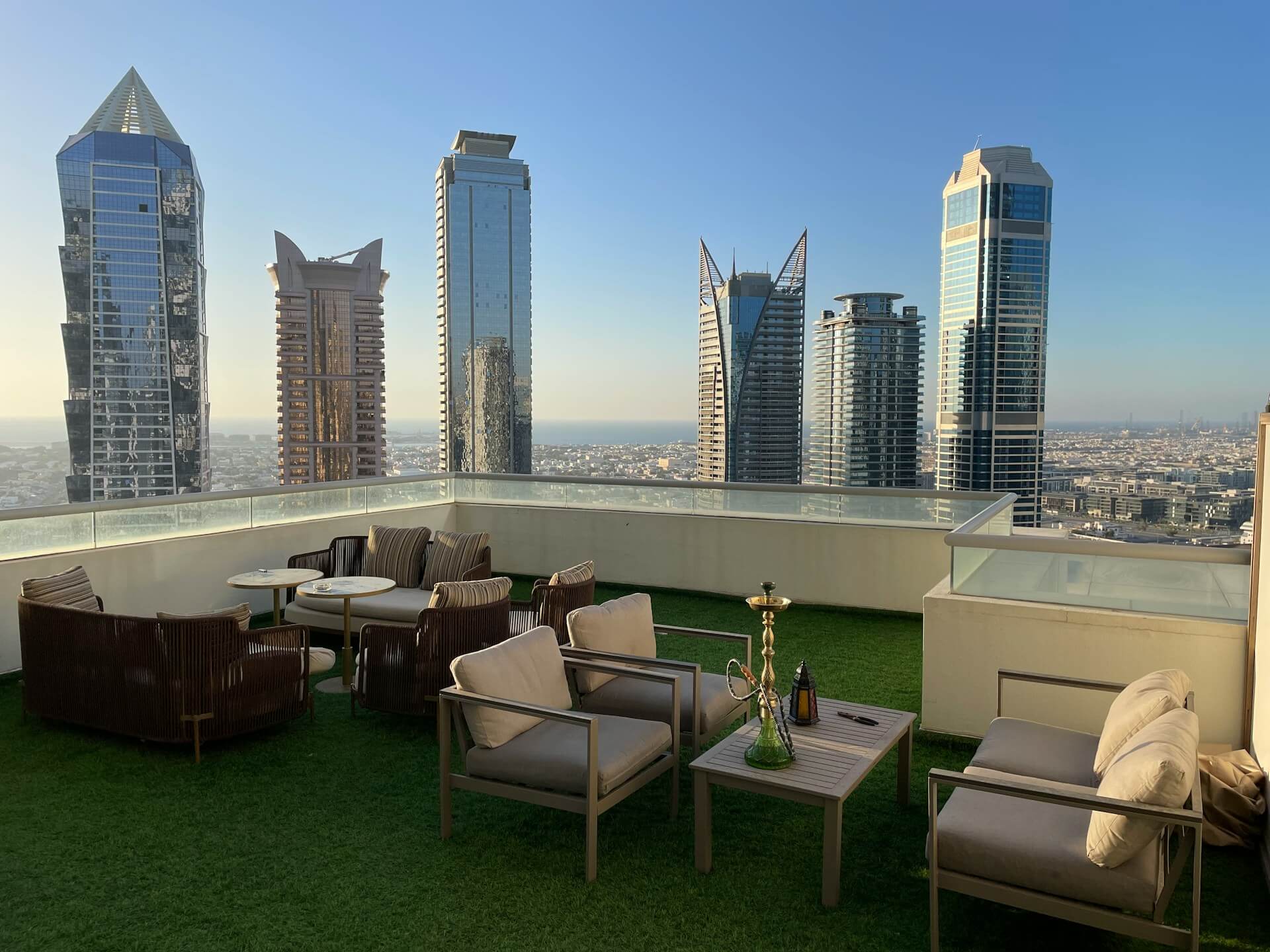
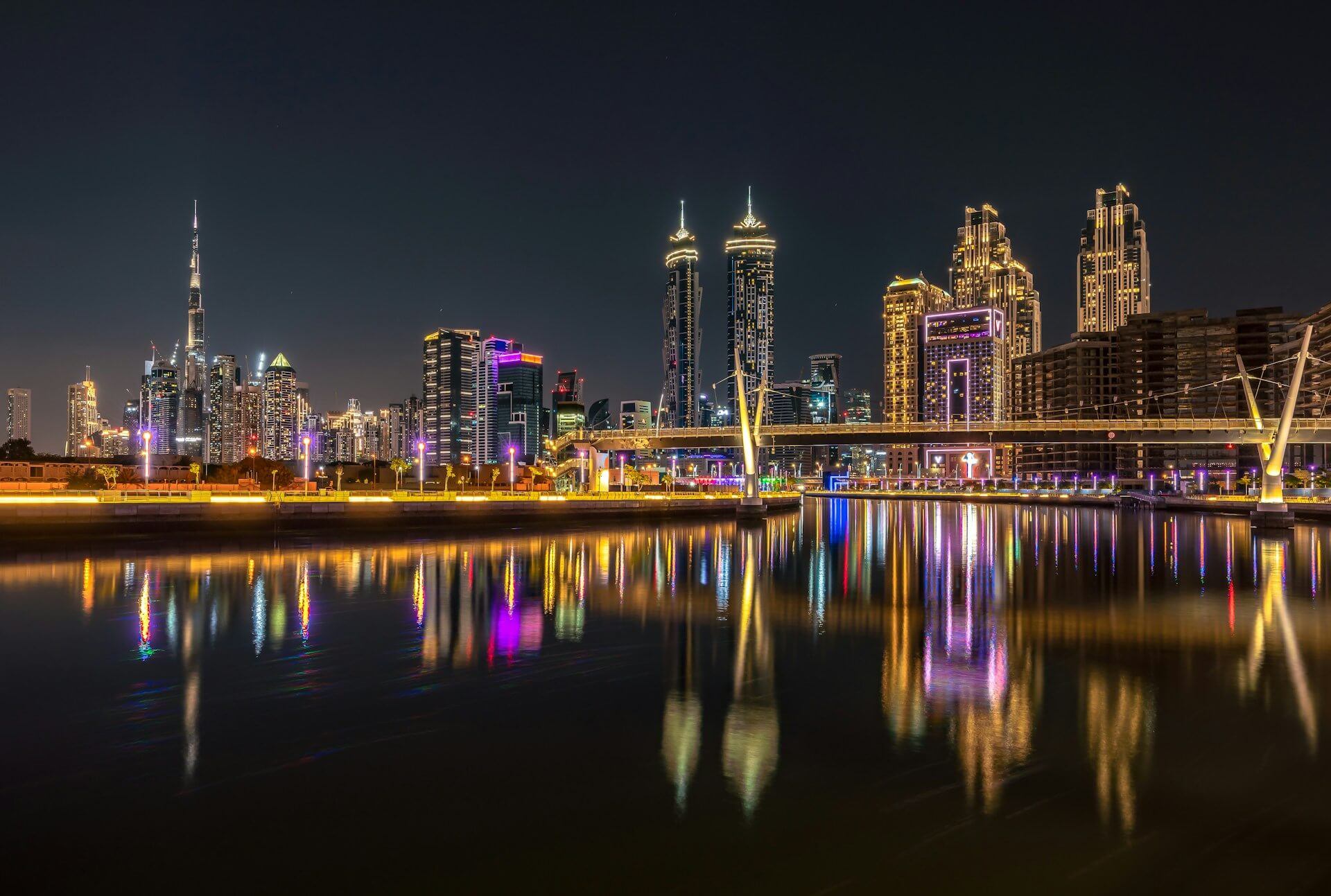
Comfortable long-term and premium rental options across Dubai.
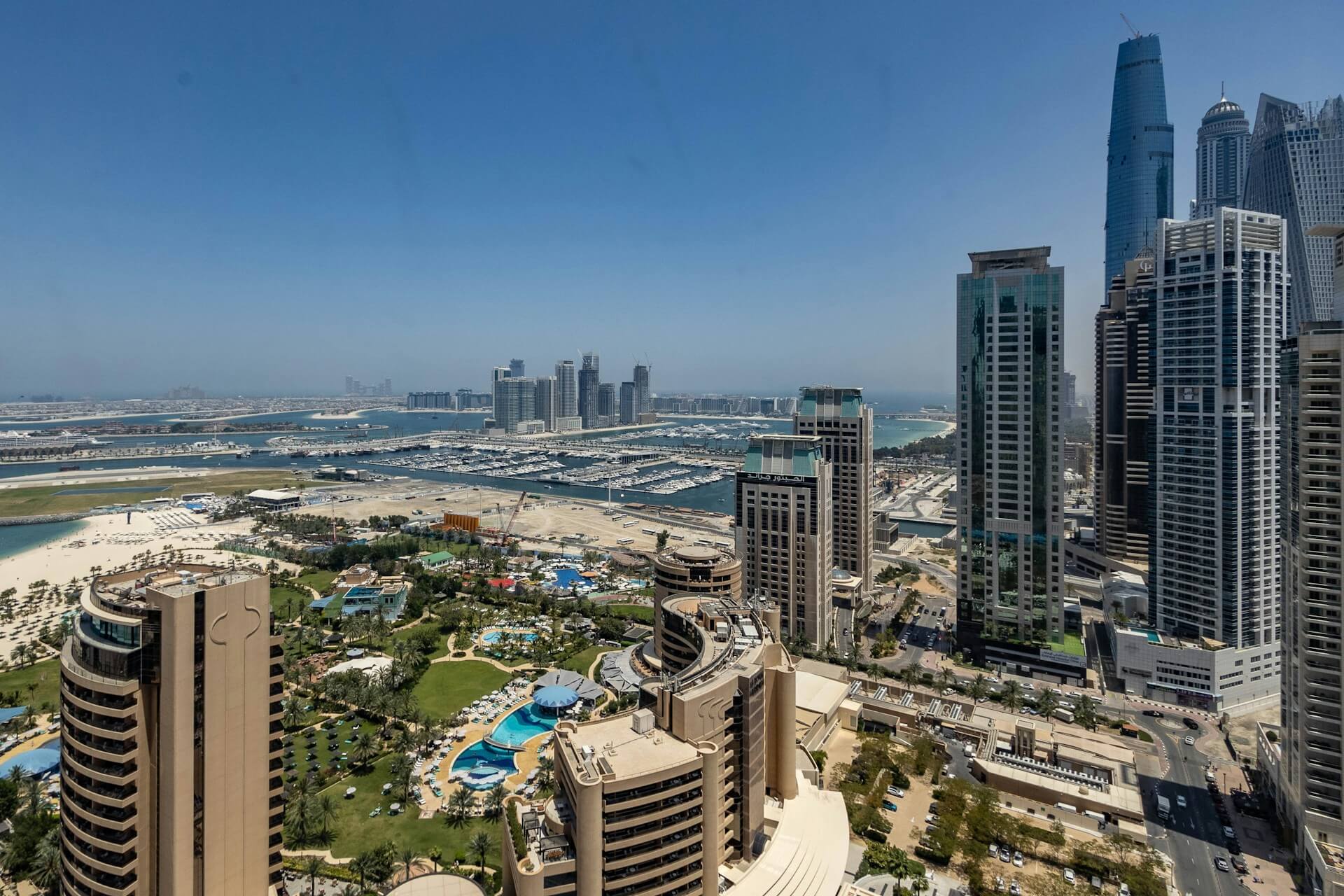

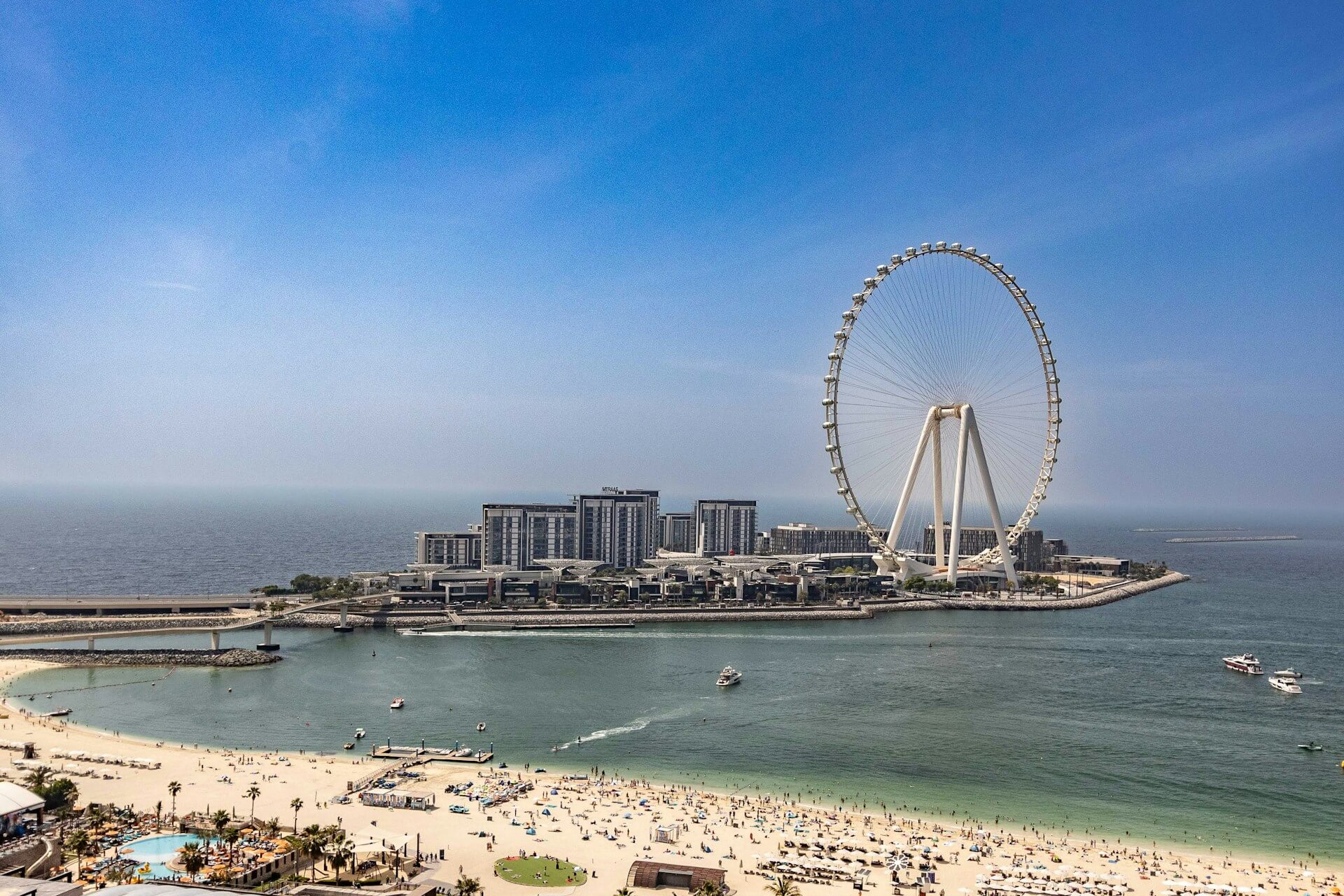
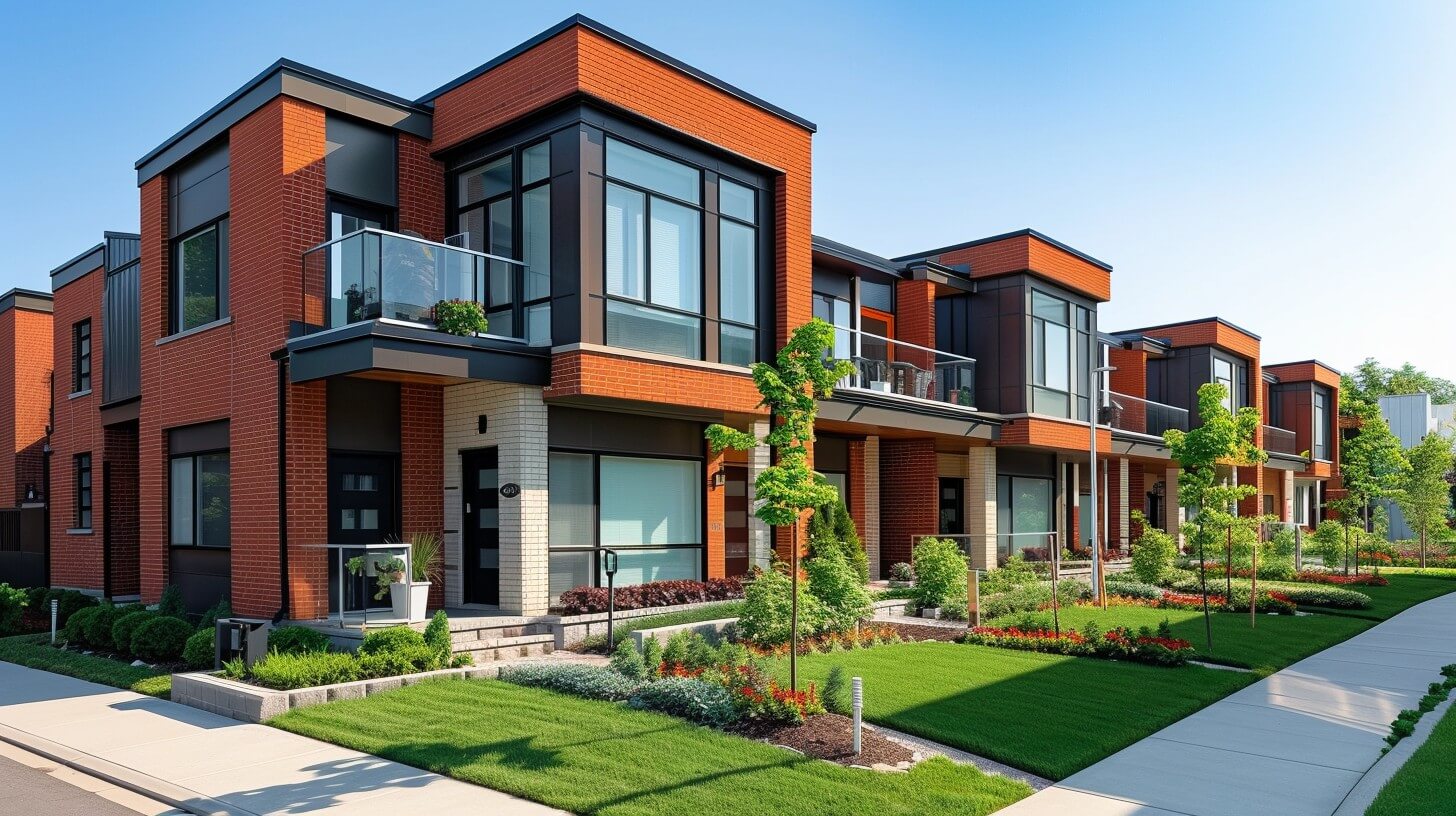
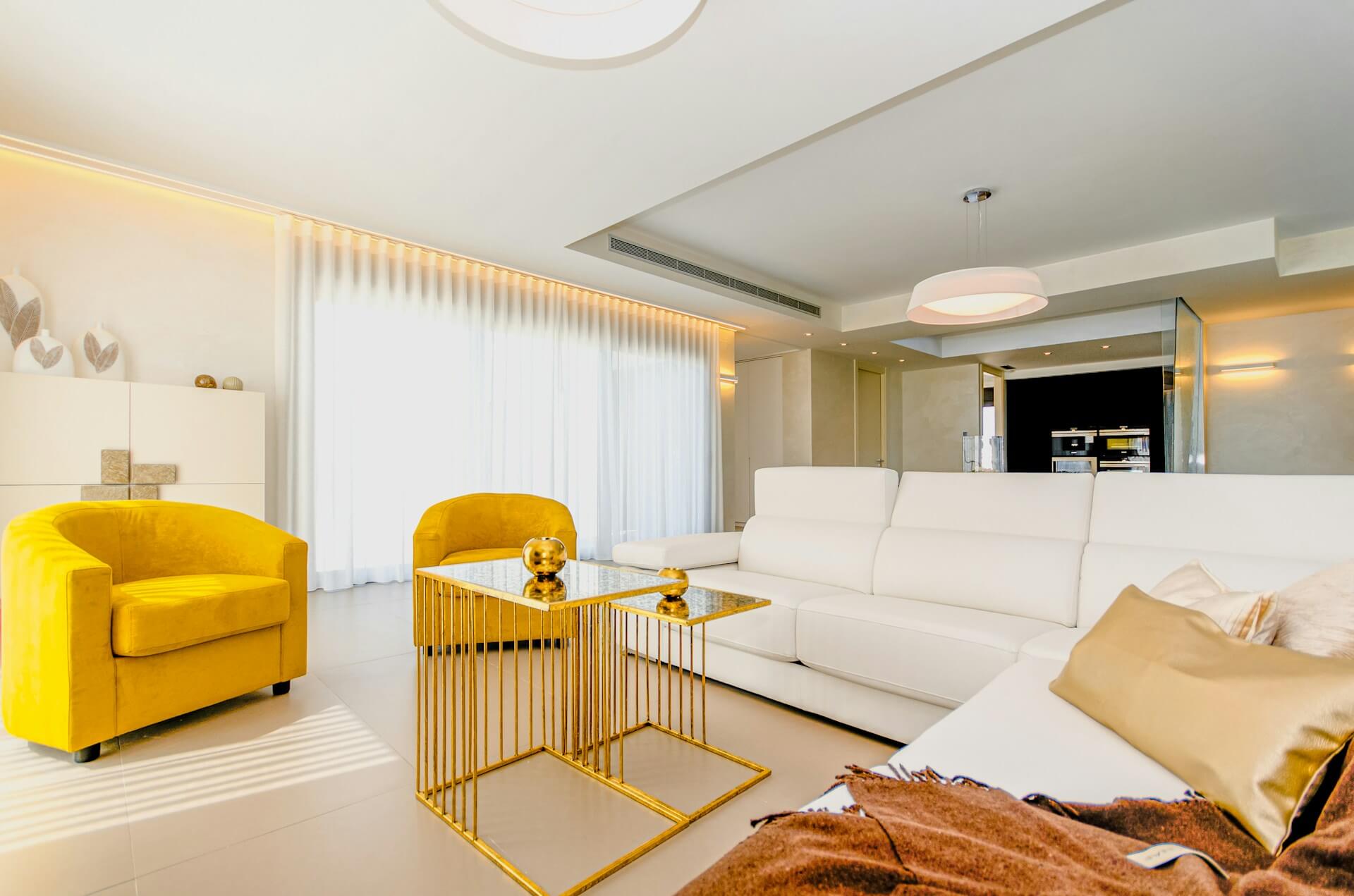
Entering the Blue Waters Island market requires a minimum capital of approximately AED 1.5 million for a studio unit, with mid-range apartments starting at AED 2.5 million.
Current demand concentrates on two and three-bedroom units where international investors seek stable rental income averaging 6.5% annually. Liquidity remains strong due to limited availability and ongoing infrastructure enhancements within Jumeirah Beach Residence and Dubai Marina, directly influencing buyer interest on Blue Waters Island.
This micro-market delivers consistent yields supported by proximity to commercial hubs and well-established tourism flows.
Recent regulations easing foreign ownership and visa-linked residency have amplified buyer activity, particularly from GCC nationals and European end-users prioritizing lifestyle combined with investment security.
The strategic position near Dubai Marina ensures short-term leasing remains competitive, outperforming newer developments on the Palm Jumeirah in both occupancy rates and average daily rents. That said, entry price points on Blue Waters Island are approximately 10–15% higher compared to similar apartments in JBR, justified by exclusivity and waterfront visibility.
Buyers targeting medium-term capital appreciation should focus on ready-to-move-in properties within Blue Waters Island’s North district, as resale speed here exceeds emerging communities by 20%.
Off-plan options present lower entry costs but require a 3–4 year horizon before yield generation commences, adding holding cost risk. Investors prioritizing immediate cash flow or quick resale should lean towards completed projects, especially adjacent to The Beach retail zone where occupancy maintains above 85% year-round.
Entering the Dubai market via this aquatic archipelago requires a minimum capital allocation starting at AED 2.3 million for a one-bedroom apartment.
Demand is predominantly fueled by relocation-driven buyers seeking waterfront living within reach of key business hubs. The combination of limited new inventory and recent visa reforms encouraging long-term residency maintains strong buyer activity in this niche.
Unlike larger developments such as Palm Jumeirah, this marine cluster offers lower entry thresholds and faster rental turnover due to proximity to Dubai’s commercial arteries.
Its positioning enhances rental rates with average gross yields currently approximating 6.5%, outperforming equivalent properties in Jumeirah Lake Towers and Dubai Marina by up to 1.3 percentage points.
Buyers prioritize this enclave for its balance between accessibility and exclusivity. Compared to mainland freehold zones, the lagoon setting commands a premium for lifestyle-centric tenants, attracting families and professionals requiring seamless connectivity to Dubai International Financial Centre and Downtown Dubai.
This contrasts with Dubai Creek Harbour, where longer-term capital appreciation potential exists but rental demand remains less resilient.
Entry points span off-plan developments priced around AED 2 million for studios, and secondary market options exceeding AED 3 million for larger layouts.
Off-plan transactions carry standard Dubai market risks including delayed delivery; however, early reservations secure current price bands below projected post-completion values by 8-10%, implying capital growth prospects alongside rental income.
Resale liquidity for units here is robust due to continuous interest from regional expatriates and local investors diversifying portfolios. In comparison, secondary market sales in Al Barari and Business Bay demonstrate slower absorption rates and narrower price spreads, signaling higher holding costs for less strategic waterfront alternatives.
The profile of end users skews towards mid-career expatriates integrating family needs with work-from-home flexibility.
Investors targeting short-term rental streams will find competition intense but manageable by selecting units near marina access points and retail clusters on-site, which report occupancy peaks exceeding 85% year-round on furnished listings.
This marine venue is unsuitable for buyers seeking ultra-high capital gains in under three years or those aiming for ultra-luxury villa acquisitions, as product range is concentrated on mid-rise apartment buildings. Additionally, market upticks are susceptible to regional travel restrictions impacting foreign tourism, with foreseeable yield compression during geopolitical or health crises.
In conclusion, purchasing real estate in this aquatic archipelago aligns with conservative investment approaches prioritizing steady rental returns and moderate appreciation within Dubai.
Best suited for investors and end-users valuing a waterfront lifestyle combined with proximity to business districts, it offers a clearly defined entry barrier and competitive yields versus neighboring developments.
Access to Blue Waters Island is predominantly via pedestrian bridge from Jumeirah Beach Residence (JBR) and by boat.
The pedestrian walkway offers a direct, toll-free connection, allowing visitors and residents to avoid traffic delays common along the Dubai Marina coastline.
For those arriving from Downtown Dubai or Business Bay, the most convenient way involves taking Dubai Tram Line 2020 to the JBR stop, followed by a 10-minute walk across the bridge.
Tram single trip tickets cost AED 4–6 depending on the zone. Taxi rides from Downtown typically range between AED 50–70, with ride duration of 20–30 minutes depending on peak hours.
Maritime transport remains an alternative. Private water taxis from Dubai Marina or Dubai Marina Mall operate daily, with fares from AED 90 to AED 150 one way. Scheduled abra services linking central Dubai with the island are limited and more for leisure, not daily transit.
Ride duration fluctuates between 15 and 25 minutes, influenced by sea conditions.
| Pedestrian Bridge | JBR | Free | 10 | Most cost-efficient, weather-dependent |
| Dubai Tram + Walk | Downtown Dubai to JBR | 4–6 (tram) | 25–35 | Reliable, low cost, avoids traffic |
| Taxi | Downtown Dubai | 50–70 | 20–30 | Fast but costlier at peak hours |
| Water Taxi | Dubai Marina Mall | 90–150 | 15–25 | Scenic, weather and tide dependent |
Private car owners should consider parking availability.
The island provides ample parking spaces, but weekends and holidays experience high demand, resulting in fees between AED 20 and AED 40 per day. Ride-sharing services such as Careem or Uber interface seamlessly but can double taxi costs during surge hours.
Comparatively, residents of surrounding Dubai Marina prefer the pedestrian bridge for daily access due to zero cost and predictable timing.
Tourists or high-net-worth individuals often opt for water taxi transfers to minimize commute time and enhance experience. The availability of multiple transport methods supports both long-term residents and short-stay visitors, but operational costs and time efficiency vary significantly.
Planning arrivals during off-peak hours reduces taxi and water taxi fare surges. For investors or buyers considering properties on this maritime development, proximity to the pedestrian bridge and JBR transportation hubs directly correlates with convenience and tenant appeal.
Investors and buyers targeting Blue Waters Island should consider entry costs starting from approximately $450,000 for compact studios in mid-rise complexes, while premium penthouses exceed $3 million.
For budget-conscious buyers, developments like Azure Residences provide affordable units averaging $500 per square foot with immediate rental potential, suitable for capital preservation and steady occupancy rates.
Mid-tier options cluster around Marquise Towers, where two- and three-bedroom apartments trade between $900,000 and $1.6 million, offering a balance between space and liquidity.
These projects deliver higher rental yields averaging 7% annually, driven by strong demand from young professionals relocating to Dubai’s coastal hubs. The moderate entry cost and stable tenant profile make these assets attractive for both buy-to-let and holiday rental strategies.
At the luxury end, the Mansions and Shoreline Mansions present multi-million-dollar villas and expansive duplexes with prices ranging between $2.5 million and $6 million. These properties command superior capital appreciation potential thanks to limited supply and exclusivity.
Investors targeting long-term growth and portfolio diversification favor these tiers, despite longer resale cycles and occasional higher vacancy risk outside peak seasons.
Comparison with mainland Dubai shows that Blue Waters Island retains above-average liquidity due to its unique waterfront location and proximity to Jumeirah Beach Residences, which elevates demand for well-appointed mid- and high-budget units. While entry points here are 15–20% higher than some inland alternatives, the island’s premium address ensures tighter rental markets and premium daily rates for short-term leases.
Buyers interested in off-plan offerings must factor in slower delivery timelines and market uncertainty, especially post-pandemic, where project completions have experienced delays up to 12 months.
Ready properties offer immediate cash flow, particularly in established towers, but with less room for price negotiation. For investors prioritizing quick returns, ready stock in mid-tier developments remains preferable.
Those with budgets under $600,000 should focus on studios and one-bedroom units in accessible towers near the island’s central promenade.
Liquidity here is robust due to steady demand from single expatriates and short-term visitors, maintaining a vacancy rate below 8%. Conversely, larger family-sized units above $1.5 million appeal primarily to end-users seeking lifestyle living, not short-term renters.
For high-net-worth individuals, purchasing villas in the Shoreline district is ideal if the aim is capital preservation with a 5%+ rental return and long-term appreciation.
However, these require minimum capital outlay of $2.5 million and a readiness to hold through potential market slowdowns. The niche demand and limited stock sustain premium pricing but reduce resale velocity compared to apartments.
Ultimately, budget allocation on Blue Waters Island correlates strongly with intended use: rental investors profit from mid-tier apartments priced $850,000 to $1.5 million; lifestyle buyers seeking exclusivity invest from $2 million upwards; entry-level investors should target studios under $600,000 with good occupancy track records.
This segmentation aligns with diverse capital thresholds and exit expectations specific to the island’s evolving market dynamics.
The main keyword "Blue Waters Island" is included once here.
Sailing excursions surrounding Blue Waters Island provide a unique blend of leisure and exploration, with average charter rates starting at AED 2,500 per half-day.
These private yacht tours offer tailored routes along the coastline, outperforming other local destinations where group tours cost up to 40% more for comparable duration and services.
Investors targeting hospitality properties near Blue Waters Island benefit from this sustained demand for maritime leisure due to limited operators offering such premium sailing experiences.
Jet skiing remains among the most cost-efficient activities, with rental fees approximately AED 300–500 per hour near Blue Waters Island, compared to rates exceeding AED 700 in adjacent areas. The high turnover rate in jet ski rentals sustains solid daily throughput, translating into consistent cash flow for service providers and nearby commercial real estate.
This reliability in demand contributes to the area's attractiveness for short-term commercial leases oriented around water sports.
Compared to other waterfront locations, Blue Waters Island’s water activity providers maintain stricter licensing and safety standards, which contribute to higher operational costs but elevate client satisfaction and repeat business potential.
This situation creates opportunities for investors focusing on premium service concessions or franchise models catering to more affluent visitors.
Fishing charters around the vicinity of Blue Waters Island typically require upfront bookings with average prices of AED 1,200 per half-day, which is competitive given the proximity to key marine biodiversity spots. This activity supports niche tourism markets, strengthening the seasonal revenue streams of related businesses in the hospitality and retail segments nearby.
The design of the coastal infrastructure adjacent to Blue Waters Island supports easy access for kayakers and paddleboarders, unlike some competing destinations where rocky or steep shorelines limit water activity expansion.
This accessibility enhances the feasibility of launching rental or training businesses in the area, with start-up costs starting from AED 100,000 for equipment and storage facilities.
Electric boat rentals employing battery-powered vessels are an emerging trend. Near Blue Waters Island, these rentals cost around AED 400–600 per hour and appeal to eco-conscious tourists. Early investors in such green mobility offerings can capitalize on growing environmental regulations and shifting customer preferences favoring sustainability over traditional fuel-based activities.
Compared to nearby leisure hubs, parasailing and jet ski offerings at Blue Waters Island generate better occupancy ratios due to integrated marketing with hotel operators and event organizers.
This synergy reduces dependency on walk-up clients, stabilizing returns for operators and elevating the real estate value of service hubs nearby.
Infrastructure improvements, including dedicated pontoons and dockside amenities around Blue Waters Island, have reduced service downtime by approximately 15%, improving rental turnover efficiency.
Redevelopment plans targeting increased marina capacity support further scaling of water activity infrastructure, which correlates with positive real estate appreciation in adjacent zones.
Activity demand is driven by consistent tourist inflows and the area's reputation for safe, clear conditions for sports like paddleboarding and wakeboarding. Operators report peak season rental increases exceeding 25%, with winter months sustaining 60-70% occupancy, higher than competing leisure destinations within 20 km radius.
Blue Waters Island offers a variety of attractions including sandy beaches, luxury residences, and several leisure spots such as restaurants and parks.
Visitors can enjoy tranquil walks along the shore, swim in calm waters, or explore the green spaces designed for relaxation and family activities. The island also hosts regular events that bring the community together.
The island is connected to the mainland by a pedestrian bridge, making it easy for both residents and visitors to reach by foot, bicycle, or car.
Public transportation options are also available, including buses that stop close to the island’s entry point. This setup allows for convenient daily commuting or casual visits without much hassle.
Yes, the island features several accommodation choices ranging from upscale villas to serviced apartments.
These options cater to different preferences and budgets while providing a comfortable stay near the water. Some locations offer sea views and easy access to the island’s facilities, making them popular among visitors.
Visitors can take part in a range of outdoor activities including swimming, sunbathing, and water sports.
The island also has designated areas for jogging and cycling. Additionally, there are picnic zones and playgrounds for families, providing a variety of ways to spend time in a serene environment.
Absolutely.
The island is designed with families in mind, featuring safe play areas, calm beaches, and parks. There are also family-friendly eateries and facilities that help create a comfortable atmosphere for visitors of all ages.
The environment encourages outdoor activities suitable for children and adults alike.
Blue Waters Island stands out due to its combination of crystal-clear turquoise seas and extensive coral formations, which create a striking natural environment. Unlike many nearby locations, the island offers a mix of quiet beaches and gently rolling hills covered with lush vegetation.
The local community maintains traditional fishing practices that contribute to the island’s authentic atmosphere, providing visitors with a chance to experience cultural heritage alongside natural beauty.
Clear answers about buying, renting and investing in Dubai property.
Yes. Foreign buyers can purchase freehold property in designated areas such as Dubai Marina, Downtown Dubai, Business Bay, Palm Jumeirah, Dubai Hills and other approved communities.
It depends on your timeline, budget and goal. Buying is usually better for long-term plans, capital growth and rental income, while renting is better for flexibility and easier relocation.
The required budget depends on the area, building quality and property type. More accessible apartments can be found in developing communities, while prime locations and luxury properties require a much higher budget.
In addition to the purchase price, buyers should budget for the Dubai Land Department fee, registration and trustee fees, possible agency commission, mortgage-related costs if financing is used, and ongoing service charges for many buildings.
Yes, many banks in the UAE offer mortgages to foreign buyers. Approval depends on income, documents, deposit amount and the specific property being purchased.
Areas such as Dubai Marina, Downtown Dubai, Business Bay, Dubai Hills, JVC, Palm Jumeirah and Creek Harbour are often considered by investors, but the right area depends on whether your focus is yield, resale value, lifestyle appeal or long-term growth.
Rental yield varies by area, property type, furnishing level and market timing. In practice, many investors look for a balance between strong occupancy, reasonable service charges and sustainable tenant demand rather than chasing headline numbers alone.
Off-plan property is purchased directly from a developer before the project is completed. Buyers often choose off-plan because of payment plans, newer inventory and lower entry prices compared with some ready properties.
A proper review should consider the developer’s track record, payment plan, handover timeline, location quality, future supply in the area and the project’s resale or rental potential after completion.
For ready property, the timeline can move fairly quickly if the price is agreed, documents are prepared and the buyer is ready to proceed. Mortgage purchases usually take longer than cash deals.
Yes, many purchases can be handled remotely with the correct documents and proper support through the process. Remote buying is common for overseas investors and international clients.
The biggest risks are overpaying, choosing a weak location, buying an unsuitable layout, ignoring service charges, or selecting a project with low resale and rental demand. Good selection matters more than marketing promises.
In long-term rentals, rent is commonly agreed for a fixed term and often paid by one or several cheques depending on the landlord, property and negotiation.
Tenants are usually asked for identification and residency-related documents, and the exact set depends on their status in the UAE and the landlord’s requirements.
A security deposit is commonly required before move-in. The amount often depends on whether the property is furnished or unfurnished and should be clearly stated in the rental terms.
In many rental transactions, an agency commission is charged. The amount depends on the deal structure and should be confirmed before signing anything.
Tenants should review the deposit, Ejari registration, utility setup costs, parking terms if relevant, maintenance responsibilities and any conditions related to early termination or renewal.
Yes, negotiation is common. The final result depends on market conditions, the landlord’s flexibility, how long the property has been available and how prepared the tenant is to move forward.
It is important to check the condition of the unit, building quality, noise level, parking, view, maintenance status, contract terms and the reliability of the owner or manager.
Short-term rent offers flexibility and convenience but is usually more expensive. Long-term rent is generally more cost-effective and better suited for clients planning to stay longer.
During an active contract, the agreed rent usually remains fixed. Any increase is generally discussed at renewal and should follow the applicable rules and notice requirements.
This depends on the tenancy contract. Minor day-to-day issues may be handled by the tenant, while major maintenance is commonly the landlord’s responsibility, but the exact wording in the contract matters.
Ejari is the official registration of the tenancy contract in Dubai. It is important for legal recognition of the lease and is commonly needed for practical steps such as setting up utilities.
Yes. Furnished properties can be more convenient and faster to move into, while unfurnished options may work better for longer stays or tenants who want more control over the setup and budget.
We do not rely on random mass listings. We narrow the market based on budget, location, property type, investment goal, lifestyle needs and timeline, so clients can focus only on relevant options.
Yes. Support can include shortlisting, arranging viewings, comparing options, discussing terms, helping with negotiations and guiding the next steps of the transaction.
The best first step is to define the real budget, target areas, purpose, preferred property type and timeline. Once those points are clear, the selection becomes faster, cleaner and much more useful.