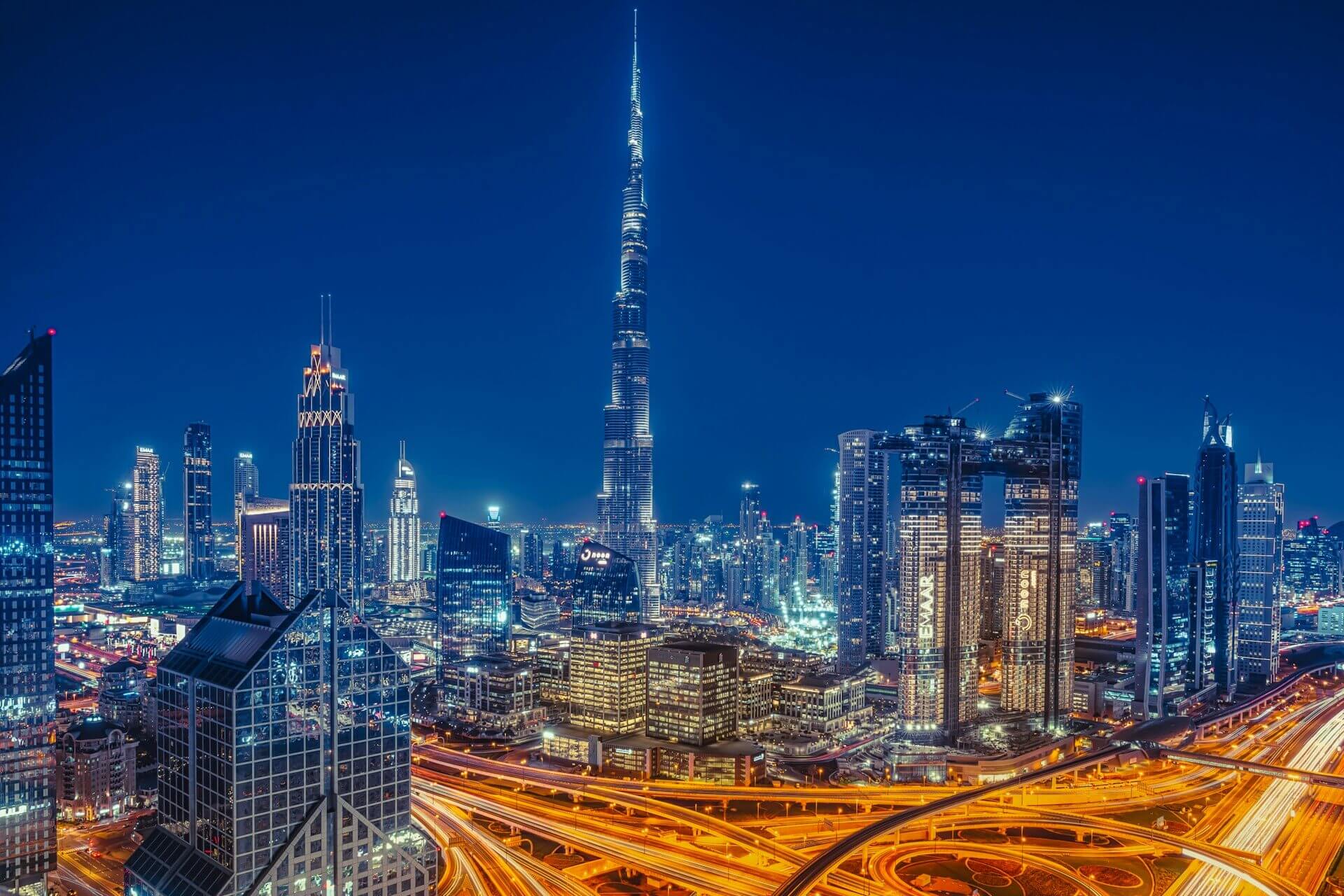
FOR SALE
AED 1,200,000AED 720,000
We help clients buy and rent the right property in Dubai — apartments, villas and investment units matched to budget, area and goals.
Dubai Property Selection focuses on apartments, villas and investment properties in key areas such as Dubai Marina, Downtown, Business Bay, Dubai Hills and Palm Jumeirah.
Instead of sending a huge list of random listings, we prepare a clean shortlist based on your budget, preferred area, bedrooms, timeline and purchase or rental goals.
Premium opportunities in Dubai — from compact investment units to signature villas and penthouses.
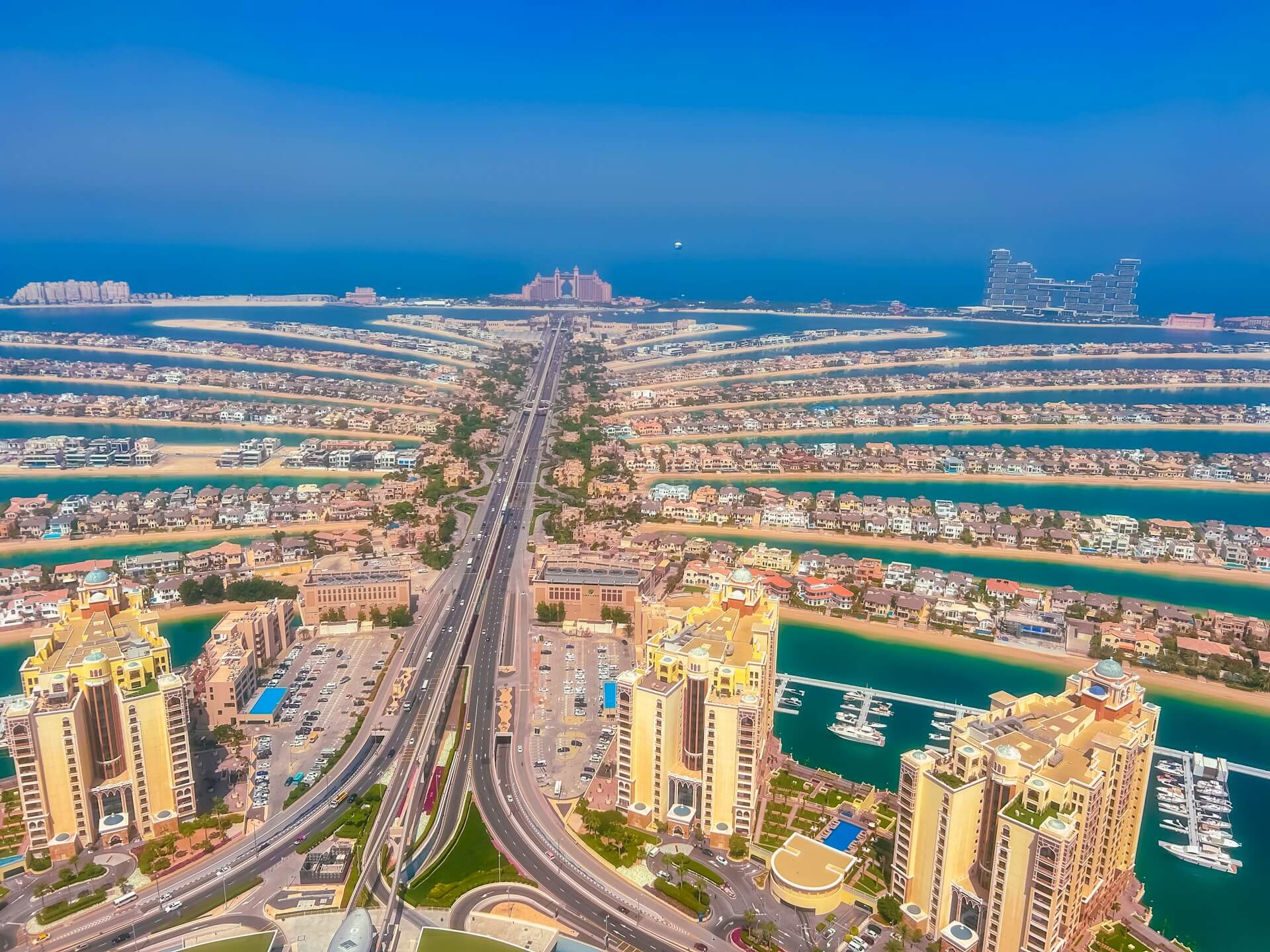
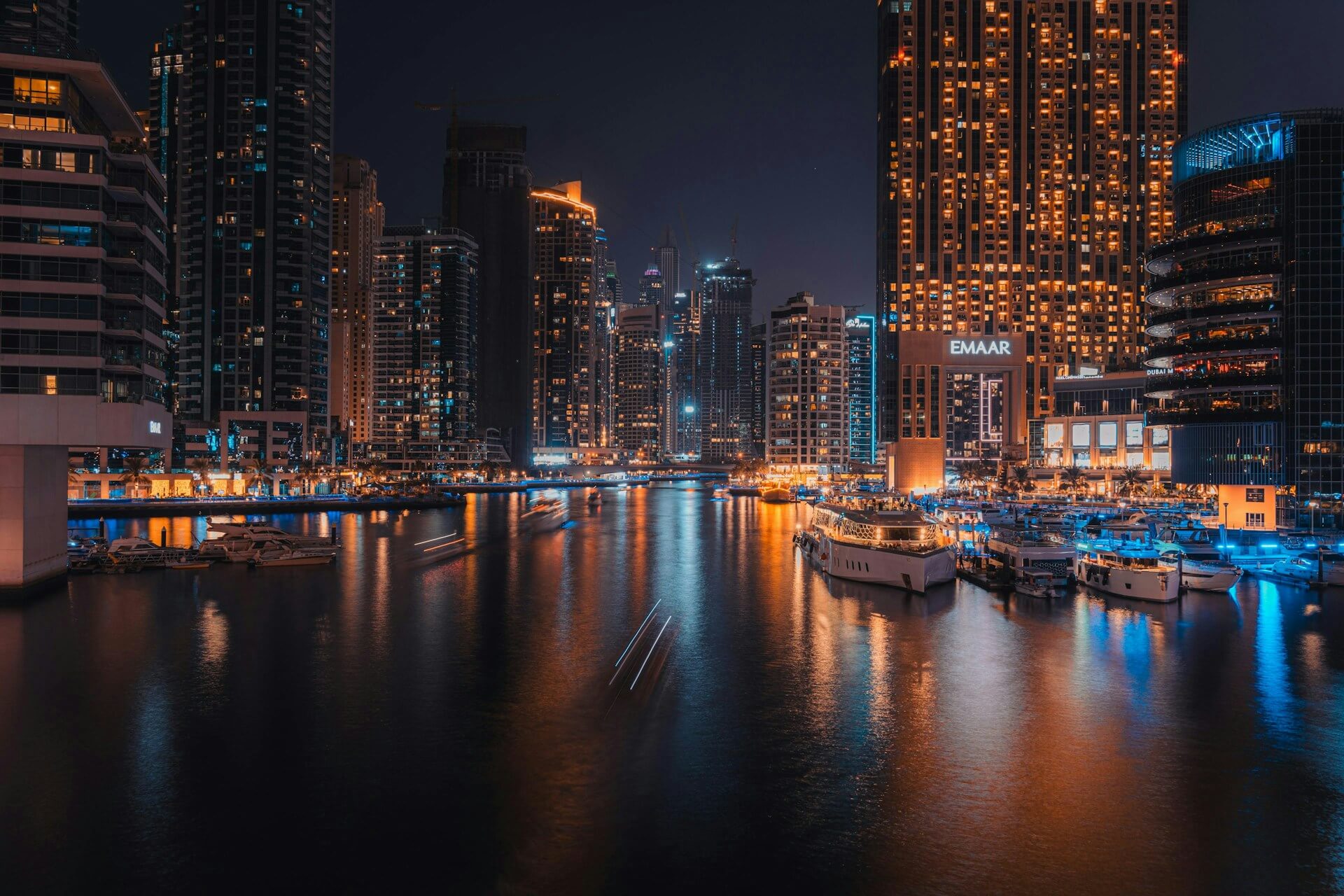
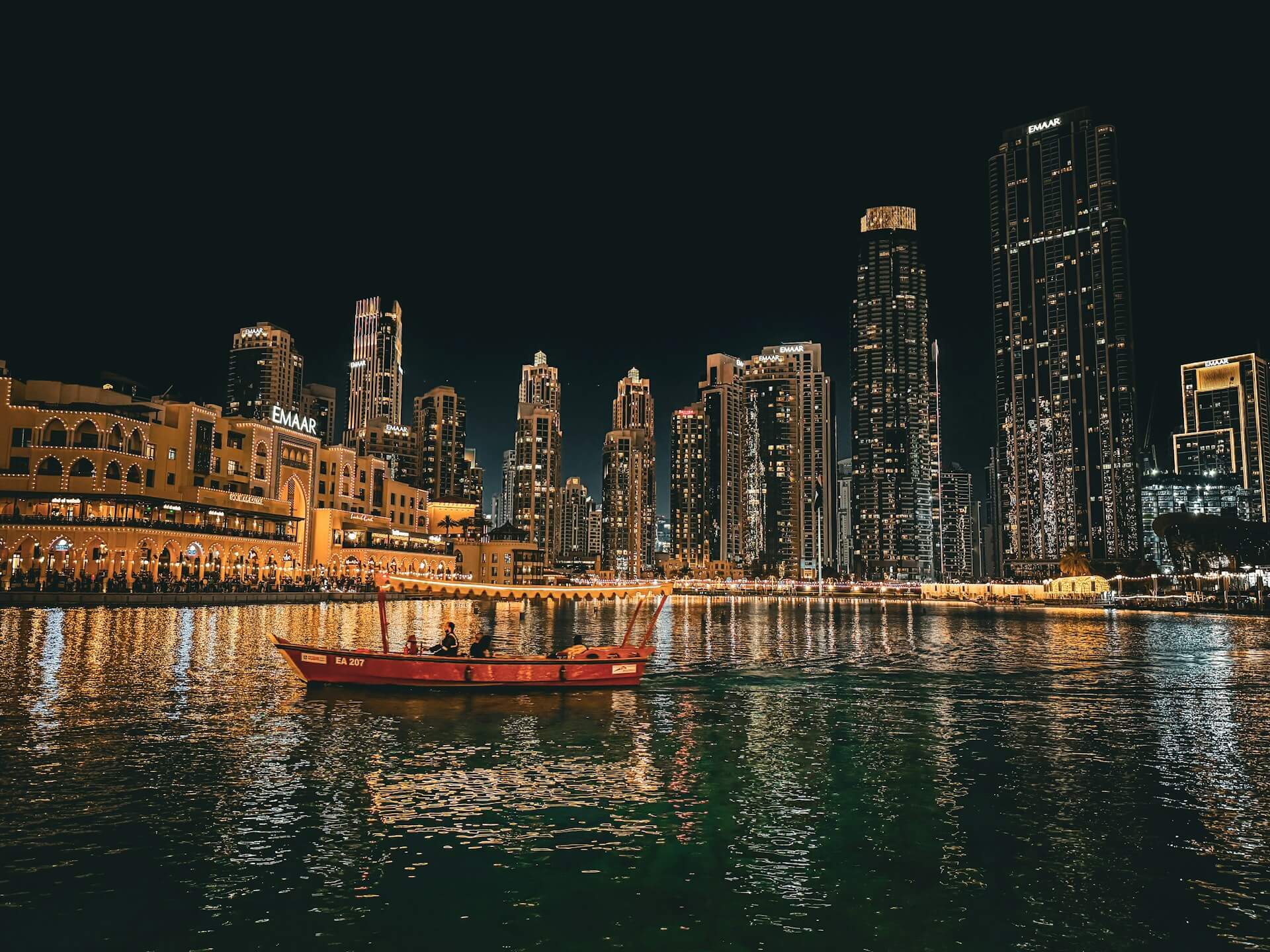

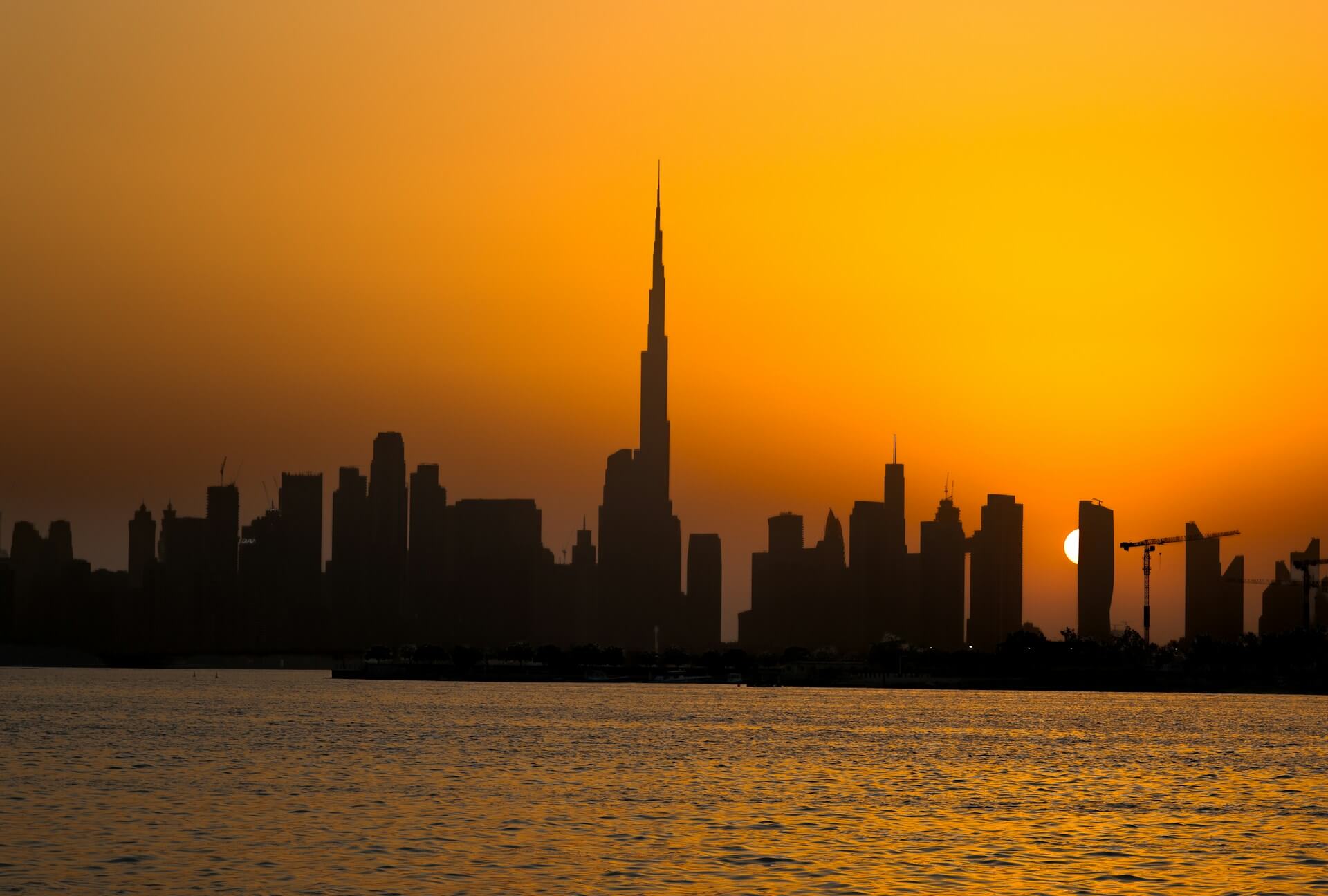
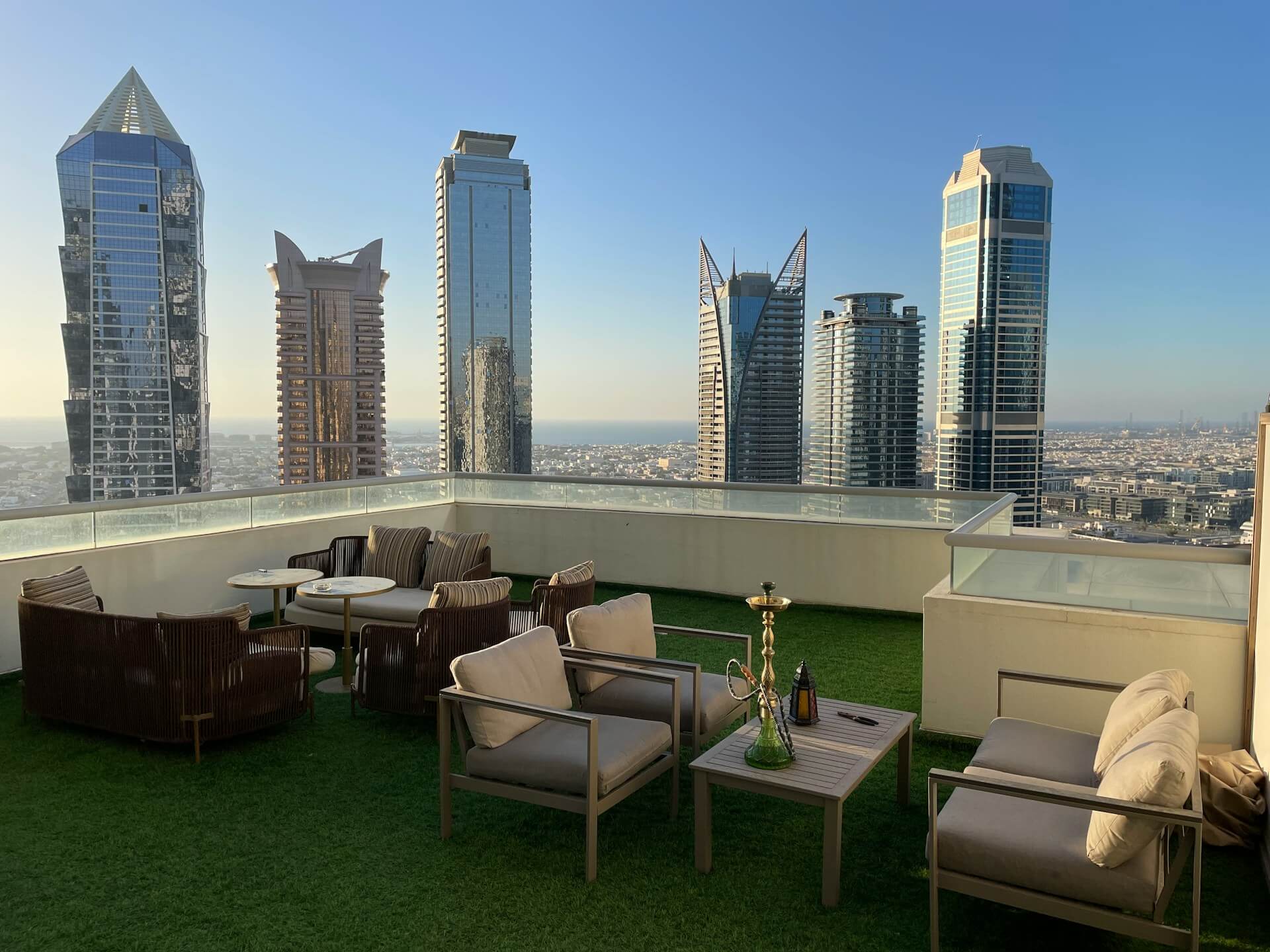
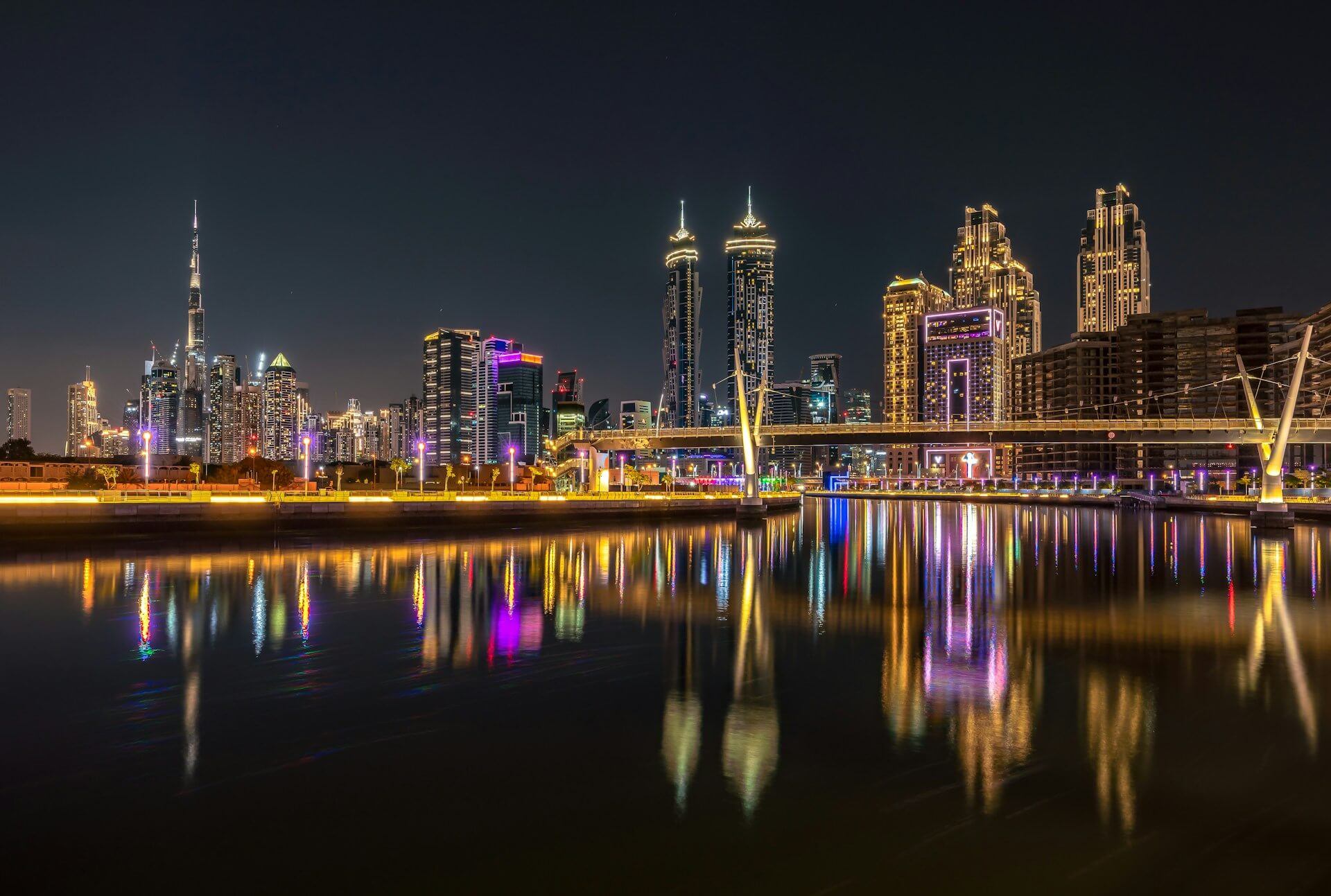
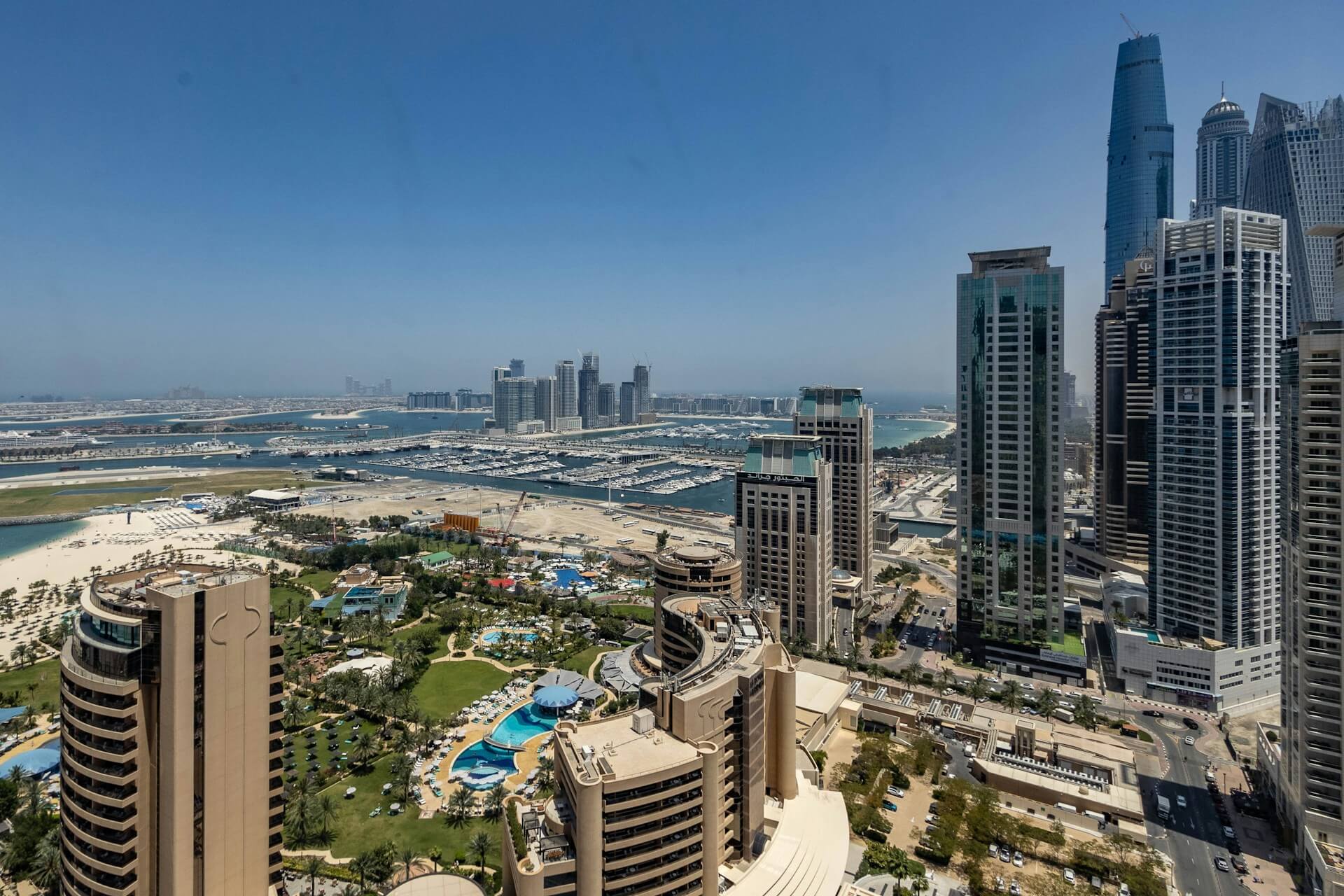
Comfortable long-term and premium rental options across Dubai.

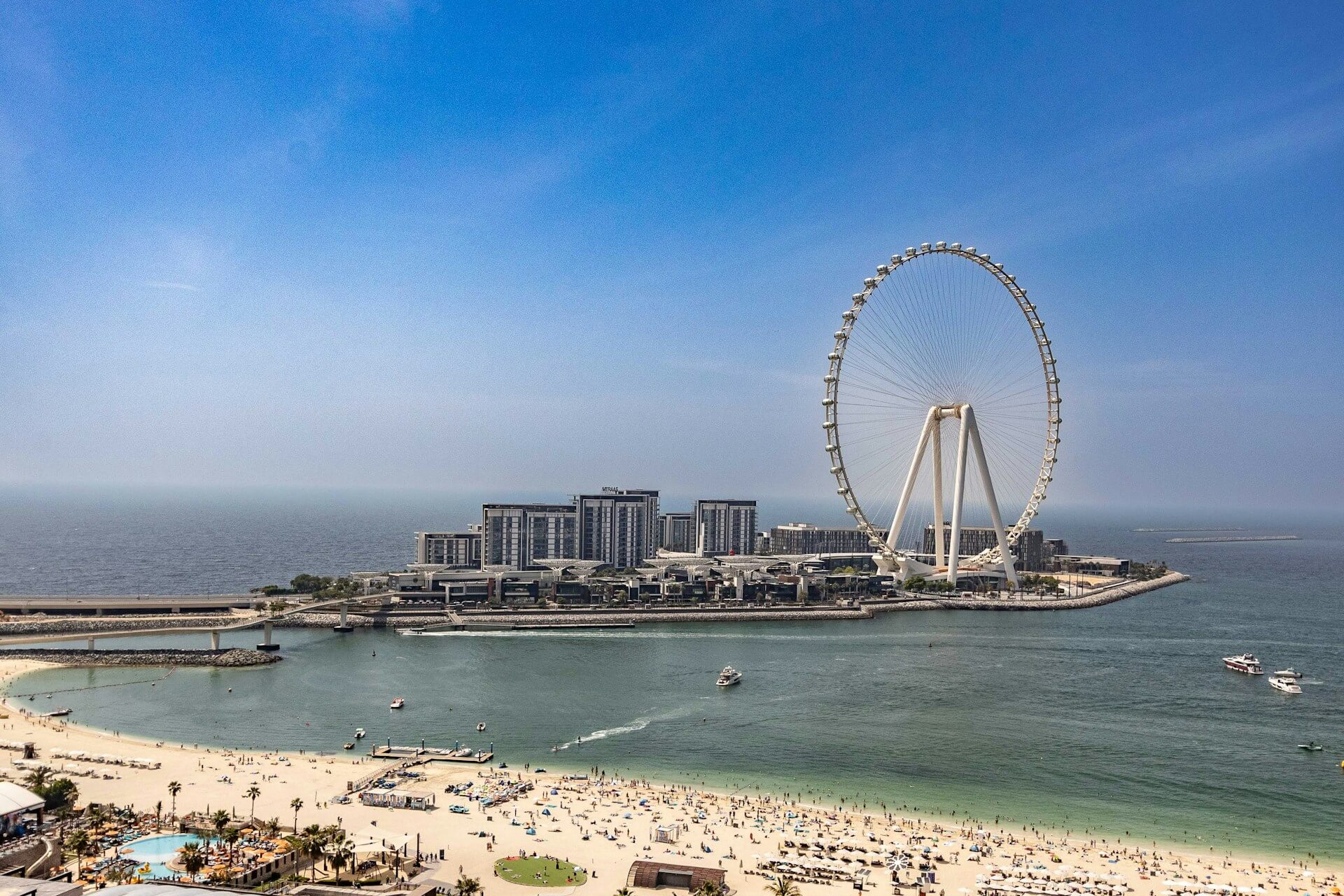
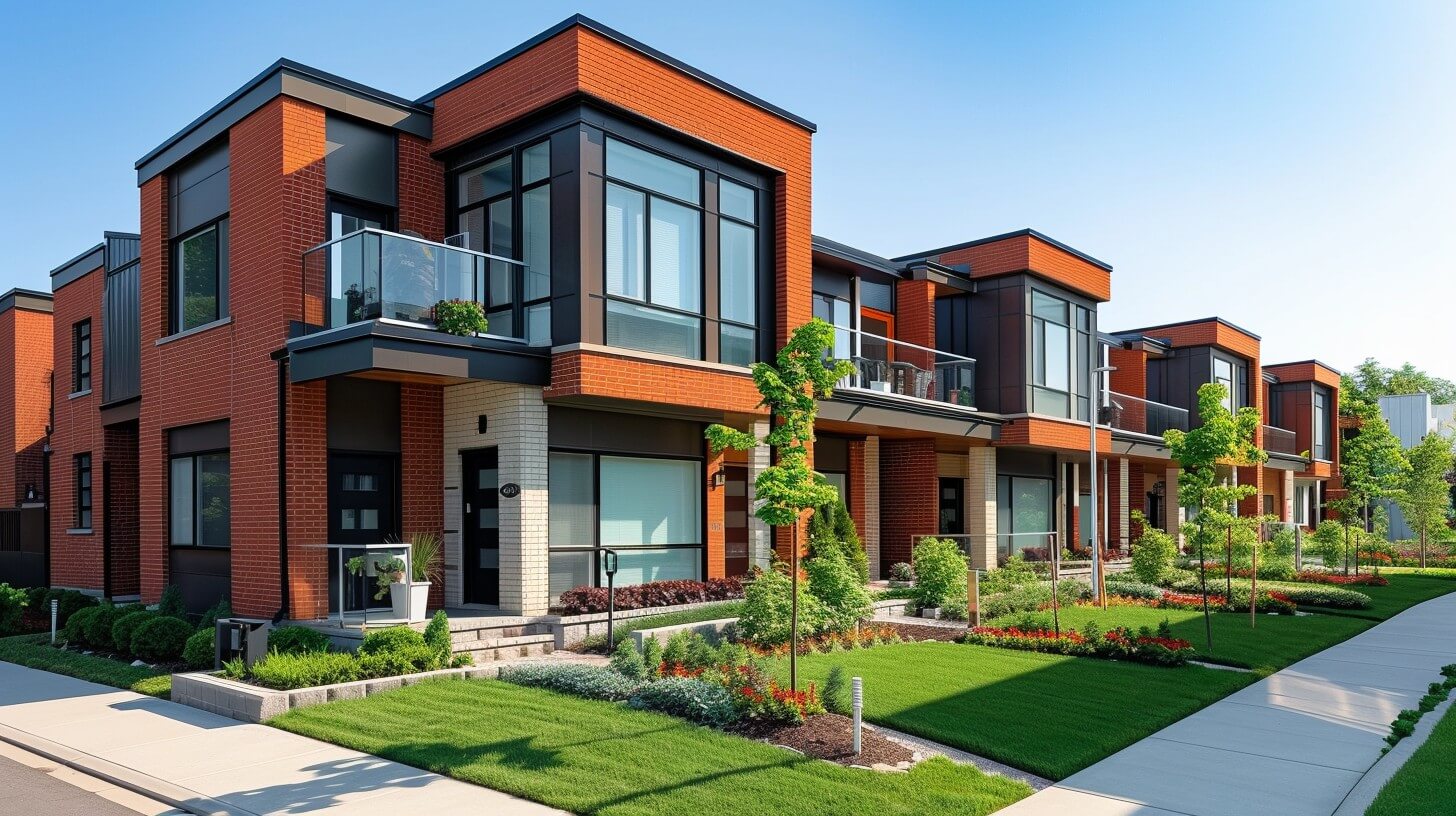

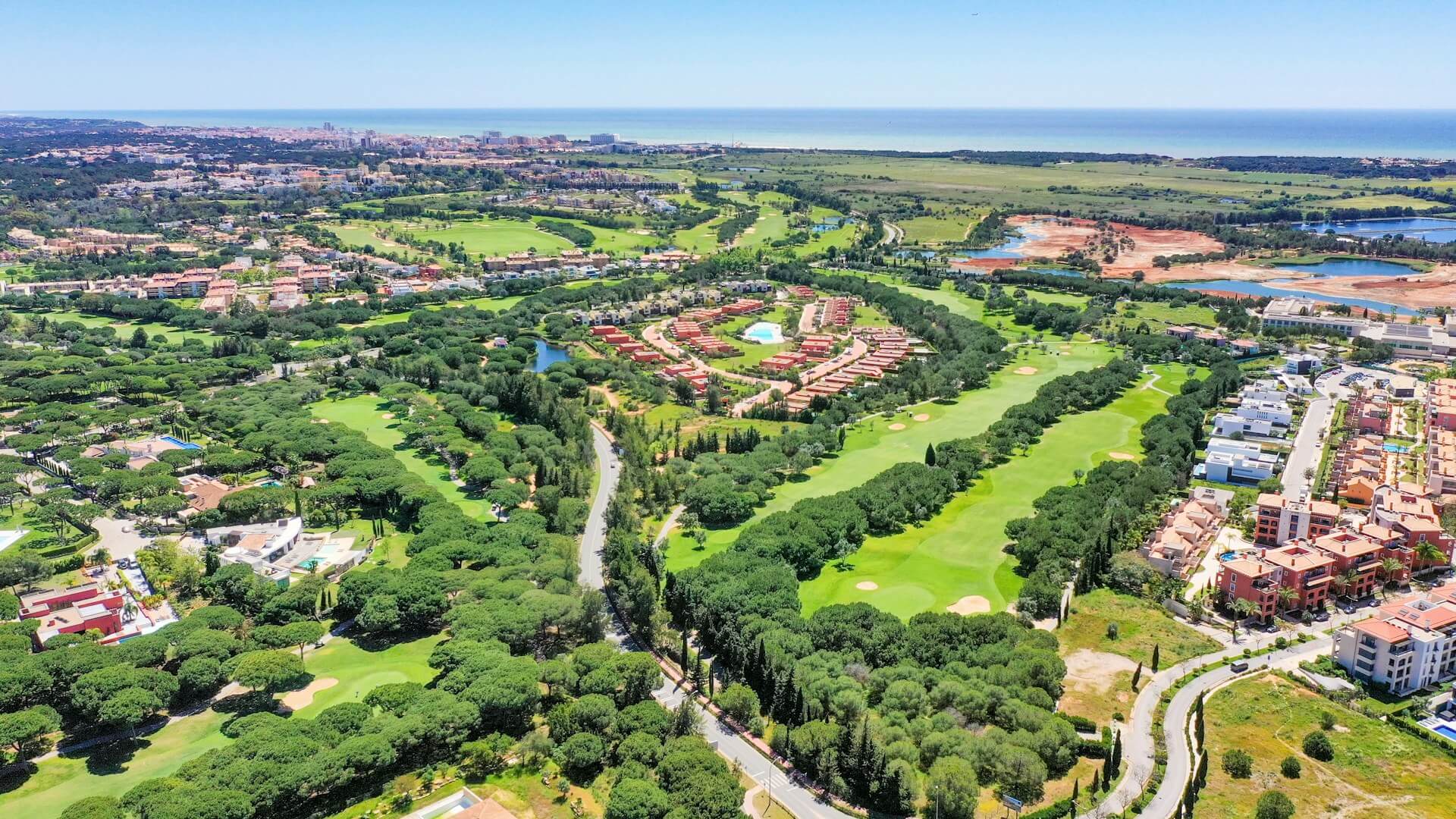
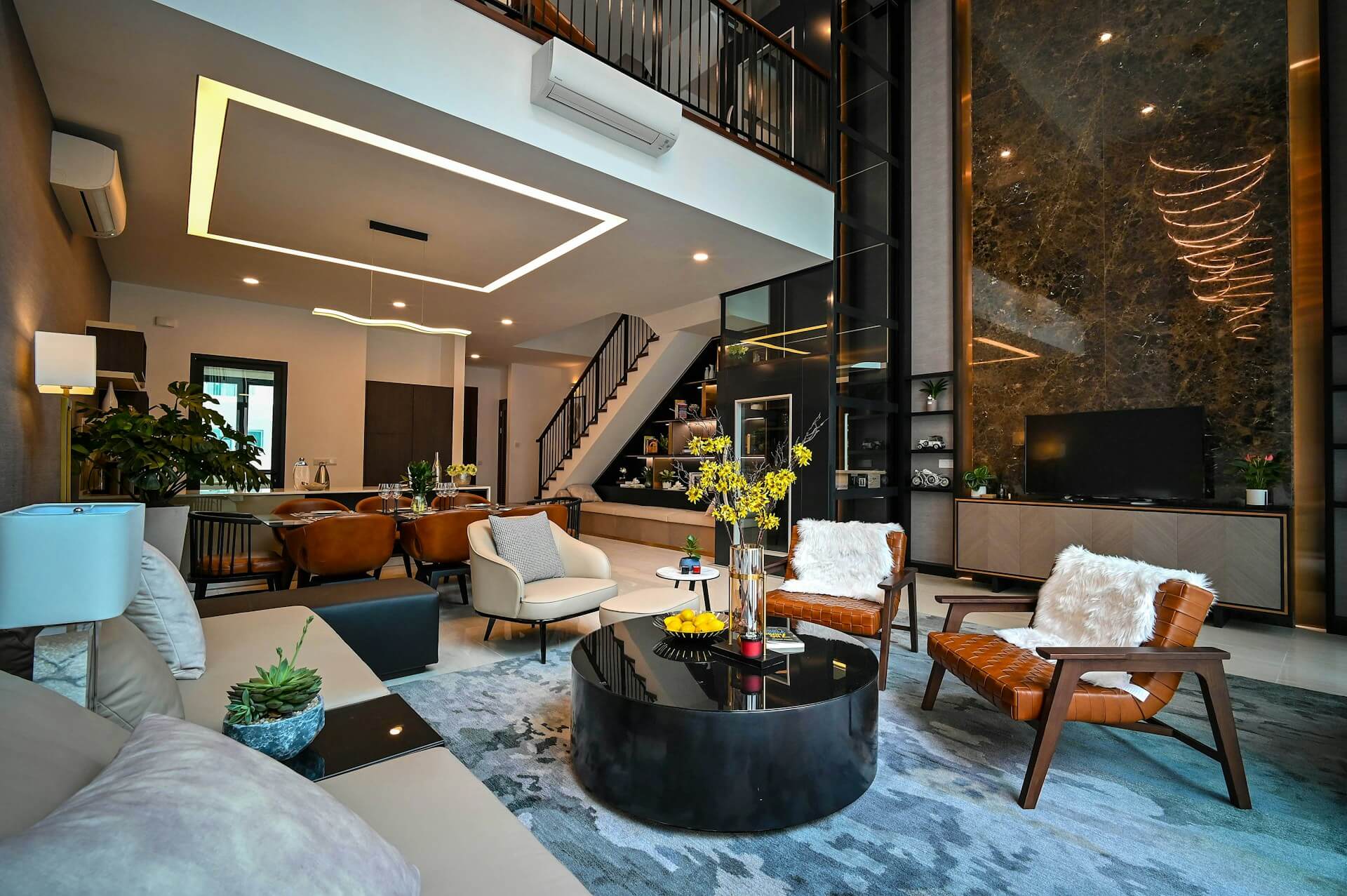
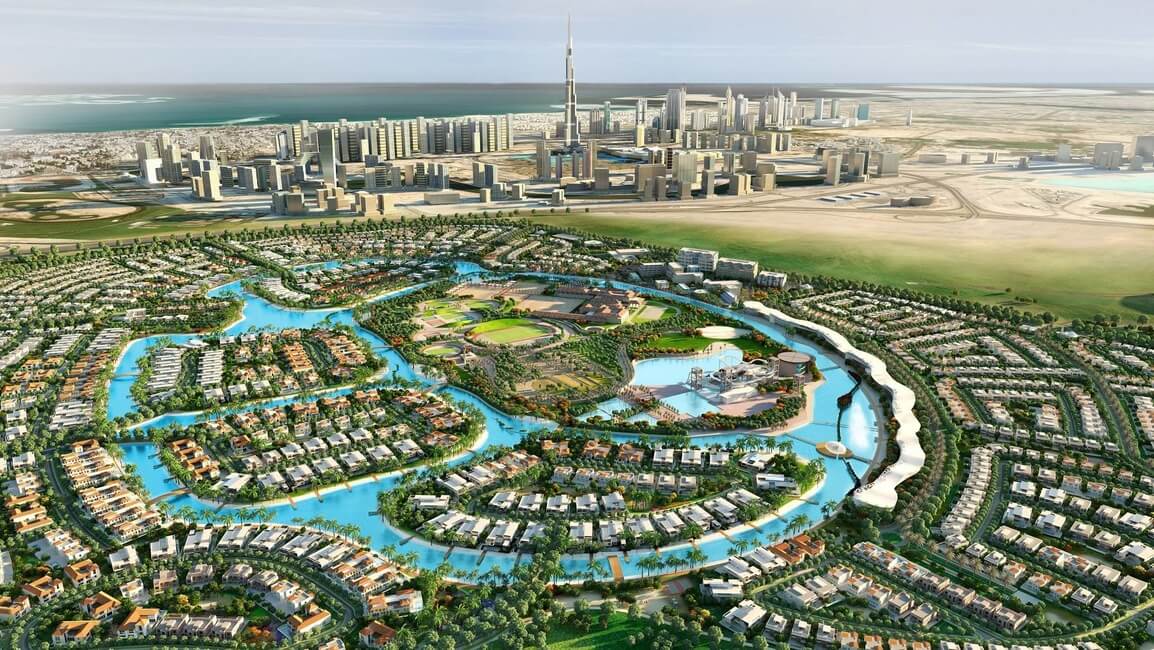
The current environment in Sharjah clearly supports acquiring property for long-term capital growth and steady rental income. Demand is strongest in Al Taawun, Al Majaz, and Al Nahda, driven by affordable pricing combined with expanding infrastructure and growing expatriate inflow. Initial capital requirements start from AED 700,000 for apartments and AED 1.2 million for villas, with prime returns reaching up to 7.5% gross yield in select neighborhoods.
Sharjah’s residential zone sustains active interest primarily due to its proximity to Dubai and competitive price points.
The entry barrier remains lower compared to neighboring markets, while regulatory ease and availability of freehold zones add to investor confidence. Liquidity benefits, particularly in Al Majaz, come from balanced supply and end-user demand predominantly in family-oriented mid-range segments.
Current policy changes allowing 10-year residency visas linked to real estate investments accelerate appetite among foreign nationals. Furthermore, infrastructural projects such as the Sharjah Waterfront and Metro expansions reinforce localized growth dynamics.
The synergy between affordable pricing and improving connectivity increases asset value potential for medium-term holders compared to premium Dubai districts.
Entry into Sharjah’s property market requires a minimum capital allocation starting at AED 600,000 for studio units in developing precincts like Al Nahda and Al Majaz, contrasting with mid-tier apartments in Al Khan priced between AED 850,000 and AED 1.2 million.
This spectrum allows segmented approaches depending on investment goals or personal use.
Demand is predominantly driven by expatriate professionals relocating from Dubai seeking affordable alternatives with high community amenities. Visa-linked residency requirements contribute significantly to this influx, supporting sustained occupancy rates above 85% in most key developments.
This demographic shift supports steady short-to-mid-term rental yields between 6% and 7.5% in Al Nahda and Al Majaz.
When comparing entry thresholds, Sharjah presents approximately 30% lower initial outlay than nearby Dubai markets, mitigating exposure while offering comparable rental returns.
Projects in Al Khan offer slightly lower yield but higher capital appreciation potential due to waterfront proximity and upcoming infrastructure enhancements, including the Sharjah Waterfront Master Plan.
Investors prioritizing liquidity should focus on ready-to-occupy units within mature communities, where transaction velocity is 20–30% higher than off-plan options, which currently face elongated completion timelines of 18–24 months.
Off-plan contracts in emerging developments like Sharjah Mega Mall vicinity carry greater delivery risk and should be approached cautiously by non-resident buyers lacking local market access.
Commercially, studio and 1-bedroom units dominate the buyer preference, driven by guest worker and young family segments totaling 60% of current demand.
Larger units over 2 bedrooms in Sharjah command premium prices and have lower turnover, restricting resale speed and increasing potential vacancy periods.
When assessing market alternatives, neighboring emirates like Ajman offer lower entry but also significantly reduced infrastructure development and rental yields closer to 4.5%.
Conversely, Dubai’s market demands twice the capital for similar unit types with 5–6% gross yields, favoring long-term investors over short-term yielding asset holders.
This environment is less appropriate for buyers targeting speculative capital gains due to modest appreciation of 3–5% annually, strongly linked to government-led urban plans rather than rapid demand growth.
Absence of clear appreciation catalysts and rising supply from upcoming master plans suggest a cautious evaluation horizon.
Expats without residency or local financing options face higher risk acquiring off-plan in Sharjah, due to strict lending criteria and slower secondary market activity. End-users seeking community-oriented living with access to education and health services find Sharjah’s options well aligned, especially within concentrated zones near Al Qasimia and University City.
Purchasing outside primary demand corridors results in lower liquidity and longer holding periods.
Secondary areas lacking freeway access or proximity to economic nodes present rental vacancies above 15%, increasing holding costs beyond 8% of annual rental income. Such conditions reduce net yield substantially and should be avoided unless acquisition price heavily discounts market value.
Current market dynamics show that selecting developments with established infrastructure and delivery records in Sharjah ensures quicker capital turnover and rental stability.
New launches carry execution risk but may offer premium incentives aligning with investor cash flow requirements. Balanced portfolios combining ready and select off-plan assets optimize risk-adjusted returns in Sharjah’s residential space.
Foreign nationals can acquire freehold ownership only within designated investment zones officially approved by Sharjah’s government.
These zones include Aljada, Al Mamzar, Maryam Island, and parts of Al Khan, among others. Outside these zones, ownership rights are restricted to long-term leases typically up to 99 years or usufruct agreements.
Entry into the market requires a minimum capital outlay of approximately AED 850,000 for properties in freehold zones, with prices rising significantly in premium waterfront or integrated community projects. Leasehold purchases, while more affordable upfront, offer limited control and resale potential, impacting long-term asset value.
Investors must register ownership through the Sharjah Real Estate Registration Department, ensuring title deed issuance within 30 days post-sale.
Foreigners face mandatory escrow account use to protect payment flows, a regulatory safeguard not uniformly enforced across all emirates, increasing transaction security in Sharjah.
Corporations or holding entities registered within the UAE can hold properties outside freehold areas under specific conditions, broadening options for structured investments.
However, extensive due diligence is advised as ownership structures differ substantially, affecting taxation and inheritance laws.
Comparing these regulations to Dubai’s broader freehold policies highlights Sharjah’s more cautious approach, limiting investor exposure but also suppressing speculative demand. This dynamic reduces rapid price appreciation but enhances market stability and lower vacancy risks.
When negotiating contracts, expat buyers should ensure clarity on maintenance fees, service charges, and community governance rules, as these costs vary and influence net returns.
Legal advice is recommended given the complexities of local property laws and variations between zones.
Restrictions on resale are minimal in freehold areas, facilitating liquidity, but leasehold titles may require developer approval for secondary transfers, constraining market fluidity. Foreign investors prioritizing exit strategies should prefer assets within freehold-designated locations.
In summary, ownership laws for expatriates in Sharjah offer stable, government-backed property rights limited to specific regions, demanding upfront capital aligned with zone classification.
While yielding lower short-term profit volatility, these conditions suit conservative investors focused on mid-to-long-term capital preservation and steady rental income streams.
To start with, the exact keyword "Buy house in Sharjah" should be included here: registering a property transaction in Sharjah requires upfront preparation of legal documents and financial proofs to meet local regulatory standards.
Step 1: Select the preferred locality based on budget and target use–whether for residency or capital appreciation.
Entry thresholds in Sharjah vary notably: suburban areas like Aljada offer units starting from AED 400,000, while central zones demand upwards of AED 1 million. Budget clarity defines viable options upfront.
Step 2: Conduct a detailed market analysis focusing on supply scarcity and project delivery timelines.
New developments with approved permits tend to have higher liquidity. Preference should be given to ready properties in established neighbourhoods to avoid payment delays and title deed complications, which are common in speculative off-plan purchases here.
Step 3: Engage a registered Real Estate Agent, preferably one with multiple completed transactions in Sharjah, to assist in negotiation and due diligence. Agents familiar with recent changes in ownership regulations for expats can expedite the process and mitigate unexpected fees or legal hurdles.
Step 4: Prepare for transaction formalities including paying the 2% DLD (Dubai Land Department) equivalent fees applicable in Sharjah's jurisdiction, along with a registration fee, usually capped at AED 4,000.
Buyers must provide proof of no outstanding service charges and obtain a NOC (No Objection Certificate) from the developer when applicable.
Step 5: Make a formal offer and sign the Memorandum of Understanding (MOU) with the seller. This document should specify payment milestones, handover dates, and penalty clauses. Sharjah’s market demands clear contractual obligations to prevent post-sale disputes.
Step 6: Upon agreement, conduct a title search via the Sharjah Real Estate Registration Department to confirm seller’s ownership and absence of liens.
This step protects against fraud and confirms clean legal title. The process usually takes 3-5 working days.
Step 7: Finalize full payment and complete the transfer with the Sharjah Real Estate Registration Department.
The official transfer grants ownership rights and registers the buyer in public records. Expect a timeframe of 7-10 working days to receive final title deed documentation.
Step 8: Post-registration, arrange for utility transfers and community ID issuance. Verify that all municipal and developer service charges are cleared to avoid future encumbrances.
This step secures uninterrupted access to public services.
Step 9: Assess property condition post-handover. For end-users, immediate inspection helps identify repairs. Investors should verify lease agreements if rental income is expected. due diligence after possession ensures asset protection and facilitates quick leasing or resale.
| 1 | Area Selection & Budget Setting | Variable | Starting from 400,000 for entry-level |
| 2 | Market & Developer Analysis | 1-2 Weeks | Due diligence fees optional |
| 3 | Agent Engagement & Negotiation | 1 Week | Brokerage 2-3% typical |
| 4 | Fee Payments and Documentation | 3-5 Days | Registration fees approx.
4,000; DLD fee 2% |
| 5 | MOU Signing and Terms Finalization | 1-3 Days | None direct |
| 6 | Title Search & Ownership Verification | 3-5 Days | Title search fee included above |
| 7 | Transfer Completion & Title Issuance | 7-10 Days | Included in registration |
| 8 | Utility & Service Transfers | 2-3 Days | Variable utility activation fees |
| 9 | Post-Takeover Inspection & Setup | Variable | Maintenance and repair costs variable |
This sequence helps optimize resource allocation, avoid pitfalls linked to incomplete permits, and ensures legal compliance with Sharjah’s property registration norms.
Costs average 2-5% of purchase price extra and must be accounted for in total budget planning to prevent liquidity issues.
Key differentiator in Sharjah compared to neighbouring Northern Emirates is the faster title transfer timeline combined with lower closing costs, making it attractive for end-users prioritizing quick possession and reduced entry capital.
Buyers targeting rental returns should prioritize ready inventory in central sectors with limited resale restrictions to ensure swift lease-up and stable income.
Conversely, investors focused on capital gains may consider off-plan projects with phased payments but must accept delayed liquidity and speculative risk.
Legal consultation prior to entering purchase agreements helps circumvent restrictions linked to ownership transfers and expat eligibility, which, despite reforms, still vary across residential zones.
Assessing potential localities in Sharjah demands prioritizing infrastructure readiness and connectivity.
Proximity to major highways such as Emirates Road and Sheikh Mohammed Bin Zayed Road significantly affects both daily commute cost and property appreciation. For instance, areas like Al Nahda deliver quick Dubai access, impacting long-term value more positively than peripheral districts with longer travel times.
Compare utility availability and municipal services before investment.
Established neighborhoods often offer reliable electricity and water supply, while emerging zones may experience interruptions, increasing indirect holding costs.
For example, Al Majaz provides consistent services suitable for family settlements; contrastingly, industrial-adjacent areas may show periodic supply fluctuations that frustrate residents.
Crime rates constitute a quantifiable metric tied directly to asset security and tenant retention. Recent police reports indicate that Al Qasimia shows lower incidences relative to older Sharjah districts, translating into lower insurance premiums and better demand stability.
Low-security zones typically correlate with price discounts but introduce liquidity risks.
Educational and healthcare facility density impacts desirability. Neighborhoods hosting international schools like in Al Khan or medical centers such as University Hospital draw more stable long-term residential demand, creating higher entry price thresholds but better resale outcomes.
Absence of such amenities signals reliance on transport, potentially reducing lifestyle appeal and rental occupancy.
Retail and leisure accessibility influence resident satisfaction and thus market performance.
Establishments like Safeer Mall in Rolla or City Centre Sharjah enhance lifestyle convenience, fostering higher daily foot traffic and rental yields compared to underdeveloped areas lacking such assets. Quantify walking distance to these hubs and analyze potential future commercial developments announced by Sharjah Investment and Development Authority (Shurooq).
Analyze recent transaction volumes and price trends for micro-locations. Neighborhoods with significant sales activity over the past 12 months, such as Al Majaz, indicate active liquidity and price stability.
Conversely, districts with stagnant or declining turnovers might signal delayed capital growth and harder exits. Use official data from Land Department of Sharjah alongside brokerage market reports for precise insight.
Consider urban development plans affecting neighborhood transformation.
Upcoming projects like the expansion of Corniche Road or new public transport lines directly impact accessibility and attractiveness. Neighborhoods slated for infrastructure upgrades–Al Taawun, for example–show potential for mid-term appreciation but demand higher risk tolerance due to construction disruptions.
Environmental factors require attention.
Areas close to the coast, such as Al Khan, may face higher maintenance costs due to humidity and salt corrosion but offer premium views. Inland neighborhoods present lower operational expenses yet may lack aesthetic appeal, affecting end-user demand depending on buyer profile.
Evaluate demographic composition and occupancy profiles. Regions attracting expatriates usually present higher rental demand fluctuations linked to visa policies, whereas Emirati-dominant neighborhoods offer steadier occupancy but generally lower yields.
For investment with exit flexibility, mixed communities with growing young professional populations, like parts of Al Nahda, provide balanced opportunities.
Price per square foot comparison highlights relative value. Al Qasimia’s average residential rates currently sit around AED 650 per sq.ft., while neighboring Al Majaz reaches AED 850, reflecting differences in infrastructure quality and amenity access.
Selecting between such localities depends on whether the priority is lower entry cost or faster capital appreciation.
When purchasing a property in Sharjah, it is important to evaluate the location’s accessibility, proximity to schools and healthcare facilities, and availability of public transport.
Additionally, understanding the legal requirements for foreign buyers and checking the credibility of the developer can help avoid challenges later. Assessing the community amenities and future infrastructure plans around the area also provides insight into potential value growth.
Yes, foreign individuals can purchase residential property in designated freehold areas of Sharjah.
The process generally involves selecting a suitable property, verifying its documentation, and signing a sales agreement. Afterwards, the buyer must register the property with the local land department and make the necessary payments, including registration fees.
It is advisable to work with a real estate agent or legal advisor familiar with Sharjah’s property laws to ensure a smooth transaction.
The property market in Sharjah is known for its relatively affordable prices compared to Dubai and Abu Dhabi.
Many buyers are attracted by the competitive pricing and steady demand. Sharjah also offers a quieter environment with a focus on family housing, which appeals to long-term residents.
While Dubai and Abu Dhabi often see rapid price movements and high-end developments, Sharjah provides more budget-friendly options without sacrificing community quality.
The market in Sharjah includes a variety of options such as apartments, townhouses, villas, and gated communities. Buyers can choose from newly built projects as well as resale properties, depending on their preferences and budget. Many developments offer modern amenities including security services, swimming pools, and landscaped gardens, catering to families and individuals looking for comfort and convenience.
Yes, property owners in Sharjah need to account for certain fees such as annual maintenance charges for communal areas and service fees set by the developer or homeowners’ association.
Additionally, there may be registration and transfer fees payable to government authorities during the purchase process. Unlike some other countries, there are no recurring property taxes, but it is important to budget for utilities and upkeep costs to maintain the property’s condition over time.
For a foreign buyer interested in acquiring a property in Sharjah, the process typically begins with selecting a suitable location and type of property.
After identifying potential properties, it is important to verify ownership and ensure the property is free of legal disputes. Engaging a local real estate agent can help with navigating regulations and market options. Once a property is chosen, the buyer should negotiate terms and sign a preliminary agreement. Afterwards, the buyer applies for a No Objection Certificate (NOC) from the Sharjah Land Department, which allows the transfer of ownership. Upon receiving the NOC, the final sale agreement is signed, and the ownership transfer is officially registered.
Buyers should also arrange for payment of applicable fees and taxes. Throughout the process, consulting legal experts is advisable to ensure all documents comply with local laws.
Clear answers about buying, renting and investing in Dubai property.
Yes. Foreign buyers can purchase freehold property in designated areas such as Dubai Marina, Downtown Dubai, Business Bay, Palm Jumeirah, Dubai Hills and other approved communities.
It depends on your timeline, budget and goal. Buying is usually better for long-term plans, capital growth and rental income, while renting is better for flexibility and easier relocation.
The required budget depends on the area, building quality and property type. More accessible apartments can be found in developing communities, while prime locations and luxury properties require a much higher budget.
In addition to the purchase price, buyers should budget for the Dubai Land Department fee, registration and trustee fees, possible agency commission, mortgage-related costs if financing is used, and ongoing service charges for many buildings.
Yes, many banks in the UAE offer mortgages to foreign buyers. Approval depends on income, documents, deposit amount and the specific property being purchased.
Areas such as Dubai Marina, Downtown Dubai, Business Bay, Dubai Hills, JVC, Palm Jumeirah and Creek Harbour are often considered by investors, but the right area depends on whether your focus is yield, resale value, lifestyle appeal or long-term growth.
Rental yield varies by area, property type, furnishing level and market timing. In practice, many investors look for a balance between strong occupancy, reasonable service charges and sustainable tenant demand rather than chasing headline numbers alone.
Off-plan property is purchased directly from a developer before the project is completed. Buyers often choose off-plan because of payment plans, newer inventory and lower entry prices compared with some ready properties.
A proper review should consider the developer’s track record, payment plan, handover timeline, location quality, future supply in the area and the project’s resale or rental potential after completion.
For ready property, the timeline can move fairly quickly if the price is agreed, documents are prepared and the buyer is ready to proceed. Mortgage purchases usually take longer than cash deals.
Yes, many purchases can be handled remotely with the correct documents and proper support through the process. Remote buying is common for overseas investors and international clients.
The biggest risks are overpaying, choosing a weak location, buying an unsuitable layout, ignoring service charges, or selecting a project with low resale and rental demand. Good selection matters more than marketing promises.
In long-term rentals, rent is commonly agreed for a fixed term and often paid by one or several cheques depending on the landlord, property and negotiation.
Tenants are usually asked for identification and residency-related documents, and the exact set depends on their status in the UAE and the landlord’s requirements.
A security deposit is commonly required before move-in. The amount often depends on whether the property is furnished or unfurnished and should be clearly stated in the rental terms.
In many rental transactions, an agency commission is charged. The amount depends on the deal structure and should be confirmed before signing anything.
Tenants should review the deposit, Ejari registration, utility setup costs, parking terms if relevant, maintenance responsibilities and any conditions related to early termination or renewal.
Yes, negotiation is common. The final result depends on market conditions, the landlord’s flexibility, how long the property has been available and how prepared the tenant is to move forward.
It is important to check the condition of the unit, building quality, noise level, parking, view, maintenance status, contract terms and the reliability of the owner or manager.
Short-term rent offers flexibility and convenience but is usually more expensive. Long-term rent is generally more cost-effective and better suited for clients planning to stay longer.
During an active contract, the agreed rent usually remains fixed. Any increase is generally discussed at renewal and should follow the applicable rules and notice requirements.
This depends on the tenancy contract. Minor day-to-day issues may be handled by the tenant, while major maintenance is commonly the landlord’s responsibility, but the exact wording in the contract matters.
Ejari is the official registration of the tenancy contract in Dubai. It is important for legal recognition of the lease and is commonly needed for practical steps such as setting up utilities.
Yes. Furnished properties can be more convenient and faster to move into, while unfurnished options may work better for longer stays or tenants who want more control over the setup and budget.
We do not rely on random mass listings. We narrow the market based on budget, location, property type, investment goal, lifestyle needs and timeline, so clients can focus only on relevant options.
Yes. Support can include shortlisting, arranging viewings, comparing options, discussing terms, helping with negotiations and guiding the next steps of the transaction.
The best first step is to define the real budget, target areas, purpose, preferred property type and timeline. Once those points are clear, the selection becomes faster, cleaner and much more useful.