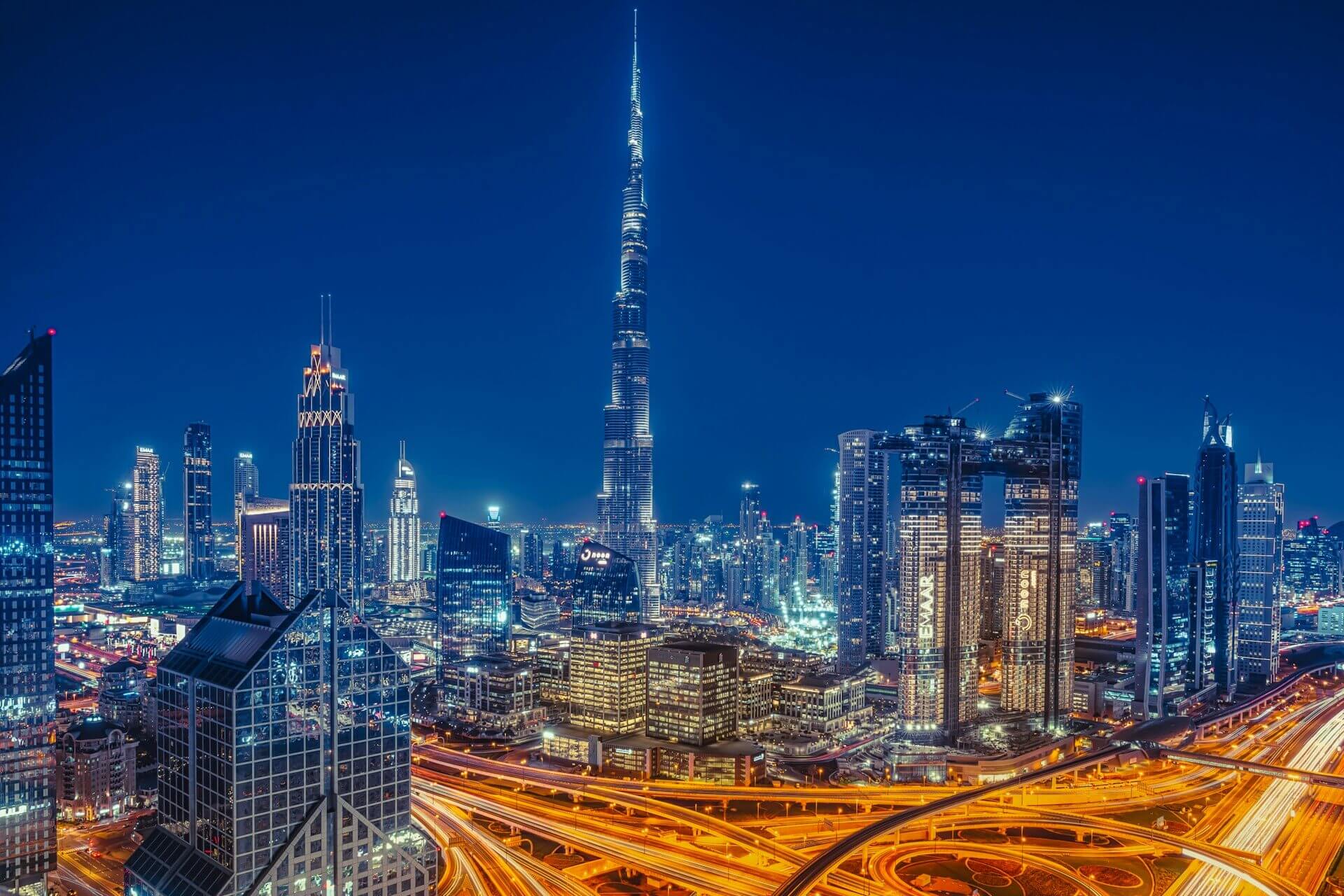
FOR SALE
AED 1,200,000AED 720,000
We help clients buy and rent the right property in Dubai — apartments, villas and investment units matched to budget, area and goals.
Dubai Property Selection focuses on apartments, villas and investment properties in key areas such as Dubai Marina, Downtown, Business Bay, Dubai Hills and Palm Jumeirah.
Instead of sending a huge list of random listings, we prepare a clean shortlist based on your budget, preferred area, bedrooms, timeline and purchase or rental goals.
Premium opportunities in Dubai — from compact investment units to signature villas and penthouses.
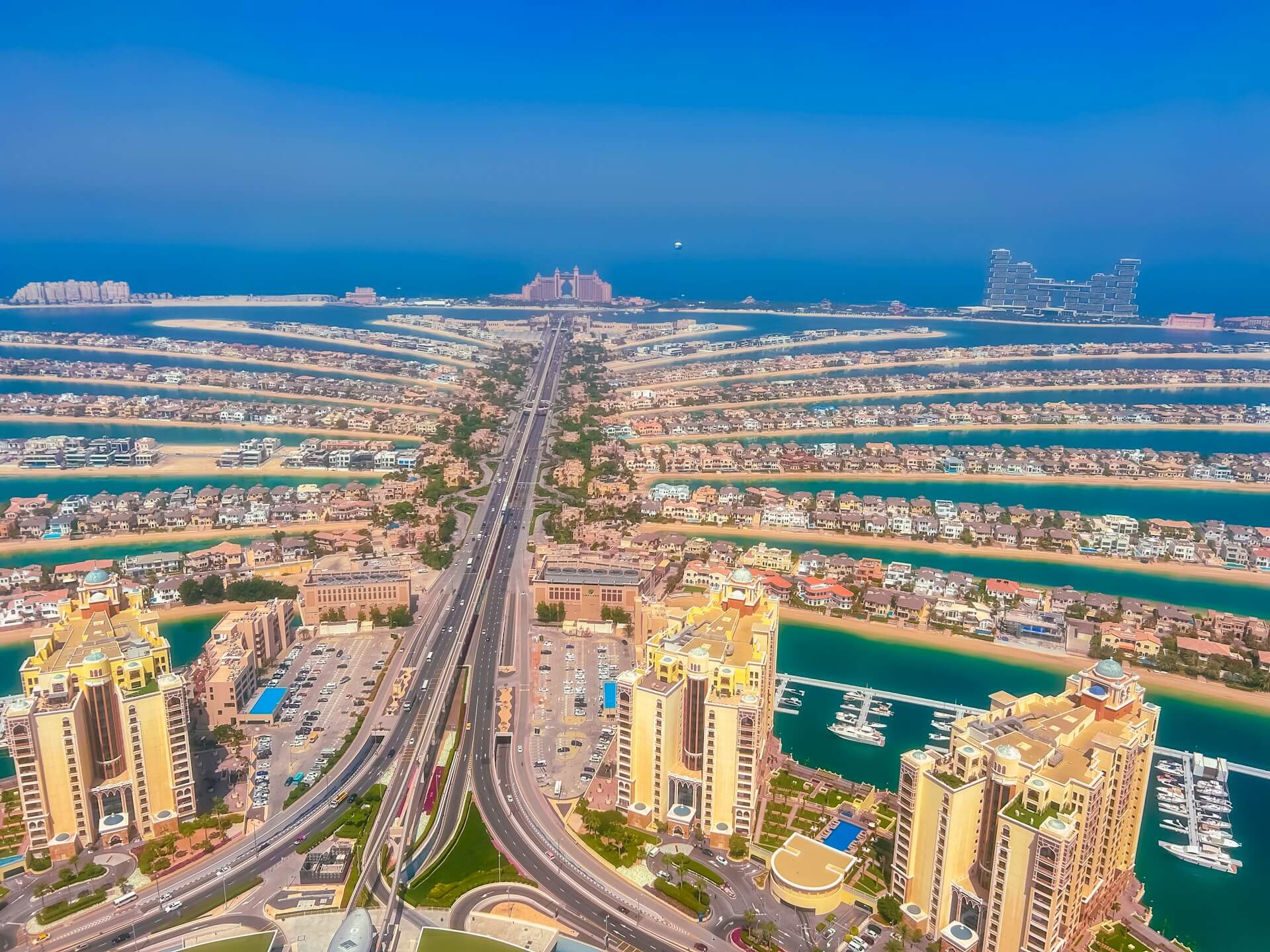
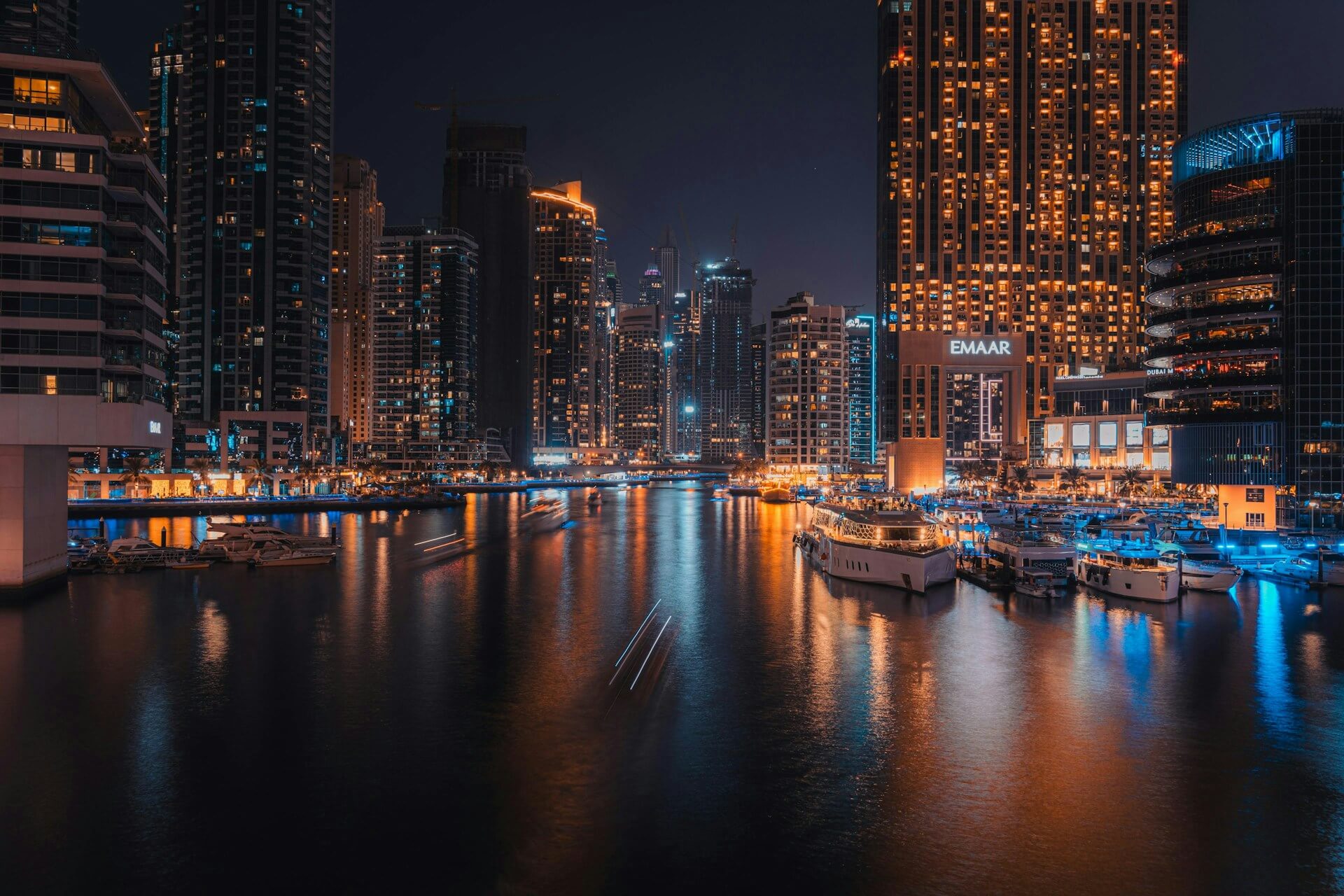
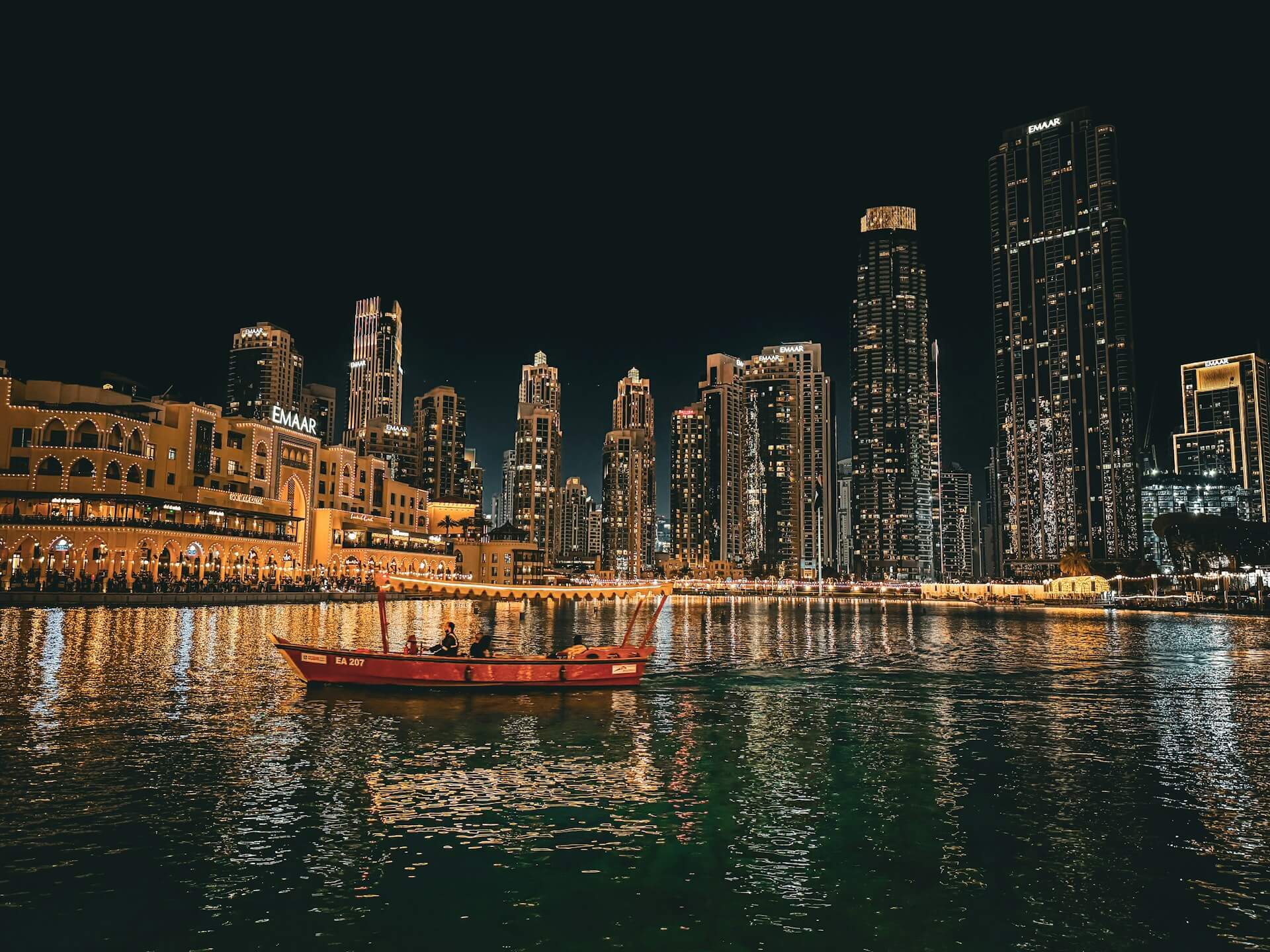
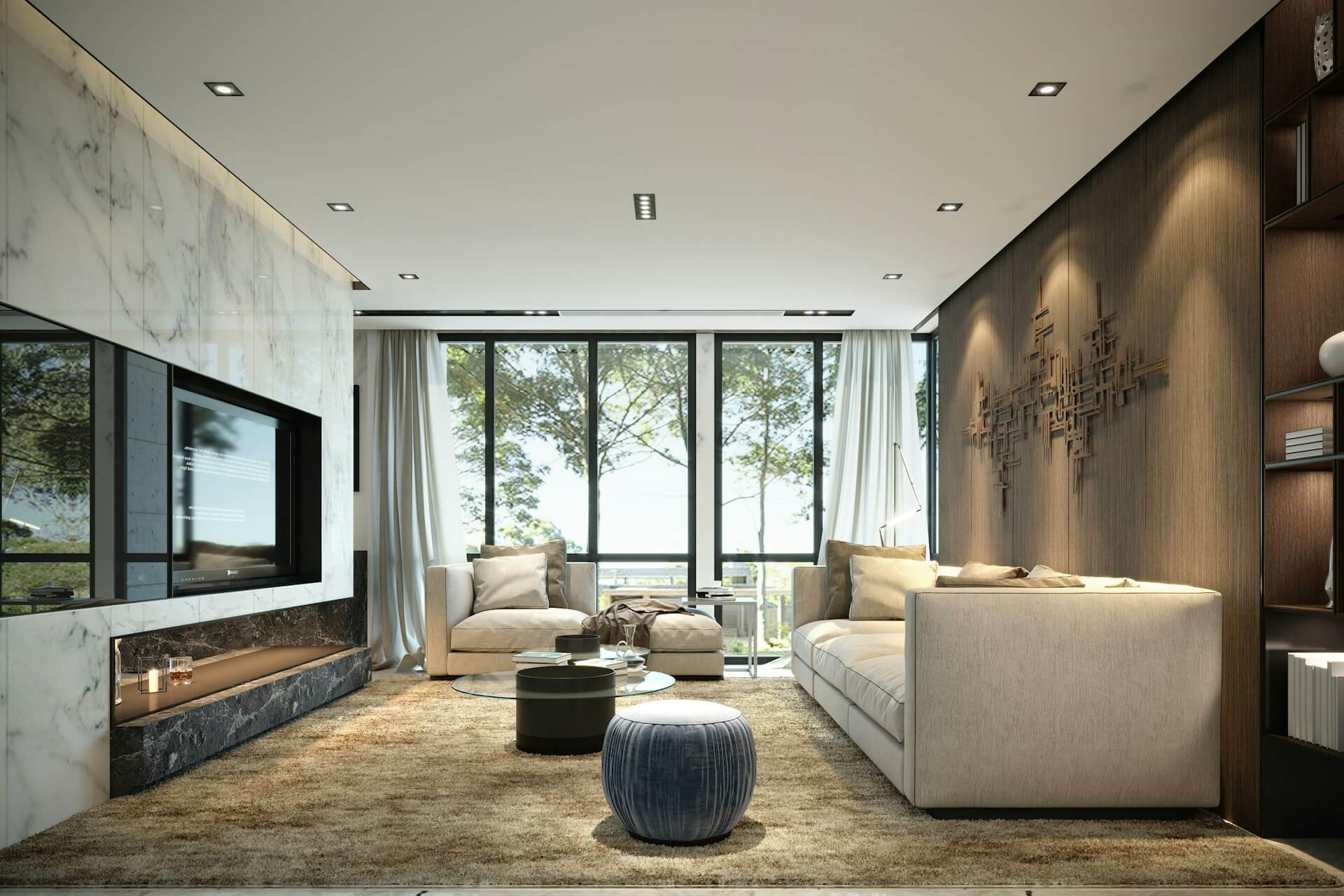
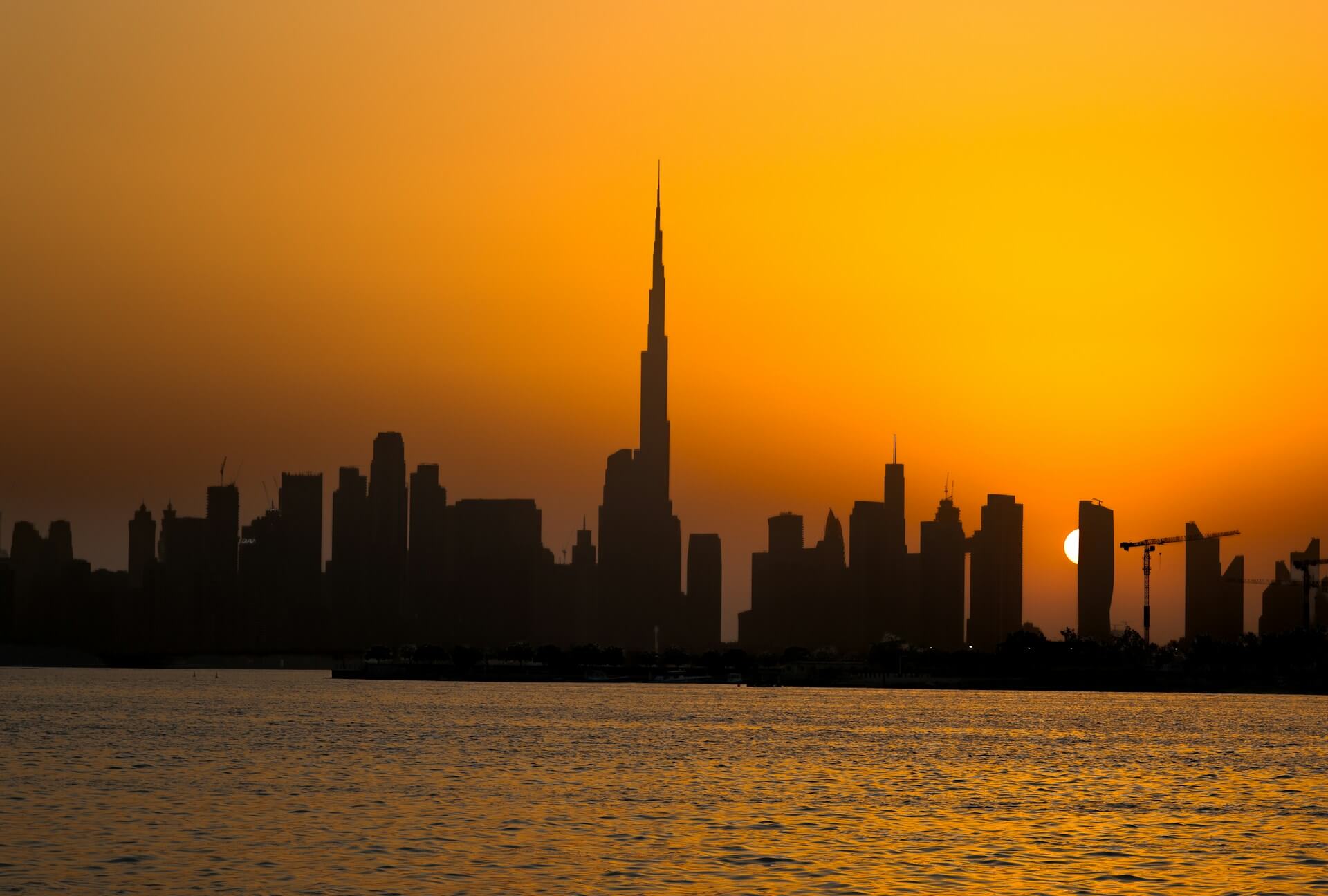
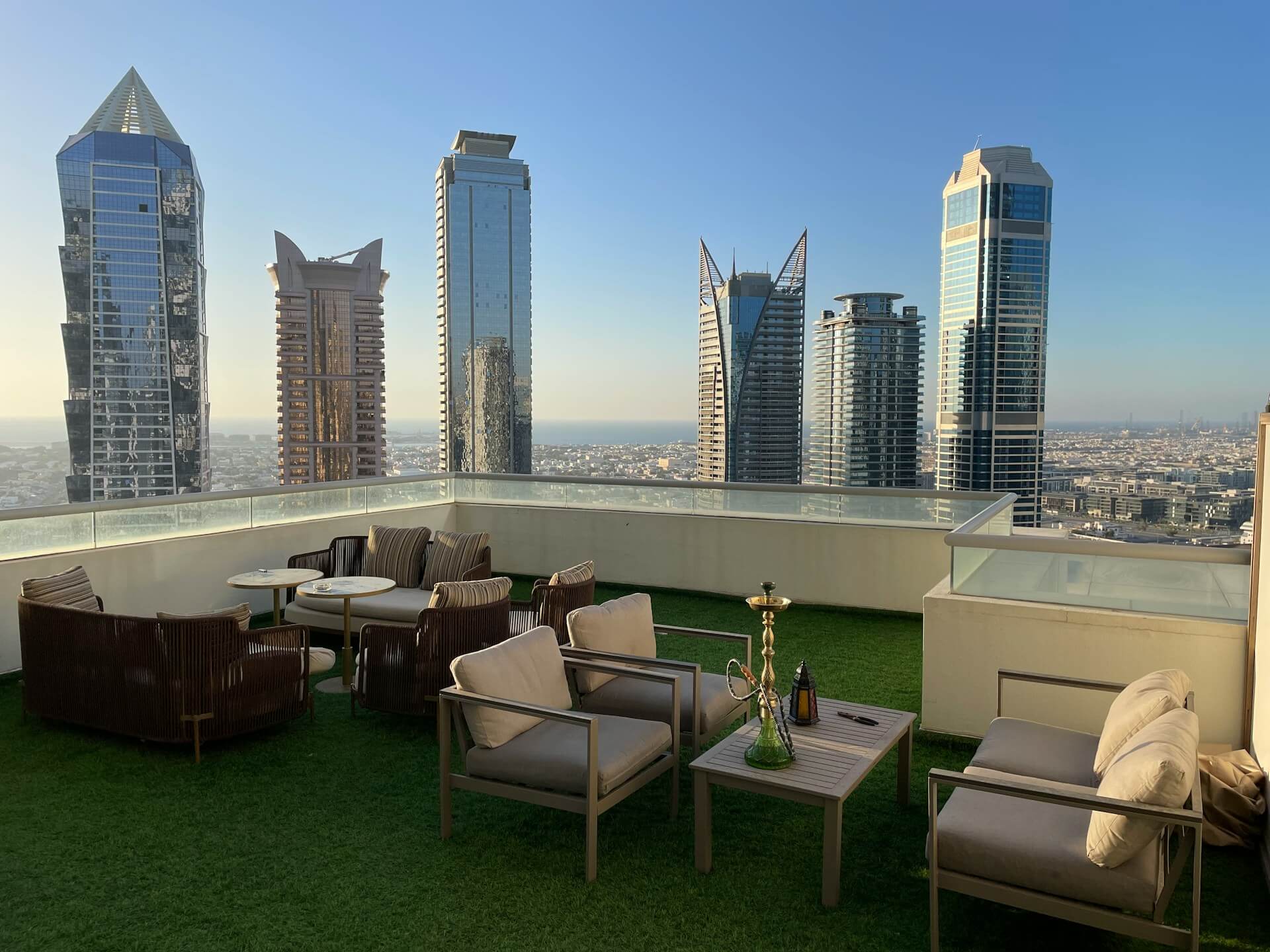
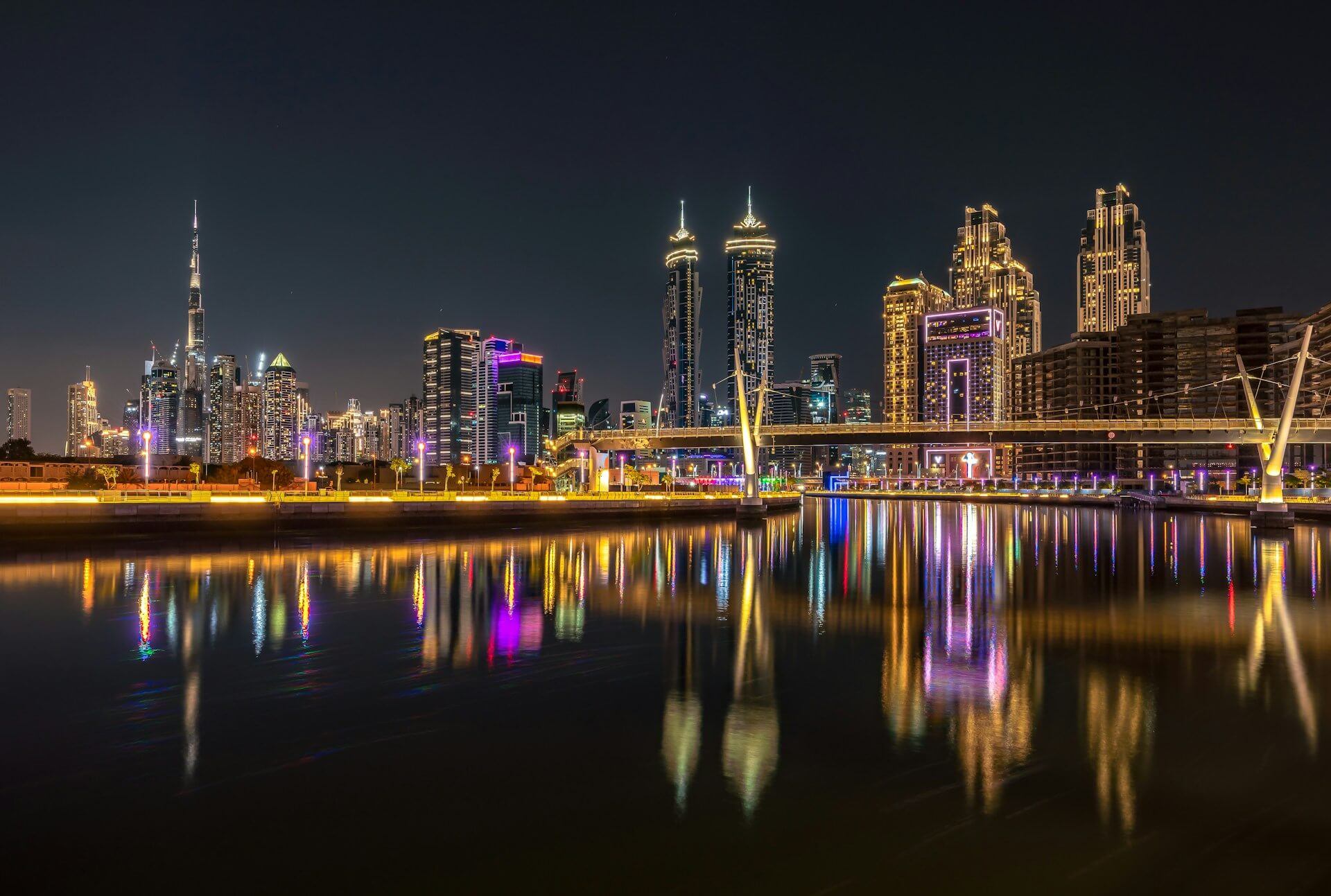
Comfortable long-term and premium rental options across Dubai.
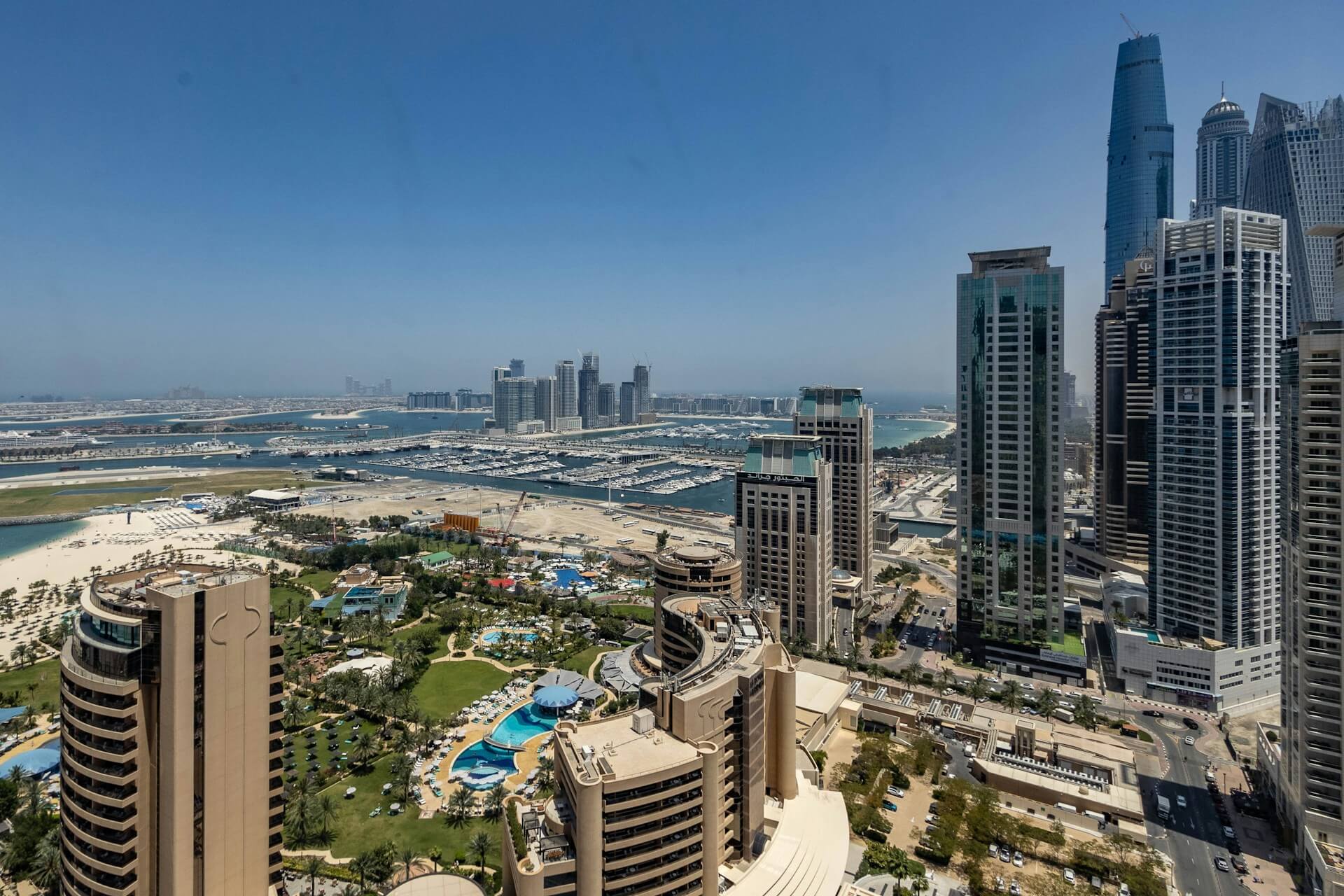

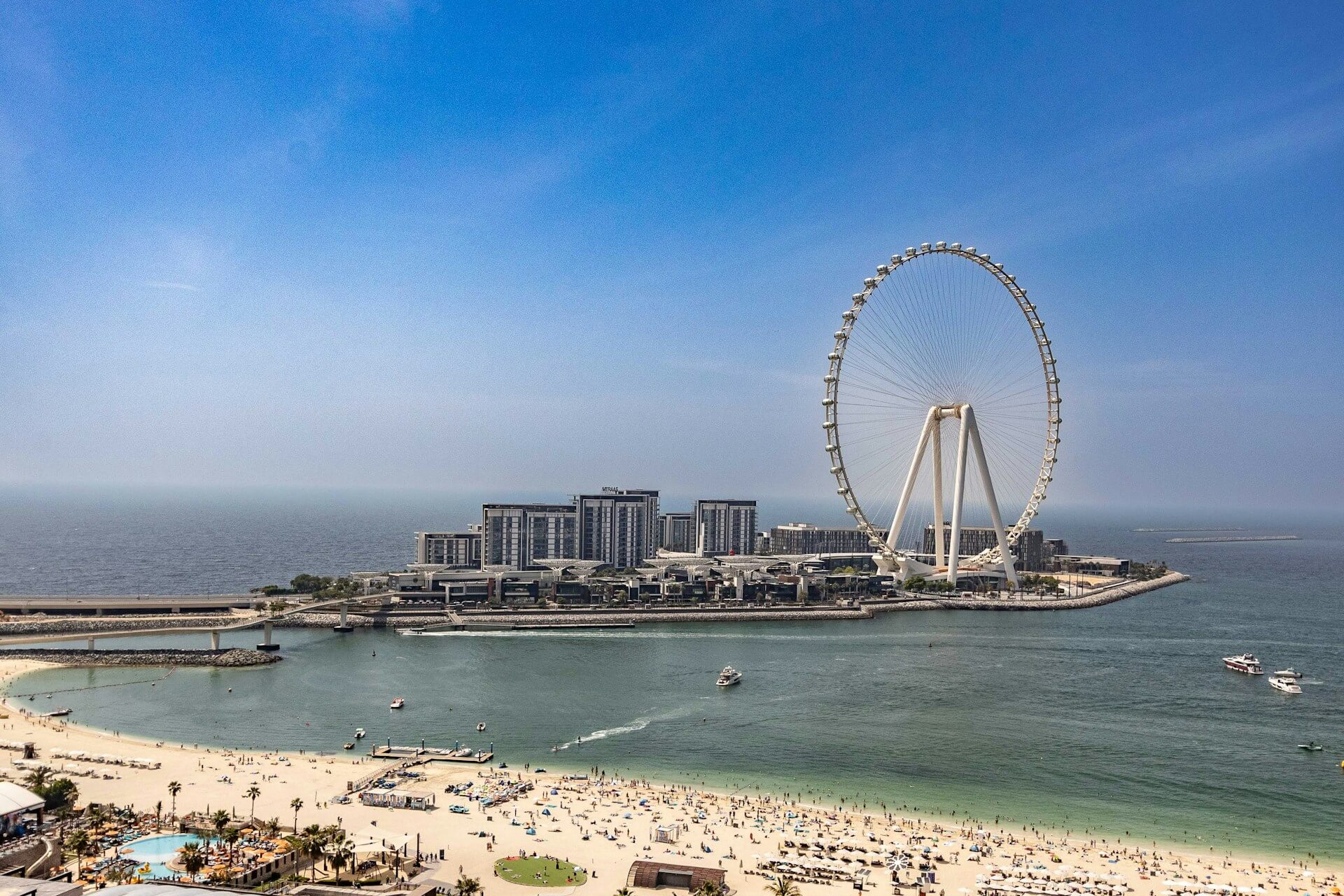
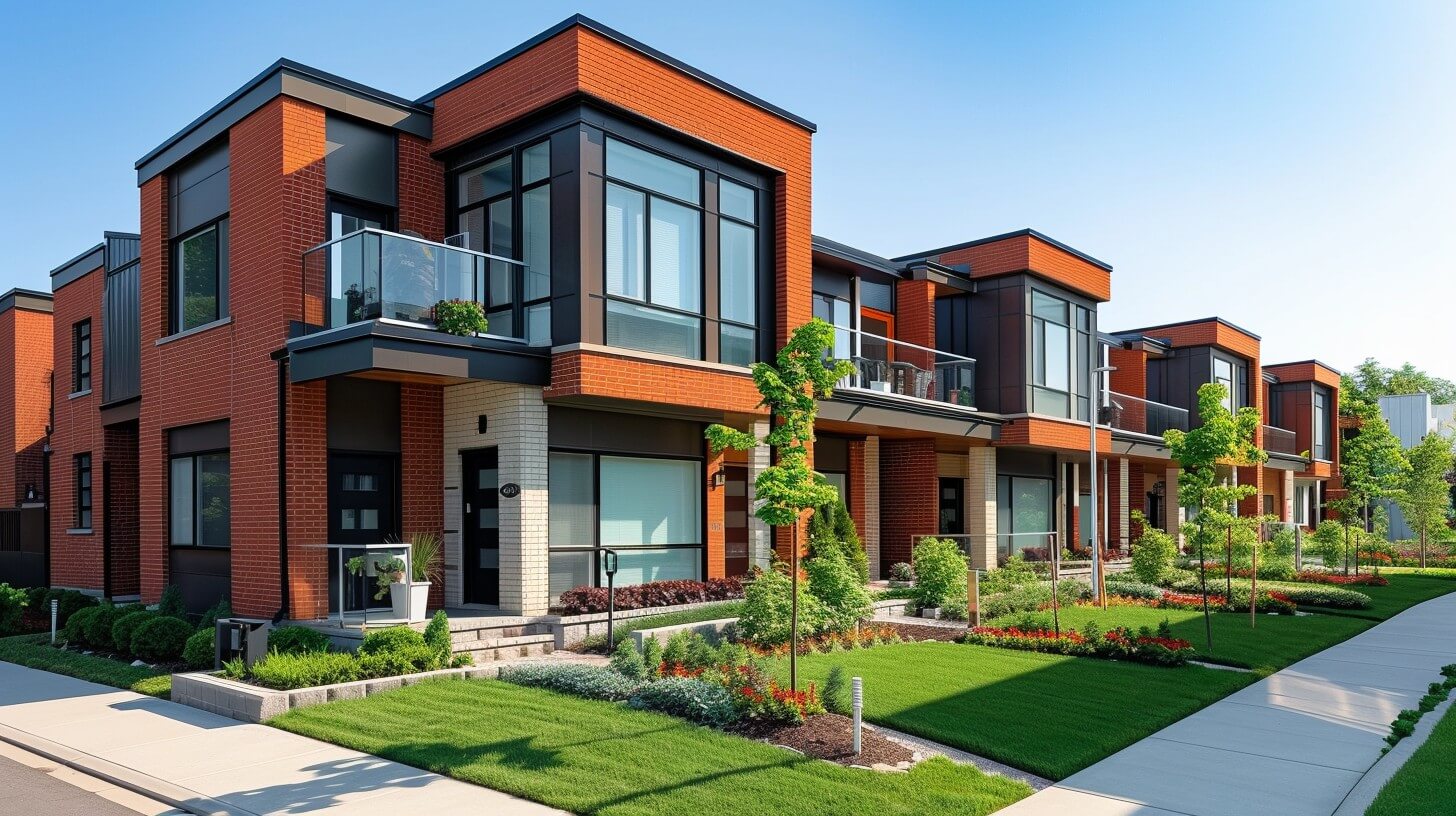
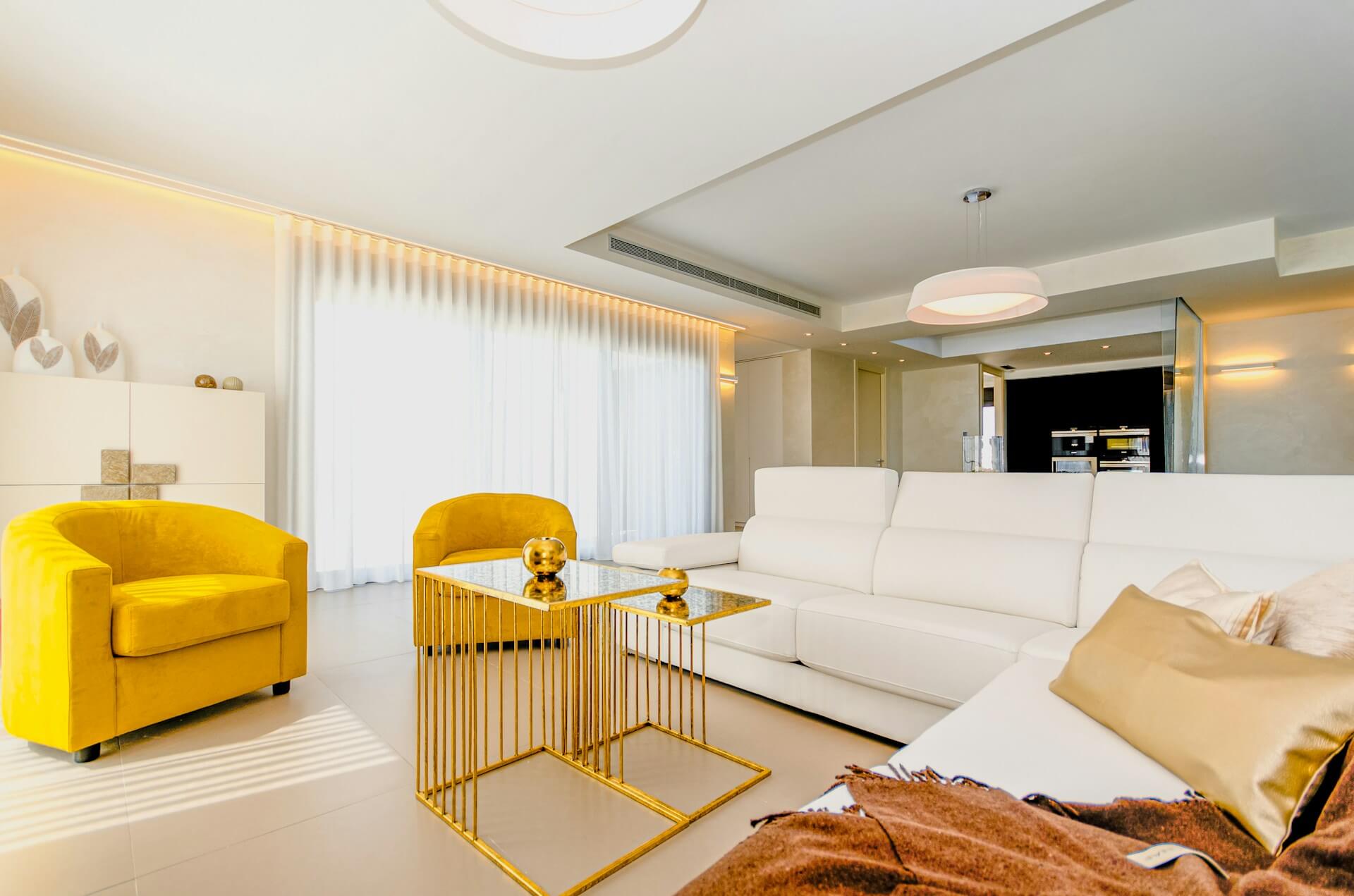
Investing in residential units within Dubai's Downtown core offers entry prices starting at approximately AED 3.5 million. Demand peaks here due to ongoing government infrastructure projects, enhanced visa regulations, and high tourism inflows.
Liquidity remains strong, with typical resale periods averaging 2-4 months compared to other Dubai segments. Yield ranges between 5-6% annually, fueled by a mix of short-term tourists and long-term professionals relocating to Dubai.
Dubai Downtown’s ultra-high-rise residences deliver unique asset classes, varying from studio to three-bedroom configurations.
While entry costs reflect premium positioning, recent market data shows a 4% annual capital appreciation, outperforming several comparable Dubai submarkets such as Business Bay and Dubai Marina. Buyers benefit from direct access to established retail, entertainment, and transport nodes, which sustains consistent leasing demand.
Units here attract a wealthy demographic, including high-net-worth individuals and corporate tenants, fostering steady rental collections and lower vacancy rates relative to competing locations within Dubai.
This micro-location benefits from stringent supply control–new launches are infrequent and tightly regulated–supporting price stability amidst broader market fluctuations.
Dubai’s iconic tower has a well-established secondary market where high-net-worth buyers seek investment-grade apartments.
Entry-level prices for a one-bedroom residence start at approximately AED 3.5 million, with larger units reaching AED 60 million and above. The scarcity of available units in this vertical district directly supports price stability despite a softer overall residential market in Dubai. Investors favor ready-to-move-in properties here due to minimal construction risk and immediate rental potential.
Demand is primarily driven by premium international buyers attracted by the landmark’s global reputation and strong visa-linked ownership incentives in Dubai.
Dubai’s continuous infrastructure upgrades and tourism influx reinforce end-user demand, especially short-term leasing, creating a reliable cashflow for landlords.
Price per square foot in this development is roughly 25–40% higher than comparable skyscraper residences within Downtown Dubai, reflecting its iconic stature and consequent price resilience.
Relocation-driven purchasers and luxury tenants contribute notably to occupancy rates above 85%, outperforming nearby neighborhoods with more volatile tenancy profiles. Institutional buyers use these units as portfolio diversifiers due to their stable capital preservation and liquidity profile, underpinned by a finite number of floors and limited inventory replenishment.
Compared to other vertical high-rises in Dubai Marina, the iconic tower commands a premium entry capital but compensates with stronger capital appreciation prospects and rental yields averaging 5.5% net annually.
Still, emerging projects in Business Bay may offer lower price points but carry higher execution risk and slower leasing velocity. Similarly, waterfront options in Palm Jumeirah show comparable rental yields but weaker liquidity and higher maintenance costs.
Buyers seeking minimal vacancy risk and hassle-free asset management will prioritize ready units here over off-plan opportunities, which are less frequent and come with longer settlement periods amidst our current market conditions in Dubai.
Additionally, owner-occupiers targeting a prestigious address with access to concierge services, luxury amenities, and prime downtown views find this investment class uniquely suitable.
However, this investment is less suitable for buyers with entry capital under AED 3 million or those focused purely on yield maximization through price arbitrage.
Liquidity tolerance is moderate but lower than in mid-market Dubai neighborhoods where turnover is faster. Investors aiming at short-term flips should consider alternative Dubai locations where price corrections are more pronounced but also offer higher potential discounting.
Investors targeting luxury residences in Downtown Dubai should anticipate entry points starting at approximately AED 4 million for a one-bedroom unit in the iconic tower.
Two-bedroom apartments currently range between AED 7 million and AED 11 million, depending heavily on floor height and finishing quality, while three-bedroom units surpass AED 14 million, extending upwards of AED 20 million for premium layouts.
Compared to alternative premium developments within Dubai, pricing here demands a significant premium–approximately 20-30% above similar-sized properties in Dubai Marina or Business Bay, reflecting stronger brand value and location centrality within Dubai.
Yet, this area offers superior capital appreciation potential, driven by scarcity and sustained end-user demand linked to nearby corporate offices and landmark attractions.
Transaction data from Q1 and Q2 2024 shows a moderate upward trend, with average price growth of 3-5% year-on-year despite broader Dubai market softening elsewhere.
This resilience stems from limited stock availability and ongoing visa reforms attracting foreign high-net-worth individuals to Downtown Dubai, boosting interest specifically in this tower.
Liquidity is concentrated in units priced below AED 10 million, where resale periods average 90-120 days.
Above this threshold, the pool of qualified buyers narrows significantly, lengthening resale cycles to 6-9 months. For buyers prioritizing exit speed, targeting mid-level floors with one- or two-bedroom layouts offers the best balance between price and marketability within Downtown Dubai.
Off-plan offerings in this tower remain sparse and typically command a discount of 5-8% compared to ready units, albeit with longer delivery timelines–currently extending 24-30 months due to construction pauses and regulatory delays in Dubai.
As a result, ready-to-move-in options attract a premium but guarantee immediate rental income potential, which yields gross returns of 5.5-6.5% annually depending on furnished condition and view.
When contrasting with nearby developments such as DIFC or Palm Jumeirah, this address in Downtown Dubai maintains higher stability in pricing and demand.
DIFC rentals generate slightly higher yields (6-7%), but prices there fluctuate more with market cycles; Palm Jumeirah offers lifestyle appeal at somewhat lower entry points but suffers from longer vacancy durations.
Investors should also weigh the limited number of units available here–inventory turnover is low due to the tower’s iconic status and strict developer controls–intensifying competition and maintaining price resilience in Downtown Dubai.
This contrasts with newer waterfront projects in Dubai Marina, where supply surges have pressured prices downward.
Priced acquisition in this tower aligns best with buyers seeking long-term capital growth and stable rental cash flow within Dubai’s most central district. Lifestyle purchasers targeting prestigious addresses will accept the price premium, whereas short-term investors might find better yield-to-price ratios in adjacent neighborhoods.
Entry capital requirements can thus vary substantially: AED 4 million budgets capture one-bedroom layouts with modest views, AED 10 million secures spacious two-bedroom units with notable skyline exposure, and budgets exceeding AED 15 million unlock multi-bedroom options with expansive terraces and exclusive amenities inside Downtown Dubai.
This market is unsuitable for investors with limited capital or those expecting rapid flips under 12 months, as average resale times and price volatility are moderate.
Additionally, buyers relying on short-term rental arbitrage should consider stricter regulations imposed recently by Dubai’s authorities on licensing within Downtown Dubai, potentially impacting future tenancy models.
Obtaining financing for apartments within the Dubai Tower requires a precise approach tailored to the luxury segment and Dubai’s regulatory environment.
First, secure a pre-approval from a UAE-licensed bank or an international lender familiar with Dubai high-end real estate. Pre-approval sets clear borrowing limits based on your income, credit, and asset profile, vital since loan-to-value ratios rarely exceed 60% on properties in this price bracket.
Next, prepare detailed financial documentation: salary certificates, bank statements covering the last six months, proof of existing assets, and a valid residency visa in Dubai if applicable.
Non-residents face stricter conditions–expect higher interest rates (starting around 4.5%) and additional fees up to 1.5% of the loan amount, reflecting risk assessments tied to Dubai Marina’s premium market.
Choose between fixed and variable mortgage rates with careful regard to market forecasts.
Fixed rates generally hover between 3.8% and 4.2% for five years, while variable rates currently start near 3.2% but can adjust with EIBOR fluctuations. For investments in Dubai Marina, fixed options reduce exposure to rate hikes given the high entry capital.
Leverage official valuations required by lenders.
Independent property assessment fees range from AED 5,000 to AED 10,000, with asset appraisal specifically analyzing resale potential in Dubai Marina’s segment. This step may reveal financing caps lower than purchase price, impacting down payment requirements.
Evaluate banks offering tailored products for luxury apartments in Dubai Marina.
Emirates NBD, Abu Dhabi Commercial Bank, and Mashreq Bank have specialized packages including mortgage tenure up to 25 years and up to 75% financing if one meets strict income and credit criteria.
Additionally, some banks provide loan restructuring for portfolio investors, a key advantage in fluctuating markets.
Consider alternative financing methods: developer payment plans with deferred installments or bridging loans available through local financial institutions. These can provide liquidity flexibility, especially during price negotiation phases. However, bridging loan interest rates usually exceed 6%, adding to the total cost of acquisition.
Understand the legal framework: the mortgage must be registered with Dubai Land Department, and all payments must comply with local regulations around anti-money laundering and source of funds.
Lawyers specializing in Dubai real estate should verify all contracts before signing to avoid unexpected liabilities.
Finally, allocate at least 25-30% of the property value as upfront capital, covering down payment, fees, and reserve for mortgage serviceability under stress conditions. This strategy aligns with Dubai Marina’s financing norms and enhances approval probability. Without this buffer, financing risks increase due to stringent central bank guidelines.
When assessing ownership options within Burj Khalifa apartments for sale, focus on unit configuration differences that impact usable space, privacy, and resale value.
Floor plans here range from one-bedroom units around 880 sq.ft. to expansive four-bedroom layouts exceeding 4,000 sq.ft., with proportional variation in built-in storage and balcony sizes.
Lower-level residences typically offer more compact footprints with open kitchen and living areas designed for efficient urban living. Upper-tier layouts emphasize separate guest powder rooms, walk-in closets, and dual master bedrooms suitable for families or buyers prioritizing privacy.
For example, the 1,580 sq.ft. two-bedroom layouts on floors 40–60 incorporate multiple balconies and an elongated foyer, enhancing daylight penetration compared to mid-level units under 1,200 sq.ft.
with single balcony access.
Layouts above the 100th floor include duplex penthouses featuring split-level lounges and panoramic corner windows, which differentiate themselves with double-height ceilings and private elevators. Such configurations justify a price premium exceeding 25% relative to standard high-rise flats offering similar square footage but lacking vertical separation.
| Studio | 550–700 | 1 small balcony | Open plan, compact kitchen | Lower to mid-levels (15–40) |
| 1-Bedroom | 880–1,100 | 1 balcony | Separate living room, en-suite bathroom | 15–50 |
| 2-Bedroom | 1,200–1,800 | 1–2 balconies | Guest powder room, walk-in closets | 40–70 |
| 3-Bedroom | 2,100–2,800 | 2–3 balconies | Dual master suites, family hall | 70–100 |
| Penthouse Duplex | 3,500–5,000+ | Multiple terraces | Double-height ceilings, private elevator | 100+ |
Comparatively, layouts located in Dubai Downtown’s other skyscrapers may offer similar bedrooms but lack the vertical expansiveness and ceiling heights available in these sky-high options.
Also, this complex’s integrated amenities influence internal planning – kitchens are more compact due to premium public spaces but balconies tend to be larger to maximize views of Dubai’s skyline.
Entry-level buyers often prefer two-bedroom designs between 1,300 and 1,600 sq.ft. on mid levels in Dubai Downtown, balancing acquisition price below AED 7 million with layouts suitable for rental or family living.
Investors targeting high liquidity should prioritize units under 1,200 sq.ft., where demand exceeds supply due to affordability relative to premium neigbors.
For end-users prioritizing space and exclusivity, duplex penthouses offer the best value retention despite higher entry costs (starting above AED 20 million). These combine private outdoor zones with multi-floor separation of living and sleeping areas, a feature absent in simpler floor plates favored in the immediate vicinity.
Layouts featuring flex rooms or study spaces provide an added edge for remote working habits becoming permanent in Dubai Downtown’s residential market.
Buyers should request the latest architectural revisions to confirm usable room count versus labeled bedroom numbers as some units employ convertible spaces impacting functionality.
In conclusion, differences in room configurations, balcony distribution, and ceiling heights define usability and price adjustment scales in Downtown Dubai’s towering domicile offerings. Targeting floor plans aligned with intended use–investment versus primary residence–optimizes entry capital and resale prospects in Dubai Downtown.
Avoid configurations with inefficient flow or limited natural lighting on lower floors to reduce vacancy risk and enhance asset stability.
The Burj Khalifa offers a range of residential units including one- two- three- and four-bedroom apartments, as well as luxurious penthouses.
These properties are designed with high ceilings, floor-to-ceiling windows, and premium finishes. Each home features layouts that maximize space and provide stunning views of Dubai’s skyline or the Arabian Gulf.
Residences in this skyscraper stand out due to their height and exclusive access to amenities.
Owners enjoy facilities such as private pools, fitness centers, concierge services, and access to nearby luxury hotels and shopping areas. The building’s location in Downtown Dubai places residents close to key attractions, dining options, and business districts, making it unique compared to other properties.
In addition to the initial price, buyers should factor in maintenance fees, service charges, and property taxes, which can be significant due to the building’s size and services.
Utility bills might also be higher than average, largely because of the extensive shared facilities. It is advisable to review the developers’ and management company’s policies to understand all ongoing expenses involved in ownership.
Investing in a property within this tower can provide strong rental income potential and capital appreciation, given its reputation and location.
The demand for residences and short-term rentals in this area remains steady due to its appeal among affluent tenants and visitors. However, market conditions fluctuate, so consulting with real estate experts and reviewing recent sales trends is recommended before making a decision.
Dubai allows non-citizens to purchase properties in designated freehold areas, including this tower.
The process involves selecting a unit, signing a sales agreement, and registering the property with the Dubai Land Department. Buyers typically need to provide identification documents and arrange financing if required. It is common to work with real estate agents and legal advisors to ensure all regulations are met smoothly.
Clear answers about buying, renting and investing in Dubai property.
Yes. Foreign buyers can purchase freehold property in designated areas such as Dubai Marina, Downtown Dubai, Business Bay, Palm Jumeirah, Dubai Hills and other approved communities.
It depends on your timeline, budget and goal. Buying is usually better for long-term plans, capital growth and rental income, while renting is better for flexibility and easier relocation.
The required budget depends on the area, building quality and property type. More accessible apartments can be found in developing communities, while prime locations and luxury properties require a much higher budget.
In addition to the purchase price, buyers should budget for the Dubai Land Department fee, registration and trustee fees, possible agency commission, mortgage-related costs if financing is used, and ongoing service charges for many buildings.
Yes, many banks in the UAE offer mortgages to foreign buyers. Approval depends on income, documents, deposit amount and the specific property being purchased.
Areas such as Dubai Marina, Downtown Dubai, Business Bay, Dubai Hills, JVC, Palm Jumeirah and Creek Harbour are often considered by investors, but the right area depends on whether your focus is yield, resale value, lifestyle appeal or long-term growth.
Rental yield varies by area, property type, furnishing level and market timing. In practice, many investors look for a balance between strong occupancy, reasonable service charges and sustainable tenant demand rather than chasing headline numbers alone.
Off-plan property is purchased directly from a developer before the project is completed. Buyers often choose off-plan because of payment plans, newer inventory and lower entry prices compared with some ready properties.
A proper review should consider the developer’s track record, payment plan, handover timeline, location quality, future supply in the area and the project’s resale or rental potential after completion.
For ready property, the timeline can move fairly quickly if the price is agreed, documents are prepared and the buyer is ready to proceed. Mortgage purchases usually take longer than cash deals.
Yes, many purchases can be handled remotely with the correct documents and proper support through the process. Remote buying is common for overseas investors and international clients.
The biggest risks are overpaying, choosing a weak location, buying an unsuitable layout, ignoring service charges, or selecting a project with low resale and rental demand. Good selection matters more than marketing promises.
In long-term rentals, rent is commonly agreed for a fixed term and often paid by one or several cheques depending on the landlord, property and negotiation.
Tenants are usually asked for identification and residency-related documents, and the exact set depends on their status in the UAE and the landlord’s requirements.
A security deposit is commonly required before move-in. The amount often depends on whether the property is furnished or unfurnished and should be clearly stated in the rental terms.
In many rental transactions, an agency commission is charged. The amount depends on the deal structure and should be confirmed before signing anything.
Tenants should review the deposit, Ejari registration, utility setup costs, parking terms if relevant, maintenance responsibilities and any conditions related to early termination or renewal.
Yes, negotiation is common. The final result depends on market conditions, the landlord’s flexibility, how long the property has been available and how prepared the tenant is to move forward.
It is important to check the condition of the unit, building quality, noise level, parking, view, maintenance status, contract terms and the reliability of the owner or manager.
Short-term rent offers flexibility and convenience but is usually more expensive. Long-term rent is generally more cost-effective and better suited for clients planning to stay longer.
During an active contract, the agreed rent usually remains fixed. Any increase is generally discussed at renewal and should follow the applicable rules and notice requirements.
This depends on the tenancy contract. Minor day-to-day issues may be handled by the tenant, while major maintenance is commonly the landlord’s responsibility, but the exact wording in the contract matters.
Ejari is the official registration of the tenancy contract in Dubai. It is important for legal recognition of the lease and is commonly needed for practical steps such as setting up utilities.
Yes. Furnished properties can be more convenient and faster to move into, while unfurnished options may work better for longer stays or tenants who want more control over the setup and budget.
We do not rely on random mass listings. We narrow the market based on budget, location, property type, investment goal, lifestyle needs and timeline, so clients can focus only on relevant options.
Yes. Support can include shortlisting, arranging viewings, comparing options, discussing terms, helping with negotiations and guiding the next steps of the transaction.
The best first step is to define the real budget, target areas, purpose, preferred property type and timeline. Once those points are clear, the selection becomes faster, cleaner and much more useful.