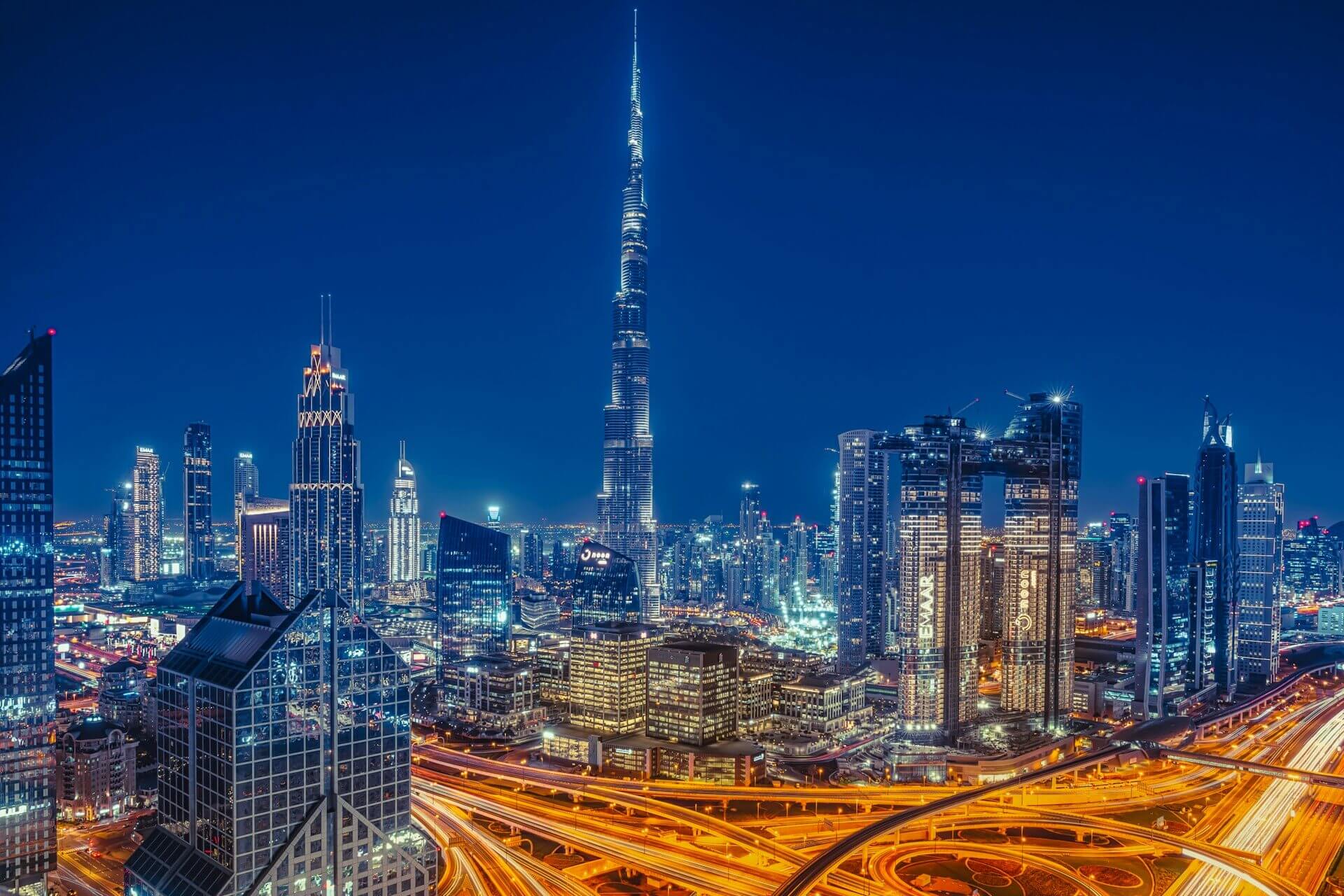
FOR SALE
AED 1,200,000AED 720,000
We help clients buy and rent the right property in Dubai — apartments, villas and investment units matched to budget, area and goals.
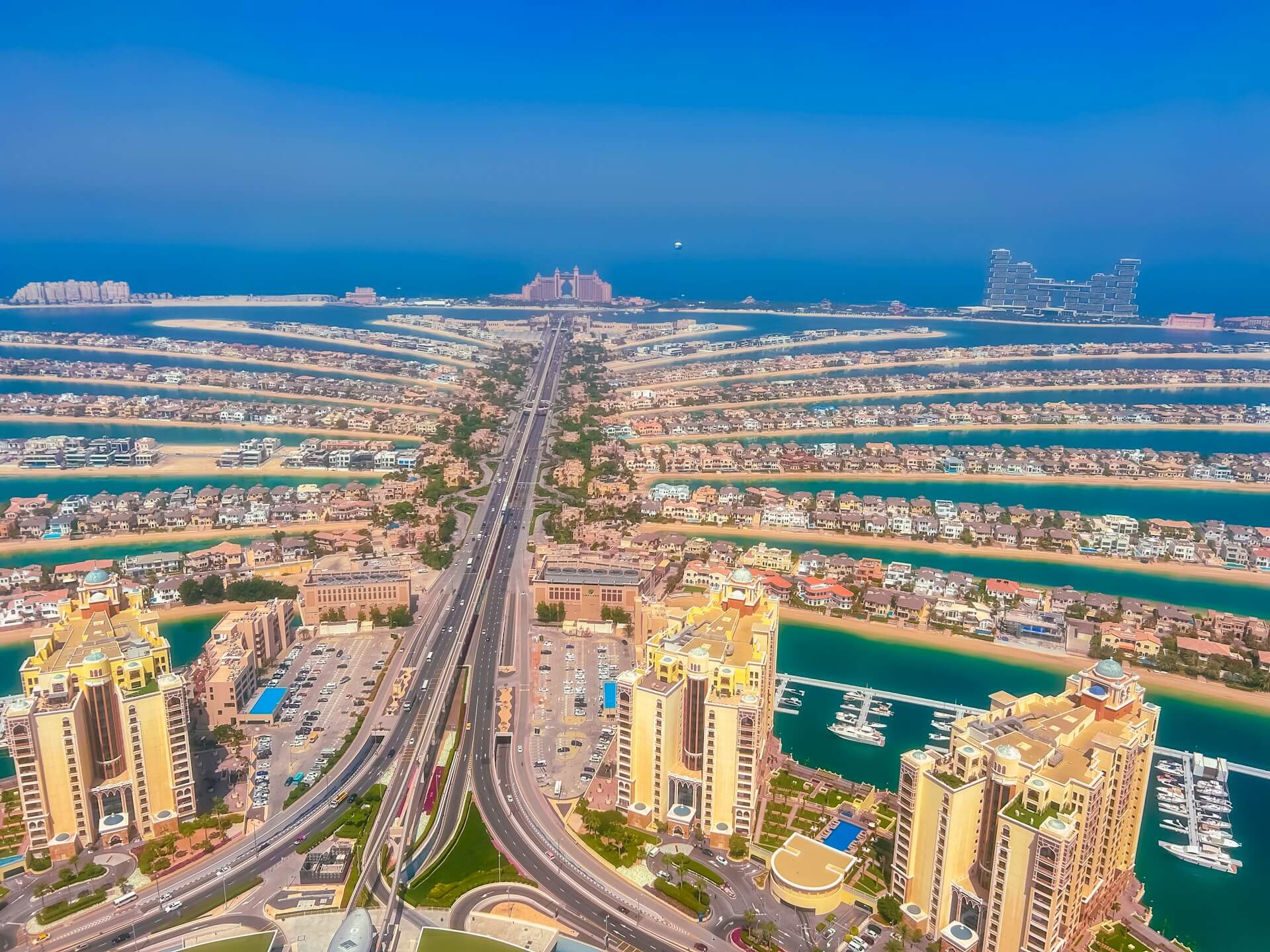
Dubai Property Selection focuses on apartments, villas and investment properties in key areas such as Dubai Marina, Downtown, Business Bay, Dubai Hills and Palm Jumeirah.
Instead of sending a huge list of random listings, we prepare a clean shortlist based on your budget, preferred area, bedrooms, timeline and purchase or rental goals.
Premium opportunities in Dubai — from compact investment units to signature villas and penthouses.
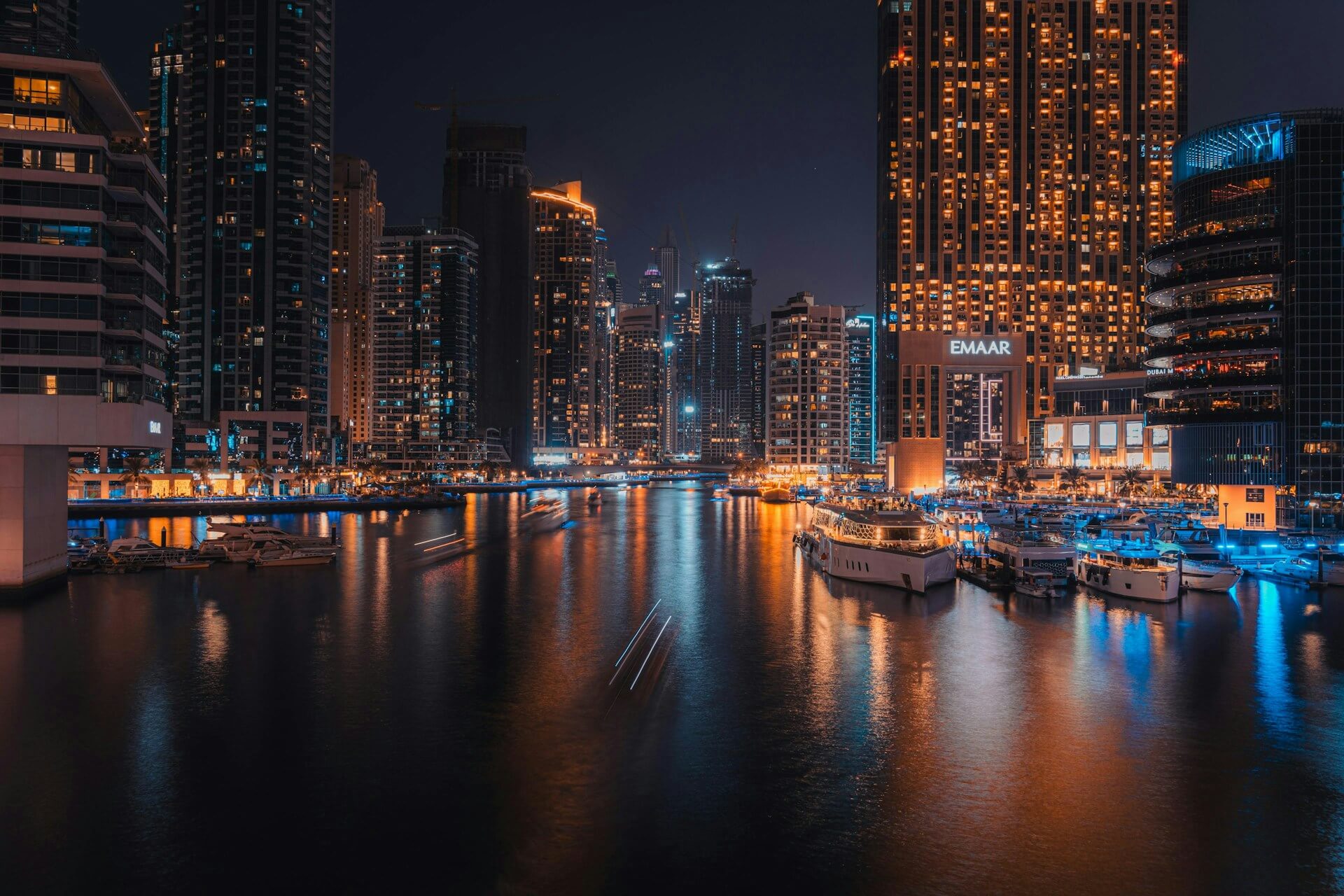
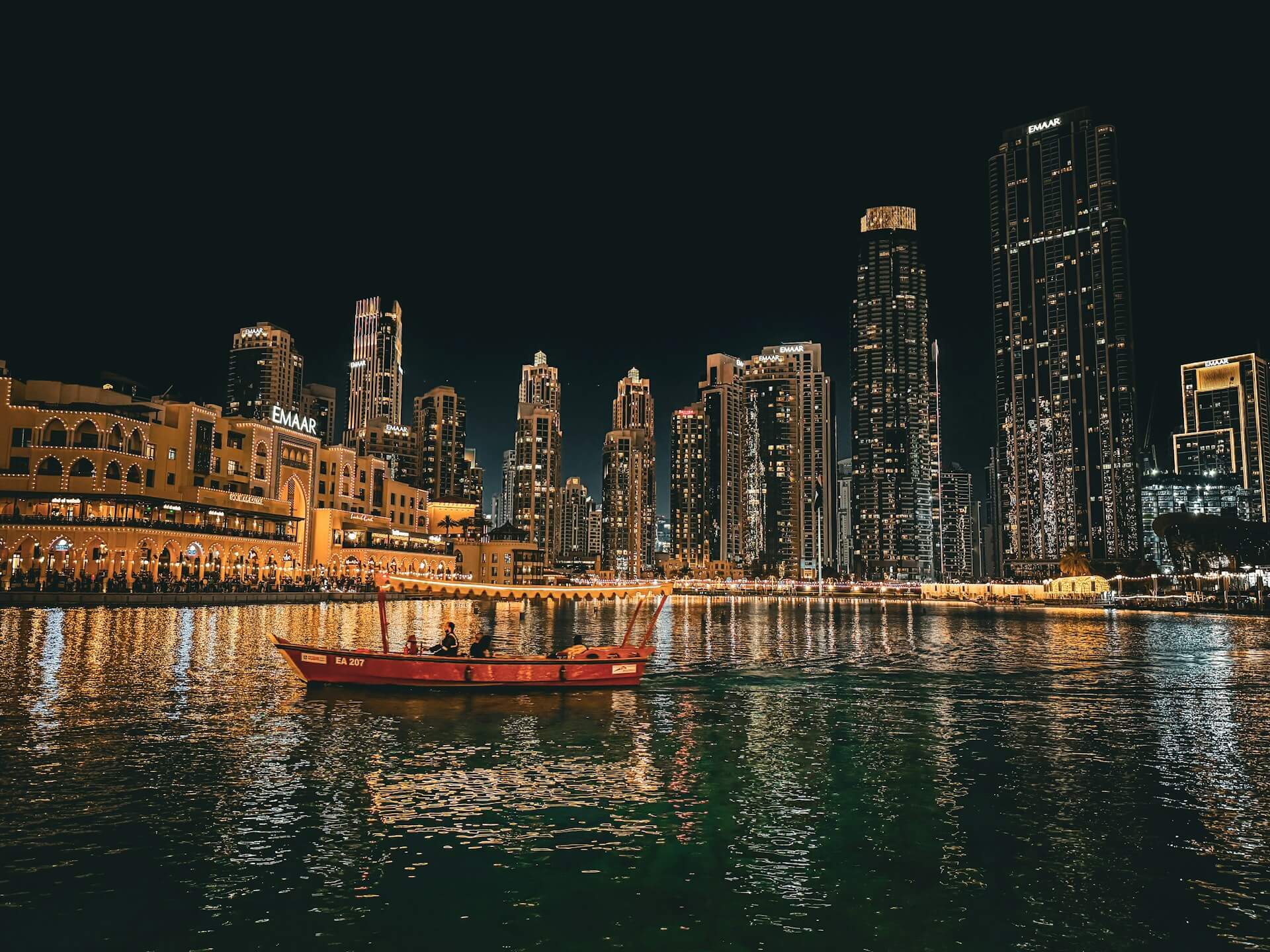
Comfortable long-term and premium rental options across Dubai.
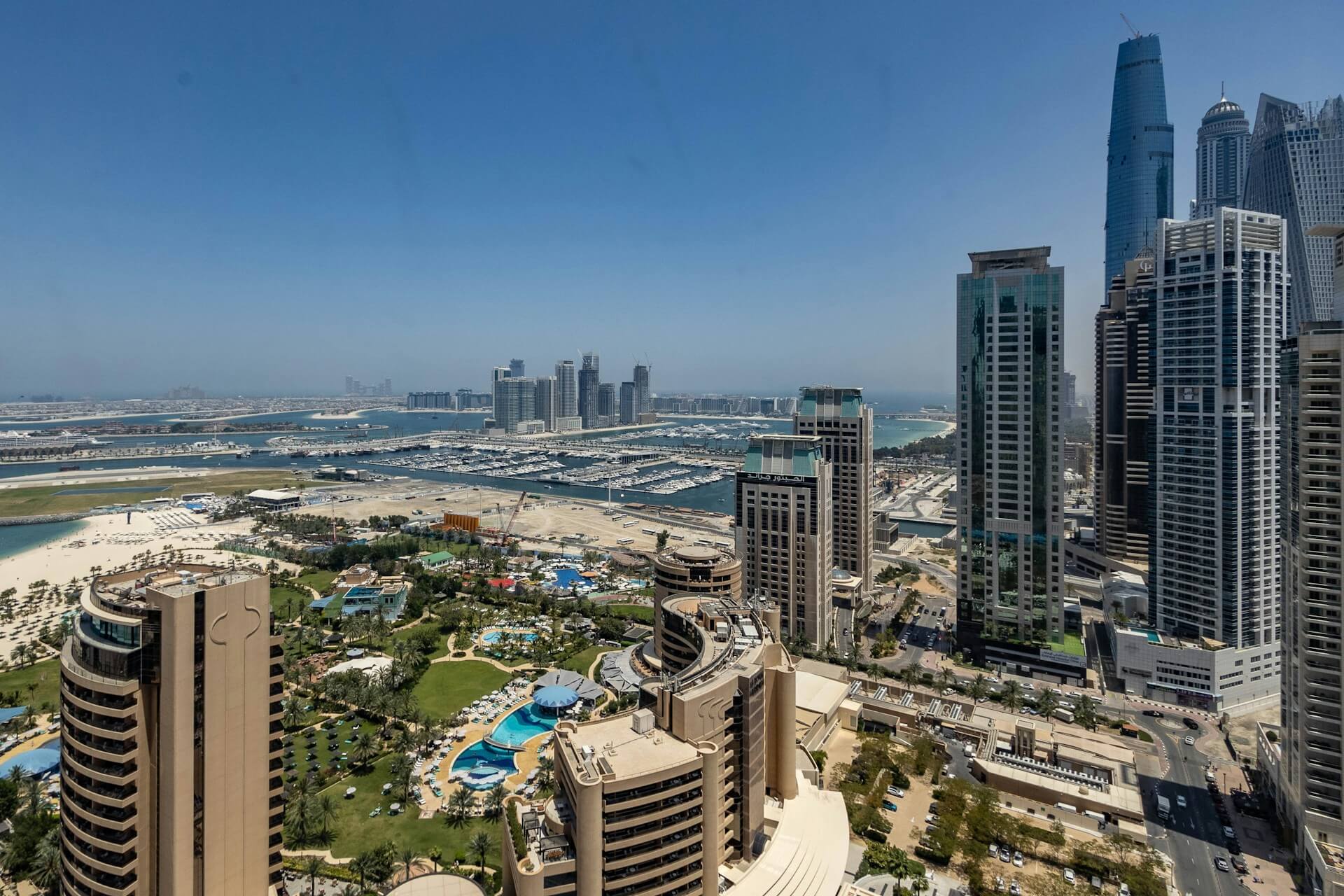
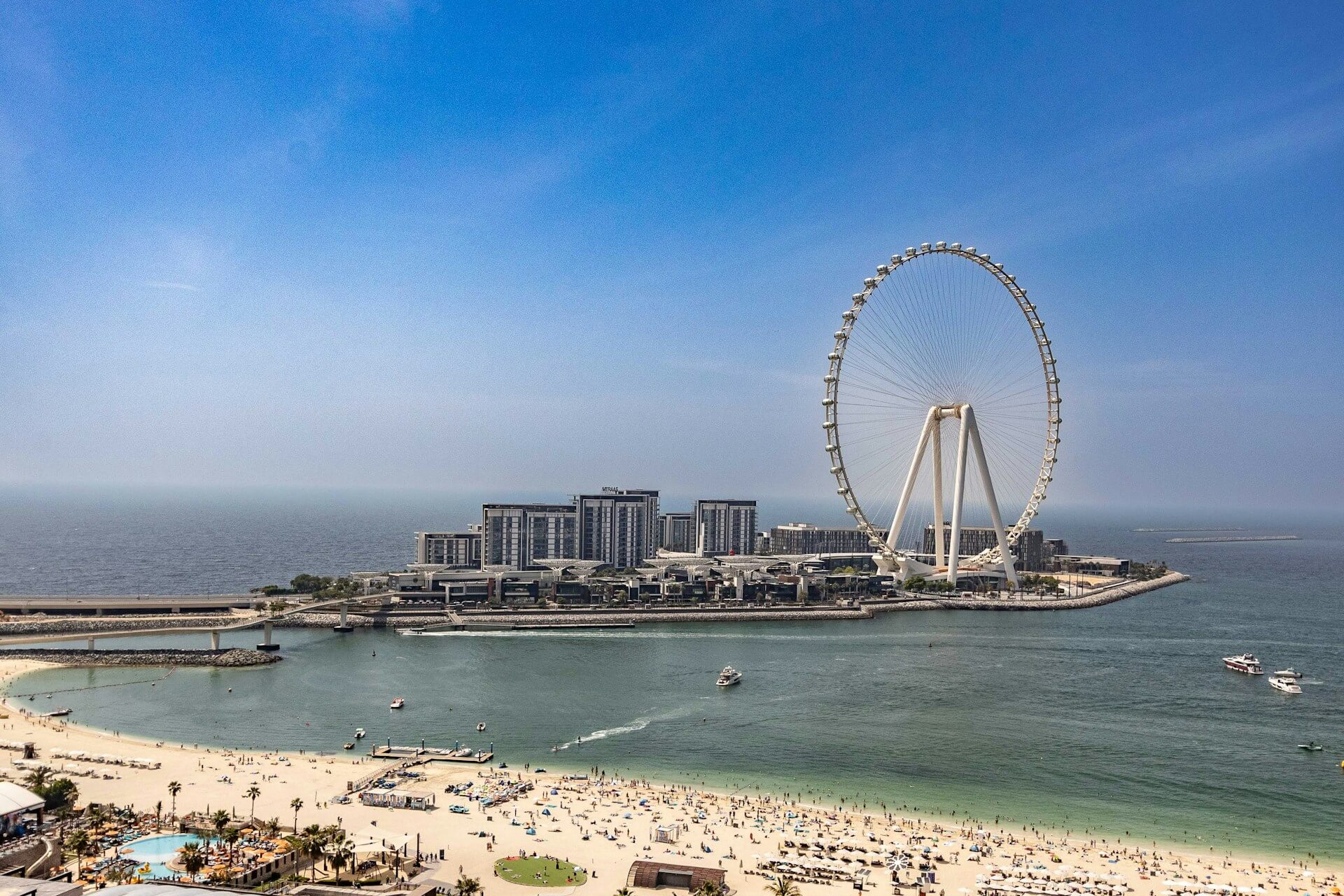
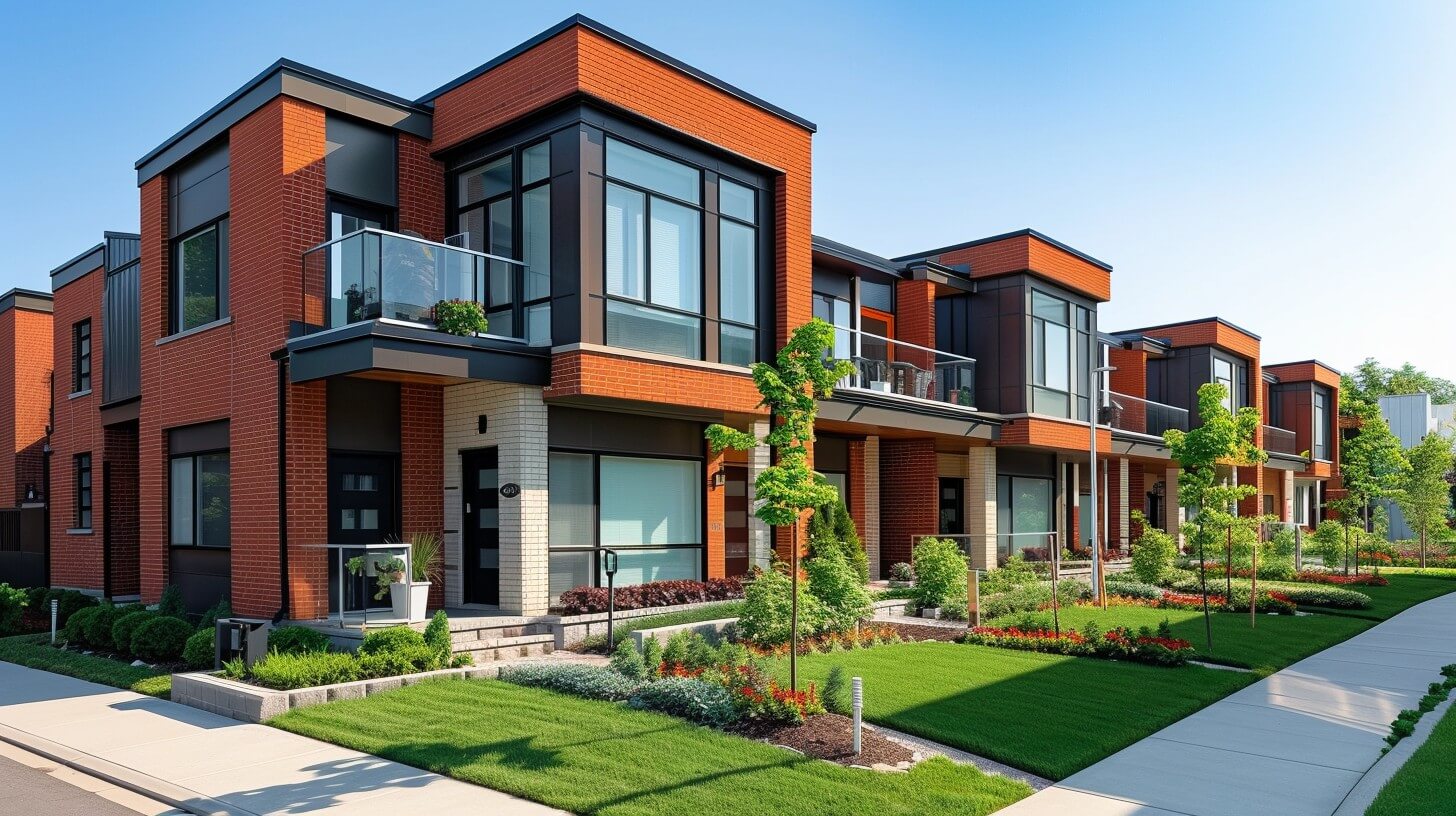
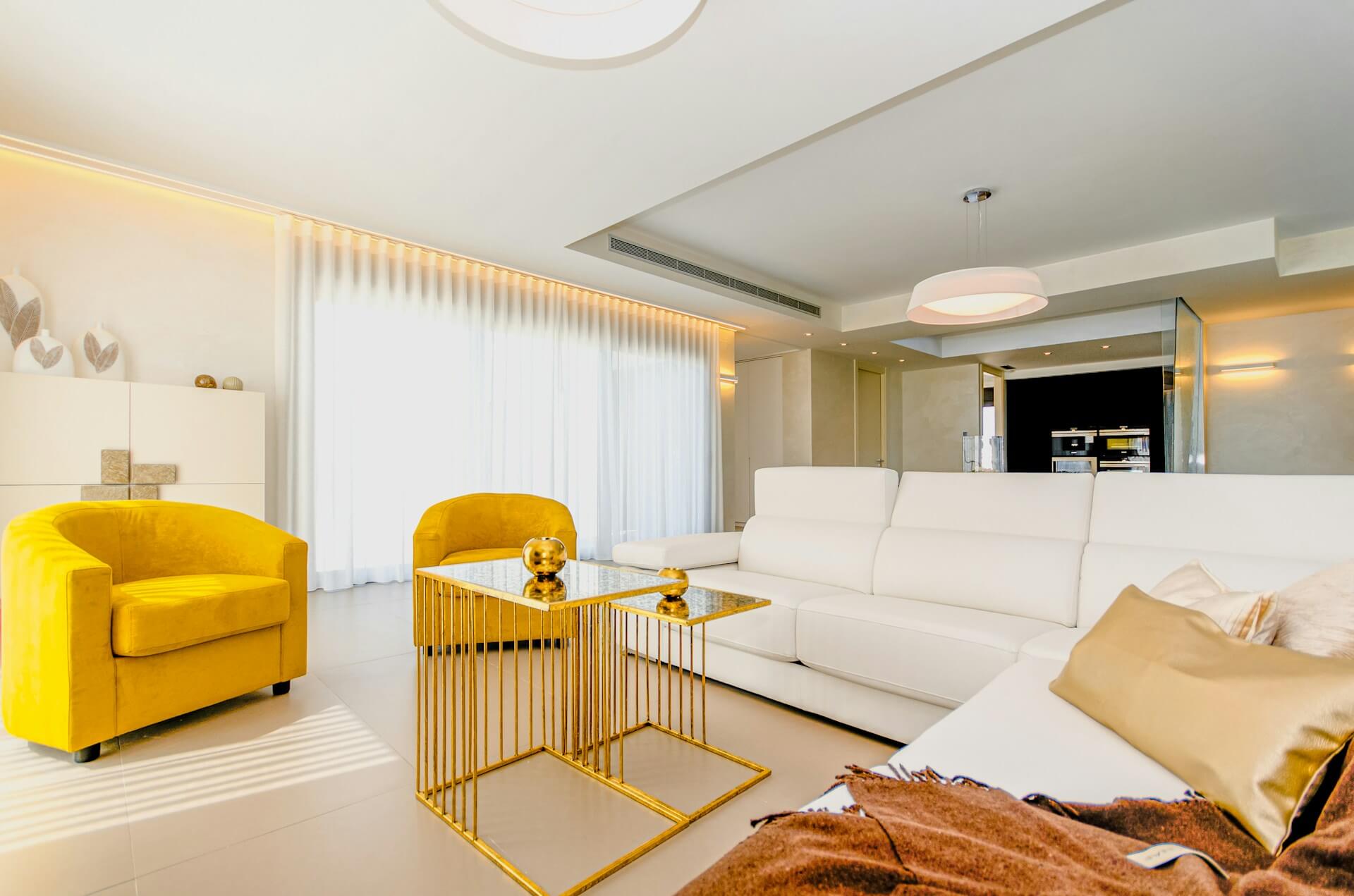
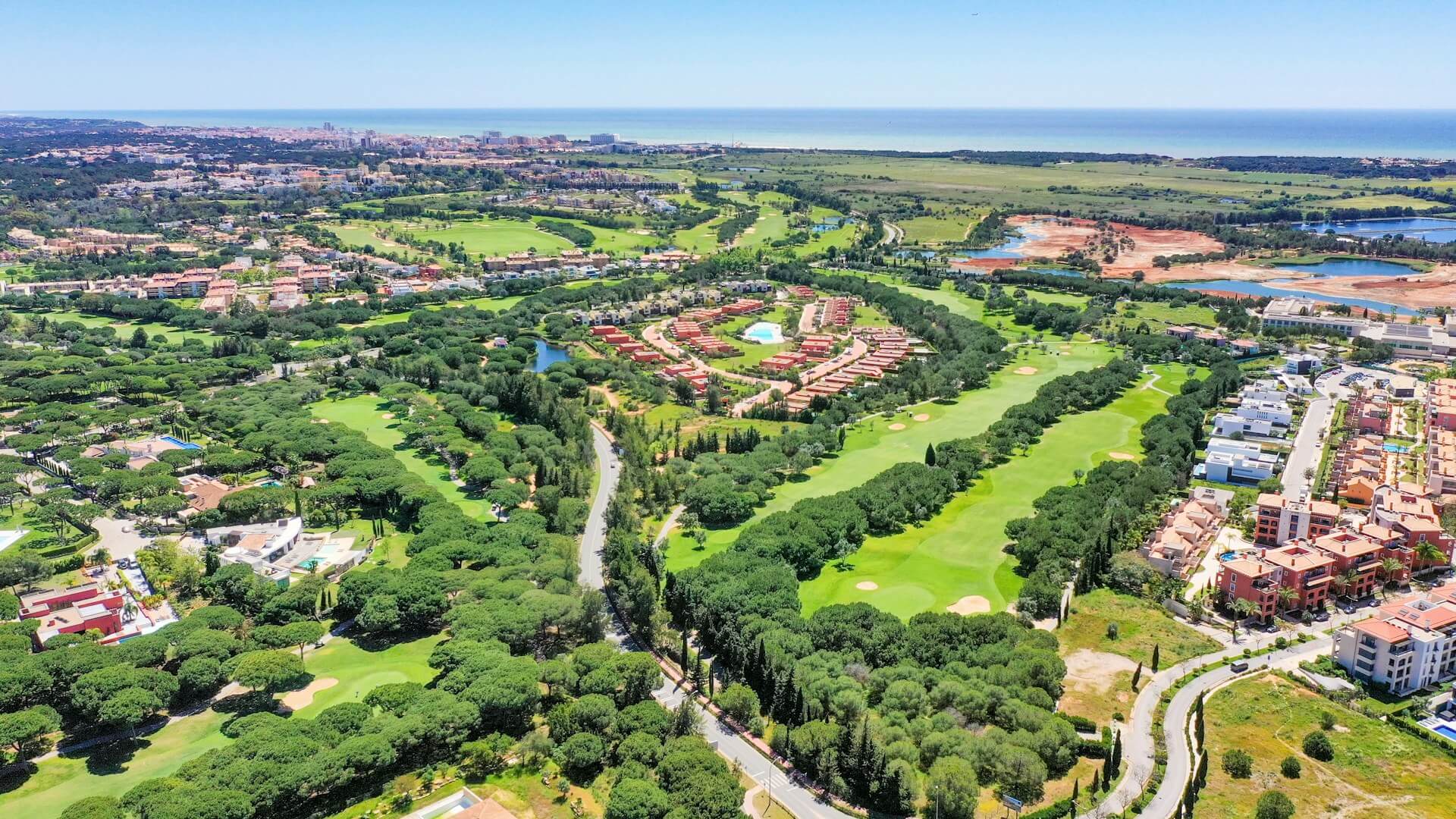
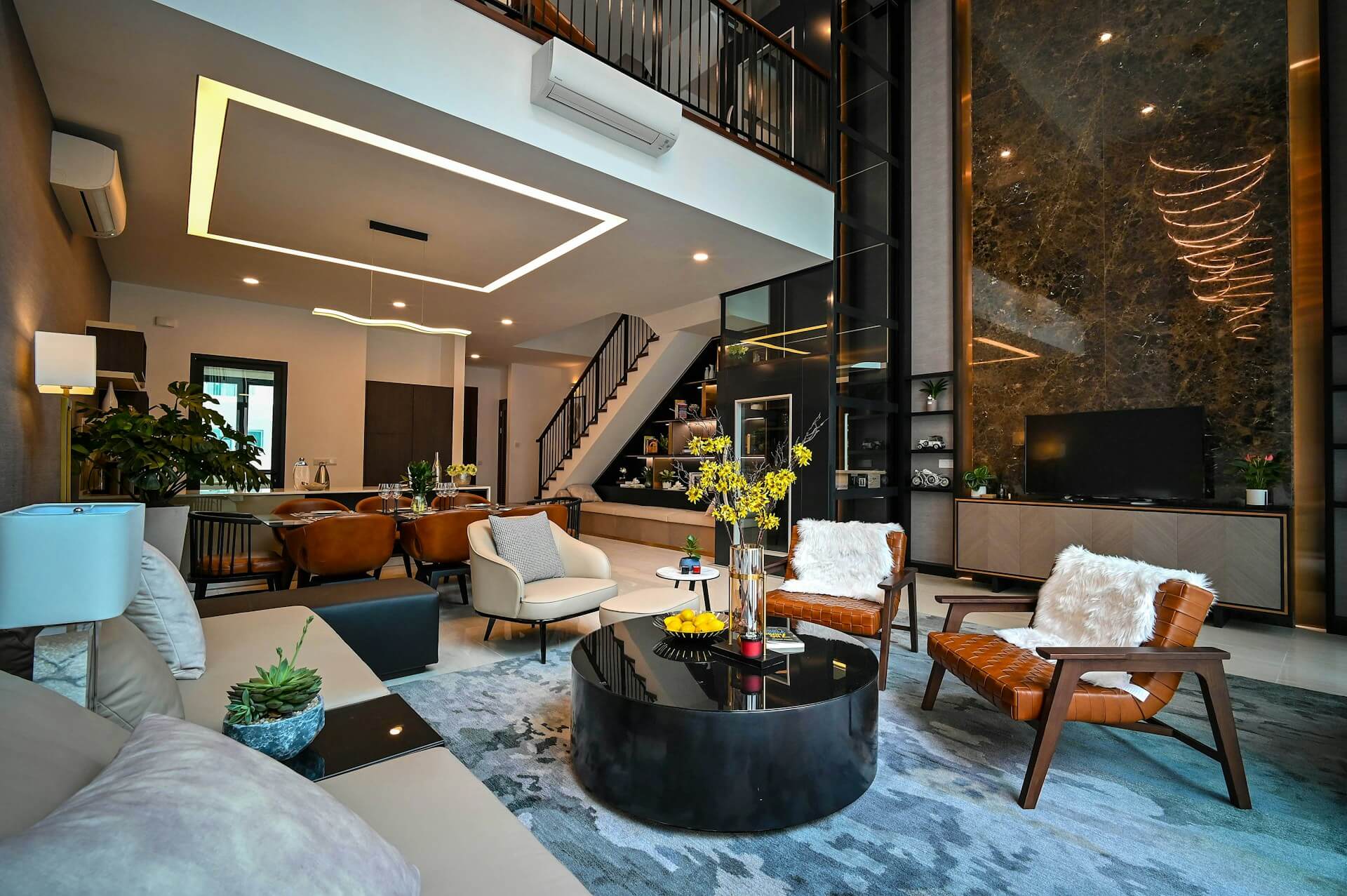
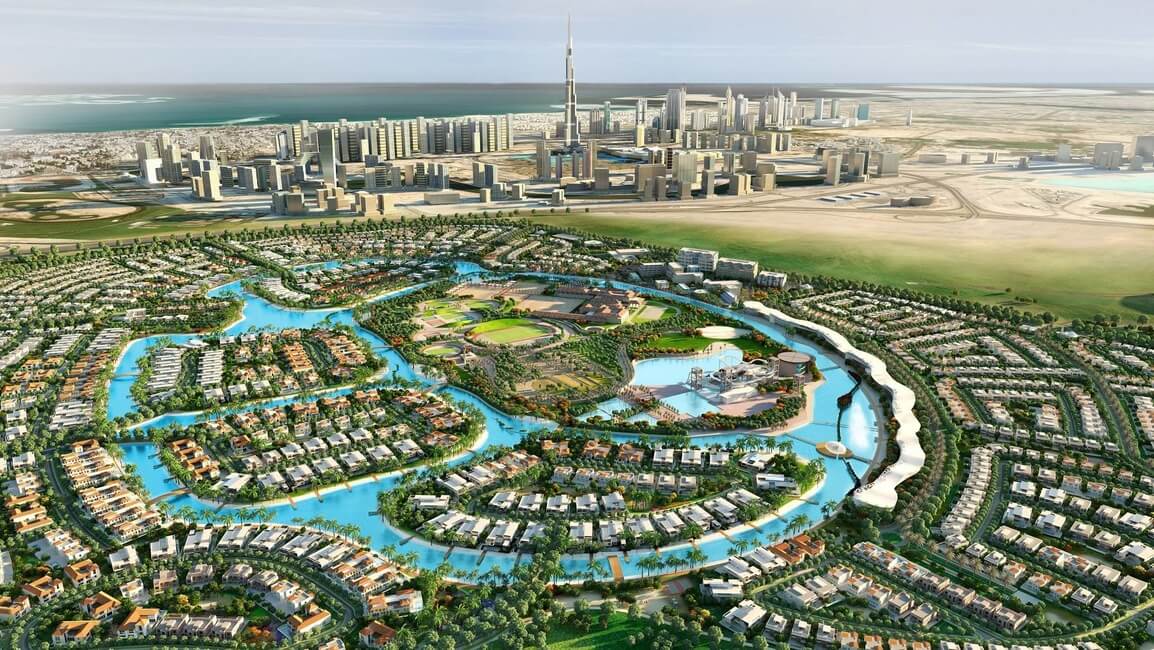
The residential units in Damac Hills offer competitive entry levels starting from AED 850,000, positioning them attractively against other developments in Dubai. Strong rental demand here, fueled by proximity to key business hubs and sport facilities, supports yields around 6-7% annually, exceeding averages in comparable communities within Dubai. This makes acquisition a valid choice for investors targeting mid-term capital growth combined with immediate rental returns.
Dubai’s real estate market in this sector demonstrates steady appreciation, backed by infrastructure projects and low inventory for ready residences.
Buyer interest concentrates on medium-sized dwellings–one- to three-bedroom configurations–since they cater both to families relocating and professionals seeking quality living within reach of business districts. The area’s large green spaces and gated layout also attract end users, which positively affects price stability and reduces vacancy risks.
Investors should consider that compared to alternatives such as Arabian Ranches or Dubai Marina, entry capital here is roughly 15-20% lower for similarly sized properties, easing market access.
Liquidity ranks moderately high, partly because of ongoing off-plan launch activity that keeps supply fresh without saturating resale channels. While resale velocity remains slower than ultra-central Dubai Marina, it outperforms many peripheral developments, providing balance between risk and return.
Investing in residential units within the Damac Hills vicinity in Dubai requires an initial capital starting from AED 900,000 for studios and going up to AED 3.5 million for three-bedroom configurations.
This price positioning places these properties in a competitive bracket when compared to alternatives in Dubai's emerging green communities, such as Dubai South or Reem.
The market currently exhibits steady absorption rates, driven primarily by an influx of end-users seeking family-friendly environments combined with access to leisure amenities.
Demand stems largely from young professionals and families relocating to Dubai, attracted by the integrated golf course and outdoor spaces paired with a mid-range price segment.
Visa policy updates facilitating longer-term residency have bolstered interest here, particularly among buyers aiming for a balanced lifestyle investment rather than pure capital growth plays.
Compared with Dubai Marina and Business Bay, the community offers lower entry prices and reduced rent volatility but lags slightly in terms of annual resale price appreciation, averaging 4–5% versus 6–7% in these waterfront hubs.
However, rental yields in Damac Hills remain stable at around 6.5%, outperforming older suburban areas such as Jumeirah Village Circle, which hover near 5%.
Entry cost differences are significant when contrasting ready inventory versus off-plan options within Damac Hills and surrounding developments.
Off-plan units can reduce immediate cash outflows by up to 20%, but buyers must weigh longer completion timelines against potential post-handover capital gains, which currently average 8% annually in this sector.
Ready properties offer immediate rental returns but trade at a 10–15% premium, impacting net yield calculations.
Liquidity here is moderate; sales volumes have grown by 12% year-over-year, reflecting increased investor confidence, yet turnover remains slower compared to Dubai Marina, influenced by a narrower pool of tenants favoring lifestyle preferences tied to more central locations.
Resale periods average 90 days, extending to 120 days during market slowdowns, signaling a need for strategic holding periods.
For investors focused on stable cash flow with lower risk, this locale suits mid-term lease strategies targeting families and corporate clients. Comparatively, portfolio diversifiers seeking capital growth may prefer more established Dubai areas with higher price volatility and short-term rental demand.
End-users valuing community amenities and proximity to schools will find compelling value despite the slightly longer commute times to Dubai’s main business hubs.
Acquisition is ill-advised for those requiring quick capital turnover or targeting luxury-tier returns exceeding 8%. Risk increases if relying on short-term leasing due to regulatory shifts impacting holiday rental permissions.
Buyers should avoid units priced significantly above AED 3 million unless engaged in niche lifestyle segments or branded residences with premium management contracts.
In conclusion, incorporating property within this Dubai green residential offering aligns best with buyers seeking balanced entry costs, steady yield, and moderate appreciation, particularly families or risk-averse investors prioritizing medium-term hold.
Off-plan purchases provide cost advantages but entail project delivery and market timing risks. Ready assets guarantee immediate income at higher upfront costs, suitable for those prioritizing cash flow stability over rapid growth.
Selecting an apartment size within Damac Hills apartments is a decision driven by clear investment or personal use goals.
For investors targeting steady rental income, 1-bedroom units averaging 750–900 sq ft offer entry costs from AED 800,000 to AED 1.1 million with rental yields around 6.5%.
These smaller units have faster liquidity compared to larger units due to broader tenant appeal in Dubai.
Buyers seeking family accommodation should prioritize 2- to 3-bedroom units ranging between 1,200 and 2,100 sq ft. Typical prices start at AED 1.6 million for two bedrooms and rise to AED 2.8 million for three bedrooms. These sizes attract end-users relocating to Dubai for schools and lifestyle, ensuring lower vacancy risks but slightly reduced yields near 5.2%.
The choice between 2 and 3 bedrooms depends on the family size and whether long-term capital appreciation or rental yield is the priority.
For those eyeing capital growth, 4-bedroom or larger units exceeding 2,500 sq ft come with premiums exceeding AED 3.5 million.
Such sizable properties appeal to ultra-high-net-worth individuals and multinational executives, but carry longer average sales cycles and higher maintenance costs. Entry will require substantial capital, and resale speed is typically slower in Damac Hills relative to smaller units in central Dubai locations.
Comparing with similar market pockets in Dubai, Damac Hills offers slightly more competitive pricing per sq ft for larger units but lags behind popular hubs for 1-bedroom yields.
This suggests a strategic mix: investors prioritizing cash flow should target smaller units here, while end-users or growth-driven buyers may justify premium spends for larger layouts enhanced by green views and community infrastructure.
Off-plan 2-bedroom townhouses or villas with expansive bedrooms often provide better space-for-price ratios but require commitment to project completion timelines and down payments averaging 10–20%.
Ready-to-move-in units enable immediate rental or occupancy but command a 5–10% price premium. The decision hinges on liquidity needs and investment horizon within Dubai’s dynamic market.
Data from Dubai property portals show vacancy rates for 1-bedroom apartments in Damac Hills hover around 8%, against 5% for 3-bedroom apartments, indicating stronger tenant demand for family-sized homes.
For investors, targeting units with proven rental demand and manageable entry costs is crucial in balancing risk and return.
Consider the buyer profile: single professionals and young couples benefit from compact units with proximity to Dubai’s business hubs, while families require space to accommodate schools and lifestyle needs within Dubai.
Large units cater mostly to lifestyle buyers with less sensitivity to rental yields and more focus on exclusivity and seclusion.
When not to opt for oversized units in Damac Hills: if short-term capital turnover is the goal or if the entrance budget is constrained. High entry points and slower resale velocity impact ROI negatively for speculative buyers. Alternatively, those prioritizing stability and long-term appreciation with capital to invest can justify larger spaces despite lower yield percentages.
Securing a property within the Dubai master community requires careful evaluation of available payment schedules and loan facilities, as these directly impact initial capital and long-term cash flow.
Buyers should focus on developments offering staggered payment plans up to 60 months post-handover to minimize upfront capital, which typically ranges from AED 300,000 to AED 1.2 million depending on unit size and location within the development.
Installment structures vary between 10% to 20% down payment, followed by periodic payments aligned with construction milestones.
Projects with longer post-handover payment periods reduce pressure on buyers and improve affordability for end-users versus investments reliant on full or near-full pre-completion payments.
Mortgage lending on these properties is competitive but requires a minimum 25% buyer equity, occasionally rising to 35% for investors without residency.
Loan-to-value ratios are influenced by borrower nationality and income verification, with local residents benefiting from slightly lower interest rates in the 3.2%–3.8% range fixed for the first 3–5 years.
Foreign nationals face higher borrowing costs and stricter eligibility criteria, often necessitating international credit history documentation.
It remains advisable to approach banks experienced with financing within Dubai projects, as some lenders exclude certain communities from mortgage programs due to regulatory risk assessments.
Comparing off-plan and ready-unit financing, developers often attach more flexible payment terms to pre-launch properties, including transferable contracts and extended grace periods. In contrast, completed units require immediate payment or full mortgage approval upfront, increasing entry capital demand.
Buyers prioritizing high initial yield should assess the impact of financing costs on net returns.
Projects with low down payments enable quicker entry but carry higher total interest expenses over loan tenure, reducing yearly net rental yield by 1-2 percentage points compared to cash purchases. Conversely, full cash buyers benefit from lower ongoing costs but face large capital locking, affecting liquidity.
Given the escalating interest rate environment, fixed-rate mortgage products are generally preferred to avoid payment shock.
Variable loans may offer lower initial rates but expose buyers to rising monthly costs, impacting cash flow stability.
For end-user acquisitions in the Dubai master development, financing choice depends on employment status, residency, and investment horizon. Short-term holders should minimize leverage to reduce risk exposure amid market price fluctuations, while long-term owners may utilize higher loan amounts secured at current low rates to maximize capital efficiency.
Concluding comparison: projects offering 2- to 3-year post-handover payment plans combined with competitive mortgage options generate lower initial entry thresholds (from AED 350,000) and better cash flow management, valuable for investors seeking steady income without full upfront commitment.
Access to extensive facilities is a key factor when assessing units within Damac Hills apartments.
The complex provides residents with a diverse range of services designed to enhance daily living and support both family and investor priorities in Dubai.
Included in the purchase is full access to a golf academy and an 18-hole championship golf course, unique among residential options in Dubai. This elevates lifestyle appeal while positively impacting long-term asset desirability.
Separate communities within the development feature multiple parks and green spaces, offering a contrast to other parts of Dubai where open areas remain scarce.
Sports enthusiasts benefit from dedicated tennis and basketball courts alongside fully equipped gyms.
These are maintained by professional management teams, ensuring consistent quality without additional fees, unlike some nearby developments that charge separately for maintenance of recreational facilities. The presence of cycling and jogging tracks also supports active lifestyles, an advantage over many Dubai neighborhoods lacking such infrastructure.
For families, inclusion of internationally accredited schools within walking distance significantly adds value.
These educational institutions attract long-term residents and support rental demand. Additionally, daycare centers and community clubs provide targeted options for younger children, uncommon in comparable Dubai residential projects, thus making the offer competitive on family suitability.
Retail conveniences include a supermarket, pharmacies, and a selection of cafes and restaurants within the estate.
This limits the need for frequent travel to Dubai city center, reducing daily overhead time. The internal retail strip is managed to maintain high standards, unlike many mixed-use complexes in Dubai where commercial areas become underutilized or neglected.
Security is integrated with 24/7 gated entry and CCTV surveillance throughout the precinct, with no additional subscription charges, which contrasts with several Dubai localities charging residents for private security services.
Professional property management is a standard feature, ensuring upkeep of public spaces and responsive maintenance services.
Compared to other Dubai residential zones offering a fragmented amenities package or additional luxury service fees, this locale’s inclusive approach increases both rental and resale appeal.
Investors targeting tenants seeking comprehensive facilities will find stronger occupancy rates here than in projects without integrated lifestyle support options.
End-users prioritizing convenience and community benefits will similarly gain from the diverse on-site offerings.
Damac Hills offers a variety of apartment options including studios, one-bedroom, two-bedroom, and three-bedroom units.
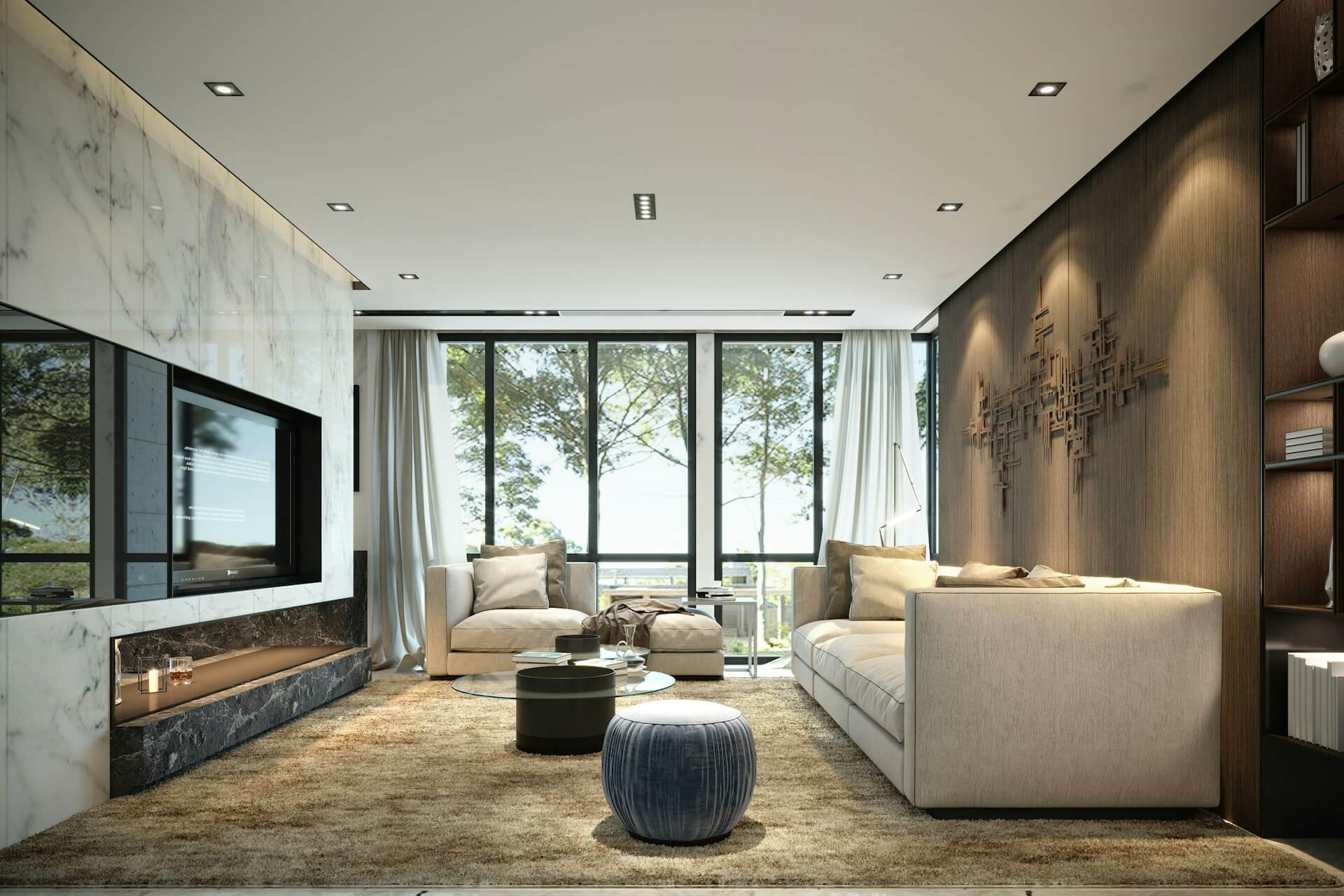
Each apartment is designed with modern layouts and spacious interiors to accommodate different lifestyle needs, catering both to singles and families. Residents can choose between apartments with balcony views overlooking the golf course or more private garden-facing units.
Residents benefit from a wide range of facilities such as swimming pools, fully-equipped gyms, tennis courts, and cycling tracks.
There are also community parks and kids’ play areas within the development. Additionally, Damac Hills features retail outlets and cafes, creating a convenient environment where daily needs can be met without leaving the community.
Damac Hills is strategically situated to provide easy access to major highways and public transport links, making travel to Dubai city center and other neighbouring areas straightforward.
The community itself hosts supermarkets, schools, clinics, and dining options, which means residents can handle most of their daily errands within a short distance.
Yes, apartments in Damac Hills are considered to be a solid choice for investors. The area enjoys consistent demand due to its proximity to key urban centers and comprehensive lifestyle offerings.
Furthermore, properties here tend to maintain good rental yields. The developer is reputable, which also adds confidence for buyers looking at long-term returns.
The apartments typically feature open-plan living areas with large windows allowing natural light to fill the space. Interiors often incorporate neutral color palettes complemented by high-quality flooring materials such as porcelain tiles or engineered wood.
Kitchens come equipped with modern appliances and sleek cabinetry. Bathrooms include fittings with contemporary designs and efficient water usage technologies.
Clear answers about buying, renting and investing in Dubai property.
Yes. Foreign buyers can purchase freehold property in designated areas such as Dubai Marina, Downtown Dubai, Business Bay, Palm Jumeirah, Dubai Hills and other approved communities.
It depends on your timeline, budget and goal. Buying is usually better for long-term plans, capital growth and rental income, while renting is better for flexibility and easier relocation.
The required budget depends on the area, building quality and property type. More accessible apartments can be found in developing communities, while prime locations and luxury properties require a much higher budget.
In addition to the purchase price, buyers should budget for the Dubai Land Department fee, registration and trustee fees, possible agency commission, mortgage-related costs if financing is used, and ongoing service charges for many buildings.
Yes, many banks in the UAE offer mortgages to foreign buyers. Approval depends on income, documents, deposit amount and the specific property being purchased.
Areas such as Dubai Marina, Downtown Dubai, Business Bay, Dubai Hills, JVC, Palm Jumeirah and Creek Harbour are often considered by investors, but the right area depends on whether your focus is yield, resale value, lifestyle appeal or long-term growth.
Rental yield varies by area, property type, furnishing level and market timing. In practice, many investors look for a balance between strong occupancy, reasonable service charges and sustainable tenant demand rather than chasing headline numbers alone.
Off-plan property is purchased directly from a developer before the project is completed. Buyers often choose off-plan because of payment plans, newer inventory and lower entry prices compared with some ready properties.
A proper review should consider the developer’s track record, payment plan, handover timeline, location quality, future supply in the area and the project’s resale or rental potential after completion.
For ready property, the timeline can move fairly quickly if the price is agreed, documents are prepared and the buyer is ready to proceed. Mortgage purchases usually take longer than cash deals.
Yes, many purchases can be handled remotely with the correct documents and proper support through the process. Remote buying is common for overseas investors and international clients.
The biggest risks are overpaying, choosing a weak location, buying an unsuitable layout, ignoring service charges, or selecting a project with low resale and rental demand. Good selection matters more than marketing promises.
In long-term rentals, rent is commonly agreed for a fixed term and often paid by one or several cheques depending on the landlord, property and negotiation.
Tenants are usually asked for identification and residency-related documents, and the exact set depends on their status in the UAE and the landlord’s requirements.
A security deposit is commonly required before move-in. The amount often depends on whether the property is furnished or unfurnished and should be clearly stated in the rental terms.
In many rental transactions, an agency commission is charged. The amount depends on the deal structure and should be confirmed before signing anything.
Tenants should review the deposit, Ejari registration, utility setup costs, parking terms if relevant, maintenance responsibilities and any conditions related to early termination or renewal.
Yes, negotiation is common. The final result depends on market conditions, the landlord’s flexibility, how long the property has been available and how prepared the tenant is to move forward.
It is important to check the condition of the unit, building quality, noise level, parking, view, maintenance status, contract terms and the reliability of the owner or manager.
Short-term rent offers flexibility and convenience but is usually more expensive. Long-term rent is generally more cost-effective and better suited for clients planning to stay longer.
During an active contract, the agreed rent usually remains fixed. Any increase is generally discussed at renewal and should follow the applicable rules and notice requirements.
This depends on the tenancy contract. Minor day-to-day issues may be handled by the tenant, while major maintenance is commonly the landlord’s responsibility, but the exact wording in the contract matters.
Ejari is the official registration of the tenancy contract in Dubai. It is important for legal recognition of the lease and is commonly needed for practical steps such as setting up utilities.
Yes. Furnished properties can be more convenient and faster to move into, while unfurnished options may work better for longer stays or tenants who want more control over the setup and budget.
We do not rely on random mass listings. We narrow the market based on budget, location, property type, investment goal, lifestyle needs and timeline, so clients can focus only on relevant options.
Yes. Support can include shortlisting, arranging viewings, comparing options, discussing terms, helping with negotiations and guiding the next steps of the transaction.
The best first step is to define the real budget, target areas, purpose, preferred property type and timeline. Once those points are clear, the selection becomes faster, cleaner and much more useful.