
FOR SALE
AED 1,200,000AED 720,000
We help clients buy and rent the right property in Dubai — apartments, villas and investment units matched to budget, area and goals.
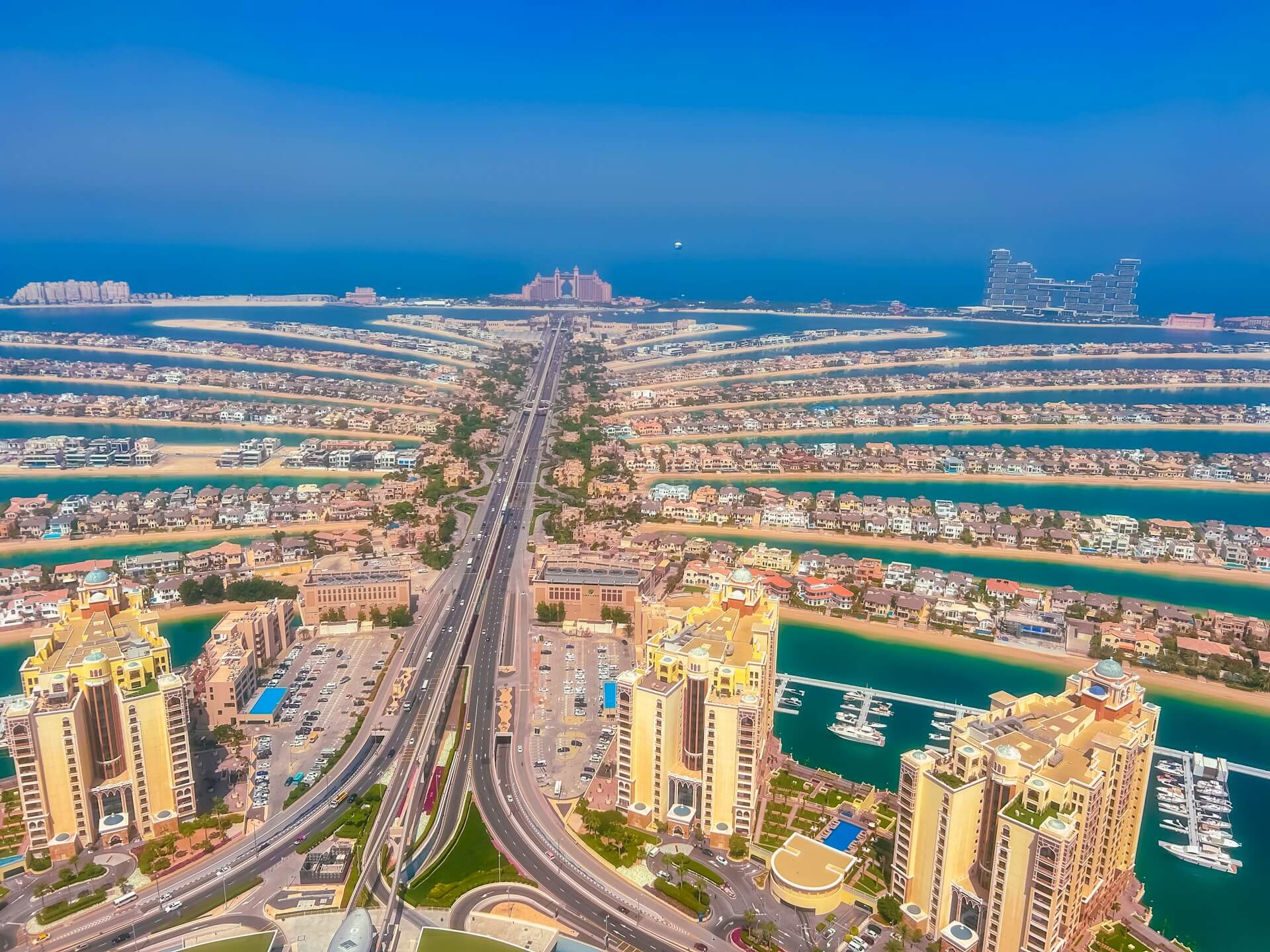
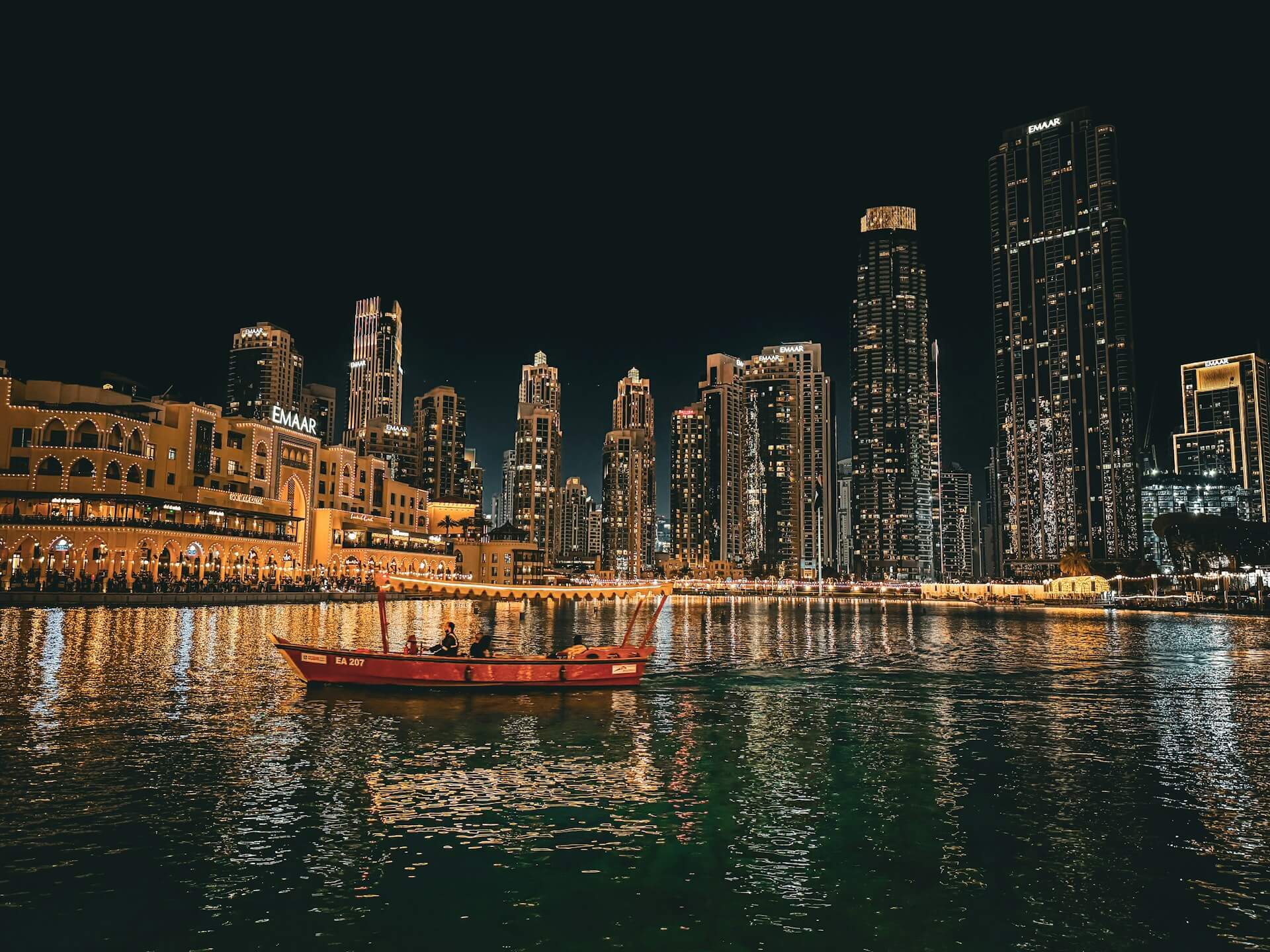
Dubai Property Selection focuses on apartments, villas and investment properties in key areas such as Dubai Marina, Downtown, Business Bay, Dubai Hills and Palm Jumeirah.
Instead of sending a huge list of random listings, we prepare a clean shortlist based on your budget, preferred area, bedrooms, timeline and purchase or rental goals.
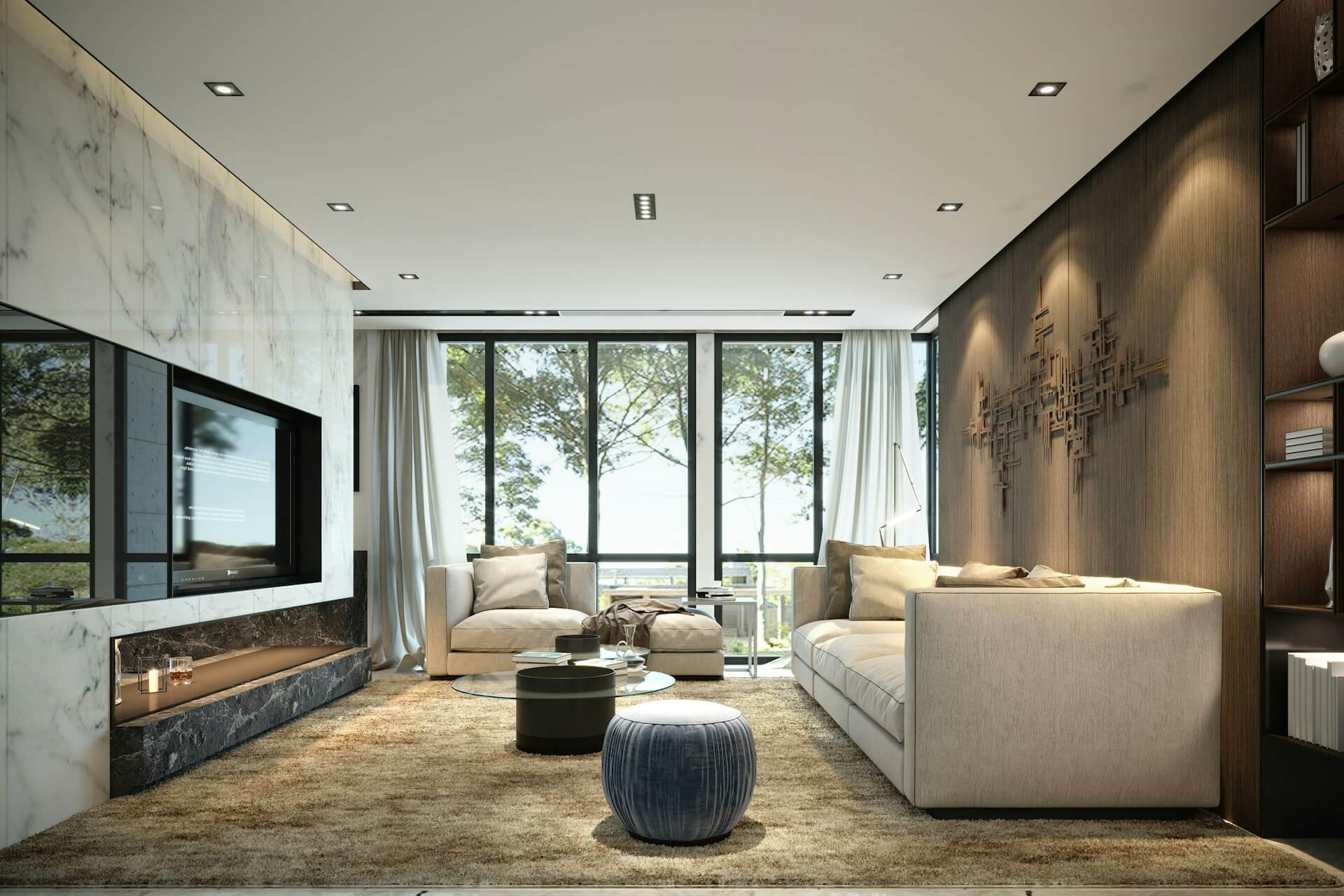
Premium opportunities in Dubai — from compact investment units to signature villas and penthouses.
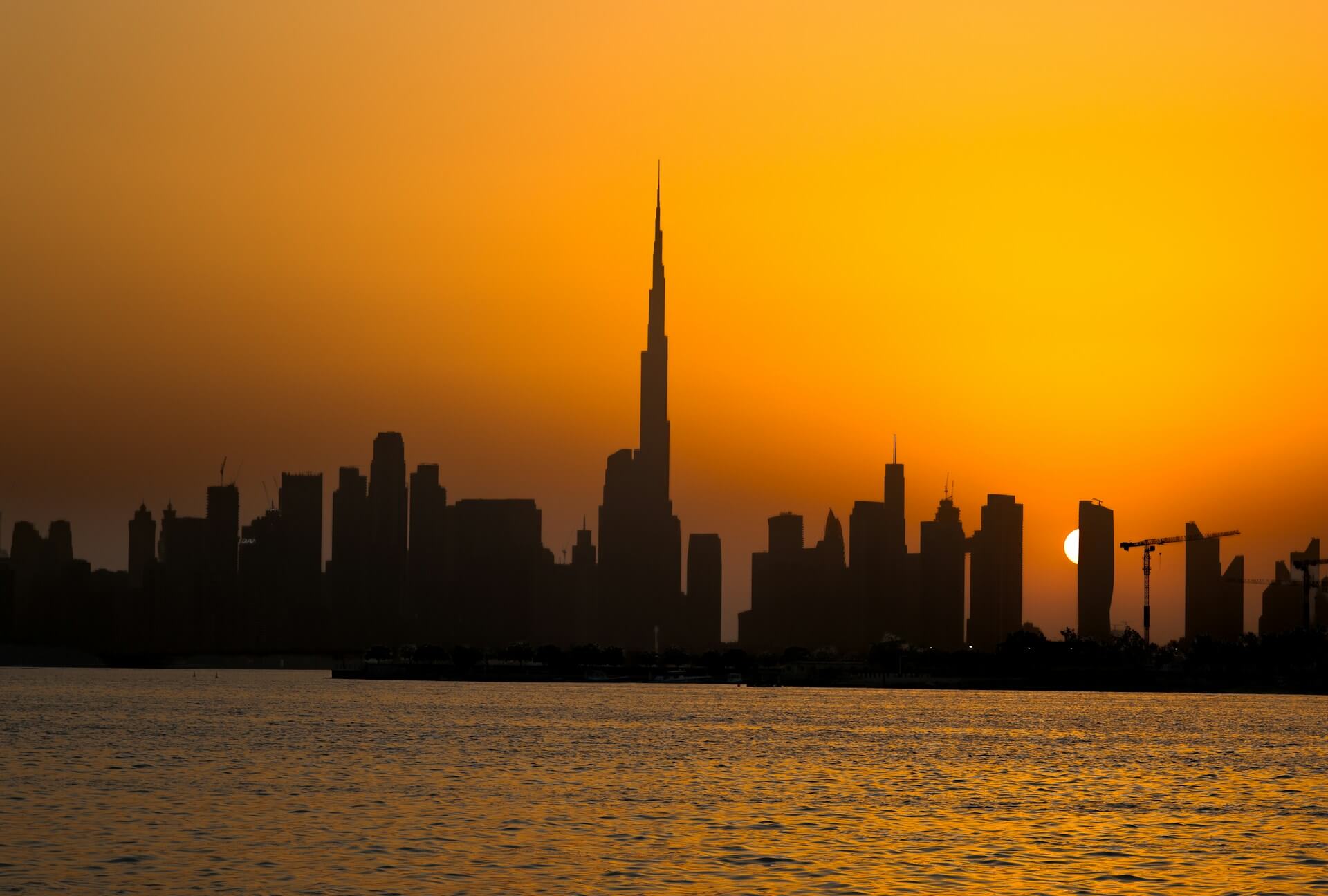
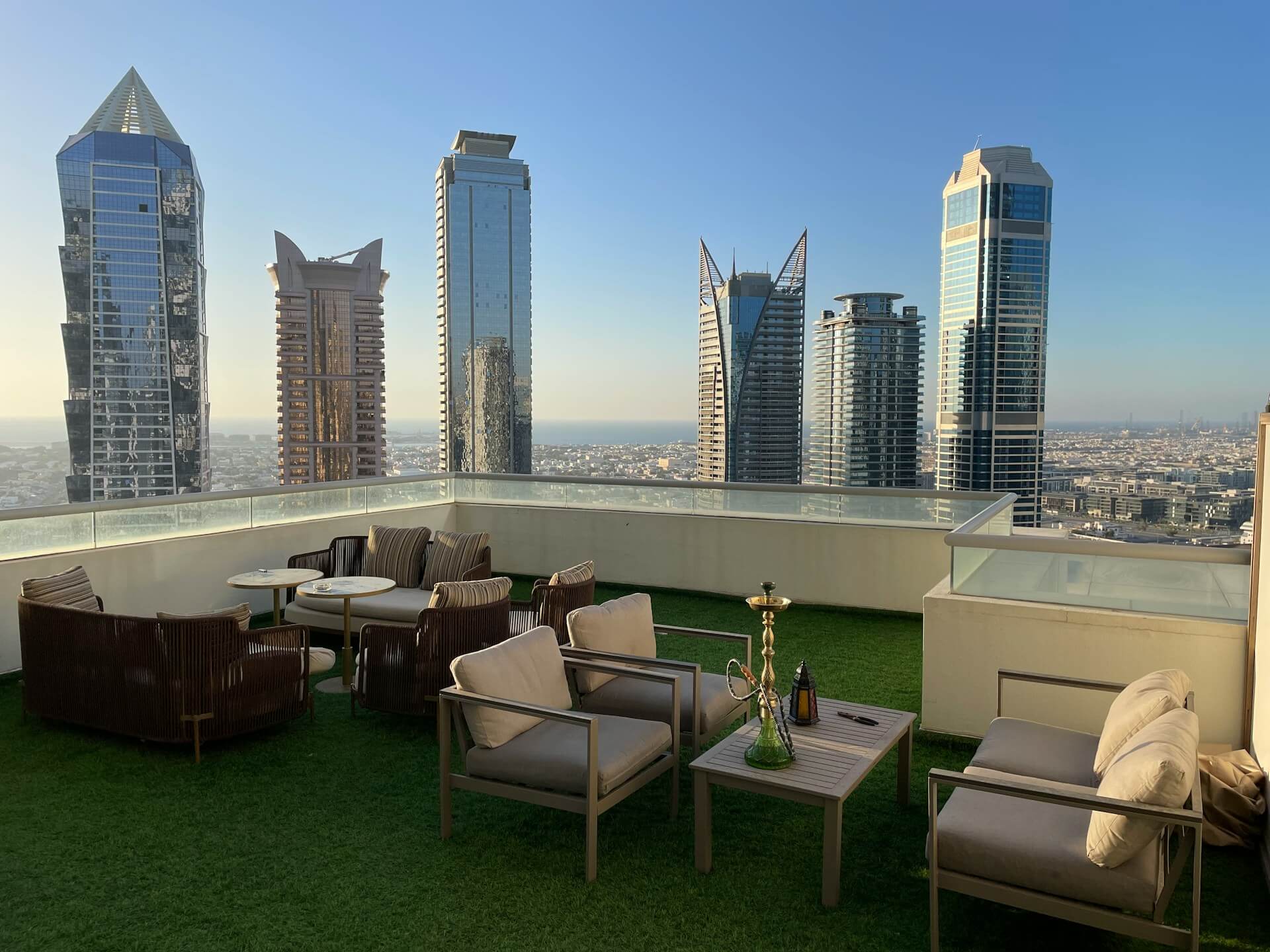
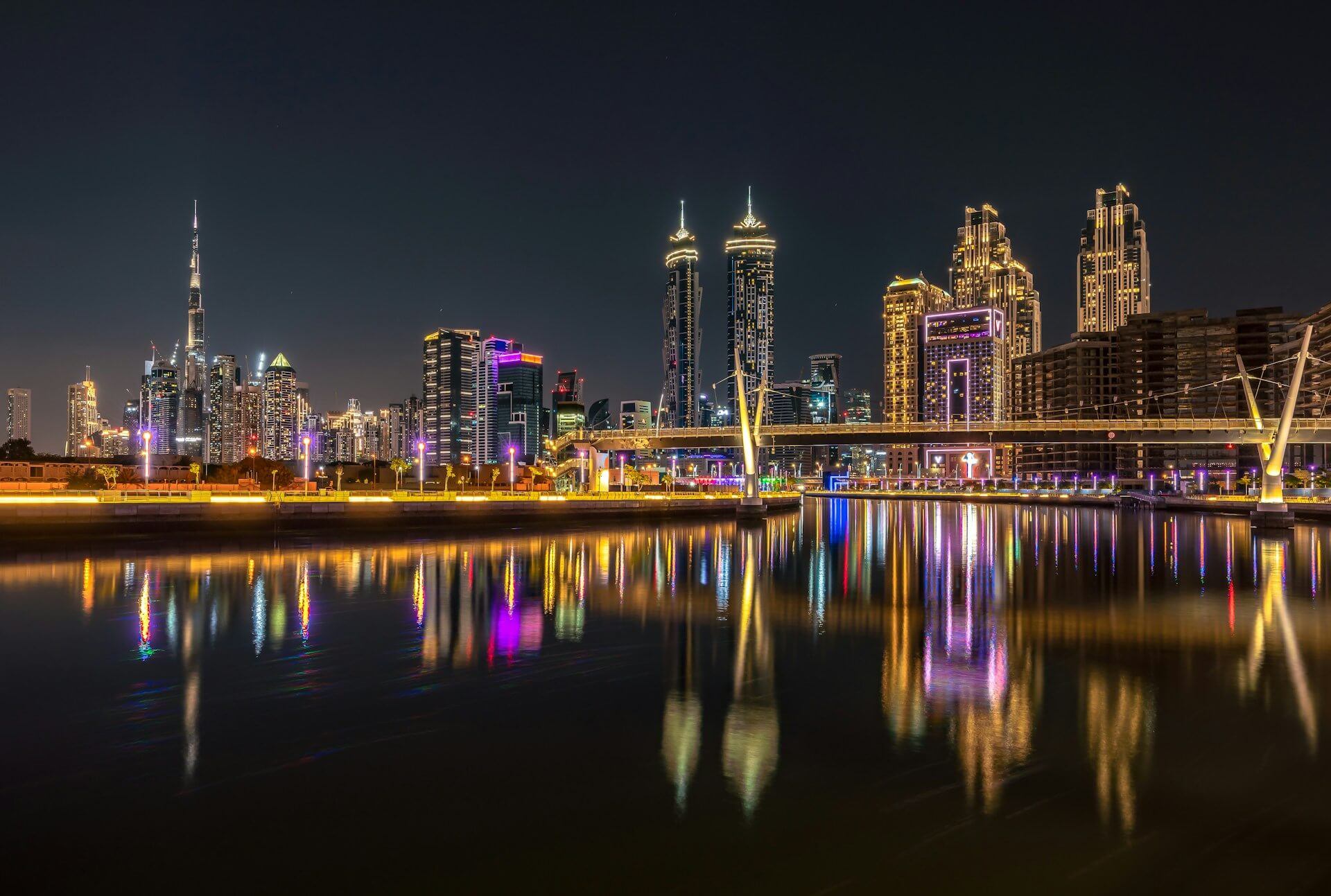
Comfortable long-term and premium rental options across Dubai.
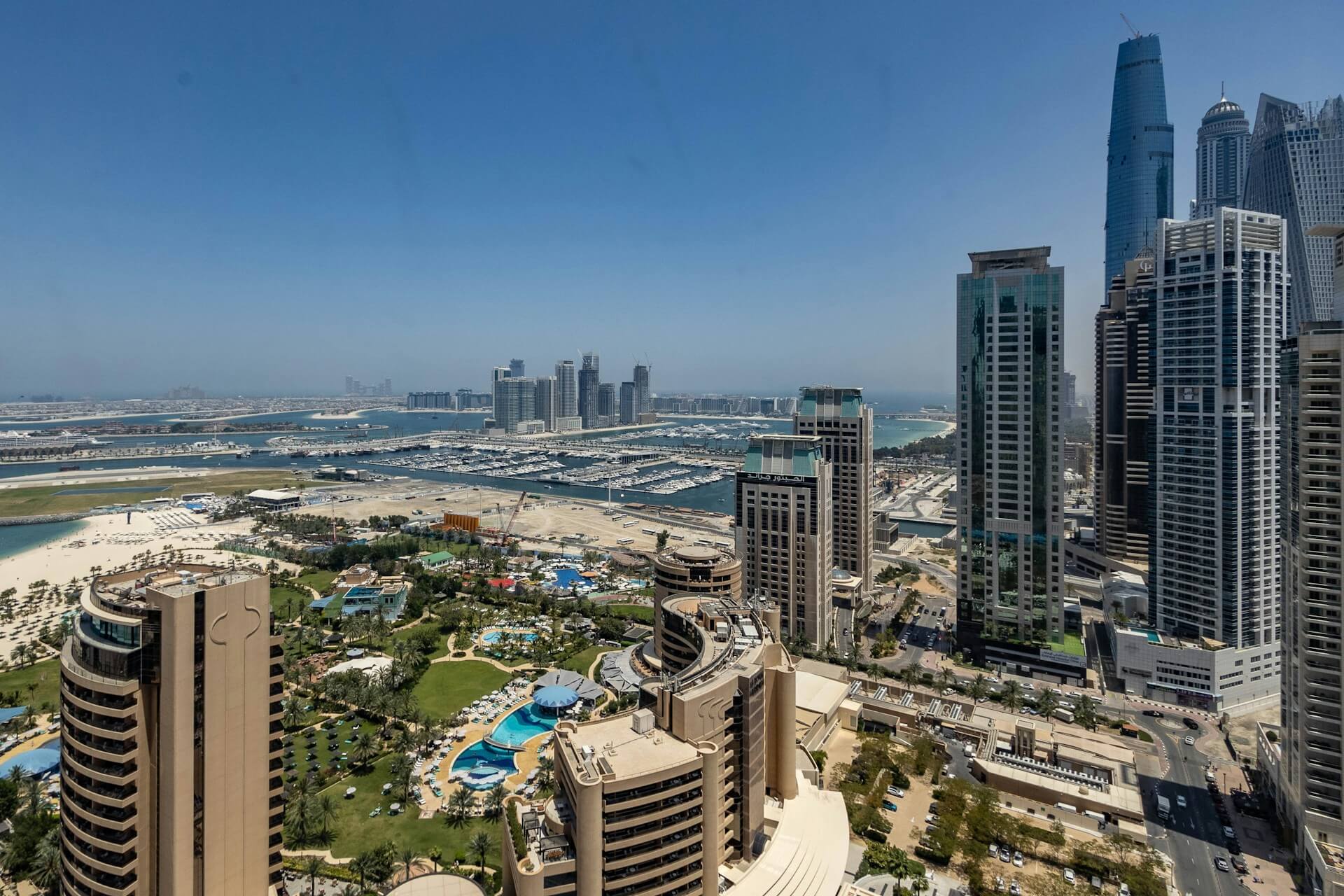

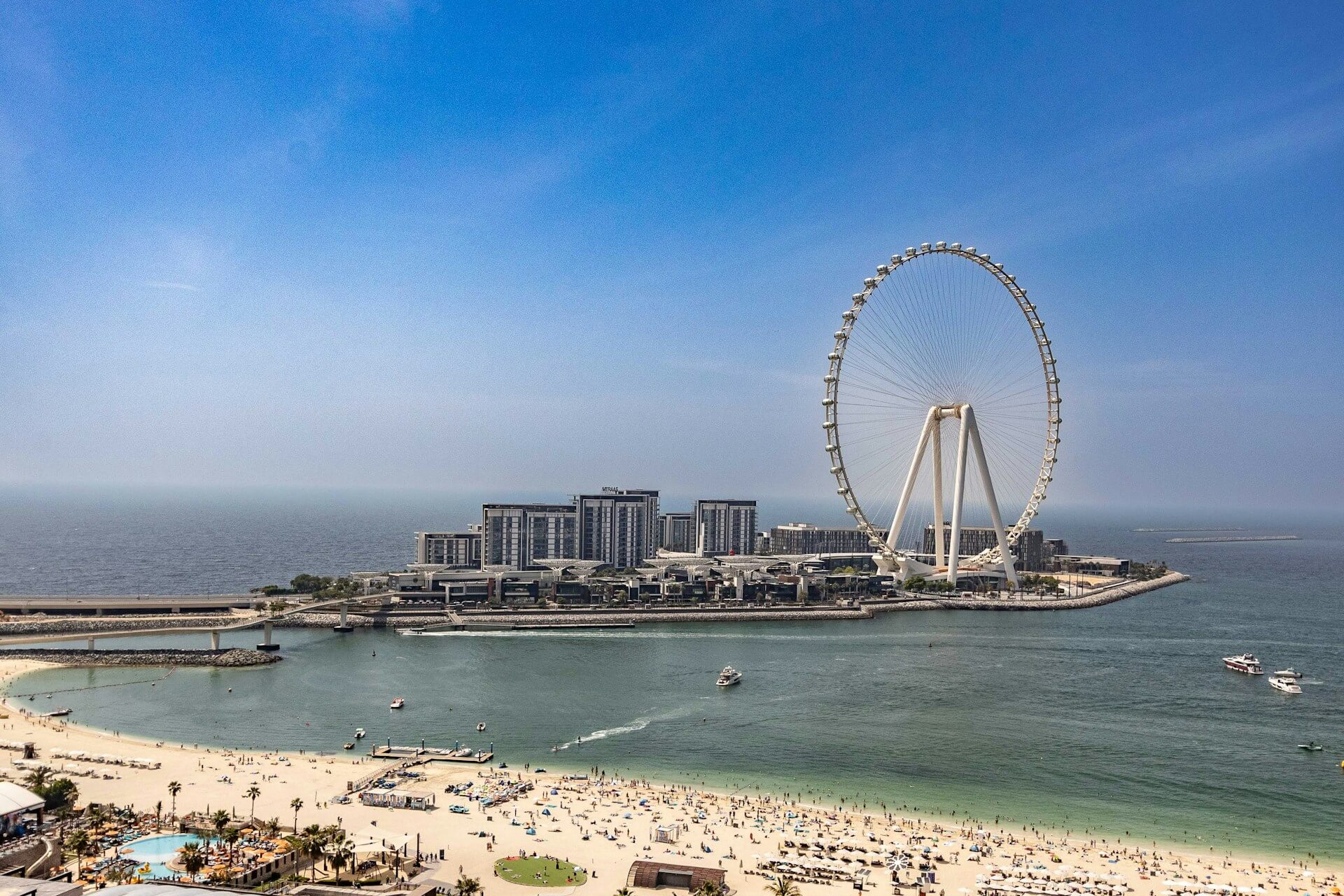
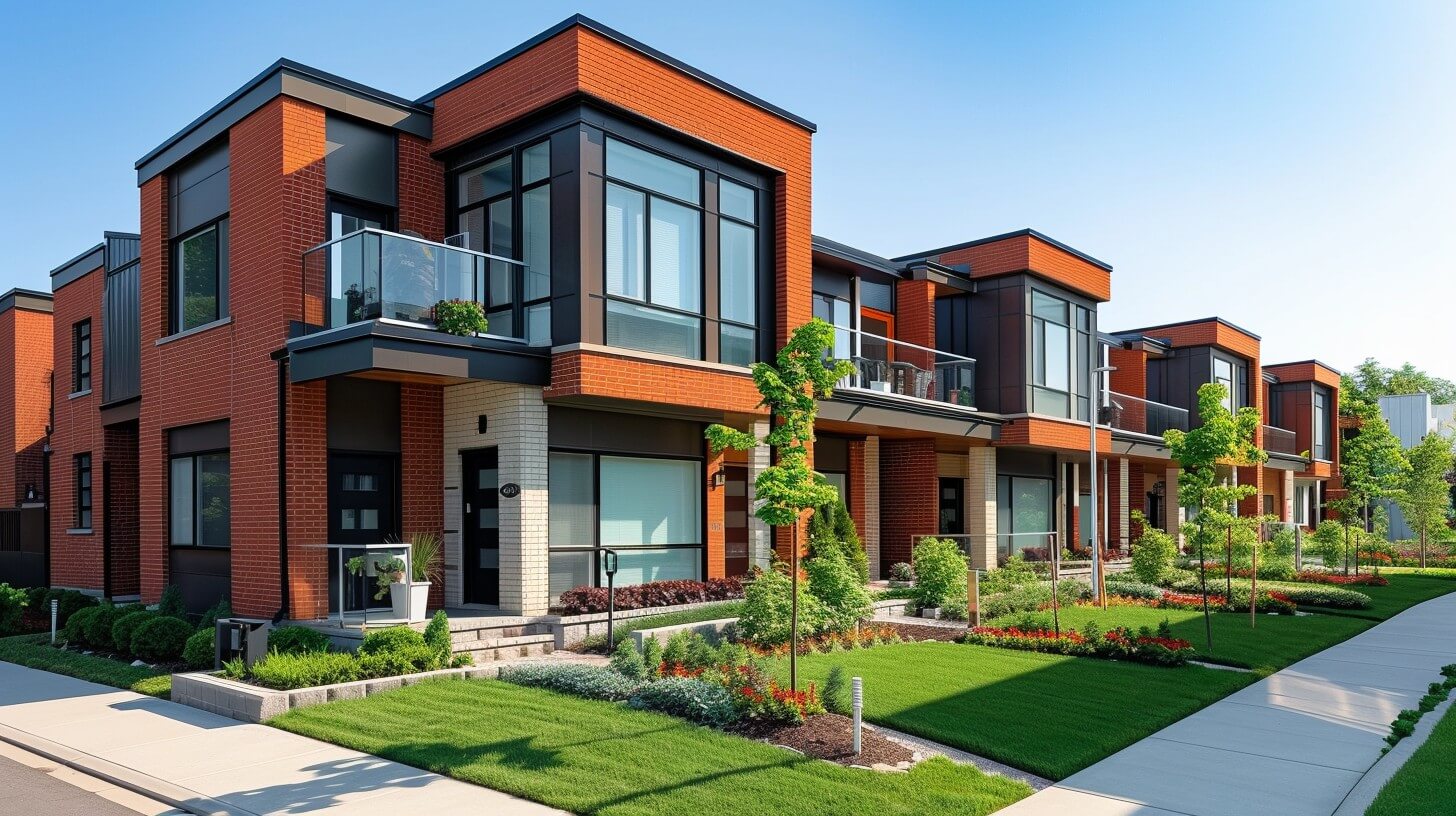
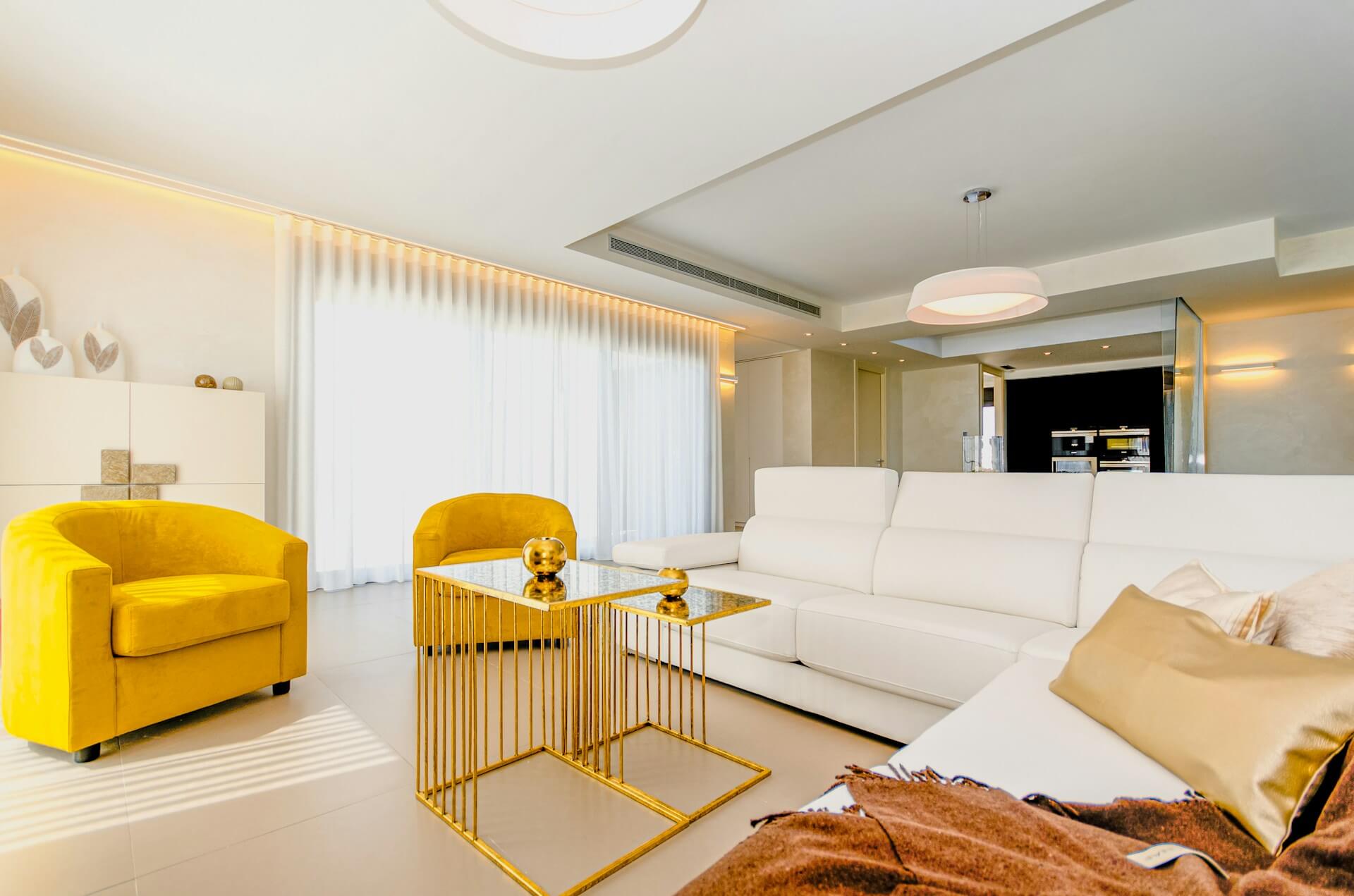
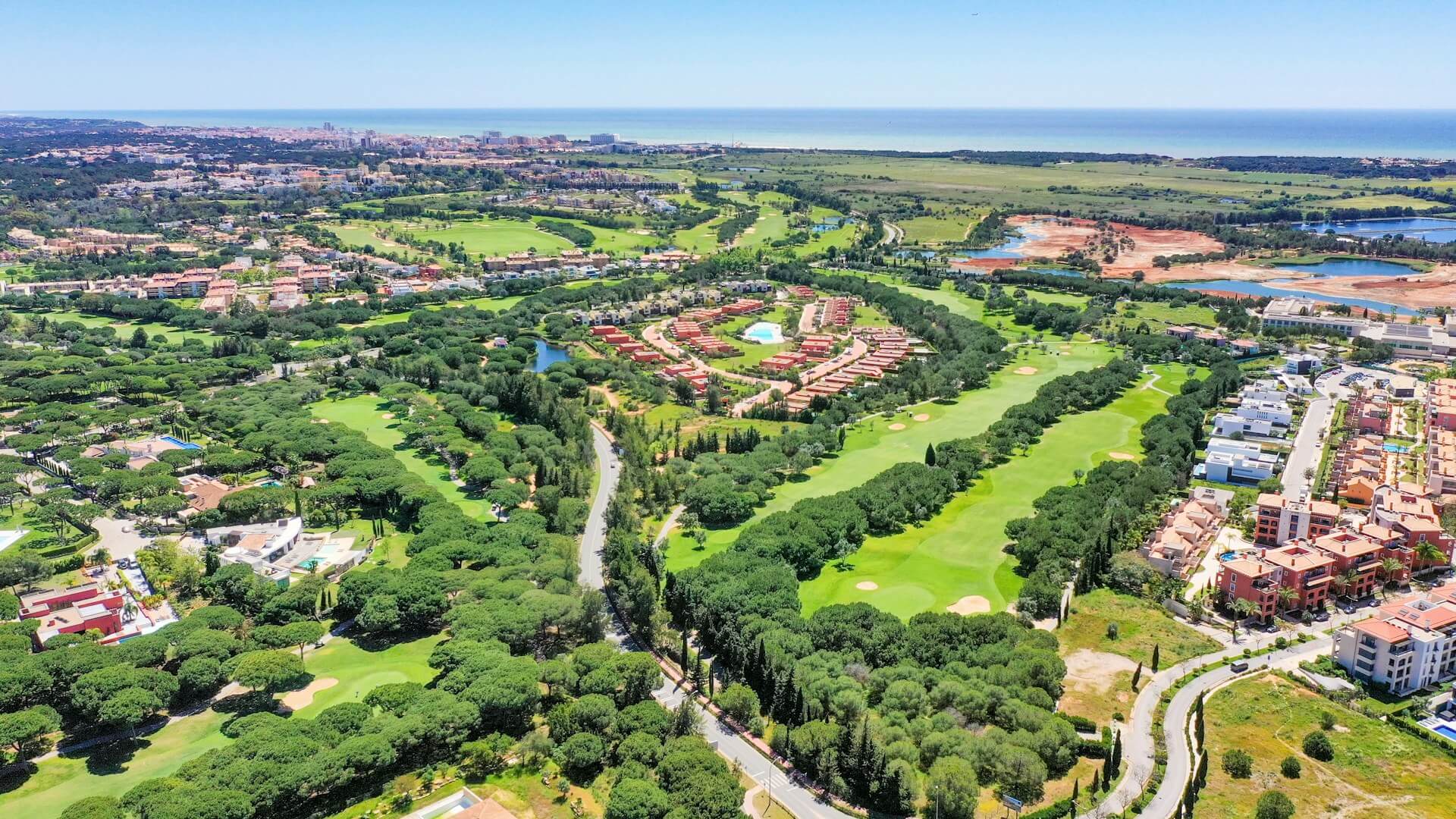
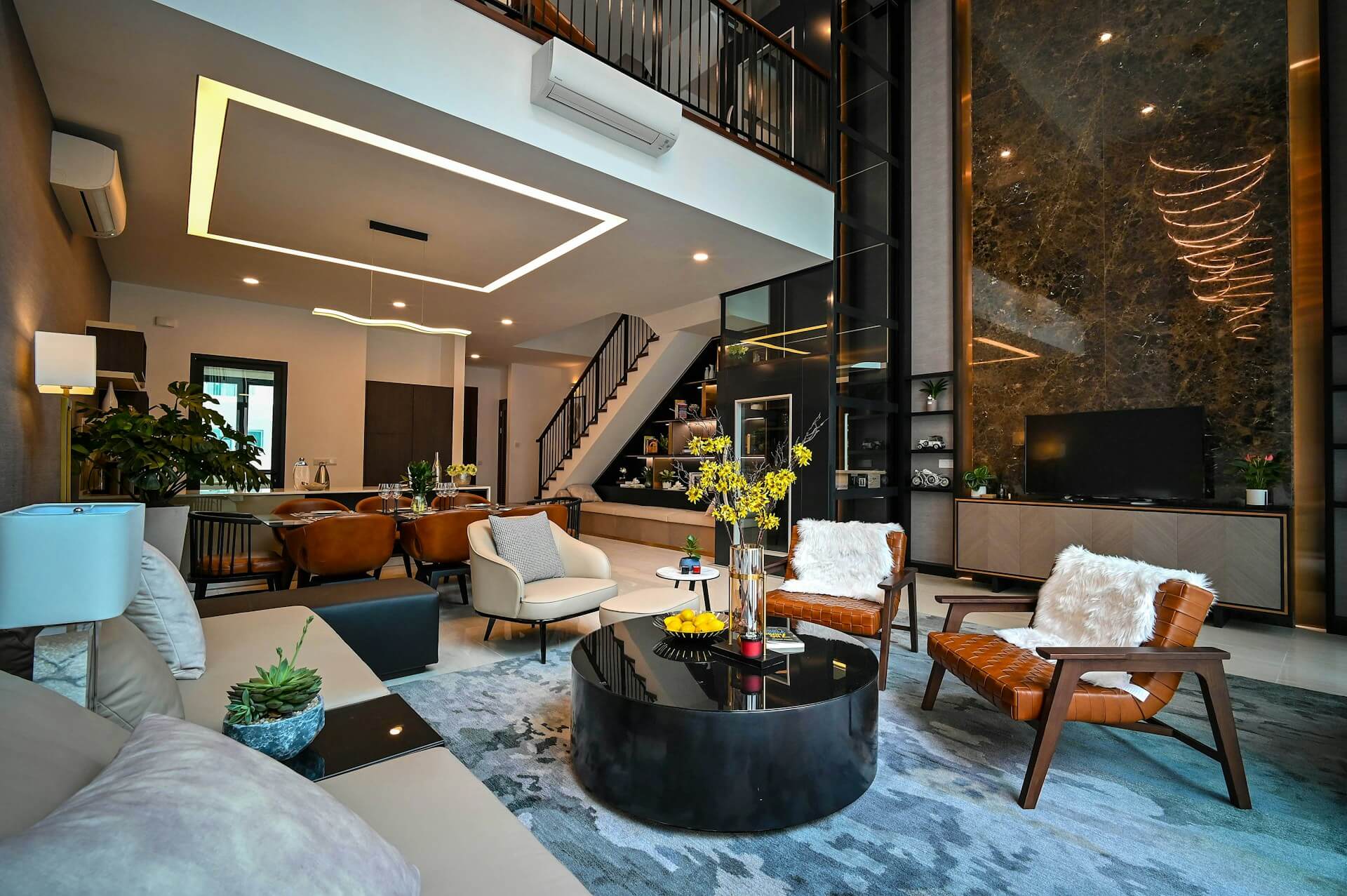
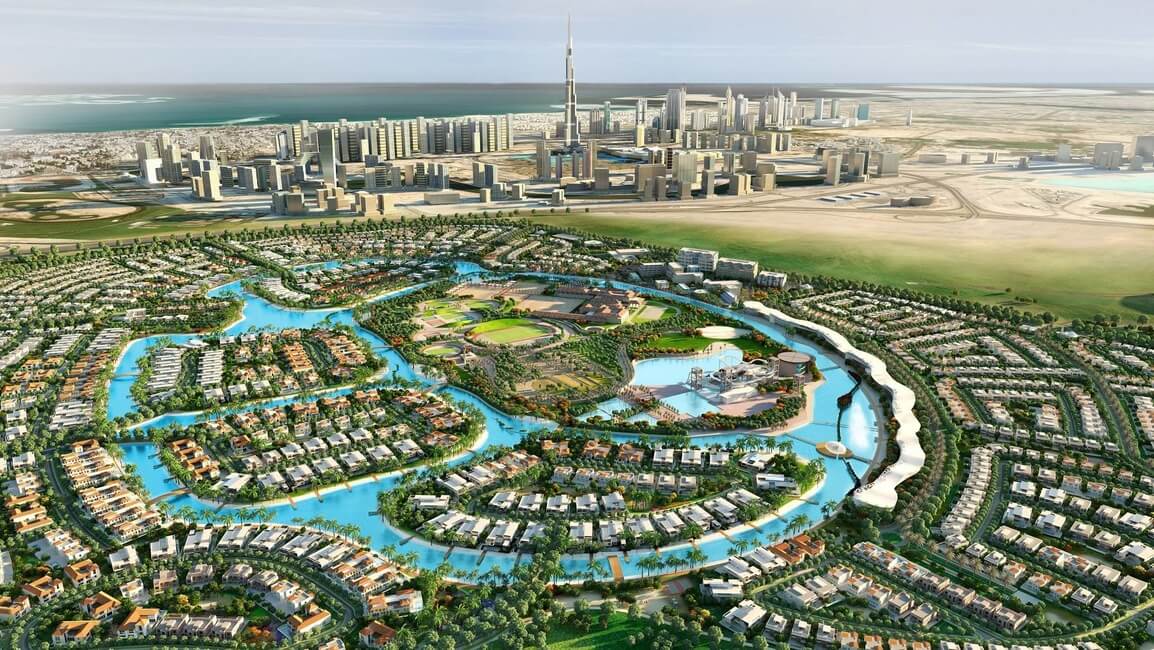
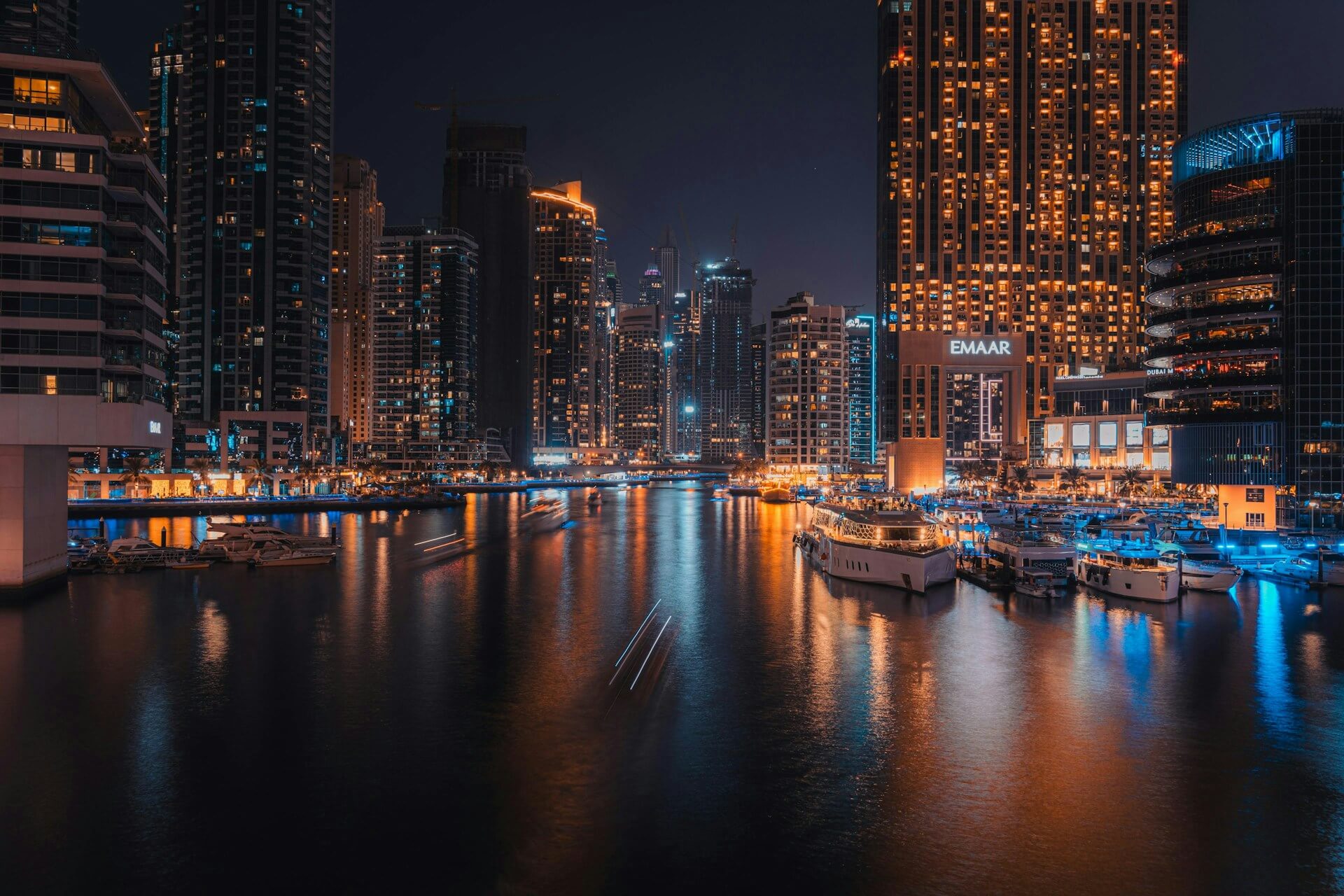
Investing in Dubai Marina flats for sale currently requires an entry capital starting from AED 1.2 million for studio units, with one-bedroom apartments ranging around AED 1.6–2.3 million, depending on the tower and finishing level. Demand concentrates strongest in developments offering waterfront views, proximity to transport nodes like the tram and metro, and direct access to retail and leisure facilities within the Dubai Marina district.
Rental yields average 6–7% annually, with short-term tenancy commanding premiums in key buildings such as Marina Gate and Oceana Palace.
The current momentum is driven by a constrained supply of ready apartments amid rising relocation demand tied to Dubai Marina’s expanding business hubs and leisure economy.
Visa reforms enhancing long-term residency appeal to professionals and families increase end-user interest alongside investor activity targeting steady returns. This combination cements Dubai Marina’s position as a high-demand locale for property acquisition in the luxury segment.
Dubai Marina stands out for its blend of established high-rises and new launches offering varied floorplans, from compact studios vetted for rental potential to sizable three-bedroom units suited for families.
The market offers a comparative advantage over areas like Jumeirah Lake Towers in terms of rental premiums and quicker resale turnover, underlining stronger liquidity. Entry cost is offset against robust occupancy and stable capital appreciation projections, making flats in Dubai Marina a pragmatic buy.
The current market for Dubai Marina flats for sale shows a stabilized sales volume with competitive pricing starting at approximately AED 1.2 million for studios, AED 2.5 million for one-bedroom units, and AED 4 million and above for larger layouts.
These entry points align with recent infrastructure enhancements surrounding Dubai Marina, including expanded retail, transport accessibility, and the ongoing extension of the tram network, which contribute to sustained demand.
Strong tenant influx, mostly driven by relocating professionals and tourism-related short-term leases, creates robust support for investors targeting rental income.
Dubai Marina has demonstrated average gross yields between 6-7% annually, slightly outperforming other high-density waterfront zones such as Business Bay and JBR. This yield advantage stems from a balanced supply pipeline and consistent end-user interest.
For capital deployment, buyers should prioritize ready-to-move-in properties within key towers like Marina Gate and Dubai Marina Residences, where resale velocity ranks highest due to developer reputation and facility quality.
Off-plan options present cost savings up to 15%, but liquidity tends to be slower, especially in projects beyond core pockets of Dubai Marina.
Comparisons indicate that entry costs here remain higher than in emerging districts like Jumeirah Village Circle, yet offer superior long-term capital retention and tenant demand.
Investors focused on short-term rental income will find the Dubai Marina district more favorable due to tourism flux and proximity to commercial hubs.
Buyer profiles best suited for this market segment include expatriate professionals seeking lifestyle integration and portfolio investors aiming at medium- to long-term capital growth combined with steady rental returns.
Lifestyle buyers benefit primarily from well-equipped buildings offering direct access to leisure and retail amenities, while institutional investors should focus on diversified holdings across multiple towers to mitigate vacancy risks.
Liquidity remains seasonally influenced; sales typically accelerate in Q1 and Q4 aligned with market cycles and visa renewals. Projects with higher developer credibility, such as Ocean Heights and The Address Residences, consistently offer benchmark resale times under 90 days.
When acquisitions are not recommended: buyers with low capital reserves should avoid entry due to high price points and associated transaction costs.
Additionally, speculative purchasers should be cautious amid potential oversupply in secondary locations peripheral to Dubai Marina, which can extend vacancy periods beyond 6 months and suppress yields. Reduced ROI may occur if purchase timing coincides with bulk off-plan launches or major economic slowdowns impacting expatriate inflow.
Choosing the optimal floor level significantly affects investment performance and living experience in Dubai Marina apartments.
Ground to mid-level units, typically between floors 3 and 10, offer the most balanced entry prices, averaging AED 1.3 million for a one-bedroom, compared to premium premiums starting at AED 1.6 million above the 20th floor. These floors attract stronger rental demand due to easier access and fewer elevator wait times, translating into quicker leasing cycles and lower vacancy rates.
Investors targeting higher capital appreciation and panoramic views should consider floors 15 and above.
Units in this segment command up to 20% price premiums versus lower floors but come with extended transaction and maintenance timelines. Liquidity tends to be higher here for buyers prioritizing lifestyle, although rental yields average 6.5%, slightly softer than mid-level yields which stabilize around 7-7.5% due to consistent demand from professionals working in Dubai Marina.
Lower floors, especially podium and first two floors, have entry prices reduced by up to 15%, yet come with drawbacks: increased noise exposure from street and promenade activity, and occasional privacy concerns.
These units suit investors focused on short- to mid-term rental leveraging affordable entry points but may face longer vacancy periods during market downturns or off-peak seasons in Dubai Marina.
Comparison between low-rise and high-rise shows that mid-level placements offer the best risk-adjusted return. While skyscraper penthouses and apartments above the 30th floor in select towers hold strong resale appeal, they demand minimum upfront investments exceeding AED 2 million for one-bedroom configurations, which narrows the buyer pool and impacts liquidity negatively during market corrections.
Buyers seeking quick turnover and higher rental yield in Dubai Marina should prioritize floors 5-15.
This band aligns with the primary tenant profile: working professionals and families requiring convenient access, lower noise, and reasonable service charges. Service fees rise incrementally on higher floors, impacting net yield.
Additionally, higher floors correlate with longer elevator waiting times, which can diminish end-user appeal.
For owner-occupiers valuing exclusivity and panoramic views, floors above 20 offer unique lifestyle advantages but may not deliver the strongest rental returns or fastest resale cycles. Entry capital here is substantially higher, often surpassing AED 2 million, and resale can be slower except in trophy developments.
Developers like Emaar and Select Group price upper floors with a 15–25% premium relative to podium levels, reflecting view and privacy factors.
When selecting a floor, factor in personal or tenant access preferences, noise tolerance, and expected holding period.
Those entering the Dubai Marina real estate scene with budgets up to AED 1.4 million will secure better liquidity and rental performance at lower to mid-storeys.
For investors prioritizing capital growth and willing to accept higher entry costs, elevated floors provide an appreciation advantage albeit with longer holding requirements.
Avoid ground floor apartments in Dubai Marina if targeting long-term capital protection; noise pollution and foot traffic negatively impact demand during rental off-seasons.
Conversely, very high-floor units in older towers may exhibit slower resale velocity due to limited buyer appetite and increasing maintenance overheads. Newer projects typically offer optimized floor layouts between 10th–25th levels balancing price, yield, and lifestyle factors.
Dubai Marina flats for sale present distinct price brackets based on unit configurations, impacting both entry capital and investment appeal.
Studio apartments start at approximately AED 700,000, offering the lowest entry point but yield modest rental returns, typically around 5%. One-bedroom units command prices between AED 1.1 million and AED 1.5 million, balancing affordability with strong tenant demand and higher occupancy rates.
Two-bedroom residences generally fall within AED 1.8 million to AED 2.5 million, attracting families and professionals seeking space, which benefits long-term capital appreciation.
Three-bedroom units vary widely, ranging from AED 3 million up to AED 5 million depending on location and view quality within Dubai Marina, attracting premium renters and owner-occupiers, thus carrying lower vacancy risk.
Penthouse and luxury tower options start near AED 6 million and can exceed AED 15 million, suitable only for high-net-worth buyers aiming at capital growth or exclusive usage, with rental yields under 4% due to high valuations.
Entry cost directly correlates with unit size and tower position. Lower-floor studios near the outskirts of Dubai Marina offer the lowest prices but reduced potential for capital appreciation compared to mid-floor one-bedroom units in well-established buildings like Princess Tower or Marina Diamond.
Investors focused on rental income often favor mid-range one- and two-bedroom apartments, where demand from expatriates and professionals is strongest, ensuring better rental yield and liquidity.
Comparing ready stock with off-plan units shows a price premium of 8-15% for completed buildings, reflecting immediate availability and proven infrastructure, while off-plan projects offer entry savings but carry completion and market risk.
For buyers prioritizing quicker resale, mid-sized apartments in mature towers demonstrate better turnover speed due to constant demand from tenants relocating within Dubai Marina.
Risk is elevated in larger units priced above AED 4 million, where market absorption slows and vacancy periods extend, especially if positioned in less central buildings.
Conversely, studios and one-bedroom apartments maintain faster leasing cycles but face fluctuating rental yields owing to abundant supply. Therefore, for investors with a budget under AED 2 million, prioritizing mid-floor one-bedroom units in central Dubai Marina buildings can secure optimal balance between entry cost, rental return, and resale potential.
Luxury units, despite high capital requirements, benefit from niche buyer segments interested in lifestyle and exclusivity, but generally exhibit lower liquidity and slower appreciation compared to smaller, more versatile units.
Investors should avoid oversized apartments in upcoming developments without proven infrastructure, as delayed completion and oversupply risk suppress future price growth in Dubai Marina.
Service charges within Dubai Marina properties typically range from AED 15 to AED 30 per square foot annually, with luxury towers often at the higher end.
This fee covers security, landscaping, cleaning of common areas, elevator maintenance, and access to shared amenities. Maintenance costs average 5-10% of the service charge but can spike in developments offering extensive recreational facilities such as pools, gyms, and private marinas.
Buyers should budget an upfront payment equivalent to 1-2% of the property's price as a security deposit to cover future charges and ensure smooth community upkeep.
For a 1,000 sq ft unit priced at AED 1.8 million, expect annual service and maintenance fees in the range of AED 27,000 to AED 54,000. These recurring fees significantly impact net yields, especially for investors targeting rental returns.
The variation in fees depends on the developer's management approach.
For instance, well-established projects like Marina Gate and Emaar’s Marina Promenade have relatively stable, transparent fee structures due to mature management.
In contrast, newly delivered or off-plan addresses can have unpredictable increases until management companies stabilize operations. Monitoring fee escalation trends is critical before acquisition.
Comparatively, properties with comprehensive leisure options bear 20-30% higher service charges than those focused on basic residential needs. For an investor focused on minimizing overheads, selecting minimalist high-rises without large-scale amenities might be prudent.
Lifestyle buyers prioritizing access to facilities should prepare for elevated recurring costs but benefit from enhanced quality and tenant appeal if renting out.
| Basic Residential Tower | 15–18 | 15,000–18,000 | 5% |
| Mid-Tier Building with Amenities | 20–25 | 20,000–25,000 | 7% |
| Luxury High-Rise with Extensive Facilities | 27–30 | 27,000–30,000 | 10% |
The frequency of fee revisions is commonly annual but can be biannual in some developments.
Sharp increases of 10-15% are not unusual during periods of major refurbishment or increased operating costs, which can reduce short-term investment yield.
Property owners should verify historical fee adjustment patterns from the management office.
Service charge transparency varies. Projects managed by third-party professional companies often provide detailed expense breakdowns in annual reports, aiding in forecasting long-term profitability.
Developments relying on owners’ associations may show less financial clarity, increasing risk for new entrants who lack sufficient data.
Maintenance fees cover critical infrastructure upkeep, including waterproofing, mechanical systems, and parking facilities. These costs are less flexible and can surge if facilities age or experience unexpected damage.
Properties older than 8 years often see maintenance fee increments of 15-25% over three years, necessitating a buffer in investment calculations.
Comparison with other waterfront clusters shows that Dubai Marina’s fees are slightly above average due to the density and quality of infrastructure involved.
Neighborhoods with lower service costs often lack high-end amenities or have less intensive community management, influencing buyer preference depending on investment or residence goals.
Investors must weigh the impact of these fixed charges on net rental yields, which currently average 5-7% gross in Dubai Marina.
After deducting service charges, yields compress to approximately 3.5-5%, which remains competitive when balanced against strong occupancy rates and capital appreciation prospects.
When assessing cash flow, consider that vacant periods impose total fee liabilities without rental income offset. This risk is higher in buildings with elevated fees and weaker demand. For end-users, understanding service and maintenance demands helps avoid unexpected annual costs that could affect affordability.
In summary, budget service charges and maintenance fees should be integral to financial modeling for any property acquisition in Dubai Marina.
Adequate capital reserves, thorough fee history analysis, and selection between amenities-heavy or leaner projects define both the profitability and suitability of investment or personal use.
Dubai Marina offers a variety of flats including studios, one to four-bedroom apartments, and penthouses.
Buyers can choose from fully furnished or unfurnished units depending on their preferences. The buildings vary in style and amenities, ranging from high-rise towers to more intimate communities, catering to different budgets and lifestyles.
Dubai Marina's location along the waterfront makes it highly desirable.
It is close to business districts, shopping centers, restaurants, and entertainment venues. Proximity to public transport options like the metro and tram also enhances convenience. These factors contribute positively to property values and have made it a popular area for both investors and residents.
When buying a flat in Dubai Marina, it's important to review the developer's reputation and the building's maintenance fees.
Buyers should also check the property ownership type, whether freehold or leasehold. Inspecting the condition of the unit and understanding the community rules and facilities available, such as security, parking, and recreational areas, are essential steps.
Flats in Dubai Marina often attract those seeking rental income due to the district's popularity with professionals and tourists.
The demand for rental properties tends to be steady because of the area's amenities and location. However, investors should analyze market trends, rental yields, and potential resale values before making a decision to maximize returns.
Living in Dubai Marina offers a vibrant urban lifestyle with easy access to the beach, cafes, and outdoor activities along the marina promenade.
It caters to active individuals and families alike by providing green spaces, fitness centers, and entertainment options. The area combines a cosmopolitan atmosphere with a sense of community, making it attractive for many residents.
Dubai Marina offers a wide range of apartments, including studios, one-bedroom, two-bedroom, and larger units.
Many buildings provide luxury finishes and stunning views of the marina or the Arabian Gulf. Buyers can find both ready-to-move-in and off-plan properties, catering to different budgets and preferences. High-rise towers with amenities such as swimming pools, gyms, and 24/7 security are common, making it a popular area for singles, couples, and families alike.
Dubai Marina’s location offers convenient access to major highways like Sheikh Zayed Road, facilitating easy travel to key parts of Dubai.
The area has its own metro station and a tram system connecting to surrounding neighborhoods, reducing dependence on cars. Residents enjoy a variety of shops, restaurants, and entertainment venues within walking distance, allowing for a comfortable lifestyle without long commutes.
Additionally, the Marina Walk and nearby beaches provide recreational options close to home.
Clear answers about buying, renting and investing in Dubai property.
Yes. Foreign buyers can purchase freehold property in designated areas such as Dubai Marina, Downtown Dubai, Business Bay, Palm Jumeirah, Dubai Hills and other approved communities.
It depends on your timeline, budget and goal. Buying is usually better for long-term plans, capital growth and rental income, while renting is better for flexibility and easier relocation.
The required budget depends on the area, building quality and property type. More accessible apartments can be found in developing communities, while prime locations and luxury properties require a much higher budget.
In addition to the purchase price, buyers should budget for the Dubai Land Department fee, registration and trustee fees, possible agency commission, mortgage-related costs if financing is used, and ongoing service charges for many buildings.
Yes, many banks in the UAE offer mortgages to foreign buyers. Approval depends on income, documents, deposit amount and the specific property being purchased.
Areas such as Dubai Marina, Downtown Dubai, Business Bay, Dubai Hills, JVC, Palm Jumeirah and Creek Harbour are often considered by investors, but the right area depends on whether your focus is yield, resale value, lifestyle appeal or long-term growth.
Rental yield varies by area, property type, furnishing level and market timing. In practice, many investors look for a balance between strong occupancy, reasonable service charges and sustainable tenant demand rather than chasing headline numbers alone.
Off-plan property is purchased directly from a developer before the project is completed. Buyers often choose off-plan because of payment plans, newer inventory and lower entry prices compared with some ready properties.
A proper review should consider the developer’s track record, payment plan, handover timeline, location quality, future supply in the area and the project’s resale or rental potential after completion.
For ready property, the timeline can move fairly quickly if the price is agreed, documents are prepared and the buyer is ready to proceed. Mortgage purchases usually take longer than cash deals.
Yes, many purchases can be handled remotely with the correct documents and proper support through the process. Remote buying is common for overseas investors and international clients.
The biggest risks are overpaying, choosing a weak location, buying an unsuitable layout, ignoring service charges, or selecting a project with low resale and rental demand. Good selection matters more than marketing promises.
In long-term rentals, rent is commonly agreed for a fixed term and often paid by one or several cheques depending on the landlord, property and negotiation.
Tenants are usually asked for identification and residency-related documents, and the exact set depends on their status in the UAE and the landlord’s requirements.
A security deposit is commonly required before move-in. The amount often depends on whether the property is furnished or unfurnished and should be clearly stated in the rental terms.
In many rental transactions, an agency commission is charged. The amount depends on the deal structure and should be confirmed before signing anything.
Tenants should review the deposit, Ejari registration, utility setup costs, parking terms if relevant, maintenance responsibilities and any conditions related to early termination or renewal.
Yes, negotiation is common. The final result depends on market conditions, the landlord’s flexibility, how long the property has been available and how prepared the tenant is to move forward.
It is important to check the condition of the unit, building quality, noise level, parking, view, maintenance status, contract terms and the reliability of the owner or manager.
Short-term rent offers flexibility and convenience but is usually more expensive. Long-term rent is generally more cost-effective and better suited for clients planning to stay longer.
During an active contract, the agreed rent usually remains fixed. Any increase is generally discussed at renewal and should follow the applicable rules and notice requirements.
This depends on the tenancy contract. Minor day-to-day issues may be handled by the tenant, while major maintenance is commonly the landlord’s responsibility, but the exact wording in the contract matters.
Ejari is the official registration of the tenancy contract in Dubai. It is important for legal recognition of the lease and is commonly needed for practical steps such as setting up utilities.
Yes. Furnished properties can be more convenient and faster to move into, while unfurnished options may work better for longer stays or tenants who want more control over the setup and budget.
We do not rely on random mass listings. We narrow the market based on budget, location, property type, investment goal, lifestyle needs and timeline, so clients can focus only on relevant options.
Yes. Support can include shortlisting, arranging viewings, comparing options, discussing terms, helping with negotiations and guiding the next steps of the transaction.
The best first step is to define the real budget, target areas, purpose, preferred property type and timeline. Once those points are clear, the selection becomes faster, cleaner and much more useful.