
FOR SALE
AED 1,200,000AED 720,000
We help clients buy and rent the right property in Dubai — apartments, villas and investment units matched to budget, area and goals.
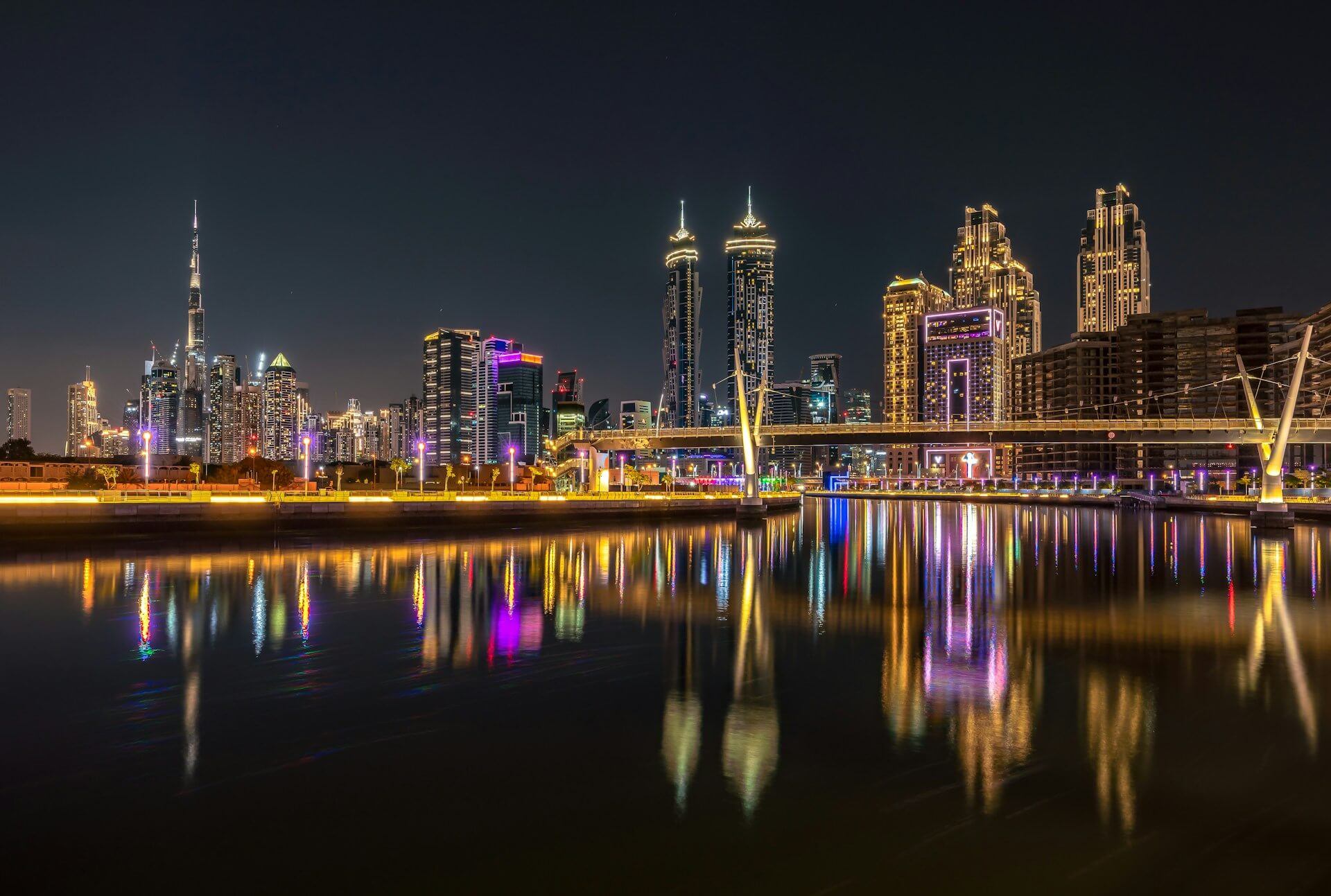
Dubai Property Selection focuses on apartments, villas and investment properties in key areas such as Dubai Marina, Downtown, Business Bay, Dubai Hills and Palm Jumeirah.
Instead of sending a huge list of random listings, we prepare a clean shortlist based on your budget, preferred area, bedrooms, timeline and purchase or rental goals.
Premium opportunities in Dubai — from compact investment units to signature villas and penthouses.
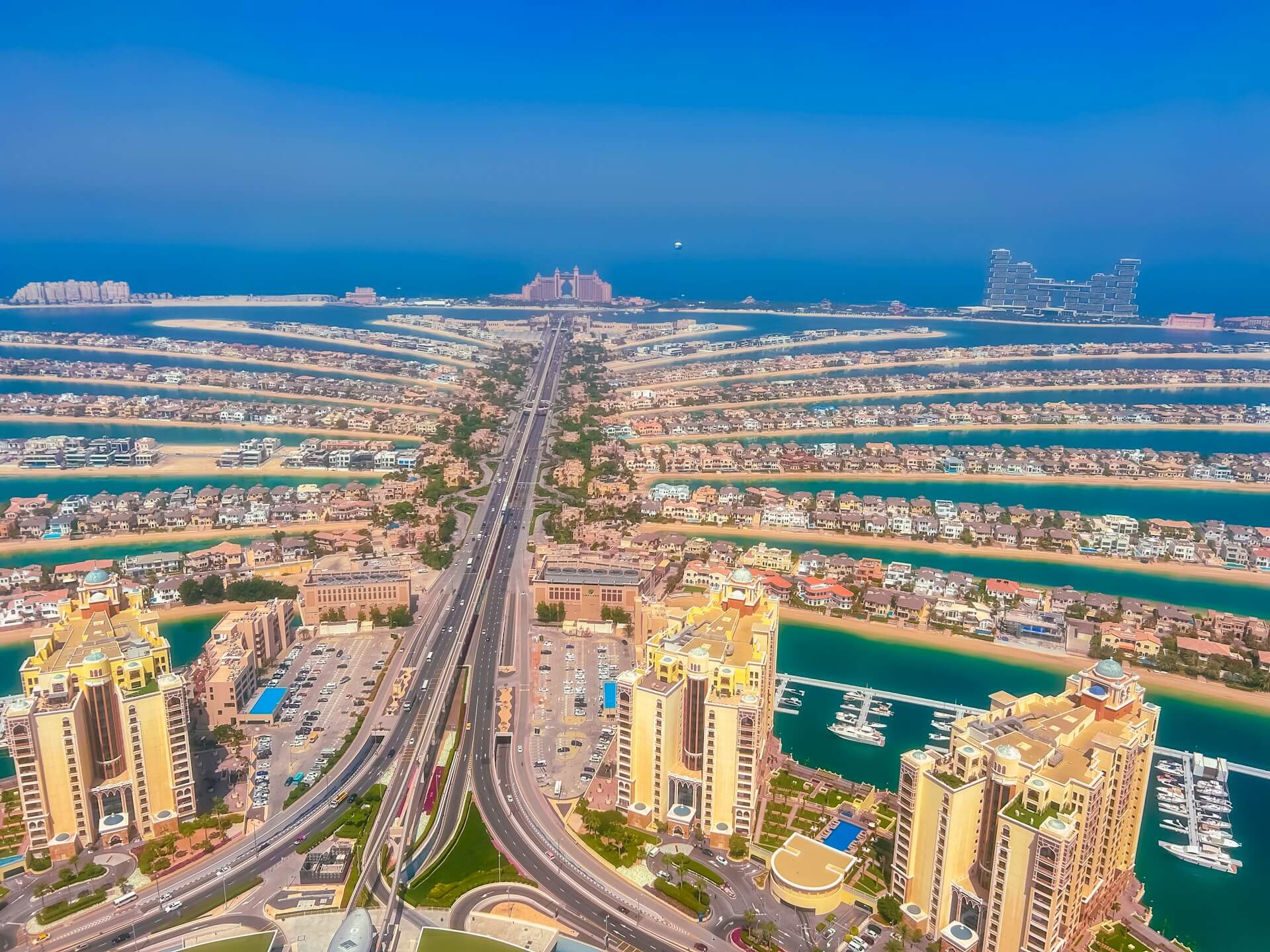
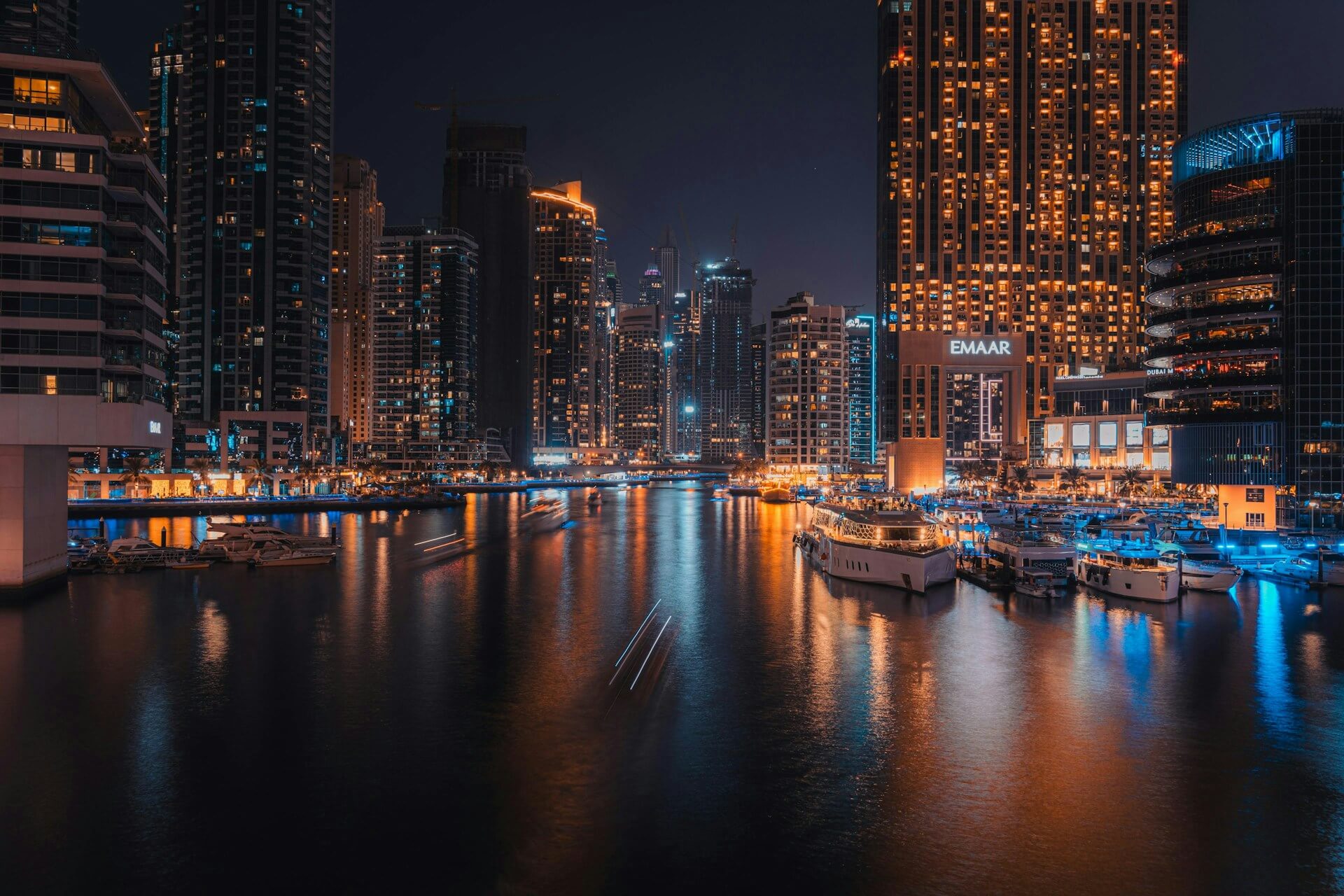
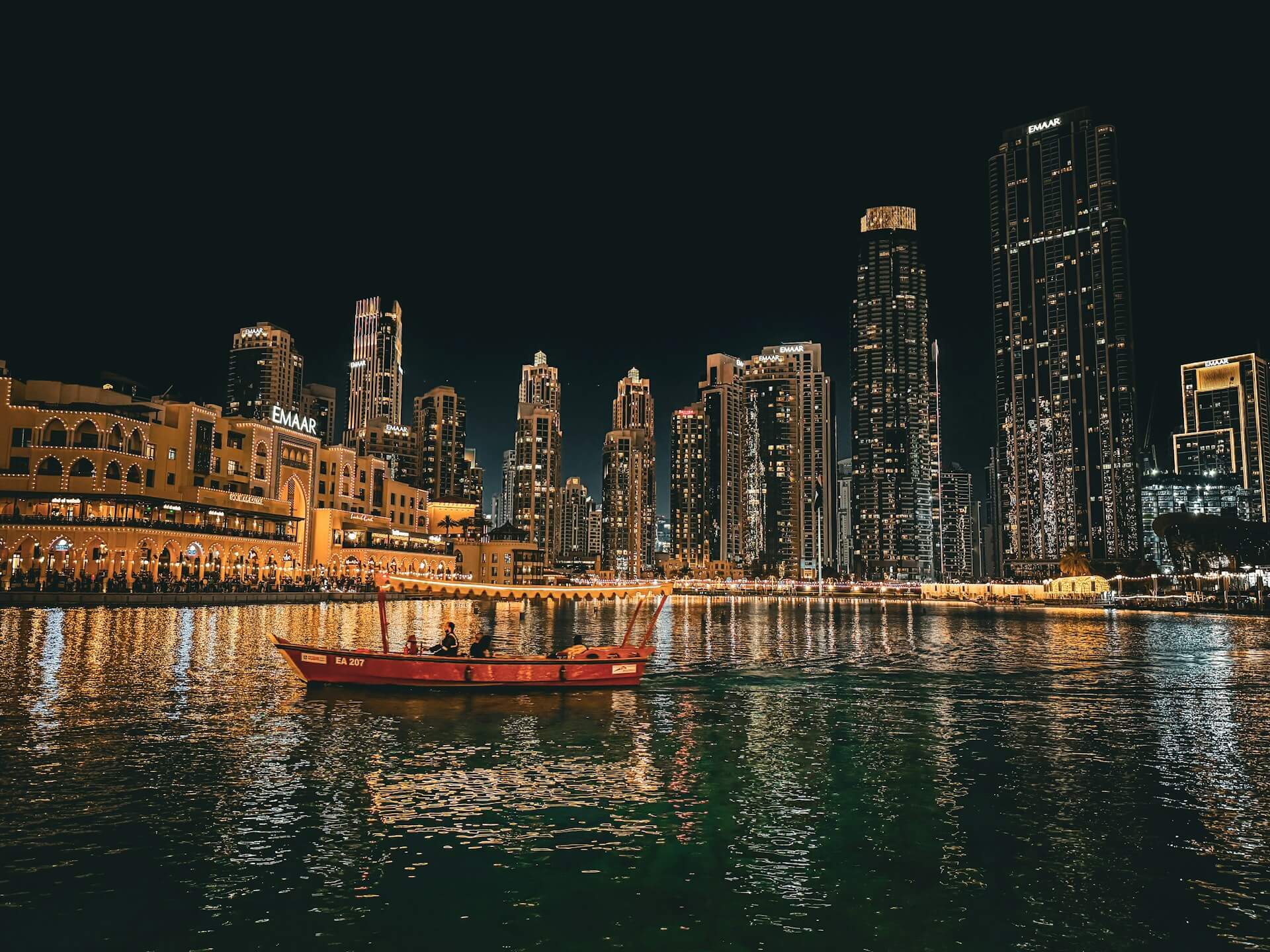


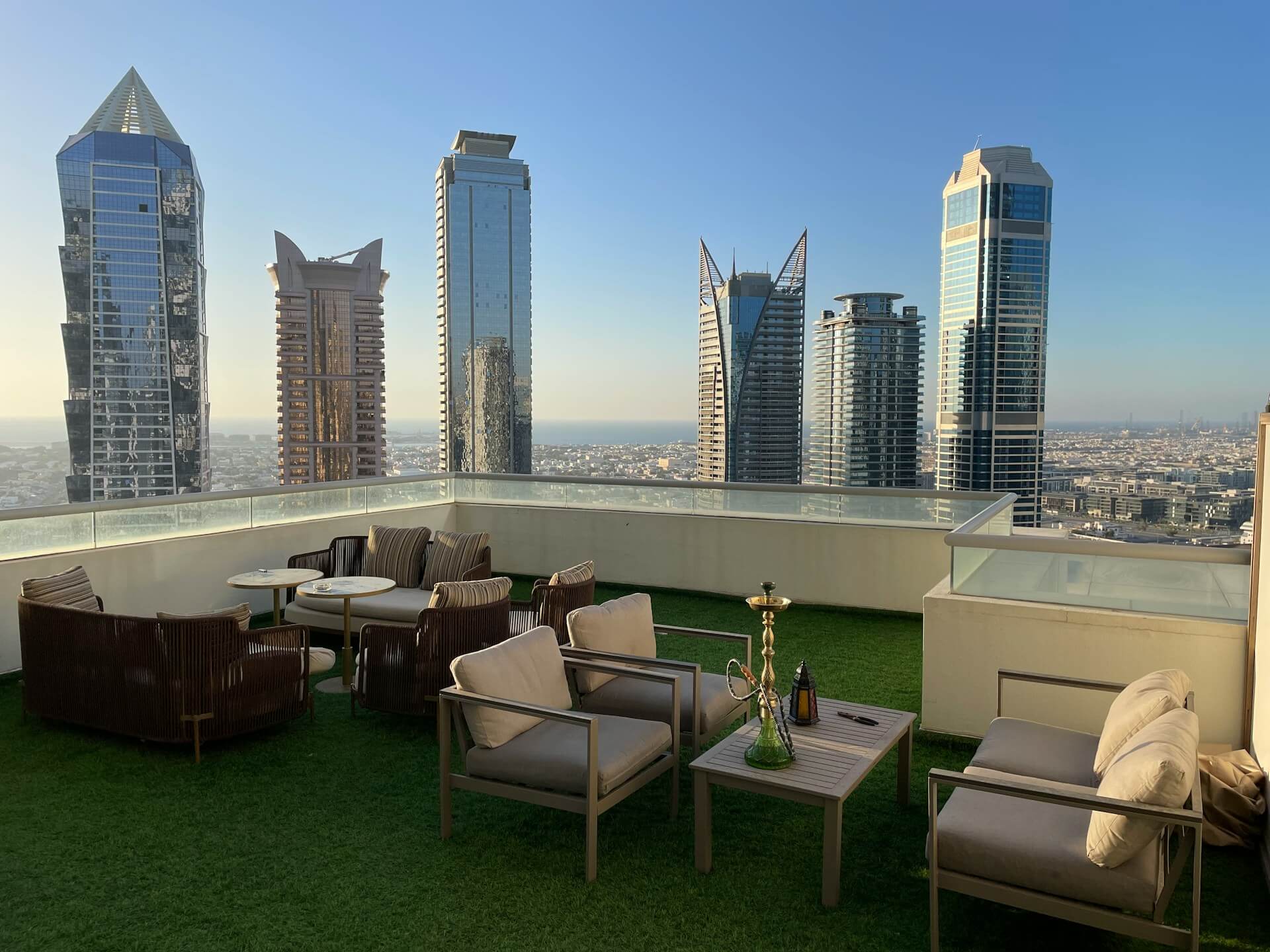
Comfortable long-term and premium rental options across Dubai.
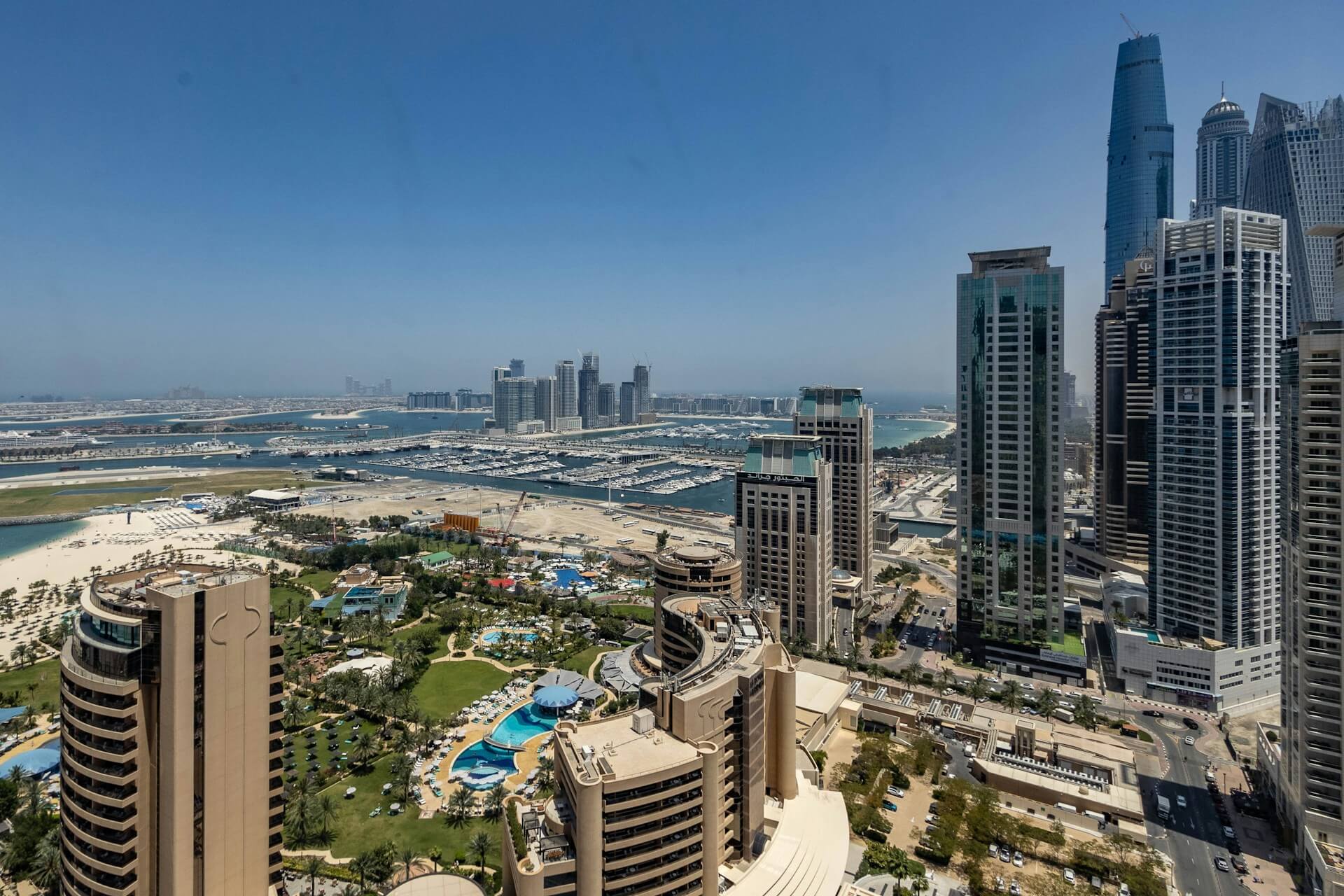

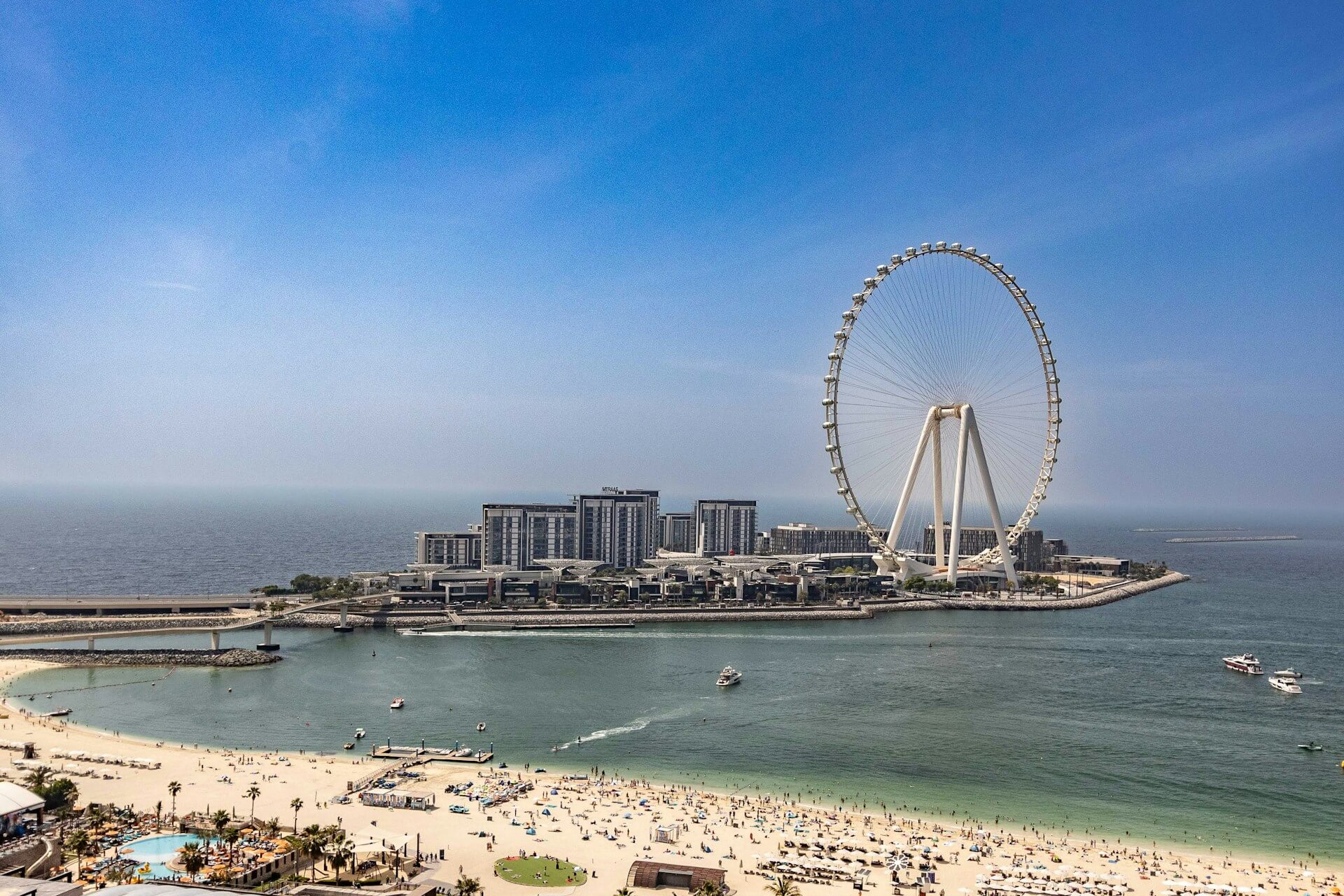


The current market offers a compelling case for investing in real estate within Dubai, driven by region-specific demand spikes in residential and commercial segments. Entry capital starts at approximately AED 1 million for studio units in prime locations, with luxury villas commanding upwards of AED 10 million.
Return on investment exceeds 7% annually in established districts such as Downtown Dubai and Dubai Marina, where liquidity remains robust due to consistent end-user interest and tourism inflows.
Strong population growth, visa reforms favoring long-term residency, and increased international corporate setups contribute to sustained absorption rates in Dubai. Limited availability of well-located turnkey assets combined with new infrastructure projects around Dubai Marina intensifies buyer activity.
Detailed cost-benefit analysis reveals that focusing on freehold areas with completed buildings minimizes risk while maintaining competitive yields.
Compared to emerging submarkets, Dubai Marina provides higher resale velocity and lower vacancy risk, albeit at a higher entry point. Budget-sensitive investors may find greater upside in Business Bay with entry levels near AED 800,000 for one-bedroom apartments and yields averaging 6%.
However, resale periods in Business Bay typically extend beyond six months, affecting short-term liquidity. An influx of end-users seeking lifestyle hubs underpins rental demand, further solidifying Dubai Marina’s investor appeal.
Entry into Dubai’s residential and commercial asset circles requires a minimum capital starting from AED 750,000 in off-plan studios within peripheral sectors, while prime developments on Sheikh Zayed Road or Dubai Marina demand upwards of AED 2.5 million for one-bedroom units.
This variance aligns with the strategic objective: investment yield or end-user acquisition. Unlike peripheral locations with higher yield potential–averaging 7% to 8% gross rental returns–central districts typically offer lower yields near 5% but greater capital preservation and resale stability.
Current market momentum in Dubai is driven by restrictive new supply approvals and a strong inflow of expatriates holding long-term visas, which accounts for an annual population growth rate of 6.5% in key districts like Dubai Marina.
This demographic expansion supports demand for mid-to-high-tier residences suitable for professionals and families relocating for work or education. Liquidity in areas such as Business Bay outperforms emerging zones, with transaction volumes frequently surpassing 200 units monthly, and average resale times under 60 days, compared to 90+ days in newly launched projects.
Comparatively, off-plan developments in Dubai Marina offer 10–15% capital appreciation over 24 months, but require cautious timing due to delivery schedules and potential market shifts.
Ready-to-move-in apartments command premium asking prices but ensure rental income continuity and easier mortgage approvals, especially post-Central Bank guidelines tightening loan-to-value ratios. Investors should weigh the trade-off: off-plan entry points are 20–30% lower, yet involve longer capital lockup periods and resale uncertainties, while completed assets provide immediate asset turnover at higher costs.
Demand concentration centers on one- to three-bedroom units in neighborhoods with easy access to metro lines and international schools.
Projects with waterfront views or proximity to business hubs see reduced vacancy rates, averaging below 5%. Conversely, peripheral locations like Al Furjan experience elevated vacancy risks over 12%, exacerbated by an oversupply of one-bedroom apartments exceeding 30% of total stock in those districts.
Portfolio strategies should thus consider diversification across established and emerging clusters within Dubai to mitigate market-specific exposure.
Financial modeling for investor profiles reveals that target buyers are predominantly foreign nationals seeking residency-linked assets, given that approx. 70% of purchases are non-resident acquisitions in Dubai Marina.
For lifestyle clients, the primary motivation rests on immediate occupancy and community amenities, favoring fully finished developments with minimal maintenance liabilities. Commercial asset purchasers focus on areas proximate to DIFC or JLT, where average yields reach 8%, driven by increased office space demand and hospitality sector spillovers.
Instances signaling avoidance include markets where initial returns dip below 4%, or where delayed project completions inflate carrying costs beyond forecasted rental income.
Fluctuations in international currency rates and tightened lending criteria can further compress margins. Additionally, investors less tolerant to medium-term illiquidity should refrain from off-plan commitments in less accessible locations such as Dubai South, where transactional velocity remains subdued.
Ensuring compliance with Dubai’s legal framework starts with registering all dealings at the Dubai Land Department (DLD).
Registration is mandatory to secure ownership rights, and the process includes verification of seller and buyer identities, title deed authentication, and payment of the applicable transfer fees, typically 4% of the agreement price split equally between parties unless otherwise agreed.
Foreign investors must verify if the intended asset lies within freehold areas, as only these zones permit full ownership by non-citizens.
Leasehold and usufruct rights exist elsewhere but carry restrictions. Confirming the property’s zoning on the DLD portal ensures legal ownership clarity and avoids invalid transactions.
Contract execution requires a Memorandum of Understanding (MOU), which legally binds buyer and seller under defined terms including deposit amounts, payment milestones, and delivery timelines. The MOU should be drafted or reviewed by a registered legal consultant to prevent disputes and enforce contract enforceability in Dubai courts.
Due diligence mandates checking for existing mortgages or liens on the asset.
The real estate registry provides official status; any encumbrances must be cleared before completion. Sellers are obligated to disclose such financial obligations under Dubai’s Transaction Law to protect purchasers from hidden liabilities.
Mortgages in Dubai require approval from the Dubai Land Department and compliance with the Mortgage Law.
Loan agreements must be registered, and release of mortgage liens on full repayment is prerequisite for resale. Buyers should calculate additional costs including registration fees (~0.25% per transfer), trustee fees, and real estate agent commission (often 2%).
Title deed issuance occurs after final transfer formalities.
Obtaining a freehold title deed is the crucial final step conferring legal possession. Delays can arise if documents are incomplete or payments unsettled, thereby affecting transaction timelines and liquidity.
For developers offering off-plan options, registration with the Real Estate Regulatory Agency (RERA) is compulsory.
Escrow accounts protect investor funds, and progress payments follow predetermined phases. Buyers must verify project registration status via RERA to ensure financial security and contract validity.
Legal vetting extends to checking seller authenticity through Emirates ID and company documents if applicable.
Fraudulent transactions are rare but do occur; leveraging registered real estate agents and consultants reduces risk significantly.
Cross-verifying seller credentials against official databases is standard practice in Dubai.
Power of attorney usage is common, but the grantor must register this authorization with DLD before completion. Unregistered POAs are not recognized legally for title transfer, potentially invalidating the contract.
Recent regulatory updates include the Real Estate Regulatory Agency's introduction of digital title deeds and escrow account management platforms, which streamline transactions while enhancing transparency.
Familiarity with these digital tools is advisable to avoid process delays.
Registering ownership requires precise compliance with the Dubai Land Department (DLD) protocols to secure legal title and prevent complications. Begin with obtaining a No Objection Certificate (NOC) from the developer, mandatory for transfers of any units in developments within Dubai.
The NOC typically costs 500-5,000 AED depending on the project and must be paid before proceeding.
Next, secure all required identification documents: passport copies, residency visas, and Emirates ID of both parties involved. Non-residents must also provide attested power of attorney if applicable. Confirm that all payment confirmations and prior agreements (such as Memorandum of Understanding) are on hand.
Visit the DLD registration center with the seller and buyer or their legal representatives for the transfer appointment.
Expect to pay the official registration fee of 4% of the final agreement value plus a fixed admin charge around 580 AED. This fee is non-negotiable and must be settled via the DLD-approved payment methods.
At the registration counter, DLD officials will verify contract details, check NOC validity, and confirm the authenticity of IDs. A testification of payment or escrow account clearing is required if funds were transferred through the Dubai Land Department’s escrow mechanism, protecting both parties.
Once the registrar approves, you will receive a title deed (Tanqeeb) confirming ownership transfer within a few working hours.
The Tanqeeb includes the plot or unit number, floor, size, and updated ownership details. It is critical for obtaining utility connections, resale, or visa-related advantages tied to real estate holdings.
For streamlined processing, consider using registered real estate agents or legal advisors specializing in Dubai transactions.
Their knowledge reduces the risk of delays due to missing documents or misunderstandings of the DLD’s procedural nuances.
Registration processing times vary: off-plan sales may take 3-5 days longer due to additional developer approvals, whereas ready transactions often finalize the same day. Timing is an important factor when planning resale or financing steps after acquisition.
In Dubai, registration is legally binding and irrevocable once executed.
Any missing approvals or unregistered ownership risks freezing assets or complicating resale. Verify project registration status with the Dubai Land Department’s online services before proceeding.
Comparing options, transactions in areas with high developer responsiveness and clear document trails, such as Dubai Marina or Business Bay, experience faster registration and fewer disputes than emerging locations with inconsistent paperwork handling.
For investments prioritizing liquidity, quick title transfer reduces holding costs and improves exit speed.
Secondary market acquisitions generally offer smoother registration than off-plan due to pre-cleared NOCs and completed escrow processes.
Foreign ownership rights in Dubai enable full freehold registration without local partnership restrictions, but buyers must meet visa or residency criteria to benefit from linked services.
Registration is mandatory for end-users seeking residency visas tied to real estate ownership, particularly relevant in Dubai Marina and Palm Jumeirah.
Beware of delayed transfers when documentation is incomplete or payment is partial.
The DLD rejects incomplete applications, leading to legal exposure and stalled possession rights. Always use escrow or official channels to avoid forfeiture.
In conclusion, mastering the exact steps and fees involved in ownership registration mitigates legal risks, expedites possession rights, and optimizes transaction clarity, crucial for investing in complex urban environments like Dubai Marina.
Proper preparation and professional support are necessary to navigate the DLD system efficiently.
Foreign buyers must understand that Dubai allows non-citizens to own property in designated areas known as freehold zones. The buyer needs to carry out due diligence including checking the property's title deed and ensuring the developer is registered with the Dubai Land Department.
A sales agreement must be signed, followed by payment of a 4% transfer fee and registration of ownership. It is also advisable to work with a reputable real estate agent and possibly a legal advisor to navigate documentation and ensure compliance with local regulations.
Several property portals specialize in Dubai real estate, offering extensive listings that include villas, apartments, and townhouses.
It’s helpful to use sites that provide detailed information such as exact locations, floor plans, and price ranges. Additionally, contacting registered real estate brokers can offer access to a wider selection, including off-market opportunities.
Visiting model homes or scheduled viewings allows for better assessment before making a decision.
The payment methods typically involve an initial deposit upon signing the sales agreement, often around 10%, with the balance paid in installments according to the developer’s schedule if purchasing a new property.
For completed units, full payment or mortgage arrangements with local banks are common. Buyers should clarify all payment terms upfront, including any fees for late payments or maintenance costs.
Buyers should expect to pay annual service charges, which cover the maintenance of common areas, security, and facilities within the community or building.
These fees vary depending on the property size and location. Additionally, property owners might pay municipality fees calculated as a percentage of the annual rental value, even if the property is not rented out. Understanding all potential costs helps avoid unexpected expenses.
Start by evaluating the current market to set a realistic asking price.
Prepare all legal documents, including the title deed and any recent service charge statements. Listing the property with experienced agents will widen exposure to potential buyers. Presenting the property well through professional photos and clear descriptions is beneficial. Upon receiving offers, negotiate terms carefully and ensure all agreements are documented legally before final transfer procedures at the Dubai Land Department.
For a foreign buyer interested in purchasing property in Dubai, the process generally begins with selecting a suitable property, often assisted by a real estate agent familiar with the local market.
Next, you will need to verify that the property is free from any legal disputes and check all ownership documents. After choosing the property, a reservation or booking agreement is signed alongside a deposit payment, typically around 10%. Following this, a formal sales agreement is prepared and signed, which requires another payment installment.
The transaction must then be registered with the Dubai Land Department to transfer the title officially to the buyer’s name. Throughout this process, buyers often engage legal advisors to ensure compliance with local laws. It’s important to also budget for additional fees, including registration and agent commissions.
Clear answers about buying, renting and investing in Dubai property.
Yes. Foreign buyers can purchase freehold property in designated areas such as Dubai Marina, Downtown Dubai, Business Bay, Palm Jumeirah, Dubai Hills and other approved communities.
It depends on your timeline, budget and goal. Buying is usually better for long-term plans, capital growth and rental income, while renting is better for flexibility and easier relocation.
The required budget depends on the area, building quality and property type. More accessible apartments can be found in developing communities, while prime locations and luxury properties require a much higher budget.
In addition to the purchase price, buyers should budget for the Dubai Land Department fee, registration and trustee fees, possible agency commission, mortgage-related costs if financing is used, and ongoing service charges for many buildings.
Yes, many banks in the UAE offer mortgages to foreign buyers. Approval depends on income, documents, deposit amount and the specific property being purchased.
Areas such as Dubai Marina, Downtown Dubai, Business Bay, Dubai Hills, JVC, Palm Jumeirah and Creek Harbour are often considered by investors, but the right area depends on whether your focus is yield, resale value, lifestyle appeal or long-term growth.
Rental yield varies by area, property type, furnishing level and market timing. In practice, many investors look for a balance between strong occupancy, reasonable service charges and sustainable tenant demand rather than chasing headline numbers alone.
Off-plan property is purchased directly from a developer before the project is completed. Buyers often choose off-plan because of payment plans, newer inventory and lower entry prices compared with some ready properties.
A proper review should consider the developer’s track record, payment plan, handover timeline, location quality, future supply in the area and the project’s resale or rental potential after completion.
For ready property, the timeline can move fairly quickly if the price is agreed, documents are prepared and the buyer is ready to proceed. Mortgage purchases usually take longer than cash deals.
Yes, many purchases can be handled remotely with the correct documents and proper support through the process. Remote buying is common for overseas investors and international clients.
The biggest risks are overpaying, choosing a weak location, buying an unsuitable layout, ignoring service charges, or selecting a project with low resale and rental demand. Good selection matters more than marketing promises.
In long-term rentals, rent is commonly agreed for a fixed term and often paid by one or several cheques depending on the landlord, property and negotiation.
Tenants are usually asked for identification and residency-related documents, and the exact set depends on their status in the UAE and the landlord’s requirements.
A security deposit is commonly required before move-in. The amount often depends on whether the property is furnished or unfurnished and should be clearly stated in the rental terms.
In many rental transactions, an agency commission is charged. The amount depends on the deal structure and should be confirmed before signing anything.
Tenants should review the deposit, Ejari registration, utility setup costs, parking terms if relevant, maintenance responsibilities and any conditions related to early termination or renewal.
Yes, negotiation is common. The final result depends on market conditions, the landlord’s flexibility, how long the property has been available and how prepared the tenant is to move forward.
It is important to check the condition of the unit, building quality, noise level, parking, view, maintenance status, contract terms and the reliability of the owner or manager.
Short-term rent offers flexibility and convenience but is usually more expensive. Long-term rent is generally more cost-effective and better suited for clients planning to stay longer.
During an active contract, the agreed rent usually remains fixed. Any increase is generally discussed at renewal and should follow the applicable rules and notice requirements.
This depends on the tenancy contract. Minor day-to-day issues may be handled by the tenant, while major maintenance is commonly the landlord’s responsibility, but the exact wording in the contract matters.
Ejari is the official registration of the tenancy contract in Dubai. It is important for legal recognition of the lease and is commonly needed for practical steps such as setting up utilities.
Yes. Furnished properties can be more convenient and faster to move into, while unfurnished options may work better for longer stays or tenants who want more control over the setup and budget.
We do not rely on random mass listings. We narrow the market based on budget, location, property type, investment goal, lifestyle needs and timeline, so clients can focus only on relevant options.
Yes. Support can include shortlisting, arranging viewings, comparing options, discussing terms, helping with negotiations and guiding the next steps of the transaction.
The best first step is to define the real budget, target areas, purpose, preferred property type and timeline. Once those points are clear, the selection becomes faster, cleaner and much more useful.