
FOR SALE
AED 1,200,000AED 720,000
We help clients buy and rent the right property in Dubai — apartments, villas and investment units matched to budget, area and goals.
Dubai Property Selection focuses on apartments, villas and investment properties in key areas such as Dubai Marina, Downtown, Business Bay, Dubai Hills and Palm Jumeirah.
Instead of sending a huge list of random listings, we prepare a clean shortlist based on your budget, preferred area, bedrooms, timeline and purchase or rental goals.
Premium opportunities in Dubai — from compact investment units to signature villas and penthouses.


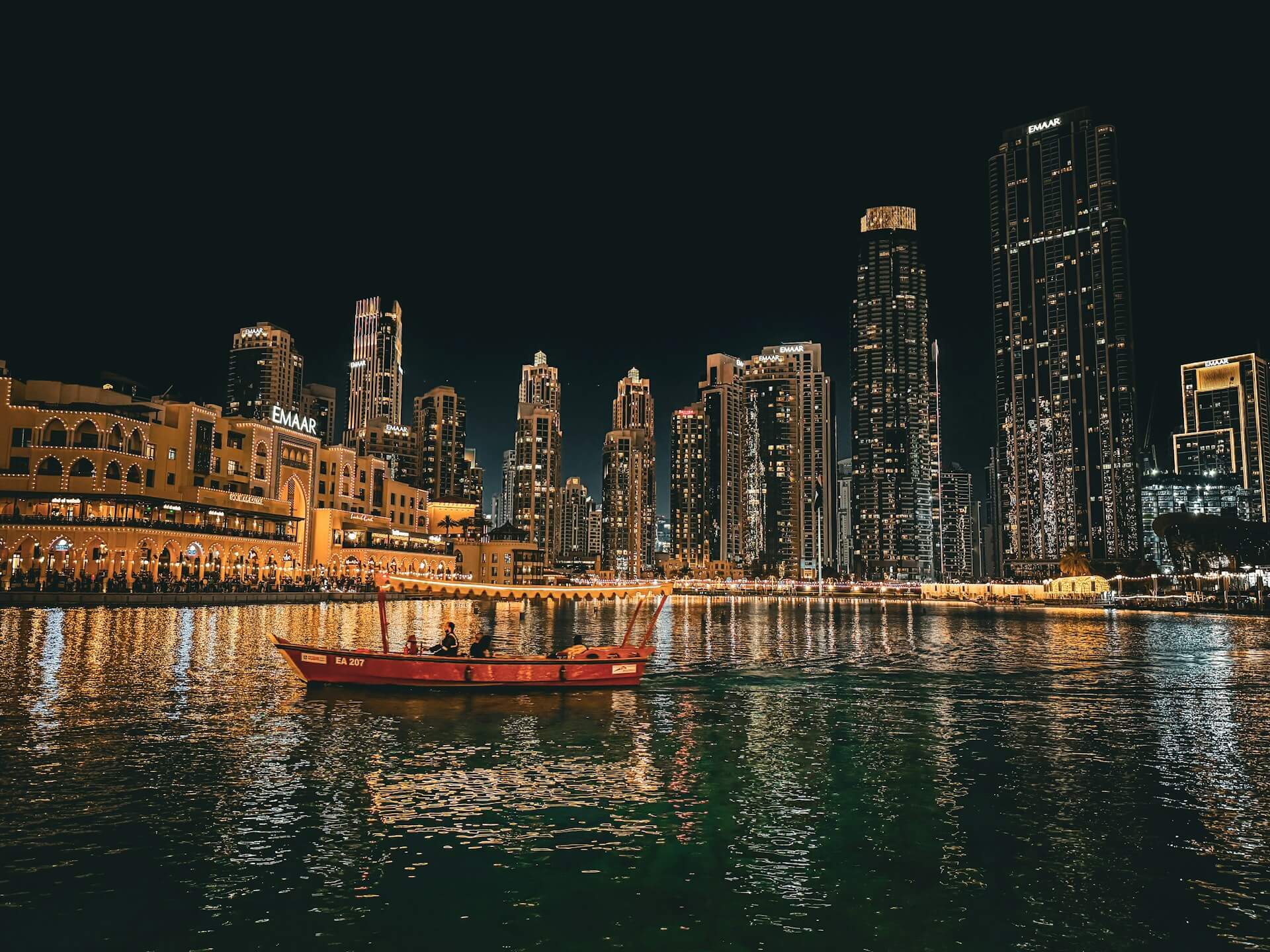




Comfortable long-term and premium rental options across Dubai.
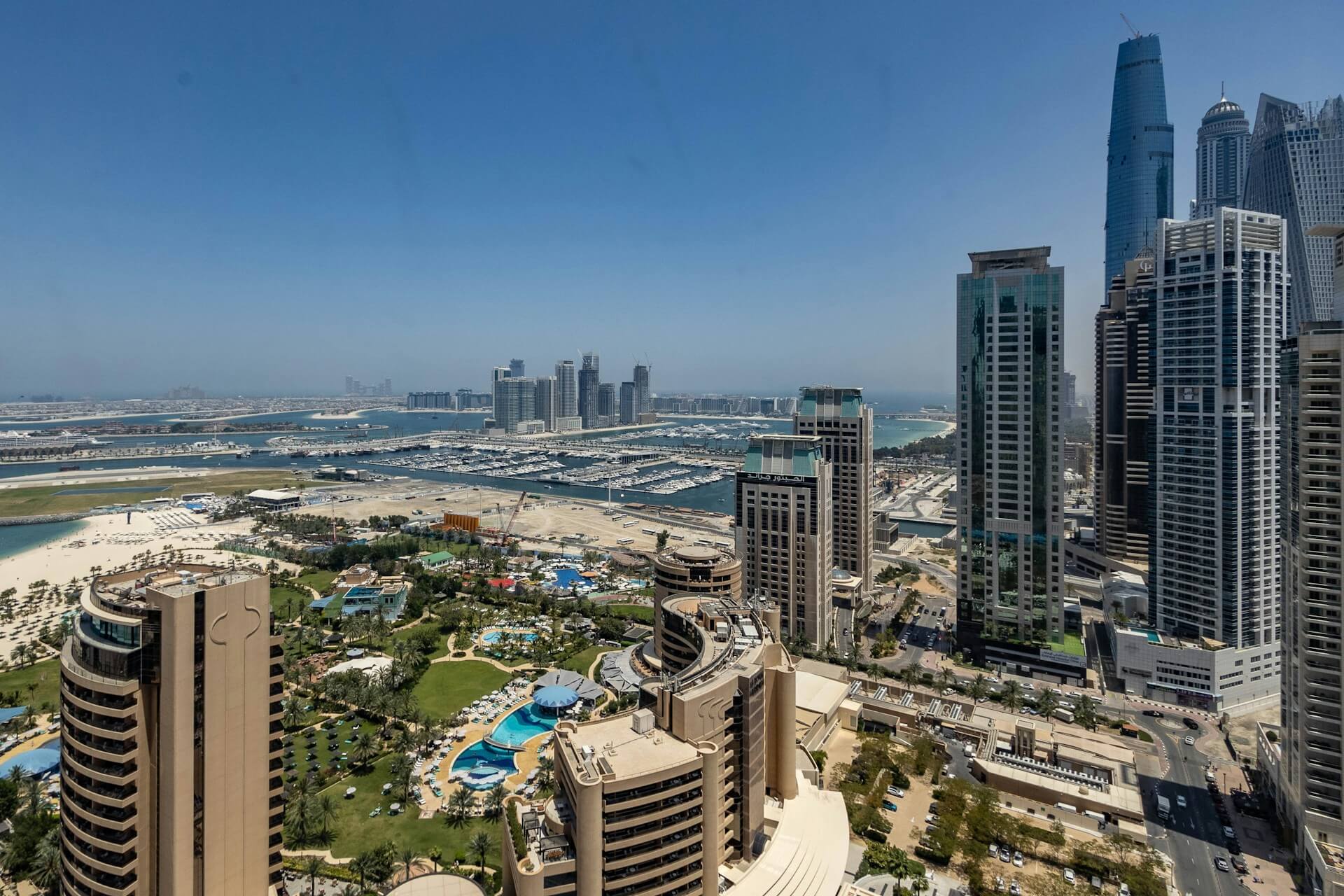

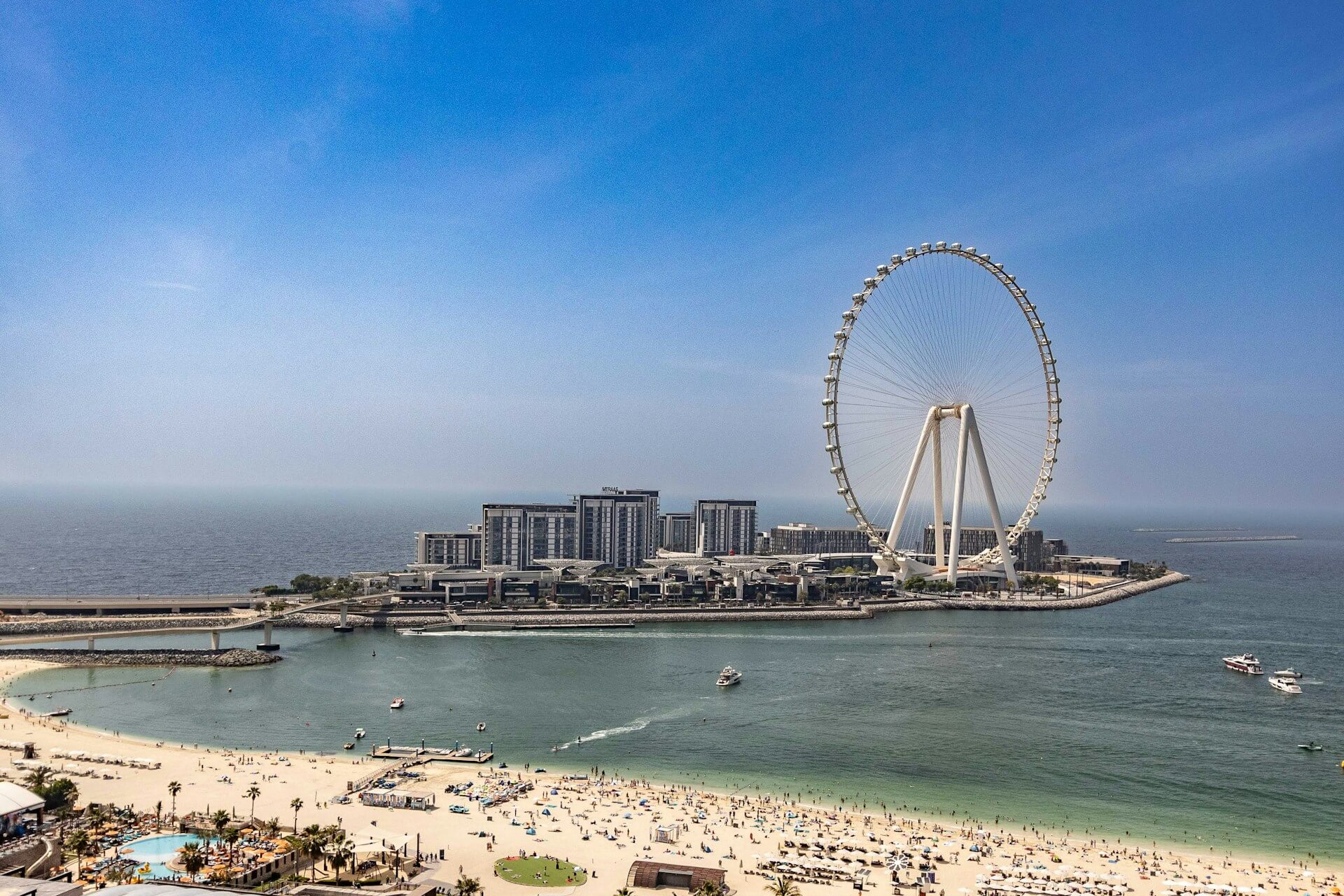




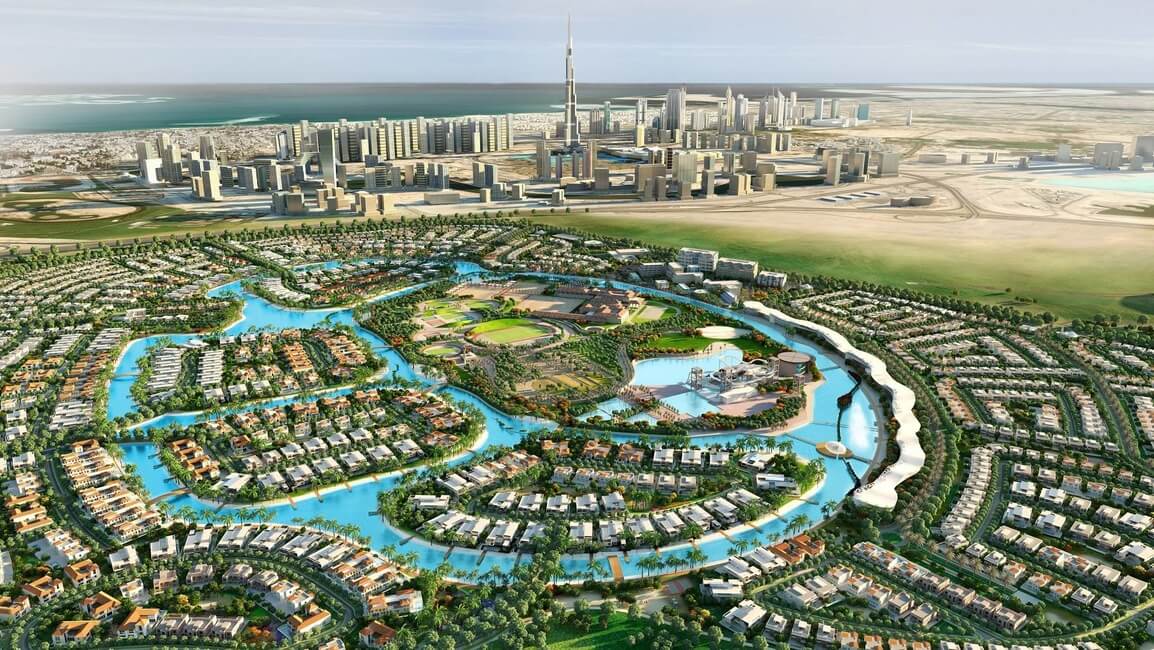
Considering rent to own options in Palm Jumeirah is currently viable due to rising demand triggered by visa reforms and infrastructure expansion. Entry capital starts from AED 1.5 million for one-bedroom units, with 5–10% initial payments securing possession before gradual ownership transfer. Palm Jumeirah attracts buyers seeking a combination of flexible payment plans and solid yield, averaging 6.5% annually for waterfront residences.
This mechanism reduces upfront financial pressure and aligns with long-term asset accumulation strategies.
The momentum behind this market lies in limited available units paired with tourist-driven short-term occupier influx and relocation increases. Visa-linked acquisitions have amplified interest among expatriates prioritizing deferred ownership. Palm Jumeirah’s integration of branded developments and luxury hotel-serviced apartments boosts liquidity, proving more attractive compared to adjacent localities where supply outstrips demand.
Investors interested in segmented entry points find the rent to own approach a pragmatic bridge between rental expenses and final acquisition.
Investment thresholds here contrast sharply with Business Bay, where entry for similar tenure models may demand upwards of AED 2 million but offer lower yield around 5%, reflecting weaker waterfront appeal.
By comparison, Palm Jumeirah’s premium waterfront delivers stronger capital appreciation prospects with moderate volatility. Buyers focused on steady asset growth should consider this location’s established reputational cachet, especially in ready-to-occupy units where ownership transition completes within 3–5 years, compared to longer periods off-plan options require.
Cash flow planning benefits from rent to own structures in Palm Jumeirah, minimizing immediate capital outlay to 7% of total property value, while balancing monthly payments against rental value.
This is particularly relevant given the island’s vacancy rates hold below 8%, outperforming Dubai Marina where transient demand fluctuates more widely. Consequently, liquidity and resale potential in Palm Jumeirah remain stronger through proven global appeal and controlled supply, imperative factors when assessing medium-term asset liquidation feasibility.
Financial commitment suitability varies: buyers targeting lifestyle residency may favor ready units with faster possession, whereas investors prioritizing yield might lean toward select branded developments offering structured payment flexibility.
High initial deposits beyond 15% can decrease overall cost but raise short-term capital requirements. Importantly, Palm Jumeirah’s ongoing infrastructure projects ensure sustained demand, limiting downside risks typical in emerging neighborhoods.
If considering a rent-to-own arrangement within Dubai real estate, prioritize neighborhoods where entry thresholds align with medium-term capital availability and where contractual terms allocate a fair proportion of monthly instalments toward acquisition costs.
Dubai Properties rent to own often demand an upfront premium ranging from 10% to 25% of the property’s market value, supplemented by fixed monthly payments over 3 to 5 years before ownership transfer.
Areas such as Jumeirah Village Circle and Dubai South offer lower entry-level commitments–typically starting near AED 500,000 total initial outlay–while Downtown Dubai and Dubai Marina command significantly higher capital, exceeding AED 1.5 million for similar agreements.
The choice hinges on balancing initial affordability against future appreciation potential and exit liquidity.
Rent-to-own schemes in Dubai offer a hedge against market volatility for investors unable to secure full financing immediately, but precise evaluation of contract conditions is crucial.
Contracts with excessive balloon payments at maturity or absence of price-lock clauses expose buyers to valuation risks–especially in fluctuating sectors like Business Bay and Palm Jumeirah.
Yield implications differ considerably: investments in Dubai Marina’s rent-to-own units typically generate higher short-term rental income–averaging 6.8% net gross–compared to emerging locations where immediate leasing demand is weaker.
Yet, Dubai Marina’s liquidity historically exceeds that of submarket options, providing faster resales when ownership conversion is completed.
Comparative analysis shows off-plan rent-to-own projects generally require 15–20% larger initial cash allocation than ready units, driven by developers’ phased payment schedules. Ready developments in Jumeirah Beach Residence provide immediate rental returns and transparent market pricing, while off-plan alternatives might offer discounts but carry higher delivery and market risks.
Investor profiles suited for these agreements are those targeting ownership but constrained by current borrowing limits or seeking gradual capital deployment.
End-users prioritizing lifestyle integration typically avoid rent-to-own due to limited flexibility in contract modification, favoring outright purchase instead. Conversely, investors can leverage these schemes to secure assets below typical mortgage downpayment thresholds.
Entry capital varies but expect combined upfront fees, deposits, and monthly payments to aggregate 20-30% of the unit price before equity accrual begins.
For example, a three-bedroom apartment in Business Bay under rent-to-own results in approximately AED 600,000 total out-of-pocket before transfer, versus a straight cash purchase at AED 2 million.
Situations where rent-to-own contracts are ill-advised include highly uncertain market phases with prices trending downwards or neighborhoods demonstrating low retention rates post-handover.
Additionally, those requiring maximum liquidity or intending to flip assets quickly will face constraints due to contractual lock-ins and extended acquisition periods inherent in these plans.
Negotiating terms focused on fixed purchase price caps, transparent payment accounting, and clear exit options increases protection against shifting valuations.
Contractual variations among developers necessitate thorough due diligence, particularly in heavily traded zones like Dubai Marina and Business Bay, where market depth influences resale prospects after option exercise.
Rent to own agreements in Dubai real estate offer a structured pathway where tenants gradually accumulate equity while occupying a unit. The process begins with signing a contract that specifies the initial upfront option fee–typically 3% to 7% of the property's purchase price–that secures the right to buy within a fixed period, usually 2 to 5 years.
Monthly payments exceed standard rental rates by 10% to 20%, with the surplus credited toward the eventual down payment.
For investors targeting areas like Dubai Marina, these contracts demand careful assessment of upfront capital. An entry cost combining the option fee and the higher monthly installments typically ranges between AED 150,000 and AED 300,000 for mid-tier apartments. This model alleviates the immediate need for full financing, allowing incremental capital deployment aligned with market appreciation in key locations such as Dubai Marina.
Unlike traditional leases, these agreements guarantee a purchase price locked at contract signing, insulating buyers from market inflation.
In neighborhoods with rising capital values, locking in today’s price can yield significant capital gains upon completion of the term. However, if market prices decline or liquidity tightens, the buyer may forgo the option fee by deciding not to complete the acquisition, mitigating long-term exposure but losing the initial premium paid.
Structurally, these contracts in Dubai Marina typically include clauses stipulating maintenance responsibilities, inspection rights before purchase, and penalties for late payments.
Legal enforceability under Dubai Real Estate Regulatory Agency (RERA) guidelines ensures transparency, but requires thorough review to avoid unfavorable exit conditions. Professional advice is critical to navigating contractual nuances and safeguarding equity buildup.
This pathway suits end-users seeking staged acquisition and investors aiming to hedge price escalation risks.
In Dubai Marina, where property appreciation rates averaged 6% annually over the past five years, this mechanism combines residential occupancy with strategic investment. Yet, buyers should compare these agreements against standard mortgages, as effective financing costs can be higher given the premium monthly installments and upfront option.
The rent-to-purchase approach is less suited for short-term users or speculative investors lacking exit strategies within the term.
Market volatility in specific districts of Dubai Marina may affect resale potential if purchase is not executed, emphasizing the need to evaluate credit terms and personal financial forecasts before engagement.
Applicants must demonstrate a consistent income source with a minimum monthly salary of AED 15,000 to qualify for flexible acquisition schemes in Dubai’s real estate market.
Documentation typically includes salary certificates, bank statements covering the last three to six months, and a valid residency visa. Self-employed professionals need to provide audited financials or tax returns for the past two years, with a stable profit record exceeding AED 180,000 annually.
Creditworthiness plays a crucial role; a clean credit report from Al Etihad Credit Bureau is mandatory.
Buyers with recent defaults or bounced cheques are generally excluded. Some developers and facilitators require a minimum credit score of 650+ to mitigate risk. This ensures commitments under such installments or lease-purchase agreements remain manageable and secure.
Initial payment requirements vary but average between 5% and 15% of the asset’s total value upfront.
This upfront capital is vital to secure the tenancy-to-purchase contract. Higher payments typically lead to better financial terms and lower monthly installment amounts.
Additionally, tenure options commonly range from 24 to 48 months, during which eligibility reassessments periodically occur.
Age restrictions generally apply, with the preferred applicant age ranging between 21 and 60 years. Some programs permit co-applicants or guarantors to broaden eligibility, especially for expatriates. International investors must comply with residency regulations, and most programs only serve those holding UAE residency permits to comply with local laws and facilitate credit checks.
| Minimum Monthly Income | AED 15,000+ | Confirms payment ability, defines installment range |
| Credit Score Threshold | 650+ (Al Etihad Credit Bureau) | Determines acceptance, affects interest terms |
| Initial Payment | 5% – 15% of asset value | Secures contract, reduces monthly amounts |
| Residency Status | UAE residency visa holder | Mandatory for legal processing |
| Age Limit | Typically 21–60 years | Ensures tenure completion during active working years |
Programs running in Business Bay and Dubai Marina set more stringent income benchmarks compared to Arabian Ranches or Palm Jumeirah, reflecting higher price points.
For those targeting districts with elevated entry costs, preparation of a larger deposit becomes critical. Conversely, emerging hubs allow lower upfront capital but may impose tighter credit assessments to offset risk.
Co-applicant arrangements help mitigate eligibility issues, especially for younger buyers or new residents.
Partnering with a guarantor expands access to select shares or units otherwise restricted. Buyers prioritizing liquidity and flexibility should assess whether variable installment schedules or fixed rents with purchase options serve their financial plans best.
Applicants should avoid programs without transparent contractual terms on default consequences and lease adjustments.
Variations exist on whether monthly payments contribute fully or partially to the final acquisition price, influencing financial exposure. Verified employment continuity within Dubai’s job market safeguards against mid-term income disruptions affecting affordability.
For investors and residents aiming for a long-term foothold in Dubai, rent to own agreements provide clearer capital accumulation compared to standard leasing.
Unlike conventional contracts where monthly payments cover only use, this hybrid model channels a portion of installments towards eventual acquisition, effectively reducing the upfront equity requirement below market median purchase prices.
Initial commitments under rent to own schemes typically range from 10% to 20% of the property’s value as a security deposit or installment buffer, whereas traditional leasing demands minimal security deposits (~5% of annual rent) but no path to transfer ownership.
This structure suits those with limited liquid capital but steady income streams targeting eventual possession.
Liquidity and exit flexibility differ significantly.
Dubai Marina tenants under conventional leases can relocate with relative ease after contract expiry but gain nothing financially. Rent to own participants face penalties if terminating early, risking loss of accumulated credits. However, this approach mitigates exposure to rising prices, locking entry valuation amid market volatility.
Yield comparison favors rent to own for those prioritizing wealth building over short-term cash flow.
Absence of immediate ownership in leasing impedes capital appreciation gains, whereas partial payment credits in rent to own accelerate equity formation, especially advantageous in inflating clusters like Dubai Marina.
Investor profiles diverge: long-term residents benefit from rent to own’s pathway to title retention, making it attractive for expatriates seeking residency-linked assets.
Contrarily, transient professionals or those prioritizing minimal commitment prefer leasing for reduced financial burden and greater mobility.
Risk analysis shows rent to own involves higher exposure to developer default or contractual ambiguities; thorough due diligence on agreements and vendor credibility is mandatory.
Leasing risks focus mainly on rent escalation and limited bargaining leverage in prime locations.
In terms of final affordability, acquiring via rent to own generally demands around 500,000 AED upfront in deposits and incremental installment elevation in clusters like Dubai Marina, compared to a standard 100,000 AED annual rental budget with lower initial expenses for leasing.
This presents a trade-off between immediate liquidity preservation and gradual equity build.
Summarizing, rent to own suits financially disciplined tenants aiming for asset accumulation and controlled entry costs, particularly in high-demand districts such as Dubai Marina.
Traditional leases remain preferable for those valuing flexibility, reduced financial exposure, and short-term stays without interest in possession.
Rent-to-own in Dubai allows tenants to rent a property with the opportunity to purchase it later.
A portion of the monthly rent payments can be credited towards the future purchase price, making it easier for tenants to transition from renting to owning without immediately securing full financing. This arrangement usually requires an agreement specifying the rental period, purchase price, and the amount credited towards ownership.
Yes, rent-to-own opportunities are most commonly available for residential properties such as apartments, villas, and townhouses.
Developers or individual owners may offer this option to attract a broader range of potential buyers. However, availability can vary depending on the area and market demand, so it's advisable to consult real estate agents familiar with current offerings.
With rent-to-own, a part of your monthly rent usually counts towards the purchase price, which could reduce the amount you need to finance later.
Although monthly payments might be slightly higher than standard rent, you build equity over time. This can be especially helpful for those who need time to save for a down payment or improve their credit before applying for a mortgage.
One risk is that if you decide not to buy at the end of the lease term, any rent premiums paid towards ownership might be lost.
Additionally, property values might fluctuate, affecting whether the agreed purchase price remains favorable. It's also important to closely review contract terms regarding maintenance responsibilities and possible penalties for early termination.
Yes, foreigners can engage in rent-to-own agreements in Dubai, as the city allows international buyers to own property in designated freehold areas.
This option can be helpful for those who wish to secure a property gradually. However, it’s advisable to work with a legal advisor to understand any specific regulations, visa implications, and taxes involved before committing.
Clear answers about buying, renting and investing in Dubai property.
Yes. Foreign buyers can purchase freehold property in designated areas such as Dubai Marina, Downtown Dubai, Business Bay, Palm Jumeirah, Dubai Hills and other approved communities.
It depends on your timeline, budget and goal. Buying is usually better for long-term plans, capital growth and rental income, while renting is better for flexibility and easier relocation.
The required budget depends on the area, building quality and property type. More accessible apartments can be found in developing communities, while prime locations and luxury properties require a much higher budget.
In addition to the purchase price, buyers should budget for the Dubai Land Department fee, registration and trustee fees, possible agency commission, mortgage-related costs if financing is used, and ongoing service charges for many buildings.
Yes, many banks in the UAE offer mortgages to foreign buyers. Approval depends on income, documents, deposit amount and the specific property being purchased.
Areas such as Dubai Marina, Downtown Dubai, Business Bay, Dubai Hills, JVC, Palm Jumeirah and Creek Harbour are often considered by investors, but the right area depends on whether your focus is yield, resale value, lifestyle appeal or long-term growth.
Rental yield varies by area, property type, furnishing level and market timing. In practice, many investors look for a balance between strong occupancy, reasonable service charges and sustainable tenant demand rather than chasing headline numbers alone.
Off-plan property is purchased directly from a developer before the project is completed. Buyers often choose off-plan because of payment plans, newer inventory and lower entry prices compared with some ready properties.
A proper review should consider the developer’s track record, payment plan, handover timeline, location quality, future supply in the area and the project’s resale or rental potential after completion.
For ready property, the timeline can move fairly quickly if the price is agreed, documents are prepared and the buyer is ready to proceed. Mortgage purchases usually take longer than cash deals.
Yes, many purchases can be handled remotely with the correct documents and proper support through the process. Remote buying is common for overseas investors and international clients.
The biggest risks are overpaying, choosing a weak location, buying an unsuitable layout, ignoring service charges, or selecting a project with low resale and rental demand. Good selection matters more than marketing promises.
In long-term rentals, rent is commonly agreed for a fixed term and often paid by one or several cheques depending on the landlord, property and negotiation.
Tenants are usually asked for identification and residency-related documents, and the exact set depends on their status in the UAE and the landlord’s requirements.
A security deposit is commonly required before move-in. The amount often depends on whether the property is furnished or unfurnished and should be clearly stated in the rental terms.
In many rental transactions, an agency commission is charged. The amount depends on the deal structure and should be confirmed before signing anything.
Tenants should review the deposit, Ejari registration, utility setup costs, parking terms if relevant, maintenance responsibilities and any conditions related to early termination or renewal.
Yes, negotiation is common. The final result depends on market conditions, the landlord’s flexibility, how long the property has been available and how prepared the tenant is to move forward.
It is important to check the condition of the unit, building quality, noise level, parking, view, maintenance status, contract terms and the reliability of the owner or manager.
Short-term rent offers flexibility and convenience but is usually more expensive. Long-term rent is generally more cost-effective and better suited for clients planning to stay longer.
During an active contract, the agreed rent usually remains fixed. Any increase is generally discussed at renewal and should follow the applicable rules and notice requirements.
This depends on the tenancy contract. Minor day-to-day issues may be handled by the tenant, while major maintenance is commonly the landlord’s responsibility, but the exact wording in the contract matters.
Ejari is the official registration of the tenancy contract in Dubai. It is important for legal recognition of the lease and is commonly needed for practical steps such as setting up utilities.
Yes. Furnished properties can be more convenient and faster to move into, while unfurnished options may work better for longer stays or tenants who want more control over the setup and budget.
We do not rely on random mass listings. We narrow the market based on budget, location, property type, investment goal, lifestyle needs and timeline, so clients can focus only on relevant options.
Yes. Support can include shortlisting, arranging viewings, comparing options, discussing terms, helping with negotiations and guiding the next steps of the transaction.
The best first step is to define the real budget, target areas, purpose, preferred property type and timeline. Once those points are clear, the selection becomes faster, cleaner and much more useful.