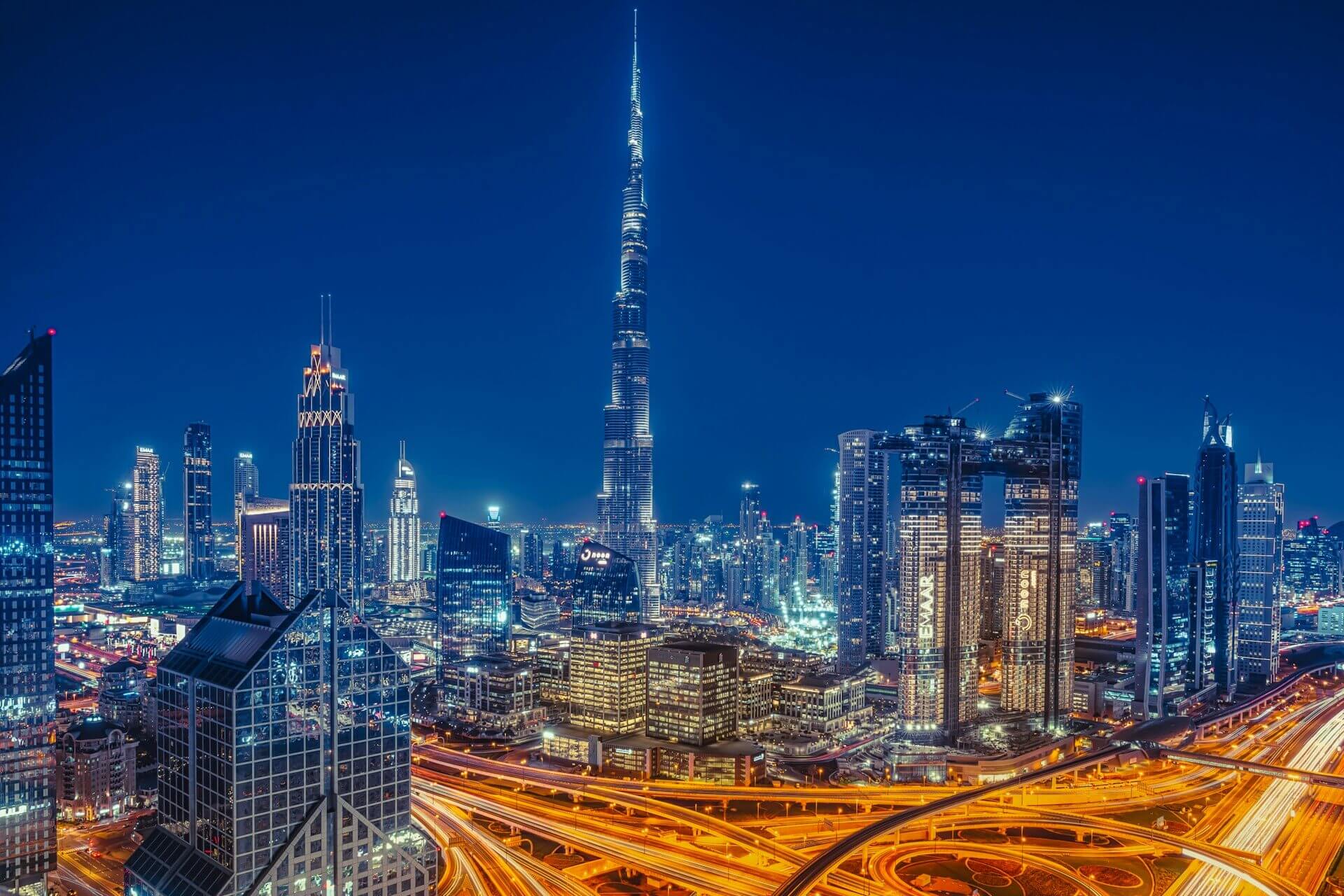
FOR SALE
AED 1,200,000AED 720,000
We help clients buy and rent the right property in Dubai — apartments, villas and investment units matched to budget, area and goals.
Dubai Property Selection focuses on apartments, villas and investment properties in key areas such as Dubai Marina, Downtown, Business Bay, Dubai Hills and Palm Jumeirah.
Instead of sending a huge list of random listings, we prepare a clean shortlist based on your budget, preferred area, bedrooms, timeline and purchase or rental goals.
Premium opportunities in Dubai — from compact investment units to signature villas and penthouses.
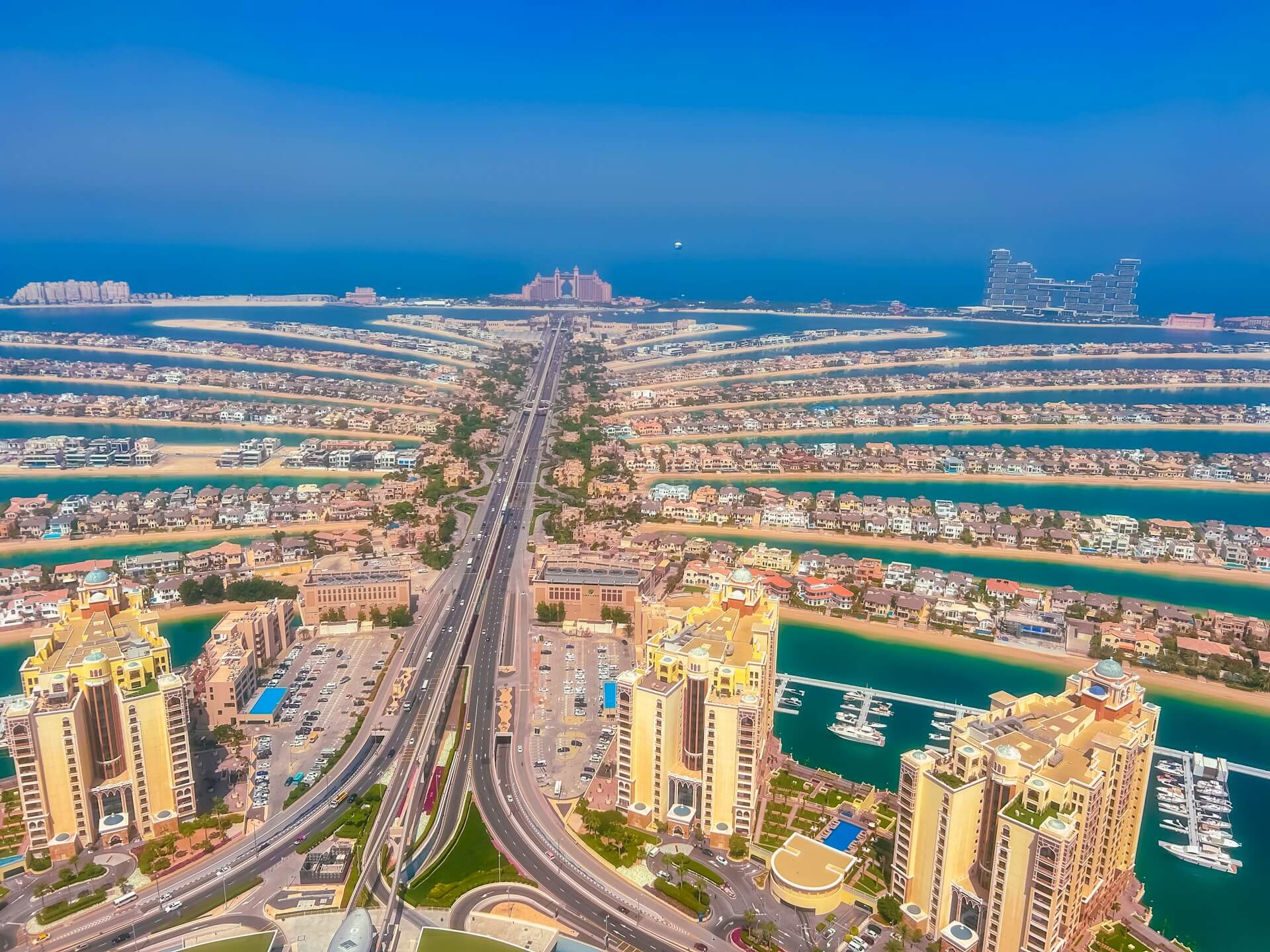
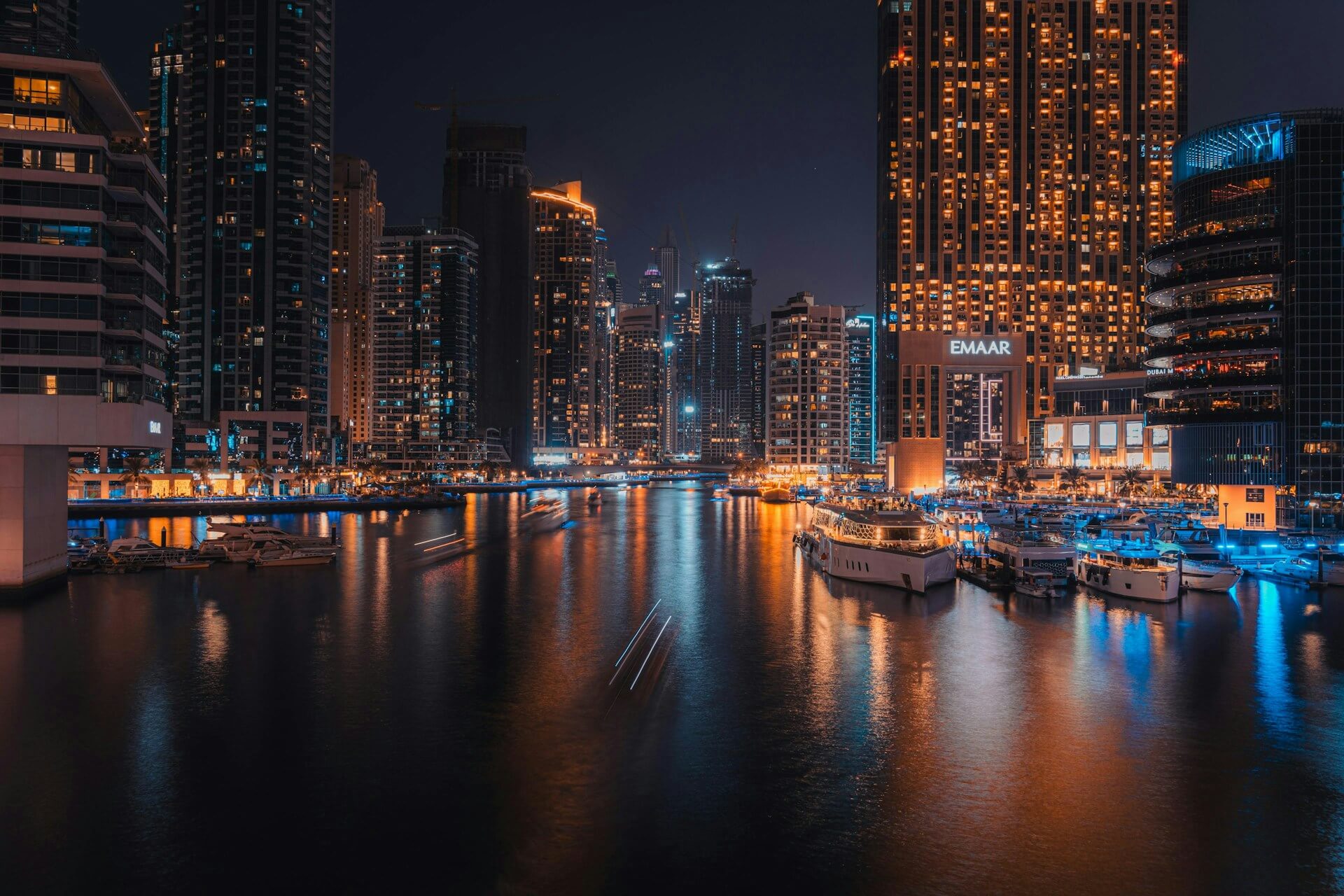
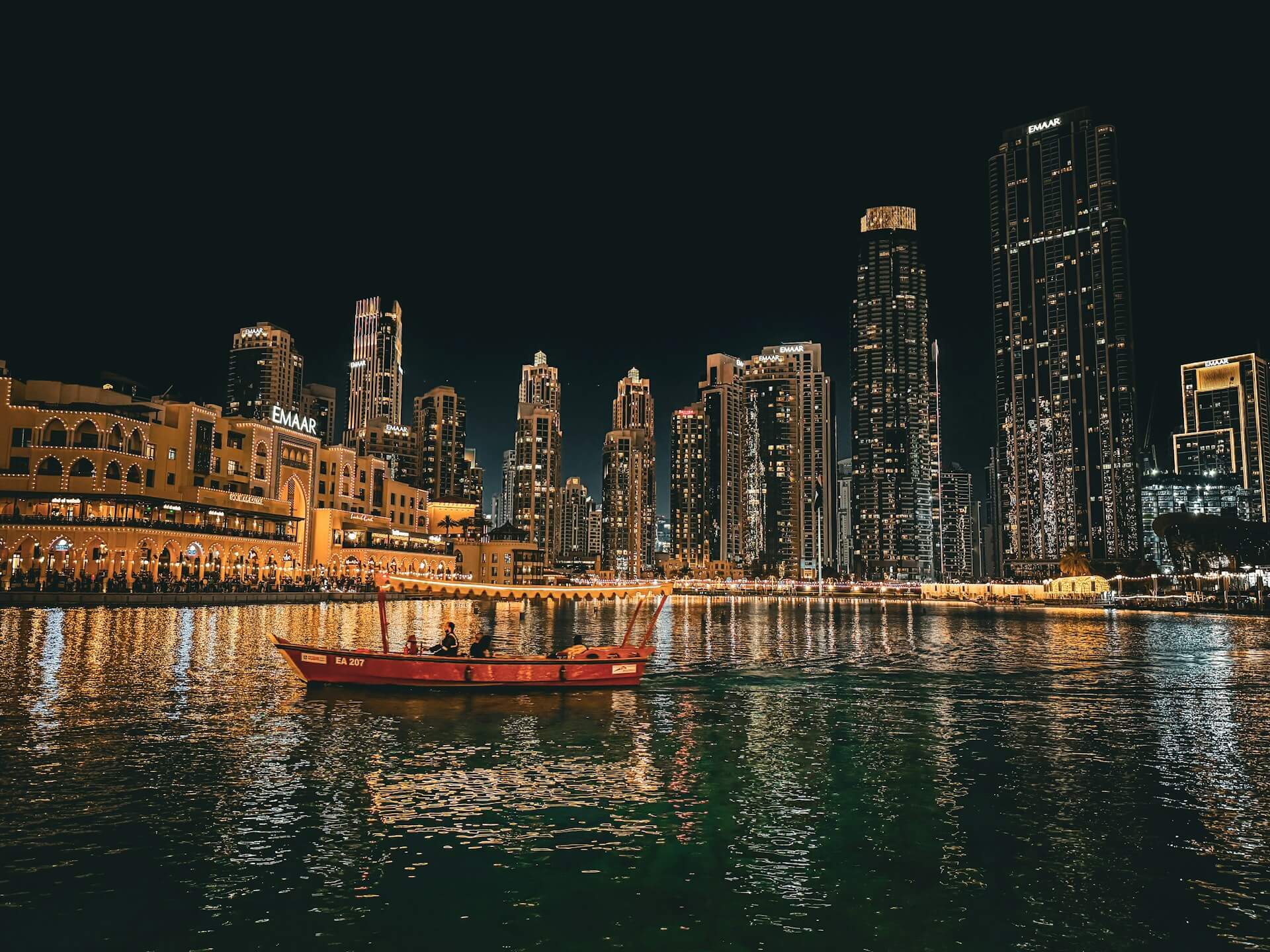
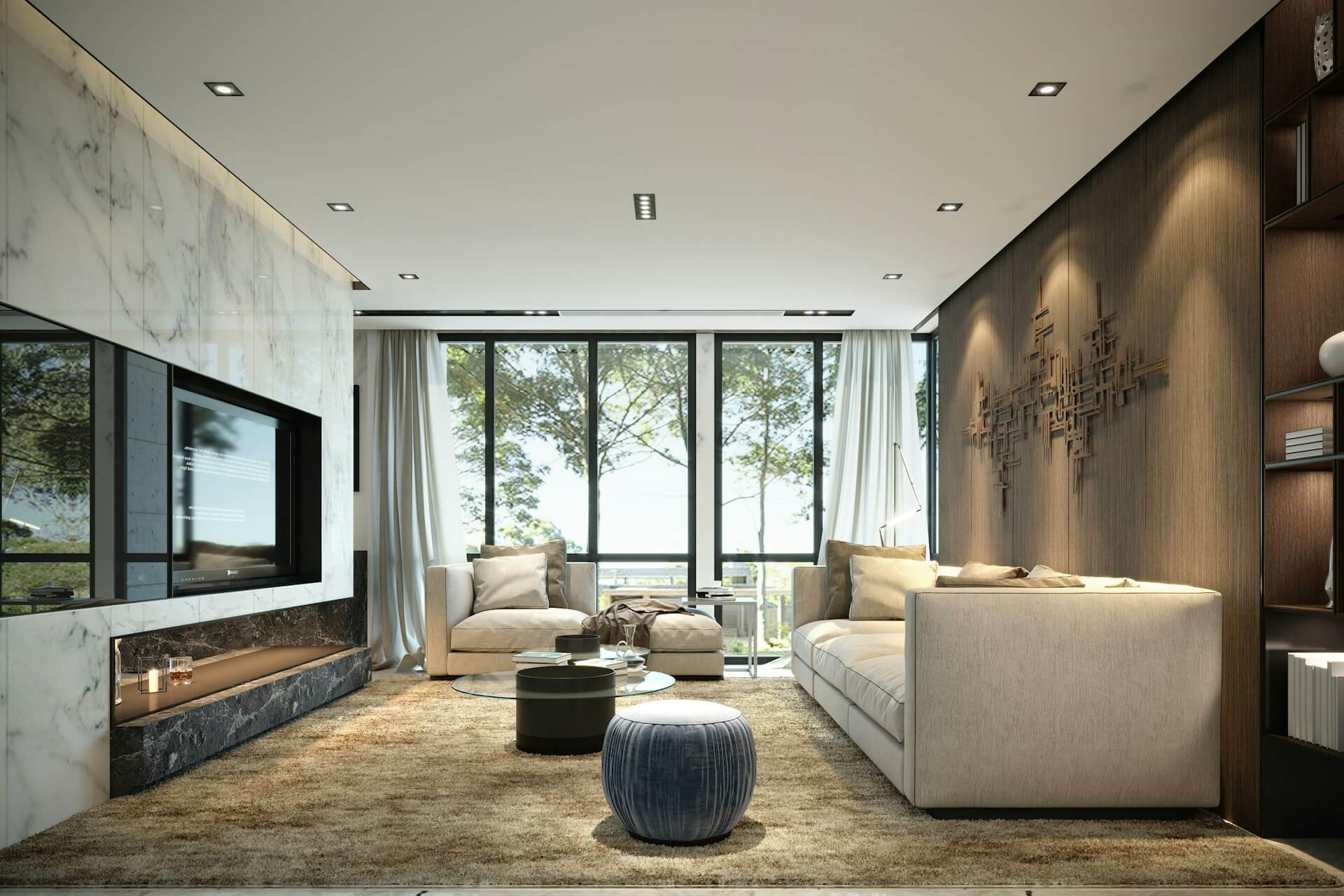
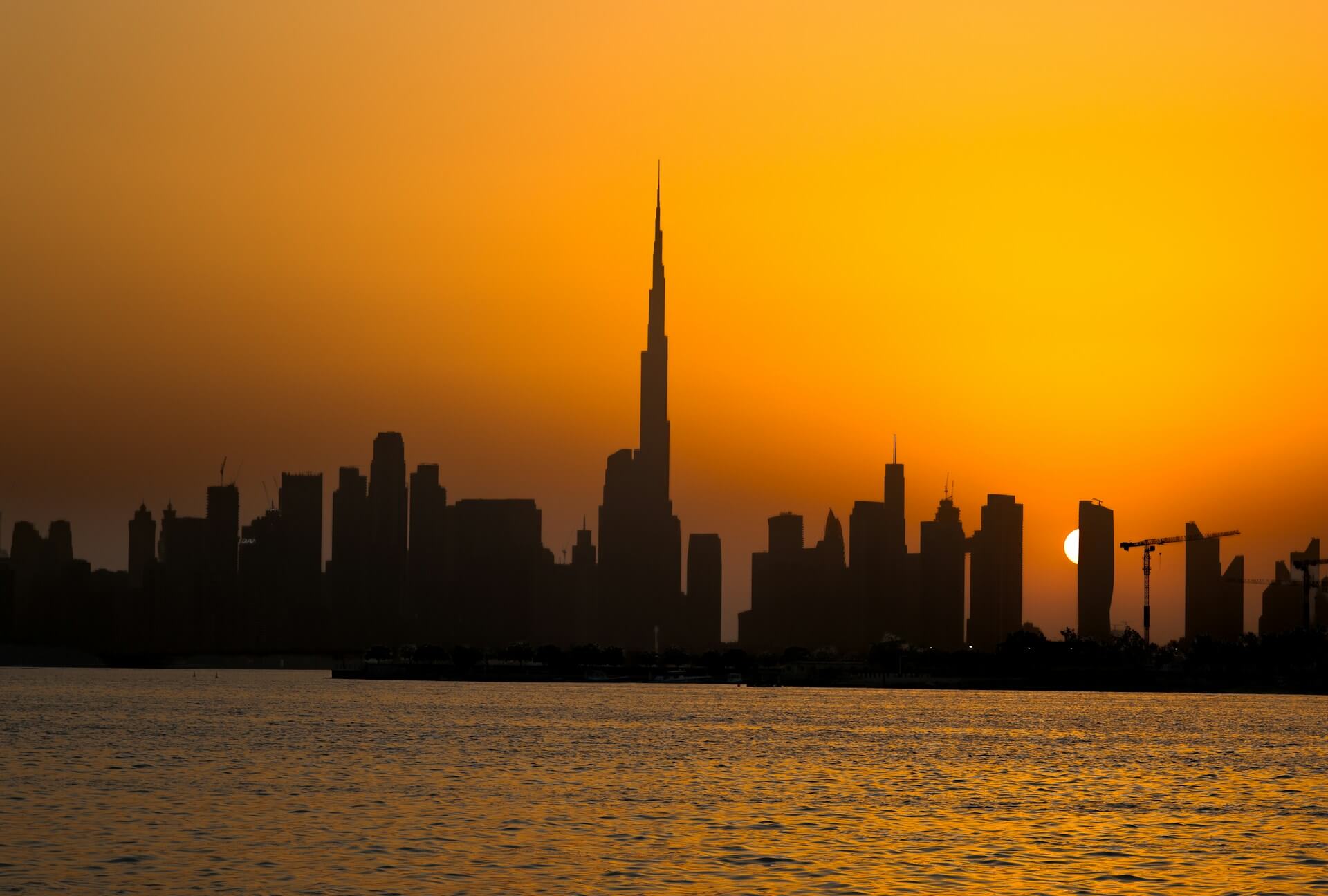
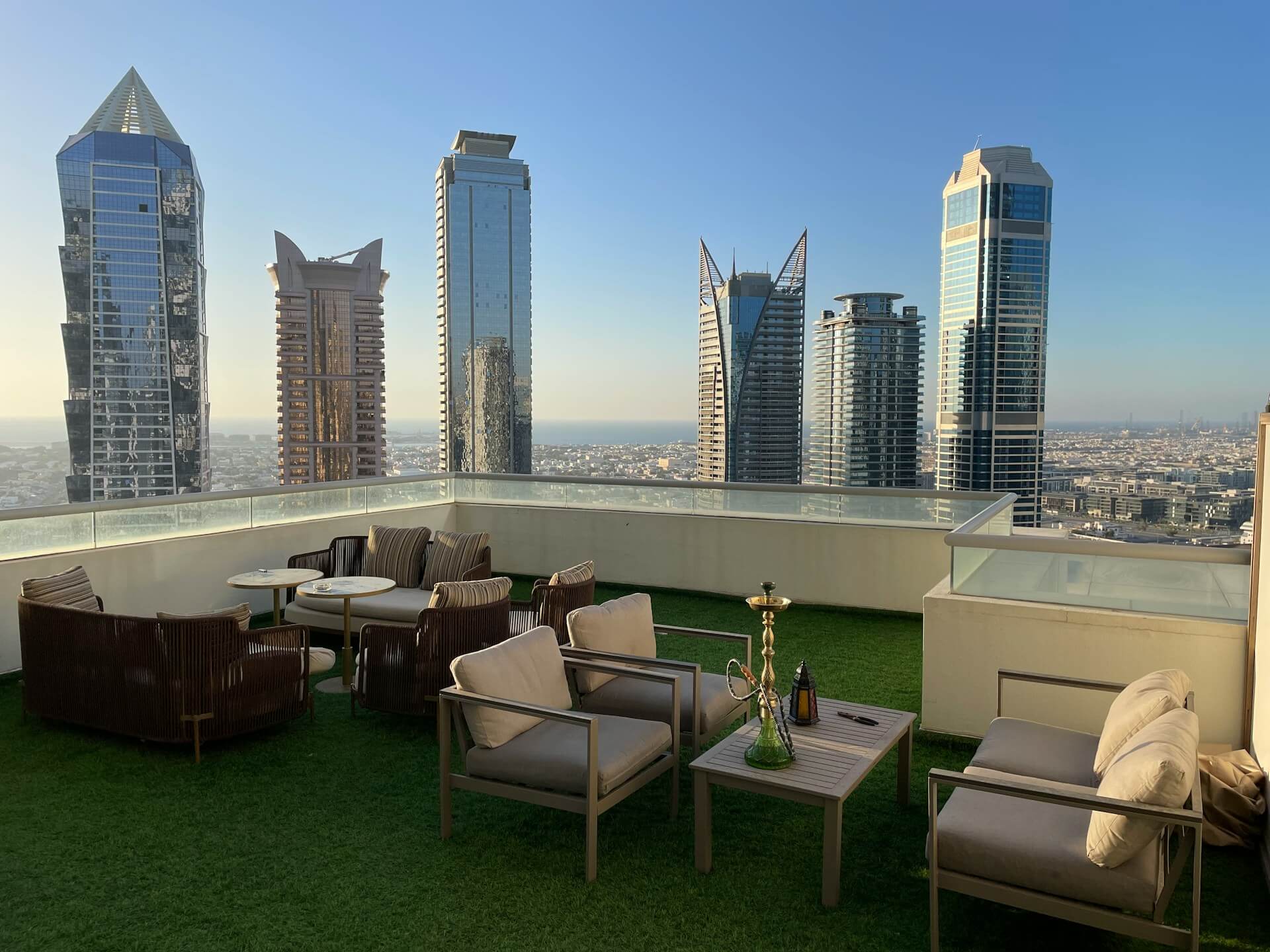
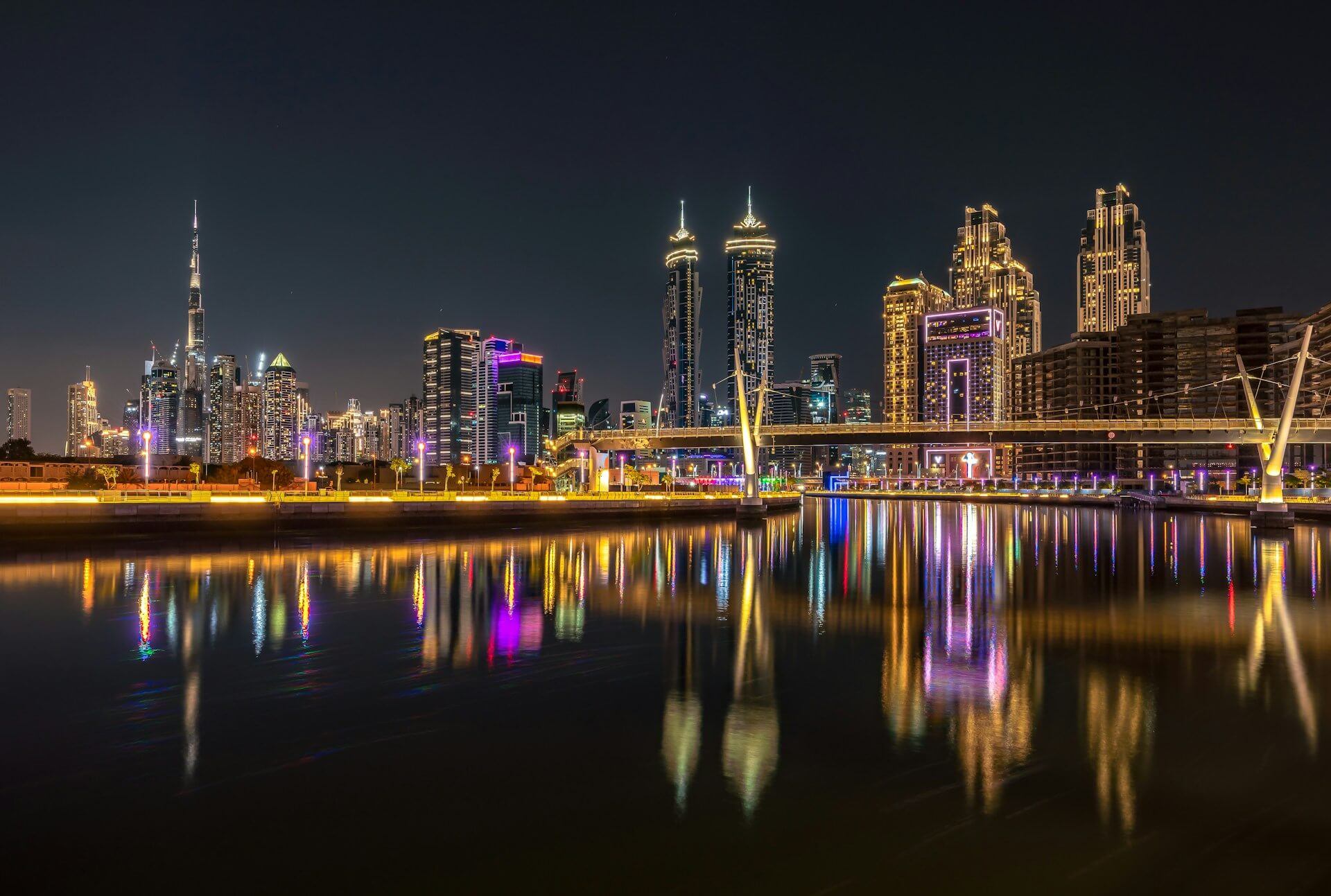
Comfortable long-term and premium rental options across Dubai.
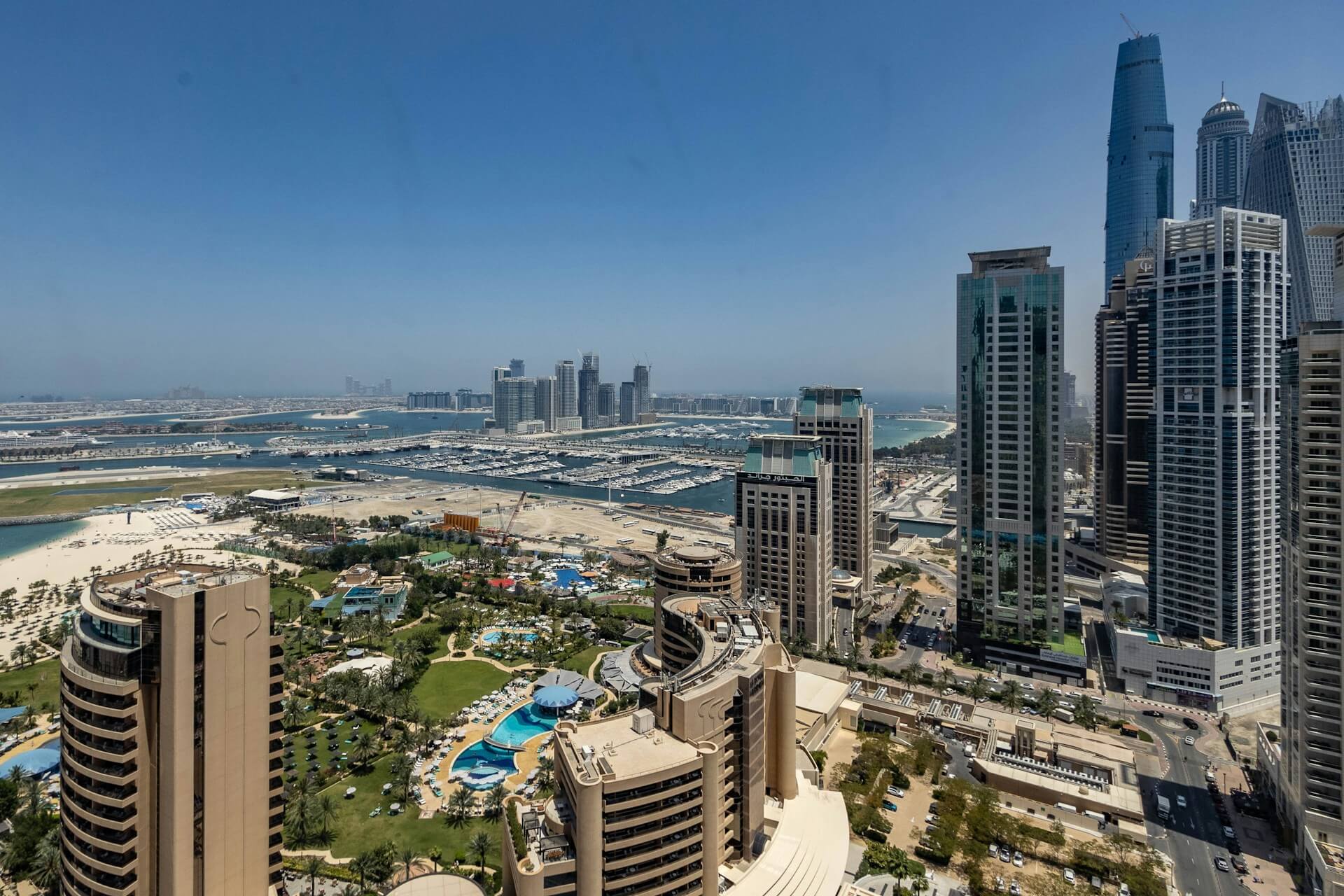
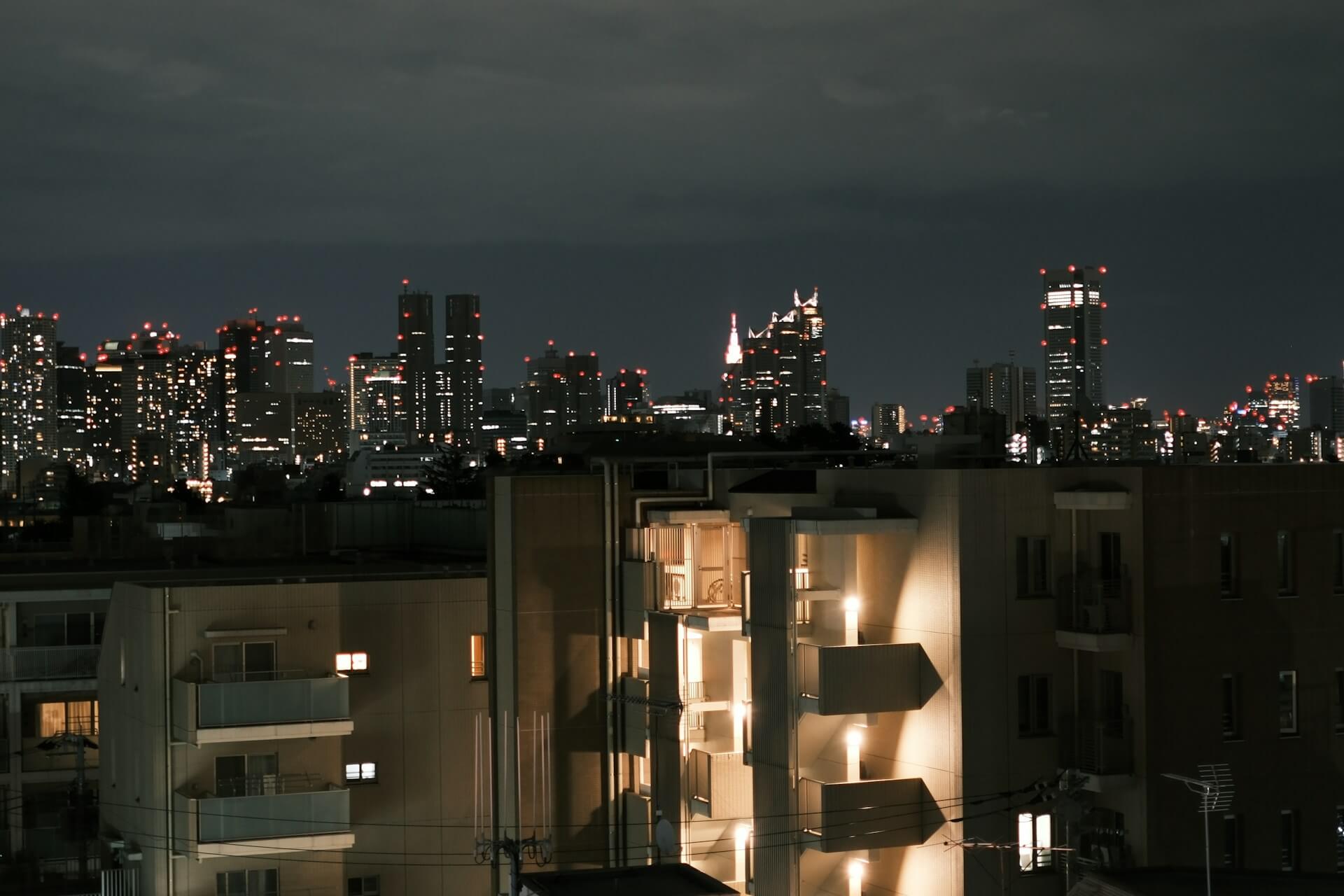
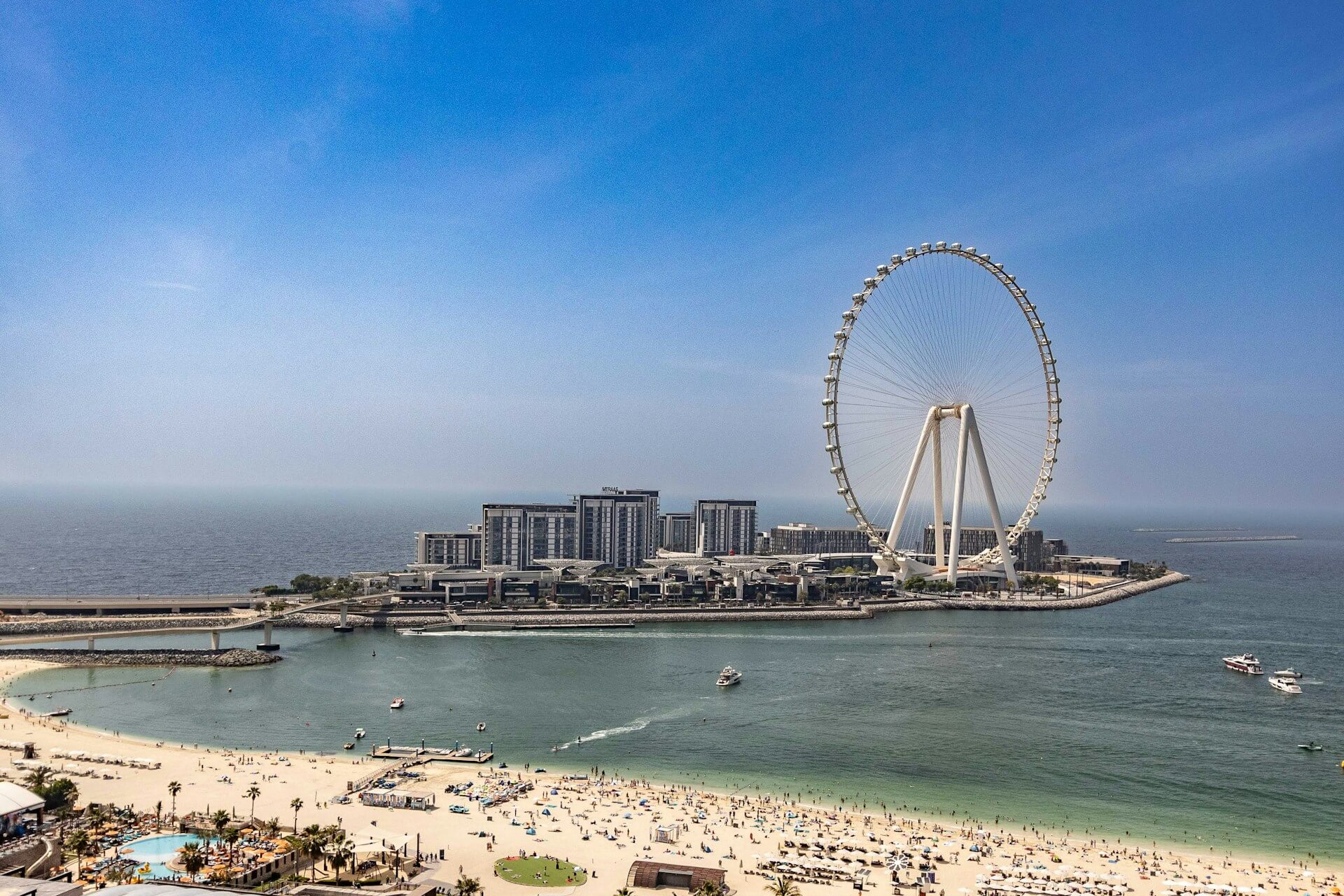
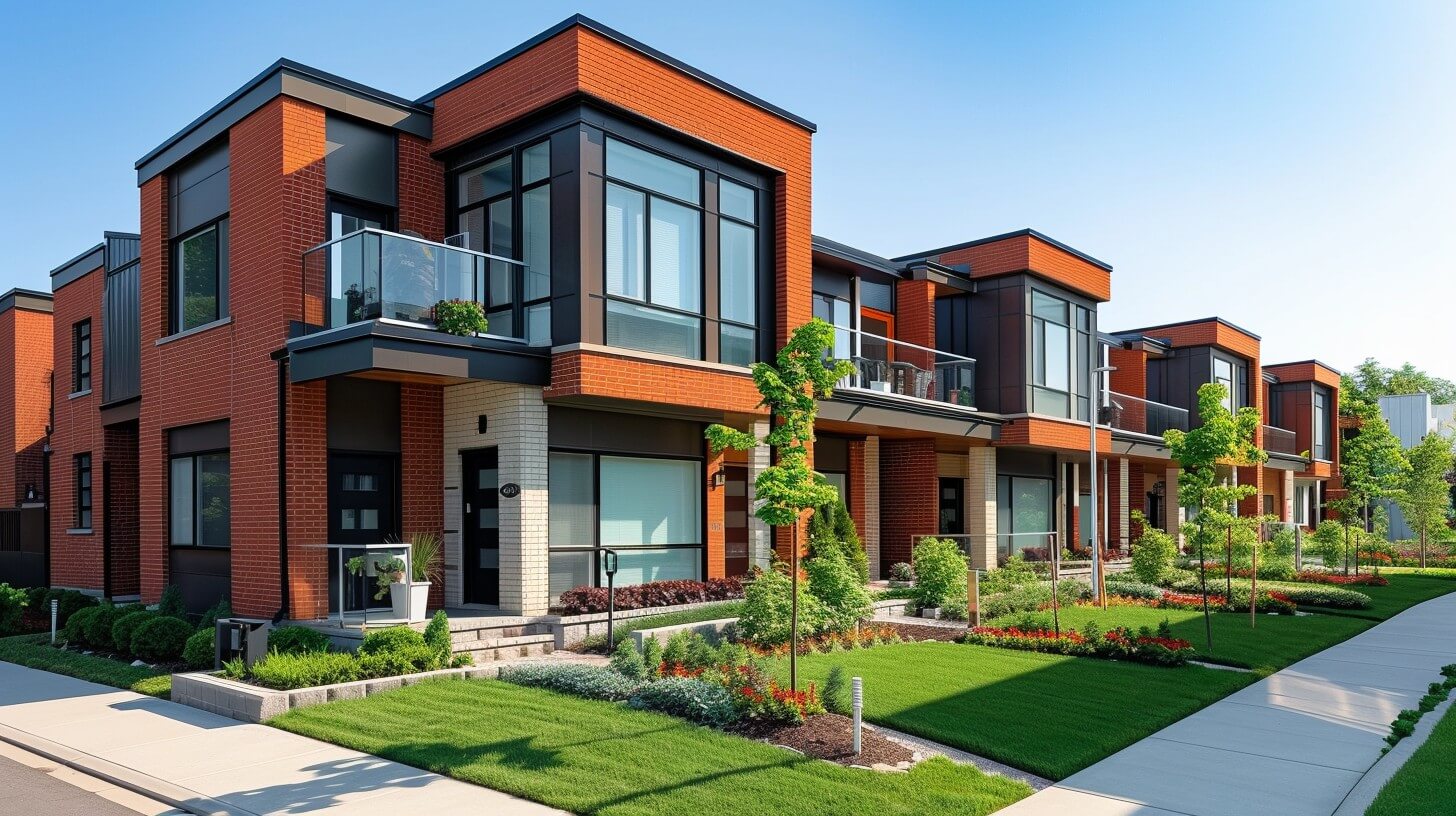
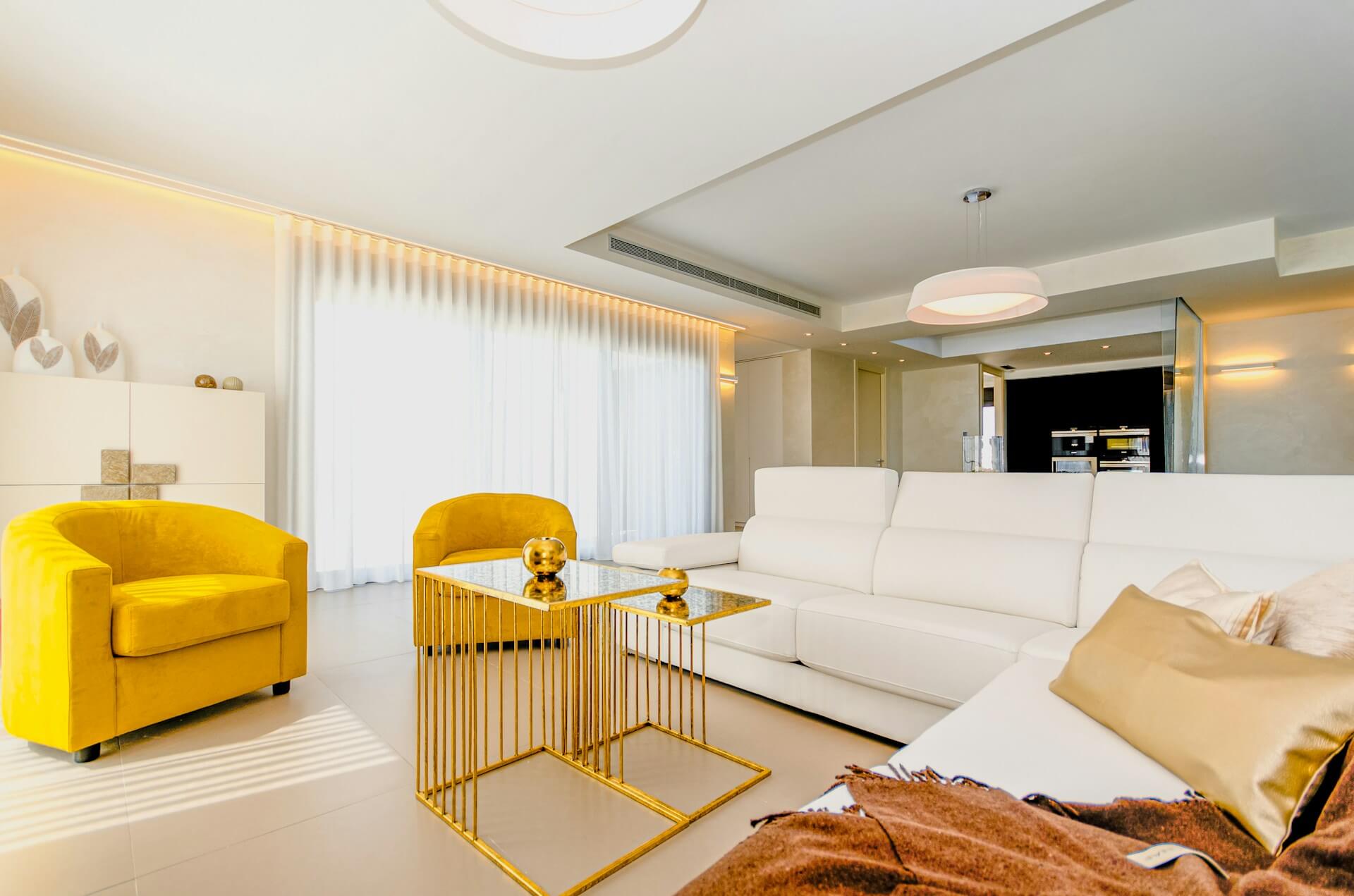
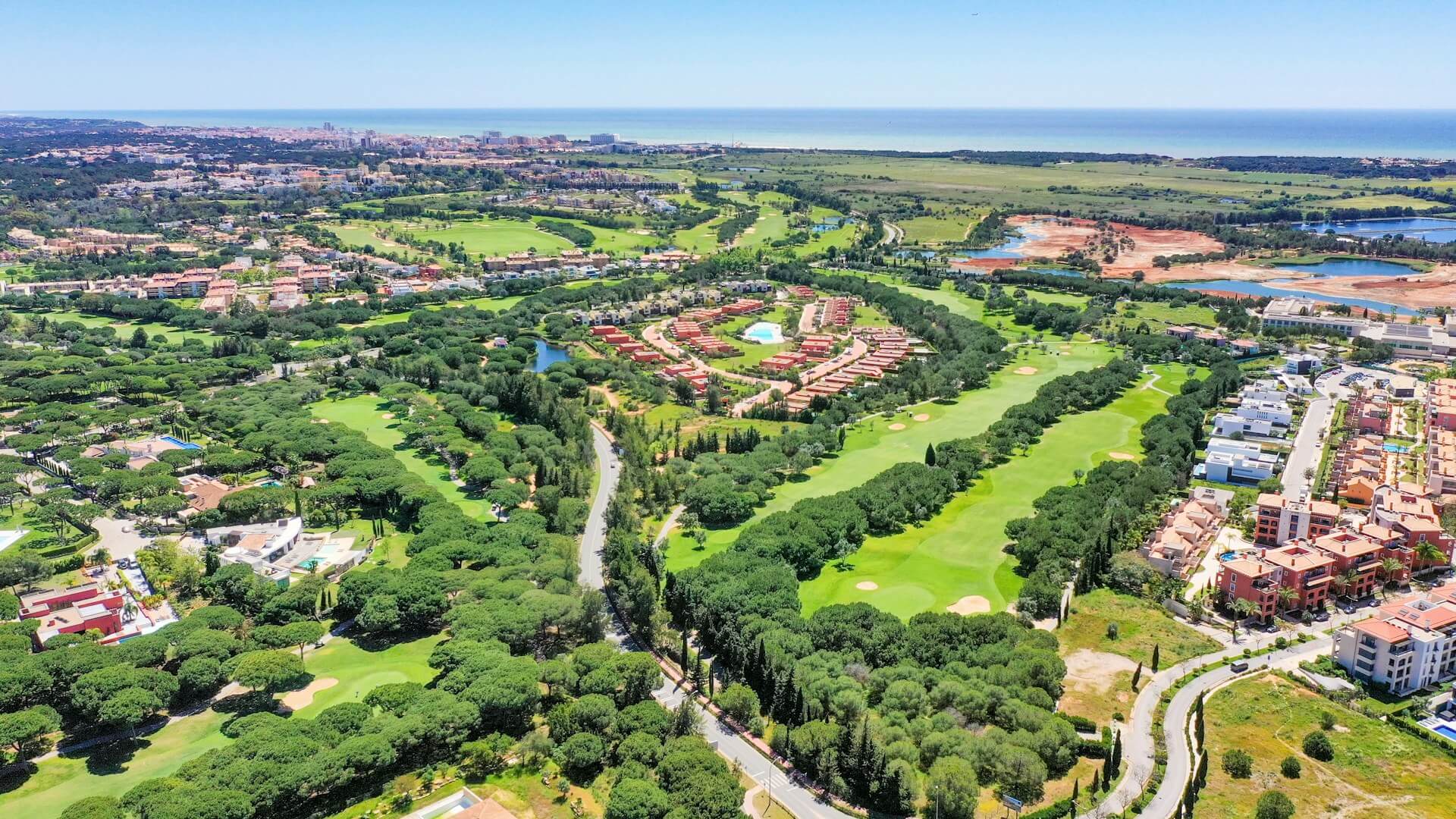
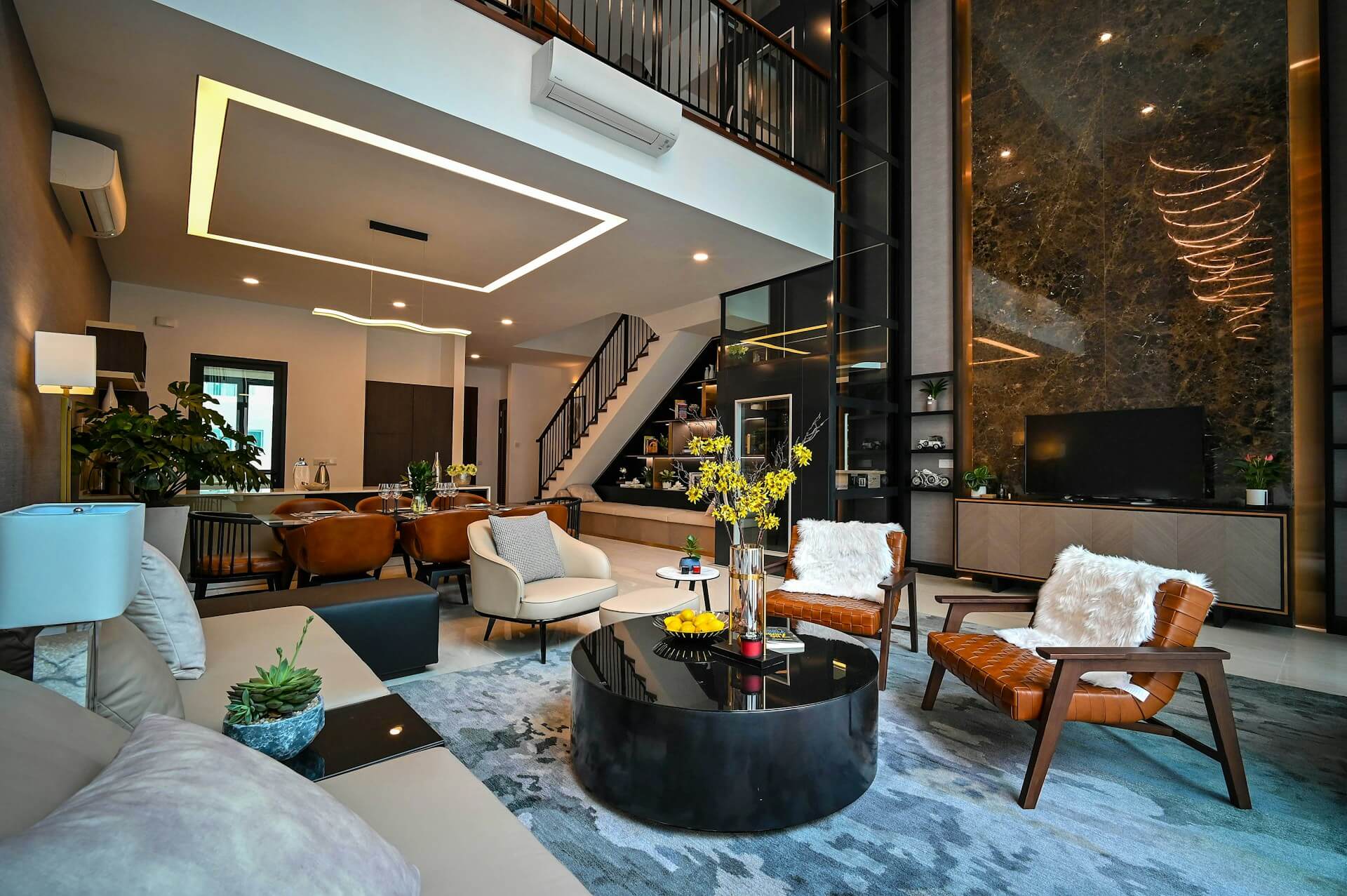
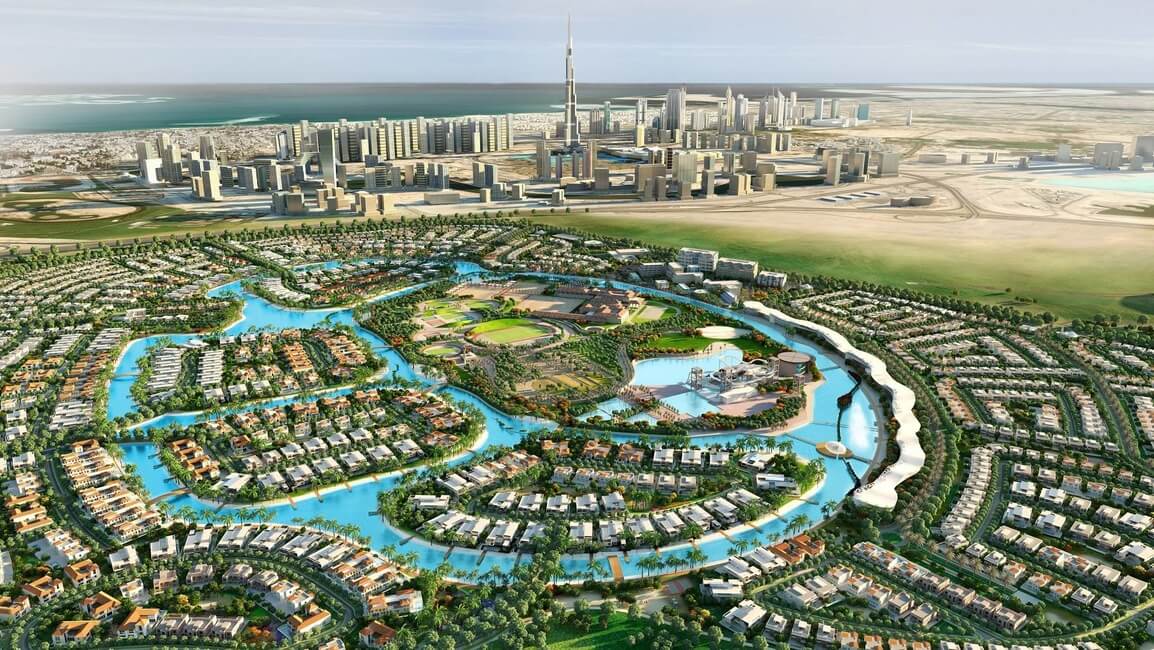
The current market in Barsha Heights presents a compelling case for leasing residential units due to sustained demand driven by corporate relocations and increasing short-term tenancy needs. Entry-level monthly payments for studios start at approximately AED 35,000, while larger two-bedroom units range from AED 60,000 to AED 85,000 annually. This pricing bracket, coupled with flexible lease terms, attracts professionals targeting proximity to key business hubs in Dubai with reasonable commuting distances.
Dubai’s Barsha Heights maintains strong occupancy rates exceeding 90% due to limited supply juxtaposed with a steady influx of expatriates and business travelers.
The area's connectivity to Dubai Internet City, Media City, and Dubai Knowledge Park fuels this demand, offering established infrastructure that supports both full-time residents and temporary occupiers seeking fully furnished homes. Choosing rental options here aligns with preferences for accessibility over premium Downtown rents, balancing cost efficiency and convenience.
Demand concentration peaks in mid-range residential buildings where rental returns on investment analytics reveal yields averaging 6% annually.
These figures position Barsha Heights favorably when compared to alternatives like Jumeirah Lake Towers and Business Bay, where entry-level rents are higher and yield compression is observable.
Liquidity in leasing is robust, with minimal vacancy periods, underscoring solid tenant interest aligned with Dubai’s licensing of freelance visas and remote working policies.
Leasing options in Barsha Heights represent a balanced entry segment within Dubai’s property spectrum, with one-bedroom units starting at approximately AED 60,000 annually and larger configurations reaching AED 130,000. This price range undercuts many neighboring nodes like Dubai Marina, offering a more cost-efficient gateway for tenants and corporate clients seeking proximity to business hubs without the premium overhead.
Demand stems from three principal drivers: multi-national corporations relocating staff to Dubai, flexible short-to-medium lease preferences by tech startups, and extended-stay professionals from finance and consulting sectors.
The district's location between main commercial corridors and easy access to Dubai Internet City and Dubai Media City attracts end-users prioritizing commute efficiency, which sustains steady occupancy rates around 85% year-round.
Compared to speculative zones such as Jumeirah Lake Towers, assets in Barsha Heights exhibit superior pricing stability with less pronounced volatility.
The predominantly freehold ownership status in Barsha Heights contributes to higher resale liquidity–transactions conclude 25% faster on average than in peripheral locations. This factor benefits investors inclined toward mid-term capital appreciation alongside recurrent yield.
Initial capital investment for a mid-sized unit typically ranges from AED 900,000 to AED 1.5 million in established towers including Chrysalis One and Tolerance Tower.
Service charges average AED 18 per square foot annually, which aligns with maintenance costs in central Dubai regions but remains manageable given prevailing rent levels.
Financing options remain accessible, with common loan-to-value ratios at 75%, enhancing affordability for market entrants.
In relation to yield, Barsha Heights offers gross returns between 5.5% and 6.2% – competitive against similar Dubai submarkets offering 4.5% to 5.5%. The moderate premium for rental stability here outperforms newer off-plan offerings in Dubai South or Dubailand, where vacancy can reach 20%+ due to oversupply. However, the locale does not match the 7% yields seen in select Dubai Creek Harbour projects, typically tied to emerging, higher-risk developments.
Key developments vary: with Barsha Heights Tower and Goldcrest Views commanding premium rates due to newer construction and facility upgrades, while older stock in Darwin and Rahat Towers offers better entry points at slightly lower rents.
Newer buildings align more with corporate demand, whereas older options attract freelancers and SMEs seeking cost-effective space.
Comparing leasehold versus ready-to-occupy options within Barsha Heights, the latter provides immediate cash flow, minimal vacancy risk, and predictable expenditure, making it preferable for investors prioritizing short-term returns. Off-plan units, while cheaper upfront, face delivery delays and rent-free periods, diminishing effective yield in the near term.
The tenant mix largely influences risk profiles–corporate and long-term contracts reduce turnover and vacancy risk, improving net operating income predictability.
Short-term lease models tend to increase vacancy gaps, although they support higher gross rent per month. Investors aligned with stable income should target properties in high-amenity buildings favored by corporate entities.
Unsuitable candidates include buyers focused solely on rapid capital appreciation or those expecting double-digit yields. The moderate growth trajectory and competitive pricing suggest slower but steady value increments.
Additionally, speculative investors should exercise caution given potential regulatory shifts affecting lease durations and visa-linked occupancy rules.
Also avoid acquisition during peak supply influx periods, notably when new tower completions in Barsha Heights rise above 15% annual absorption, which can temporarily depress rental rates and increase vacancy.
Monitoring transaction volumes and supply pipelines via RERA updates is advised before committing.
Optimize your search by setting a firm ceiling based on current market rates in Barsha Heights. Entry-level prices for studios typically begin at AED 35,000 annually, while one-bedroom units range from AED 45,000 to AED 60,000, depending on the tower and finishing level.
Start by filtering listings around these brackets to avoid wasting time on outliers.
Leverage local listing portals and brokerage firms specializing in Barsha Heights, as they offer insights into varying rental tiers within the locality. Brokers with deep knowledge can identify pockets with below-market rates that suit budget constraints. Look for buildings constructed between 2008 and 2015, as these often deliver functional quality without the premium of new developments.
Focus your search on buildings with higher unit density but moderate maintenance fees; complexes such as Cayan Tower, Tamani Marina, and Hattan Towers often provide competitive rental prices due to larger supply, but confirm annual fee charges, as high service costs can negate perceived affordability.
Compare rental listings alongside amenity offerings.
Properties without exclusive gym or pool access typically ask for lower monthly rates but may require compromise on lifestyle. Given Barsha Heights' business-driven demographic, some buildings have targeted corporate clients and command a 10-15% premium.
Choosing mixed-use or residential towers with balanced tenant profiles usually results in better-negotiated rental conditions.
Use direct negotiations, especially for leases exceeding one year. Landlords in Barsha Heights often lower asking rents by 5-10% when tenancy agreements extend to 24 months or more.
Additionally, moving during the summer off-peak season can further reduce upfront costs, as supply tends to outpace demand.
Shortlist and visit units personally. Photos and online reviews may overstate conditions. Physical inspection allows identification of units with minor maintenance issues landlords might overlook during price negotiations. Accepting units requiring minimal cosmetic repairs can reduce rental premiums by approximately AED 3,000 annually without sacrificing core functionality.
Assess transport connectivity and proximity to key business hubs within Barsha Heights.
Units closer to Dubai Internet City Metro Station or major highways may command 10-20% higher rents but offer better long-term value if commuting costs are factored in. Balance location with budget by targeting mid-range towers located within a 10-minute walk from transit nodes rather than direct adjacency.
Beware of hidden costs such as utility deposits and agent commissions when planning your finances.
Agent fees typically amount to 5% of annual rent in Barsha Heights, so consider properties listed directly by owners or managed by in-house agencies to minimize added expenses.
For those prioritizing financial constraints, studios and compact one-bedroom layouts deliver the highest affordability.
Prioritize buildings with slightly older construction but solid reputations for maintenance to avoid premium charges associated with newer developments.
When evaluating lease options in Barsha Heights, prioritize buildings providing high-speed elevators with a minimum of two units per tower to reduce wait times during peak hours.
Properties equipped with advanced central cooling systems ensure efficient temperature control, given Dubai’s climatic demands, translating into lower utility expenses.
Secure access is critical. Opt for developments featuring 24/7 CCTV surveillance combined with biometric or keycard entry systems. These measures enhance tenant safety, crucial for both families and professionals in Barsha Heights.
Parking availability directly impacts tenant convenience and property value.
Buildings offering allocated covered parking with electric vehicle charging stations surpass those with only open spots.
This reflects the growing EV adoption rate in Dubai, adding to the property's attractiveness.
Fitness and wellness facilities are decisive. Fitness centers with modern equipment, dedicated yoga or Pilates studios, and well-maintained swimming pools contribute to higher occupancy rates. Developments that integrate jogging tracks or outdoor green spaces yield additional lifestyle advantages, which are in demand among Barsha Heights’ expatriate and local workforce populations.
Connectivity infrastructure is often overlooked but essential.
Ensure the property supports fiber-optic internet connections confirming gigabit speeds. High bandwidth is increasingly necessary for remote work and streaming, particularly relevant to Barsha Heights’ young professional demographic.
On-site retail availability improves daily living.
Buildings hosting supermarkets, cafes, or pharmacies reduce the need to travel outside the compound, saving residents’ time.
Mixed-use projects in Barsha Heights that incorporate such conveniences command higher market interest and justify premium pricing.
Maintenance and management quality significantly affect tenant experience. Opt for properties with dedicated facility management teams offering prompt responses for repairs and regular upkeep.
Tenant satisfaction rates in Barsha Heights are demonstrably higher in developments with professional on-site management, reflecting in lower vacancy durations.
Finally, communal spaces such as multipurpose rooms or children’s play areas increase appeal for long-term renters. Developments accommodating family needs support higher retention rates within Barsha Heights, distinguishing them from purely corporate-targeted buildings.
Studios offer the lowest entry capital and fastest liquidity among rental units in Barsha Heights. Average purchase prices start around AED 600,000, appealing to investors targeting short-term leasing.
Yield on studios typically reaches 7-8% annually due to high demand from young professionals and single expats working in nearby Free Zones and Internet City. However, studios face higher vacancy risk during market corrections owing to limited space and a narrower tenant pool.
One-bedroom homes demand a 20-30% higher investment, averaging AED 780,000 to AED 1,000,000 depending on tower and finish.
The one-bedroom segment benefits from broader tenant profiles, including couples and single executives, reducing volatility. Rental returns moderate to 6-7%, but longer tenancy durations improve income stability.
This configuration suits investors prioritizing balance between yield and occupancy in Barsha Heights, where corporate relocations sustain demand.
Two-bedroom units present the highest capital outlay, ranging from AED 1.3 million to AED 1.8 million in this district. Their appeal lies in lifestyle buyers and families seeking proximity to Dubai’s main business hubs without premium area pricing.
Rental yields typically fall to 5-6%, but reduced turnover enhances net income reliability. Investors banking on long-term capital appreciation or end-user sales find larger layouts preferable, though transaction volumes are lower, impacting liquidity.
Short-term leasing advantages skew heavily toward studios, supported by accessible pricing and a large expatriate workforce. Conversely, one-bedroom units attract both investor and end-user demand, offering a moderate capital commitment with stronger stay durations.
Two-bedrooms suit lifestyle tenants but require patience for capital appreciation and longer resale cycles within Barsha Heights.
Comparing entry cost and exit speed, studios offer approximately 25-30% lower capital requirements than one-bedroom floorplans, with assets typically reselling within 3-6 months.
One-bedrooms average 6-9 months resale times, while two-bedroom units may take up to 12 months, especially in market dips. For investors targeting higher rental yield with faster turnover, studios outperform, while buyers focusing on asset stability and future value lean towards larger units.
Risk assessment favors one-bedroom layouts as a mid-tier option.
Studio demand fluctuates more severely with office market cycles influencing Barsha Heights, causing potential income gaps during oversupply. Two-bedrooms carry increased market exposure, with higher purchase prices limiting buyer volume and potentially slower capital recovery during corrections.
End-user demand aligns clearly: singles and young couples prefer studios and one-bedrooms, while families gravitate toward two-bedroom configurations due to space needs and schooling proximity.
Market data from Barsha Heights confirms that turnover rates are around 20% higher in studios compared to two-bedrooms annually, directly impacting operational costs for owners with frequent tenant changeovers.
In terms of location within Barsha Heights, buildings closer to major metro stations and bus routes tend to command premiums by 5-8%, especially for larger units, enhancing resale prospects.
Studios benefit less from central location upgrades due to their target demographic’s willingness to prioritize affordability over convenience.
When not to enter the market: Those requiring immediate capital gains or minimum vacancy risk should avoid two-bedroom purchases amid current supply upticks.
Investors with strict yield targets above 7% should focus on studios, accepting higher volatility. Buyers seeking long-term stability with moderate capital should prioritize one-bedroom units, balancing returns and liquidity in Barsha Heights.
Overall, decision-making hinges on budget flexibility and investment horizon.
Studios promise rapid turnover and yield but with higher risk; one-bedrooms combine tenant diversity and steady income; two-bedrooms offer lifestyle appeal and appreciation potential at the cost of speed and initial investment size.
Barsha Heights offers a variety of apartment types, including studio units, one-bedroom, two-bedroom, and larger family-sized options.
Many buildings provide fully furnished apartments, while others offer unfurnished spaces, allowing tenants to personalize their homes. The layouts vary from compact and efficient designs to more spacious arrangements with separate living, dining, and kitchen areas.
Barsha Heights is strategically located near major roads such as Sheikh Zayed Road, making it convenient for residents to travel to central business districts, including Downtown Dubai and Dubai Marina.
Public transport options, including the Dubai Metro and bus routes, are accessible, enhancing connectivity. Besides commuting advantages, the area is close to various cafes, restaurants, and retail outlets, facilitating easy access to daily necessities and leisure activities.
Rental prices in Barsha Heights vary depending on the apartment size, building facilities, and furnishing status.
Studios typically start from around AED 30,000 per year, with one-bedroom units ranging between AED 45,000 and AED 70,000 annually. Larger two-bedroom apartments can cost from AED 70,000 upwards, depending on amenities and location within the community. Prices can fluctuate based on market demand and lease terms.
Yes, many apartment buildings in Barsha Heights provide residents with shared facilities such as swimming pools, fitness centers, children’s play areas, and 24-hour security.
Some buildings also include dedicated parking spaces, maintenance services, and retail outlets on the ground floors. These features contribute to a convenient and comfortable living environment for tenants.
Barsha Heights can be a good choice for families due to its proximity to several schools and nurseries, as well as family-friendly parks and recreational options.
The community tends to be quieter compared to busier commercial areas, which creates a relatively peaceful environment. However, families should consider specific apartment layouts and building policies to ensure the space meets their particular needs.
Barsha Heights offers a variety of apartment options including studios, one-bedroom, two-bedroom, and larger units.
The buildings generally cater to professionals and families, featuring modern designs and layouts that maximize space. Some apartments come fully furnished, while others are available unfurnished, allowing tenants to personalize the interior. Additionally, many complexes include amenities such as swimming pools, gyms, and communal gardens, which add to the appeal for prospective renters.
Clear answers about buying, renting and investing in Dubai property.
Yes. Foreign buyers can purchase freehold property in designated areas such as Dubai Marina, Downtown Dubai, Business Bay, Palm Jumeirah, Dubai Hills and other approved communities.
It depends on your timeline, budget and goal. Buying is usually better for long-term plans, capital growth and rental income, while renting is better for flexibility and easier relocation.
The required budget depends on the area, building quality and property type. More accessible apartments can be found in developing communities, while prime locations and luxury properties require a much higher budget.
In addition to the purchase price, buyers should budget for the Dubai Land Department fee, registration and trustee fees, possible agency commission, mortgage-related costs if financing is used, and ongoing service charges for many buildings.
Yes, many banks in the UAE offer mortgages to foreign buyers. Approval depends on income, documents, deposit amount and the specific property being purchased.
Areas such as Dubai Marina, Downtown Dubai, Business Bay, Dubai Hills, JVC, Palm Jumeirah and Creek Harbour are often considered by investors, but the right area depends on whether your focus is yield, resale value, lifestyle appeal or long-term growth.
Rental yield varies by area, property type, furnishing level and market timing. In practice, many investors look for a balance between strong occupancy, reasonable service charges and sustainable tenant demand rather than chasing headline numbers alone.
Off-plan property is purchased directly from a developer before the project is completed. Buyers often choose off-plan because of payment plans, newer inventory and lower entry prices compared with some ready properties.
A proper review should consider the developer’s track record, payment plan, handover timeline, location quality, future supply in the area and the project’s resale or rental potential after completion.
For ready property, the timeline can move fairly quickly if the price is agreed, documents are prepared and the buyer is ready to proceed. Mortgage purchases usually take longer than cash deals.
Yes, many purchases can be handled remotely with the correct documents and proper support through the process. Remote buying is common for overseas investors and international clients.
The biggest risks are overpaying, choosing a weak location, buying an unsuitable layout, ignoring service charges, or selecting a project with low resale and rental demand. Good selection matters more than marketing promises.
In long-term rentals, rent is commonly agreed for a fixed term and often paid by one or several cheques depending on the landlord, property and negotiation.
Tenants are usually asked for identification and residency-related documents, and the exact set depends on their status in the UAE and the landlord’s requirements.
A security deposit is commonly required before move-in. The amount often depends on whether the property is furnished or unfurnished and should be clearly stated in the rental terms.
In many rental transactions, an agency commission is charged. The amount depends on the deal structure and should be confirmed before signing anything.
Tenants should review the deposit, Ejari registration, utility setup costs, parking terms if relevant, maintenance responsibilities and any conditions related to early termination or renewal.
Yes, negotiation is common. The final result depends on market conditions, the landlord’s flexibility, how long the property has been available and how prepared the tenant is to move forward.
It is important to check the condition of the unit, building quality, noise level, parking, view, maintenance status, contract terms and the reliability of the owner or manager.
Short-term rent offers flexibility and convenience but is usually more expensive. Long-term rent is generally more cost-effective and better suited for clients planning to stay longer.
During an active contract, the agreed rent usually remains fixed. Any increase is generally discussed at renewal and should follow the applicable rules and notice requirements.
This depends on the tenancy contract. Minor day-to-day issues may be handled by the tenant, while major maintenance is commonly the landlord’s responsibility, but the exact wording in the contract matters.
Ejari is the official registration of the tenancy contract in Dubai. It is important for legal recognition of the lease and is commonly needed for practical steps such as setting up utilities.
Yes. Furnished properties can be more convenient and faster to move into, while unfurnished options may work better for longer stays or tenants who want more control over the setup and budget.
We do not rely on random mass listings. We narrow the market based on budget, location, property type, investment goal, lifestyle needs and timeline, so clients can focus only on relevant options.
Yes. Support can include shortlisting, arranging viewings, comparing options, discussing terms, helping with negotiations and guiding the next steps of the transaction.
The best first step is to define the real budget, target areas, purpose, preferred property type and timeline. Once those points are clear, the selection becomes faster, cleaner and much more useful.