
FOR SALE
AED 1,200,000AED 720,000
We help clients buy and rent the right property in Dubai — apartments, villas and investment units matched to budget, area and goals.
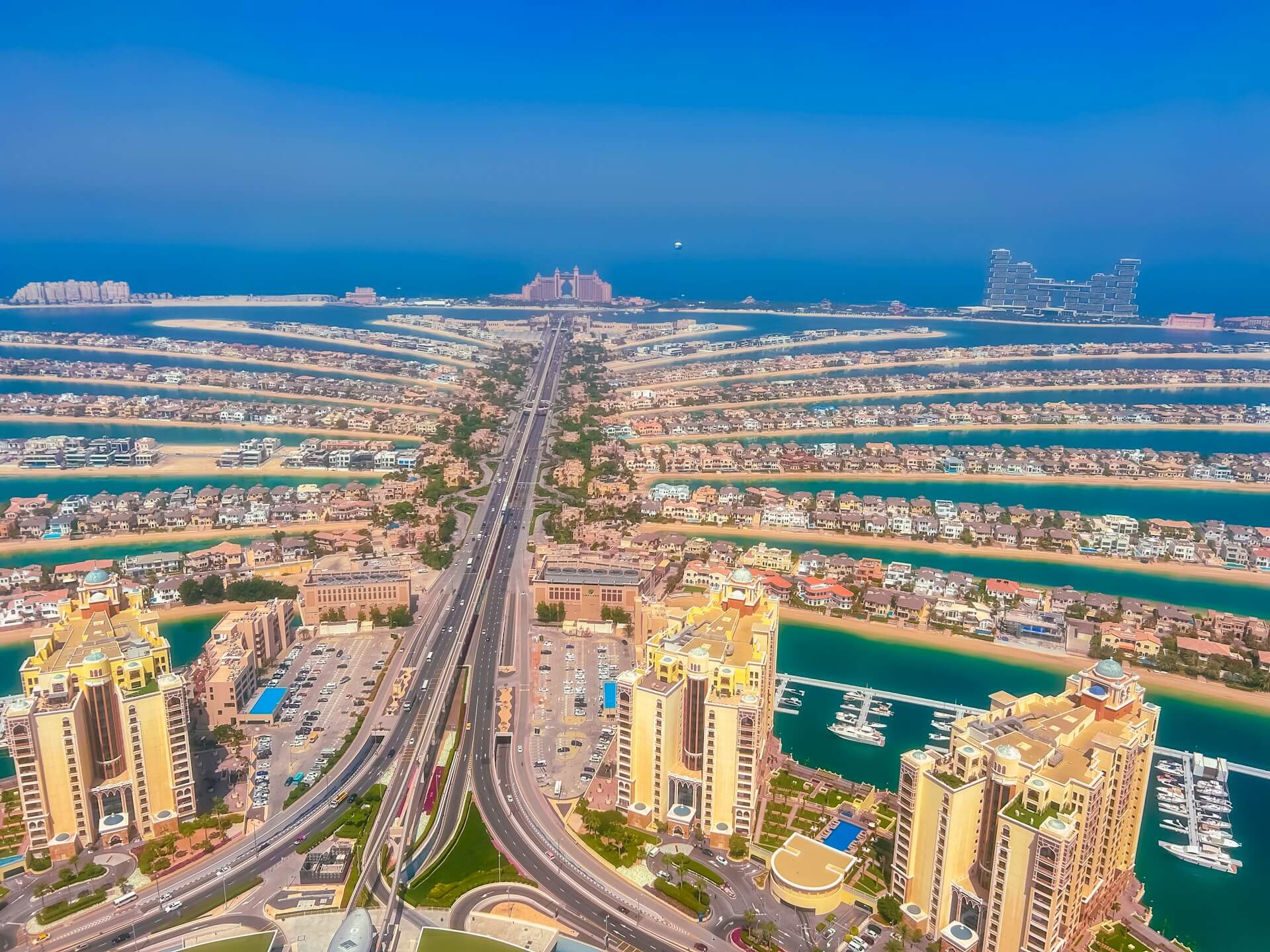
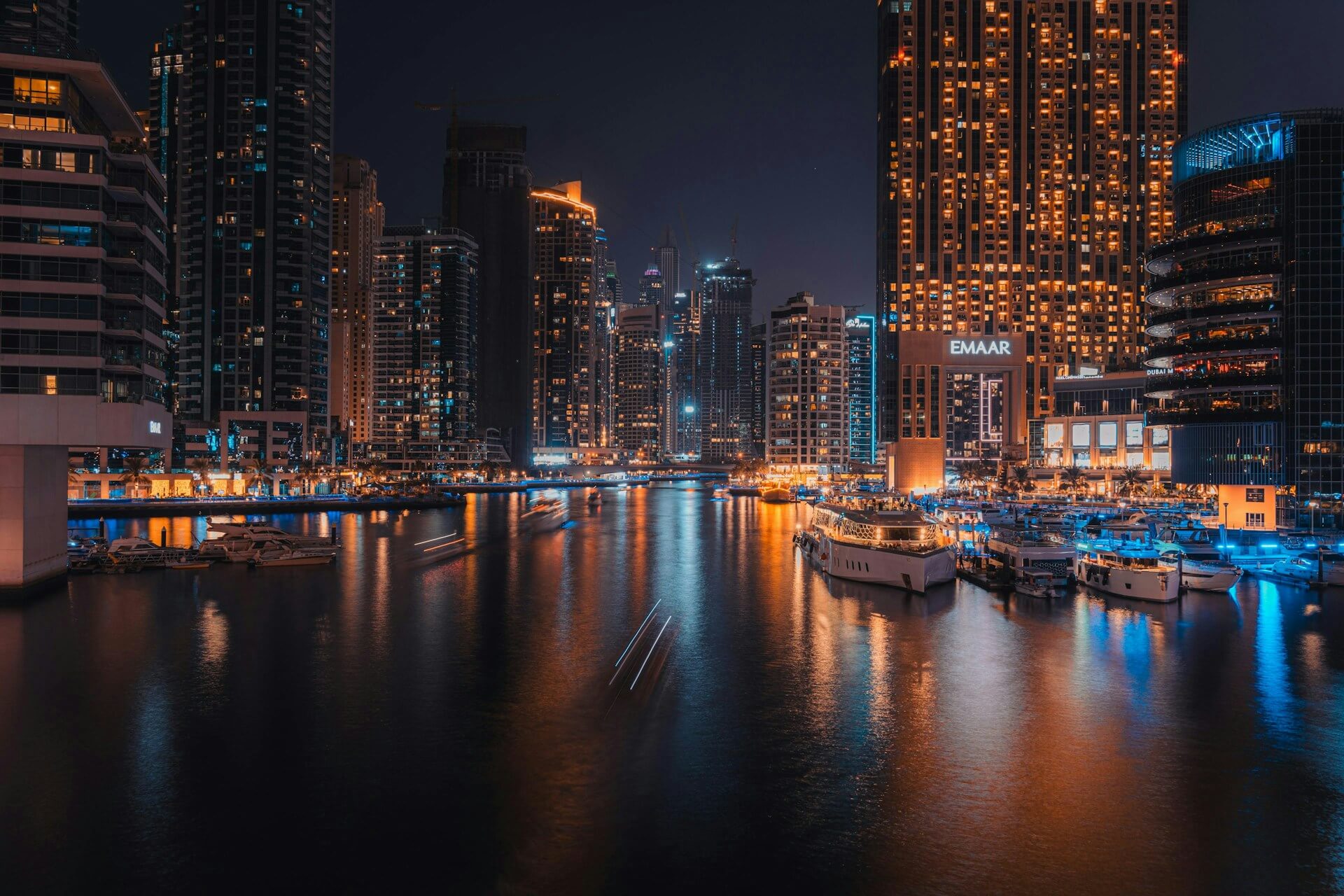
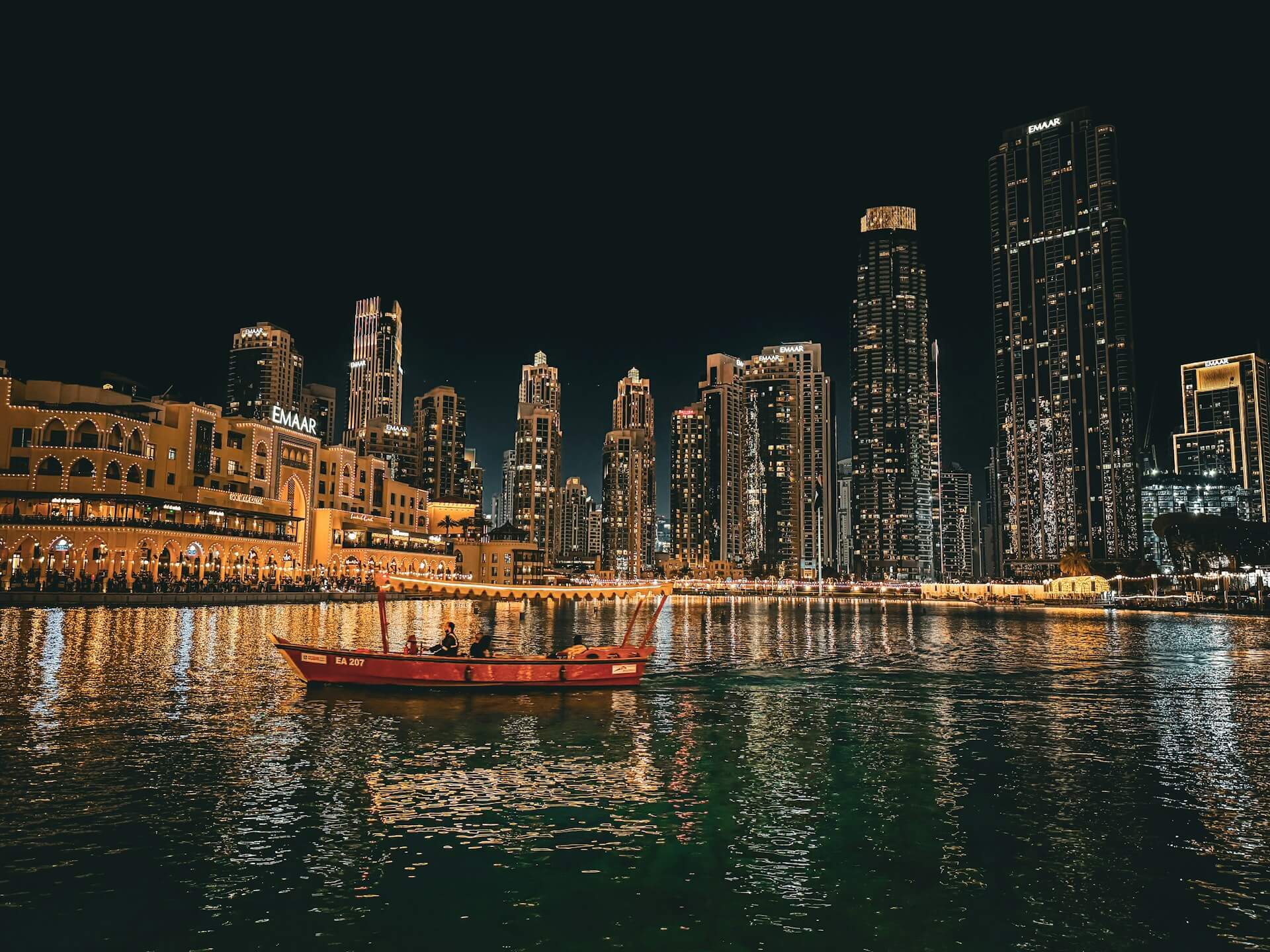
Dubai Property Selection focuses on apartments, villas and investment properties in key areas such as Dubai Marina, Downtown, Business Bay, Dubai Hills and Palm Jumeirah.
Instead of sending a huge list of random listings, we prepare a clean shortlist based on your budget, preferred area, bedrooms, timeline and purchase or rental goals.
Premium opportunities in Dubai — from compact investment units to signature villas and penthouses.
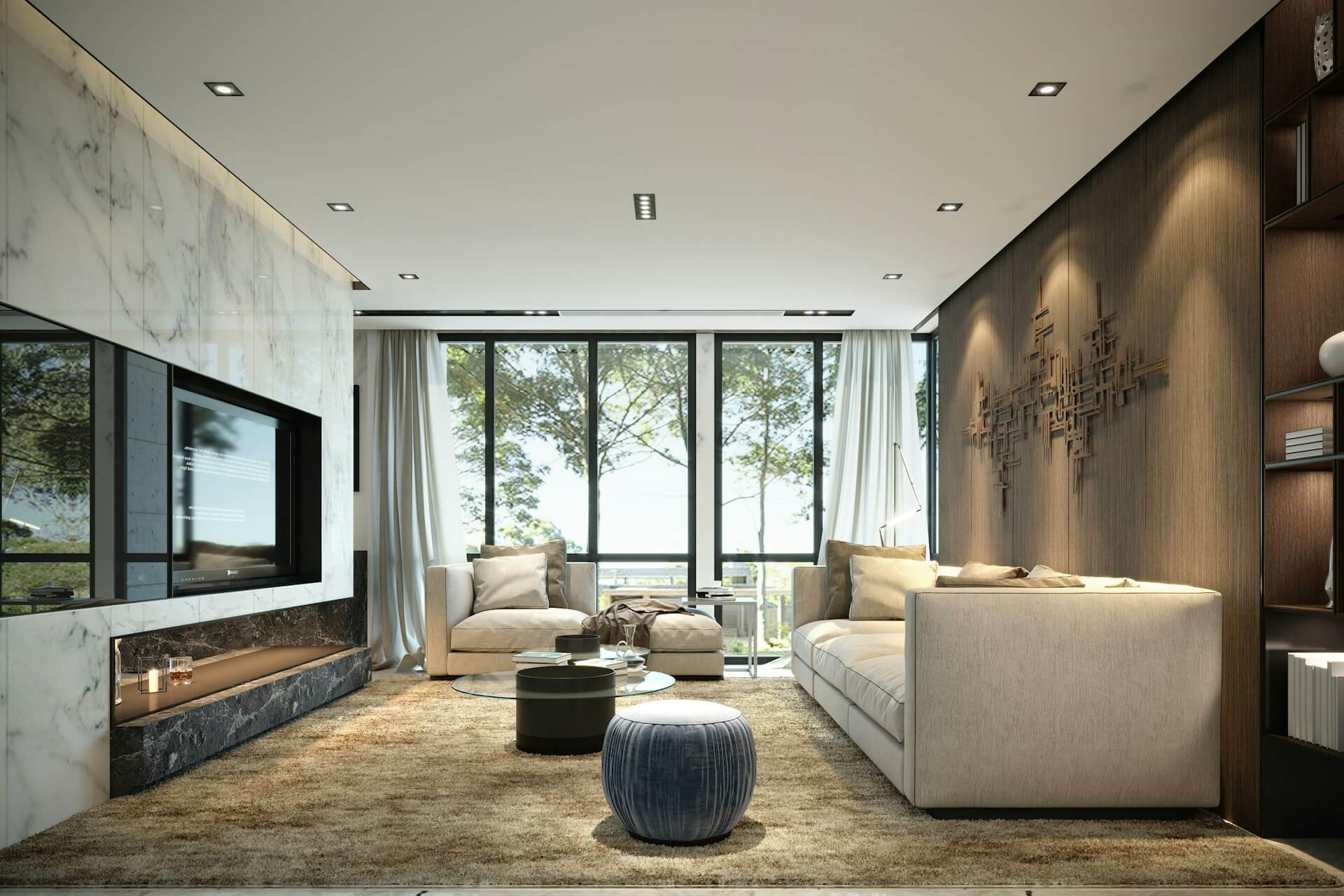

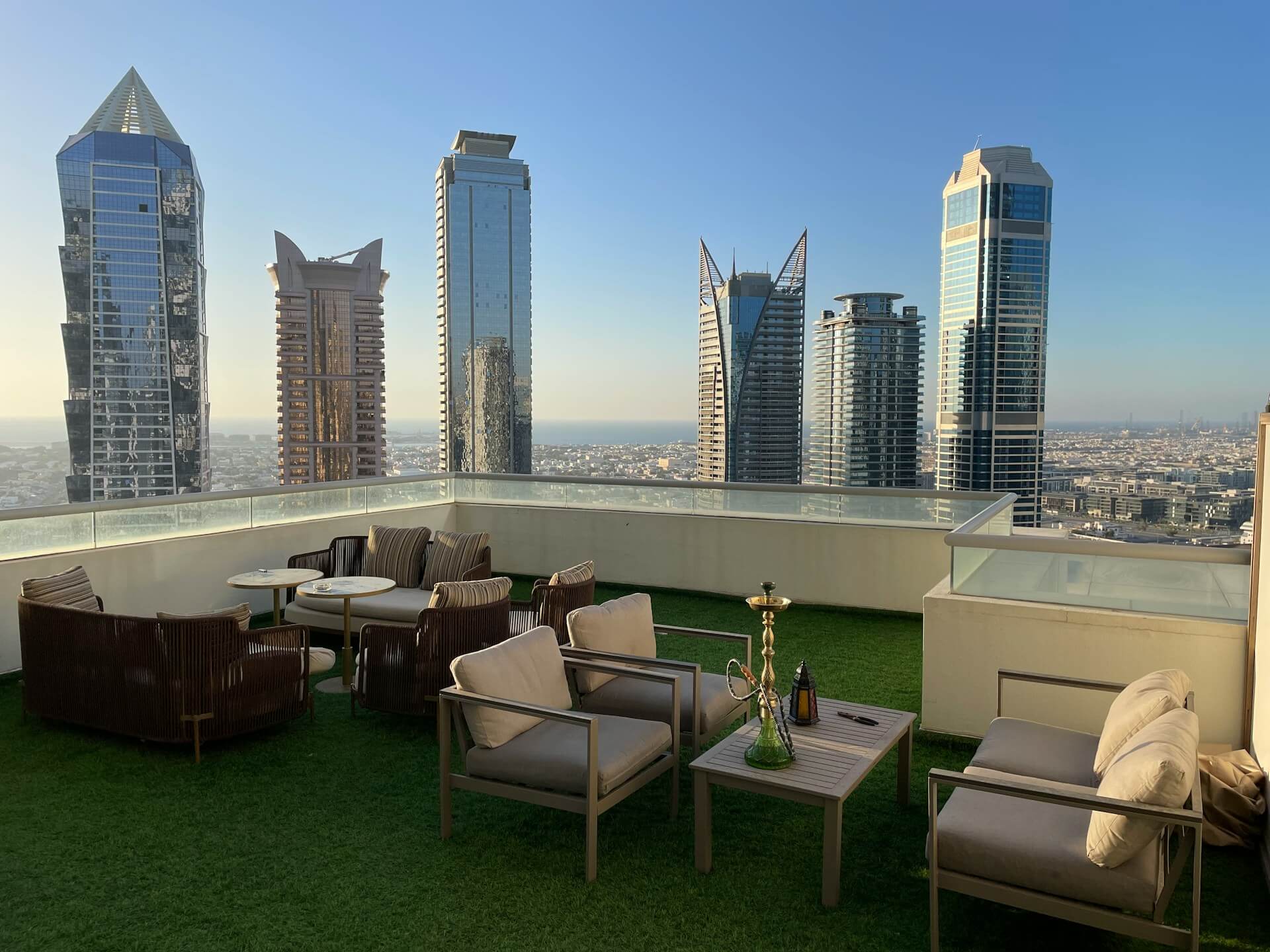
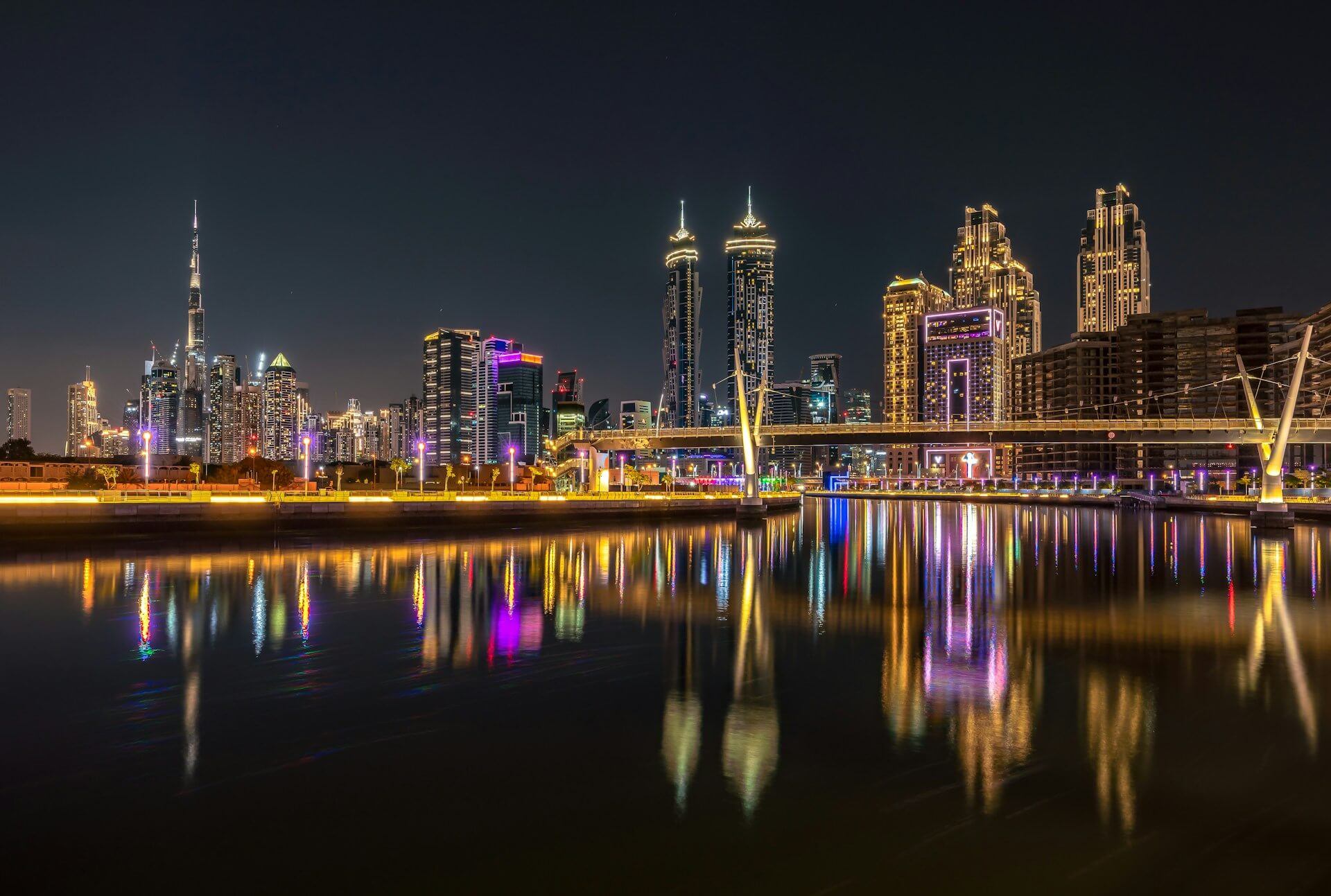
Comfortable long-term and premium rental options across Dubai.
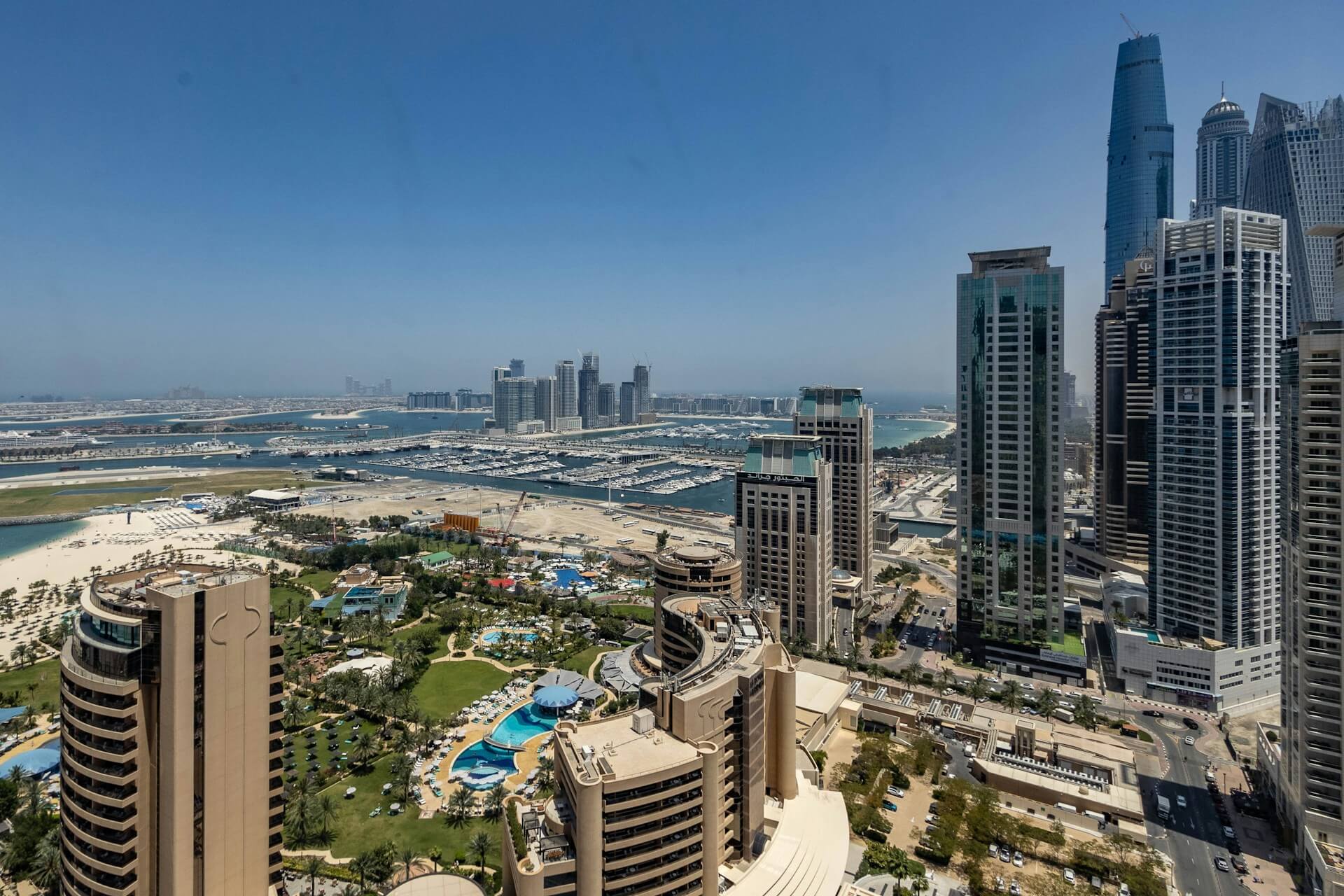

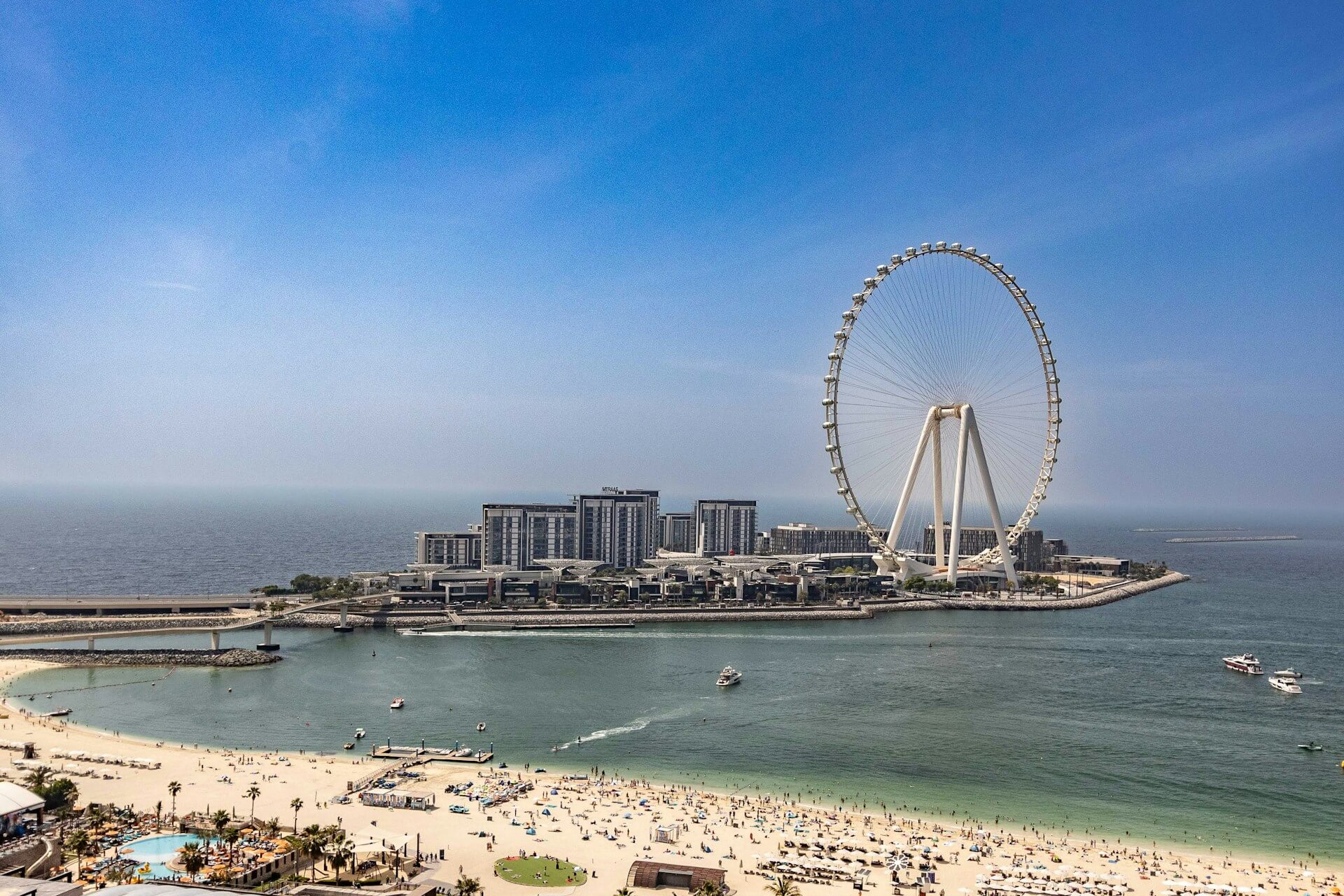
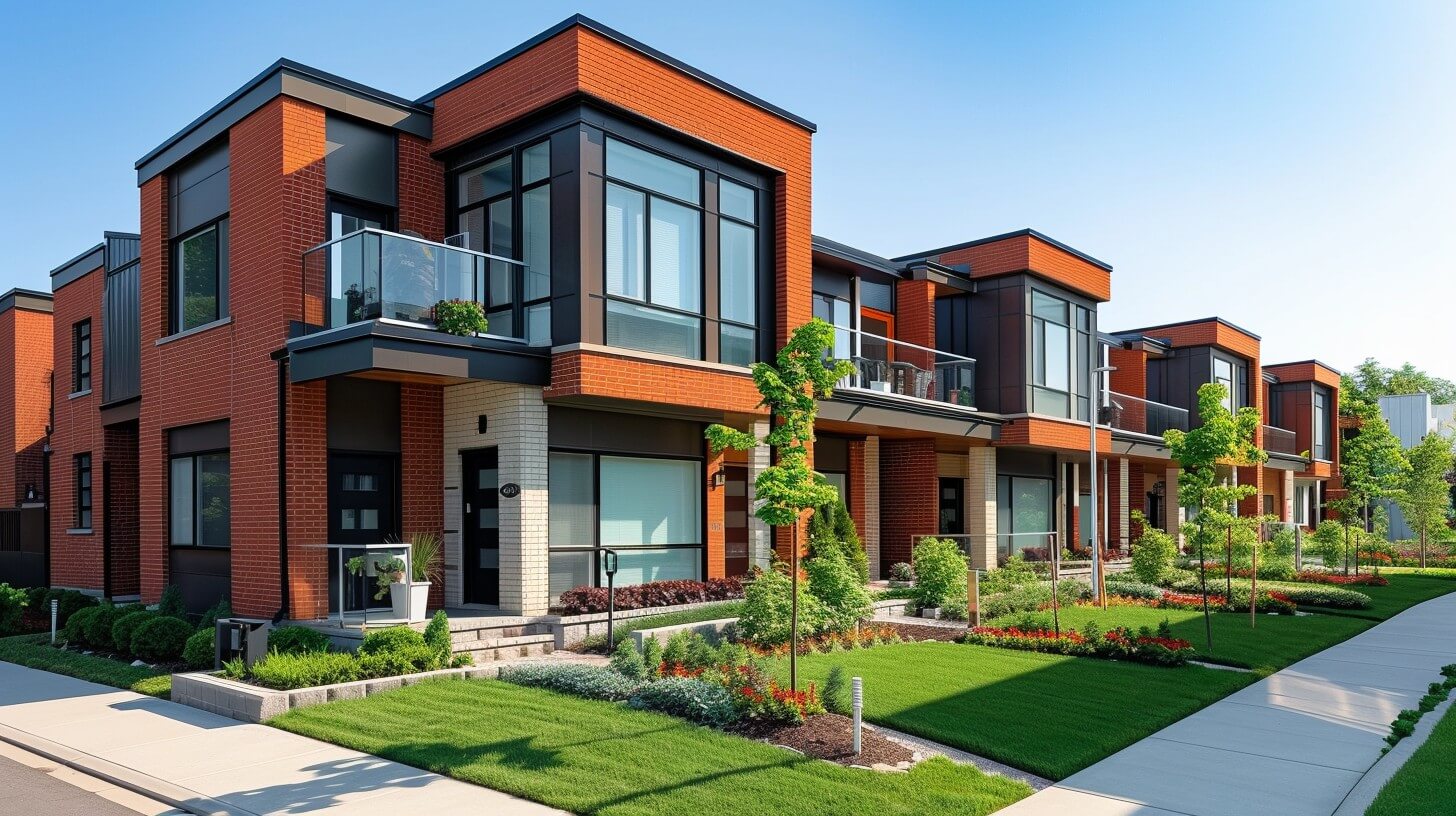
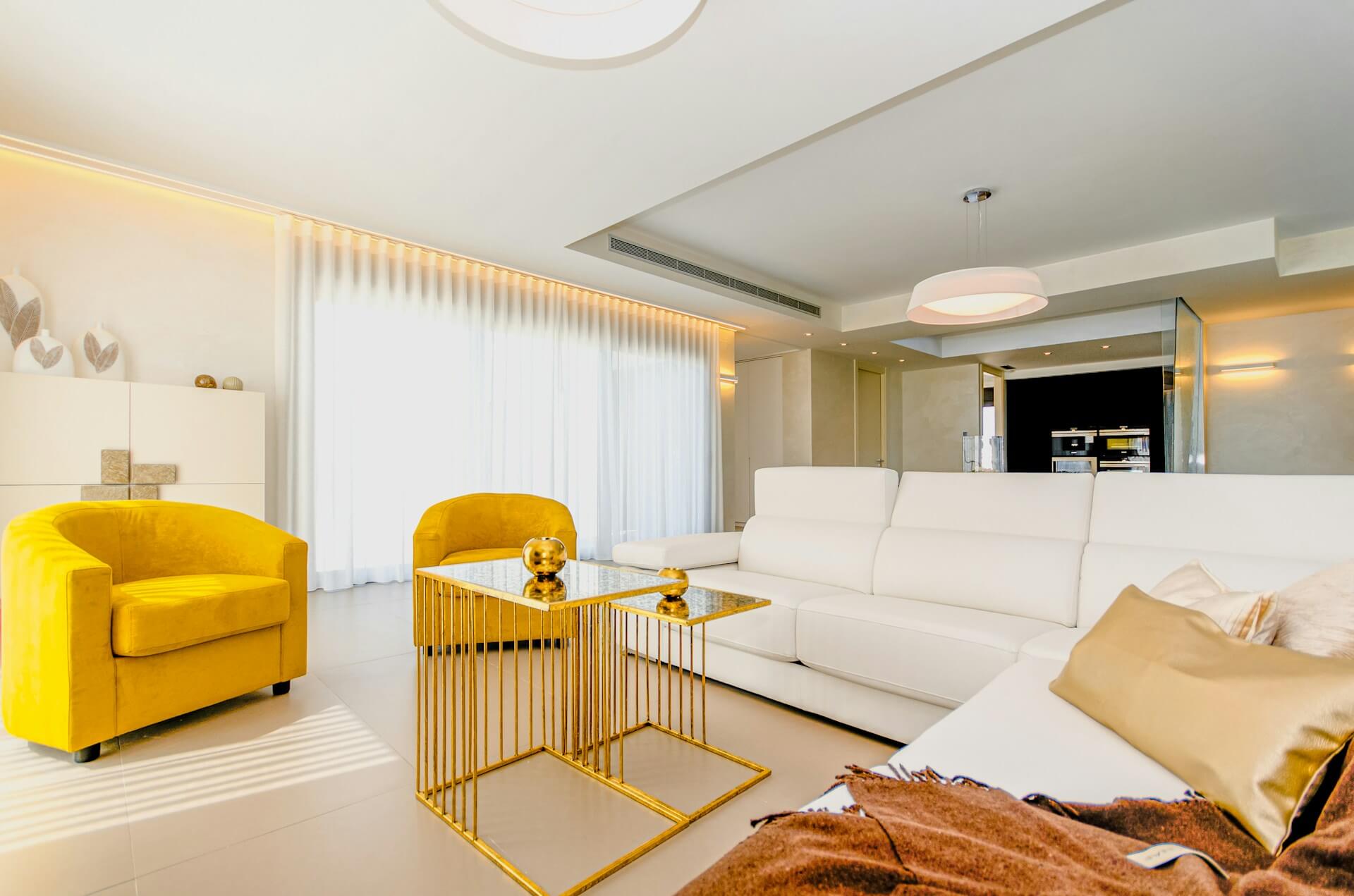
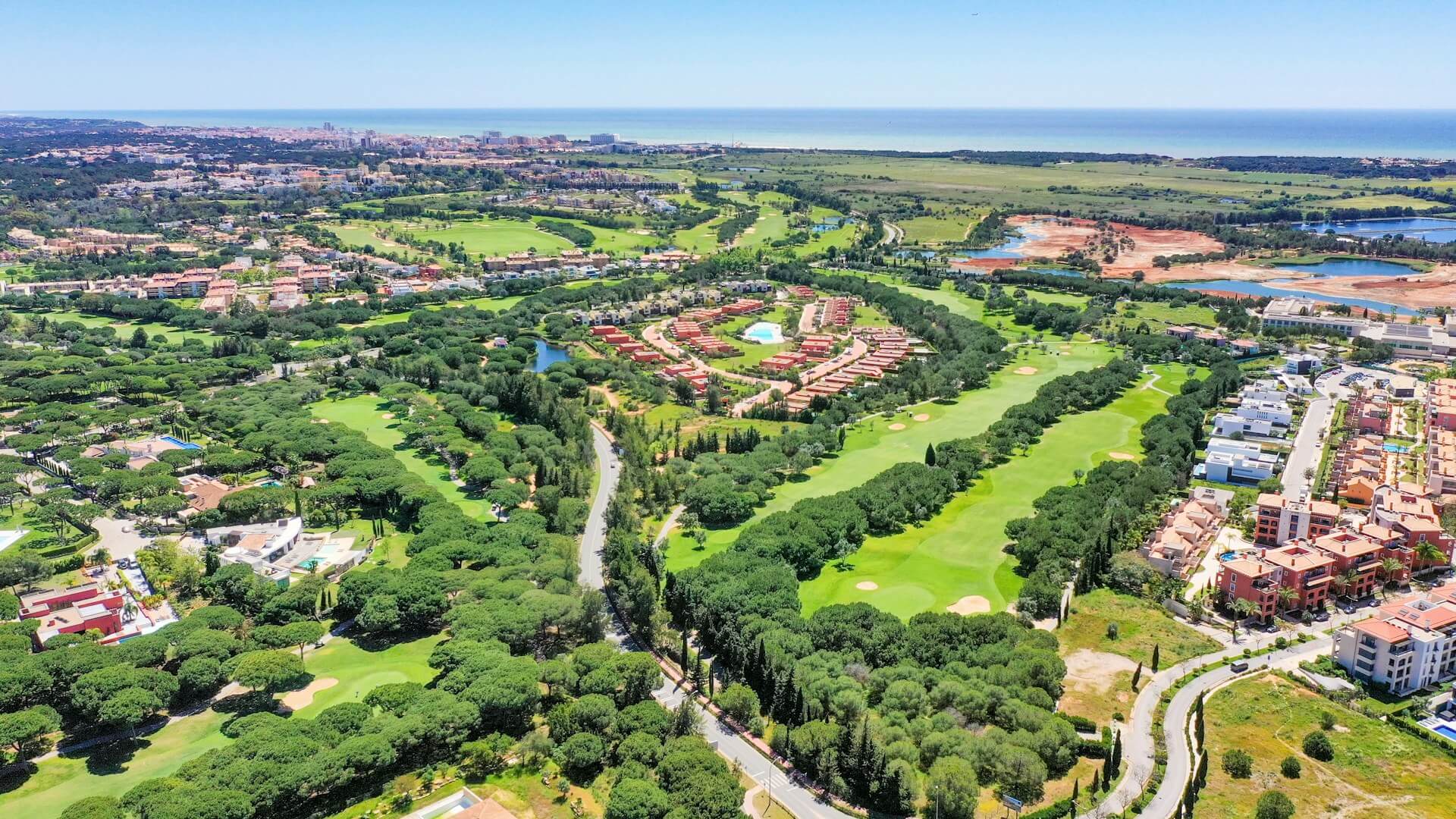
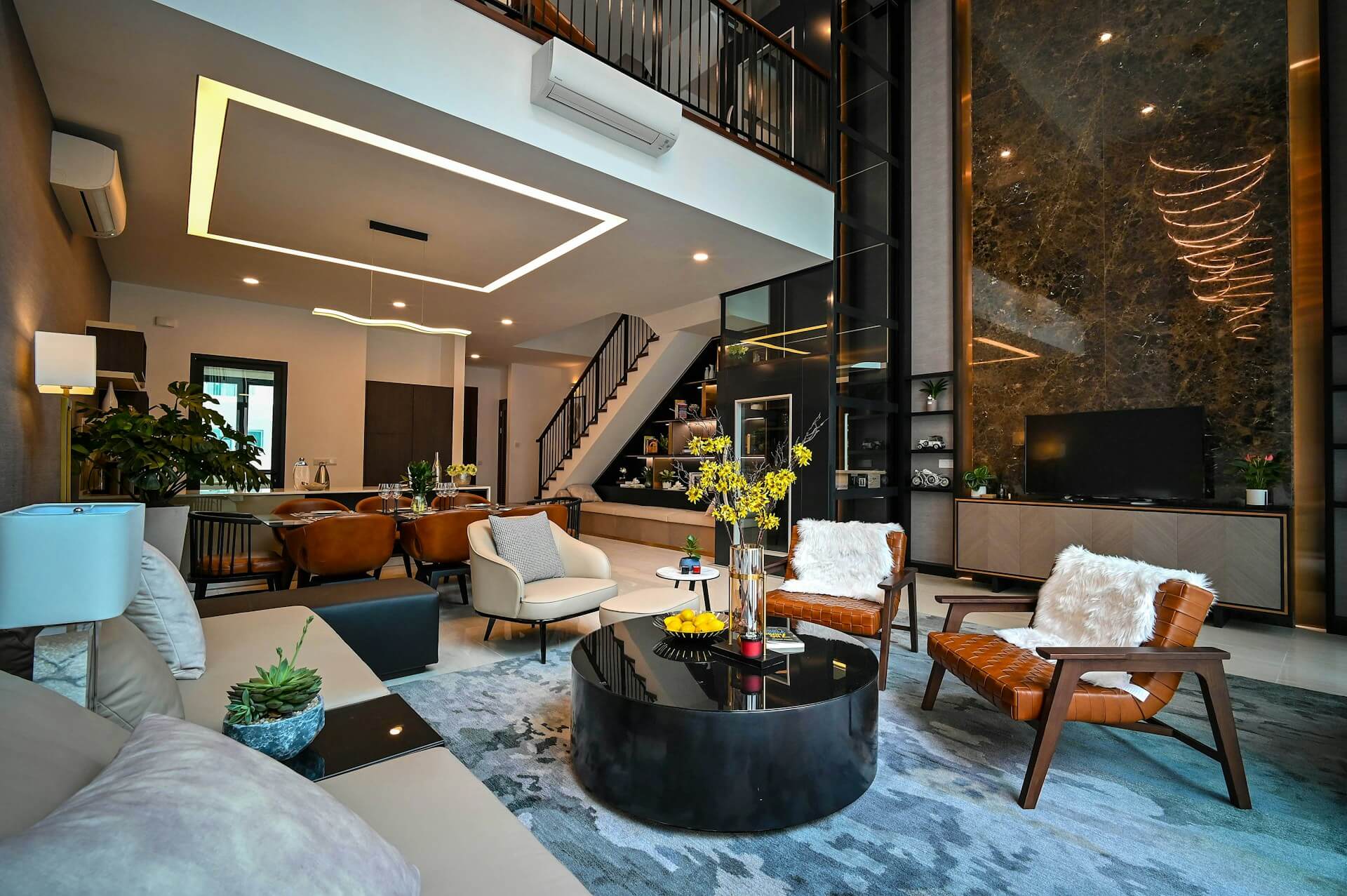
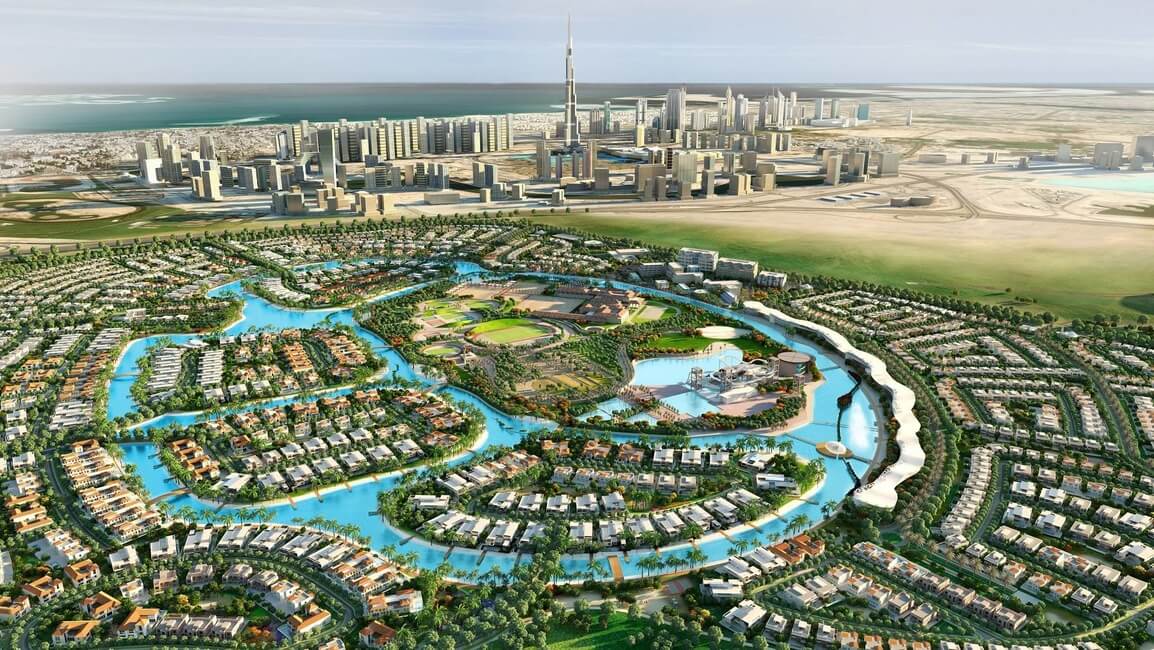
Acquiring real estate in Dubai Marina requires a minimum investment starting from AED 1.2 million for studios and one-bedroom units. Current market data shows that this waterfront community maintains strong demand driven by long-term residents and transient professionals seeking close proximity to commercial hubs and leisure facilities.
Rental returns average 6.5% annually, while resale turnover remains relatively high compared to other luxury districts in Dubai.Dubai Marina buy apartment searches are primarily concentrated on ready-to-move-in properties, reflecting buyer preference for immediate occupancy and rental income.
Dubai Marina benefits from limited new supply releases this year, contributing to price stabilization and preventing oversaturation.
Demand is bolstered by a mix of investors targeting medium-term capital gains and lifestyle buyers focusing on asset utility. Visa reforms and relaxed financing conditions further stimulate acquisitions, especially among expatriates relocating for employment. This creates a balanced market where liquidity remains reliable, and price corrections are minimal.
Entry capital allocation varies significantly across the neighborhood’s subzones. For instance, apartments in Jumeirah Lake Towers, adjacent to the marina waterfront, start at approximately 15% lower price points but trade off on views and amenities.
Investing in high-rise towers along the marina promenade commands a premium in alignment with superior infrastructure access and established tenant pools. This stratification should guide buyers seeking a blend of affordability and capital appreciation potential.
Yield optimization hinges on selecting units with direct water or skyline views and prioritizing buildings with distinct management reputations.
Newly completed developments typically offer higher rental yields but may come with increased maintenance fees, impacting net returns. On the other hand, legacy projects provide better historical data for price trends and occupancy rates.
The diverse stock ensures that entry-level and high-net-worth buyers can find assets matching their risk-return appetite within Dubai Marina.
Securing a unit in Dubai Marina is advisable now due to limited ready stock and rising end-user demand pushing values upward.
Entry costs start around AED 1.2 million for studios, rising to AED 3 million+ for one-bedroom configurations in established towers, with premium buildings demanding AED 5 million+ for larger layouts.
The scarcity of completed properties combined with stricter bank lending criteria favors buyers with immediate capital rather than those reliant on finance.
Current market activity is driven by relocation influxes linked to visa reforms and a surge in short-term leasing licenses issued locally, increasing rental demand specifically within Dubai Marina’s boundaries.
This area exhibits faster sales velocity compared to emerging zones due to established infrastructure and connectivity. For comparison, nearby places such as Jumeirah Lake Towers offer lower entry points AED 800k–1.5 million but at the expense of rental income and resale speed.
Capital deployment here should factor in higher purchase prices relative to other waterfront communities; however, long-term appreciation over the past 5 years remains above 12% annually in Dubai Marina.
Yield compression affects prime waterfront towers but mid-tier projects yield gross returns of 6.5–7.5%. This contrasts with older developments where yields can reach 8%, albeit with longer letting periods. Investors targeting robust cash flow should consider submarkets inside Dubai Marina with mid-rise buildings rather than ultra-luxury skyscrapers.
Comparing ready units and upcoming developments, the former dominates due to existing occupancy and immediate rental returns.
Off-plan options appear in projects scheduled for 2025–2026 completion, priced roughly 15–20% below current resale; however, transaction volumes remain low amid cautious investor sentiment. Ready inventory delivers liquidity advantage, critical given periodic cyclical slowdowns in the region’s real estate market.
| Entry Price (AED, 1BR) | 3,000,000+ | 1,200,000–1,500,000 | 1,800,000+ |
| Gross Rental Yield (%) | 6.5–7.5 | 7.5–8.0 | 5.5–6.5 |
| Average Resale Time (months) | 3–5 | 5–7 | 6–9 |
| Price Growth (annual %) | 12%+ | 9–10% | 10–12% |
The typical profile for transactions comprises end-users and long-term holders benefiting from residency-linked mortgages and lifestyle appeal close to Dubai Marina’s transport and retail hubs.
Investors focused on short-term rental face higher risk here due to strict regulations limiting days available annually, pushing many to consider nearby districts with fewer restrictions but sacrificing upside.
Acquisition is unsuitable for those anticipating rapid profits through resale flips; market absorption is slower for high-priced units requiring longer holding periods.
Buyers dependent on financing under 50% LTV face challenges as banks apply conservative valuations on properties within Dubai Marina. Vacancy risk elevates in oversized apartments (3+ bedrooms) due to a limited tenant pool in the location.
Projects with older completion dates yield better net cash flow but lag in capital appreciation. Newer podium-style developments with amenity-rich environments command price premiums and exhibit stronger buyer interest.
Decisions should align with investment horizon: select mature buildings for steady returns, while off-plan units suit risk-tolerant investors expecting capital gains post-handover.
In summary, purchasing a residence in Dubai Marina is justified for buyers with capital ready to deploy in the AED 1.2 million+ bracket seeking consistent rental income and moderate capital growth.
Immediate possession assets retain higher liquidity and faster turnover relative to upcoming developments. This market segment fits professionals and investors targeting stable tenancy rather than speculative gains.
Dubai Marina buy apartment decisions should start with a clear understanding of intended use, as space requirements vary significantly between investment and personal occupancy.
Studios and one-bedroom units typically demand entry prices from AED 750,000 to AED 1.2 million and attract high rental yields around 7-8% annually, appealing to short-term renters or single professionals. Two-to-three-bedroom layouts range from AED 1.5 million to AED 3 million, offering balanced liquidity and stable tenancy suitable for small families or long-term residents.
Comparisons between compact and larger floor plans reveal distinct trade-offs.
Smaller units deliver quicker capital recovery and are easier to resell due to broader market appeal, especially in prime locations within Dubai Marina. However, limited living space restricts appreciation potential for lifestyle buyers seeking comfort. Conversely, three-bedroom and above properties face higher entry costs and longer selling cycles but benefit from stronger rent growth driven by expatriate families relocating to the area.
Market data from the last 18 months indicate supply saturation in studio segments caused by a surge of new towers completed in Dubai Marina, slowing vacancy reduction and compressing yields marginally.
Larger units remain less affected, with a vacancy rate near 6% compared to 12% for studios. Entry capital for bigger accommodations exceeds AED 2 million, requiring investors or end-users to evaluate holding costs more carefully to sustain profitability during market adjustments.
When targeting premium returns through short-term leasing platforms, one-bedroom flats outperform larger units by 10% to 15% in nightly rates, but operational complexity and licensing costs limit this option to seasoned investors or property managers familiar with Dubai Marina’s regulatory environment.
For long-term tenancy, families benefit from three-bedroom units located near metro access and retail hubs, achieving stable occupancy rates exceeding 90% annually.
Key factors influencing size selection include budget limits, expected renter profile, and resale strategy. Buyers with entry capital under AED 1 million should prioritize studios or one-bedroom apartments within established Dubai Marina skyscrapers.
Those aiming at diversification or lifestyle upgrades should consider two to three-bedroom units in developments with amenities aligning with family needs, such as schools and healthcare centers accessible near the waterfront.
Careful assessment of maintenance fees relative to unit size is crucial. In Dubai Marina, service charges for studios average AED 12 per sq.ft, while three-bedroom options can reach AED 18 per sq.ft, impacting net returns.
Prospective owners must calculate these variable costs against projected rental income to avoid unexpected margin compression.
Avoid investing in oversized units without robust demand justification.
Four-bedroom and penthouse configurations, though prestigious, suffer from fewer qualified tenants, resulting in prolonged vacancy periods. Liquidity in this subsegment is notably weaker, with selling timelines almost double in comparison with smaller units.
Newcomers lacking local market insight should refrain from committing large sums to expansive apartments.
Dubai Marina buy apartment transactions require strict adherence to the established legal framework governed by the Dubai Land Department (DLD) and the Real Estate Regulatory Agency (RERA).
Buyers must register the title deed with DLD to confirm ownership, a mandatory step that assures legal protection and transfer of property rights.
Initial due diligence should verify clear title status, free from any liens or disputes, by accessing the title deed online or via the trustee office.
Using a registered real estate agent with authorization from RERA reduces the risk of fraud and facilitates compliance with local regulations. The standard payment procedure includes a 10% down payment upon signing the Sales and Purchase Agreement (SPA), which must be registered with RERA within 10 days to gain enforceability.
Completion phases involve the purchaser settling the remaining balance before transfer, usually within 30-90 days for ready units or per the developer’s schedule for off-plan acquisitions.
Registration fees of 4% plus administration charges apply on the final purchase price; these fees should be factored into total upfront costs. Title deeds can be issued in the buyer's personal name or through a company, though corporate ownership entails additional documentation and compliance checks.
Mortgages are subject to local banks’ approval and require a pre-approval certificate.
Mortgage cap limits typically vary but generally do not exceed 80% for expatriates on ready properties. Non-citizens are allowed freehold ownership in designated zones such as Dubai Marina, with full repatriation rights guaranteed. Post-registration, buyers obtain a legally binding title deed that facilitates future resale or rental agreements.
For resale transactions, a No Objection Certificate (NOC) must be obtained from the developer to ensure debt clearance and no outstanding service charges.
This step can take up to 4 weeks and impacts transaction speed in Dubai Marina. Escrow accounts and developer compliance enhance transparency for off-plan transactions, mitigating default risk and protecting buyer deposits.
Investors seeking to minimize legal exposure are advised to insist on fully registered and cleared units, verify developer reputation via RERA screening, and consider professional legal counsel to review contracts. Understanding this registration and conveyancing process reduces post-purchase complications and ensures the asset is marketable within Dubai Marina.
Dubai Marina buy apartment decisions hinge on precise evaluation of new launches versus resale units.
Entry capital to the market typically starts from AED 1.2 million for off-plan studios and AED 1.5 million for ready two-bedroom units. New developments demand a higher upfront commitment, largely due to premium pricing linked to modern amenities and flexible payment plans, whereas secondary market stock offers competitive prices and quicker access.
New launches in Dubai Marina usually carry a premium of 10-20% over resale listings, driven by contemporary design, warranties, and often better energy efficiency.
Off-plan supply attracts investors looking for post-handover appreciation and capital growth, with payment plans stretching 2-4 years reducing immediate financial pressure.
However, liquidity tends to be lower until project completion, which can take 2-3 years, posing risks if market sentiment shifts.
Turnover speed favors resale units due to immediate possession and transparent historic data on rental income and maintenance charges.
Off-plan investors face liquidity constraints; however, select projects with established developers show faster resale post-completion, especially 1-3 bedroom homes.
Conversely, resale stock in the marina consistently attracts end-users and relocators who prefer immediate occupancy.
Market demand in Dubai Marina prioritizes ready units for owner-occupiers targeting short notice moves, families refinancing, or tenants seeking stability.
Conversely, investors with longer horizon prefer new developments due to potential price appreciation and customized finishes but must account for interim vacancy risk and additional costs such as developer service fees.
Risks inherent in off-plan units include delayed handover, regulatory changes, and quality discrepancies.
Resale units pose less risk but might carry hidden maintenance liabilities or require renovations, factoring into total investment cost and timing. Both options benefit from Dubai Marina’s continuous infrastructure improvements, but proximity differences to metro stations or waterfront influence value retention.
For buyers prioritizing capital preservation and immediate returns, resale options dominate due to established cash flow and easier resale.
Buyers aiming at capital gains and flexible financing should consider new projects, weighing payment plan benefits against holding period uncertainty.
Entry price analysis shows that studios in resale range from AED 1.1 million to AED 1.3 million, while comparable new units start at AED 1.3 million and go upward. Two-bedroom resale units average AED 1.8 million, against AED 2.0 million in upcoming developments. Price per square foot differs by roughly 8-15%, narrowing as new projects approach completion.
Dubai Marina buy apartment demand currently favors both segments but with different purchaser profiles: end-users and relocators lean towards resale, investors and speculators gravitate towards new stock.
Supply constraints drive competition, particularly in ready properties under AED 2 million, sustaining resale market’s strength. Off-plan supply remains robust, backed by developer incentives but with cautious buyer scrutiny.
The resale market carries liquidity advantages with transparent transaction histories and occupancy rates.
New developments offer growth opportunities but with higher entry costs and holding period risks. Choosing between segments requires alignment with investment horizon, cash flow needs, and risk appetite specific to the Dubai Marina buy apartment market.
In summary, resale units suit investors seeking lower entry capital, immediate returns, and fast exit.
New launches align with buyers targeting capital gains, payment plan benefits, and long-term value appreciation in Dubai Marina. The decision should weigh upfront cost, liquidity, yield expectations, and tolerance for project delivery uncertainty to ensure strategic alignment with investment goals.
Dubai Marina offers a variety of apartments including studios, one-bedroom, two-bedroom, and larger family-sized units.
Many developments also feature luxury penthouses with expansive views of the marina or the Arabian Gulf. The architectural styles vary from modern high-rises to more contemporary designs, catering to different tastes and budgets. Buyers can often find options with various amenities such as balconies, floor-to-ceiling windows, and open-plan layouts.
Foreigners are allowed to purchase properties in Dubai Marina without special restrictions, as this area is part of Dubai's freehold zones where expatriates have full ownership rights.
This means non-UAE nationals can buy apartments with complete ownership title and have the ability to sell, lease, or pass on the property freely.
However, it is advisable to consult with a local real estate expert or legal advisor to understand any additional procedures or fees involved in the purchasing process.
Dubai Marina stands out due to its waterfront location and well-developed infrastructure, offering a lifestyle closely connected to the sea with numerous dining and entertainment options nearby.
Compared to older areas, it is newer and generally features a more modern urban environment. Other neighborhoods might offer larger villas or quieter living spaces, but Dubai Marina is often preferred by those seeking a cosmopolitan atmosphere with easy access to the beach and a lively social scene.
Pricing might be higher here relative to areas farther inland.
Buying property in Dubai Marina involves several steps, starting with selecting a suitable unit and engaging a reputable real estate agent. Once a property is chosen, the buyer typically signs a Memorandum of Understanding (MoU) and pays a deposit. Next comes the transfer process at the Dubai Land Department, where ownership is officially registered.
It’s important to verify the developer’s credentials and check for clear title deeds. Additional costs may include agency fees, registration fees, and occasional service charges. Working with experienced professionals can help ensure a smooth transaction.
Dubai Marina is considered a popular choice for investors due to its strong rental demand and location advantage.
The area attracts both short-term visitors and long-term residents, which supports steady income opportunities if you plan to rent out the apartment. Over time, properties here have shown consistent appreciation in value.
However, market conditions vary and potential buyers should conduct thorough research or seek advice from real estate experts to evaluate current trends and forecast future performance before making a decision.
When purchasing an apartment in Dubai Marina, it is important to evaluate several aspects.
Firstly, the location within the marina can affect your lifestyle and investment value; properties closer to the waterfront may offer better views but could come at a higher price. Check the reputation and track record of the developer to ensure reliability. Consider the amenities available in the building and the surrounding community, such as security, parking, gyms, and access to public transportation.
Also, review the payment plans and any additional fees like maintenance charges. Finally, researching market trends and consulting with local real estate experts can help you make a well-informed decision.
Clear answers about buying, renting and investing in Dubai property.
Yes. Foreign buyers can purchase freehold property in designated areas such as Dubai Marina, Downtown Dubai, Business Bay, Palm Jumeirah, Dubai Hills and other approved communities.
It depends on your timeline, budget and goal. Buying is usually better for long-term plans, capital growth and rental income, while renting is better for flexibility and easier relocation.
The required budget depends on the area, building quality and property type. More accessible apartments can be found in developing communities, while prime locations and luxury properties require a much higher budget.
In addition to the purchase price, buyers should budget for the Dubai Land Department fee, registration and trustee fees, possible agency commission, mortgage-related costs if financing is used, and ongoing service charges for many buildings.
Yes, many banks in the UAE offer mortgages to foreign buyers. Approval depends on income, documents, deposit amount and the specific property being purchased.
Areas such as Dubai Marina, Downtown Dubai, Business Bay, Dubai Hills, JVC, Palm Jumeirah and Creek Harbour are often considered by investors, but the right area depends on whether your focus is yield, resale value, lifestyle appeal or long-term growth.
Rental yield varies by area, property type, furnishing level and market timing. In practice, many investors look for a balance between strong occupancy, reasonable service charges and sustainable tenant demand rather than chasing headline numbers alone.
Off-plan property is purchased directly from a developer before the project is completed. Buyers often choose off-plan because of payment plans, newer inventory and lower entry prices compared with some ready properties.
A proper review should consider the developer’s track record, payment plan, handover timeline, location quality, future supply in the area and the project’s resale or rental potential after completion.
For ready property, the timeline can move fairly quickly if the price is agreed, documents are prepared and the buyer is ready to proceed. Mortgage purchases usually take longer than cash deals.
Yes, many purchases can be handled remotely with the correct documents and proper support through the process. Remote buying is common for overseas investors and international clients.
The biggest risks are overpaying, choosing a weak location, buying an unsuitable layout, ignoring service charges, or selecting a project with low resale and rental demand. Good selection matters more than marketing promises.
In long-term rentals, rent is commonly agreed for a fixed term and often paid by one or several cheques depending on the landlord, property and negotiation.
Tenants are usually asked for identification and residency-related documents, and the exact set depends on their status in the UAE and the landlord’s requirements.
A security deposit is commonly required before move-in. The amount often depends on whether the property is furnished or unfurnished and should be clearly stated in the rental terms.
In many rental transactions, an agency commission is charged. The amount depends on the deal structure and should be confirmed before signing anything.
Tenants should review the deposit, Ejari registration, utility setup costs, parking terms if relevant, maintenance responsibilities and any conditions related to early termination or renewal.
Yes, negotiation is common. The final result depends on market conditions, the landlord’s flexibility, how long the property has been available and how prepared the tenant is to move forward.
It is important to check the condition of the unit, building quality, noise level, parking, view, maintenance status, contract terms and the reliability of the owner or manager.
Short-term rent offers flexibility and convenience but is usually more expensive. Long-term rent is generally more cost-effective and better suited for clients planning to stay longer.
During an active contract, the agreed rent usually remains fixed. Any increase is generally discussed at renewal and should follow the applicable rules and notice requirements.
This depends on the tenancy contract. Minor day-to-day issues may be handled by the tenant, while major maintenance is commonly the landlord’s responsibility, but the exact wording in the contract matters.
Ejari is the official registration of the tenancy contract in Dubai. It is important for legal recognition of the lease and is commonly needed for practical steps such as setting up utilities.
Yes. Furnished properties can be more convenient and faster to move into, while unfurnished options may work better for longer stays or tenants who want more control over the setup and budget.
We do not rely on random mass listings. We narrow the market based on budget, location, property type, investment goal, lifestyle needs and timeline, so clients can focus only on relevant options.
Yes. Support can include shortlisting, arranging viewings, comparing options, discussing terms, helping with negotiations and guiding the next steps of the transaction.
The best first step is to define the real budget, target areas, purpose, preferred property type and timeline. Once those points are clear, the selection becomes faster, cleaner and much more useful.