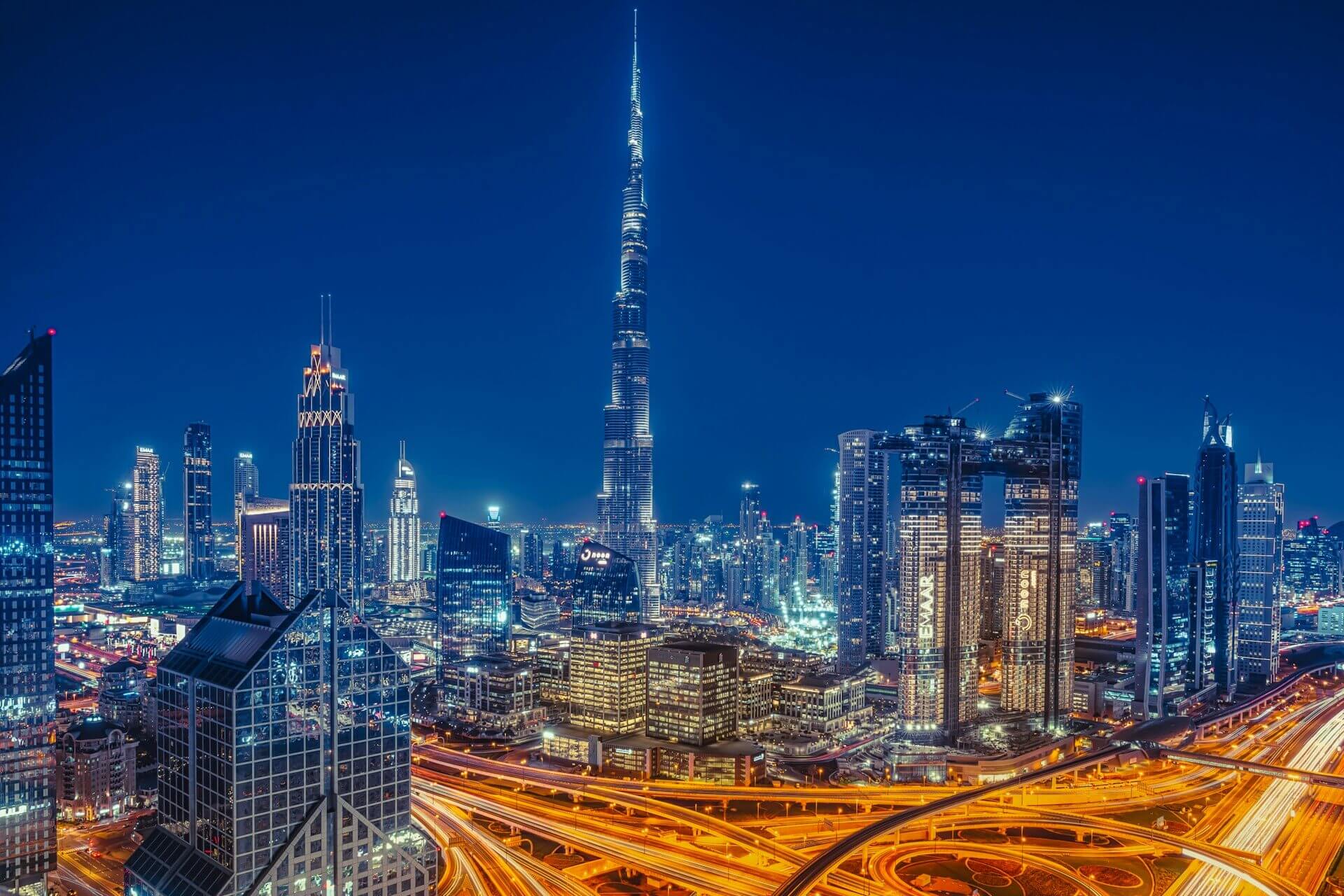
FOR SALE
AED 1,200,000AED 720,000
We help clients buy and rent the right property in Dubai — apartments, villas and investment units matched to budget, area and goals.
Dubai Property Selection focuses on apartments, villas and investment properties in key areas such as Dubai Marina, Downtown, Business Bay, Dubai Hills and Palm Jumeirah.
Instead of sending a huge list of random listings, we prepare a clean shortlist based on your budget, preferred area, bedrooms, timeline and purchase or rental goals.
Premium opportunities in Dubai — from compact investment units to signature villas and penthouses.
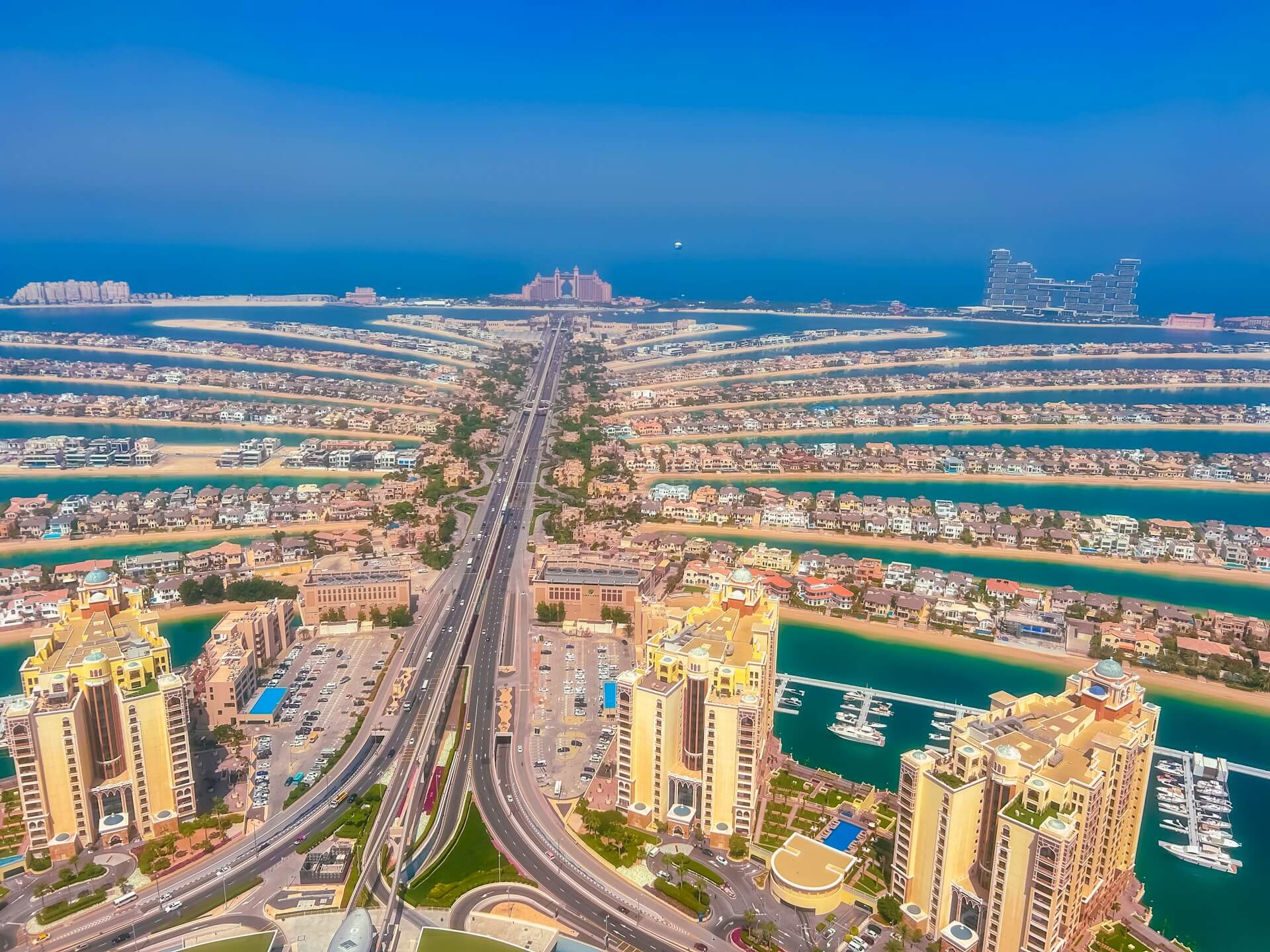
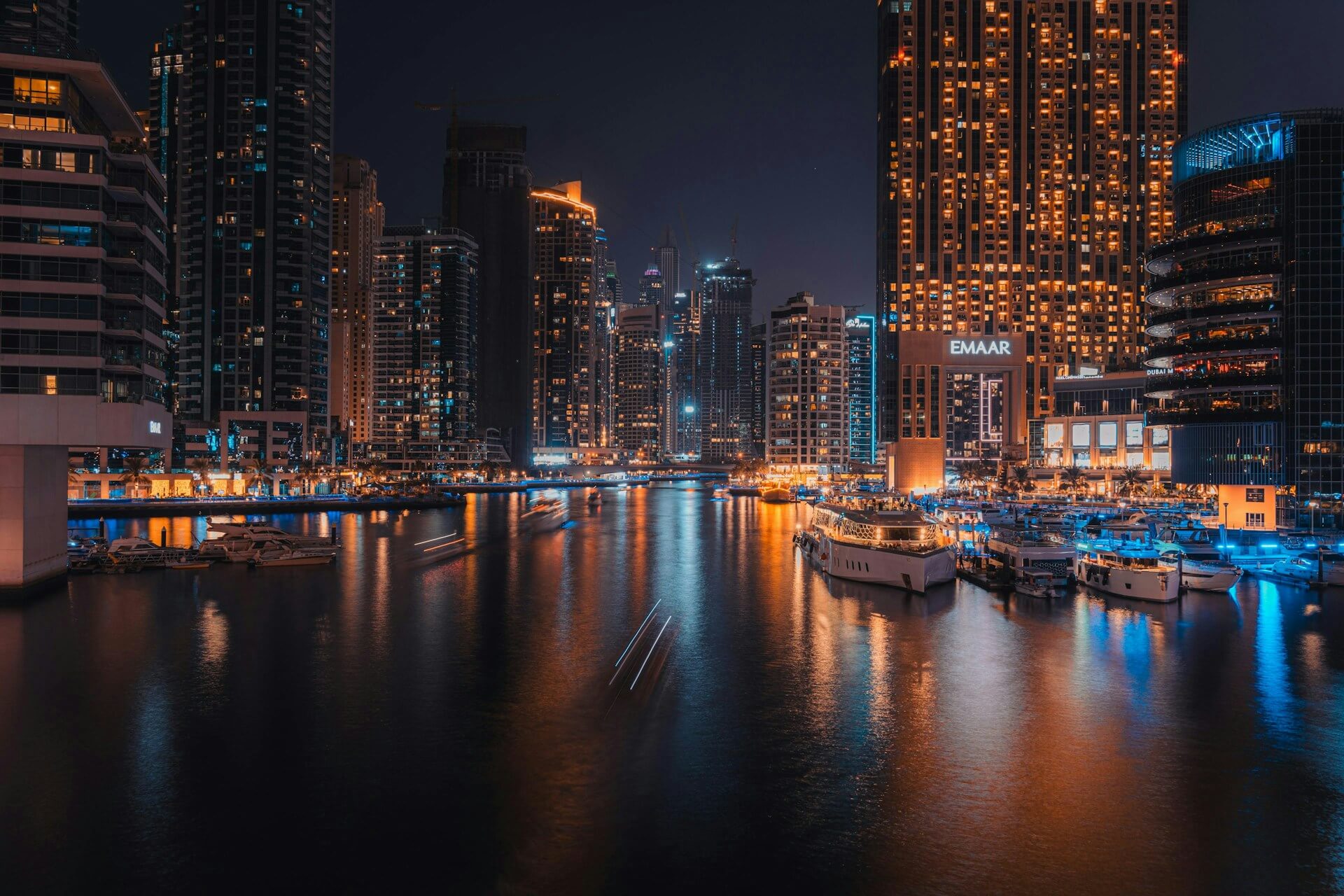
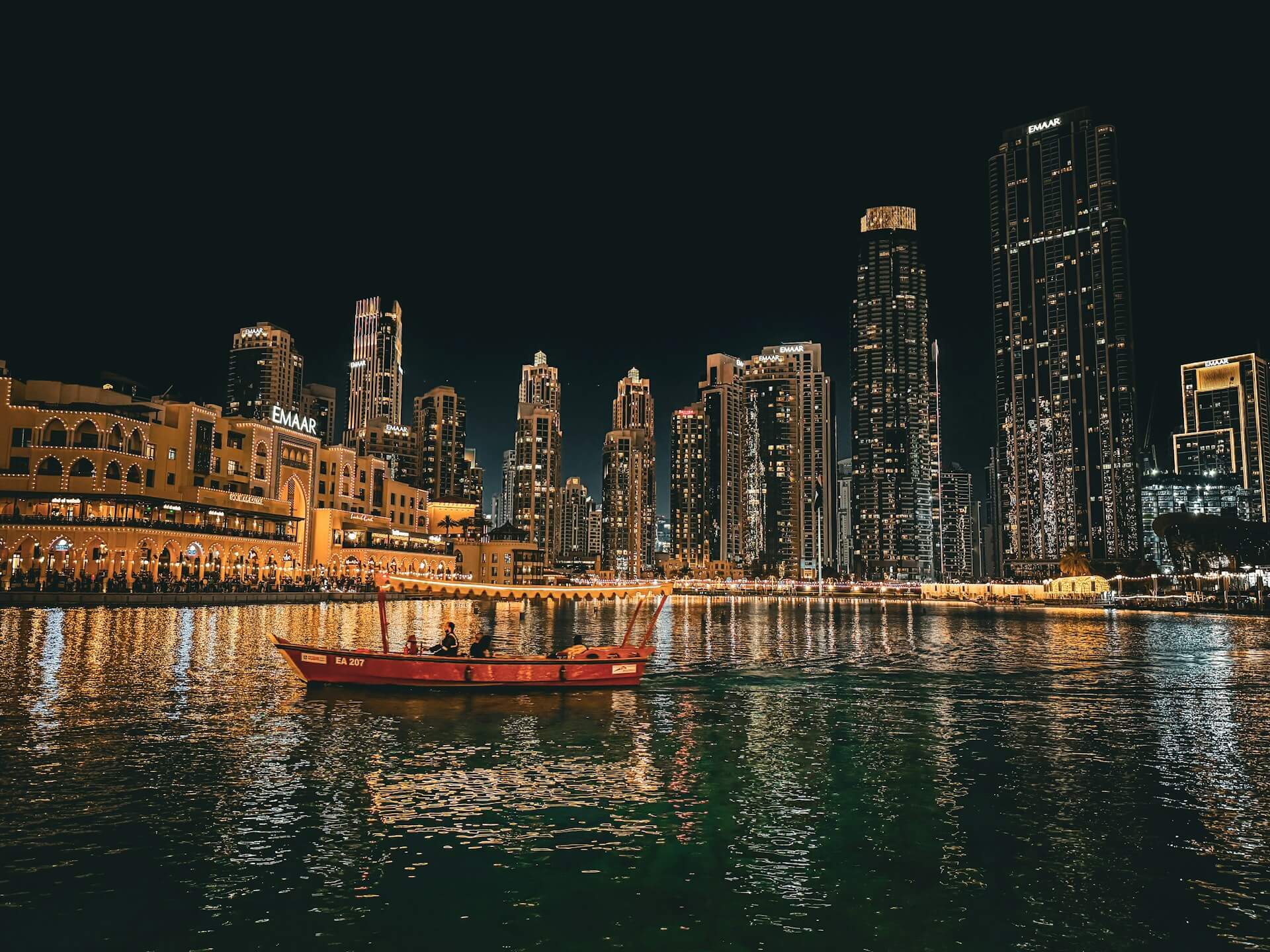

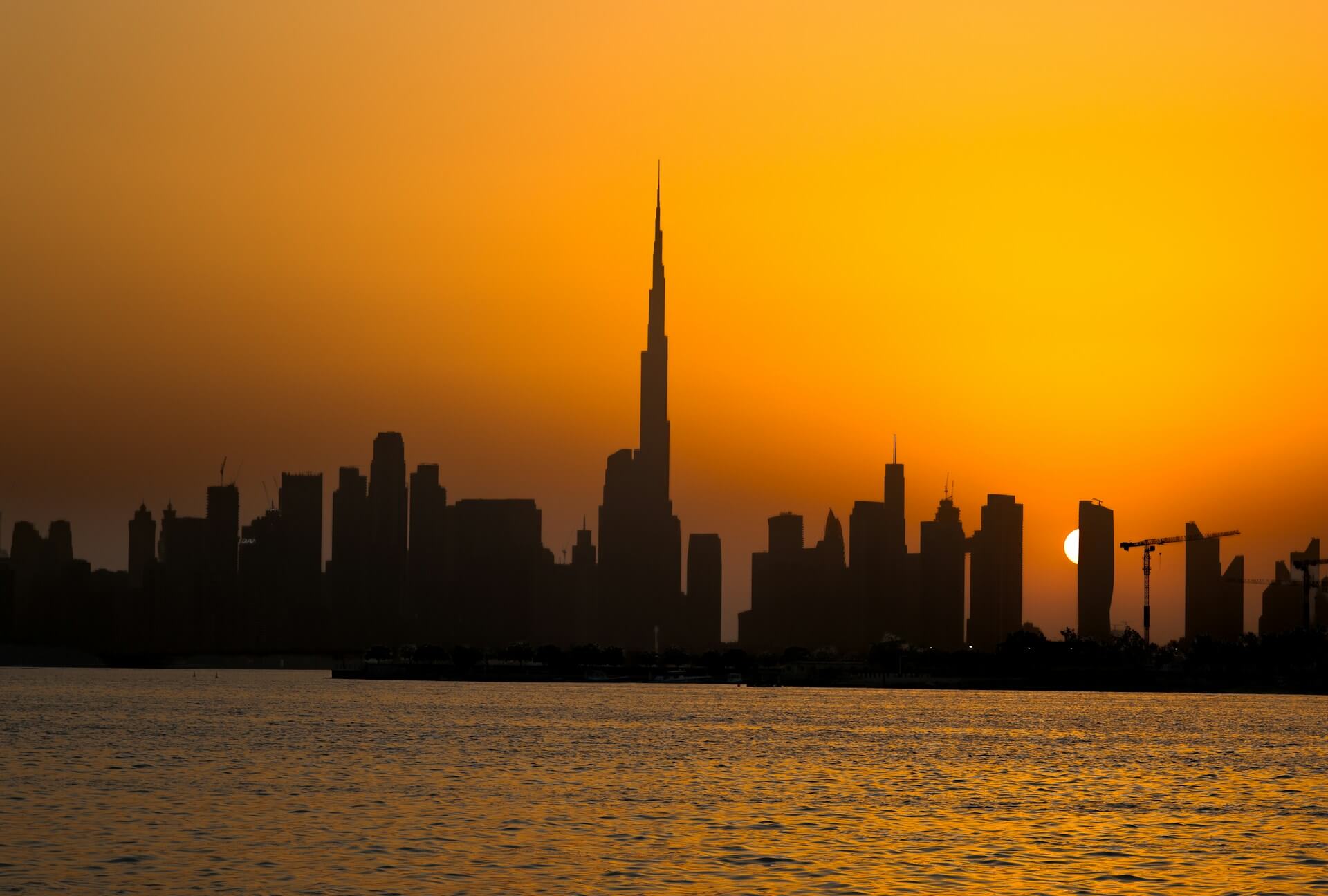
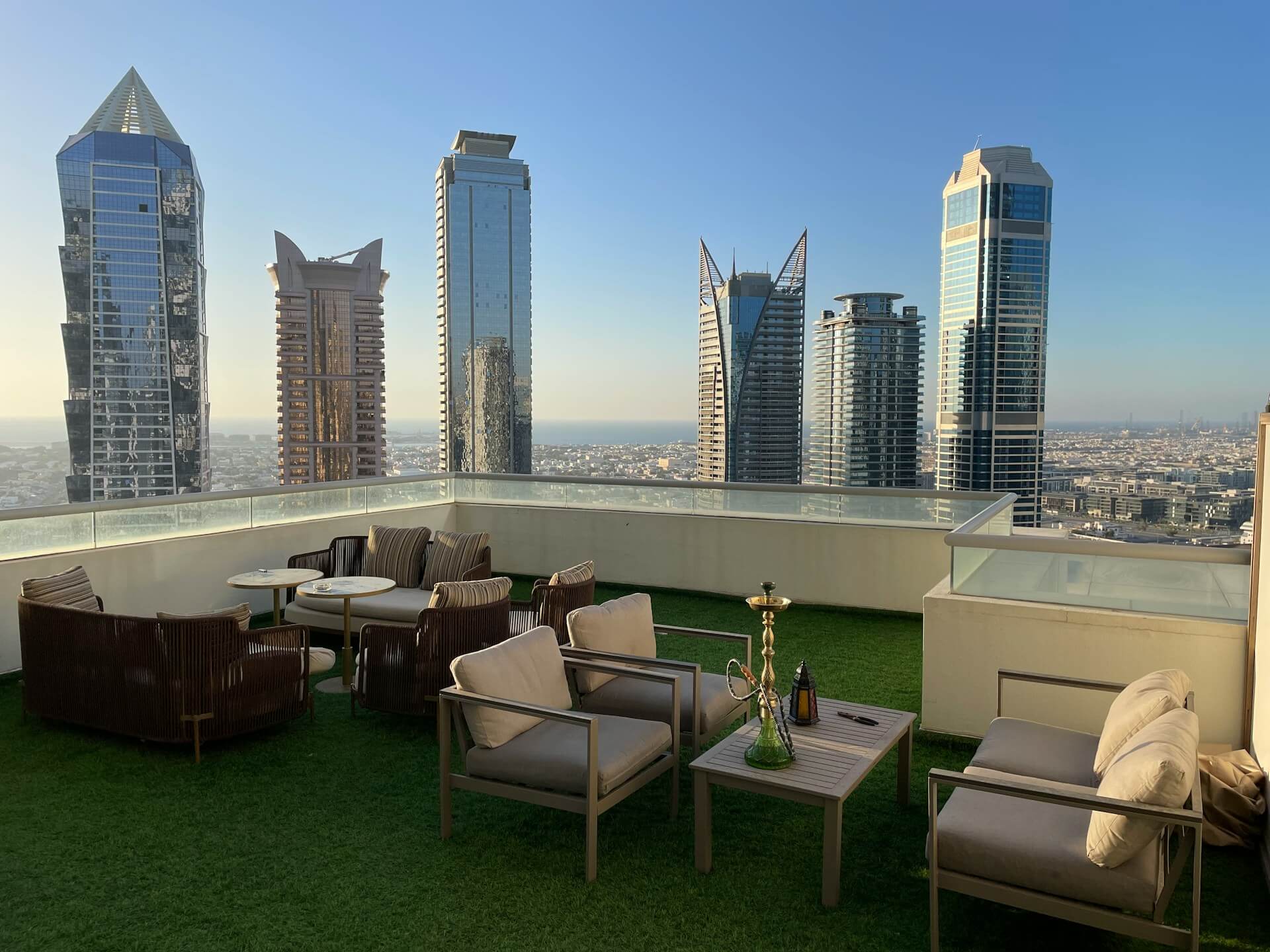
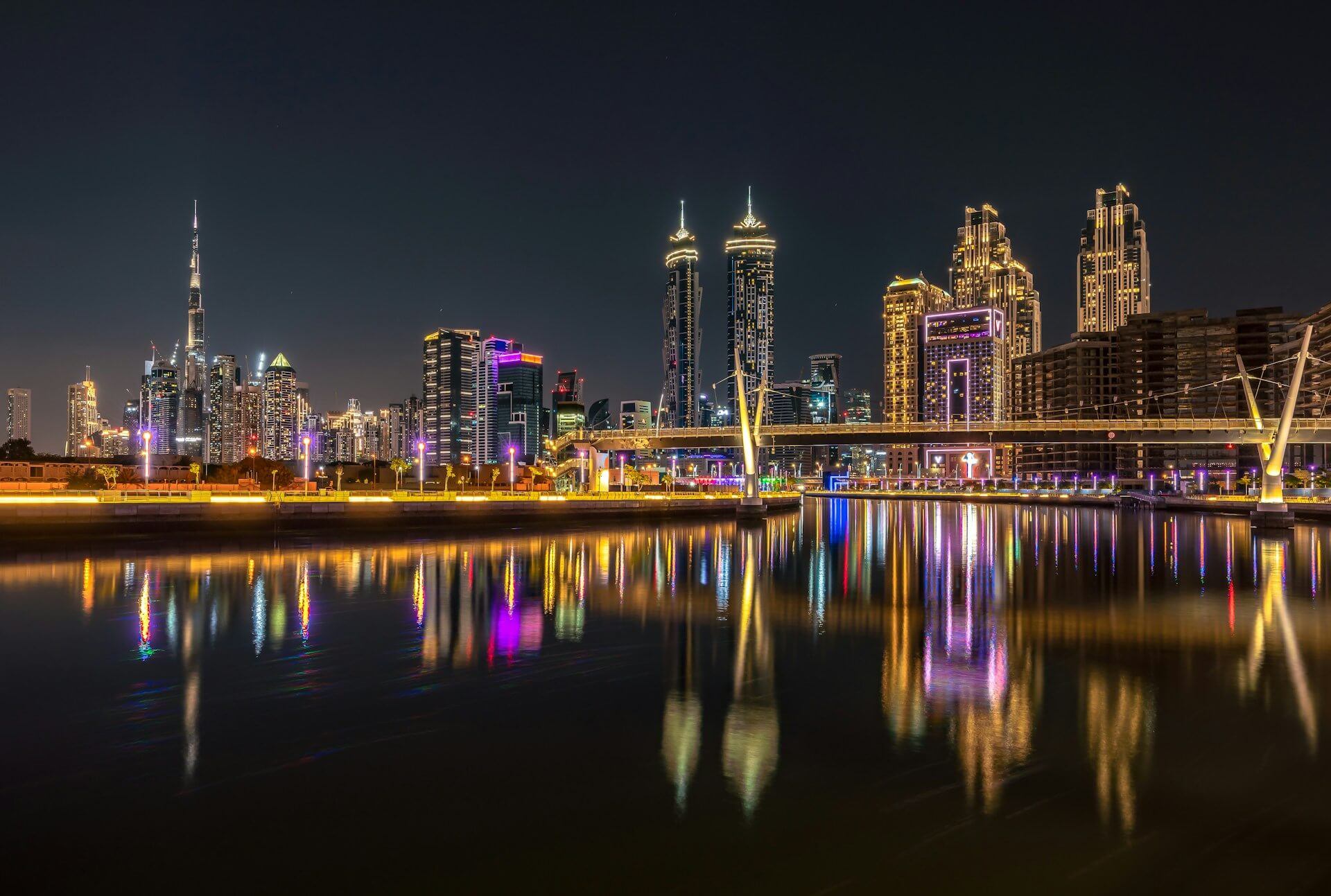
Comfortable long-term and premium rental options across Dubai.
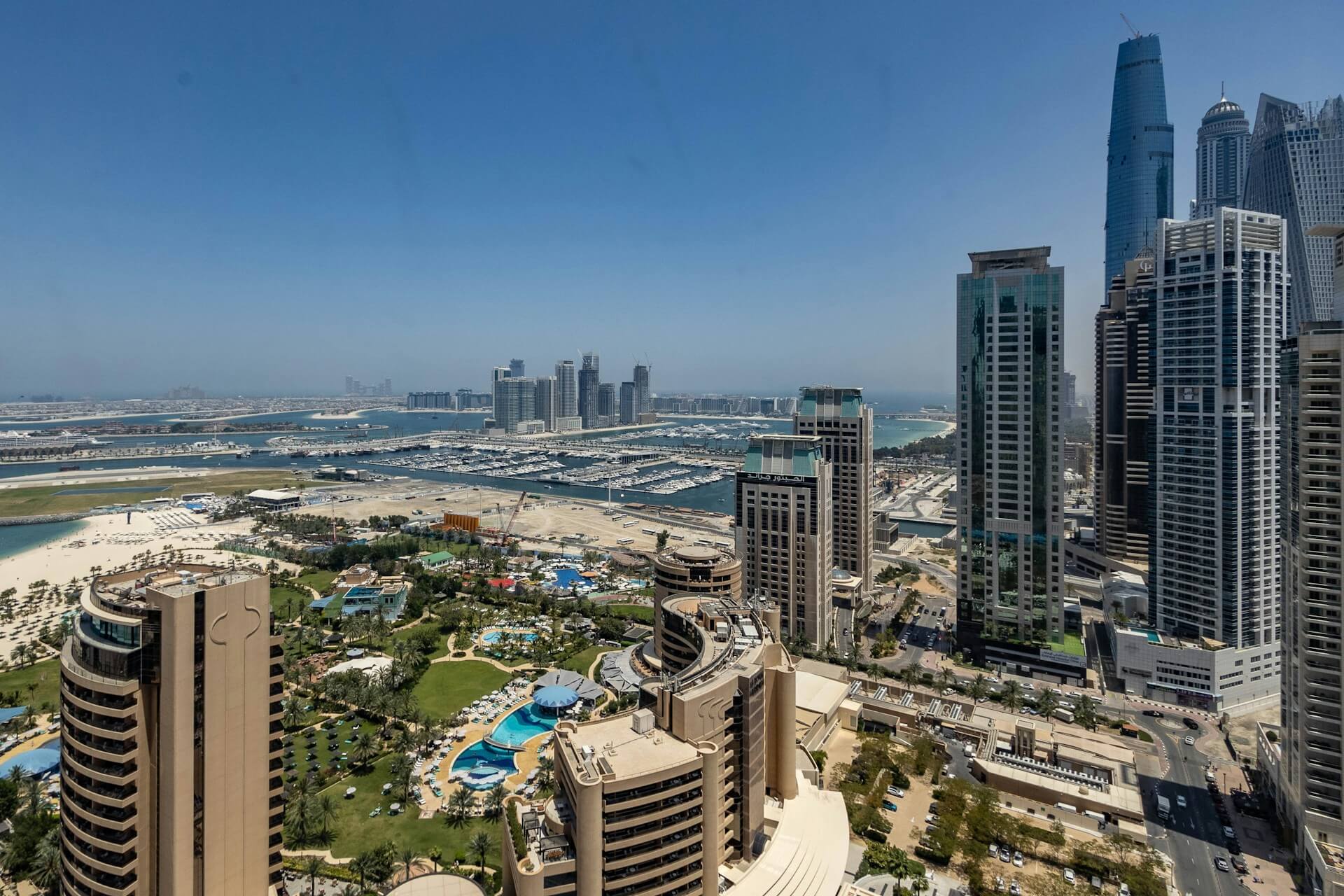

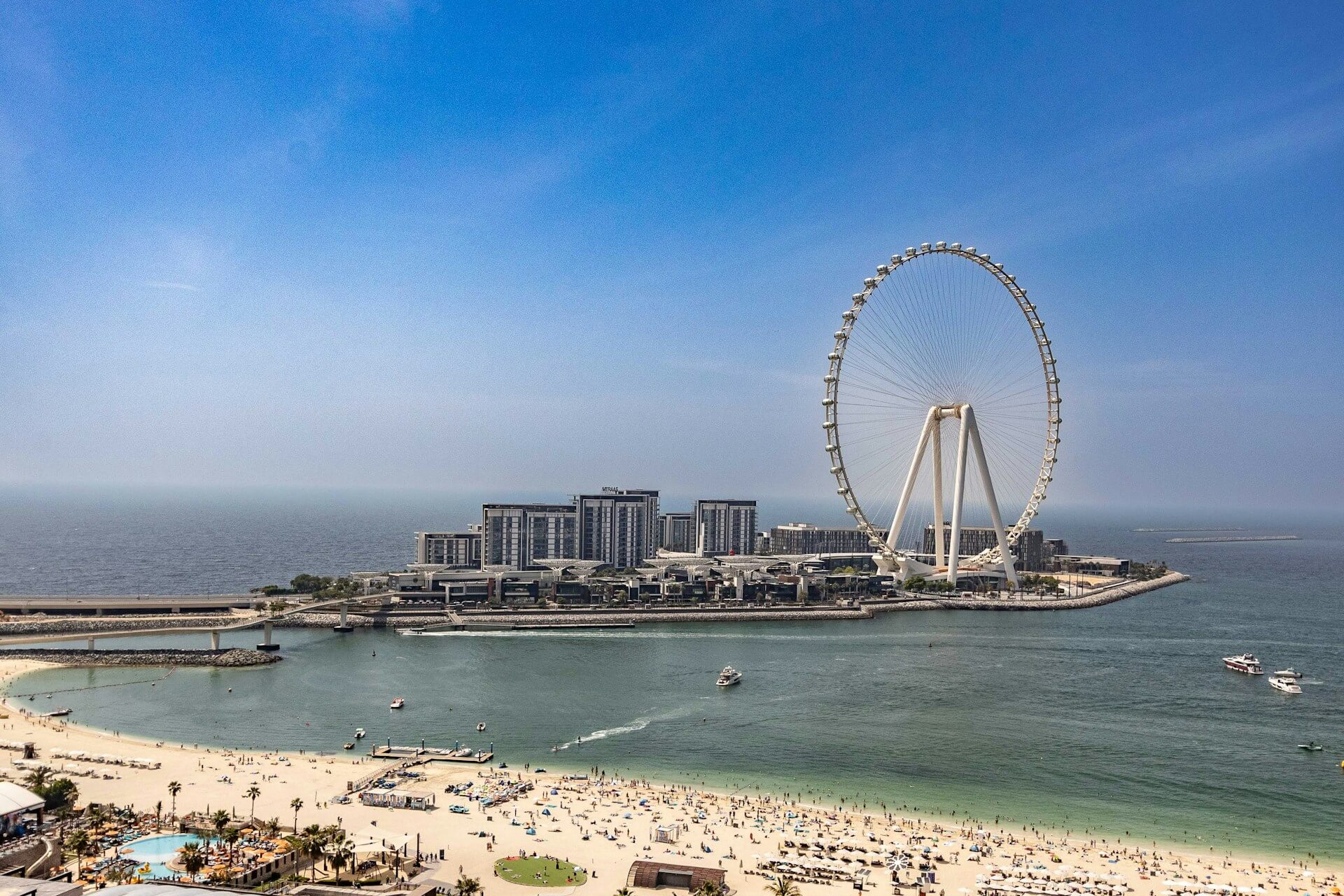
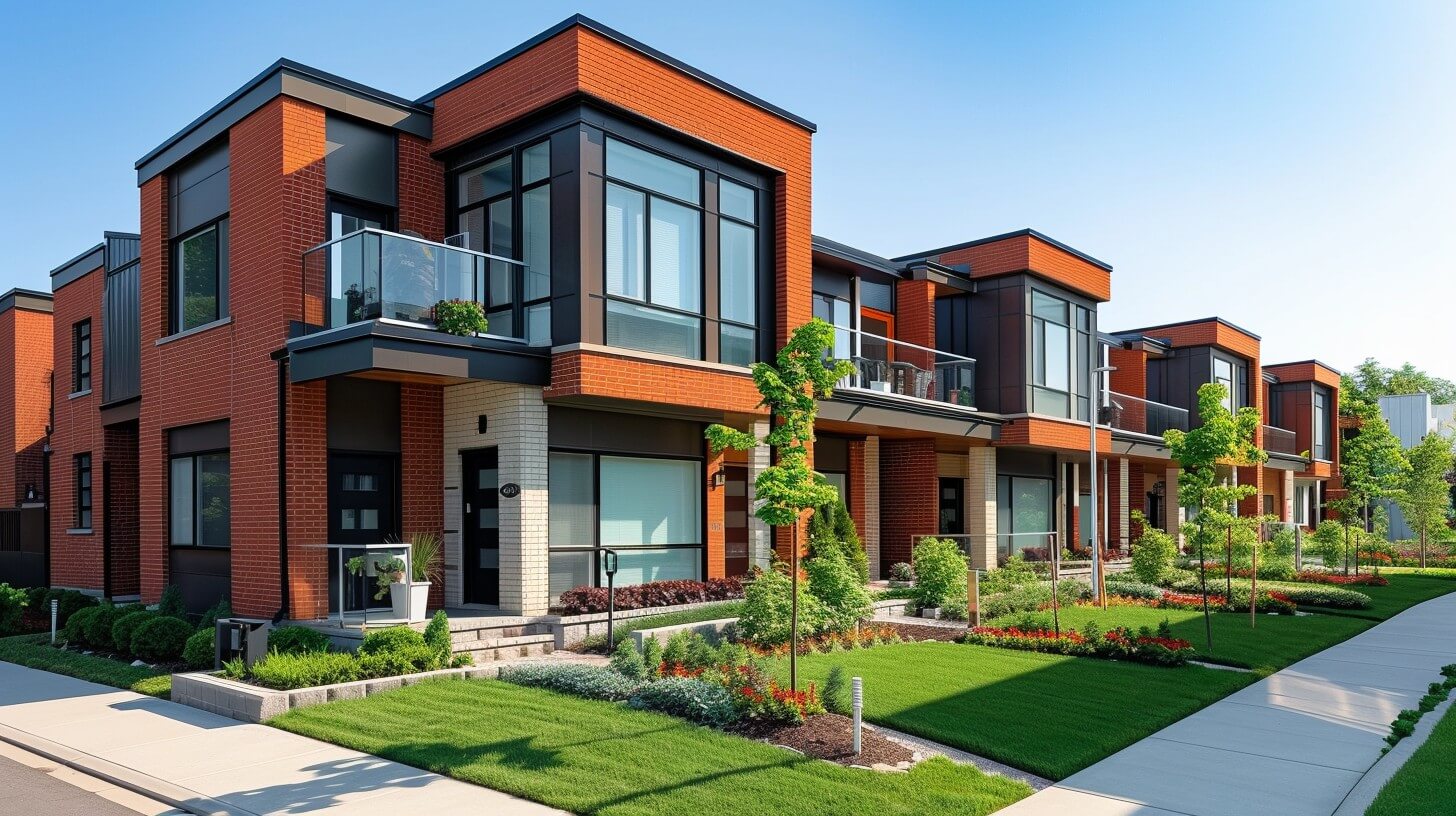


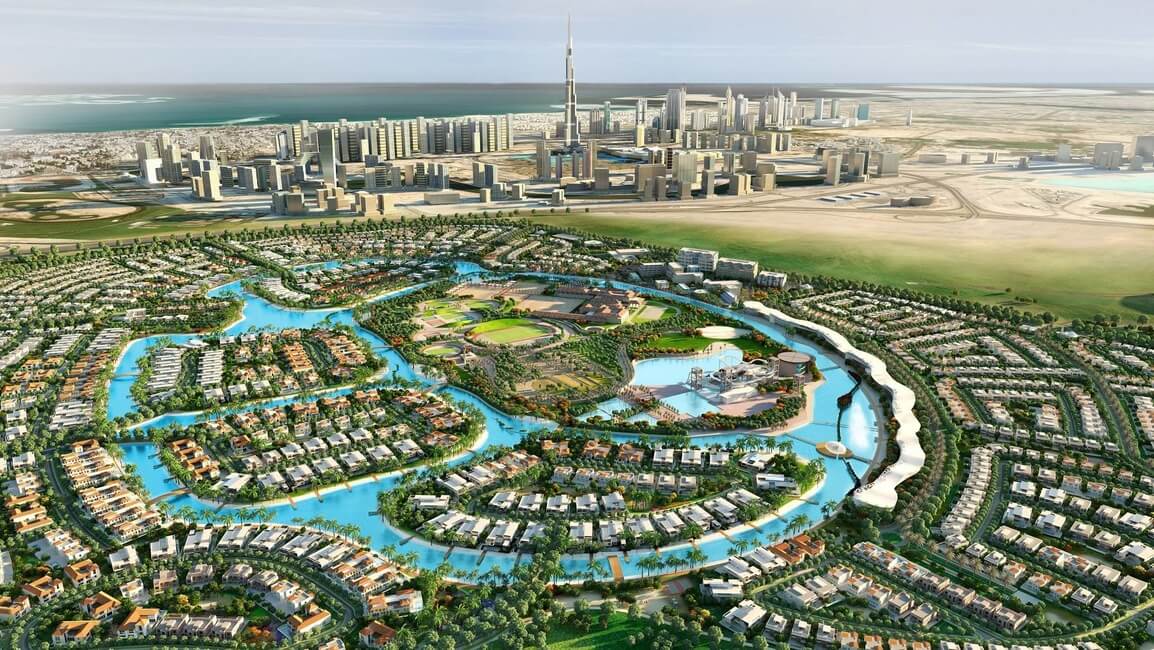
Purchasing a distressed apartment for sale Dubai currently represents a viable entry with prices starting at AED 700,000 in key residential clusters. Demand concentrates mainly in Dubai Marina, Downtown Dubai, and Business Bay, fueled by recent visa reforms and increased end-user interest.
Return on investment reaches 6-7% gross rental yield in these hubs, with liquidity notably higher in Dubai Marina due to its established tenant base and tourism influx versus emerging communities.
The market remains active driven by a limited stock of affordable units below AED 1 million, pushing short-term investors to seek discounted resale options within Dubai’s core neighborhoods.
Distressed opportunities here typically require renovation budgets between AED 100,000 and AED 250,000, which should be factored into initial capital outlay for accurate ROI calculations. Buyers targeting Dubai Marina secure quicker capital turnover, as resale speeds average under six months, contrasting with Downtown Dubai where holding periods can extend beyond nine months.
Comparatively, ready properties near Dubai Marina outperform off-plan alternatives given current construction delays and volatility in payment schedules.
Demand for fully completed residential units is reinforced by a rise in relocation-driven lease contracts and visa-linked purchases, especially among young professionals and families focusing on coastal and business-centric lifestyles within Dubai.
Investing in undervalued living spaces within Dubai demands careful risk evaluation, especially concerning market liquidity and asset condition.
Units with reduced pricing often require capital injection post-purchase for renovations, which can raise initial outlay by 15-25%. In Dubai, older developments like Deira and Bur Dubai frequently present such offerings, but structural integrity and maintenance histories must be thoroughly inspected to avoid hidden costs.
Liquidity varies significantly across neighborhoods. While Dubai Marina and Business Bay offer faster resale cycles averaging 3-6 months, properties located in less central zones may take over 9 months to transact again.
This elongation in turnaround increases holding costs and exposure to market fluctuations.
Mortgage availability for such units is more restrictive, with banks typically offering 50-60% loan-to-value due to the perceived risk on collateral condition. Consequently, an investor must prepare for a higher equity portion compared to prime assets in Dubai’s newer communities such as Emaar Beachfront.
Short-term rental potential is limited for units requiring upgrades, as travelers and corporate tenants prioritize turnkey accommodations.
This restriction narrows target tenant profiles, often relegating such investments to long-term lease strategies with modest yields around 5-6% net annually in Dubai.
Market saturation in specific segments, notably off-plan projects nearing completion in Dubai South, suppresses price appreciation prospects for distressed holdings.
Evaluating competing new launches is vital to understand demand pressure and avoid properties that will lag in capital growth.
Additionally, regulatory changes influencing foreign ownership and utility fees need monitoring.
Sudden adjustments in service charges or visa-linked residency policies can impact both carrying costs and tenant demand in Dubai substantially.
Distressed offers are generally unsuitable for investors seeking rapid appreciation or immediate rental income. They fit better for buyers with medium to long-term horizons, willing to invest time and resources into refurbishment.
Retail buyers prioritizing move-in readiness should avoid these due to unpredictable renovation timelines and potential cost overruns within Dubai’s competitive market.
Start by verifying the listing's origin through reputable real estate portals registered in Dubai, such as Bayut or Property Finder, combined with checking the RERA (Real Estate Regulatory Agency) registration number.
Genuine opportunities typically have clear documentation, including title deeds and recent ownership history accessible via Dubai Land Department's database.
Analyze price deviations from the average in the same neighborhood. Authentic discounted units often appear 20-30% below current market value in Dubai, especially in submarkets with slower turnover. Beware of listings with prices drastically below market without solid justification, as these may signal scams or misrepresented conditions.
Inspect the asset’s physical condition and legal status.
Verified listings usually disclose maintenance issues or overdue service fees upfront. Requests for escrow payments before due diligence completion should raise red flags. Confirm property status on Dubai Land Department platforms and request utility bills or service charge statements to verify liabilities.
Evaluate seller motivation through historical market activity in Dubai. Owners facing financial pressure often list during market dips or after regulatory changes impacting resale timing.
Cross-referencing listing age and price adjustments can reveal genuine urgency versus speculative offers.
Compare listings across parallel platforms and brokers licensed in Dubai. Consistency in property details–flat size, floor, and exact location–across multiple sources reduces the risk of fraudulent information.
Inconsistencies in descriptions or photos can indicate aggregated fake listings or data scraping.
Request professional property valuation and title deed verification as early steps. Independent appraisals from certified Dubai-based valuers help confirm pricing realism, while title searches identify encumbrances, liens, or mortgage status that affect transferability and investment security.
Monitor transaction timelines generally observed in the Dubai market.
Credible deals show movement from listing to contract signing within 30-60 days; excessive delays or immediate forced closures can suggest hidden complications or pressure tactics.
Pay attention to the agent’s credentials. Licensed realtors registered with Dubai Land Department and member firms of recognized associations are bound by regulations limiting false representation.
Agents unwilling to provide license numbers or who avoid face-to-face meetings warrant caution.
In summary, genuine offers are characterized by transparent provenance, consistent multi-source verification, legal clearing through RERA and Dubai Land Department, and pricing aligned with nearby comparable units.
Avoid listings lacking verifiable documentation or that require upfront payments without due diligence in Dubai's regulated environment.
The phrase "distressed apartment for sale Dubai" often signals potential legal entanglements requiring thorough due diligence before acquisition.
Buyers must conduct a comprehensive Title Deed verification via the Dubai Land Department (DLD) to confirm the seller's legitimate ownership and absence of legal disputes linked to the property. Absence of this step increases exposure to protracted litigation or ownership claims, which are particularly common in distressed property transactions.
Outstanding service charges or maintenance fees registered against the property pose another legal hazard.
These debts typically transfer with ownership if unresolved, imposing unexpected liabilities on the purchaser. In Dubai, some communities, especially older developments, have accumulated significant unpaid dues, impacting resale value and marketability.
Verify if the residential unit is encumbered by any mortgages or liens through the DLD’s official portal.
Many distress sales stem from foreclosure actions where the current title might be frozen or subject to auction conditions.
Acquiring a unit under active financing can stall registration processes, leading to further financial risk.
Ensure the contractual agreement explicitly states the seller’s obligation to clear all legal encumbrances prior to transfer.
Use escrow accounts to protect funds until all title and debt clearances are confirmed by legal counsel specializing in Dubai real estate.
Additionally, note that not all distressed listings fully disclose liabilities.
Engaging licensed real estate professionals with access to the Ejari and DLD systems enhances transparency, minimizing the risk of acquiring problematic assets.
Comparatively, non-distressed transactions in Dubai typically face fewer title complications and lower risk of hidden charges, albeit at a premium price. Entry capital required for units with clear legal standing in prime locations tends to be 15–25% higher but offers smoother ownership transfer and reduced compliance costs.
For investors prioritizing quick resale or rental income in Dubai, properties with unresolved legal encumbrances present liquidity risks.
Potential buyers might face delays registering ownership or leasing restrictions, deterring end-users and impacting yield.
Legal risk is notably elevated in secondary markets of older projects, where Dubai Land Department initiatives and developer payment settlements remain incomplete.
Conversely, newer freehold zones maintain stricter regulatory oversight, lowering title dispute frequency despite higher entry barriers.
Securing appropriate financing significantly impacts acquisition success with discounted units in Dubai. Mortgage lenders here adopt stricter criteria for assets sold under financial duress due to higher perceived risk.
Expect down payments between 25% and 35% of the purchase price in established locations, notably higher than conventional purchases where 20% is standard.
Local banks such as Emirates NBD, Dubai Islamic Bank, and Mashreq Bank offer tailored mortgage packages explicitly catering to these scenarios, often requiring full income documentation and enhanced creditworthiness. Interest rates fluctuate between 3.5% and 4.2% fixed for 3–5 years, with variable options linked to EIBOR thereafter.
Loan-to-value (LTV) rarely exceeds 65% for such units, reflecting lender caution in Dubai’s current financing environment.
Private and international financiers may provide bridge loans or short-term financing solutions, typically at higher interest rates of 6% and above, facilitating swift closures while buyers arrange longer-term funding.
These options are suitable for investors targeting resales or refurbishments in Dubai but demand solid exit strategies due to elevated costs.
Crowdfunding platforms have emerged as alternative capital sources, enabling co-investment in properties with lower upfront capital, but their regulatory framework in Dubai remains evolving.
Availability depends on project visibility and investor appetite focused within Dubai’s real estate market.
Buyers seeking mortgage financing should prioritize verified units with clean title histories in Dubai, as lenders scrutinize legal clarity intensely.
Pre-approval is advisable to assess borrowing capacity realistically before committing to acquisition negotiations.
Another financing route is the developer buyback or structured payment plans, occasionally available through sellers aiming to offload rapidly in Dubai. These can reduce initial capital outlay by deferring a portion of payment, but typically involve higher final costs and limited flexibility.
Debt servicing must be evaluated against market rental yields in Dubai–currently averaging 6-7% gross in prime locations–but irregular revenues or higher maintenance on units sold under distress might pressure cash flow.
Conservative leverage will mitigate such risks.
Choosing between fixed and variable interest depends on short-term market predictions for Dubai borrowing costs; fixed offers budget certainty, while variable may prove beneficial if rates decline but adds forecasting risk.
In comparison to ready homes, off-plan properties under distress present greater financing challenges due to escrow requirements and milestone-based payments.
Buyers targeting quick acquisition should focus on completed yet undervalued premises within Dubai.
Ultimately, financial preparation must exceed common property transactions in Dubai, reflecting elevated entry barriers through enforced higher equity, tighter lender acceptance, and increased acquisition costs.
For investors with substantial capital and risk tolerance, leveraging these tailored funding structures can unlock value unavailable through conventional routes.
Purchasing a distressed apartment in Dubai can offer significant savings compared to regular market prices.
These properties are often sold below market value due to urgent sales or financial difficulties of the current owner. For buyers interested in renovation or long-term investment, this represents an opportunity to acquire real estate at a lower cost, potentially increasing the return on investment after restoration or improvement.
Additionally, some distressed properties may be located in well-established neighborhoods where typical prices are higher, making them attractive for value seekers.
Yes, buying a distressed apartment can come with legal complexities.
It’s advisable to perform thorough due diligence to confirm the property’s ownership status, ensure there are no outstanding liens or debts, and verify that all necessary permits and documentation are in place. Distressed sales sometimes involve banks or financial institutions, which could delay the transaction or affect the process.
Working with a knowledgeable real estate lawyer familiar with Dubai’s regulations can help mitigate these risks and ensure a smooth purchase.
Finding distressed apartment listings in Dubai requires checking multiple sources. Specialized real estate agents often handle such properties and can provide targeted advice based on current opportunities.
Real estate websites may have dedicated sections for urgent sales or bank-owned properties, which are commonly associated with distressed apartments. Additionally, attending property auctions or contacting financial institutions directly can reveal exclusive listings. It’s important to verify the credibility of the sources to avoid scams and ensure accurate information.
The location of a distressed apartment greatly influences its future value and rental potential.
Look for areas with established amenities such as schools, shopping centers, and public transportation. Even if the apartment requires renovation, being situated in a well-connected neighborhood enhances the chances of property appreciation.
Infrastructure development plans nearby can also indicate potential growth. However, if the property is in a less developed or remote area, it might require more time for value increase, so consider your investment timeline accordingly.
Obtaining financing for distressed apartments in Dubai can be more difficult than for regular properties.
Banks may be hesitant to approve loans for properties that are in poor condition or have unclear ownership issues. However, some lenders offer specialized mortgages or renovation loans that cater to such cases. It’s essential to prepare a solid financial plan and provide detailed information about the property’s status. Consulting with mortgage advisors familiar with the local market can help identify suitable options and improve chances of approval.
Clear answers about buying, renting and investing in Dubai property.
Yes. Foreign buyers can purchase freehold property in designated areas such as Dubai Marina, Downtown Dubai, Business Bay, Palm Jumeirah, Dubai Hills and other approved communities.
It depends on your timeline, budget and goal. Buying is usually better for long-term plans, capital growth and rental income, while renting is better for flexibility and easier relocation.
The required budget depends on the area, building quality and property type. More accessible apartments can be found in developing communities, while prime locations and luxury properties require a much higher budget.
In addition to the purchase price, buyers should budget for the Dubai Land Department fee, registration and trustee fees, possible agency commission, mortgage-related costs if financing is used, and ongoing service charges for many buildings.
Yes, many banks in the UAE offer mortgages to foreign buyers. Approval depends on income, documents, deposit amount and the specific property being purchased.
Areas such as Dubai Marina, Downtown Dubai, Business Bay, Dubai Hills, JVC, Palm Jumeirah and Creek Harbour are often considered by investors, but the right area depends on whether your focus is yield, resale value, lifestyle appeal or long-term growth.
Rental yield varies by area, property type, furnishing level and market timing. In practice, many investors look for a balance between strong occupancy, reasonable service charges and sustainable tenant demand rather than chasing headline numbers alone.
Off-plan property is purchased directly from a developer before the project is completed. Buyers often choose off-plan because of payment plans, newer inventory and lower entry prices compared with some ready properties.
A proper review should consider the developer’s track record, payment plan, handover timeline, location quality, future supply in the area and the project’s resale or rental potential after completion.
For ready property, the timeline can move fairly quickly if the price is agreed, documents are prepared and the buyer is ready to proceed. Mortgage purchases usually take longer than cash deals.
Yes, many purchases can be handled remotely with the correct documents and proper support through the process. Remote buying is common for overseas investors and international clients.
The biggest risks are overpaying, choosing a weak location, buying an unsuitable layout, ignoring service charges, or selecting a project with low resale and rental demand. Good selection matters more than marketing promises.
In long-term rentals, rent is commonly agreed for a fixed term and often paid by one or several cheques depending on the landlord, property and negotiation.
Tenants are usually asked for identification and residency-related documents, and the exact set depends on their status in the UAE and the landlord’s requirements.
A security deposit is commonly required before move-in. The amount often depends on whether the property is furnished or unfurnished and should be clearly stated in the rental terms.
In many rental transactions, an agency commission is charged. The amount depends on the deal structure and should be confirmed before signing anything.
Tenants should review the deposit, Ejari registration, utility setup costs, parking terms if relevant, maintenance responsibilities and any conditions related to early termination or renewal.
Yes, negotiation is common. The final result depends on market conditions, the landlord’s flexibility, how long the property has been available and how prepared the tenant is to move forward.
It is important to check the condition of the unit, building quality, noise level, parking, view, maintenance status, contract terms and the reliability of the owner or manager.
Short-term rent offers flexibility and convenience but is usually more expensive. Long-term rent is generally more cost-effective and better suited for clients planning to stay longer.
During an active contract, the agreed rent usually remains fixed. Any increase is generally discussed at renewal and should follow the applicable rules and notice requirements.
This depends on the tenancy contract. Minor day-to-day issues may be handled by the tenant, while major maintenance is commonly the landlord’s responsibility, but the exact wording in the contract matters.
Ejari is the official registration of the tenancy contract in Dubai. It is important for legal recognition of the lease and is commonly needed for practical steps such as setting up utilities.
Yes. Furnished properties can be more convenient and faster to move into, while unfurnished options may work better for longer stays or tenants who want more control over the setup and budget.
We do not rely on random mass listings. We narrow the market based on budget, location, property type, investment goal, lifestyle needs and timeline, so clients can focus only on relevant options.
Yes. Support can include shortlisting, arranging viewings, comparing options, discussing terms, helping with negotiations and guiding the next steps of the transaction.
The best first step is to define the real budget, target areas, purpose, preferred property type and timeline. Once those points are clear, the selection becomes faster, cleaner and much more useful.