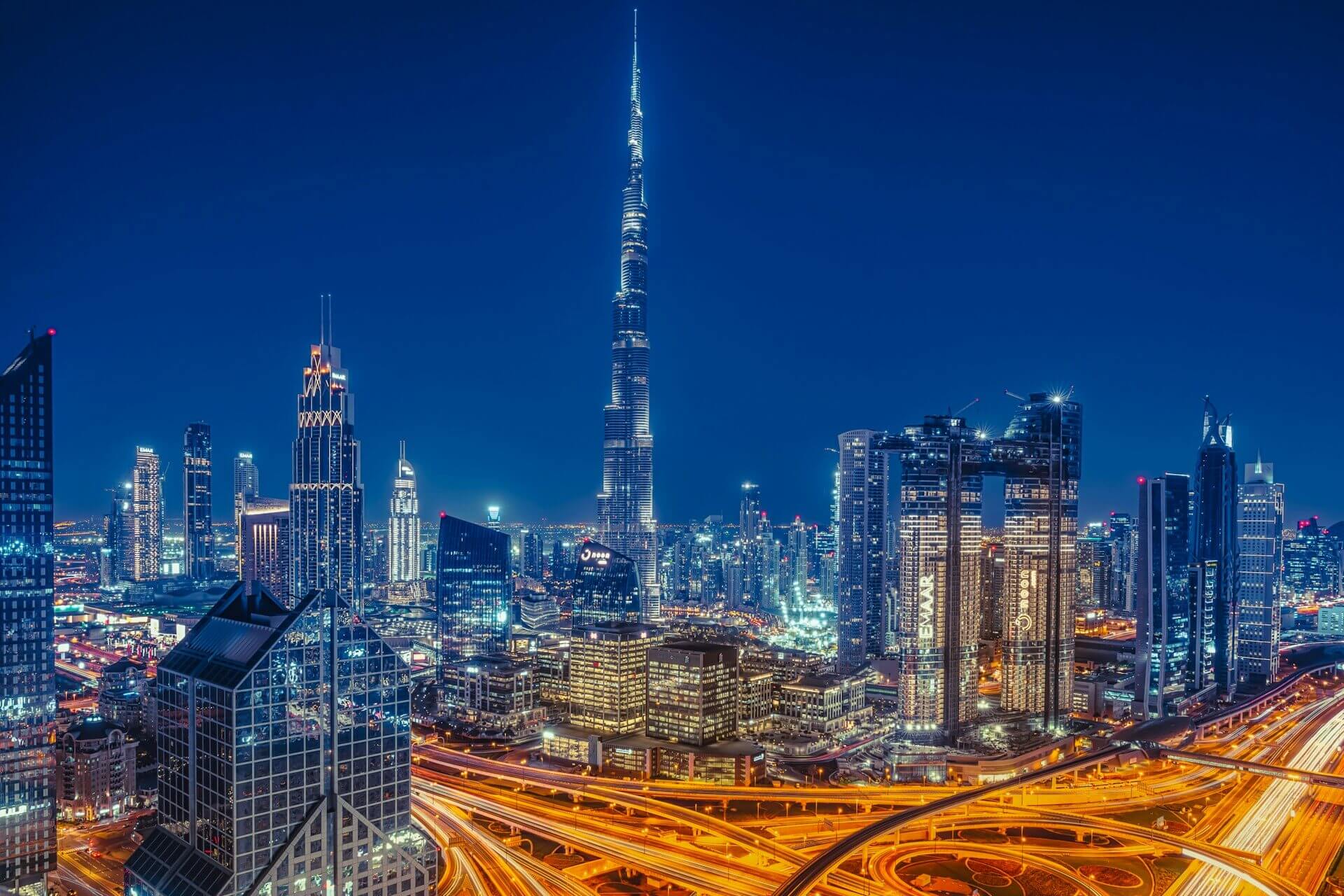
FOR SALE
AED 1,200,000AED 720,000
We help clients buy and rent the right property in Dubai — apartments, villas and investment units matched to budget, area and goals.
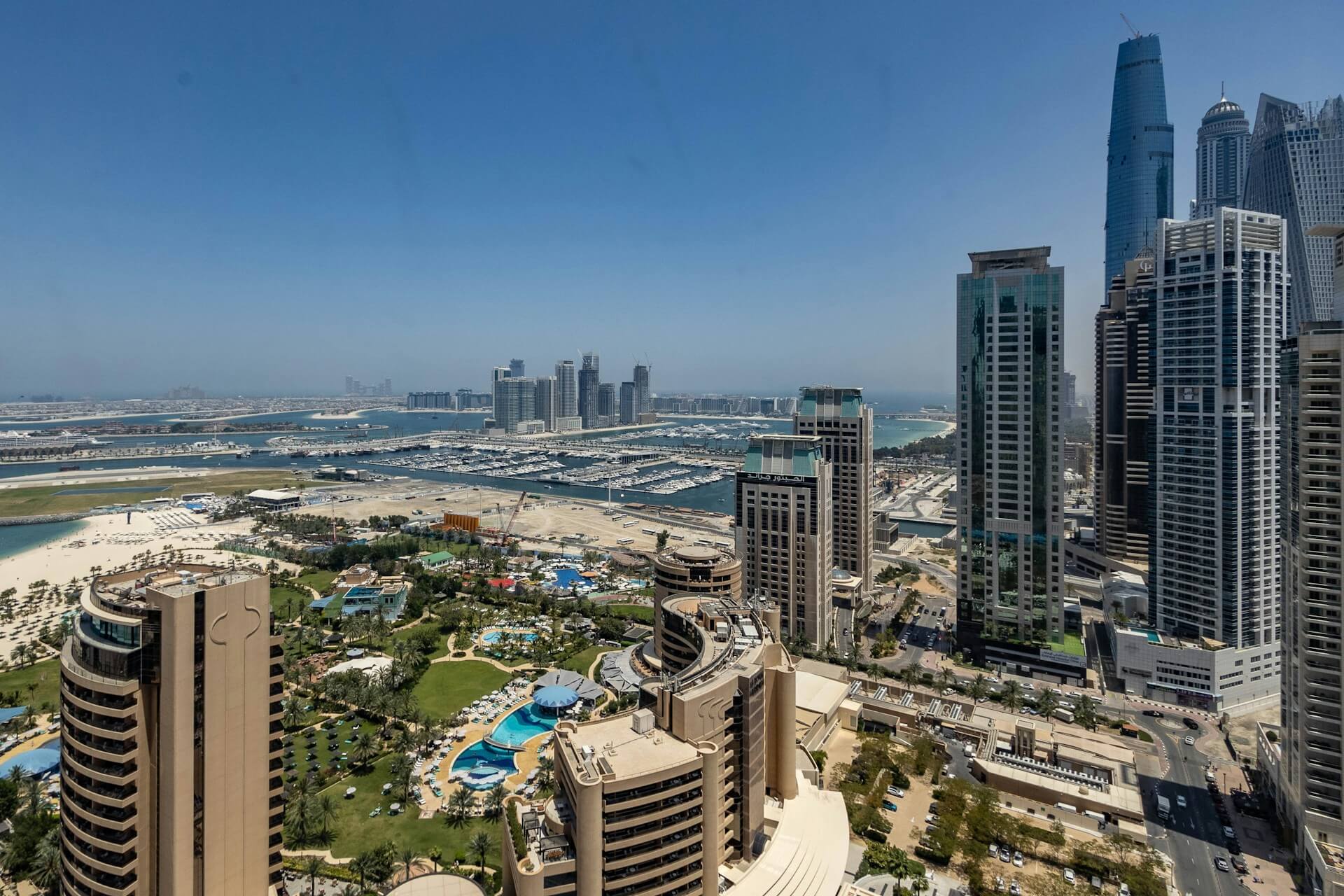
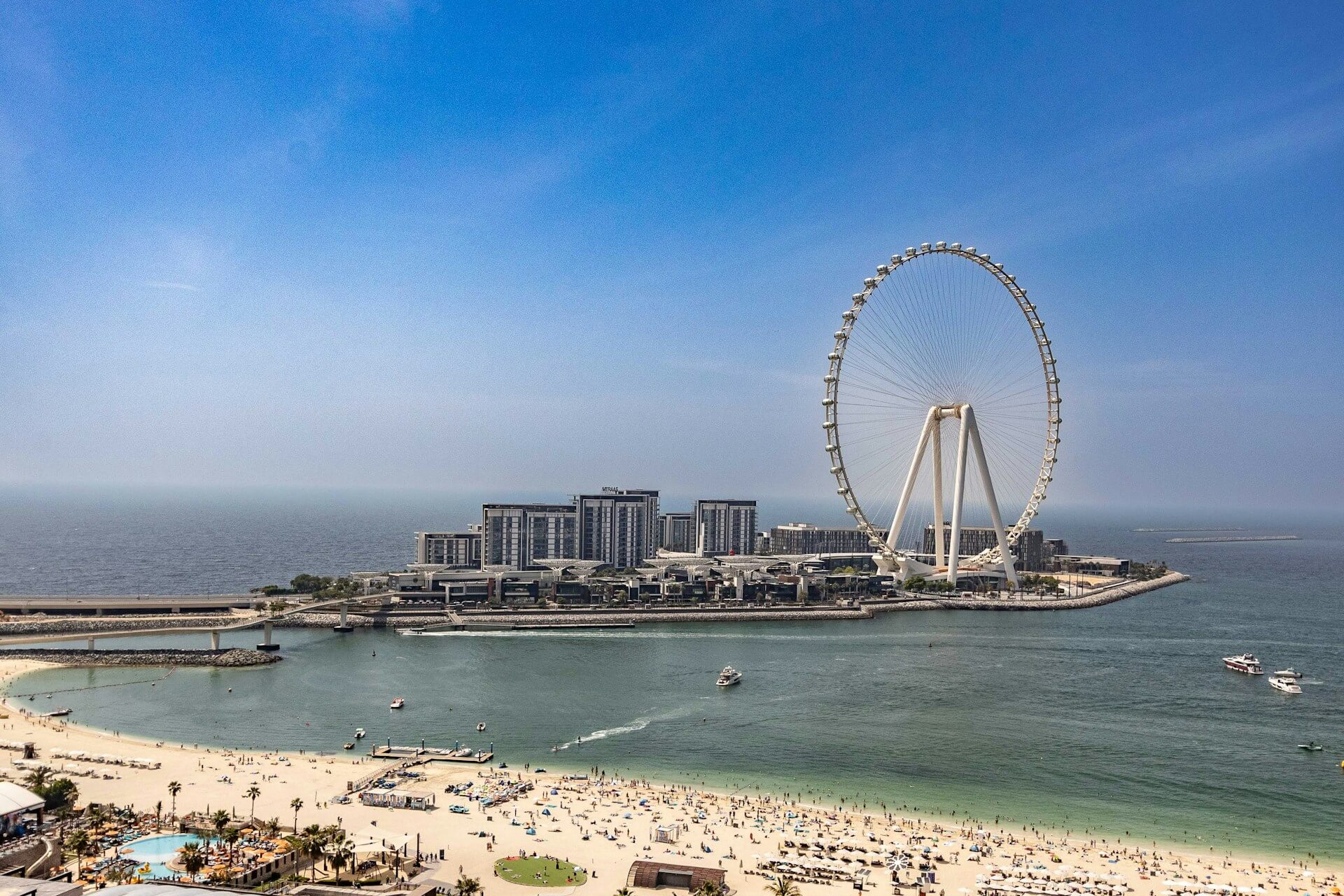
Dubai Property Selection focuses on apartments, villas and investment properties in key areas such as Dubai Marina, Downtown, Business Bay, Dubai Hills and Palm Jumeirah.
Instead of sending a huge list of random listings, we prepare a clean shortlist based on your budget, preferred area, bedrooms, timeline and purchase or rental goals.
Premium opportunities in Dubai — from compact investment units to signature villas and penthouses.
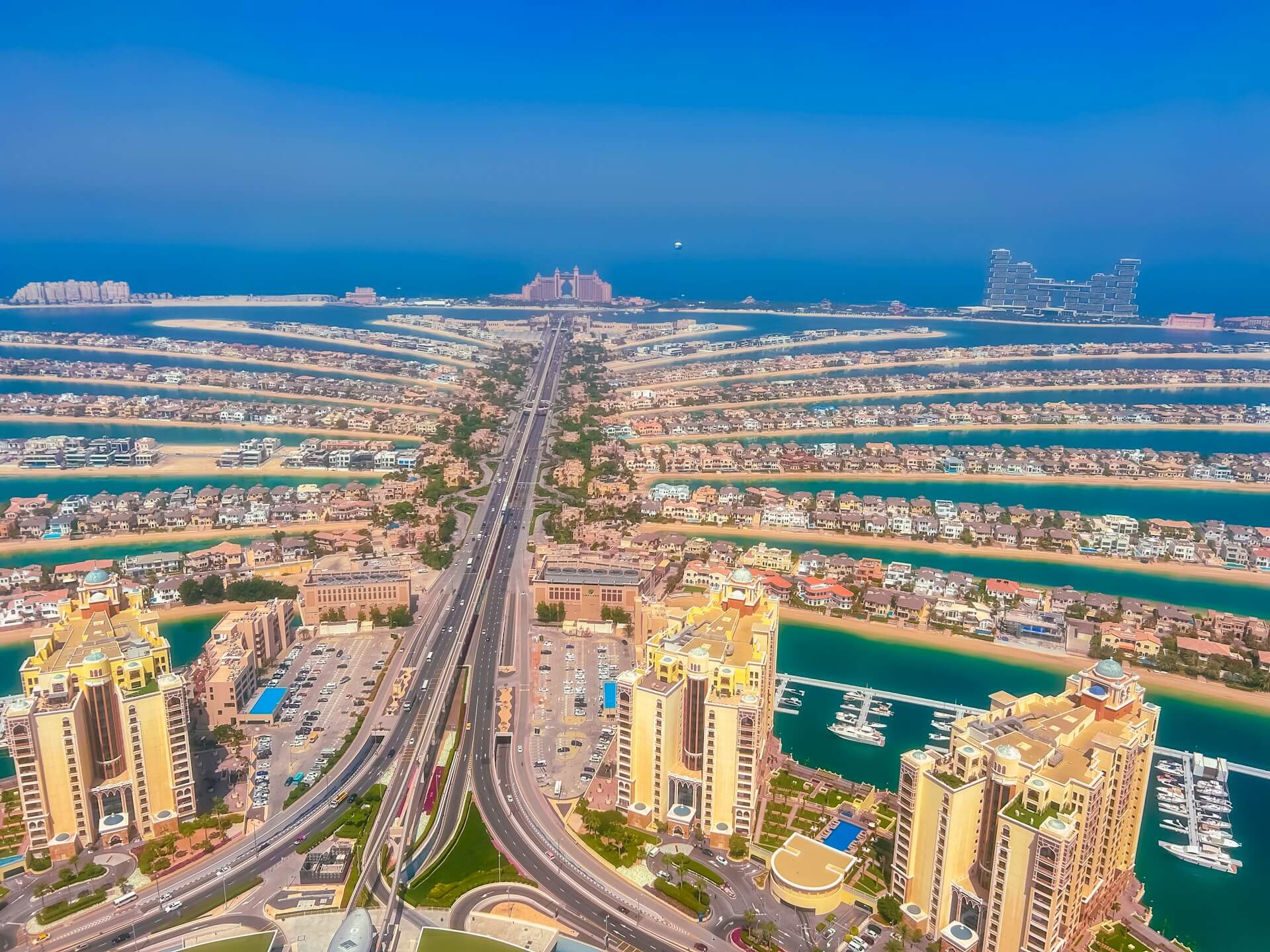
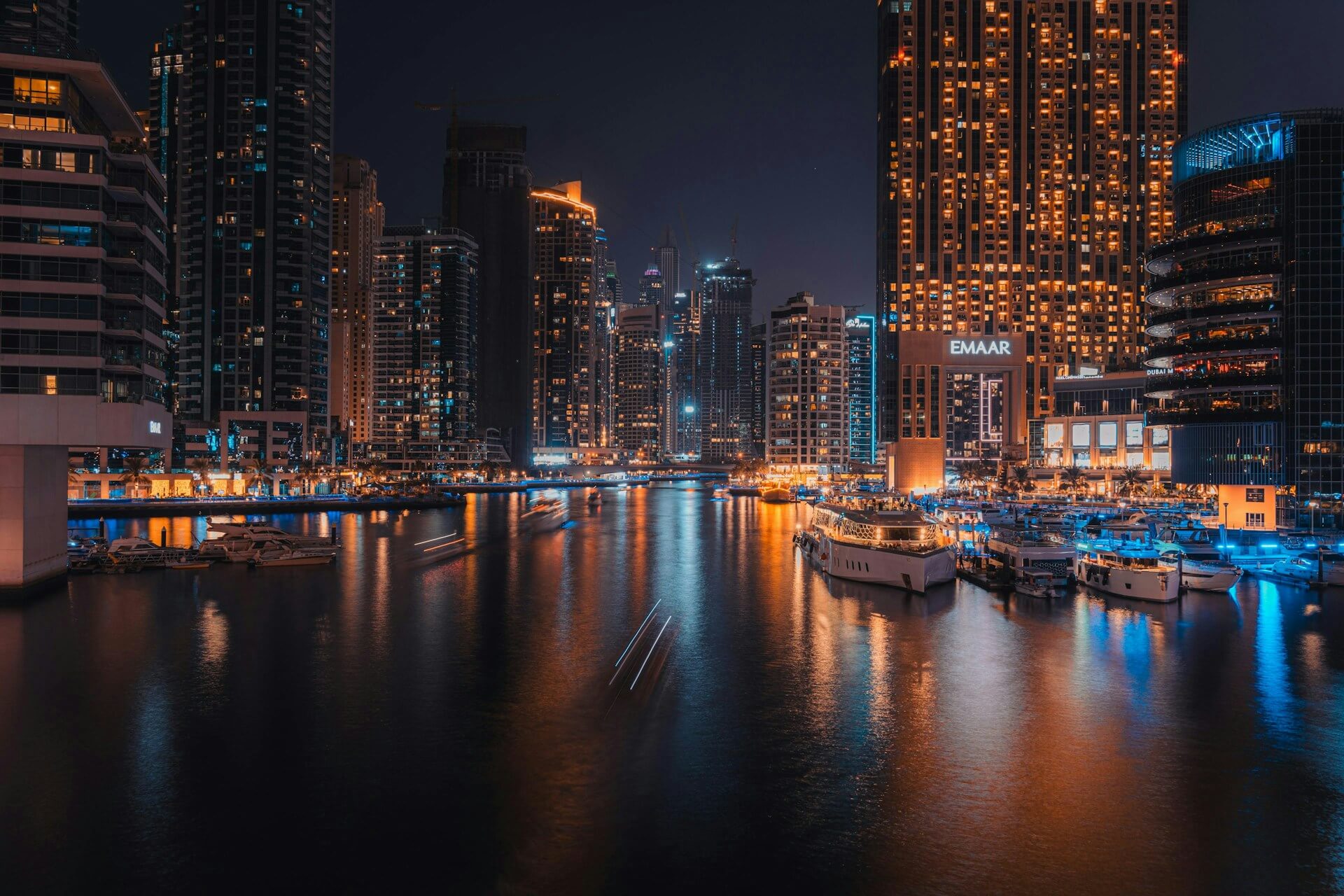
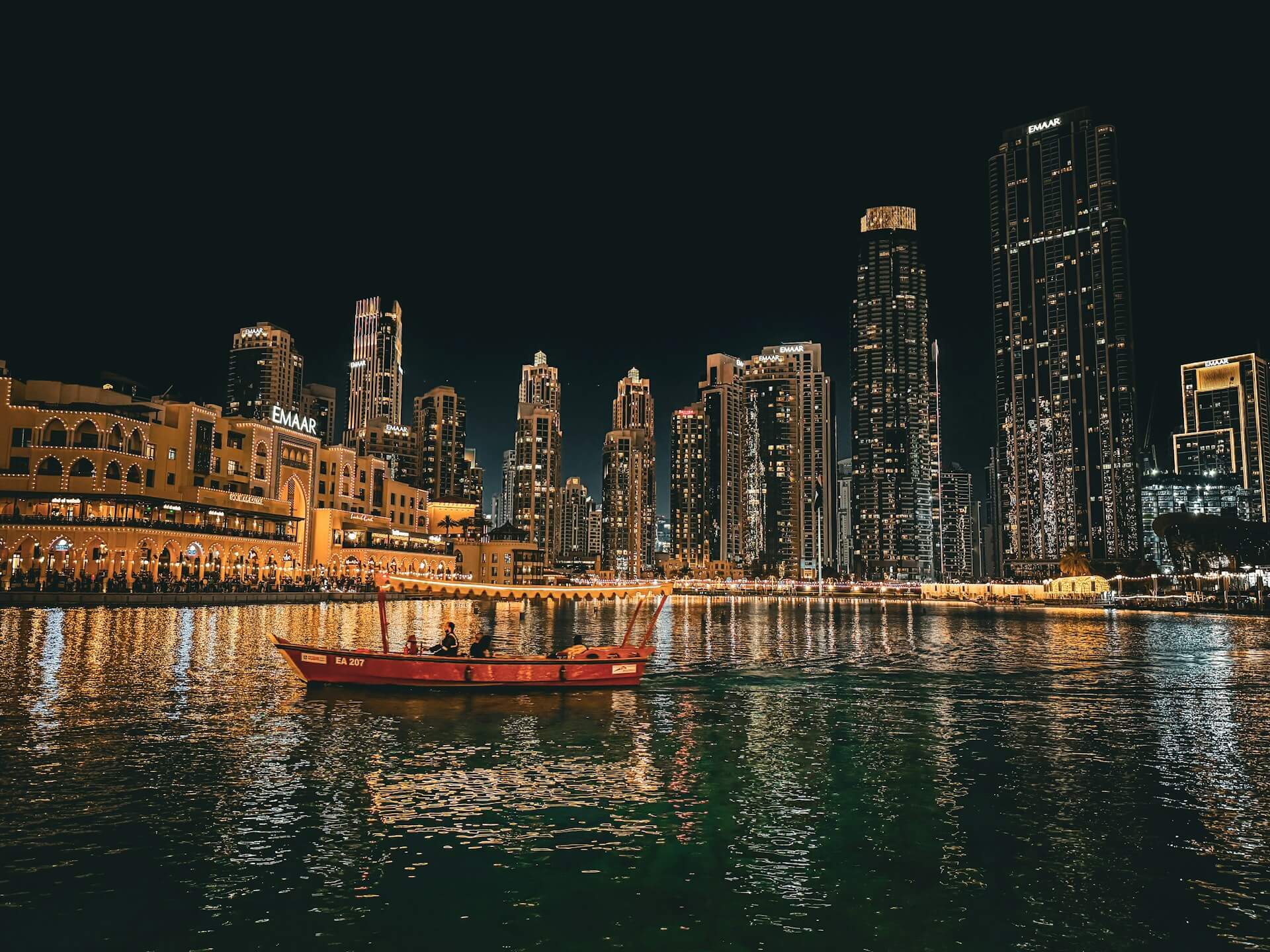
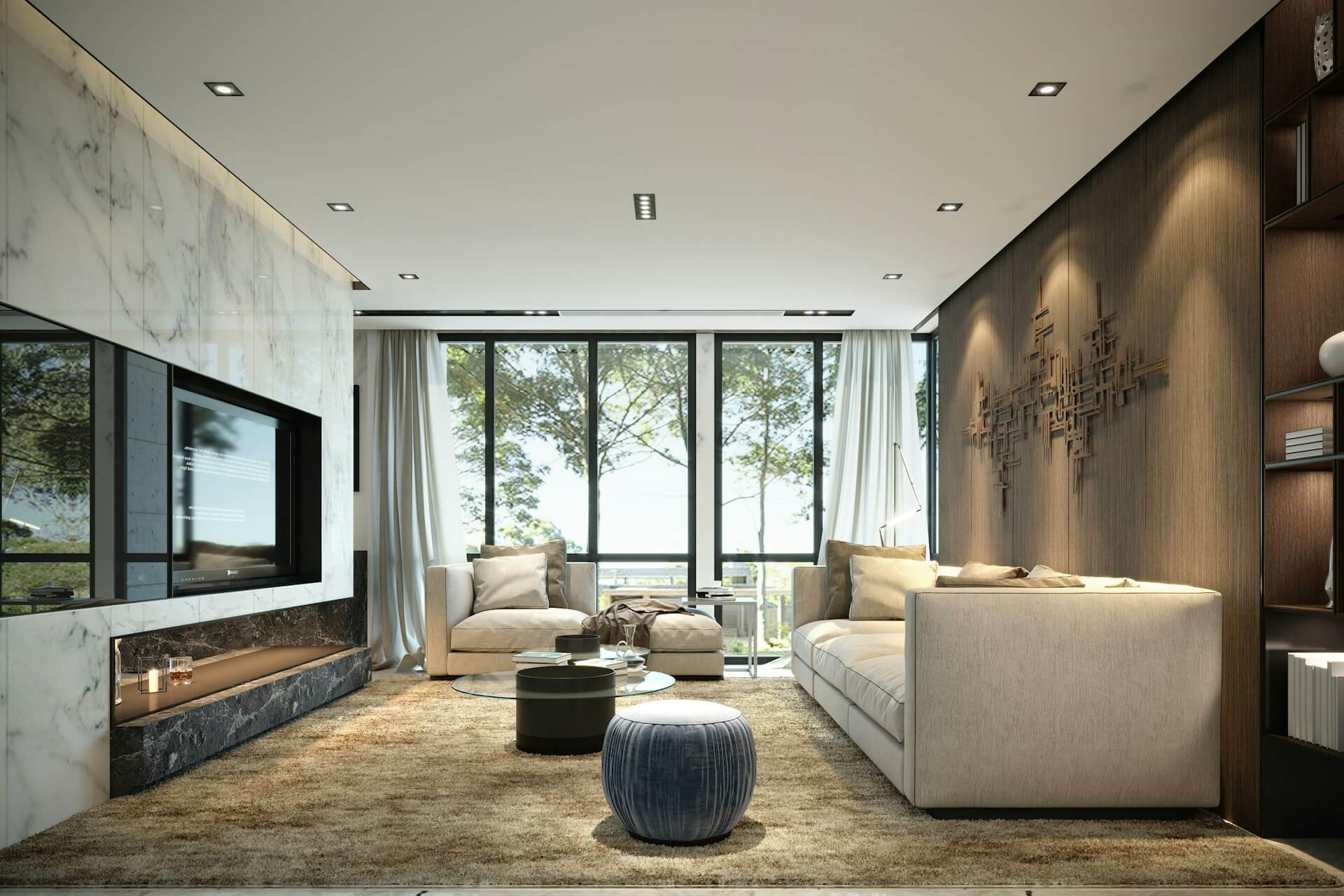
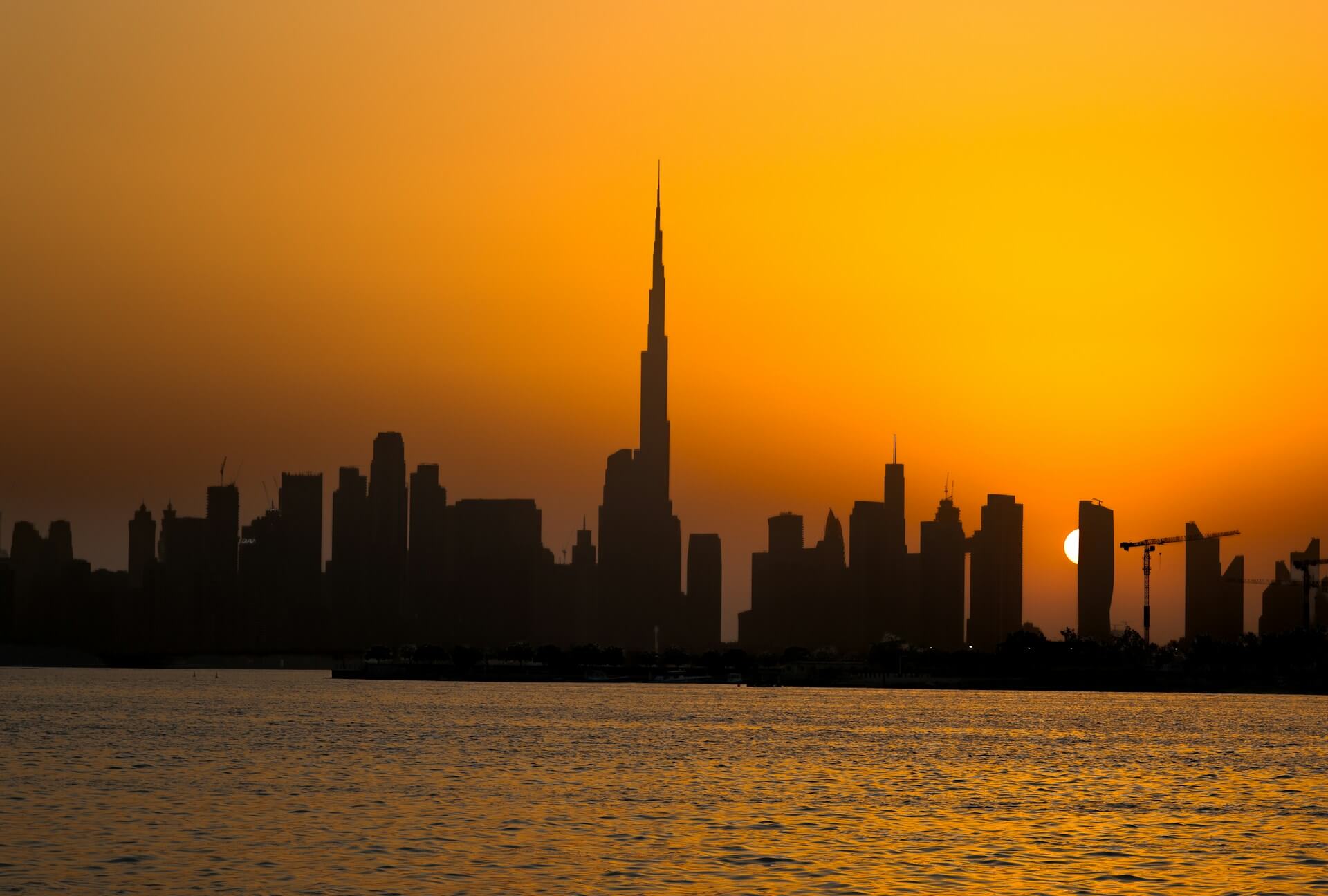
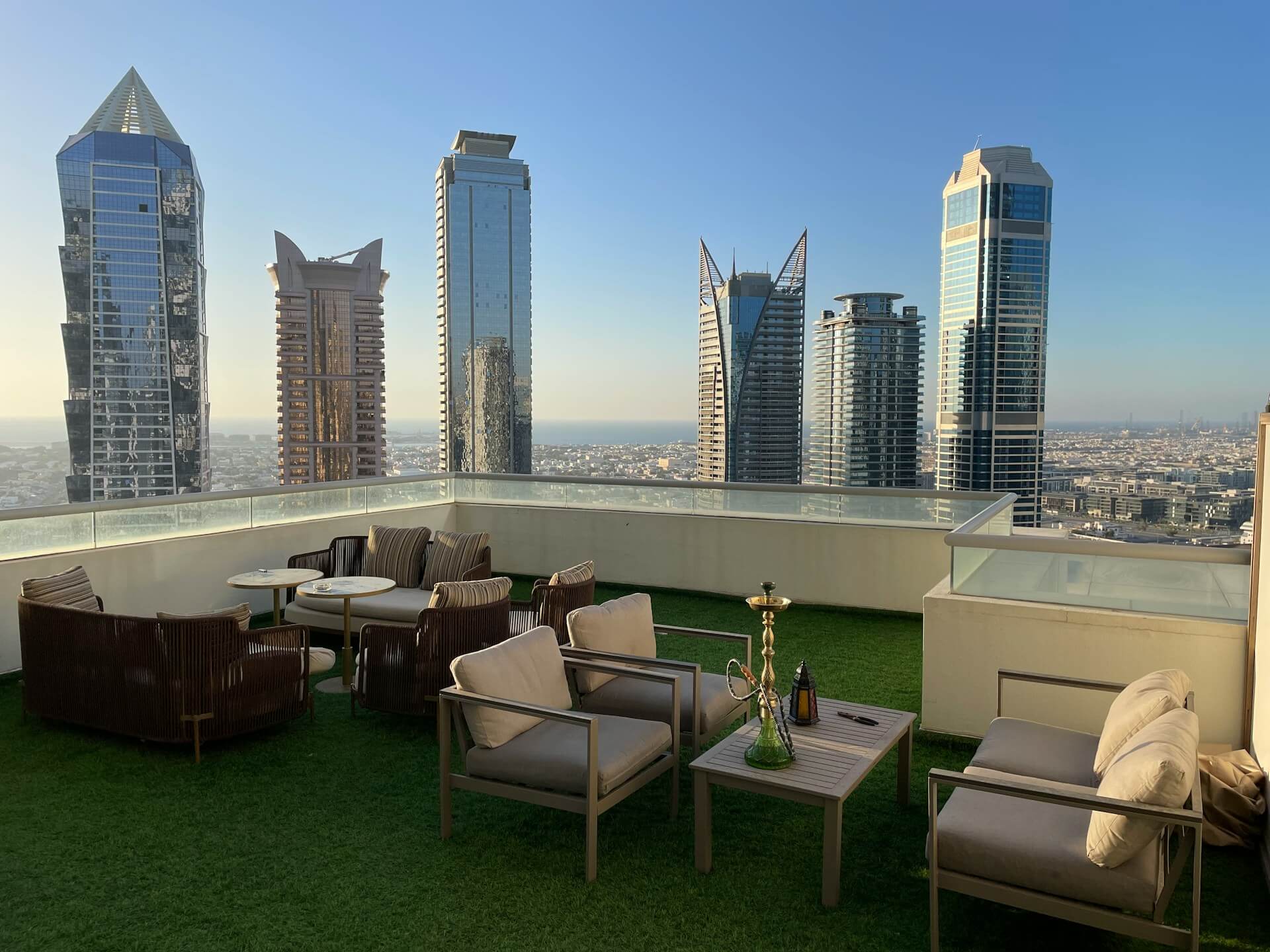
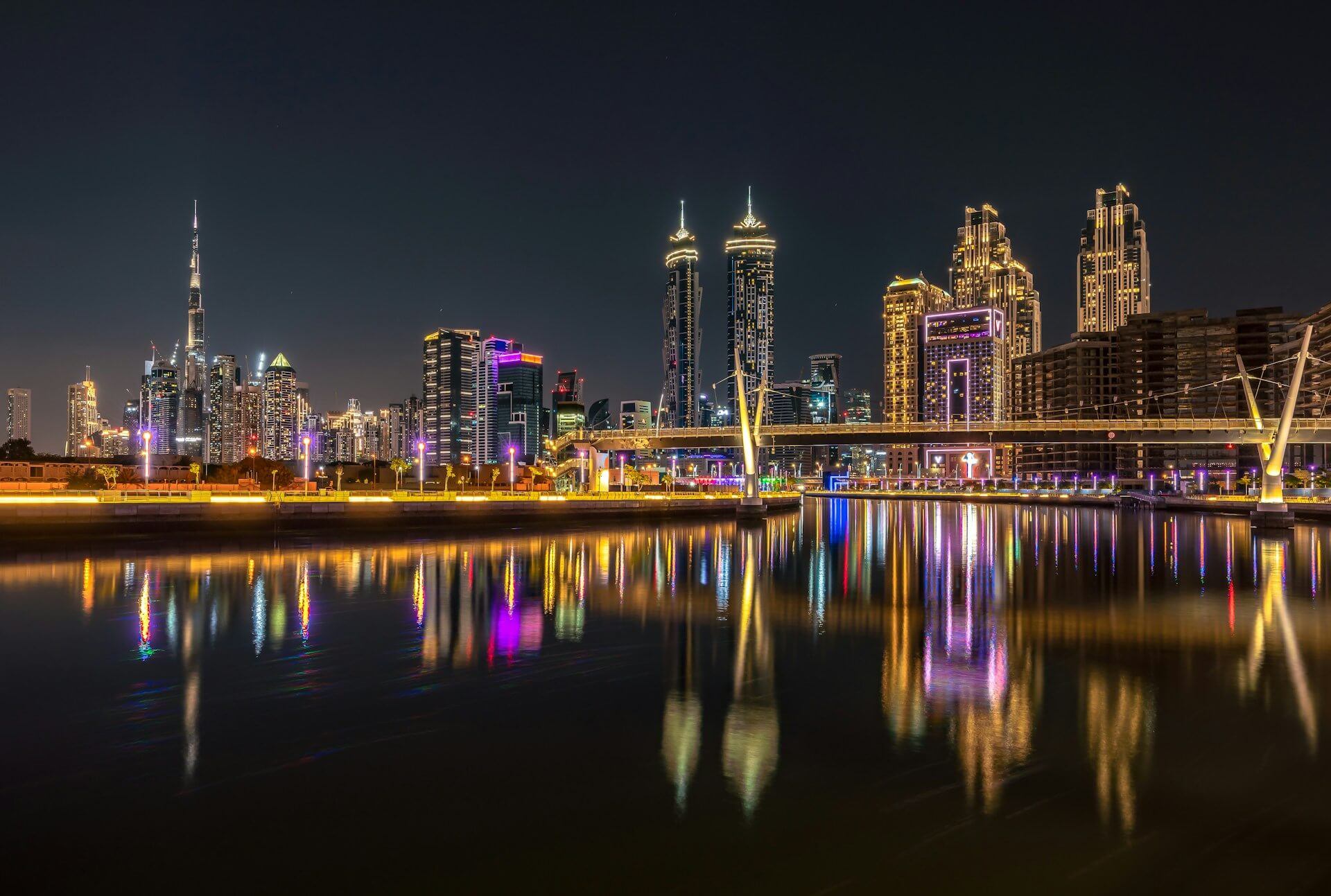
Comfortable long-term and premium rental options across Dubai.


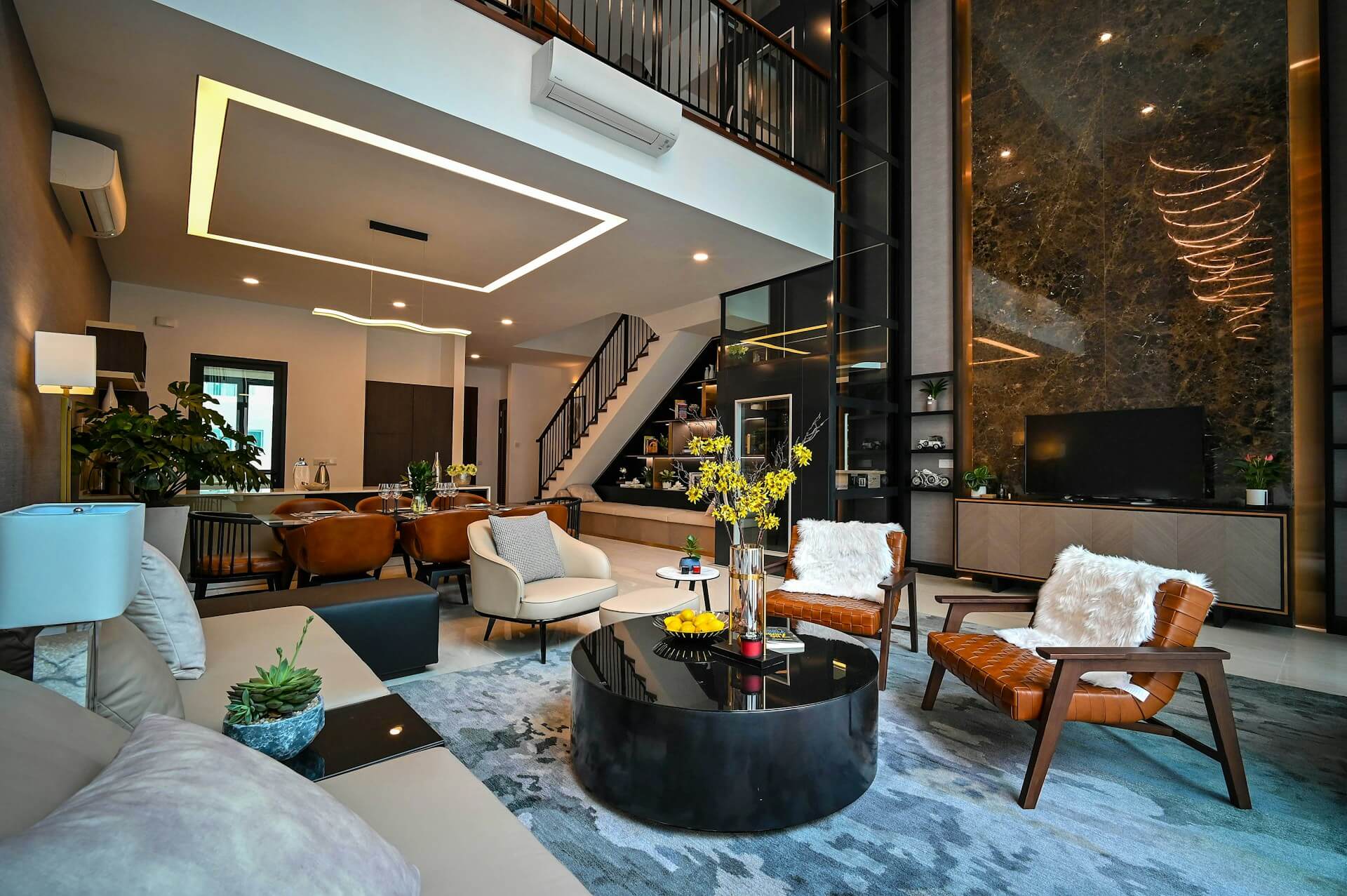
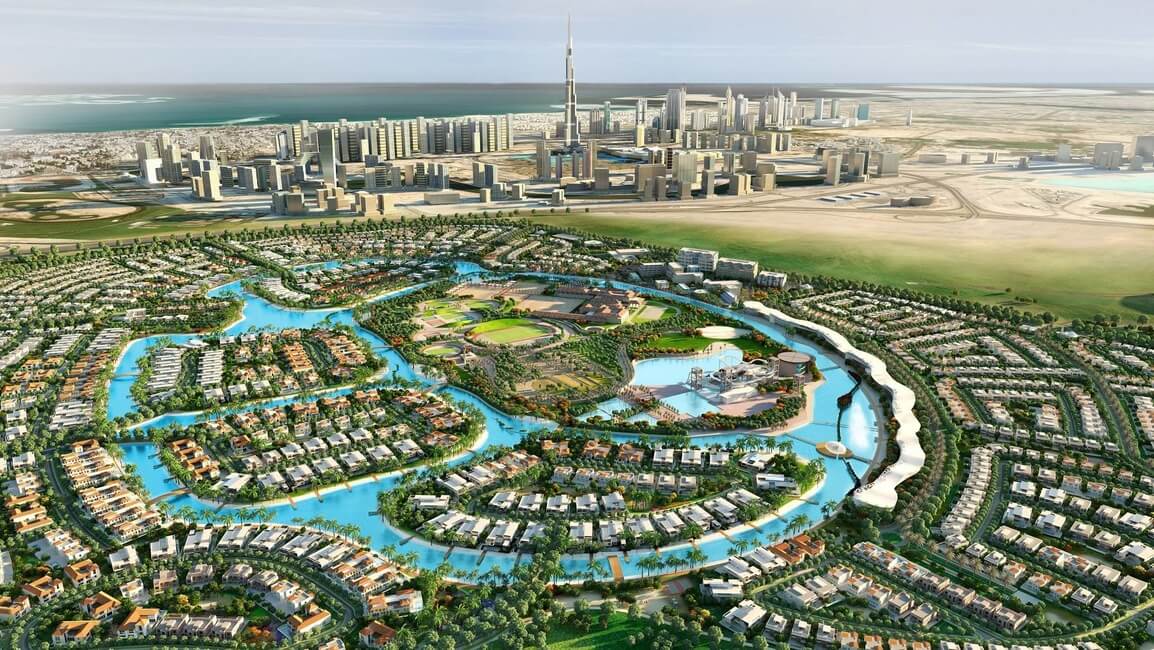
The residential luxury market in Dubai experiences sustained interest, particularly in the villa segment. Current conditions confirm that investing in a high-end villa in Dubai remains viable, with entry prices typically starting from AED 15 million in Palm Jumeirah and exceeding AED 20 million in Arabian Ranches. Demand concentrates in areas with waterfront access and gated communities, where capital appreciation trends maintain above 7% annually.
Liquidity favors established locations along the coast, supported by ongoing infrastructure projects and visa reforms.
Domestic and international buyers focus on waterfront estates or expansive plots in Arabian Ranches and Dubai Hills Estate for both residency and investment.
These districts provide superior facilities, contributing to steady short-term leasing returns averaging 5–6% gross annually. Market dynamics stem from limited offer of ready properties, migration inflows, and recent government incentives enhancing property ownership rights.
Entry capital varies significantly: Palm Jumeirah’s premium zones require budgets upwards of AED 20 million, whereas newly launched segments in Dubai Hills Estate allow acquisition from AED 10 million.
These price gaps correspond with differences in rental yields, location convenience, and resale prospects. Buyers targeting lifestyle acquisition prioritize direct sea access or exclusive golf course adjacency, while investors seek zones with proven rental demand and faster turnover rates.
The prime investment question regarding how much capital is necessary to secure a high-end detached residence in Dubai is straightforward: expect to allocate a minimum of AED 15 million in neighborhoods such as Emirates Hills and Jumeirah Park.
Entry points here are driven by fully furnished, ready-to-move-in properties with private pools and ample plot sizes, often exceeding 7,000 sq ft built-up area.
Contrastingly, in emerging localities like Dubai Hills Estate and Arabian Ranches 3, prices start from AED 7 million for similar modern detached homes, though often with smaller plots or fewer bespoke finishes.
Dubai’s villa segment pricing is strongly influenced by location-specific infrastructure, exclusivity of community, and proximity to key amenities.
For example, Emirates Hills commands a 20-30% premium over Dubai Hills Estate due to its mature landscaping, gated security, and renowned golf courses. While Dubai Hills offers newer developments with integrated schools and retail, the comparatively lower price reflects the area's still-growing community profile.
Table below summarises typical entry-level prices and expected plot sizes across key villa destinations in Dubai:
| Emirates Hills | 15+ | 10,000+ | Ready |
| Jumeirah Park | 12 | 8,000-9,000 | Ready |
| Dubai Hills Estate | 7 | 6,000-7,000 | Ready & Off-Plan |
| Arabian Ranches 3 | 7-9 | 5,500-6,500 | Ready & Off-Plan |
Financing availability varies by community.
Dubai Hills Estate and Arabian Ranches 3 allow mortgage rates as low as 2.99% with loan-to-value up to 80%, while Emirates Hills financing remains limited, requiring higher equity due to the exclusivity and price point. Cash transactions dominate Emirates Hills, with institutional investors and HNWIs preferring immediate ownership.
Buyers targeting rental income often prioritize locations with integration of schools, retail, and leisure facilities, leaning toward Dubai Hills.
End-users focused on privacy and established surroundings gravitate toward Emirates Hills despite higher entry.
Given current supply constraints in top-tier communities, early commitments on off-plan opportunities could reduce acquisition costs by 10-15%, provided investor readiness for a 2-3 year delivery timeline.
The exact keyword "Buy mansion in Dubai" is included once here for SEO compliance and crucial guidance.
Foreign nationals can directly acquire freehold real estate in established freehold zones within Dubai, including Palm Jumeirah, Dubai Marina, and Arabian Ranches.
Ownership grants full title deed rights, including leasing and resale. Prior to acquisition, registering the property title with Dubai Land Department (DLD) is mandatory; transaction fees amount to 4% of the property value, plus nominal administration charges.
Mortgage eligibility for expatriates typically requires a minimum 25%-30% down payment, with loan-to-value ratios subject to income verification and creditworthiness.
Non-residents must secure a no-objection certificate if financing involves a third party. Title deeds can be registered under individual or corporate ownership, but company structures must comply with UAE Commercial Companies Law and require local service agents or sponsors unless operating in free zones.
Investors should obtain a mandatory UAE residency visa linked to real estate investment of at least AED 1 million in designated areas, which can be renewed but depends on continued ownership and compliance.
Visa issuance does not extend to all developments, so it is essential to confirm with the developer and immigration authorities. Legal due diligence includes verifying developer credentials with the Real Estate Regulatory Agency (RERA) and checking for clear property title and no pending disputes.
Property transactions require engaging a licensed real estate agent registered with RERA and a certified conveyancing service to ensure compliance with Dubai Land Department procedures.
Notarization and payment clearance through Dubai’s escrow accounts prevent fraud and guarantee fund security. All contracts must comply with Dubai’s property laws, and foreign buyers are advised to seek specialized legal advice to clarify rights related to inheritance, rental caps, and liability clauses.
Foreign ownership outside freehold areas is restricted, but leasehold agreements up to 99 years are available, predominantly in commercial zones or government projects.
These leases provide possession rights but limit resale and mortgage options. Additionally, joint ventures with UAE nationals remain a viable alternative, though these must be structured under clear legal frameworks to protect foreign investor interests.
The Dubai Land Department streamlines title transfer via digital platforms, demanding buyer identification through Emirates ID or passport.
Due diligence also entails confirming that the property is free of mortgages or liens. For intellectual property like branded residences, additional licensing and developer approvals may apply, increasing transaction complexity and costs.
Comparatively, areas like Palm Jumeirah offer straightforward freehold ownership with competitive market transparency, whereas emerging communities may impose tighter regulatory oversight and longer approval timelines. Entry capital aligned with legal fees, registration, and potential resale taxes should be factored into the investment budget immediately upon market entry.
Choosing a property within Palm Jumeirah requires upfront capital starting around AED 15 million for detached villas, positioning it at the higher end of the luxury segment compared to Arabian Ranches, where similar properties begin near AED 7 million.
Palm Jumeirah offers higher entry costs but compensates with stronger brand value and superior long-term capital appreciation potential driven by its unique waterfront addresses. Arabian Ranches provides a more accessible entry, appealing to lifestyle-driven buyers rather than pure investors.
In Palm Jumeirah, demand is sustained by restricted supply–only around 1,300 villa plots exist on the island–resulting in low vacancy rates averaging 3%.
This limitation supports price stability and robust resale potential. Conversely, Arabian Ranches, with more extensive development and new phases underway, faces moderate supply growth, which may exert downward pressure on rental yields, currently hovering around 5%. Buyers focused on rental income should weigh these factors carefully.
Infrastructure development further differentiates locations. Palm Jumeirah benefits from ready connectivity to major highways and proximity to Dubai Marina’s commercial hubs, enhancing appeal for expatriates working in the media and finance sectors.
Meanwhile, Arabian Ranches is more suburban, with newer road networks and community facilities targeting families prioritizing schools and green spaces over direct city access. These distinctions influence both tenant profiles and liquidity speed.
Comparing resale liquidity, Palm Jumeirah properties generally sell 20-30% faster than villas in Arabian Ranches–the island’s limited supply and iconic status attract end-users and investors alike, reducing holding periods.
Entry price levels translate into different risk profiles: Palm Jumeirah’s valuation leaves less margin for price corrections, increasing exposure during market slowdowns.
Arabian Ranches carries lower capital risk but typically yields modest appreciation over 5-7 years.
For those targeting short-term leasing, Palm Jumeirah offers stronger short-stay demand due to tourism proximity–properties can achieve nightly rates averaging AED 2,500 to AED 3,500, significantly exceeding long-term rent. Arabian Ranches’ suburban setting limits short-let viability, aligning better with long-term tenancy and stable occupancy.
Investment choices should match expected usage and cash flow models accordingly.
Emerging locations like Dubai Hills Estate, although outside the core areas discussed, present competitive entry points from AED 5 million for large villas with modern layouts and golf course views.
However, their secondary market remains less mature than Palm Jumeirah, impacting exit timing and pricing certainty. Investors focused on immediate resale value and minimal risk prefer established island addresses despite cost premiums.
When considering waterfront access and exclusivity, Palm Jumeirah dominates with private beach rights and marina facilities.
This exclusivity commands a recurring premium, particularly relevant for buyers prioritizing privacy and lifestyle over pure financial metrics. Arabian Ranches lacks such direct water frontage but compensates with gated community security and accessible amenities, which appeal to families and end-users.
This location is not recommended for investors with budget constraints below AED 7 million, or for buyers seeking rapid turnover in markets sensitive to economic shocks.
Encumbered by higher entry cost and luxury segment vulnerability, Palm Jumeirah properties risk slower capital recovery during downturns. Buyers prioritizing stable, moderate returns and reduced volatility should consider Arabian Ranches or similar suburban communities.
Investors targeting luxury residences in Dubai should prioritize freehold ownership to secure complete property rights and maximize resale value.
Freehold grants indefinite ownership of land and property, providing the purchaser with full title registration, enabling both sale and lease without restrictions. This tenure is available mainly in designated freehold zones across Dubai, where ownership is unrestricted for foreigners.
Leasehold, on the contrary, involves acquiring property rights for a fixed term, usually ranging from 30 to 99 years.
In Dubai, leasehold agreements are common in certain developments and government lands not allocated for freehold tenure. Buyers under leasehold do not own the land outright and must return the property upon lease expiry unless renegotiated. Leasehold properties often require lower initial capital but come with long-term limitations impacting asset appreciation and security.
For high-end villas, prices typically start from AED 7 million, influenced by location and developer reputation. Leasehold options may appear from AED 3 million but require assessing lease duration and renewal terms closely.
They attract a broader buyer pool, including expatriates and institutional investors. Leasehold units, while occasionally cheaper, face narrower demand, slower resale velocity, and potential price depreciation near lease end.
Leasehold might appeal to those focused on medium-term occupancy or limited capital outlay but requires strategic exit planning.
Furthermore, certain prime districts in Dubai limit freehold ownership to specific developments. Investors should verify cadastral status and consult RERA records before committing.
Leasehold properties, often governed by developer-specific rules, entail reviewing obligations like service charges and lease renewal clauses to avoid unforeseen costs.
Comparatively, freehold villas underpin stronger rental demand, given tenants’ preference for full ownership stability in neighborhoods favored by families and professionals. Leasehold assets may offer short-term advantages but expose holders to regulatory shifts affecting lease terms in Dubai.
In conclusion, discerning buyers eyeing high-value real estate in Dubai must weigh the trade-offs between outright property control under freehold against the constrained, time-bound benefits of leasehold.
Prioritizing freehold ownership secures greater market flexibility, asset security, and capital growth potential aligned with Dubai’s evolving regulatory environment.
When planning to buy a mansion in Dubai, several important aspects should be examined.
These include the location, proximity to schools, shopping centers, and transport links. Understanding local property laws and ownership regulations is also key, especially for foreign buyers.
Additionally, evaluating the reputation of the developer and the quality of construction can help ensure a sound investment. Finally, it's wise to check the total cost, including service charges and maintenance fees, to avoid surprises in the future.
Foreigners can purchase property in designated freehold areas in Dubai without requiring a local partner, which makes the process relatively straightforward.
However, they must complete specific steps like obtaining a no-objection certificate, securing financing if needed, and registering the property with the Dubai Land Department. Residents often have more financing options and may receive better mortgage terms. Both groups should engage with a qualified real estate agent and legal advisor to navigate paperwork and comply with local regulations.
Yes, several districts are renowned for upscale villas and mansions.
Emirates Hills is frequently compared to Beverly Hills due to its exclusive gated community and waterfront homes. Palm Jumeirah offers unique beachfront properties with stunning views. Other notable areas include Arabian Ranches and Jumeirah Golf Estates, known for their spacious plots and extensive amenities. Each neighborhood has its own character and benefits, so buyers should assess which environment matches their lifestyle preferences.
Luxury homes here often come with private swimming pools, spacious gardens, multiple bedrooms with en-suite bathrooms, and large living areas designed for entertaining.
Many properties include state-of-the-art kitchens, home cinemas, gym facilities, and smart home technologies for security and climate control. Some mansions also offer private docks or beach access, especially in waterfront locations.
Developers focus on combining comfort with elegance to meet the expectations of discerning buyers.
Both options have pros and cons. Newly built homes offer modern designs, the latest construction standards, and often warranties from the builder.
Buyers may also have the chance to customize certain aspects before moving in. On the other hand, resale properties might be located in more established communities with mature landscaping and existing social infrastructure. Prices for resales could be more negotiable, though buyers should carefully inspect the property’s condition. Deciding largely depends on personal priorities regarding customization, location, and timing.
Buying a luxury residence in Dubai involves several important steps.
First, it’s necessary to research the location carefully, as different areas offer varying lifestyles, amenities, and investment potential. You should also verify legal requirements for foreign buyers and understand the ownership options available, such as freehold or leasehold properties. Working with a reputable real estate agent familiar with the Dubai market can help you navigate the process, including paperwork and negotiations. Additionally, it's wise to budget not only for the property price but also for additional costs like registration fees, maintenance charges, and service costs associated with upscale developments.
Taking these factors into account will help ensure a smooth purchase experience and align the property with your personal and financial goals.
Clear answers about buying, renting and investing in Dubai property.
Yes. Foreign buyers can purchase freehold property in designated areas such as Dubai Marina, Downtown Dubai, Business Bay, Palm Jumeirah, Dubai Hills and other approved communities.
It depends on your timeline, budget and goal. Buying is usually better for long-term plans, capital growth and rental income, while renting is better for flexibility and easier relocation.
The required budget depends on the area, building quality and property type. More accessible apartments can be found in developing communities, while prime locations and luxury properties require a much higher budget.
In addition to the purchase price, buyers should budget for the Dubai Land Department fee, registration and trustee fees, possible agency commission, mortgage-related costs if financing is used, and ongoing service charges for many buildings.
Yes, many banks in the UAE offer mortgages to foreign buyers. Approval depends on income, documents, deposit amount and the specific property being purchased.
Areas such as Dubai Marina, Downtown Dubai, Business Bay, Dubai Hills, JVC, Palm Jumeirah and Creek Harbour are often considered by investors, but the right area depends on whether your focus is yield, resale value, lifestyle appeal or long-term growth.
Rental yield varies by area, property type, furnishing level and market timing. In practice, many investors look for a balance between strong occupancy, reasonable service charges and sustainable tenant demand rather than chasing headline numbers alone.
Off-plan property is purchased directly from a developer before the project is completed. Buyers often choose off-plan because of payment plans, newer inventory and lower entry prices compared with some ready properties.
A proper review should consider the developer’s track record, payment plan, handover timeline, location quality, future supply in the area and the project’s resale or rental potential after completion.
For ready property, the timeline can move fairly quickly if the price is agreed, documents are prepared and the buyer is ready to proceed. Mortgage purchases usually take longer than cash deals.
Yes, many purchases can be handled remotely with the correct documents and proper support through the process. Remote buying is common for overseas investors and international clients.
The biggest risks are overpaying, choosing a weak location, buying an unsuitable layout, ignoring service charges, or selecting a project with low resale and rental demand. Good selection matters more than marketing promises.
In long-term rentals, rent is commonly agreed for a fixed term and often paid by one or several cheques depending on the landlord, property and negotiation.
Tenants are usually asked for identification and residency-related documents, and the exact set depends on their status in the UAE and the landlord’s requirements.
A security deposit is commonly required before move-in. The amount often depends on whether the property is furnished or unfurnished and should be clearly stated in the rental terms.
In many rental transactions, an agency commission is charged. The amount depends on the deal structure and should be confirmed before signing anything.
Tenants should review the deposit, Ejari registration, utility setup costs, parking terms if relevant, maintenance responsibilities and any conditions related to early termination or renewal.
Yes, negotiation is common. The final result depends on market conditions, the landlord’s flexibility, how long the property has been available and how prepared the tenant is to move forward.
It is important to check the condition of the unit, building quality, noise level, parking, view, maintenance status, contract terms and the reliability of the owner or manager.
Short-term rent offers flexibility and convenience but is usually more expensive. Long-term rent is generally more cost-effective and better suited for clients planning to stay longer.
During an active contract, the agreed rent usually remains fixed. Any increase is generally discussed at renewal and should follow the applicable rules and notice requirements.
This depends on the tenancy contract. Minor day-to-day issues may be handled by the tenant, while major maintenance is commonly the landlord’s responsibility, but the exact wording in the contract matters.
Ejari is the official registration of the tenancy contract in Dubai. It is important for legal recognition of the lease and is commonly needed for practical steps such as setting up utilities.
Yes. Furnished properties can be more convenient and faster to move into, while unfurnished options may work better for longer stays or tenants who want more control over the setup and budget.
We do not rely on random mass listings. We narrow the market based on budget, location, property type, investment goal, lifestyle needs and timeline, so clients can focus only on relevant options.
Yes. Support can include shortlisting, arranging viewings, comparing options, discussing terms, helping with negotiations and guiding the next steps of the transaction.
The best first step is to define the real budget, target areas, purpose, preferred property type and timeline. Once those points are clear, the selection becomes faster, cleaner and much more useful.