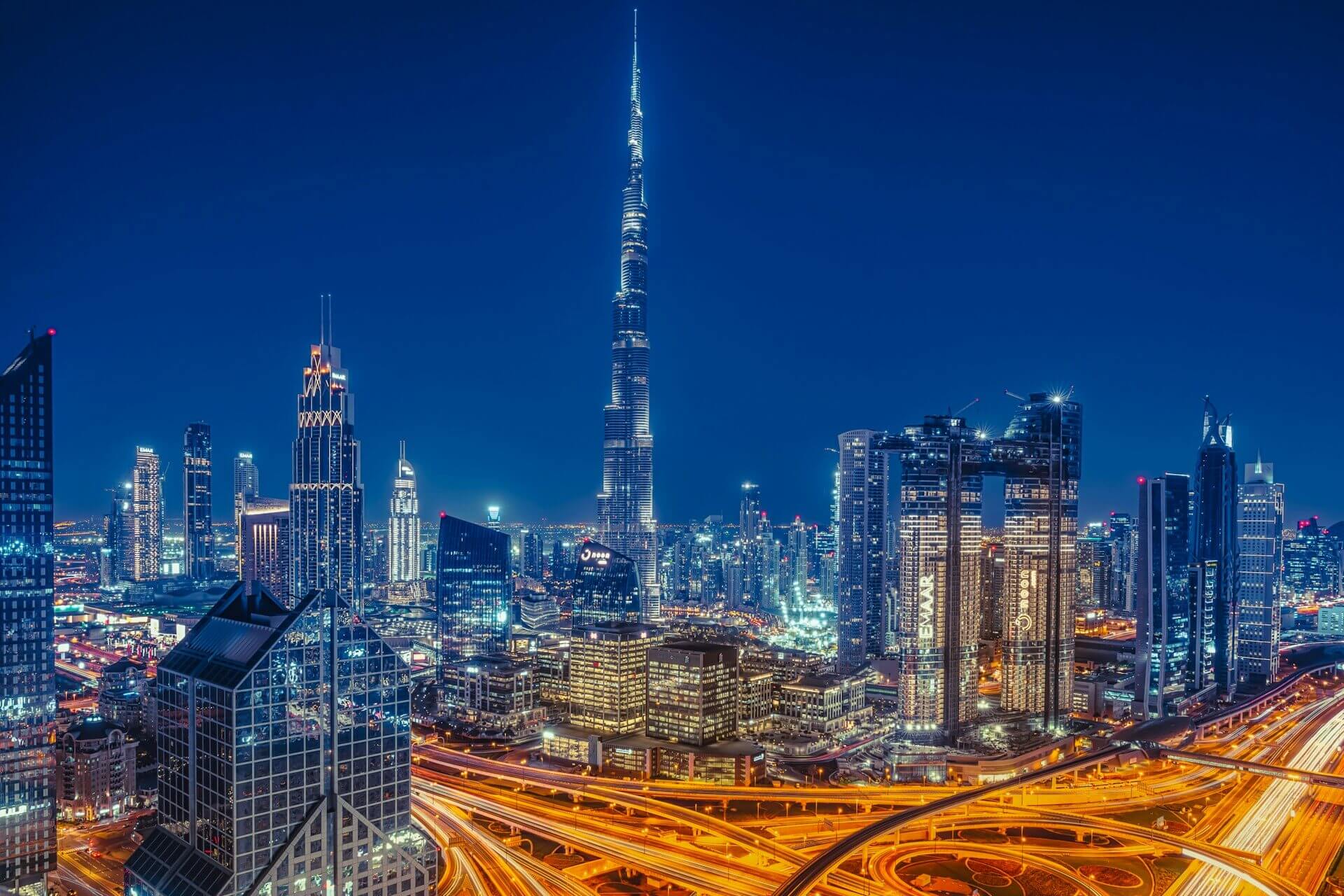
FOR SALE
AED 1,200,000AED 720,000
We help clients buy and rent the right property in Dubai — apartments, villas and investment units matched to budget, area and goals.
Dubai Property Selection focuses on apartments, villas and investment properties in key areas such as Dubai Marina, Downtown, Business Bay, Dubai Hills and Palm Jumeirah.
Instead of sending a huge list of random listings, we prepare a clean shortlist based on your budget, preferred area, bedrooms, timeline and purchase or rental goals.
Premium opportunities in Dubai — from compact investment units to signature villas and penthouses.
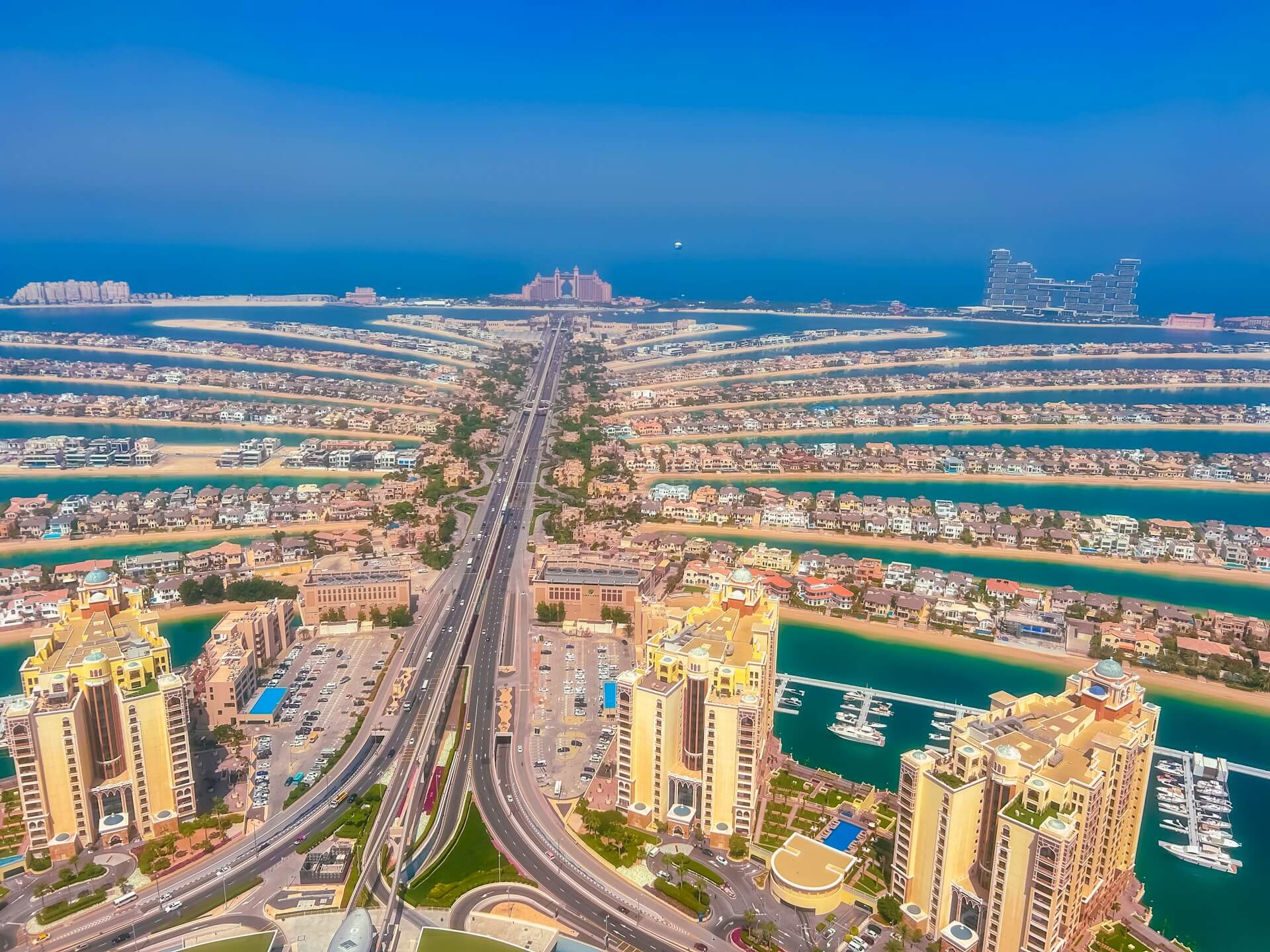
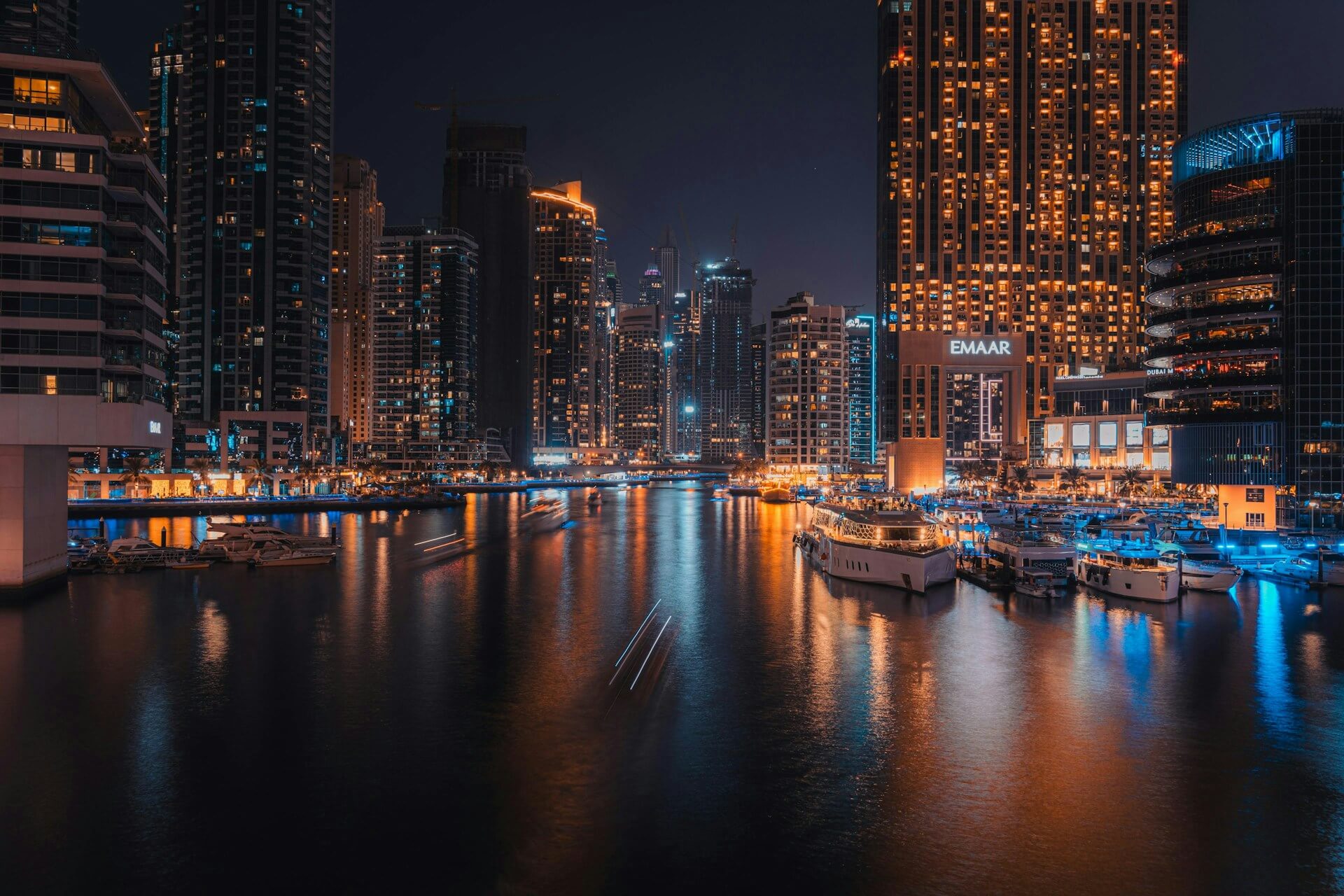
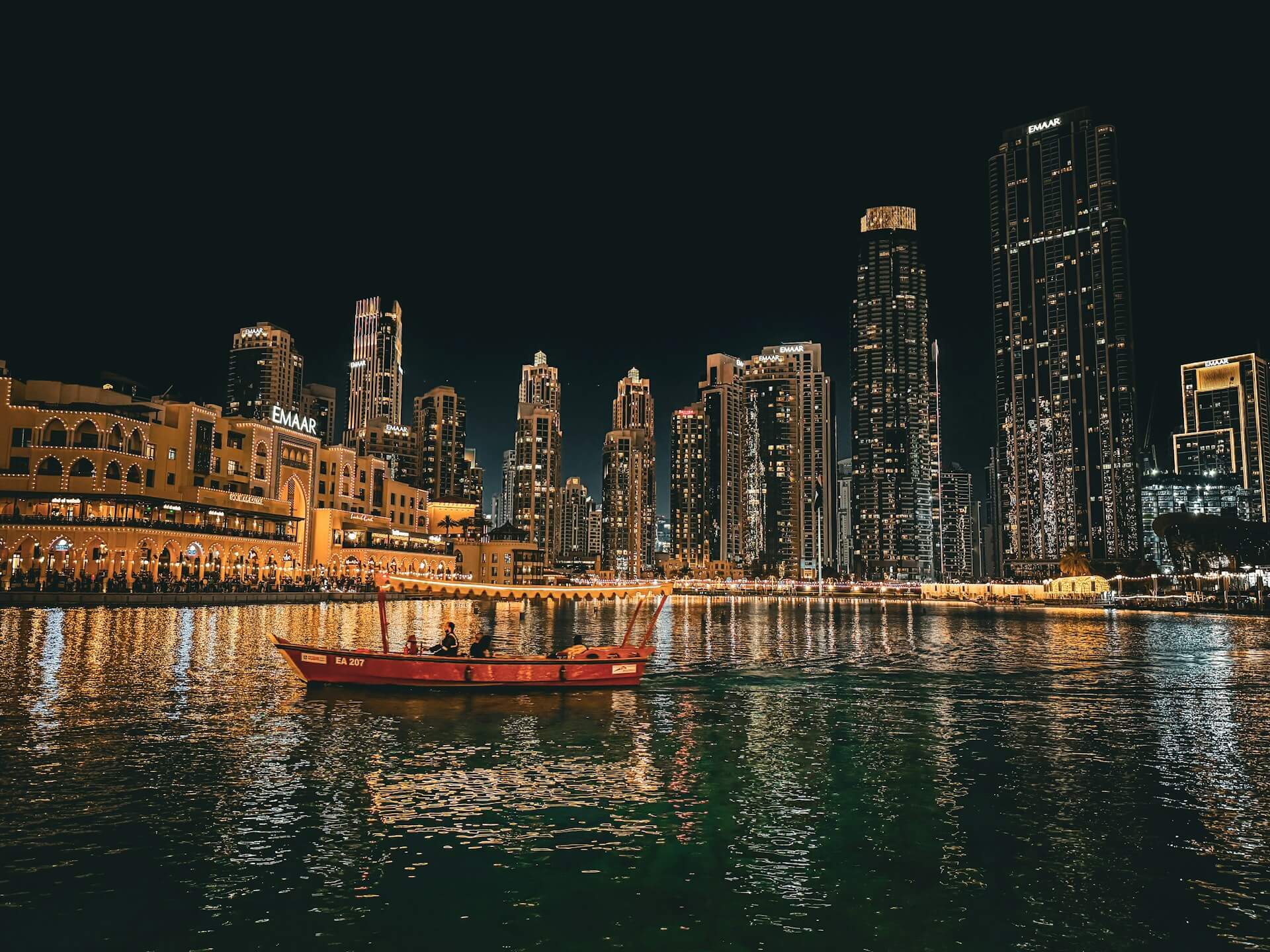
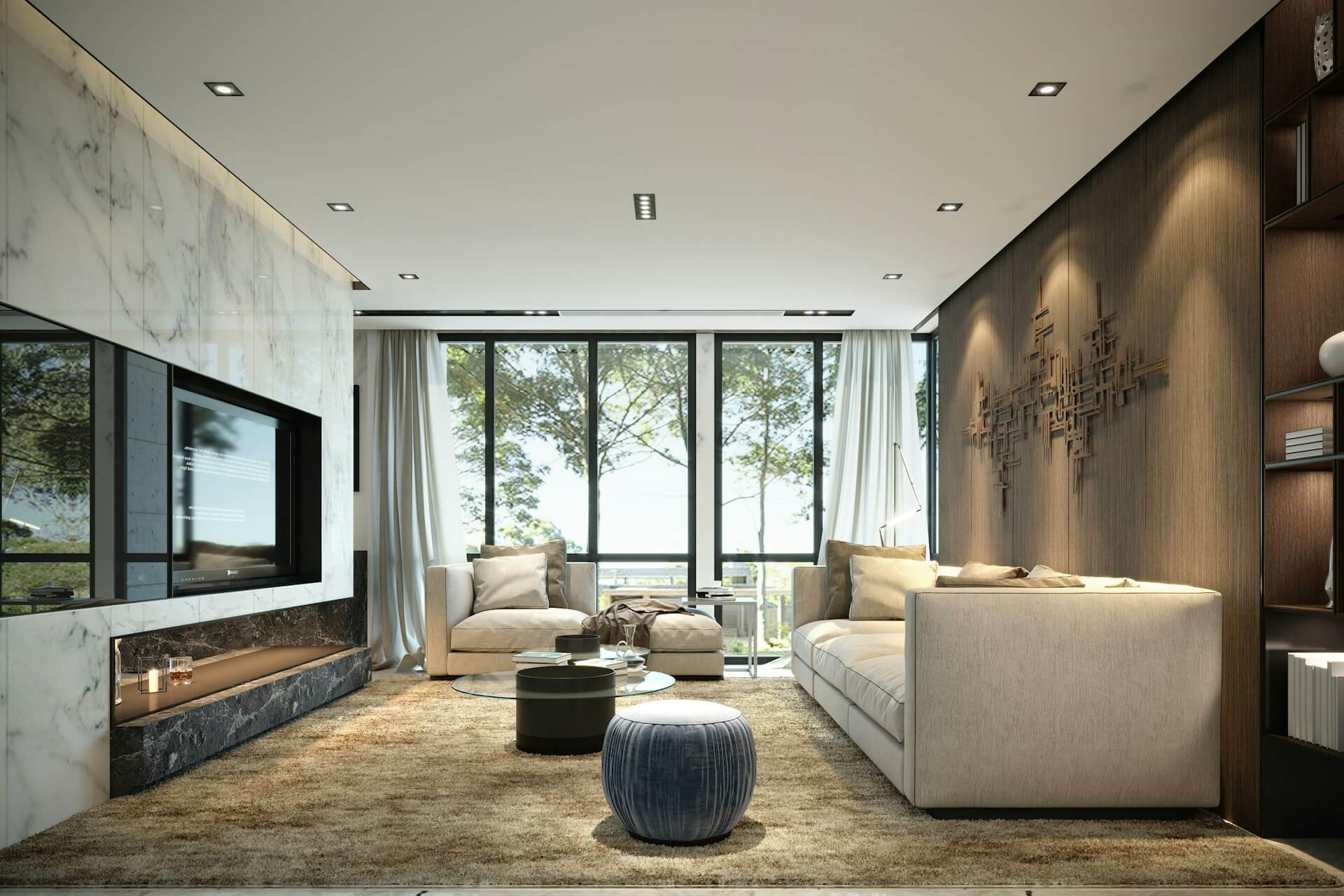
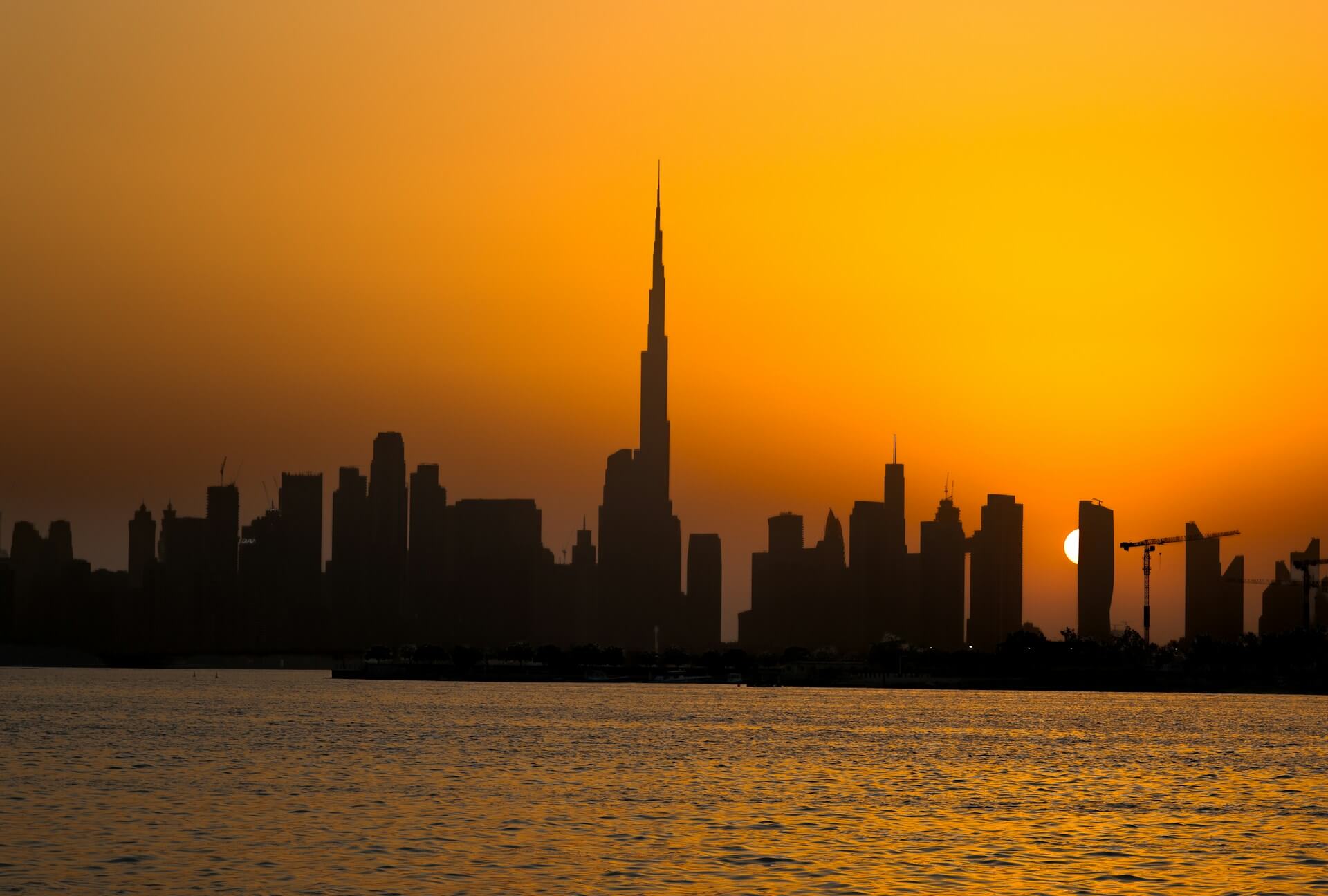
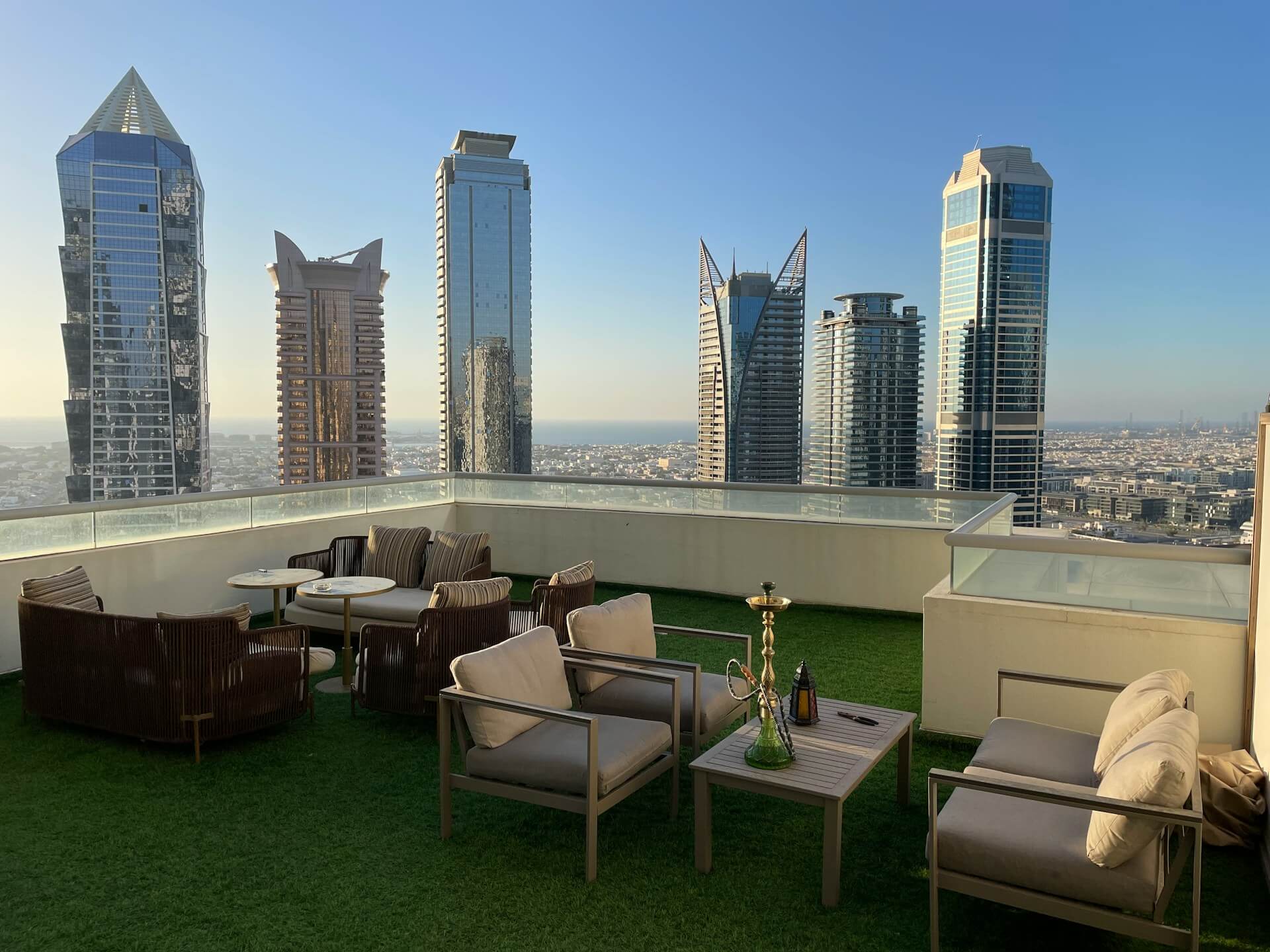
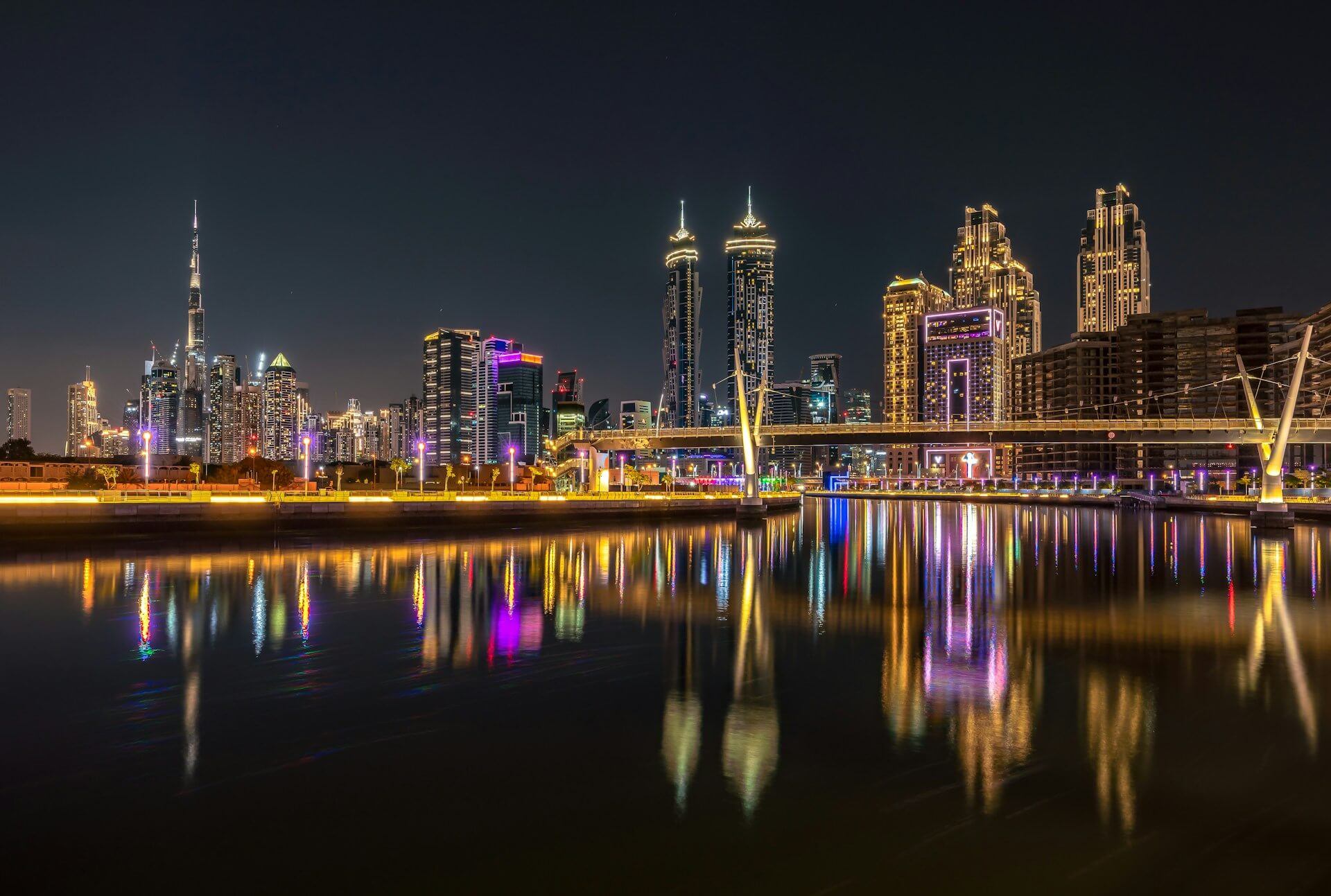
Comfortable long-term and premium rental options across Dubai.
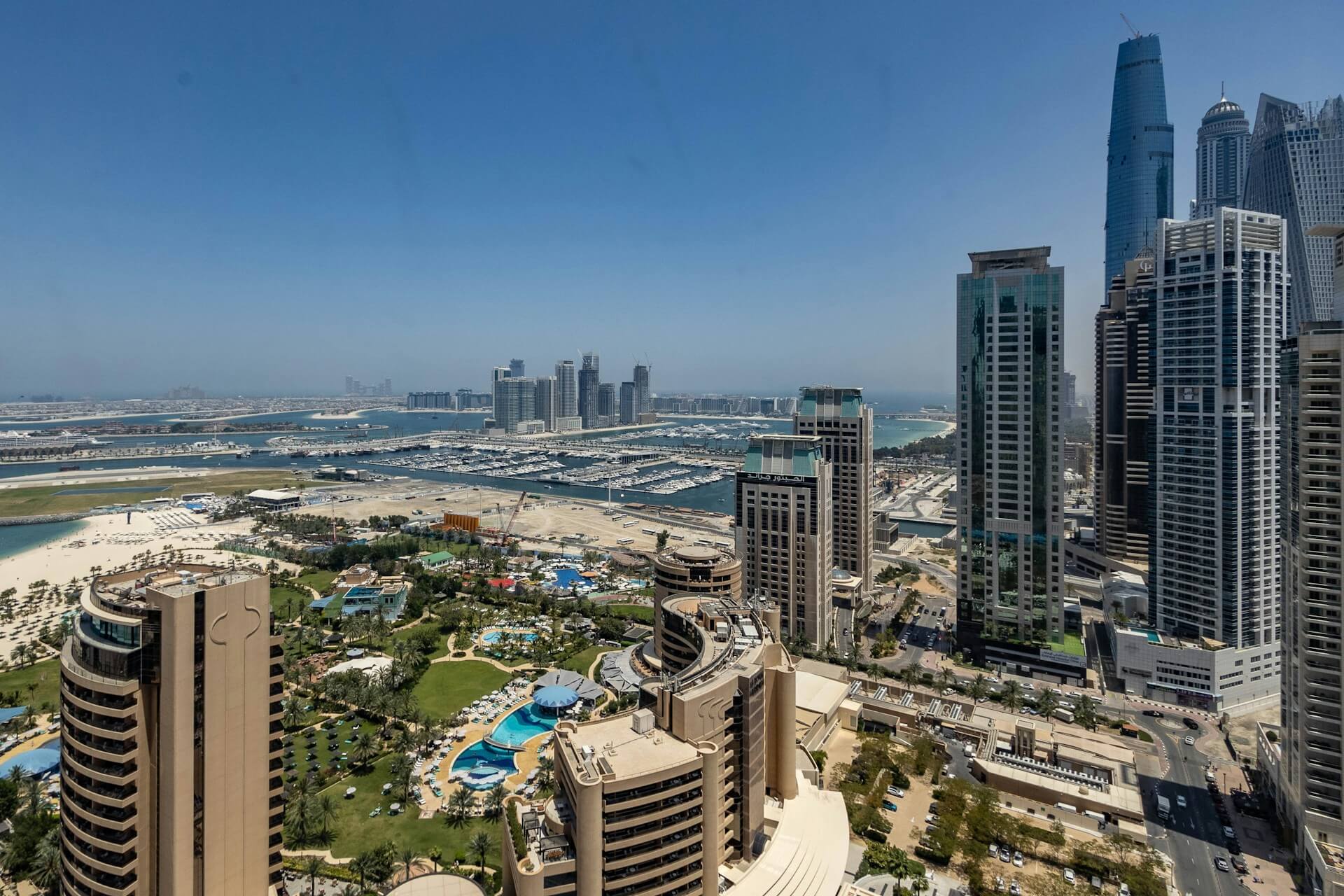

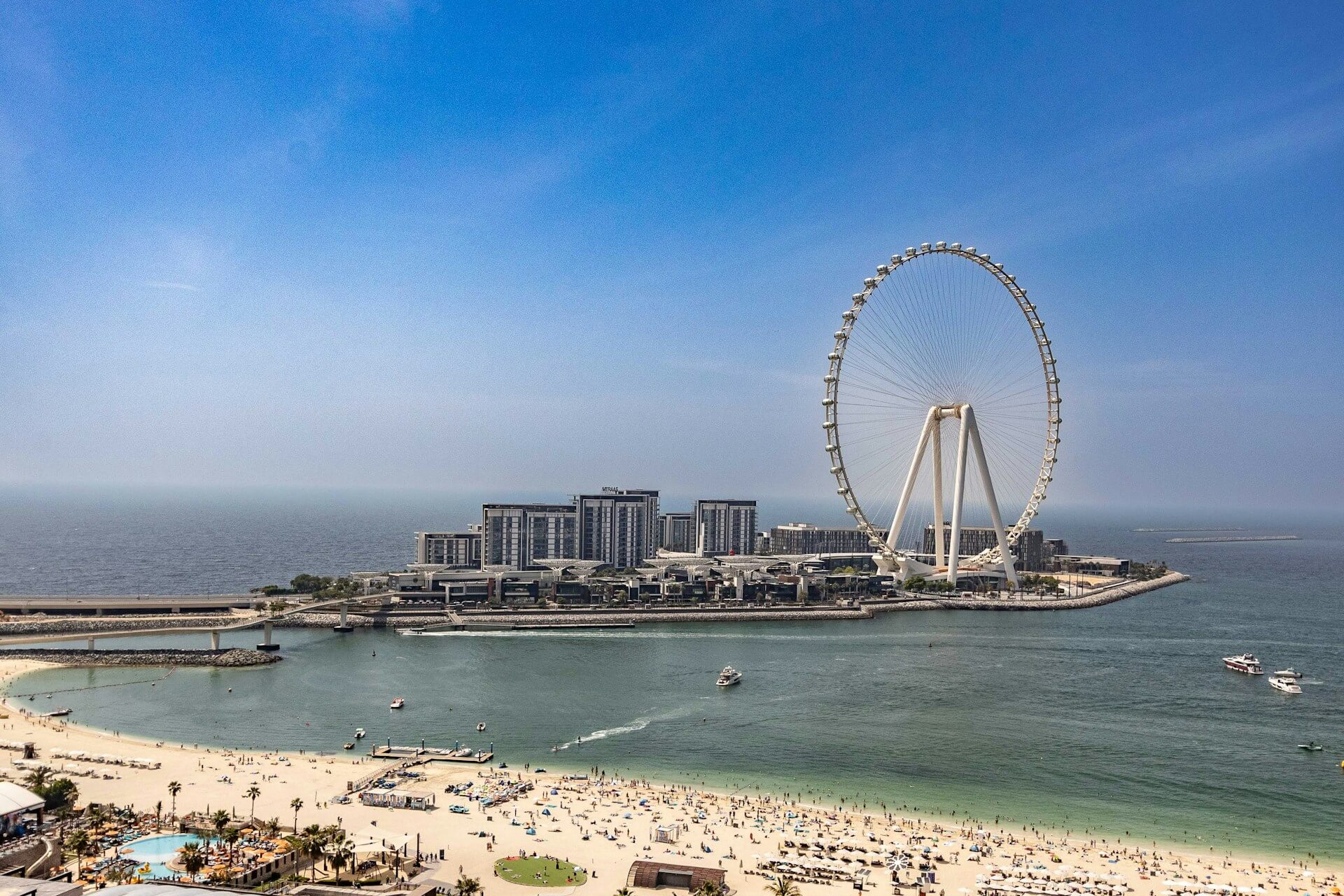
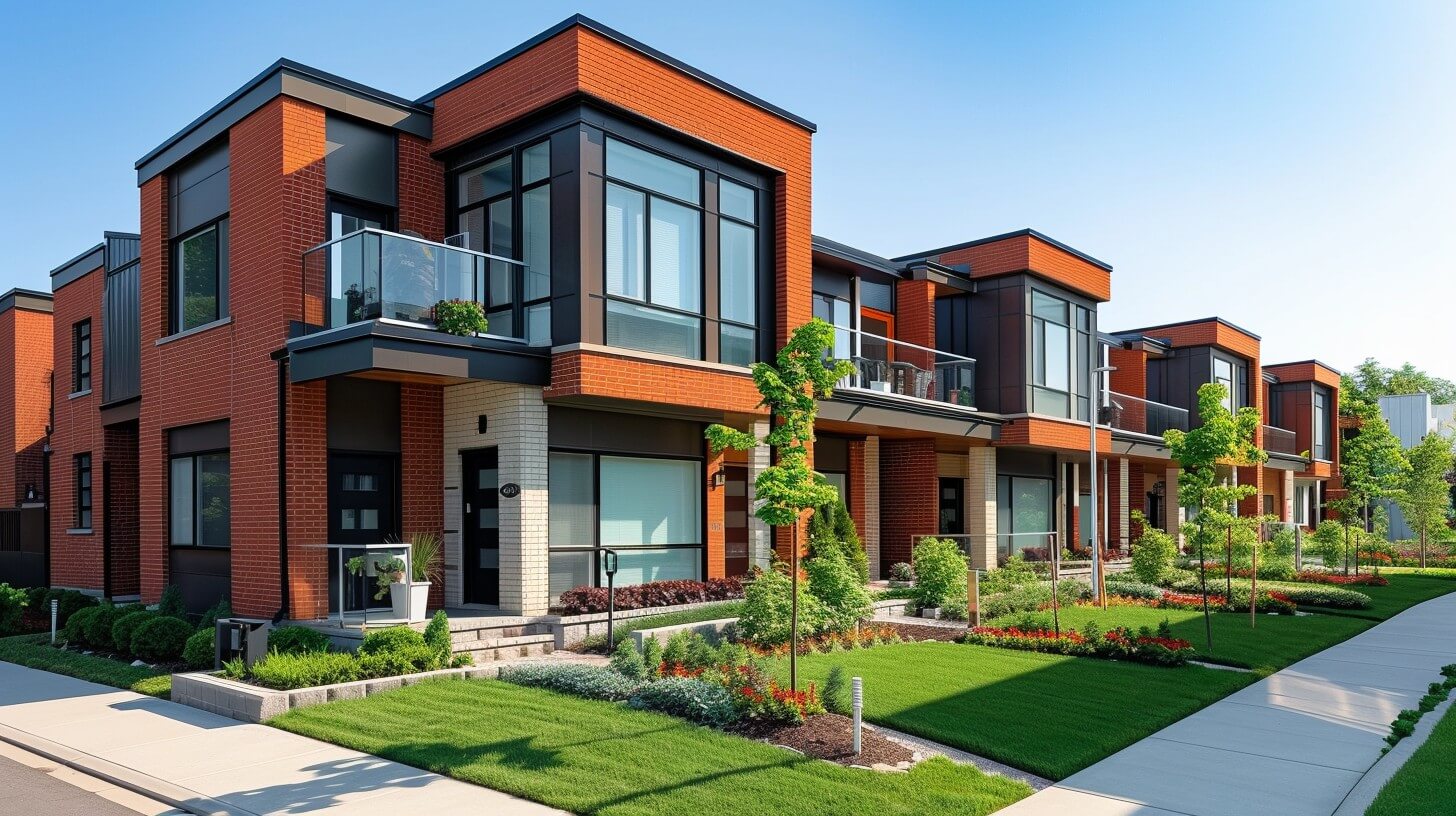
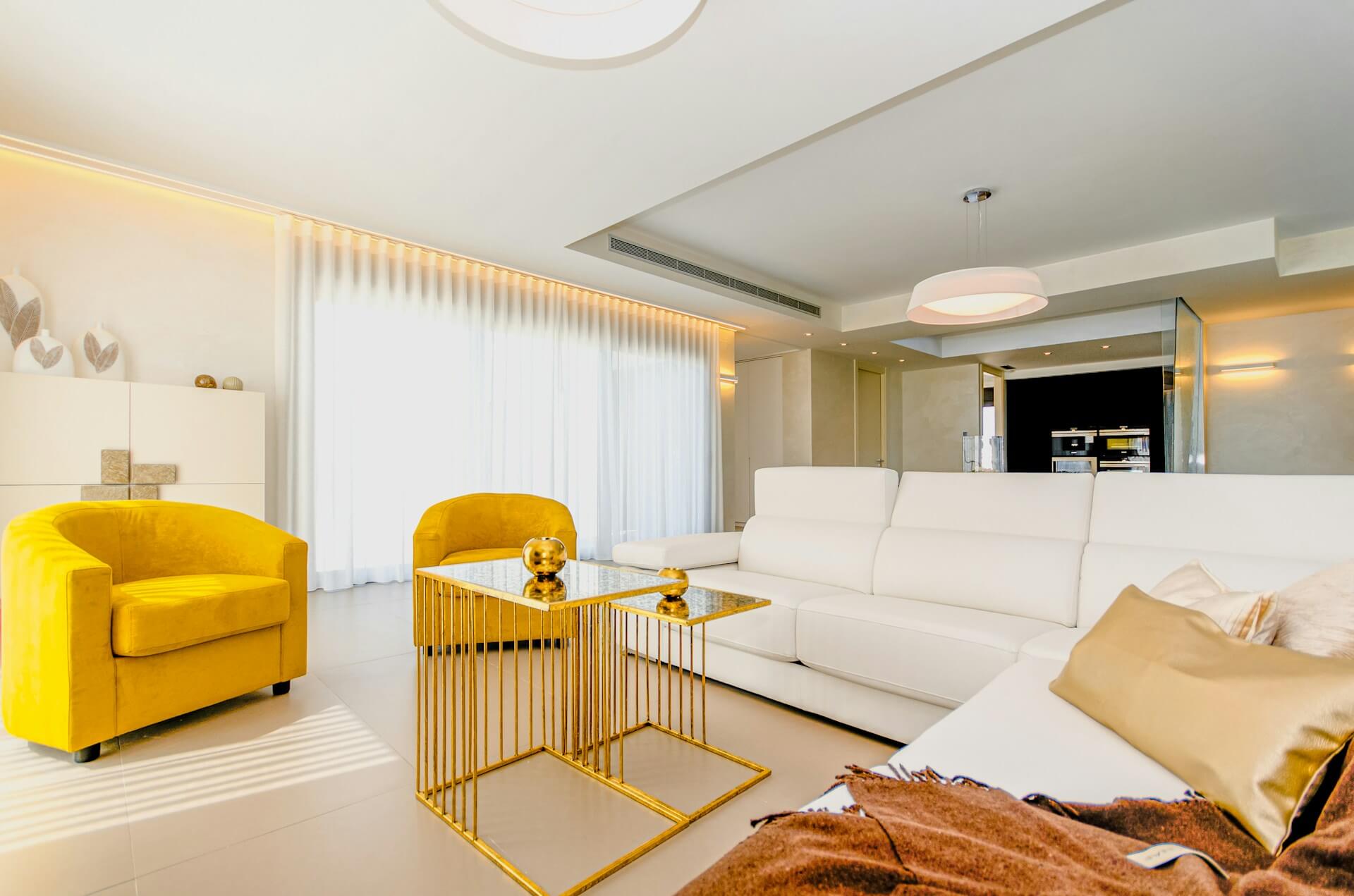
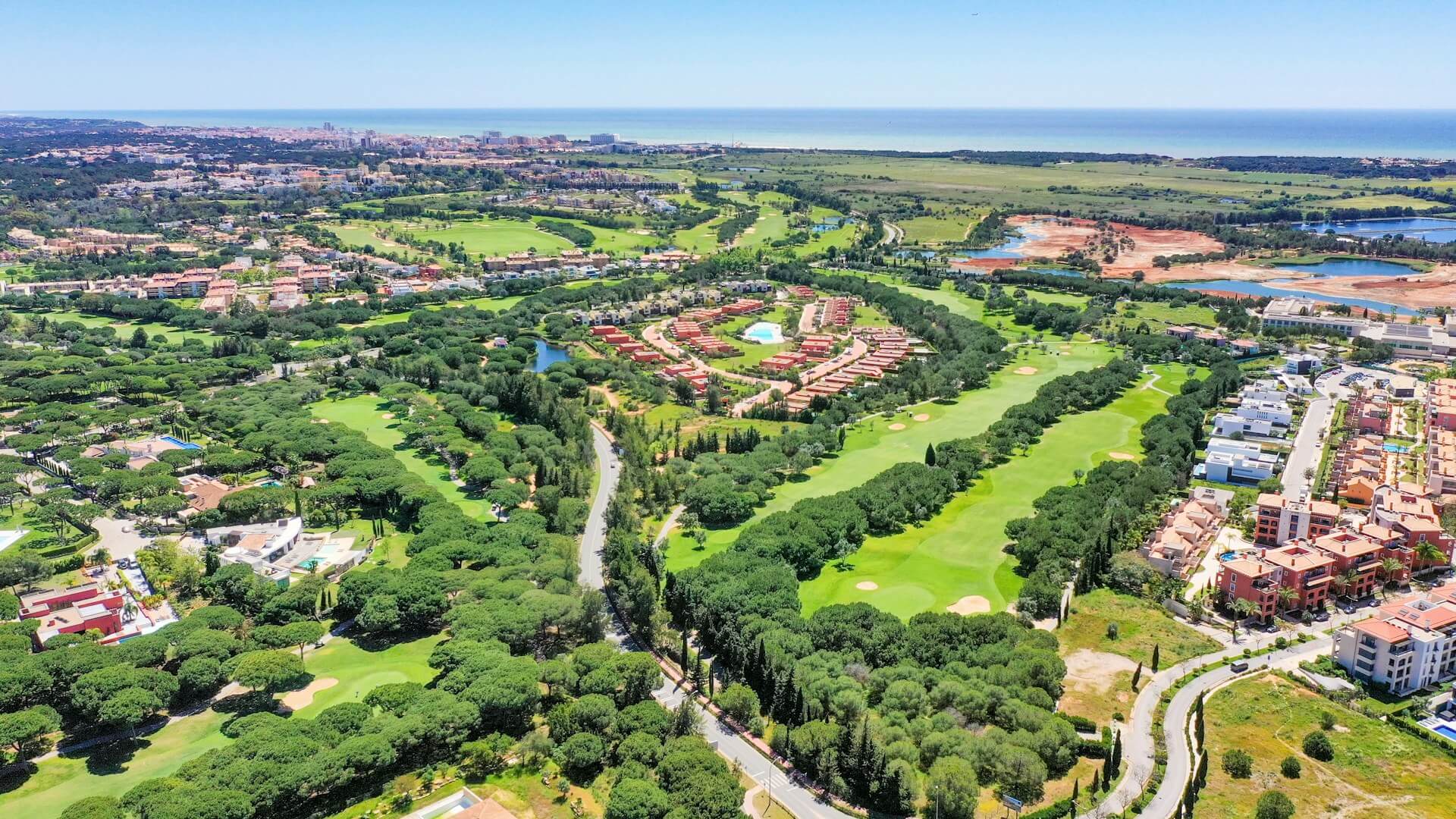
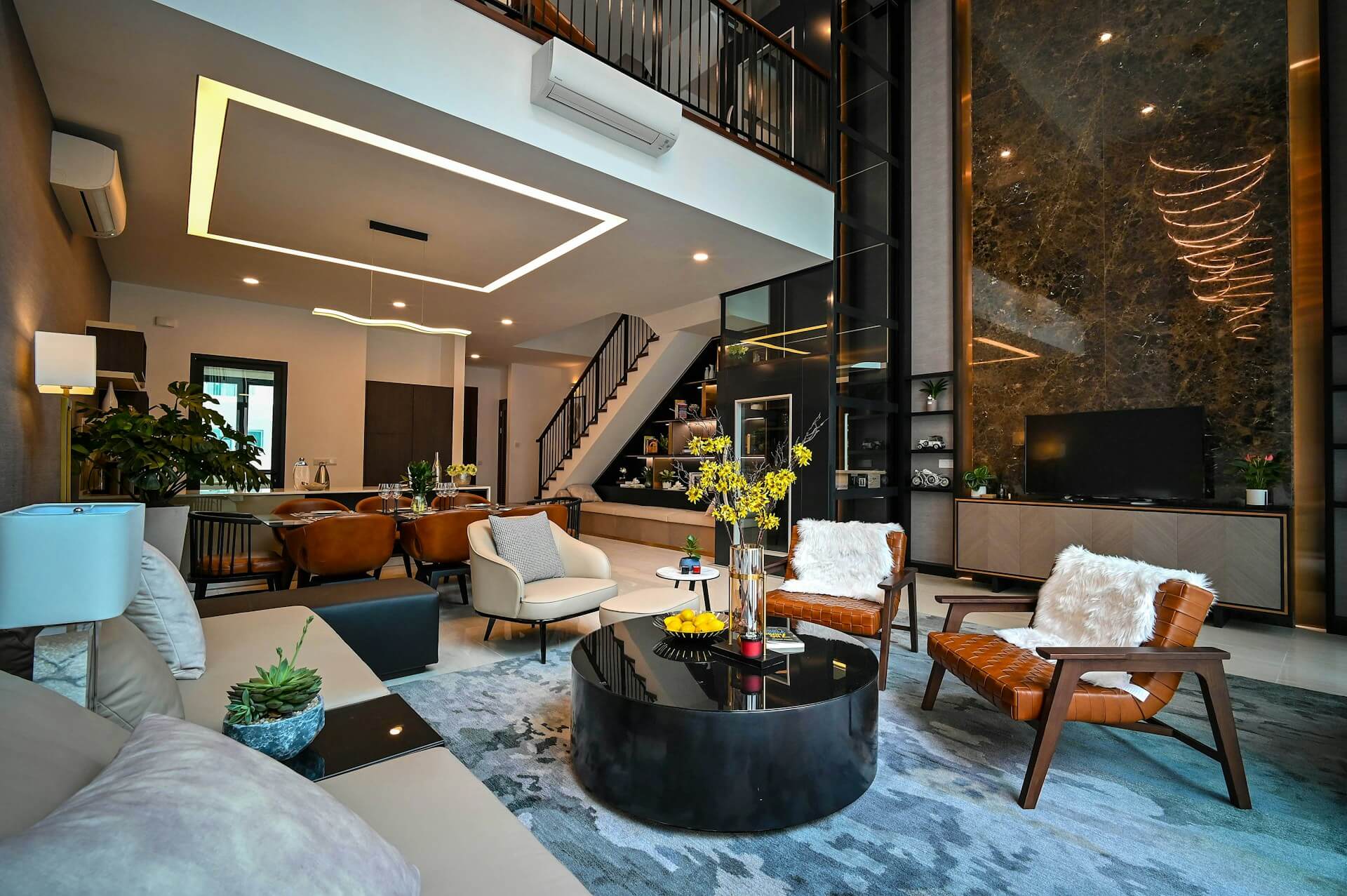
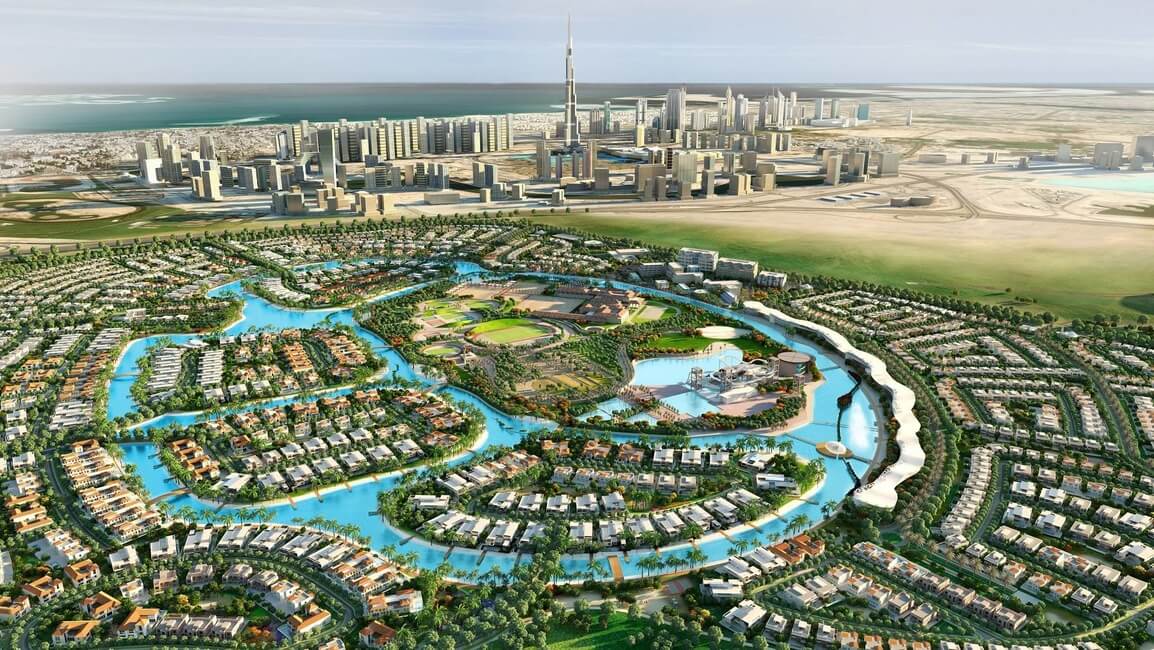
The current Palm Jumeirah market demands attention for buyers aiming to enter with a minimum capital starting from AED 3.5 million for apartments and AED 12 million for villas. The influx of long-term residents and international investors is driving strong absorption rates, particularly in branded residences and waterfront properties. Rental returns on selective units reach up to 7%, outperforming several other premium hubs, while resale liquidity remains robust due to limited new supply and upcoming infrastructure enhancements.
Investment appetite in Palm Jumeirah stems from visa-linked purchase incentives and expanding tourism, which fuels steady short-term and long-term rental demand.
New inventory remains constrained, with most launches centered on mid- to high-end product, reinforcing pricing power in mature precincts. Buyers prioritize properties with direct beach access or private marina berths, recognizing their sustained appeal against broader market cycles.
The entry point varies substantially across micro-locations within Palm Jumeirah, with garden apartments offering more affordable benchmarks compared to expansive branded villas. For capital preservation combined with yield, off-plan acquisitions in phases completing within 24 months present competitive pricing but less immediate cash flow.
Ready units deliver instant occupancy benefits but command a 10–15% premium. In either strategy, proximity to the trunk and key retail nodes enhances liquidity and rental prospects.
Dubai luxury real estate for sale currently requires entry capital starting from AED 3.5 million for villa-type properties in prime districts like Palm Jumeirah, while high-end apartments in Dubai Marina exceed AED 2 million.
Palm Jumeirah presents stronger appreciation potential backed by ongoing infrastructure enhancements and limited plot availability, compared to Dubai Marina where supply is more abundant but attracts higher short-term rental returns.
Demand in Palm Jumeirah is fueled by ultra-high-net-worth individuals targeting branded villas with private beach access, driving prices up 8-12% annually over the last 24 months.
Conversely, Dubai Marina appeals more to end-users and expatriates seeking high-rise apartments with convenient city access, delivering gross rental yields around 6-7%, higher than Palm’s 4-5%.
The villa market in Palm Jumeirah experiences lower transaction volumes but higher liquidity among affluent buyers, whereas Dubai Marina’s apartment segment shows faster resale times due to broader tenant base and resident turnover.
Entry affordability is a critical factor: investors with budgets under AED 2 million gravitate toward premium towers in Dubai Marina, while those exceeding AED 4 million focus on waterfront mansions in Palm Jumeirah.
Distinguishing between off-plan and ready properties matters significantly. Off-plan purchases within Palm Jumeirah’s exclusive developments often require 20-40% upfront payments, with delivery up to 3 years out, exposing buyers to potential market fluctuations, whereas secondary market villas trade at a 15-20% premium but offer immediate utility and rental income.
Dubai Marina’s apartments combine shorter completion timelines with near-term cash flow, appealing to yield-focused investors.
Infrastructure projects such as the Palm Jumeirah Monorail extension and enhancements to Dubai Marina’s Marina Walk keep these districts at the forefront of demand, yet Palm’s inventory remains constrained, limiting supply-side pressure.
Population growth linked to visa reforms and international buyer influx sustains demand across both locations, although Palm Jumeirah sees higher concentration of lifestyle buyers and Dubai Marina a blend of investors and tenants.
The greatest liquidity risk lies with entry properties in less established sub-communities outside these hubs, where oversupply depresses prices and pushes vacancy rates above 12%.
For those seeking long-term capital gains, Palm Jumeirah’s villa sector offers superior prospects, offsetting higher initial outlay and holding costs. In contrast, Dubai Marina provides more accessible liquid assets for shorter investment horizons, particularly among luxury apartments.
When not to enter includes market phases of accelerated oversupply impacting Dubai Marina’s mid-tier segments and economic slowdowns reducing international arrivals affecting short-stay rentals.
Buyers focused solely on rapid capital appreciation should avoid newly launched projects with 4-5 year handover cycles in less central locations. Ultra-wealthy purchasers targeting lifestyle upgrades rather than pure investment should prioritize properties with secured golf-course or beachfront access.
Start verification by obtaining the title deed from the Dubai Land Department (DLD).
This document confirms registered ownership and is mandatory for any transaction. Always request the original or a certified copy.
Next, use the DLD’s online verification system to check the property’s registration number. This system reveals if the property is free of liens, mortgages, or legal disputes.
Properties with outstanding mortgages typically require lender consent prior to transfer.
Confirm the developer’s registration, especially for off-plan units, via the Real Estate Regulatory Agency (RERA). Ensure the project is fully approved and the developer holds valid licenses; unlicensed developers pose significant risks including project delays or cancellations.
Check for existing service charges and utility bills.
Overdue payments might become the buyer’s responsibility post-acquisition, impacting net returns and ownership rights.
Consult the strata or homeowners’ association for confirmation of common area management and any pending legal claims, as disputes here can affect ownership stability and resale potential.
Engage a registered conveyancer or legal consultant specializing in Dubai luxury market transactions. Their due diligence includes verifying sellers’ identity, confirming absence of fraud, and preparing contracts that comply with local law and RERA regulations.
Beware of assignments or secondary sales without the original developer’s approval, as these often contain hidden liabilities or unclear titles.
Finally, confirm property classification under the Dubai Land Department’s registry: “freehold” or “leasehold.” Freehold offers permanent ownership rights to expatriates, whereas leasehold is limited to specified durations and may complicate resale or mortgage options.
City-Center Luxury Residences in Dubai
Purchasing waterfront or city-center deluxe apartments in Dubai demands a clear understanding of entry costs, rental prospects, and buyer profiles.
The market data shows waterfront homes in Dubai Marina and Palm Jumeirah typically require a minimum capital input of AED 3.5 million compared to AED 2.7 million for prime towers in Business Bay or Downtown. Waterfront projects have lower supply but higher demand among end-users seeking exclusive views, driving prices up by 15-20% over comparable city-center developments.
Rental yields differ notably.
Waterfront locations average 5-6%, supporting short-term holiday lets more effectively due to tourism inflows near the coast and yacht clubs. In contrast, urban center properties in Downtown Dubai and Business Bay generate yields around 6-7%, fueled by year-round corporate tenancy and visa-holding professionals.
Liquidity in city cores is stronger; resale transactions close 25% faster because of consistent demand from working professionals and investors targeting rental income stability.
| Entry Capital (AED, avg.) | 3,500,000+ | 2,700,000+ |
| Typical Rental Yield | 5% - 6% | 6% - 7% |
| Sales Liquidity Speed | Longer by ~25% | Faster |
| End-User Demand | Higher for lifestyle buyers | Stronger for investors and corporates |
| Vacancy Risk | Moderate to High in off-season | Lower year-round |
Buyer intent significantly influences location choice.
Waterfront apartments appeal mostly to individuals prioritizing lifestyle and long-term personal use, accepting higher purchase prices and seasonal rental fluctuations. Conversely, city-center addresses attract investors aiming for stable cash flow and quick resale. Market activity in Dubai Marina and Palm Jumeirah remains driven by limited new launches, intensifying buyer competition. Downtown and Business Bay benefit from continuous new developments catering to diverse budgets, lowering risk for capital turnover.
Infrastructure plays a pivotal role–waterfront complexes often depend heavily on leisure facilities and water transport links, which can inflate management costs and impact rental net income.
City-center districts provide downtown amenities, metro connectivity, and proximity to corporate offices, broadening tenant pools and reducing vacancy periods. Investors focused on short-term returns find city-center locations more efficient, while lifestyle purchasers accept waterfront premiums for exclusivity.
Choosing between off-plan and ready inventory further differentiates these sectors.
Waterfront off-plan projects tend to command a price premium due to scarcity and iconic branding but come with delayed handovers and higher speculative risk. In city cores, ready-to-move-in options are plentiful, offering immediate rental generation and ease of inspection. This distinction affects entry costs and investment risk profiles significantly.
When Not to Opt for Waterfront Residences: Buyers reliant on consistent rental income should avoid waterfront assets during low tourist seasons where occupancy can drop by up to 30%.
Additionally, investors with limited capital must consider higher initial costs and maintenance fees that reduce net returns.
Avoid City-Center Apartments If: Prioritizing privacy and minimal noise exposure, or seeking unique views often unavailable in high-density urban buildings. Also, rapid price appreciation in these zones may be limited compared to exclusive waterfront addresses.
In summary, waterfront properties in Dubai Marina and Palm Jumeirah offer prestige and seasonal rental advantages but require higher capital and tolerate liquidity variability.
City-center options in Downtown Dubai and Business Bay provide more stable yields, faster resale, and lower entry thresholds, suiting investors oriented towards cash flow and market turnover.
Leasehold in Dubai
Freehold ownership grants full title to the buyer, including land and property, with no time limitation on possession. For purchases in Dubai, freehold rights are available primarily within designated zones, allowing non-citizens complete control and the ability to sell or lease indefinitely. Entry capital for freehold properties typically starts at AED 1.5 million in key localities such as Dubai Marina or Palm Jumeirah, appealing to investors seeking long-term asset appreciation and flexible exit strategies.
Leasehold, on the other hand, provides a fixed-term right to use the property, usually ranging from 30 to 99 years depending on the contract, with ownership reverting to the original developer or landowner after the term expires.
Leasehold prices can be 15-25% lower than freehold equivalents in the same neighborhood but carry inherent risks related to limited tenure, potential restrictions on sub-leasing, and diminished resale value as lease expiry approaches.
From a yield perspective, freehold units in sought locations generate rental returns between 5% and 7%, supported by stronger tenant demand and higher occupancy rates.
Leasehold properties may offer slightly higher yields in emerging developments due to lower entry costs but come with greater liquidity risks and longer resale cycles. Leasehold investments require careful review of lease terms–especially clauses on extensions and maintenance obligations–to avoid unexpected liabilities.
In Dubai Marina, freehold apartments maintain more stable capital growth and attract end-users alongside investor buyers, providing both consumption utility and portfolio diversification.
Leasehold options in this district often belong to off-plan projects or secondary developments, attracting price-sensitive buyers but limiting long-term planning due to the finite holding period. For investors prioritizing control and asset security, freehold ownership remains the preferred route.
Leasehold may suit occupiers focusing on short- to medium-term residency without committing large upfront capital, especially within communities offering lease extension rights or premium managed facilities.
Freehold suits buyers aiming at legacy holdings or full asset transferability. Due diligence must include title verification and legal consultation to ensure no ambiguities in lease terms or restrictions outside the freehold framework.
When NOT to acquire leasehold units: avoid if capital appreciation or indefinite capital control is a primary goal, as the diminishing lease term undermines property value after 70-80% of the tenure.
Steep decline in marketability and financing options typically appears for leaseholds with under 30 years remaining. Freehold purchases are unsuitable for those lacking sufficient capital or seeking short-stay arrangements where lease agreements provide more flexibility.
In summary, freehold properties command a premium entry threshold but offer superior security, liquidity, and appreciation potential, particularly in core clusters within Dubai.
Leasehold presents lower initial costs but carries elevated risks tied to tenure limits and resale constraints, fitting more transient occupants or speculative investors focused on short-term holdings.
In Dubai’s luxury property sector, buyers can find a diverse range of options including spacious villas, waterfront apartments, and penthouses with panoramic views.
Many developments feature modern architecture combined with lavish interiors, private pools, and access to exclusive facilities such as golf courses, marinas, and designer shopping areas. These residences often appeal to individuals seeking both privacy and proximity to city attractions.
The location plays a significant role in determining the value of premium properties in Dubai.
Areas like Palm Jumeirah, Downtown Dubai, and Dubai Marina are highly sought after due to their scenic surroundings, accessibility to business hubs, and availability of luxury amenities. Properties with beach access or views of iconic landmarks typically command higher prices. Proximity to entertainment, dining, and transportation facilities also adds to the desirability and market performance of these estates.
Foreign investors need to follow specific procedures to acquire property in Dubai.
This involves selecting a freehold area where expatriates can own real estate outright. Buyers must verify the developer’s reputation, review contract terms carefully, and register the property with the Dubai Land Department.
It’s also advisable to engage a qualified legal advisor to assist with documentation and understand any tax implications. All transactions are typically handled through escrow accounts to ensure security during the payment process.
Financing luxury properties in Dubai can be arranged through local banks offering mortgages tailored for non-residents, often requiring a down payment of 20-25%.
Some banks provide loans denominated in various currencies, and lenders usually assess the applicant's income, credit history, and property value before approval. Additionally, some developers may offer payment plans directly, allowing buyers to spread costs over a specified period during construction or after handover.
Investing in high-end real estate in Dubai is attractive due to the city’s strategic location, robust infrastructure, and tax-free environment on property income.
Compared to other global markets, Dubai offers a relatively straightforward purchase process and a wide selection of modern properties with premium features. The city also hosts a large expatriate community and business presence, enhancing rental demand and potential capital appreciation.
However, market conditions can fluctuate based on regional developments and global economic trends, making it important to conduct thorough market research.
Dubai offers a diverse range of upscale properties, including waterfront villas, luxury apartments in iconic skyscrapers, penthouses with panoramic views, and exclusive gated community homes.
Many of these properties feature modern architecture combined with premium amenities such as private pools, landscaped gardens, and access to golf courses or marinas. Buyers can find options suitable for both investment and personal residence, with locations spread across areas like Palm Jumeirah, Downtown Dubai, and Emirates Hills.
Clear answers about buying, renting and investing in Dubai property.
Yes. Foreign buyers can purchase freehold property in designated areas such as Dubai Marina, Downtown Dubai, Business Bay, Palm Jumeirah, Dubai Hills and other approved communities.
It depends on your timeline, budget and goal. Buying is usually better for long-term plans, capital growth and rental income, while renting is better for flexibility and easier relocation.
The required budget depends on the area, building quality and property type. More accessible apartments can be found in developing communities, while prime locations and luxury properties require a much higher budget.
In addition to the purchase price, buyers should budget for the Dubai Land Department fee, registration and trustee fees, possible agency commission, mortgage-related costs if financing is used, and ongoing service charges for many buildings.
Yes, many banks in the UAE offer mortgages to foreign buyers. Approval depends on income, documents, deposit amount and the specific property being purchased.
Areas such as Dubai Marina, Downtown Dubai, Business Bay, Dubai Hills, JVC, Palm Jumeirah and Creek Harbour are often considered by investors, but the right area depends on whether your focus is yield, resale value, lifestyle appeal or long-term growth.
Rental yield varies by area, property type, furnishing level and market timing. In practice, many investors look for a balance between strong occupancy, reasonable service charges and sustainable tenant demand rather than chasing headline numbers alone.
Off-plan property is purchased directly from a developer before the project is completed. Buyers often choose off-plan because of payment plans, newer inventory and lower entry prices compared with some ready properties.
A proper review should consider the developer’s track record, payment plan, handover timeline, location quality, future supply in the area and the project’s resale or rental potential after completion.
For ready property, the timeline can move fairly quickly if the price is agreed, documents are prepared and the buyer is ready to proceed. Mortgage purchases usually take longer than cash deals.
Yes, many purchases can be handled remotely with the correct documents and proper support through the process. Remote buying is common for overseas investors and international clients.
The biggest risks are overpaying, choosing a weak location, buying an unsuitable layout, ignoring service charges, or selecting a project with low resale and rental demand. Good selection matters more than marketing promises.
In long-term rentals, rent is commonly agreed for a fixed term and often paid by one or several cheques depending on the landlord, property and negotiation.
Tenants are usually asked for identification and residency-related documents, and the exact set depends on their status in the UAE and the landlord’s requirements.
A security deposit is commonly required before move-in. The amount often depends on whether the property is furnished or unfurnished and should be clearly stated in the rental terms.
In many rental transactions, an agency commission is charged. The amount depends on the deal structure and should be confirmed before signing anything.
Tenants should review the deposit, Ejari registration, utility setup costs, parking terms if relevant, maintenance responsibilities and any conditions related to early termination or renewal.
Yes, negotiation is common. The final result depends on market conditions, the landlord’s flexibility, how long the property has been available and how prepared the tenant is to move forward.
It is important to check the condition of the unit, building quality, noise level, parking, view, maintenance status, contract terms and the reliability of the owner or manager.
Short-term rent offers flexibility and convenience but is usually more expensive. Long-term rent is generally more cost-effective and better suited for clients planning to stay longer.
During an active contract, the agreed rent usually remains fixed. Any increase is generally discussed at renewal and should follow the applicable rules and notice requirements.
This depends on the tenancy contract. Minor day-to-day issues may be handled by the tenant, while major maintenance is commonly the landlord’s responsibility, but the exact wording in the contract matters.
Ejari is the official registration of the tenancy contract in Dubai. It is important for legal recognition of the lease and is commonly needed for practical steps such as setting up utilities.
Yes. Furnished properties can be more convenient and faster to move into, while unfurnished options may work better for longer stays or tenants who want more control over the setup and budget.
We do not rely on random mass listings. We narrow the market based on budget, location, property type, investment goal, lifestyle needs and timeline, so clients can focus only on relevant options.
Yes. Support can include shortlisting, arranging viewings, comparing options, discussing terms, helping with negotiations and guiding the next steps of the transaction.
The best first step is to define the real budget, target areas, purpose, preferred property type and timeline. Once those points are clear, the selection becomes faster, cleaner and much more useful.