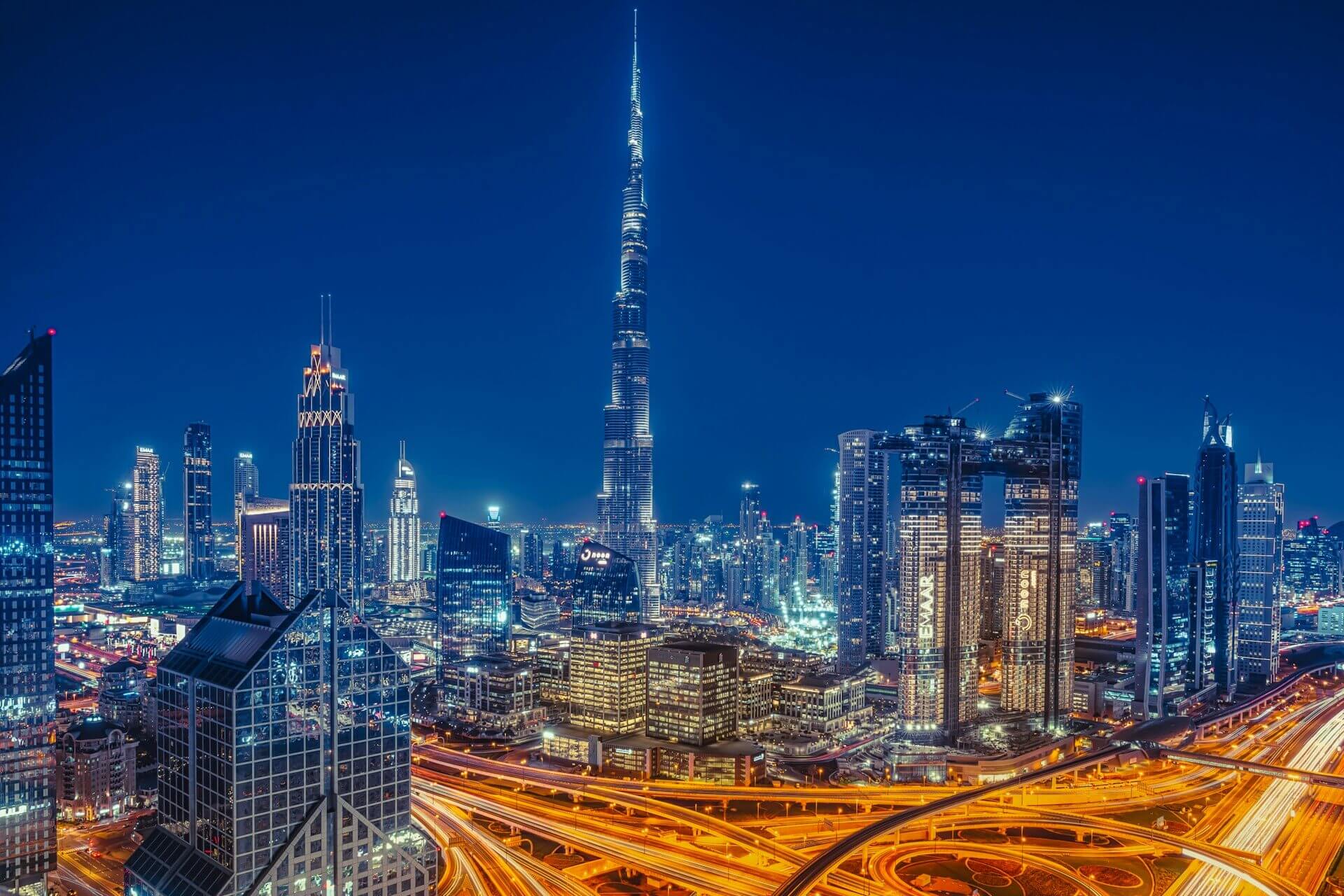
FOR SALE
AED 1,200,000AED 720,000
We help clients buy and rent the right property in Dubai — apartments, villas and investment units matched to budget, area and goals.
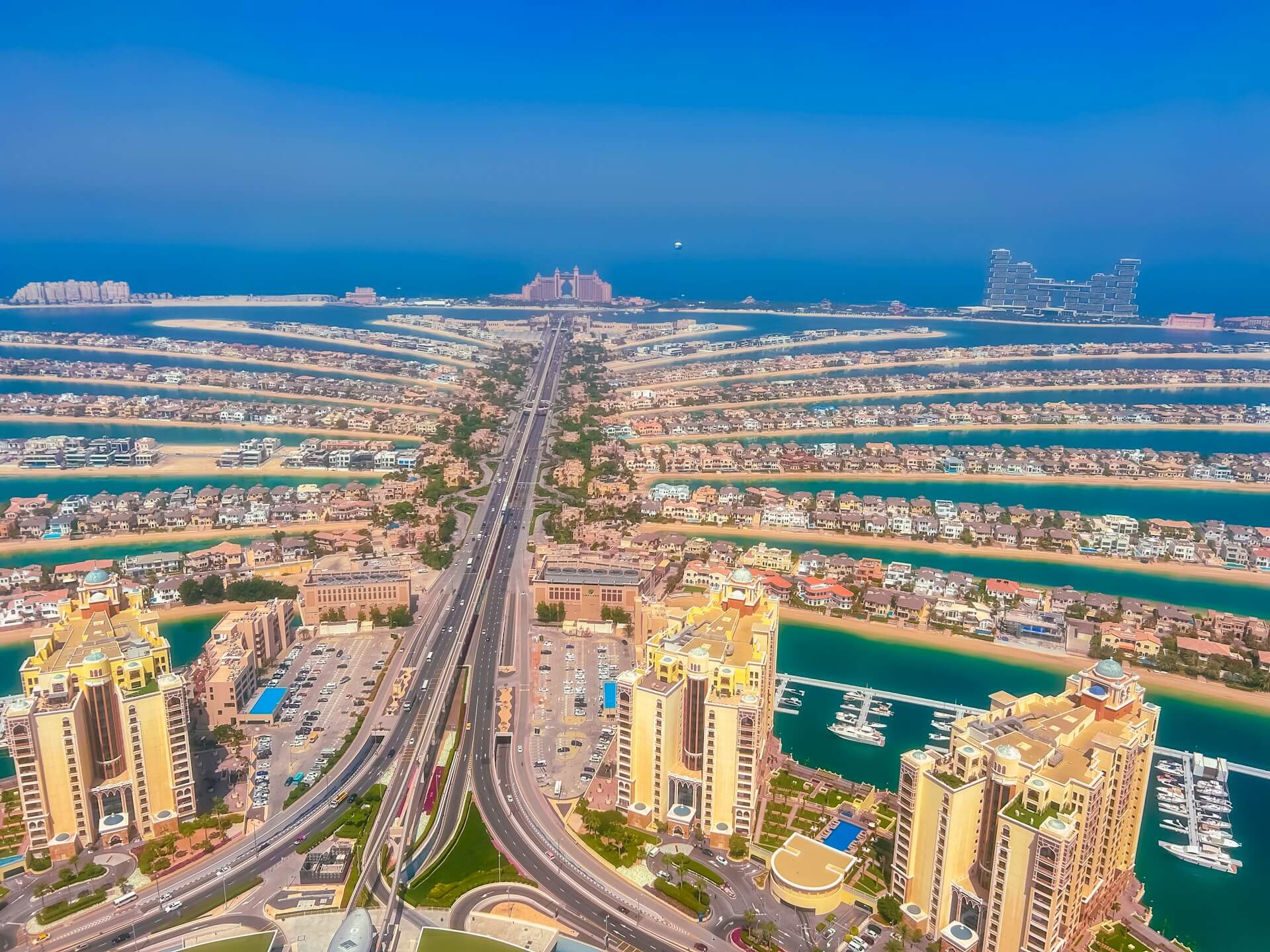
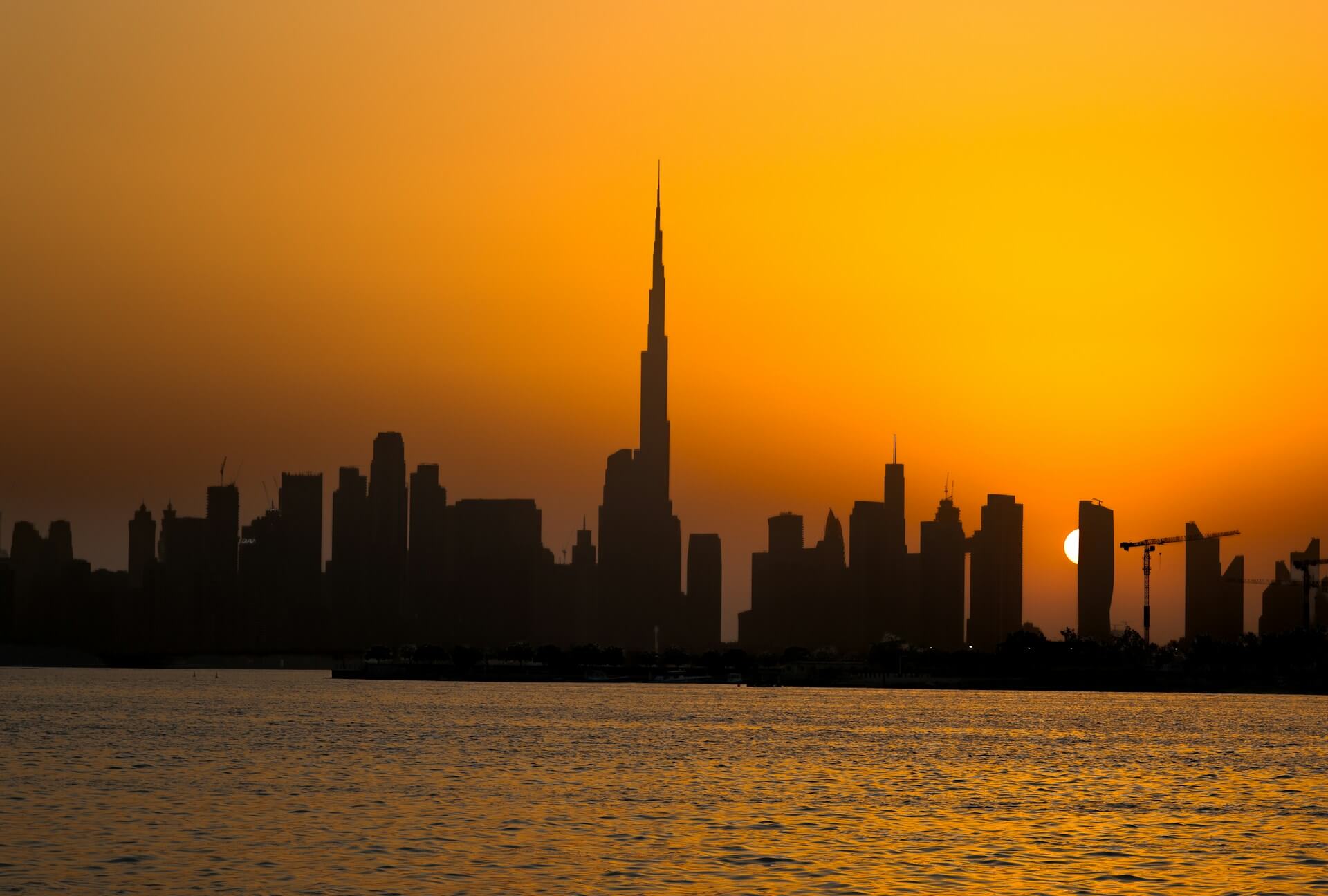
Dubai Property Selection focuses on apartments, villas and investment properties in key areas such as Dubai Marina, Downtown, Business Bay, Dubai Hills and Palm Jumeirah.
Instead of sending a huge list of random listings, we prepare a clean shortlist based on your budget, preferred area, bedrooms, timeline and purchase or rental goals.
Premium opportunities in Dubai — from compact investment units to signature villas and penthouses.
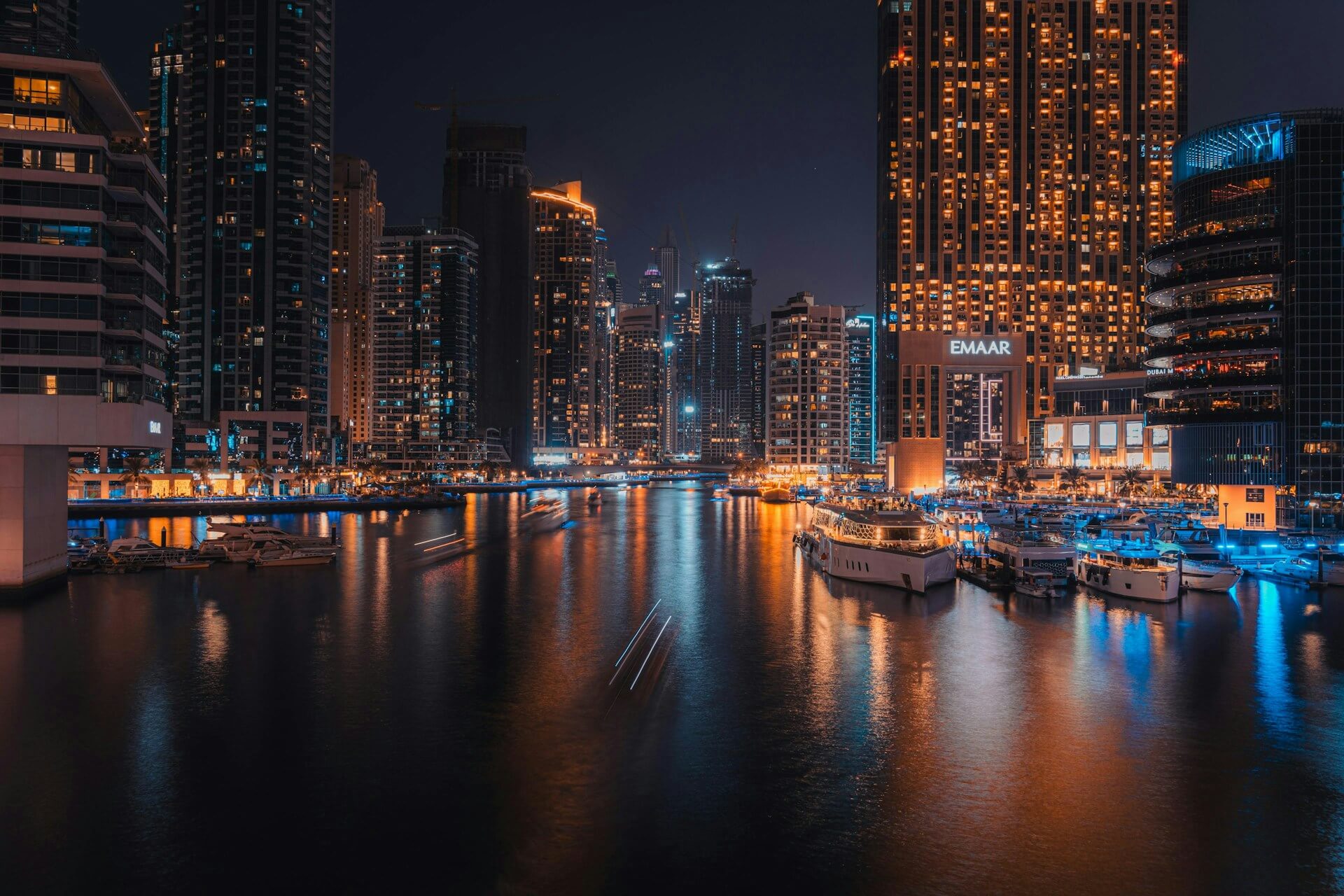
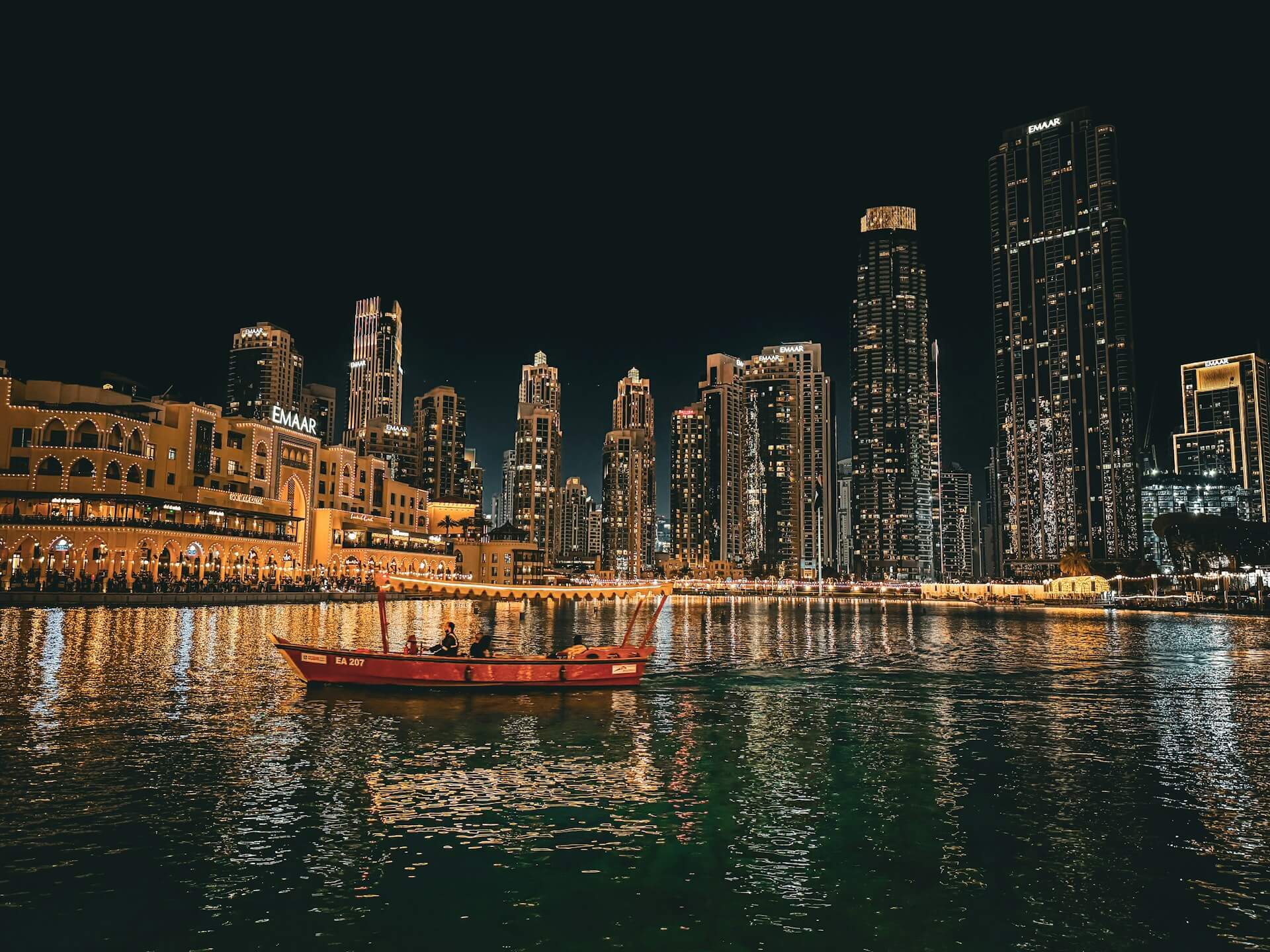

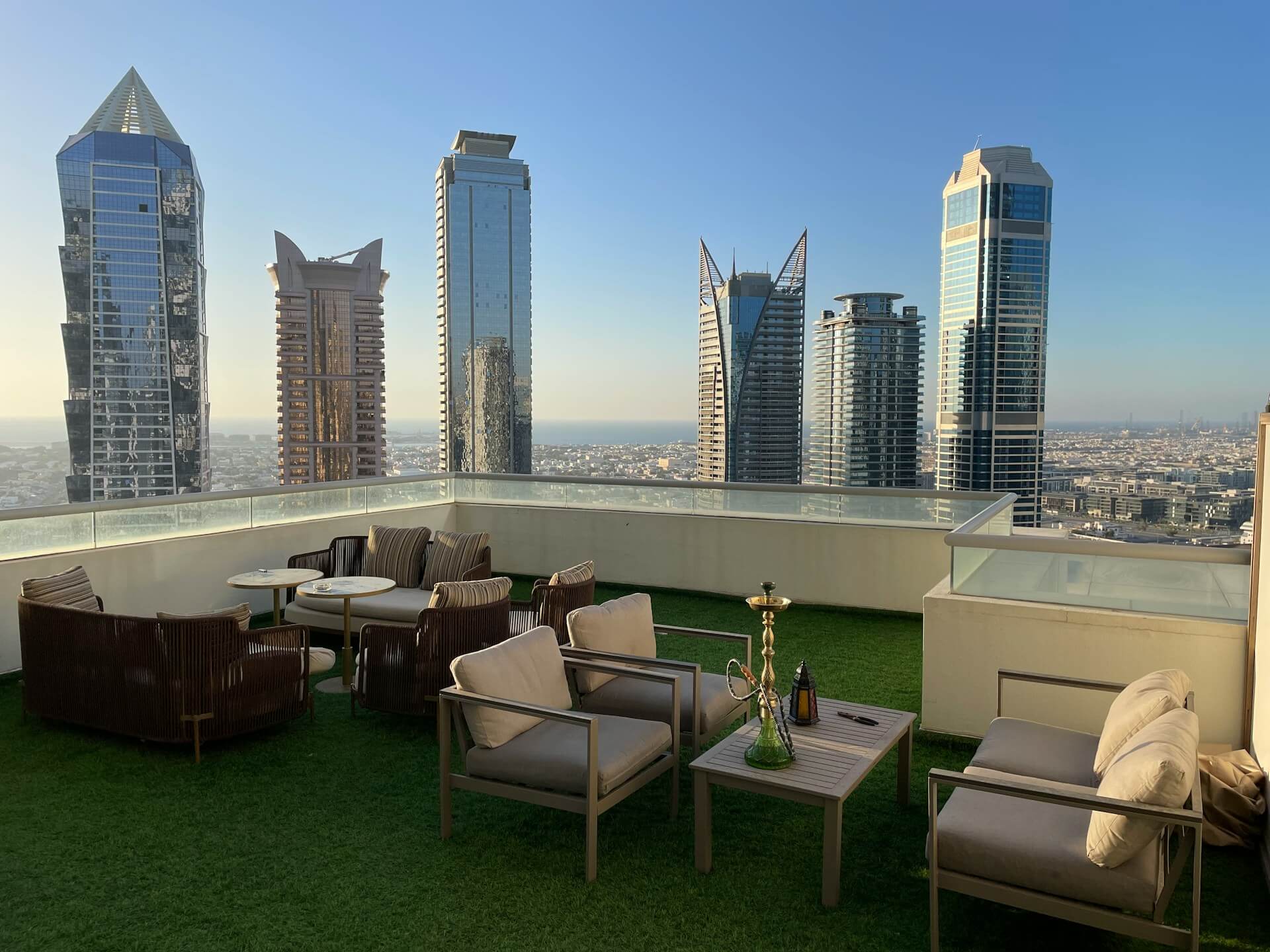
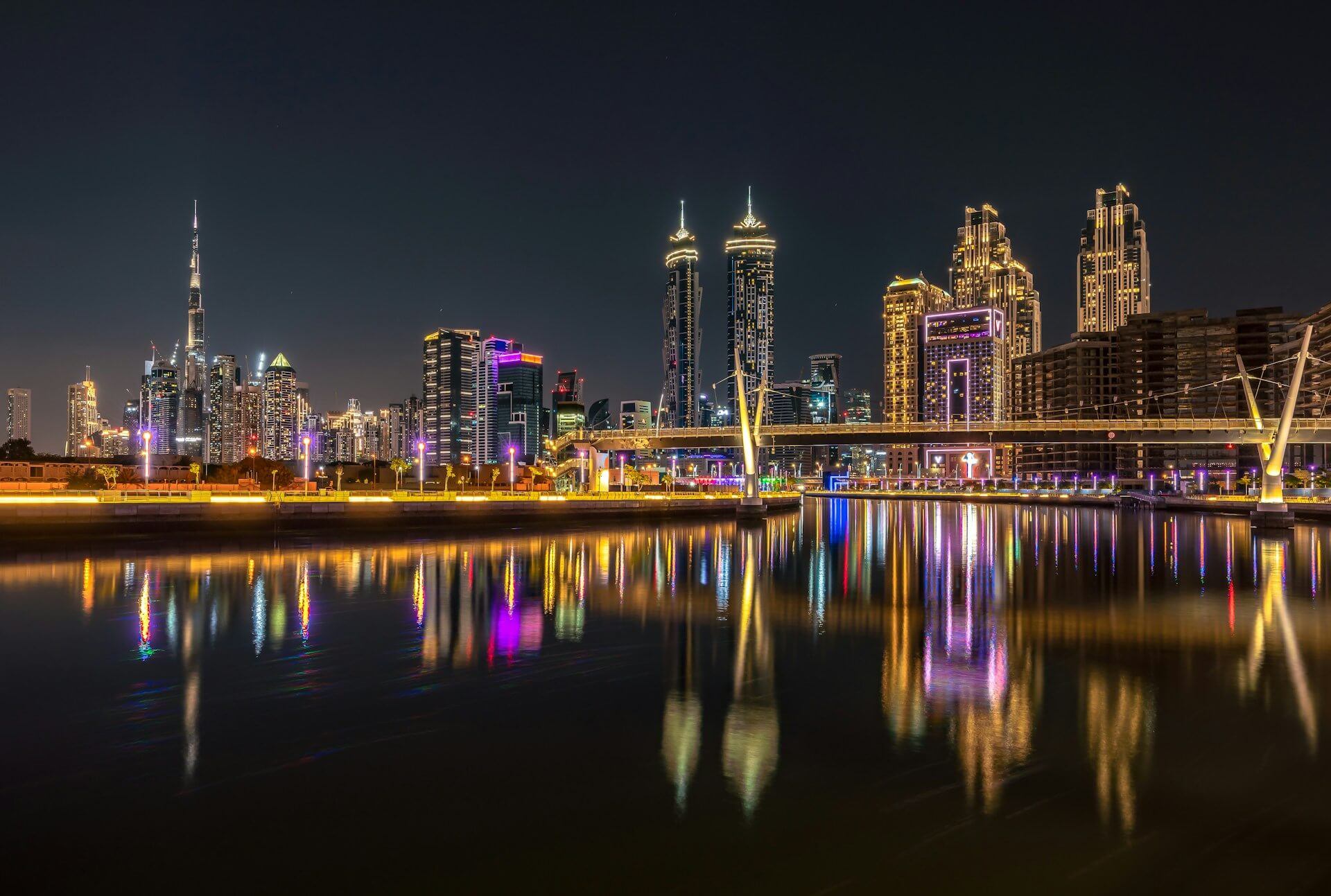
Comfortable long-term and premium rental options across Dubai.
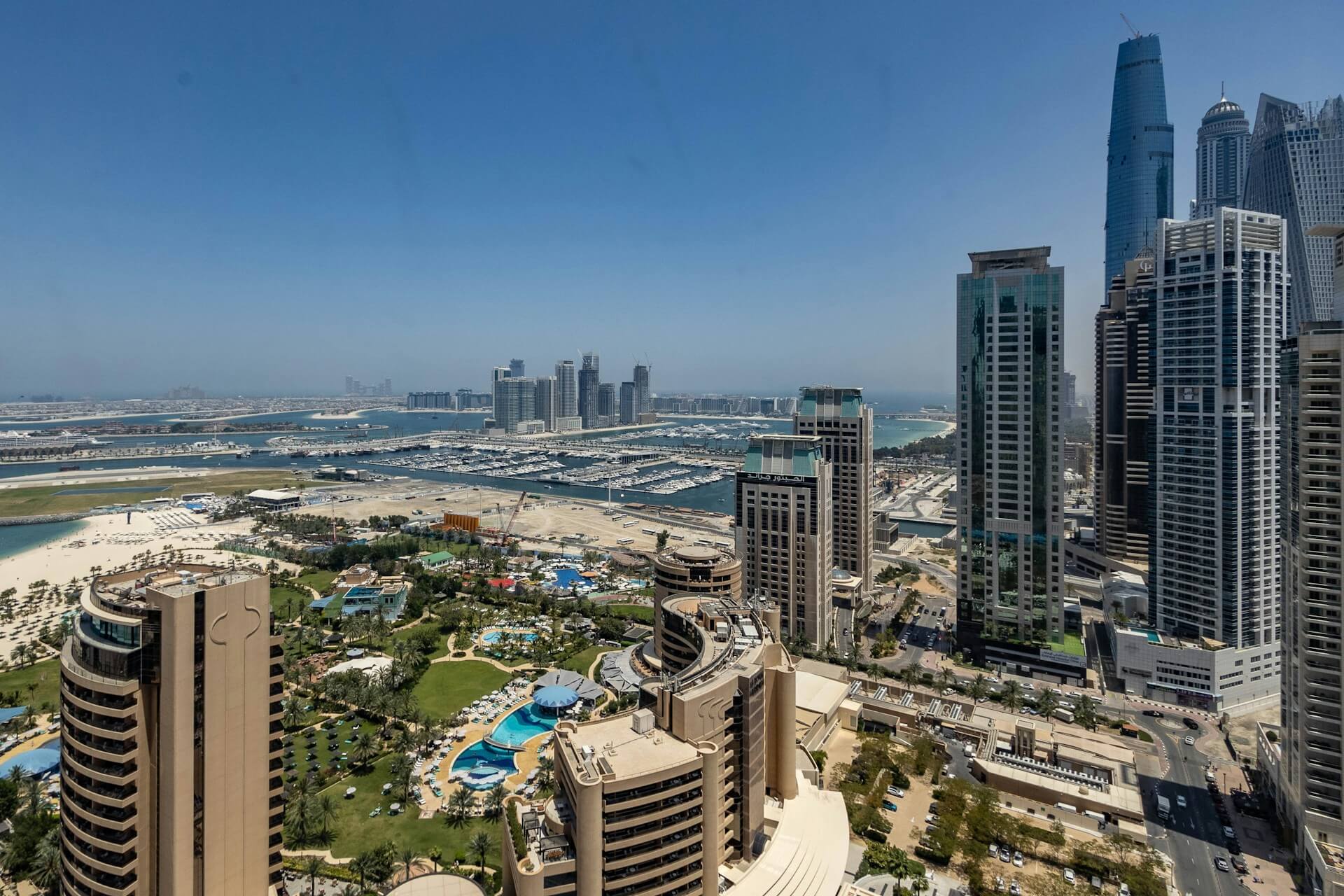

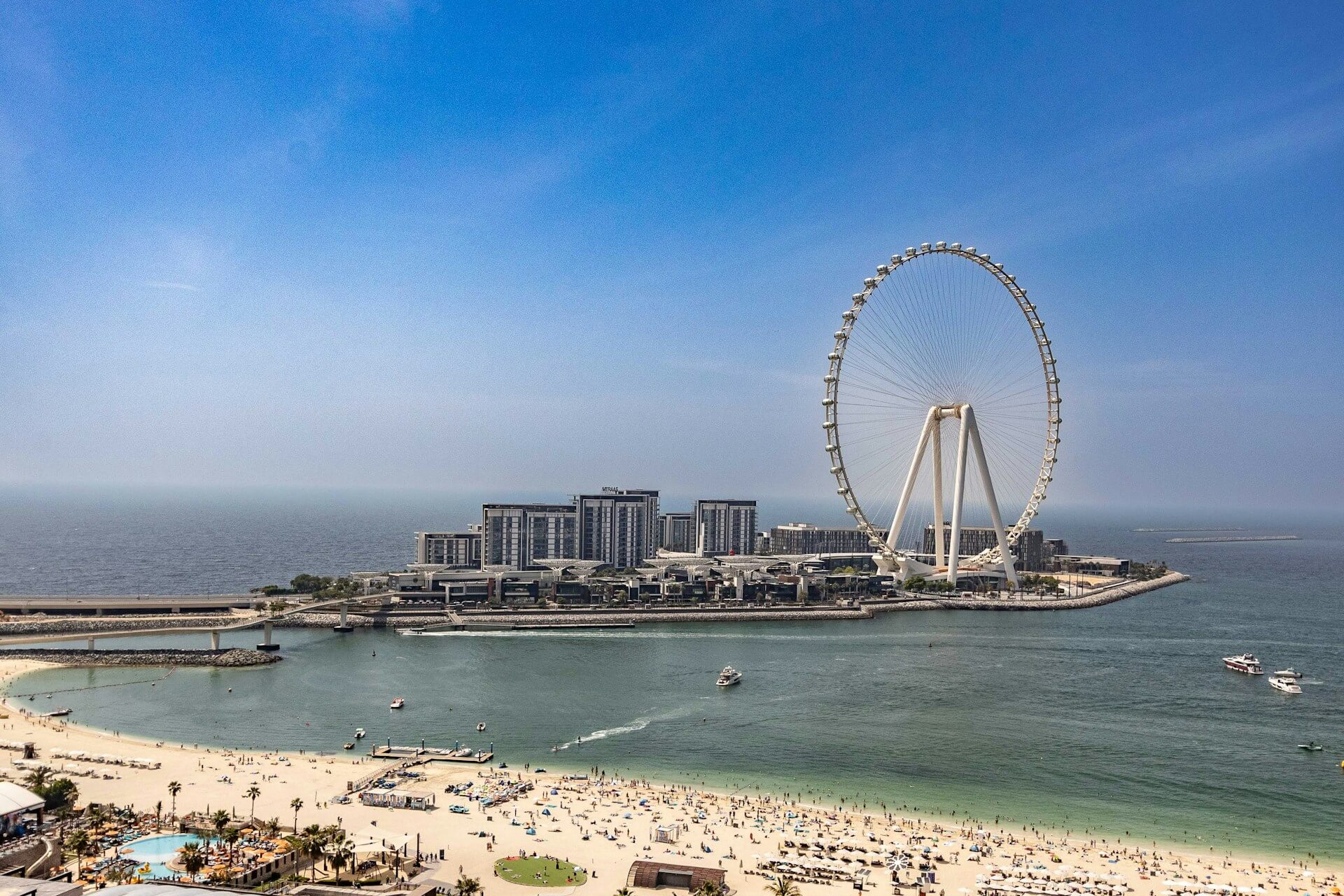
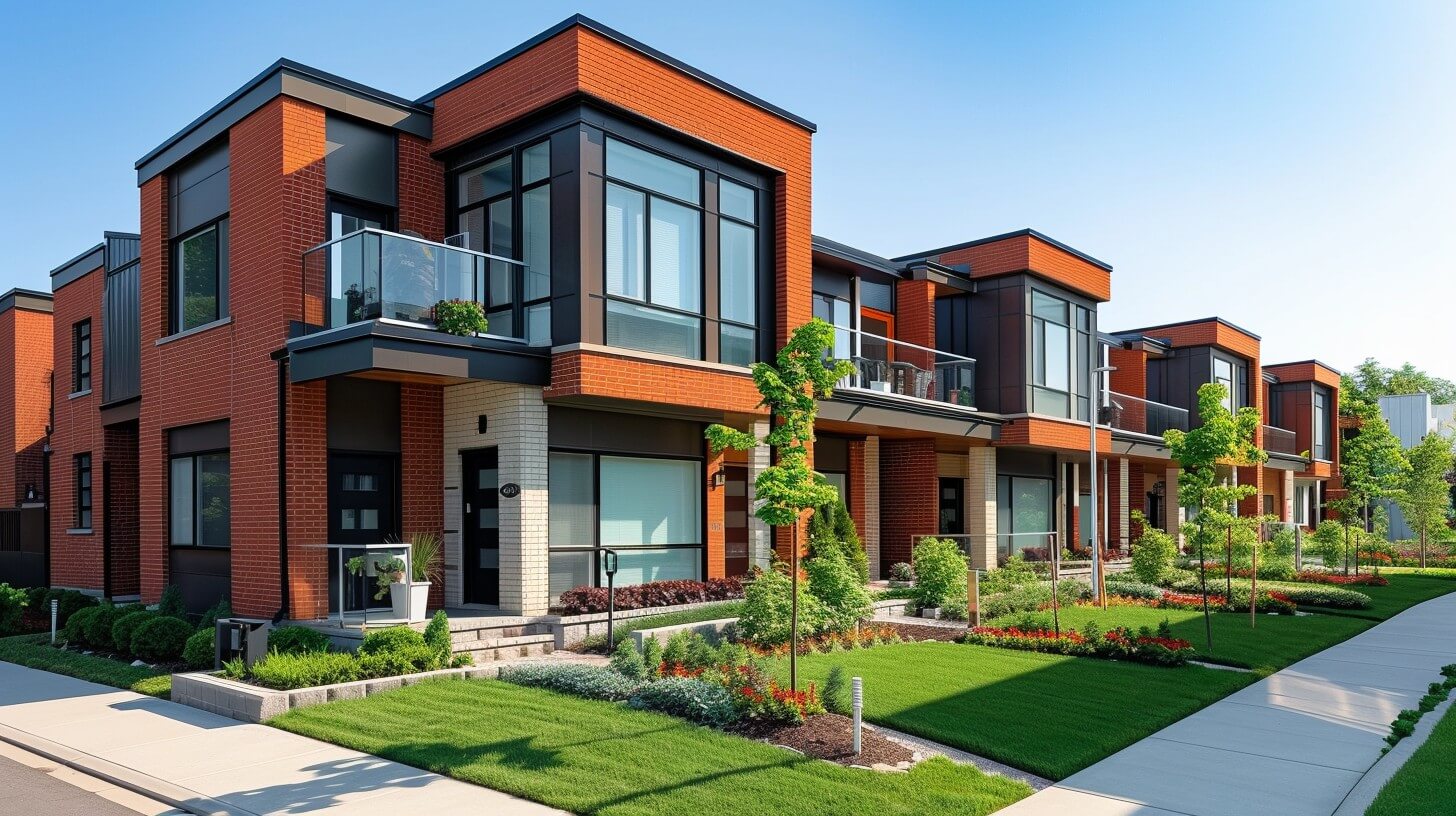

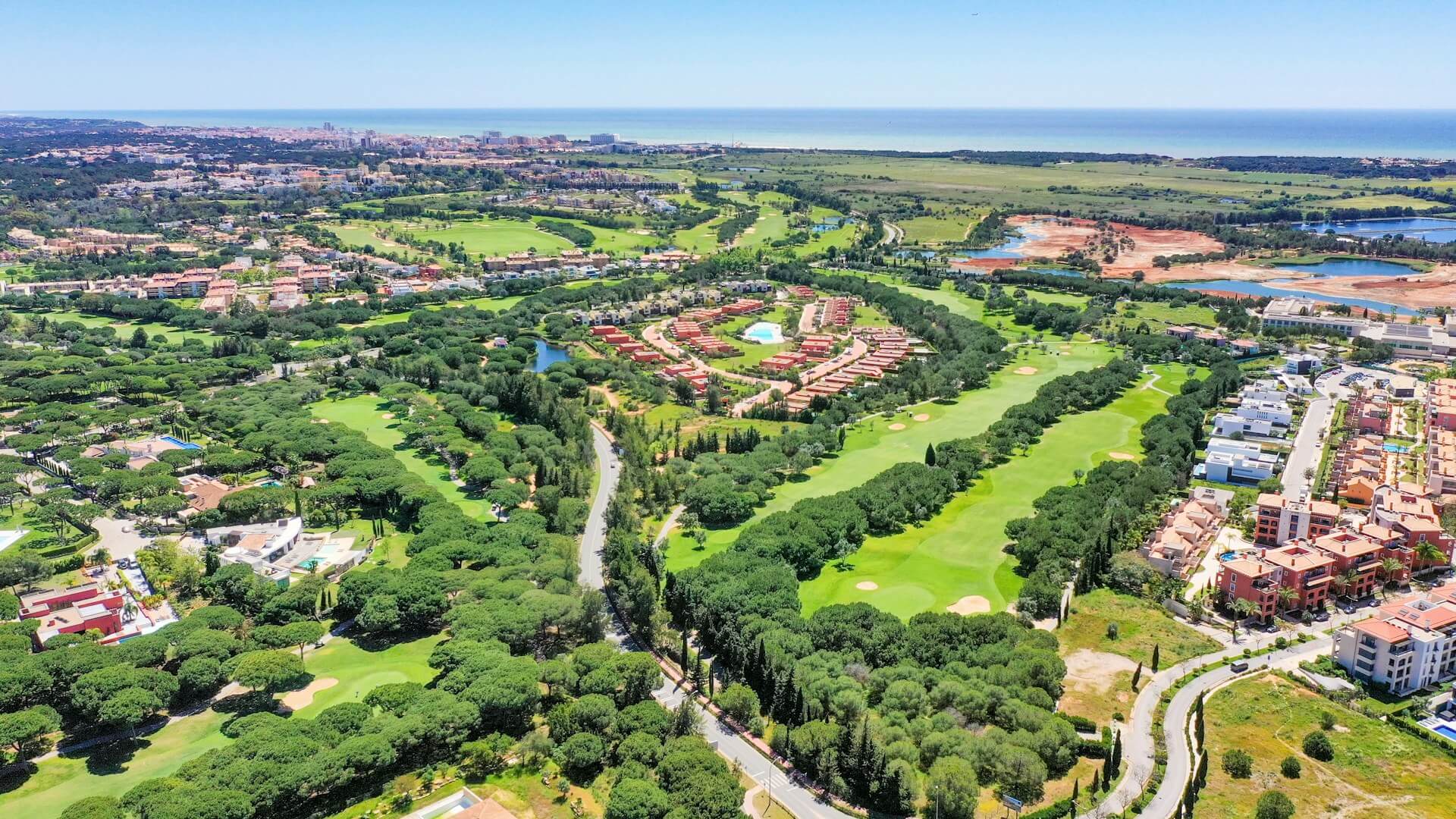
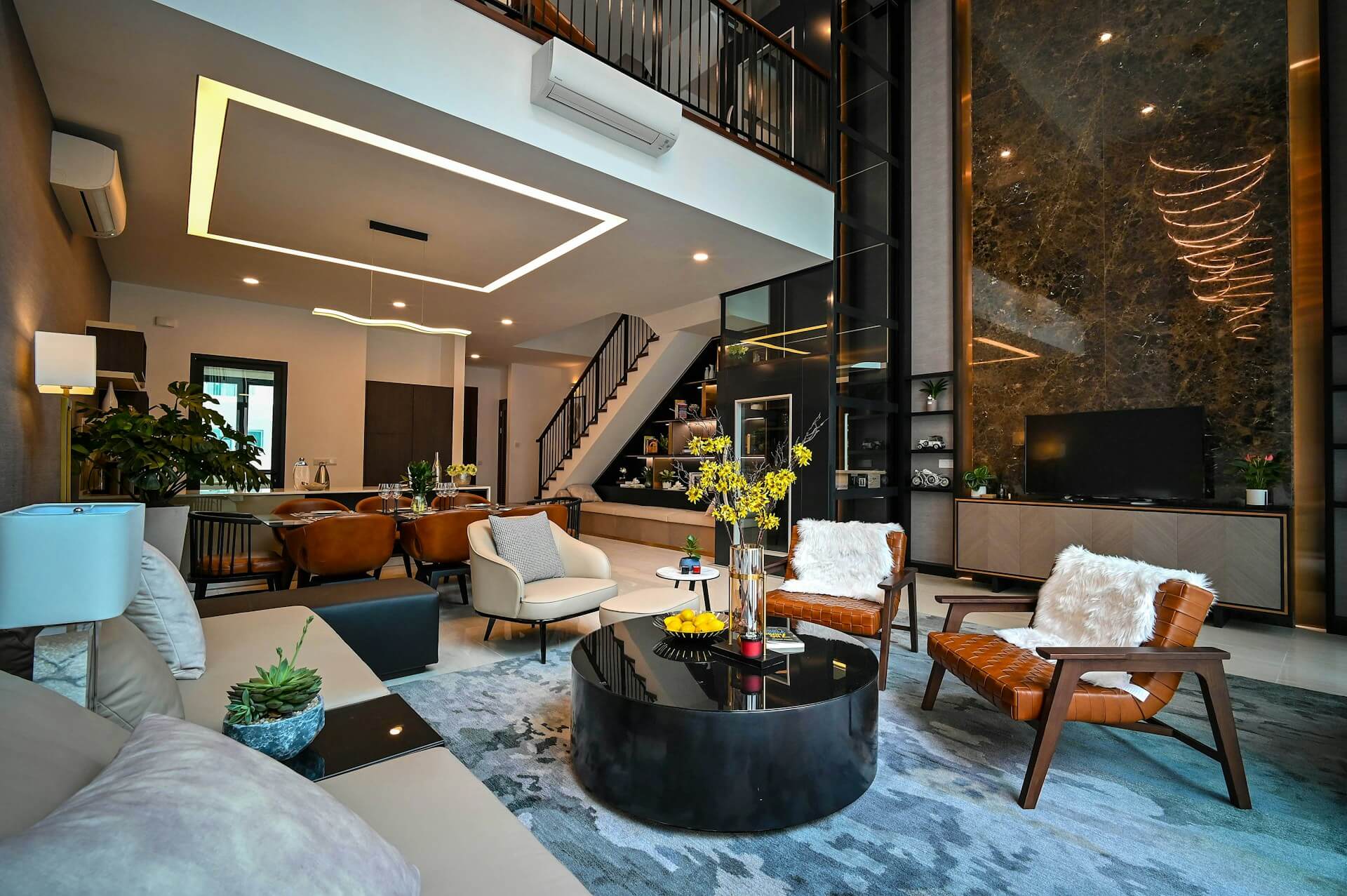
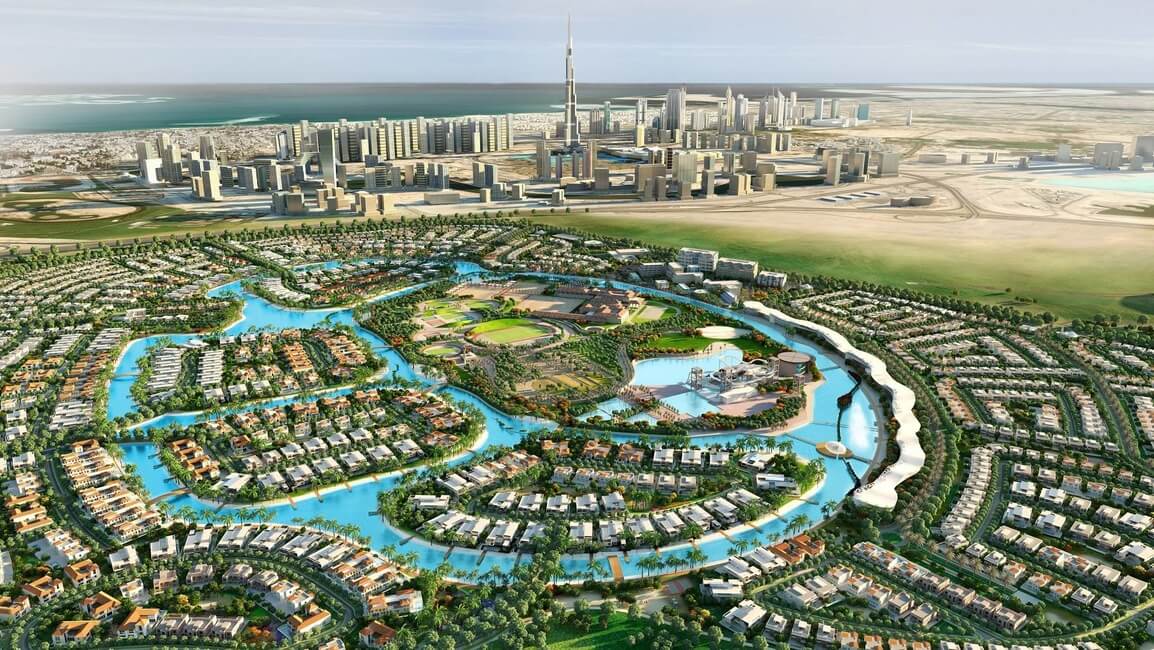
Acquiring property in Dubai remains a strong consideration for investors seeking entry thresholds between AED 800,000 and AED 2.5 million, depending on location and unit specifications. Demand concentrates heavily in Dubai Marina, where resale liquidity outperforms other districts by approximately 15%, and average gross yields hover around 6.5%. This surge is driven by increasing expatriate influx, visa reforms allowing longer stays, and limited new supply in waterfront communities.
Dubai Marina's appeal lies in its mature infrastructure and diversified residential stock, offering both studio and three-bedroom options suited for rental or personal use.
Capital requirements start lower here than in Palm Jumeirah, where minimum investment typically exceeds AED 3 million, but yields soften to around 5%, impacted by higher entry costs and slower turnover. Amid tightening mortgage regulations, available loan-to-value ratios stand at 75% for first-time buyers, further influencing initial capital outlay.
The market activity in Dubai Marina is underpinned by robust end-user demand aligned with lifestyle and proximity to commercial hubs.
Rental vacancy rates range between 8%-10%, below the citywide average, ensuring consistent occupancy. Off-plan alternatives in this zone offer up to 10% post-handover capital appreciation, whereas ready units provide immediate rental returns but with marginally lower appreciation potential.
For investors ready to engage the Dubai real estate market, the minimum entry point starts at approximately AED 750,000 for studios and one-bedroom units in neighborhoods like Dubai Marina and Business Bay.
In contrast, Arabian Ranches requires a higher initial outlay, typically from AED 1.2 million for similar unit sizes, due to its suburban villa-centric profile. This initial capital typically includes a 25% down payment for off-plan projects, or 50% for ready-to-move-in stock, influenced by sales regulations and developer policies.
Additional transaction costs in Dubai include a property registration fee of 4% of the purchase price plus AED 580 administrative fees, and commonly, a 2% real estate agent commission.
Mortgage processing fees range from 0.25% to 0.5% of the loan value, with lending limits set at 75% Loan-to-Value (LTV) for first-time buyers and 60% for subsequent purchases.
Expect to allocate an extra 1-2% of the property value on valuation, legal services, and NOC issuance, pushing total upfront costs close to 30% of the asset’s worth for ready units.
Dubai Marina offers the lowest entry threshold among prime districts, appealing to capital-conscious investors focused on rental returns.
Conversely, Arabian Ranches' higher price floor aligns with buyers targeting capital appreciation and long-term residence appeal, due to its larger properties and gated-community status.
Off-plan acquisitions commonly allow phased payments, reducing immediate capital burden but require monitoring of developer reputation and project timelines to mitigate construction delays risks prevalent in the region.
Compared to neighboring localities like Jumeirah Village Circle, Dubai Marina leads with higher liquidity and stronger tenant inflow, justifying marginally higher entry costs.
Arabian Ranches exhibits longer transaction cycles and slightly lower short-term rental yields but compensates with more stable price growth, driven by family-oriented demand.
Budget allocation between upfront payments and ongoing service charges should reflect the investor’s timeline: short-term yield seekers benefit from smaller units in Dubai Marina, while mid-to-long-term holders lean towards Arabian Ranches for steady value increment.
In summary, entry capital in Dubai depends heavily on location choice and property readiness. Prospective buyers must factor in not only purchase price but also transactional fees, mortgage conditions, and holding costs.
Dubai Marina offers a cost-effective gateway for rental income, while Arabian Ranches commands a premium entry for those prioritizing asset stability and lifestyle orientation. Evaluating initial outlay against return expectations and market segment nuances will optimize acquisition decisions.
For foreign investors and end-users targeting real estate in Dubai, acquiring freehold titles in designated zones provides permanent ownership with full control, including resale and rental rights.
Leasehold agreements, by contrast, offer possession for a fixed term–typically 99 years–after which ownership reverts to the landlord. This fundamental distinction affects asset liquidity, value appreciation, and legal protections.
Freehold ownership in Dubai allows purchase by non-GCC nationals across multiple sectors, such as Dubai Marina and Business Bay, permitting indefinite holding and use as collateral.
Entry prices for freehold units start around AED 800,000 in emerging locations but escalate to over AED 3 million in prime spots. Freehold typically ensures stronger resale liquidity due to unrestricted ownership transfer and broader market appeal, critical in an active market driven by expatriate inflows and visa-linked demand.
Leasehold properties are mostly limited to specific developments or masterplans with planned term expiries.
Initial acquisition costs may be 15–30% lower than freehold equivalents, appealing to buyers with shorter holding horizons or lifestyle usage. Yet, leasehold tenure risks, including difficulty in financing and diminished secondary market demand as expiry approaches, can weigh heavily on returns.
Investors focused on long-term capital gains should weigh these limitations carefully, especially in Dubai Marina, where freehold inventory dominates.
In Dubai Marina, freehold rights correspond with higher rental yields–averaging 6–7% annually–whereas leasehold yields tend to fluctuate around 4–5%, primarily due to reduced tenant interest linked to tenure uncertainty.
Regulatory clarity on leasehold is less developed, often requiring additional due diligence and legal counsel. Moreover, leasehold contracts can contain restrictive clauses affecting modifications and subletting, impacting operational flexibility.
From an investment standpoint, freehold ownership aligns better with portfolio diversification and risk management given Dubai Marina’s transparent title registration system and the ability to secure mortgages from leading banks.
Leasehold may suit lifestyle purchasers or short-stay renters prioritizing budget entry, but this comes at the cost of lower liquidity and resale complexity. Freehold title security also supports easier exit strategies amid fluctuating market cycles.
When considering freehold versus leasehold in Dubai Marina, pay close attention to developer reputation, leasehold expiry terms, and community infrastructure investment.
Freehold zones benefit from ongoing government infrastructure projects and visa reforms, thereby underpinning demand and price stability. Leasehold projects risk value depreciation if the landlord opts not to renew or update terms, making timing critical for acquisitions.
Leasehold is generally inappropriate for investors dependent on collateralized financing or those seeking properties with unencumbered title transfer.
It also carries increased risk during market downturns due to a narrower secondary market. Freehold ownership, despite higher upfront capital requirements, offers superior risk-adjusted returns and fewer liquidity bottlenecks in Dubai Marina where population growth and relocation trends sustain demand.
Obtaining a mortgage pre-approval is the first practical step for securing financing for residential property in Dubai.
Major banks like Emirates NBD, Mashreq, and ADCB offer mortgage products with loan-to-value (LTV) ratios up to 80% for UAE nationals and 75% for expatriates, requiring a minimum down payment of AED 375,000 on a 1.5 million AED property. Expect interest rates ranging from 3.25% to 4.5% per annum, fixed or variable, based on credit profile and market conditions.
Loan eligibility depends not only on income verification but also on a debt-to-income ratio capped at approximately 50%.
Formal documentation includes bank statements, salary certificates, valid residency visa, and a no-objection certificate from the employer. Non-residents face stricter conditions, often requiring larger equity and higher interest margins.
Comparing conventional bank mortgages with Sharia-compliant financing is crucial.
Islamic home finance utilizes structures like Murabaha or Ijara, often involving fixed profit rates instead of interest, which may affect total repayment cost and monthly obligations. Evaluate both options against your financial goals and personal preferences.
Initial fees must be considered systematically: a 4% Dubai Land Department (DLD) registration fee applies on the property’s sales price, typically split between buyer and seller but negotiable.
Mortgage registration costs an additional 0.25%, plus valuation fees around AED 2,500–3,000. These transactional charges should be incorporated into your financing plan.
For investors aiming at rental income, loan tenure plays a role in net return calculations. Longer tenors (up to 25 years) reduce monthly installments but increase total interest paid, potentially squeezing investment yield.
Conversely, shorter terms boost equity faster but require higher monthly payments, limiting cash flow flexibility.
Employ mortgage calculators specific to Dubai’s market to simulate repayment scenarios, incorporating down payment size, interest type, term, and expected rental returns in the neighborhood. For instance, in Dubai Marina, average rental yields hover between 5%–6%, justifying higher leverage, whereas fringe locations with sub-4% yields demand more conservative financing.
Developers increasingly collaborate with banks, offering post-handover payment plans and tailored financing packages, especially in off-plan projects.
However, off-plan financing often requires a partial or full cash payment initially, with mortgage disbursed only after property handover, affecting liquidity timing.
Creditworthiness remains the pivot in securing optimal financing.
Maintaining a clean Credit Bureau Report is mandatory; negative records significantly reduce acceptance chances and push interest rates higher. Early consultation with mortgage advisors familiar with Dubai’s banking sector expedites approval and uncovers competitive offerings.
To optimize deal structure, consider fixed-rate mortgages if market interest rates are trending upwards. Alternatively, variable rates can be preferable when expecting declines, but incorporate buffers to avoid payment shocks.
Refinancing post-purchase is an option when market conditions improve, although it entails additional fees and administrative processes.
Foreign investors should evaluate currency risks and cross-border banking relationships. Obtaining pre-approved financing from banks operating in both home country and Dubai can simplify fund transfers and enhance negotiation leverage. Additionally, some banks require UAE-based salary accounts for mortgage servicing.
Lastly, balance financing with exit strategies.
Properties in Dubai Marina demonstrate higher resale velocity and collateral liquidity, which lowers lender risk and can improve mortgage conditions, unlike emerging districts where liquidity constraints may lead to longer hold periods and higher risk premiums.
When selecting a location for property acquisition in Dubai, aligning lifestyle preferences with financial limits is critical.
The primary recommendation is to define whether the priority is long-term residence, rental income, or capital appreciation. This clarity directs focus toward specific communities within Dubai.
Dubai presents a spectrum of neighborhoods with entry-level price points starting around AED 600,000 in emerging areas such as Dubai South or International City, whereas established locales like Dubai Marina demand a minimum investment exceeding AED 1.5 million for comparable units.
Lifestyle buyers valuing proximity to retail, dining, and waterfront access will find Dubai Marina and Downtown Dubai superior, while cost-conscious investors might prefer Jumeirah Village Circle or Discovery Gardens, where yields average 7-8% annually.
Suburban zones like Arabian Ranches offer larger units and green spaces but trade off convenience and command slightly lower resale growth.
For budgets under AED 1 million, scanning districts like Dubai Silicon Oasis can yield fully finished residences with average gross yields around 7%.
However, these areas typically offer fewer luxury amenities, impacting lifestyle satisfaction. Contrastingly, Dubai Marina's unit prices often start at AED 1.5 million, with slightly lower yields near 5%, offset by better infrastructure and consistent demand from end-users.
Choosing between off-plan and ready inventory affects affordability. Off-plan projects in developing districts present lower entry costs and phased payment plans but carry delivery risk and generally slower resale potential.
Ready supply in prime locations commands higher premiums but allows immediate occupation or leasing.
Budget constraints aside, lifestyle priorities affect neighborhood suitability:
Investment strategies focused on rental yield should weigh demand drivers: high tourist footfall areas like Downtown Dubai generate better short-stay occupancy, whereas suburban locations rely on longer-term residential leasing.
Thus, rental returns can vary by 2-3% between neighborhoods with similar capital outlay.
Entry capital is directly linked to neighborhood reputation and maturity. Established zones with full infrastructure and amenities increase purchase costs but attract higher quality tenants and maintain price stability.
Emerging districts allow cost-effective entry but require tolerance for ongoing community development.
Comparing liquidity, waterfront locations such as Dubai Marina show faster resale velocity due to steady demand from expatriate professionals. In contrast, peripheral communities may face extended marketing periods, especially for larger unit types or niche configurations.
For lifestyle buyers, readiness to invest in developments with complete facilities justifies premium pricing, improving quality of life.
Investors prioritizing yield should consider developments with affordable pricing, which tend to be less central but compensate with higher rental percentages.
When not to engage with specific neighborhoods: Avoid emerging areas without confirmed infrastructure projects or metro connectivity unless holding periods exceed five years.
High entry costs in prime districts are unsuitable for buyers with capital below AED 1 million or those targeting immediate rental cash flow exceeding 6%.
In summary, the optimal locale aligns with whether the buyer seeks maximum rental return, capital appreciation, or enhanced living standards within their capital capacity. Comparing localities such as Dubai Marina, Downtown Dubai, Arabian Ranches, and Dubai Silicon Oasis reveals clear trade-offs between cost, lifestyle, and investment performance, guiding the decision toward a neighborhood fitting both daily life and financial objectives.
Foreign buyers can purchase apartments in designated areas in Dubai called freehold zones.
The process involves selecting a property, signing a Memorandum of Understanding (MoU) with the seller, paying a booking fee, and then registering the sale with the Dubai Land Department. It is advisable to work with a registered real estate agent and a legal advisor to ensure all documents are in order.
Additionally, a transfer fee of 4% of the property price usually applies during registration.
Yes, mortgage loans are available for both residents and non-residents, although requirements differ. Banks typically require a down payment around 20-25% for first-time buyers. Applicants must provide proof of income, bank statements, and undergo credit checks. Mortgage terms often range from 10 to 25 years, with interest rates being either fixed or variable.
It’s helpful to consult with several banks or mortgage brokers to compare offers before deciding.
Besides the purchase price, buyers should be prepared for fees such as the Dubai Land Department registration fee (around 4%), real estate agent commissions (typically 2%), maintenance charges, and possibly community service fees.
There could also be costs related to financing, like loan processing fees and valuation charges. Budgeting for these upfront expenses helps avoid surprises during the transaction.
Yes, purchasing property in Dubai does not require permanent residency.
Foreign investors can own apartments in freehold areas without a visa. However, owning property of a certain value might make you eligible for residency permits, which have their own application procedures. Many buyers use these properties as investment assets or vacation homes without living full-time in the city.
Before completing a purchase, verify that the property is registered correctly and free of mortgages or liens.
It is important to review the developer’s reputation, the building’s completion status, and maintenance history. Also, inspect the property personally or through a trusted representative, confirm the terms in the sales contract, and ensure transparency regarding service fees. Engaging specialists such as lawyers or surveyors can help avoid later complications.
Clear answers about buying, renting and investing in Dubai property.
Yes. Foreign buyers can purchase freehold property in designated areas such as Dubai Marina, Downtown Dubai, Business Bay, Palm Jumeirah, Dubai Hills and other approved communities.
It depends on your timeline, budget and goal. Buying is usually better for long-term plans, capital growth and rental income, while renting is better for flexibility and easier relocation.
The required budget depends on the area, building quality and property type. More accessible apartments can be found in developing communities, while prime locations and luxury properties require a much higher budget.
In addition to the purchase price, buyers should budget for the Dubai Land Department fee, registration and trustee fees, possible agency commission, mortgage-related costs if financing is used, and ongoing service charges for many buildings.
Yes, many banks in the UAE offer mortgages to foreign buyers. Approval depends on income, documents, deposit amount and the specific property being purchased.
Areas such as Dubai Marina, Downtown Dubai, Business Bay, Dubai Hills, JVC, Palm Jumeirah and Creek Harbour are often considered by investors, but the right area depends on whether your focus is yield, resale value, lifestyle appeal or long-term growth.
Rental yield varies by area, property type, furnishing level and market timing. In practice, many investors look for a balance between strong occupancy, reasonable service charges and sustainable tenant demand rather than chasing headline numbers alone.
Off-plan property is purchased directly from a developer before the project is completed. Buyers often choose off-plan because of payment plans, newer inventory and lower entry prices compared with some ready properties.
A proper review should consider the developer’s track record, payment plan, handover timeline, location quality, future supply in the area and the project’s resale or rental potential after completion.
For ready property, the timeline can move fairly quickly if the price is agreed, documents are prepared and the buyer is ready to proceed. Mortgage purchases usually take longer than cash deals.
Yes, many purchases can be handled remotely with the correct documents and proper support through the process. Remote buying is common for overseas investors and international clients.
The biggest risks are overpaying, choosing a weak location, buying an unsuitable layout, ignoring service charges, or selecting a project with low resale and rental demand. Good selection matters more than marketing promises.
In long-term rentals, rent is commonly agreed for a fixed term and often paid by one or several cheques depending on the landlord, property and negotiation.
Tenants are usually asked for identification and residency-related documents, and the exact set depends on their status in the UAE and the landlord’s requirements.
A security deposit is commonly required before move-in. The amount often depends on whether the property is furnished or unfurnished and should be clearly stated in the rental terms.
In many rental transactions, an agency commission is charged. The amount depends on the deal structure and should be confirmed before signing anything.
Tenants should review the deposit, Ejari registration, utility setup costs, parking terms if relevant, maintenance responsibilities and any conditions related to early termination or renewal.
Yes, negotiation is common. The final result depends on market conditions, the landlord’s flexibility, how long the property has been available and how prepared the tenant is to move forward.
It is important to check the condition of the unit, building quality, noise level, parking, view, maintenance status, contract terms and the reliability of the owner or manager.
Short-term rent offers flexibility and convenience but is usually more expensive. Long-term rent is generally more cost-effective and better suited for clients planning to stay longer.
During an active contract, the agreed rent usually remains fixed. Any increase is generally discussed at renewal and should follow the applicable rules and notice requirements.
This depends on the tenancy contract. Minor day-to-day issues may be handled by the tenant, while major maintenance is commonly the landlord’s responsibility, but the exact wording in the contract matters.
Ejari is the official registration of the tenancy contract in Dubai. It is important for legal recognition of the lease and is commonly needed for practical steps such as setting up utilities.
Yes. Furnished properties can be more convenient and faster to move into, while unfurnished options may work better for longer stays or tenants who want more control over the setup and budget.
We do not rely on random mass listings. We narrow the market based on budget, location, property type, investment goal, lifestyle needs and timeline, so clients can focus only on relevant options.
Yes. Support can include shortlisting, arranging viewings, comparing options, discussing terms, helping with negotiations and guiding the next steps of the transaction.
The best first step is to define the real budget, target areas, purpose, preferred property type and timeline. Once those points are clear, the selection becomes faster, cleaner and much more useful.