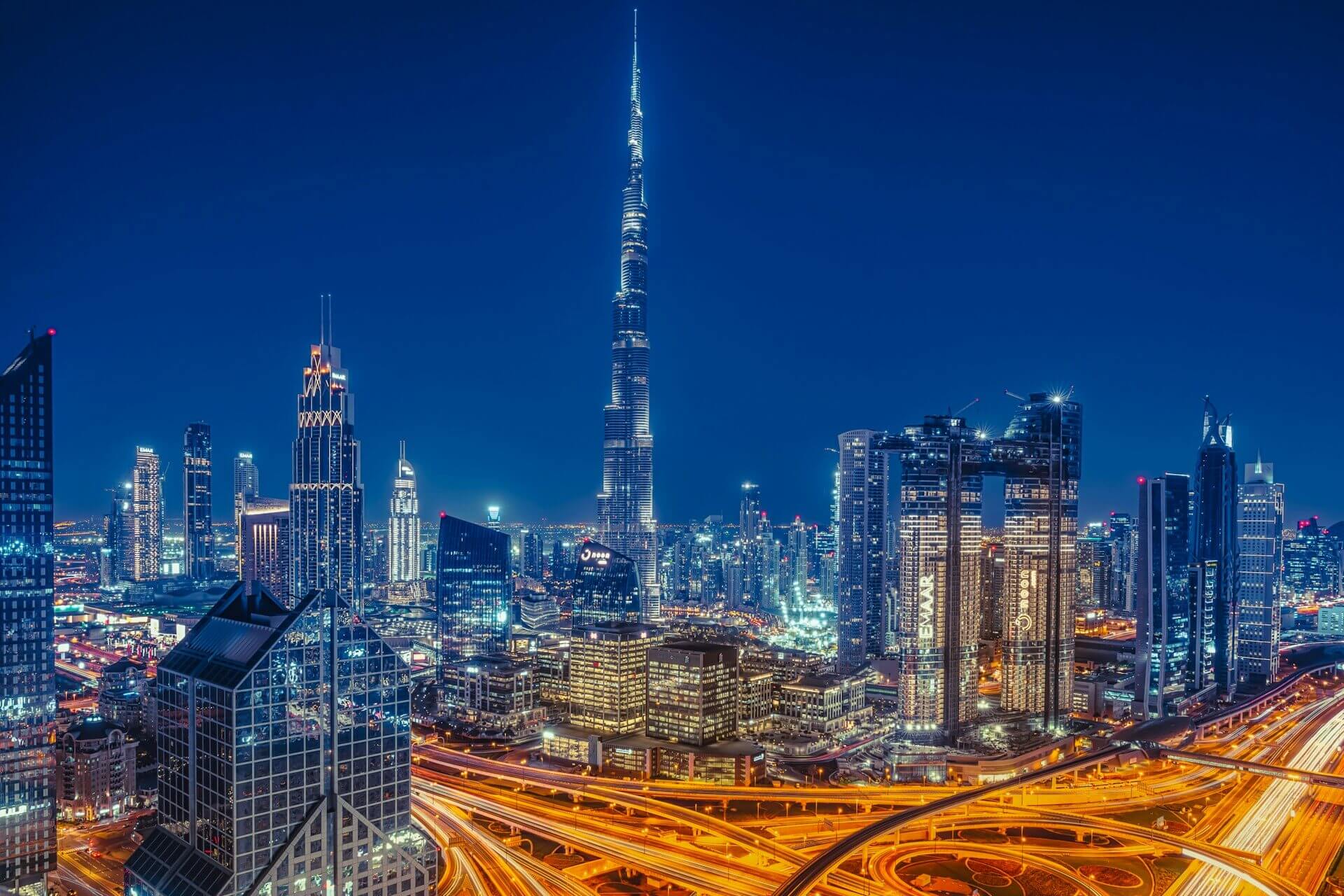
FOR SALE
AED 1,200,000AED 720,000
We help clients buy and rent the right property in Dubai — apartments, villas and investment units matched to budget, area and goals.
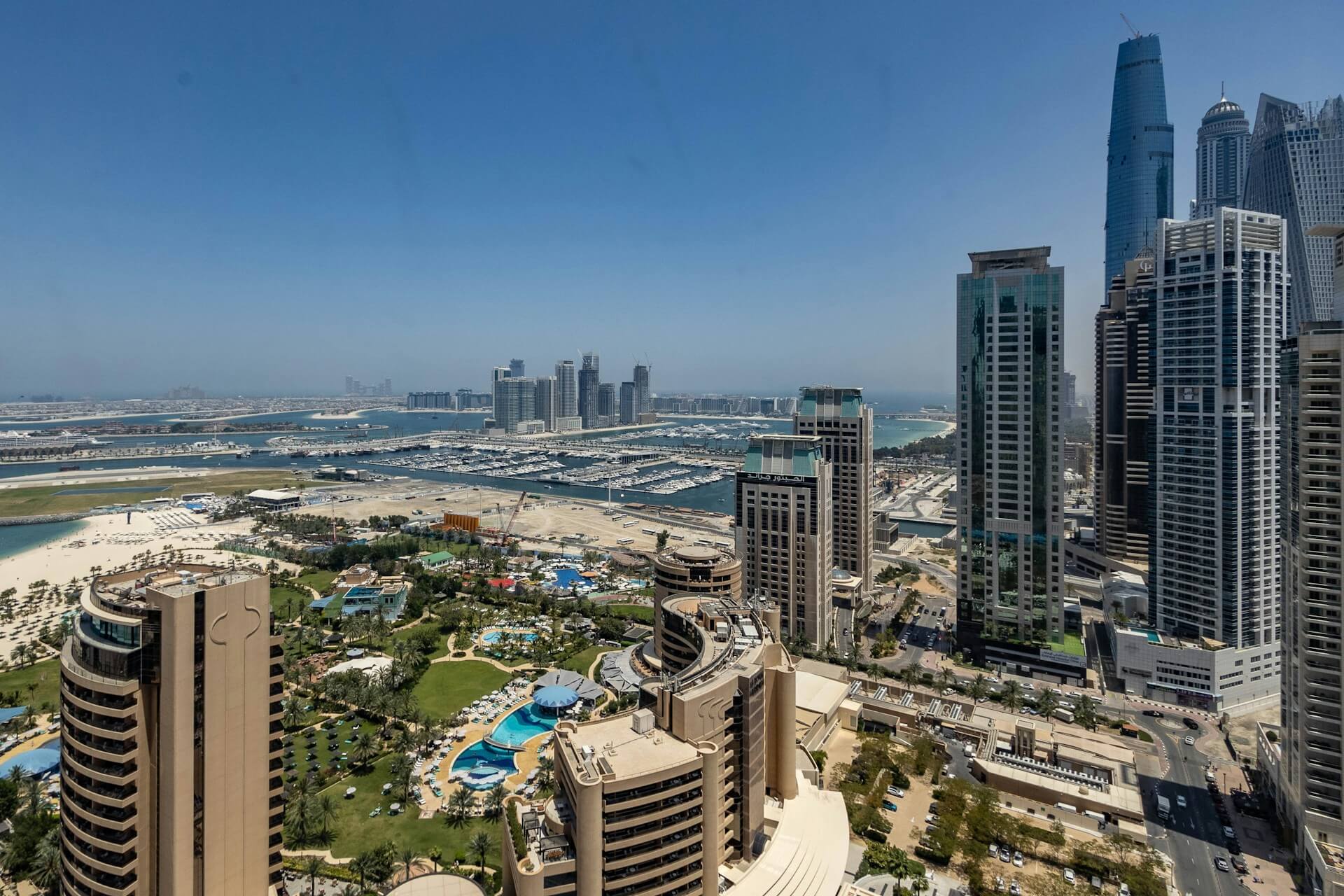
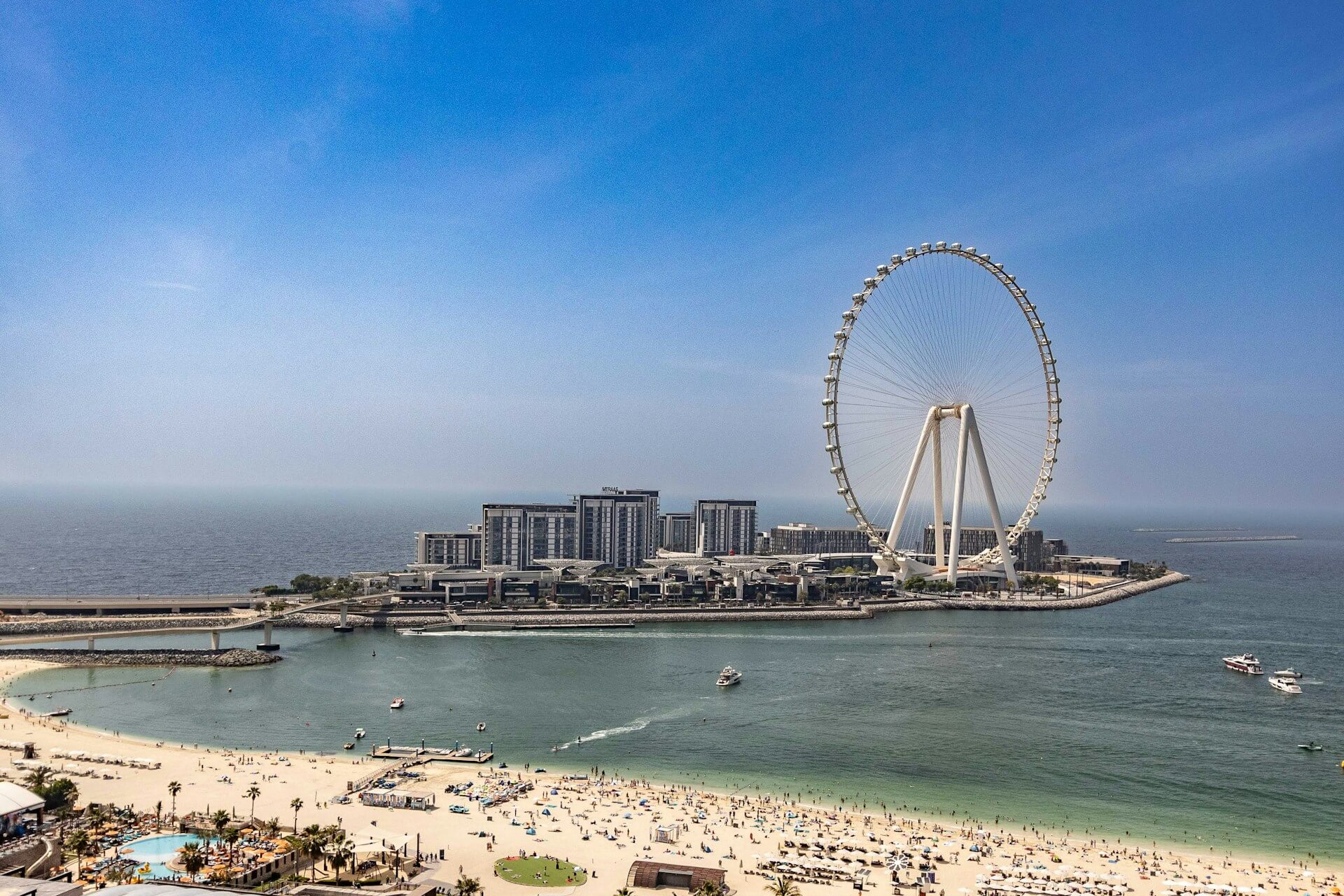
Dubai Property Selection focuses on apartments, villas and investment properties in key areas such as Dubai Marina, Downtown, Business Bay, Dubai Hills and Palm Jumeirah.
Instead of sending a huge list of random listings, we prepare a clean shortlist based on your budget, preferred area, bedrooms, timeline and purchase or rental goals.
Premium opportunities in Dubai — from compact investment units to signature villas and penthouses.
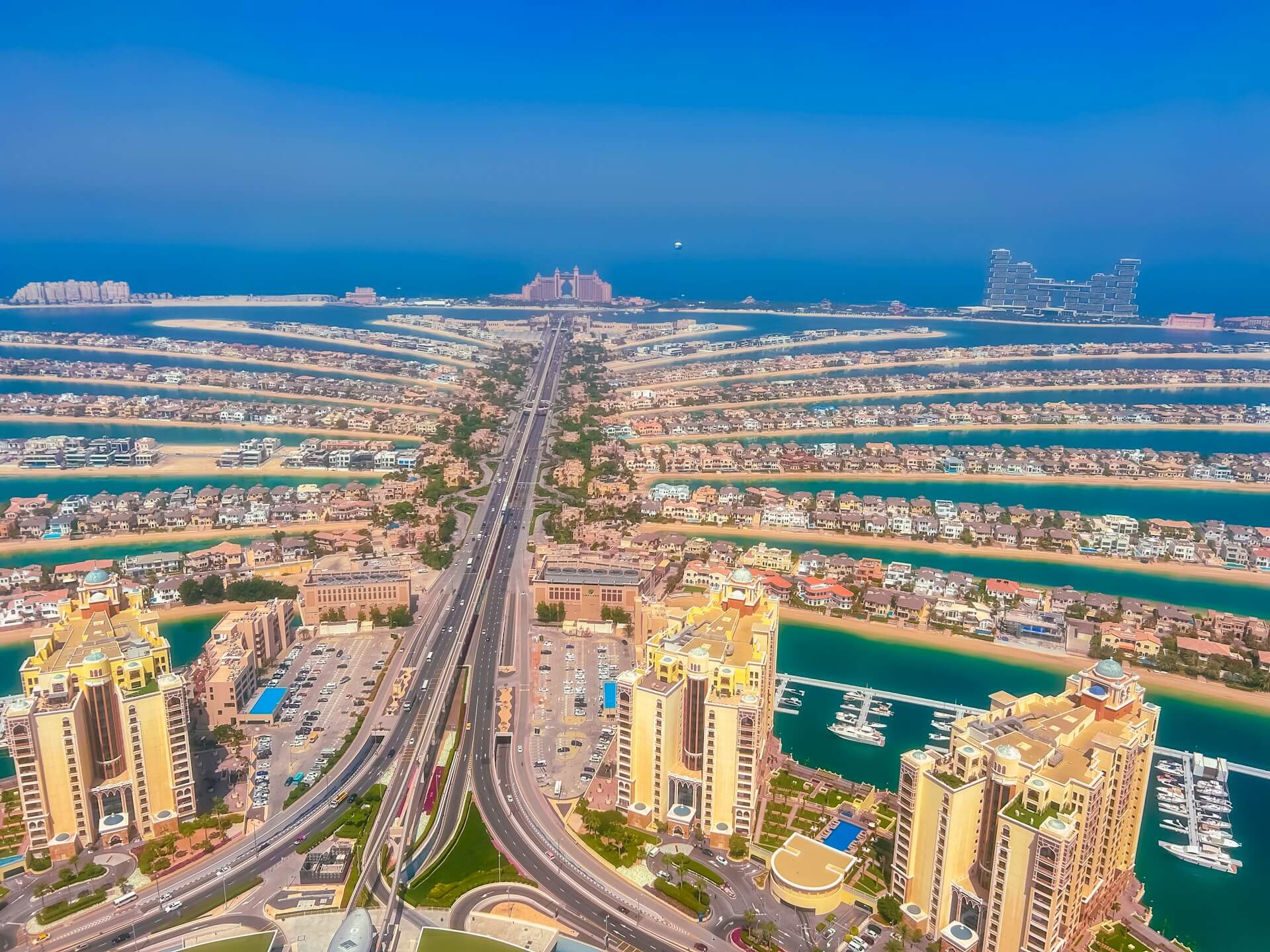
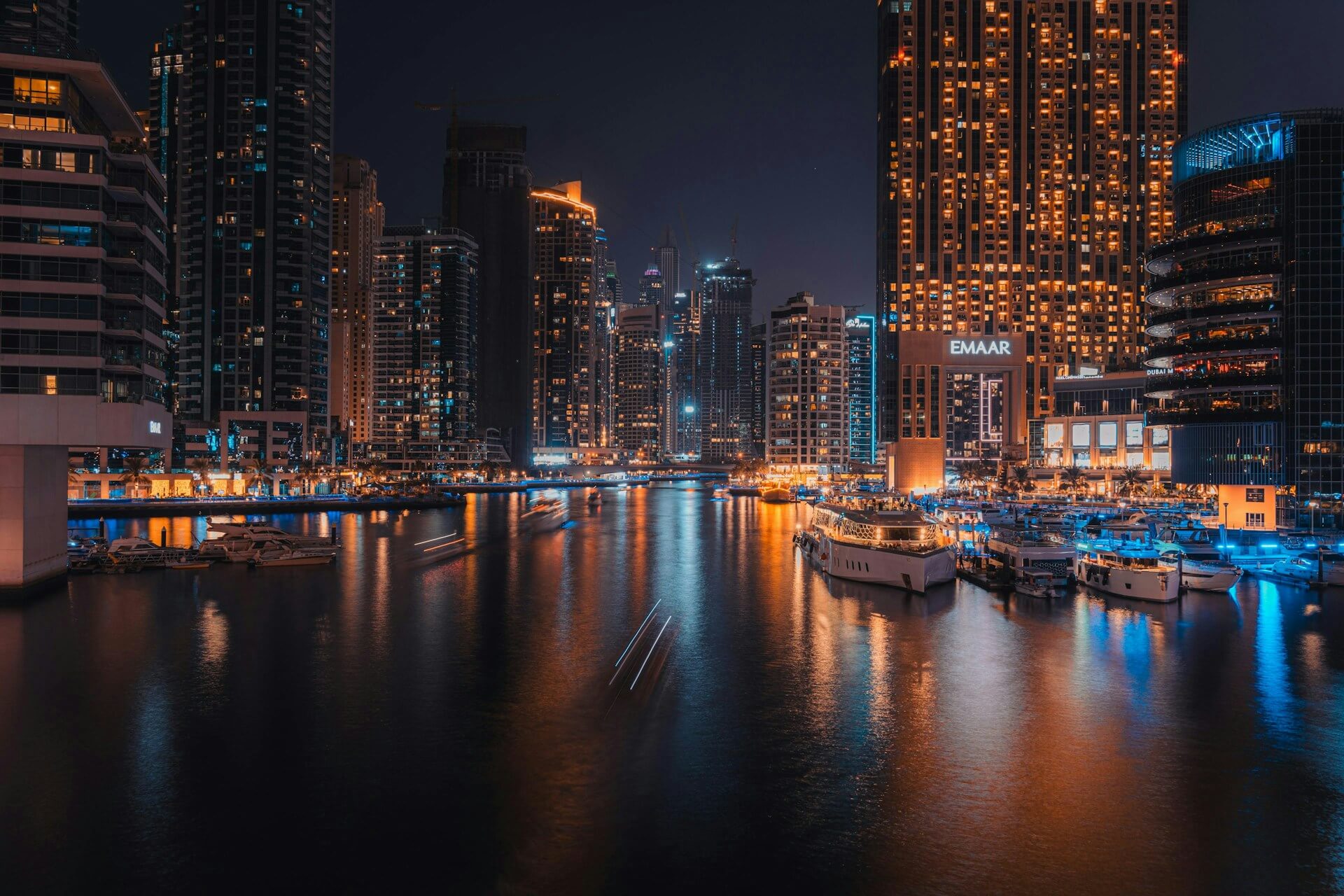
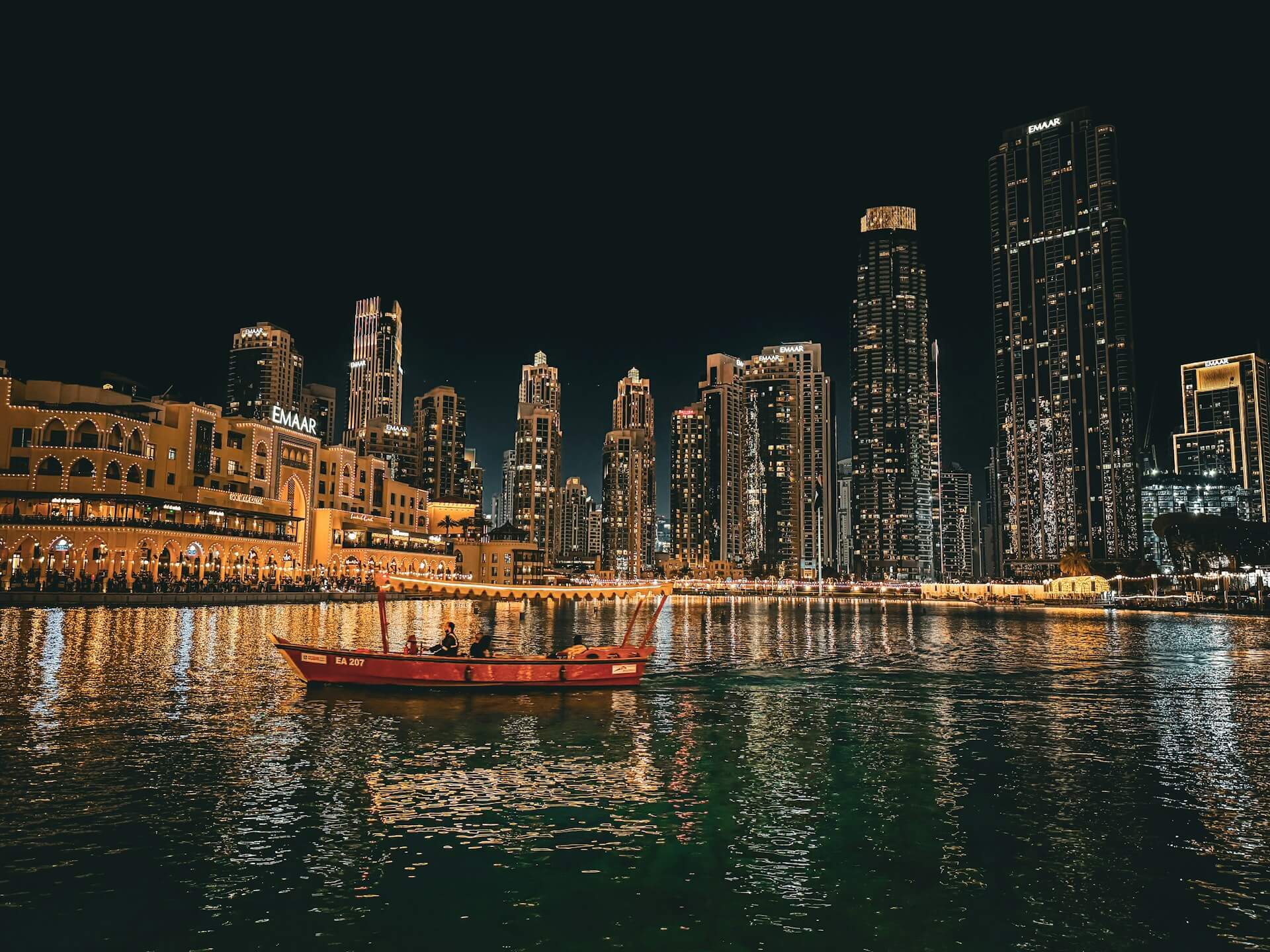
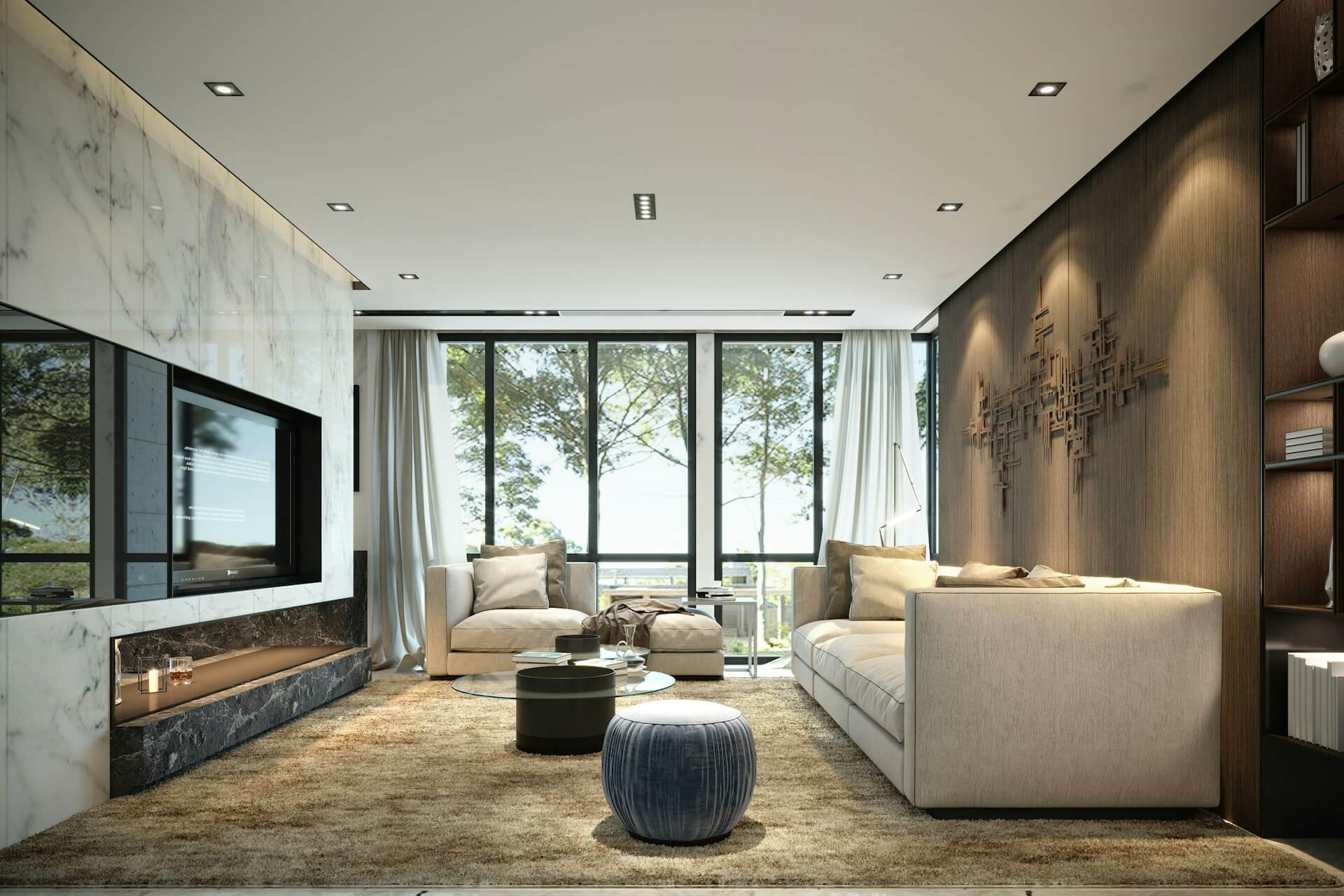
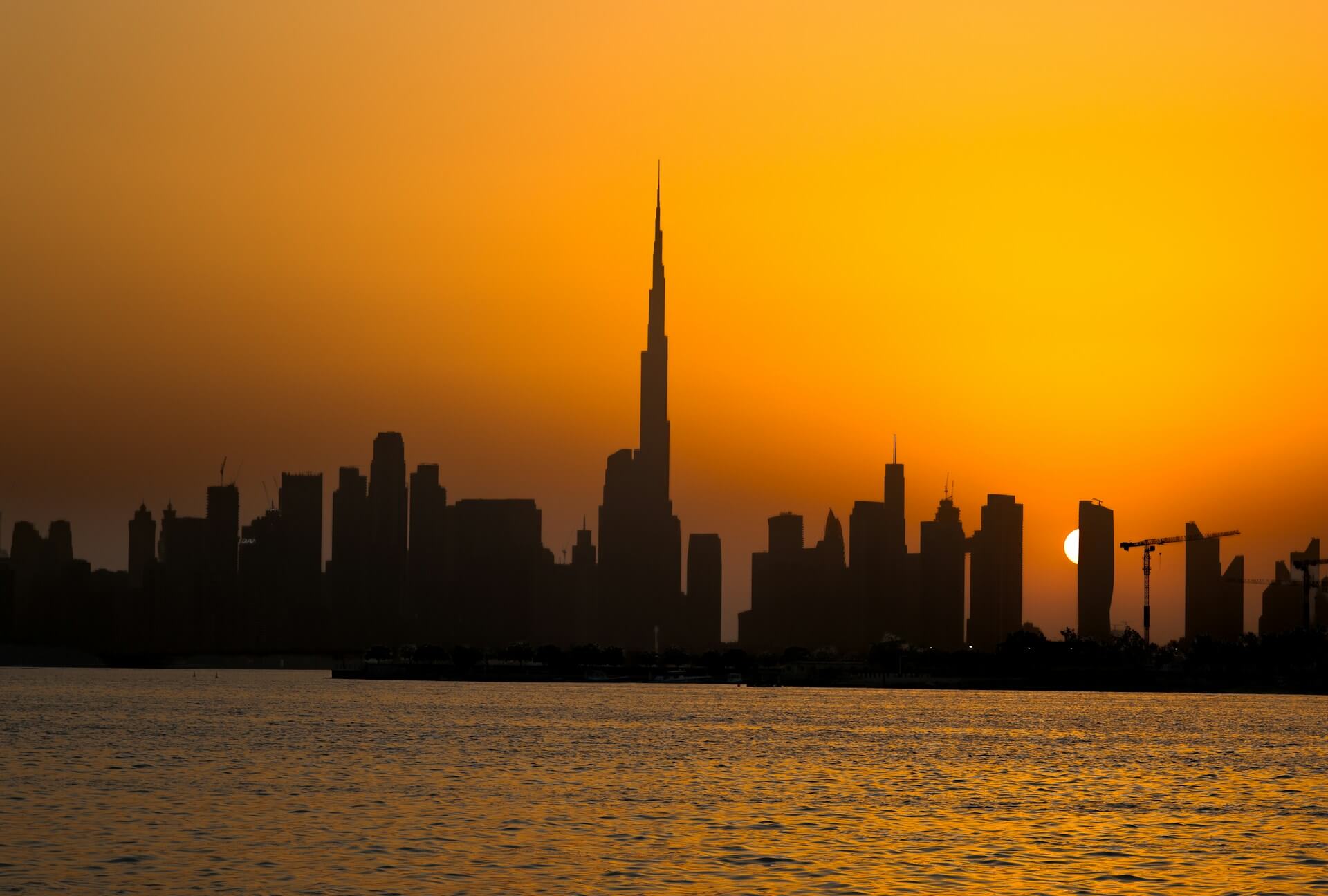
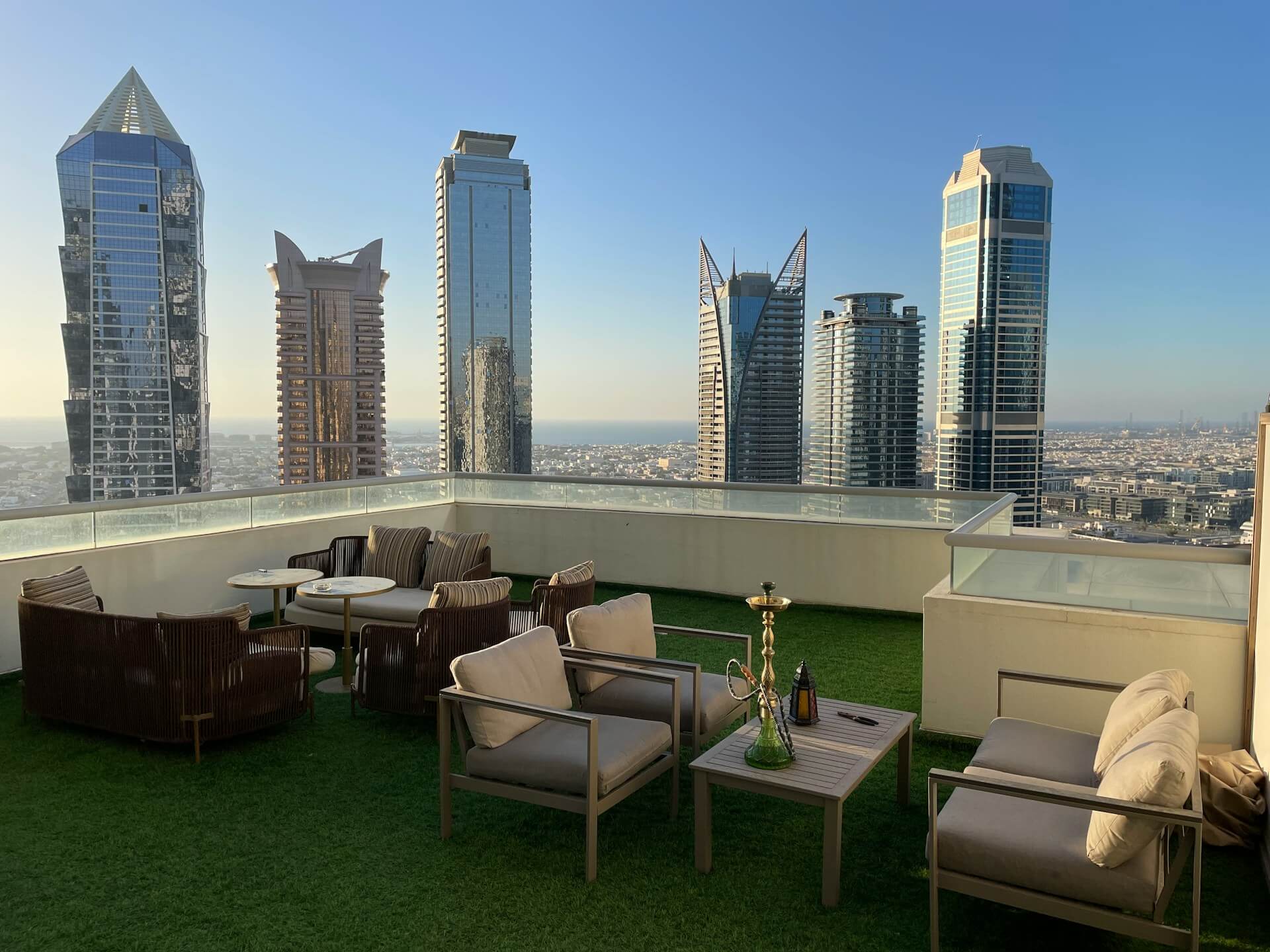
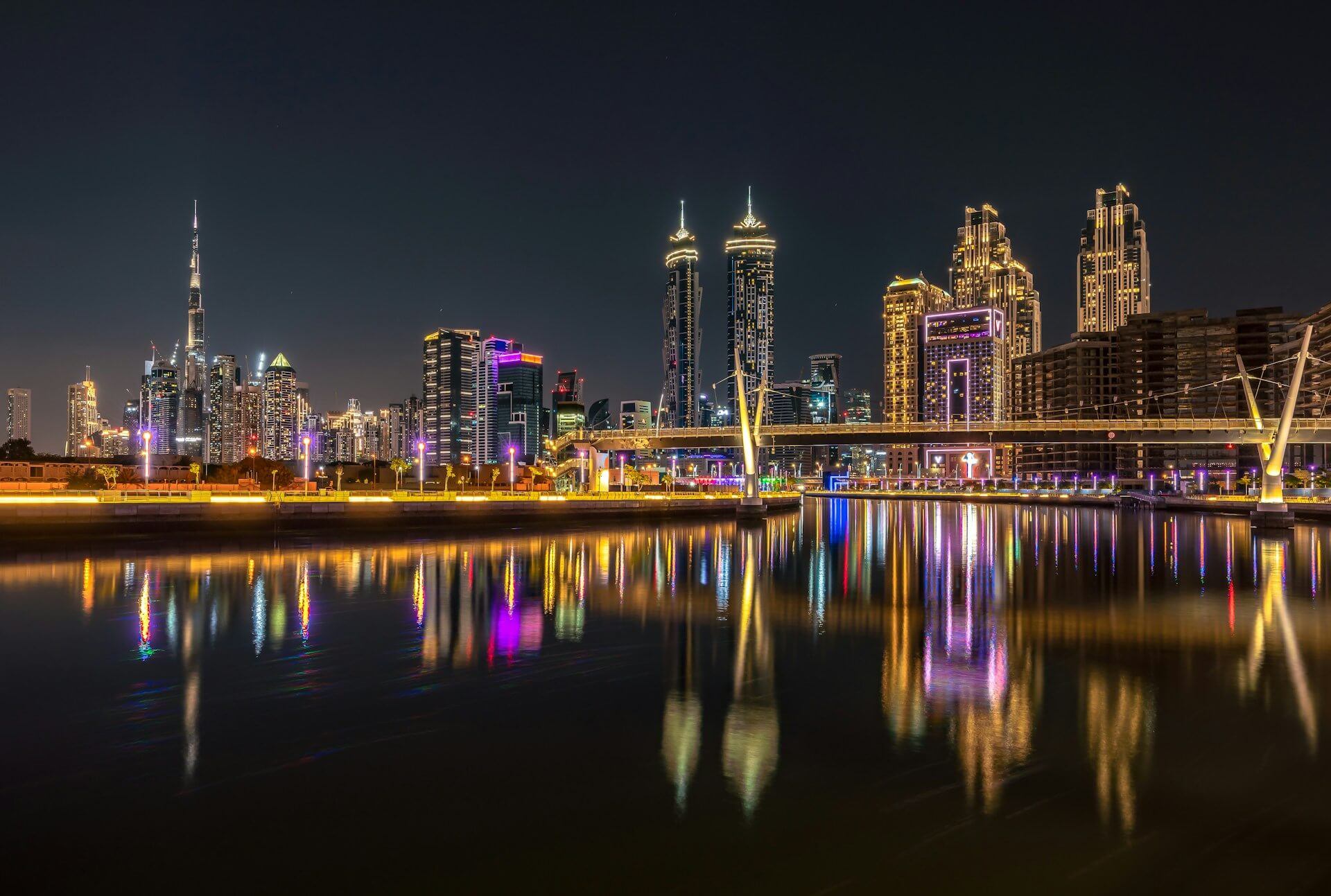
Comfortable long-term and premium rental options across Dubai.

The current market confirms that acquiring a 1-bedroom unit in Dubai for sale presents a viable entry point for investors targeting mid-range budgets. Entry prices typically range from AED 700,000 to AED 1.2 million depending on the district, with Business Bay, Jumeirah Village Circle, and Dubai Silicon Oasis showing consistent buyer activity. These locations combine affordability with increasing rental demand, delivering gross yields between 6% and 8%. Short-term liquidity remains solid, especially in Business Bay, where turnover times average 3 to 6 months.
Demand originates from a mix of relocating professionals seeking affordable homes and investors capitalizing on Dubai’s expanding population and visa reforms that stimulate longer residency periods.
Additionally, projects completed post-2020 benefit from improved infrastructure and stricter regulatory standards, reducing supply risks and supporting steady price appreciation. The 1-bedroom segment attracts both end-users and buy-to-let buyers, fueling diversification across several emirate districts.
Understanding investment conditions in Dubai reveals stark contrasts between established hubs and emerging communities.
Business Bay units command higher entry prices but offer stronger capital growth potential, with average annual appreciation around 7%. Conversely, developments in less central areas such as Jumeirah Village Circle allow entry below AED 800,000 but exhibit longer vacancy periods and rental yield fluctuations. Choosing between ready inventory and off-plan offerings impacts risk exposure; ready possession assets minimize construction delays, while off-plan purchases can secure price advantages at the expense of longer capital lock-up.
Considering ownership costs, buyers should budget for approximately 4-5% in transaction fees and maintenance charges averaging AED 15 per sqft annually.
Mortgage availability is improving, with several lenders offering up to 80% financing for primary residences, facilitating lower upfront payments. Rental demand in Business Bay and Dubai Silicon Oasis remains supported by strong tenant pools, mainly professionals and SMEs, whereas peripheral locations face higher churn and lower occupancy rates.
The market for single-bedroom units in Dubai currently offers a clear entry point with average purchase prices starting from AED 600,000 in peripheral districts such as International City and Dubai Silicon Oasis, while central locations like Business Bay demand upwards of AED 850,000.
The presence of evolving infrastructure projects and influx of working professionals drive demand, especially in Knowledge Village and Dubai Marina, where leasing rates average 7-8% gross yield, outperforming several other segments.
Choice of location significantly impacts capital deployment and return. For example, Dubai Marina typically commands higher initial investments but provides faster resale cycles and stronger tenant demand due to proximity to commercial hubs and leisure amenities.
Conversely, International City offers lower entry costs but faces longer vacancy periods and lower rental growth potential, primarily appealing to budget-conscious investors focused on yield rather than capital appreciation.
Market momentum is underpinned by demographic shifts including population growth driven by visa reforms favoring long-term residency and increasing expatriate inflows.
Areas like Business Bay benefit from such trends combined with limited new supply in ready-to-move stock, positioning this sector as one of the more liquid options. International City, while abundant in supply, shows volatility in occupancy levels and slower pace in resale transactions.
Comparing off-plan and completed residences, projects in Dubai Marina and Downtown deliver more predictable cash flow with immediate income generation upon handover versus speculative gains in off-plan schemes located in emerging outskirts.
The latter carries higher risk due to construction delays and potential market corrections, albeit with lower upfront capital requirements starting around AED 500,000.
This segment attracts two main clientèle groups: young professionals seeking proximity to workplaces with streamlined transport access and investors targeting mid-term portfolio diversification through steady rental income.
Buyers prioritizing capital preservation and swift disposals should lean towards developments around Dubai Marina and Business Bay. Those with risk tolerance and longer investment horizons may consider outskirts developments but must factor in inventory glut and weaker rental demand.
Purchasing at peak market prices, especially in oversupplied sectors like International City, is ill-advised due to downward pressure on rental rates and longer exit timeframes.
Additionally, buyers requiring immediate occupancy or financing through local mortgages should avoid projects with delayed completion risks. Lifestyle buyers uninterested in leasing returns may find better value in larger units or family-oriented districts rather than single-room configurations tested here.
In summary, investing in single-bedroom accommodations in Dubai suits those aiming for moderate capital outlay combined with mid-level rental returns primarily in Business Bay and Dubai Marina.
Peripheral locations offer entry at lower cost but with increased vacancy and slower capital gains. Caution is necessary when considering off-plan units away from central hubs. This niche remains viable for tenants and investors aligned with market timing and area selection.
Focus on emerging locations within Dubai where entry prices average 400,000 to 600,000 AED.
Districts such as Al Qusais and International City offer units below the metro-average price per square foot, supported by growing infrastructure and steady population influx. These areas provide the most accessible initial capital requirements for acquiring compact living spaces.
Analyze price per square foot rather than headline prices alone.
Certain neighborhoods like Jumeirah Village Circle and Dubai Silicon Oasis present slightly higher costs but benefit from stronger short-term tenancy and quicker resale prospects.
Compare these factors when budgeting, as higher entry costs can be offset by increased rental returns and liquidity.
| Al Qusais | 420,000 | 550 | 7.2 | Medium |
| International City | 390,000 | 520 | 7.5 | Medium-High |
| Jumeirah Village Circle | 580,000 | 700 | 6.5 | High |
| Dubai Silicon Oasis | 600,000 | 720 | 6.8 | High |
Leverage off-plan projects in these less mature quarters, as they typically offer discounts up to 15% compared to ready-to-move options.
Payment plans spread over 3-5 years reduce upfront capital, allowing investment with limited immediate cash outflow. However, factor in the delivery timeline and potential market fluctuations at handover.
Beware of areas with oversupply; for instance, districts experiencing new launches exceeding occupancy rates can undermine prospects. In International City, recent inventory additions temporarily pressure prices, while Al Qusais still maintains balanced demand-supply dynamics supported by affordable housing appeal.
Prioritize locations with established metro connections or new transport infrastructure approvals.
Proximity to Rashidiya and Creek metro stations drives higher occupancy due to ease of commute, which reflects positively on rental and resale strategies. This infrastructure emphasis ensures more stable tenant inflow, a key factor in affordable property investments in Dubai.
For ownership aimed at investment returns, selecting newly completed communities like Jumeirah Village Circle ensures quicker turnover and less vacancy risk versus older neighborhoods.
Though initial investment is about 25% higher, reduced maintenance and enhanced amenities favor longer-term capital preservation.
Compare options against central districts where entry prices start upwards of 1 million AED for similar unit sizes. While those offer superior capital appreciation, initial accessibility and yield are notably more attractive in peripheral locations within Dubai.
Financing terms also affect affordability.
Check mortgage approvals from key banks specializing in Dubai’s residential market; tighter criteria are common for non-residents and newer districts. Pre-approval and a clear breakdown of fees can uncover hidden costs impacting total investment.
In summary, achieving affordable acquisition in Dubai requires targeting emerging neighborhoods with sustainable infrastructure growth, preferring either off-plan deals or ready units in less saturated localities.
Balancing price, yield, and liquidity elements will determine the viability of such compact residence investments.
When acquiring a 1 BHK apartment in Dubai for sale, registering the property with the Dubai Land Department (DLD) is mandatory.
The buyer must secure a No Objection Certificate (NOC) from the developer before proceeding with ownership transfer. This clearance confirms that all service charges and fees are settled, protecting buyers from encumbrances linked to the asset.
Initiate the process by signing a Memorandum of Understanding (MoU) or Sales Purchase Agreement (SPA), which outlines payment terms, handover dates, and penalties.
This document requires a 10% earnest deposit, typically non-refundable unless the developer defaults. In Dubai, these contracts are standardised and must adhere to the DLD-approved template to ensure enforceability.
Title deed registration demands a transfer fee, commonly 4% of the final agreed price, payable to the DLD.
Buyers should also budget for agency commissions (up to 2%), Dubai Land Department fees, and possible attorney costs if legal counsel is engaged. Notarisation is usually part of the registration, enhancing document validity.
Mortgage financing introduces extra steps: obtaining a No Objection Certificate from the bank confirming loan approval, followed by registering the mortgage on the title deed.
Dubai Land Department links mortgage registration to the title, maintaining transparency on the property’s financial encumbrances.
Foreign nationals benefit from the RERA-established escrow account system. For off-plan properties, all payments must flow into these escrow accounts, ensuring funds are directed only to the development project, mitigating risks of project delays or cancellations prevalent in other markets.
Investors must ensure compliance with residency visa regulations if seeking investor or property visas linked to their holding.
Certain freehold areas in Dubai provide eligibility for residency upon property purchase exceeding specified thresholds, which requires coordination with the General Directorate of Residency and Foreigners Affairs.
Due diligence must include verifying the developer’s registration with the Real Estate Regulatory Agency (RERA) and checking for outstanding liens or disputes on the property.
This prevents post-purchase legal complications and protects capital.
Comparatively, completed properties in established Dubai locations offer fewer procedural complications and faster title transfer than off-plan units, which can require extended timelines and conditional approvals.
Buyers investing for rental income should prioritise freehold zones in Dubai where foreign ownership rights are confirmed and resales are straightforward.
Failure to engage licensed brokers or ignoring official registration protocols increases risk and may invalidate ownership claims.
All transaction documents should be retained securely, as proof for resale or legal actions if disputes arise.
In summary, the process centers on official approvals by Dubai authorities, funds protection through escrow systems, and clear title transfer protocols, all designed to safeguard buyers.
Meticulous adherence to these procedures is vital for a successful acquisition of a 1 BHK apartment in Dubai for sale and ensures legal security and liquidity.
For those exploring 1 bhk apartment in dubai for sale, Business Bay, Jumeirah Village Circle (JVC), and Dubai South deliver distinct investment profiles with entry prices ranging from AED 450,000 to AED 700,000.
Business Bay’s central position near Downtown pushes demand from professionals targeting short commutes and rental returns averaging 7-8% gross annually. Meanwhile, JVC’s lower price point supports cost-sensitive buyers and end-users seeking proximity to Al Barsha and Dubai Marina without premium premiums.
Dubai South attracts investors interested in upcoming infrastructure and Expo 2020 legacy benefits, with competitive pricing below AED 500,000.
Business Bay’s 1 bhk listings generally start at AED 650,000, reflecting proximity to financial hubs and burgeoning commercial developments.
Liquidity is supported by a mixture of corporate tenants and temporary expat residents, improving resale velocity compared to JVC, where turnover is slower but capital appreciation potential remains higher thanks to ongoing infrastructure upgrades. Dubai South’s affordability appeals to first-time buyers but imposes higher vacancy risks due to less established transport links.
Comparing yields, Business Bay outperforms with net rental yields around 6.5%, leveraging sustained leasing demand from business travelers and firms.
JVC’s rental returns hover near 5.5%, benefiting from a sizable mid-income renter base, though competition from nearby affordable neighborhoods slightly caps growth. Dubai South’s emerging profile suggests future upside; current yields are under 5%, reflecting risk from limited amenities.
From a budget perspective, Business Bay requires initial capital above AED 600,000 to access modern developments, while JVC allows entry as low as AED 450,000 with ready-to-move options.
Dubai South offers sub-AED 500,000 units mainly in off-plan projects, making it viable for investors with lower liquidity but increased patience. Buyers prioritizing quick resale should focus on Business Bay, given its established reputation and stable capital flows.
End-user demand is strongest in Business Bay, supported by proximity to offices and high walkability, making it suitable for young professionals and corporate relocations.
JVC attracts families and long-term residents valuing price-performance balance nearer to schools and shopping facilities. Dubai South is preferable for speculative buyers targeting long-term development appreciation rather than immediate rental income. Risk-averse buyers should avoid Dubai South’s nascent infrastructure phase.
Targeting off-plan versus completed units differs by location.
Business Bay’s resale stock offers immediate cash flow but at a premium; JVC provides more off-plan opportunities with diverse delivery timelines and flexible payment plans. Dubai South is predominantly off-plan, exposing buyers to construction delays but with potential entry cost discounts.
Assess projects carefully against neighborhood maturity.
When considering these locations, avoid entering Dubai South unless investment horizons exceed five years and financial buffers cover potential vacancies. JVC may not suit buyers requiring instant leasing income due to slower rental cycles. Business Bay, despite higher upfront expenditure, mitigates risk through consistent demand and resale liquidity.
Comparative analysis favors Business Bay for short-term returns, JVC for mid-term capital gains, and Dubai South for speculative growth.
Summarizing, 1 bhk apartment in dubai for sale opportunities differ sharply across Business Bay, JVC, and Dubai South in terms of entry price, yield, and risk profile.
Business Bay’s established environment and yield offer immediate benefits, JVC blends affordability with moderate upside, and Dubai South positions as a long-term growth play with higher uncertainty.
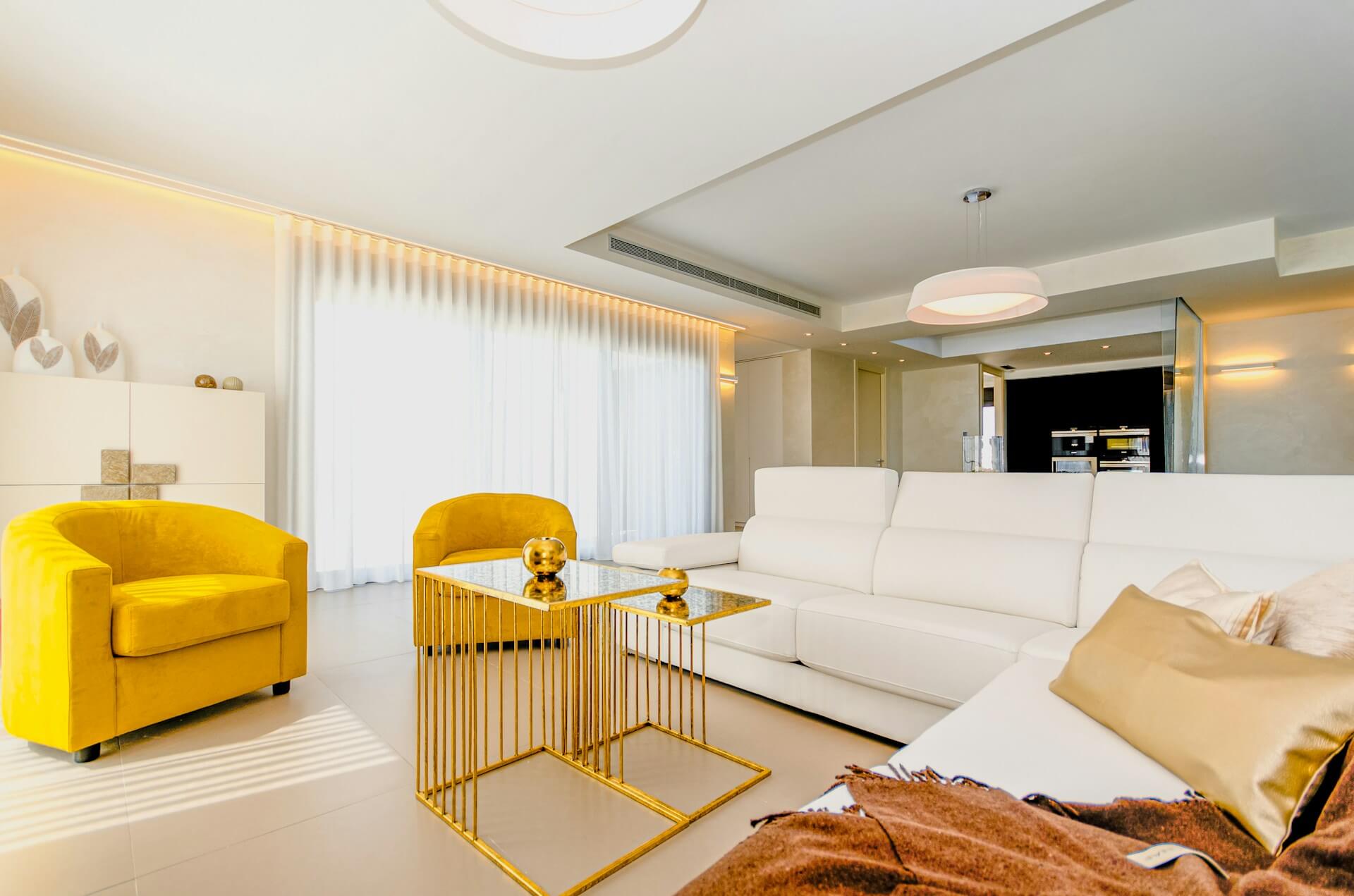
1 BHK apartments in Dubai usually consist of a single bedroom, a living room, a kitchen, and at least one bathroom.
These apartments often come with modern amenities such as built-in wardrobes, fully fitted kitchens, and access to shared facilities like swimming pools, gyms, and parking spaces. The design and size can vary depending on the location, with some units offering balconies or views of the city or waterfront.
Location plays a significant role in determining the price of a 1 BHK apartment in Dubai.
Apartments situated in central areas like Downtown Dubai or Dubai Marina typically have higher prices due to proximity to business districts, entertainment hubs, and high-end shopping centers. Conversely, apartments located in developing or suburban areas tend to be more affordable but may have fewer immediate conveniences. Accessibility to public transport and nearby schools or hospitals also impact the value.
For first-time buyers, investing in a 1 BHK apartment in Dubai can be a practical choice.
These units usually require a smaller initial investment and entail lower maintenance costs compared to larger properties. Additionally, the demand for affordable housing options remains steady among professionals and small families, which can offer opportunities for rental income.
It is advisable to research the current market conditions and select a location that aligns with long-term plans.
Purchasing property in Dubai includes several key steps. Initially, the buyer and seller sign a Memorandum of Understanding (MoU), which outlines the terms and conditions of the sale.
The buyer then pays a deposit, commonly 10% of the purchase price. Subsequently, the property transfer is registered with the Dubai Land Department, where ownership officially changes hands upon full payment.
It is important to review all documents carefully and consider legal advice to ensure compliance with local regulations.
Owners of 1 BHK apartments in Dubai are usually required to pay annual maintenance and service fees to cover the upkeep of common areas and shared facilities.
These fees can vary significantly according to the building’s amenities and management policies. While generally lower than fees for larger apartments, they should still be factored into the total monthly or yearly costs, as they contribute to the building’s cleanliness, security, and repair services.
Clear answers about buying, renting and investing in Dubai property.
Yes. Foreign buyers can purchase freehold property in designated areas such as Dubai Marina, Downtown Dubai, Business Bay, Palm Jumeirah, Dubai Hills and other approved communities.
It depends on your timeline, budget and goal. Buying is usually better for long-term plans, capital growth and rental income, while renting is better for flexibility and easier relocation.
The required budget depends on the area, building quality and property type. More accessible apartments can be found in developing communities, while prime locations and luxury properties require a much higher budget.
In addition to the purchase price, buyers should budget for the Dubai Land Department fee, registration and trustee fees, possible agency commission, mortgage-related costs if financing is used, and ongoing service charges for many buildings.
Yes, many banks in the UAE offer mortgages to foreign buyers. Approval depends on income, documents, deposit amount and the specific property being purchased.
Areas such as Dubai Marina, Downtown Dubai, Business Bay, Dubai Hills, JVC, Palm Jumeirah and Creek Harbour are often considered by investors, but the right area depends on whether your focus is yield, resale value, lifestyle appeal or long-term growth.
Rental yield varies by area, property type, furnishing level and market timing. In practice, many investors look for a balance between strong occupancy, reasonable service charges and sustainable tenant demand rather than chasing headline numbers alone.
Off-plan property is purchased directly from a developer before the project is completed. Buyers often choose off-plan because of payment plans, newer inventory and lower entry prices compared with some ready properties.
A proper review should consider the developer’s track record, payment plan, handover timeline, location quality, future supply in the area and the project’s resale or rental potential after completion.
For ready property, the timeline can move fairly quickly if the price is agreed, documents are prepared and the buyer is ready to proceed. Mortgage purchases usually take longer than cash deals.
Yes, many purchases can be handled remotely with the correct documents and proper support through the process. Remote buying is common for overseas investors and international clients.
The biggest risks are overpaying, choosing a weak location, buying an unsuitable layout, ignoring service charges, or selecting a project with low resale and rental demand. Good selection matters more than marketing promises.
In long-term rentals, rent is commonly agreed for a fixed term and often paid by one or several cheques depending on the landlord, property and negotiation.
Tenants are usually asked for identification and residency-related documents, and the exact set depends on their status in the UAE and the landlord’s requirements.
A security deposit is commonly required before move-in. The amount often depends on whether the property is furnished or unfurnished and should be clearly stated in the rental terms.
In many rental transactions, an agency commission is charged. The amount depends on the deal structure and should be confirmed before signing anything.
Tenants should review the deposit, Ejari registration, utility setup costs, parking terms if relevant, maintenance responsibilities and any conditions related to early termination or renewal.
Yes, negotiation is common. The final result depends on market conditions, the landlord’s flexibility, how long the property has been available and how prepared the tenant is to move forward.
It is important to check the condition of the unit, building quality, noise level, parking, view, maintenance status, contract terms and the reliability of the owner or manager.
Short-term rent offers flexibility and convenience but is usually more expensive. Long-term rent is generally more cost-effective and better suited for clients planning to stay longer.
During an active contract, the agreed rent usually remains fixed. Any increase is generally discussed at renewal and should follow the applicable rules and notice requirements.
This depends on the tenancy contract. Minor day-to-day issues may be handled by the tenant, while major maintenance is commonly the landlord’s responsibility, but the exact wording in the contract matters.
Ejari is the official registration of the tenancy contract in Dubai. It is important for legal recognition of the lease and is commonly needed for practical steps such as setting up utilities.
Yes. Furnished properties can be more convenient and faster to move into, while unfurnished options may work better for longer stays or tenants who want more control over the setup and budget.
We do not rely on random mass listings. We narrow the market based on budget, location, property type, investment goal, lifestyle needs and timeline, so clients can focus only on relevant options.
Yes. Support can include shortlisting, arranging viewings, comparing options, discussing terms, helping with negotiations and guiding the next steps of the transaction.
The best first step is to define the real budget, target areas, purpose, preferred property type and timeline. Once those points are clear, the selection becomes faster, cleaner and much more useful.