
FOR SALE
AED 1,200,000AED 720,000
We help clients buy and rent the right property in Dubai — apartments, villas and investment units matched to budget, area and goals.
Dubai Property Selection focuses on apartments, villas and investment properties in key areas such as Dubai Marina, Downtown, Business Bay, Dubai Hills and Palm Jumeirah.
Instead of sending a huge list of random listings, we prepare a clean shortlist based on your budget, preferred area, bedrooms, timeline and purchase or rental goals.
Premium opportunities in Dubai — from compact investment units to signature villas and penthouses.
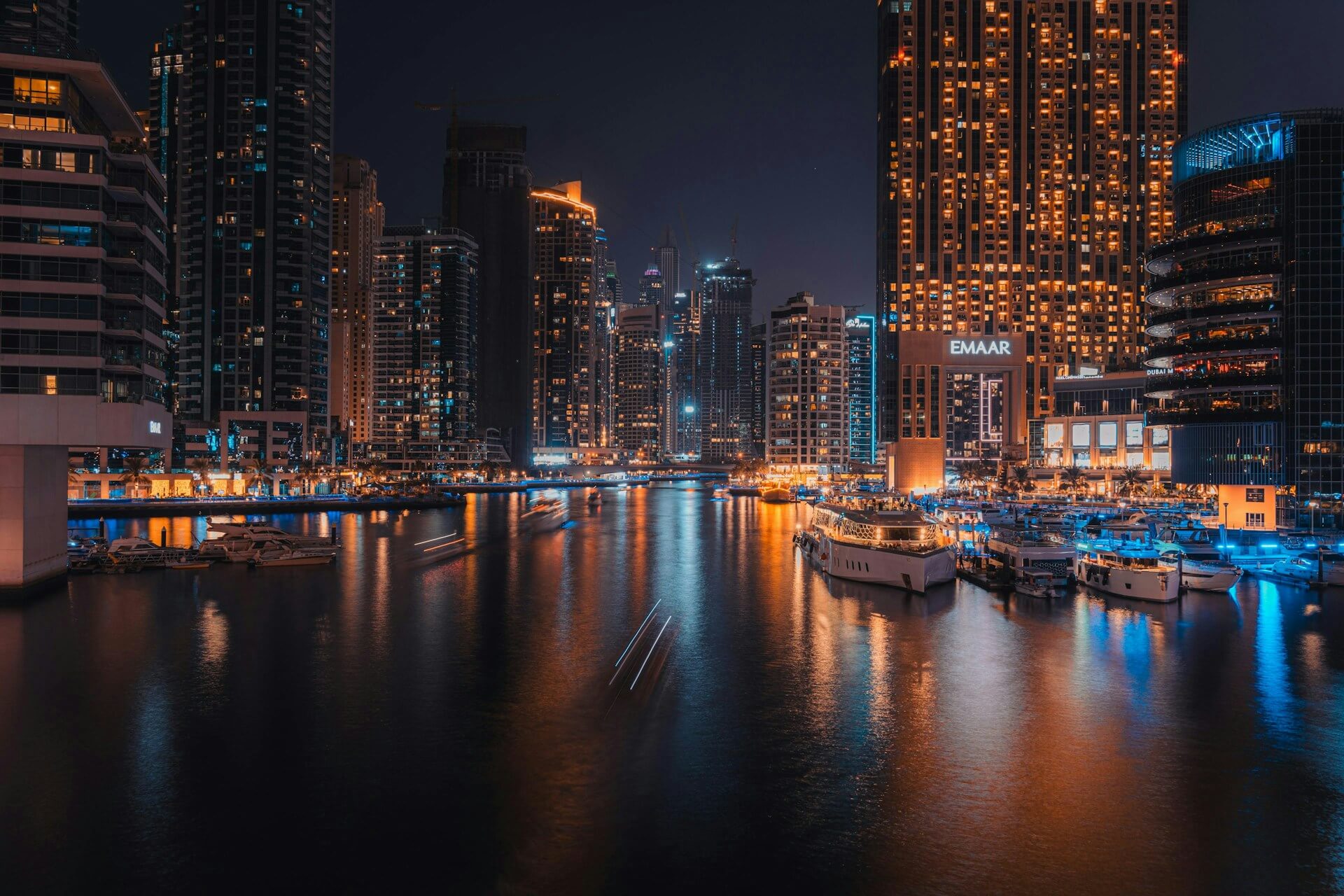
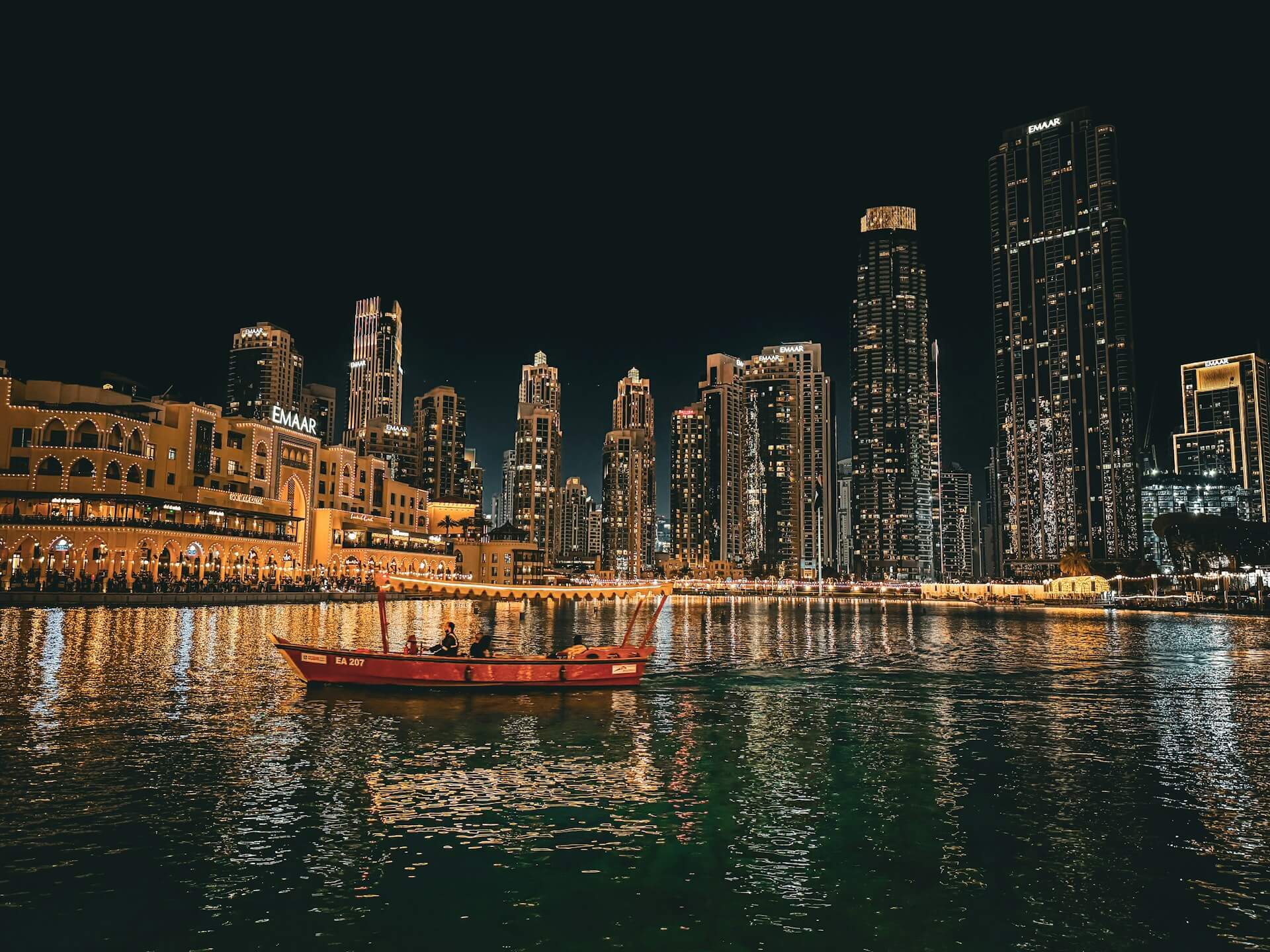




Comfortable long-term and premium rental options across Dubai.
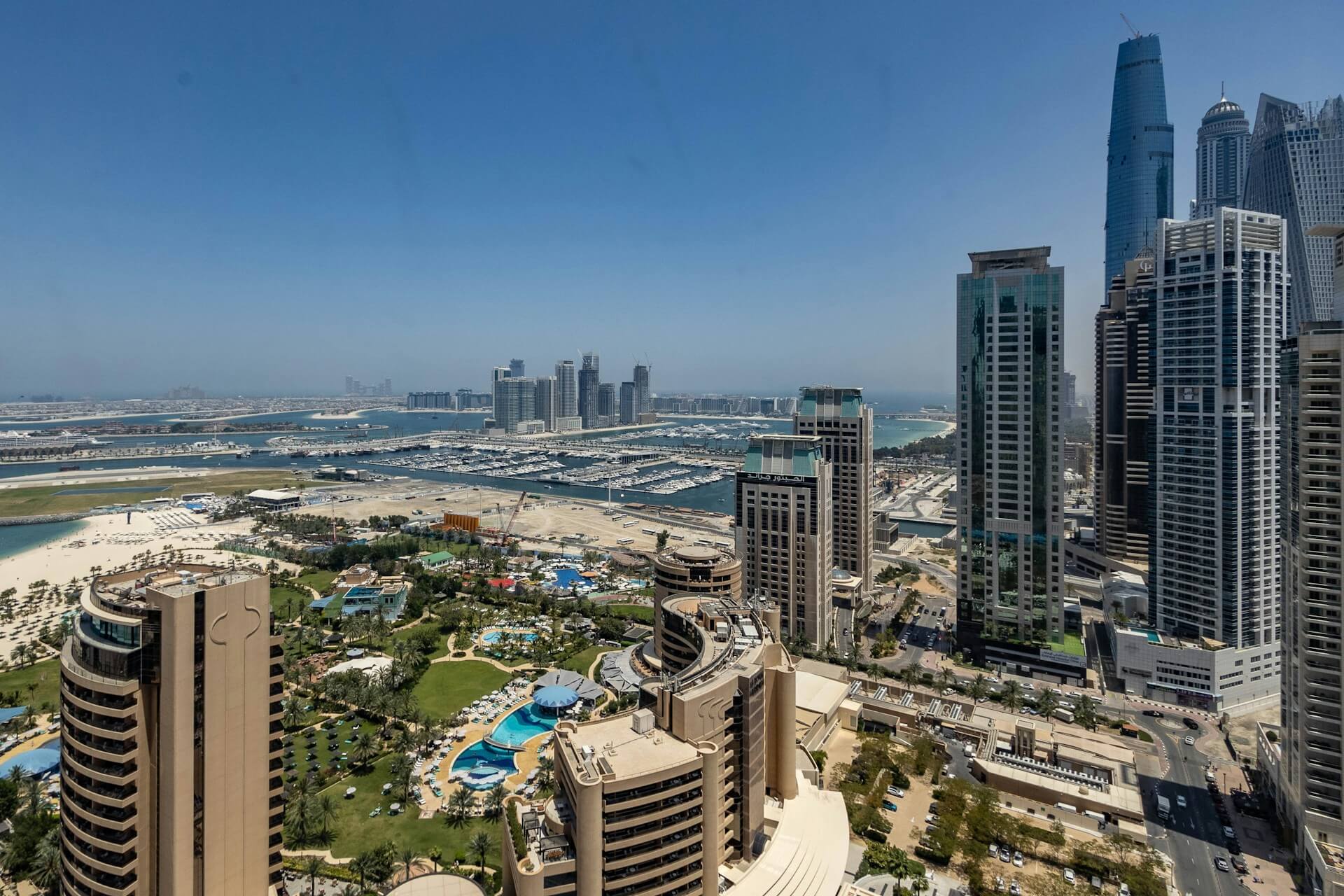

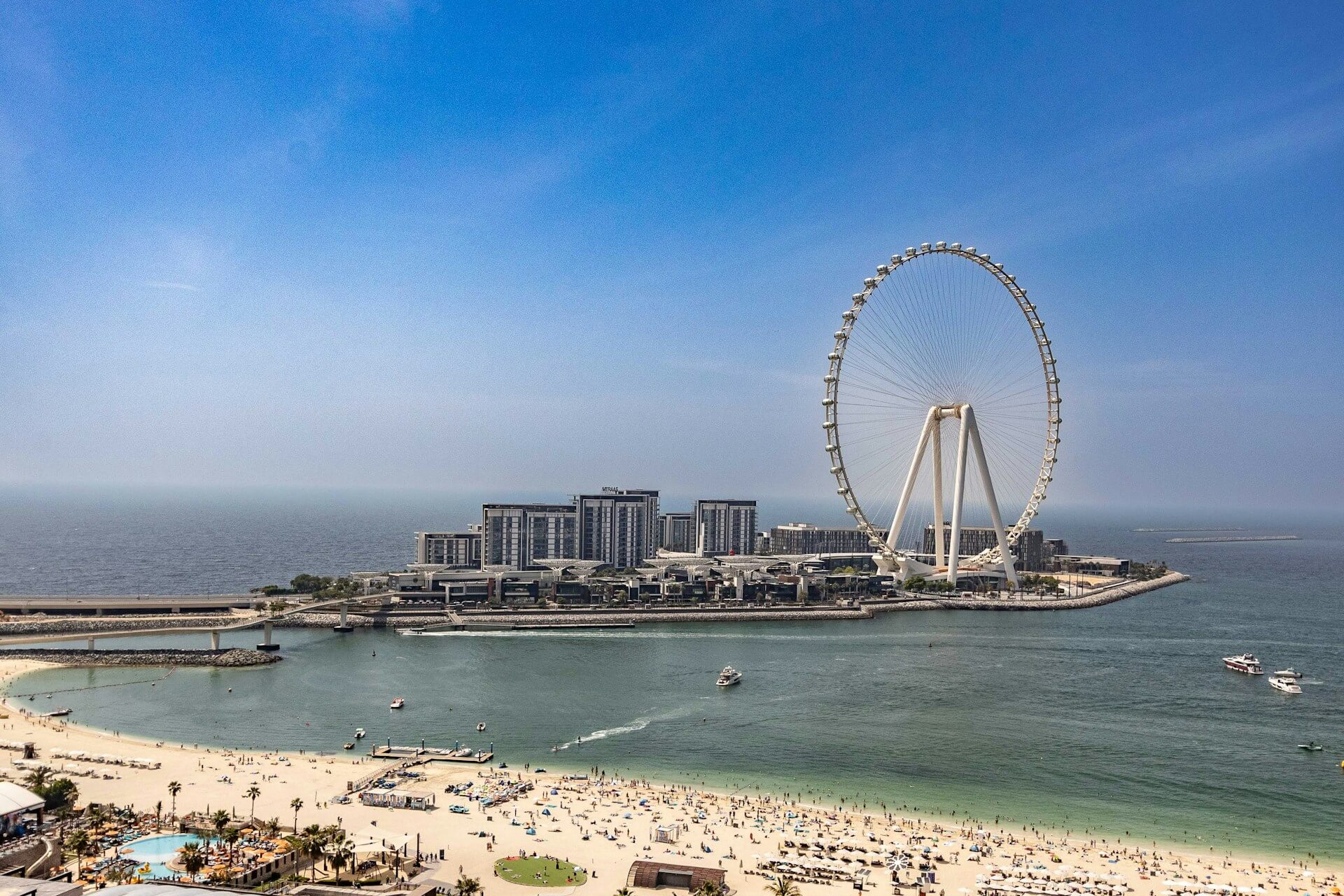




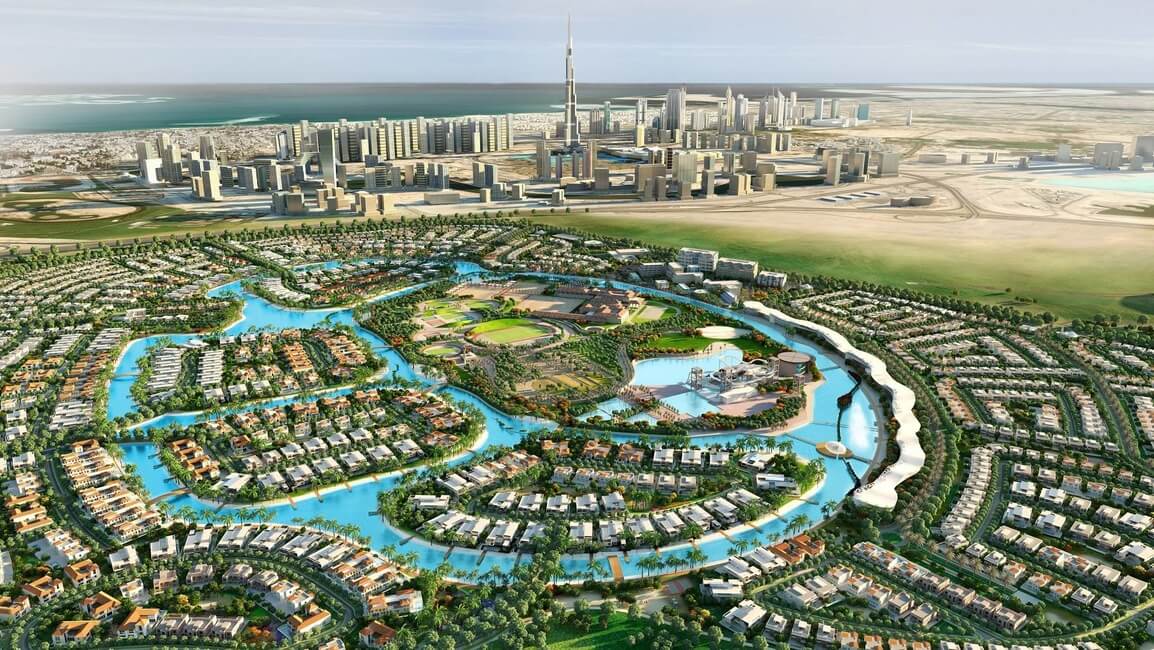
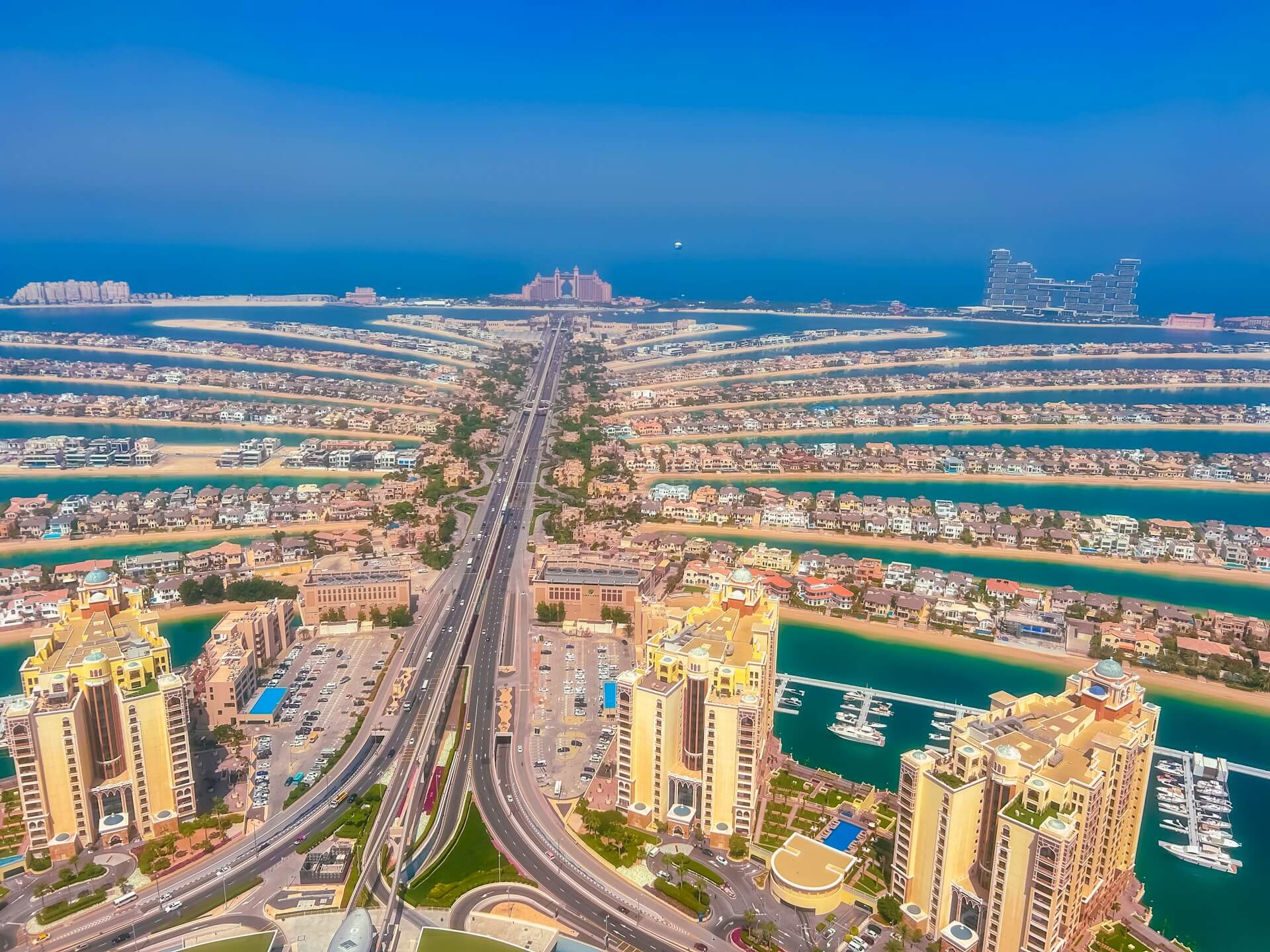
The Palm Jumeirah residential market currently demands attention for acquisition, particularly for those targeting long-term capital appreciation and mid to high-tier rental returns. Entry-level units begin around AED 1.2 million for one-bedroom apartments, with villa options starting at AED 6 million.
Strong buyer activity results from tourism growth exceeding 16% year-over-year and a limited supply of waterfront homes, which tightens vacancy below 5%.
Rental yields in Palm Jumeirah average between 5.5% and 6.5%, outperforming nearby coastal neighbourhoods by approximately 0.8%. The market benefits from visa reforms encouraging expatriate ownership and an influx of lifestyle-driven purchasers seeking both end-user use and short-term leasing options.
Liquidity remains stable, with resales closing within 90 days on average, faster than the 130-day norm across Dubai.
Investors prioritizing asset stability should consider off-plan projects only if they include developer-backed guarantees; otherwise, ready properties provide immediate cash flow and higher transactional security in Palm Jumeirah.
Comparative market data shows that adjacent areas like Dubai Marina offer lower entry prices but reduced rental premiums and slower resale rates.
In contrast, Palm Jumeirah's branded residences maintain a 10–15% price premium, justified by exclusivity and infrastructure development pace.
Dubai Property Group currently targets investors seeking mid-entry capital thresholds starting from AED 850,000 in Dubai Marina, offering average gross yields between 6.8% and 7.5%.
Unlike bulk-market competitors focusing on off-plan developments, this consortium prioritizes ready inventory with immediate rental income potential in established zones such as Jumeirah Lake Towers and Business Bay. Their portfolio includes multi-family units and studios, generating consistent demand from expatriate professionals and remote workers relocating to Dubai.
The rise in relocation-linked purchases, supported by recent visa reforms favoring longer-term residencies, underpins why Dubai Property Group sees stronger buyer traction now compared to earlier cycles dominated by speculative investors.
The group’s focus on turnkey apartments in well-serviced localities mitigates risks linked to delivery delays and price corrections common in off-plan projects around Dubai Marina.
Entry-level capital within this network varies: for prime assets in Dubai Marina, one-bedroom units start at roughly AED 900,000, while Business Bay properties offer slightly more accessible pricing near AED 850,000.
Buyers aiming for long-term capital appreciation should weigh these zones against emerging districts like Dubai Creek Harbour, where volumes remain lower but upside potential on average exceeds 10% over five years.
Comparatively, liquidity within Dubai Property Group managed assets in Dubai Marina surpasses that of less central developments by approximately 18%, due to a larger pool of repeat end-users and institutional renters. Resale transactions typically close within 60 to 90 days, versus 120+ days for peripheral communities.
However, yield compression is evident in prime Marina areas due to saturated stock and ongoing new launches, whereas Business Bay holds yield advantage by 0.5–0.7 percentage points with slightly longer vacancy cycles.
This trading collective strategically avoids primarily off-plan projects, as analysis of recent delivery timelines and developer insolvency rates show elevated resale risk and load on buyer liquidity.
Instead, it emphasizes fully completed buildings with solid management fees and transparent service structures–key factors securing sustainable tenancy and minimizing unexpected holding costs in Dubai Marina.
Investor profiles attracted to Dubai Property Group include mid-sized portfolio holders from Asia and Europe, targeting 5-7 year hold periods with mixed income objectives: steady monthly returns from rentals combined with moderate capital growth.
Lifestyle buyers show less presence due to standardized finishes and less bespoke design, marking the acquisitions as predominantly investment-driven.
When not to acquire through this service aligns with scenarios of capital constraints below AED 800,000 or aspirations for ultra-luxury segments exceeding AED 3 million, both underrepresented in their inventory.
Those favoring speculative yield spikes through off-plan opportunities or rapid short-term flips may find the group’s conservative approach limiting. Additionally, investors unwilling to hold assets beyond three years risk weaker returns, given market cycles favor mid-term holding to optimize occupancy and appreciation.
Overall, investors requiring entry at sub-AED 1 million with immediate rental viability in central developments like Dubai Marina should consider assets via Dubai Property Group.
Its inventory balance between ready product and demand-backed yield enables predictable monthly cash flow alongside moderate appreciation, distinct from volatile off-plan alternatives.
Check the developer’s registration with the Real Estate Regulatory Agency (RERA).
RERA license validation confirms compliance with local laws and protects investors from scams. Access the Dubai Land Department’s official website, where license numbers and company profiles are publicly available for cross-verification.
Examine the company's track record by reviewing completed projects in Dubai.
Transparent firms provide detailed timelines, delivery records, and buyer testimonials. Analyze project delays or litigation cases through court databases and real estate dispute committees to evaluate operational reliability.
Evaluate financial transparency by requesting audited financial statements.
Reputable real estate firms disclose balance sheets and cash flow reports, often verified by third-party auditors. This data signals financial health and the capacity to fulfill ongoing developments.
Analyze the escrow account setup. Validated escrow accounts mandated by RERA ensure client funds are safely held and allocated only for project advancement.
Confirm the bank hosting the escrow matches the one registered with Dubai financial authorities to avoid fraudulent practices.
Verify partnerships and joint ventures within their development portfolio. Collaboration with well-known international or regional entities often indicates credibility and shared risk management. Request evidence of MoUs or agreements to confirm these alliances.
Use real estate market intelligence platforms to cross-check current projects and future launches listed under the developer.
Discrepancies between advertised and registered projects signal caution. Trusted developers maintain consistency across public registries and marketing channels.
Assess compliance with mortgage registration and pre-authorization by major financial institutions in Dubai.
Ready availability of financing options tied to a specific developer’s inventory signals accepted market standing and reduces investor risk.
Investigate litigation history through Dubai’s legal databases. Frequent lawsuits involving customer complaints or contractor disputes can highlight operational weaknesses. Enlist legal counsel with expertise in local real estate disputes for detailed due diligence.
Review customer service frameworks and sales process transparency.
Verified groups provide clear contracts, cancellation policies, and after-sales support documentation. Presence of independent customer support channels or ombudsman involvement adds credibility.
Compare the groups’ compliance with sustainability and safety standards required by Dubai Municipality. Certifications for environmental and structural adherence reflect a commitment to long-term asset viability and regulatory respect.
Registering real estate via a reputable agency begins with securing a formal sale agreement, typically a Memorandum of Understanding (MOU).
Ensure this contract clearly states all terms, including buyer and seller details, price, payment schedule, and property specifications.
Next, arrange the initial deposit, usually 10% of the purchase price, payable to the seller or escrow account managed by the brokerage.
Confirm receipt through official bank statements or receipts to avoid disputes.
Submit required documents to the Land Department’s registration system. These commonly include:
The certified agency usually assists with these submissions, but buyers must verify the completeness and accuracy of all paperwork before proceeding.
Following document submission, the buyer must pay the registration fee, fixed at 4% of the total transaction value, plus any applicable admin fees.
This payment officially earmarks the asset transfer within government records.
After fee settlement, the Land Registration Office issues a new title deed under the buyer’s name. The entire registration process typically takes 7–15 working days but can vary depending on project status–off-plan developments can extend this timeline due to escrow and completion certificate dependencies.
Throughout this procedure, it is critical to maintain open communication with both the brokerage firm handling the deal and the seller’s representatives, ensuring all conditions of the contract are met before finalizing the transfer.
For off-plan acquisitions specifically, registration often occurs post-handover, requiring buyers to closely monitor developer handover schedules and escrow releases, unlike ready asset transfers, which can be completed almost immediately once payments clear.
Finally, request an electronic or physical copy of the registered title deed and confirm its legitimacy on the official government portal.
This step protects against fraud and guarantees full ownership rights.
When engaging with a Dubai property group, expect a structured payment framework combining different fees and staged payments that protect both buyer and developer.
Entry capital usually begins with a down payment of 10-20% of the total purchase price, often required immediately upon signing the initial agreement.
Subsequent installments typically follow a milestone schedule. For off-plan units within Dubai, developers often link payments to construction progress, for example, 10% after foundation completion, 15% post-structural work, and the balance on handover.
Such staggered plans help spread out the financial burden and reduce upfront costs relative to ready assets.
ft. These must be budgeted alongside purchase costs for realistic total ownership expense.
Compare payment plans carefully: areas with higher demand, such as Downtown or Dubai Marina, often have stricter schedules and less flexible terms due to market competitiveness.
Emerging locations may offer lenient payment stages or extended post-handover plans to attract investors.
Beware of additional fees including VAT (5%), which applies if buying commercial units, and potential penalties for late payments. Transparent upfront disclosure of all charges by the seller is rare; insist on detailed breakdowns before commitment.
For cash buyers, ready units in central districts may demand full payment within 30-45 days, adding pressure on liquidity.
Conversely, off-plan offers in suburban developments can reduce immediate capital needs but increase risk if delivery timelines slip.
When assessing return and capital deployment, factor in the schedule to determine how locked-in funds impact cash flow.
Projects offering phased payments enable more flexible portfolio management compared to lump-sum requirements typical in established locations like Business Bay or JLT.
Negotiate payment terms based on your investment horizon.
Long-term holders benefit from installment plans aligned with construction, while those targeting quick flip transactions should prioritize fully completed buildings with immediate registration and possession.
In summary, payment structures vary notably by location and developer reputation. Understanding exact fee composition and timeline constraints is critical to allocating sufficient working capital and avoiding unexpected holding costs in prominent zones such as Dubai Marina, Downtown, or Business Bay.
Dubai Property Group focuses on a variety of properties, including residential apartments, villas, commercial offices, and retail spaces.
They offer options ranging from luxury residences to more affordable homes, catering to different budgets and preferences within the Dubai market.
The company provides tailored services for international clients, such as guidance on legal requirements, assistance with visa processes related to property purchase, and support in understanding financing options.
Their multilingual staff also helps bridge communication gaps to make the buying process smoother.
Yes, Dubai Property Group has several active developments in prime locations around the city. These include upscale residential towers and mixed-use complexes designed to attract both end-users and investors.
Detailed information about these projects, including timelines and pricing, is available directly through their official channels.
One key advantage is their deep local market knowledge combined with personalized customer service. They maintain strong relationships with developers and have expertise in negotiation, ensuring clients receive competitive deals.
Additionally, their after-sales support helps clients settle smoothly into property ownership.
Dubai Property Group ensures all properties they list comply with local regulations and are registered with relevant municipalities.
Buyers can request official documentation and title deeds through the company. Furthermore, the agency encourages clients to conduct independent legal checks and provides recommendations for trusted advisers to confirm property legitimacy.
Dubai Property Group provides a diverse range of properties, including residential villas, apartments, and commercial spaces.
Whether you are looking for a luxury villa with waterfront views or a conveniently located apartment in the city center, their portfolio covers multiple preferences and budgets. Additionally, some properties come with amenities such as gyms, swimming pools, and community parks, catering to both families and individual investors.
Dubai Property Group helps foreign investors by guiding them through the legal and administrative procedures necessary to buy property in Dubai.
They offer support with visa regulations, financing options, and ownership rights. The company also provides market insights and investment advice, ensuring clients understand local pricing trends and potential returns. Their team often coordinates with legal experts and banks to streamline the transaction process, making it easier and more transparent for overseas buyers.
Clear answers about buying, renting and investing in Dubai property.
Yes. Foreign buyers can purchase freehold property in designated areas such as Dubai Marina, Downtown Dubai, Business Bay, Palm Jumeirah, Dubai Hills and other approved communities.
It depends on your timeline, budget and goal. Buying is usually better for long-term plans, capital growth and rental income, while renting is better for flexibility and easier relocation.
The required budget depends on the area, building quality and property type. More accessible apartments can be found in developing communities, while prime locations and luxury properties require a much higher budget.
In addition to the purchase price, buyers should budget for the Dubai Land Department fee, registration and trustee fees, possible agency commission, mortgage-related costs if financing is used, and ongoing service charges for many buildings.
Yes, many banks in the UAE offer mortgages to foreign buyers. Approval depends on income, documents, deposit amount and the specific property being purchased.
Areas such as Dubai Marina, Downtown Dubai, Business Bay, Dubai Hills, JVC, Palm Jumeirah and Creek Harbour are often considered by investors, but the right area depends on whether your focus is yield, resale value, lifestyle appeal or long-term growth.
Rental yield varies by area, property type, furnishing level and market timing. In practice, many investors look for a balance between strong occupancy, reasonable service charges and sustainable tenant demand rather than chasing headline numbers alone.
Off-plan property is purchased directly from a developer before the project is completed. Buyers often choose off-plan because of payment plans, newer inventory and lower entry prices compared with some ready properties.
A proper review should consider the developer’s track record, payment plan, handover timeline, location quality, future supply in the area and the project’s resale or rental potential after completion.
For ready property, the timeline can move fairly quickly if the price is agreed, documents are prepared and the buyer is ready to proceed. Mortgage purchases usually take longer than cash deals.
Yes, many purchases can be handled remotely with the correct documents and proper support through the process. Remote buying is common for overseas investors and international clients.
The biggest risks are overpaying, choosing a weak location, buying an unsuitable layout, ignoring service charges, or selecting a project with low resale and rental demand. Good selection matters more than marketing promises.
In long-term rentals, rent is commonly agreed for a fixed term and often paid by one or several cheques depending on the landlord, property and negotiation.
Tenants are usually asked for identification and residency-related documents, and the exact set depends on their status in the UAE and the landlord’s requirements.
A security deposit is commonly required before move-in. The amount often depends on whether the property is furnished or unfurnished and should be clearly stated in the rental terms.
In many rental transactions, an agency commission is charged. The amount depends on the deal structure and should be confirmed before signing anything.
Tenants should review the deposit, Ejari registration, utility setup costs, parking terms if relevant, maintenance responsibilities and any conditions related to early termination or renewal.
Yes, negotiation is common. The final result depends on market conditions, the landlord’s flexibility, how long the property has been available and how prepared the tenant is to move forward.
It is important to check the condition of the unit, building quality, noise level, parking, view, maintenance status, contract terms and the reliability of the owner or manager.
Short-term rent offers flexibility and convenience but is usually more expensive. Long-term rent is generally more cost-effective and better suited for clients planning to stay longer.
During an active contract, the agreed rent usually remains fixed. Any increase is generally discussed at renewal and should follow the applicable rules and notice requirements.
This depends on the tenancy contract. Minor day-to-day issues may be handled by the tenant, while major maintenance is commonly the landlord’s responsibility, but the exact wording in the contract matters.
Ejari is the official registration of the tenancy contract in Dubai. It is important for legal recognition of the lease and is commonly needed for practical steps such as setting up utilities.
Yes. Furnished properties can be more convenient and faster to move into, while unfurnished options may work better for longer stays or tenants who want more control over the setup and budget.
We do not rely on random mass listings. We narrow the market based on budget, location, property type, investment goal, lifestyle needs and timeline, so clients can focus only on relevant options.
Yes. Support can include shortlisting, arranging viewings, comparing options, discussing terms, helping with negotiations and guiding the next steps of the transaction.
The best first step is to define the real budget, target areas, purpose, preferred property type and timeline. Once those points are clear, the selection becomes faster, cleaner and much more useful.