
FOR SALE
AED 1,200,000AED 720,000
We help clients buy and rent the right property in Dubai — apartments, villas and investment units matched to budget, area and goals.
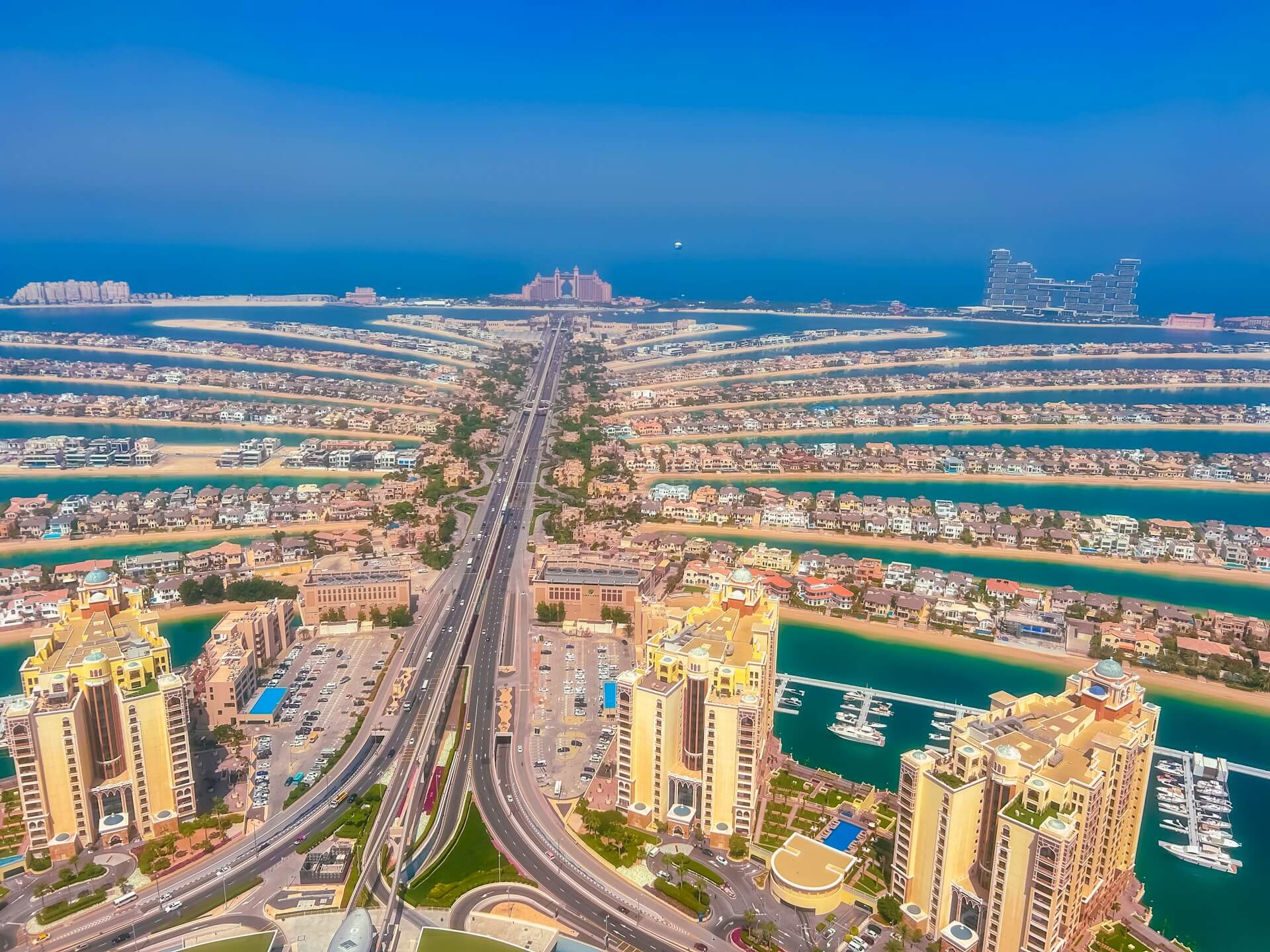
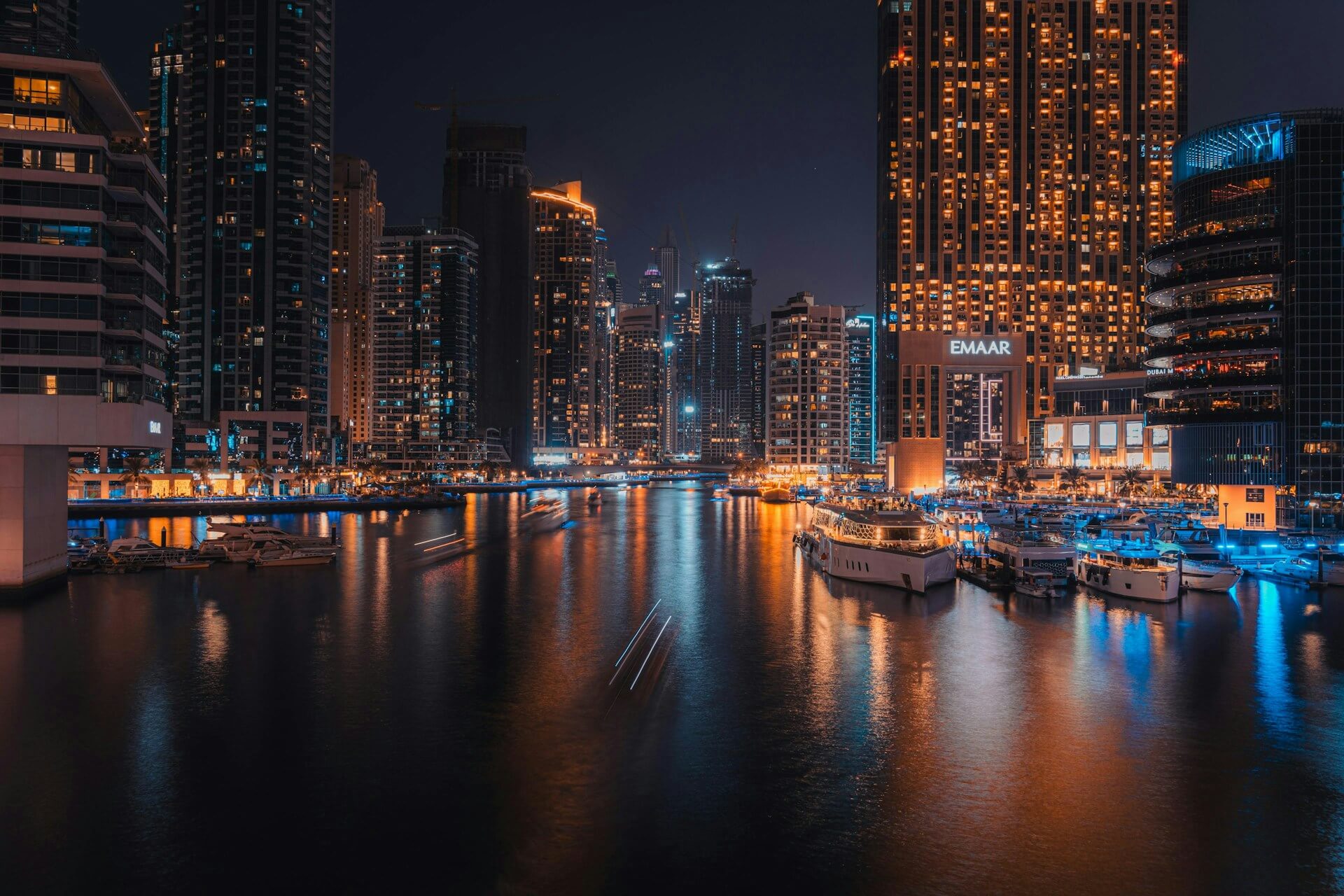
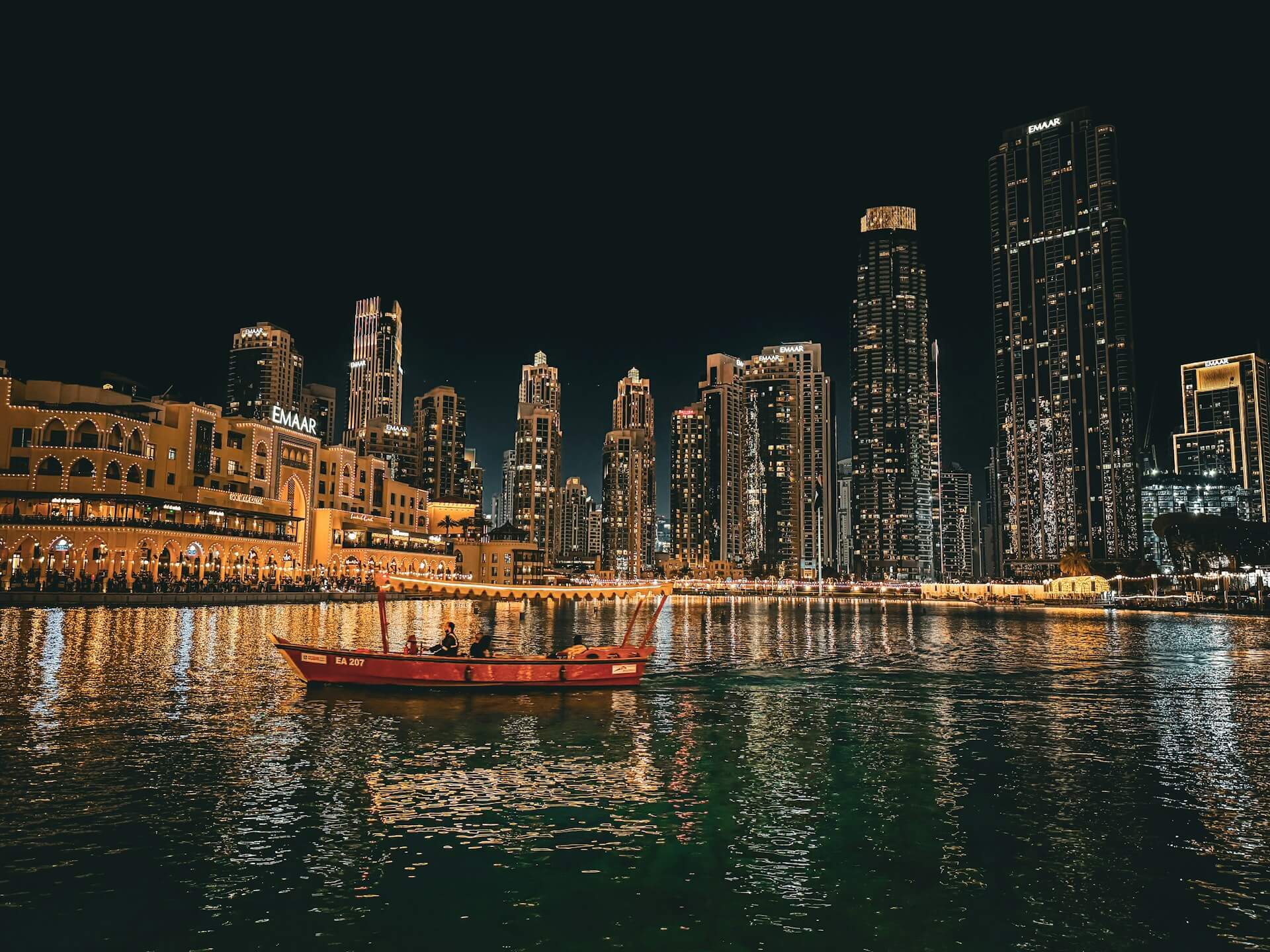
Dubai Property Selection focuses on apartments, villas and investment properties in key areas such as Dubai Marina, Downtown, Business Bay, Dubai Hills and Palm Jumeirah.
Instead of sending a huge list of random listings, we prepare a clean shortlist based on your budget, preferred area, bedrooms, timeline and purchase or rental goals.
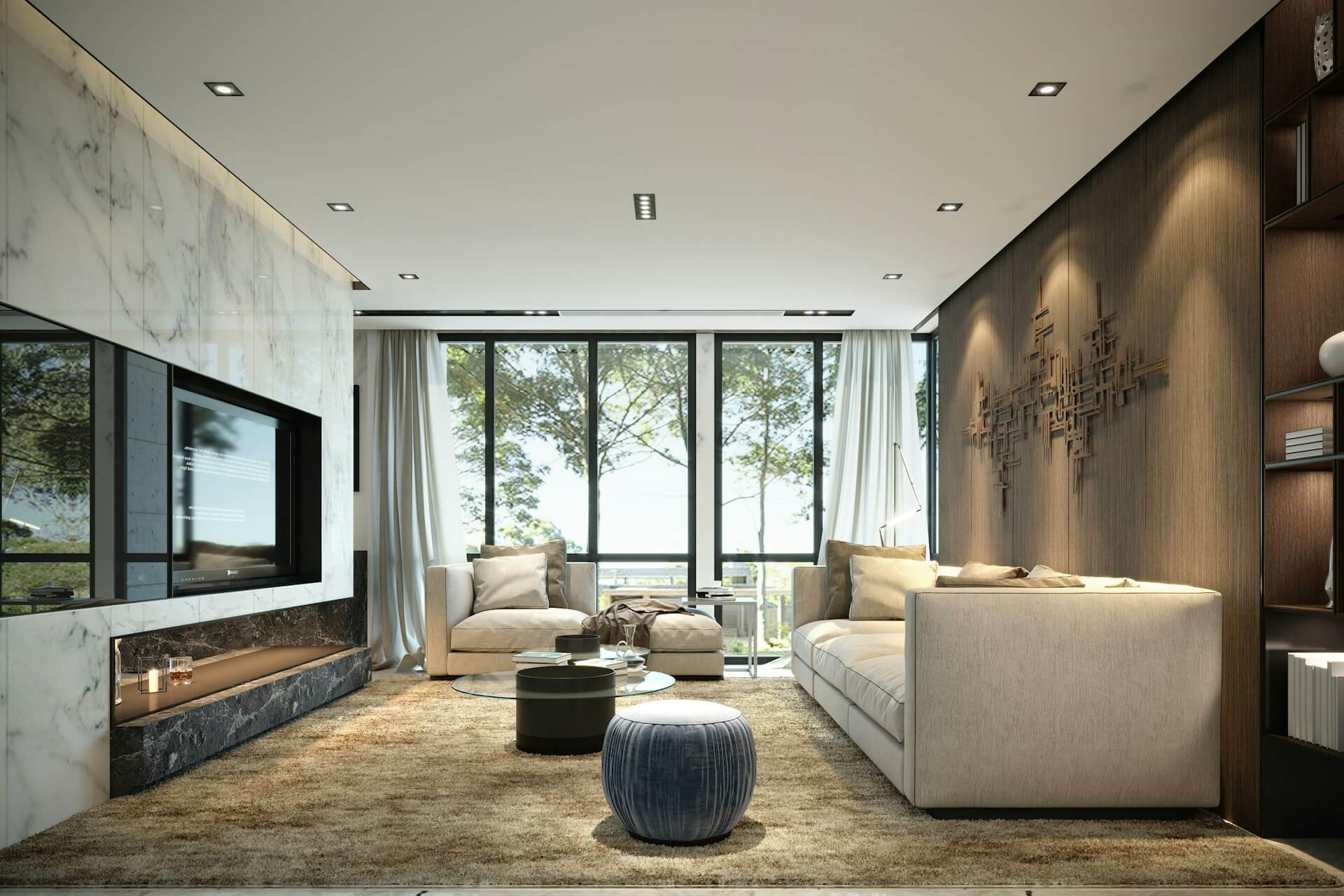
Premium opportunities in Dubai — from compact investment units to signature villas and penthouses.

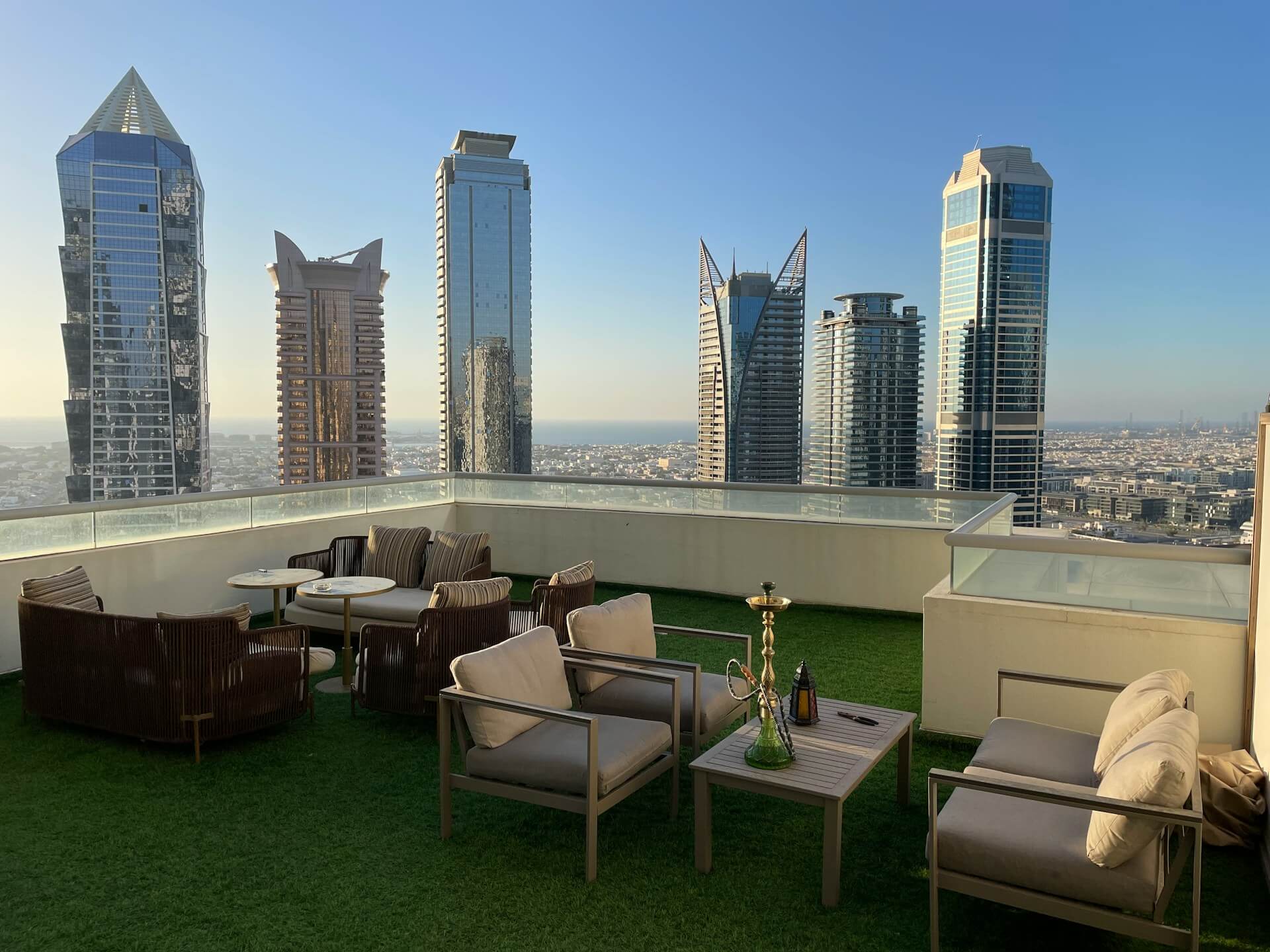
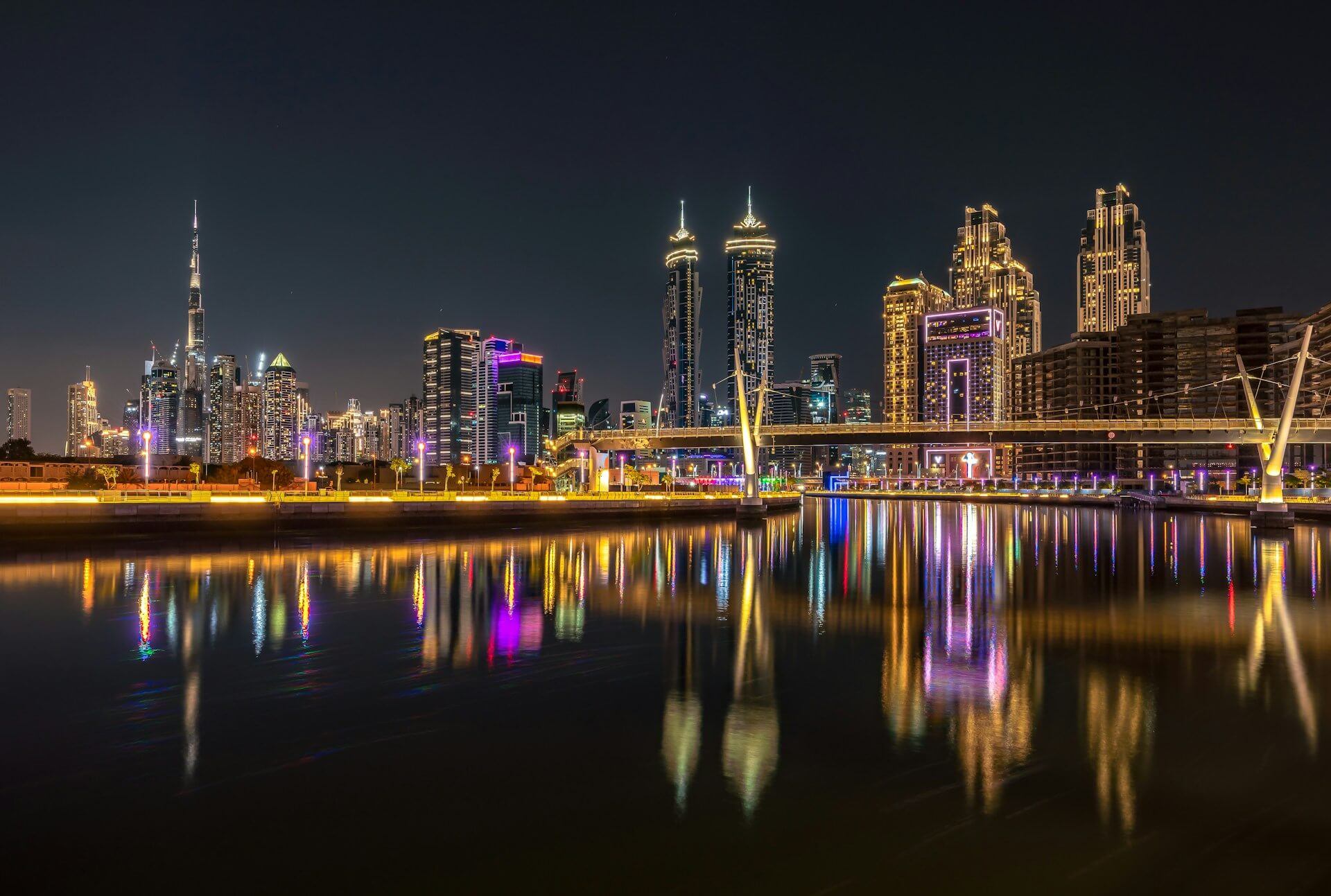
Comfortable long-term and premium rental options across Dubai.
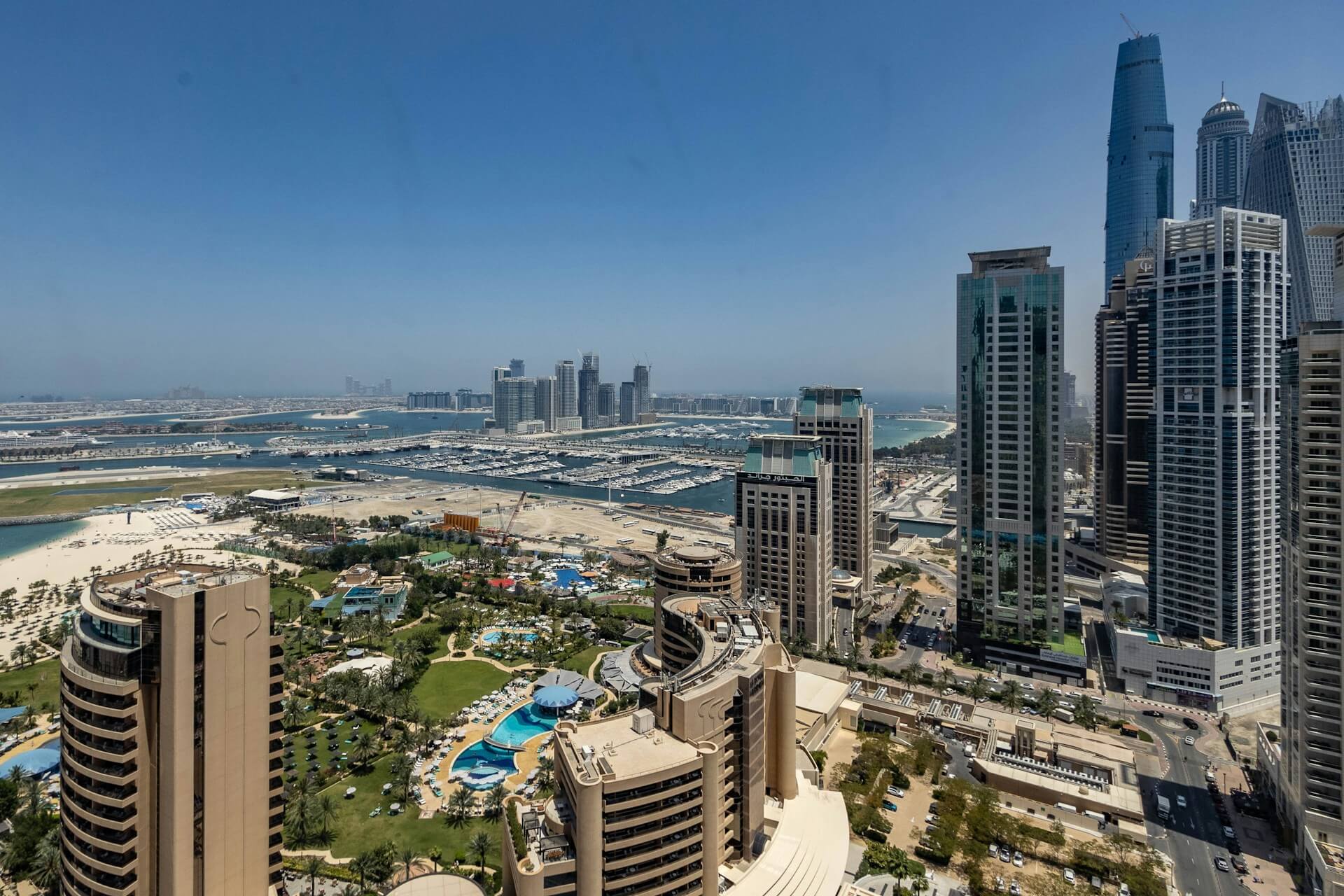

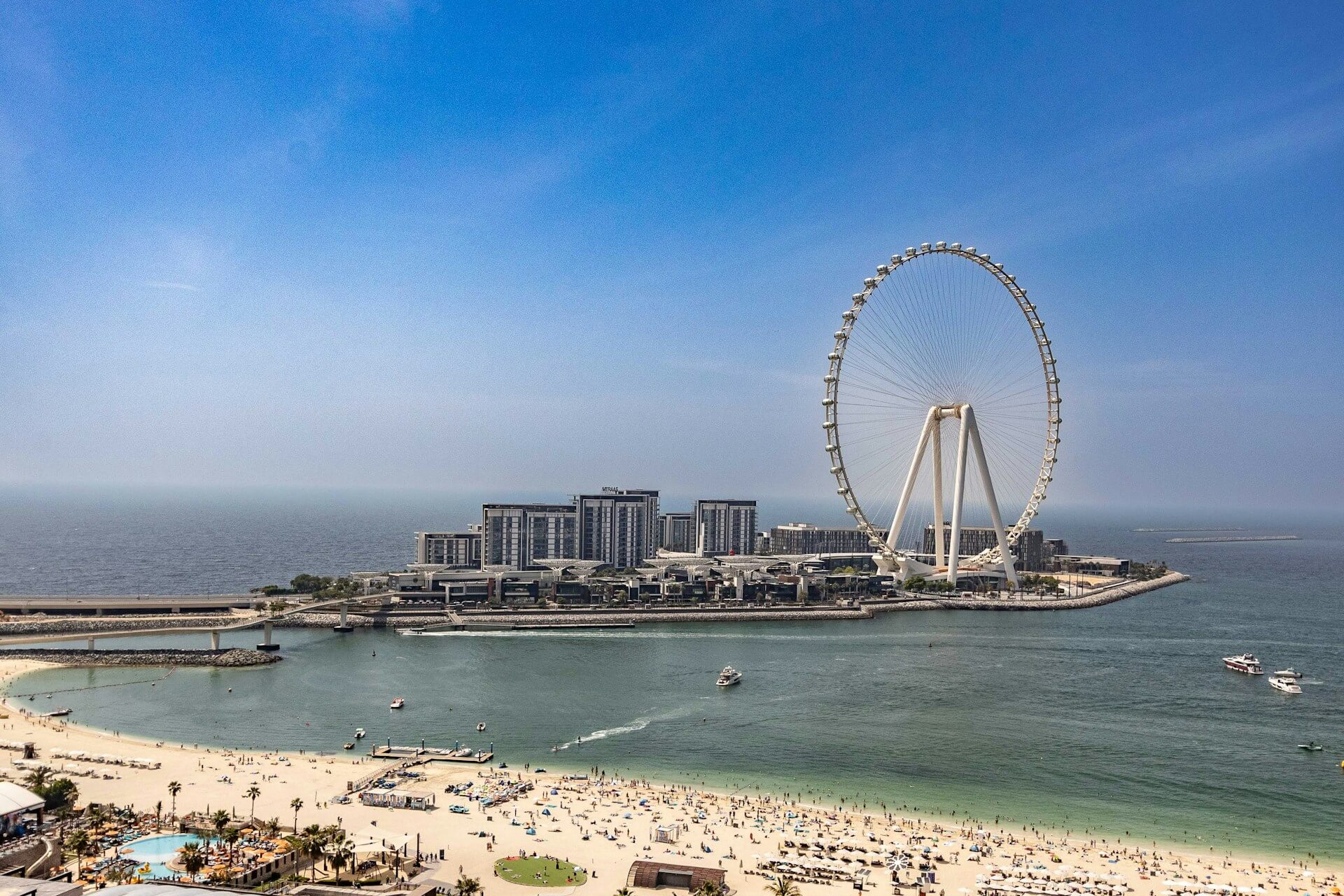
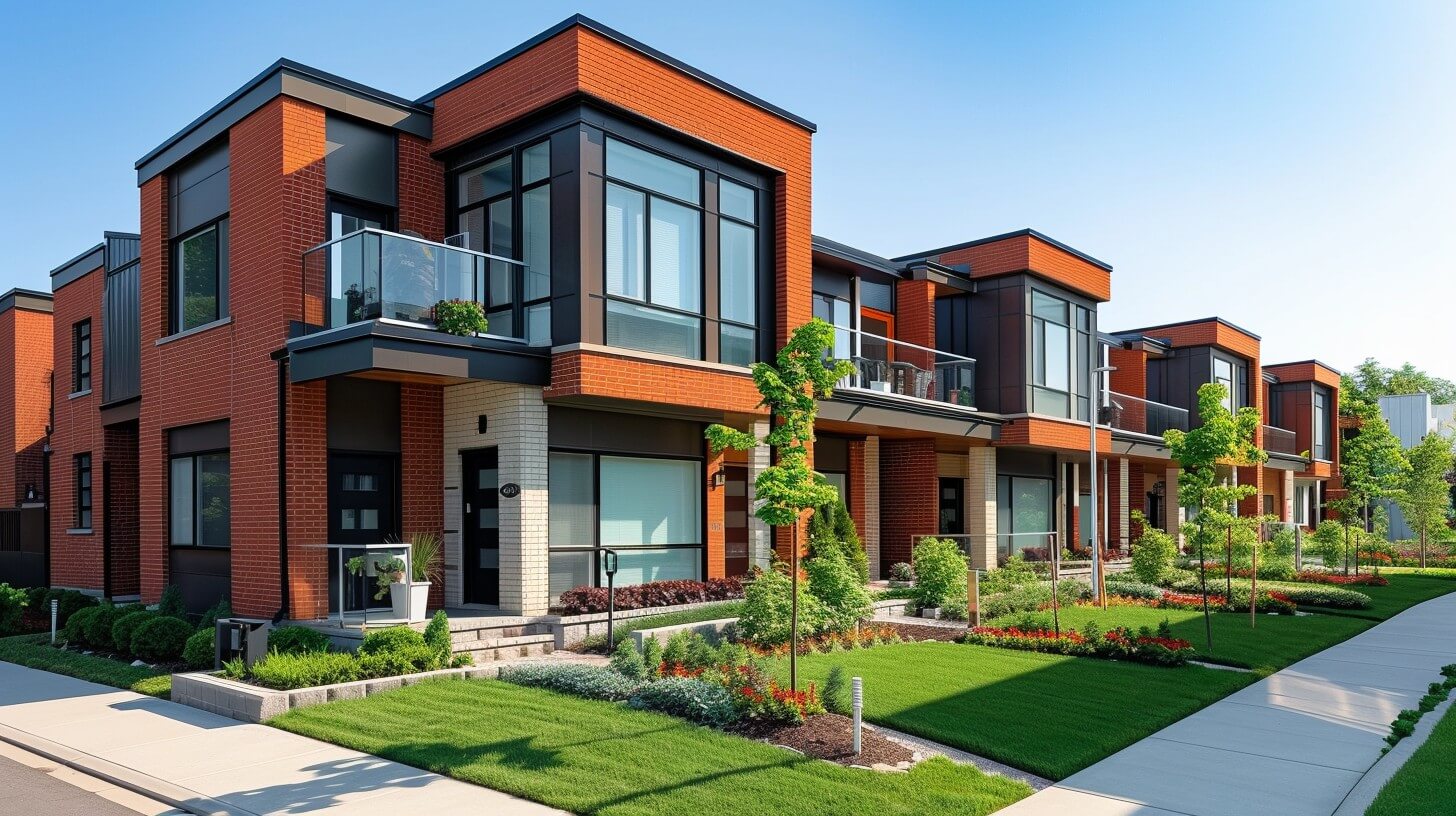
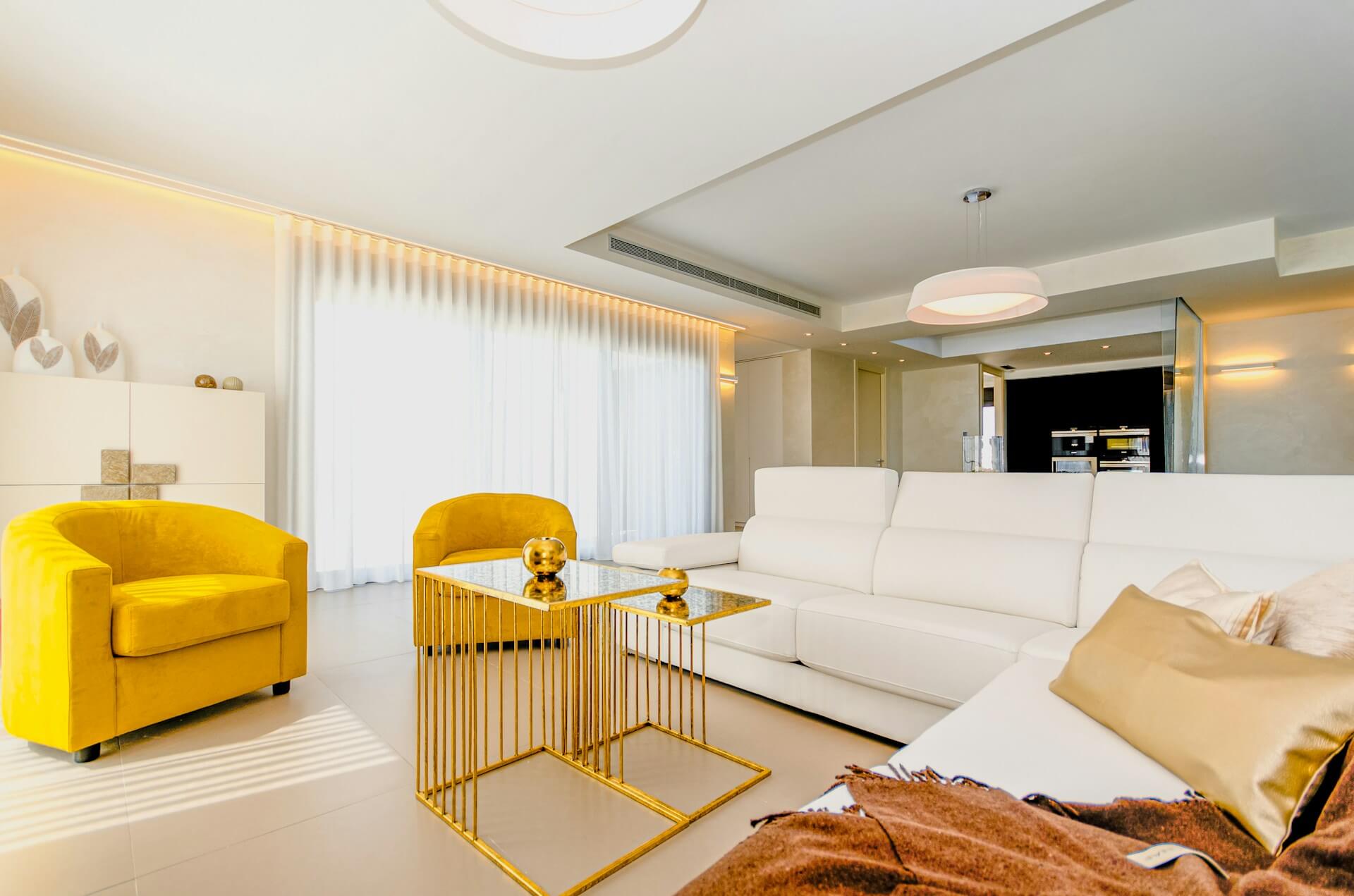
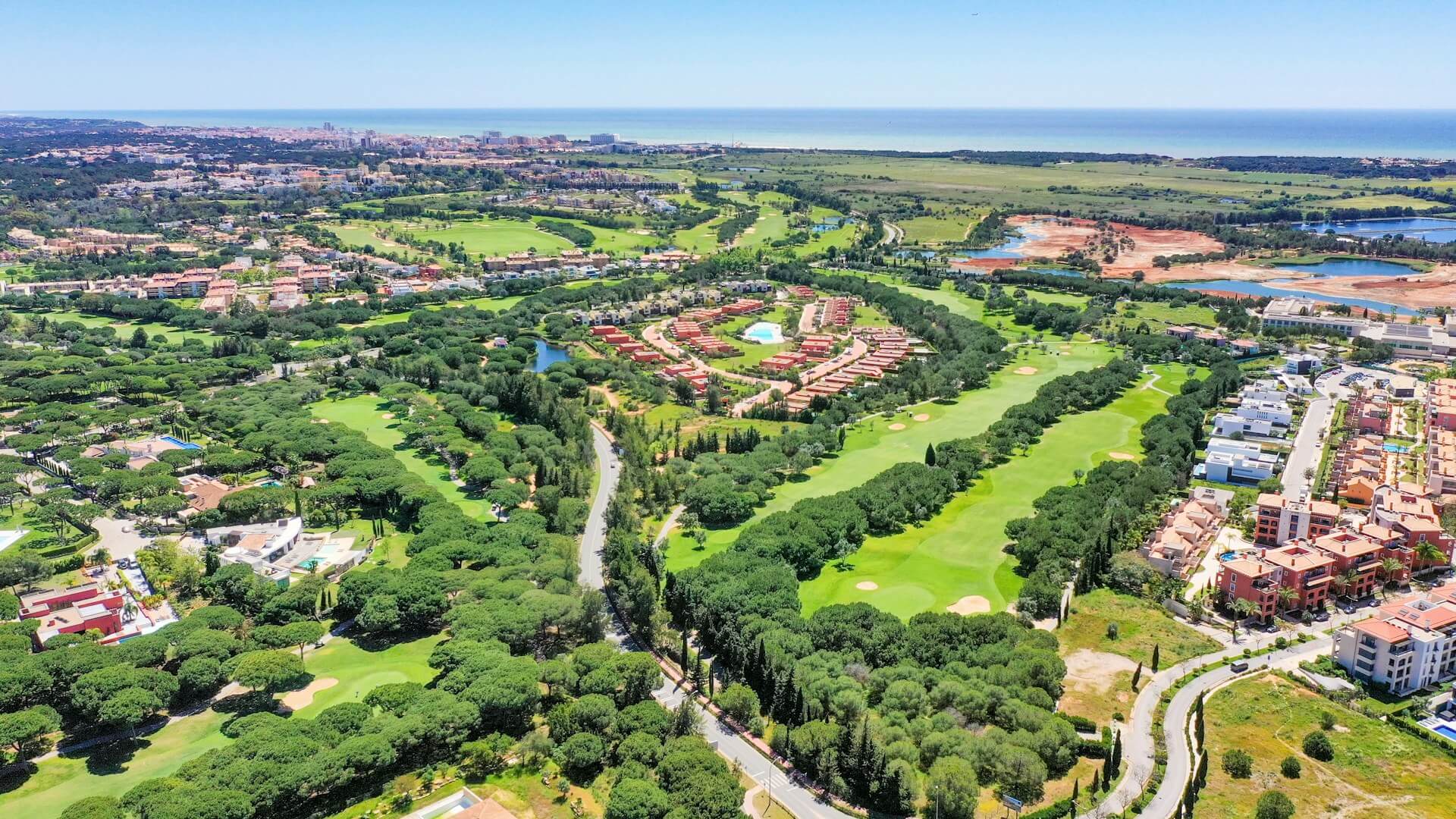
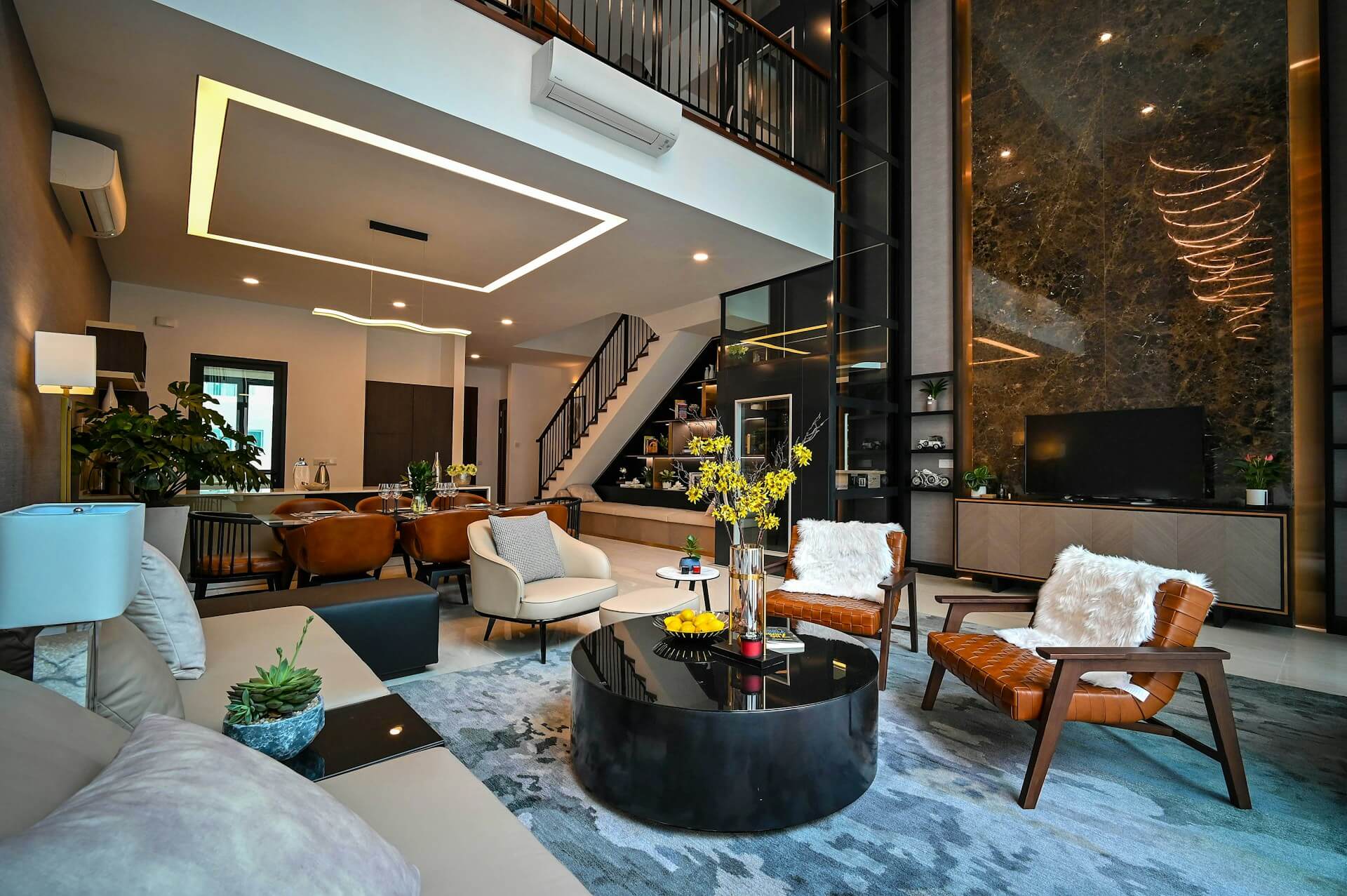
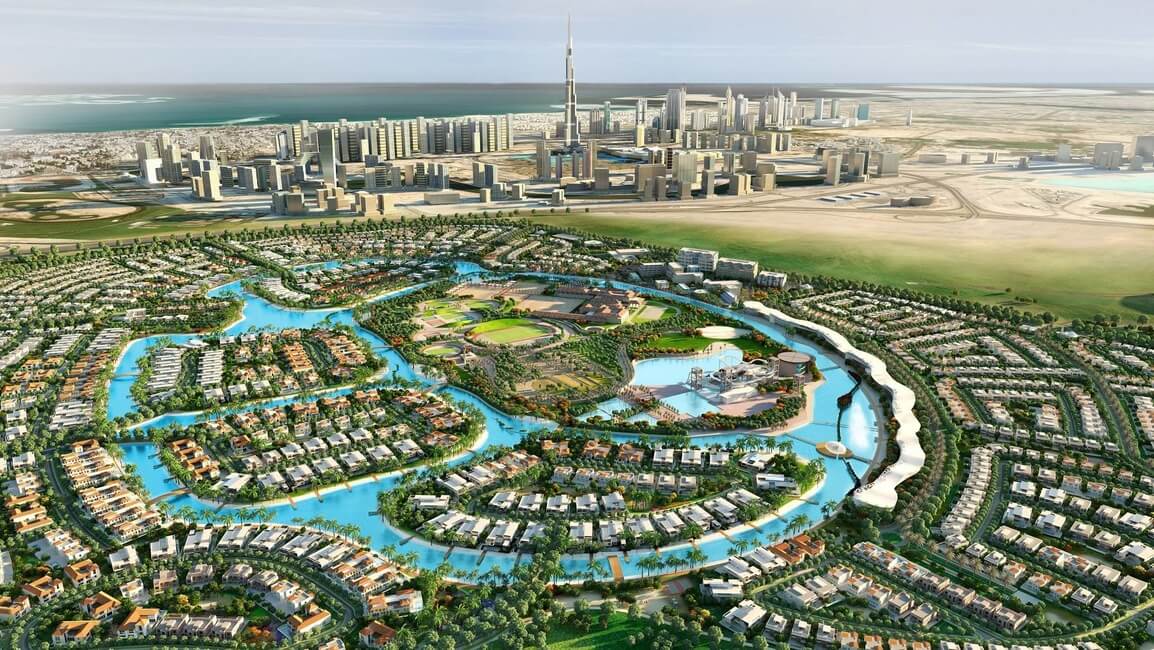
The current market in Jumeirah Village Circle Dubai delivers competitive leasing options, with entry-level costs starting from AED 40,000 annually for studio units. Demand is primarily driven by a growing expatriate population seeking affordable, well-connected residences outside the more saturated central areas of Dubai.
This surge in tenant interest stems from limited new supply relative to the population influx and the development’s proximity to key road networks and future infrastructure expansions.
Jumeirah Village Circle Dubai attracts residents aiming for cost-effective living with convenient access to Dubai’s business hubs and educational institutions. Mid-range options, such as one and two-bedroom layouts, typically start from AED 60,000 to AED 85,000 per year, offering higher space efficiency compared to neighboring areas with similar pricing.
The balanced mix of townhouses and low-rise complexes results in a broad tenant profile, ranging from young professionals to families relocating for long-term stays.
Leasing performance in Jumeirah Village Circle Dubai benefits from steady occupancy rates at approximately 75-80%, supported by active rental management and the area’s comparatively affordable price points.
Yield averages fluctuate between 6% and 7%, which outperforms several other suburban locations in Dubai, though high-end communities still retain an advantage in capital appreciation.
Liquidity remains robust due to ongoing demand, though investors should note that the turnover rate is slower than in central districts like Dubai Marina.
Entry capital for securing units within Jumeirah Village Circle Dubai varies significantly depending on the property type and finishing. For furnished units, upfront costs increase by approximately 15-20%, while newer projects near the southern sectors command higher rents due to upgraded amenities and improved accessibility.
Compared with other emerging zones in Dubai, Jumeirah Village Circle Dubai offers a more affordable gateway with upward pressure on rental values expected over the next 12-18 months as occupancy tightens.
Several projects within the locale outperform others due to strategic positioning near Sheikh Mohammed Bin Zayed Road and ongoing community development.
For example, developments adjacent to upcoming retail and leisure facilities show better rental appreciation and lower vacancy rates. Off-plan properties remain riskier due to completion timelines and market saturation risks but can offer discounts up to 10-15% compared to ready inventory.
Compared to alternatives such as Dubailand or Al Barsha, Jumeirah Village Circle Dubai offers superior connectivity and a more established rental market, though the latter areas may present slightly lower entry costs.
Rental yields in Jumeirah Village Circle Dubai hold an edge over these competitors because of the area’s expanding tenant base and increasing infrastructure investment, including planned public transport links.
The tenant demographic in Jumeirah Village Circle Dubai is mainly composed of mid-income expats from sectors like finance, education, and healthcare.
The area suits investors targeting stable rental income with moderate capital growth over a 5-7 year horizon. Lifestyle buyers prioritizing proximity to downtown Dubai or luxury retail should consider other districts, where premium pricing corresponds with enhanced amenities.
Purchasing leasing rights or dwellings in Jumeirah Village Circle Dubai is not advisable for investors seeking quick flips or above-average short-term gains, given the slower resale velocity and moderate appreciation rates.
Additionally, investors with low tolerance for illiquidity may find risk in smaller, niche developments within the area due to higher vacancy probabilities.
For those evaluating this market, prime considerations include alignment with mid-term investment strategies, readiness to accept stable returns above 6%, and willingness to navigate a moderately mature leasing environment.
The combination of accessible price points, consistent demand drivers, and structured growth makes Jumeirah Village Circle Dubai a viable addition to diversified real estate portfolios within the emirate.
In conclusion, leasing an apartment in the Jumeirah Village Circle Dubai represents a calculated option for long-term investors focusing on steady rental yield and moderate appreciation.
Suitable for mid-tier income tenants and investors, the area requires entry capital from AED 40,000 upwards with expected returns around 6-7%. Those seeking immediate capital gains or lifestyle benefits from central locations should consider alternative segments within Dubai’s vast market.
The current cost to secure a residential unit in Jumeirah Village Circle starts at approximately AED 450,000 for a studio, while one-bedroom options typically range between AED 600,000 and AED 750,000.
Larger configurations such as two-bedroom flats escalate to AED 1.1 million and above. Compared to neighboring districts like Dubai Sports City or Discovery Gardens, initial capital outlay in Jumeirah Village Circle remains 10-15% lower, offering a more accessible entry point for investors and end-users alike.
This locality mainly offers mid-rise developments, averaging 5 to 15 floors, which command higher occupancy rates than large-scale high-rises in Dubai Marina due to a demographic skew toward families and long-term residents.
Community-type projects here achieve an average rental yield of 6.5% per annum, slightly outperforming the 5.8% typical of adjacent Jebel Ali areas. Such figures reflect steady tenant demand driven by affordable pricing and proximity to key transport routes.
For those considering off-plan transactions, ongoing launches occasionally provide units at a 7-10% discount compared to ready properties.
However, the liquidity of these assets depends heavily on developer reputation and project completion timelines, factors critical in a market where multiple projects overlap.
Ready possession homes offer quicker turnover and are favored by investors seeking immediate cash flow and lower holding risks.
When breaking down demand sources, relocation influx primarily stems from mid-income professionals and families attracted by lower entry costs combined with convenient access to Dubai’s central business hubs.
The introduction of the new Dubai Water Canal and improvements to Al Khail Road have enhanced connectivity, reinforcing the area's appeal.
Within Jumeirah Village Circle, certain clusters such as Belgravia and Villa Amalfi have demonstrated stronger resale velocity and higher price stability due to enhanced community amenities and management quality.
These pockets outperform older developments in the area by an average of 8% in price appreciation over the past 18 months.
Investors seeking diversification should weigh Jumeirah Village Circle against nearby alternatives like Business Bay and Dubai Silicon Oasis.
Business Bay holds higher capital appreciation potential but demands 25-30% higher entry capital and displays more volatile short-term rental occupancy. Dubai Silicon Oasis offers similar or lower entry prices but suffers from slower liquidity and fewer lifestyle amenities, impacting long-term tenant retention.
Acquiring a unit in Jumeirah Village Circle benefits those focused on steady mid-term returns, especially family-oriented tenants.
Short-term rental viability exists but tends to be weaker than in Dubai Marina or JBR due to less tourist footfall and lower hotel demand.
This investment path is less advisable for buyers prioritizing rapid capital gains or ultra-high-end assets.
Market saturation in certain segments has introduced modest price corrections, and resale may be prolonged during economic slowdowns.
Begin by leveraging specialized property portals focused specifically on JVC Dubai to access real-time listings with filters by building, size, and price.
Platforms such as Bayut and Property Finder provide in-depth data including floor plans, developer history, and owner contact details, enabling targeted searches without unnecessary inquiries.
Engage local real estate brokers who maintain updated databases on off-market units and upcoming vacancies.
In JVC Dubai, agents connected directly to key developers like Nakheel or Nshama often provide early access to new inventory or re-lets before public listing.
Utilize community bulletin boards and official social media groups focused on JVC Dubai housing offers.
Residents frequently post sublets or transfer options with flexible terms, often at competitive rates compared to agency listings.
Shortlist developments with historically lower vacancy rates and higher tenant turnover for greater availability. For example, neighborhoods such as The Greens and The Views within JVC Dubai tend to have more consistent leasing cycles, offering wider selection windows.
Monitor market reports and quarterly rental trend analyses for JVC Dubai, available from market intelligence firms.
These reveal areas with rising supply or upcoming projects releasing new units, enabling anticipation of availability spikes.
When assessing units, cross-check ownership details and maintenance records through Dubai Land Department portals relevant to JVC Dubai to verify legitimacy and conditions, ensuring time-efficient searches with minimum risk.
Compare offers by proximity to Dubai’s main transport arteries and amenities within JVC Dubai to balance convenience and rental cost.
Buildings closer to Al Khail Road typically command higher prices but turn over faster due to demand from professionals and corporate leases.
For a short-term stay, investigate properties licensed for holiday rental within JVC Dubai, typically listed on platforms like Airbnb.
These may offer availability during off-peak periods and flexible lease durations complementary to medium-term contracts.
Finally, focus searches during quarter-end periods, as JVC Dubai experiences higher lease expirations and renewals at that time, increasing the pool of available units. Aligning search timing with market cycles enhances choice and negotiation power.
Annual leasing costs for units in JVC generally range between AED 45,000 and AED 110,000, depending on size and exact location within the community.
Studios start near AED 45,000, one-bedroom units average AED 60,000–AED 75,000, while two-bedroom options typically demand AED 85,000–AED 110,000 per year.
Price variation reflects differences in building age, maintenance quality, and proximity to main roads or parks within JVC.
Tenants should prepare a security deposit amounting to 5% of the annual rent.
Ejari registration fees, around AED 220, are standard for official tenancy contracts. Additionally, utility connection fees and agency commissions of 5% are industry norms here. The total upfront cost typically includes at least two months’ rent plus these fees.
Lease payment schedules usually follow annual, bi-annual, or quarterly installments.
Payment in a single annual lump sum is often incentivized with a 5–7% discount. For bi-annual payments, landlords commonly add a small premium of 2–3%.
Quarterly plans are less frequent due to administrative overhead, often carrying extra charges.
Comparing JVC with nearby developments: Malibu/JVC offers lower entry prices than Business Bay and Dubai Marina but with slightly longer resale timelines. However, its flexible installment terms attract end-users over investors prioritizing short-term liquidity.
For budget-conscious lessees, JVC presents less financial pressure upfront than JLT or Media City, which tend to demand higher deposits and stricter conditions.
Variation between ready and off-plan options is distinct. Ready units command immediate full market rates without negotiation, while off-plan opportunities sometimes allow phased payments aligned with construction.
Off-plan deals here emerge sporadically and generally target longer-term occupants or investors hedging entry cost risk.
Most contracts in JVC require yearly renewal with reajustment based on Dubai Land Department guidelines and CPI indices.
Expect landlords to review increments of 3–8% annually depending on market trends. While renewal is usually straightforward, locking in multi-year leases can help stabilize costs but may limit flexibility amid market shifts.
Short-term rentals below six months face premium rates, often 15–25% higher per month. Greater demand from transient professionals and students in the area sustains this gap.
Landlords prefer longer commitments to reduce vacancy risk, but furnished short-term options remain available at a substantial cost differential.
Understanding these financial requirements clarifies the required upfront budget and ongoing commitments, allowing better alignment with personal or investment objectives within JVC.
Jumeirah Village Circle offers a range of apartments suitable for different needs, including studios, one-bedroom, two-bedroom, and three-bedroom units.
These apartments vary in size and layout, with some featuring balconies and shared amenities such as swimming pools, gyms, and landscaped gardens. The options cater to singles, couples, and families looking for comfortable and affordable living spaces within the community.
Rent in JVC tends to be more budget-friendly than in some of Dubai’s more established areas like Downtown or Dubai Marina.
This community offers competitive pricing, especially for the size and quality of apartments. Many tenants find that they get greater value for their money, enjoying modern apartments with access to green spaces without facing the high rental rates typical of central locations.
Many residential buildings in JVC offer amenities such as swimming pools, fitness centers, children’s play areas, and dedicated parking spaces.
Additionally, the neighborhood includes parks and walking trails, creating a comfortable environment. Some apartment complexes also provide security services and maintenance support to ensure residents’ convenience and safety.
While JVC does not currently have a direct metro station, there are several bus routes connecting the area to Dubai’s main transit hubs.
Many residents rely on personal vehicles or taxis for commuting. The community’s road network allows relatively easy access to key parts of the city, making daily travel manageable despite the absence of a metro station nearby.
To rent an apartment in Jumeirah Village Circle, prospective tenants generally begin by searching online listings or contacting local real estate agents.
Once a suitable property is found, they usually need to provide identification documents, proof of income, and sometimes a security deposit. Lease agreements typically last for one year, with terms negotiated between landlord and tenant. It is advisable to inspect the property in person and clarify any conditions before signing the contract.
When looking to rent an apartment in Jumeirah Village Circle (JVC), it is important to evaluate several aspects.
Start by considering the size and layout that best suit your lifestyle and family requirements. Location within the community matters as well – proximity to schools, parks, retail centers, and public transport can impact daily convenience. Additionally, assess the building’s amenities and security features. Rental prices vary depending on the unit’s condition, floor level, and view. It’s also wise to check the lease terms carefully, including maintenance responsibilities and any additional fees.
Finally, reviewing tenant reviews or speaking with current residents can provide practical insights into living in the area.
Clear answers about buying, renting and investing in Dubai property.
Yes. Foreign buyers can purchase freehold property in designated areas such as Dubai Marina, Downtown Dubai, Business Bay, Palm Jumeirah, Dubai Hills and other approved communities.
It depends on your timeline, budget and goal. Buying is usually better for long-term plans, capital growth and rental income, while renting is better for flexibility and easier relocation.
The required budget depends on the area, building quality and property type. More accessible apartments can be found in developing communities, while prime locations and luxury properties require a much higher budget.
In addition to the purchase price, buyers should budget for the Dubai Land Department fee, registration and trustee fees, possible agency commission, mortgage-related costs if financing is used, and ongoing service charges for many buildings.
Yes, many banks in the UAE offer mortgages to foreign buyers. Approval depends on income, documents, deposit amount and the specific property being purchased.
Areas such as Dubai Marina, Downtown Dubai, Business Bay, Dubai Hills, JVC, Palm Jumeirah and Creek Harbour are often considered by investors, but the right area depends on whether your focus is yield, resale value, lifestyle appeal or long-term growth.
Rental yield varies by area, property type, furnishing level and market timing. In practice, many investors look for a balance between strong occupancy, reasonable service charges and sustainable tenant demand rather than chasing headline numbers alone.
Off-plan property is purchased directly from a developer before the project is completed. Buyers often choose off-plan because of payment plans, newer inventory and lower entry prices compared with some ready properties.
A proper review should consider the developer’s track record, payment plan, handover timeline, location quality, future supply in the area and the project’s resale or rental potential after completion.
For ready property, the timeline can move fairly quickly if the price is agreed, documents are prepared and the buyer is ready to proceed. Mortgage purchases usually take longer than cash deals.
Yes, many purchases can be handled remotely with the correct documents and proper support through the process. Remote buying is common for overseas investors and international clients.
The biggest risks are overpaying, choosing a weak location, buying an unsuitable layout, ignoring service charges, or selecting a project with low resale and rental demand. Good selection matters more than marketing promises.
In long-term rentals, rent is commonly agreed for a fixed term and often paid by one or several cheques depending on the landlord, property and negotiation.
Tenants are usually asked for identification and residency-related documents, and the exact set depends on their status in the UAE and the landlord’s requirements.
A security deposit is commonly required before move-in. The amount often depends on whether the property is furnished or unfurnished and should be clearly stated in the rental terms.
In many rental transactions, an agency commission is charged. The amount depends on the deal structure and should be confirmed before signing anything.
Tenants should review the deposit, Ejari registration, utility setup costs, parking terms if relevant, maintenance responsibilities and any conditions related to early termination or renewal.
Yes, negotiation is common. The final result depends on market conditions, the landlord’s flexibility, how long the property has been available and how prepared the tenant is to move forward.
It is important to check the condition of the unit, building quality, noise level, parking, view, maintenance status, contract terms and the reliability of the owner or manager.
Short-term rent offers flexibility and convenience but is usually more expensive. Long-term rent is generally more cost-effective and better suited for clients planning to stay longer.
During an active contract, the agreed rent usually remains fixed. Any increase is generally discussed at renewal and should follow the applicable rules and notice requirements.
This depends on the tenancy contract. Minor day-to-day issues may be handled by the tenant, while major maintenance is commonly the landlord’s responsibility, but the exact wording in the contract matters.
Ejari is the official registration of the tenancy contract in Dubai. It is important for legal recognition of the lease and is commonly needed for practical steps such as setting up utilities.
Yes. Furnished properties can be more convenient and faster to move into, while unfurnished options may work better for longer stays or tenants who want more control over the setup and budget.
We do not rely on random mass listings. We narrow the market based on budget, location, property type, investment goal, lifestyle needs and timeline, so clients can focus only on relevant options.
Yes. Support can include shortlisting, arranging viewings, comparing options, discussing terms, helping with negotiations and guiding the next steps of the transaction.
The best first step is to define the real budget, target areas, purpose, preferred property type and timeline. Once those points are clear, the selection becomes faster, cleaner and much more useful.