FOR SALE
AED 1,200,000AED 720,000
We help clients buy and rent the right property in Dubai — apartments, villas and investment units matched to budget, area and goals.
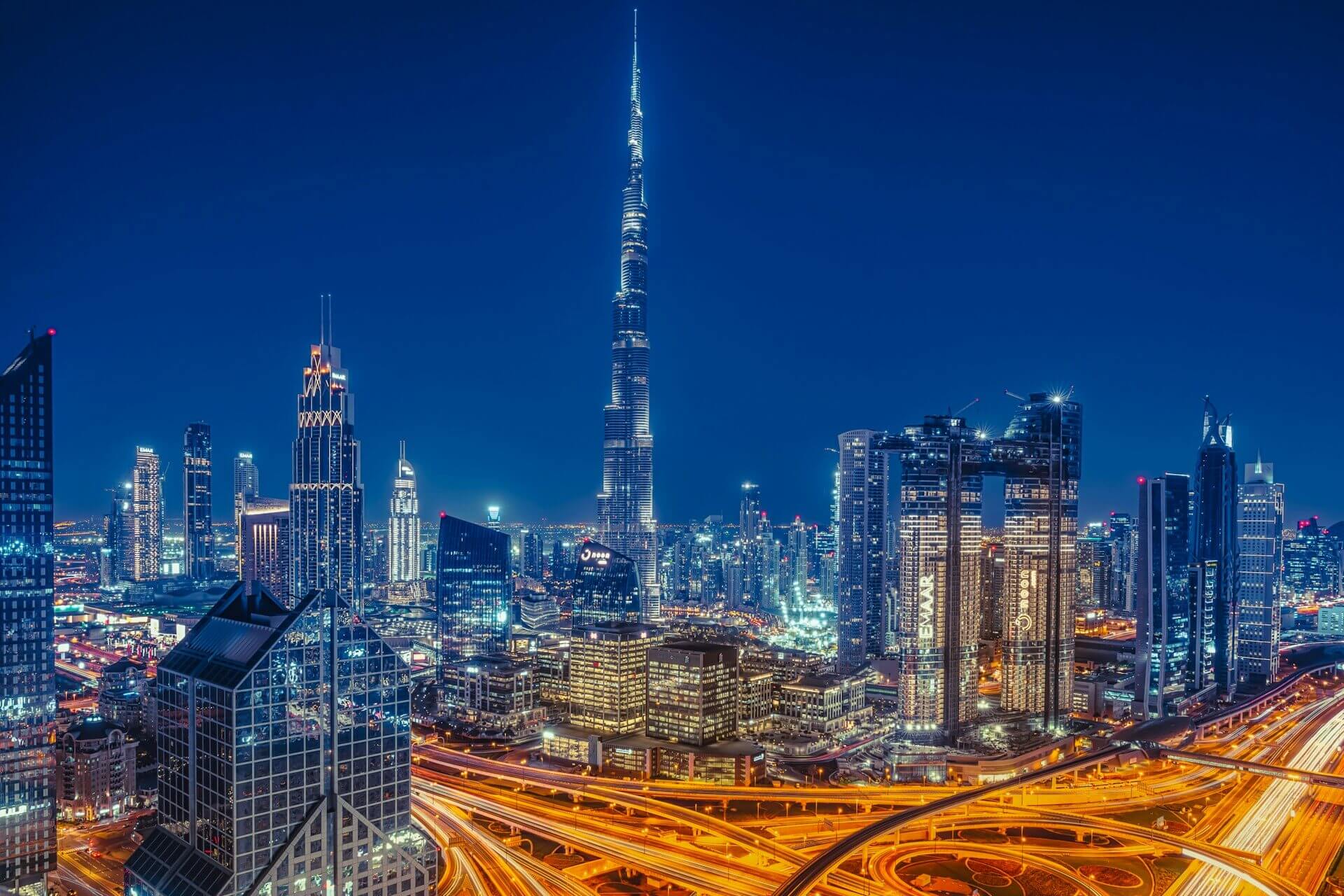
Dubai Property Selection focuses on apartments, villas and investment properties in key areas such as Dubai Marina, Downtown, Business Bay, Dubai Hills and Palm Jumeirah.
Instead of sending a huge list of random listings, we prepare a clean shortlist based on your budget, preferred area, bedrooms, timeline and purchase or rental goals.
Premium opportunities in Dubai — from compact investment units to signature villas and penthouses.
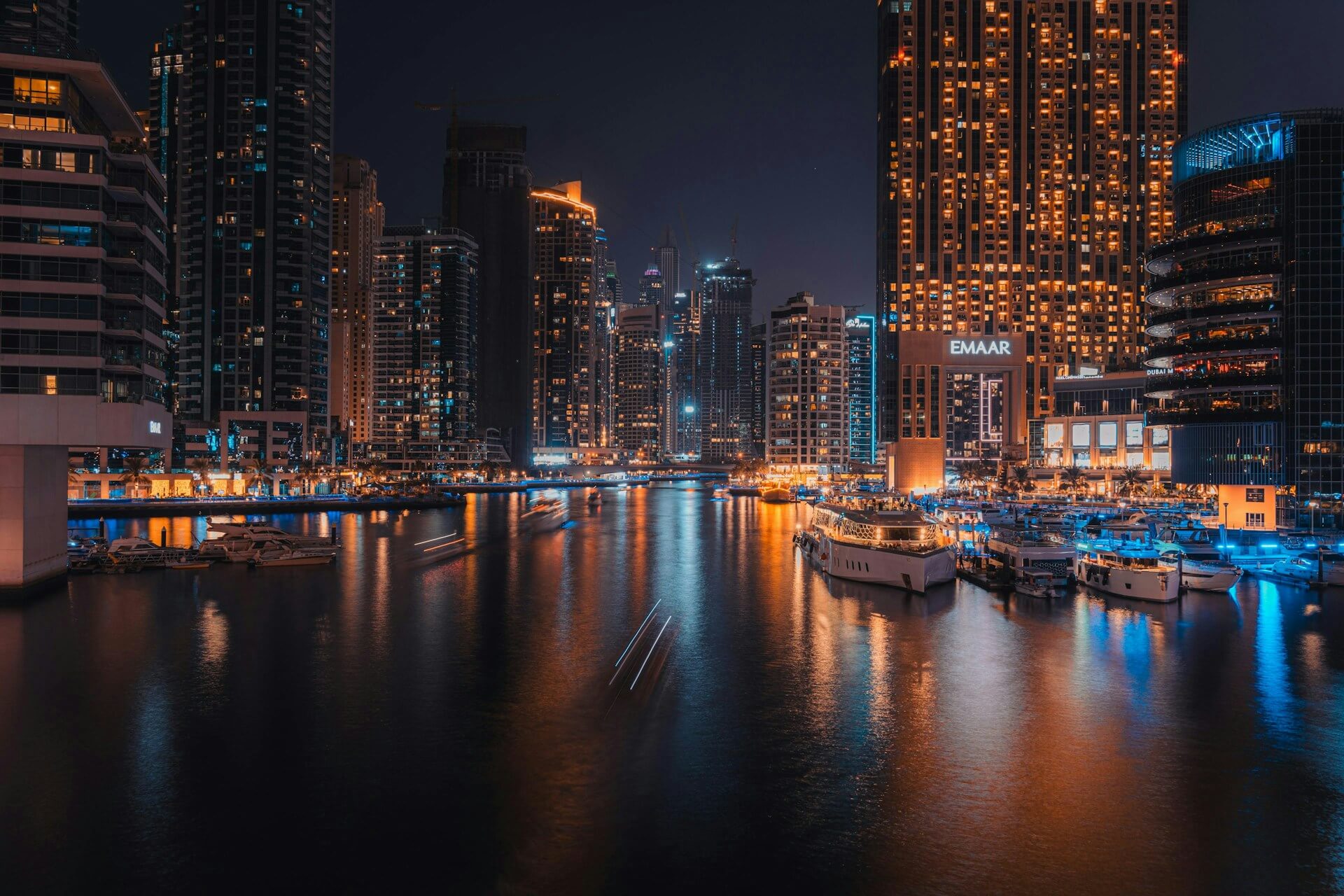
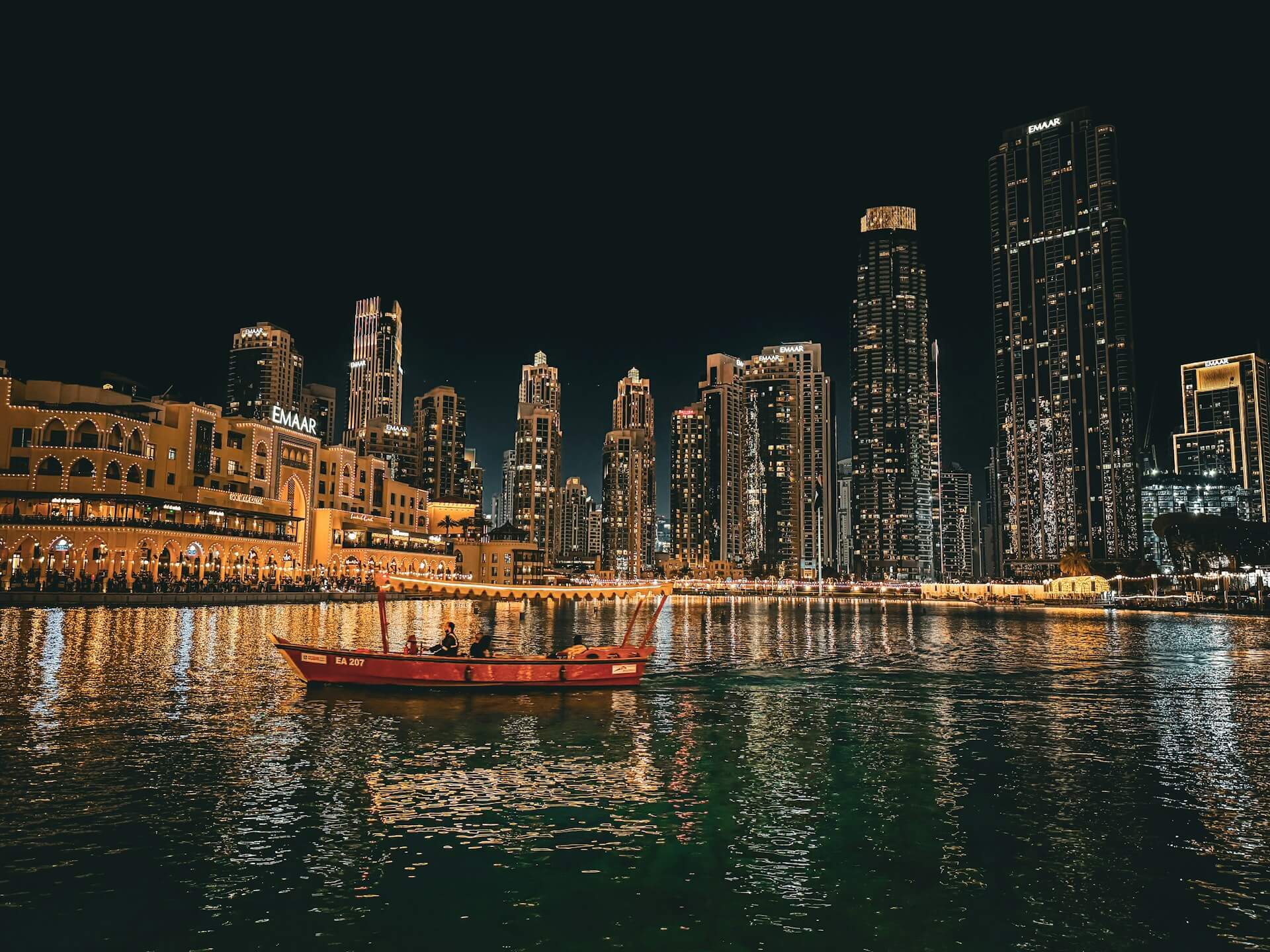
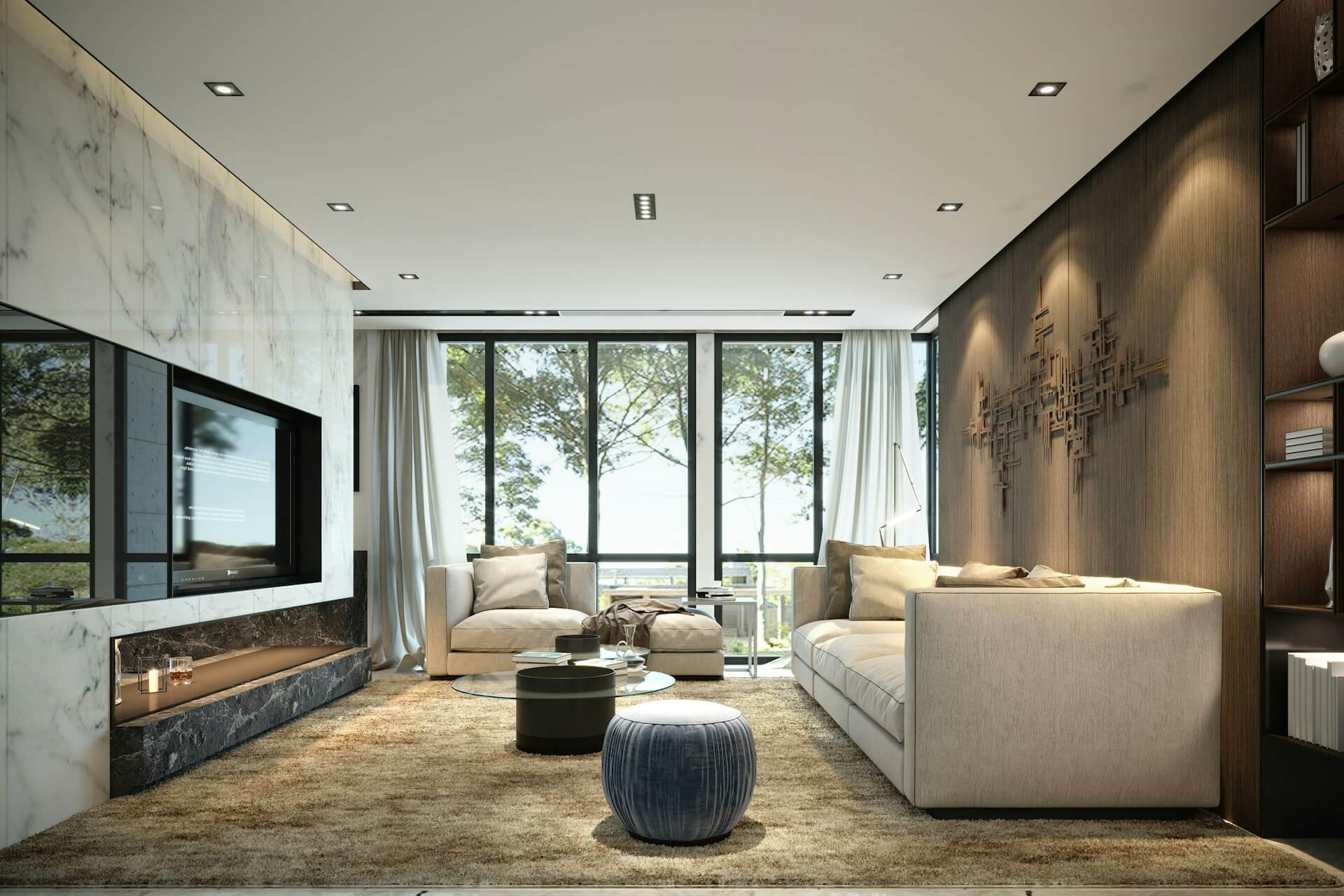
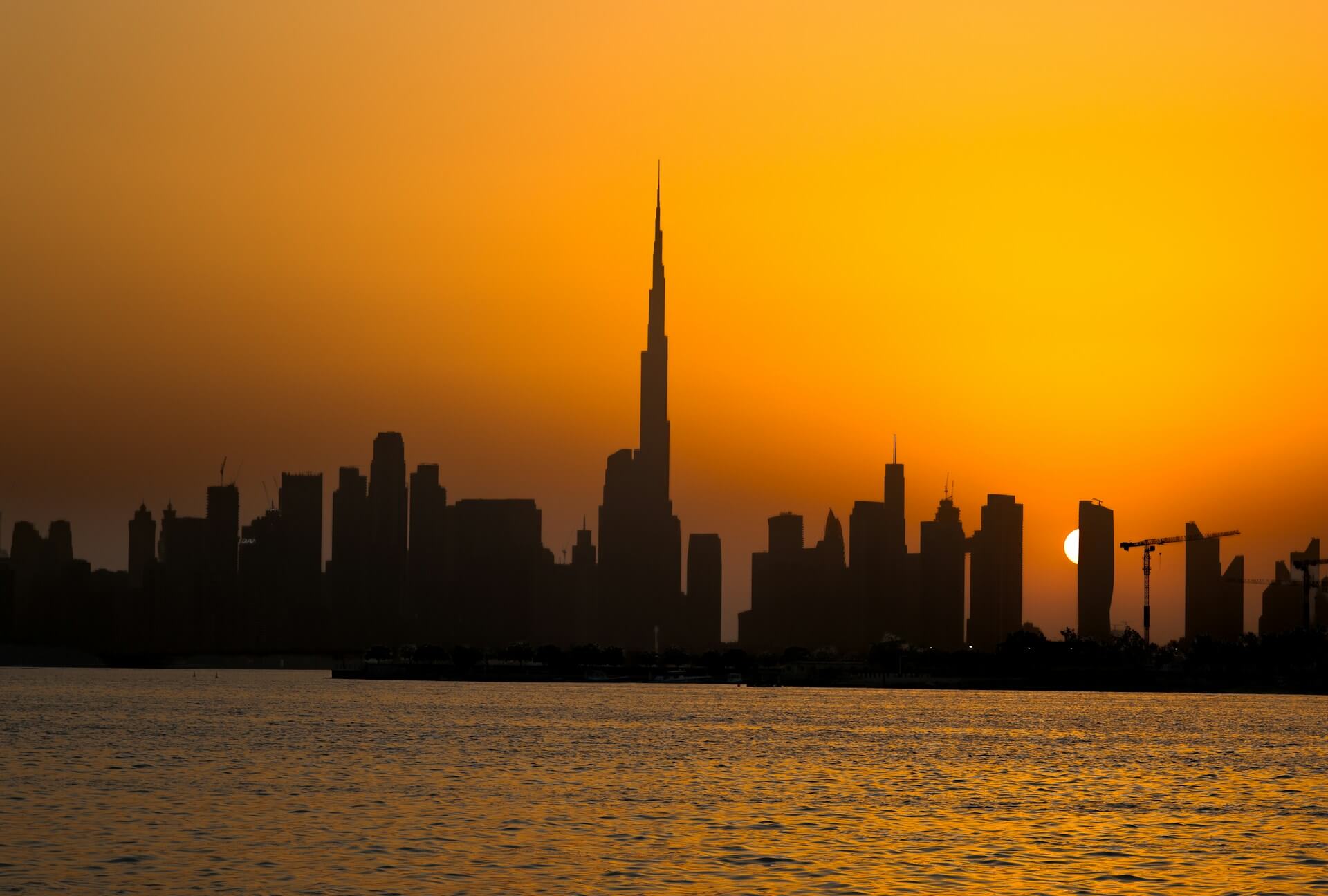
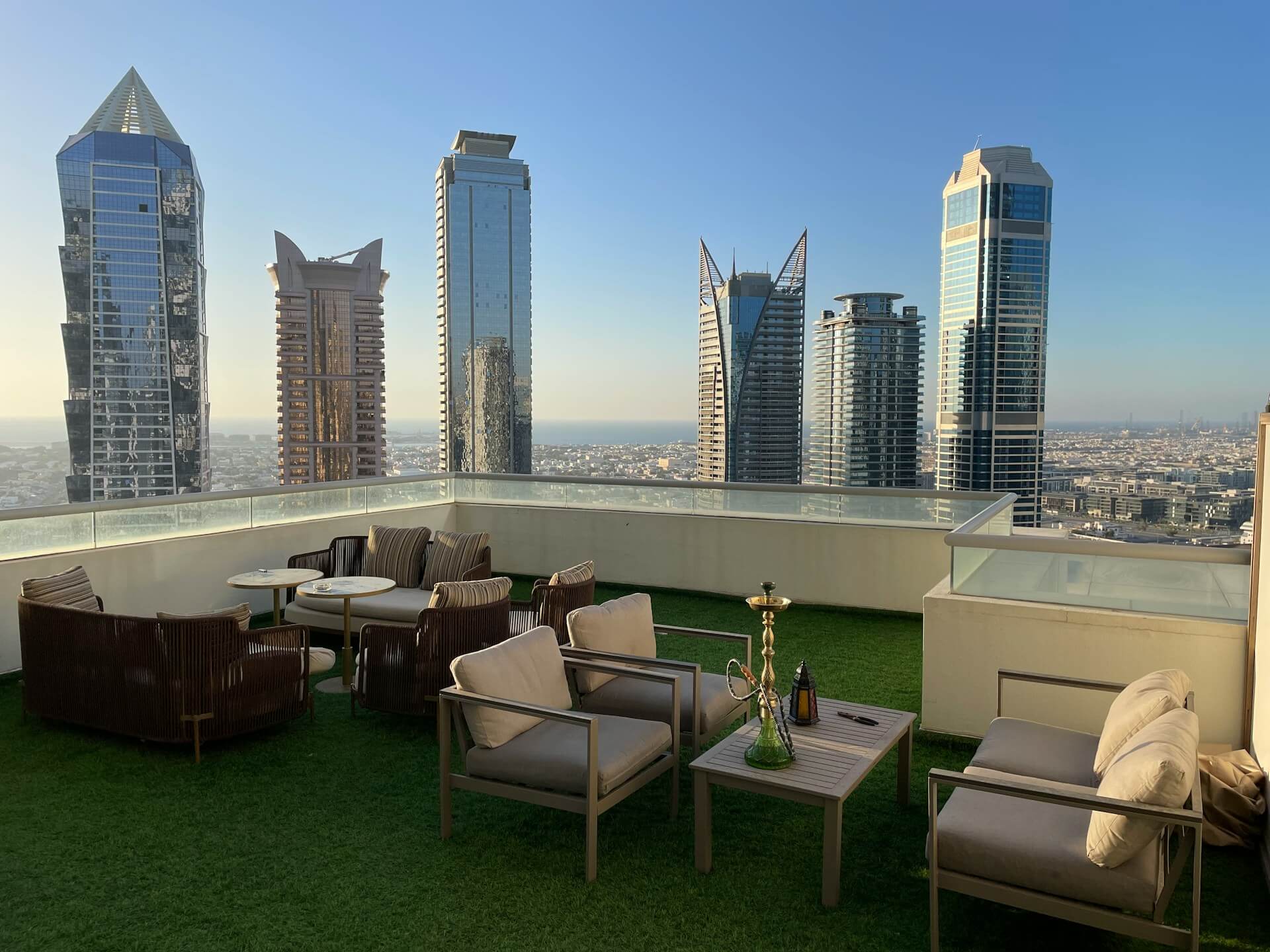
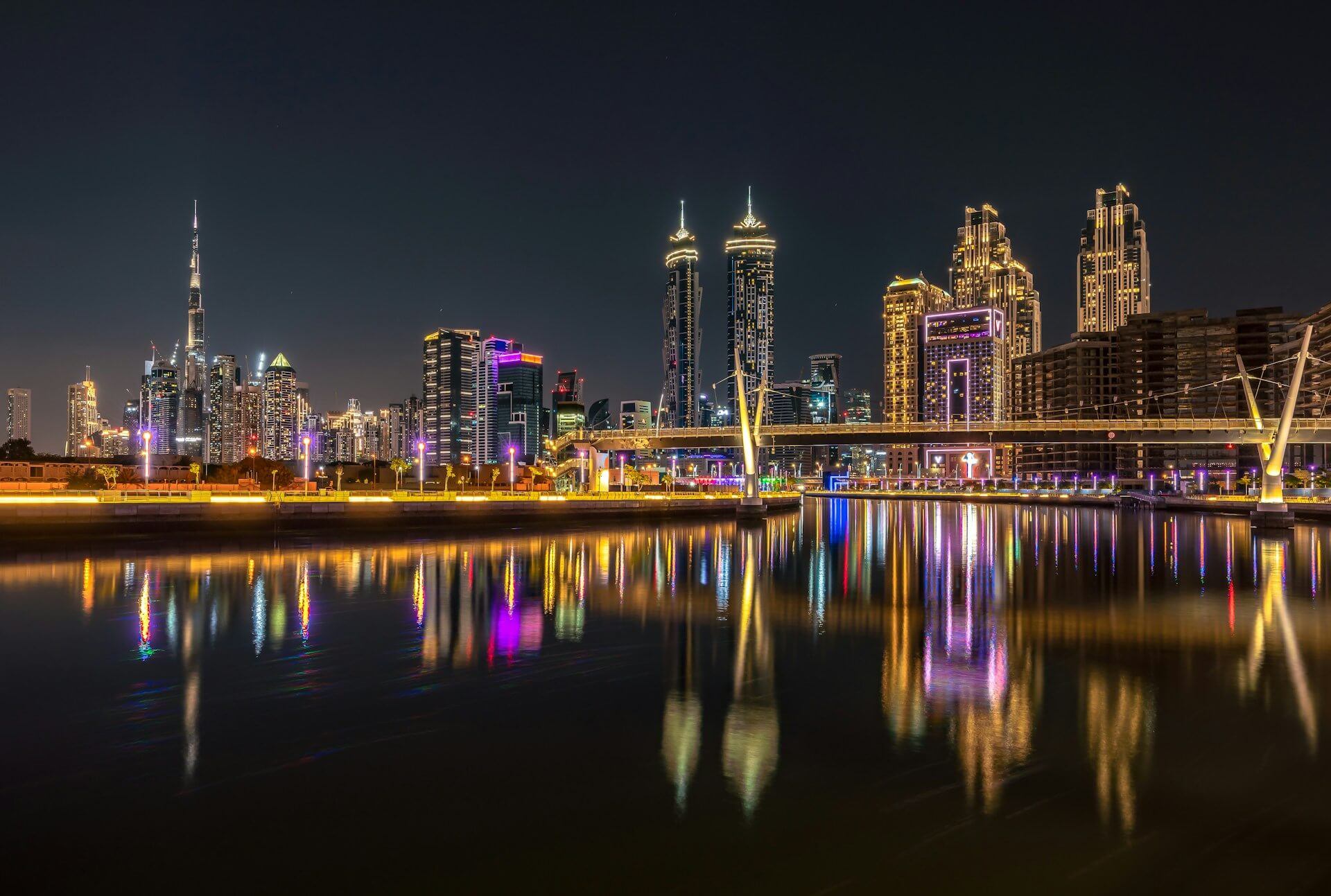
Comfortable long-term and premium rental options across Dubai.
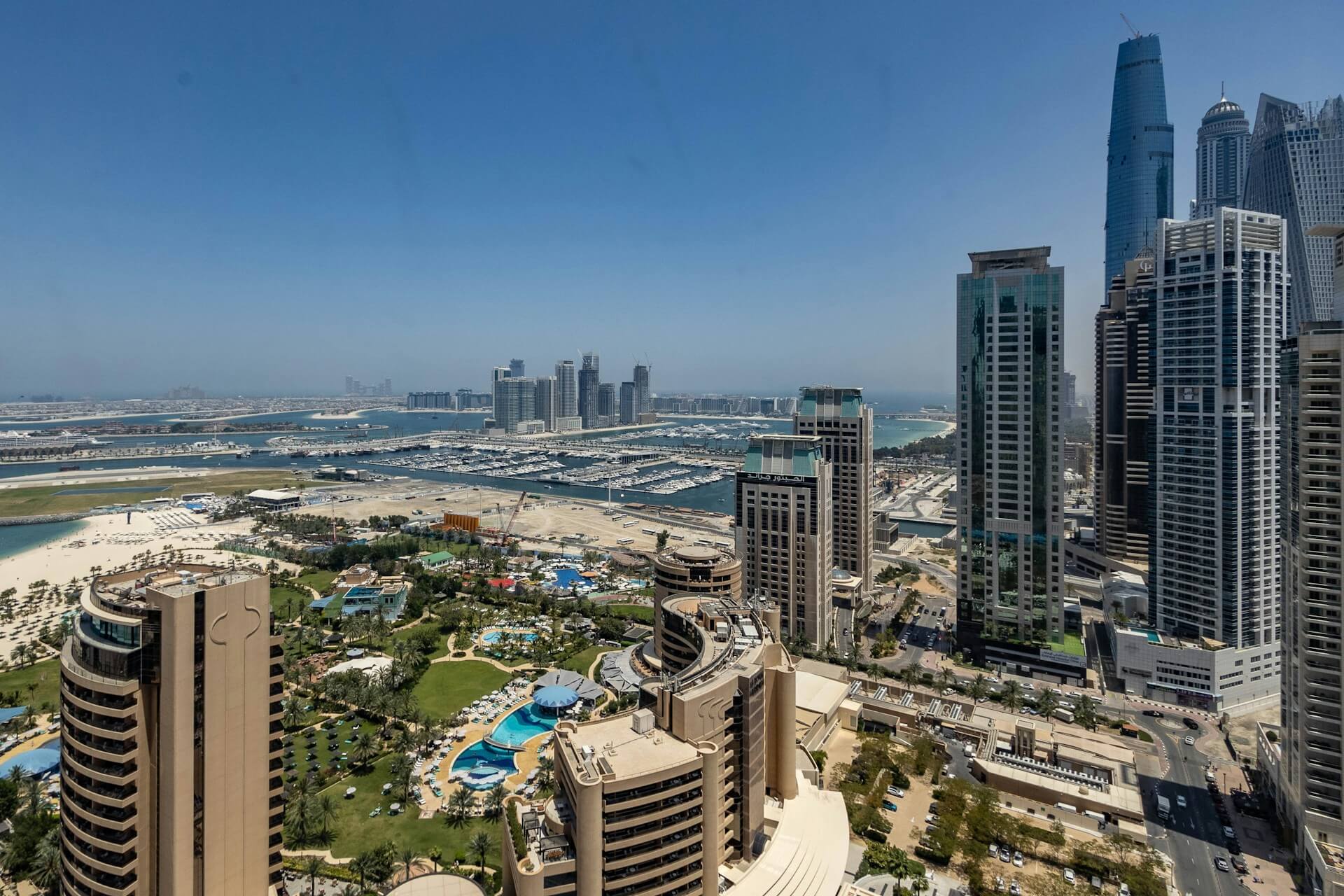
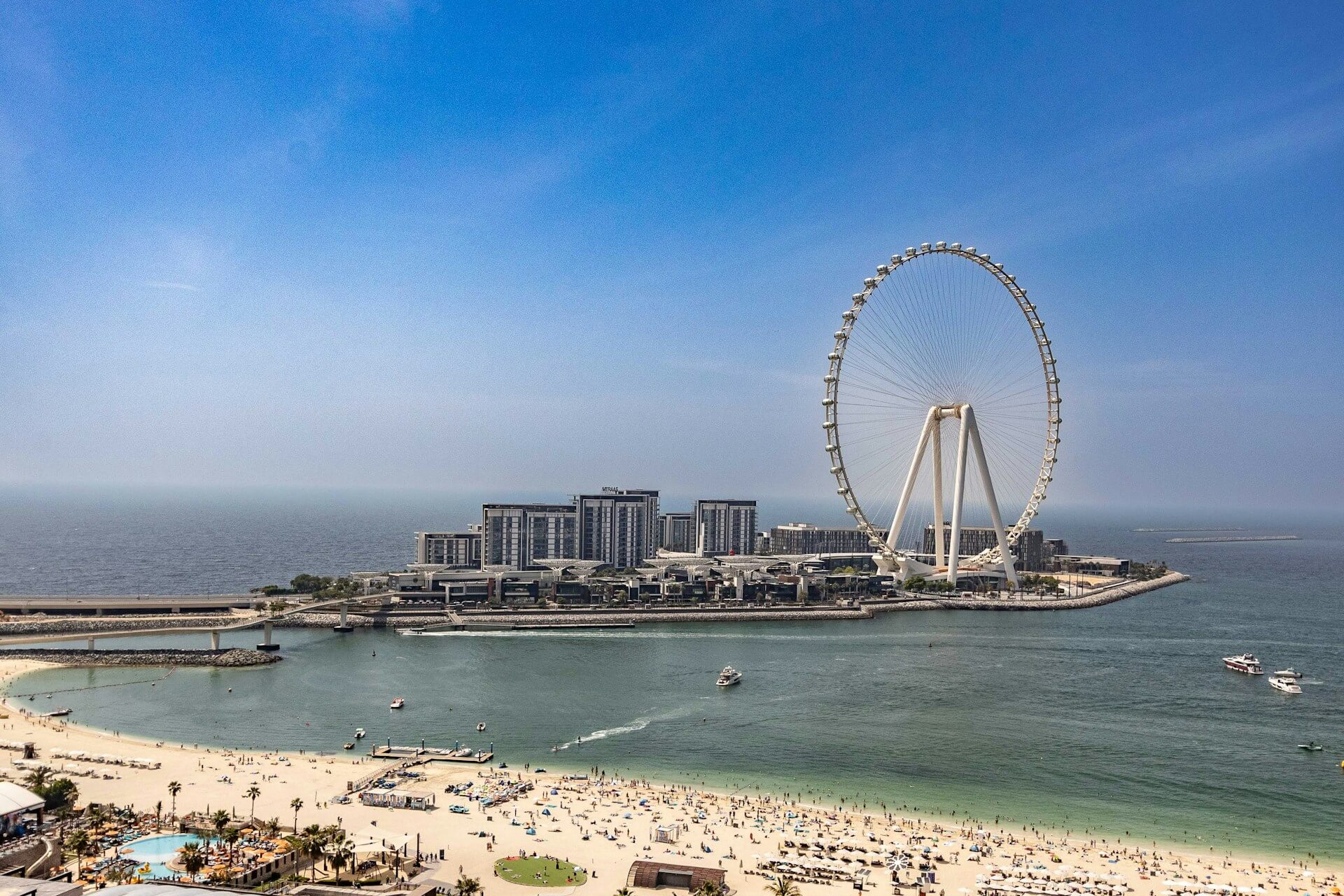
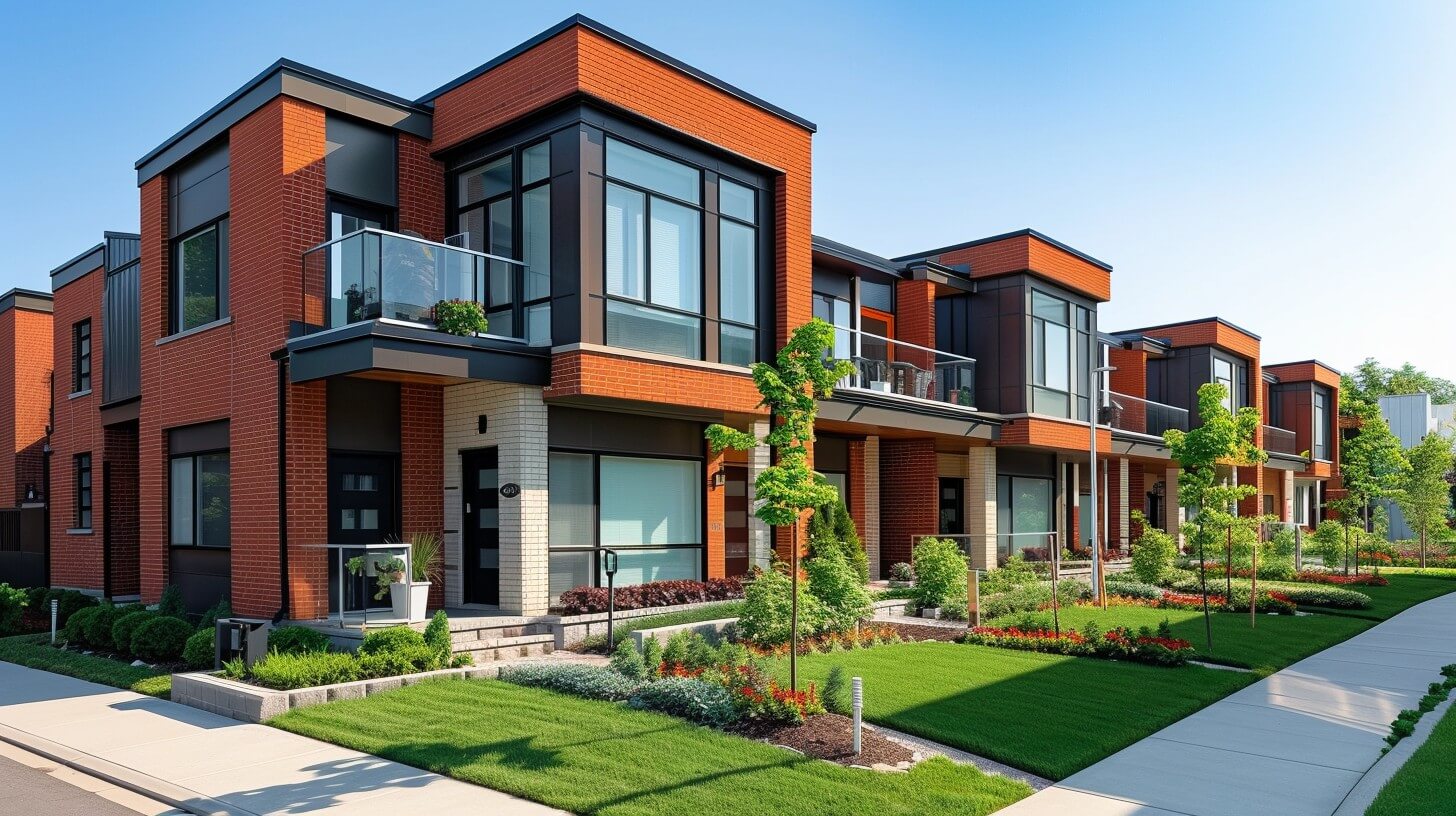
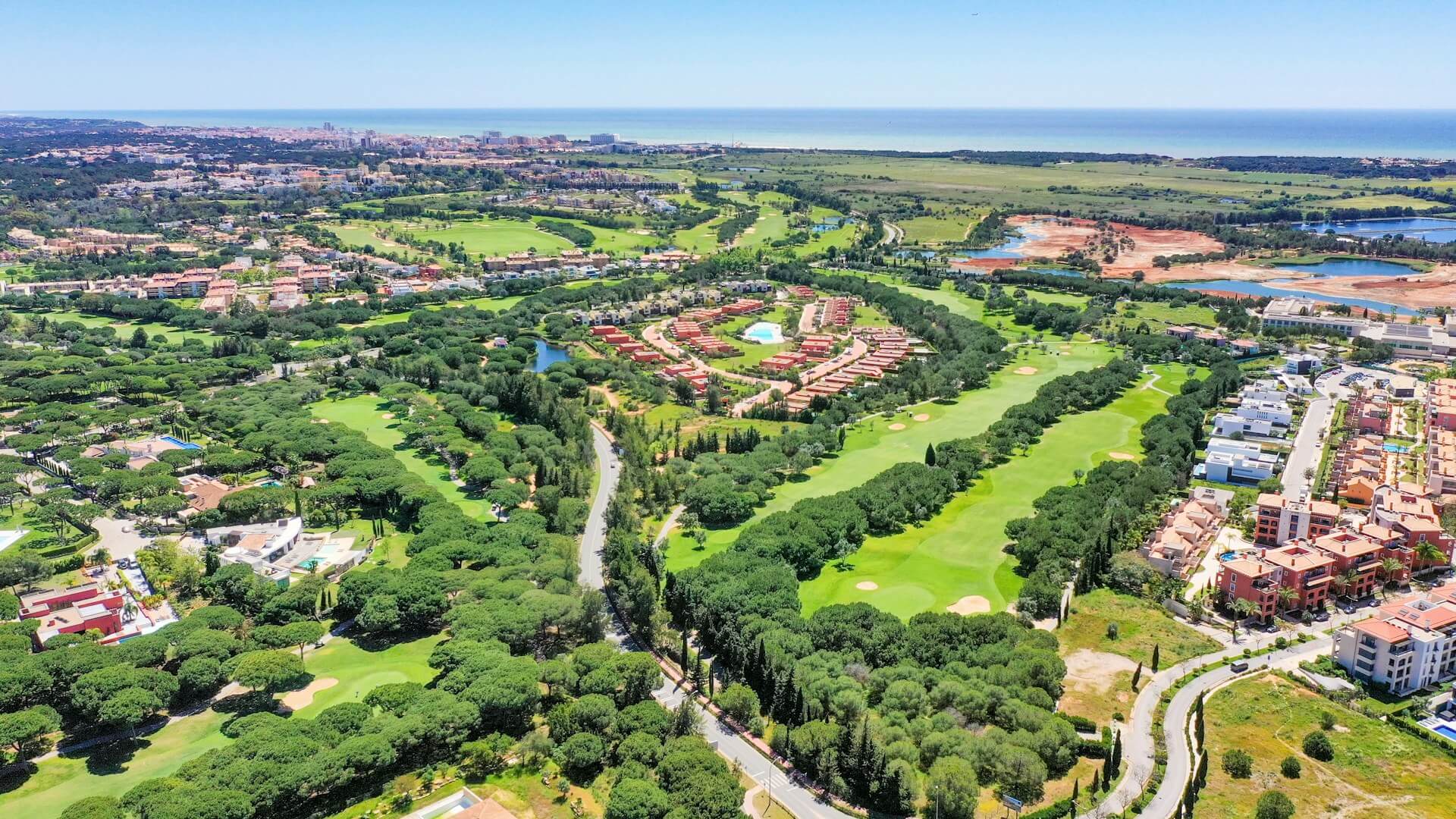
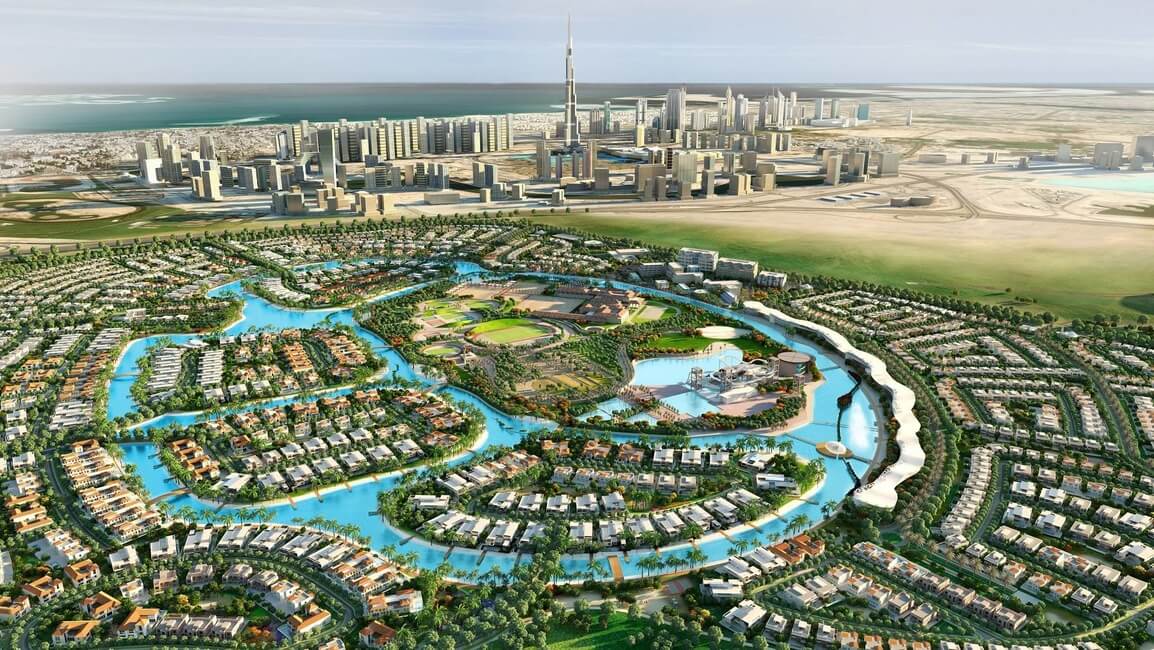
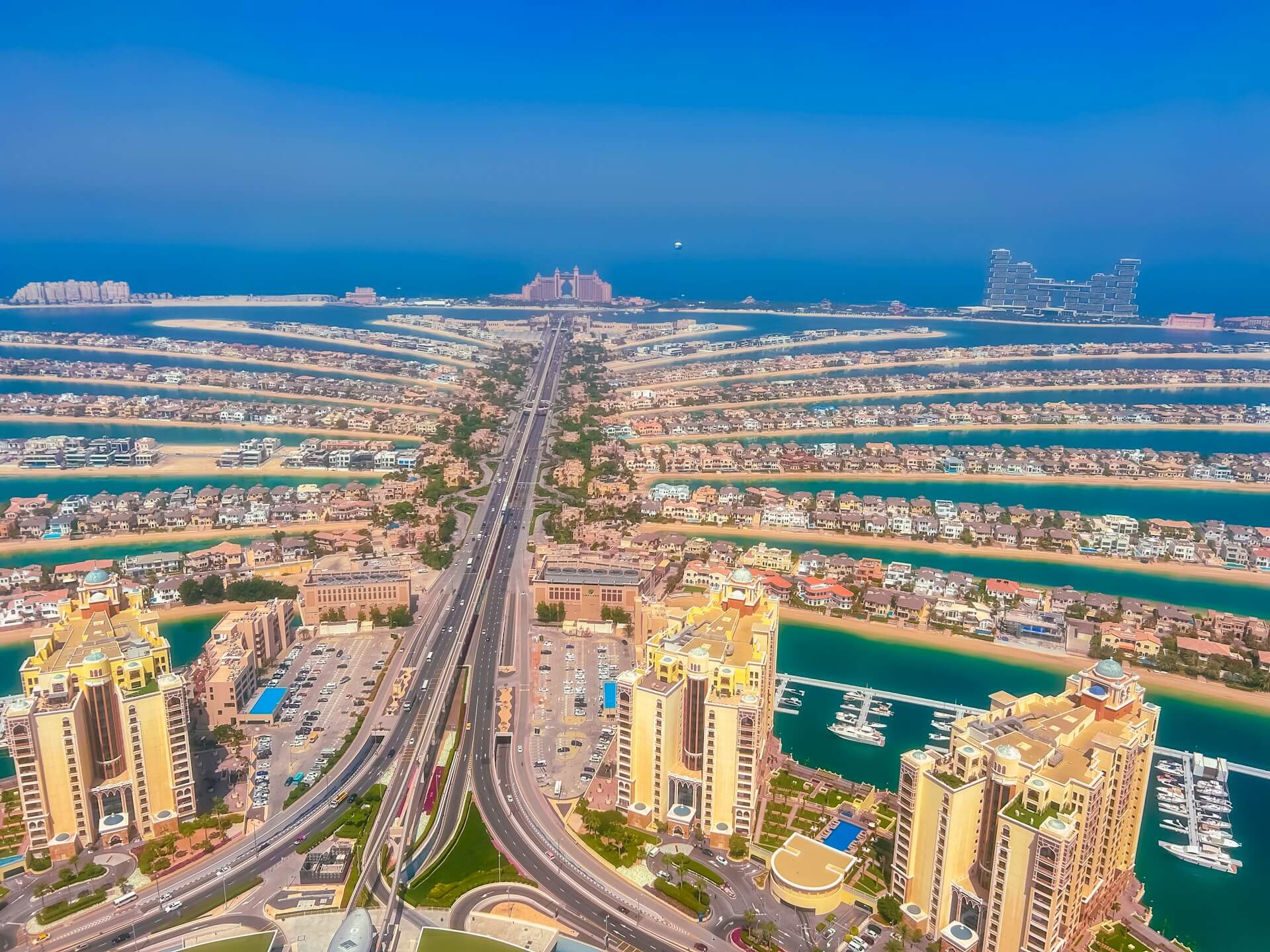
Houses on the palm remain a viable option for investors targeting Dubai’s premium waterfront real estate. Current transaction data shows entry prices averaging AED 15 million for villas, with liquidity concentrated around mid-range properties priced between AED 10-20 million.
Demand is driven primarily by expatriates seeking second homes and UHNWIs interested in capital preservation through tangible assets on the Palm Jumeirah. Rental yields range from 4% to 6%, outperforming many other high-end enclaves in Dubai.
Strong tourism recovery and limited availability of freestanding units on the Palm Jumeirah sustain buyer interest, especially among families and investors focusing on holiday rentals.
The island’s infrastructure enhancements and visa incentive policies bolster the market, creating a stable environment despite broader economic fluctuations in Dubai. For initial capital deployment, budget allocations must consider annual service fees exceeding AED 150,000, impacting net returns.
Comparatively, the Palm Jumeirah offers more predictable value retention than similarly priced Dubai Marina townhouses, but it lags behind Downtown Dubai in terms of rental turnover and resale speed.
The unique island configuration limits new supply, contributing to price stability but also reducing resale liquidity.
Potential buyers should carefully align investment goals to expectations on holding period and cash flow needs.
Investment in residences on Palm Jumeirah requires a minimum capital outlay starting at approximately AED 2 million for a one-bedroom apartment, with villas and townhouses beginning near AED 7 million.
This pricing level positions the island’s property segment above most Dubai alternatives, reflecting its exclusivity and mature market status. Buyers targeting capital growth should note that resale transactions dominate activity, as off-plan offerings are limited and carry extended payment plans that dilute short-term yield.
Current demand on Palm Jumeirah remains stable yet selective, driven mainly by relocation from high-net-worth individuals and lifestyle-driven buyers prioritizing beachfront access combined with privacy.
Visa reforms enabling longer residency periods for investors have modestly increased interest but have not inverted the general power balance–owner-occupiers still outnumber investors. Unlike Dubai Marina or Business Bay, where rental contracts and shorter-term leases prevail, Palm exhibits lower rental turnover but higher occupancy rates due to limited supply of comparable waterfront alternatives.
Infrastructure here is fully developed, with ongoing enhancements focused on retail and hospitality services rather than fundamental connectivity.
This maturity lowers construction risk but caps appreciation speed, making Palm Jumeirah more suitable for investors seeking stable, long-term appreciation rather than aggressive short-term gain. The island’s integration into Dubai’s tourism portfolio supports occasional short-stay rentals but yields are at the lower end, around 4-5% gross annually, compared to emerging zones offering 7-9%.
Liquidity on Palm Jumeirah outperforms more peripheral beachfront developments and off-island waterfront locations due to established branding and global recognition.
However, it lags behind Downtown Dubai or Business Bay in transaction velocity; resale deals often require price concessions of 5-7% compared to peak market values. Villas here maintain better resilience than apartments, benefiting from scarcity and end-user preference for standalone homes in Dubai’s luxury bracket.
For discerning investors, primary purchase candidates include established ready units with full ownership to avoid complexity linked with freehold offshore projects.
Villas and townhouses on the island yield steadier price retention. Off-plan options exist but present entry cost benefits only at early phases, which have largely passed. For those focused on yield maximizing, adjacent areas such as Dubai Marina outperform, but at a compromise of product type and exclusivity.
Buyers must exercise caution during macroeconomic uncertainty.
The high entry threshold on Palm Jumeirah exposes portfolios to lower liquidity buffers compared to emerging or mid-market Dubai locations. Price corrections can occur in market corrections due to oversupply risks in the wider luxury sector, especially with competing waterfront developments launching.
Vacancy risk, although generally low, rises during downturns as financial buyers pause acquisitions, shrinking demand from end-users reliant on physical presence in Dubai.
Non-suitable profiles encompass speculative investors seeking quick flips or those with budgets below AED 2 million. Similarly, tenants or buyers prioritizing high rental yield rather than capital preservation should explore alternatives with stronger rental performance.
Purchases made without clear exit strategies may face holding costs disproportionate to income generation, especially outside peak market periods.
In summary, capital deployment on Palm Jumeirah aligns best with conservative, long-horizon investment objectives favoring asset security, lifestyle synergy, and moderate appreciation. The island represents a niche segment within Dubai’s real estate market, where premium pricing and brand recognition create high barriers to entry but also stabilize value.
Selection of the optimal site within Palm Jumeirah depends primarily on investment objectives and budget constraints.
For investors prioritizing capital appreciation and resale liquidity, East Crescent units near the Pointe and Nakheel Mall deliver superior returns due to ongoing infrastructural upgrades and limited upcoming supply. Entry points here start at approximately AED 3.5 million for a two-bedroom villa, presenting a moderate barrier compared to West Crescent properties, where prices exceed AED 5 million for comparable units but with slower market rotation.
Those seeking higher rental yields should target the Fairmont and Shoreline Villas sectors, as these zones consistently offer occupancy rates above 80% combined with average gross yields around 7.5% annually.
This is driven by proximity to beach clubs and commercial hubs fostering steady demand from expatriate tenants. By contrast, East Beach remains underpriced with rising demand; however, its longer-term appreciation potential is higher due to scarce future developments and limited resale transactions currently restraining liquidity.
Off-plan options are predominantly concentrated in the West Crescent and remaining plots on the trunk offering flexible payment plans starting from AED 1.8 million.
These are suited for buyers willing to delay possession without immediate rental income. Ready properties, especially on the East Crescent, command premiums but offer immediate entry into Dubai’s visa-linked property market, attracting international buyers seeking residency pathways via Palm Jumeirah’s established reputation.
Infrastructure is a critical comparative factor.
Eastern segments benefit from enhanced road networks and forthcoming metro station plans, reducing travel times to Dubai Marina and Business Bay by 15-20 minutes. Western areas still suffer from traffic congestion during peak hours, impacting tenant retention and short-term rental occupancy. Thus, location choice should weigh transport accessibility alongside price dynamics.
Risk profiling differs markedly within the island.
Central crescent parts face higher exposure to construction delays from ongoing projects, which can suppress short-term resale potential. Alternatively, properties on the outer fronds command waterfront positions but entail elevated maintenance costs and potential regulatory changes affecting owner rights. Such factors make these less attractive for passive investors focusing on steady income streams.
End-user demand is predominantly concentrated in neighborhoods with established schools, recreational facilities, and retail complexes.
For lifestyle buyers prioritizing family living, clusters near the East Crescent shorelines offer immediate access to education hubs and private beach access, commanding premium valuations but fewer liquidity constraints compared to isolated fronds. Investors should align purchase location with intended holding period and exit strategy accordingly.
Comparison with alternative luxury waterfront developments in Dubai confirms that Palm Jumeirah’s mid to eastern segments outperform in terms of price stability and rental demand despite higher entry costs.
Areas like Dubai Marina or JBR provide more affordable access but show greater supply oversaturation and lower capital growth prospects. Hence, buyers targeting medium to long-term appreciation typically prefer established zones on this island.
When considering acquisition timing, avoid entering during peak market cycles in West Crescent, where speculative inventory inflates prices beyond sustainable rental income yield ratios.
Similarly, remote fronds carry heightened vacancy risks during off-peak tourist seasons, reducing cash flow reliability. Conservative investors should focus on mature districts along the East shoreline for consistent performance.
In conclusion, evaluation on Palm Jumeirah must integrate price thresholds, access to amenities, infrastructure developments, and risk appetite.
East Crescent offers balanced potential between liquidity and appreciation, central areas pose moderate construction-related uncertainties, while peripheral fronds demand cautious assessment due to higher operational expenditures and market volatility.
Obtaining a mortgage for properties on Palm Jumeirah requires aligning financing options with Dubai’s regulatory framework and market specifics.
Start by assessing eligibility under UAE Central Bank guidelines, which limit loan-to-value (LTV) ratios: up to 80% for first-time buyers and 65% for secondary purchases. Loan tenure commonly maxes out at 25 years or borrower’s age limit, whichever is lower. These caps directly affect entry capital and monthly obligations for Palm Jumeirah acquisitions.
Choose lenders with expertise in financing on Palm Jumeirah, as not all banks offer specialized products for this niche.
Local banks such as Emirates NBD, ADCB, and Mashreq Bank provide competitive rates averaging 3.5–4.5% per annum for prime clients, while international banks might have higher thresholds or require larger deposits.
Pre-approval from a bank before property selection is crucial to streamline purchase processes and negotiate better terms.
Prepare documentation tailored to Dubai mortgage prerequisites: valid UAE residency visa, proof of income (salary certificates, bank statements for last 3–6 months), credit history reports, and property-specific documents such as title deeds and developer approvals for off-plan units on Palm Jumeirah.
Investors should demonstrate source of funds compliance against anti-money laundering rules, which has become more stringent as Palm Jumeirah’s luxury segment grows.
For self-employed buyers and overseas investors focused on Palm Jumeirah, cash flow verification involves audited financial statements or asset portfolios.
Some banks require a minimum monthly income threshold often exceeding AED 20,000 to sanction loans on luxury developments.
Consider these thresholds in your financial planning since financing costs elevate total purchase budgets significantly above down payment values.
Explore financing structures beyond conventional mortgages, including developer partnerships offering post-handover payment plans or buy-to-let loan packages with rental income factored into affordability assessments on Palm Jumeirah.
These options reduce upfront capital but may carry higher overall costs or stricter repayment conditions.
Analyze interest rate types carefully: fixed rates provide payment certainty for the first 2–5 years, while variable rates linked to EIBOR or Emirates Interbank Offer Rate can reduce costs during stable periods but increase risk if rates surge. Given recent market trends in Dubai, fixed rates offer predictable budgeting for luxury residences on Palm Jumeirah.
Mortgage approval speed varies: ready properties tend to expedite lending, as valuation processes are straightforward.
Off-plan units, especially from smaller developers on Palm Jumeirah, may encounter delays due to conditional approvals and fluctuating valuations. Factor this timeline into your acquisition strategy to avoid funding gaps and hold cost overruns.
Compare mortgage deals based on Effective Interest Rate (EIR), early repayment fees, and required down payment.
For Palm Jumeirah, initial payments range from 20% to 35% depending on buyer profile and lender, with additional 4–7% fees for registration, agent commissions, and mortgage setup.
These influence total initial capital outlay significantly.
Appraise risks linked to mortgage financing in this niche market. Macro shifts in Dubai’s interest rates or regulatory changes can tighten credit availability, impacting liquidity for Palm Jumeirah properties.
Avoid over-leveraging and consider fallback liquidity sources in case of delay or mandatory capital injections.
Seek professional mortgage advisory specialized in Dubai luxury assets.
Such consultants can negotiate pricing, identify best-suited lenders for Palm Jumeirah transactions, and navigate complex documentation. This approach reduces approval timeframes and optimizes financing structures aligned with investment or personal usage goals.
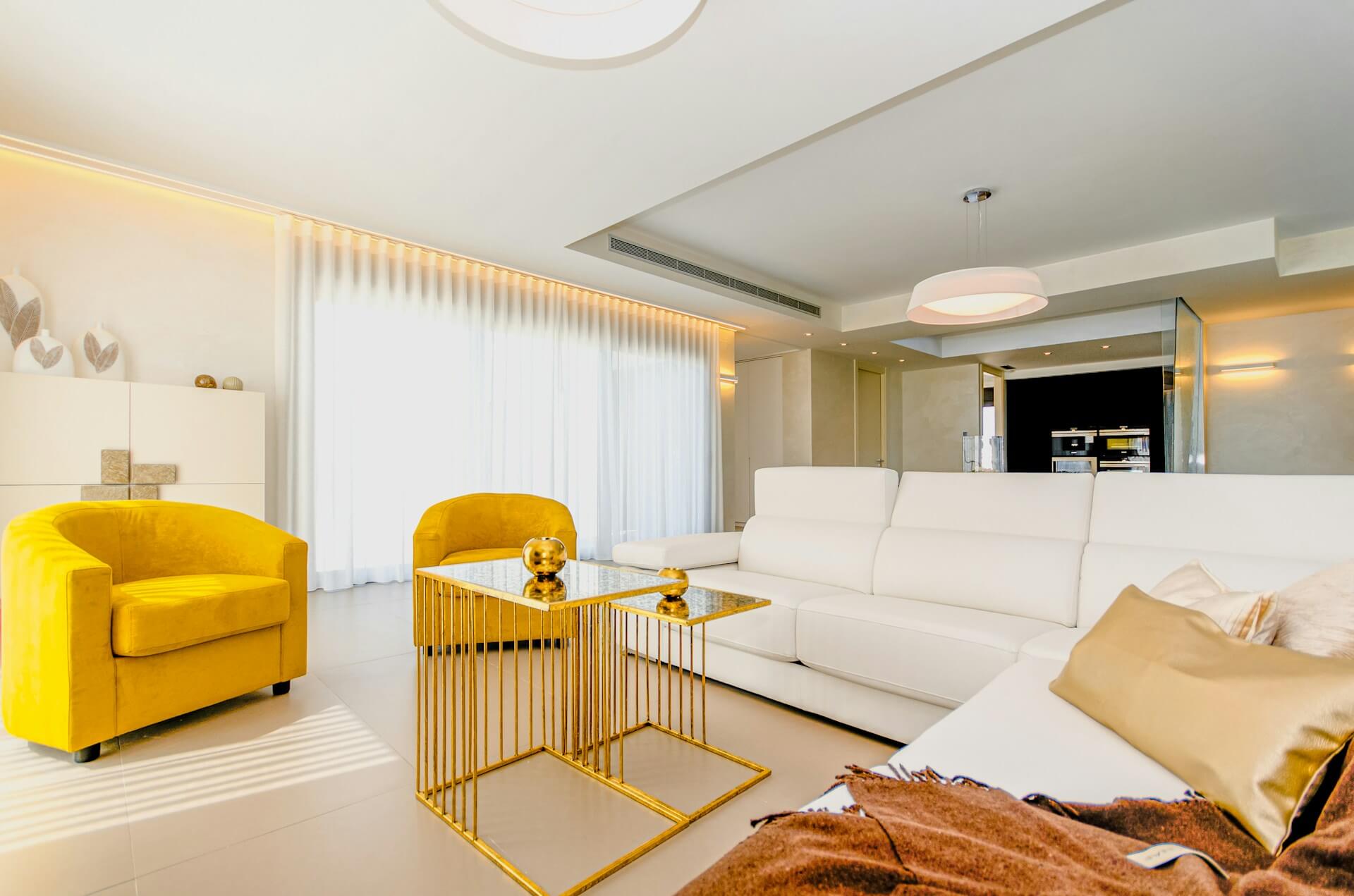
The houses on the Palm stand out due to their waterfront locations combined with private beaches and large terraces offering panoramic sea views.
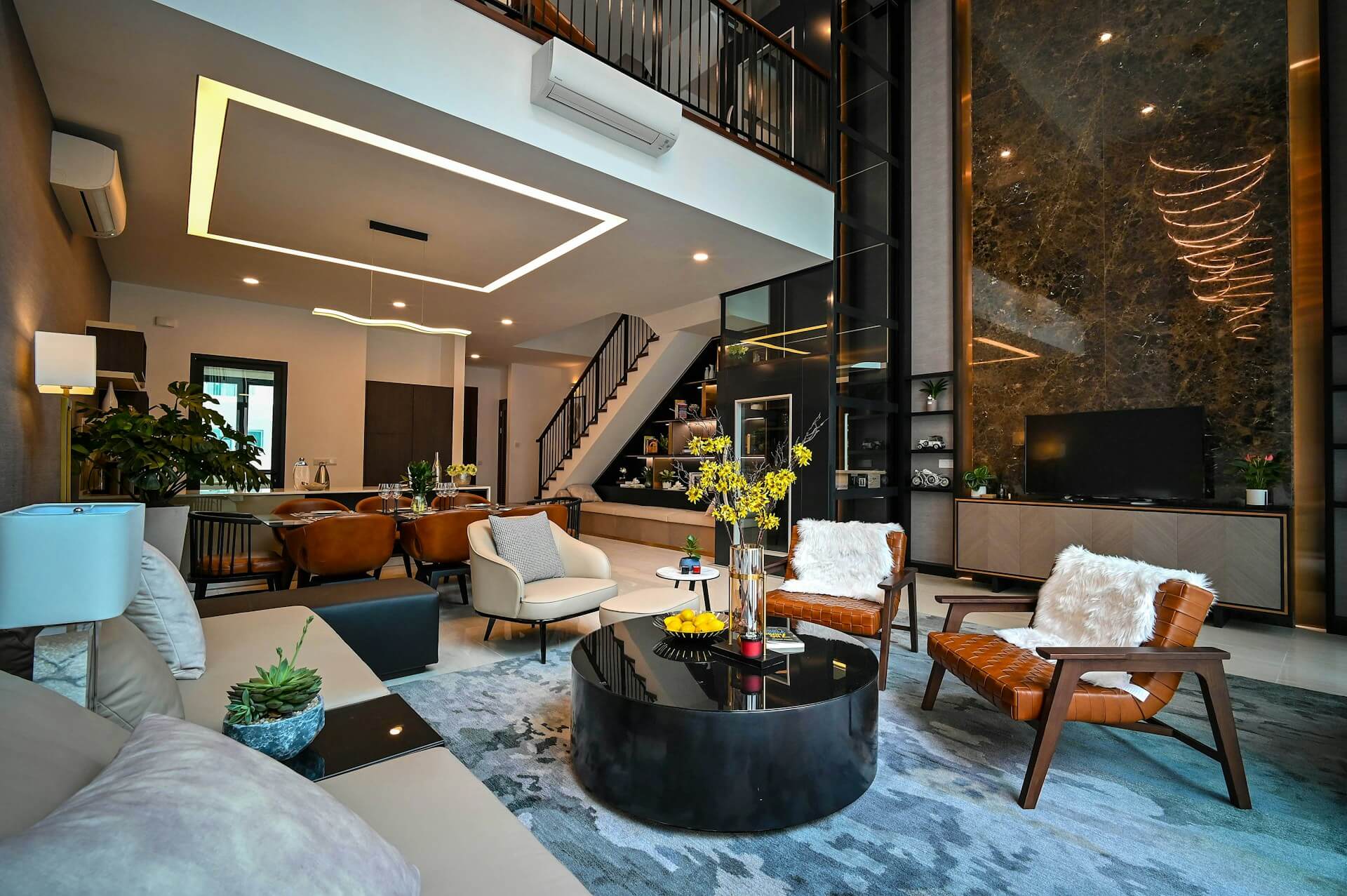
Many incorporate designs inspired by Middle Eastern aesthetics blended with modern minimalism. Additionally, these homes often have private docks for yachts, expansive gardens, and smart home technologies that enhance comfort and security. The integration of indoor-outdoor living spaces is particularly striking, creating a seamless connection with the coastal environment.
Houses situated on this man-made island benefit from an exclusive address that is highly sought after by wealthy buyers internationally.
The proximity to the city center combined with the private, serene environment significantly increases desirability. Buyers often pay a premium not only for the property itself but also for the access to private beaches, luxury amenities, and a unique lifestyle that few other locations can offer.
The island’s iconic shape and reputation contribute to maintaining strong demand and steady property appreciation.
Living by the sea means dealing with salty air and high humidity, which can accelerate wear on building materials like metal and wood. Regular maintenance of exterior surfaces is necessary to prevent corrosion and mold. Additionally, owners must manage landscaping carefully due to sandy soil and potential water restrictions.
Infrastructure, such as private docks and seawalls, requires periodic inspections to withstand weather effects.
Security and privacy are also significant considerations on an island with many high-profile residents.
Constructing the island involved significant modification of marine ecosystems, leading to concerns about habitat disruption for local marine life. The artificial creation changed natural water currents and sediment patterns. While ongoing efforts aim to minimize ecological impact, increased human activity can still put pressure on surrounding waters.
Owners and developers often promote sustainable practices, such as energy-efficient designs and waste management systems, to reduce the environmental footprint of these homes.
Many residences incorporate traditional Middle Eastern motifs alongside contemporary styles, reflecting local heritage through architectural elements like arabesque patterns, mashrabiya screens, and courtyards.
Interiors frequently blend modern luxury with handcrafted details, including intricate woodwork and textiles. The lifestyle promotes lavish hospitality, with spaces designed for large social gatherings and outdoor dining. This fusion of cultural identity and modern living offers residents both comfort and a connection to regional traditions.
Clear answers about buying, renting and investing in Dubai property.
Yes. Foreign buyers can purchase freehold property in designated areas such as Dubai Marina, Downtown Dubai, Business Bay, Palm Jumeirah, Dubai Hills and other approved communities.
It depends on your timeline, budget and goal. Buying is usually better for long-term plans, capital growth and rental income, while renting is better for flexibility and easier relocation.
The required budget depends on the area, building quality and property type. More accessible apartments can be found in developing communities, while prime locations and luxury properties require a much higher budget.
In addition to the purchase price, buyers should budget for the Dubai Land Department fee, registration and trustee fees, possible agency commission, mortgage-related costs if financing is used, and ongoing service charges for many buildings.
Yes, many banks in the UAE offer mortgages to foreign buyers. Approval depends on income, documents, deposit amount and the specific property being purchased.
Areas such as Dubai Marina, Downtown Dubai, Business Bay, Dubai Hills, JVC, Palm Jumeirah and Creek Harbour are often considered by investors, but the right area depends on whether your focus is yield, resale value, lifestyle appeal or long-term growth.
Rental yield varies by area, property type, furnishing level and market timing. In practice, many investors look for a balance between strong occupancy, reasonable service charges and sustainable tenant demand rather than chasing headline numbers alone.
Off-plan property is purchased directly from a developer before the project is completed. Buyers often choose off-plan because of payment plans, newer inventory and lower entry prices compared with some ready properties.
A proper review should consider the developer’s track record, payment plan, handover timeline, location quality, future supply in the area and the project’s resale or rental potential after completion.
For ready property, the timeline can move fairly quickly if the price is agreed, documents are prepared and the buyer is ready to proceed. Mortgage purchases usually take longer than cash deals.
Yes, many purchases can be handled remotely with the correct documents and proper support through the process. Remote buying is common for overseas investors and international clients.
The biggest risks are overpaying, choosing a weak location, buying an unsuitable layout, ignoring service charges, or selecting a project with low resale and rental demand. Good selection matters more than marketing promises.
In long-term rentals, rent is commonly agreed for a fixed term and often paid by one or several cheques depending on the landlord, property and negotiation.
Tenants are usually asked for identification and residency-related documents, and the exact set depends on their status in the UAE and the landlord’s requirements.
A security deposit is commonly required before move-in. The amount often depends on whether the property is furnished or unfurnished and should be clearly stated in the rental terms.
In many rental transactions, an agency commission is charged. The amount depends on the deal structure and should be confirmed before signing anything.
Tenants should review the deposit, Ejari registration, utility setup costs, parking terms if relevant, maintenance responsibilities and any conditions related to early termination or renewal.
Yes, negotiation is common. The final result depends on market conditions, the landlord’s flexibility, how long the property has been available and how prepared the tenant is to move forward.
It is important to check the condition of the unit, building quality, noise level, parking, view, maintenance status, contract terms and the reliability of the owner or manager.
Short-term rent offers flexibility and convenience but is usually more expensive. Long-term rent is generally more cost-effective and better suited for clients planning to stay longer.
During an active contract, the agreed rent usually remains fixed. Any increase is generally discussed at renewal and should follow the applicable rules and notice requirements.
This depends on the tenancy contract. Minor day-to-day issues may be handled by the tenant, while major maintenance is commonly the landlord’s responsibility, but the exact wording in the contract matters.
Ejari is the official registration of the tenancy contract in Dubai. It is important for legal recognition of the lease and is commonly needed for practical steps such as setting up utilities.
Yes. Furnished properties can be more convenient and faster to move into, while unfurnished options may work better for longer stays or tenants who want more control over the setup and budget.
We do not rely on random mass listings. We narrow the market based on budget, location, property type, investment goal, lifestyle needs and timeline, so clients can focus only on relevant options.
Yes. Support can include shortlisting, arranging viewings, comparing options, discussing terms, helping with negotiations and guiding the next steps of the transaction.
The best first step is to define the real budget, target areas, purpose, preferred property type and timeline. Once those points are clear, the selection becomes faster, cleaner and much more useful.