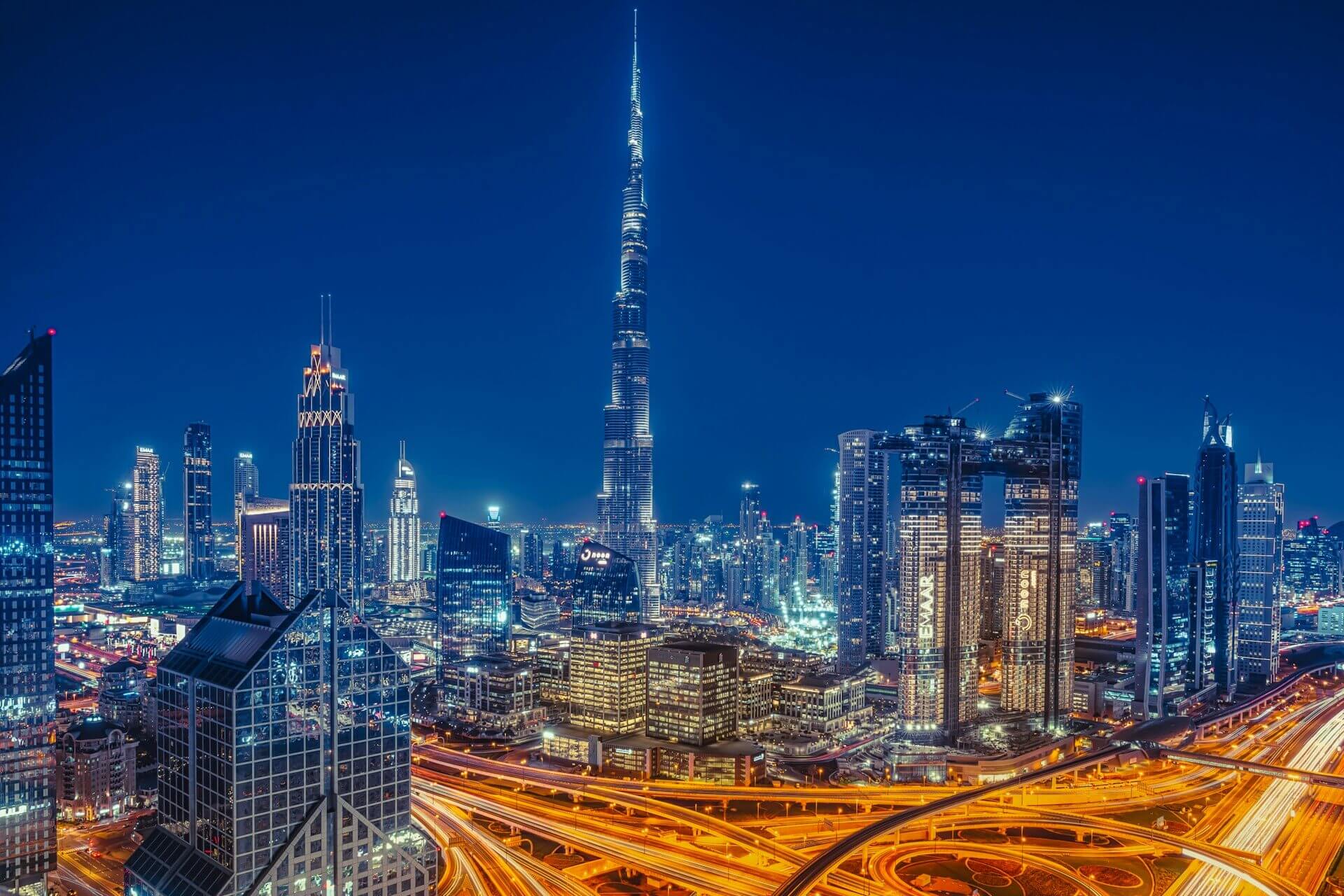
FOR SALE
AED 1,200,000AED 720,000
We help clients buy and rent the right property in Dubai — apartments, villas and investment units matched to budget, area and goals.
Dubai Property Selection focuses on apartments, villas and investment properties in key areas such as Dubai Marina, Downtown, Business Bay, Dubai Hills and Palm Jumeirah.
Instead of sending a huge list of random listings, we prepare a clean shortlist based on your budget, preferred area, bedrooms, timeline and purchase or rental goals.
Premium opportunities in Dubai — from compact investment units to signature villas and penthouses.
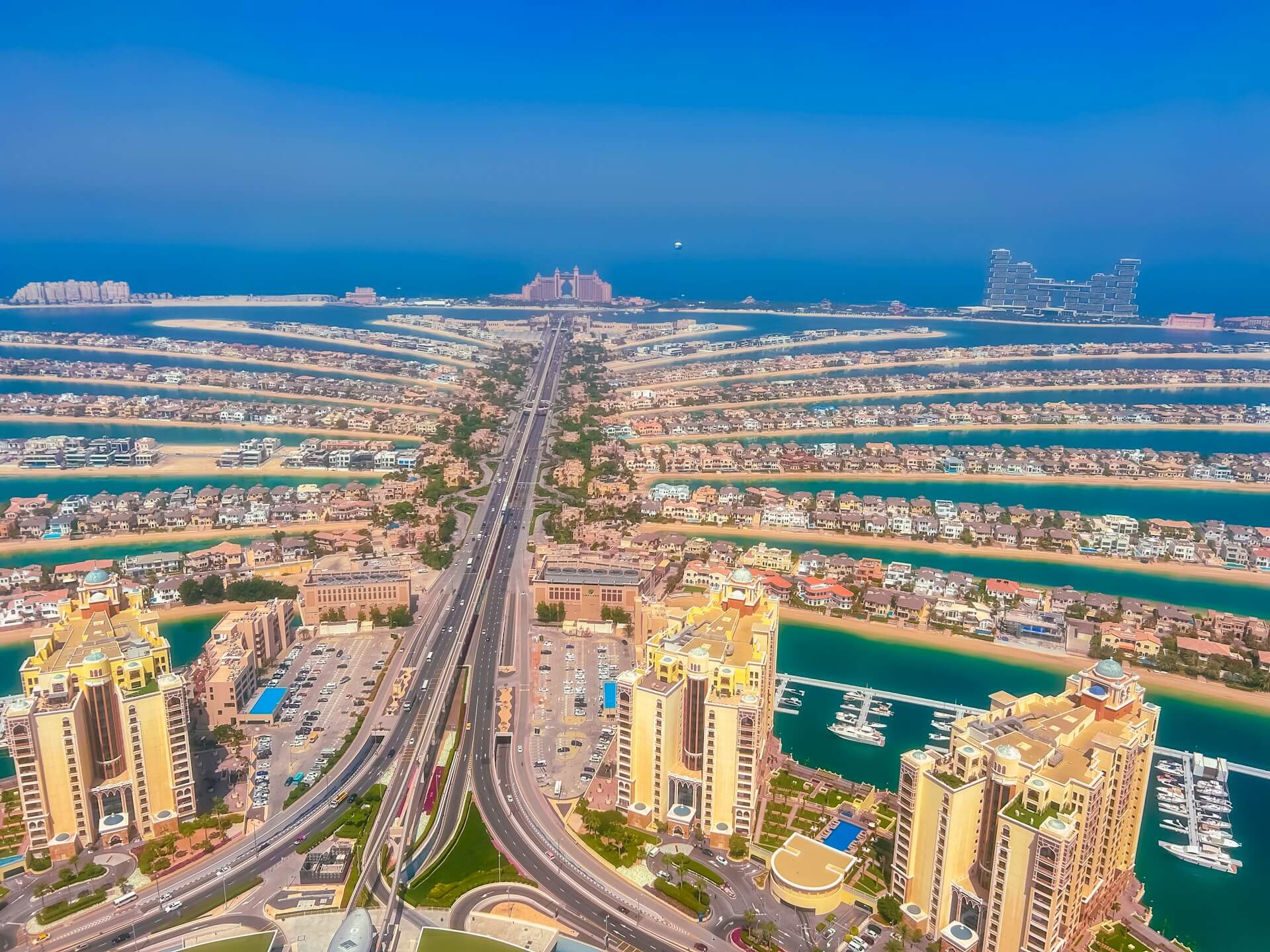
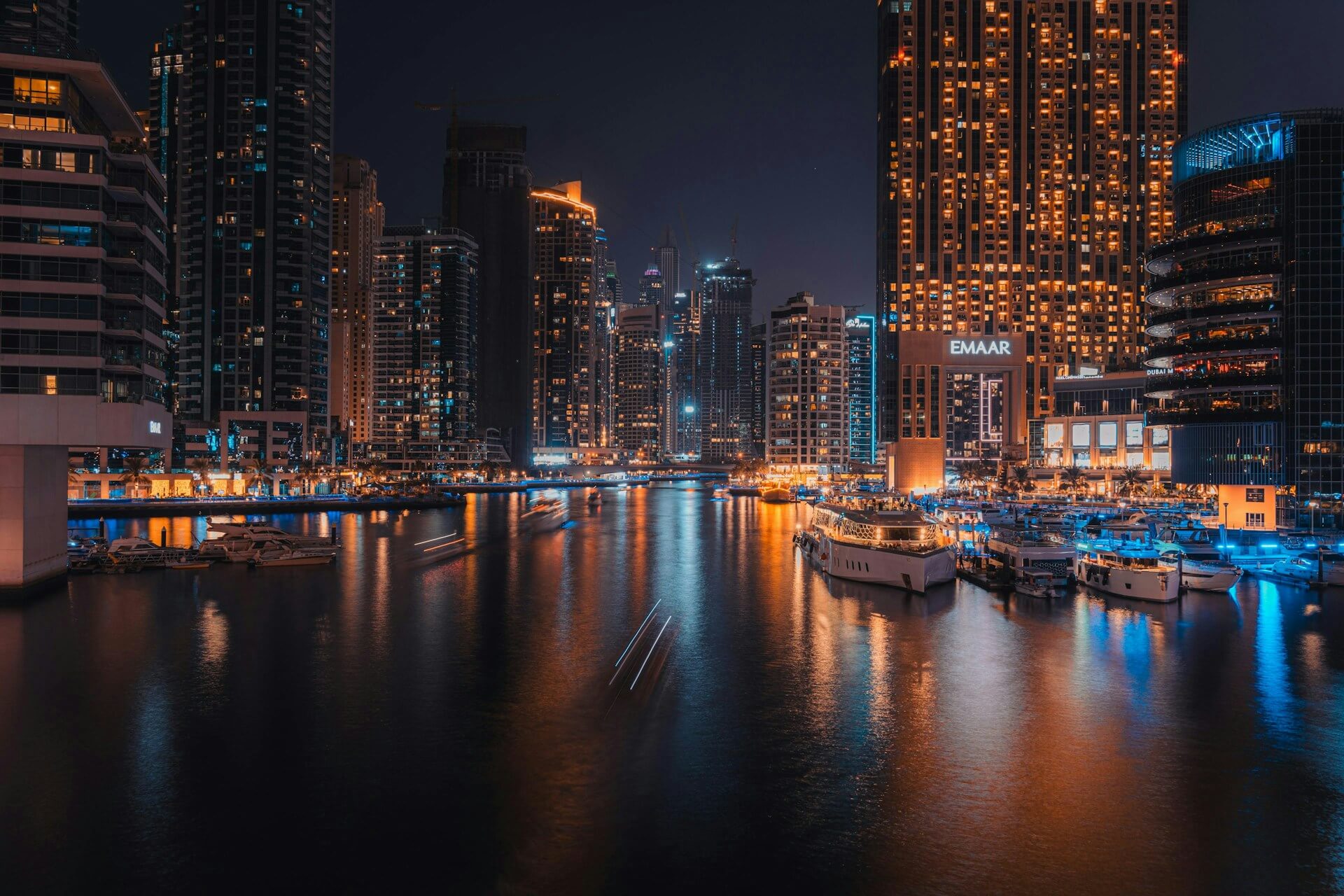
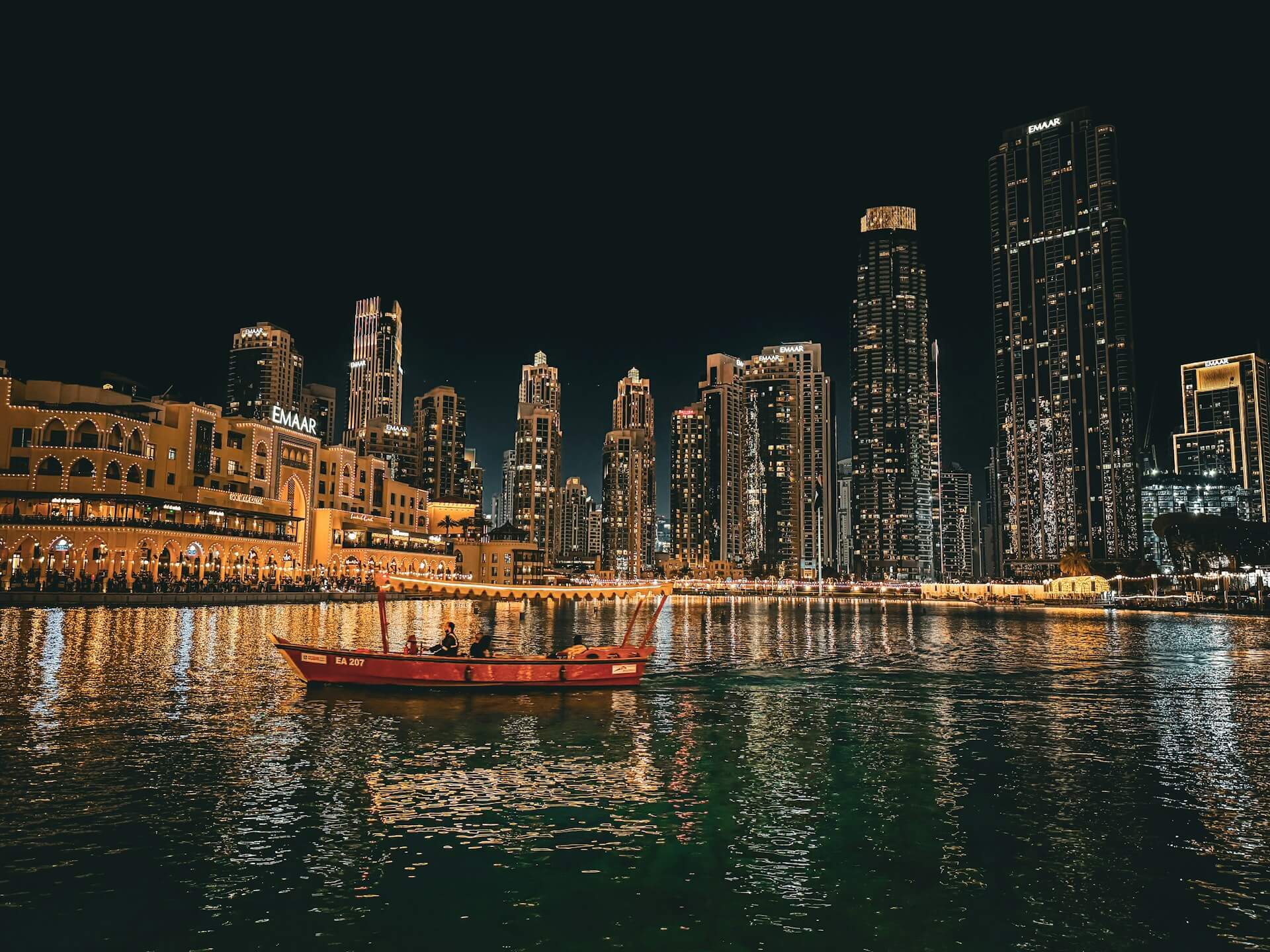
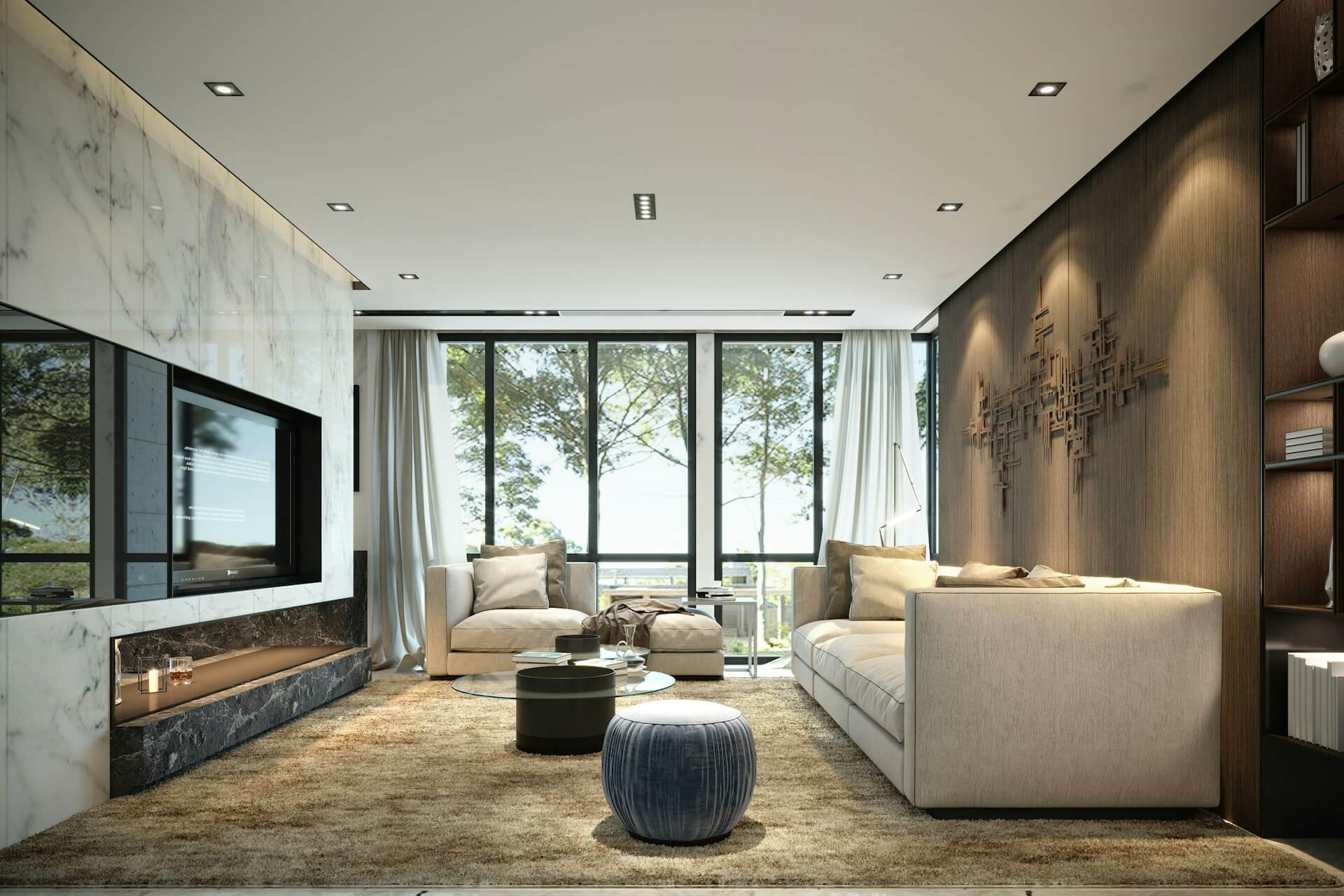
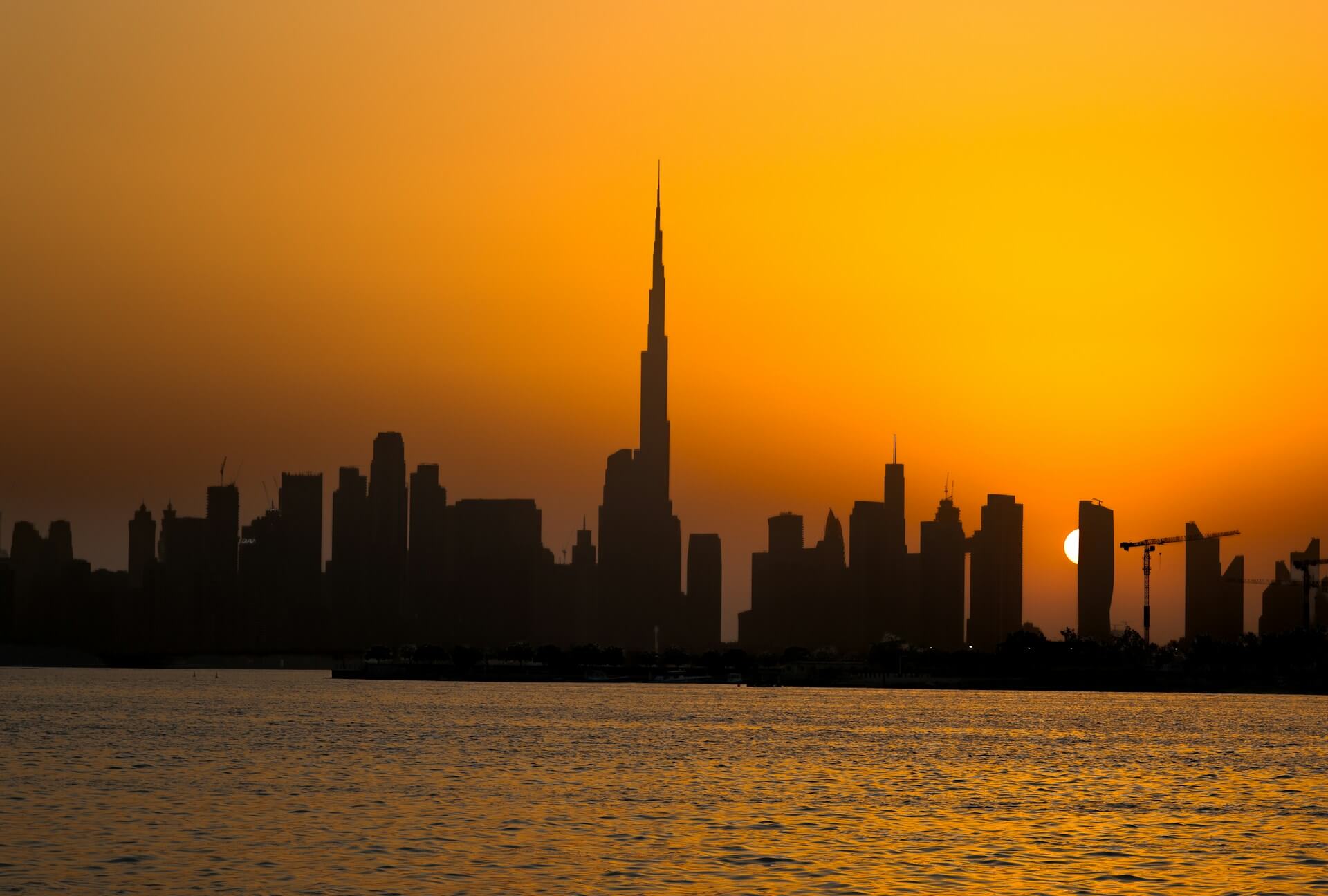
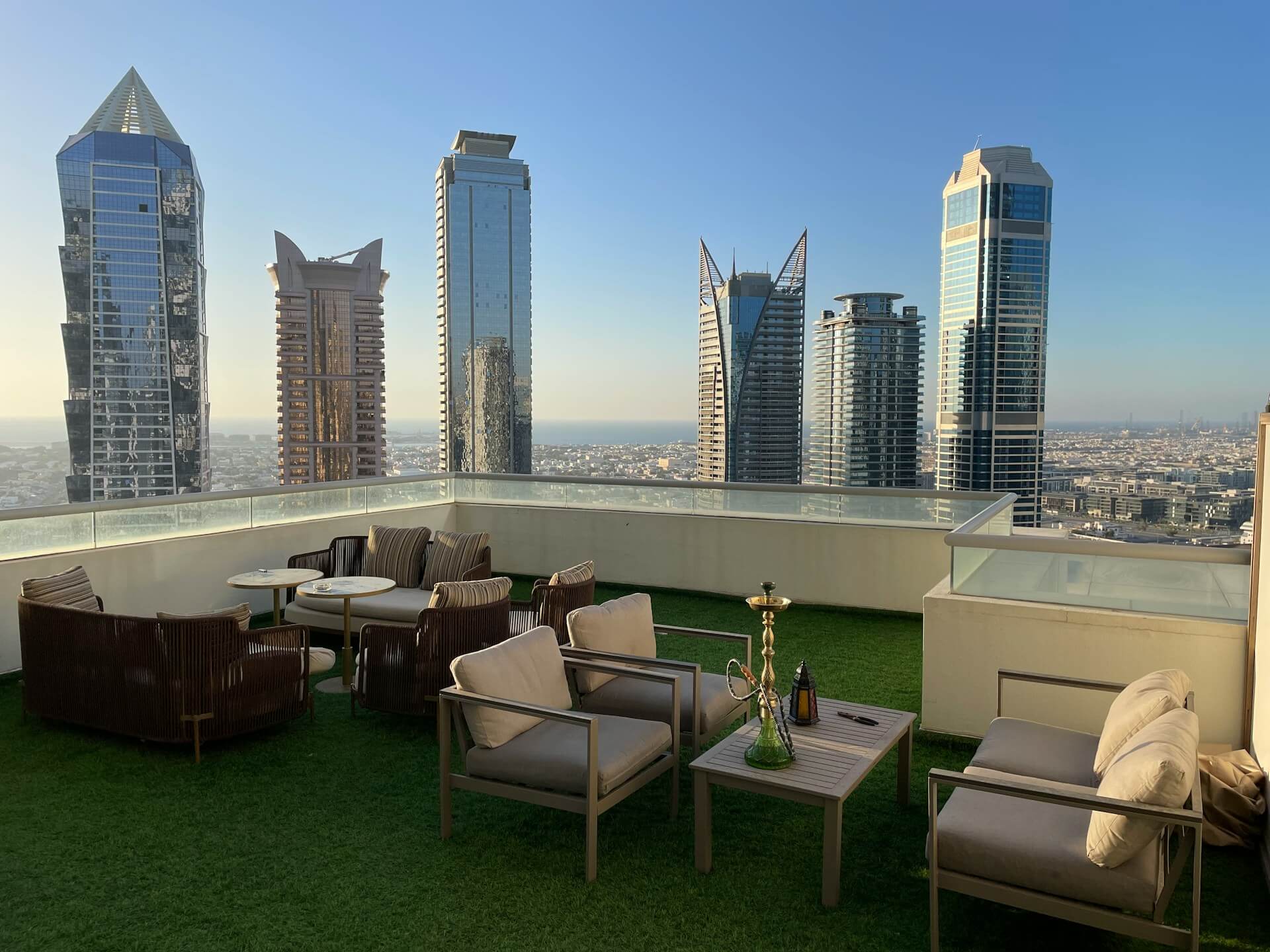
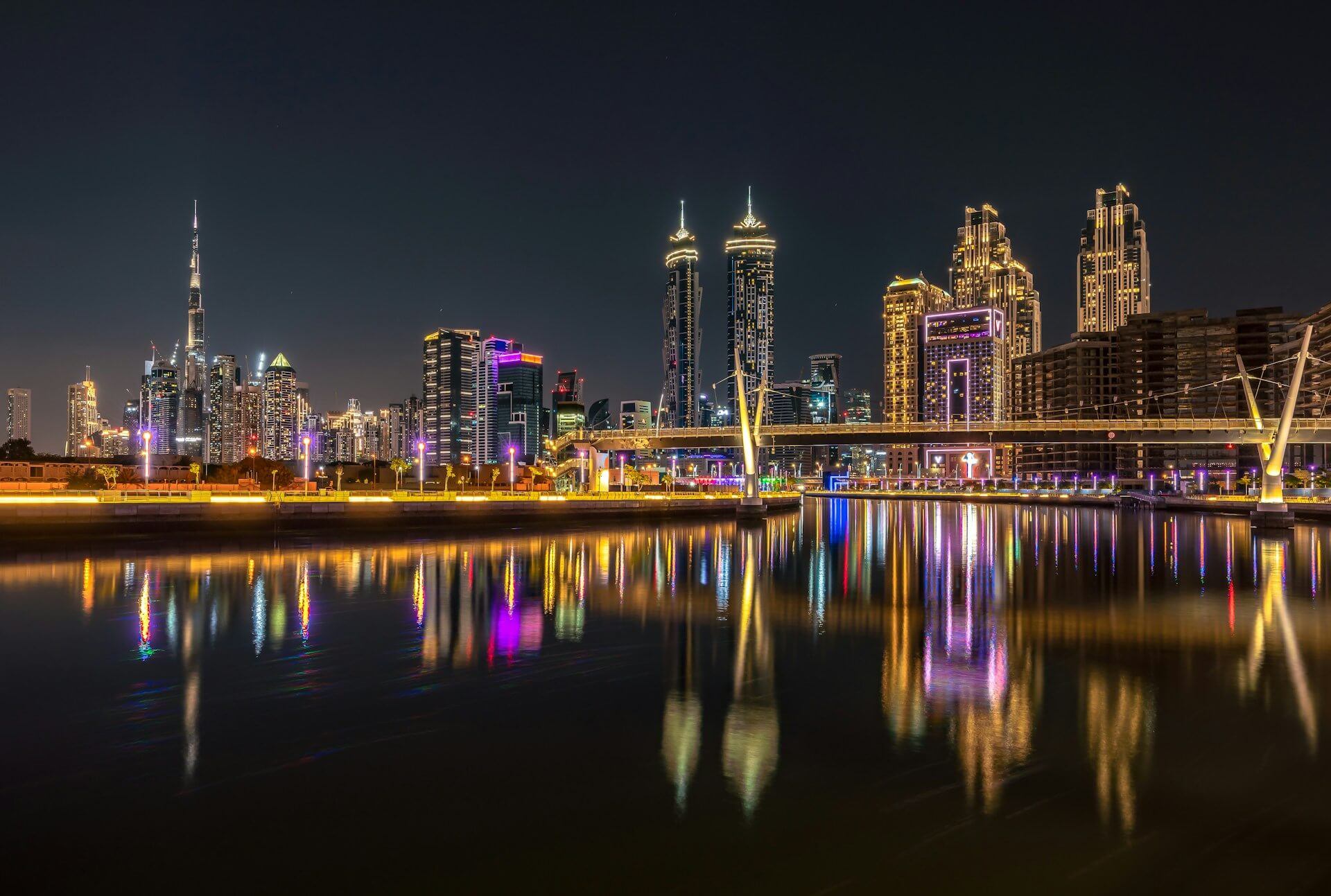
Comfortable long-term and premium rental options across Dubai.
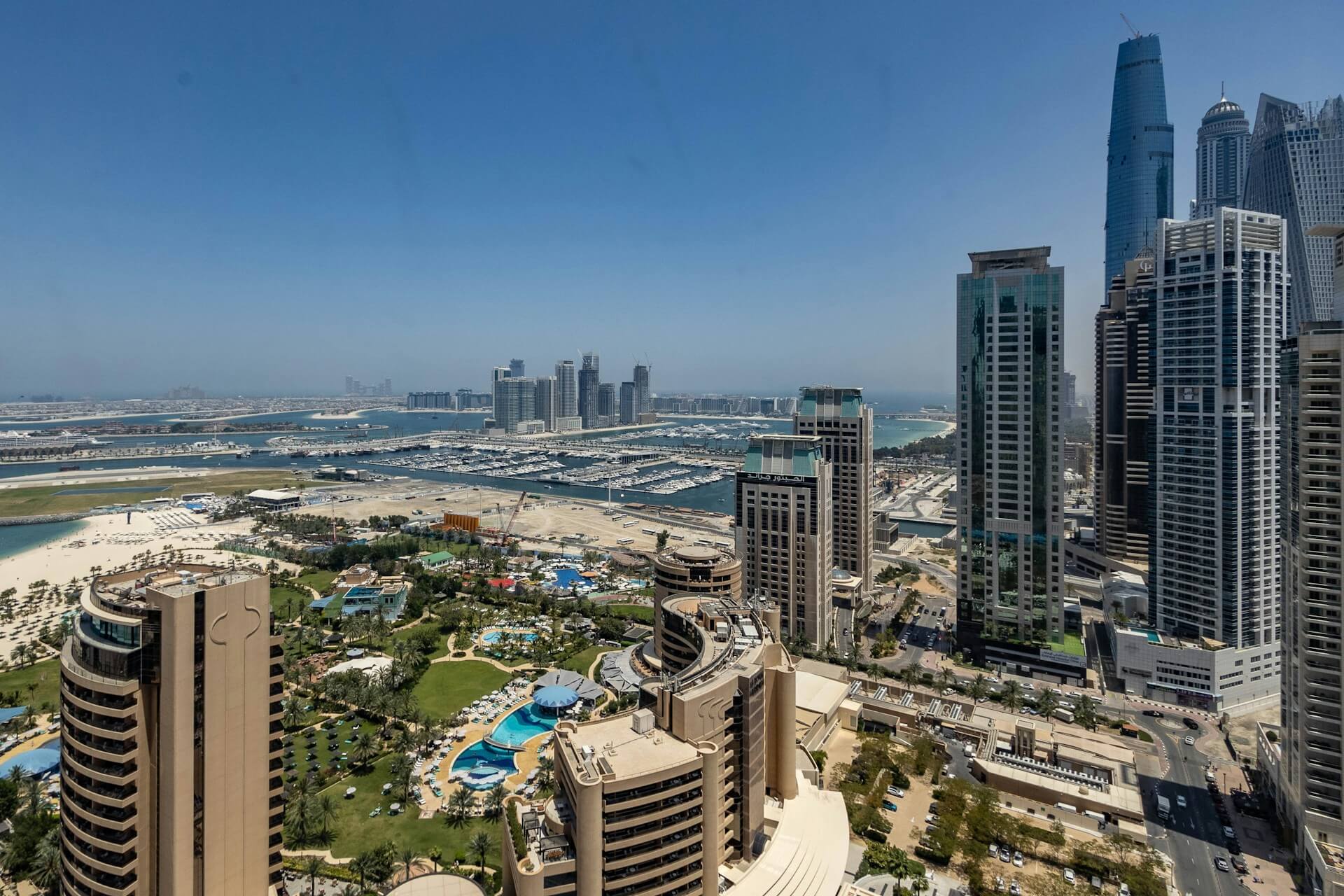

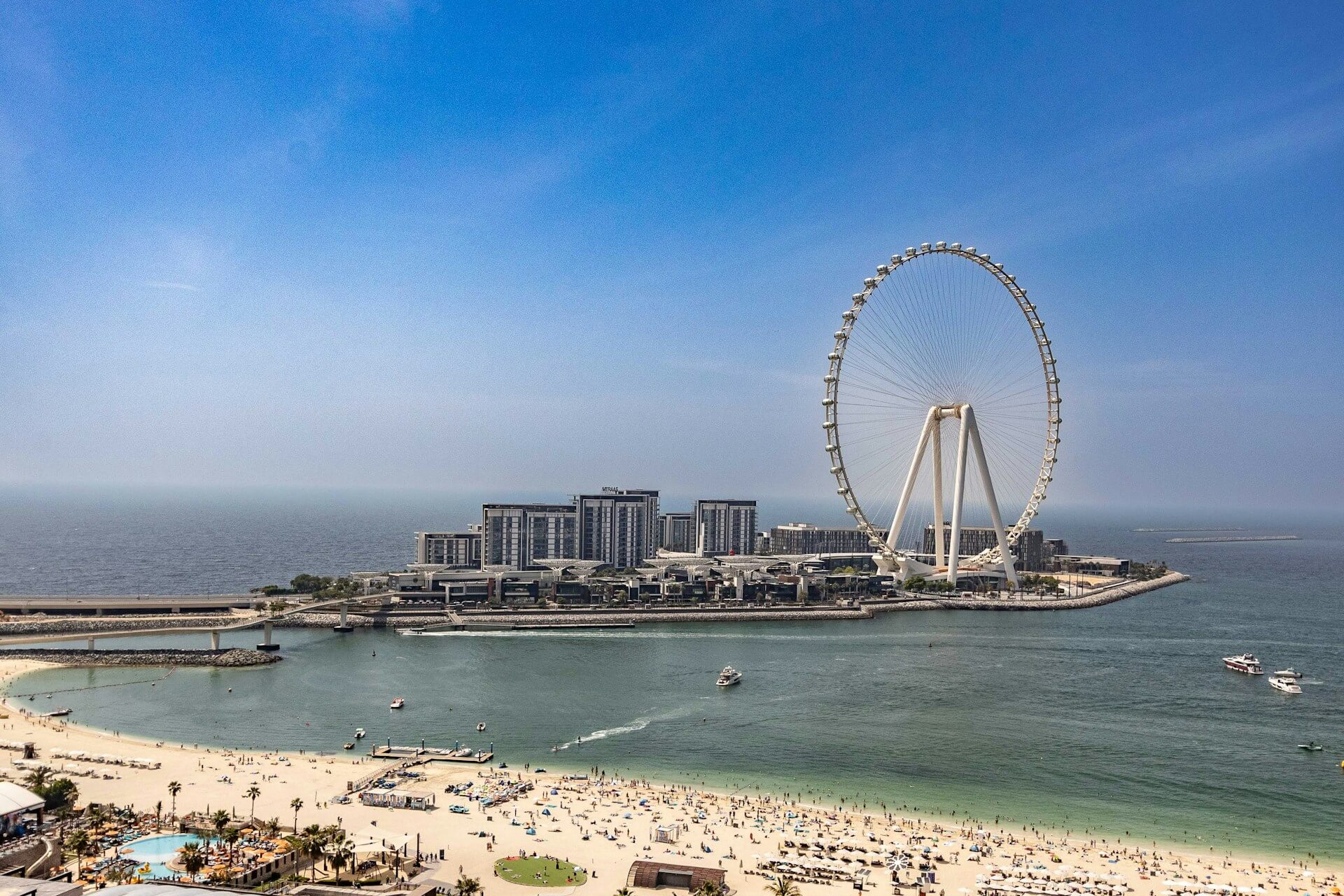
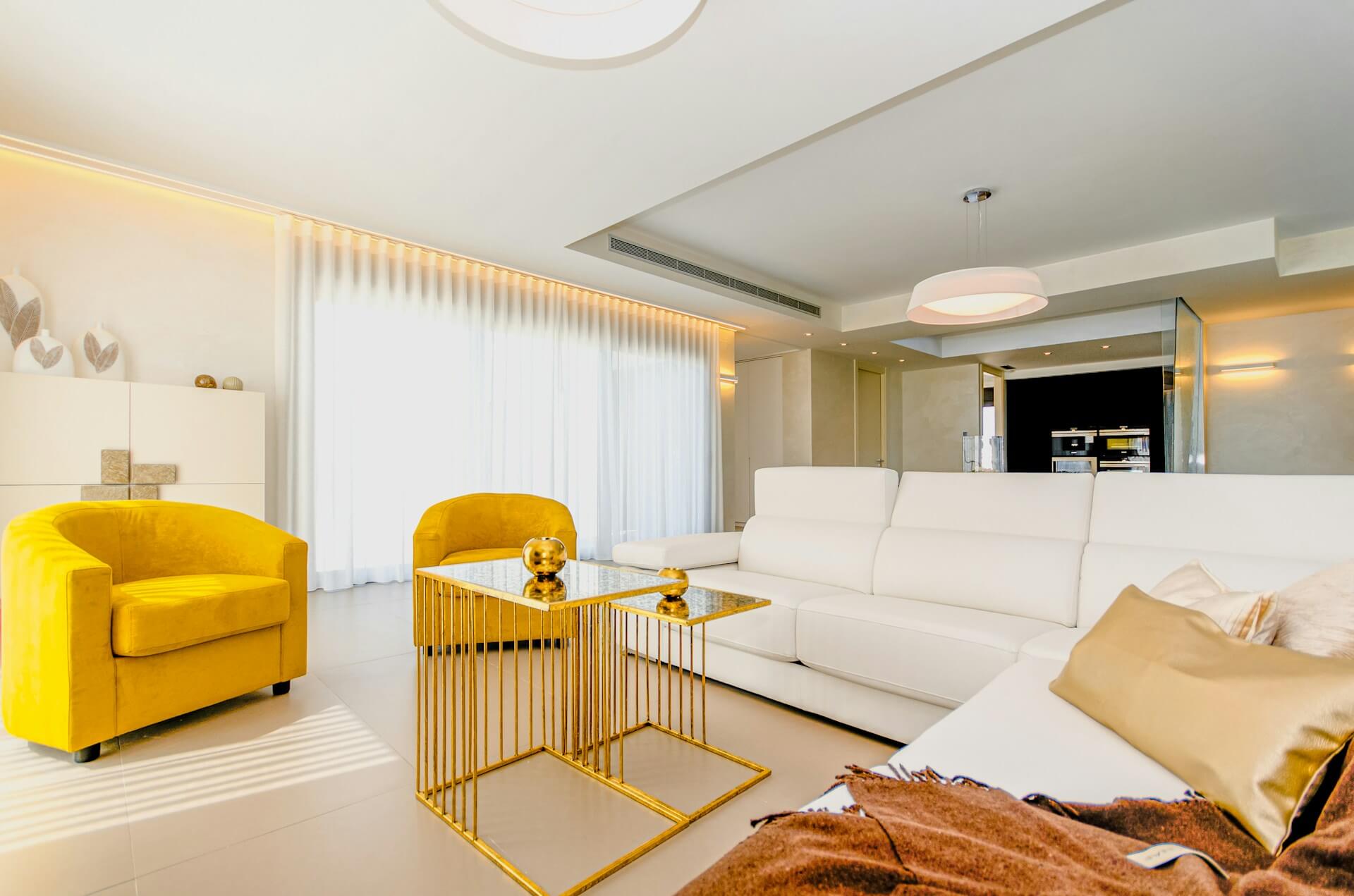
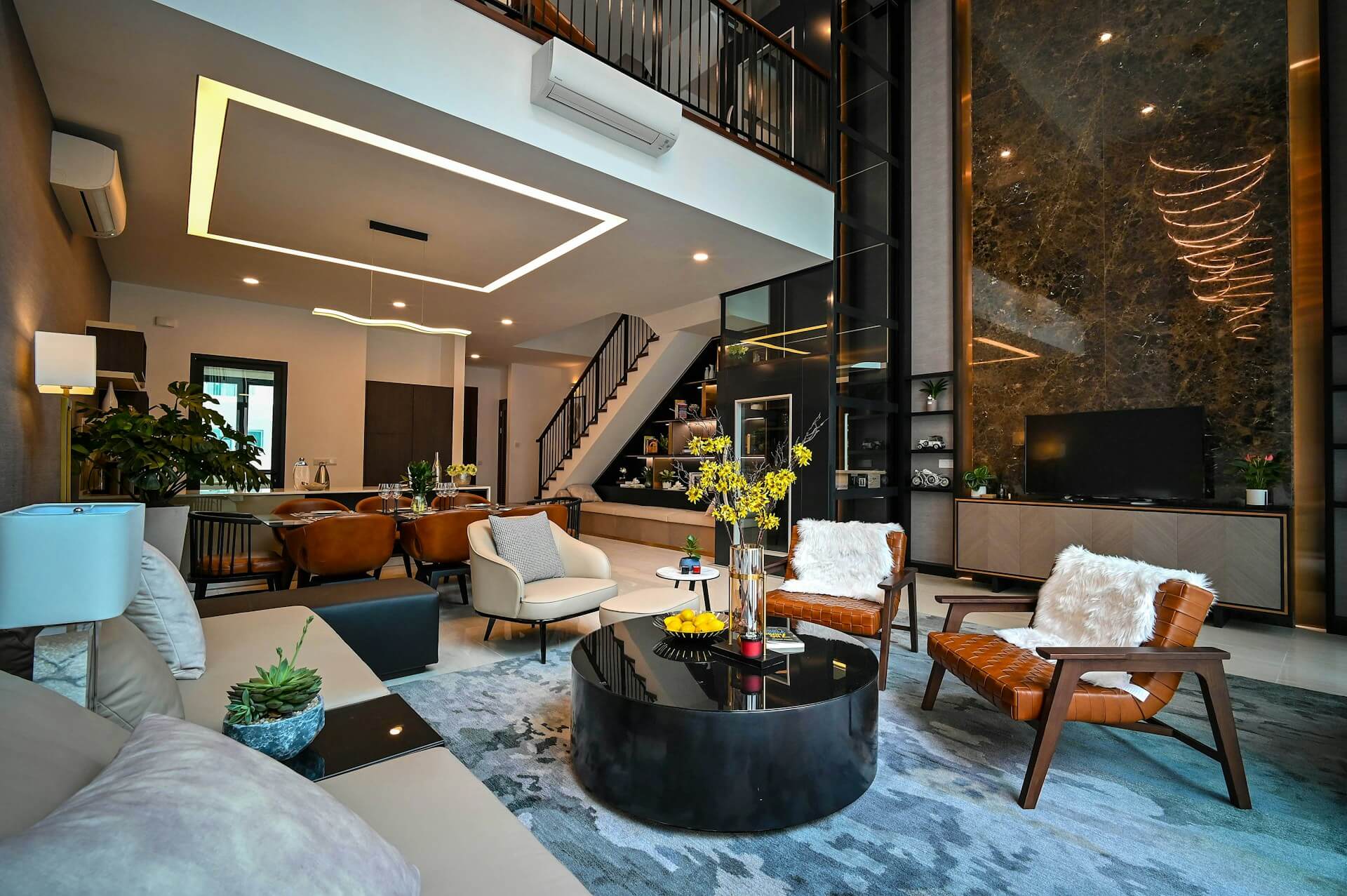
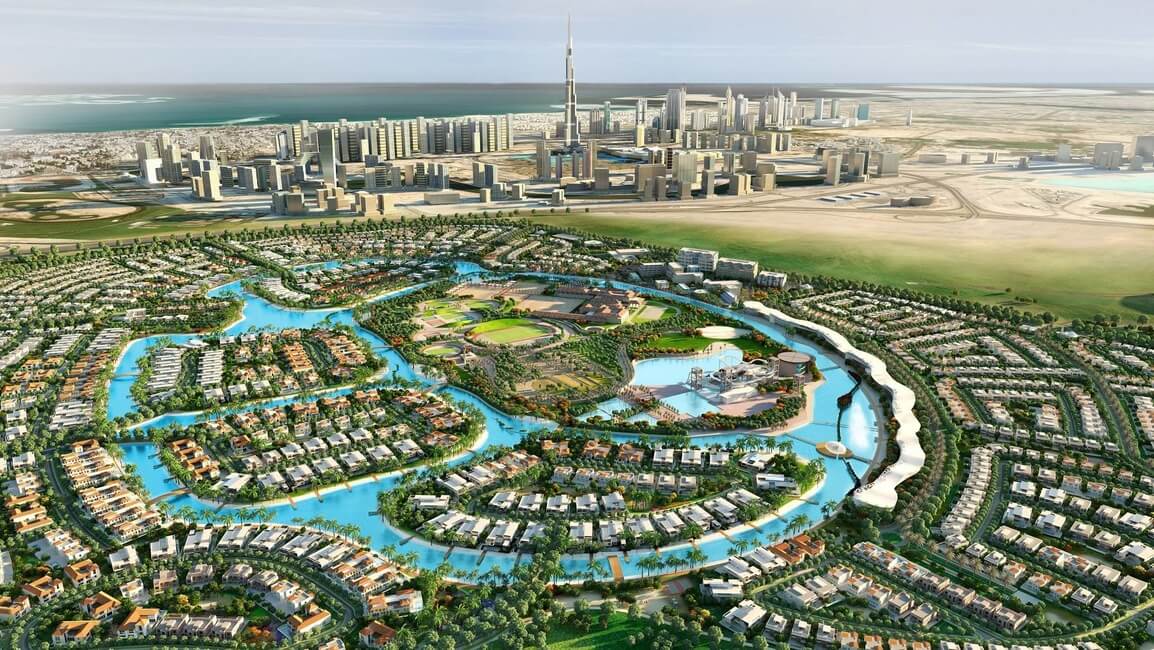
The purchase of a penthouse in Dubai is worth considering primarily in Dubai Marina, where entry prices start around AED 6 million for units exceeding 3,000 sq ft. This district shows the highest demand due to its waterfront location, established infrastructure, and consistently strong rental performance, yielding 6-7% annually. Liquidity remains robust here, supported by a steady influx of expatriates and professionals relocating to Dubai Marina.
Currently, the market benefits from limited new supply of large-scale luxury apartments in Dubai Marina, while population growth and visa reforms drive end-user demand.
Compared to other high-end neighborhoods, Dubai Marina offers a balance between capital needed and rental returns, making it a focal point for investors targeting medium to long-term appreciation alongside stable income streams.
The inclusion of branded residences in select Dubai Marina towers adds an extra layer of security and demand, attracting international buyers seeking both lifestyle and investment potential.
Entry capital varies significantly across developments, but premium-ready units near key retail and transport hubs command a price premium with faster resale prospects relative to off-plan options.
The "Penthouse in Dubai" market currently demands an entry budget starting at AED 10 million for prime locations within Dubai Marina, Jumeirah Beach Residence, and Palm Jumeirah. Properties in central Business Bay and Downtown Dubai begin closer to AED 8 million but generally offer smaller sizes or fewer luxury amenities.
Comparing districts, Palm Jumeirah commands the highest premiums due to limited supply and waterfront views, pushing starting prices 15-20% above other hotspots.
Buyers targeting a foothold in Dubai Marina will face competitive pricing between AED 10-15 million for units exceeding 4,000 sq ft with multiple terraces.
In Jumeirah Beach Residence, larger layouts with private pools or sky gardens start from AED 9.5 million but typically offer less exclusivity. Infrastructure projects such as the Dubai Water Canal extension are contributing to price stabilization in Business Bay, where entry starts at approximately AED 8 million for high-floor units overlooking the canal.
Supply constraints across these areas limit availability of ultra-luxury floor units to less than 5% of total inventory, creating a barrier for first-time buyers under AED 8 million.
Off-plan developments in Dubai Marina and Palm Jumeirah offer slight discounts up to 10%, but delays and market volatility add uncertainty for risk-averse investors.
Completed projects provide immediate occupancy and faster resale opportunities, critical for buyers prioritizing liquidity.
Clients should factor in additional transaction costs of 4-5% including agent fees, registration fees, and possible service charges which can exceed AED 300,000 annually on properties above AED 12 million.
Developers in Business Bay are increasingly offering flexible payment plans but these are rarely available for ready units.
Investment budget must also consider ongoing maintenance fees that vary between AED 30 to AED 50 per sq ft annually, with Palm Jumeirah often at the higher end due to private beach access and exclusive facilities.
For comparison, properties in emerging communities such as Dubai Hills Estate are priced 30-40% lower but do not match the premium lifestyle or waterfront exposure favored by end-users in luxury segments.
In sum, allocating AED 10-15 million secures entry into the top-tier vertical residences along sought-after waterfront strips with documented high demand and minimal oversupply.
Prospective residents and investors should prioritize districts with established resale markets and strong tourist appeal for resilience against price corrections.
Choosing the ideal location for a Dubai penthouse requires aligning entry costs, yield potential, and liquidity metrics within a specific district.
Dubai Marina offers entry prices starting around AED 6 million for luxury sky residences with average rental yields close to 5.5%, driven by strong demand from young professionals and expatriates targeting waterfront living. In contrast, Palm Jumeirah commands premiums above AED 10 million with slightly lower yields near 4.8%, justified by exclusivity and limited supply but posing higher capital requirements and slower resale speed.
The Business Bay submarket provides competitive prices typically between AED 5-7 million and benefits from proximity to the Downtown core.
This area attracts investors seeking shorter lease-up periods and consistent occupancy due to corporate tenants, translating into steadier cash flow but slightly reduced long-term capital appreciation compared to island-based locations.
Arabian Ranches, while primarily low-rise, has emerging vertical luxury options with starting prices around AED 4 million, appealing to families valuing space and access to green areas, though rental returns here average closer to 4% and resale demand remains moderate.
Supply shortages significantly affect premium vertical projects in Dubai Marina and Palm Jumeirah.
Inventory constraints coupled with visa reforms boosting long-stay expatriates sustain high demand and entry-level costs in these sectors.
Business Bay experiences faster absorption rates owed to corporate leasing, allowing quicker liquidity but with moderately lower price growth. Buyers prioritizing yield over capital gains find Business Bay more advantageous, while those favoring legacy asset holding prefer Palm Jumeirah or Dubai Marina for appreciation potential.
From an investment standpoint, new developments in Palm Jumeirah carry elevated risk due to longer off-plan handover timelines and high entry thresholds exceeding AED 12 million, limiting buyer pool diversity and slowing exit velocity.
Ready properties in Dubai Marina balance immediate revenue generation and lower premium, making it suitable for investors focused on short-term rental income rather than speculative gains.
Arabian Ranches’ new vertical offerings remain niche, suitable for end-users prioritizing lifestyle over rapid asset turnover.
Comparing financing conditions, Business Bay properties benefit from broader mortgage availability with loan-to-value ratios up to 75% for select developments, improving leverage opportunities. Palm Jumeirah remains constrained by stricter lending criteria and higher down payments impacting affordability.
Operational costs also vary: waterfront properties in Dubai Marina and Palm Jumeirah incur elevated service charges, which should be factored in during cost-yield analysis.
For buyers targeting tourist-driven rental demand, Dubai Marina outperforms with higher occupancy rates exceeding 80% annually and premium short-term rental rates up to AED 400 per night. Palm Jumeirah commands luxury branding that justifies record nightly prices but suffers seasonality in tenancy, impacting consistent returns.
Business Bay’s corporate tenant base reduces vacancy risk for longer leases but limits peak rental rates, positioning it between these extremes.
When assessing locations, end-user appeal and tenant profiles diverge: Business Bay attracts professionals seeking urban accessibility near financial hubs, while Palm Jumeirah and Dubai Marina appeal to affluent residents prioritizing waterfront access and exclusivity.
These distinctions define the exit strategy and holding period, with Palm properties suited for long-term capital growth and Business Bay targeting stable rental income and faster turnover.
Investment in emerging districts should be avoided by buyers needing quick liquidity or minimal entry capital, as these areas typically have lower immediate demand and evolving infrastructure.
Those prioritizing capital preservation and reliable cash flow should focus on established locations like Dubai Marina or Business Bay. High entry cost and service fees in Palm Jumeirah necessitate substantial capital and tolerance for longer holding periods.
In summary, selecting the optimal location for a Dubai sky residence depends on balancing entry price, expected rental yield, and resale speed within distinct districts.
Dubai Marina stands out for balanced entry costs and reliable returns; Business Bay offers greater liquidity and financing ease; Palm Jumeirah targets high-net-worth individuals seeking asset appreciation but demands higher capital and patience.
When assessing a luxury apartment at the highest level in Dubai, integrating unobstructed skyline or waterfront views is fundamental.
Residences with panoramic vistas over the Marina, Palm Jumeirah, or Downtown districts consistently command higher premiums and demonstrate superior capital appreciation potential. Prioritize units with expansive terraces that enable outdoor living, ideally exceeding 200 square feet, as these spaces significantly augment usable area and tenant appeal.
Interior layouts matter equally: seek configurations offering minimized corridor space with open-plan kitchens and living areas that optimize natural light.
Properties designed with floor-to-ceiling windows on multiple exposure sides facilitate better air circulation and daylight, which affects living quality and market value. Ceiling heights above 3 meters remain a notable differentiation in comfort and exclusivity.
Hardware and finishes distinguish market leaders.
Look for quality brands in kitchen appliances–Gaggenau, Miele, or Sub-Zero–and bathrooms fitted with Duravit or Hansgrohe fixtures. Engineered hardwood or natural stone flooring underscore investment-grade appeal.
Integrated smart home systems controlling lighting, HVAC, and security present an incremental value, though verify the technology’s compatibility for future upgrades.
Building amenities must align with targeted yield and liquidity goals. Developments featuring private gyms, infinity pools, and dedicated concierge services yield higher rental rates, particularly in Downtown Dubai and Dubai Marina.
Valued additions also include secured underground parking with multiple slots per property and autonomous backup power systems, which mitigate potential downtime and attract corporate tenants.
Consider the legal structure and ownership specifics, including freehold status and transparent deed registration. Properties in gated communities with regulated homeowners associations often sustain communal area quality and achieve steadier price resilience. Verify any service charge escalations; developments with capped fees provide predictable holding costs.
| Views | Strong price premium, higher demand | Waterfront or skyline with 180° exposure |
| Terrace Size | Increases usable area and lifestyle appeal | 200+ sq ft outdoor space |
| Ceiling Height | Enhances spatial perception | >3 meters |
| Appliances & Fixtures | Long-term durability and higher resale | Premium international brands |
| Smart Home Features | Operational efficiency, tenant convenience | Integrated, scalable systems |
| Building Amenities | Rental yield uplift, exclusivity | Gym, pool, concierge, parking |
| Ownership & Fees | Holding cost stability | Freehold, capped service charges |
Compared to mid-rise apartments, sky villas with direct elevator access have proven more resilient in resale markets, especially in Dubai Marina, with buyers willing to pay 10-15% more for privacy and exclusivity.
Meanwhile, properties lacking dedicated parking or with complicated access rank lower in occupant demand, potentially increasing vacancy durations.
Structural quality ratings and building maintenance history must factor into the evaluation. In older developments around Dubai Marina, renovation costs can offset yield advantages. Contrastingly, newer projects in Business Bay with LEED certification offer operational savings and attract environmentally conscious tenants.
Water and electricity consumption patterns also influence investment profitability.
Estates with independent metering and energy-efficient appliances reduce utility overheads, translating directly into net income increases. Verify whether cooling systems operate on district cooling or individual units, as this impacts monthly charges dramatically in high-rise towers.
Finally, assess risk attached to construction completion and developer reputation.
Ready residences in established buildings minimize asset risk compared to off-plan units, though early investments in projects by top developers in Dubai Marina can offer capital gains if planned timelines are adhered to.
Foreign investors can acquire freehold properties in designated zones within Dubai, with most popular districts allowing 100% ownership by non-residents.
However, understanding local regulations is crucial to avoid legal pitfalls. Registration at the Dubai Land Department requires a payment of 4% of the purchase price as the transfer fee, plus a DED (Dubai Economy Department) fee and trustee charges, totaling approximately 4.5-5%.
These upfront costs must be factored into the initial capital outlay.
Foreign nationals benefit from long-term residence visas linked to property ownership, provided the minimum value is AED 1 million (around USD 270,000).
This visa is valid for two to ten years depending on property price, creating added value beyond real estate returns. Mortgages are accessible but typically capped at 80% loan-to-value for expatriates and 75% for foreign companies, requiring a down payment of at least 20-25%.
Interest rates range from 3.5% to 4.5%, depending on credit profile and lender.
Ownership structures vary. Investment via local corporate entities can offer tax advantages and ease of managing multiple assets, but foreign ownership rules limit holding direct shares in real estate companies. Free zone companies cannot hold real estate directly, so careful due diligence is needed when selecting legal frameworks. Joint ownership with UAE nationals, while common, entails greater legal complexity and potential risks for foreigners.
Off-plan acquisitions require registration with the Real Estate Regulatory Agency (RERA), ensuring developer accountability and escrow protection mechanisms.
Completion guarantees and warranties are mandated by law, reducing risk in the off-plan market. Still, foreign buyers must confirm developer credentials and financial health, as not all projects meet regulatory standards or completion timelines.
Foreign investors must secure a No Objection Certificate (NOC) from developers for resale transactions. Resale restrictions and holding periods are limited but vary by community and developer.
This is important in high-demand locations where resale price premiums exist, affecting liquidity and exit strategies.
Comparatively, ownership regulations in regions like Dubai Marina and Palm Jumeirah align closely but differ in community fees, service charges, and land department charges due to municipality zoning.
These operational costs affect total cost of ownership and should inform comparisons at acquisition stage. Titles in freehold areas are consolidated properties, offering more straightforward resale than leasehold zones, which exist but are less prevalent for foreign buyers.
Buyers should also consider inheritance laws and estate planning.
Without local wills, properties can fall under Sharia law, potentially complicating inheritance for non-Muslim foreign investors. Legal advice is essential to structure ownership and wills appropriately.
Non-residents can access bank accounts for transaction facilitation, but only after establishing residency permits or investment-linked visas tied to property ownership.
This integration is critical for rental income flow management and repatriation of profits.
Due diligence must include verifying developer approvals, exact ownership rights, linkage to visas, and mortgage terms offered by UAE banks experienced with foreign nationals.
Legal fees typically range from 0.5% to 2% of transaction value depending on complexity. Proper budgeting ensures smooth closing and legible property title.
Living in a penthouse in Dubai provides several advantages. These units typically offer expansive outdoor terraces with stunning views of the city skyline, Arabian Gulf, or desert.
The spacious layout allows for more privacy and luxury features that are often not available in standard apartments. Additionally, penthouses are usually located on the highest floors, resulting in reduced noise from surrounding areas and more natural light. Residents also often enjoy exclusive access to premium amenities and personalized services, enhancing the overall lifestyle experience.
Pricing for penthouses in Dubai significantly differs based on the neighborhood and nearby attractions.
Areas such as Downtown Dubai and Dubai Marina command higher prices due to proximity to landmarks, water views, and dynamic social scenes.
Properties on the Palm Jumeirah also tend to be expensive because of their beachfront positions and private beach access. Conversely, penthouses in emerging or less central districts may offer a more affordable option but with fewer immediate conveniences.
Factors like building reputation, design quality, and floor height further influence the final cost.
Most penthouses in Dubai come with a range of amenities tailored for comfort and luxury living.
These often include private pools, spacious terraces, high-end kitchens, and multiple bedrooms with en-suite bathrooms. Buildings may offer services such as 24-hour security, concierge, valet parking, gym facilities, and spa access. Residents might also benefit from exclusive uses of lounges or private elevators.
The design emphasizes both style and functionality, aiming to provide a superior standard of living.
The property market in Dubai has shown resilience, with penthouses continuing to attract interest from investors due to their rarity and prestige.
High demand for luxury properties, along with ongoing urban development, contributes to steady appreciation potential. However, market dynamics can fluctuate depending on factors like economic conditions and tourism trends.
Buyers should consider long-term goals, rental yield possibilities, and the reputation of the area before making a decision. Consulting local real estate experts can provide tailored insights.
When selecting a penthouse, buyers need to evaluate several key aspects.
These include the quality of construction and finishes, the orientation and views offered, privacy levels, and access to building facilities. Legal considerations such as ownership rights and any service fees must also be reviewed carefully. Additionally, assessing the neighborhood’s infrastructure, proximity to schools, shopping centers, and transportation should guide the choice. Visiting multiple properties and comparing features will help ensure the purchase aligns with personal preferences and lifestyle needs.
Clear answers about buying, renting and investing in Dubai property.
Yes. Foreign buyers can purchase freehold property in designated areas such as Dubai Marina, Downtown Dubai, Business Bay, Palm Jumeirah, Dubai Hills and other approved communities.
It depends on your timeline, budget and goal. Buying is usually better for long-term plans, capital growth and rental income, while renting is better for flexibility and easier relocation.
The required budget depends on the area, building quality and property type. More accessible apartments can be found in developing communities, while prime locations and luxury properties require a much higher budget.
In addition to the purchase price, buyers should budget for the Dubai Land Department fee, registration and trustee fees, possible agency commission, mortgage-related costs if financing is used, and ongoing service charges for many buildings.
Yes, many banks in the UAE offer mortgages to foreign buyers. Approval depends on income, documents, deposit amount and the specific property being purchased.
Areas such as Dubai Marina, Downtown Dubai, Business Bay, Dubai Hills, JVC, Palm Jumeirah and Creek Harbour are often considered by investors, but the right area depends on whether your focus is yield, resale value, lifestyle appeal or long-term growth.
Rental yield varies by area, property type, furnishing level and market timing. In practice, many investors look for a balance between strong occupancy, reasonable service charges and sustainable tenant demand rather than chasing headline numbers alone.
Off-plan property is purchased directly from a developer before the project is completed. Buyers often choose off-plan because of payment plans, newer inventory and lower entry prices compared with some ready properties.
A proper review should consider the developer’s track record, payment plan, handover timeline, location quality, future supply in the area and the project’s resale or rental potential after completion.
For ready property, the timeline can move fairly quickly if the price is agreed, documents are prepared and the buyer is ready to proceed. Mortgage purchases usually take longer than cash deals.
Yes, many purchases can be handled remotely with the correct documents and proper support through the process. Remote buying is common for overseas investors and international clients.
The biggest risks are overpaying, choosing a weak location, buying an unsuitable layout, ignoring service charges, or selecting a project with low resale and rental demand. Good selection matters more than marketing promises.
In long-term rentals, rent is commonly agreed for a fixed term and often paid by one or several cheques depending on the landlord, property and negotiation.
Tenants are usually asked for identification and residency-related documents, and the exact set depends on their status in the UAE and the landlord’s requirements.
A security deposit is commonly required before move-in. The amount often depends on whether the property is furnished or unfurnished and should be clearly stated in the rental terms.
In many rental transactions, an agency commission is charged. The amount depends on the deal structure and should be confirmed before signing anything.
Tenants should review the deposit, Ejari registration, utility setup costs, parking terms if relevant, maintenance responsibilities and any conditions related to early termination or renewal.
Yes, negotiation is common. The final result depends on market conditions, the landlord’s flexibility, how long the property has been available and how prepared the tenant is to move forward.
It is important to check the condition of the unit, building quality, noise level, parking, view, maintenance status, contract terms and the reliability of the owner or manager.
Short-term rent offers flexibility and convenience but is usually more expensive. Long-term rent is generally more cost-effective and better suited for clients planning to stay longer.
During an active contract, the agreed rent usually remains fixed. Any increase is generally discussed at renewal and should follow the applicable rules and notice requirements.
This depends on the tenancy contract. Minor day-to-day issues may be handled by the tenant, while major maintenance is commonly the landlord’s responsibility, but the exact wording in the contract matters.
Ejari is the official registration of the tenancy contract in Dubai. It is important for legal recognition of the lease and is commonly needed for practical steps such as setting up utilities.
Yes. Furnished properties can be more convenient and faster to move into, while unfurnished options may work better for longer stays or tenants who want more control over the setup and budget.
We do not rely on random mass listings. We narrow the market based on budget, location, property type, investment goal, lifestyle needs and timeline, so clients can focus only on relevant options.
Yes. Support can include shortlisting, arranging viewings, comparing options, discussing terms, helping with negotiations and guiding the next steps of the transaction.
The best first step is to define the real budget, target areas, purpose, preferred property type and timeline. Once those points are clear, the selection becomes faster, cleaner and much more useful.