
FOR SALE
AED 1,200,000AED 720,000
We help clients buy and rent the right property in Dubai — apartments, villas and investment units matched to budget, area and goals.
Dubai Property Selection focuses on apartments, villas and investment properties in key areas such as Dubai Marina, Downtown, Business Bay, Dubai Hills and Palm Jumeirah.
Instead of sending a huge list of random listings, we prepare a clean shortlist based on your budget, preferred area, bedrooms, timeline and purchase or rental goals.
Premium opportunities in Dubai — from compact investment units to signature villas and penthouses.
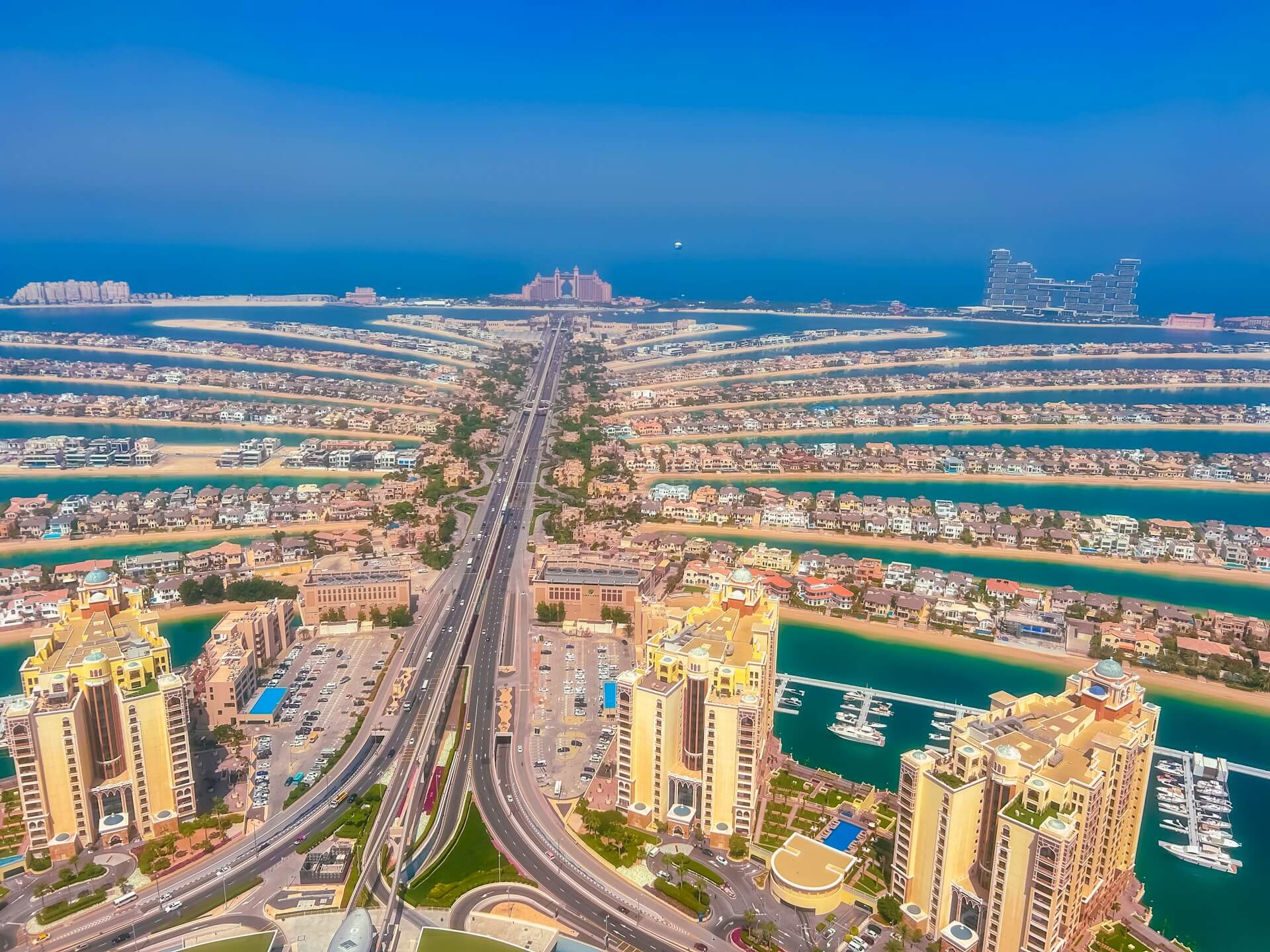
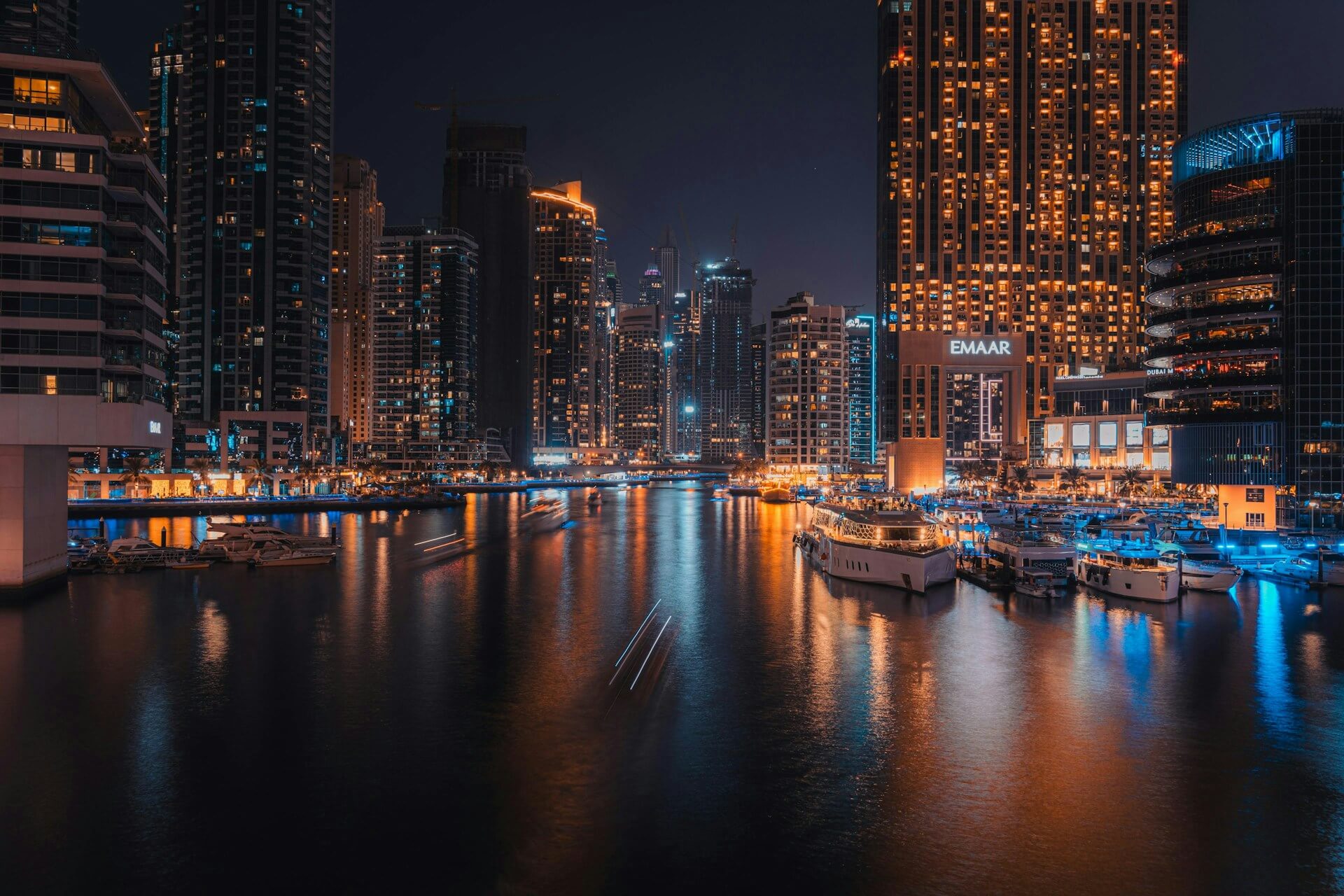
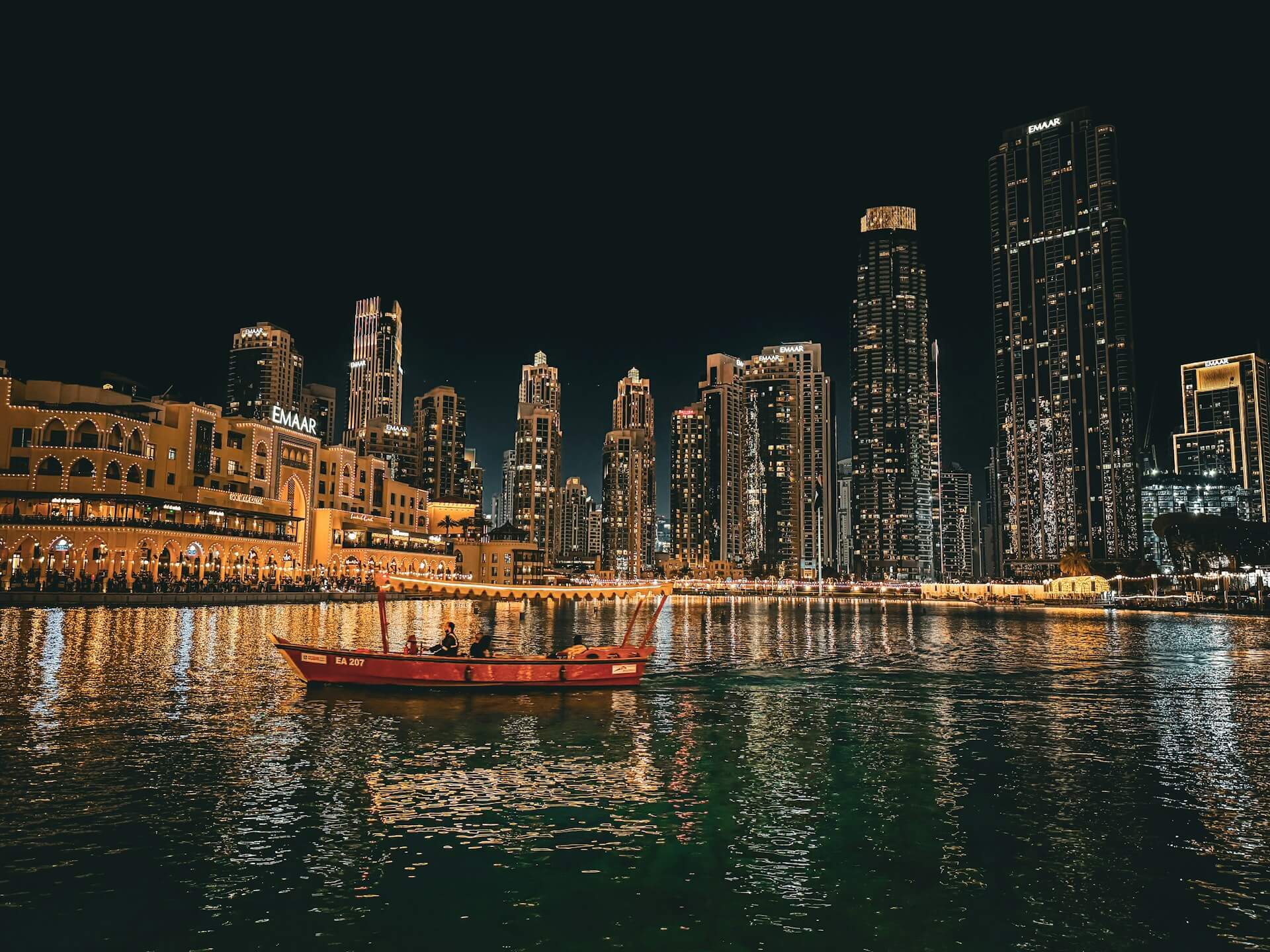
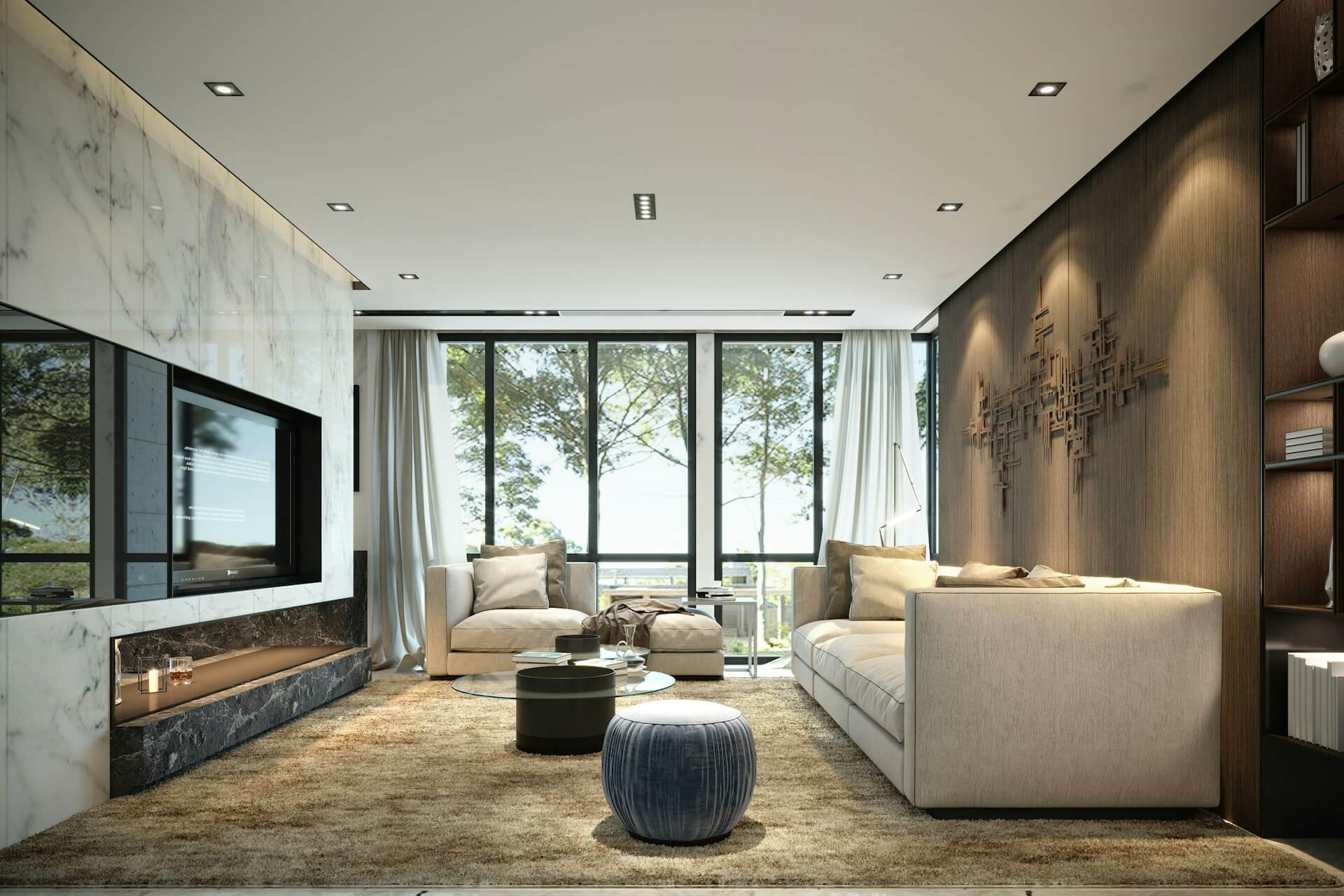
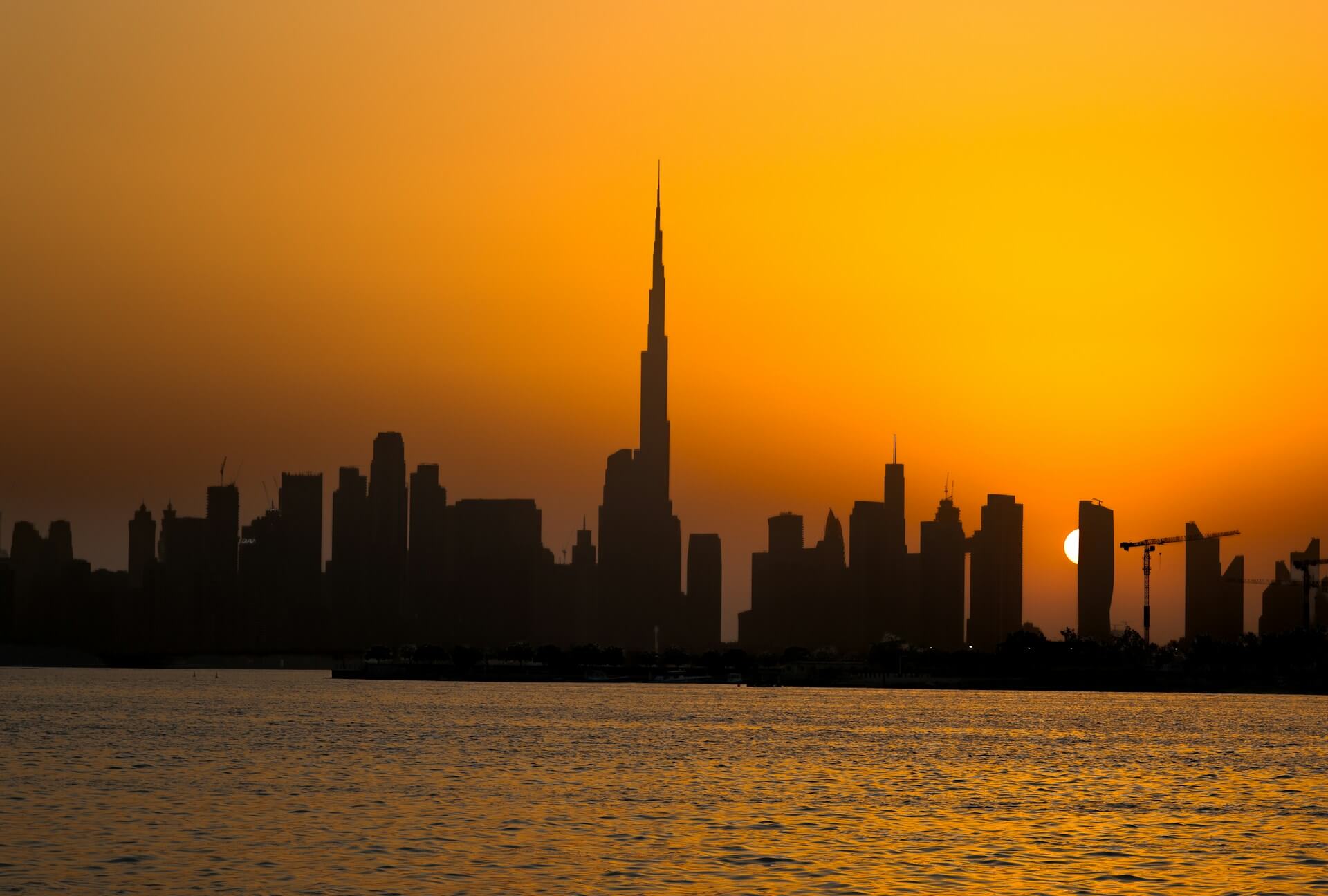
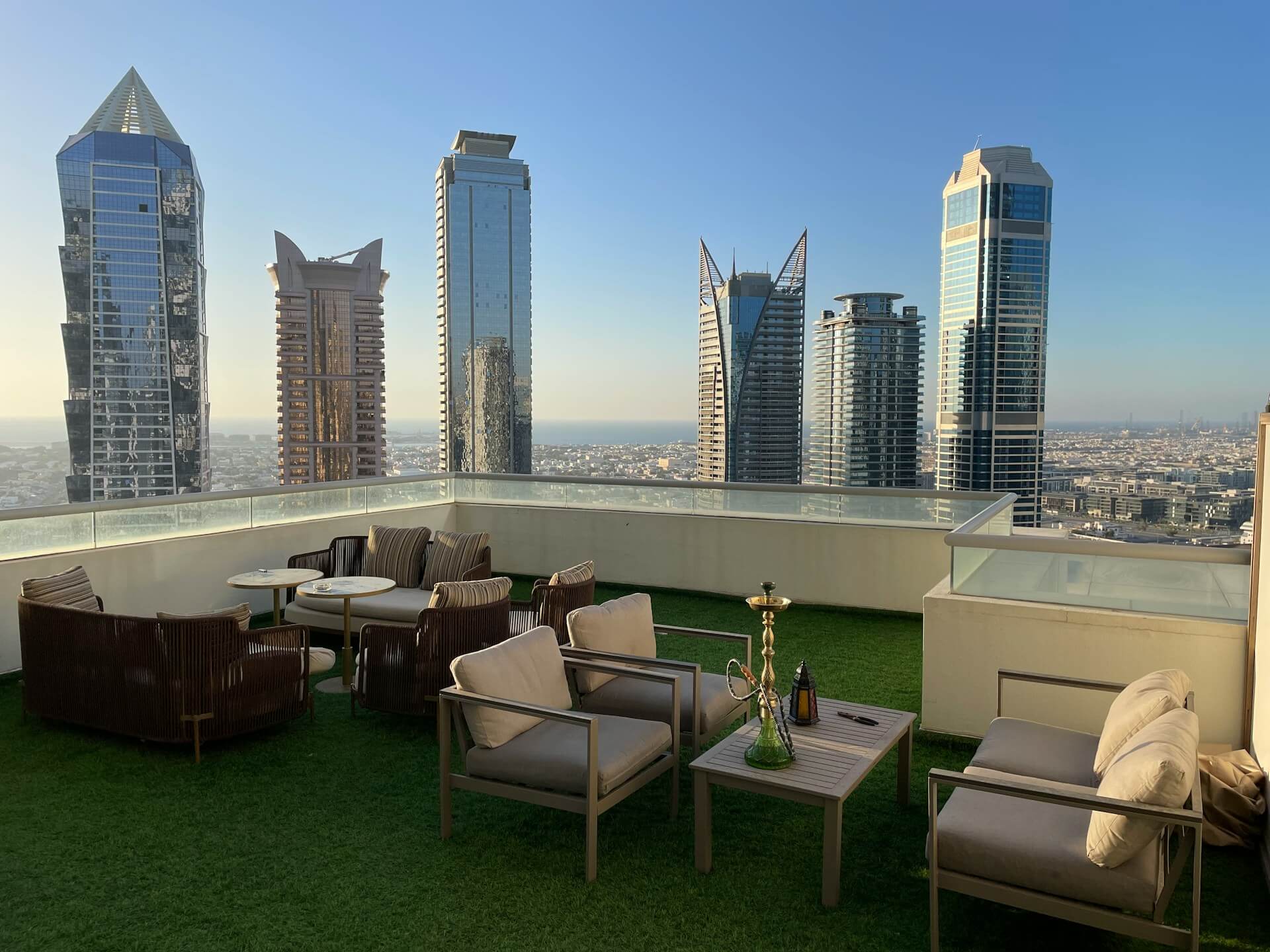
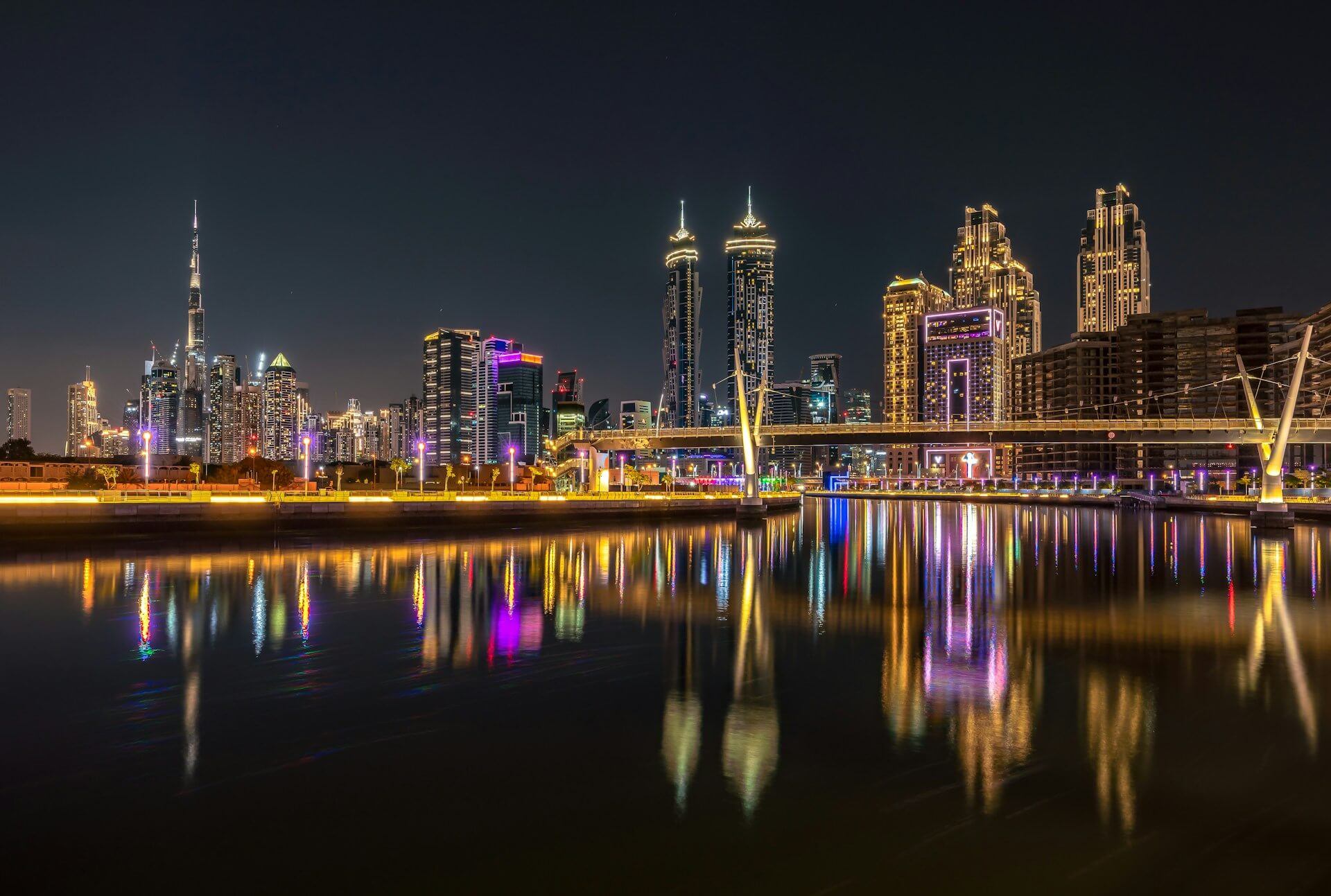
Comfortable long-term and premium rental options across Dubai.
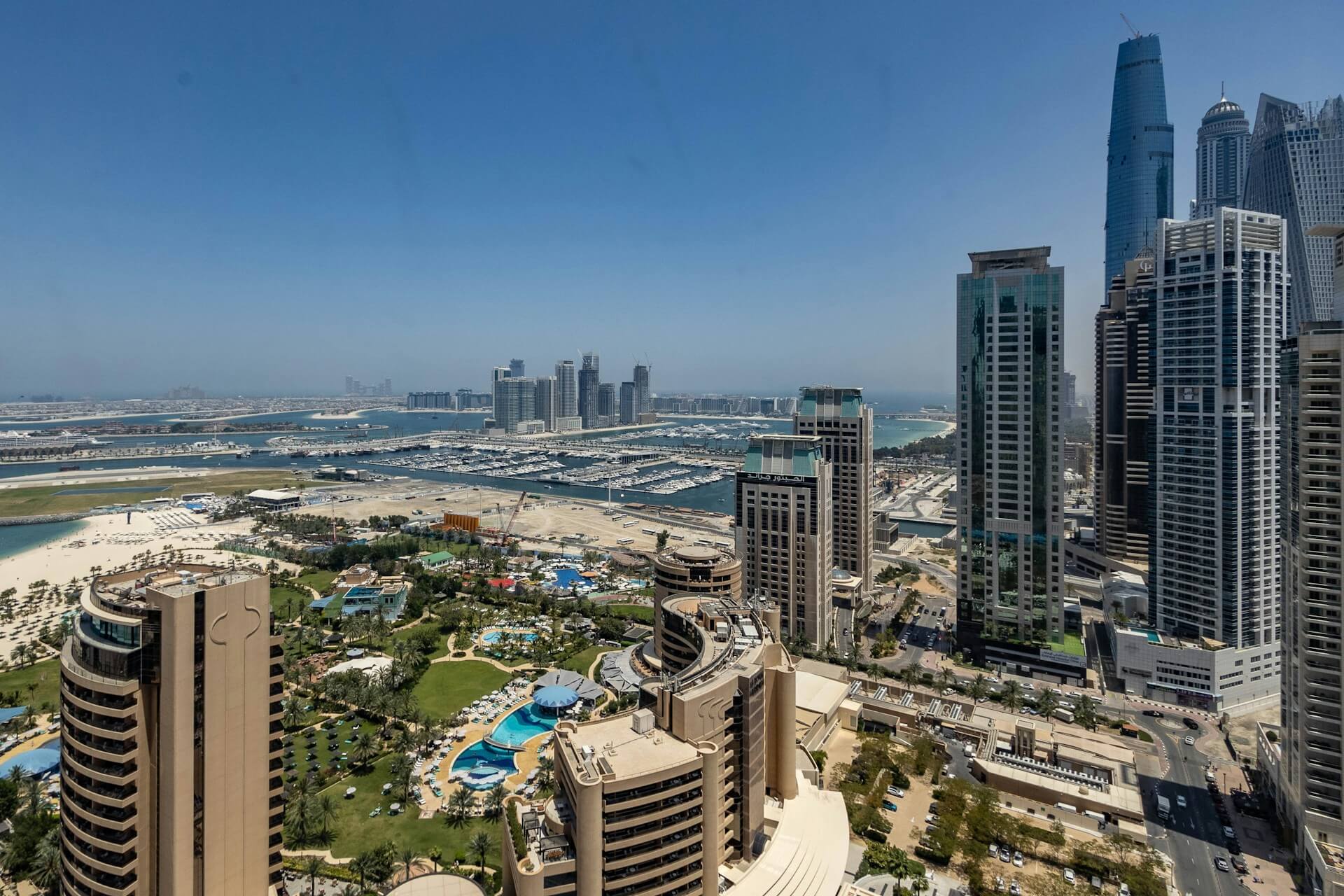

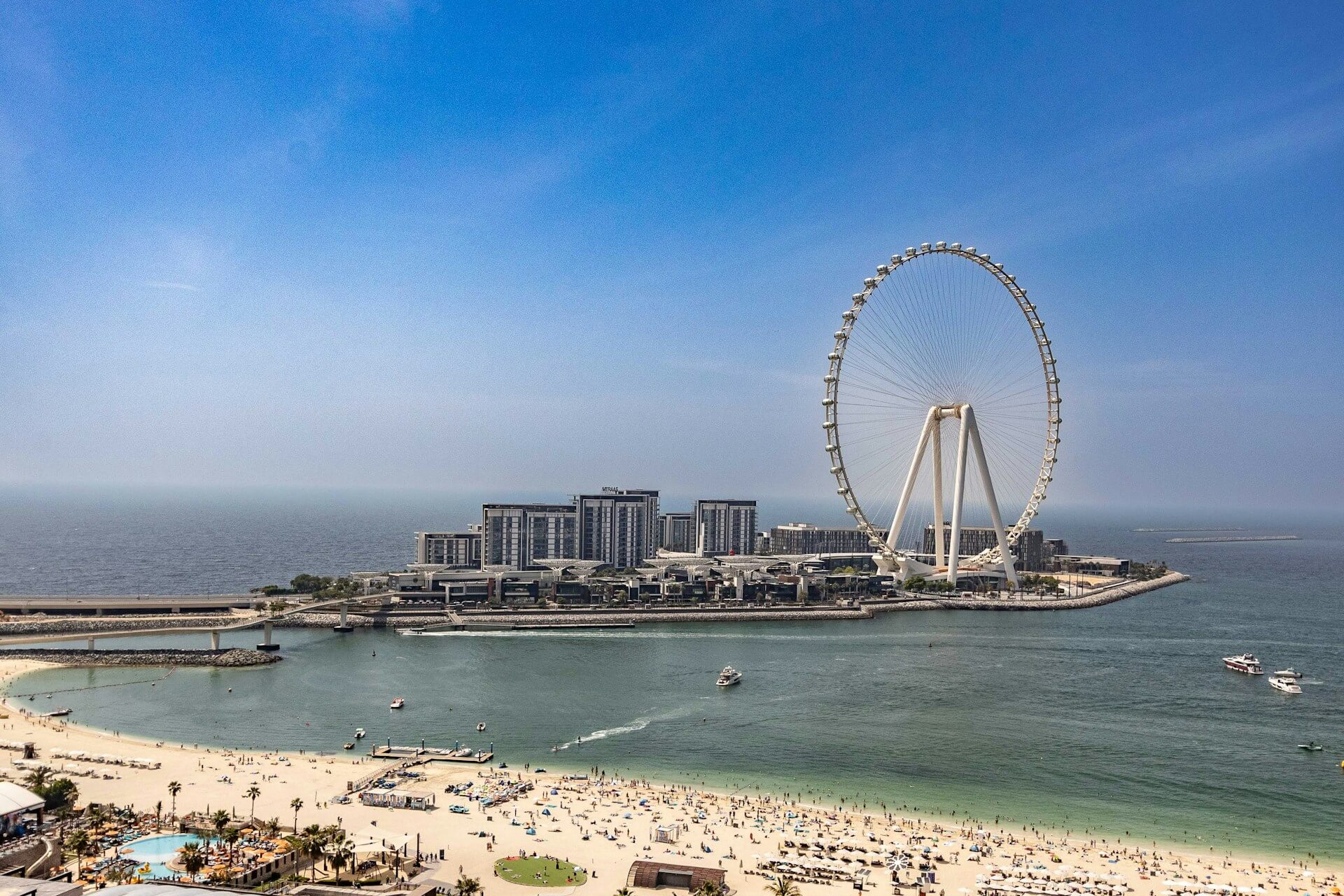
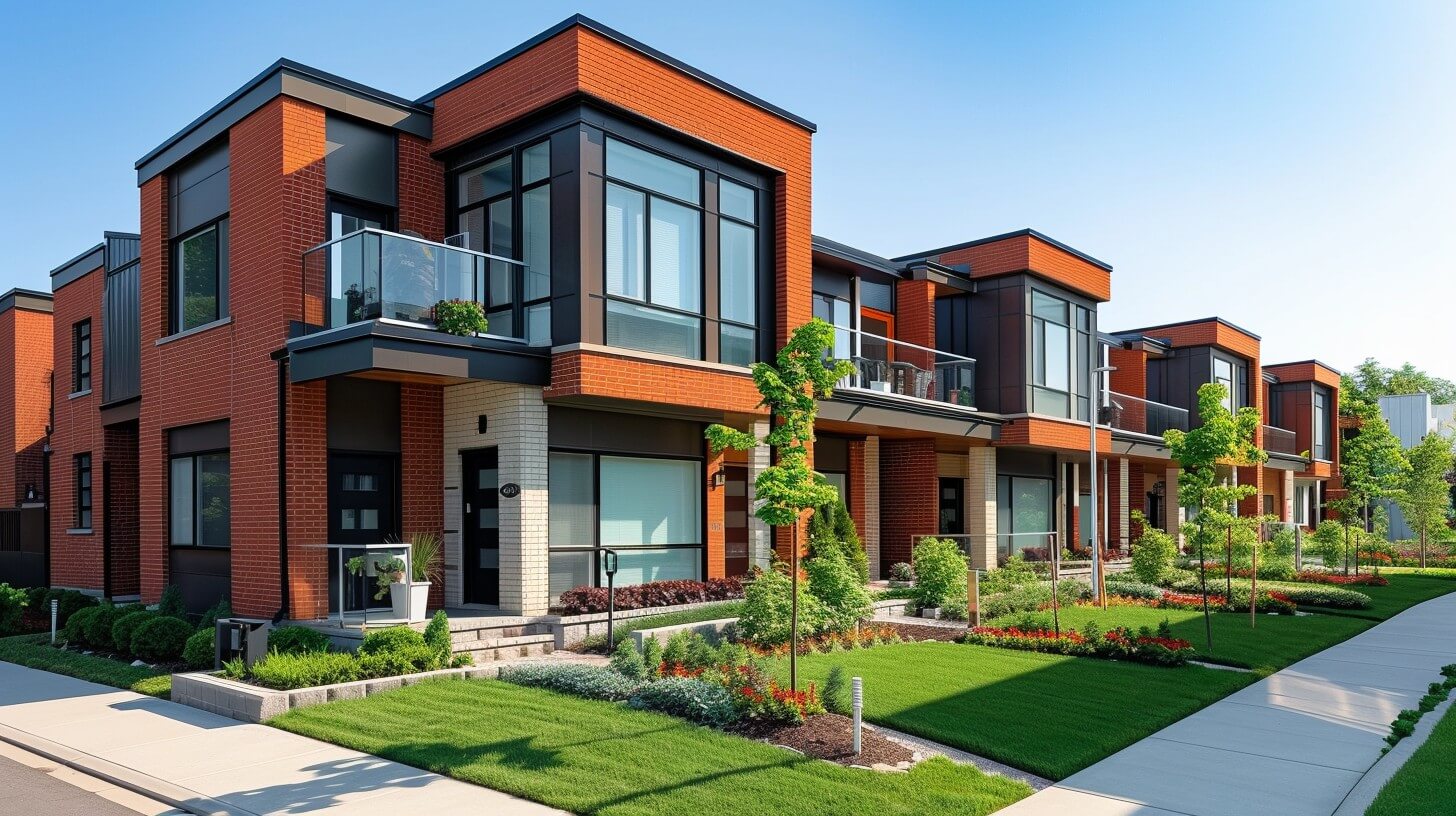
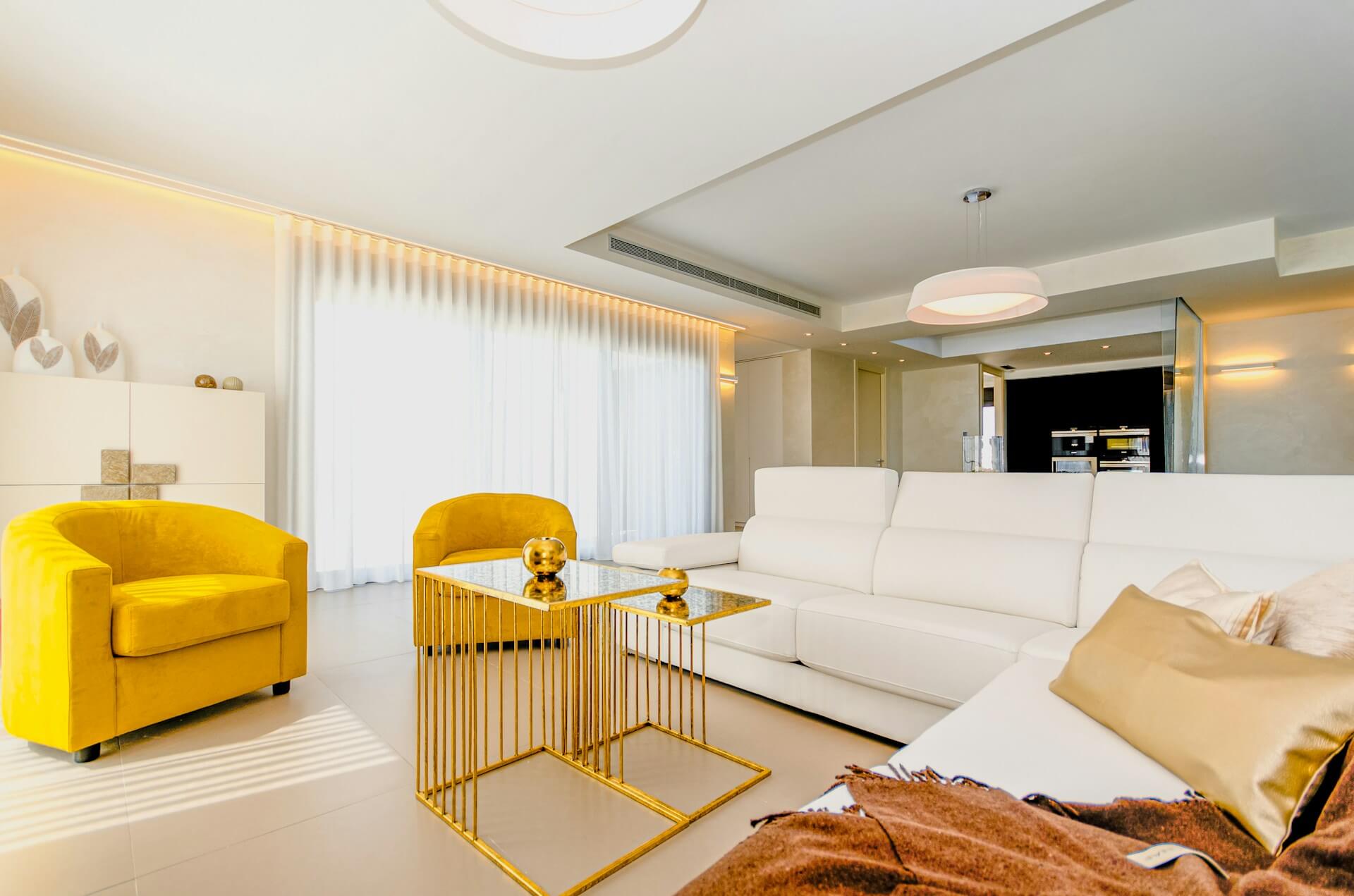
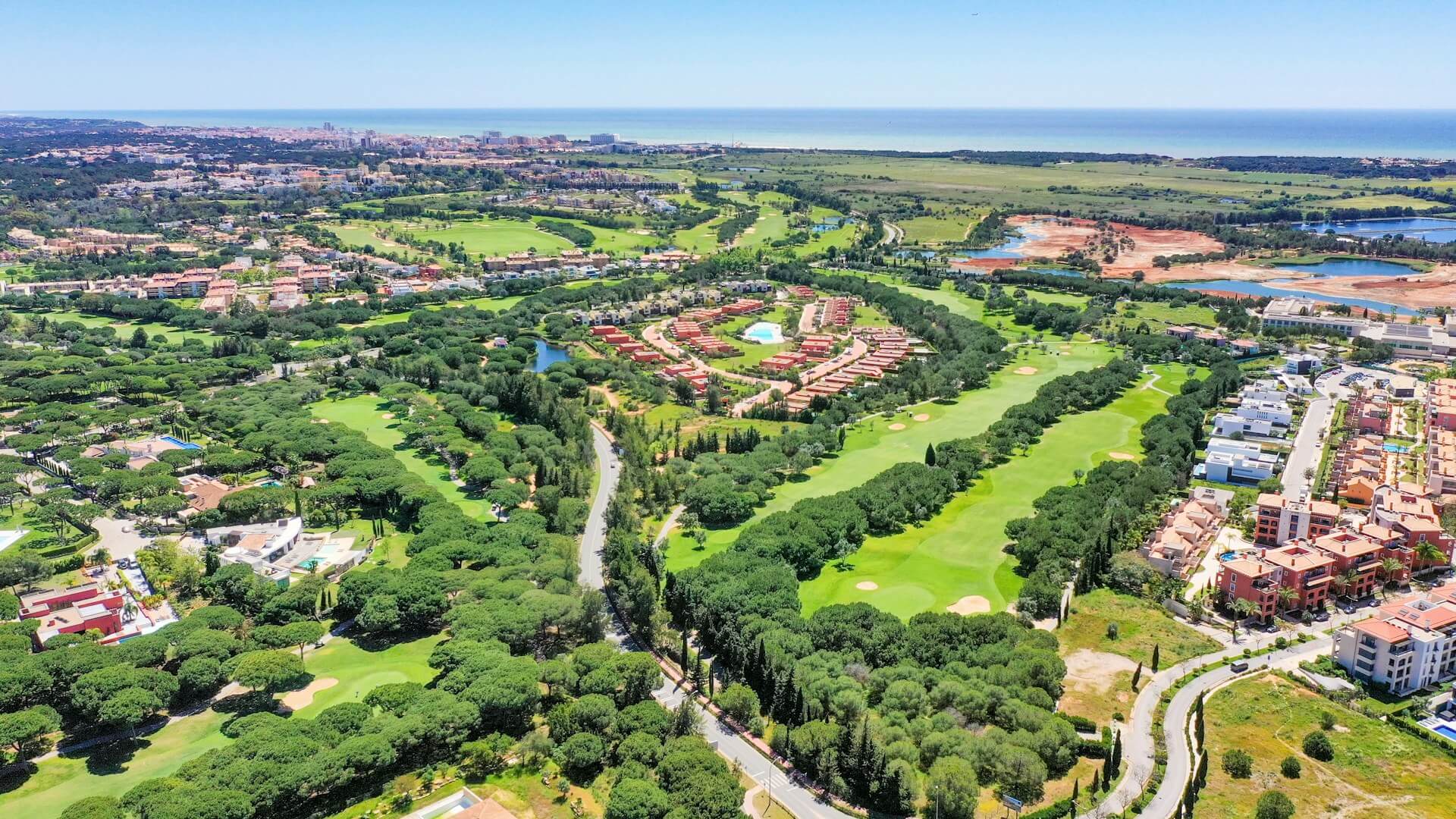
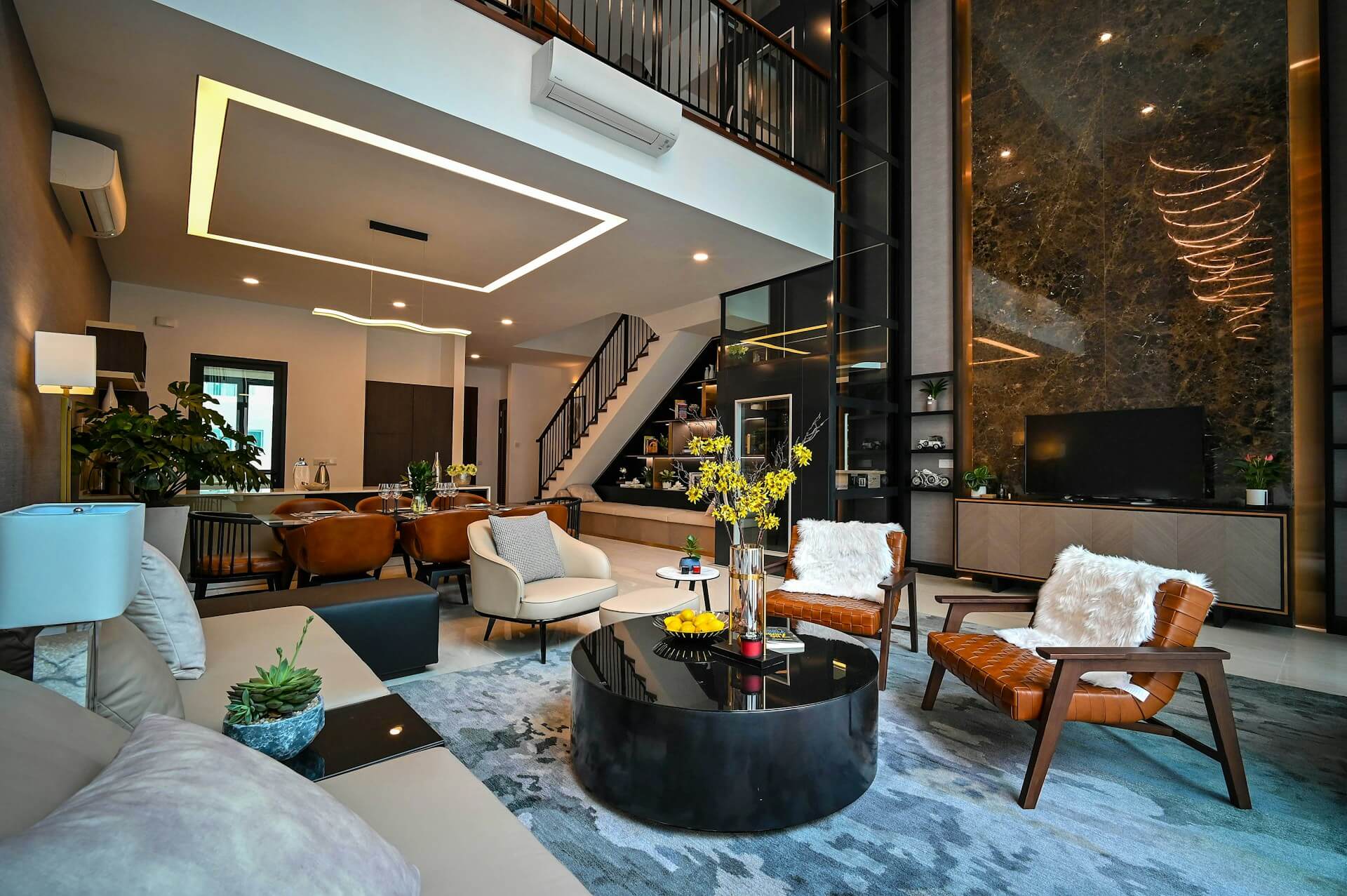
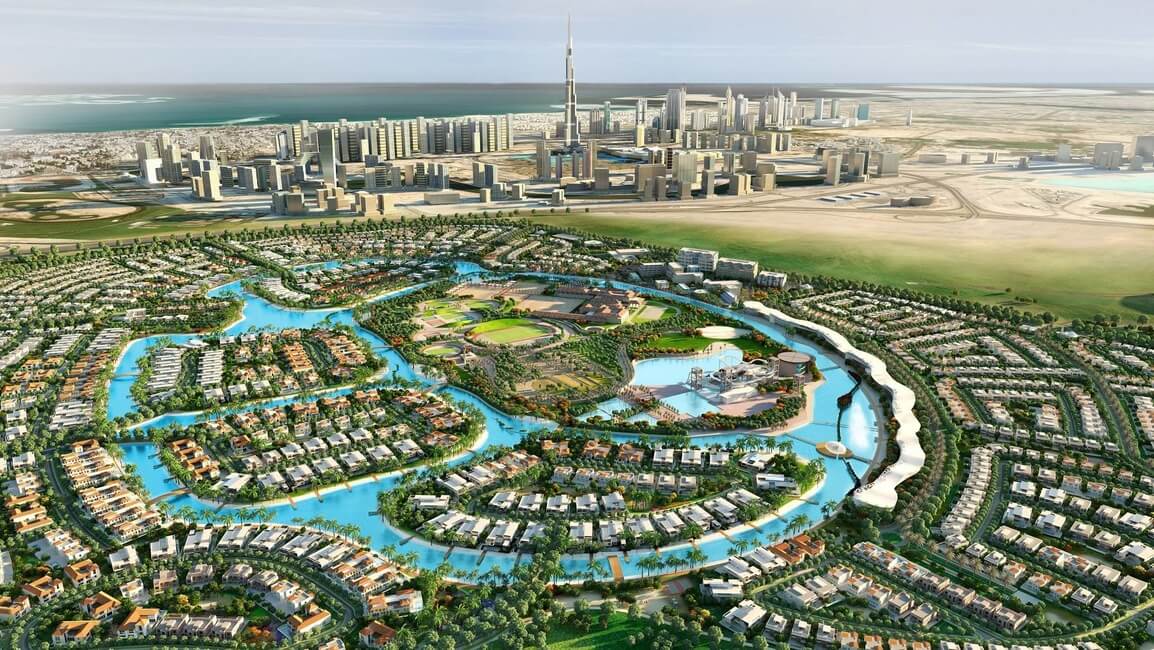
Purchasing a luxury detached residence in Dubai requires a minimum capital outlay starting around AED 6 million, with select high-demand locations pushing entry prices beyond AED 10 million. Current market data indicates that areas such as Palm Jumeirah and Dubai Marina demonstrate the strongest absorption rates due to limited availability and consistent interest from high-net-worth individuals, expats, and international investors. These districts yield gross rental returns between 5% and 7%, outperforming comparable developments within the same price bracket.
Transaction volumes have surged in Dubai driven by recent visa reforms, increased tourism influx, and infrastructure expansions targeting exclusive waterfront communities.
The scarcity of ready-to-move detached residences combined with increasing demand for standalone properties focused on privacy and space explains heightened buyer activity. Secondary market listings show 15-20% quicker sales turnaround compared to apartments across Dubai, reinforcing liquidity advantages for standalone housing options.
Comparing waterfront detached homes against urban cluster residences reveals higher entry costs but superior capital appreciation potential, mainly within Palm Jumeirah and selected Dubai Marina sectors.
Emerging zones like Jumeirah Islands remain relatively affordable but carry slightly elevated vacancy risks and longer resale timelines.
Investors targeting immediate cash flow benefit more evidently from established submarkets with proven rental track records.
Lease income averages between AED 350,000 and AED 600,000 annually for prime detached residences, influenced heavily by location, size, and finishing quality. Palm Jumeirah properties reported a 7% year-on-year increase in rental rates, while Dubai Marina shows steadier but moderate growth close to 4%. Investment strategies must consider individual project reputation, developer credibility, and ongoing community management fees impacting net returns.
For buyers focused on long-term value retention with moderate risk, established waterfront neighborhoods in Dubai remain preferable.
Those prioritizing immediate yield might explore select ready-use detached homes with proven tenant interest near Dubai Marina’s commercial hubs. Off-plan options generally demand a 20-30% lower initial commitment but often extend time-to-rent and carry delivery uncertainties linked to evolving regulatory standards and construction timelines.
Liquidity analysis confirms quicker resale potential in Palm Jumeirah, with transaction closing averaging 90-120 days, significantly faster than off-plan alternatives or emerging residential clusters that may require 6-9 months.
Market entry at or above AED 8 million allows access to premium inventory with higher appreciation forecasts but less flexible exit options. Conversely, properties below AED 7 million are more accessible but face stiffer tenant competition.
Buyer profiles range from high-income executives seeking satellite residences to institutional investors aiming for portfolio diversification within Dubai’s real estate sector.
Family-oriented purchasers emphasize space and exclusivity found primarily in detached housing segments within Dubai Marina, which offers proximity to schools and business districts.
Short-term rental operators experience higher occupancy in Palm Jumeirah due to tourist demand but encounter stricter regulatory constraints compared to other localities.
Acquiring waterfront detached dwellings is not advisable for investors with limited capital (LocationAverage Entry Price (AED million)Gross Rental Yield (%)Liquidity RatingTarget Tenant
Those prioritizing faster resale should focus on districts with established demand growth coupled with infrastructure expansion such as Dubai Marina, where transaction volume remains 20% above the city average.
Conversely, newer or less connected locations with entry prices 25–30% lower face longer holding periods and higher vacancy risk, limiting appeal for short-term investors.
Acquisitions off-plan carry increased risk due to completion delays impacting time-to-market, although they offer discounts up to 15% compared to ready-to-move estates.
Given Dubai’s ongoing regulatory tightening and financing restrictions, ready assets with clear ownership and immediate income generation provide safer exits and easier loan underwriting. The off-plan option suits buyers with longer investment horizons and higher risk appetite.
Leasing demand predominantly comes from expatriates employed in key sectors: finance, hospitality, and technology, concentrated in Dubai Marina and Business Bay.
Residential zones outside commercial hubs attract families seeking schooling and recreation, reducing volatility. Visa reforms extending stay durations support this demographic shift and contribute to sustained tenancy periods in suburban locations.
When acquisition undercuts market prices by more than 20%, caution is advisable; such assets often reflect structural issues, legal disputes, or poor location. Similarly, those targeting only short-term returns should avoid districts with historically volatile tourist inflows, especially during global uncertainties impacting travel to Dubai.
Investment portfolios must balance yield objectives with risk buffering through geographic and tenancy diversification.
To select an optimal residence for rent in Dubai, prioritize locations with clear alignment to your investment or lifestyle goals.
For investors targeting high rental returns, areas like Dubai Marina and Business Bay offer yields around 6-7%, supported by strong expatriate demand and consistent tourism inflow. Their high population density coupled with limited new supply maintains occupancy above 85%, reducing vacancy risk.
Conversely, those seeking long-term capital growth should focus on emerging hubs such as Arabian Ranches, where average transaction prices start from AED 2.5 million for townhouses.
Arabian Ranches benefits from infrastructure expansion and family-oriented communities, yielding stable price appreciation near 5% annually.
Entry costs vary significantly: in Dubai Marina, studio rentals average AED 60,000 annually, while similar properties in Arabian Ranches command AED 40,000. This differential reflects proximity to business districts and lifestyle amenities.
Business Bay properties provide a middle ground but face higher short-term rental regulatory constraints, impacting leasing flexibility compared to Dubai Marina.
Liquidity favors Dubai Marina and Business Bay due to their established status and demand from corporate tenants relocating frequently.
Arabian Ranches offers slower resale velocity but attracts long-term tenants, suitable for holders prioritizing stability over quick turnover. Off-plan offers in these areas often come with price premiums of 10-15% but may introduce additional delay risks.
For short-term leasing, Dubai Marina's proximity to key transportation nodes and leisure spots commands above-average monthly rent per square foot.
However, regulatory enforcement on holiday rentals here increases compliance costs, potentially lowering net returns. Arabian Ranches imposes fewer restrictions but less tourist traffic, suiting family tenants and professionals seeking quieter environments.
Risk assessment identifies Business Bay as more volatile due to ongoing high-density development and market saturation signs. Price corrections could pressure yields, making it less attractive during soft market phases.
Arabian Ranches shows resilience in down markets, supported by gated community appeal, but limited supply constrains tenant options.
Buyer profiles differ: Dubai Marina targets singles and young professionals prioritizing lifestyle and accessibility; Arabian Ranches serves families favoring space and community; Business Bay appeals to investors seeking portfolio diversification but willing to tolerate higher vacancy risk.
When not to commit in Dubai rentals relates mostly to price levels exceeding income brackets or regulatory shifts limiting short-term leasing.
Avoid overpaying in overbuilt pockets within Business Bay during market slowdowns. Also, steer clear of properties far from transport links, as Dubai tenants increasingly demand connectivity.
When selecting a luxury home for rent in Dubai, prioritise a private pool with efficient heating systems–properties with pools typically command 15-20% higher rental rates in communities like Palm Jumeirah.
Outdoor areas must include shaded patios or gazebos, given Dubai’s climate, to maximise usability year-round.
Integrated smart home technology significantly enhances appeal and functionality. Automated lighting, climate control, security systems, and voice-activated assistants improve comfort, reduce operational costs, and attract tenants valuing convenience.
In Dubai, properties equipped with such systems can achieve up to 10% rental premium compared to those without.
Consider a fully equipped modern kitchen with energy-efficient appliances from reliable brands–consumer preference in Dubai leans heavily toward stainless steel or built-in refrigerators, double ovens, and induction cooktops, reflecting international trends and supporting higher rental yields.
Space planning matters: floor layouts offering multiple en-suite bathrooms reduce occupancy friction, driving demand among larger families or groups.
In Dubai, homes with 4+ bathrooms see consistently faster leasing cycles, especially in neighborhoods like Dubai Marina and Arabian Ranches.
Security infrastructure must include 24/7 gated access, monitored CCTV, and biometric entry systems.
Tenants relocating to Dubai often prioritise safety, especially in more exclusive developments, and properties with advanced security features report lower vacancy rates.
Fitness and wellness facilities on-premises–private gyms, steam rooms, and yoga studios–add tangible lifestyle value.
Rental properties with dedicated wellness amenities in Dubai’s high-end clusters typically outperform those without, substantiated by market data indicating up to 12% higher rental prices.
Acceptable utilities include high-speed fiber-optic internet, essential for remote working professionals who dominate Dubai’s expatriate tenant base.
Reliable connectivity can be a decisive factor in leasing velocity and rental premiums.
Parking availability is a critical metric; secure, covered spaces for at least two vehicles adhere to market expectations in Dubai Marina and Business Bay, where street parking is limited and residents rely heavily on personal transportation.
Additional storage spaces, such as walk-in closets or external rooms, increase functionality for tenants with long-term residency plans.
In Dubai’s gated communities where space is prioritized, extra storage correlates with higher monthly rental rates and better retention.
Comparing properties, those with combined indoor-outdoor entertainment areas, like built-in barbecues and outdoor kitchens, are more desirable compared to standard garden setups.
Such features meet the expectations of clients targeting social gatherings, a significant factor in Dubai’s rental market dynamics.
In Dubai, you can find a wide variety of private villas available for rent.
These range from modern, minimalist designs to more traditional Arabian-style residences. Many villas offer multiple bedrooms, private pools, gardens, and luxury amenities such as home theaters, gyms, and fully equipped kitchens.
Depending on the area, villas can be located near the beach, within exclusive gated communities, or in central locations with easy access to city attractions.
Most private villas in Dubai include security measures such as gated entrances, surveillance cameras, and sometimes on-site security personnel. Additionally, villas located in exclusive communities often provide controlled access to residents, which enhances privacy.
It is advisable to clarify these details with the rental agency or owner before booking, and to read reviews from previous guests regarding their experience with safety and privacy. This helps ensure a worry-free stay.
The duration for which you can rent a villa varies widely.
Some owners or agencies offer daily or weekly rentals, suitable for short vacations, while others may provide monthly leases for longer stays. Payment methods typically include a deposit upfront, with the balance due before or upon arrival. It’s common for rentals to require a security deposit refundable after your stay if no damages occur. Make sure to review the rental contract carefully to understand all terms and cancellation policies.
Rental of private villas in Dubai is regulated by local authorities to ensure compliance with safety and zoning laws.
Licensed rental agencies or property managers handle most of the necessary approvals, making the process smooth for renters. Tourists and residents can rent villas without needing special permits. However, it’s important to use reputable sources to avoid illegal or unregistered properties, as this could cause legal issues or complications during your stay.
Many villas feature amenities such as private swimming pools, full kitchens, air conditioning, Wi-Fi, and entertainment systems.
Some also offer additional services like daily housekeeping, chef services, personal drivers, or concierge support, which can be arranged separately or included in premium rentals.
The level of comfort and luxury varies between properties and price ranges, so it’s recommended to check what is included beforehand to match your needs and expectations.
Choosing a private villa in Dubai offers greater privacy and space, which is ideal for families or groups traveling together.
Unlike hotel rooms, villas typically include multiple bedrooms, living areas, fully equipped kitchens, and private pools. This setup allows guests to enjoy a more relaxed and personalized experience, without the usual hotel routines. Additionally, villas often come with dedicated staff or concierge services that cater to specific requests, creating a more tailored stay. For those planning celebrations or business retreats, the flexibility and exclusivity provided by private villas add significant value that standard hotel accommodations may not offer.
Clear answers about buying, renting and investing in Dubai property.
Yes. Foreign buyers can purchase freehold property in designated areas such as Dubai Marina, Downtown Dubai, Business Bay, Palm Jumeirah, Dubai Hills and other approved communities.
It depends on your timeline, budget and goal. Buying is usually better for long-term plans, capital growth and rental income, while renting is better for flexibility and easier relocation.
The required budget depends on the area, building quality and property type. More accessible apartments can be found in developing communities, while prime locations and luxury properties require a much higher budget.
In addition to the purchase price, buyers should budget for the Dubai Land Department fee, registration and trustee fees, possible agency commission, mortgage-related costs if financing is used, and ongoing service charges for many buildings.
Yes, many banks in the UAE offer mortgages to foreign buyers. Approval depends on income, documents, deposit amount and the specific property being purchased.
Areas such as Dubai Marina, Downtown Dubai, Business Bay, Dubai Hills, JVC, Palm Jumeirah and Creek Harbour are often considered by investors, but the right area depends on whether your focus is yield, resale value, lifestyle appeal or long-term growth.
Rental yield varies by area, property type, furnishing level and market timing. In practice, many investors look for a balance between strong occupancy, reasonable service charges and sustainable tenant demand rather than chasing headline numbers alone.
Off-plan property is purchased directly from a developer before the project is completed. Buyers often choose off-plan because of payment plans, newer inventory and lower entry prices compared with some ready properties.
A proper review should consider the developer’s track record, payment plan, handover timeline, location quality, future supply in the area and the project’s resale or rental potential after completion.
For ready property, the timeline can move fairly quickly if the price is agreed, documents are prepared and the buyer is ready to proceed. Mortgage purchases usually take longer than cash deals.
Yes, many purchases can be handled remotely with the correct documents and proper support through the process. Remote buying is common for overseas investors and international clients.
The biggest risks are overpaying, choosing a weak location, buying an unsuitable layout, ignoring service charges, or selecting a project with low resale and rental demand. Good selection matters more than marketing promises.
In long-term rentals, rent is commonly agreed for a fixed term and often paid by one or several cheques depending on the landlord, property and negotiation.
Tenants are usually asked for identification and residency-related documents, and the exact set depends on their status in the UAE and the landlord’s requirements.
A security deposit is commonly required before move-in. The amount often depends on whether the property is furnished or unfurnished and should be clearly stated in the rental terms.
In many rental transactions, an agency commission is charged. The amount depends on the deal structure and should be confirmed before signing anything.
Tenants should review the deposit, Ejari registration, utility setup costs, parking terms if relevant, maintenance responsibilities and any conditions related to early termination or renewal.
Yes, negotiation is common. The final result depends on market conditions, the landlord’s flexibility, how long the property has been available and how prepared the tenant is to move forward.
It is important to check the condition of the unit, building quality, noise level, parking, view, maintenance status, contract terms and the reliability of the owner or manager.
Short-term rent offers flexibility and convenience but is usually more expensive. Long-term rent is generally more cost-effective and better suited for clients planning to stay longer.
During an active contract, the agreed rent usually remains fixed. Any increase is generally discussed at renewal and should follow the applicable rules and notice requirements.
This depends on the tenancy contract. Minor day-to-day issues may be handled by the tenant, while major maintenance is commonly the landlord’s responsibility, but the exact wording in the contract matters.
Ejari is the official registration of the tenancy contract in Dubai. It is important for legal recognition of the lease and is commonly needed for practical steps such as setting up utilities.
Yes. Furnished properties can be more convenient and faster to move into, while unfurnished options may work better for longer stays or tenants who want more control over the setup and budget.
We do not rely on random mass listings. We narrow the market based on budget, location, property type, investment goal, lifestyle needs and timeline, so clients can focus only on relevant options.
Yes. Support can include shortlisting, arranging viewings, comparing options, discussing terms, helping with negotiations and guiding the next steps of the transaction.
The best first step is to define the real budget, target areas, purpose, preferred property type and timeline. Once those points are clear, the selection becomes faster, cleaner and much more useful.