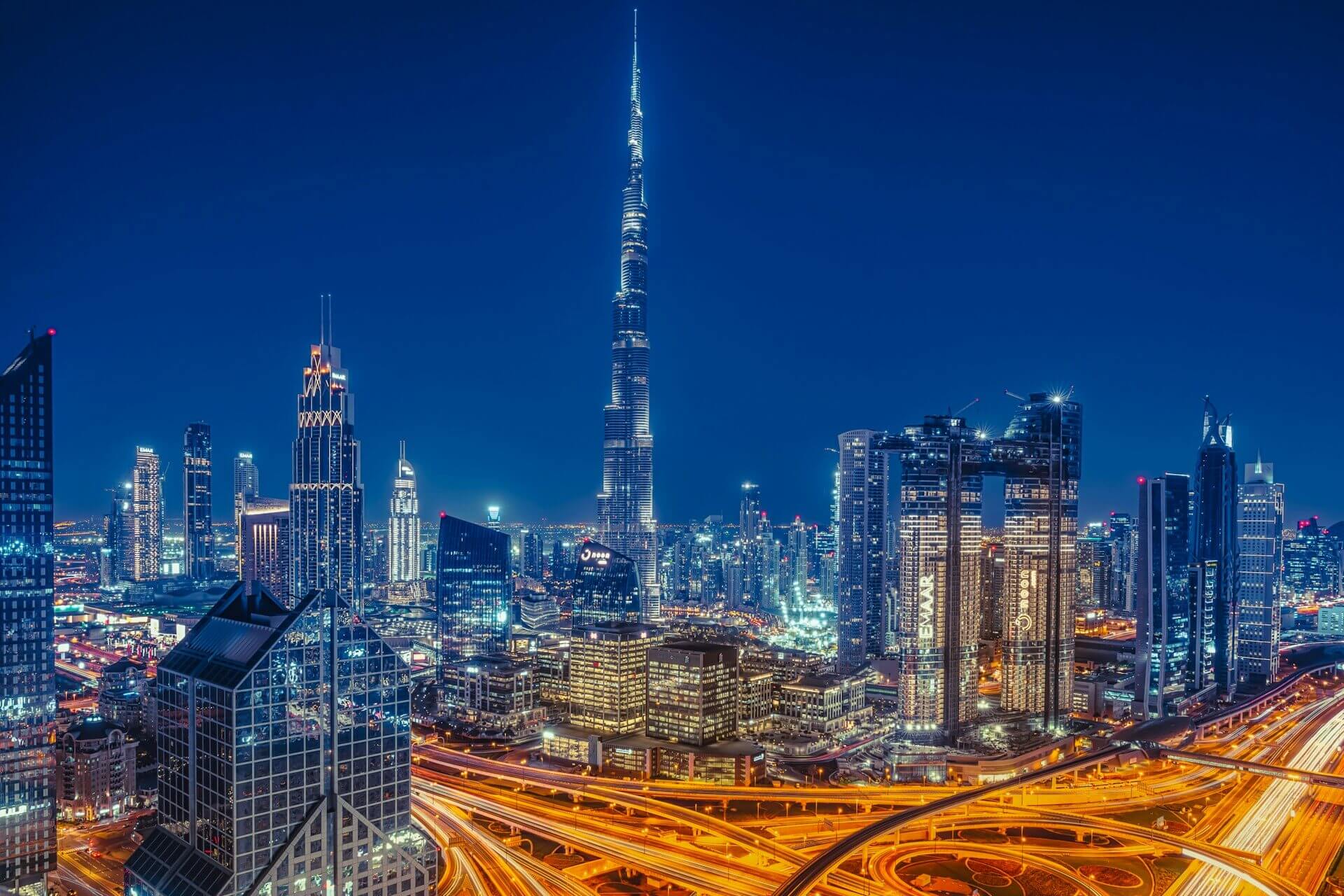
FOR SALE
AED 1,200,000AED 720,000
We help clients buy and rent the right property in Dubai — apartments, villas and investment units matched to budget, area and goals.
Dubai Property Selection focuses on apartments, villas and investment properties in key areas such as Dubai Marina, Downtown, Business Bay, Dubai Hills and Palm Jumeirah.
Instead of sending a huge list of random listings, we prepare a clean shortlist based on your budget, preferred area, bedrooms, timeline and purchase or rental goals.
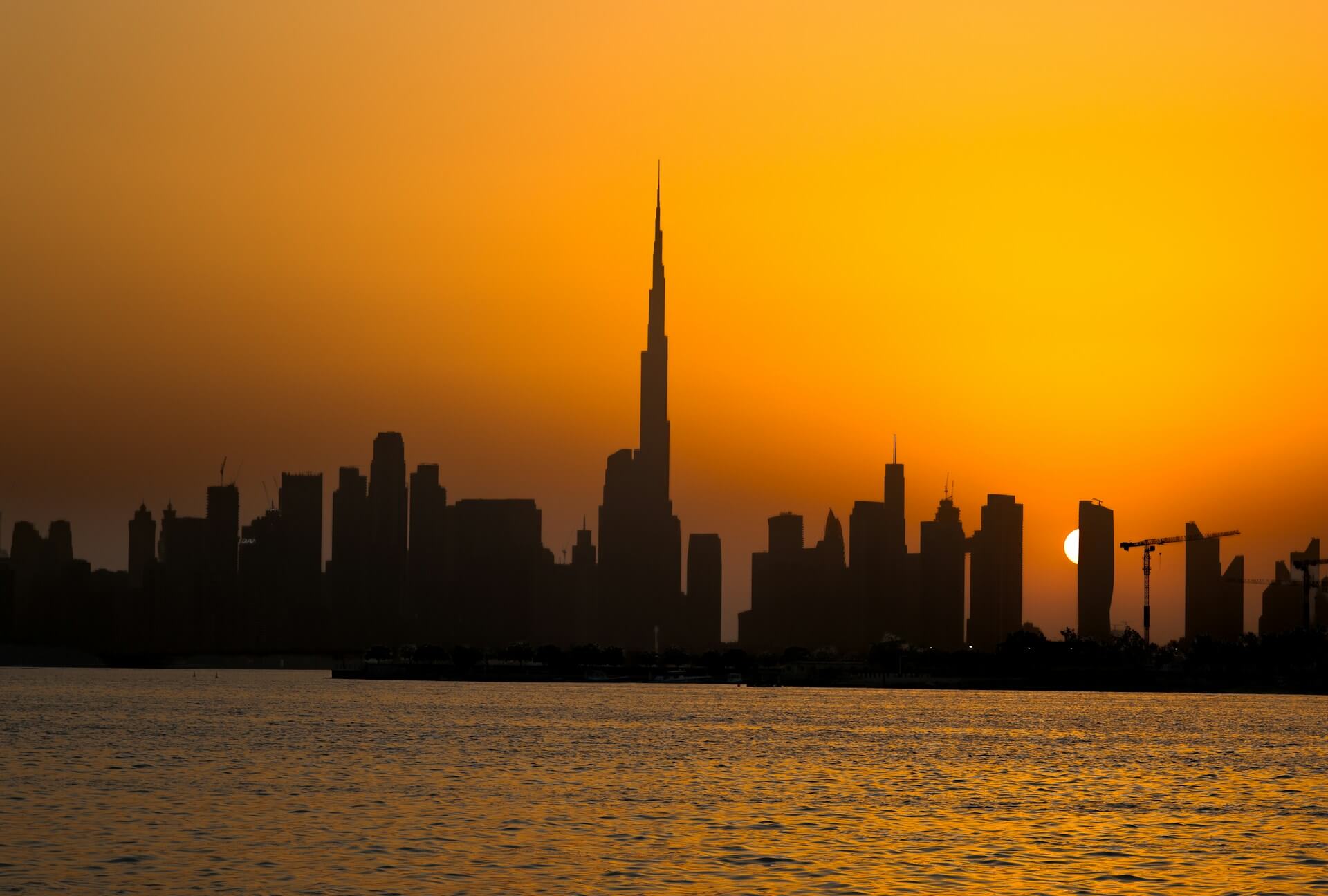
Premium opportunities in Dubai — from compact investment units to signature villas and penthouses.
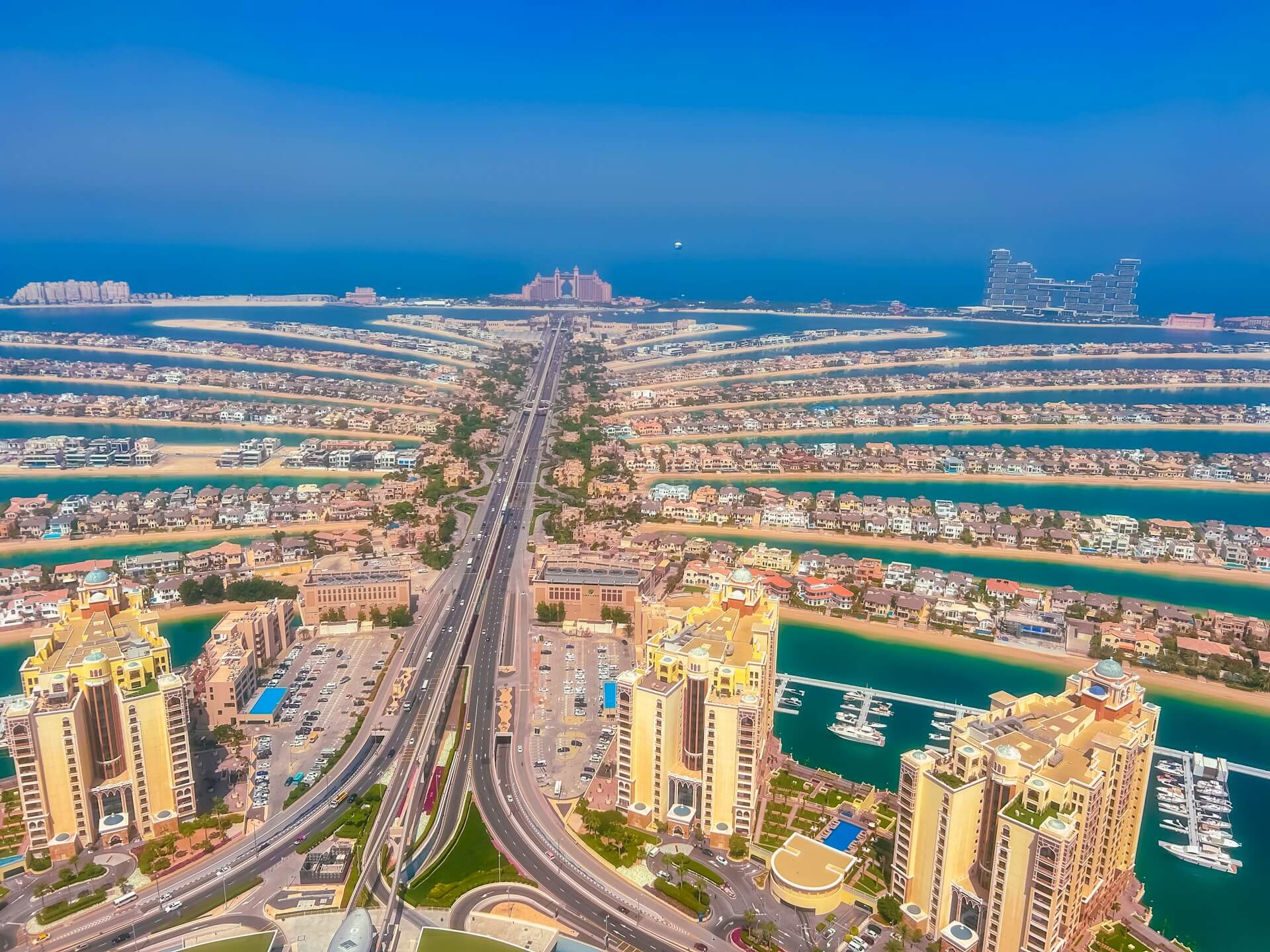
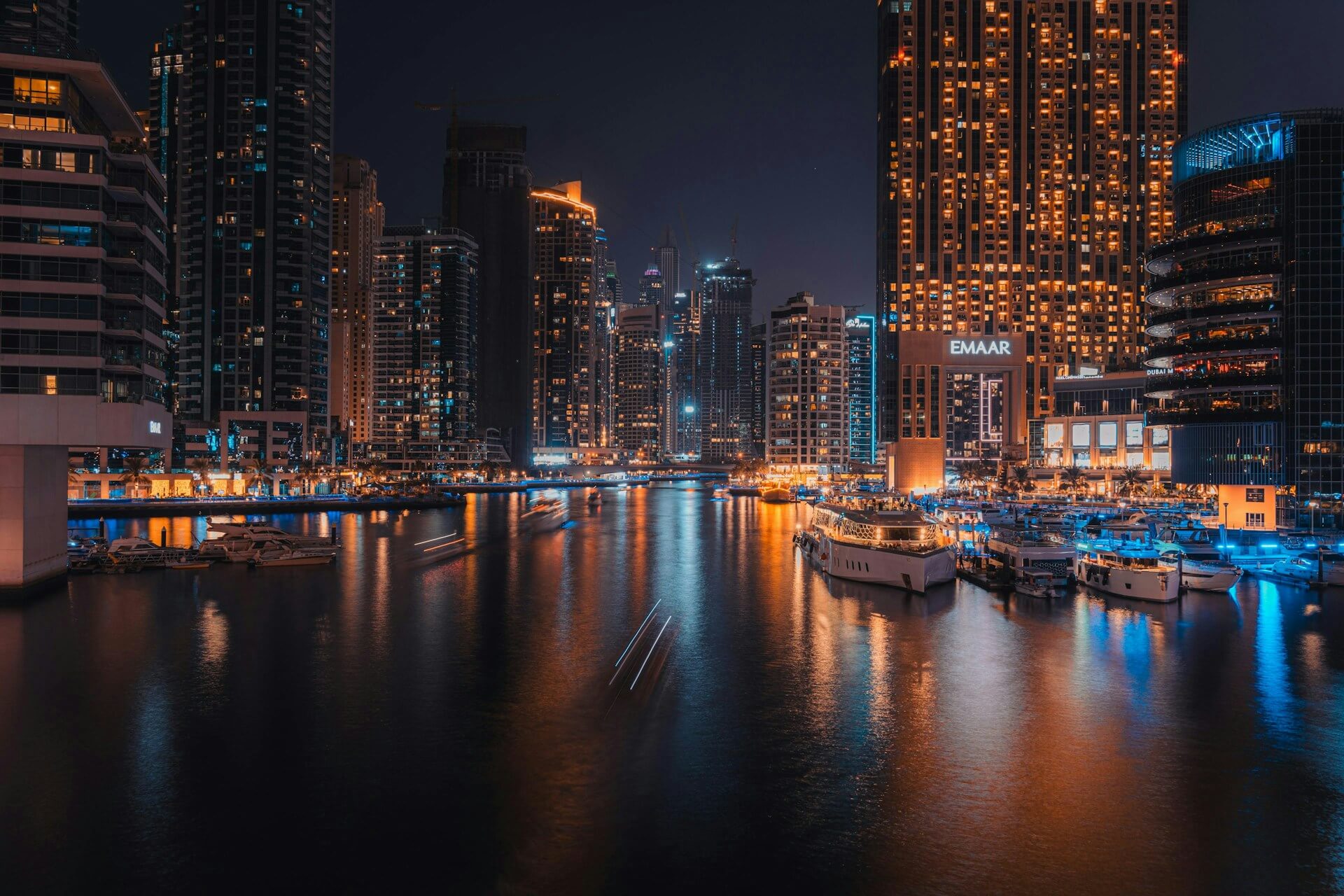
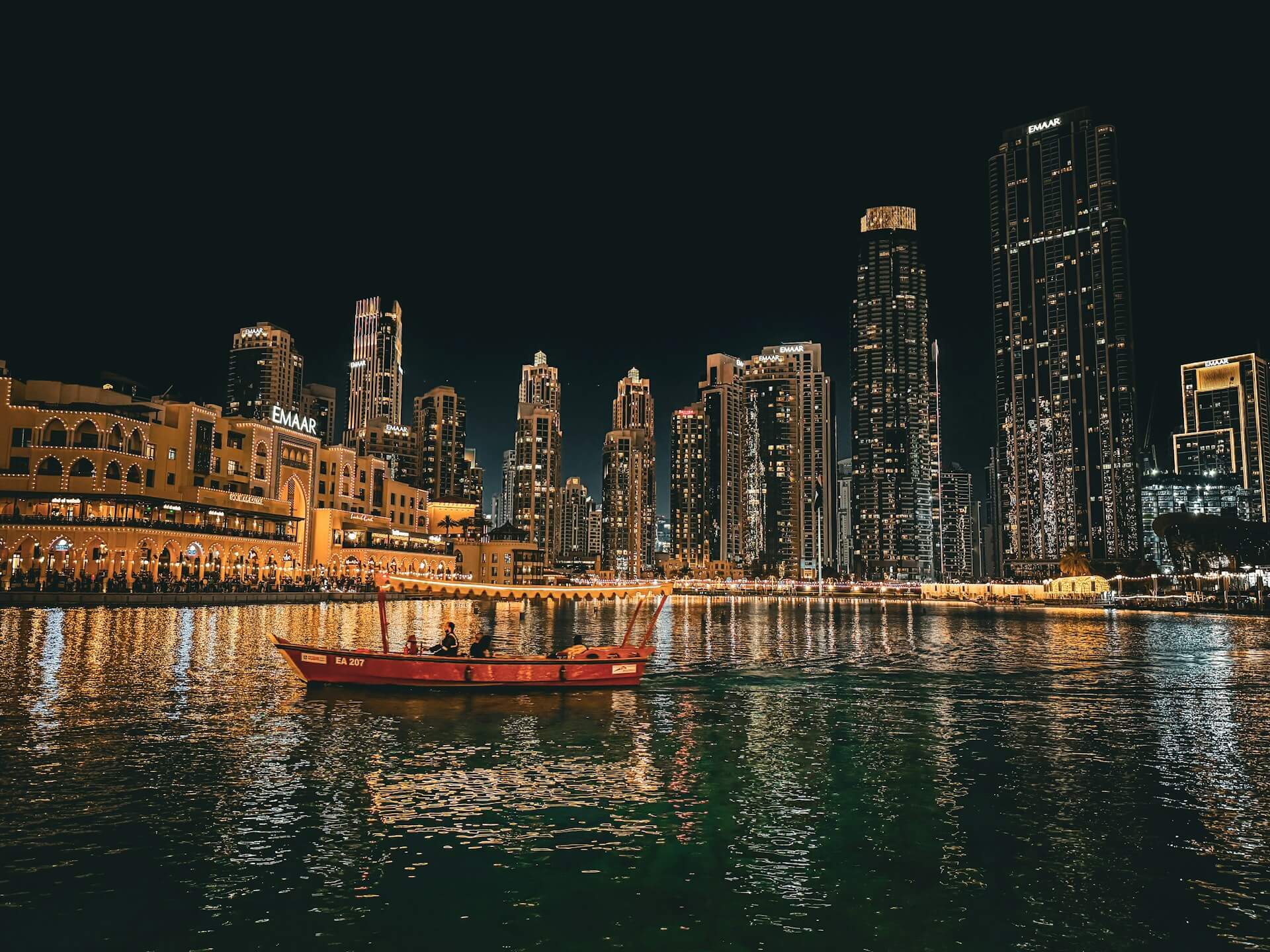


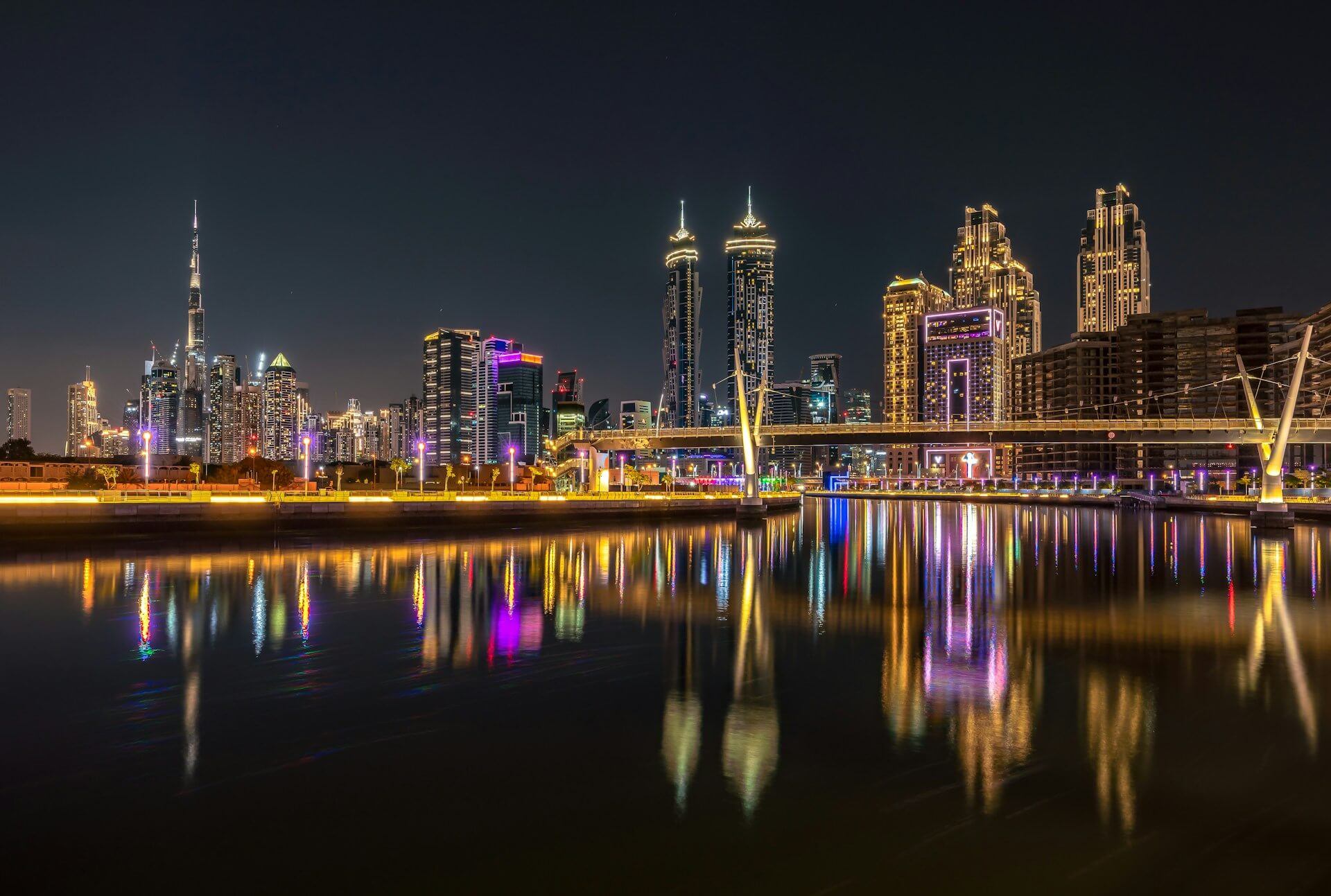
Comfortable long-term and premium rental options across Dubai.
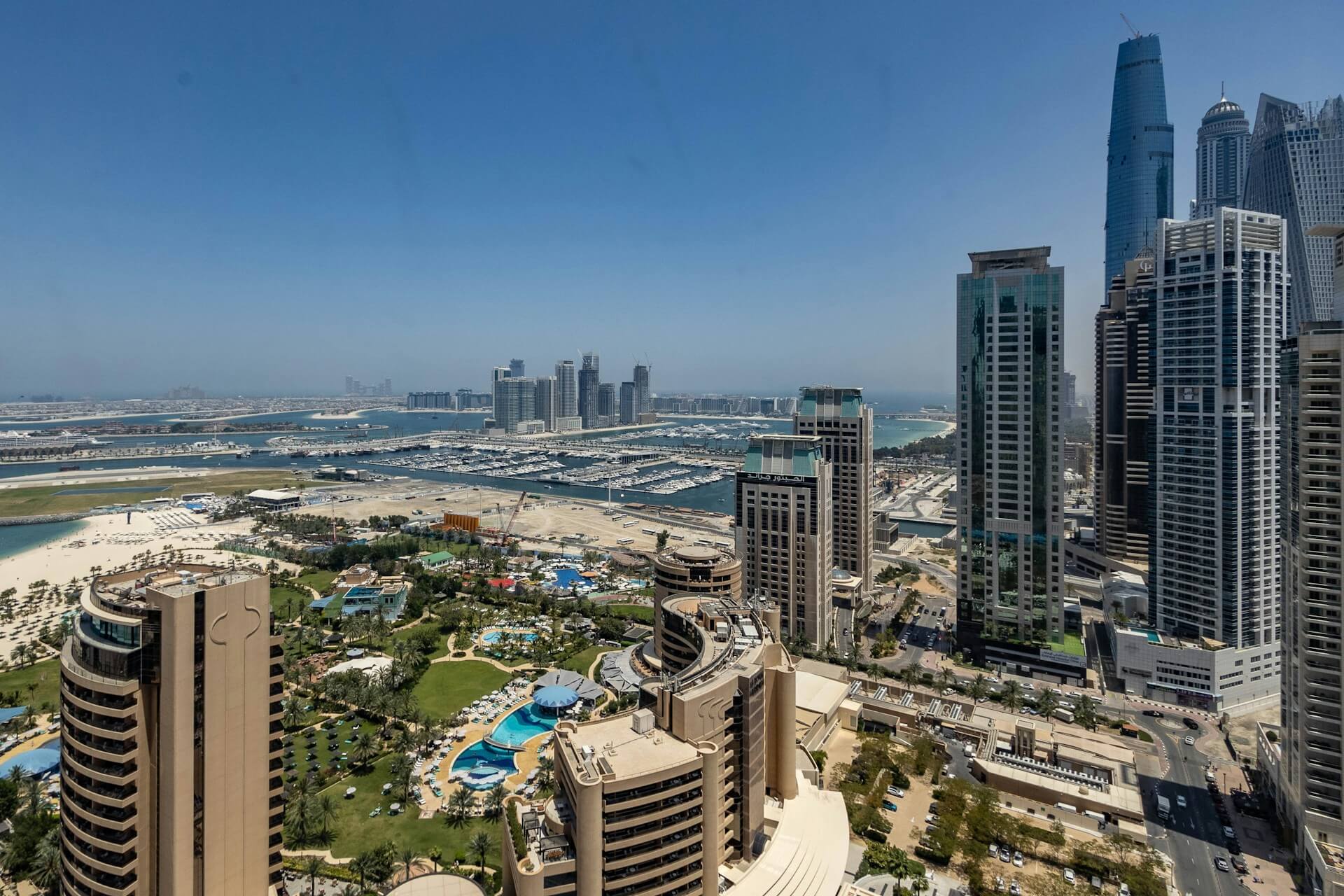

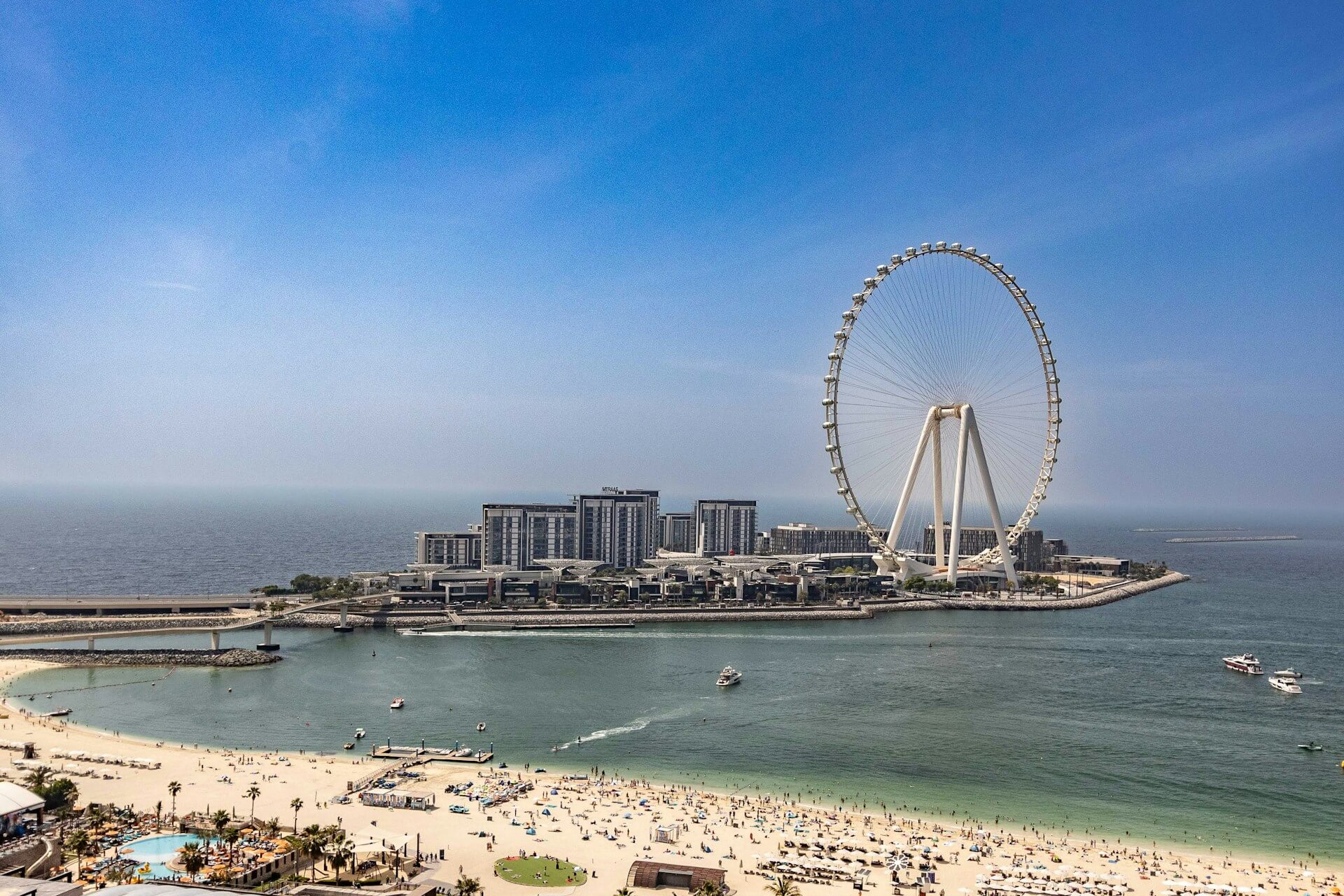



The current market conditions confirm that purchasing elite real estate in Dubai is viable, particularly for those targeting units above AED 3 million, where demand remains stable. High-net-worth individuals focus on areas such as Dubai Marina and Palm Jumeirah, where resale prices have appreciated by 8-12% over the past year.
Strong visa reforms and expanding infrastructure contribute to sustained buyer interest, supporting liquidity and easing exit strategies within 12-18 months.
Entry costs vary by segment: apartments in Business Bay start around AED 2.5 million, while villas on Palm Jumeirah exceed AED 10 million, reflecting different risk and return profiles.
The rental yield in Dubai Marina stands near 5.5%, contrasting with Palm Jumeirah’s average of 4%, indicating more attractive cash flow in slightly more accessible communities. Market activity benefits from limited inventory in waterfront developments, driving competition among investors and owner-occupiers alike.
Choosing where to allocate capital hinges on specific objectives–whether prioritizing capital preservation, cash flow generation, or lifestyle utility.
Dubai Marina presents faster turnover and rental demand due to its proximity to business hubs and transport links. Palm Jumeirah offers longer-term capital appreciation linked to exclusive beachfront access and branded residences. The decision matrix includes assessing property age, developer reputation, and upcoming infrastructure projects influencing value appreciation.
Securing a high-end real estate investment in Dubai requires understanding niche pricing tiers and timing market entry precisely.
Currently, prime residential units in Dubai start around AED 3.5 million for well-located apartments, rising beyond AED 12 million for spacious villas in established developments.
Demand concentrates heavily on waterfront and central districts within Dubai, driven by strong international buyer activity and visa reforms facilitating longer stays.
Compared to other luxury segments, off-plan acquisitions in Dubai’s iconic districts carry a 15-20% longer liquidity horizon, whereas ready units in matured localities show resale turnover within 6-12 months.
Capital gains trajectory remains stable for areas with limited new supply and enhanced infrastructure, favoring preservation of asset value over speculative price spikes.
Entry capital depends on the intended goal: lifestyle owners seek apartments priced AED 4-7 million in Dubai Marina or Business Bay for immediate possession and rental income. Investors targeting quarterly yield upwards of 6% gravitate toward areas with high tenant demand, such as Downtown Dubai, despite entry costs averaging 10-15% higher than peripheral locations.
Comparatively, districts like Arabian Ranches and Dubai Hills Estate offer larger villa options with lower initial investment thresholds, typically AED 5-8 million, but exhibit slower resale velocity and marginally reduced rental returns compared to Dubai Marina’s compact units.
This makes Dubai Marina preferable for short-term lease strategies, whereas Arabian Ranches suits capital appreciation focus over medium term.
Market pressure emerges from a combination of increased expatriate influx, Dubai’s expanding business ecosystem, and tourism upticks supporting short-stay rentals.
Developers’ cautious release of new projects maintains scarcity, elevating asset desirability in primary locales. Mortgage uptake trends have improved, yet down payments still average 25-30%, impacting initial liquidity needs for non-residents.
Portfolio diversification within Dubai requires balancing investments across multiple districts.
Dubai Marina offers stronger immediate rental performance but commands higher entry capital. Conversely, emerging hubs may provide 10-15% lower prices but carry elevated vacancy risk and less predictable price appreciation.
Thus, buyer profiles must align with capital availability and investment horizon.
Off-plan purchases in high-demand quarters come with delayed possession risks exacerbated by regulatory approvals, while ready-to-move units incur higher premiums and swift transaction closures. For investors prioritizing liquidity, ready assets in Dubai Marina outperform off-plan units in peripheral zones by reducing time-to-market by approximately 6 months on average.
This segment does not suit those with limited capital below AED 3 million or buyers seeking rapid resale within 3-6 months, given average selling cycles exceed this timeframe.
Equally, investors avoiding market volatility caused by global economic shifts should steer clear of high-priced developments pending completion delays. Understanding payment plans and developer reputations in Dubai is crucial to mitigate downside exposure.
Verify the consultant’s licensing with the Real Estate Regulatory Authority (RERA) in Dubai; a valid RERA registration number is mandatory and publicly searchable.
Confirming this alone filters out unqualified agents.
Review their transactional history focusing on exclusive developments in Dubai. Genuine professionals will provide detailed data on past deals, including closing prices, buyer profiles, and locations such as Dubai Marina or Palm Jumeirah. This transparency shows familiarity with the market’s premium segment and pricing trends.
Analyze client testimonials specifically related to investment outcomes, not just service satisfaction.
Feedback emphasizing rental yields, time-to-resale, and negotiation results within Dubai’s elite districts reflects practical expertise rather than generic assistance.
Assess if the consultant offers comprehensive market insights beyond basic listings.
Proficient intermediaries advise on entry price thresholds, resale velocity, and yield comparisons between areas like Business Bay and Arabian Ranches, backed by concrete figures and trend analyses.
Check their network of direct contacts with developers, legal advisors, and banks operating in Dubai to ensure efficient transaction processing.
Access to off-market assets and ability to handle due diligence swiftly distinguishes credible experts from intermediaries relying on third-party listings.
Request examples of portfolio structuring tailored to investment objectives prevalent in Dubai, such as balancing ready versus off-plan inventory or selecting assets for visa-driven buyers. Genuine consultants will demonstrate strategic reasoning supported by statistical market data.
Evaluate responsiveness and communication style focused on problem-solving, supported by localized market intelligence.
Specialists avoid vague answers and instead provide detailed comparisons of entry capital requirements and expected yields across Dubai’s premium neighborhoods.
Dubai’s luxury real estate consultants provide targeted market entry analysis that aligns investment budgets with achievable returns across key locations.
Their valuation services include precise pricing models, factoring in factors like transaction comparables, macroeconomic shifts, and projected infrastructural developments within Dubai to identify underappreciated assets and negotiate optimal purchase terms.
Comprehensive portfolio management is crucial for clients building diversified holdings in Dubai.
Specialists actively monitor rental contracts, recommend tenant profiles aligned with yield preservation, and implement exit strategies based on resale timing and demand trends specific to Dubai’s exclusive districts. This active management protects asset value and improves cash flow reliability.
Advisors offer tailored financing guidance focused on Dubai’s mortgage policies and available lending instruments, helping buyers evaluate loan-to-value ratios, interest rate fluctuations, and mortgage tenure impact on investment viability.
This insight reduces capital risk while maximizing leverage advantages within Dubai’s regulatory framework.
Access to off-market and pre-launch developments in Dubai remains a key benefit.
Well-connected consultants provide early entry opportunities into developments with controlled supply, which typically offer lower entry prices and potential for higher appreciation in Dubai’s niche neighborhoods.
Their market intelligence enables clients to compare completed projects versus under-construction options accurately.
Transaction facilitation ensures compliance with Dubai’s legal procedures and documentation requirements, preventing delays and securing buyer protections during acquisition. Services include due diligence on title deeds, developer reputations, and fee structures unique to Dubai’s premium districts, minimizing transactional setbacks and safeguarding investments.
Advice on customization and renovation caters to owners aiming to increase asset value or tailor spaces to premium tenant expectations in Dubai’s elite locales.
Experts provide market-driven renovation budgets and contractor recommendations based on quality standards and resale value appreciation potential specific to Dubai’s upscale developments.
Lastly, localized market trend reporting equips investors with up-to-date data on demand-supply shifts, price trajectories, and legislative changes affecting Dubai’s luxury segment.
This continuous insight supports proactive decision-making, crucial for timing acquisitions or disposals to maximize returns in Dubai’s complex real estate environment.
Current market dynamics signal an upward shift in high-end asset demand within Dubai, driven by visa reforms and increasing international relocation. The primary catalyst remains the influx of long-term residency seekers, prompted by the 10-year Golden Visa and expanded remote working options, concentrating activity in districts like Palm Jumeirah and Dubai Marina.
Entry thresholds for premium units start from approximately AED 3 million in Dubai Marina, while Palm Jumeirah demands a minimum of AED 5 million due to its island exclusivity.
This disparity reflects both scarcity and the level of waterfront access, impacting investment scale and liquidity. Buyers aiming for quicker turnover favor Dubai Marina for its relatively lower price points and higher transaction volumes compared to Palm Jumeirah’s slower but steadier capital appreciation.
Supply constraints persist, especially for ready-to-move-in assets.
Off-plan deliveries lag behind demand, intensifying competition around completed developments in Dubai Marina, where inventory turnover often occurs within 3–6 months. Conversely, Palm Jumeirah’s limited new projects sustain pricing power but reduce short-term liquidity, relevant for investors prioritizing resale speed.
Rental performance differentiates sharply between these locations: Dubai Marina offers gross yields around 6–7%, supported by strong tenant appeal among professionals and expatriates, whereas Palm Jumeirah yields hover closer to 4–5%, reflecting luxury premiums with longer vacancy cycles.
For yield-oriented investors, Dubai Marina’s balance of price and occupancy makes it preferable; for capital preservation and lifestyle buyers, Palm Jumeirah remains attractive despite softer rental returns.
Infrastructure expansion and retail enhancements in Dubai Marina accelerate absorption rates, fueling investor interest in higher floors with panoramic views and proximity to transport hubs. Palm Jumeirah benefits from iconic branding but faces challenges with waterfront access regulations impacting resale flexibility.
These contrasts impact exit strategies and must factor into market entry planning.
Compared to alternative enclaves such as Business Bay and Arabian Ranches, Dubai Marina holds an edge in rental demand and shorter vacancy periods, while Palm Jumeirah’s exclusivity translates into slower but more stable price appreciation.
Entry capital is lowest in Business Bay (from AED 2.5 million), but yield and liquidity do not match Dubai Marina’s levels, influencing portfolio diversification decisions.
Investors focusing on off-plan opportunities should weigh delivery risks against current premiums in ready developments, especially given recent regulatory tightening on escrow accounts and payment plans in Dubai, which stabilize but also slow project completion timelines.
Palm Jumeirah’s scarcity favors ready assets, whereas Dubai Marina offers a wider off-plan selection, catering to varied risk appetites.
Short-term rental viability is stronger in Dubai Marina due to proximity to business centers and entertainment, benefiting buy-to-let investors targeting transient tenants. Palm Jumeirah’s family-oriented environment supports longer leases, reducing turnover but limiting income spikes.
This market characteristic affects cash flow projections and tenant profiles.
Not recommended for rapid capital gains are purchases in Palm Jumeirah’s older segments, where obsolescence and maintenance costs increase holding expenses, squeezing net returns.
Similarly, speculative buys in Dubai Marina’s peripheral towers might suffer from future supply influx, depressing prices. Timing acquisitions alongside masterplan milestones or metro expansions improves resilience to market fluctuations.
Decisive factors to enter depend on investment goals: for high liquidity and yield-oriented portfolios, Dubai Marina presents superior conditions; for wealth preservation and lifestyle integration, Palm Jumeirah aligns better despite slower liquidity.
Entry capital should reflect these strategic priorities, ranging broadly between AED 3 million and AED 7 million.
A luxury property advisor in Dubai provides guidance on buying, selling, and renting high-end real estate.
Their role includes understanding client preferences, searching for exclusive properties that match those desires, facilitating negotiations, and assisting with legal and financial procedures. They also offer market insights to help clients make sound decisions tailored to their investment goals or lifestyle needs.
Foreign investors often face unique challenges, such as unfamiliar legal regulations, residency requirements, and financial systems.
A luxury property advisor familiar with Dubai’s market can simplify the process by providing personalized advice, aiding with paperwork, connecting clients with trusted legal and financial experts, and ensuring all transactions comply with local laws.
This support reduces risks and streamlines the acquisition of premium properties for international buyers.
When choosing an advisor, it's important to look at their experience specifically within the high-end property market, reputation among clients, and knowledge of Dubai’s neighborhoods known for luxury real estate. Transparency in communication, responsiveness, and access to exclusive listings are also key.
Asking for references and examples of previous successful transactions can provide insight into their reliability and professionalism.
Yes, advisors often focus on premium neighborhoods such as Palm Jumeirah, Downtown Dubai, Emirates Hills, and Dubai Marina.
Each location offers distinct advantages, whether it’s waterfront views, proximity to business districts, upscale amenities, or lifestyle options. Advisors bring detailed understanding of these districts, helping clients choose properties that align with their preferences and investment objectives.
Challenges can include navigating complex legal frameworks, fluctuating market conditions, and ensuring authenticity of property details.
Advisors provide support by verifying property documents, advising on contracts, and offering realistic assessments of market value. They also help manage timelines and coordinate between multiple parties to facilitate smooth transactions for both buyers and sellers.
Clear answers about buying, renting and investing in Dubai property.
Yes. Foreign buyers can purchase freehold property in designated areas such as Dubai Marina, Downtown Dubai, Business Bay, Palm Jumeirah, Dubai Hills and other approved communities.
It depends on your timeline, budget and goal. Buying is usually better for long-term plans, capital growth and rental income, while renting is better for flexibility and easier relocation.
The required budget depends on the area, building quality and property type. More accessible apartments can be found in developing communities, while prime locations and luxury properties require a much higher budget.
In addition to the purchase price, buyers should budget for the Dubai Land Department fee, registration and trustee fees, possible agency commission, mortgage-related costs if financing is used, and ongoing service charges for many buildings.
Yes, many banks in the UAE offer mortgages to foreign buyers. Approval depends on income, documents, deposit amount and the specific property being purchased.
Areas such as Dubai Marina, Downtown Dubai, Business Bay, Dubai Hills, JVC, Palm Jumeirah and Creek Harbour are often considered by investors, but the right area depends on whether your focus is yield, resale value, lifestyle appeal or long-term growth.
Rental yield varies by area, property type, furnishing level and market timing. In practice, many investors look for a balance between strong occupancy, reasonable service charges and sustainable tenant demand rather than chasing headline numbers alone.
Off-plan property is purchased directly from a developer before the project is completed. Buyers often choose off-plan because of payment plans, newer inventory and lower entry prices compared with some ready properties.
A proper review should consider the developer’s track record, payment plan, handover timeline, location quality, future supply in the area and the project’s resale or rental potential after completion.
For ready property, the timeline can move fairly quickly if the price is agreed, documents are prepared and the buyer is ready to proceed. Mortgage purchases usually take longer than cash deals.
Yes, many purchases can be handled remotely with the correct documents and proper support through the process. Remote buying is common for overseas investors and international clients.
The biggest risks are overpaying, choosing a weak location, buying an unsuitable layout, ignoring service charges, or selecting a project with low resale and rental demand. Good selection matters more than marketing promises.
In long-term rentals, rent is commonly agreed for a fixed term and often paid by one or several cheques depending on the landlord, property and negotiation.
Tenants are usually asked for identification and residency-related documents, and the exact set depends on their status in the UAE and the landlord’s requirements.
A security deposit is commonly required before move-in. The amount often depends on whether the property is furnished or unfurnished and should be clearly stated in the rental terms.
In many rental transactions, an agency commission is charged. The amount depends on the deal structure and should be confirmed before signing anything.
Tenants should review the deposit, Ejari registration, utility setup costs, parking terms if relevant, maintenance responsibilities and any conditions related to early termination or renewal.
Yes, negotiation is common. The final result depends on market conditions, the landlord’s flexibility, how long the property has been available and how prepared the tenant is to move forward.
It is important to check the condition of the unit, building quality, noise level, parking, view, maintenance status, contract terms and the reliability of the owner or manager.
Short-term rent offers flexibility and convenience but is usually more expensive. Long-term rent is generally more cost-effective and better suited for clients planning to stay longer.
During an active contract, the agreed rent usually remains fixed. Any increase is generally discussed at renewal and should follow the applicable rules and notice requirements.
This depends on the tenancy contract. Minor day-to-day issues may be handled by the tenant, while major maintenance is commonly the landlord’s responsibility, but the exact wording in the contract matters.
Ejari is the official registration of the tenancy contract in Dubai. It is important for legal recognition of the lease and is commonly needed for practical steps such as setting up utilities.
Yes. Furnished properties can be more convenient and faster to move into, while unfurnished options may work better for longer stays or tenants who want more control over the setup and budget.
We do not rely on random mass listings. We narrow the market based on budget, location, property type, investment goal, lifestyle needs and timeline, so clients can focus only on relevant options.
Yes. Support can include shortlisting, arranging viewings, comparing options, discussing terms, helping with negotiations and guiding the next steps of the transaction.
The best first step is to define the real budget, target areas, purpose, preferred property type and timeline. Once those points are clear, the selection becomes faster, cleaner and much more useful.