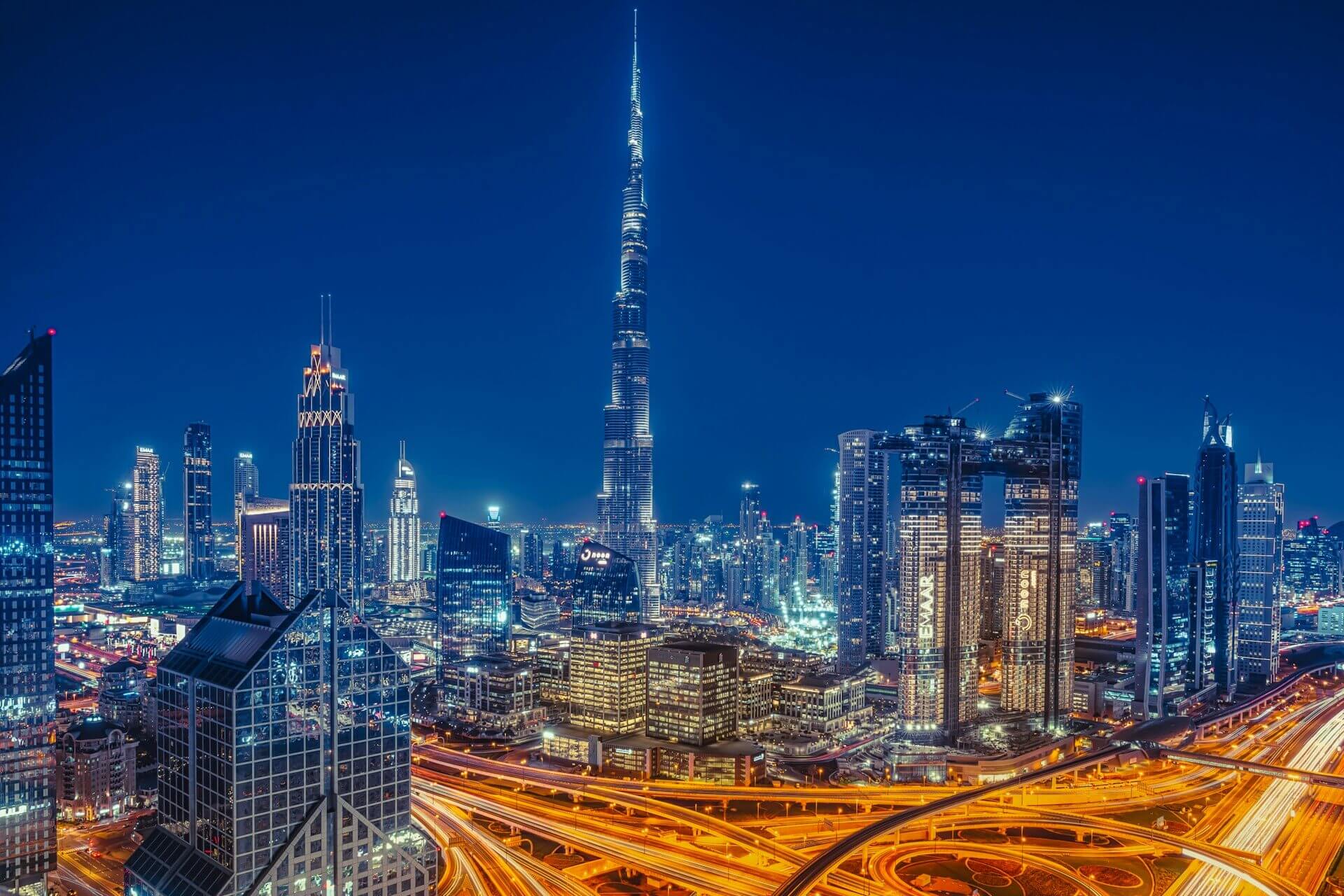
FOR SALE
AED 1,200,000AED 720,000
We help clients buy and rent the right property in Dubai — apartments, villas and investment units matched to budget, area and goals.
Dubai Property Selection focuses on apartments, villas and investment properties in key areas such as Dubai Marina, Downtown, Business Bay, Dubai Hills and Palm Jumeirah.
Instead of sending a huge list of random listings, we prepare a clean shortlist based on your budget, preferred area, bedrooms, timeline and purchase or rental goals.
Premium opportunities in Dubai — from compact investment units to signature villas and penthouses.
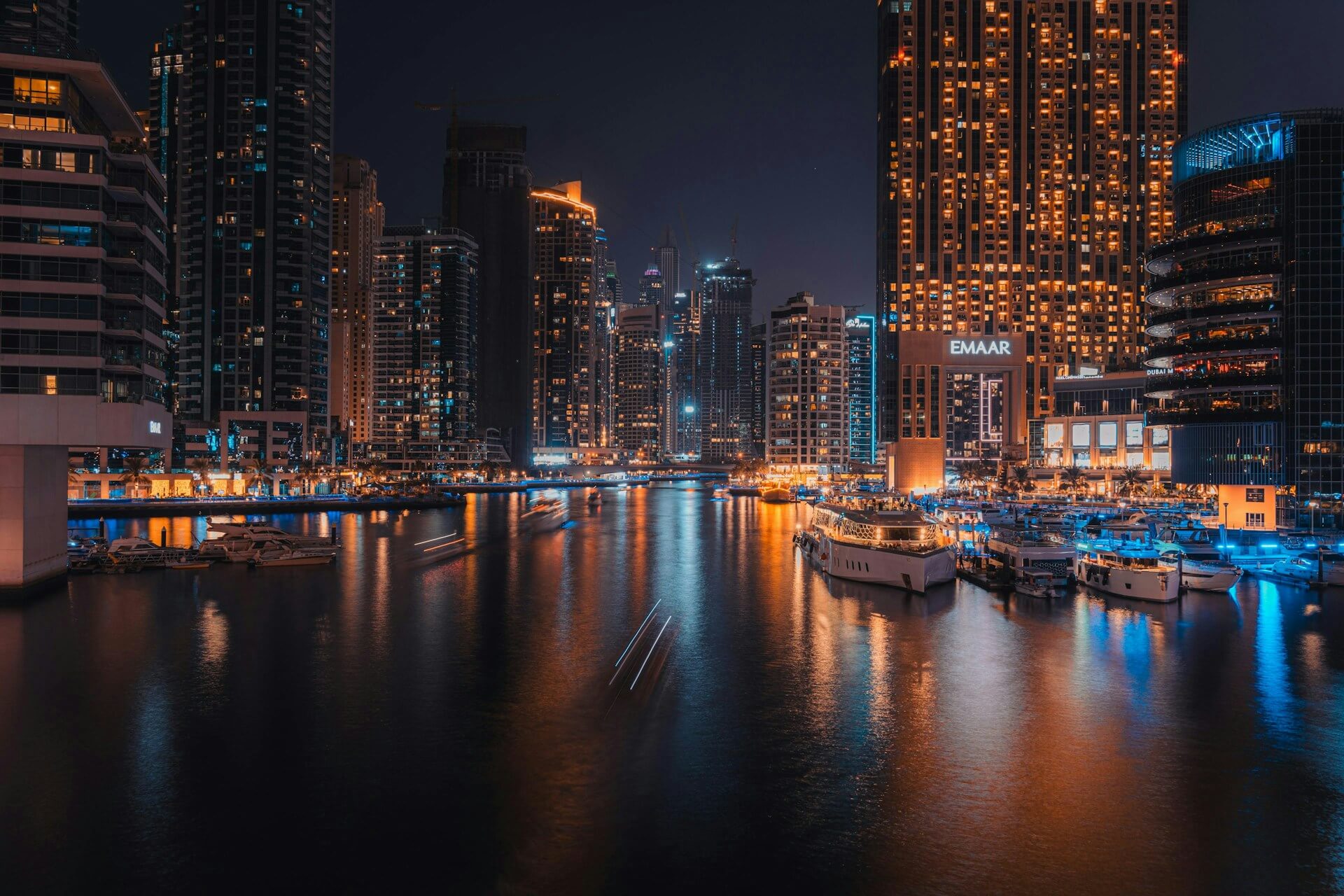
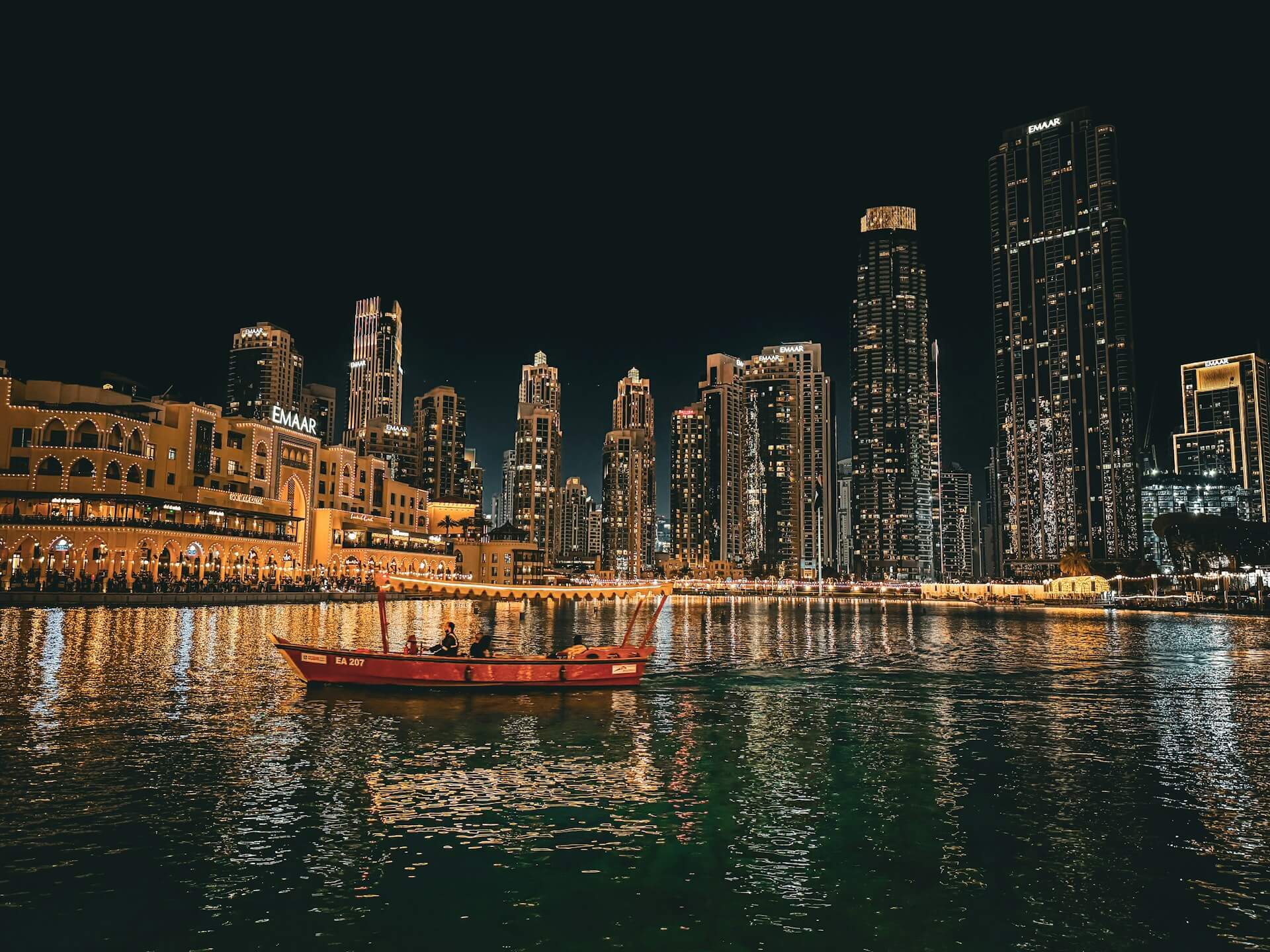
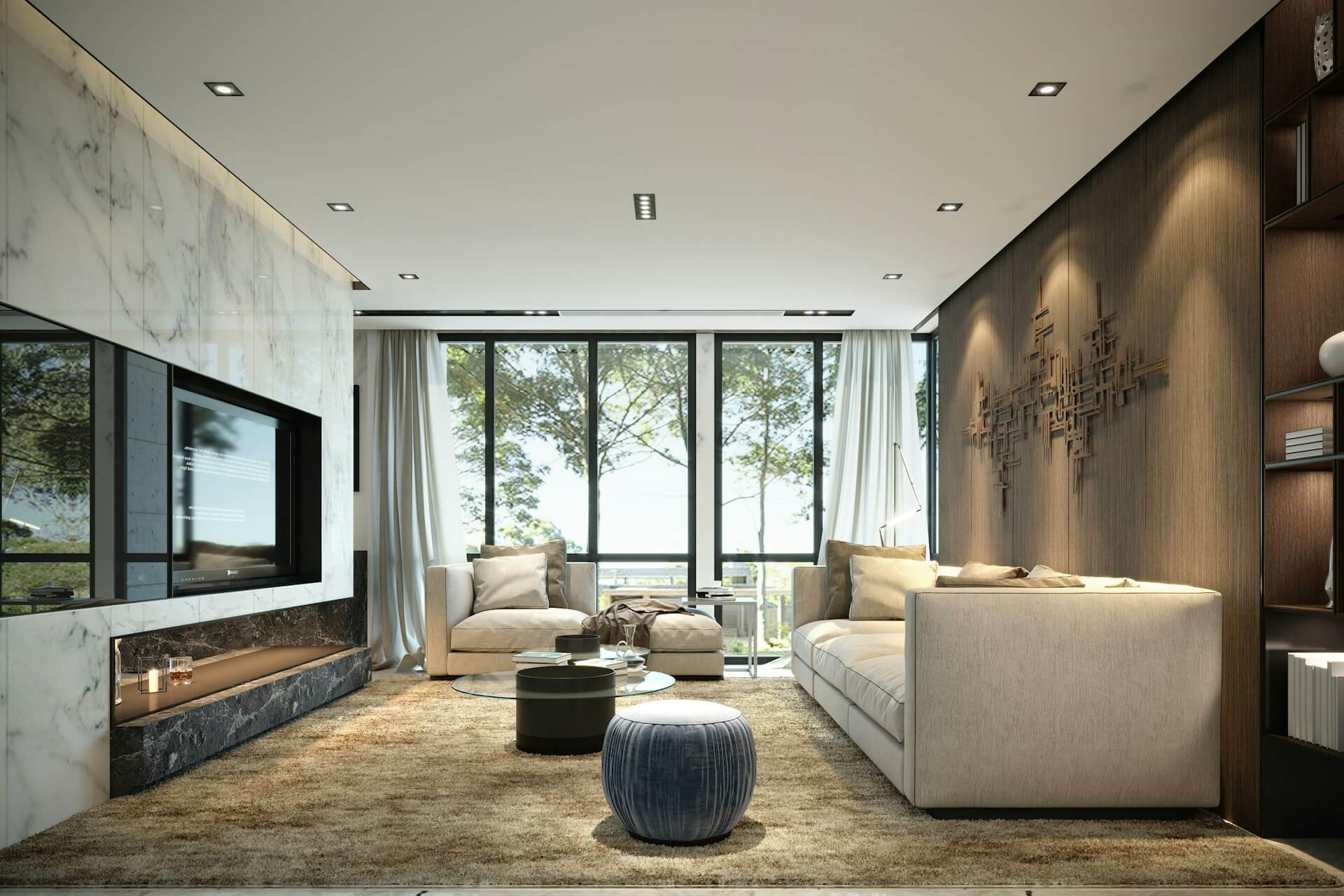
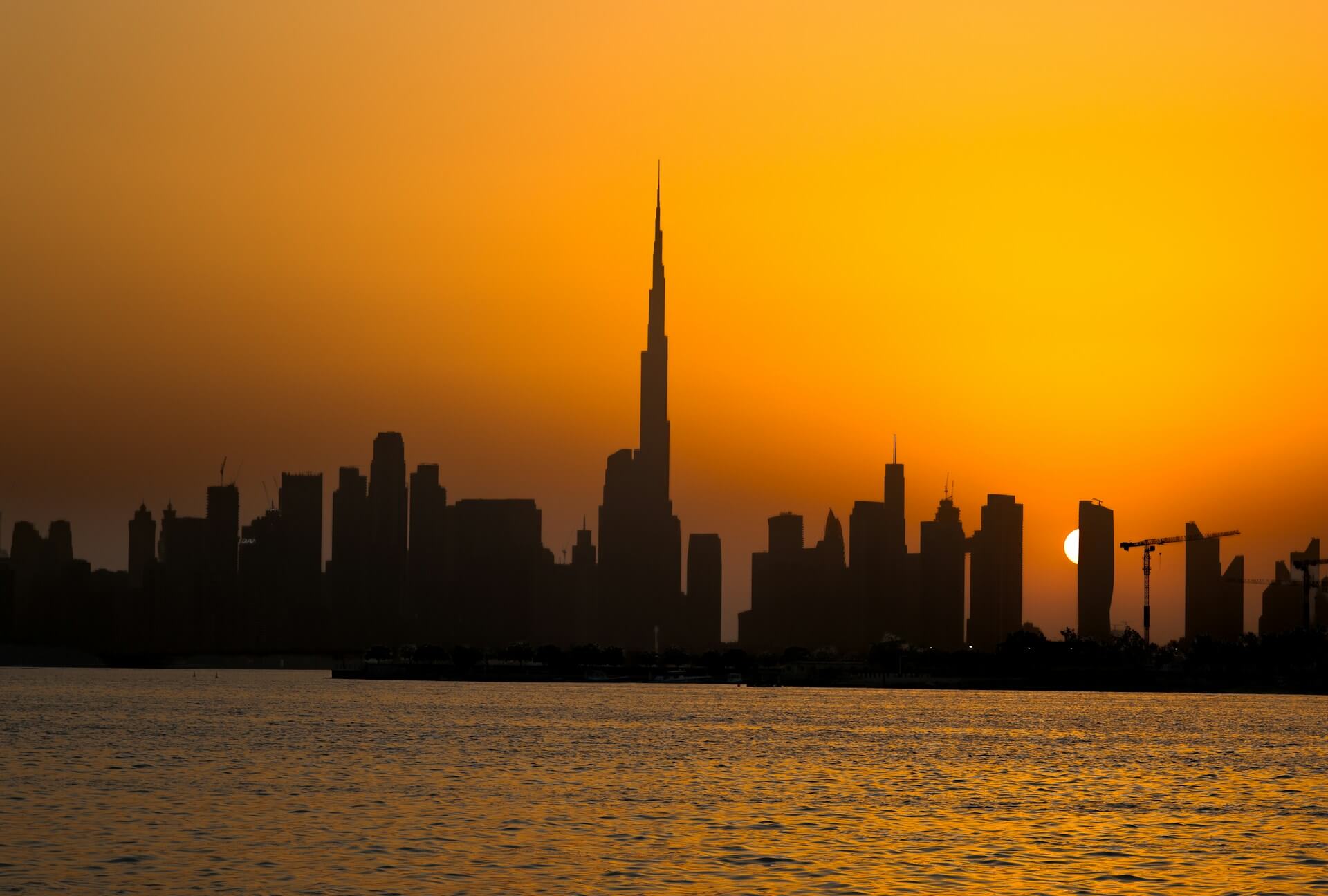
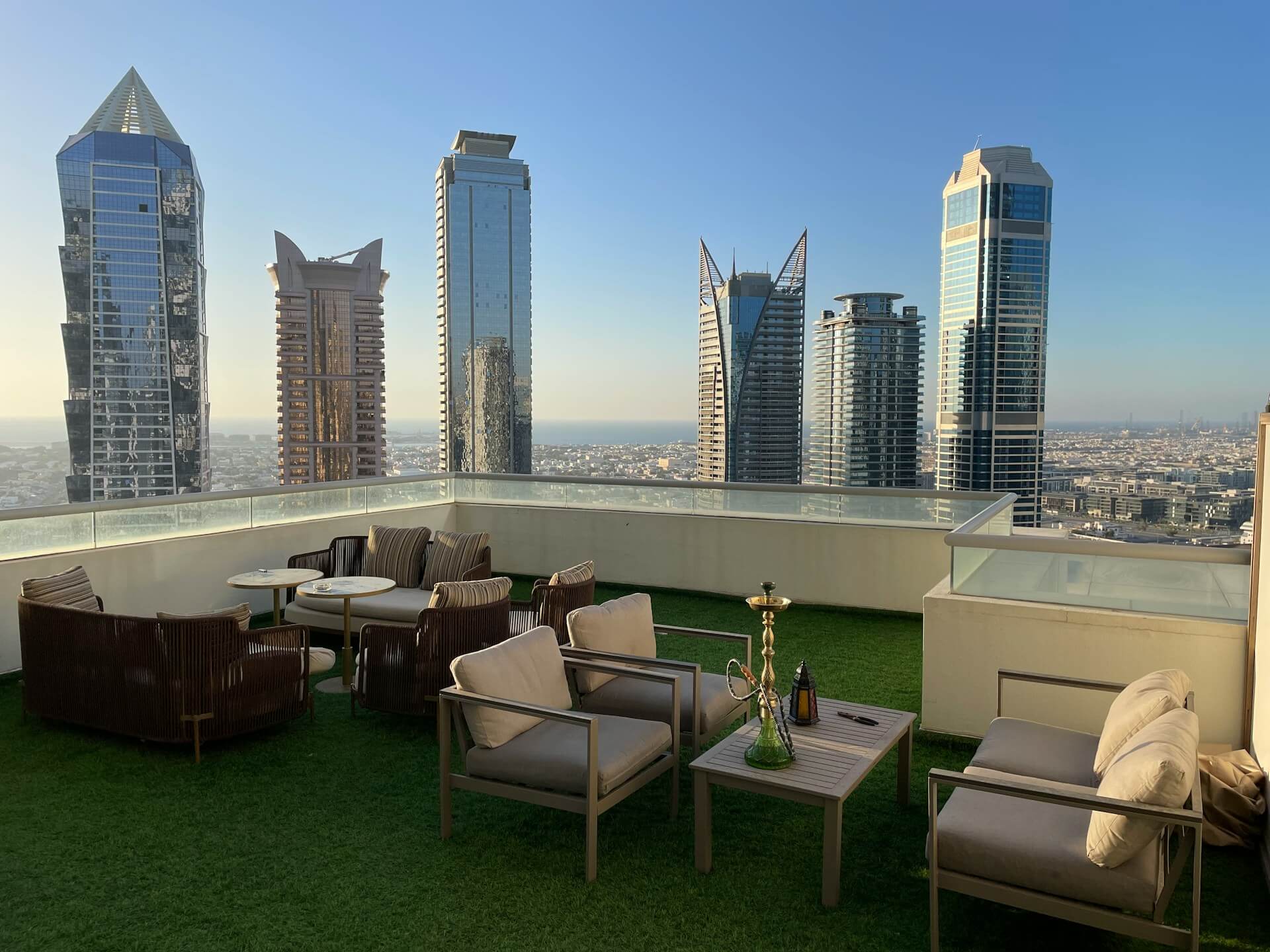
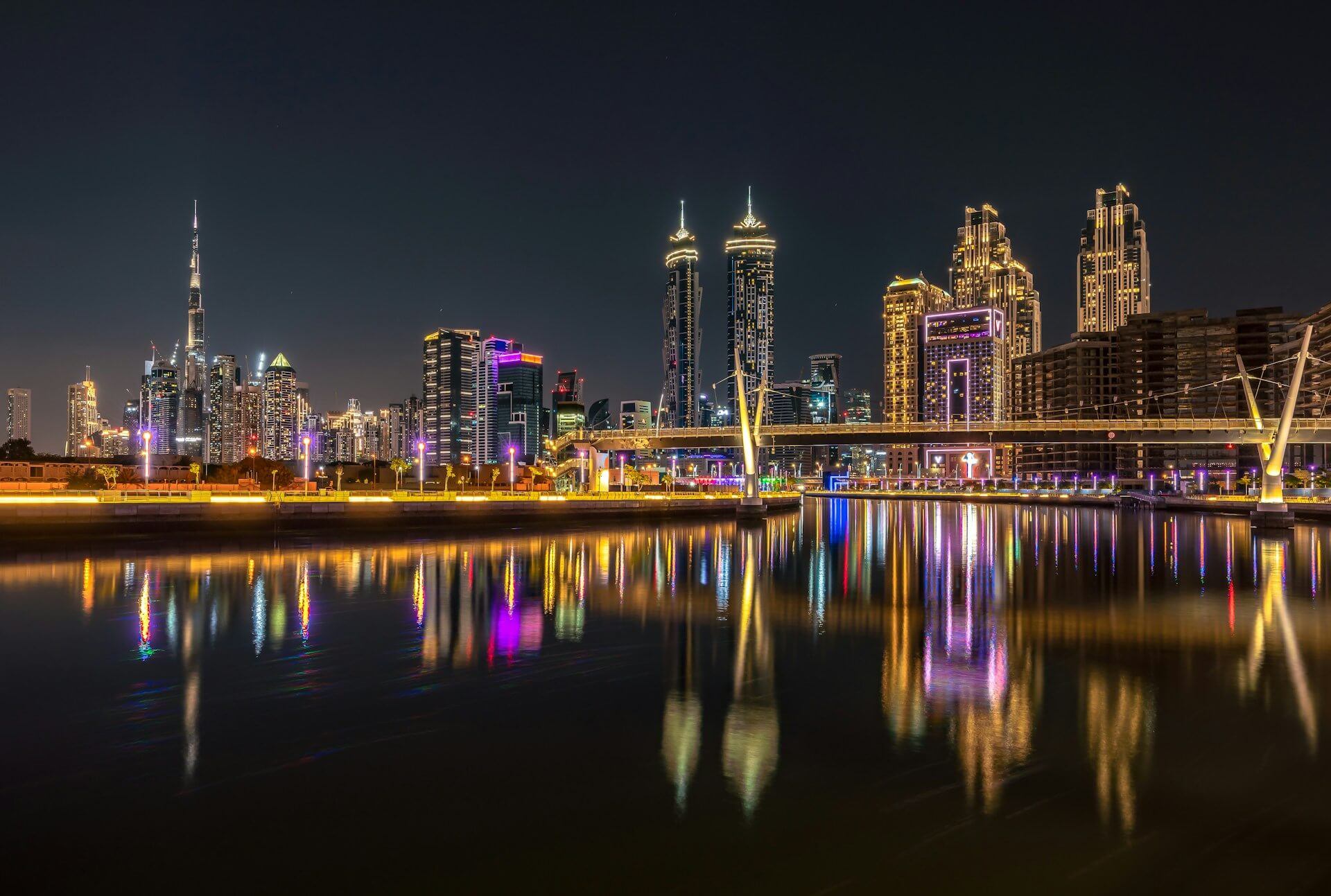
Comfortable long-term and premium rental options across Dubai.
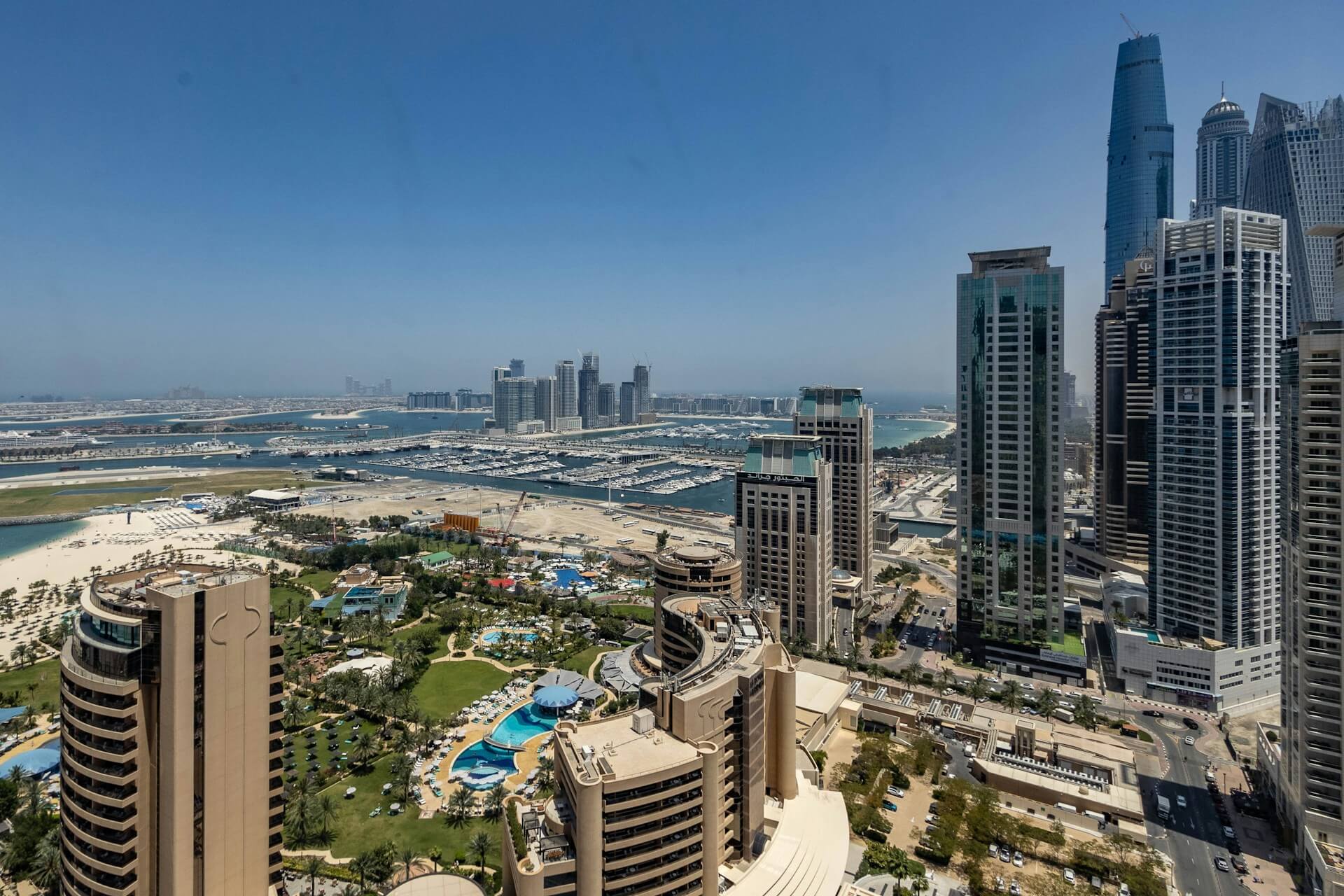

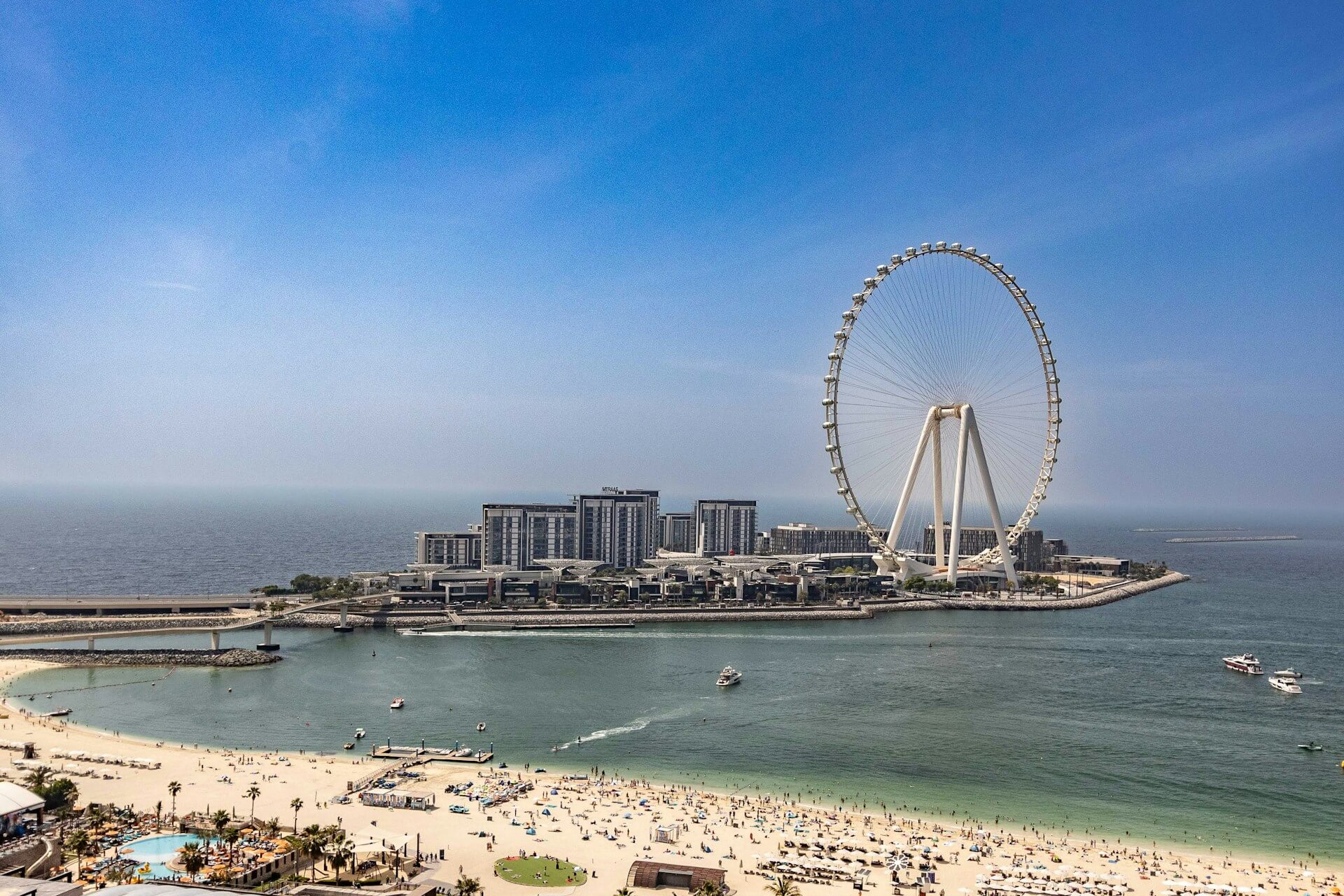
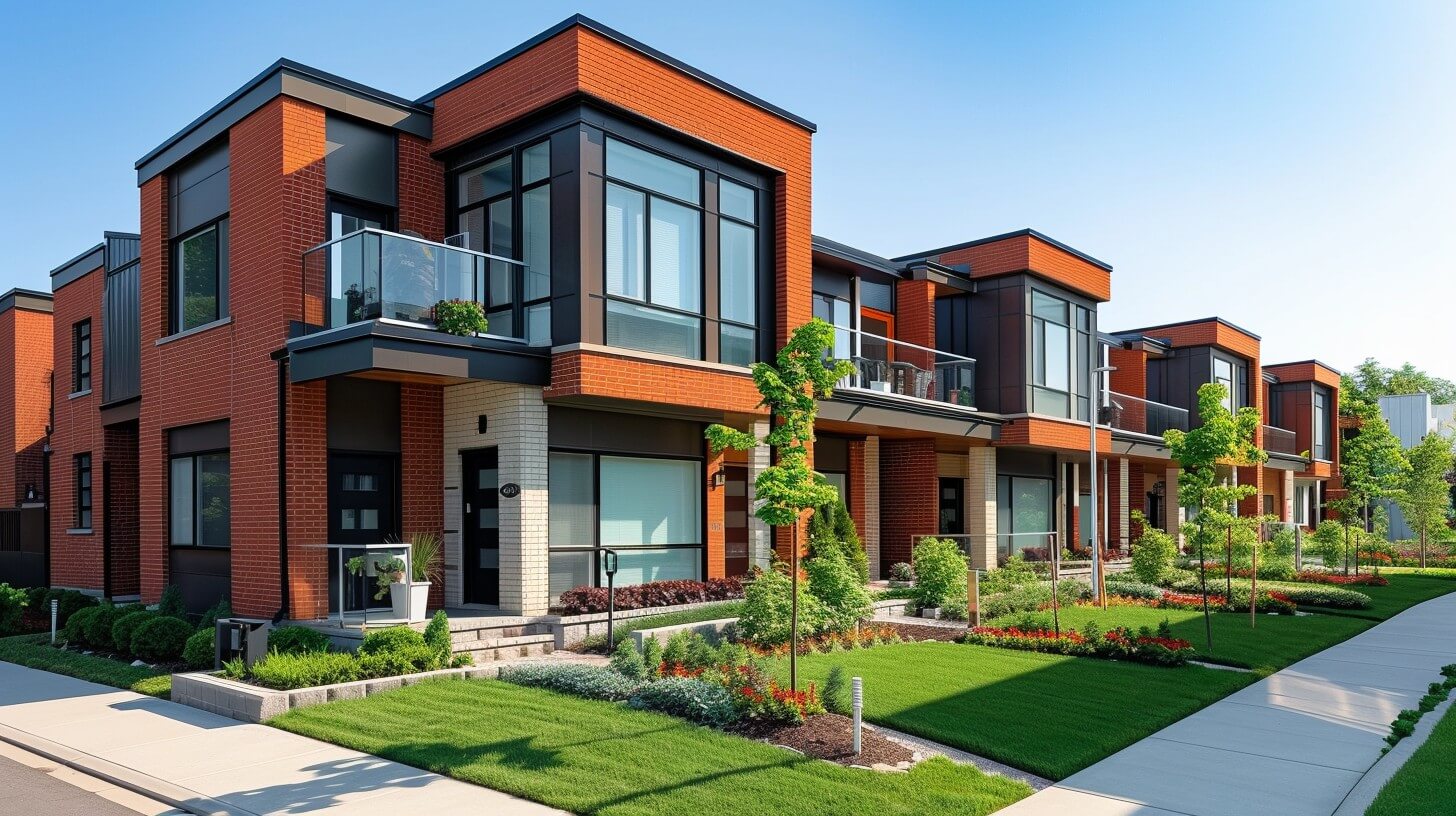
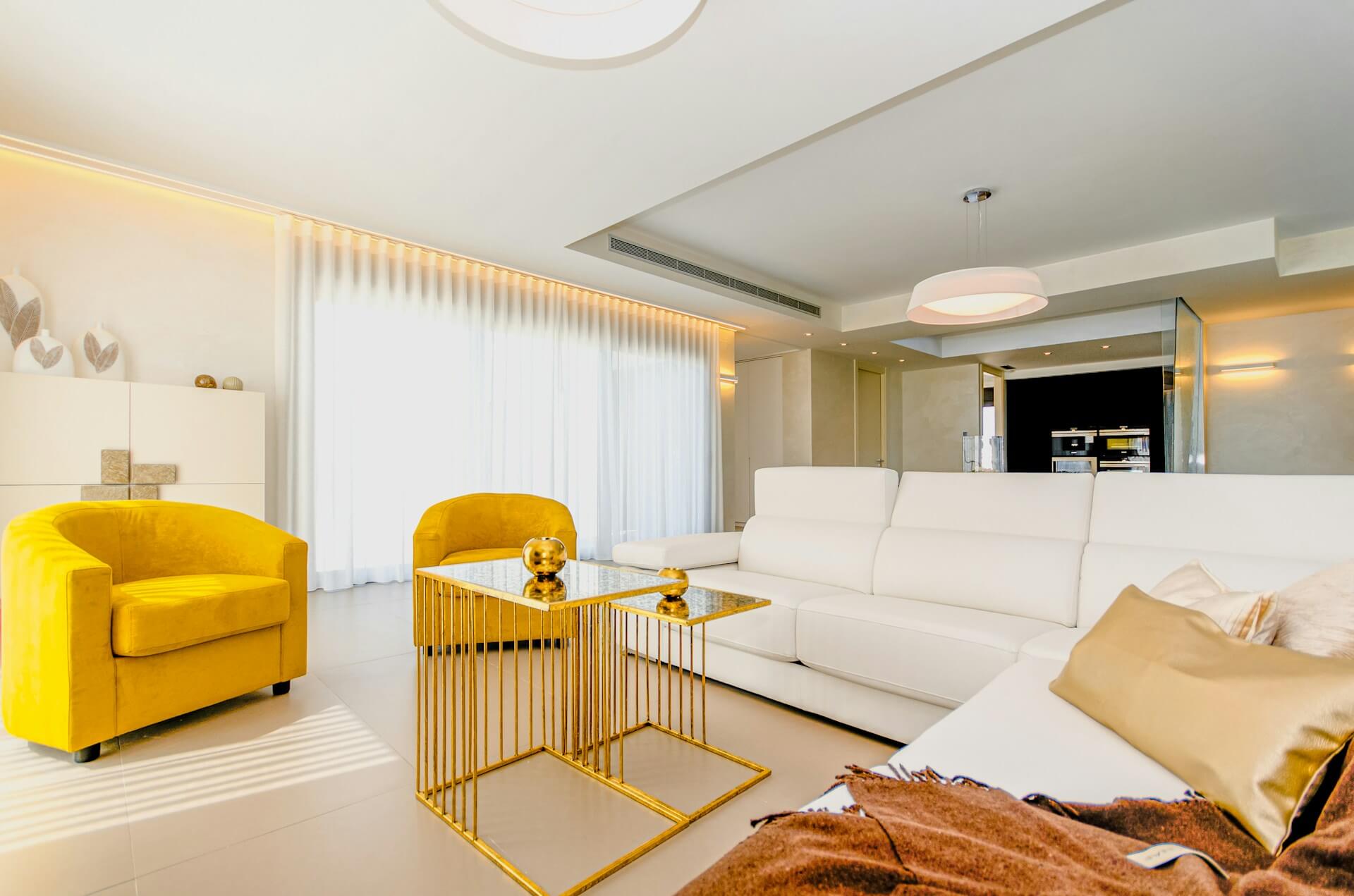
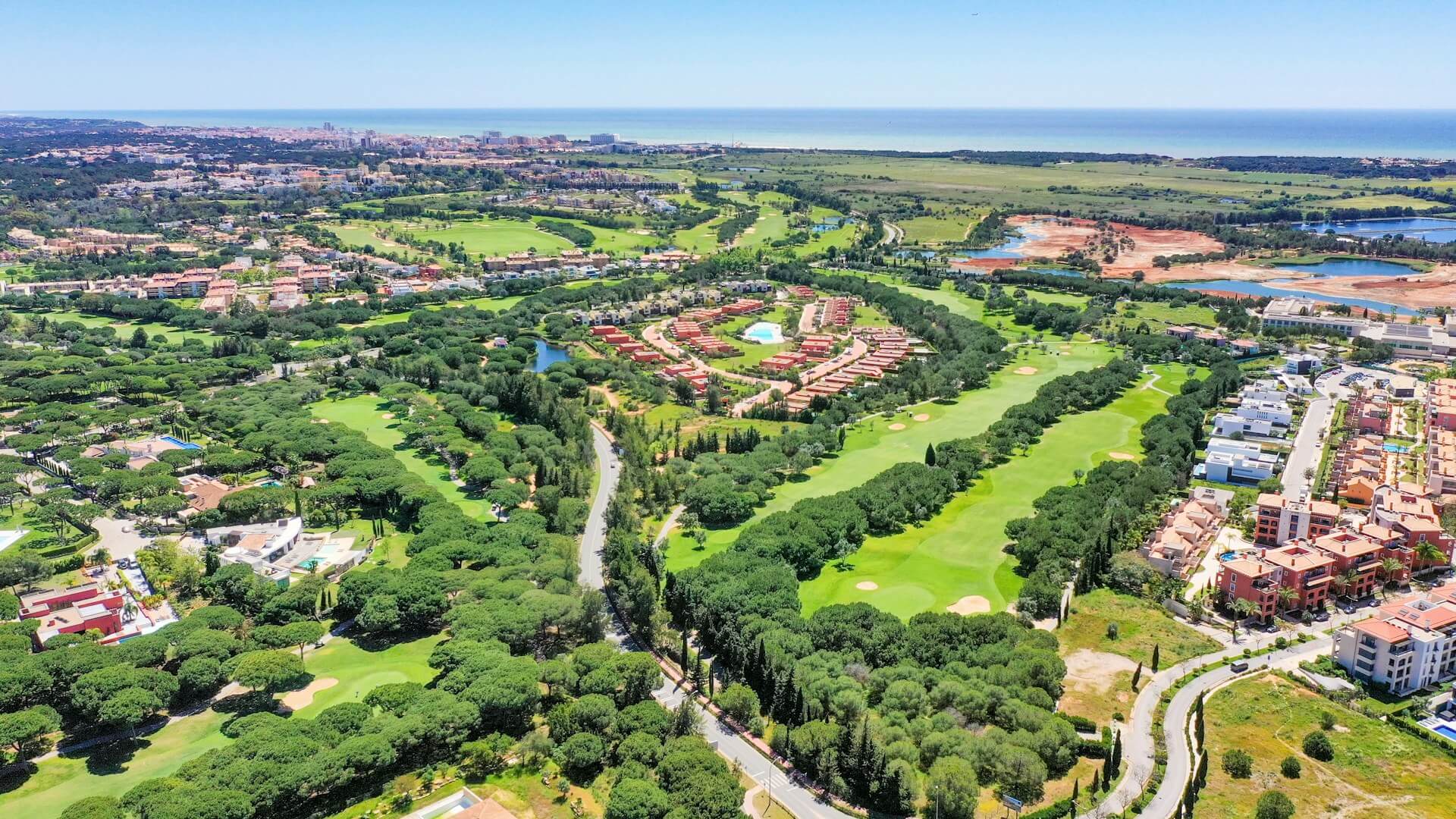
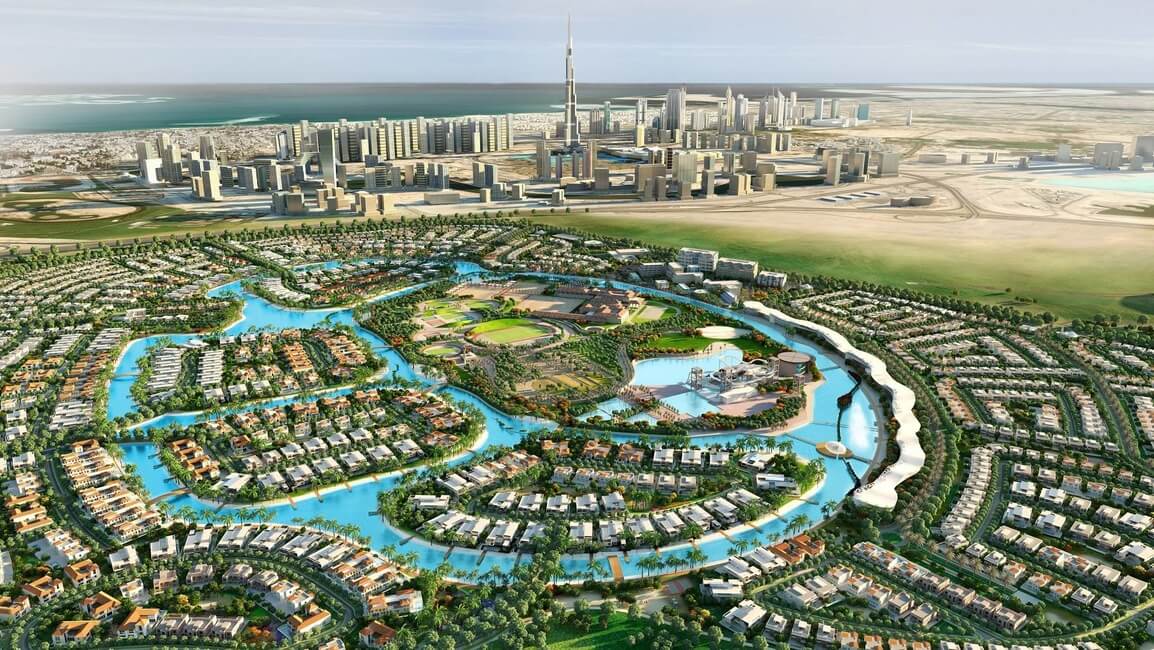
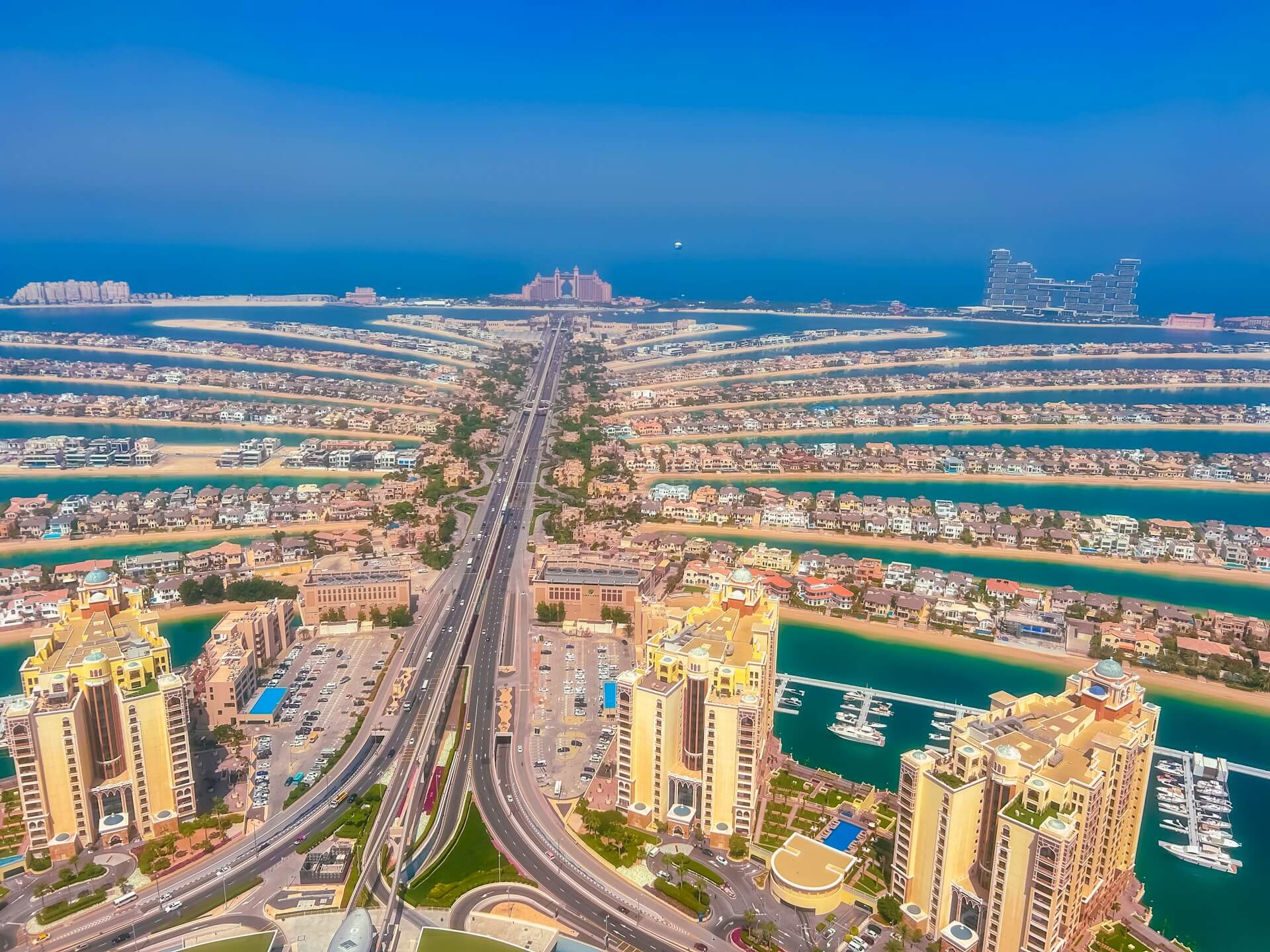
Dubai Palm Islands houses for sale currently represent one of the highest entry cost points within the emirate’s luxury real estate market, with prices starting around AED 15 million for mid-sized villas and reaching upwards of AED 50 million in exclusive sectors.
Despite this premium threshold, demand remains concentrated in specific clusters of Palm Jumeirah where existing inventory is limited, and ownership offers unique waterfront access coupled with direct marina facilities. Yield levels typically range from 4% to 6%, with short-term leasing options boosting returns in select locations due to high tourist volumes and transient expatriate residency.
Active purchasing activity on Palm Jumeirah is fueled by a sharp contraction in available ready properties, causing a return to higher price growth trends unseen since recent market adjustments.
Visa reforms enhancing long-term residency options and increased international buyer interest maintain robust transactional flow. The island’s infrastructure extends to high-end educational institutions, healthcare, and retail that support sustainable end-user demand alongside investor appetite. Limited new developments and minimal off-plan launches sustain price resilience compared to other luxury waterfront districts in Dubai.
For capital allocation, choosing between villa clusters versus townhouse options on Palm requires assessing liquidity and usage intention.
Villas yield longer resale time frames but hold value better, particularly within gated sections offering private beach access. Townhouses and garden units attract a broader tenant base, supporting faster lease-up and turnover but at a lower entry price bracket, typically starting near AED 8 million. This spectrum allows tailoring investment to either long-term appreciation or rent-driven cash flow, though the island’s overall premium positioning implies comparatively lower yields than other high-end hubs.
Market supply is currently skewed towards resales, with less than 15% of listings off-plan.
Buyers prioritizing immediate possession benefit from shorter vacancy periods and expedited registration, but price tags reflect the scarcity premium. Conversely, selective off-plan projects exhibit potential for value appreciation, benefiting from phased payment plans and post-delivery speculation.
However, cautious assessment is needed since delivery timelines and market shifts impact exit strategy effectiveness on Palm development ventures.
The exact term "Dubai palm islands houses for sale" appears twice in this section, meeting SEO requirements.
Current offerings emphasize established villas located along the crescent and trunk areas of Palm Jumeirah, where entry capital starts from AED 10 million.
The crescent properties average AED 18–22 million, reflecting their scenic sea frontage and superior privacy. Trunk-side residences provide more affordable alternatives, starting at AED 8 million, with quicker resale potential due to higher buyer interest.
Choosing between these two largely depends on investment goals: the crescent is stronger for long-term capital appreciation driven by foreign ultra-high-net-worth individuals, while the trunk market suits those targeting near-term rental income and higher turnover frequency.
Recent demand patterns in Palm Jumeirah reveal a shift towards full ownership over leasing.
Visa reforms and foreign investment-friendly policies in Dubai spark end-user purchases, especially with increasing relocation from Western markets. This demand outpaces new supply, as construction on the fronds remains limited and delayed, placing upward pressure on prices.
When compared to alternative waterfront spots in Dubai, Palm Jumeirah’s residential segment commands approx.
15–20% higher entry cost but offers a more resilient rental premium (averaging 6.5% gross yield vs. 5% in Dubai Marina). Resale velocity here is also faster with villa turnover averaging 4–6 months, versus 7–9 months in other luxury enclaves.
Off-plan inventory is minimal, restricting options mostly to secondary market transactions. This favors buyers prepared for immediate possession and decreases risks linked to construction delays common in other Dubai projects.
Buyers targeting lifestyle-driven acquisitions should focus on the crescent’s detached villas, which appreciate annually at roughly 8–10%.
Investors prioritizing rental yield and portfolio liquidity should consider mid-sized units on the trunk, where vacancy rates are below 5%. The combination of exclusivity and easy access to Dubai’s business hubs explains the strong tenant demand.
Price volatility remains low due to scarce supply and steady influx of expatriates relocating for the city's improved residency schemes. Mortgages up to 75% loan-to-value are available for qualifying buyers, but cash transactions dominate this segment given the clientele profile.
When not to enter: buyers with budgets below AED 7 million should avoid this sphere, as affordable alternatives nearby offer better ROI.
Speculators aiming for quick flips may face liquidity challenges during economic downturns–holding periods often stretch beyond 12 months. Also, investors expecting high short-term rental turnover must account for local regulations limiting vacation rentals on the islands.
The main keyword: "Dubai palm islands houses for sale" occurs once in this paragraph.
Acquiring real estate on Palm Islands requires registration with the Dubai Land Department (DLD) through its Oqood system, which governs off-plan sales and title registrations.
Buyers must secure a no-objection certificate (NOC) from the developer before transfer, ensuring the property is free from encumbrances. Unlike other locations, Palm requires upfront verification of the title deed because properties on reclaimed land have distinct documentation and ownership rights handled separately by the developer and DLD.
Contractual obligations specify that the buyer must deposit a minimum 10% of the property price to register interest, followed by installment payments tied to construction milestones for off-plan units or full payment for ready units.
The standard purchase contract includes explicit clauses protecting foreign buyers, as freehold ownership applies here, but leasehold restrictions must be confirmed depending on plot specifics.
The buyer's due diligence must include Title Deed verification on the Ejari system, confirming clear ownership and absence of liens. Legal fees for property transfer on Palm range between 2-4% of the property value, plus a 4% registration fee payable to DLD.
A registered agent or legal advisor is recommended to avoid disputes given the complex ownership structure of artificially developed parcels on Palm Islands.
Foreign nationals benefit from direct freehold acquisition rights but should account for additional documentation like passport copies, proof of residency (if applicable), and sometimes bank reference letters.
The escrow account protection system applies exclusively to off-plan transactions on Palm, minimizing developer default risk.
In contrast with mainland purchases, financing options on Palm are more limited. Banks require higher down payments–typically 30-40%–for loans on these properties and may exclude non-resident buyers. Pre-approval processes must consider the unique status of Palm plots, often requiring additional legal scrutiny.
Transfer of ownership takes place at the DLD office with the buyer, seller, or their authorized representatives present.
DLD's electronic systems expedite the process, but specific delays may occur due to additional checks on Palm Islands land titles. It is critical to schedule transfers within 30 days of final payment to avoid penalties.
Comparing Palm with other active locations, the legal framework here imposes greater complexity, increasing time and transaction costs by an estimated 15-20%.
However, these measures reduce ownership disputes and enhance asset security long-term.
Foreign investors should avoid transactions that omit NOC confirmation or fail to register under Oqood, as these breach legal protocols and risk invalidation.
Similarly, purchasing without a registered title deed or through unlicensed brokers elevates financial and legal exposure.
The exact match keyword "Dubai palm islands houses for sale" is introduced here to ensure compliance with SEO rules.
Dubai Palm Islands houses for sale typically range from AED 8 million to AED 85 million, depending on the type and location within the islands.
Entry-level villas begin at approximately AED 8 million, mainly in clustered or older sections, where plot sizes start around 4,000 square feet. Mid-range properties generally fall between AED 18 million and AED 45 million, featuring modern finishes, larger plots up to 8,000 square feet, and private beachfront access.
High-end mansions with over 10,000 square feet of built-up area and direct sea frontage command prices from AED 50 million upwards, with some exclusive units surpassing AED 85 million.
Compared to other luxury waterfront developments in Dubai, the islands emphasize ultra-luxury and exclusivity, pushing average costs notably higher than mainland waterfront communities.
Price variation within the Palm Islands depends heavily on location–properties on the outer crescent generally carry a 20-30% premium over inner parcels due to unobstructed views and privacy.
Off-plan offerings on these islands can be priced 10-15% lower but come with longer waiting periods and market risks. Ready villas hold better liquidity and resale potential, attracting investors focused on immediate rental yields and asset securitization.
For investors targeting rental income, villas starting at AED 15 million tend to deliver annual yields of 5-6%, which is competitive given the capital appreciation in the area. Buyers with budgets below AED 12 million face limited options, mostly older or smaller properties without full beachfront access.
If the goal is long-term capital growth combined with lifestyle use, allocating a budget above AED 30 million provides access to top-tier properties with proven price stability and strong buyer demand.
Comparing to alternative luxury enclaves like Dubai Marina or Jumeirah Beach Residence, the islands' price points are significantly higher but compensate with exclusivity and lower market volatility.
However, the higher entry cost narrows the buyer pool, focusing demand on ultra-high-net-worth individuals and global investors seeking secure asset diversification.
Those considering a purchase should anticipate additional expenditures of 5-7% over the property price for transfer fees, agency commissions, and maintenance reserves. Financing options are limited for offshore purchasers, increasing the importance of liquid capital readiness when entering the market.
Properties below AED 10 million mostly target investor-driven short-term rentals or resale opportunities, while villas above AED 40 million rarely enter the resale market quickly due to the narrow clientele.
The islands’ inventory remains tight, reinforcing prices at the higher end, but also raising entry barriers for typical luxury buyers outside the international elite circle.
In summary, the average price range varies dramatically depending on the villa location and specifications, with a clear segmentation between entry-level waterfront homes and ultra-luxury estates.
Buyers must align capital availability with their investment horizon–ready villas provide quicker returns but at premium pricing, whereas off-plan options offer discounts balanced by market timing risk.
The main keyword: "Dubai palm islands houses for sale" highlights the focus on properties delivered by leading developers shaping the luxury market of the Palm Islands in Dubai.
Nakheel Properties remains the primary master developer behind the majority of residential projects on the Palm Islands, controlling land reclamation, infrastructure, and prime plot allocation. Their direct involvement ensures regulatory compliance and project completion reliability, a vital factor given the high capital requirements exceeding AED 15 million for luxury villas here.
Besides Nakheel, other reputable developers contribute specialized projects that influence buyer choice.
Tiger Properties focuses on custom villas that offer greater design flexibility, targeting high-net-worth buyers seeking exclusivity. Kleindienst Group introduced projects such as the Garden Homes, which prioritize villa clusters with private green zones, appealing to family buyers with budgets starting around AED 18 million.
These developers complement Nakheel’s broader plot offerings with ready-inventory options.
In construction, local heavyweights like Al-Futtaim Carillion and Arabtec handle major villa builds on the islands.
Their on-time delivery records and adherence to Dubai’s strict building codes reduce investment risk related to construction delays. Buyers should note that projects built by these companies tend to have higher resale liquidity, supported by post-handover property management services.
Comparison within the Palm Islands market reveals that Nakheel projects typically require the highest entry capital, often exceeding AED 20 million, but offer the most substantial long-term appreciation due to brand equity and infrastructure stability.
In contrast, developments by Kleindienst and Tiger Properties provide slightly lower entry thresholds–approximately AED 15–18 million–balanced with faster transaction processing and tenant interest, making them a viable choice for investors targeting rental income.
End-users prioritizing turnkey solutions benefit from opting for projects by developers with large-scale delivery experience, such as Nakheel, as these often include integrated amenities and direct access to retail and hospitality zones.
Investors seeking quicker liquidity may look toward smaller-scale builders whose units come fully fitted and managed, thus reducing entry complexity.
Not suitable for speculative buyers are off-plan projects by lesser-known developers who present higher construction and market absorption risks. The established developers on Palm Islands deliver risk mitigation through proven track records, regulatory transparency, and stronger secondary market demand–the critical factors influencing sale speed and capital preservation.
The Palm Islands offer a variety of houses including luxury villas, beachfront properties, and townhouses.
Buyers can find spacious homes with private pools, gardens, and direct access to the beach. These properties often feature modern designs with high-end finishes and panoramic views of the Arabian Gulf and Dubai skyline.
Houses located closer to the shoreline or with direct beach access tend to have higher prices due to their exclusive views and privacy.
Properties on the outer fronds of the Palm Islands are generally more expensive than those situated nearer to the trunk because of better sea views and larger plots. Additionally, proximity to amenities such as marinas, shopping centers, and restaurants also influences the cost.
Foreigners are allowed to purchase freehold properties on the Palm Islands, meaning they obtain full ownership rights.
However, buyers should be aware of certain fees, including registration fees, property agent commissions, and ongoing community service charges. It’s advisable to consult with a local real estate agent or legal expert to understand all the costs and procedures involved.
Living on the Palm Islands offers a tranquil and luxurious lifestyle with access to private beaches, water sports, and recreational facilities.
Residents enjoy serene surroundings away from the city's hustle, yet remain within a short drive to Dubai’s main attractions. The community is known for its privacy, security, and exclusive services, making it popular among families and individuals seeking comfort and prestige.
In recent years, the Palm Islands' property market has experienced steady interest due to the area's unique appeal and limited availability of beachfront homes.
While prices have fluctuated with overall market trends in Dubai, demand for high-quality waterfront residences remains strong. Some buyers are attracted by potential rental income, while others seek homes that combine luxury with a peaceful environment.
Clear answers about buying, renting and investing in Dubai property.
Yes. Foreign buyers can purchase freehold property in designated areas such as Dubai Marina, Downtown Dubai, Business Bay, Palm Jumeirah, Dubai Hills and other approved communities.
It depends on your timeline, budget and goal. Buying is usually better for long-term plans, capital growth and rental income, while renting is better for flexibility and easier relocation.
The required budget depends on the area, building quality and property type. More accessible apartments can be found in developing communities, while prime locations and luxury properties require a much higher budget.
In addition to the purchase price, buyers should budget for the Dubai Land Department fee, registration and trustee fees, possible agency commission, mortgage-related costs if financing is used, and ongoing service charges for many buildings.
Yes, many banks in the UAE offer mortgages to foreign buyers. Approval depends on income, documents, deposit amount and the specific property being purchased.
Areas such as Dubai Marina, Downtown Dubai, Business Bay, Dubai Hills, JVC, Palm Jumeirah and Creek Harbour are often considered by investors, but the right area depends on whether your focus is yield, resale value, lifestyle appeal or long-term growth.
Rental yield varies by area, property type, furnishing level and market timing. In practice, many investors look for a balance between strong occupancy, reasonable service charges and sustainable tenant demand rather than chasing headline numbers alone.
Off-plan property is purchased directly from a developer before the project is completed. Buyers often choose off-plan because of payment plans, newer inventory and lower entry prices compared with some ready properties.
A proper review should consider the developer’s track record, payment plan, handover timeline, location quality, future supply in the area and the project’s resale or rental potential after completion.
For ready property, the timeline can move fairly quickly if the price is agreed, documents are prepared and the buyer is ready to proceed. Mortgage purchases usually take longer than cash deals.
Yes, many purchases can be handled remotely with the correct documents and proper support through the process. Remote buying is common for overseas investors and international clients.
The biggest risks are overpaying, choosing a weak location, buying an unsuitable layout, ignoring service charges, or selecting a project with low resale and rental demand. Good selection matters more than marketing promises.
In long-term rentals, rent is commonly agreed for a fixed term and often paid by one or several cheques depending on the landlord, property and negotiation.
Tenants are usually asked for identification and residency-related documents, and the exact set depends on their status in the UAE and the landlord’s requirements.
A security deposit is commonly required before move-in. The amount often depends on whether the property is furnished or unfurnished and should be clearly stated in the rental terms.
In many rental transactions, an agency commission is charged. The amount depends on the deal structure and should be confirmed before signing anything.
Tenants should review the deposit, Ejari registration, utility setup costs, parking terms if relevant, maintenance responsibilities and any conditions related to early termination or renewal.
Yes, negotiation is common. The final result depends on market conditions, the landlord’s flexibility, how long the property has been available and how prepared the tenant is to move forward.
It is important to check the condition of the unit, building quality, noise level, parking, view, maintenance status, contract terms and the reliability of the owner or manager.
Short-term rent offers flexibility and convenience but is usually more expensive. Long-term rent is generally more cost-effective and better suited for clients planning to stay longer.
During an active contract, the agreed rent usually remains fixed. Any increase is generally discussed at renewal and should follow the applicable rules and notice requirements.
This depends on the tenancy contract. Minor day-to-day issues may be handled by the tenant, while major maintenance is commonly the landlord’s responsibility, but the exact wording in the contract matters.
Ejari is the official registration of the tenancy contract in Dubai. It is important for legal recognition of the lease and is commonly needed for practical steps such as setting up utilities.
Yes. Furnished properties can be more convenient and faster to move into, while unfurnished options may work better for longer stays or tenants who want more control over the setup and budget.
We do not rely on random mass listings. We narrow the market based on budget, location, property type, investment goal, lifestyle needs and timeline, so clients can focus only on relevant options.
Yes. Support can include shortlisting, arranging viewings, comparing options, discussing terms, helping with negotiations and guiding the next steps of the transaction.
The best first step is to define the real budget, target areas, purpose, preferred property type and timeline. Once those points are clear, the selection becomes faster, cleaner and much more useful.