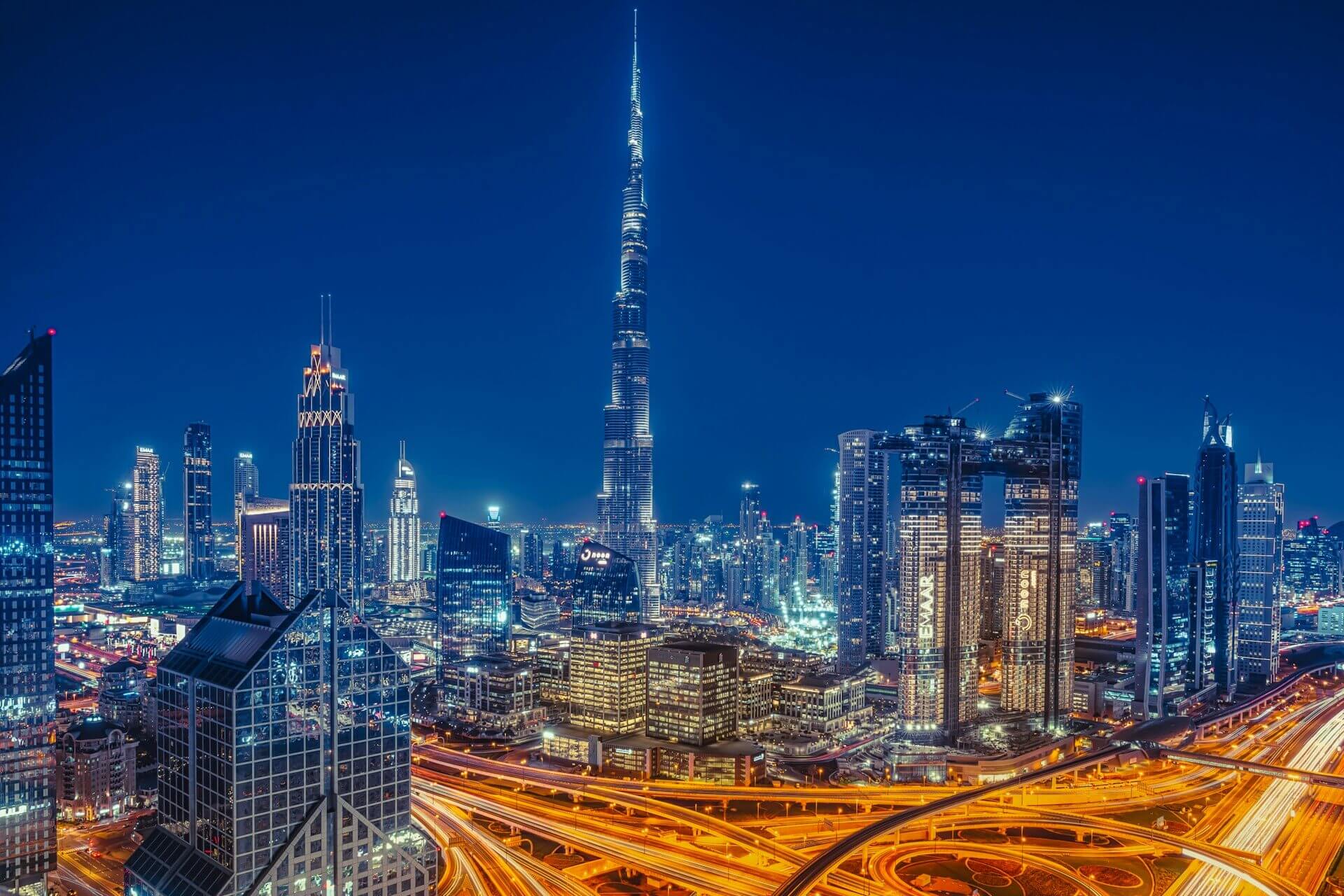
FOR SALE
AED 1,200,000AED 720,000
We help clients buy and rent the right property in Dubai — apartments, villas and investment units matched to budget, area and goals.
Dubai Property Selection focuses on apartments, villas and investment properties in key areas such as Dubai Marina, Downtown, Business Bay, Dubai Hills and Palm Jumeirah.
Instead of sending a huge list of random listings, we prepare a clean shortlist based on your budget, preferred area, bedrooms, timeline and purchase or rental goals.
Premium opportunities in Dubai — from compact investment units to signature villas and penthouses.
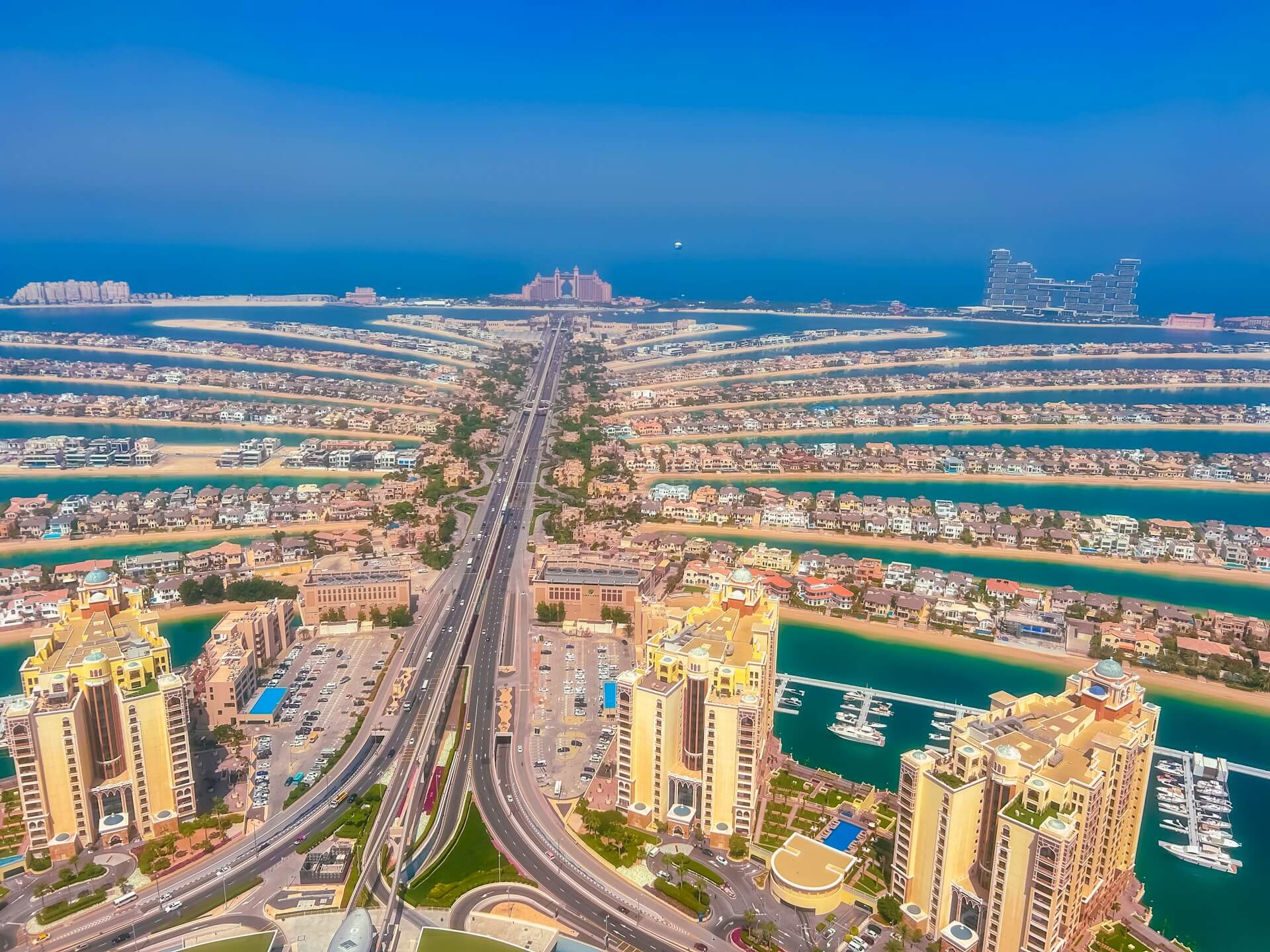
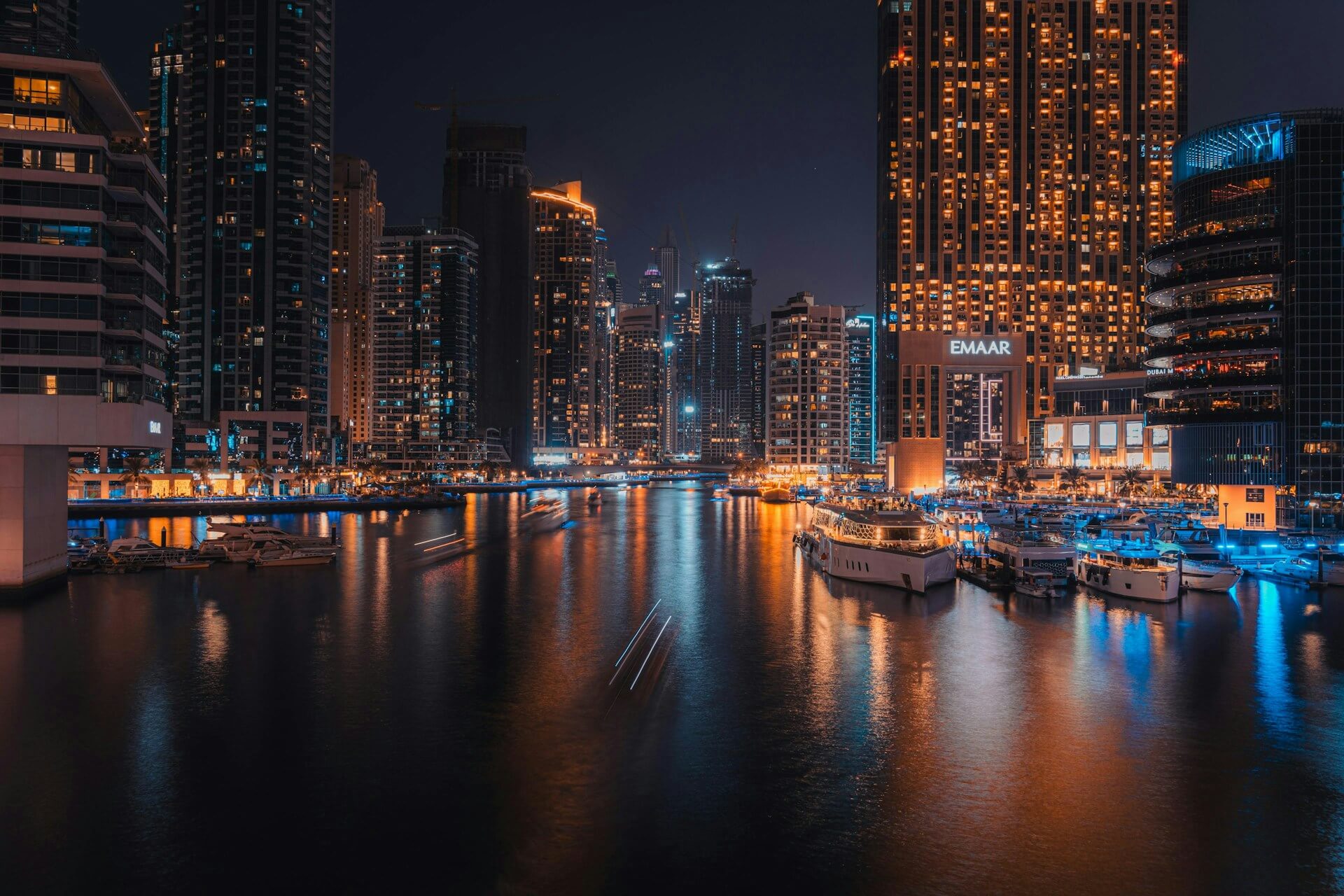
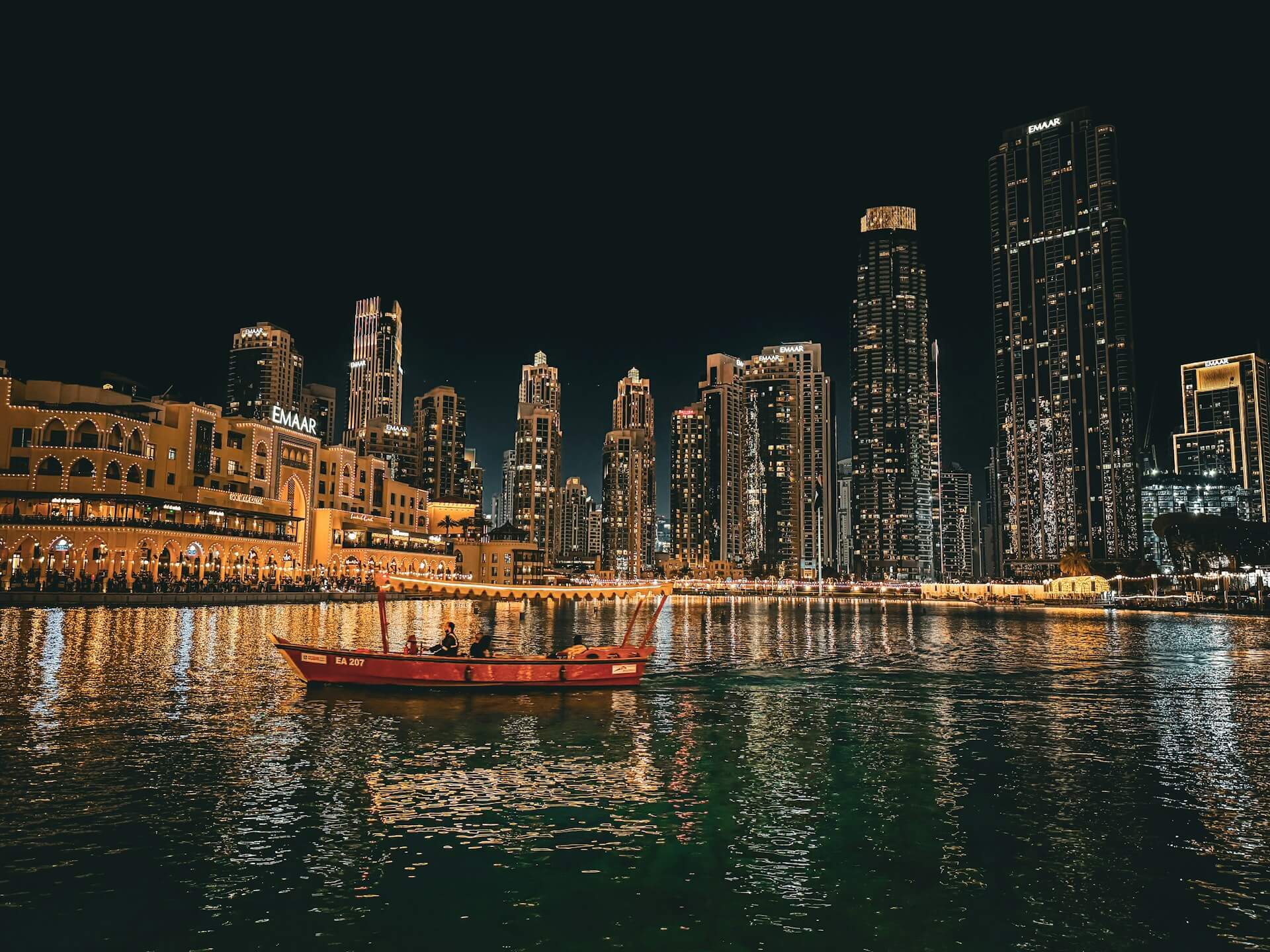
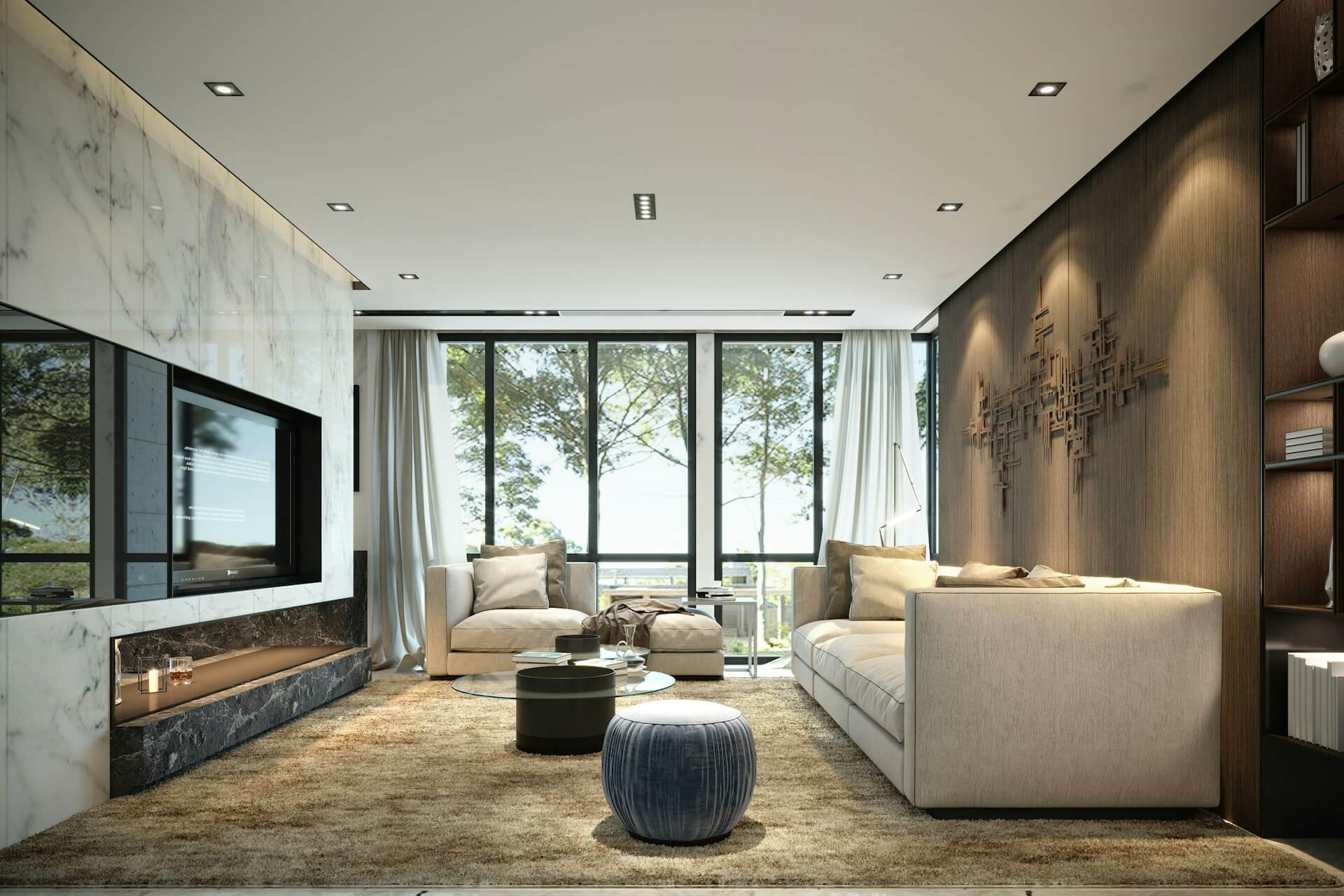
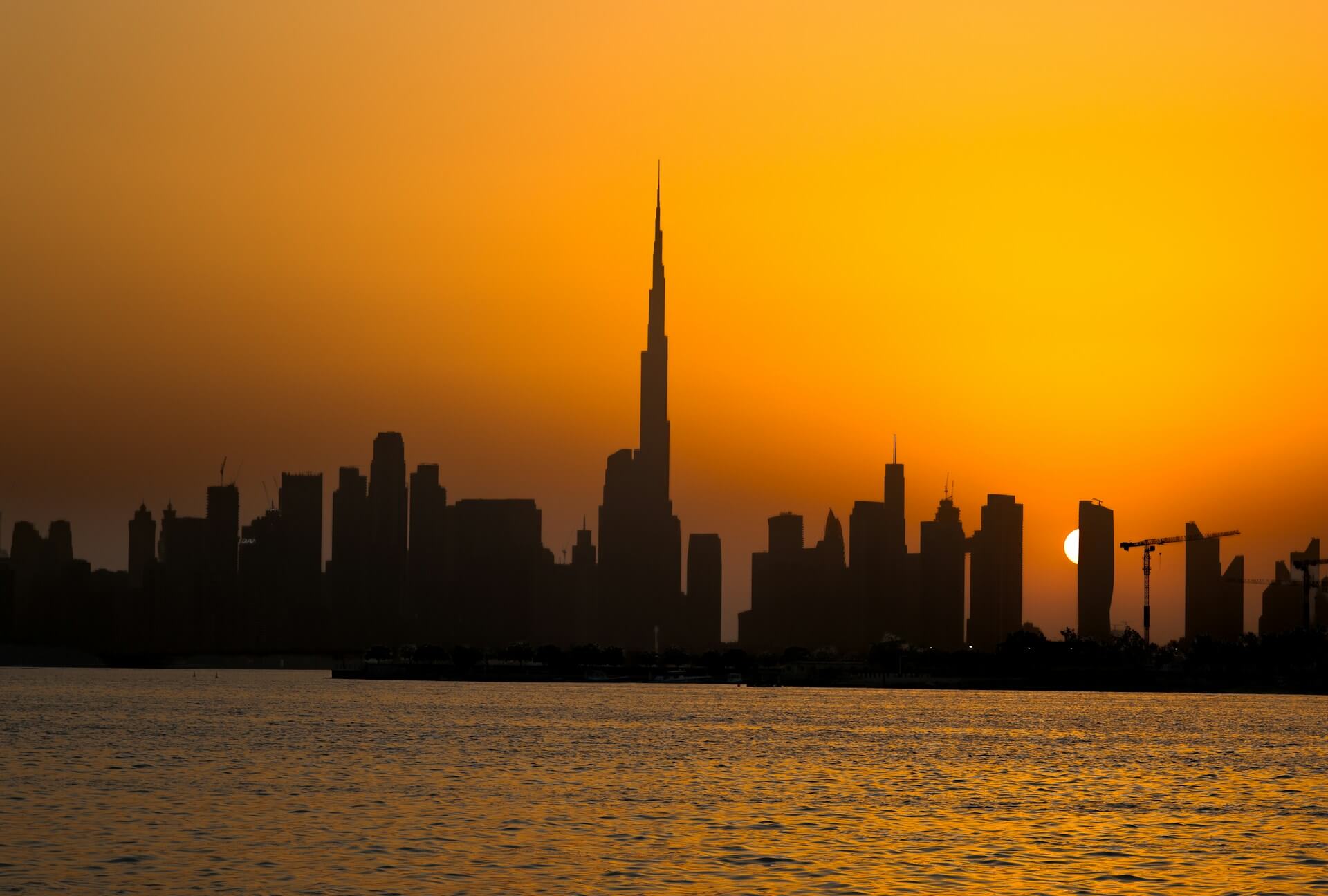
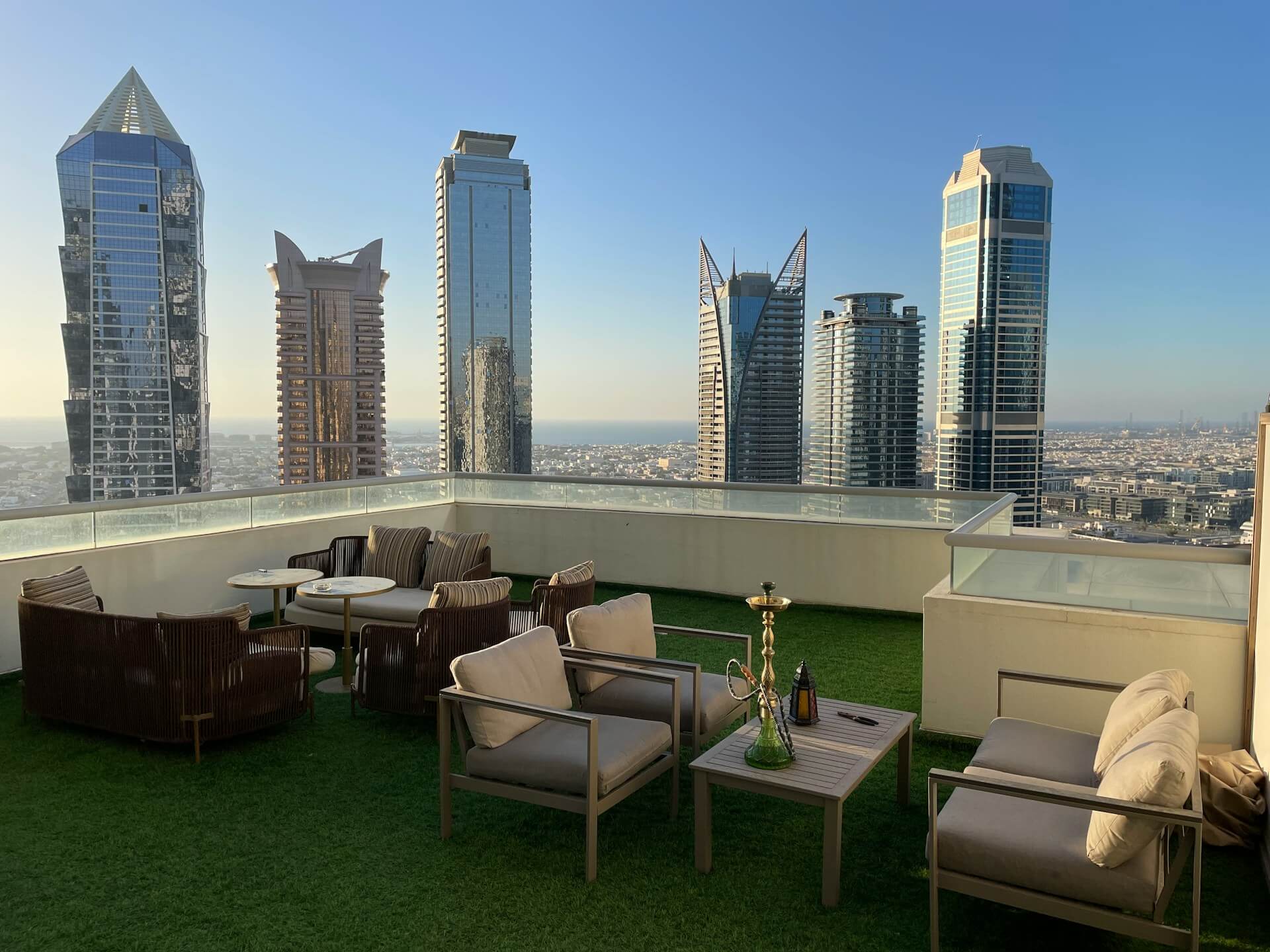
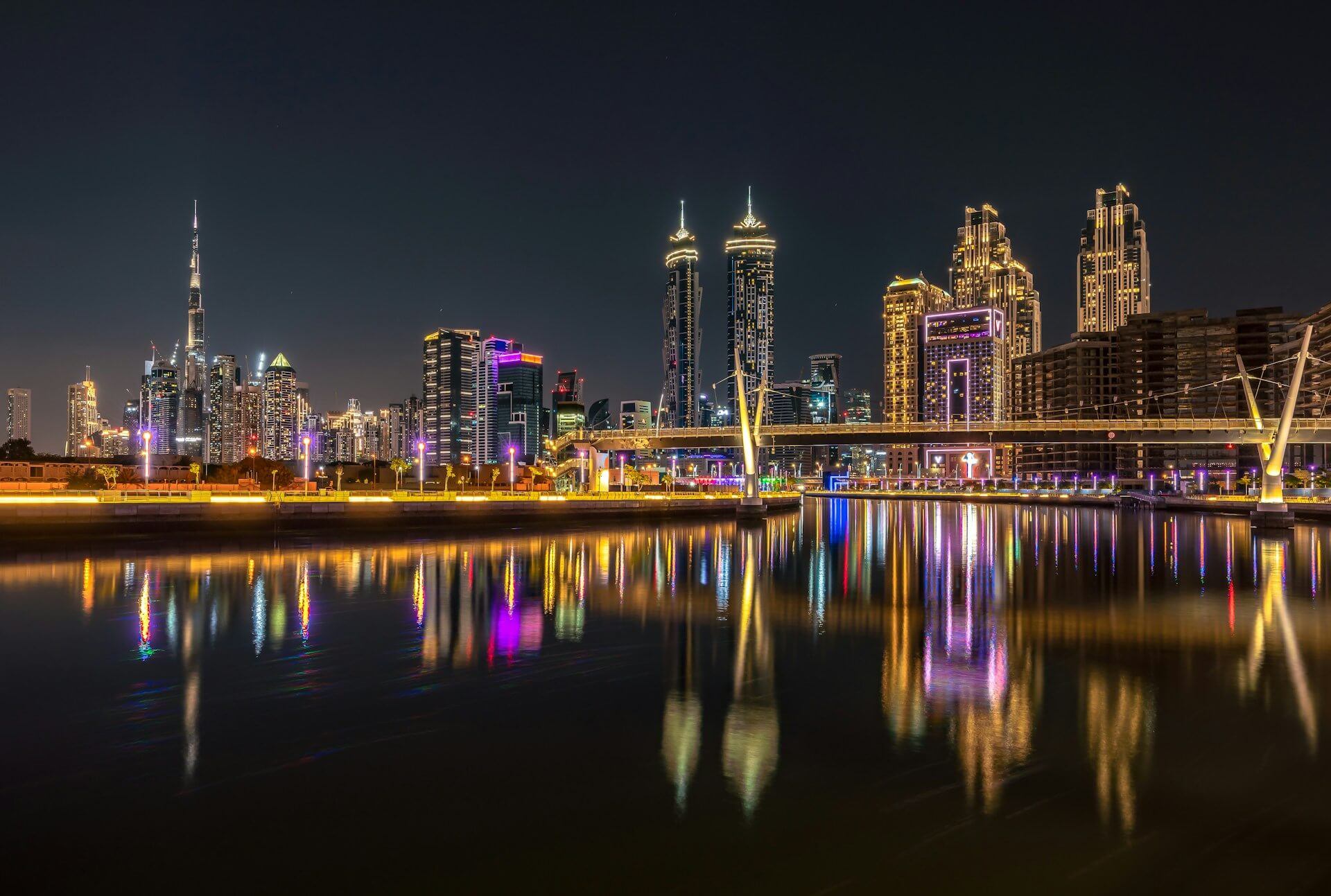
Comfortable long-term and premium rental options across Dubai.
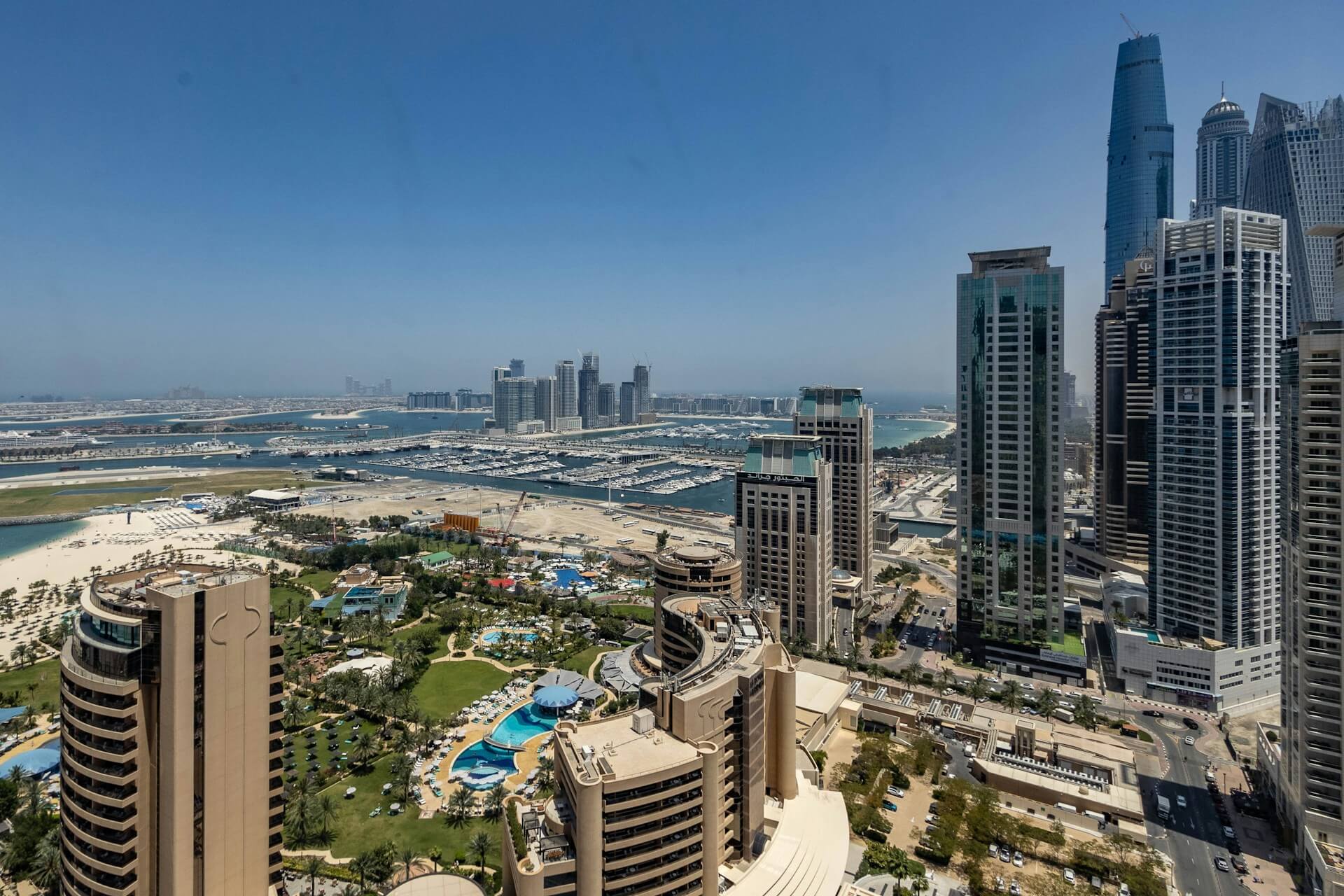

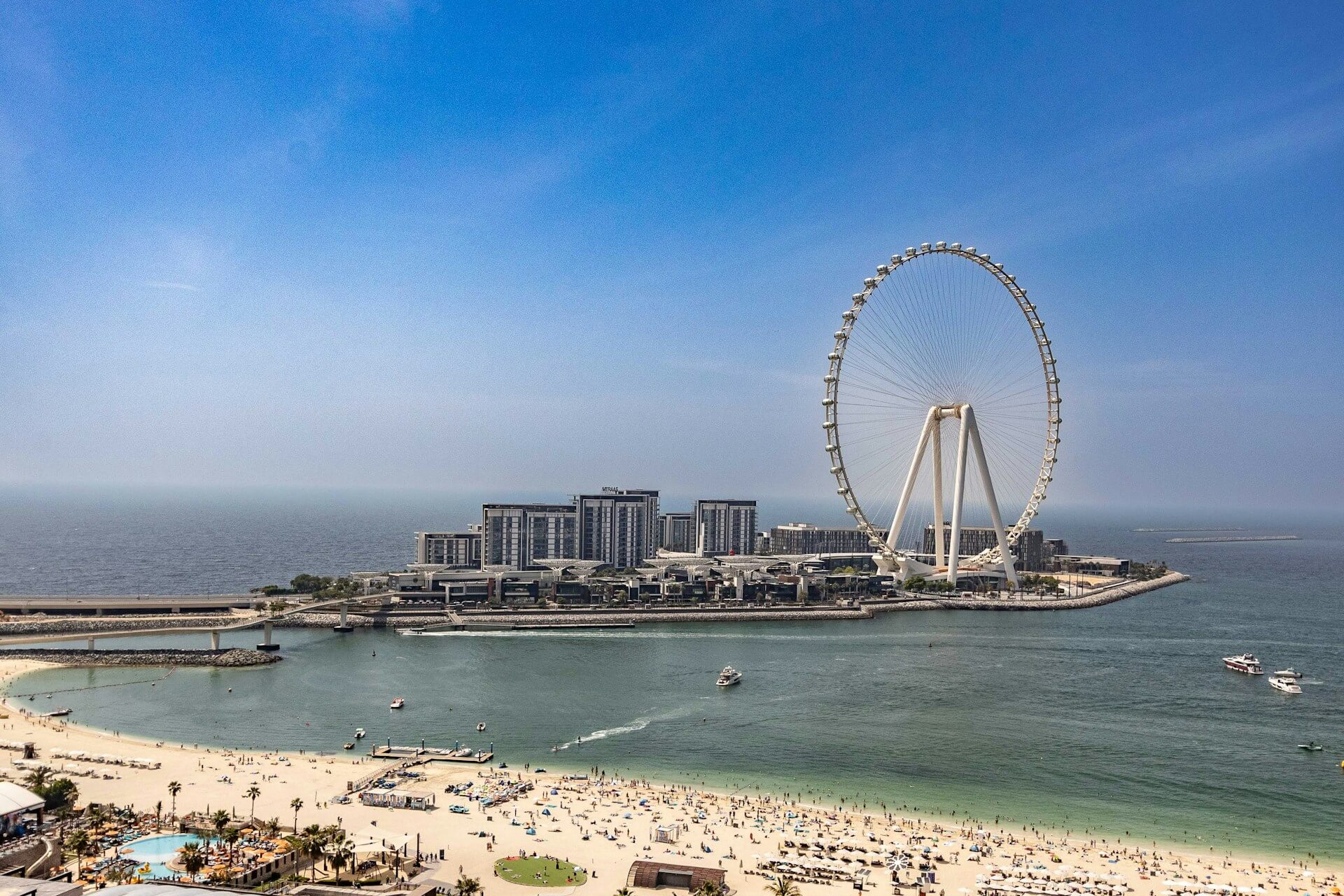
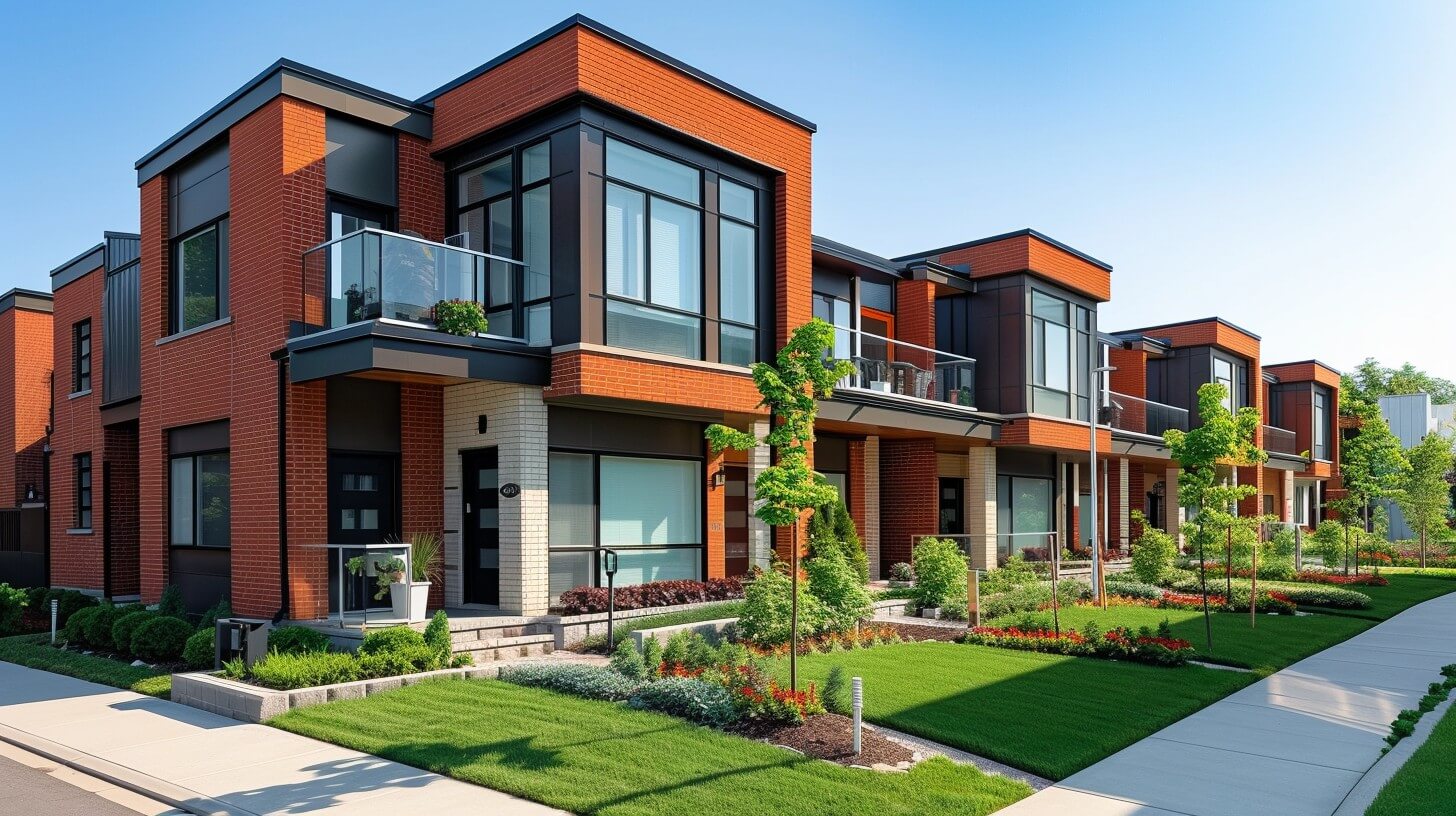
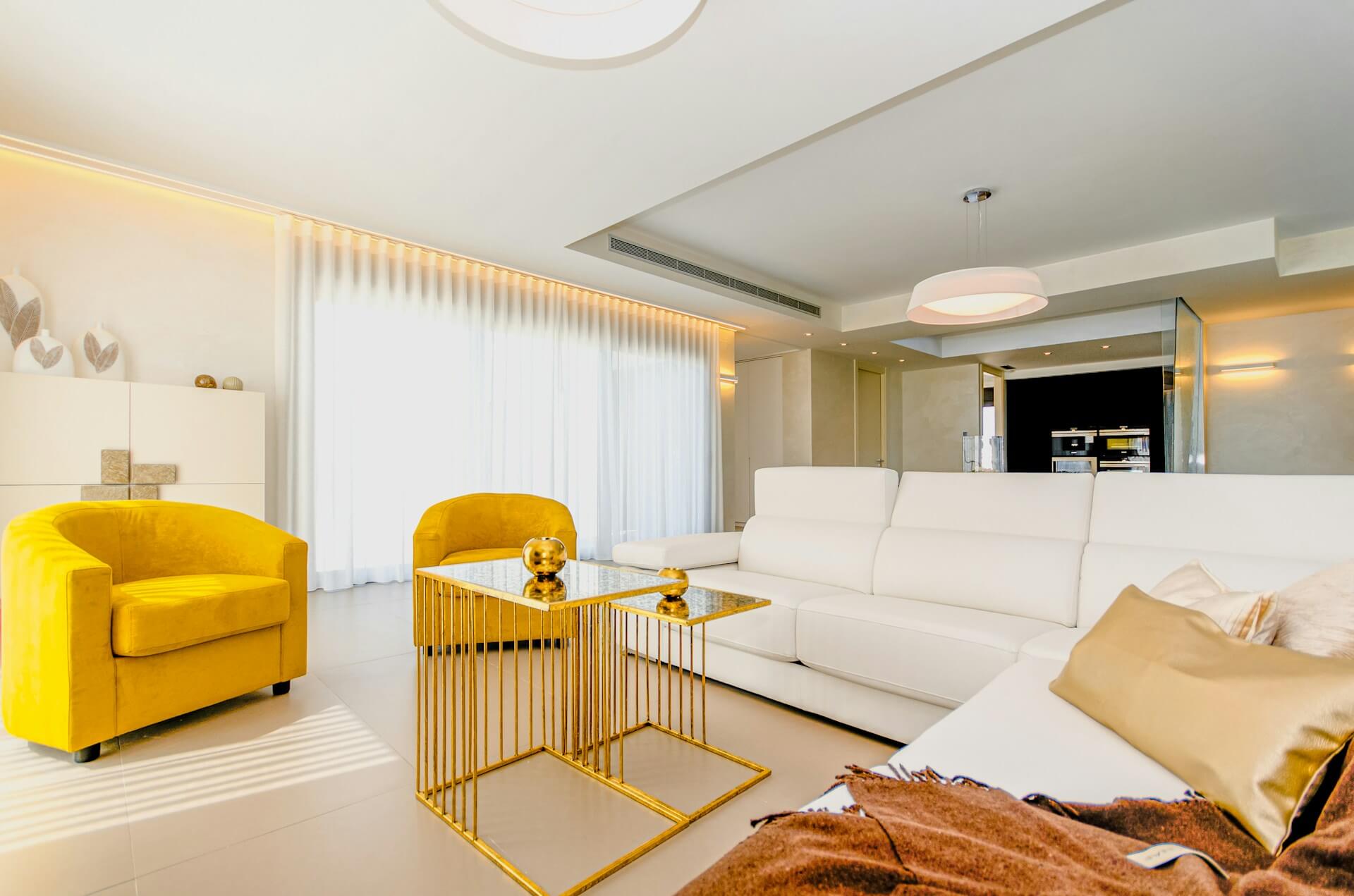
Acquiring properties for extended occupancy in Dubai remains a viable strategy due to consistent demand in key districts such as Dubai Marina, Business Bay, and Palm Jumeirah. Current market data shows entry prices starting from AED 900,000 for studio units in Dubai Marina, with yields averaging 6.5% annually. Liquidity remains robust in areas supported by strong infrastructure growth and relocation inflows, making this segment attractive for both capital preservation and steady income generation.
Dubai’s population expansion, coupled with visa regulations encouraging foreign nationals to settle, sustains elevated absorption rates in leased residences across the emirate.
Dubai Marina leads with the highest tenant interest driven by proximity to business hubs and transport links. Meanwhile, Palm Jumeirah offers superior net returns on larger units but demands higher initial capital, exceeding AED 3 million for one-bedroom apartments. Comparing these locations reveals a trade-off between entry cost and rental income efficiency.
Investors should anticipate initial expenses beyond purchase price, including registration fees near 4%, agency commissions ranging 2-5%, and occasional service charges impacting operational costs.
Opting for ready occupancy properties in Business Bay reduces vacancy risks compared to off-plan options, where project completion delays have extended beyond six months on average in 2023. Thus, readiness status significantly influences capital deployment timelines and early cash flow generation.
Mid-term housing leasing in Dubai currently demands an entrance capital starting from AED 600,000 for studios in established locations like Dubai Marina, against AED 1.1 million for one-bedroom units.
This segment attracts investors focused on stable cashflow, as contracts typically span 6 to 12 months, filling a gap between vacation rentals and traditional tenancy. The exact keyword “long term apartment rentals” applies primarily to leases over 6 months, confirming this market as relevant for committed tenants and expatriates on projects lasting several months to a year.
Dubai Marina’s inventory for this leasing style benefits from significant corporate demand due to ongoing events, relocations, and freelance contract workers.
Visa reforms easing residency issuance have boosted mid-range Emaar developments, with over 40% of current lessees in Dubai Marina opting for 6-12 month agreements.
This fixed period lowers vacancy risk compared to shorter stays while offering better liquidity than multi-year contracts prevalent in Dubai.
Entry prices vary notably between prime developments and emerging waterfront projects.
For instance, one-bedroom units in Dubai Marina’s older towers average AED 1 million, with rental yields near 6.2%, whereas newer off-plan schemes range AED 1.3–1.5 million with yields closer to 5%. The premium yields linked to ready properties in Dubai Marina reflect the immediate tenant availability and lower marketing downtime.
Comparing Dubai Marina to Jumeirah Lake Towers, the former delivers approximately 1.3% higher yield on mid-duration leases due to superior infrastructure and a denser concentration of corporate tenants.
However, liquidity in Jumeirah Lake Towers exceeds that of older Dubai Marina buildings, enabling quicker resale in pressure markets, albeit at entries 10–15% lower.
This makes JLT preferable for investors prioritizing capital preservation and moderate gains.
Investors should distinguish between off-plan and delivered assets. Off-plan projects in Dubai Marina command 15-20% price premiums due to branded residences but carry completion risk and delayed ROI. Ready-to-move properties promise immediate income streams and proven tenant demand.
Both options attract different buyer profiles; the former suits capital gain seekers with higher risk appetite, while the latter appeals to those pursuing immediate cashflow from tenant contracts spanning 6-12 months.
The critical factor for asset performance in mid-duration leasing is proximity to transport nodes and business hubs in Dubai Marina.
Units near DMCC Metro and Dubai Marina Mall display 20% faster lease-up periods and higher occupancy compared to peripheral towers. This location-driven tenant preference directly impacts resale ease, with centrally located buildings achieving 7-10% faster transactions.
Corporate and relocation tenants dominate this leasing segment, unlike whole-year leases that often involve individual or family renters. This necessitates investment evaluation focusing on tenant stability as mid-range contracts usually exclude frequent turnover seen in holiday lets.
Consequently, Dubai Marina remains the preferred district for investors targeting expatriates employed in finance, IT, and consultancy sectors active in DIFC and Business Bay.
Purchasing in Dubai Marina for leasing between 6 to 12 months is inadvisable for investors seeking rapid short-term capital gains or frequent tenant cycling.
Such strategy increases management costs and vacancy periods. Additionally, investors reliant on appreciation alone risk underperformance, as these mid-term arrangements stabilize rather than spike prices. Avoid assets far from transport and retail, where occupancy lags 15-25%, increasing vacancy risk substantially.
| Average Entry Price (1BR) | AED 1,100,000 | AED 950,000 |
| Typical Lease Duration | 6–12 months | 6–12 months |
| Rental Yield | 6.2% | 4.9% |
| Resale Speed | 30-45 days | 20-30 days |
| Occupancy Rate | 85-90% | 75-85% |
| Investor Risk Level | Moderate | Low-Moderate |
Entry capital and project choice must align with investor goals: liquidity versus yield versus capital appreciation.
Dubai Marina’s superior rental income offers predictable returns for mid-contract leasing, but requires higher initial capital and patience with off-plan risks. Jumeirah Lake Towers presents lower barriers to entry and quicker exits at the expense of lower yield and occupancy.
Assets with limited public transport access or distant from employment nodes should be excluded, as these experience 25% lower occupancy in this rental bracket. Dubai Marina’s established infrastructure supports corporate tenant stability, a critical factor reducing unplanned vacancy.
Final decision drivers include investment horizon, risk appetite, and tenant profile alignment.
Mid-duration leasing investments in Dubai Marina are optimal for investors seeking consistent cashflow backed by corporate demand and moderate capital growth potential. The entry cost threshold starts at AED 600,000 for smaller units, scaling with size and precise location.
Verify credit history first: a reliable financial background reduces risk of missed payments.
Obtain a credit report from recognized agencies that reflect timely bill settlements, outstanding debts, and any bankruptcy records. Aim for a credit score above 650 for a solid candidate profile.
Secondly, conduct an employment and income verification.
Confirm the applicant’s monthly earnings are at least three times the monthly lease fee. Contact the employer directly or review recent pay stubs and tax returns. Preference should be given to those with stable income sources and no history of frequent job changes within the last year.
Request prior landlord references. Obtain details on payment punctuality, property care, and any lease violations.
Cross-check multiple references to identify patterns. Beware of applicants with evictions or recurring disputes.
Background checks are mandatory for urban centers like Dubai Marina, where tenant turnover can disrupt rental stability.
Screen for criminal records and litigation history to prevent future complications.
Evaluate length of residence at previous addresses. Longer stays indicate stability, reducing vacancy risk. Candidates frequently relocating without valid reasons pose a higher risk for default or property damage.
Consider personal interview impressions.
Ask direct questions about future plans, rental expectations, and ability to maintain the residence. Observe communication skills and responsiveness, as cooperative tenants tend to respect lease terms better.
In Dubai Marina, screening standards must align with local regulations, including residency status and visa validity.
Tenants without proper documentation increase lease termination risks.
Document tenant identity meticulously using government-issued IDs, visas, and Emirates IDs.
This prevents fraudulent applications and secures legal recourse if needed.
Finally, use transparent lease agreements with clear penalty clauses on late payments and property maintenance. Prospective tenants reluctant to sign detailed contracts often signal potential issues.
In summary, a stringent screening protocol integrating credit, income, references, background, and legal compliance safeguards the investment, ensuring steady occupancy in Dubai Marina’s rental sector.
Include a clear clause specifying the exact rental period, ideally 12 consecutive months, with precise start and end dates to avoid ambiguity.
Incorporate provisions for rent escalation, typically capped at 5% annually in Dubai, allowing landlords to adjust income while maintaining tenant stability. Ensure the contract details the payment schedule, commonly quarterly or monthly, and explicitly state penalties for late payments to secure cash flow consistency.
List all maintenance responsibilities–distinguishing between landlord and occupant duties–to prevent disputes during occupancy.
For example, landlords often cover structural repairs, while tenants handle daily upkeep. In Dubai, it is advisable to require tenants to obtain a security deposit equal to one month’s rent to cover damage or unpaid utilities. Specify conditions for partial or full forfeiture of this deposit, supported by photographic evidence.
Embed a clause addressing early termination to protect investors from sudden vacancy. Allow cancellation only under strict conditions, such as job relocation, with a notice period of at least 60 days and financial compensation agreed upon in advance.
Include a force majeure section covering events like pandemics or natural disasters, granting temporary rent suspension or lease extension, reflecting lessons from recent disruptions.
Clarify rules related to subleasing and guest accommodation, which impact tenant profiles and property wear.
Limit subletting or require explicit owner approval. For utilities and service fees, the lease should specify which party pays what, considering Dubai’s existing utility tariff structures and district cooling charges that vary by development.
Finally, anchor the agreement in compliance with Dubai’s tenancy laws (Law No. 26 of 2007) and regulations set by the Real Estate Regulatory Agency (RERA).
Include a clause that mandates dispute resolution through the Dubai Rent Disputes Center to minimize litigation costs and expedite conflict handling.
Monthly rent should be fixed with clear escalation clauses and aligned with market benchmarks in Dubai. For residential leasing exceeding six months, baseline rents in Dubai range from AED 50 to AED 90 per square foot annually, depending on the neighborhood.
Setting rent below AED 60/sq ft in emerging districts like Dubai Silicon Oasis may increase vacancy risk, while CBD locations such as Downtown Dubai justify upwards of AED 85/sq ft with higher tenant quality and faster turnover.
Incorporate annual rent increases of 3-5%: This mirrors inflation trends and Dubai’s rental index fluctuations. Agreements with no escalation often erode returns due to rising operational costs.
A clearly defined escalation timeline mitigates negotiation disputes and safeguards net yield over multi-year leases.
Utilities can be structured as either landlord- or tenant-paid. To optimize cash flow predictability in Dubai’s climate and utilities market, it’s recommended to separate utility payments from rent. Tenants should pay DEWA (Dubai Electricity and Water Authority) bills directly based on metered consumption. This reduces landlord liability from utility overuse and eliminates billing delays.
If utilities are bundled into rent for convenience or market expectation, establish a capped allowance.
For example, include AED 800 per month for water, electricity, and cooling. Above this threshold, tenants reimburse excess.
This model protects against seasonal spikes, especially during summer when AC loads can increase utility costs by 30-40%.
Payment collection timing must synchronize with lease agreements. Rent and utilities should be invoiced monthly, with payments due by the 5th of each month to maintain cash flow consistency.
Implement automated reminders and specify late payment penalties – typically 2% monthly interest or AED 100 flat fee – to enforce discipline.
Security deposits should cover at least one month’s rent plus utility arrears potential, given Dubai’s tenant protection laws. For commercial-style contracts on villa or townhouse leases, deposits often equate to 5% of the annual rent to safeguard against unpaid utilities and damages.
Clarify all terms in the contract: specify rent amount, payment date, method (bank transfer preferred), utility responsibilities, and escalation clauses.
Transparent terms reduce legal disputes and foster smoother landlord-tenant relations in Dubai’s highly competitive leasing market.
Opting for a long-term apartment rental often provides greater stability and comfort compared to short stays.
Renters benefit from lower monthly rates and the chance to create a personalized living space. Additionally, longer leases usually come with more flexible terms regarding utilities and furnishing, which can make daily life smoother. This arrangement suits those who plan to stay in one location for several months or more, reducing the hassle of frequent moves.
Research plays a key role in confirming the trustworthiness of a landlord or management company.
Prospective tenants should seek reviews from previous renters, ask for references, and request details about maintenance response times. Visiting the property in person to check its condition and meeting the landlord beforehand can also provide valuable insight. Signing a detailed lease agreement that clearly outlines responsibilities and expectations helps protect both parties during the rental period.
Beyond the base rent, tenants should consider several additional expenses.
Common extra fees include utilities such as electricity, water, gas, and internet, although sometimes these are included in the rent. There may also be costs for parking spaces or storage units. Security deposits, which are usually refundable if the apartment remains in good condition, are another upfront payment.
Lastly, renters might face occasional maintenance fees or charges for required renters’ insurance.
Changes to the apartment often depend on the terms stated in the rental agreement and permission granted by the landlord.
Minor modifications like hanging pictures or adding temporary shelving are usually allowed. More permanent alterations, including painting walls or installing fixtures, typically require written approval. Tenants should always discuss potential changes beforehand to avoid conflicts and to ensure that any alterations can be reversed at the end of the lease if requested.
Before signing, carefully review the lease to confirm clear information on the rental period, payment schedule, and rules about renewing or ending the agreement early.
Check for policies regarding deposits, maintenance responsibilities, guest visits, and penalties for late payments. Understanding the procedures for reporting repairs and how disputes are handled is also important.
Clarity on whether utilities are included and any restrictions on pets or subletting should be verified to avoid misunderstandings during the lease.
Lease agreements for long term apartment rentals generally range from six months to one year, with some landlords offering even longer contracts.
This duration allows tenants to settle in without frequent relocations and provides landlords with steady occupancy. Extended leases often come with more favorable rental rates, as landlords prefer stable tenants. It's important to carefully review the lease conditions, including notice periods for termination, renewal options, and any clauses about rent hikes during the tenancy.
Clear answers about buying, renting and investing in Dubai property.
Yes. Foreign buyers can purchase freehold property in designated areas such as Dubai Marina, Downtown Dubai, Business Bay, Palm Jumeirah, Dubai Hills and other approved communities.
It depends on your timeline, budget and goal. Buying is usually better for long-term plans, capital growth and rental income, while renting is better for flexibility and easier relocation.
The required budget depends on the area, building quality and property type. More accessible apartments can be found in developing communities, while prime locations and luxury properties require a much higher budget.
In addition to the purchase price, buyers should budget for the Dubai Land Department fee, registration and trustee fees, possible agency commission, mortgage-related costs if financing is used, and ongoing service charges for many buildings.
Yes, many banks in the UAE offer mortgages to foreign buyers. Approval depends on income, documents, deposit amount and the specific property being purchased.
Areas such as Dubai Marina, Downtown Dubai, Business Bay, Dubai Hills, JVC, Palm Jumeirah and Creek Harbour are often considered by investors, but the right area depends on whether your focus is yield, resale value, lifestyle appeal or long-term growth.
Rental yield varies by area, property type, furnishing level and market timing. In practice, many investors look for a balance between strong occupancy, reasonable service charges and sustainable tenant demand rather than chasing headline numbers alone.
Off-plan property is purchased directly from a developer before the project is completed. Buyers often choose off-plan because of payment plans, newer inventory and lower entry prices compared with some ready properties.
A proper review should consider the developer’s track record, payment plan, handover timeline, location quality, future supply in the area and the project’s resale or rental potential after completion.
For ready property, the timeline can move fairly quickly if the price is agreed, documents are prepared and the buyer is ready to proceed. Mortgage purchases usually take longer than cash deals.
Yes, many purchases can be handled remotely with the correct documents and proper support through the process. Remote buying is common for overseas investors and international clients.
The biggest risks are overpaying, choosing a weak location, buying an unsuitable layout, ignoring service charges, or selecting a project with low resale and rental demand. Good selection matters more than marketing promises.
In long-term rentals, rent is commonly agreed for a fixed term and often paid by one or several cheques depending on the landlord, property and negotiation.
Tenants are usually asked for identification and residency-related documents, and the exact set depends on their status in the UAE and the landlord’s requirements.
A security deposit is commonly required before move-in. The amount often depends on whether the property is furnished or unfurnished and should be clearly stated in the rental terms.
In many rental transactions, an agency commission is charged. The amount depends on the deal structure and should be confirmed before signing anything.
Tenants should review the deposit, Ejari registration, utility setup costs, parking terms if relevant, maintenance responsibilities and any conditions related to early termination or renewal.
Yes, negotiation is common. The final result depends on market conditions, the landlord’s flexibility, how long the property has been available and how prepared the tenant is to move forward.
It is important to check the condition of the unit, building quality, noise level, parking, view, maintenance status, contract terms and the reliability of the owner or manager.
Short-term rent offers flexibility and convenience but is usually more expensive. Long-term rent is generally more cost-effective and better suited for clients planning to stay longer.
During an active contract, the agreed rent usually remains fixed. Any increase is generally discussed at renewal and should follow the applicable rules and notice requirements.
This depends on the tenancy contract. Minor day-to-day issues may be handled by the tenant, while major maintenance is commonly the landlord’s responsibility, but the exact wording in the contract matters.
Ejari is the official registration of the tenancy contract in Dubai. It is important for legal recognition of the lease and is commonly needed for practical steps such as setting up utilities.
Yes. Furnished properties can be more convenient and faster to move into, while unfurnished options may work better for longer stays or tenants who want more control over the setup and budget.
We do not rely on random mass listings. We narrow the market based on budget, location, property type, investment goal, lifestyle needs and timeline, so clients can focus only on relevant options.
Yes. Support can include shortlisting, arranging viewings, comparing options, discussing terms, helping with negotiations and guiding the next steps of the transaction.
The best first step is to define the real budget, target areas, purpose, preferred property type and timeline. Once those points are clear, the selection becomes faster, cleaner and much more useful.