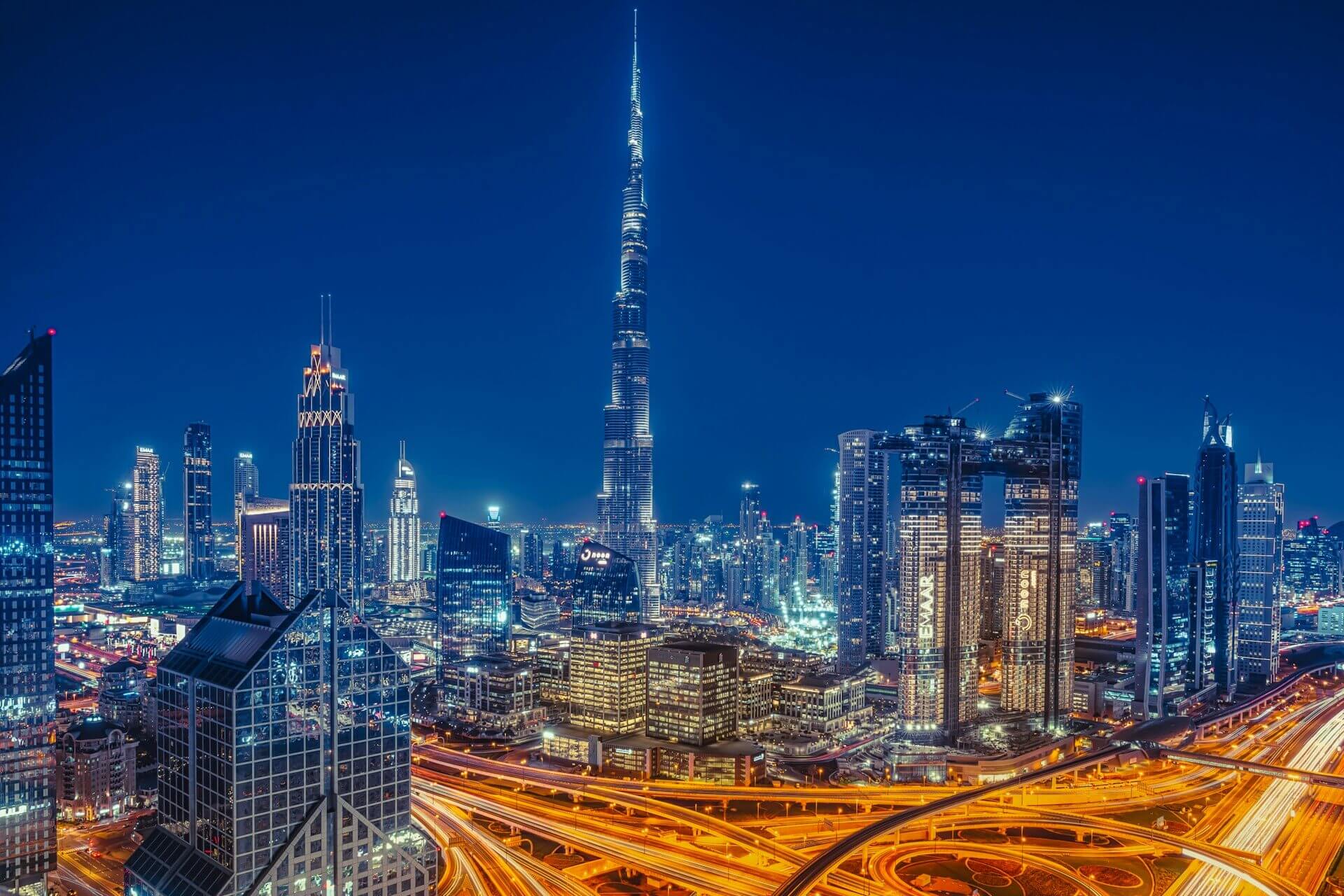
FOR SALE
AED 1,200,000AED 720,000
We help clients buy and rent the right property in Dubai — apartments, villas and investment units matched to budget, area and goals.
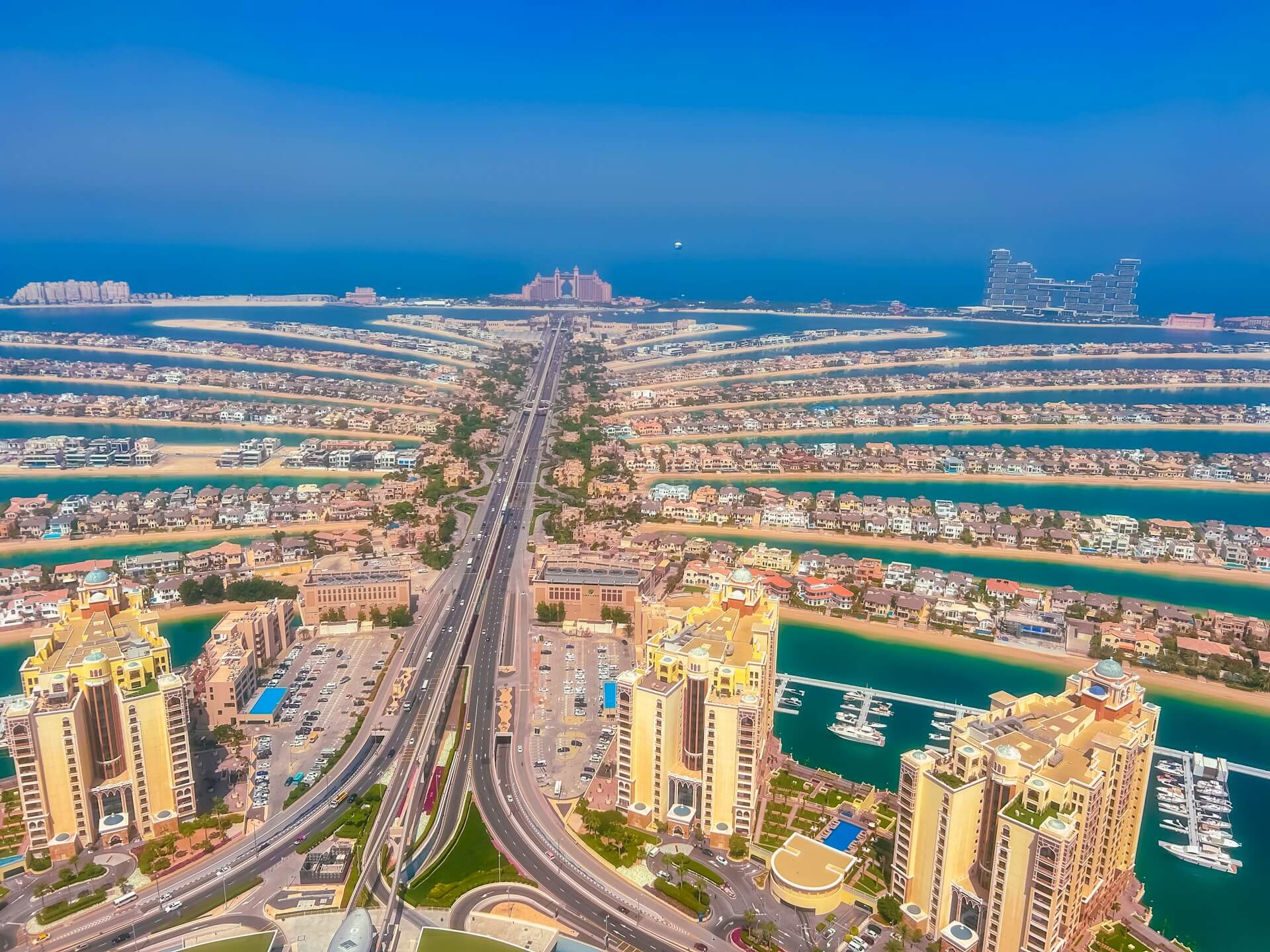
Dubai Property Selection focuses on apartments, villas and investment properties in key areas such as Dubai Marina, Downtown, Business Bay, Dubai Hills and Palm Jumeirah.
Instead of sending a huge list of random listings, we prepare a clean shortlist based on your budget, preferred area, bedrooms, timeline and purchase or rental goals.
Premium opportunities in Dubai — from compact investment units to signature villas and penthouses.
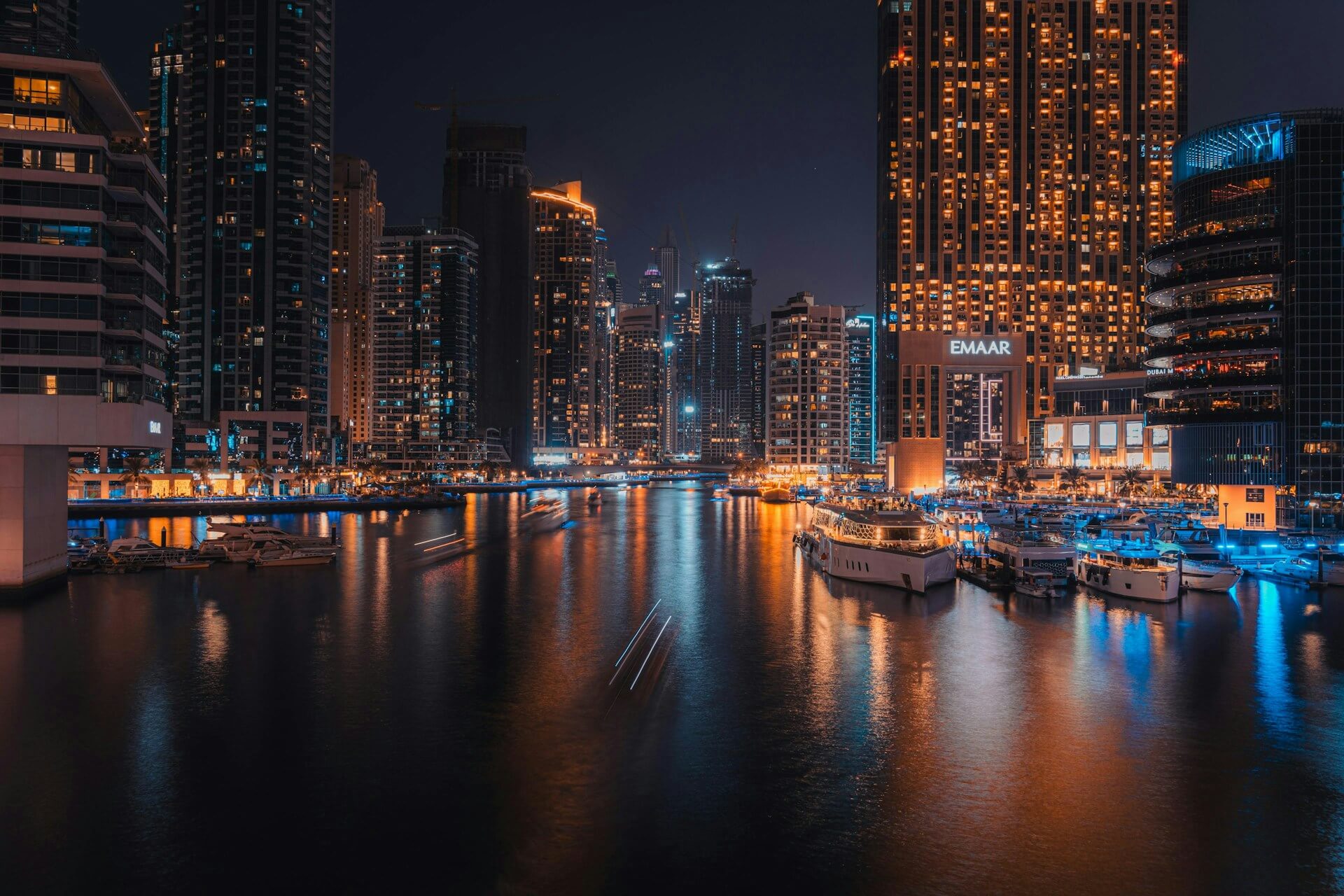
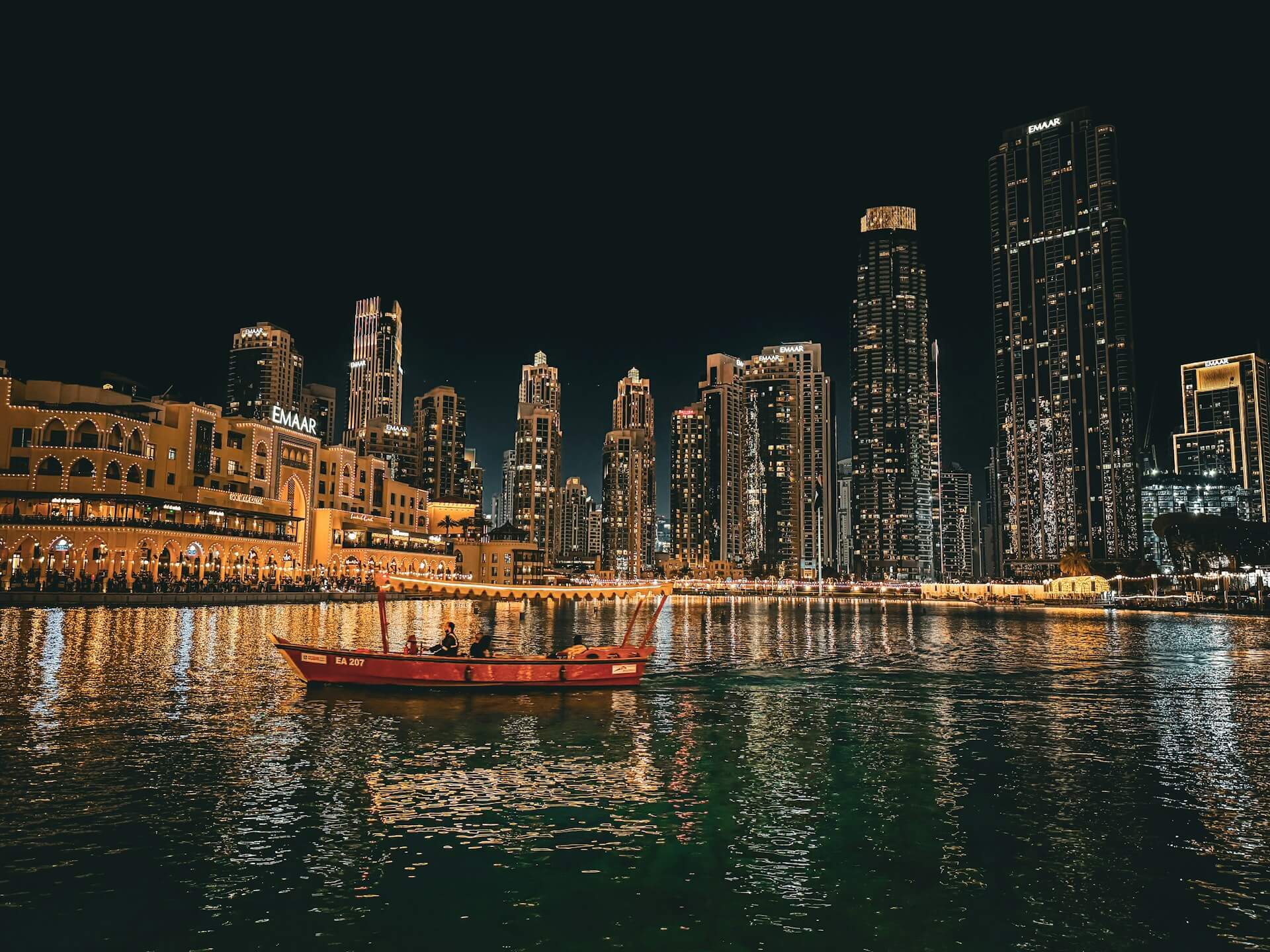
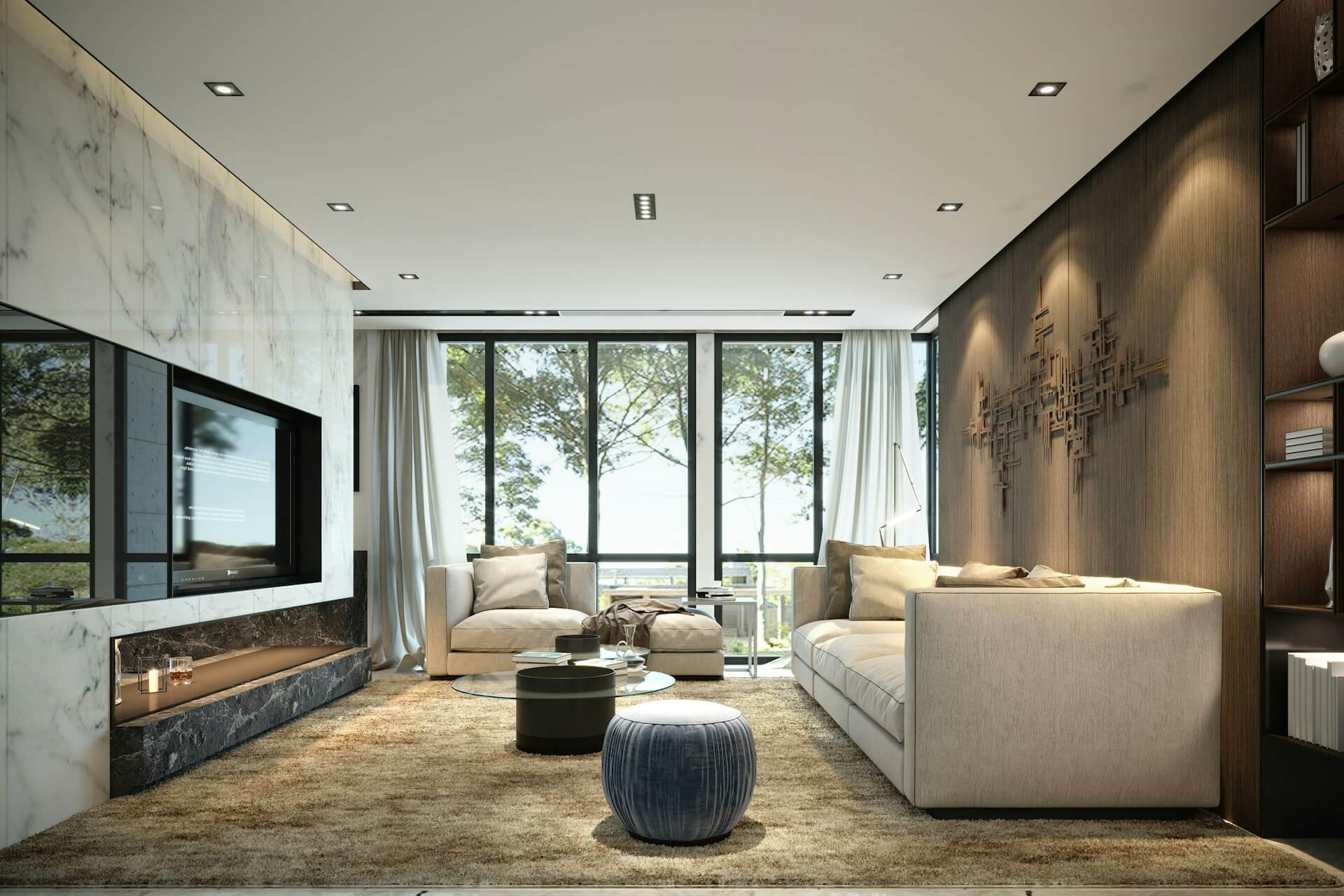
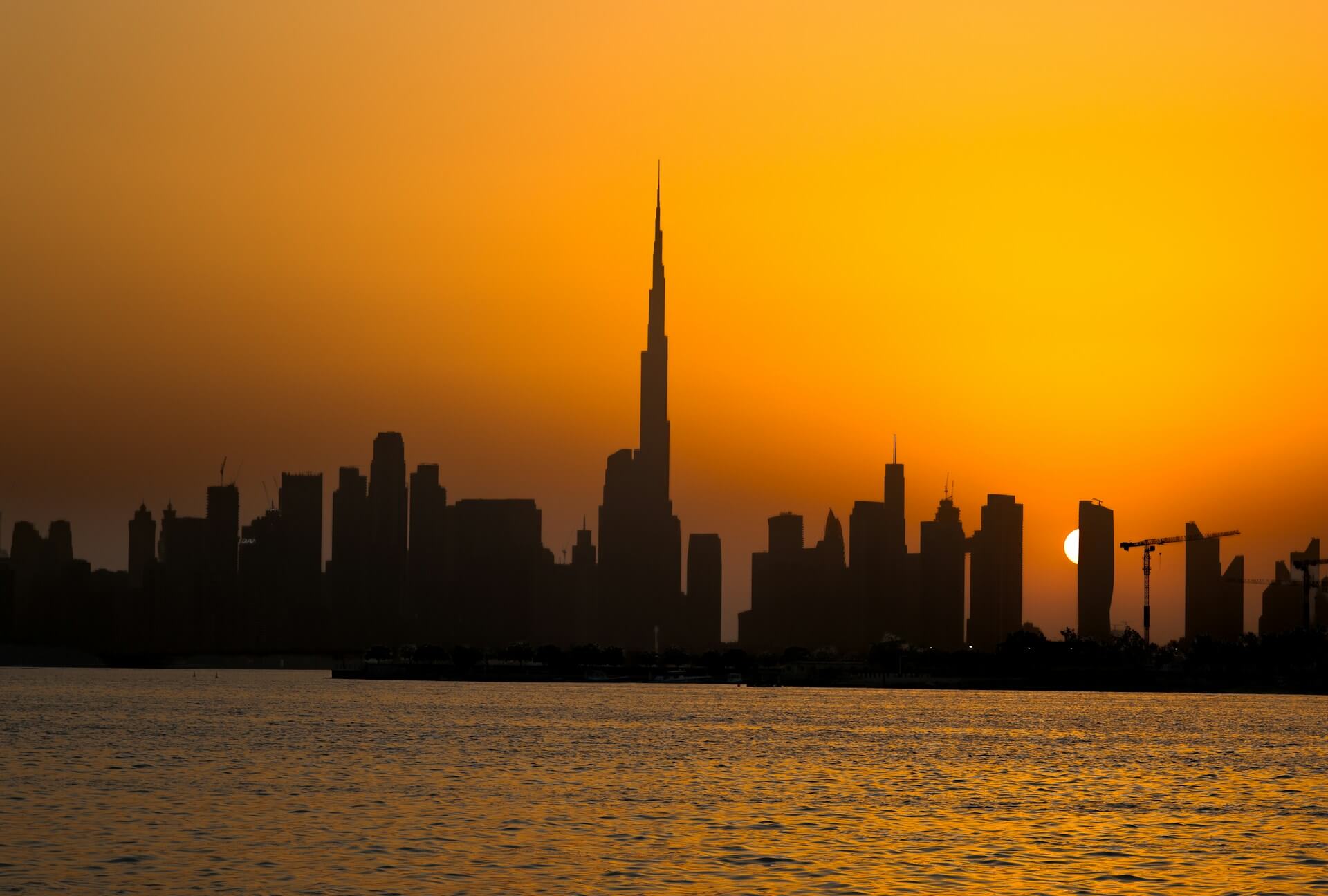
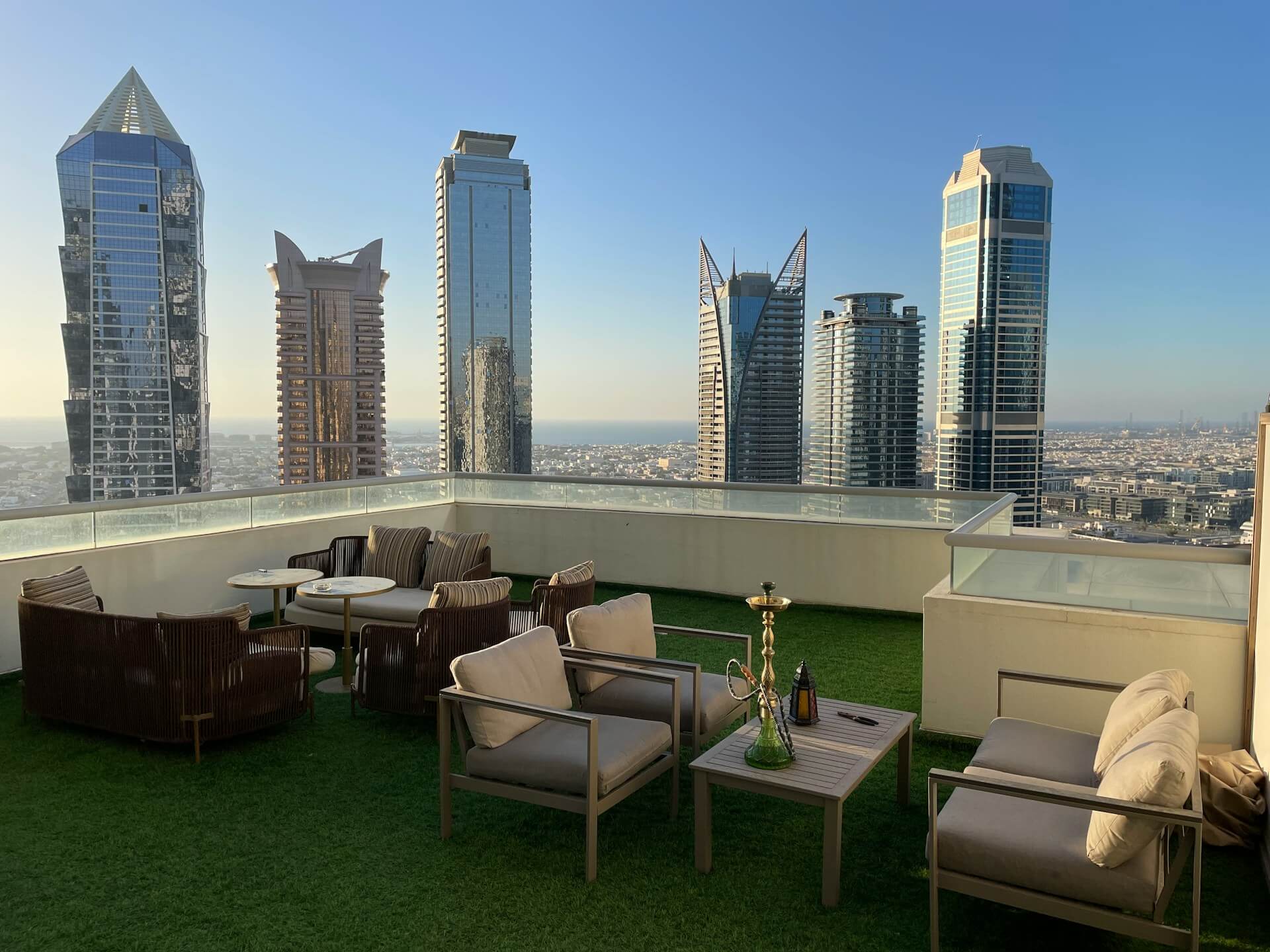
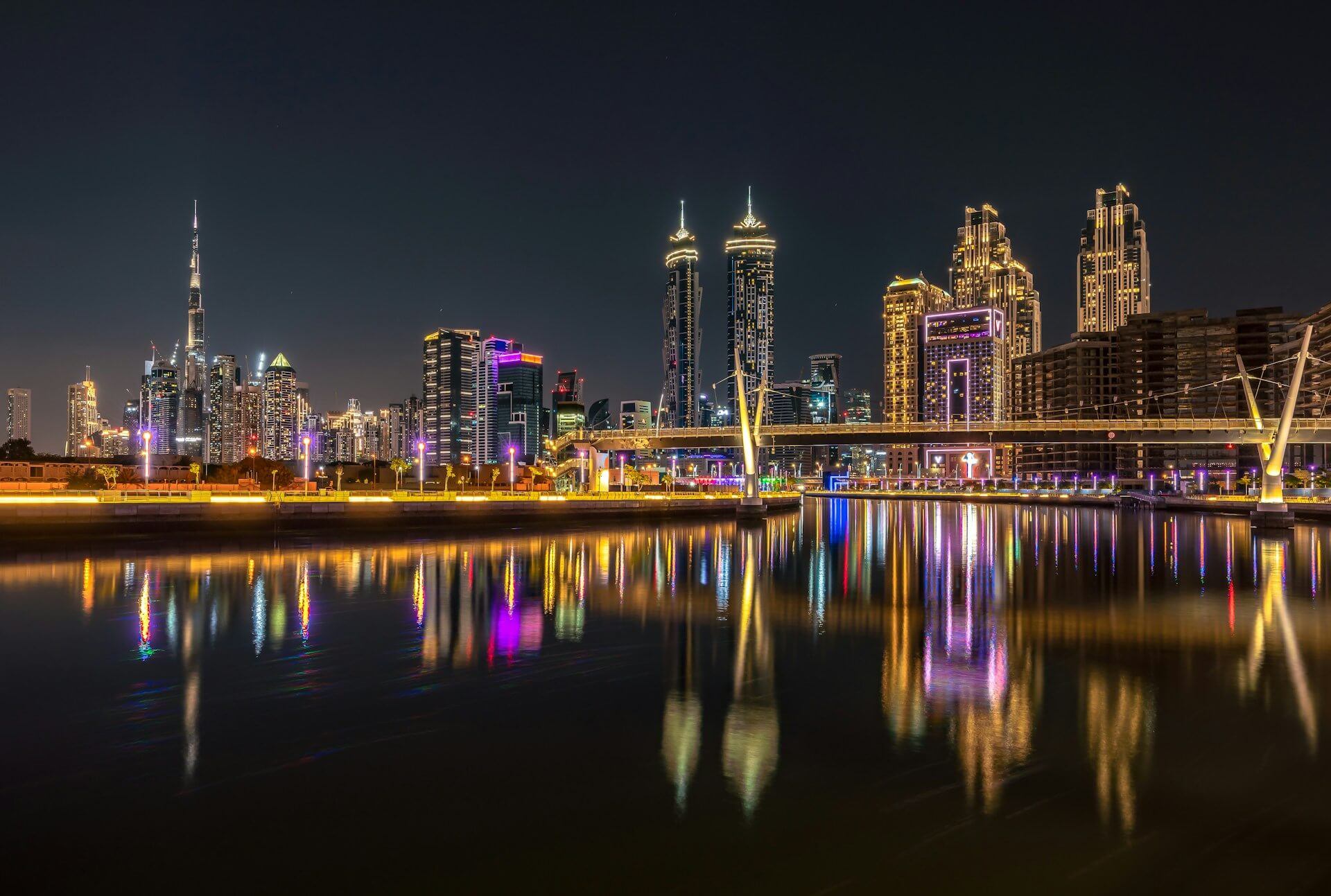
Comfortable long-term and premium rental options across Dubai.
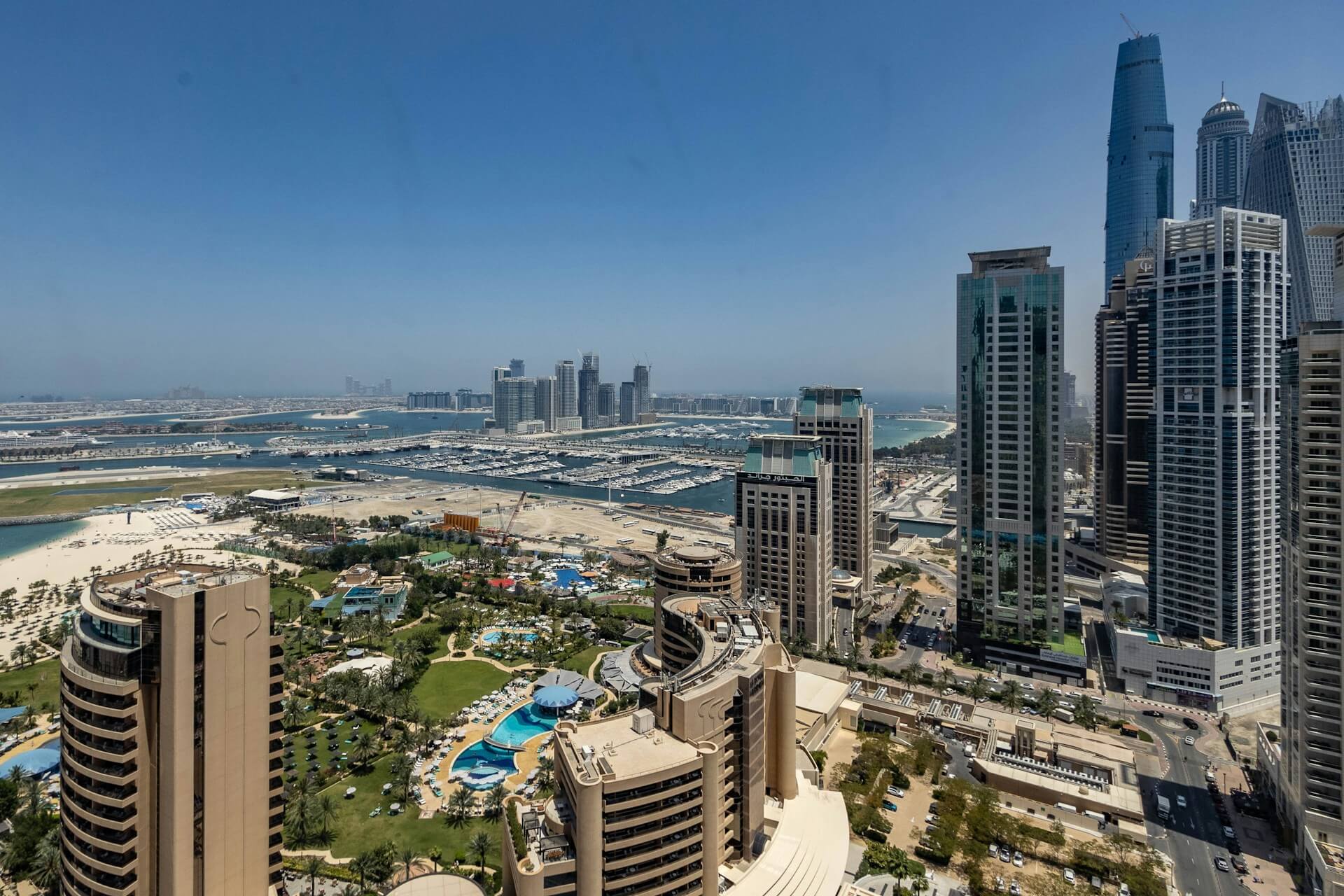
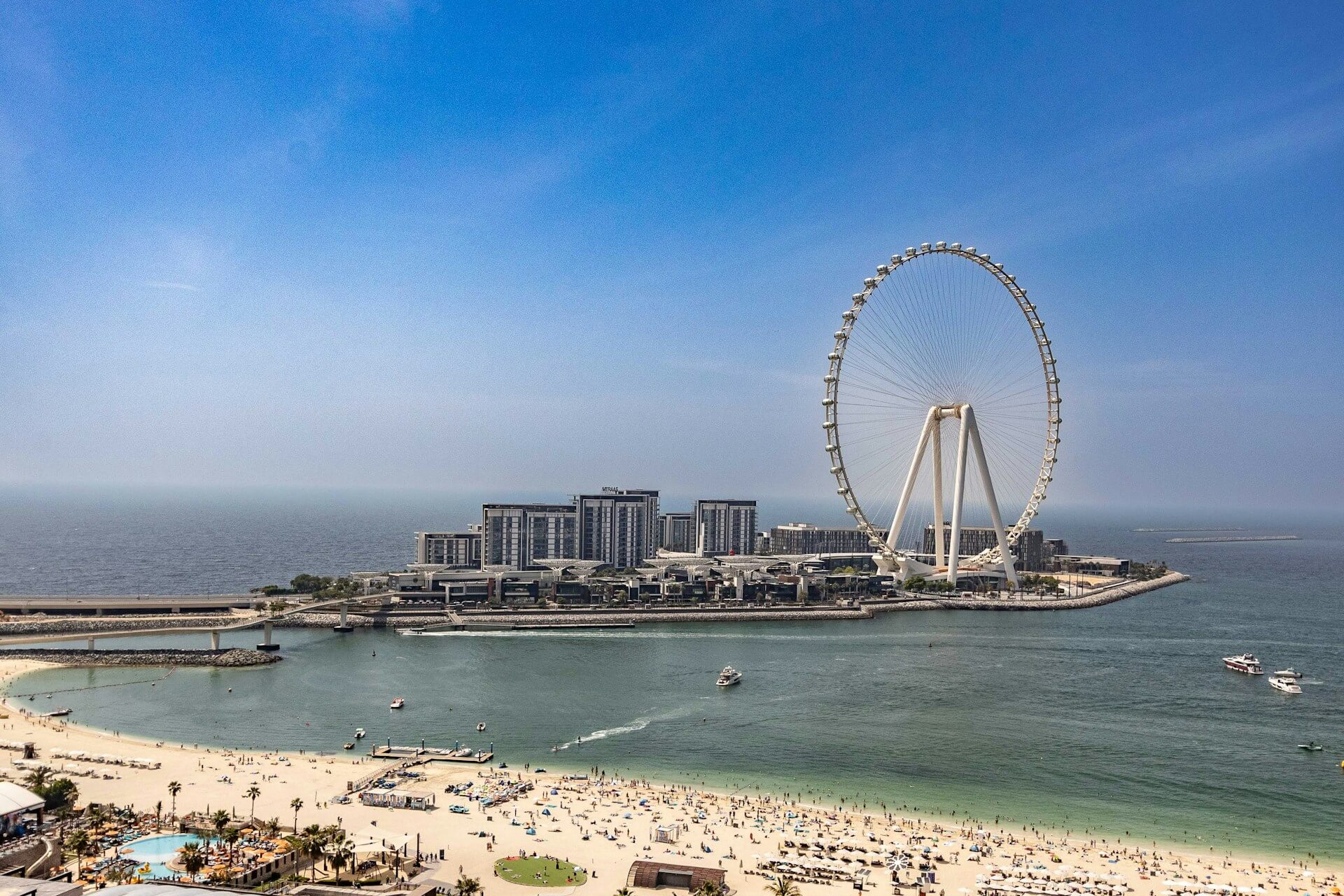
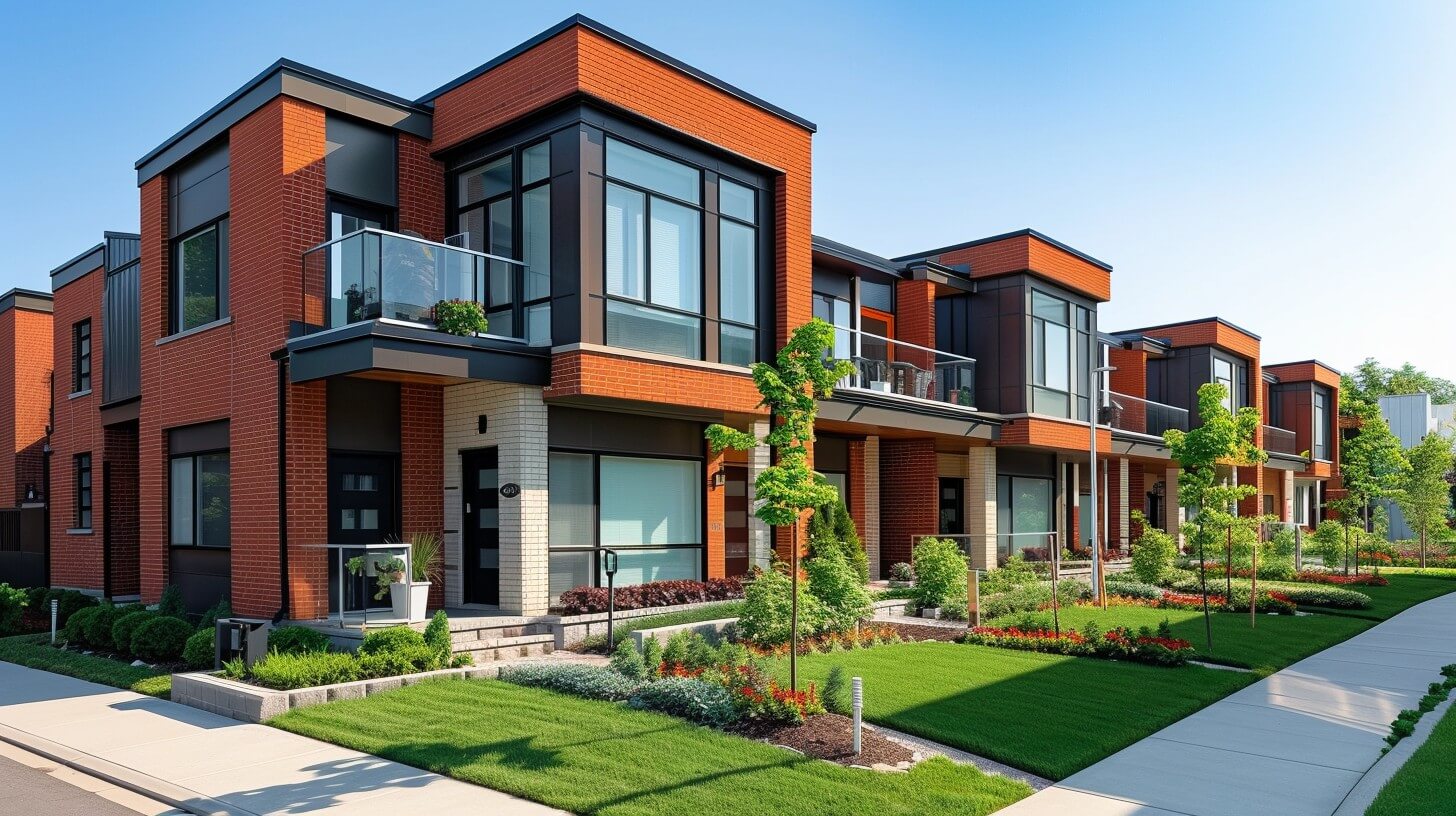
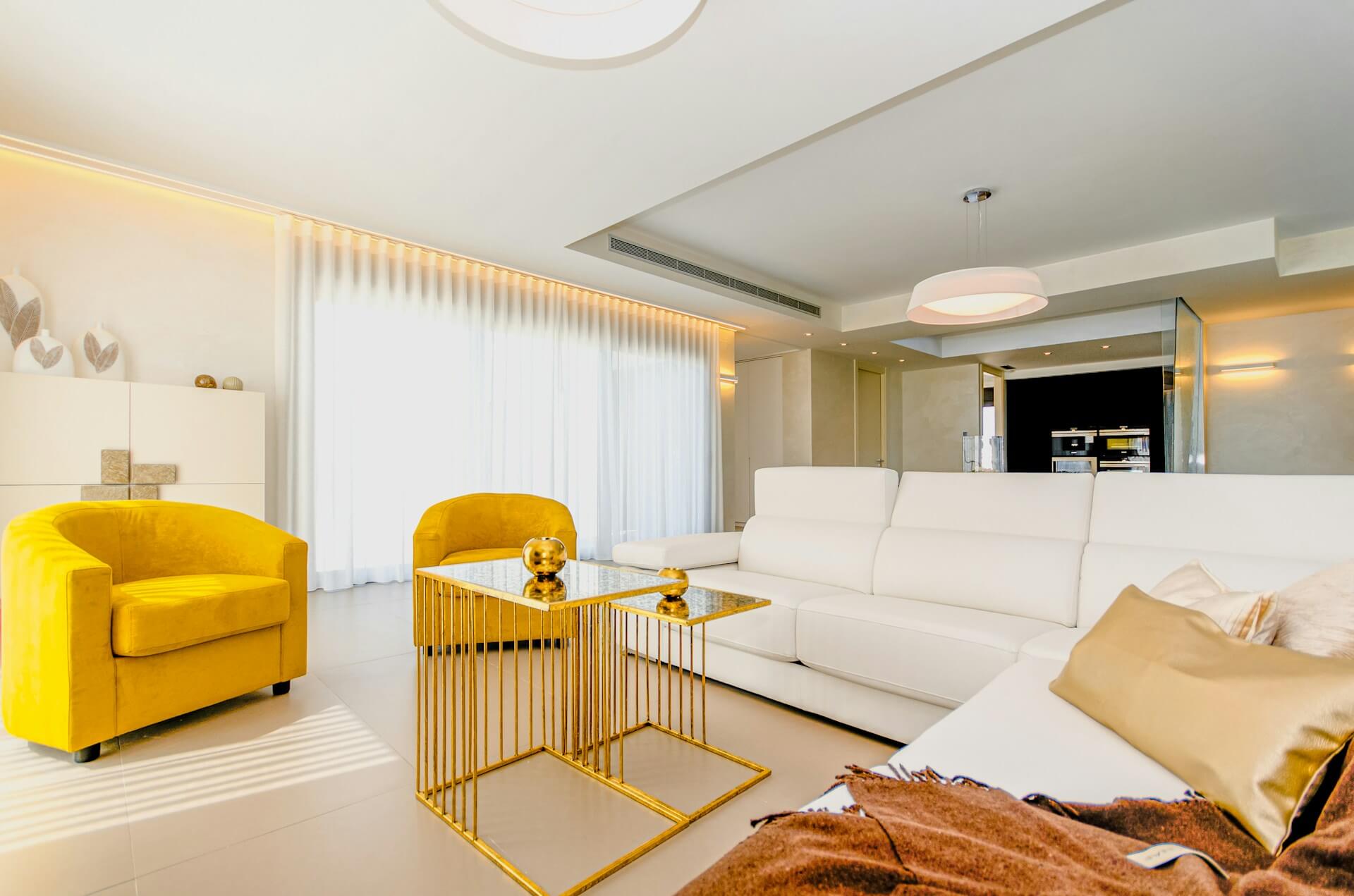
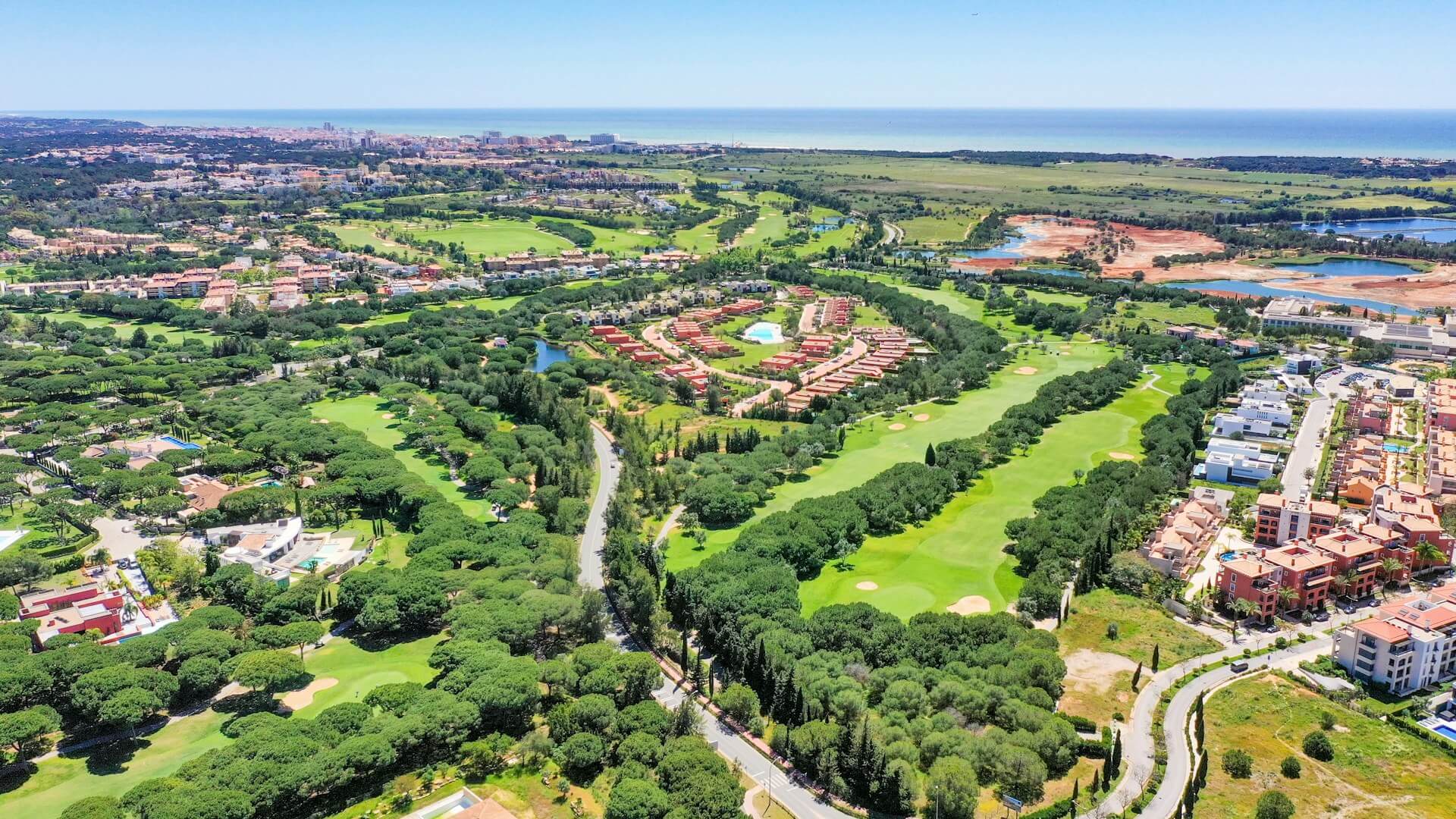
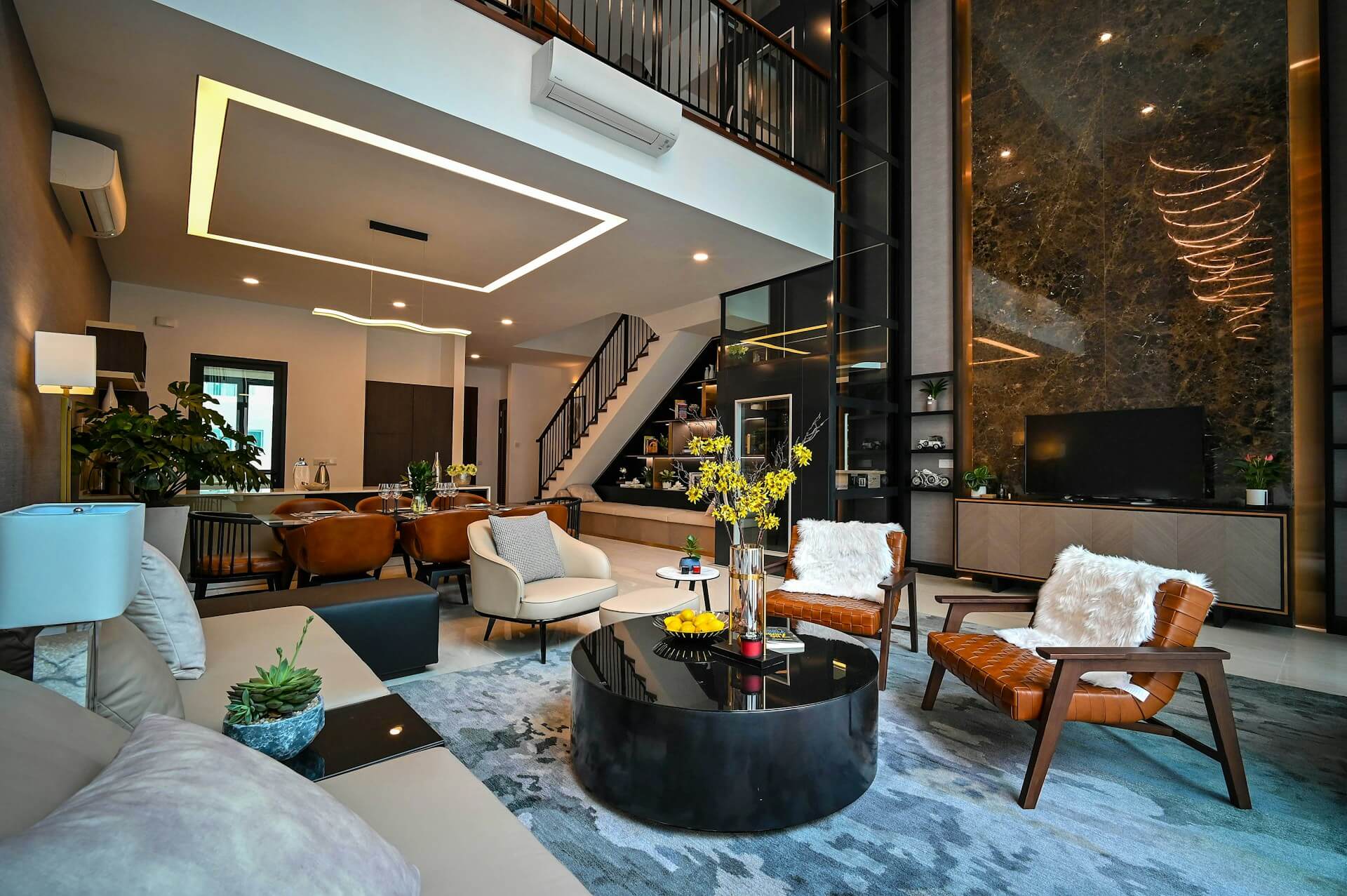
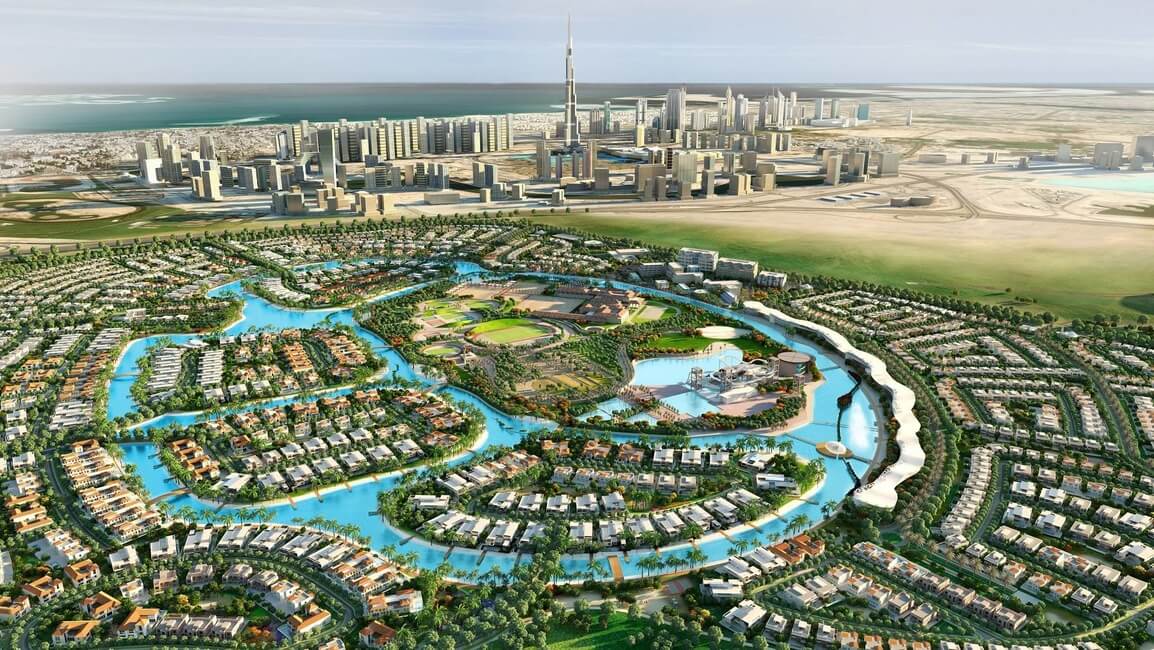
The current market dynamics suggest that investing in units within the Sports City community offers strong potential, with entry-level properties starting around AED 700,000. Demand concentrates primarily on mid-sized residences due to a spike in relocation of young professionals and families attracted by lifestyle amenities and sports facilities. Rental returns average 6-7%, outperforming comparable developments across Dubai, driven by limited availability and consistent tenant interest.
Sports City in Dubai features a distinct advantage in liquidity compared to nearby districts such as Dubai Marina or Jumeirah Village Circle, where higher saturation has compressed yields.
Buyers targeting active lifestyles or sports-oriented living find this location uniquely positioned due to ongoing infrastructure improvements and event hosting that boosts short-term rental performance.
Entry capital remains accessible relative to waterfront and central business district alternatives, with resale turnover typically completing within 3-6 months.
Market participants should note that while Sports City offers better midterm capital appreciation than most peripheral locations, recent regulatory shifts on mortgage caps and visa extensions have expanded the pool of eligible investors.
This has maintained price stability despite broader market fluctuations. Demand is particularly robust for properties adjacent to stadiums and green open spaces, where community planning enhances long-term valuation.
Direct acquisition of Sports City apartments for sale requires a starting capital of approximately AED 650,000 for studios, rising to AED 1.1 million for two-bedroom units as of the first half of 2024.
Price appreciation over the past 12 months has averaged 3.7%, driven by limited new inventory and increasing end-user interest in Dubai’s Sports City.
Compared to adjacent hubs like Dubai Marina, initial expenditure here is 15–20% lower, offering a more accessible entry point. However, rental yields currently hover around 6.8% gross, marginally below Dubai Marina’s 7.2%, due to a higher supply influx in Sports City.
This means that while upfront costs are lower, investors should weigh yield differences carefully based on their prioritization of cash flow versus capital appreciation.
Ready-to-move-in units command a premium of 5-8% over off-plan options, but provide immediate rental income possibilities, reducing holding cost risk.
Off-plan properties, while priced roughly 10–12% below ready stock, face longer handover timelines and market volatility. Buyers focused on short-term rental revenue should prefer completed inventory within established clusters of Sports City.
Liquidity remains strong in developments such as Victory Heights and Zen Cluster, where transaction volumes have increased by 22% year-over-year.
In contrast, projects on the periphery of Dubai’s Sports City show slower resale activity and require deeper price negotiations, reflecting localized demand disparities.
Investors targeting professional tenants benefit from proximity to Dubai Sports Complex and nearby office hubs, supporting continuous occupancy rates above 85%. Conversely, lifestyle-driven purchasers interested in family-oriented communities might encounter longer vacancy periods, particularly in larger units exceeding three bedrooms.
When comparing Dubai’s Sports City with Business Bay, the former offers 10–15% lower entry prices but exhibits a 12% higher vacancy rate.
Business Bay’s centralized location ensures steadier capital growth, yet requires a significantly larger capital commitment–often exceeding AED 2 million for comparable units, making Sports City more suitable for mid-tier buyers.
Those considering this segment should also factor in transaction costs averaging 4.5%, including registration and agent fees, as well as service charges that range from AED 20 to AED 26 per square foot annually.
Efficient cost management is critical to maintaining projected net returns above the market average.
Focus on price per square foot as the primary metric to evaluate residential units across different pockets within the communities of Dubai Sports City. Current listings show variations from AED 750 to AED 1,100 per square foot, depending on the building’s age, finish level, and proximity to amenities.
Older projects in Al Yasmeen and Victory heights tend to price at the lower end, while newer developments in Juventus and Seville Gardens ask for premiums reaching AED 1,050–1,100 per square foot.
Adjust price comparisons by factoring in additional charges such as service fees, maintenance, and developer payment plans. Some projects charge AED 15–18 per square foot annually for community upkeep, which affects overall holding costs. A property priced at AED 800 psf with low fees can be more cost-effective than a seemingly cheaper AED 750 psf unit burdened with high service charges, especially for long-term investment.
Next, compare configuration and built-up areas rather than just advertised sizes.
Developers often quote super built-up area including parking and common spaces. For instance, units in Victory Heights offer approximately 10-12% less net usable space than those of similar gross size in Seville Gardens. This discrepancy impacts value perception and rental income projections in Dubai Sports City.
Location within the community influences metrics beyond square footage.
Buildings directly overlooking the cricket oval or the city skyline command 8-12% higher prices compared to internal clusters farther from key attractions. Similarly, apartments near retail or public transport nodes offer better liquidity and justify a 5% price uplift. It is advisable to rank options based on proximity to these value drivers before finalizing budgets.
Track historical price trends over 1-2 years to validate current asking rates.
Areas like Madrid and Victory Heights showed a 4-6% annual appreciation, whereas emerging clusters around Seville Gardens registered slower growth, about 2-3%. Investors targeting capital gains should weigh this when choosing entry points.
Finally, benchmark offers against comparable communities such as Dubai Silicon Oasis or Dubailand to verify relative affordability and yield potential. While Sports City commands slightly higher prices on average, its rental demand due to ongoing infrastructure developments and event-driven occupancy can deliver stronger returns, compensating for price premiums.
The main deciding factor when choosing living units within Sports City is access to specialized recreational infrastructure tailored to an active lifestyle.
Prioritize complexes offering multiple outdoor courts, including tennis and basketball, combined with professional-grade football pitches. These increase rental appeal and reduce vacancy rates, reflecting the market's appetite for fitness-centric environments in Dubai.
Quality gym centers equipped with advanced machines and designated areas for group classes are crucial.
Projects featuring 24/7 fitness facilities outperform those with limited or no on-site gyms, especially among long-term tenants. In addition, integrated cycling paths and jogging tracks within the development ensure year-round usability, critical given Dubai’s climate.
Swimming pools remain standard; however, developments with temperature-controlled or Olympic-length pools register 15% higher occupancy.
Children's play zones with safety certifications also impact family interest, broadening the buyer pool beyond single professionals or couples.
Security and smart home integration offer added value. Complexes providing biometric entry systems, round-the-clock CCTV surveillance, and mobile-app controlled access show consistent premium pricing. These features cater to purchasers prioritizing comfort without compromising safety, a key demographic in Dubai's rental market.
Parking availability and allocation strongly affect property desirability.
Covered parking spots allocated per unit, plus visitor parking, reduce resident complaints and support higher resale prices. In Sports City, where car ownership remains high, such amenities are non-negotiable.
Retail spaces within mixed-use developments improve convenience and retention rates.
Properties with on-site grocery stores, cafes, or urgent health clinics demonstrate 10–12% higher leasing rates, reflecting demand for walkability amid Dubai’s sprawling urban setup.
Finally, sustainable and energy-efficient features such as solar panels, waste recycling stations, and water-saving installations are increasingly decisive for environmentally conscious buyers, driving up property value and decreasing operational costs over time.
For purchasers targeting units within Sports City, grasping ownership frameworks is critical to avoid unexpected restrictions or costs.
Foreign investors primarily deal with freehold and leasehold structures. Freehold grants full ownership, including land and property, with indefinite duration and rights to mortgage, sell, or rent. Leasehold, common in older developments, offers possession for a fixed term–often 99 years–after which rights revert to the landowner, impacting long-term value and exit strategy.
Sports City properties fall under Dubai’s freehold zones, allowing expatriates to register deeds and benefit from transparent title transfers.
However, differential regulations apply if buying within master-planned clusters or developer-owned assets, where service charges, community fees, and usage terms may vary significantly. Diligence in reviewing the Sales and Purchase Agreement (SPA) is non-negotiable; clauses on payment schedules, handover timelines, and penalties differ by developer and affect liquidity.
Investors should confirm that properties are registered with Dubai Land Department (DLD) and are free of mortgages or liens, as verified via the Ejari and Oqood systems.
Ejari registration protects lease agreements for rented units, while Oqood is mandatory for off-plan purchases, regulating developer obligations and buyer protections. Absence of these registrations elevates legal risk and can delay resale or refinancing options.
Legal compliance extends to buyer eligibility. Residency status affects visa eligibility tied to property value, with minimum investment thresholds–usually AED 1 million–necessary to obtain a renewable investor visa.
This threshold aligns with Sports City entry prices but varies across Dubai districts, influencing demand from expatriates seeking residency-linked investment. Finance options depend on ownership type: mortgages are widely available for freehold investments, but leasehold properties may face limited lending or higher interest rates.
Buyers must also navigate regulatory changes impacting foreign ownership.
Recent amendments facilitate online title transfers and reduce transaction fees, optimizing cash flow and timeline. Nonetheless, off-plan buyers should insist on payment plans capped at 50% during construction to mitigate exposure given shifts in market absorption rates in Sports City. Developers with RERA registration provide better compliance assurance and transparent escrow accounts safeguarding buyer funds throughout delivery.
In comparing ownership scenarios, freehold units within master developments in Sports City offer higher resale values, lower transactional risks, and enhanced liquidity compared to isolated leasehold properties or third-party sales.
Freehold also enables eligibility for furnished rental permits, maximizing short-term leasing income, a relevant consideration given Dubai’s tourism influx. The legal landscape favors clear, documented ownership with active developer engagement and government registration, crucial for minimizing risks and securing investment returns.
Legal consultation prior to contract signing is indispensable, especially for international buyers less familiar with Dubai’s regulatory environment.
This protects against contractual pitfalls, ambiguous maintenance responsibilities, or unregistered alterations expected by local authorities. Understanding the differences in ownership types and corresponding legal frameworks equips investors in Sports City with better negotiating power, confident decision-making, and higher likelihood of capital preservation.
Assessing transportation infrastructure near Sports City apartments for sale requires a precise focus on connectivity and transit efficiency within Dubai.
Immediate access to the Dubai Metro’s Route 2020 extension, with Sports City Station located less than 5 minutes’ drive, enhances commuter options significantly. This metro link connects directly to major business hubs such as Dubai International Financial Centre and Downtown Dubai, reducing travel time during peak hours by up to 30% compared to road transport.
Major roads bounding the development – including Al Khail Road (E44) and Hessa Street (D61) – offer direct vehicular routes to central districts and Dubai Marina.
Compared to other emerging residential areas, Sports City benefits from lower traffic congestion during rush hours due to multiple entry and exit points, improving daily commute reliability for working professionals and families alike.
| Dubai Metro | Direct via Route 2020 | 20 minutes | Every 5 minutes during peak |
| Bus Services | Multiple routes, including feeder buses | 25–35 minutes | Every 10–15 minutes |
| Private Vehicle Access | Al Khail Road & Hessa Street | 15–25 minutes | 24/7 |
Public bus routes operate extensively along Hessa Street, linking with metro stations and key nodes such as Mall of the Emirates and Dubai Internet City.
Unlike some nearby developments lacking integrated public transit, Sports City offers adequate feeder bus coverage that caters effectively to non-drivers and residents relying on public transport.
Walkability scores range between 45–50 due to limited pedestrian pathways within the complex, but future municipal plans promise enhancements to pedestrian corridors connecting retail and recreation areas within walking distance from residential clusters.
Cycling lanes are underdeveloped compared to Business Bay; however, this is balanced by ample parking availability supporting ride-hailing and car-sharing services favored by residents.
Accessibility for residents prioritizing airport connectivity is competitive: Dubai International Airport is reachable within 20–30 minutes via Al Khail Road, comparable with direct routes from Dubai Marina.
New road infrastructure projects slated for completion by Q4 2024 will improve direct access by reducing bottlenecks, a factor to consider for buyers requiring frequent air travel.
Compared to other Dubai districts popular among investors, Sports City shows an advantageous balance between affordability and transport convenience. While Downtown Dubai offers shorter metro commutes, entry prices there exceed Sports City’s average by 40–50%, impacting initial capital requirements.
Conversely, areas like Jumeirah Village Circle have less developed rapid transit options, resulting in longer travel times despite similar price points.
Potential risks involve midday traffic slowdowns on Hessa Street during weekends and event days at nearby stadiums, temporarily increasing car travel times by 15–20 minutes. Residents relying solely on private vehicles should factor this in before purchase.
Diversifying transport modes, especially the use of metro and public buses, mitigates this risk effectively.
Living in an urban area centered around sports offers unique benefits such as easy access to athletic facilities, parks, and recreational centers.
These neighborhoods often promote an active lifestyle, provide opportunities for outdoor activities, and host various sporting events. Additionally, such locations can attract a diverse community with shared interests in fitness and sports, which may enhance social connections.
The location heavily impacts the price of apartments near sports complexes or stadiums.
Proximity to popular venues can lead to higher demand, especially among fans, athletes, and professionals affiliated with sports industries. However, factors such as noise during events, traffic congestion, and seasonality of activities might also affect desirability, influencing market fluctuations in value.
Buyers should consider amenities that complement an active lifestyle, such as gyms, swimming pools, bicycle storage, or jogging tracks within the residential complex.
Soundproof windows and efficient parking solutions can also improve comfort, especially during large events that draw crowds. Additionally, safety measures and well-maintained common areas contribute to a better living experience in these neighborhoods.
These areas often attract a mix of residents.
Young professionals who enjoy an active life, athletes training nearby, and families who appreciate access to sports and recreational options are common buyers. Some investors may also purchase properties here anticipating rental demand during sports seasons or events that bring visitors to the area.
Residing near large sports venues can mean experiencing elevated noise levels and heavier traffic during game days or events.
Parking might become limited, and crowds can impact local businesses and public transportation. On the positive side, residents have quick access to entertainment, dining options, and community activities tied to the venue.
When purchasing an apartment in a sports city development, several points deserve attention.
First, assess the proximity of the property to sports facilities, as easy access can enhance your lifestyle and potential rental value. Second, evaluate the quality and range of amenities available within the community, such as gyms, swimming pools, parks, and walking paths.
Also, consider the neighborhood’s safety and infrastructure, including transportation links, schools, and shopping centers nearby. Lastly, check the developer’s reputation and the terms of the purchase, including maintenance fees and property management services.
Balancing these aspects will help make a well-informed decision tailored to your needs.
Clear answers about buying, renting and investing in Dubai property.
Yes. Foreign buyers can purchase freehold property in designated areas such as Dubai Marina, Downtown Dubai, Business Bay, Palm Jumeirah, Dubai Hills and other approved communities.
It depends on your timeline, budget and goal. Buying is usually better for long-term plans, capital growth and rental income, while renting is better for flexibility and easier relocation.
The required budget depends on the area, building quality and property type. More accessible apartments can be found in developing communities, while prime locations and luxury properties require a much higher budget.
In addition to the purchase price, buyers should budget for the Dubai Land Department fee, registration and trustee fees, possible agency commission, mortgage-related costs if financing is used, and ongoing service charges for many buildings.
Yes, many banks in the UAE offer mortgages to foreign buyers. Approval depends on income, documents, deposit amount and the specific property being purchased.
Areas such as Dubai Marina, Downtown Dubai, Business Bay, Dubai Hills, JVC, Palm Jumeirah and Creek Harbour are often considered by investors, but the right area depends on whether your focus is yield, resale value, lifestyle appeal or long-term growth.
Rental yield varies by area, property type, furnishing level and market timing. In practice, many investors look for a balance between strong occupancy, reasonable service charges and sustainable tenant demand rather than chasing headline numbers alone.
Off-plan property is purchased directly from a developer before the project is completed. Buyers often choose off-plan because of payment plans, newer inventory and lower entry prices compared with some ready properties.
A proper review should consider the developer’s track record, payment plan, handover timeline, location quality, future supply in the area and the project’s resale or rental potential after completion.
For ready property, the timeline can move fairly quickly if the price is agreed, documents are prepared and the buyer is ready to proceed. Mortgage purchases usually take longer than cash deals.
Yes, many purchases can be handled remotely with the correct documents and proper support through the process. Remote buying is common for overseas investors and international clients.
The biggest risks are overpaying, choosing a weak location, buying an unsuitable layout, ignoring service charges, or selecting a project with low resale and rental demand. Good selection matters more than marketing promises.
In long-term rentals, rent is commonly agreed for a fixed term and often paid by one or several cheques depending on the landlord, property and negotiation.
Tenants are usually asked for identification and residency-related documents, and the exact set depends on their status in the UAE and the landlord’s requirements.
A security deposit is commonly required before move-in. The amount often depends on whether the property is furnished or unfurnished and should be clearly stated in the rental terms.
In many rental transactions, an agency commission is charged. The amount depends on the deal structure and should be confirmed before signing anything.
Tenants should review the deposit, Ejari registration, utility setup costs, parking terms if relevant, maintenance responsibilities and any conditions related to early termination or renewal.
Yes, negotiation is common. The final result depends on market conditions, the landlord’s flexibility, how long the property has been available and how prepared the tenant is to move forward.
It is important to check the condition of the unit, building quality, noise level, parking, view, maintenance status, contract terms and the reliability of the owner or manager.
Short-term rent offers flexibility and convenience but is usually more expensive. Long-term rent is generally more cost-effective and better suited for clients planning to stay longer.
During an active contract, the agreed rent usually remains fixed. Any increase is generally discussed at renewal and should follow the applicable rules and notice requirements.
This depends on the tenancy contract. Minor day-to-day issues may be handled by the tenant, while major maintenance is commonly the landlord’s responsibility, but the exact wording in the contract matters.
Ejari is the official registration of the tenancy contract in Dubai. It is important for legal recognition of the lease and is commonly needed for practical steps such as setting up utilities.
Yes. Furnished properties can be more convenient and faster to move into, while unfurnished options may work better for longer stays or tenants who want more control over the setup and budget.
We do not rely on random mass listings. We narrow the market based on budget, location, property type, investment goal, lifestyle needs and timeline, so clients can focus only on relevant options.
Yes. Support can include shortlisting, arranging viewings, comparing options, discussing terms, helping with negotiations and guiding the next steps of the transaction.
The best first step is to define the real budget, target areas, purpose, preferred property type and timeline. Once those points are clear, the selection becomes faster, cleaner and much more useful.