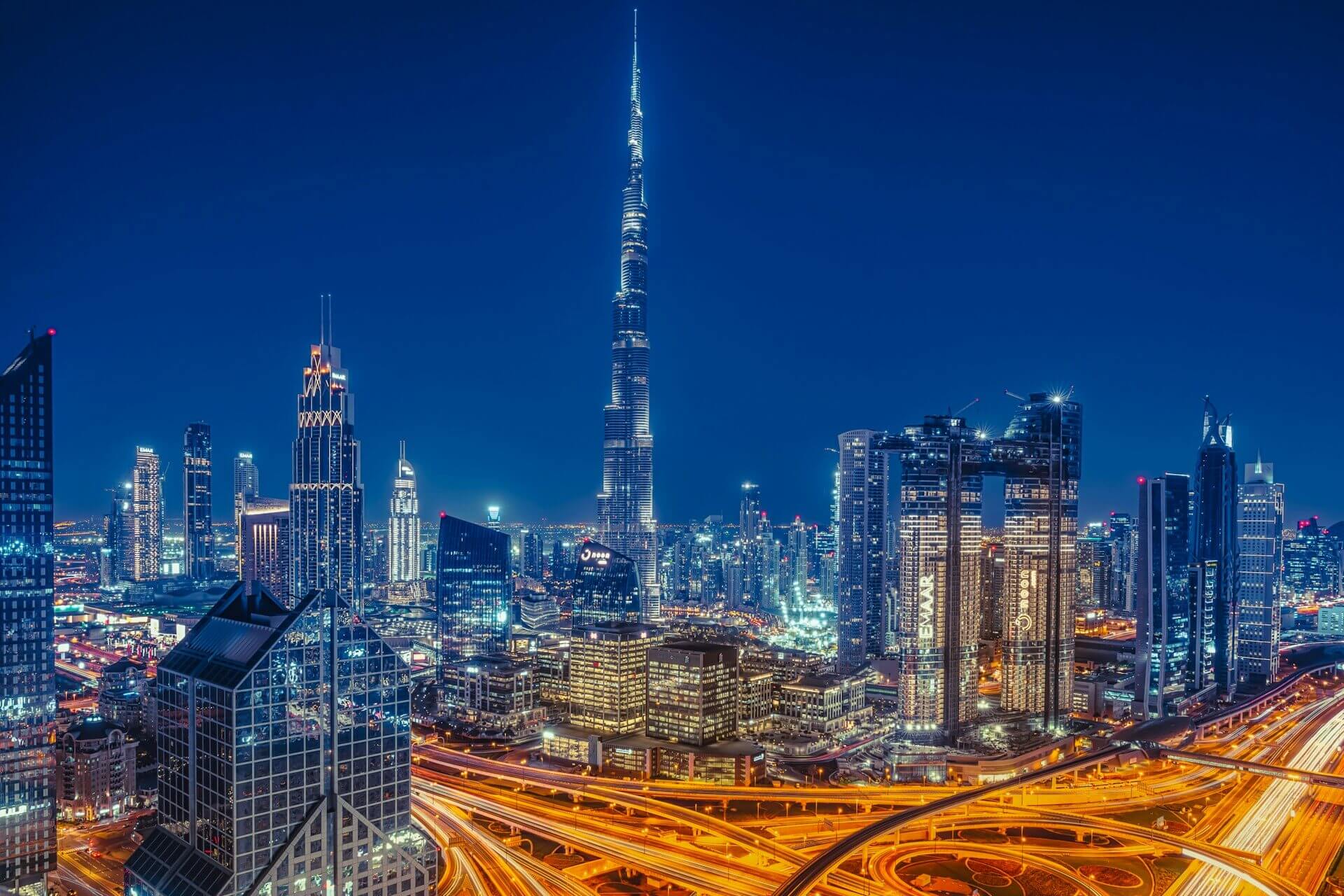
FOR SALE
AED 1,200,000AED 720,000
We help clients buy and rent the right property in Dubai — apartments, villas and investment units matched to budget, area and goals.
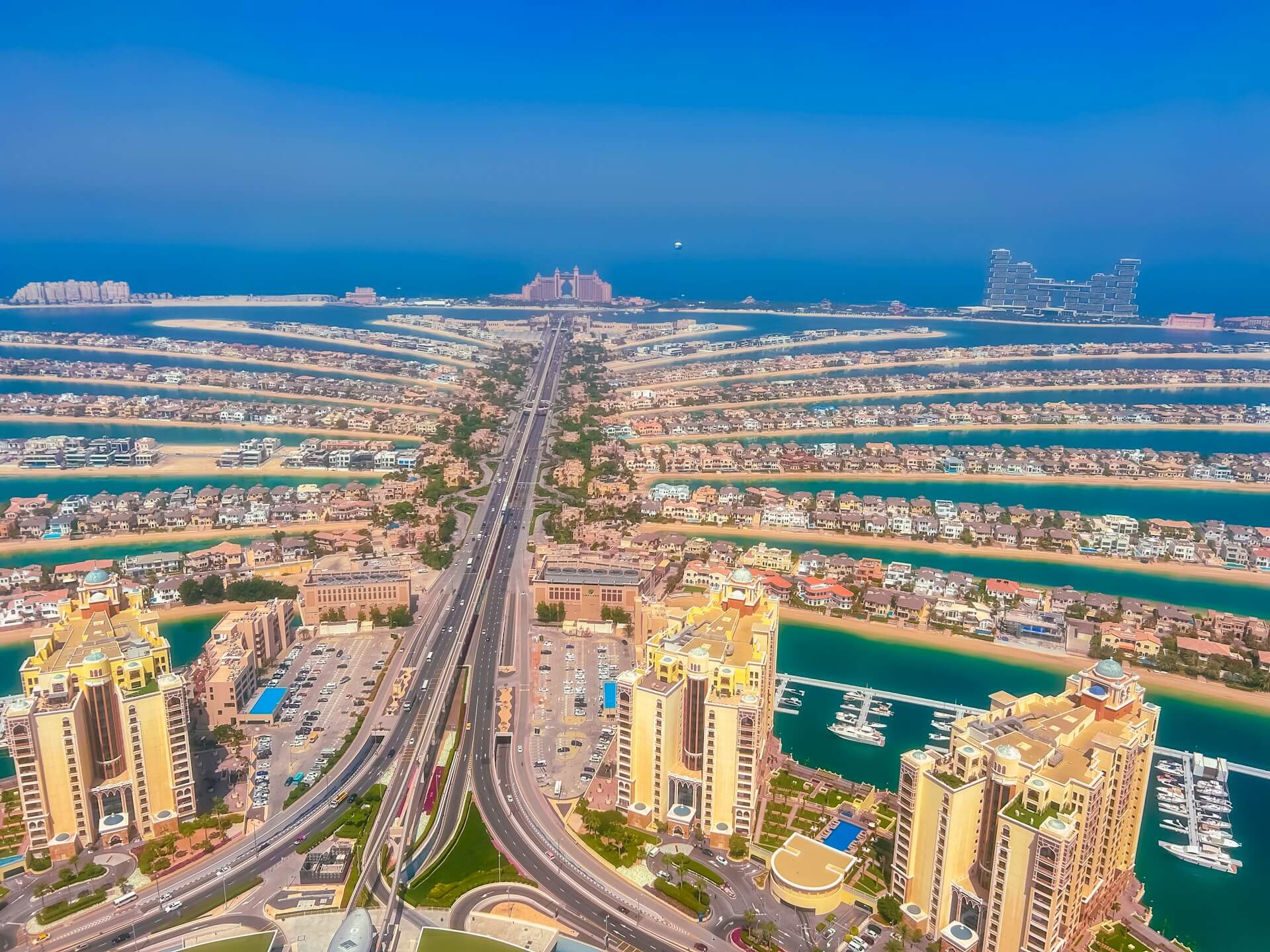
Dubai Property Selection focuses on apartments, villas and investment properties in key areas such as Dubai Marina, Downtown, Business Bay, Dubai Hills and Palm Jumeirah.
Instead of sending a huge list of random listings, we prepare a clean shortlist based on your budget, preferred area, bedrooms, timeline and purchase or rental goals.
Premium opportunities in Dubai — from compact investment units to signature villas and penthouses.
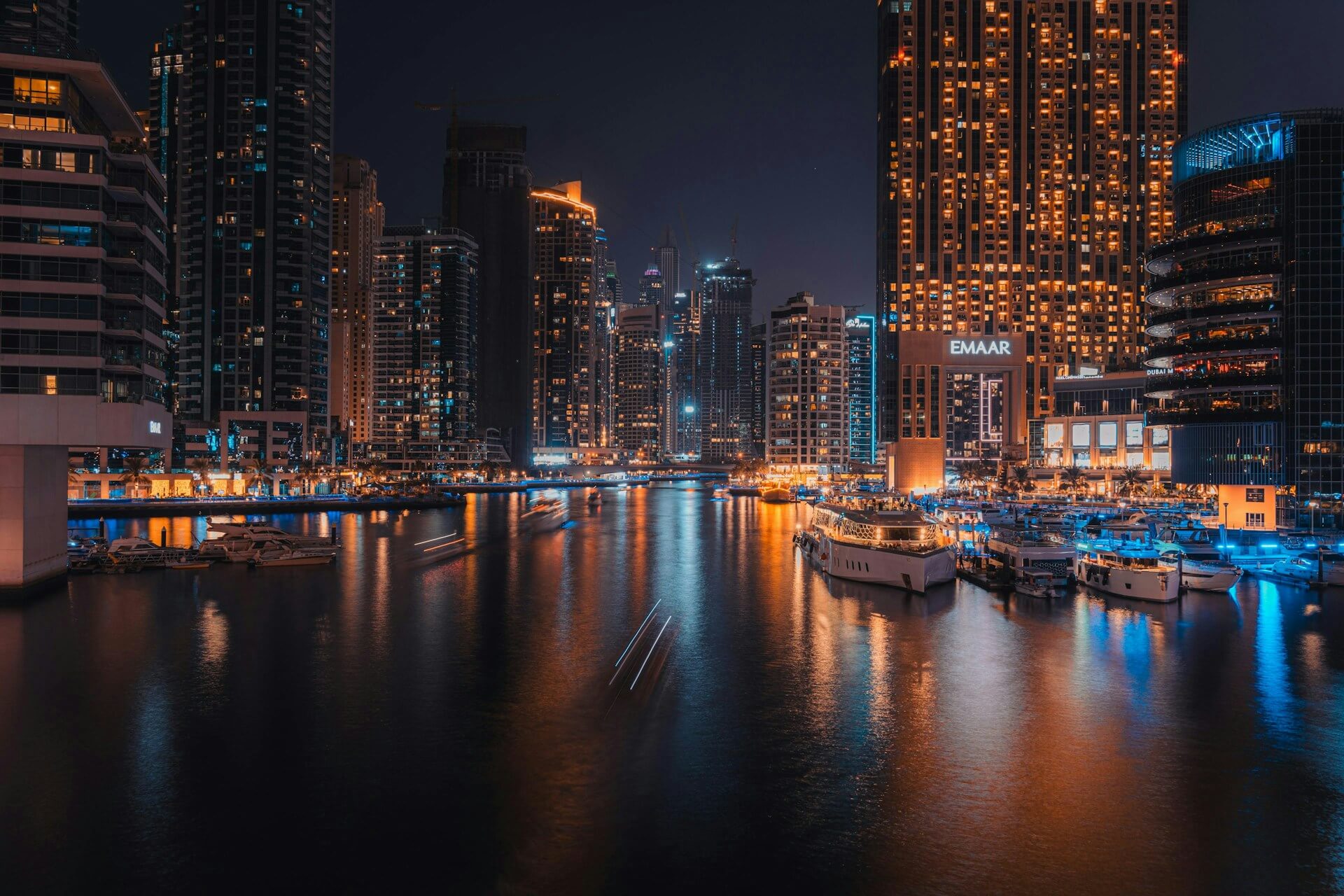
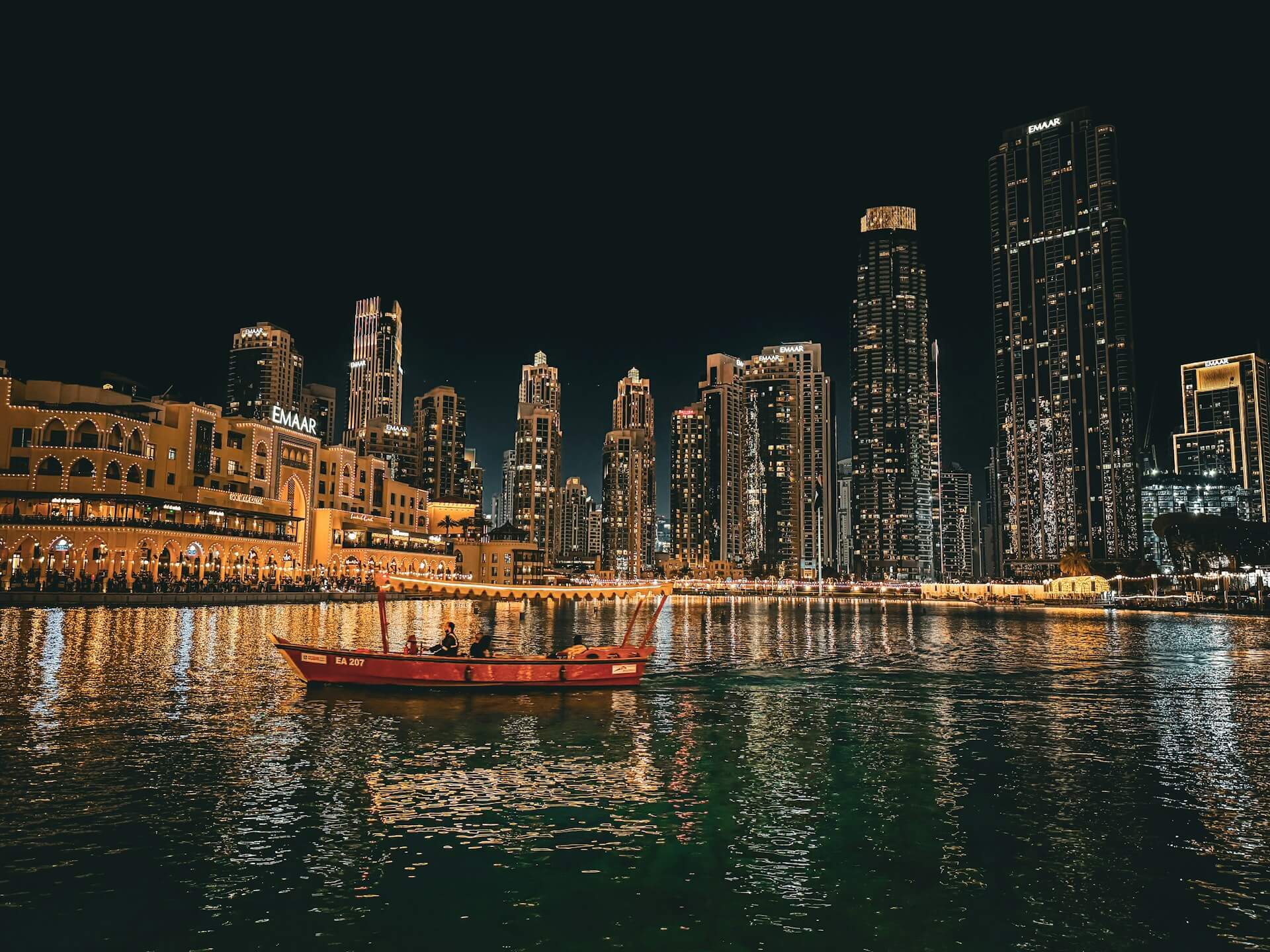
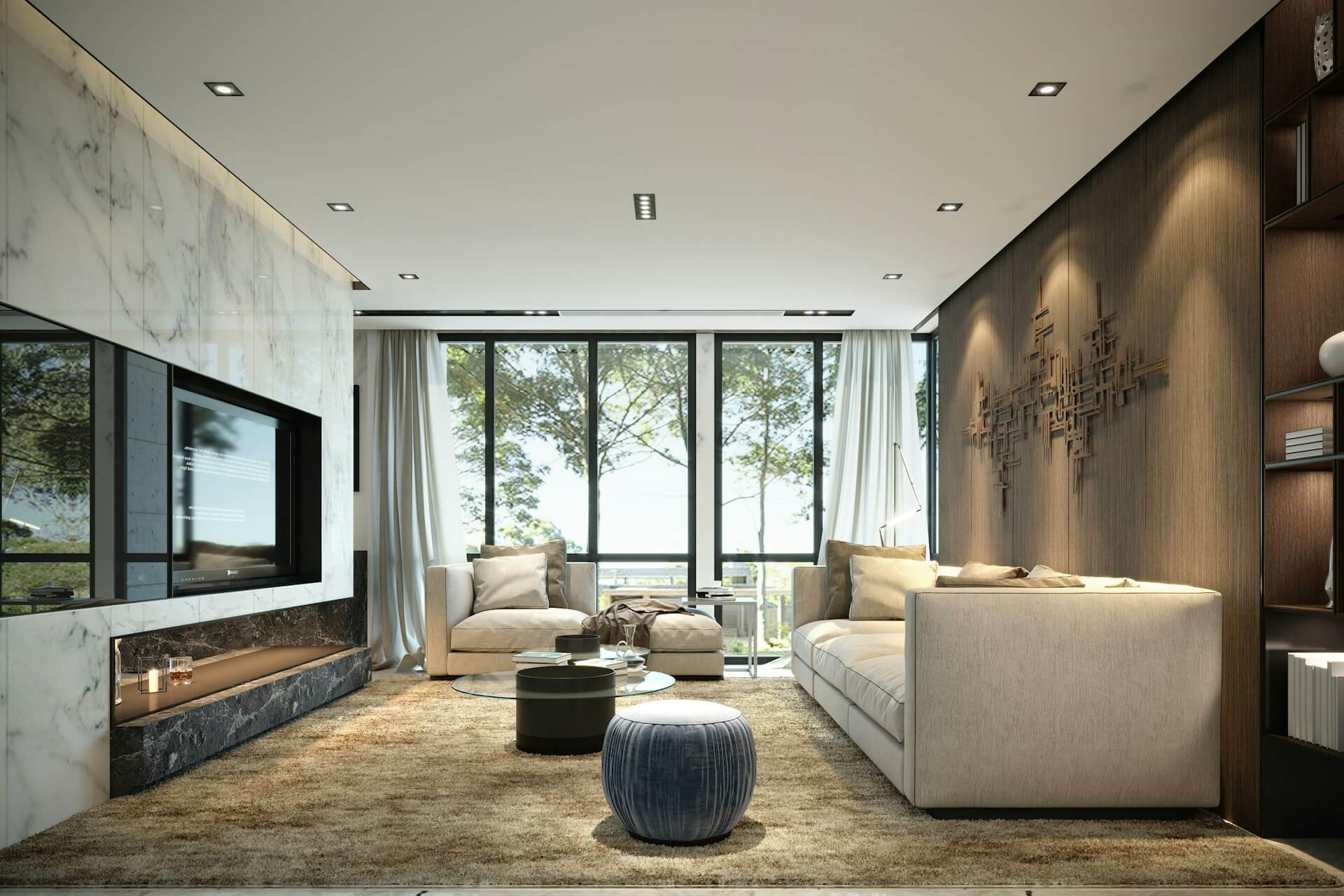
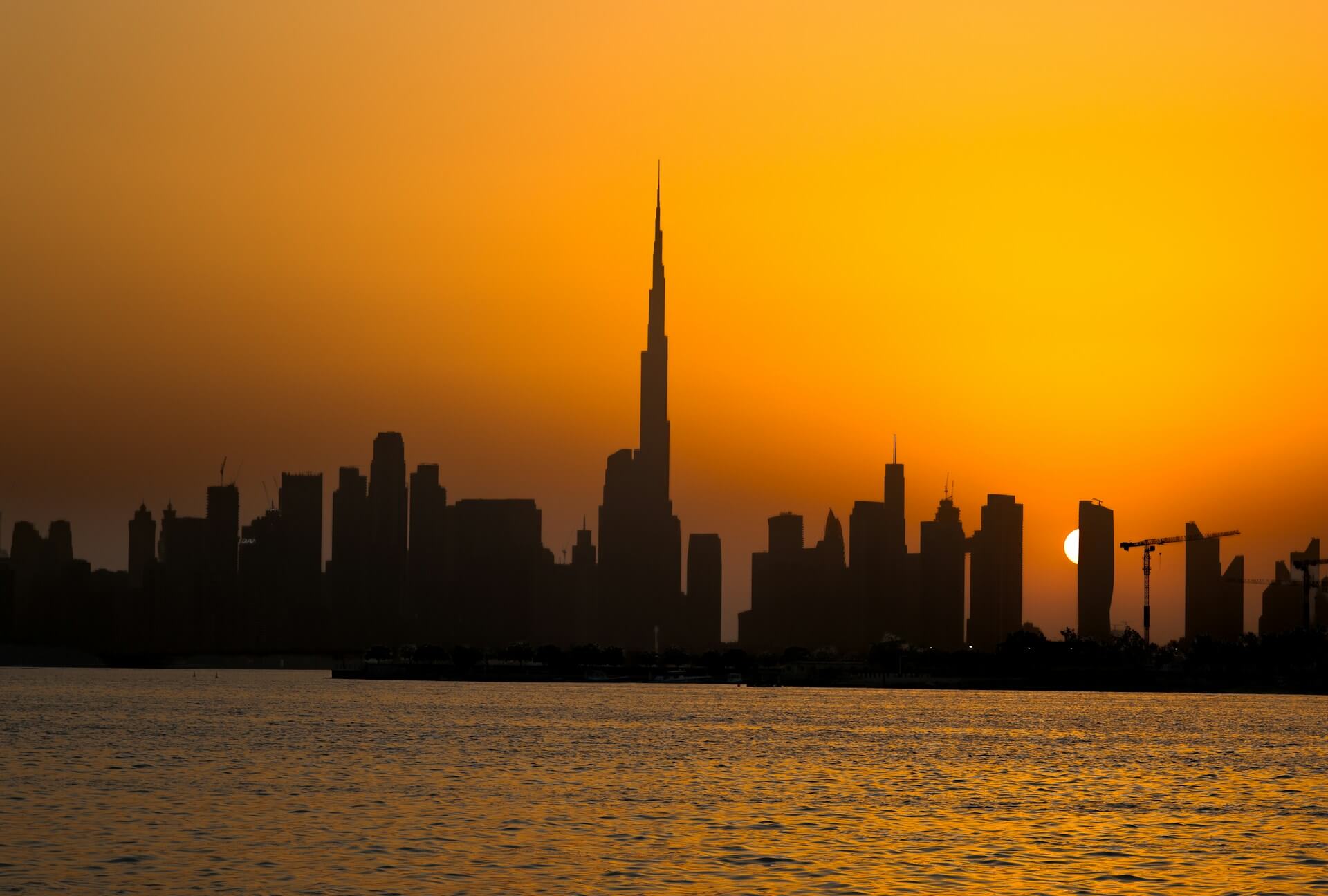
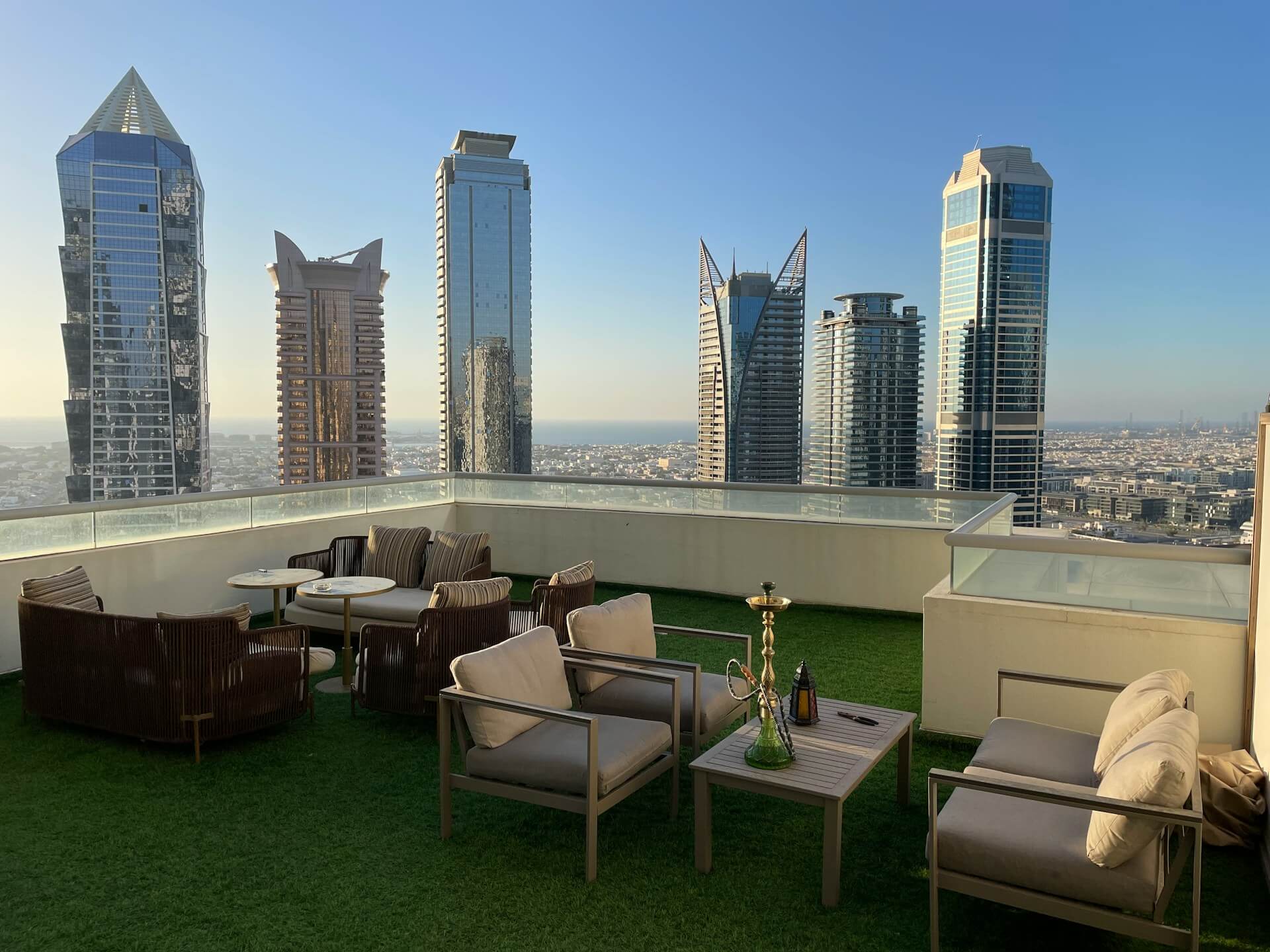
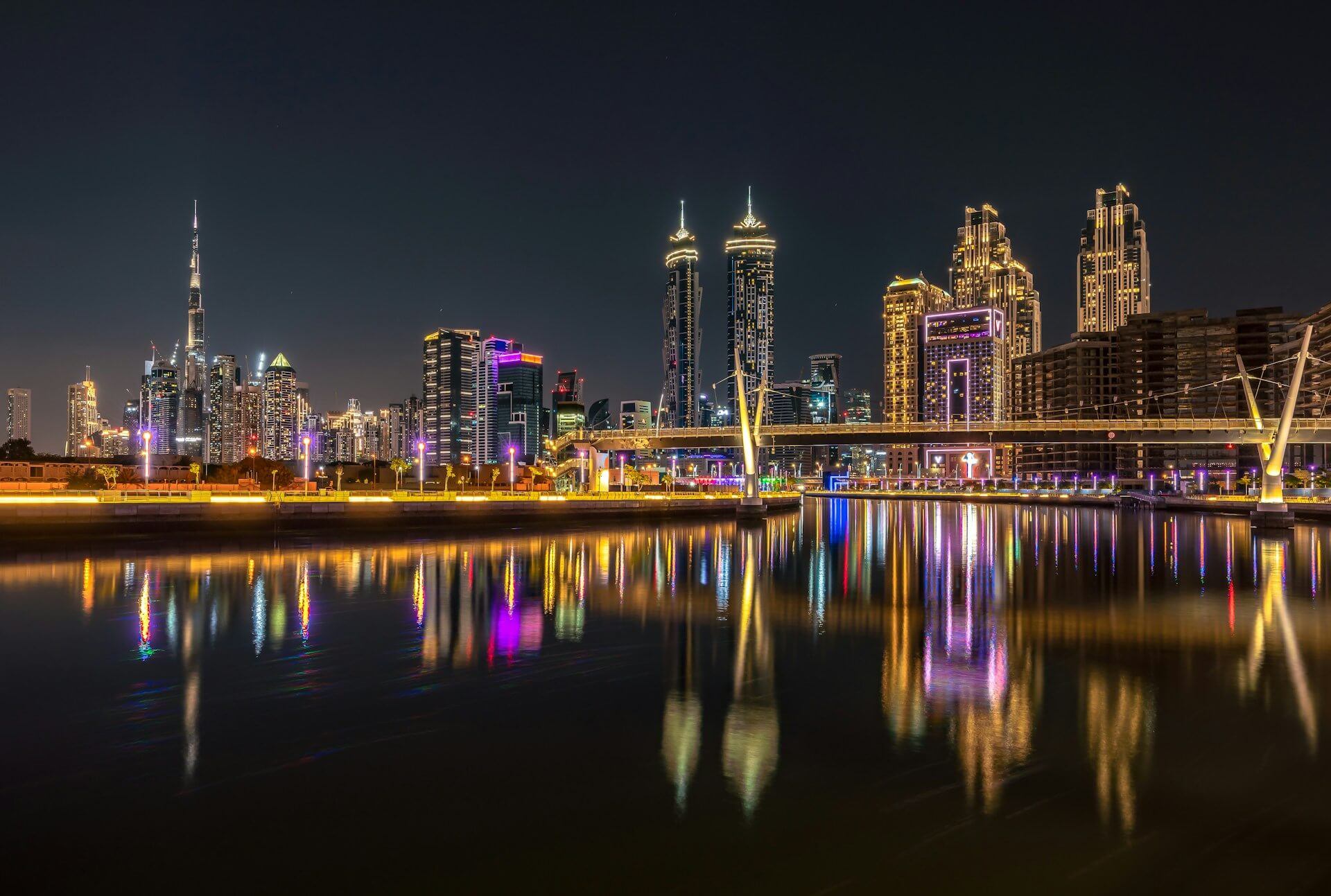
Comfortable long-term and premium rental options across Dubai.
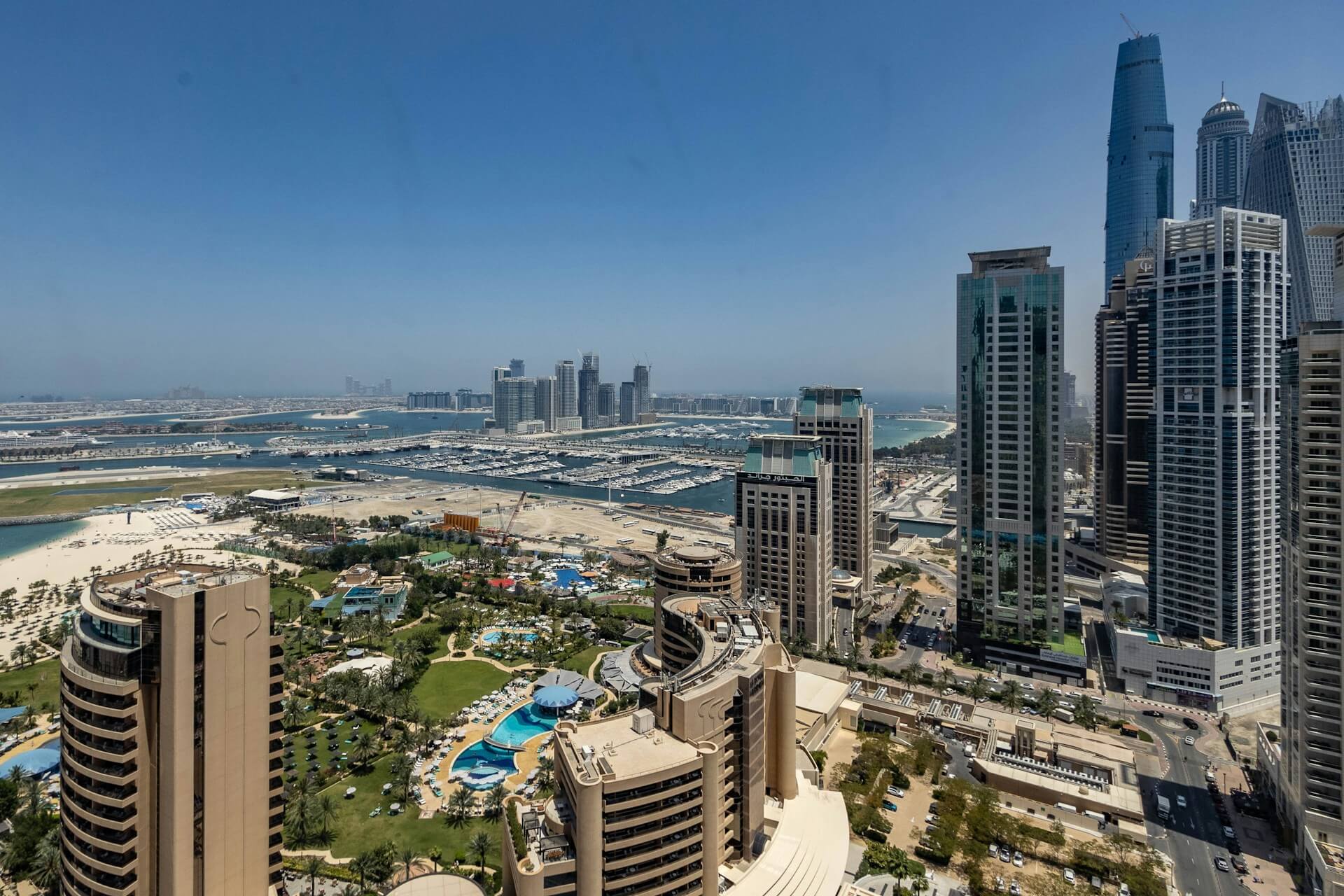

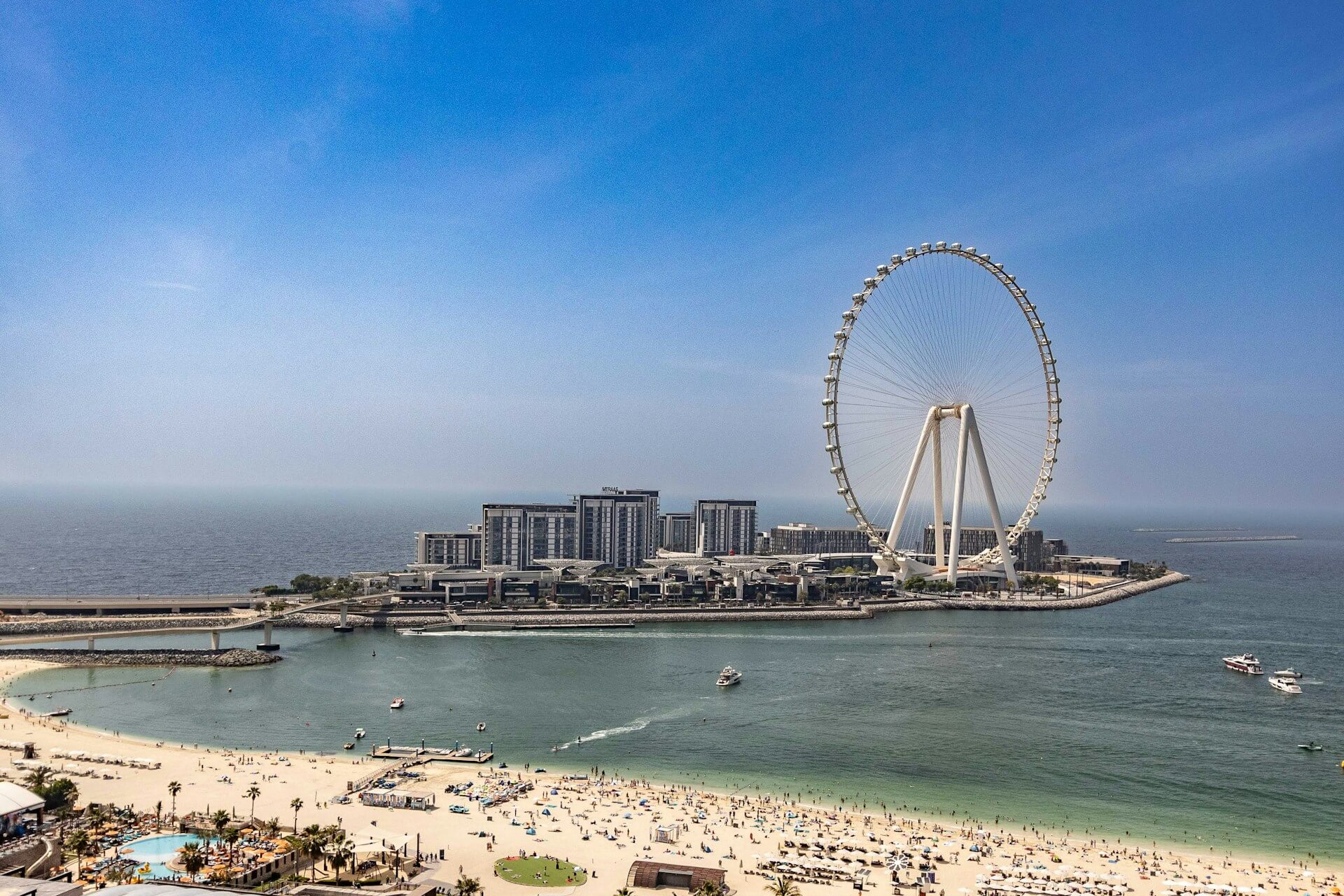
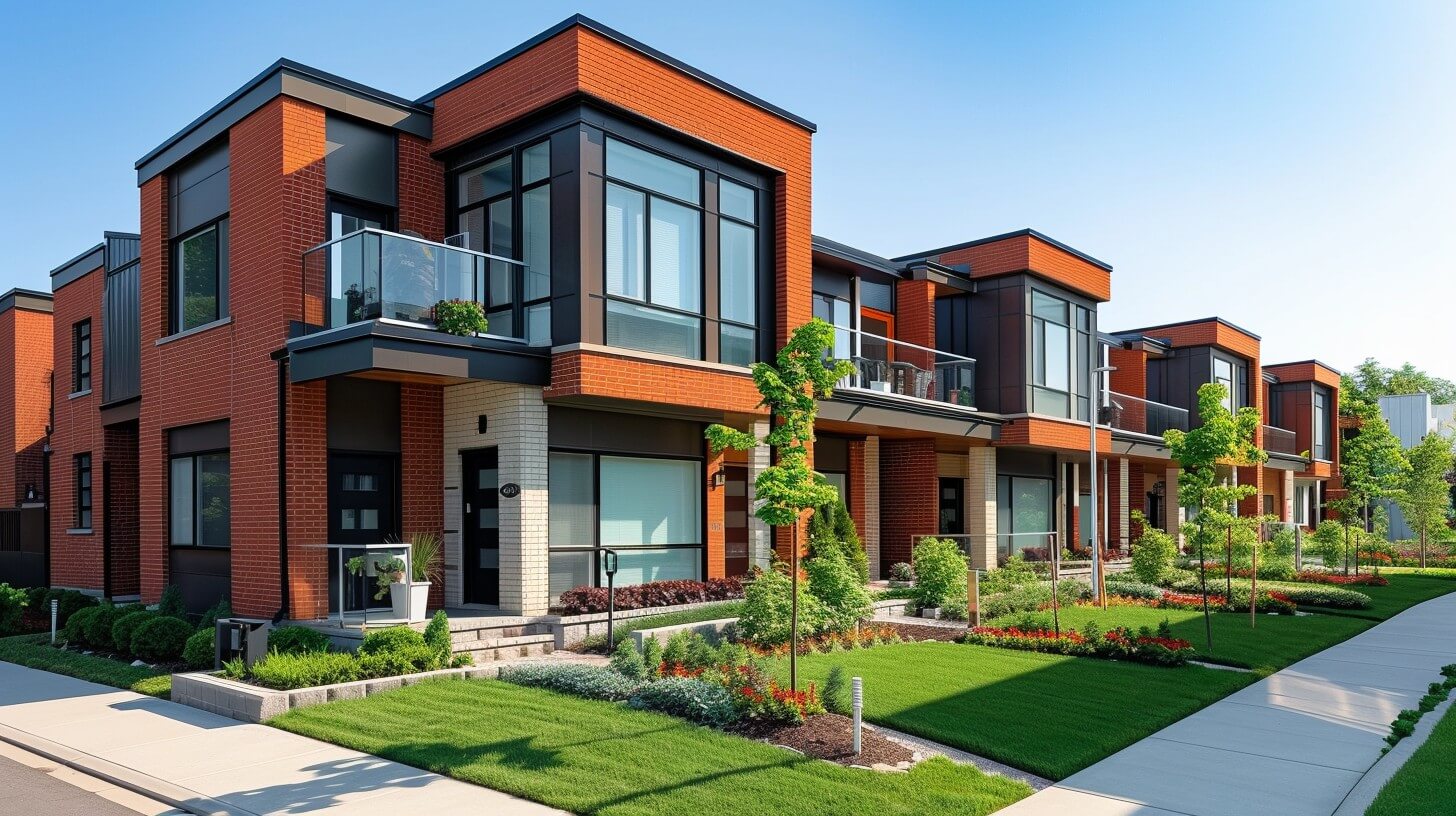
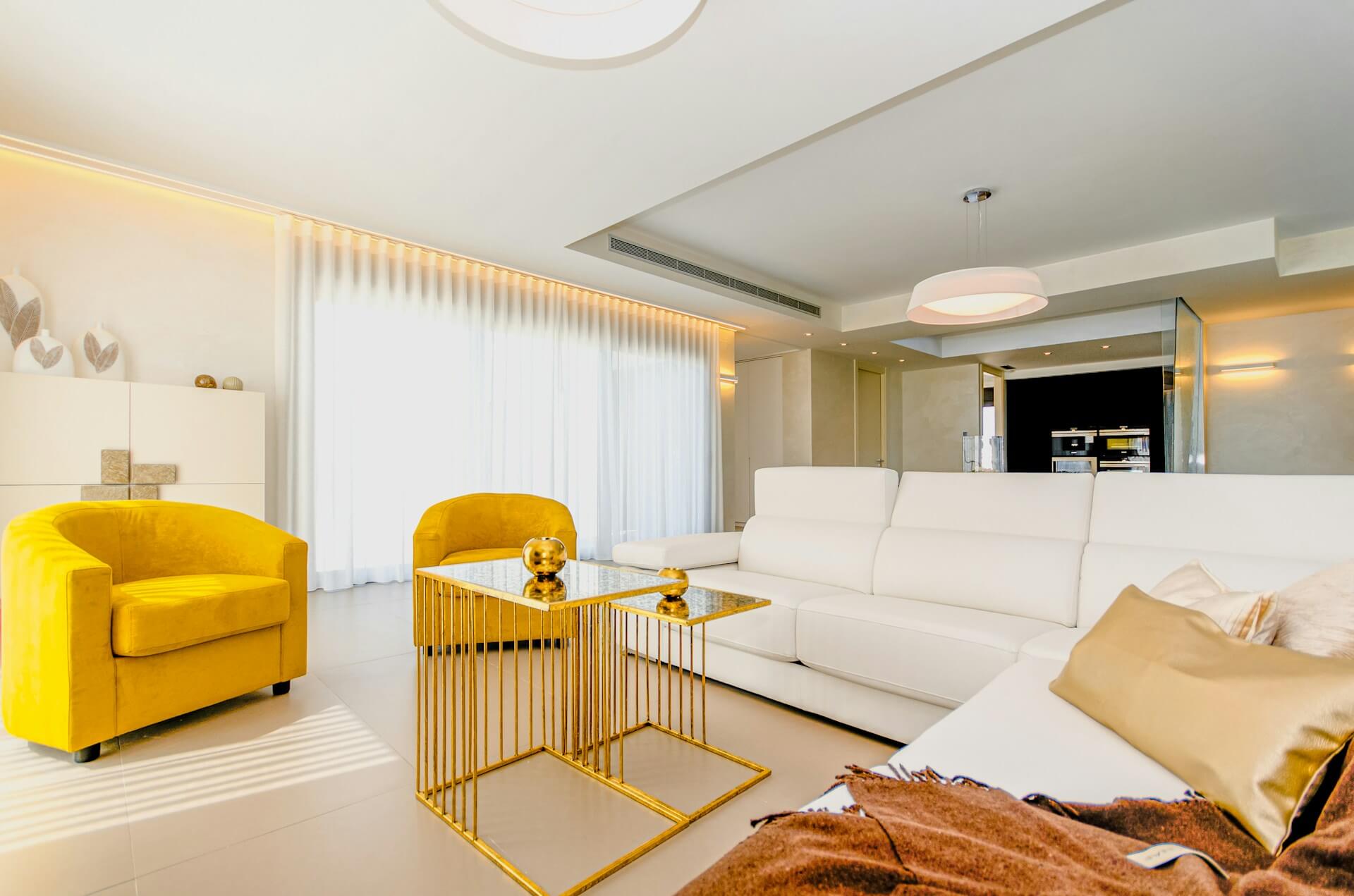
The availability of retail units in Dubai Marina currently commands attention due to steady demand driven by expanding tourist influx and relocation of expatriates. Entry capital for commercial premises starts at approximately AED 1.5 million, with prime visibility and foot traffic concentrated along the Marina Walk and major intersections.
Liquidity remains robust compared to alternative hubs, reflecting existing commercial viability backed by ongoing infrastructure enhancements and increasing population density in Dubai Marina.
Strong demand results from limited retail inventory aligned with the growing residential base exceeding 55,000 units, fueling consistent consumer spending and rental income reliability.
Investors prioritizing commercial acquisitions in Dubai Marina benefit from a median gross yield between 6% and 8%, surpassing returns available in nearby waterfront developments. This reinforces interest not only from local entrepreneurs but also international buyers seeking long-term capital appreciation coupled with steady cash flow in this strategic waterfront precinct.
Selection of units should weigh location-specific factors–those adjacent to high-footfall zones within Dubai Marina outperform in occupancy rates and turnover speed.
Entry thresholds vary with building age and status: ready properties command premiums, while off-plan options offer discounts but carry construction risk and delayed revenue generation. Comparatively, Dubai Marina’s retail segment delivers stronger end-user activity than Business Bay or Jumeirah Lake Towers, where office-centric demand dominates, affecting daytime traffic and sales potential.
Commercial properties in Dubai Marina currently require an initial capital starting from approximately AED 1.5 million, concentrated mainly in waterfront tower complexes and retail podiums adjacent to major pedestrian thoroughfares.
Demand is driven by the high density of residents and tourists, with focused interest in food and beverage outlets and specialty retail spaces. The area's infrastructure, including access to tram lines and proximity to office hubs, supports steady foot traffic, which sustains operational turnover and rental stability.
The market shows a constrained inventory for ready-to-operate commercial premises compared to pre-launch offerings in upcoming mixed-use developments.
Entry-level investments in upcoming projects often come with deferred payments and flexible terms, reducing immediate financial burden but introducing higher risk and longer capital lock-up. Conversely, established precincts within Dubai Marina provide faster returns due to immediate leasing potential, though acquisition costs are notably higher.
Comparing retail opportunities within Dubai Marina to parallel waterfront locations such as Business Bay reveals differentiated yield profiles.
Dubai Marina units typically yield between 6% and 7%, outperforming Business Bay’s 5%-6% range, primarily due to stronger tourist conversion rates and a larger residential catchment. However, liquidity in Business Bay can be superior due to a broader investor base seeking larger floor plates at lower per-square-foot prices.
The influx of high-net-worth individuals relocating to Dubai Marina for lifestyle combined with tourism-related commercial demands sustains consistent space utilization.
Visa reforms facilitating long-term residency contribute to increased business confidence, leading to higher leasing renewal rates. Seasonal spikes in visitor numbers further bolster short-term leasing opportunities, though this can lead to volatility in occupancy during quieter months.
Risk factors specific to Dubai Marina include elevated operational costs linked to marina maintenance fees and stringent licensing regulations unique to waterfront retail operations.
Additionally, developments in the wider Dubai real estate landscape, such as new commercial centers on the Palm Jumeirah, may divert some consumer expenditure away, impacting sales turnover and subsequently reducing rental growth potential.
Ideal candidates for investment in commercial units here are entities targeting medium to high footfall zones, particularly those focused on hospitality or service sectors benefitting from Dubai Marina’s mix of permanent residents and tourists.
Long-term investors prioritizing capital preservation and moderate cash flow will find ready premises more suitable, whereas opportunistic players with higher risk tolerance may prefer off-plan commercial assets awaiting completion.
Avoid entering this segment if reliant on rapid capital appreciation, as waterfront retail assets have shown slower price growth relative to residential counterparts.
Those seeking quick liquidity may face challenges during market downtrends due to the niche nature of such properties. Additionally, projections suggest that economic downturns or reductions in international visitor numbers could depress leasing demand, placing pressures on operational income streams.
Evaluating location benefits in Dubai Marina requires prioritizing proximity to key transport nodes and pedestrian flow generators.
Properties closest to metro stations such as DMCC or DAMAC station consistently show higher daily foot traffic and quicker tenant turnover, crucial for commercial premises targeting retail or food and beverage outlets.
Analyze direct access points to waterfront promenades versus properties tucked inside residential clusters. Units adjacent to Marina Walk average 15–20% higher rental rates compared to internal mid-tower locations due to consistent tourist and evening crowd engagement.
Visibility and accessibility from main arterial roads like Sheikh Zayed Road significantly affect operational ease and catchment reach.
Entrances connected to parking structures also improve customer convenience, reducing potential obstacles for spontaneous visits.
Consider the mix of neighboring occupants. Ground floors in mixed-use developments with established anchor businesses, such as international cafes or convenience stores, drive complementary customer streams and lower vacancy risk.
In contrast, standalone blocks with predominantly office tenants may experience limited non-worker footfall.
Traffic data indicates that sections closer to JBR Bridge maintain 30–40% higher walk-in rates during weekends. For investments aimed at short-term leasing or pop-ups, this micro-location offers superior performance compared to northern extremities closer to Dubai Internet City Metro, where daily visitor flow decreases.
Comparing the northern cluster near DAMAC Metro, where entry-level units start around AED 1.2 million, against southern waterfront locations, which begin closer to AED 1.8 million, reveals a trade-off between acquisition cost and ongoing revenue potential.
Decision-making should align with intended usage and holding period.
Evaluate competitive zones outside the marina precinct, where lower entry benchmarks coexist with longer vacancy cycles and limited immediate access to mass transit, affecting liquidity. The marina’s core demands higher upfront capital but offers superior operational metrics and exit options.
Retailers and commercial tenants benefit from areas with the highest concentration of hotel rooms and touristic attractions, such as the southern boulevards close to Pier 7.
Here, evening economy thrives, supporting sustained revenue flows beyond traditional business hours.
Finally, prioritize units within developments featuring dedicated loading bays and service corridors. Efficient logistical support reduces downtime and operational costs, differentiating locations within the marina. Properties lacking these features often face turnover delays, adversely affecting net income.
Purchasing commercial units in Dubai Marina mandates registration with the Dubai Land Department (DLD) and obtaining a Title Deed, which confirms ownership rights and is non-negotiable for legal possession.
Buyers must ensure the property is free of disputes by reviewing the Developer’s approval and the Buyer’s Agreement under the Real Estate Regulatory Agency (RERA) guidelines.
A mandatory step is verifying the unit's status in the Ejari system, especially if the intent includes leasing, as this secures tenancy contract registration and legal rental protection.
Foreign investors should confirm their eligibility under the Dubai Freehold Property Law, which allows expatriates to own commercial spaces in designated freehold zones, including Dubai Marina.
Pre-purchase due diligence requires checking the Outstanding Service Charges and Annual Maintenance Fees specified by the managing body or Owners’ Association.
These recurring costs vary by building and influence long-term profitability. Disputes over unpaid service fees can delay Title Deed transfer, so clearance certificates are critical.
Transaction costs include a DLD transfer fee fixed at 4% of the purchase price plus AED 580 registration fee, which must be factored into total entry capital. Additional expenses such as escrow account usage during off-plan purchases, UAE Notary fees for documentation, and real estate agency commissions (typically 2%) impact upfront investment.
Compliance with zoning and licensing regulations extends beyond property acquisition.
Commercial unit owners in Dubai Marina need to secure trade licenses from the Department of Economic Development (DED) to operate legally. License type depends on business activity and can affect the property's permissible use and resale value.
Mortgage financing requires pre-approval from banks registered with the Central Bank of the UAE.
Lenders apply a Loan-to-Value (LTV) limit commonly capped at 50% for commercial properties for expats, resulting in higher initial equity demands. Verification of income and creditworthiness are prerequisites, with loan processing times ranging from 4 to 8 weeks.
Buyers must also consider the implications of the Recent Updated Condominium Law (Law No.
27 of 2007), impacting ownership rights within joint developments. This law mandates transparency in Owners’ Association meetings and enforces stricter regulations for dispute resolution.
| Title Deed Registration | Issued by DLD, confirms ownership | Mandatory for possession, affects resale |
| Service Charges Clearance | Paid to managing body, varies by building | Critical to avoid ownership disputes and delays |
| Trade License | Issued by DED, must match intended business | Determines permissible unit use and rental options |
| Mortgage Pre-Approval | LTV up to 50% for expats | Defines entry capital required and financing terms |
| Buyer’s Agreement (RERA Form F) | Legal contract protecting buyer rights | Essential for recourse in disputes |
Commercial property acquisition in Dubai Marina demands strict adherence to these legal frameworks to ensure clear title, manageable hidden costs, and lawful operation.
Ignoring these requirements can result in ownership challenges or unexpected financial liabilities that reduce investment returns. Purchasers should engage qualified legal counsel familiar with local commercial regulations and Dubai Land Department procedures to minimize risks.
The current average asking price for commercial units in Dubai Marina is AED 1,100 to 1,300 per square foot, reflecting a 7% year-on-year increase driven by limited inventory and rising business activities in the waterfront district.
Prices for ground-level properties remain approximately 15-20% higher than those on upper floors, with corner units commanding premiums due to increased visibility and foot traffic.
Demand surges stem from expanding tourism and residential density, pushing retail rents upward by an average of 5-7% annually over the past three years.
This rental growth supports valuation appreciation, especially in complexes with direct marina access and proximity to major pedestrian routes. New licensing regulations restricting commercial supply also exert upward pressure on pricing, reinforcing the area's premium status among investors targeting long-term appreciation.
Entry capital required ranges from AED 3.5 million for units under 30 sqm in less central podiums, up to AED 10 million+ for prime street-level locations within high footfall zones.
Comparatively, neighborhoods like Jumeirah Lake Towers offer 10-15% lower price points but also exhibit lower rental returns by an average margin of 2%. Conversely, the Dubai Marina waterfront outperforms on daily visitor figures, which sustains higher yield potential despite elevated acquisition costs.
Liquidity for retail assets here outpaces other commercial submarkets by approximately 18% based on transaction volumes over the last 12 months. Properties with mixed-use integration–retail connected to residential towers–deliver quicker resale times, usually under 90 days, compared to standalone shops which often require 4-6 months on the market.
This clear differentiation favors investments focusing on integrated projects within the Marina’s urban core.
The strongest price appreciation is recorded in developments like Marina Promenade and Marina Gate, where recent off-plan launches set new benchmarks at AED 1,350+ per square foot. These outstrip older retail buildings, which show stagnant values due to oversupply and less effective lease management.
Investors should weigh these project-level differences when budgeting acquisition costs and forecasting returns.
For buyers prioritizing cash flow, units in podium levels of mixed-use towers adjacent to metro stations yield average gross rental returns of 7-8%, compared to 5-6% in peripheral retail parks. This variance justifies a higher entry price, offset by lower vacancy risk and stronger tenant demand driven by commuter convenience and broader catchment areas within Dubai Marina.
Comparing the retail segment within Dubai Marina against more established hubs such as Downtown reveals that while Downtown offers higher foot traffic, entry prices there are 20-25% steeper with no significant advantage in rental growth rate.
Dubai Marina’s waterfront appeal and emerging residential projects create a more balanced risk-return profile, especially for medium to long-term hold strategies.
This commercial niche suits investors seeking stable income streams supported by tourism and expatriate consumption patterns. End-users operating lifestyle or service businesses benefit from proximity to affluent residents and office workers.
However, businesses dependent solely on transient weekend visitors may face seasonal occupancy swings, influencing pricing dynamics.
Purchasing retail units in Dubai Marina is not advisable when market sentiment anticipates significant new supply additions, likely leading to price corrections.
If entry capital is constrained below AED 3 million, options become limited to less prominent locations with lower resale prospects and higher vacancy risk. Similarly, short-term speculative investors should avoid this segment due to historically moderate price volatility and liquidity constraints during market softening.
In conclusion, pricing trends for commercial units in Dubai Marina demonstrate a robust upward trajectory supported by restricted supply, steady tenant demand, and strategic waterfront positioning.
Capital requirements are substantial but justified by solid yield potential and liquidity advantages over comparable districts. This marketplace favors investors with medium to long-term outlooks prioritizing location-driven growth and stable cash flow.
Dubai Marina offers a variety of retail spaces for sale, including boutiques, cafes, convenience stores, and specialty shops.
The area caters to a diverse clientele, so you can find locations suitable for high-end fashion, food and beverage outlets, electronics, and services like salons or fitness centers. The choice depends on your business model and target market.
Shops in Dubai Marina benefit from high foot traffic due to the area's popularity among residents, tourists, and office workers.
The waterfront promenade and numerous residential towers ensure a steady stream of potential customers. Additionally, good transportation links and parking availability add to the convenience for shoppers, increasing the opportunity for footfall and sales.
Before purchasing a retail space, consider factors like the shop size, lease or freehold status, the condition of the property, and the surrounding tenant mix.
It's also important to examine the expected maintenance fees, potential for customization according to your business needs, and compliance with local commercial regulations.
Researching market trends and property values in Dubai Marina can help make an informed decision.
Yes, financing options are available for purchasing retail units in Dubai Marina through local banks and financial institutions.
Terms depend on your residency status, credit history, down payment, and income level. Many lenders offer tailored mortgage products for commercial properties, though the approval process might require additional documentation compared to residential loans.
Prices for retail units in Dubai Marina are generally higher than those in peripheral districts due to the location’s prestige and demand.
While areas like Deira or Al Barsha may offer more affordable options, Dubai Marina commands a premium because of its vibrant community and established infrastructure. The exact price depends on factors such as shop size, exact location within Marina, and available amenities.
When looking to buy a retail property in Dubai Marina, several aspects deserve your attention.
First, evaluate the location within the district to ensure good foot traffic and accessibility for customers. Consider the size and layout of the shop to match the type of business you plan to operate. It’s also important to check the building’s regulations, including permitted business activities and operating hours. Additionally, analyze the pricing trends in the area and compare them with nearby options to make an informed investment.
Finally, review the community amenities and nearby attractions that could influence customer flow.
Clear answers about buying, renting and investing in Dubai property.
Yes. Foreign buyers can purchase freehold property in designated areas such as Dubai Marina, Downtown Dubai, Business Bay, Palm Jumeirah, Dubai Hills and other approved communities.
It depends on your timeline, budget and goal. Buying is usually better for long-term plans, capital growth and rental income, while renting is better for flexibility and easier relocation.
The required budget depends on the area, building quality and property type. More accessible apartments can be found in developing communities, while prime locations and luxury properties require a much higher budget.
In addition to the purchase price, buyers should budget for the Dubai Land Department fee, registration and trustee fees, possible agency commission, mortgage-related costs if financing is used, and ongoing service charges for many buildings.
Yes, many banks in the UAE offer mortgages to foreign buyers. Approval depends on income, documents, deposit amount and the specific property being purchased.
Areas such as Dubai Marina, Downtown Dubai, Business Bay, Dubai Hills, JVC, Palm Jumeirah and Creek Harbour are often considered by investors, but the right area depends on whether your focus is yield, resale value, lifestyle appeal or long-term growth.
Rental yield varies by area, property type, furnishing level and market timing. In practice, many investors look for a balance between strong occupancy, reasonable service charges and sustainable tenant demand rather than chasing headline numbers alone.
Off-plan property is purchased directly from a developer before the project is completed. Buyers often choose off-plan because of payment plans, newer inventory and lower entry prices compared with some ready properties.
A proper review should consider the developer’s track record, payment plan, handover timeline, location quality, future supply in the area and the project’s resale or rental potential after completion.
For ready property, the timeline can move fairly quickly if the price is agreed, documents are prepared and the buyer is ready to proceed. Mortgage purchases usually take longer than cash deals.
Yes, many purchases can be handled remotely with the correct documents and proper support through the process. Remote buying is common for overseas investors and international clients.
The biggest risks are overpaying, choosing a weak location, buying an unsuitable layout, ignoring service charges, or selecting a project with low resale and rental demand. Good selection matters more than marketing promises.
In long-term rentals, rent is commonly agreed for a fixed term and often paid by one or several cheques depending on the landlord, property and negotiation.
Tenants are usually asked for identification and residency-related documents, and the exact set depends on their status in the UAE and the landlord’s requirements.
A security deposit is commonly required before move-in. The amount often depends on whether the property is furnished or unfurnished and should be clearly stated in the rental terms.
In many rental transactions, an agency commission is charged. The amount depends on the deal structure and should be confirmed before signing anything.
Tenants should review the deposit, Ejari registration, utility setup costs, parking terms if relevant, maintenance responsibilities and any conditions related to early termination or renewal.
Yes, negotiation is common. The final result depends on market conditions, the landlord’s flexibility, how long the property has been available and how prepared the tenant is to move forward.
It is important to check the condition of the unit, building quality, noise level, parking, view, maintenance status, contract terms and the reliability of the owner or manager.
Short-term rent offers flexibility and convenience but is usually more expensive. Long-term rent is generally more cost-effective and better suited for clients planning to stay longer.
During an active contract, the agreed rent usually remains fixed. Any increase is generally discussed at renewal and should follow the applicable rules and notice requirements.
This depends on the tenancy contract. Minor day-to-day issues may be handled by the tenant, while major maintenance is commonly the landlord’s responsibility, but the exact wording in the contract matters.
Ejari is the official registration of the tenancy contract in Dubai. It is important for legal recognition of the lease and is commonly needed for practical steps such as setting up utilities.
Yes. Furnished properties can be more convenient and faster to move into, while unfurnished options may work better for longer stays or tenants who want more control over the setup and budget.
We do not rely on random mass listings. We narrow the market based on budget, location, property type, investment goal, lifestyle needs and timeline, so clients can focus only on relevant options.
Yes. Support can include shortlisting, arranging viewings, comparing options, discussing terms, helping with negotiations and guiding the next steps of the transaction.
The best first step is to define the real budget, target areas, purpose, preferred property type and timeline. Once those points are clear, the selection becomes faster, cleaner and much more useful.