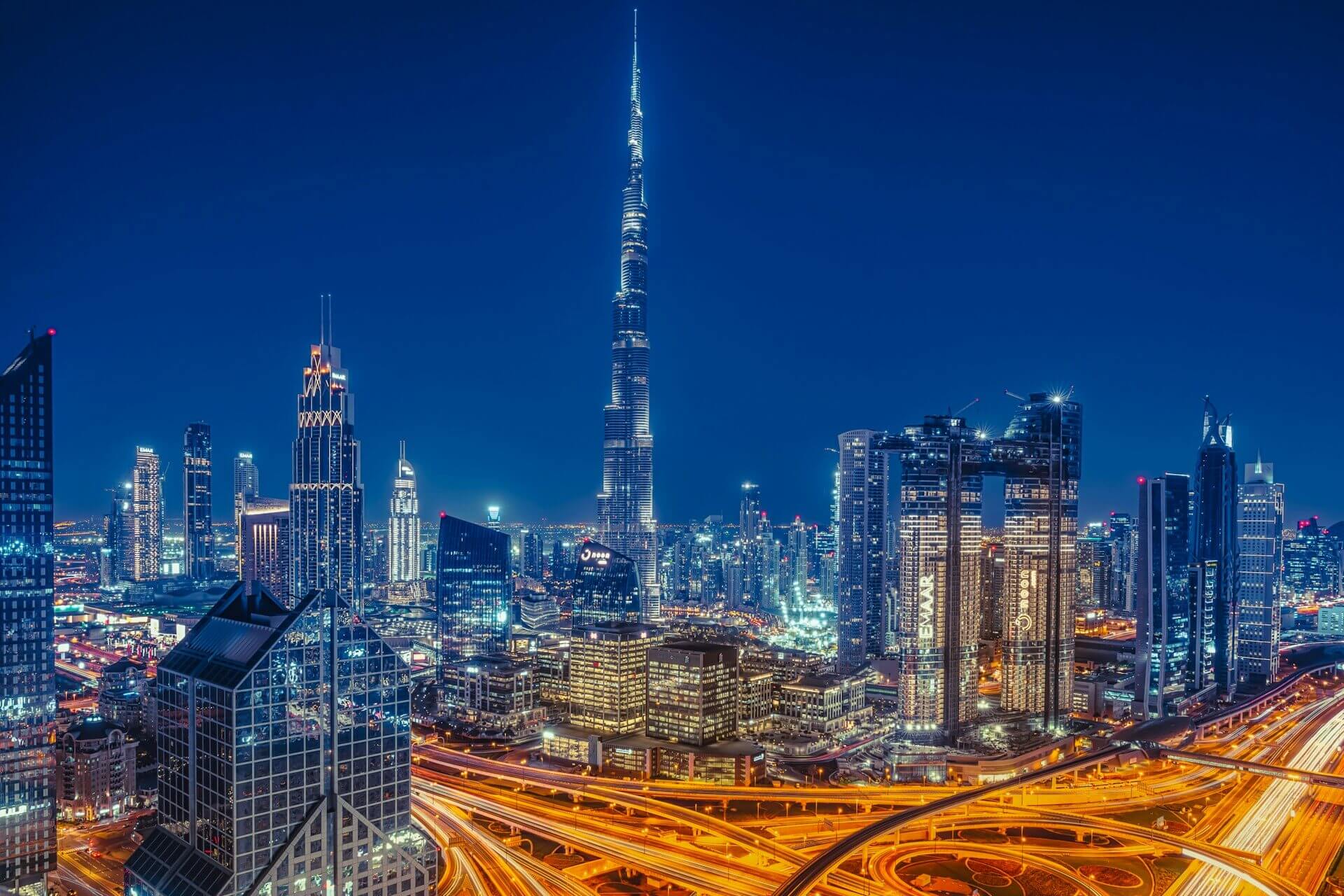
FOR SALE
AED 1,200,000AED 720,000
We help clients buy and rent the right property in Dubai — apartments, villas and investment units matched to budget, area and goals.
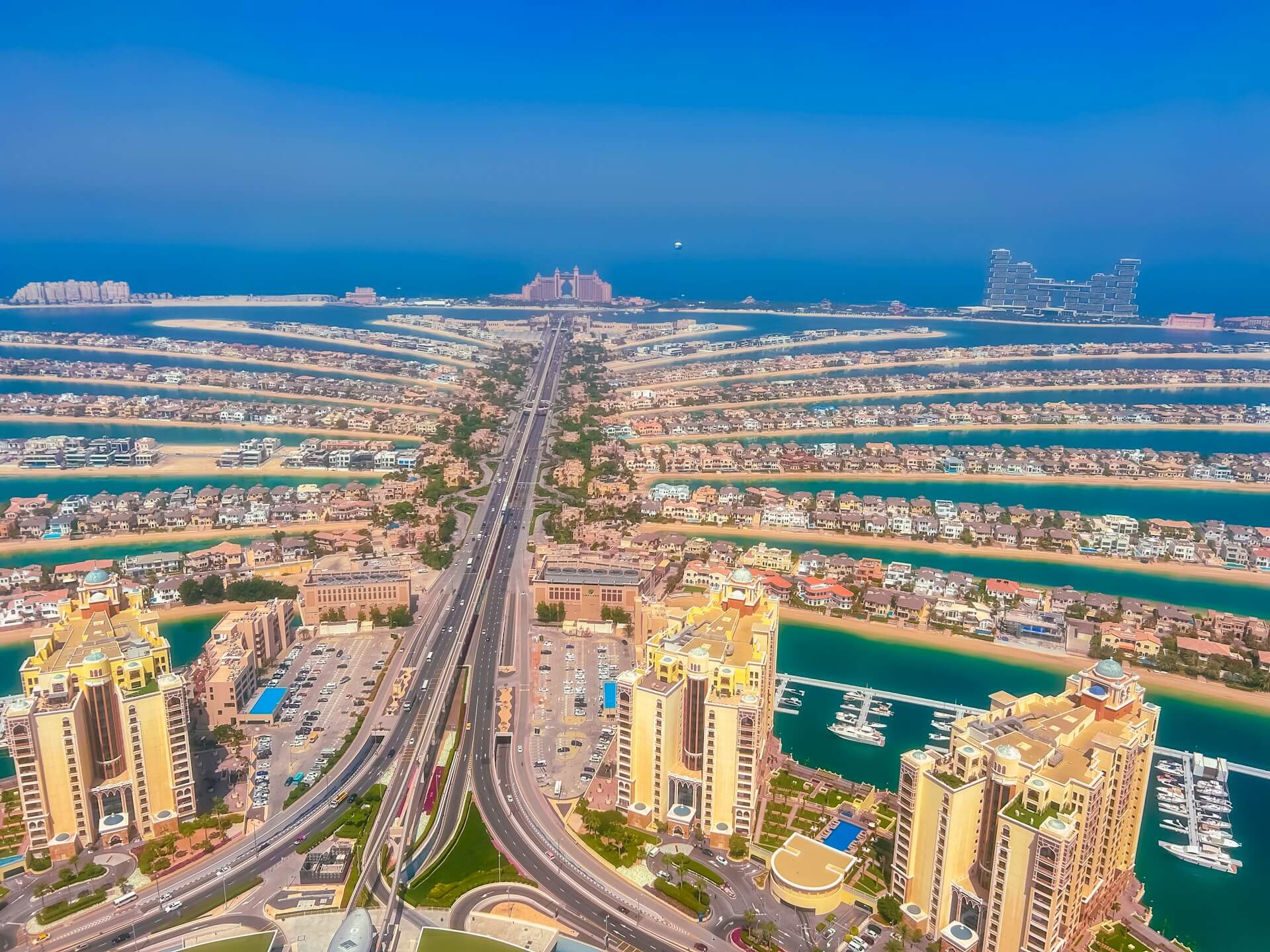
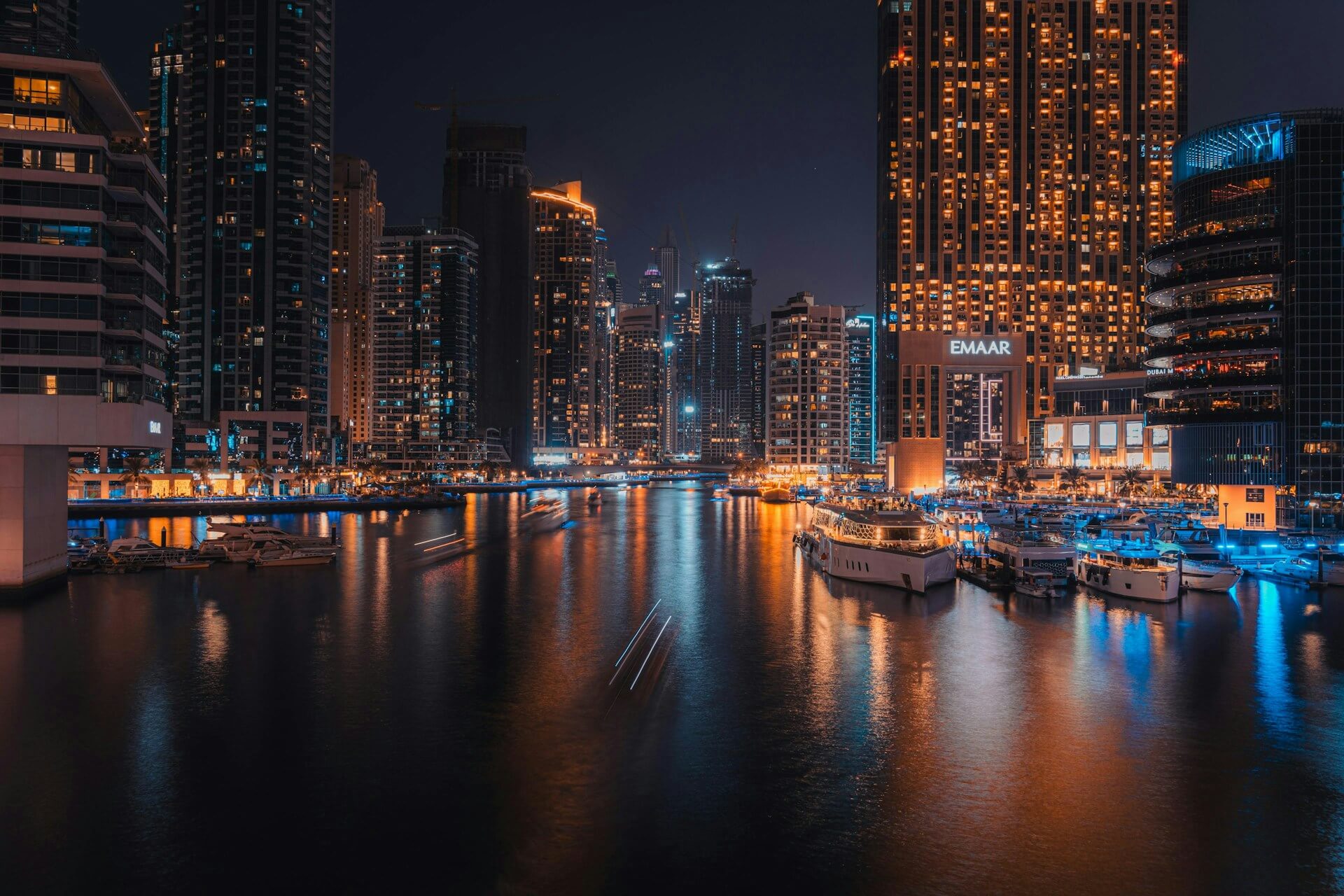
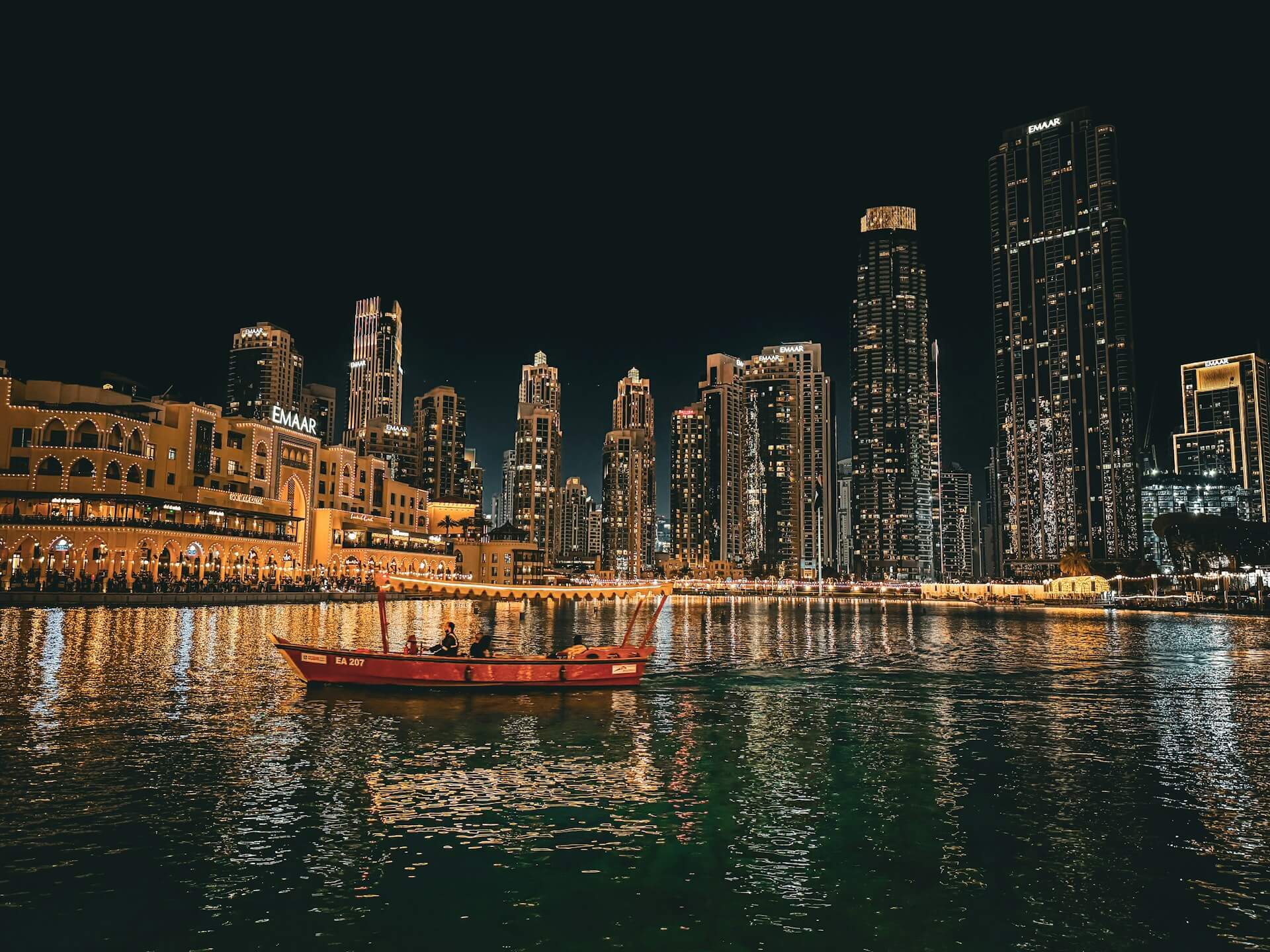
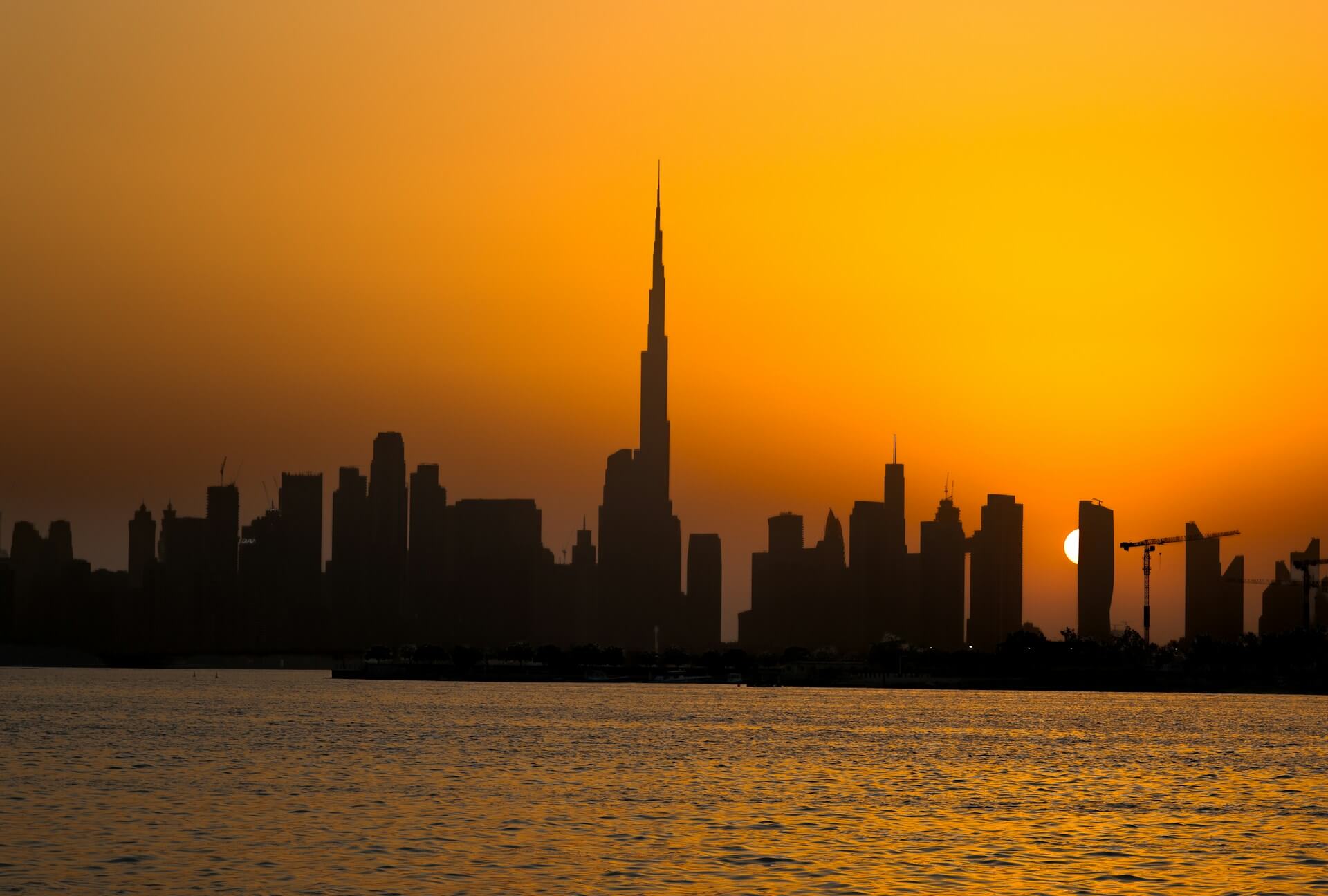
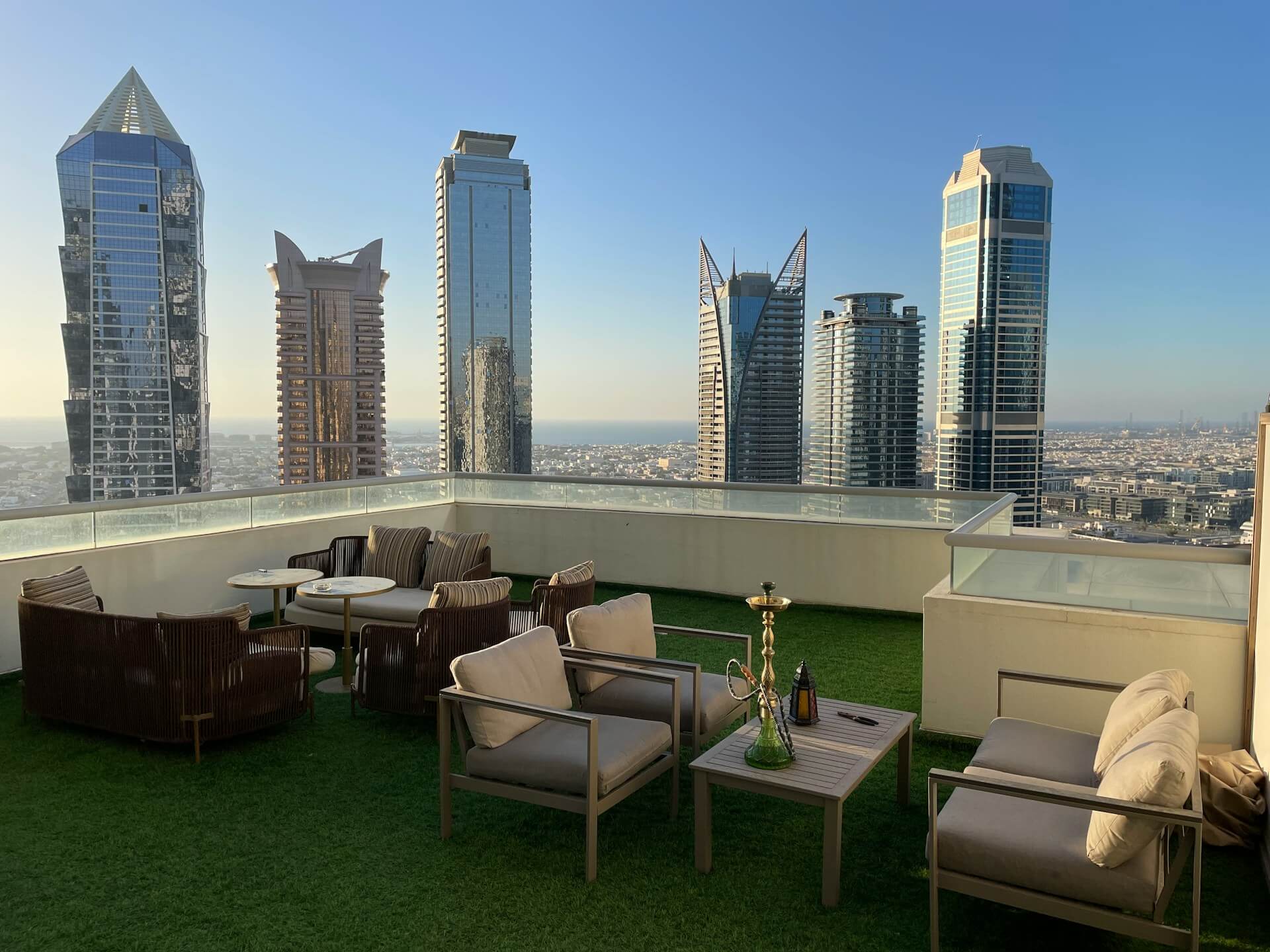
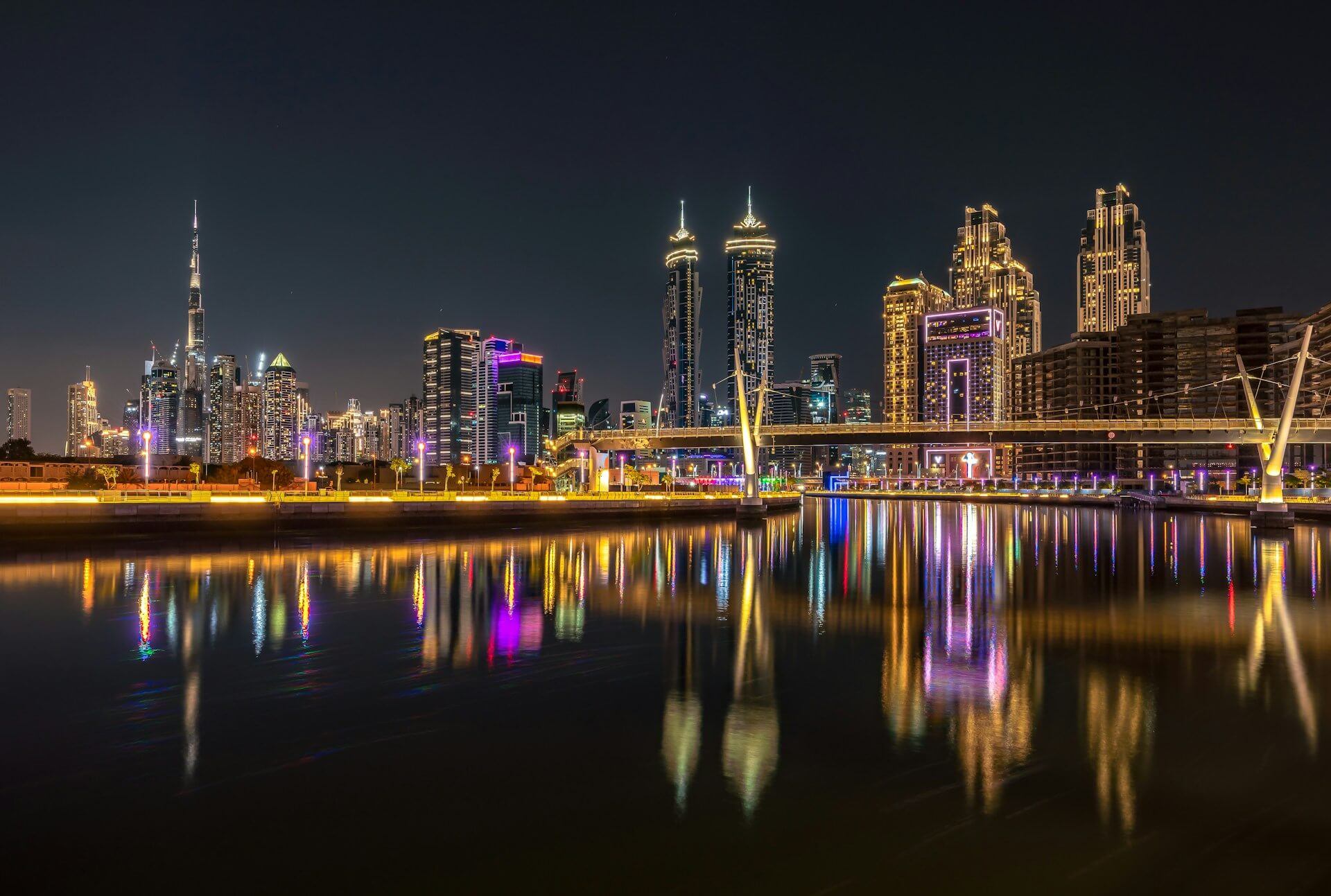
Dubai Property Selection focuses on apartments, villas and investment properties in key areas such as Dubai Marina, Downtown, Business Bay, Dubai Hills and Palm Jumeirah.
Instead of sending a huge list of random listings, we prepare a clean shortlist based on your budget, preferred area, bedrooms, timeline and purchase or rental goals.
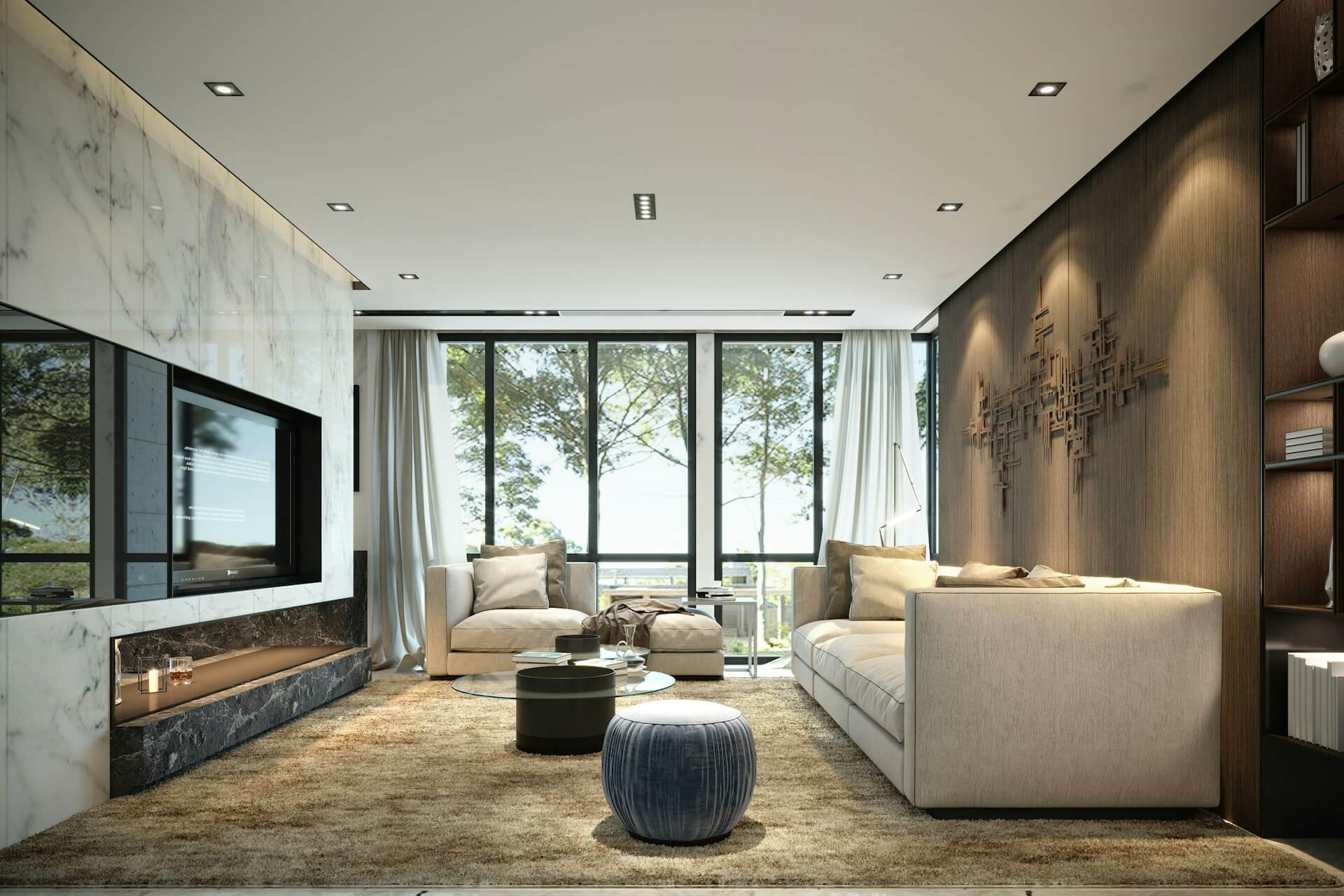
Premium opportunities in Dubai — from compact investment units to signature villas and penthouses.
Comfortable long-term and premium rental options across Dubai.
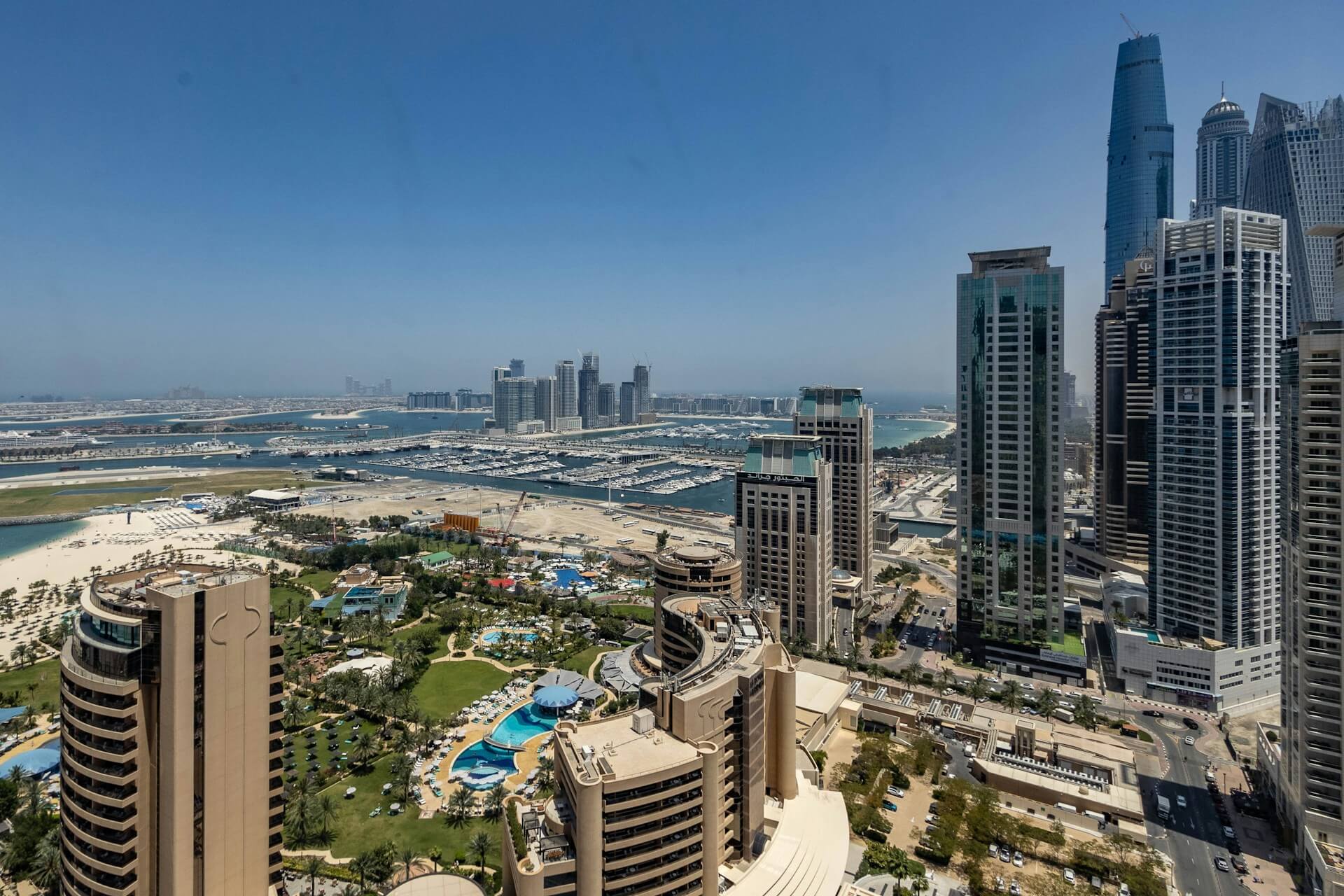

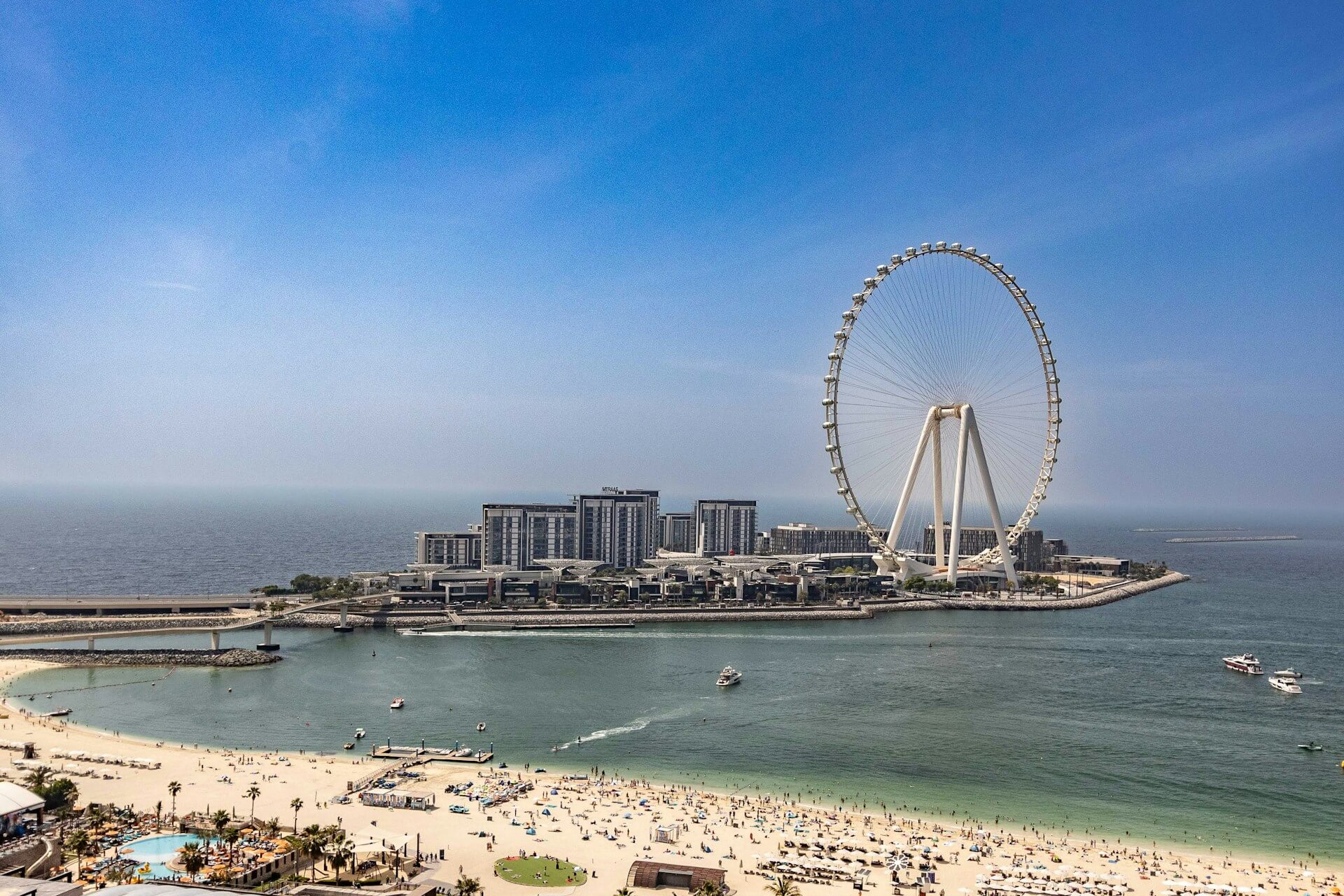
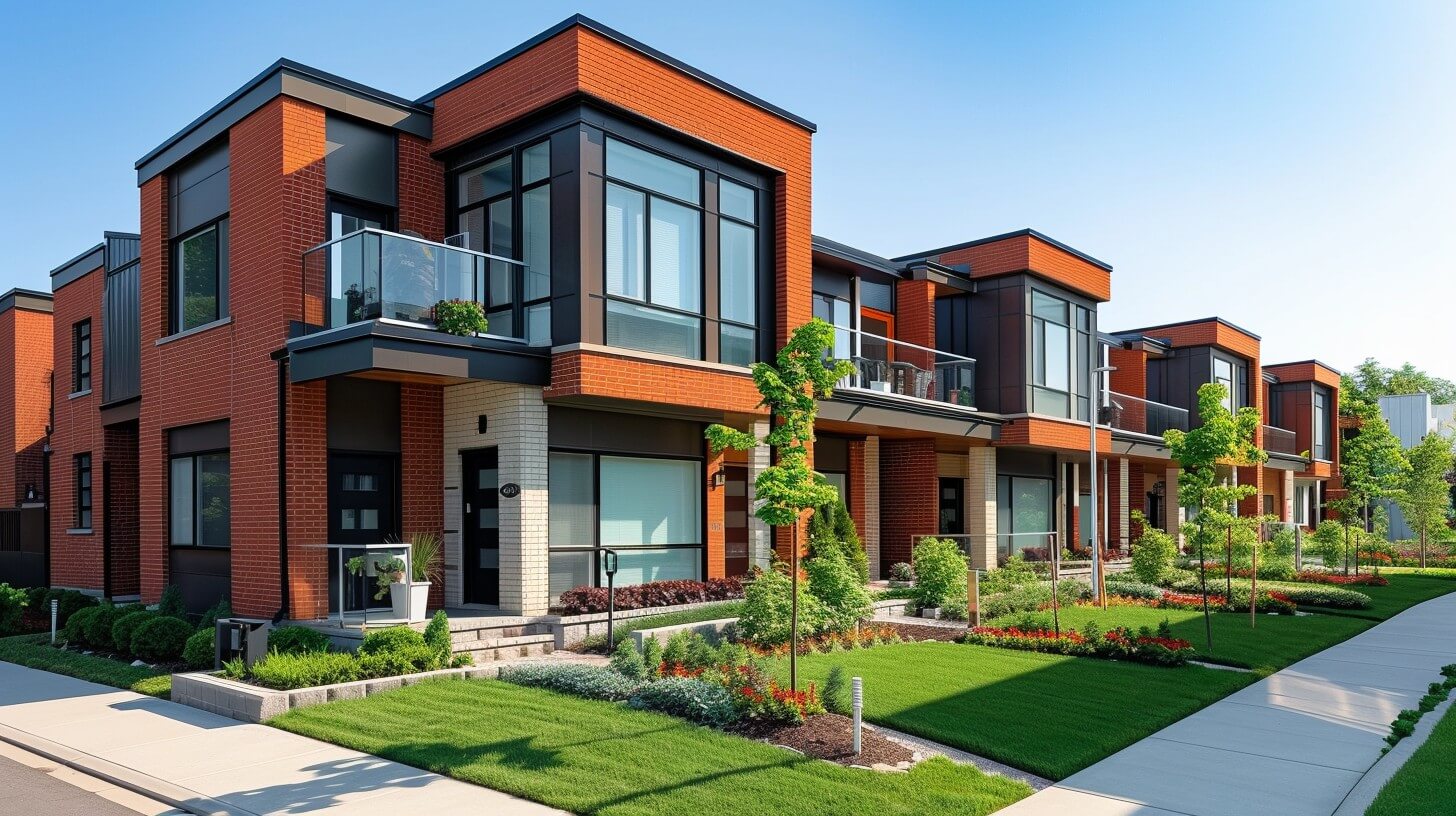
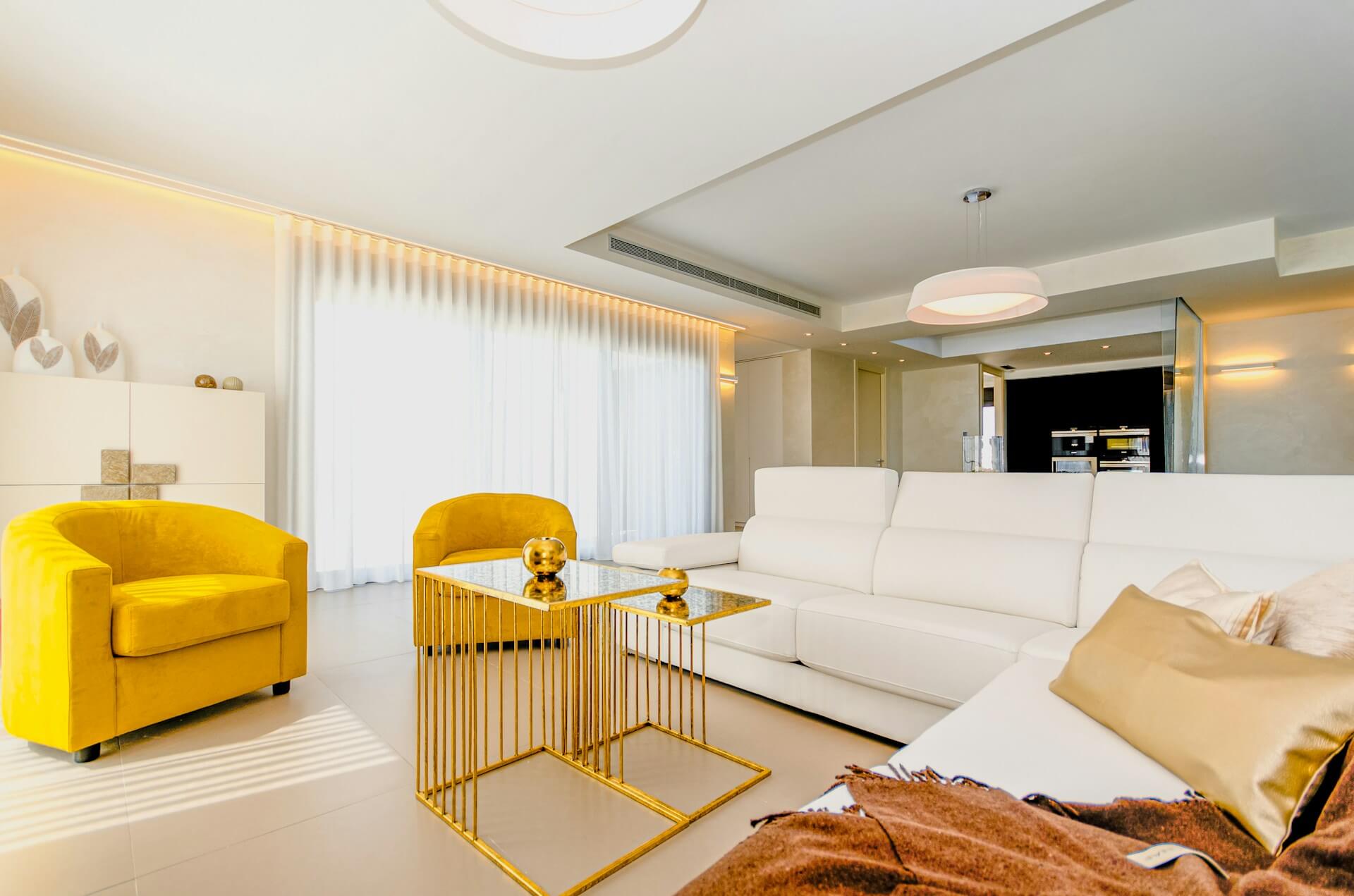
Purchasing a high-end home in Dubai Marina currently demands entry capital starting at AED 2.5 million for a one-bedroom apartment, with penthouses exceeding AED 30 million in select towers.
This market segment shows robust activity due to limited inventory and growing relocation demand, driven primarily by visa reforms and corporate expansions.
Rental returns average 6-7% annually, while liquidity remains strong, particularly in developments close to the Marina Walk and JBR, thanks to consistent end-user interest and tourism influx.
Demand concentrates on waterfront units offering direct access to leisure and business hubs, supporting both short-term rentals and long-term tenancy agreements.
Investors seeking diversified portfolios find Dubai Marina appealing due to the mix of ready and off-plan opportunities, where new developments introduce updated amenities without significantly inflating prices beyond the established stock. Market momentum is fueled by ongoing infrastructure projects improving connectivity with Sheikh Zayed Road and Dubai Internet City, increasing attractiveness for expatriate families and professionals.
Despite premium pricing, entry points remain competitive compared to other waterfront enclaves.
Buyers allocating budgets below AED 3 million could target mid-tier towers with strong rental histories, while portfolios exceeding AED 10 million can access exclusive full-floor units with private terraces. Capital preservation is supported by a high resale rate within Dubai Marina; turnaround times average 3–6 months, outperforming emerging areas where vacancy risk and negotiation periods extend. Strategic acquisition within this area depends on balancing location benefits against price per square foot and anticipated yield changes over the following 24 months.
Current market movements in Dubai’s upscale segment are driven by visa reforms offering extended residency to foreign buyers, creating a surge in demand for freehold developments.
Simultaneously, limited new launches combined with sustained population growth underpin price stability. Entry-level budgets for one-bedroom units start at approximately AED 1.5 million in key locations, with three-bedroom townhouses fetching upwards of AED 5 million.
Demand concentrates heavily in Dubai Marina and Business Bay, where infrastructure expansions and proximity to commercial hubs align with investor preferences for rental income.
These locations provide 6–8% gross yields on mid-sized apartments, whereas emerging pockets such as Dubai Creek Harbour offer appreciation potential but yield slightly below 5% currently.
The appeal of waterfront residences near Dubai Marina results from end-user appeal and the influx of regional expatriates relocating for job opportunities.
Business Bay attracts corporate professionals valuing urban convenience, driving stronger short-term lease demand. The limited number of premium freehold assets in these zones creates competitive pricing structures and faster resales.
Capital requirements vary by property type and submarket.
Entry at Dubai Marina requires AED 2 million for standard apartments, with premium penthouses exceeding AED 10 million. Business Bay’s more diversified inventory allows access from AED 1.2 million for studios to AED 7 million for duplexes.
This contrast factors into risk assessment and portfolio diversification.
Investor yield analysis shows that Dubai Marina’s proven rental resilience benefits from short-term corporate tenancies, supporting a vacancy rate under 7%. Business Bay demonstrates slightly higher vacancy but compensates through price growth averaging 7% annually over the last three years. Conversely, off-plan projects in Dubai Creek Harbour present liquidity risks but potential capital appreciation of 12–15% post-completion.
Comparing these hubs to Arabian Ranches or Palm Jumeirah, where entry points exceed AED 3 million for villas, urban districts offer quicker transaction times and tenant turnover.
However, villa precincts provide long-term capital preservation and low tenant churn, better suited for lifestyle buyers rather than yield-driven investors.
Ideal candidates for these investments include regional expatriates seeking residency security and corporate investors aiming to balance rental returns with asset growth.
Buyers prioritizing liquidity and immediate rental income should focus on ready-to-move developments within Dubai Marina or Business Bay. Those willing to accept higher risks for capital gains may explore off-plan offerings in less mature zones.
When Not Advisable to Acquire
Choosing the appropriate neighborhood for sophisticated residences in Dubai depends primarily on budget allocation and intended use–whether for personal dwelling, rental income, or capital appreciation.
In 2024, entry prices in established districts like Palm Jumeirah start from approximately AED 3.5 million for apartments, while standalone villas can exceed AED 20 million. Compare this to Arabian Ranches, where villas begin near AED 4 million but offer larger land plots, attracting families prioritizing privacy and community facilities.
Demand dynamics vary significantly across neighborhoods.
Palm Jumeirah’s limited supply of beachfront units and branded residences pressure prices upward, sustaining high demand among foreign investors seeking holiday home returns and long-term capital gains. Meanwhile, Business Bay garners interest from professionals drawn to proximity to downtown business hubs, featuring higher liquidity due to a robust secondary market and an average rental yield around 6-7% for mid-range apartments.
Arabian Ranches, delivering villa-centric layouts, shows less liquidity but compensates via steady tenant demand from expatriate families favoring gated environments.
Analyze infrastructure and lifestyle factors: Waterfront locations offer premium amenities and higher price volatility, whereas communities like Arabian Ranches provide established schools and golf courses critical for end-users prioritizing lifestyle over short-term returns.
Direct access to key highways in Business Bay supports quick connectivity, enhancing resale potential and reducing vacancy periods for investors targeting corporate tenants.
Entry capital sets clear distinctions: For buyers aiming at short-term rental revenue with moderate investment, Business Bay apartments at AED 1.5-3 million present stronger rental yield and faster turnover than Palm Jumeirah’s higher-ticket units requiring AED 5 million and up.
Off-plan options in emerging extensions of Arabian Ranches can lower initial outlay by 10-15%, albeit with limited immediate occupancy.
Resale speed favors districts with diverse buyer pools and high expatriate turnover.
Business Bay’s central location delivers resale within 6-9 months on average, whereas Palm Jumeirah requires 9-12 months given the niche market segment. Investment in Arabian Ranches villas should anticipate holding periods exceeding 3 years for optimal appreciation due to slower secondary market movement.
Suitability hinges on buyer profile: Investors focusing on rental yield and liquidity gravitate towards Business Bay apartments and mixed-use developments with broader tenant appeal.
Family buyers prioritizing space, privacy, and community amenities find Arabian Ranches villas better aligned with their needs. Buyers seeking exclusivity with waterfront views and branded services usually select Palm Jumeirah, accepting higher entry cost and longer liquidity cycles.
When not to purchase includes scenarios of constrained budgets below AED 2 million targeting villas, which are scarce in prime neighborhoods.
Additionally, buyers expecting immediate high rental income should avoid Palm Jumeirah due to limited rental turnover and premium pricing, unless holding for long-term capital gains.
Off-plan investments in Arabian Ranches carry risks related to delivery delays and fluctuating market conditions potentially affecting ROI.
Comparing urban cores with suburban enclaves clarifies trade-offs: Business Bay offers stronger short-term returns and leasing activity but with smaller unit sizes and limited external amenities.
Palm Jumeirah demands substantial capital but provides unique asset types resistant to oversupply risk. Arabian Ranches balances entry cost and family-oriented features but demands longer holding strategies in exchange for stable appreciation and tenant retention.
Acquiring an exclusive residence in Dubai requires clear comprehension of freehold and leasehold regulations governing foreign investors.
Buyers should prioritize freehold zones where expatriates hold rights to complete ownership, including land and structures, valid indefinitely. Areas like Palm Jumeirah and Dubai Marina grant full title deeds, simplifying resale and inheritance processes. Leasehold properties, common in peripheral sectors, offer ownership rights limited to 99 years, restraining long-term capital appreciation and resale flexibility.
Entry capital for ownership varies greatly between freehold sectors; prime locations frequently start from AED 3 million, with off-plan options offering discounts but delayed possession.
Leasehold availability may reduce entry costs but impact future valuations. Meticulous due diligence on developer credibility and title registration status is vital, as title deed issuance confirms legal ownership under Dubai Land Department’s oversight.
Visa provisions linked to acquisition have adjusted recently. Investors purchasing residences at or above AED 1 million become eligible for a 2-year renewable residence visa, requiring property retention throughout visa term.
Higher tiers exist: investments over AED 5 million, without loans, qualify for a 5-year visa, facilitating long-term stay for investors and immediate family members.
However, the property must be residential; commercial acquisitions are excluded. Certain elite integrated developments issue 10-year Golden Visas linked to ownership, significantly enhancing residency security for high-net-worth buyers.
Comparing offers, properties in established freehold districts like Dubai Marina provide consistent visa issuance speed and fewer administrative delays than newer or less regulated developments.
Some emerging zones delay title deed registration, affecting visa approval times and resale readiness, introducing liquidity risks.
Due diligence must include verification of developer’s land ownership status and existing Dubai Land Department records to prevent investment bottlenecks.
Legal restrictions prohibit foreign nationals from holding land ownership outside designated freehold communities, limiting portfolio diversification in Dubai. Joint venture structures or long-term leases remain alternatives but carry increased transactional complexity and weakened ownership rights.
Buyers must assess if immediate possession, title deed clarity, and uninterrupted visa eligibility align with their investment or residency objectives.
Ownership of multiple units triggers additional visa considerations.
As of current regulations, each qualifying apartment or villa can independently support a residence visa, but cross-verification through Dubai Land Department is essential to avoid overlapping eligibility issues and ensure smooth processing. Investors should consult with specialized legal advisors to navigate shifting immigration criteria tied to property acquisition.
For those prioritizing residency benefits, entry cost thresholds notably impact visa duration and family sponsorship rights.
Buyers in districts averaging AED 2 million per unit generally secure 2-year visas, while prime developments demanding AED 7 million or above unlock longer stays and broader visa coverage. This segmentation dictates not only initial outlay but also visa utility, influencing overall investment strategy.
In contrast, short-term rental apartments or properties with unclear ownership frameworks typically do not qualify for linked residence visas, diminishing non-resident investment appeal.
Well-established ownership registration accelerates visa approvals and facilitates swift resale, maintaining capital fluidity–a critical factor for exit strategies within Dubai’s competitive environment.
Local regulations require annual property registration renewal fees for owning investors, ranging from AED 1,500 to AED 2,000 depending on community association policies, with visa holders needing to maintain property insurance and occupancy status compliance.
Non-compliance risks visa revocation or property liens, increasing holding costs and complicating exit timing for investors in highly priced districts like Palm Jumeirah.
Ultimately, purchase decisions should balance entry price, ownership solidity, and visa advantages. Areas with swift title deed transfers, stable visa issuance, and transparent developer practices streamline ownership benefits, whereas peripheral zones with pending approvals elevate risk. Aligning budget with visa eligibility criteria ensures optimal use of capital while securing residency rights, essential for high-net-worth buyers targeting Dubai’s elite segments.
The cost of premium homes in Dubai is driven by several factors.
Prime locations such as waterfront areas and city centers attract buyers seeking exclusivity and stunning views. The quality of construction, use of rare materials, and the inclusion of bespoke amenities like private pools, gyms, or concierge services also increase value.
Additionally, Dubai’s favorable tax policies and status as a global business hub make its high-end real estate particularly desirable, pushing prices upward.
Dubai’s luxury housing sector presents a unique combination of modern architecture, innovative design, and a multicultural atmosphere. Unlike some traditional metropolises where historic charm plays a major role, Dubai offers a futuristic style mixed with lavish living spaces.
The city’s infrastructure and lifestyle options appeal especially to international investors and residents seeking safety and accessibility. While cities like London or New York have longer-established luxury markets, Dubai attracts buyers with competitive pricing and dynamic economic opportunities.
Premium developments in Dubai often feature a wide range of services and facilities tailored to residents’ comfort and convenience.
These usually include landscaped gardens, private beach access, fitness centers, swimming pools, high-end security systems, and dedicated parking spaces. Many also offer exclusive access to fine dining, spa treatments, entertainment venues, and sometimes even yacht clubs. The goal is to create an environment that supports a refined lifestyle with easy access to leisure and wellness activities.
Certain areas in Dubai have earned reputations as prime spots for acquiring high-value homes.
Places like Palm Jumeirah are famous for their waterfront villas and stunning sea views. Downtown Dubai is prized for its proximity to iconic landmarks and upscale apartments. Other sought-after districts include Dubai Marina and Emirates Hills, each known for their well-planned communities and sophisticated amenities. These neighborhoods attract buyers looking for prestige combined with convenience and high living standards.
Investors interested in acquiring premium residences in Dubai should be aware of specific legal guidelines applicable to foreign ownership.
Residents and non-residents alike can own properties in designated freehold areas without restrictions on nationality. However, understanding the terms of ownership, such as leasehold agreements or strata rules, is important.
Consulting with local real estate experts or legal advisors ensures compliance with all requirements, making the purchase process smoother and securing the buyer’s rights over the property.
Luxury properties in Dubai are known for their unique combination of architectural innovation and lavish amenities.
Many of these residences offer panoramic views of the Arabian Gulf, private beach access, and expansive living spaces with high ceilings and floor-to-ceiling windows. Additionally, these properties often include private pools, state-of-the-art kitchens, and smart home technologies.
The integration of outdoor and indoor living spaces, along with proximity to world-class entertainment and dining options, further distinguishes these homes from those in other global markets.
Investing in premium real estate in Dubai provides several advantages for buyers from abroad.
The city’s strategic location serves as a business hub connecting Asia, Europe, and Africa, making it attractive for investors seeking regional presence. Properties here often come with flexible ownership options and relatively low taxes, enhancing potential returns. Additionally, Dubai’s stable economic environment and ongoing infrastructure developments contribute to steady appreciation in property values.
For many, purchasing an upscale residence also grants eligibility for long-term residency permits, adding a layer of security and convenience for families and professionals relocating to the region.
Clear answers about buying, renting and investing in Dubai property.
Yes. Foreign buyers can purchase freehold property in designated areas such as Dubai Marina, Downtown Dubai, Business Bay, Palm Jumeirah, Dubai Hills and other approved communities.
It depends on your timeline, budget and goal. Buying is usually better for long-term plans, capital growth and rental income, while renting is better for flexibility and easier relocation.
The required budget depends on the area, building quality and property type. More accessible apartments can be found in developing communities, while prime locations and luxury properties require a much higher budget.
In addition to the purchase price, buyers should budget for the Dubai Land Department fee, registration and trustee fees, possible agency commission, mortgage-related costs if financing is used, and ongoing service charges for many buildings.
Yes, many banks in the UAE offer mortgages to foreign buyers. Approval depends on income, documents, deposit amount and the specific property being purchased.
Areas such as Dubai Marina, Downtown Dubai, Business Bay, Dubai Hills, JVC, Palm Jumeirah and Creek Harbour are often considered by investors, but the right area depends on whether your focus is yield, resale value, lifestyle appeal or long-term growth.
Rental yield varies by area, property type, furnishing level and market timing. In practice, many investors look for a balance between strong occupancy, reasonable service charges and sustainable tenant demand rather than chasing headline numbers alone.
Off-plan property is purchased directly from a developer before the project is completed. Buyers often choose off-plan because of payment plans, newer inventory and lower entry prices compared with some ready properties.
A proper review should consider the developer’s track record, payment plan, handover timeline, location quality, future supply in the area and the project’s resale or rental potential after completion.
For ready property, the timeline can move fairly quickly if the price is agreed, documents are prepared and the buyer is ready to proceed. Mortgage purchases usually take longer than cash deals.
Yes, many purchases can be handled remotely with the correct documents and proper support through the process. Remote buying is common for overseas investors and international clients.
The biggest risks are overpaying, choosing a weak location, buying an unsuitable layout, ignoring service charges, or selecting a project with low resale and rental demand. Good selection matters more than marketing promises.
In long-term rentals, rent is commonly agreed for a fixed term and often paid by one or several cheques depending on the landlord, property and negotiation.
Tenants are usually asked for identification and residency-related documents, and the exact set depends on their status in the UAE and the landlord’s requirements.
A security deposit is commonly required before move-in. The amount often depends on whether the property is furnished or unfurnished and should be clearly stated in the rental terms.
In many rental transactions, an agency commission is charged. The amount depends on the deal structure and should be confirmed before signing anything.
Tenants should review the deposit, Ejari registration, utility setup costs, parking terms if relevant, maintenance responsibilities and any conditions related to early termination or renewal.
Yes, negotiation is common. The final result depends on market conditions, the landlord’s flexibility, how long the property has been available and how prepared the tenant is to move forward.
It is important to check the condition of the unit, building quality, noise level, parking, view, maintenance status, contract terms and the reliability of the owner or manager.
Short-term rent offers flexibility and convenience but is usually more expensive. Long-term rent is generally more cost-effective and better suited for clients planning to stay longer.
During an active contract, the agreed rent usually remains fixed. Any increase is generally discussed at renewal and should follow the applicable rules and notice requirements.
This depends on the tenancy contract. Minor day-to-day issues may be handled by the tenant, while major maintenance is commonly the landlord’s responsibility, but the exact wording in the contract matters.
Ejari is the official registration of the tenancy contract in Dubai. It is important for legal recognition of the lease and is commonly needed for practical steps such as setting up utilities.
Yes. Furnished properties can be more convenient and faster to move into, while unfurnished options may work better for longer stays or tenants who want more control over the setup and budget.
We do not rely on random mass listings. We narrow the market based on budget, location, property type, investment goal, lifestyle needs and timeline, so clients can focus only on relevant options.
Yes. Support can include shortlisting, arranging viewings, comparing options, discussing terms, helping with negotiations and guiding the next steps of the transaction.
The best first step is to define the real budget, target areas, purpose, preferred property type and timeline. Once those points are clear, the selection becomes faster, cleaner and much more useful.