FOR SALE
AED 1,200,000AED 720,000
We help clients buy and rent the right property in Dubai — apartments, villas and investment units matched to budget, area and goals.
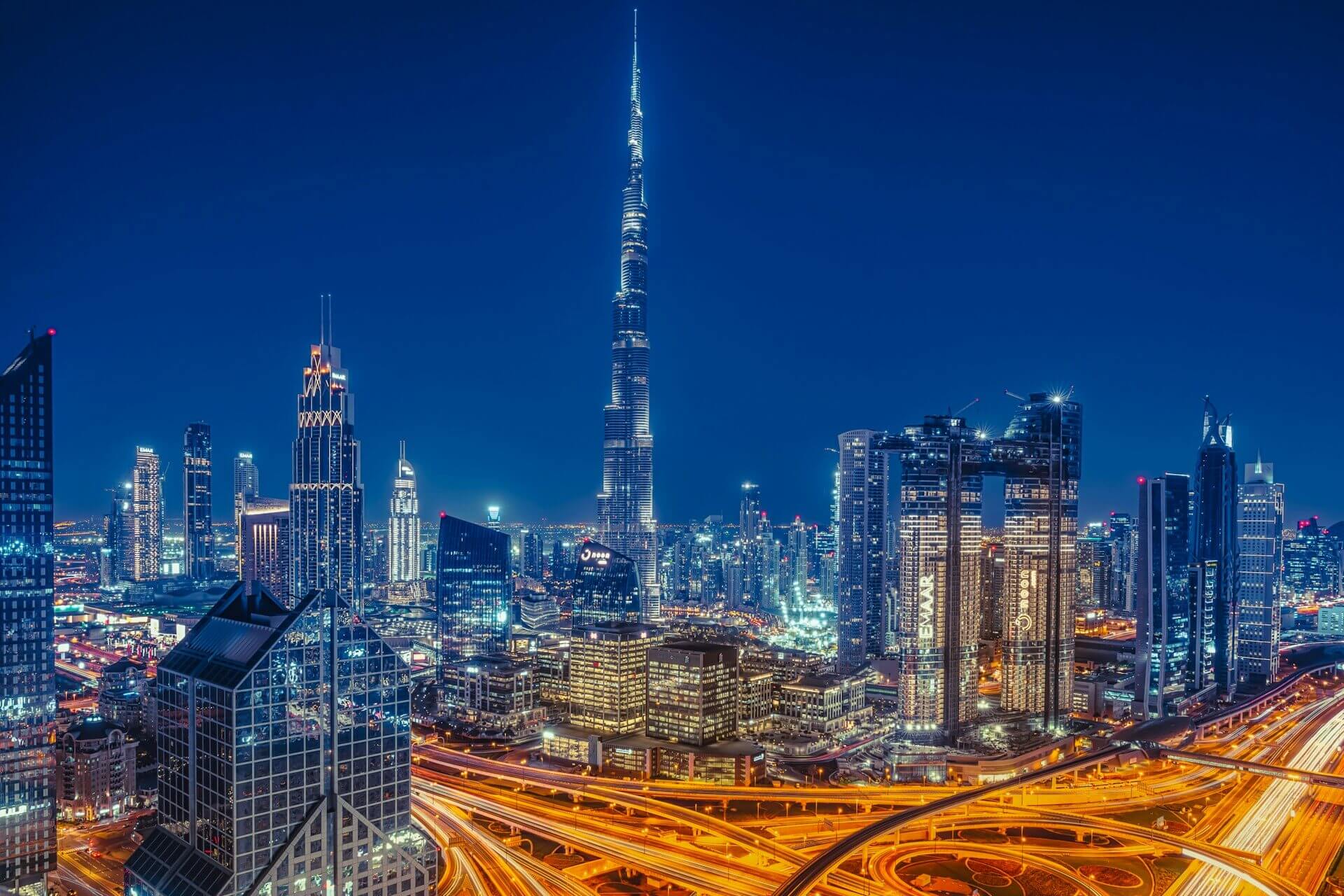
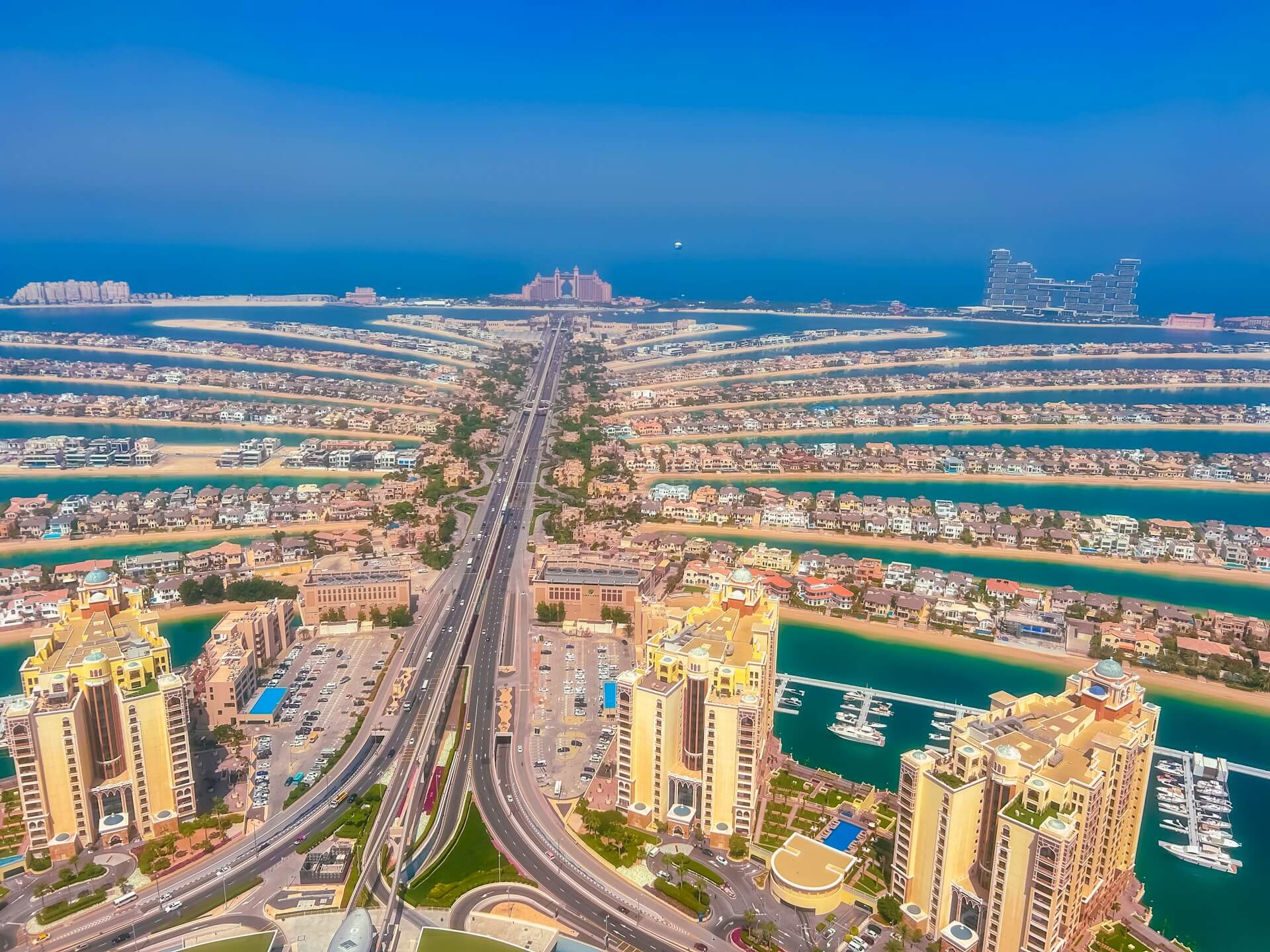
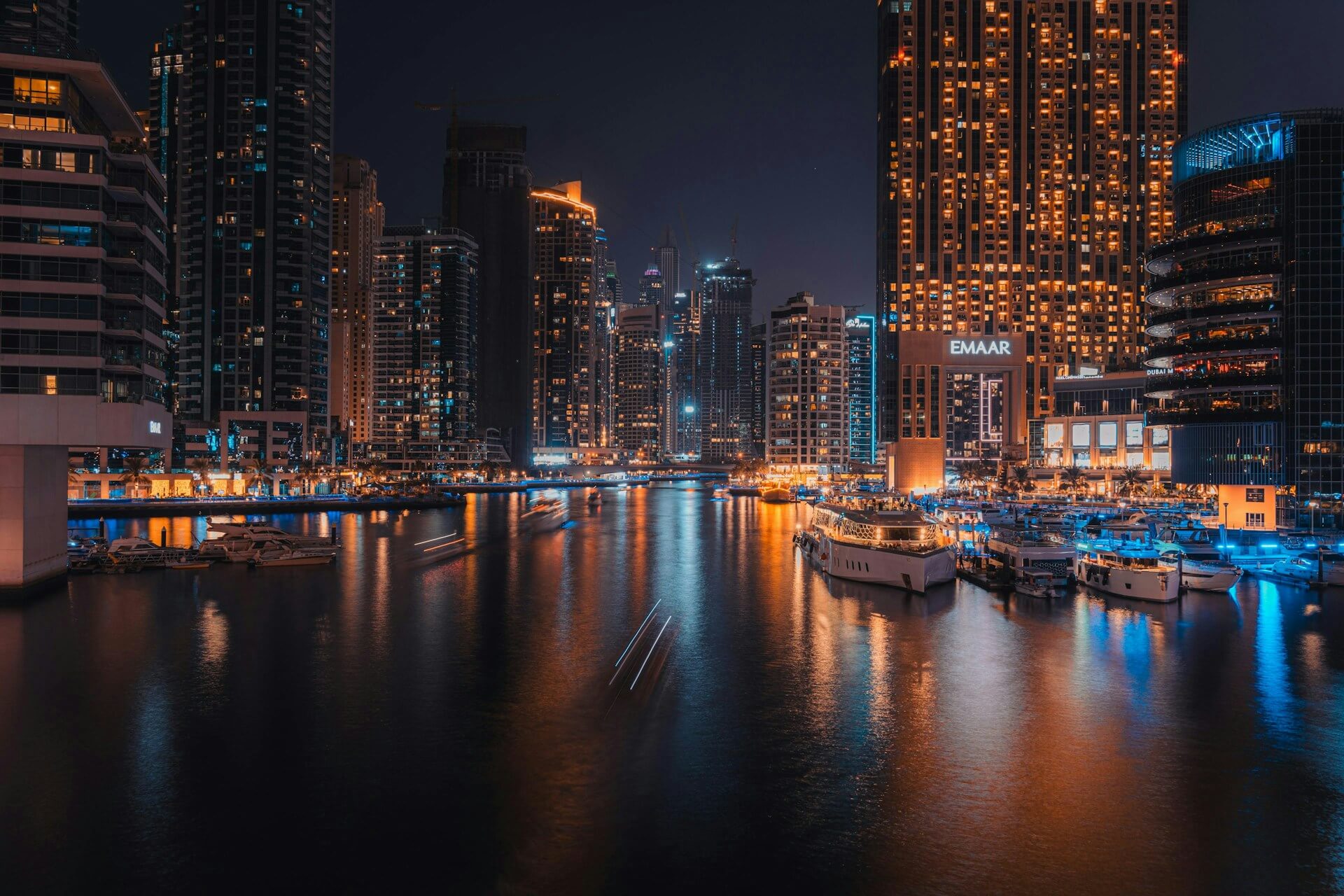
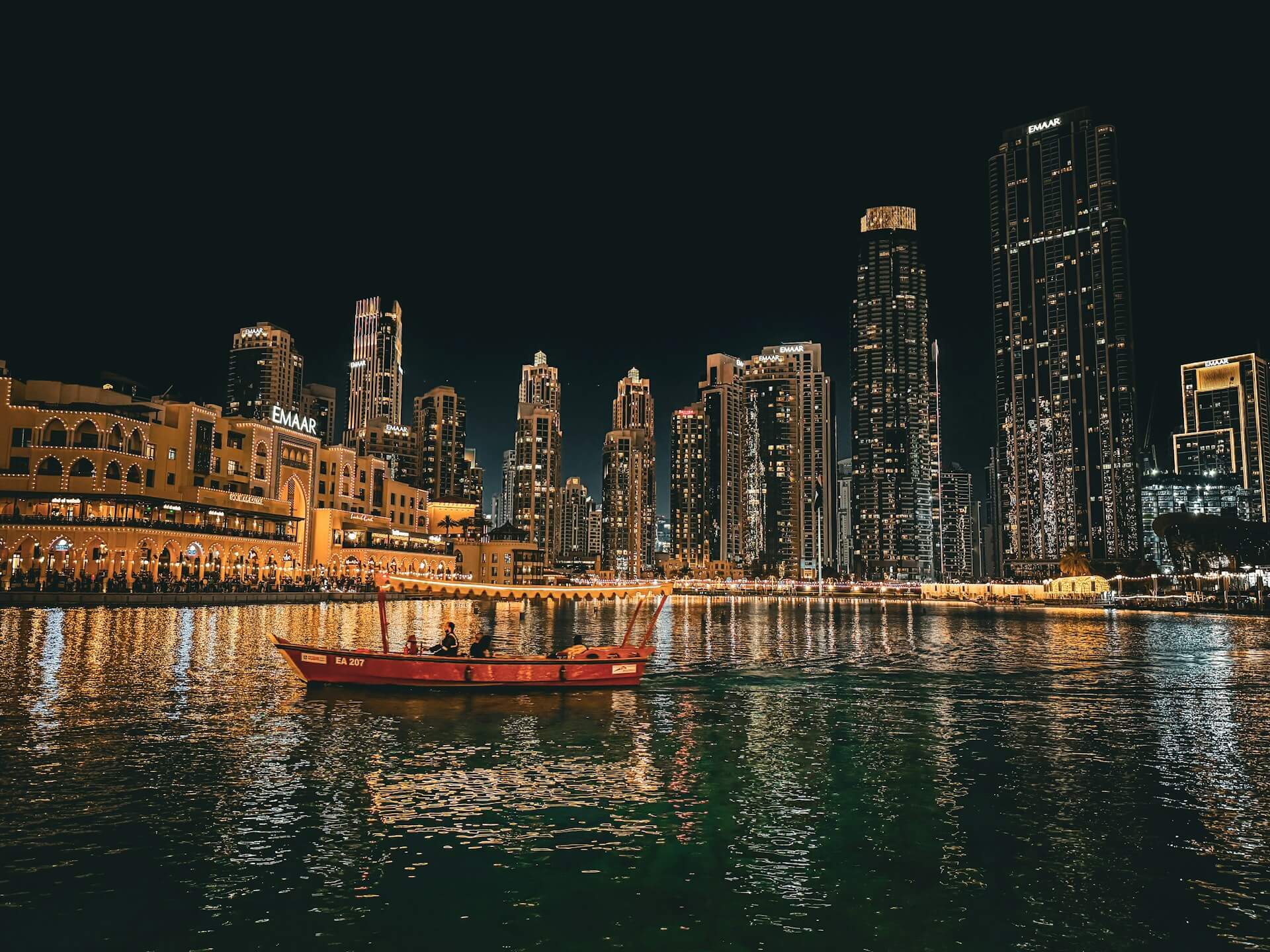
Dubai Property Selection focuses on apartments, villas and investment properties in key areas such as Dubai Marina, Downtown, Business Bay, Dubai Hills and Palm Jumeirah.
Instead of sending a huge list of random listings, we prepare a clean shortlist based on your budget, preferred area, bedrooms, timeline and purchase or rental goals.
Premium opportunities in Dubai — from compact investment units to signature villas and penthouses.
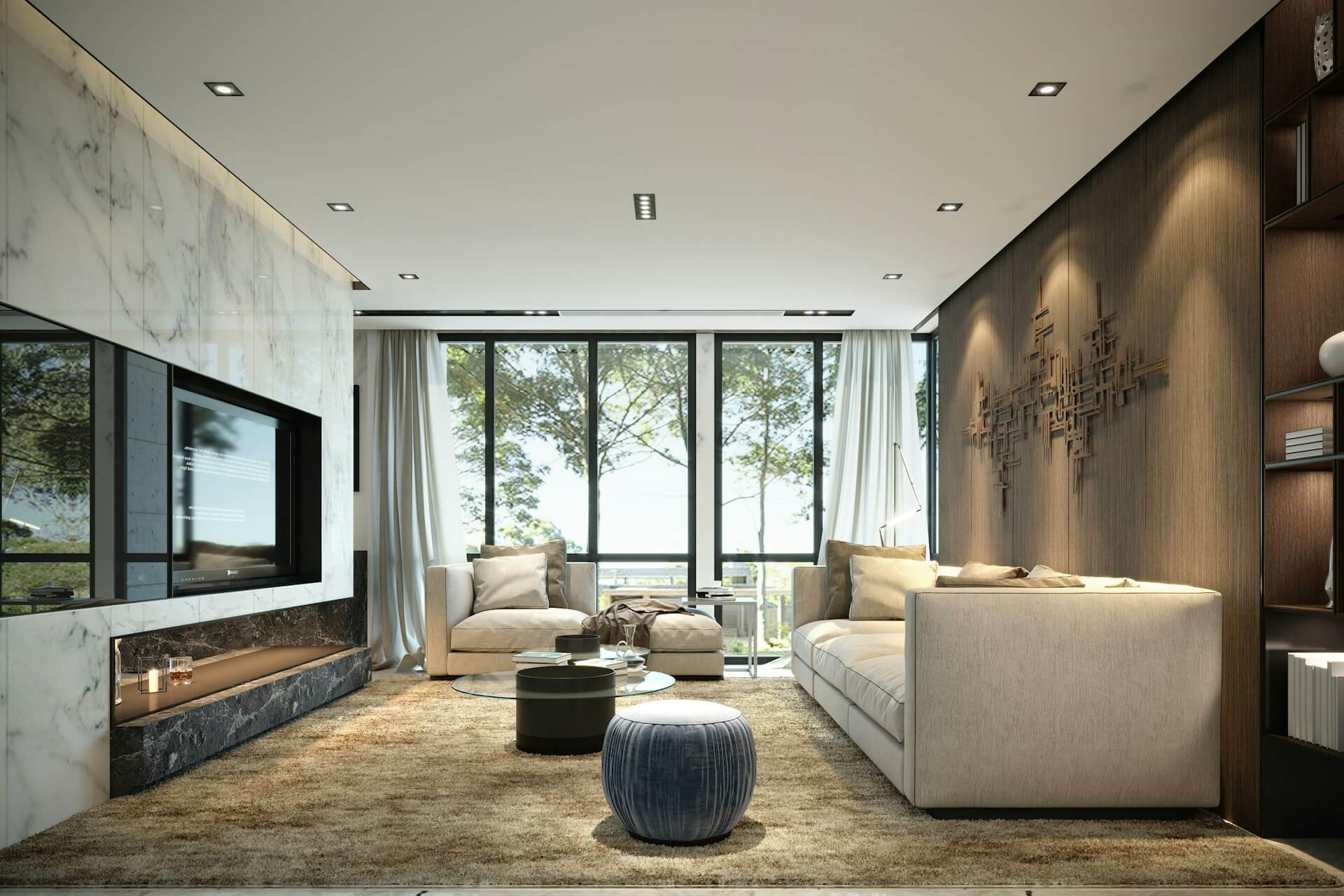
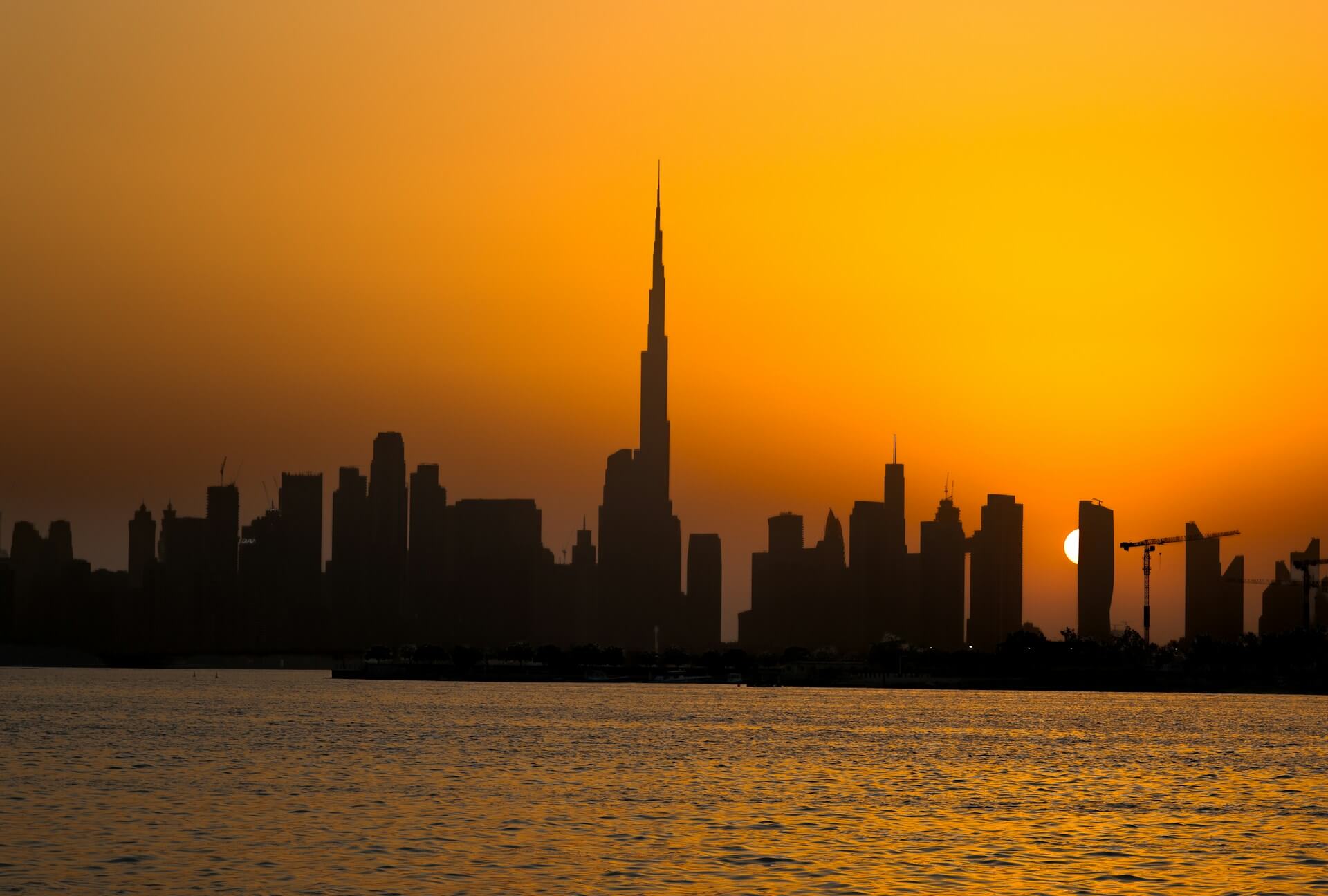
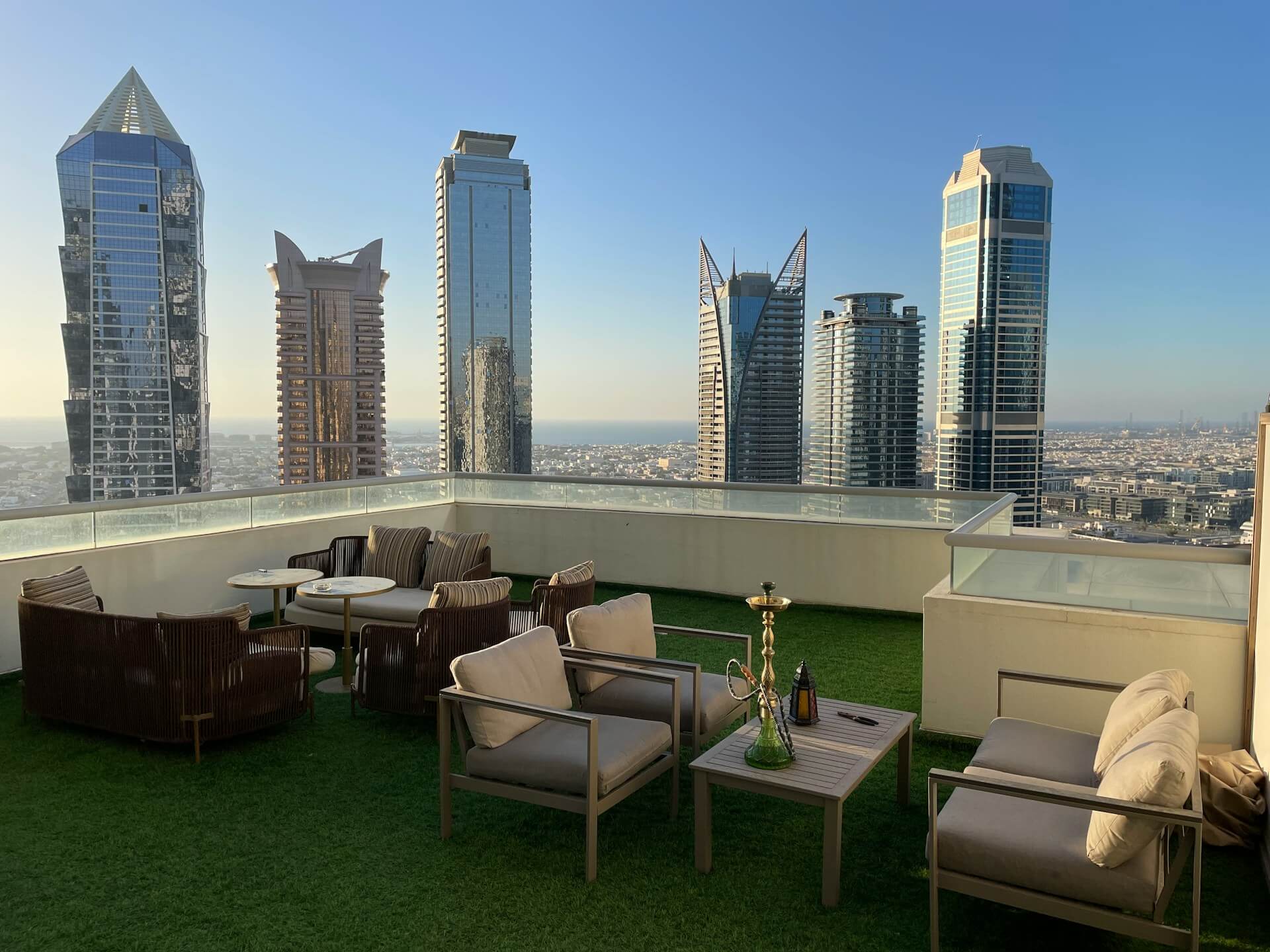
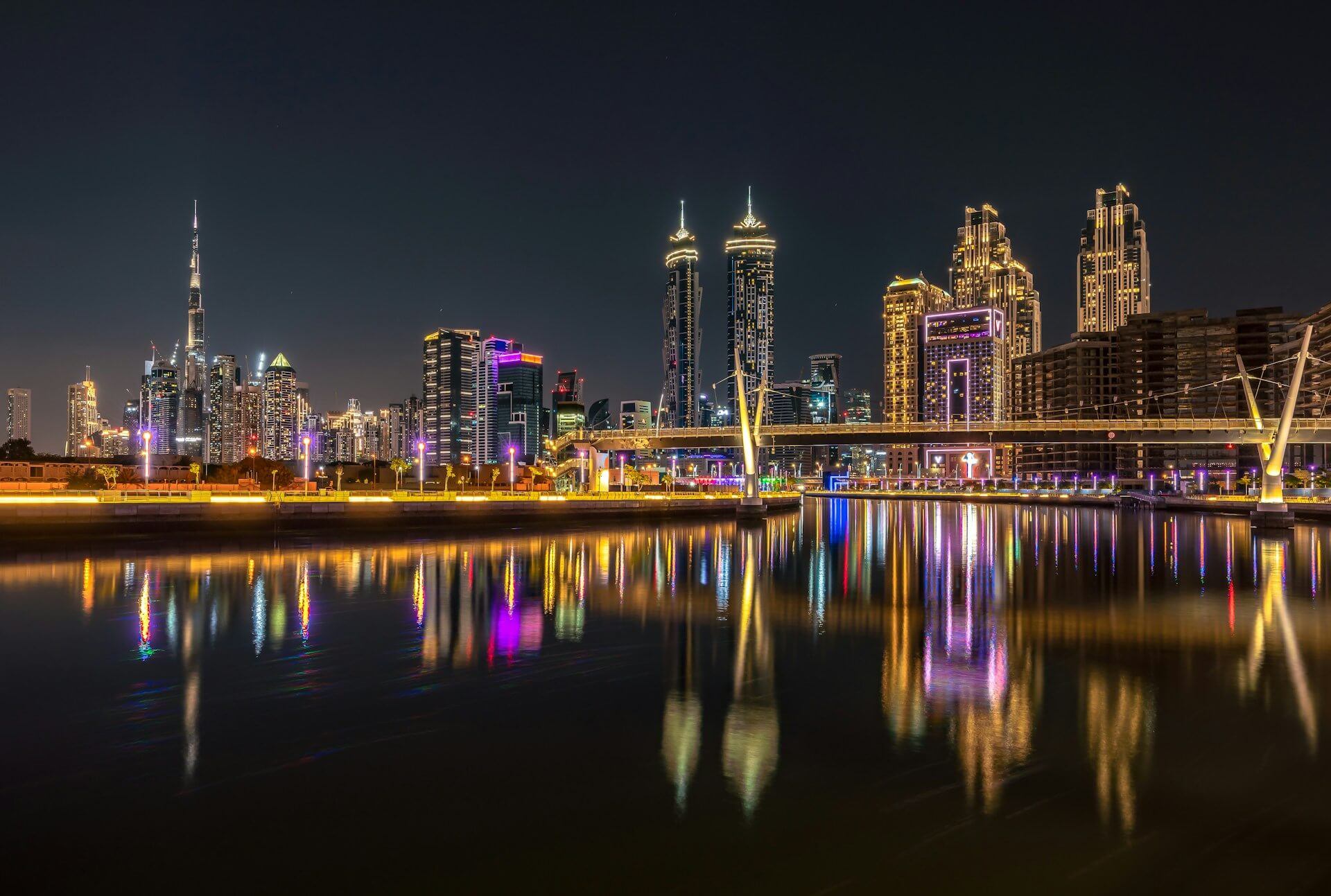
Comfortable long-term and premium rental options across Dubai.
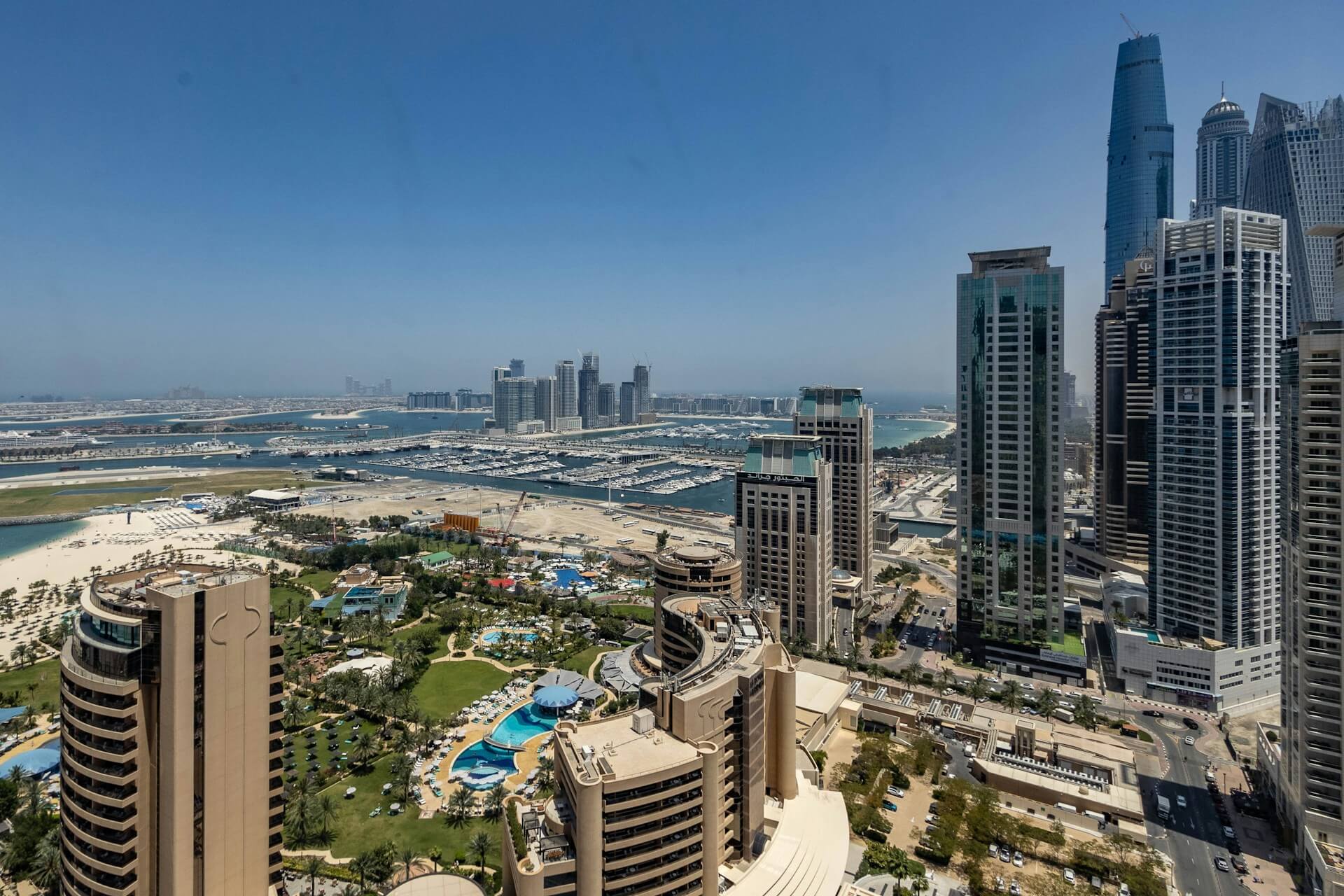

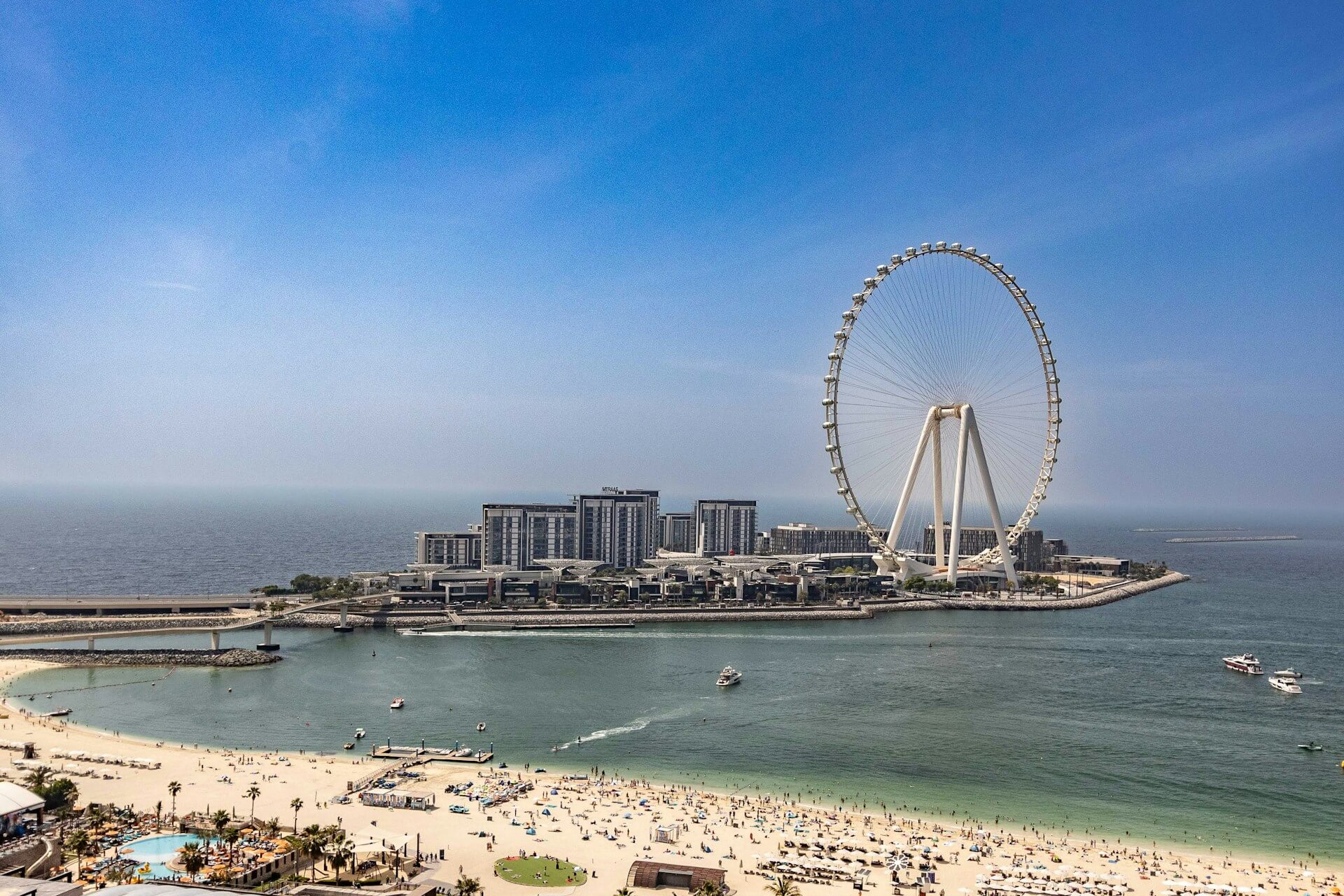
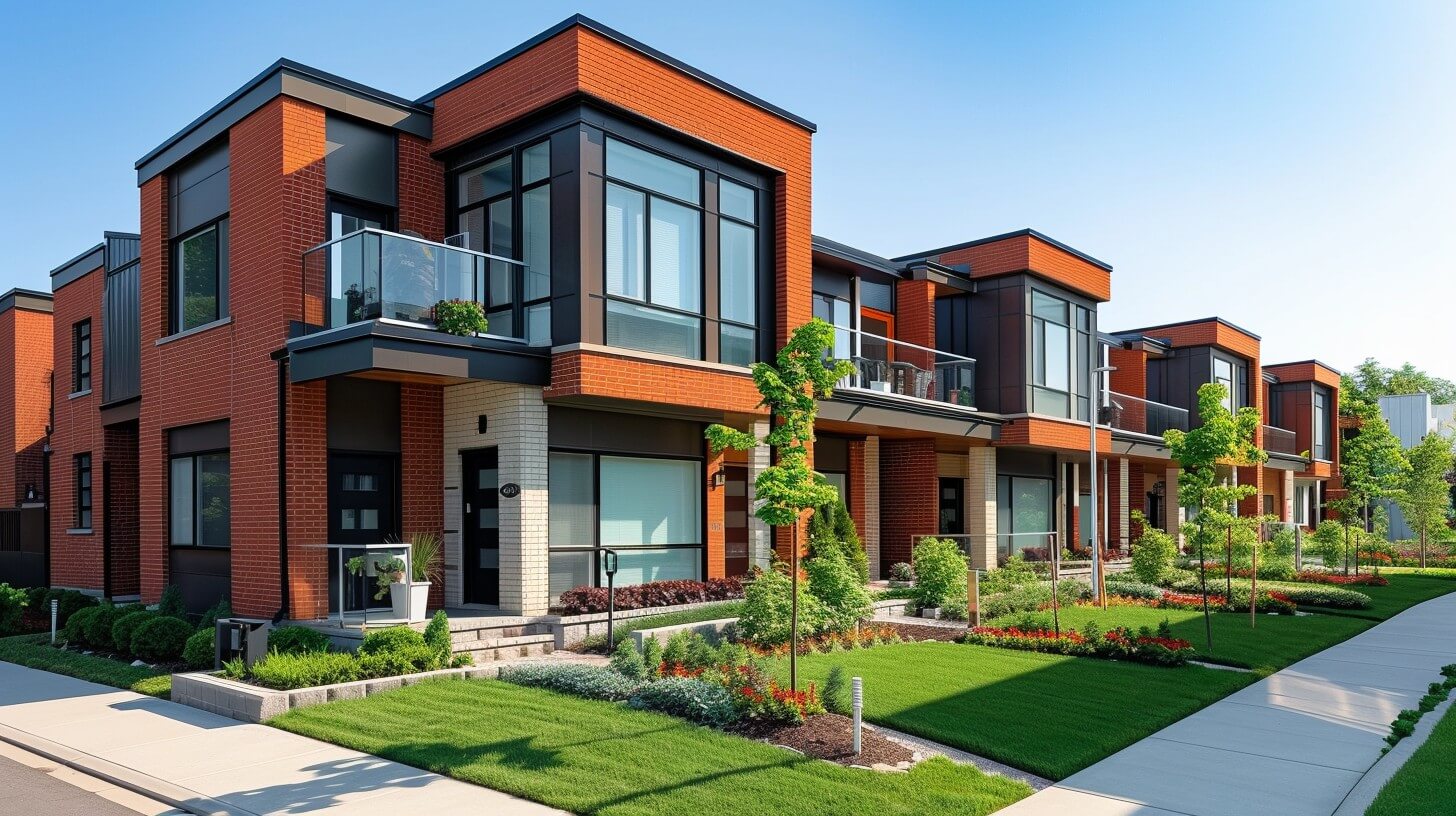
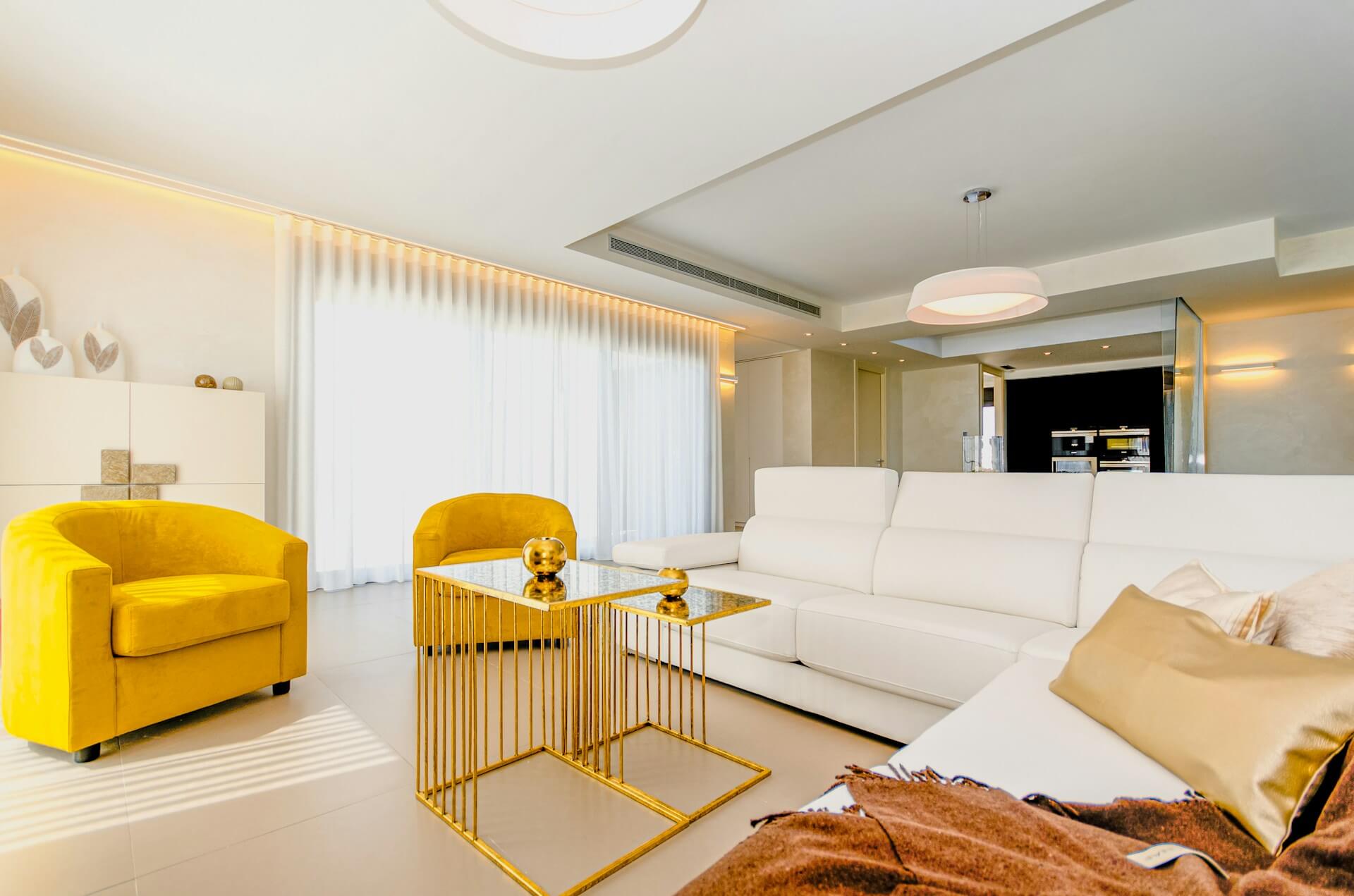
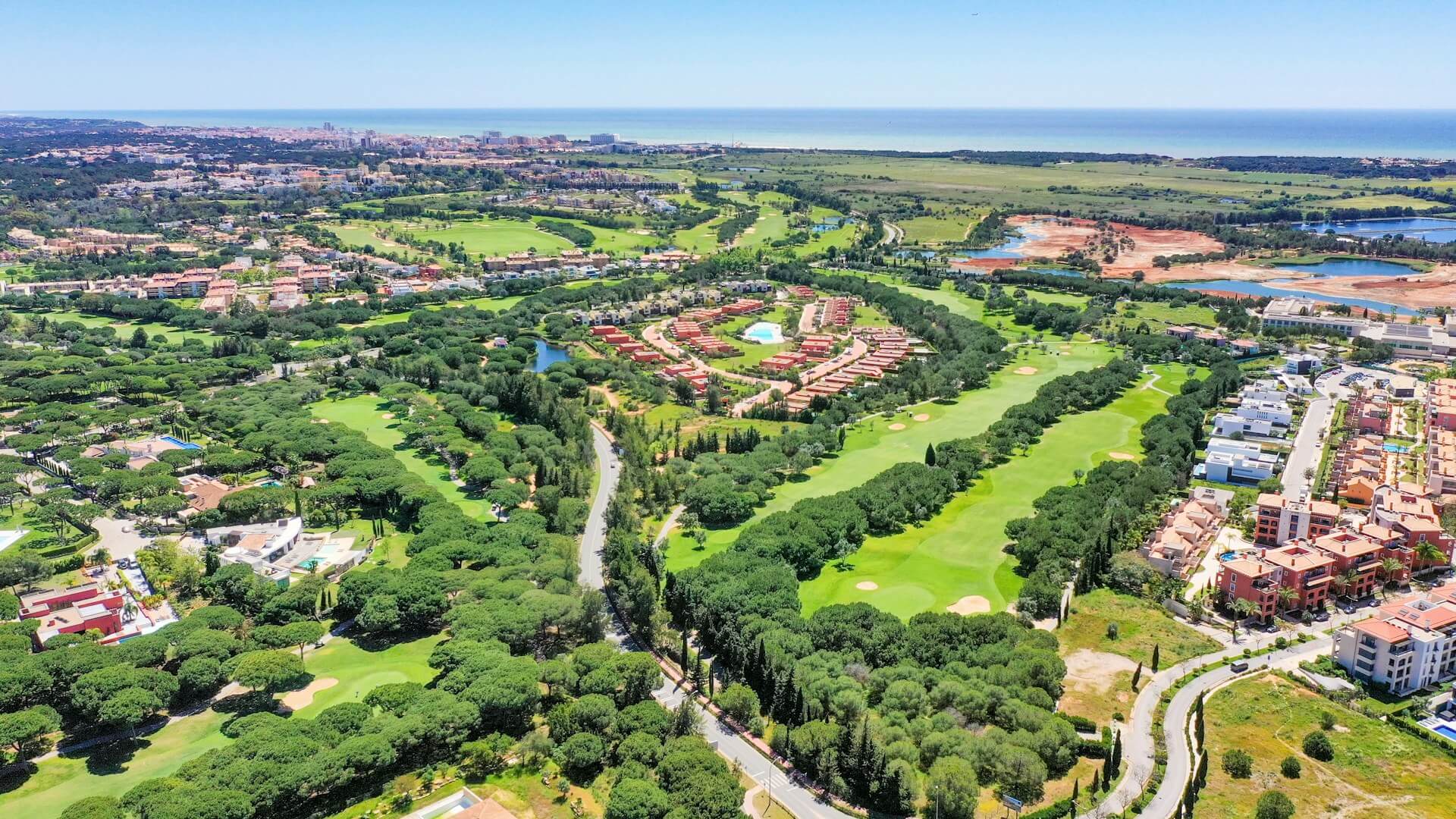
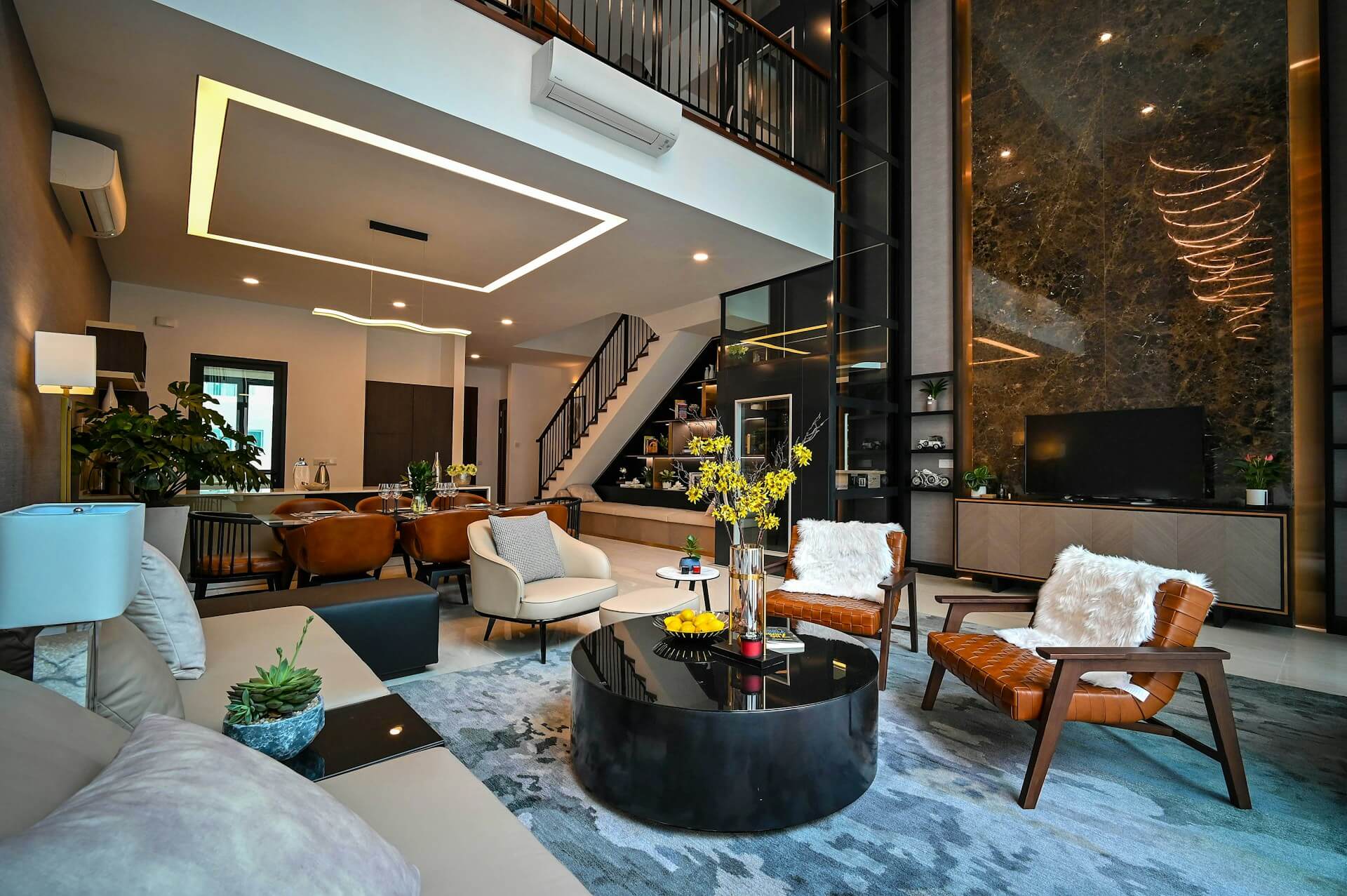
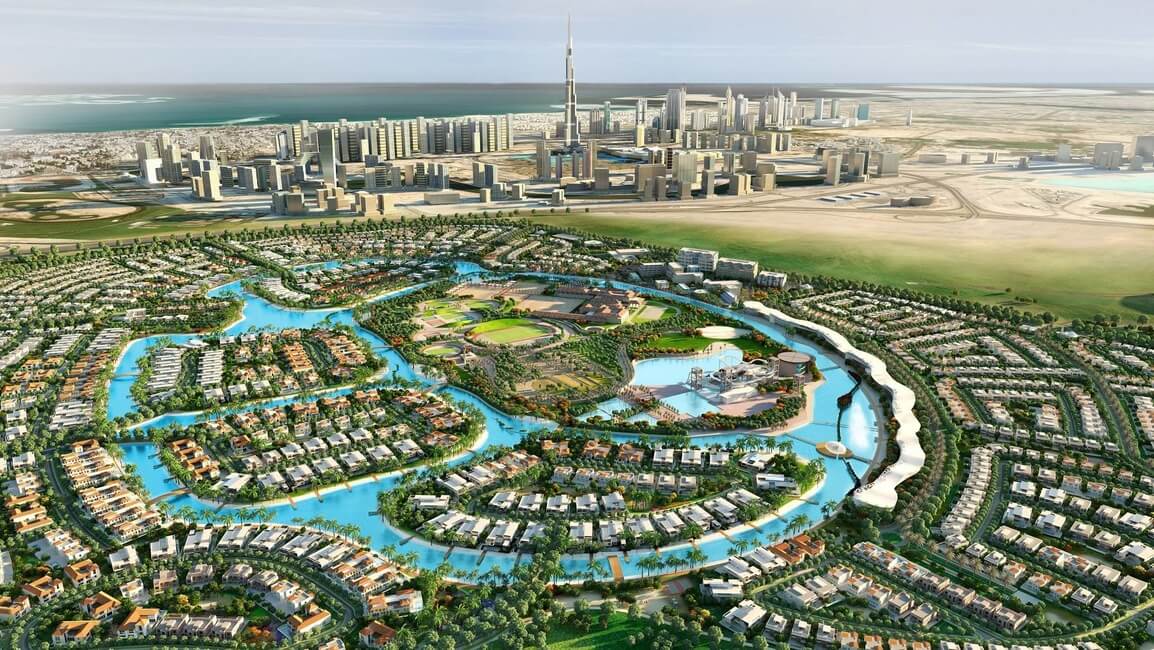
Acquiring a luxury residence in Dubai currently requires a minimum capital injection starting from AED 4 million, with highest demand concentrated in Arabian Ranches, Palm Jumeirah, and Dubai Hills Estate. These locations offer an average gross rental yield between 5% and 6.5%, coupled with strong liquidity due to limited new supply and steady relocation inflows.
The surge in population growth combined with expanded infrastructure and visa reforms is driving buyer interest toward standalone family homes in Dubai. Securing ownership now positions investors to benefit from forecasted capital appreciation and rental returns over the next 3-5 years.
Dubai real estate markets show a particular appetite for upscale residential compounds and waterfront properties, attracting both end-users and investors seeking long-term wealth preservation.
Arabian Ranches remains a leading choice for lifestyle-focused buyers requiring established communities and quick access to central Dubai, while Palm Jumeirah demonstrates superior short-term rental yields due to its tourist appeal.
Entry costs vary accordingly: Palm Jumeirah properties start above AED 7 million, contrasting with sub-AED 5 million options in Dubai Hills Estate, which also delivers competitive leasing rates and higher occupancy rates among expatriates.
Portfolios targeting stable cash flow should prioritize ready-to-occupy homes in Arabian Ranches and Mohammed Bin Rashid City, where resale velocity exceeds 12 sales per quarter and vacancy rates stay below 7%.
Off-plan purchases in peripheral zones present lower upfront costs but carry delivery risks and typically slower liquidity. Investors must weigh trade-offs between immediate income generation and speculative appreciation depending on their risk profile and investment horizon.
Current mortgage conditions, capped at 80% financing for non-residents, establish a clear framework for minimum equity from individual buyers in these submarkets.
For acquiring a detached residence in Dubai, current market entry points start from approximately AED 3.5 million in Arabian Ranches and rise to AED 7 million around Palm Jumeirah.
Investors targeting rental income should prioritize emerging neighborhoods such as Dubai Hills Estate, where median rents yield close to 6%, outperforming the 4.5% common in older gated communities. Dubai’s ongoing population growth and visa reforms continue to underpin housing demand, especially for properties suited to families and high-net-worth individuals relocating for business.
Dubai sees limited supply for detached family homes due to strict master-planning and land scarcity, which supports stable price retention and gradual capital appreciation.
Contrasting Palm Jumeirah’s ultra-luxury segment–where entry costs exceed AED 12 million but rental demand remains resilient–the Arabian Ranches market offers more entry-level options with faster tenant turnover. For liquidity, Arabian Ranches and Dubai Hills Estate provide smoother resale processes within 6-9 months on average, compared to the longer cycles of exclusive waterfront residences.
Choosing between off-plan and ready units depends on investment horizon.
Off-plan acquisitions in Dubai Hills Estate offer 15-20% discounts and staged payment plans but carry delivery risks and possible market fluctuations. Ready stock in Arabian Ranches appeals to end-users seeking immediate possession and assured community infrastructure. Palm Jumeirah premiums limit short-term investors due to higher holding costs and a narrower buyer pool.
Compared to Emirates Hills, which demands AED 20 million plus budgets and attracts global ultra-high-net-worth investors, Arabian Ranches provides better accessibility for mid-tier buyers focused on family living with solid rental returns.
Dubai Hills Estate emerges as a balanced choice for investors aiming to combine capital appreciation with steady leasing demand fueled by proximity to major business districts such as Downtown Dubai and Dubai Marina. Market data confirms that detached homes in Dubai Hills outperform older neighborhoods by 2% in rental yield annually.
Purchasing in less established developments on the city outskirts carries higher vacancy risks and lower liquidity - average time on market extends beyond 12 months.
These locations often rely heavily on infrastructure projects still underway and attract speculative buyers, increasing volatility. Locations closer to Dubai’s primary business hubs consistently demonstrate stronger end-user demand, reducing reliance on investor-driven market fluctuations.
| Arabian Ranches | 3.5 - 6 | 5 - 5.5 | 6 - 9 | Families, End-users |
| Dubai Hills Estate | 4.0 - 6.5 | 5.5 - 6 | 6 - 9 | Investors & Families |
| Palm Jumeirah | 7 - 15+ | 4 - 4.5 | 9 - 12 | High-net-worth Investors |
| Emirates Hills | 20+ | 3 - 3.5 | 12+ | Ultra-high-net-worth Buyers |
This type of property acquisition is unsuitable for buyers with limited capital below AED 3 million, as entry-level supply is scarce and liquidity risks rise substantially.
It is ill-advised to invest during peak speculative cycles or when relying on short-term capital gains, considering delivery delays and rising interest rates. In locations further from Dubai’s main employment zones, rental demand softens, impacting cash flow consistency.
In conclusion, acquisition of detached residences in Dubai suits mid-to-high-tier investors and families seeking asset stability combined with steady rental returns.
Arabian Ranches and Dubai Hills Estate stand out as practical options balancing price, yield, and liquidity. Off-plan projects offer discounts but add risk layers.
Ultra-luxury enclaves demand high entry costs and longer holding periods, more fitting for wealth preservation than active income generation.
Foreign investors must secure a title deed through the Dubai Land Department, which guarantees full ownership rights in designated freehold areas. Obtaining a No Objection Certificate (NOC) from the developer or master landlord is mandatory prior to transaction completion, ensuring compliance with contractual obligations and community regulations.
Non-locals should prepare a valid passport and a UAE residency visa or a valid entry permit to register the property officially.
If financing through local banks, proof of income and creditworthiness is required, as mortgage caps differ for expatriates–typically up to 75% loan-to-value for ready properties, while off-plan loans may have stricter terms.
Registration fees stand at 4% of the purchase price plus a fixed admin fee, payable to Dubai Land Department, and must be factored into the budget.
It is advisable to engage a registered real estate agent and legal advisor to verify the seller’s title, outstanding service charges, and to ensure transparent transfer procedures without hidden liabilities.
Restrictions apply outside freehold zones, with limited access to leasehold or usufruct rights up to 99 years in some emirate-designated areas. Freehold ownership is generally enabled in Dubai, Abu Dhabi’s select developments, and Ras Al Khaimah with specific project approvals.
Investors should be aware of Anti-Money Laundering (AML) regulations, requiring disclosure of the source of funds.
Transactions exceeding AED 55,000 trigger monitoring and reporting by financial institutions, directly impacting timing and documentation demands.
The registration timeline for title deed issuance averages 7-14 business days with all paperwork in order. Off-plan purchases demand scrutinizing developer registration at the Real Estate Regulatory Agency (RERA) to avoid project delays or cancellations that could invalidate ownership claims.
Compared to other regional property markets, this legal framework offers a more straightforward path to ownership, balancing investment security and buyer protections.
However, regional variations in permits and restrictions necessitate tailored due diligence depending on emirate and submarket.
Foreign nationals without local residency visas may face additional steps including notarization and attestation of documents, adding up to 2-3 weeks before closing, which impacts liquidity speed relative to international buyers with UAE status.
Ultimately, understanding these legal parameters is vital to mitigate risks such as title discrepancies, registration delays, or regulatory non-compliance that can undermine return on investment and hinder asset liquidity in a competitive environment.
Prices for detached homes differ significantly between Dubai, Abu Dhabi, and Sharjah, reflecting the varied demand and infrastructure development in each location.
Entry costs in Dubai start at approximately AED 3.5 million in emerging localities like Dubailand, while luxury districts such as Palm Jumeirah command averages above AED 20 million. Abu Dhabi’s premium gated neighborhoods typically range from AED 4 million to AED 15 million depending on proximity to central business zones and waterfront views.
Sharjah offers substantially lower thresholds, with prices often below AED 2 million for comparable properties, appealing mainly to end-users seeking affordability.
Finance availability aligns closely with regulatory frameworks in Dubai, where local banks provide mortgage loans up to 80% for UAE nationals and 75% for foreigners, subject to strict criteria including salary verification and asset checks.
Interest rates fluctuate around 3-4% annually on fixed terms, rising marginally for variable rate products. Abu Dhabi presents comparable lending conditions but with slightly higher eligibility barriers, pushing many investors to seek Islamic finance solutions or private lending.
Sharjah’s mortgage market remains less developed, often necessitating larger upfront payments, which affects affordability and slows transaction velocity.
Comparing monthly payments, buyers in Dubai looking at AED 5 million assets face installment obligations around AED 22,000–AED 25,000 over 20-year tenors, excluding fees and insurance.
Abu Dhabi’s financing costs are roughly 5-10% higher due to fees and slightly increased rates, challenging leverage efficiency. In Sharjah, where loans are smaller, installment burdens remain manageable, but the narrower rental market limits income coverage prospects, thus increasing dependence on personal capital.
Developers and financial institutions in Dubai offer specialized mortgage packages for off-plan acquisitions, frequently requiring 20-30% down payments with flexible staged installments over 3-5 years.
This bridging finance supports cash flow management and reduces initial capital strain, especially critical for investors targeting projects in Business Bay and Dubai Marina. Abu Dhabi players are slower in adopting these schemes, often favoring ready asset sales backed by conventional mortgages.
Potential buyers should evaluate financing structure alongside project completion risks.
Loan-to-value ratios directly impact market entry thresholds: Dubai’s 25% minimum deposit on ready assets contrasts with Abu Dhabi’s occasional 30-35% requirement, affecting equity allocation.
Sharjah’s limited banking options maintain deposits above 40%, significantly raising commitment levels. Buyers focused on liquidity prefer Dubai, where secondary market turnover is higher, enabling refinancing or resale with smaller discounts.
Abu Dhabi offers moderate liquidity but faces longer average market times, while Sharjah’s resale market is the slowest.
The neighborhood choice defines financial strategy. Dubai Marina allows greater leveraging and shorter holding periods for capital appreciation, attractive for buy-to-rent investors. Palm Jumeirah involves higher entry and holding costs but yields premium lease returns, supporting more aggressive financing.
In contrast, Abu Dhabi’s Al Raha Gardens balances moderate entry cost with stable tenant demand, suited for medium-term hold. Sharjah’s suburbs primarily serve end-users with cash purchases due to limited mortgage availability.
Currency fluctuations and central bank policies influence monthly repayments and interest rate volatility. Buyers using foreign currencies should monitor AED-pegged instruments carefully, particularly in Dubai, where mortgage products are competitive but sensitive to global financial trends.
Pre-approval processes streamline purchases, though stricter affordability tests in Abu Dhabi lead to higher rejection rates, recommending a conservative financing approach.
Payment plans offered by developers can reduce initial capital needs by up to 40% in Dubai developments, a considerable advantage over Abu Dhabi and Sharjah where most stock is secondary or limited off-plan options exist.
This difference makes Dubai preferable for investors prioritizing phased financial exposure. Conversely, buyers prioritizing immediate possession without interim payments lean toward ready asset purchases in Abu Dhabi.
Given financing costs and market liquidity, properties priced up to AED 5 million in Dubai deliver higher ROI for investors leveraging mortgages compared to Abu Dhabi where higher costs compress yields.
Sharjah’s affordability attracts owner-occupiers less reliant on financing, limiting its appeal for yield-driven buyers. Loan structuring, interest rates, and down payment amounts remain the principal determining factors when comparing entry costs across these three hubs.
Not suitable for buyers with limited capital or those expecting quick resale gains are properties in Abu Dhabi’s outskirts and Sharjah’s residential clusters, where slower price growth and lower liquidity elevate holding risks.
High down payments and longer market cycles in these locations necessitate cautious assessment of financing options before commitment. Dubai’s core districts offer better balance between leverage capacity and exit potential, justifying higher upfront expenditure.
Villas in the UAE often include spacious living areas, private gardens, and sometimes a swimming pool.
They tend to have multiple bedrooms and modern kitchens designed to accommodate family life. Many villas also feature high ceilings, large windows for natural light, and private parking spaces. Architectural styles can vary from traditional Arabic designs to more contemporary looks.
The price to buy a villa in the UAE depends on the location, size, and amenities. Purchasing usually requires a significant upfront investment but can be more economical over time for residents planning a long stay.
Renting offers flexibility without a large initial payment, but monthly costs can add up. In some areas, price differences between buying and renting are relatively close, making ownership a popular choice for families.
Some well-known communities for villas include Emirates Hills, Arabian Ranches, and Palm Jumeirah. These locations often provide a quiet environment while still being accessible to city centers.
They usually offer facilities such as schools, parks, shopping centers, and recreational venues, which attract families and professionals alike. Proximity to business districts and good road connections are also sought after features.
Foreigners can purchase property in designated freehold areas within the UAE. It is important to understand the local regulations, including obtaining the necessary approvals from the land department.
Buyers must also be aware of the process involving title deeds and registration. Consulting with a local real estate agent or legal expert helps navigate these formalities properly and ensures a smooth transaction.
Living in a villa generally offers more privacy and outdoor space, which appeals to families and those seeking a quieter environment.
Villas often have gardens or patios, allowing residents to enjoy outdoor activities at home. The increased space and separation from neighbors can provide a greater sense of comfort.
Additionally, many villa communities include amenities like playgrounds and community centers, enriching daily life beyond what is typical in apartment buildings.
The price of a villa in the UAE depends on several elements including its location, size, design, and available amenities. Properties in prime areas such as Dubai Marina or Palm Jumeirah tend to be more expensive due to high demand and proximity to attractions.
Additionally, villas with larger plots, more bedrooms, and private pools usually command higher prices. Developers offering additional facilities like security, gyms, or community parks can also impact the overall cost.
Market trends and economic conditions further play a role in pricing variations.
The UAE's hot climate means villas require specific maintenance routines to stay comfortable and functional.
Air conditioning systems must be regularly serviced to ensure efficient cooling during scorching summer months. Building materials resistant to heat and UV radiation are preferred to prevent damage and fading. Additionally, outdoor areas such as gardens and pools need frequent upkeep because of high temperatures and occasional sandstorms. Residents often design villas with shaded terraces or indoor-outdoor living spaces to balance comfort and practicality throughout the year.
Clear answers about buying, renting and investing in Dubai property.
Yes. Foreign buyers can purchase freehold property in designated areas such as Dubai Marina, Downtown Dubai, Business Bay, Palm Jumeirah, Dubai Hills and other approved communities.
It depends on your timeline, budget and goal. Buying is usually better for long-term plans, capital growth and rental income, while renting is better for flexibility and easier relocation.
The required budget depends on the area, building quality and property type. More accessible apartments can be found in developing communities, while prime locations and luxury properties require a much higher budget.
In addition to the purchase price, buyers should budget for the Dubai Land Department fee, registration and trustee fees, possible agency commission, mortgage-related costs if financing is used, and ongoing service charges for many buildings.
Yes, many banks in the UAE offer mortgages to foreign buyers. Approval depends on income, documents, deposit amount and the specific property being purchased.
Areas such as Dubai Marina, Downtown Dubai, Business Bay, Dubai Hills, JVC, Palm Jumeirah and Creek Harbour are often considered by investors, but the right area depends on whether your focus is yield, resale value, lifestyle appeal or long-term growth.
Rental yield varies by area, property type, furnishing level and market timing. In practice, many investors look for a balance between strong occupancy, reasonable service charges and sustainable tenant demand rather than chasing headline numbers alone.
Off-plan property is purchased directly from a developer before the project is completed. Buyers often choose off-plan because of payment plans, newer inventory and lower entry prices compared with some ready properties.
A proper review should consider the developer’s track record, payment plan, handover timeline, location quality, future supply in the area and the project’s resale or rental potential after completion.
For ready property, the timeline can move fairly quickly if the price is agreed, documents are prepared and the buyer is ready to proceed. Mortgage purchases usually take longer than cash deals.
Yes, many purchases can be handled remotely with the correct documents and proper support through the process. Remote buying is common for overseas investors and international clients.
The biggest risks are overpaying, choosing a weak location, buying an unsuitable layout, ignoring service charges, or selecting a project with low resale and rental demand. Good selection matters more than marketing promises.
In long-term rentals, rent is commonly agreed for a fixed term and often paid by one or several cheques depending on the landlord, property and negotiation.
Tenants are usually asked for identification and residency-related documents, and the exact set depends on their status in the UAE and the landlord’s requirements.
A security deposit is commonly required before move-in. The amount often depends on whether the property is furnished or unfurnished and should be clearly stated in the rental terms.
In many rental transactions, an agency commission is charged. The amount depends on the deal structure and should be confirmed before signing anything.
Tenants should review the deposit, Ejari registration, utility setup costs, parking terms if relevant, maintenance responsibilities and any conditions related to early termination or renewal.
Yes, negotiation is common. The final result depends on market conditions, the landlord’s flexibility, how long the property has been available and how prepared the tenant is to move forward.
It is important to check the condition of the unit, building quality, noise level, parking, view, maintenance status, contract terms and the reliability of the owner or manager.
Short-term rent offers flexibility and convenience but is usually more expensive. Long-term rent is generally more cost-effective and better suited for clients planning to stay longer.
During an active contract, the agreed rent usually remains fixed. Any increase is generally discussed at renewal and should follow the applicable rules and notice requirements.
This depends on the tenancy contract. Minor day-to-day issues may be handled by the tenant, while major maintenance is commonly the landlord’s responsibility, but the exact wording in the contract matters.
Ejari is the official registration of the tenancy contract in Dubai. It is important for legal recognition of the lease and is commonly needed for practical steps such as setting up utilities.
Yes. Furnished properties can be more convenient and faster to move into, while unfurnished options may work better for longer stays or tenants who want more control over the setup and budget.
We do not rely on random mass listings. We narrow the market based on budget, location, property type, investment goal, lifestyle needs and timeline, so clients can focus only on relevant options.
Yes. Support can include shortlisting, arranging viewings, comparing options, discussing terms, helping with negotiations and guiding the next steps of the transaction.
The best first step is to define the real budget, target areas, purpose, preferred property type and timeline. Once those points are clear, the selection becomes faster, cleaner and much more useful.