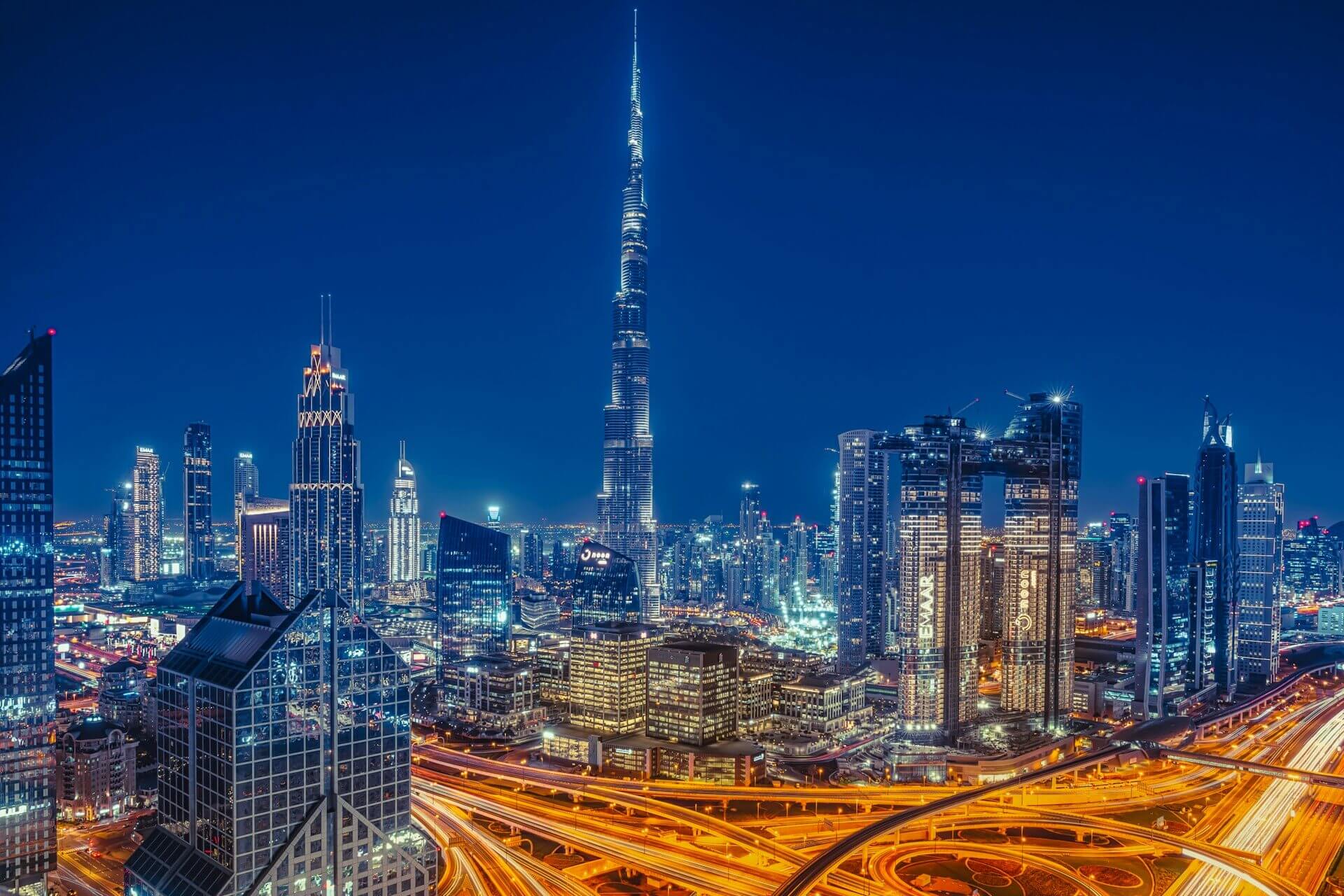
FOR SALE
AED 1,200,000AED 720,000
We help clients buy and rent the right property in Dubai — apartments, villas and investment units matched to budget, area and goals.
Dubai Property Selection focuses on apartments, villas and investment properties in key areas such as Dubai Marina, Downtown, Business Bay, Dubai Hills and Palm Jumeirah.
Instead of sending a huge list of random listings, we prepare a clean shortlist based on your budget, preferred area, bedrooms, timeline and purchase or rental goals.
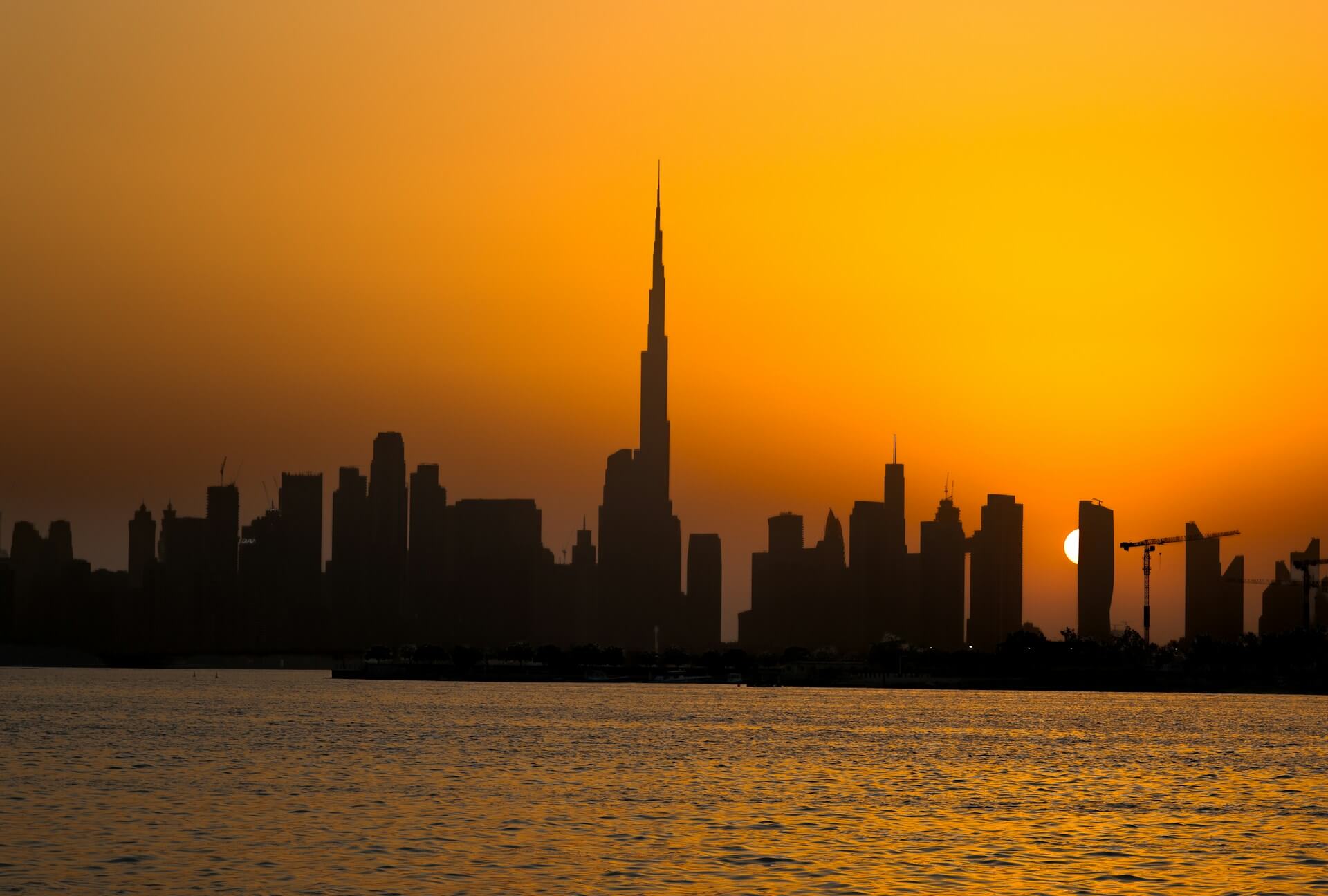
Premium opportunities in Dubai — from compact investment units to signature villas and penthouses.
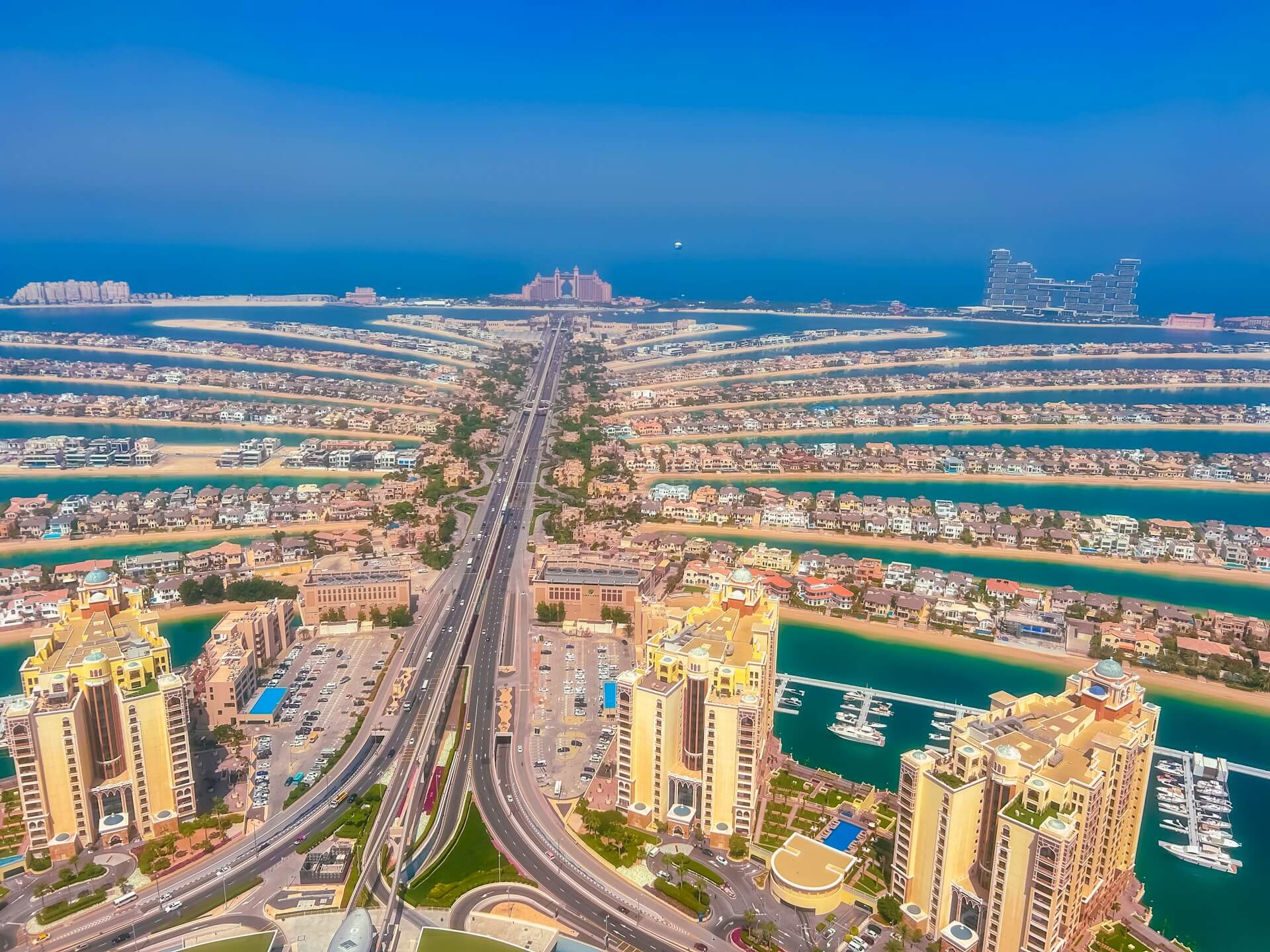
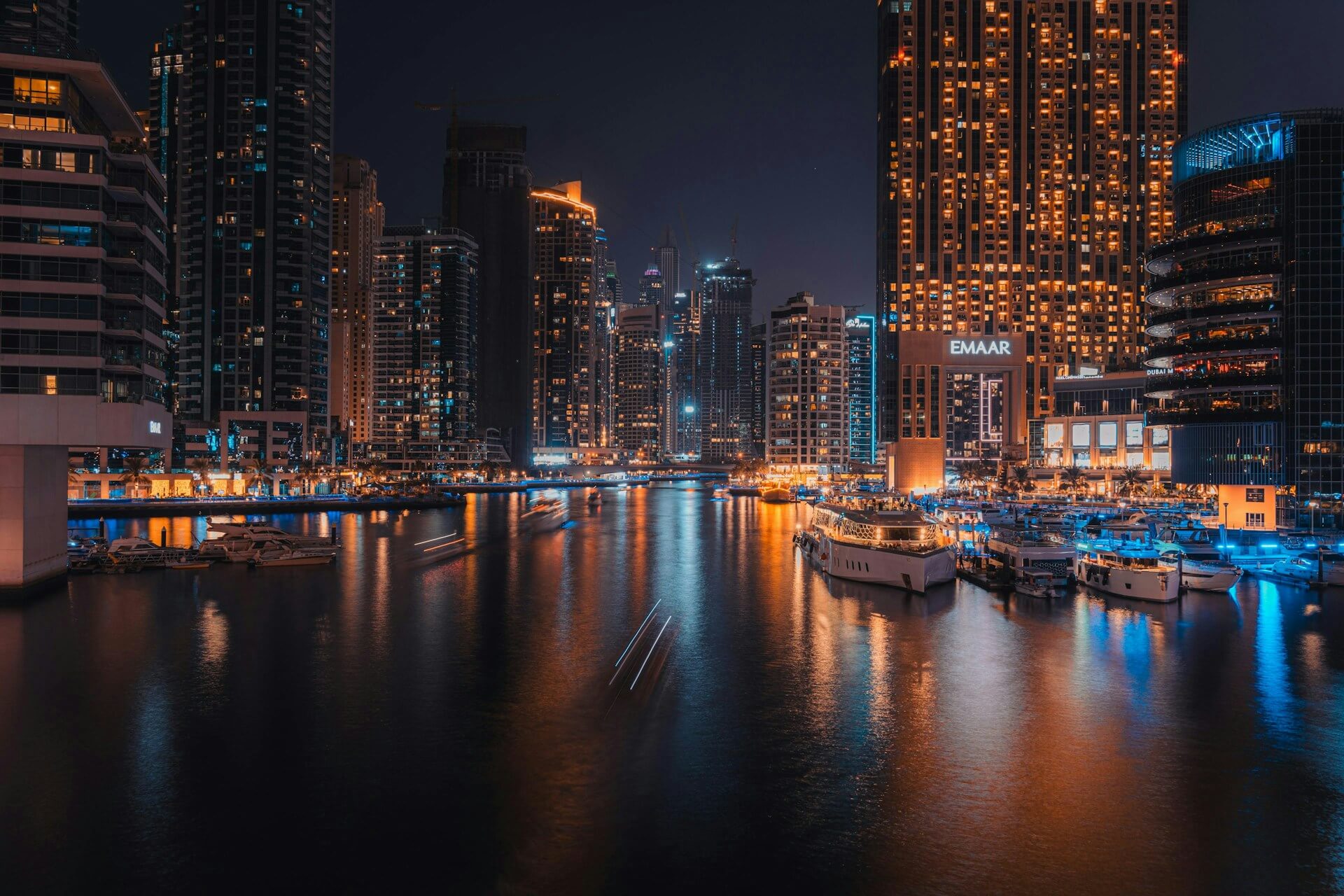
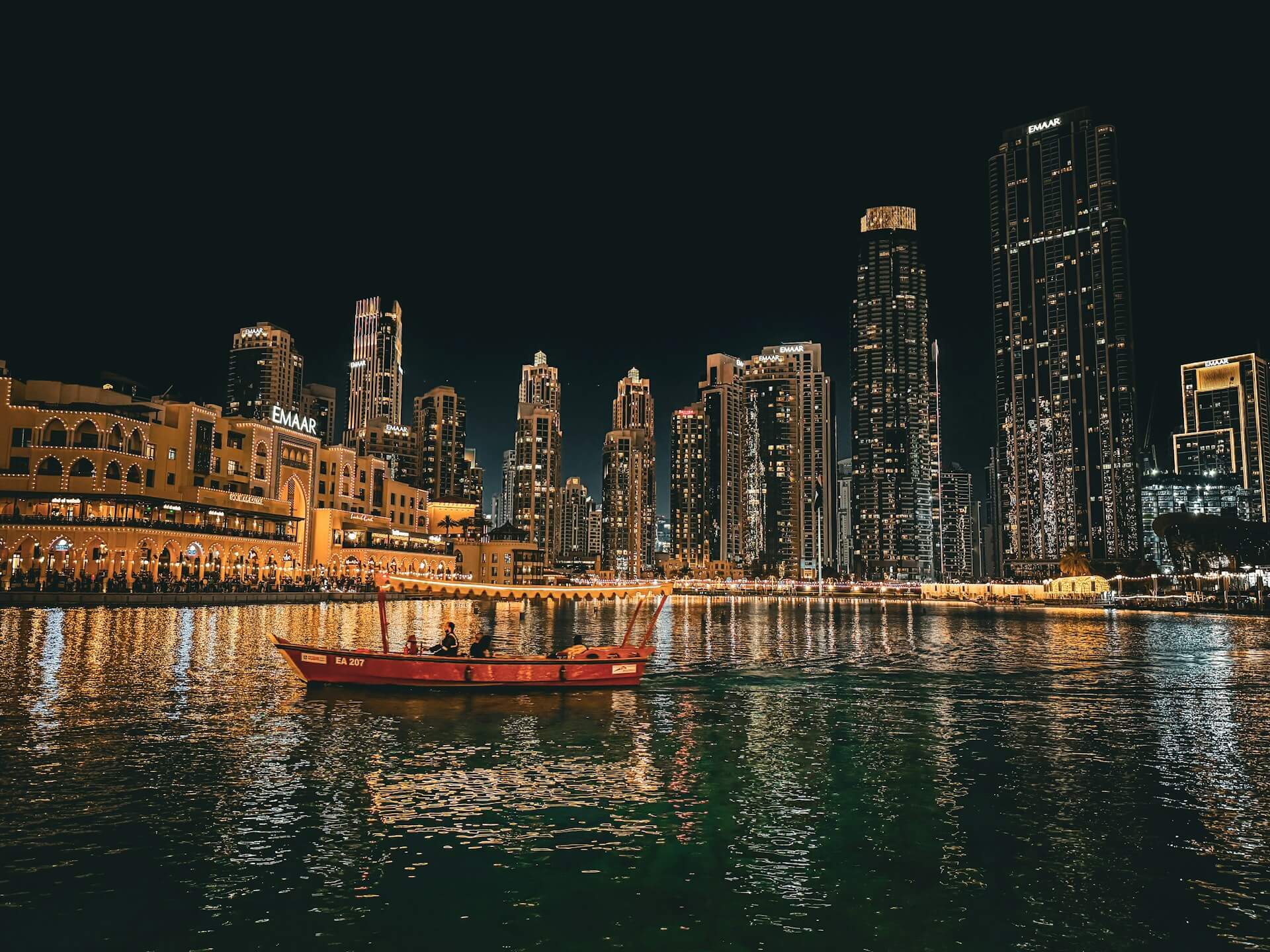

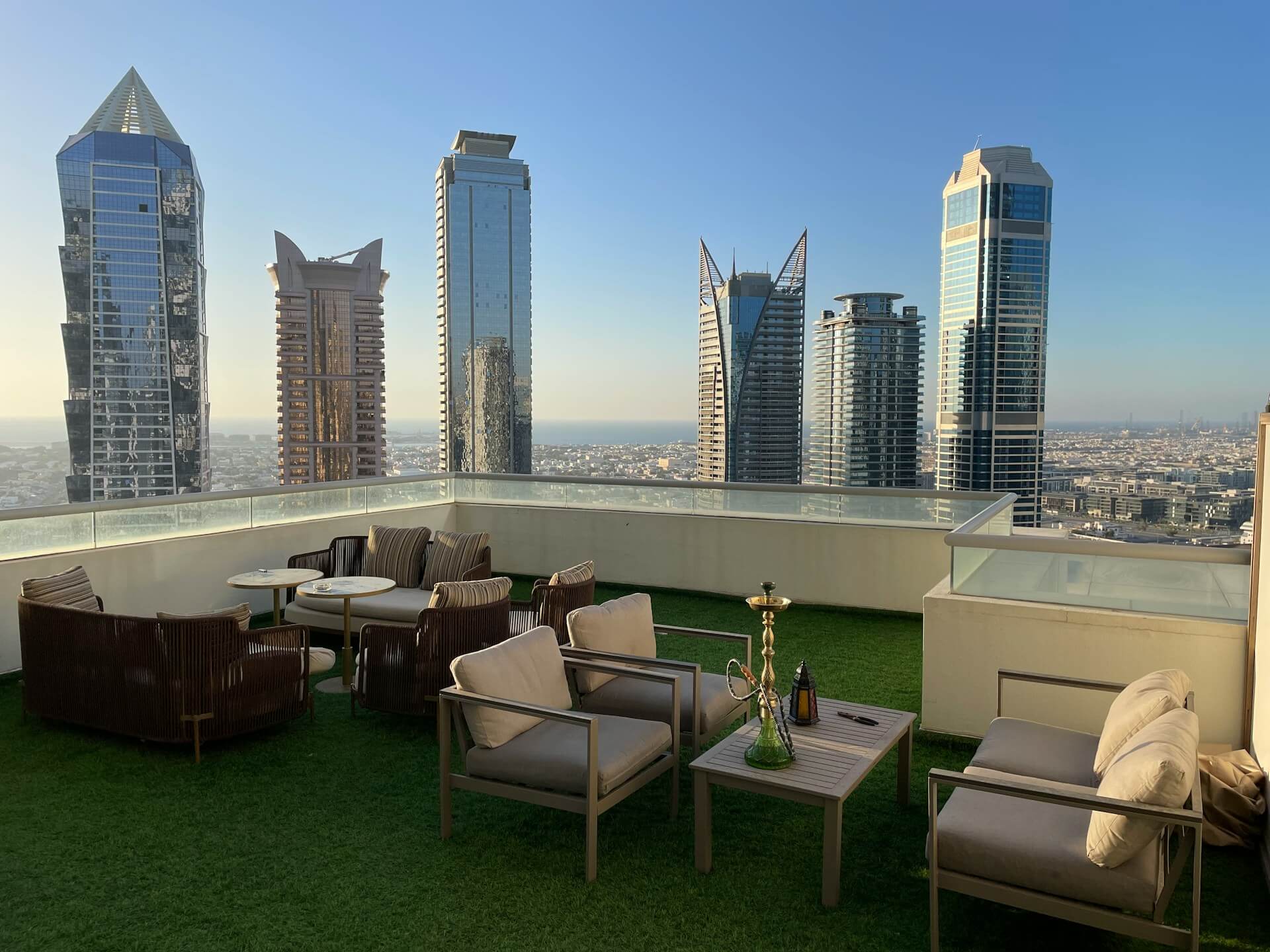
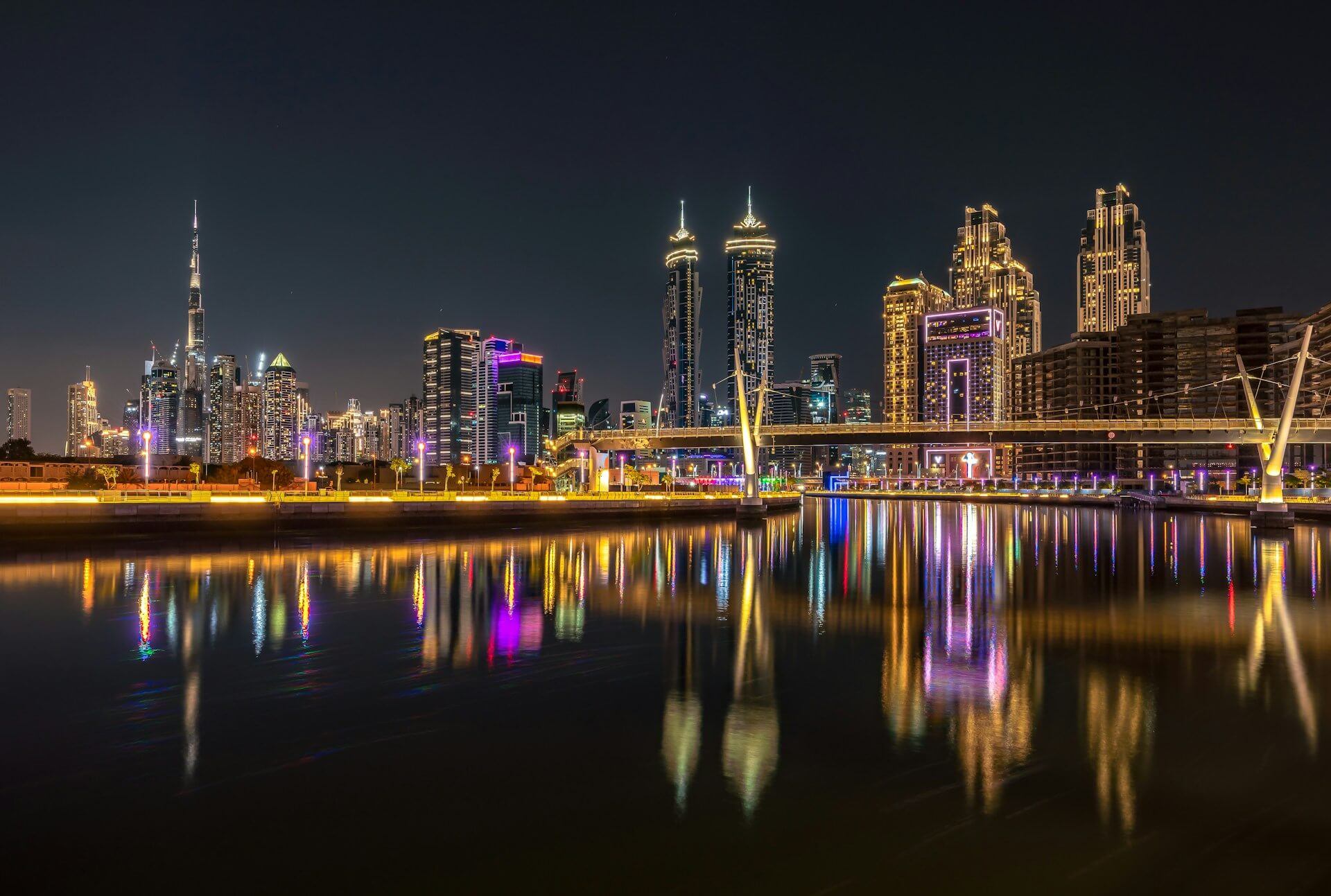
Comfortable long-term and premium rental options across Dubai.
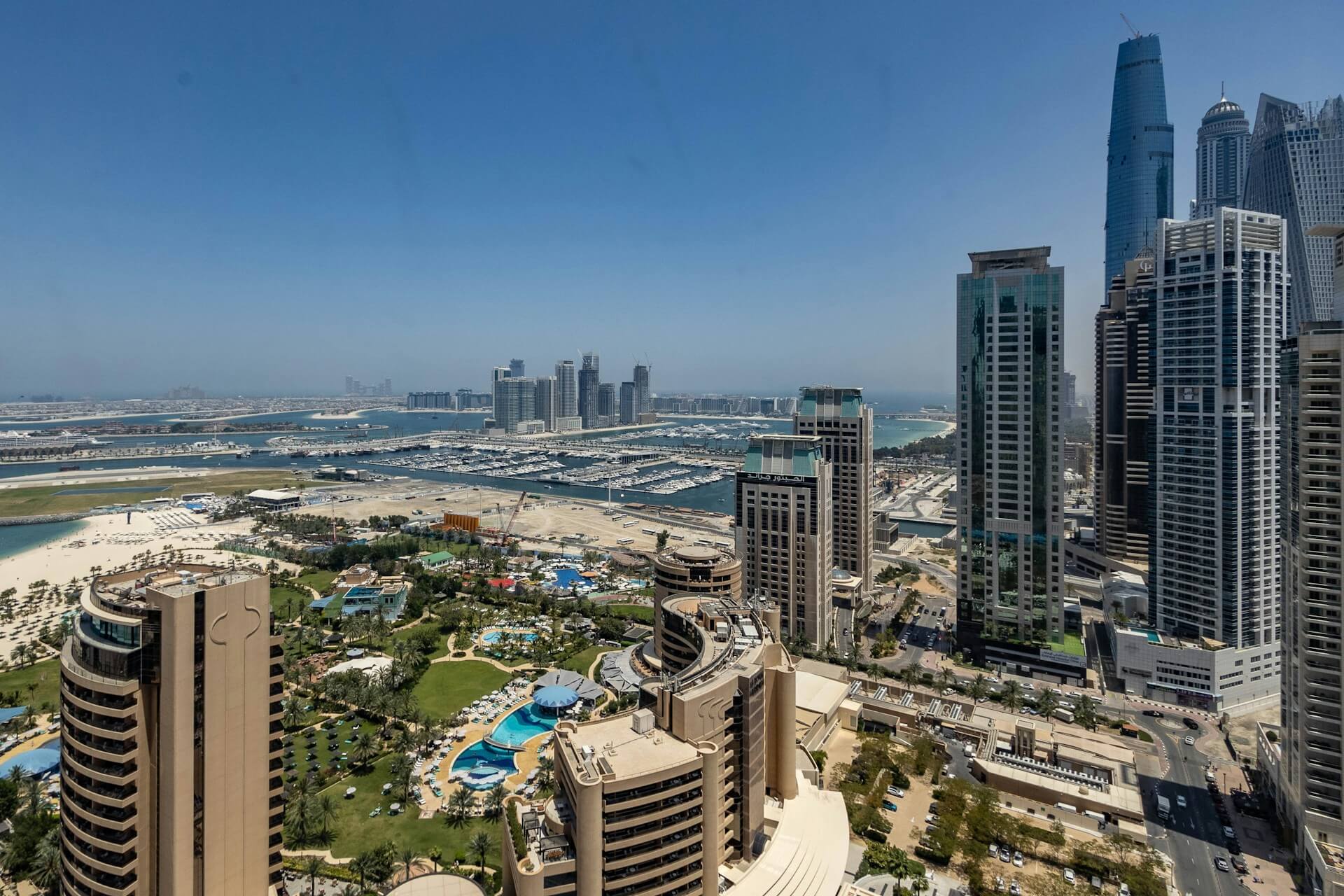

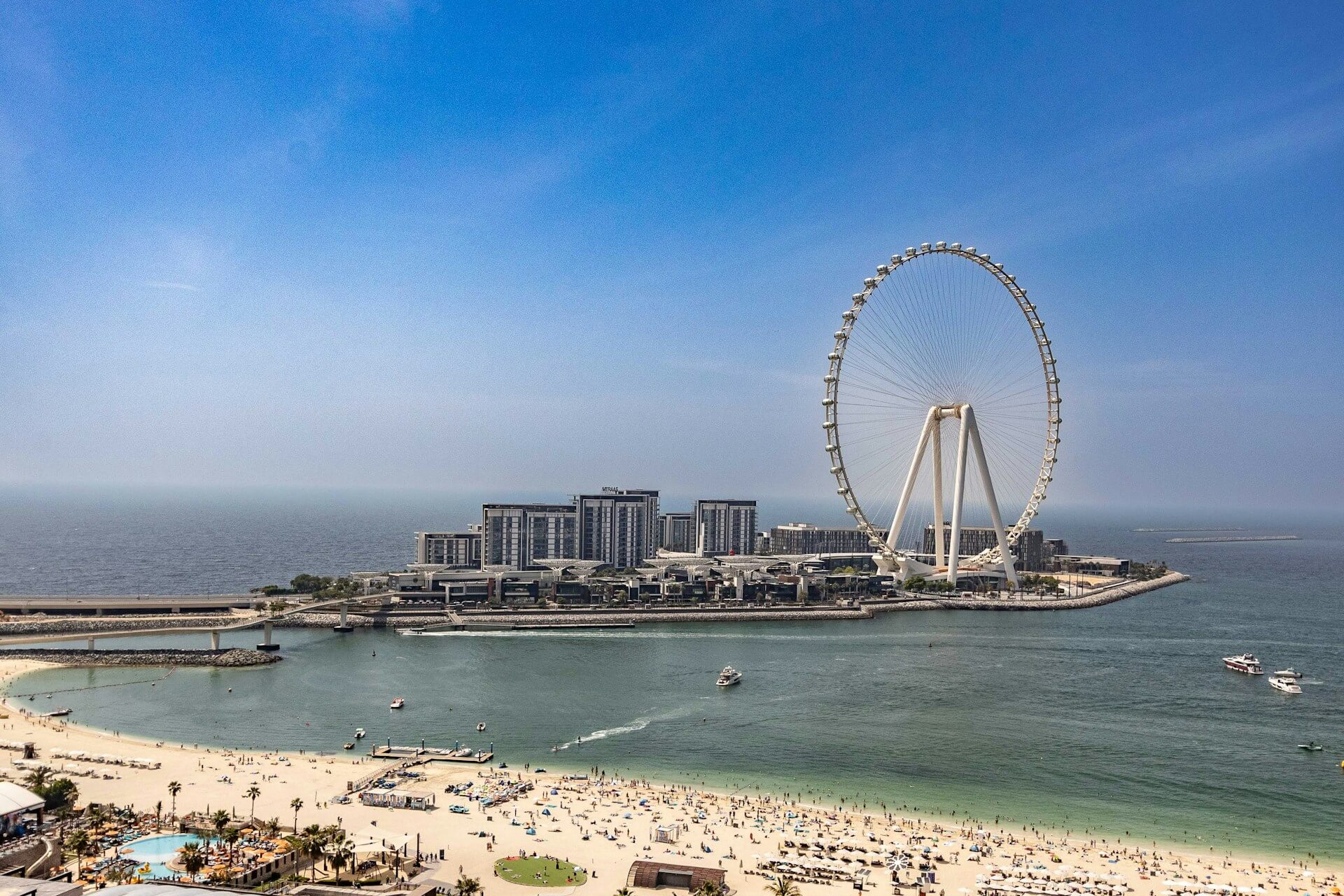
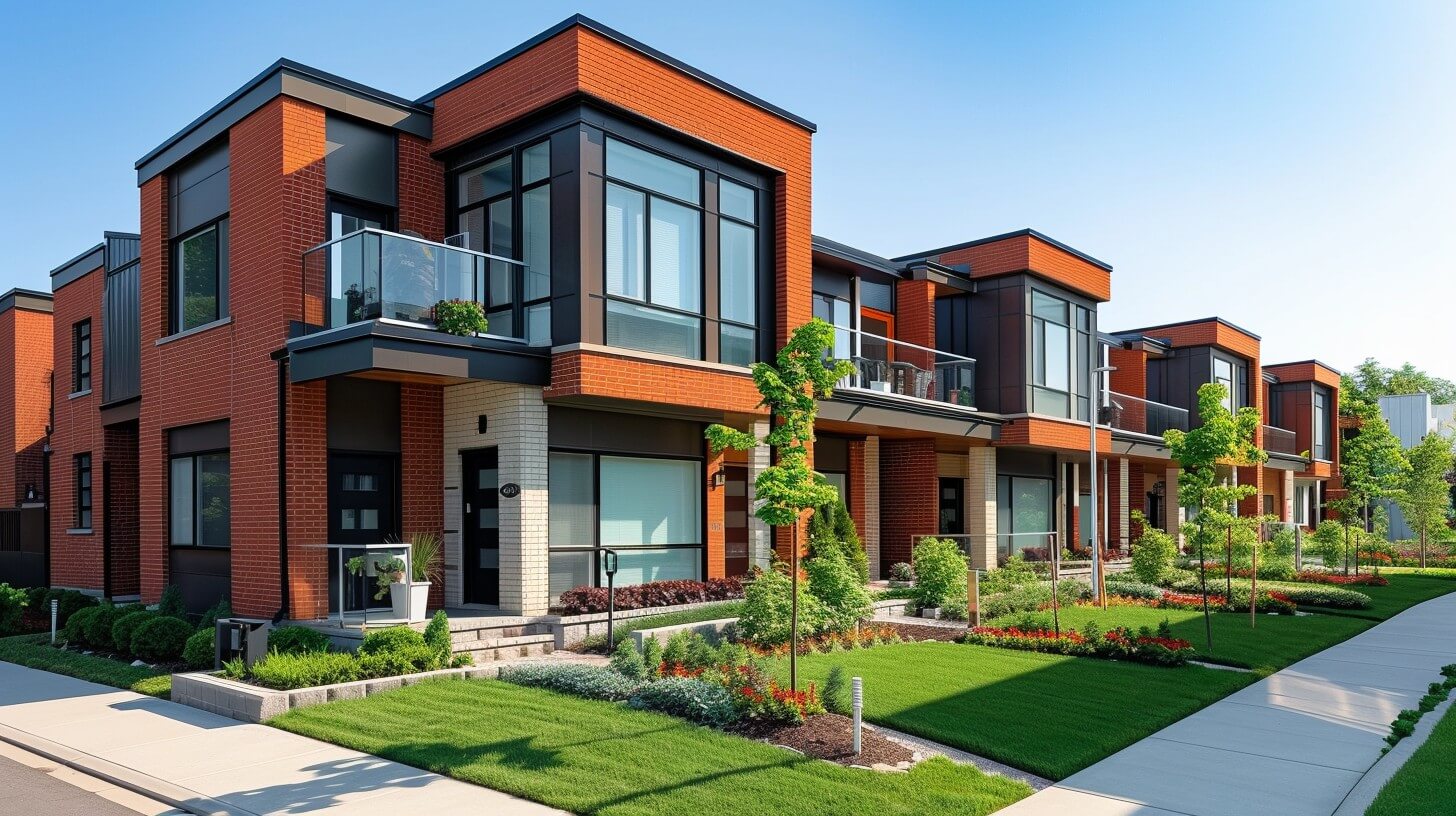

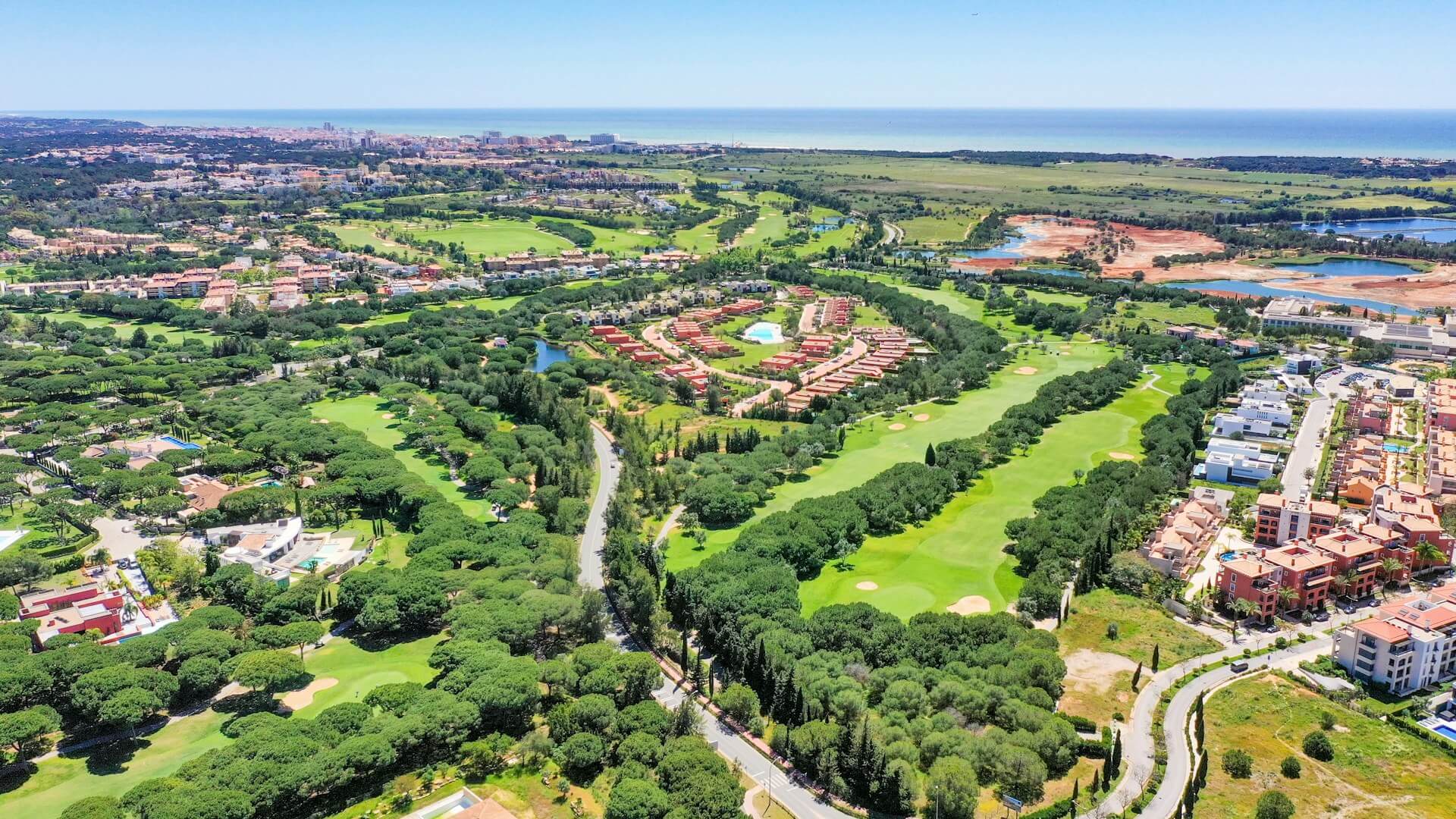
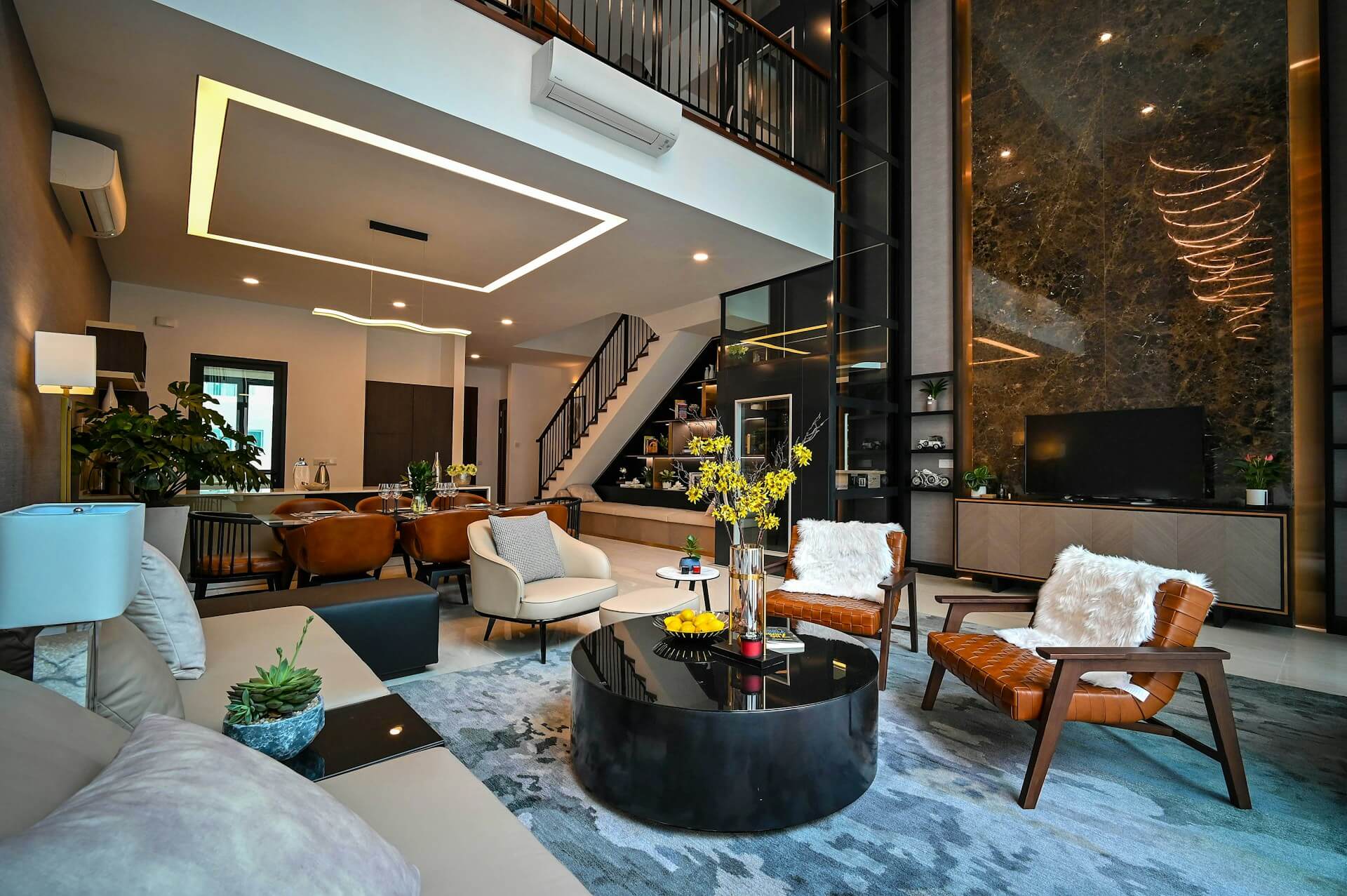
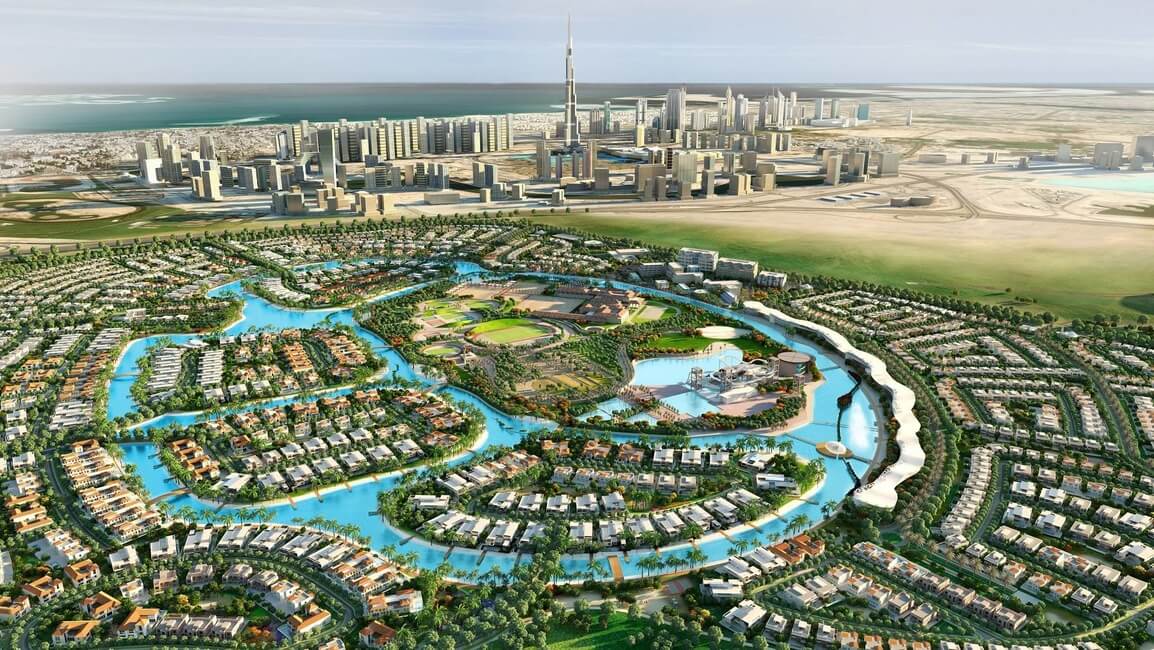
The current moment is suitable to consider a purchase in Dubai’s real estate market, with demand peaking in Business Bay and Dubai Marina. Entry-level budgets start from AED 1.2 million for one-bedroom apartments in these locations.
Investors can expect rental yields averaging 6.5% annually, with liquidity highest for ready-to-move units, particularly in Business Bay where transaction volumes rose by 18% in Q1 2024.
Strong buyer interest in Dubai Marina is driven by ongoing infrastructure projects and proximity to economic hubs.
Supply remains constrained after recent regulatory tightening on new launches, creating upward pressure on prices. This makes the market favorable for those focusing on capital appreciation combined with steady rental income streams.
Comparing between Business Bay and Dubai Marina, the former offers larger apartments at lower prices per square foot but slightly reduced yield, while Dubai Marina’s premium rates attract end-users seeking lifestyle-oriented investments.
Entry capital for a standard two-bedroom unit in Dubai Marina generally exceeds AED 2 million, whereas similar configurations in Business Bay trade around AED 1.75 million on average.
Market trends in Dubai indicate that entering the residential segment demands an initial capital starting from AED 1.2 million for studio and one-bedroom units in well-connected localities.
This threshold is notably lower than premium waterfront developments, where entry can exceed AED 3.5 million, making mid-range communities more accessible for investors prioritizing balanced cost and returns.
The current absorption rates are driven primarily by migrant inflows linked to recent visa reforms that offer longer residency options, fueling demand in areas with robust infrastructure. Dubai’s midtown districts show higher stability in resale prices compared to peripheral zones, which suffer from oversupply and prolonged vacancies exceeding 12 months in some cases.
Choosing established neighborhoods ensures faster liquidation, with average resale times of 3–6 months versus 9–14 months in emerging developments.
Capital appreciation in locations such as Business Bay has outpaced alternative districts by approximately 6–9% annually over the last three years, attributed to a denser corporate presence and expanding metro connectivity.
Conversely, some suburban clusters exhibit 3–5% gain but at significantly lower entry prices. This contrasts liquidity profiles, where urban centers benefit from strong end-user demand, while peripheral areas rely heavily on short-term rental yields, vulnerable to regulatory adjustments.
For those targeting income generation, rental yields average 6.5% in strategically situated towers compared to sub-5% in sprawling communities.
Low vacancy and high corporate leasing demand characterize downtown projects, making them suitable for buy-to-let investors focused on monthly returns. Buyers seeking capital preservation with moderate growth should consider areas undergoing infrastructure expansion, where future supply remains controlled and pricing is below AED 1.8 million for typical apartments.
Comparative analysis reveals that off-plan contracts in emerging projects offer 10–15% discounts against completed units but carry higher speculative risk and longer exposure before income realization.
Ready assets enable immediate leasing but often require 5–8% premium on entry price. This trade-off defines investment approaches based on liquidity needs and risk tolerance, especially relevant in Dubai’s fluctuating real estate cycles.
Investor profiles vary: expatriates aiming for relocation demand prioritize proximity to business hubs and international schools in Dubai, whereas portfolio investors lean towards properties with proven rental stability and potential for geographical diversification within the emirate.
Luxury segments attract high-net-worth individuals focusing on branded residences with secure capital retention but demand entry levels exceeding AED 5 million, limiting broader market participation.
| Midtown Apartments | 1,200,000–2,500,000 | 6–9% | 3–6 months | 6.5% |
| Peripheral Villas | 2,800,000–4,000,000 | 3–5% | 9–14 months | 4.5% |
| Downtown Studios | 900,000–1,500,000 | 7–8% | 2–5 months | 7% |
| Luxury Branded Residences | 5,000,000+ | 4–6% | 6–9 months | 3.5–5% |
Risks to consider include regulatory shifts impacting short-term rentals, which significantly affect yield calculations, especially in districts with high tourism-driven leasing demand.
Additionally, areas with pending large-scale supply releases face price correction risks. Investors with low liquidity tolerance should avoid neighborhoods where price volatility historically exceeds 12%, opting instead for districts demonstrating 5–7% stable annual appreciation.
Timing also matters: entering during phases of increased mortgage availability correlates with faster capital turnover, whereas periods of restrictive lending slow resale velocity.
The residential market in Dubai responds effectively to macroeconomic signals, so tracking visa policy changes and transport infrastructure rollouts is critical for timing acquisitions optimally.
For immediate access to the real estate portal, registration requires a verified email and mobile number.
Start by visiting the platform’s homepage, then click “Sign Up.” Provide your full name and contact details accurately to avoid verification delays; the system sends a one-time password to your phone for confirmation.
After account confirmation, customize your profile by specifying investment intent–whether purchase, rental, or resale–and preferred asset types such as apartments, villas, or commercial spaces.
Completing this step enhances algorithmic recommendations tailored to your objectives in Dubai.
Once logged in, the dashboard offers segmented search filters aligned with Dubai’s major residential and commercial zones. Use filters for budget range, property size, delivery status (off-plan vs. ready), and expected yield to refine results effectively.
Sorting options include price per square foot, ROI projection, and liquidity score based on transaction history.
The platform integrates live market data, showcasing updated trends within each neighborhood of Dubai, such as price fluctuations and demand indexes.
Make use of comparison tools that juxtapose similar listings by price and rental returns, providing a clear quantitative basis for investment decisions.
For inquiries, the platform supports direct communication with verified brokers and developers active in Dubai’s real estate market, streamlining negotiation phases and reducing time to contract.
Navigation efficiency improves with a dedicated section for payment plans and transaction schedules, detailing milestone payments customary for Dubai developments.
This transparency assists buyers and investors in cash flow management aligned with market norms.
Use the integration with the mortgage calculator calibrated to Dubai-specific lenders, allowing instant projections of monthly installments based on down payment and loan tenure variables.
This feature supports realistic budgeting aligned with current financial conditions.
To locate off-plan developments effectively on the Next Property Dubai platform, start by filtering listings explicitly marked as “off-plan” or “under construction.” The portal updates inventory regularly, reflecting launches from prominent developers targeting various budgets in Dubai.
These filters allow direct access to available units before project completion, crucial for early-bird pricing and better payment plans.
Focus on areas exhibiting active infrastructure projects and government incentives, which typically drive higher capital appreciation in Dubai’s property scene.
For off-plan investments, districts like Dubai South, Dubai Hills Estate, and Business Bay are seeing prominent launches, offering entry prices from AED 700,000 for studios up to AED 2 million for larger apartments. These locations provide a balanced mix of residential and commercial use, increasing rental demand post-delivery.
Use the platform’s comparison tools to evaluate payment plan flexibility, post-handover service fees, and developer reputation, key differentiators in off-plan project choice.
Projects with installment structures spanning up to 4 years lessen immediate capital requirements, with down payments starting at 10-20%. This leverages liquidity, especially for investors targeting long-term capital gains versus rental income from ready units.
Next, analyze supply constraints in specific sectors of Dubai, such as the limited new launches in Dubai Marina versus oversupply risks in expansive masterplans like Dubai Creek Harbour.
The platform highlights these trends through updated market insights to guide whether off-plan assets in certain locations face softer competition or faster absorption.
Buyers focusing on premium or branded developments should prioritize listings connected to international hotel operators or developers recognized for timely completion, reducing uncertainty inherent to off-plan products.
These are easily filtered on the platform, along with project completion timelines–critical data since delayed handovers impact both ROI and resale potential.
Lastly, ensure you integrate mortgage options listed within the portal to assess true entry costs. Off-plan financing in Dubai often allows for 80% loans, contingent on developer status and residual loan-to-value caps.
Factoring this in when searching on the platform offers a realistic picture of upfront capital and ongoing costs, fundamental to deciding if a particular off-plan investment aligns with your financial and portfolio goals.
Next Property Dubai provides a transparent comparison tool crucial for assessing price differentials across various sectors of the Dubai market. For example, apartments in Business Bay currently average AED 1,100 per sqft, while similar units in Dubai Marina hover around AED 1,250 per sqft.
This platform aggregates listings from developers and resales, allowing investors and end-users to benchmark asking prices effectively.
By filtering assets by completion status, unit type, and location within Dubai, buyers can identify underpriced resale offers compared to off-plan rates.
In Al Barsha, ready apartments offer entry points from AED 900,000 for 1-bedroom units, whereas off-plan projects list similar configurations at AED 1.1 million. Such direct comparisons highlight immediate savings opportunities and help forecast near-term price corrections.
The tool also tracks price trends over 6–12-month periods, which clarifies which micro-markets in Dubai have seen stronger capital appreciation or discounting.
For instance, Jumeirah Village Circle showed a 3% price increase year-over-year, contrasting with a 1.5% decline in surrounding sub-communities. Investors can weigh these variances when selecting investment hubs or lifestyle addresses.
Additionally, Next Property Dubai integrates rental data alongside sales prices, enabling calculation of gross yields.
Dubai Marina’s apartments yield approximately 6.3% annually on average, outperforming locations like Business Bay at 5.7%. Comparing these figures through the platform assists in identifying where rental income justifies the initial capital outlay or if price correction risks outweigh the yield benefits.
Importantly, the platform helps users estimate required entry capital by showing supply segmented by price brackets within Dubai.
Entry-level investors typically access studios and one-bedroom units priced between AED 700,000 and AED 1.2 million, predominantly available in emerging neighborhoods such as Dubai South or International City. Contrastingly, luxury apartments in Palm Jumeirah start at AED 3 million, with substantial premiums reflecting waterfront positioning.
Comparing resale speed and price stability across locations in Dubai is also possible.
The aggregated data reveals that Business Bay properties move faster on average, with median days on market at 45 days, compared to 70 days in peripheral areas. High turnover correlates with stronger liquidity, reducing holding cost risks for short-term investors aiming to capitalize on market cycles.
For buyers targeting capital growth, juxtaposing off-plan versus ready units across Dubai highlights varying risk profiles.
Off-plan units in Dubai Creek Harbour exhibit 10-15% discounts to current resale asking prices, but require longer holding periods and exposure to project delivery risks. Ready units, although sometimes priced higher, offer immediate access and lower volatility, which is critical during market slowdowns.
To maximize investment decisions, users should cross-reference price data with infrastructure developments in Dubai, such as planned metro expansions or new economic zones, since these elements impact future demand and price revaluation potential.
The platform’s tools facilitate mapping these insights alongside current listings, offering a comprehensive comparison beyond mere sticker prices.
Dubai offers a wide variety of properties, including apartments, villas, townhouses, and commercial spaces.
Residential apartments are common in areas like Downtown Dubai and Dubai Marina, suited for both end-users and investors. Villas and townhouses are often found in communities such as Arabian Ranches and Palm Jumeirah, ideal for families or those seeking more privacy. Additionally, there are mixed-use developments that combine residential and commercial units, providing more flexible investment options depending on the buyer’s objectives.
Foreign buyers can purchase property in designated freehold areas in Dubai, where they receive full ownership rights.
The process typically begins with selecting a property and signing a Memorandum of Understanding (MoU), which outlines the terms and conditions. After this, a 10% deposit is usually paid, followed by registration at the Dubai Land Department. It’s important to consider fees such as registration charges and agent commissions.
Working with a reputable real estate agent and a legal advisor can simplify the transaction and ensure all local regulations are met properly.
Property prices in Dubai depend on several aspects including location, type of property, developer reputation, and the overall demand in the market. Areas closer to business districts or popular tourist attractions tend to have higher prices.
Additionally, newer developments with advanced amenities may command a premium. Economic conditions, upcoming infrastructure projects, and government initiatives to attract foreign investors also play a role. Monitoring market reports and consulting experts can provide a clearer picture of price trends at any given time.
Yes, non-residents can access mortgage facilities offered by local banks, though the terms may vary compared to those for residents.
Typically, banks require a down payment ranging from 20% to 25% of the property value for expats. The approval process involves assessment of income, credit history, and the property itself.
Some financial institutions collaborate with international banks, which can facilitate loans for overseas buyers. It is advisable to check eligibility criteria and interest rates with different lenders to determine the best arrangement.
Ownership of certain properties in Dubai can grant investors a residence visa, which allows for extended stays and easier travel arrangements within the UAE.
This supports a flexible lifestyle with access to high-quality infrastructure, schools, healthcare facilities, and recreational options. Dubai is known for its safety and cosmopolitan environment, making it attractive for families and professionals alike.
Additionally, many communities feature well-maintained public spaces and community centers that enhance day-to-day living experiences.
Next Property in Dubai offers a wide variety of real estate options to suit different preferences and budgets. Buyers and investors can find residential apartments, luxury villas, townhouses, and commercial spaces. The choices range from newly constructed buildings to resale units, located in popular areas like Dubai Marina, Downtown Dubai, Palm Jumeirah, and Jumeirah Lakes Towers.
This variety allows clients to select homes or investments aligned with their lifestyle or financial goals.
Clear answers about buying, renting and investing in Dubai property.
Yes. Foreign buyers can purchase freehold property in designated areas such as Dubai Marina, Downtown Dubai, Business Bay, Palm Jumeirah, Dubai Hills and other approved communities.
It depends on your timeline, budget and goal. Buying is usually better for long-term plans, capital growth and rental income, while renting is better for flexibility and easier relocation.
The required budget depends on the area, building quality and property type. More accessible apartments can be found in developing communities, while prime locations and luxury properties require a much higher budget.
In addition to the purchase price, buyers should budget for the Dubai Land Department fee, registration and trustee fees, possible agency commission, mortgage-related costs if financing is used, and ongoing service charges for many buildings.
Yes, many banks in the UAE offer mortgages to foreign buyers. Approval depends on income, documents, deposit amount and the specific property being purchased.
Areas such as Dubai Marina, Downtown Dubai, Business Bay, Dubai Hills, JVC, Palm Jumeirah and Creek Harbour are often considered by investors, but the right area depends on whether your focus is yield, resale value, lifestyle appeal or long-term growth.
Rental yield varies by area, property type, furnishing level and market timing. In practice, many investors look for a balance between strong occupancy, reasonable service charges and sustainable tenant demand rather than chasing headline numbers alone.
Off-plan property is purchased directly from a developer before the project is completed. Buyers often choose off-plan because of payment plans, newer inventory and lower entry prices compared with some ready properties.
A proper review should consider the developer’s track record, payment plan, handover timeline, location quality, future supply in the area and the project’s resale or rental potential after completion.
For ready property, the timeline can move fairly quickly if the price is agreed, documents are prepared and the buyer is ready to proceed. Mortgage purchases usually take longer than cash deals.
Yes, many purchases can be handled remotely with the correct documents and proper support through the process. Remote buying is common for overseas investors and international clients.
The biggest risks are overpaying, choosing a weak location, buying an unsuitable layout, ignoring service charges, or selecting a project with low resale and rental demand. Good selection matters more than marketing promises.
In long-term rentals, rent is commonly agreed for a fixed term and often paid by one or several cheques depending on the landlord, property and negotiation.
Tenants are usually asked for identification and residency-related documents, and the exact set depends on their status in the UAE and the landlord’s requirements.
A security deposit is commonly required before move-in. The amount often depends on whether the property is furnished or unfurnished and should be clearly stated in the rental terms.
In many rental transactions, an agency commission is charged. The amount depends on the deal structure and should be confirmed before signing anything.
Tenants should review the deposit, Ejari registration, utility setup costs, parking terms if relevant, maintenance responsibilities and any conditions related to early termination or renewal.
Yes, negotiation is common. The final result depends on market conditions, the landlord’s flexibility, how long the property has been available and how prepared the tenant is to move forward.
It is important to check the condition of the unit, building quality, noise level, parking, view, maintenance status, contract terms and the reliability of the owner or manager.
Short-term rent offers flexibility and convenience but is usually more expensive. Long-term rent is generally more cost-effective and better suited for clients planning to stay longer.
During an active contract, the agreed rent usually remains fixed. Any increase is generally discussed at renewal and should follow the applicable rules and notice requirements.
This depends on the tenancy contract. Minor day-to-day issues may be handled by the tenant, while major maintenance is commonly the landlord’s responsibility, but the exact wording in the contract matters.
Ejari is the official registration of the tenancy contract in Dubai. It is important for legal recognition of the lease and is commonly needed for practical steps such as setting up utilities.
Yes. Furnished properties can be more convenient and faster to move into, while unfurnished options may work better for longer stays or tenants who want more control over the setup and budget.
We do not rely on random mass listings. We narrow the market based on budget, location, property type, investment goal, lifestyle needs and timeline, so clients can focus only on relevant options.
Yes. Support can include shortlisting, arranging viewings, comparing options, discussing terms, helping with negotiations and guiding the next steps of the transaction.
The best first step is to define the real budget, target areas, purpose, preferred property type and timeline. Once those points are clear, the selection becomes faster, cleaner and much more useful.