
FOR SALE
AED 1,200,000AED 720,000
We help clients buy and rent the right property in Dubai — apartments, villas and investment units matched to budget, area and goals.
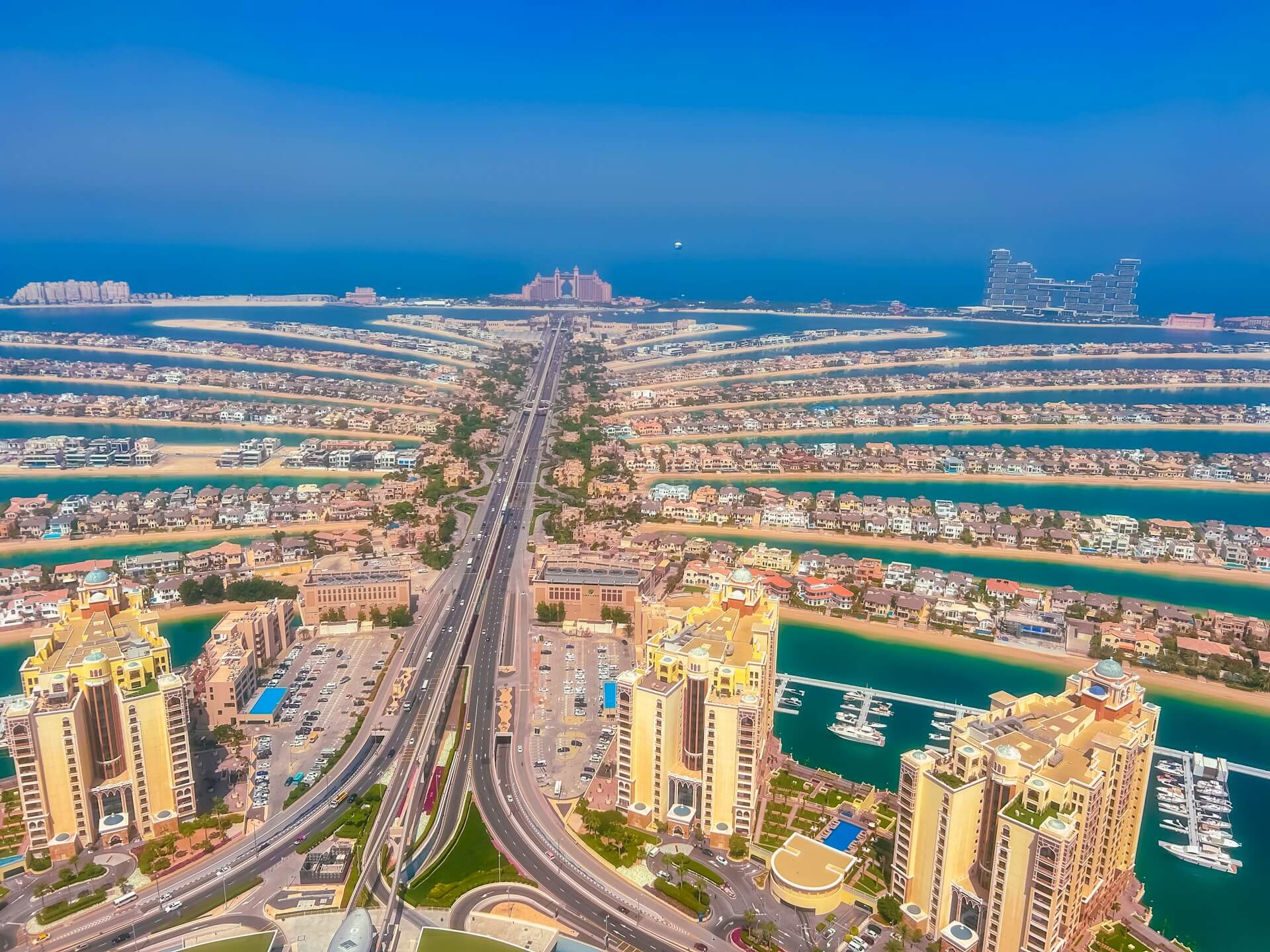
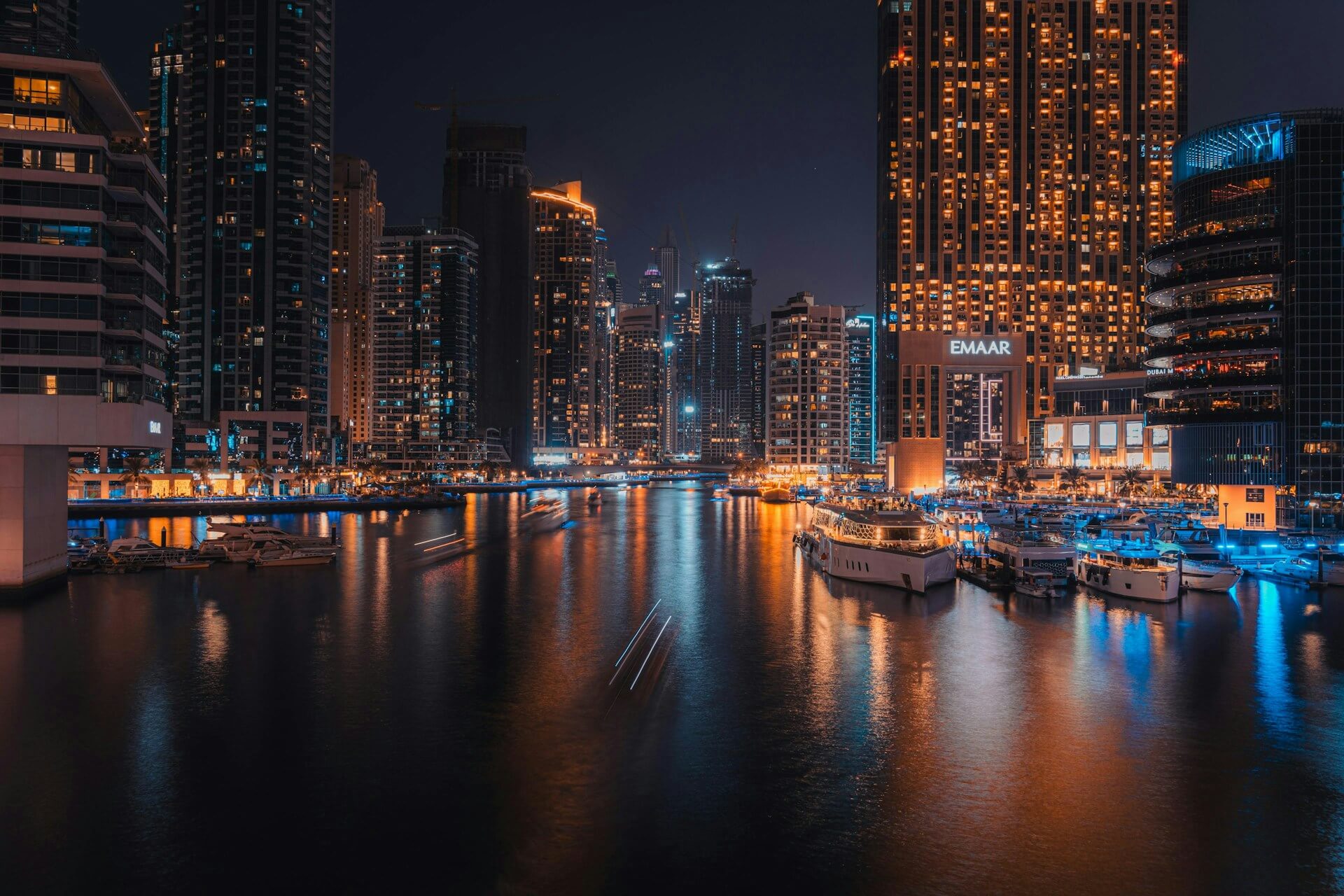
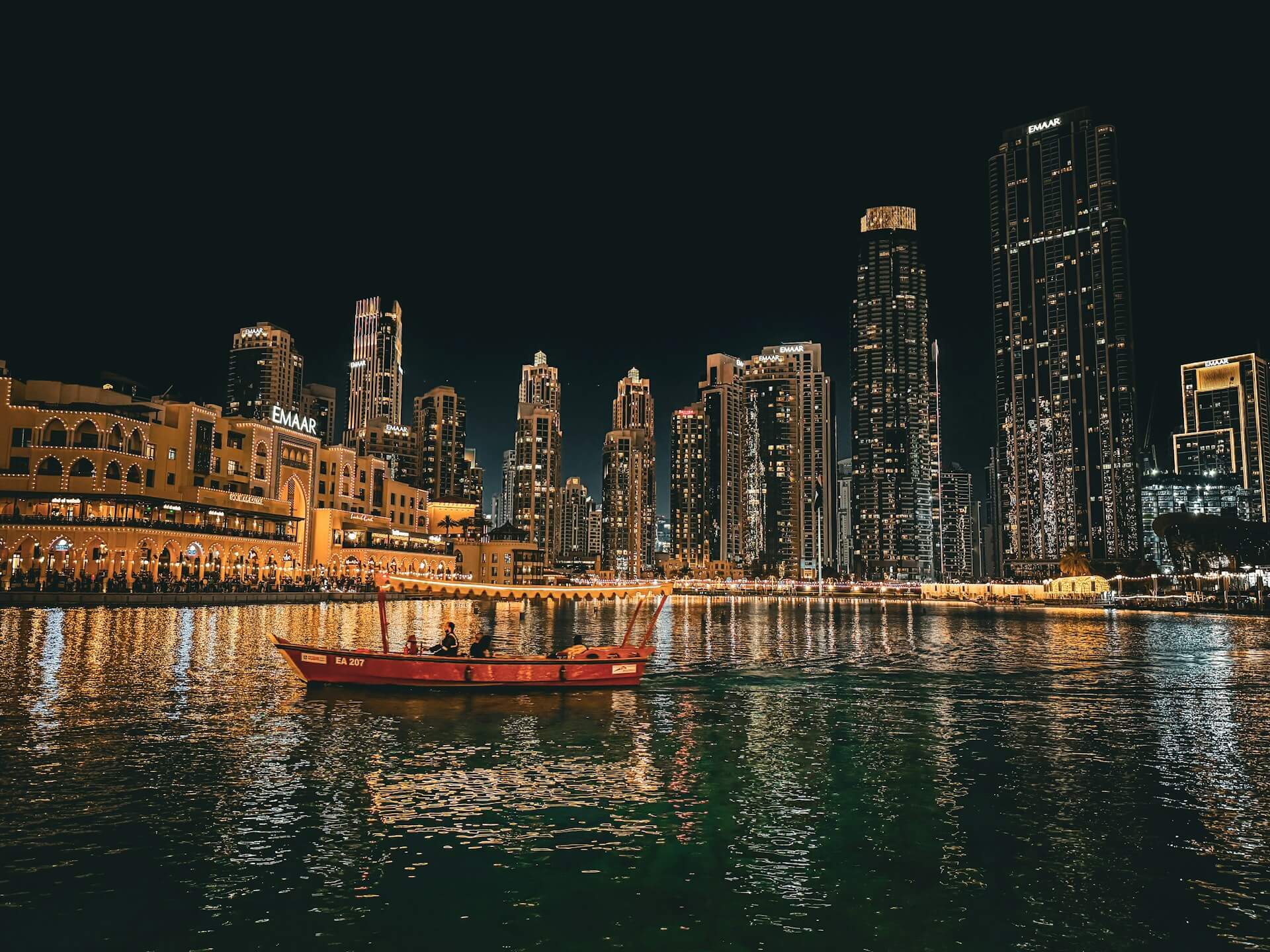
Dubai Property Selection focuses on apartments, villas and investment properties in key areas such as Dubai Marina, Downtown, Business Bay, Dubai Hills and Palm Jumeirah.
Instead of sending a huge list of random listings, we prepare a clean shortlist based on your budget, preferred area, bedrooms, timeline and purchase or rental goals.
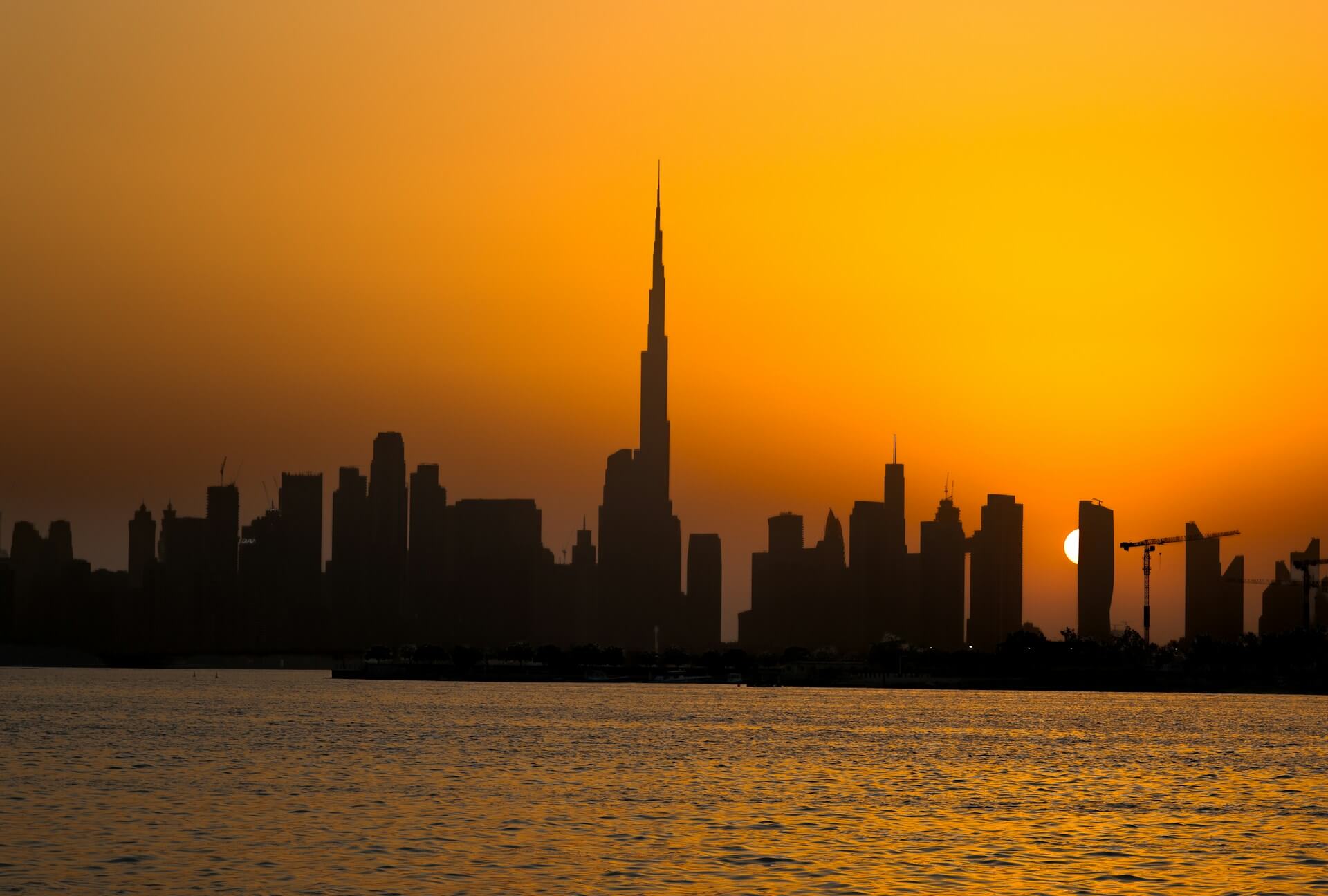
Premium opportunities in Dubai — from compact investment units to signature villas and penthouses.
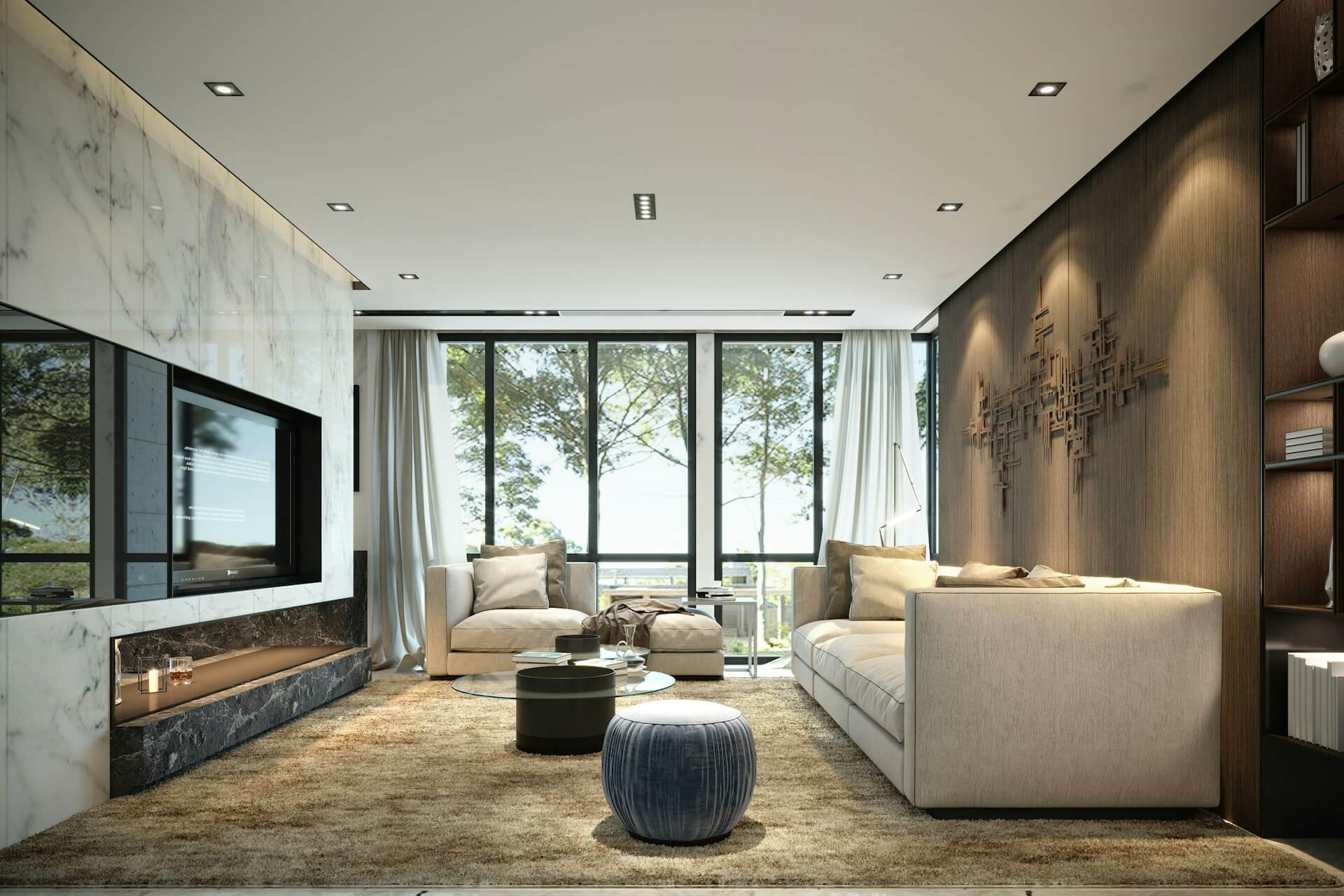
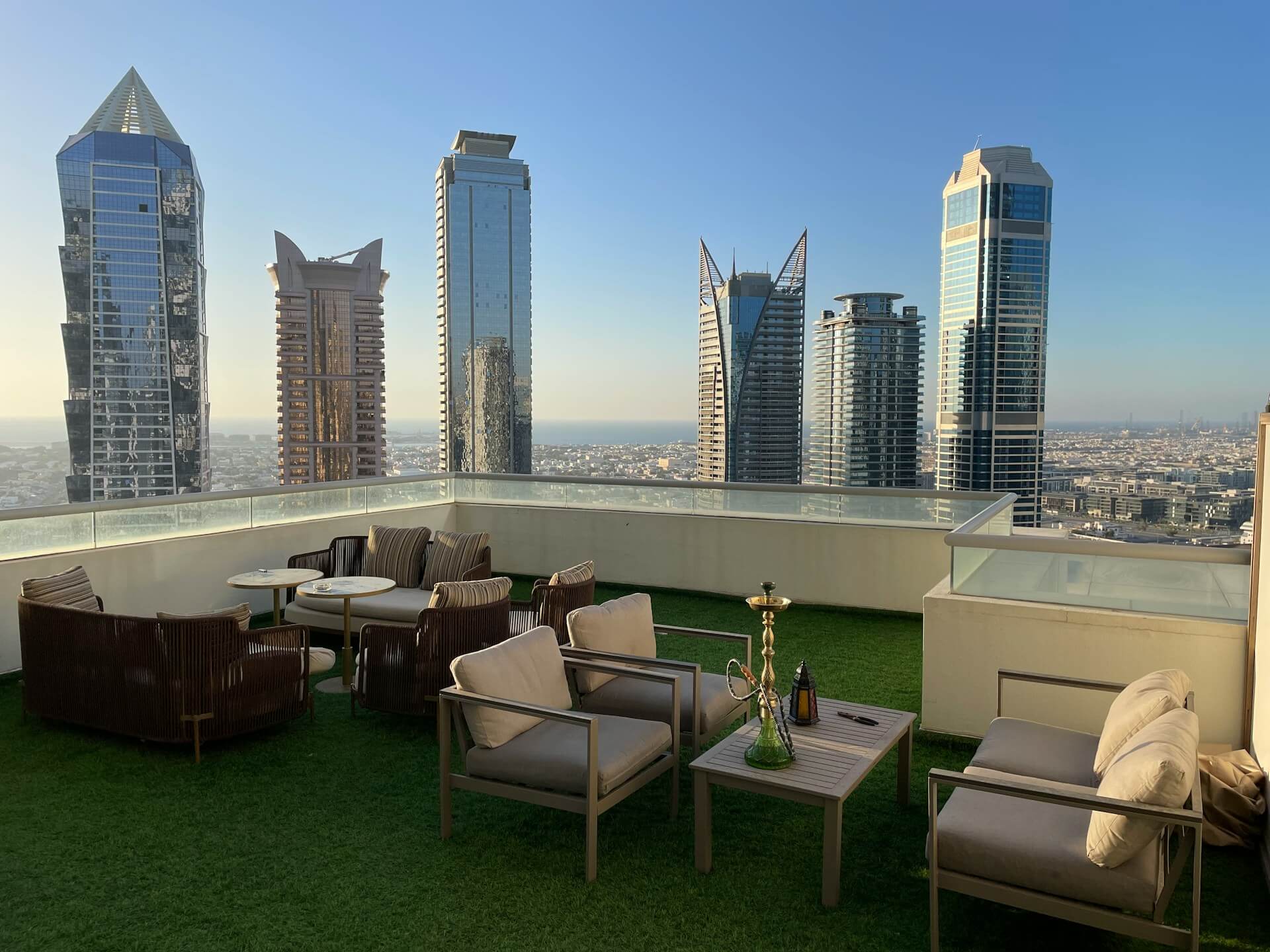
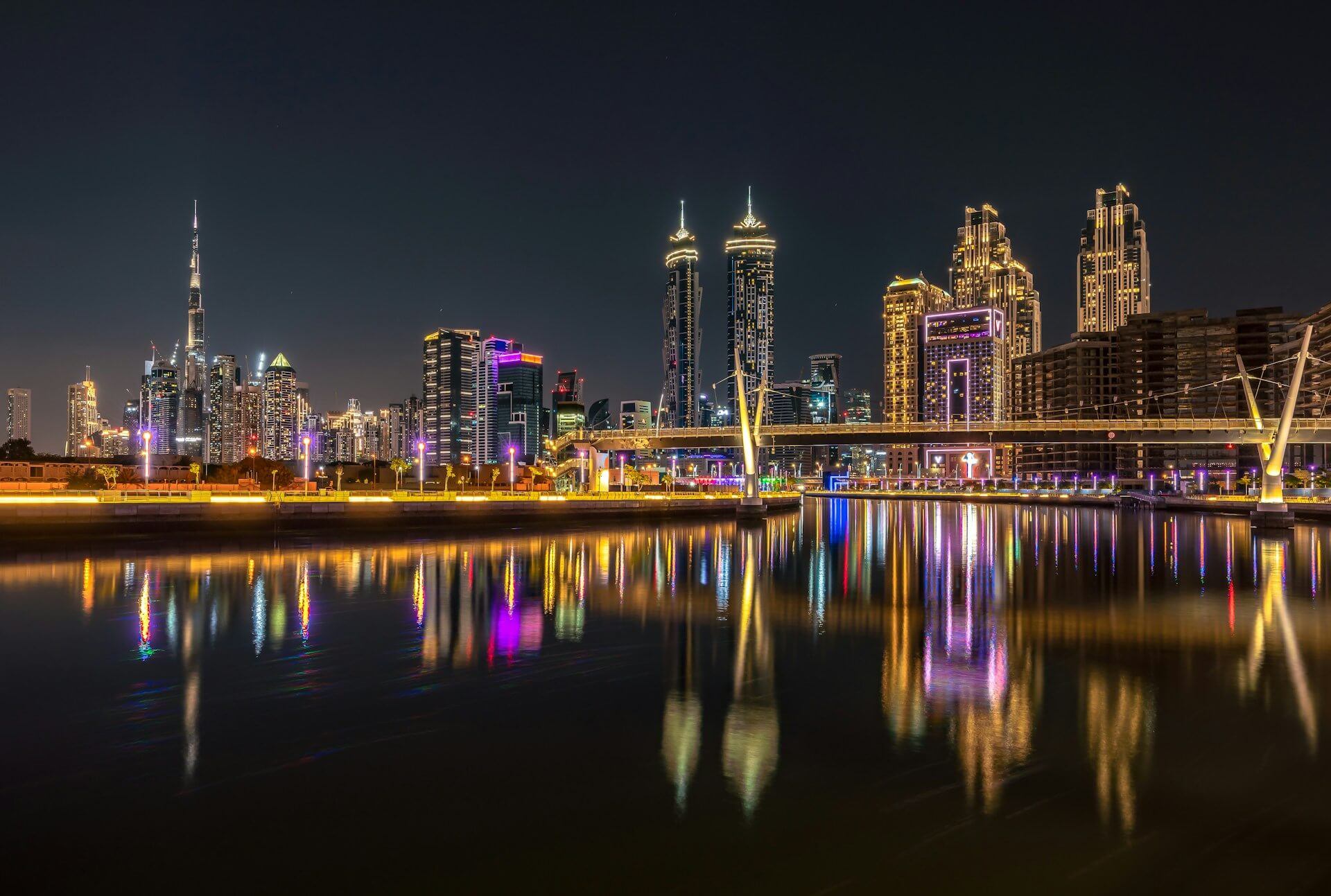
Comfortable long-term and premium rental options across Dubai.
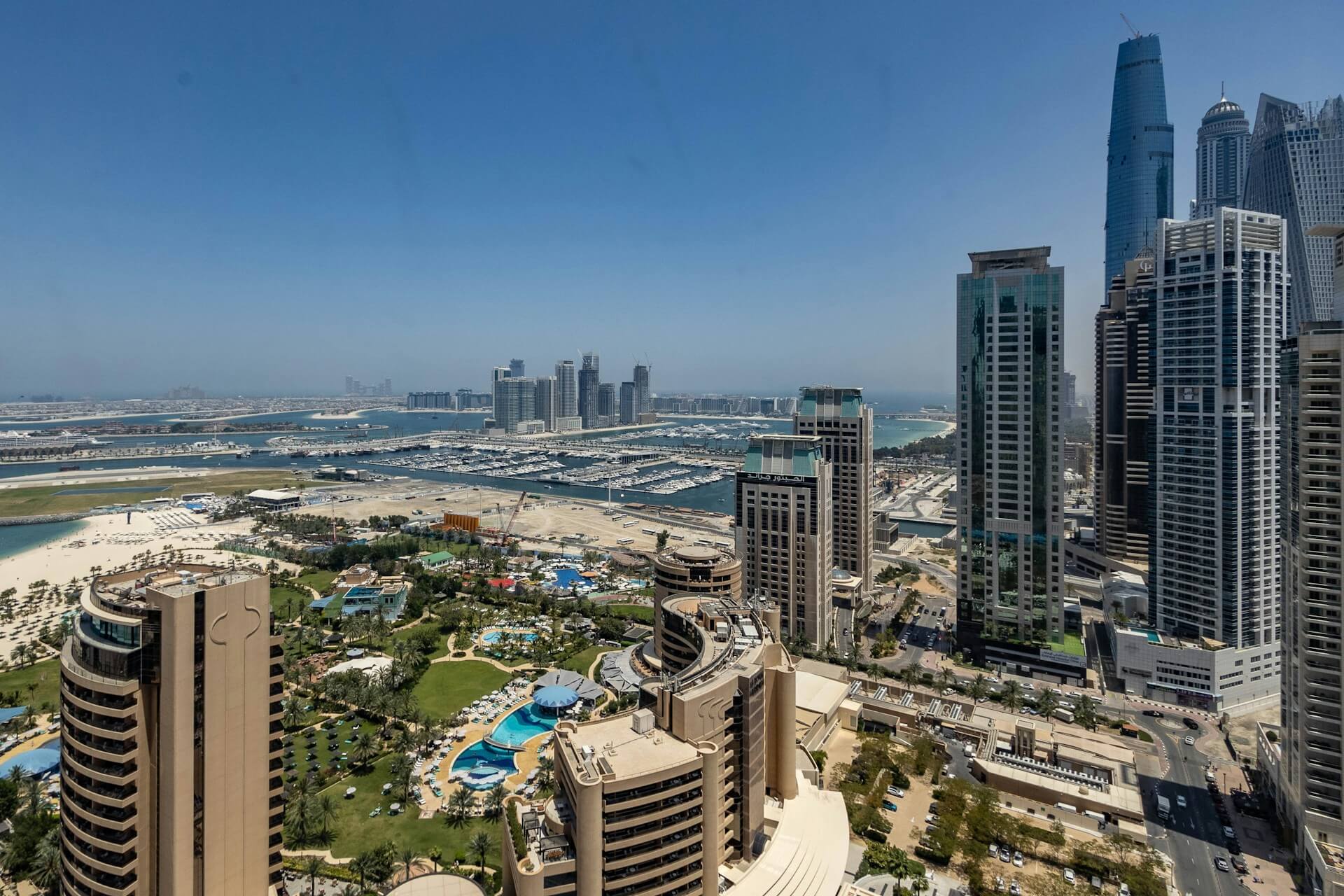

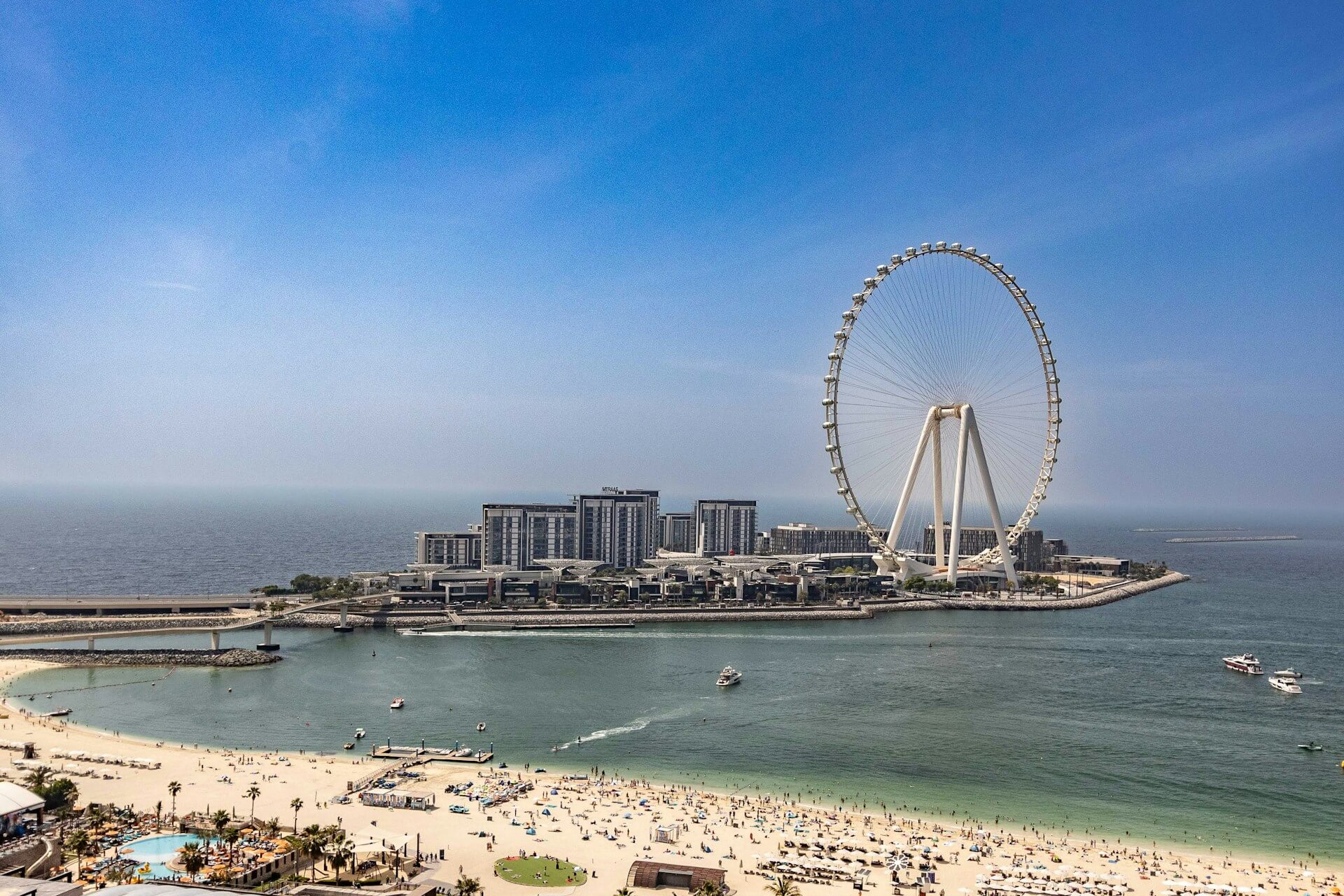
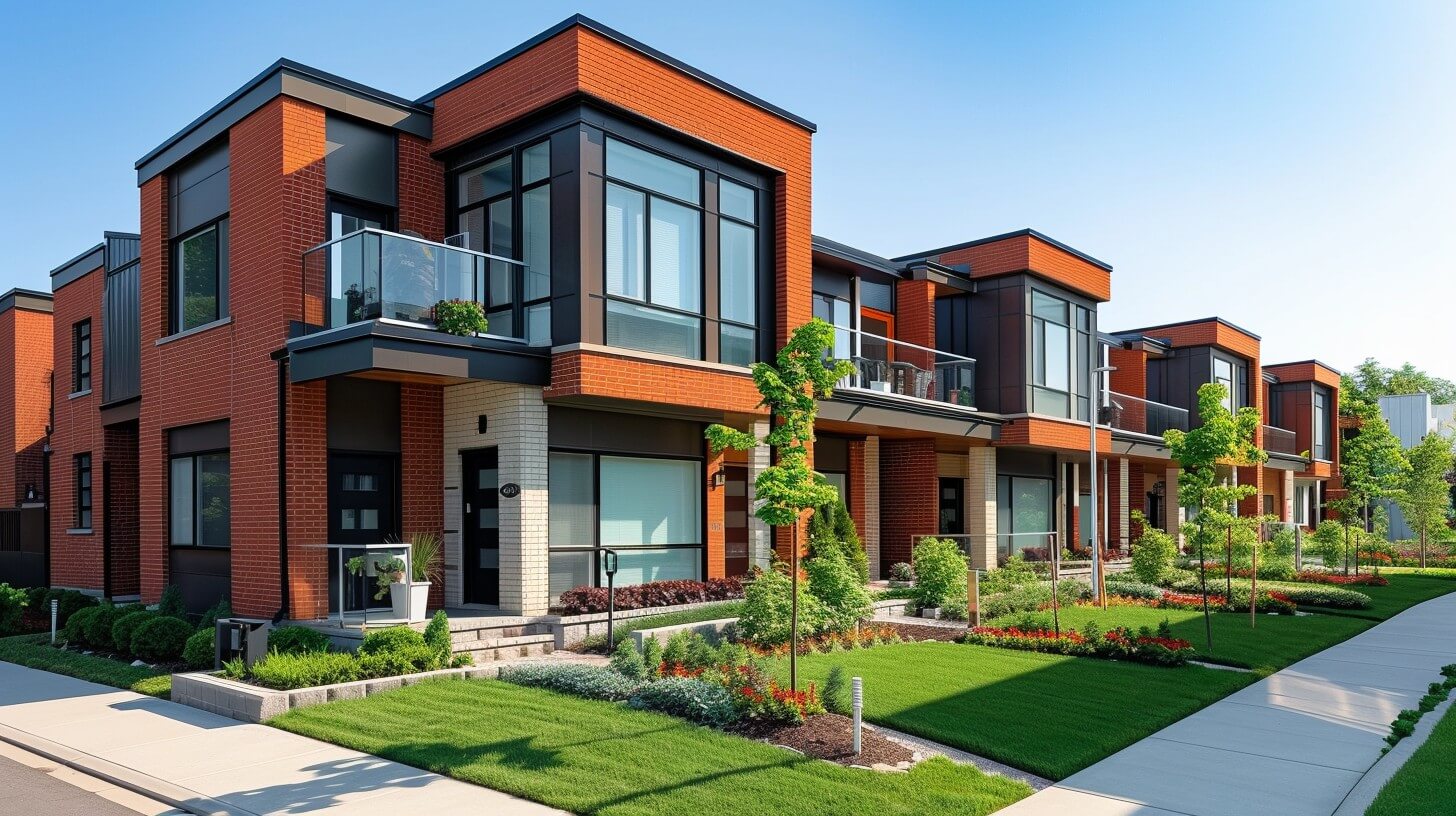
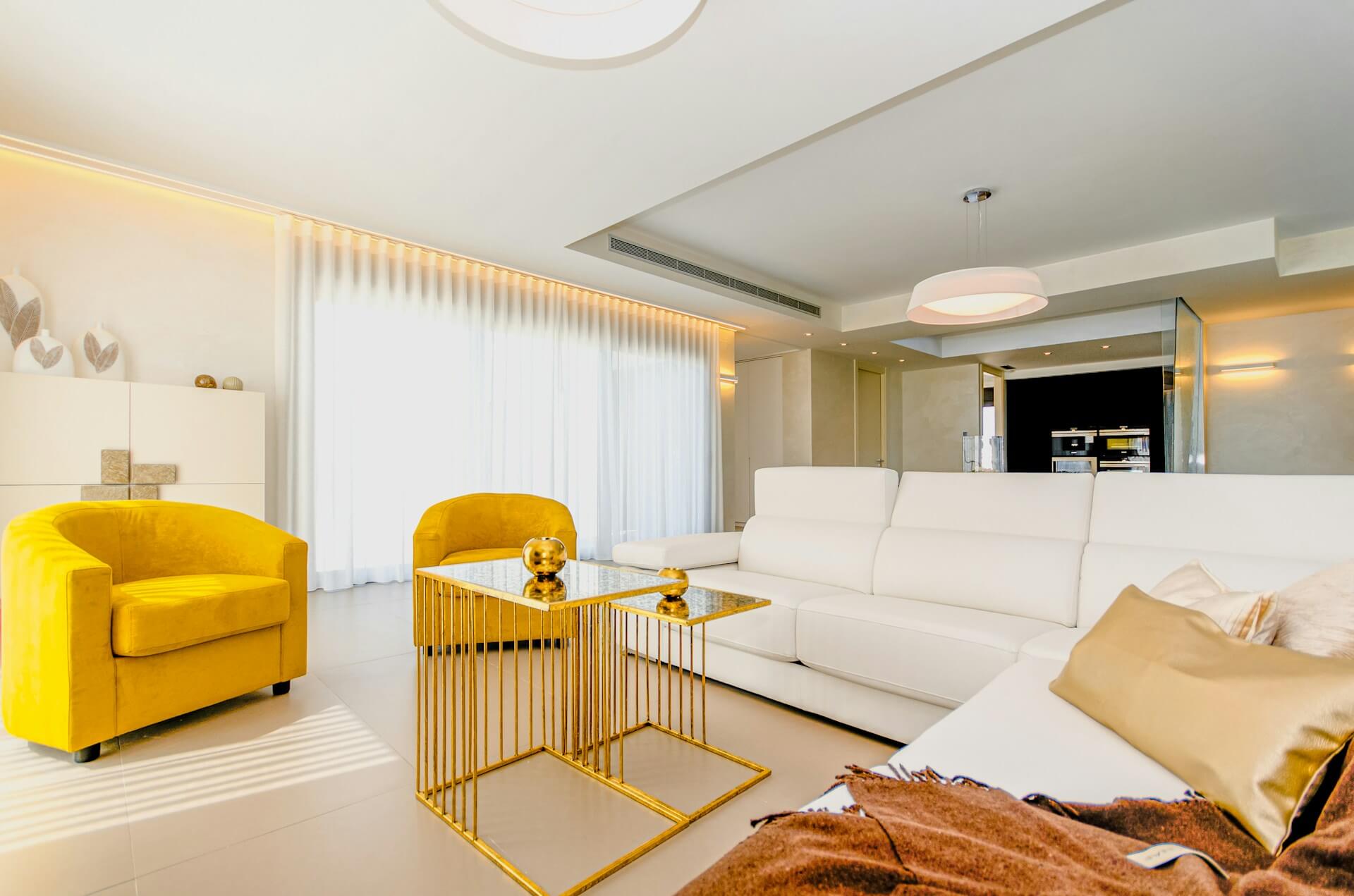
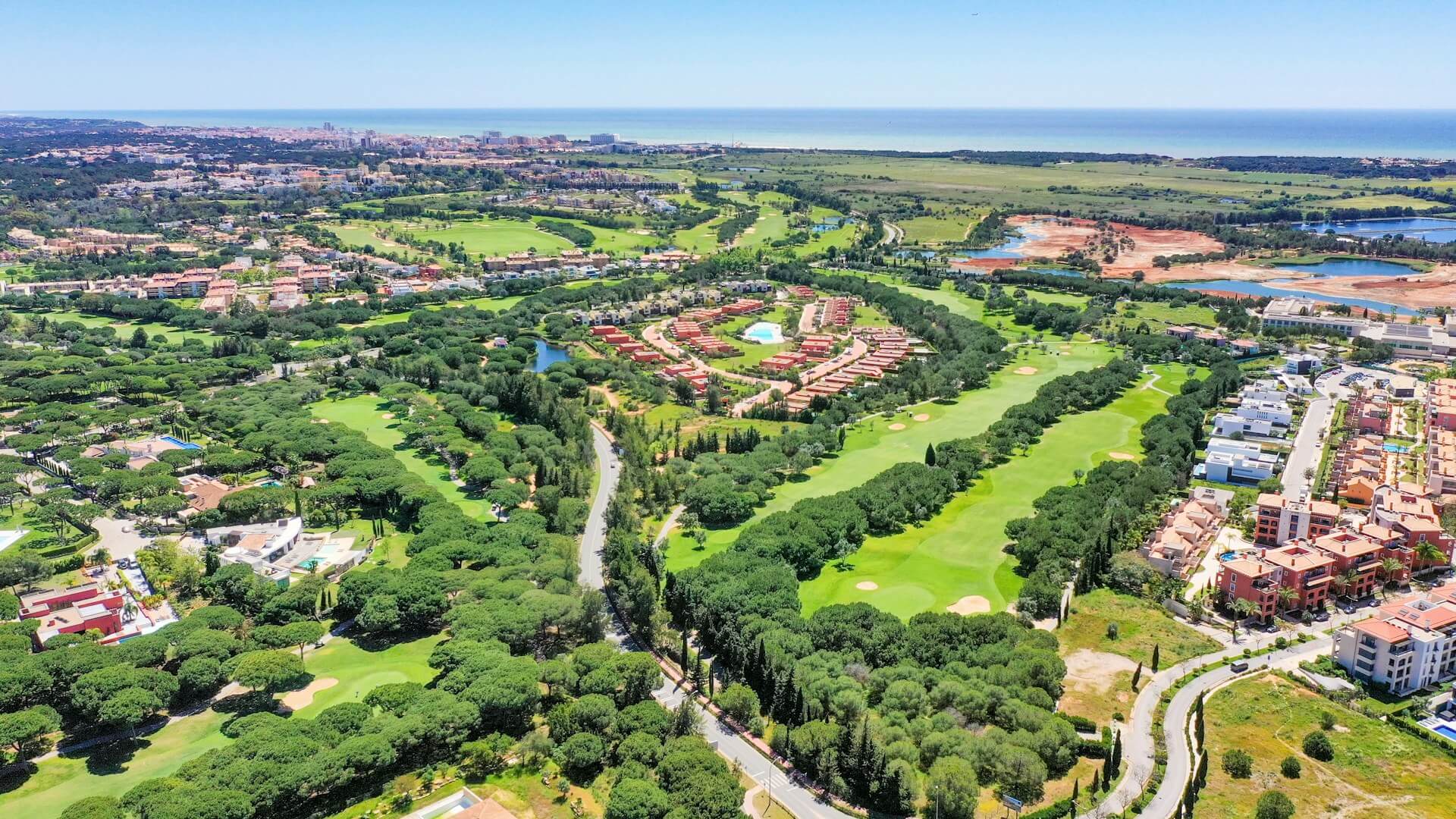
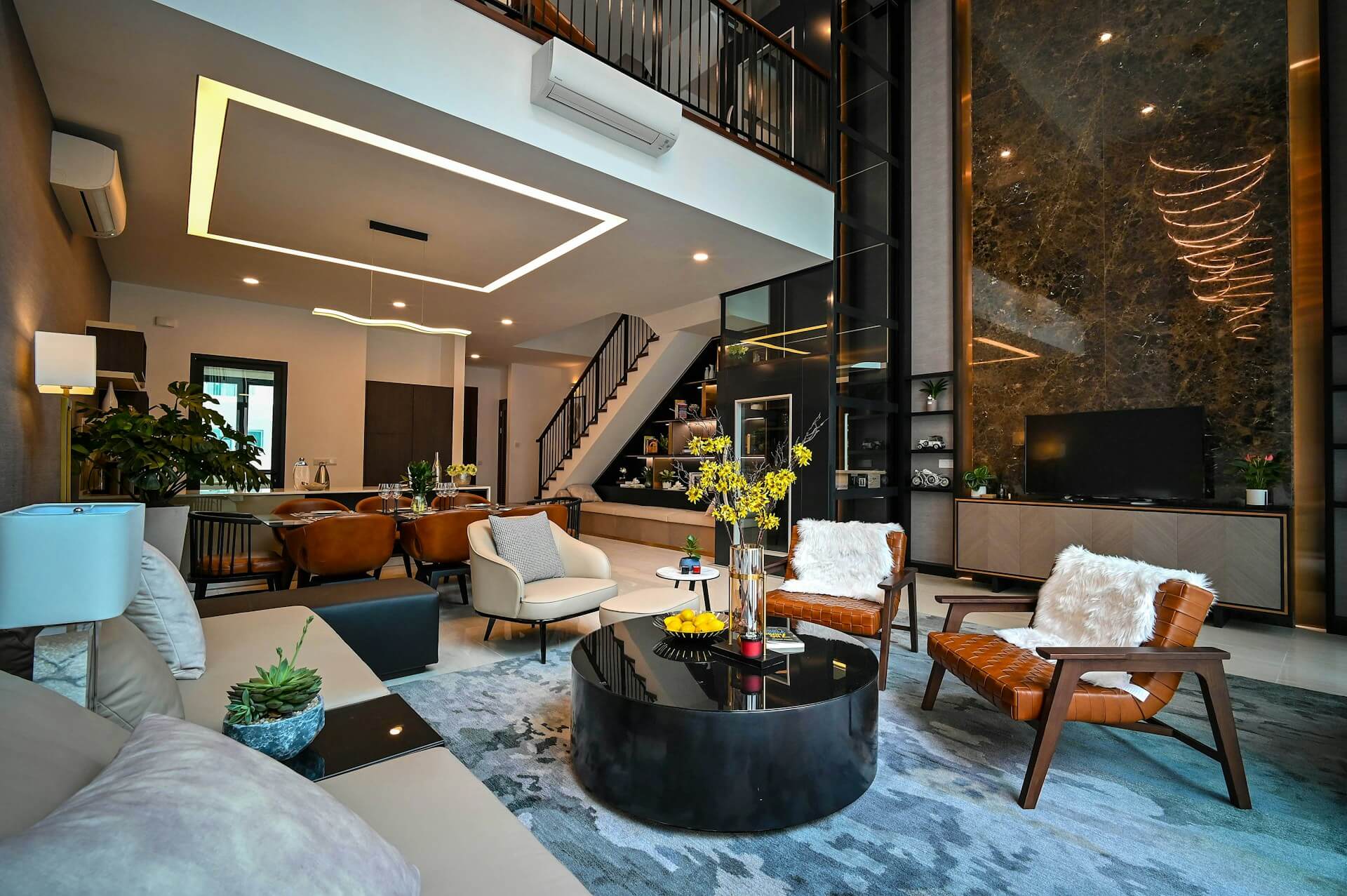
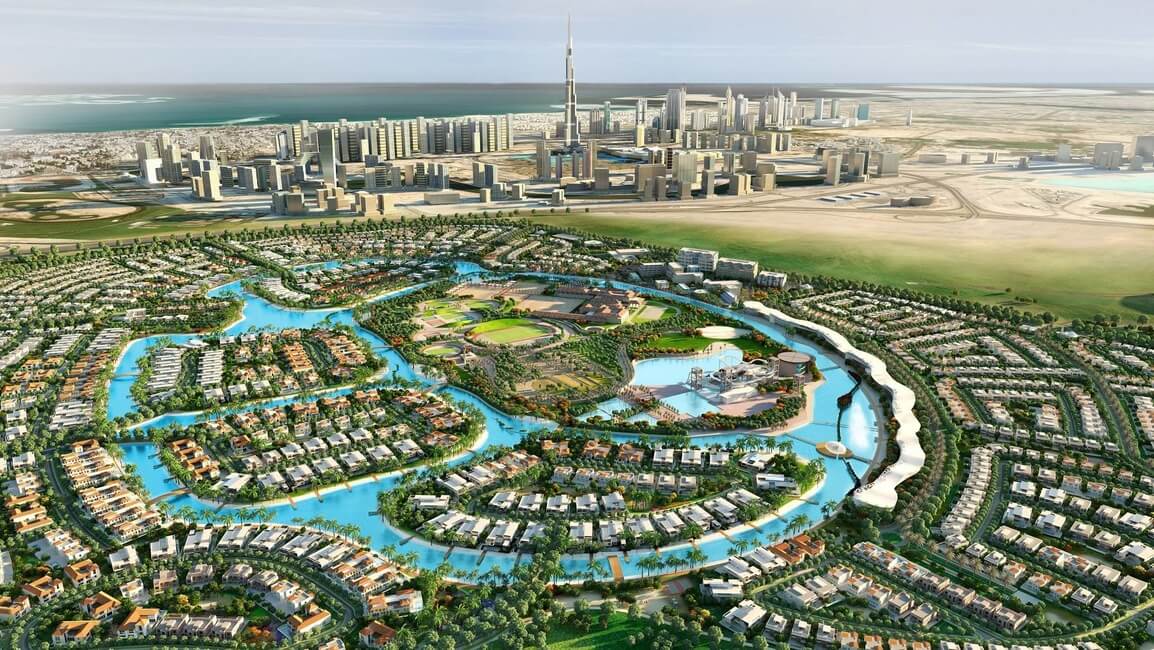
Acquiring a 2 bedroom for rent in Dubai currently requires an entry budget starting at AED 80,000 annually in primary locations such as Dubai Marina, Business Bay, and Jumeirah Lake Towers. The strongest demand concentrates around Dubai Marina due to its combination of waterfront access, ready infrastructure, and high tenant interest, which directly supports both rental yields and liquidity. Market activity is fueled by a mix of corporate relocations, visa reforms expanding long-term stay incentives, and a persistent limited supply of mid-sized residences targeting young professionals and small families.
Dubai’s rental market for two-room units shows significant variance in entry costs and yields depending on the exact location chosen.
Areas like Business Bay offer slightly lower entry prices–starting near AED 75,000–but also present softer resale dynamics compared to Dubai Marina, where rental returns average 6-7% per annum against 5-6% elsewhere.
The liquidity profile is notably superior in Dubai Marina due to steady end-user demand and a longstanding reputation attracting expatriates for both lifestyle and work purposes. This results in faster turnover and fewer vacancy periods.
Investors seeking long-term capital preservation should prioritize projects with established infrastructure and transit connectivity, with Dubai Marina outperforming alternatives by virtue of its mature amenities.
In contrast, emerging neighborhoods such as Dubai Creek Harbour may offer lower upfront costs but carry elevated risk tied to delivery timelines and tenant profile uncertainty. The current market favors ready properties with verified occupancy, where immediate income generation is feasible without extensive refurbishment or tenant sourcing hurdles.
To navigate this sector effectively, consider the balance between premium location premiums and attainable yields.
Dubai Marina consistently commands higher sticker prices but aligns with superior occupancy rates and resell speed. Business Bay appeals to budget-conscious tenants with slightly higher vacancy risk, making it less optimal for investors prioritizing cash flow stability. When deciding on a 2 bedroom in this segment, aligning target rental income with realistic exit strategies is crucial, especially given ongoing supply introductions in Dubai’s mid-tier segments.
The current market for 2 room apartments across Dubai requires initial capital starting from AED 900,000 in emerging districts such as International City and Dubailand, while prime locations like Downtown Dubai, Dubai Marina, and Business Bay demand entry sums from AED 1.5 million to AED 2.3 million.
These figures reflect ready-to-move-in units; off-plan offerings can reduce entry thresholds by 10-15%, yet carry additional delivery and marketing risks.
Price differentials within Dubai stem from project age, developer reputation, and proximity to transportation nodes.
For example, 2-unit layouts in Dubai Marina command premiums up to 20% above Jumeirah Lake Towers for equivalent specifications due to waterfront access and better connectivity. In contrast, districts on the outskirts show 25-30% lower average asking prices but often lack finished infrastructure, affecting resale velocity.
Financing availability influences affordability: mortgage options cover up to 80% in select Dubai regions for Emirati nationals and up to 75% for expatriates, with interest rates fluctuating between 3.5% and 4.25%.
High loan-to-value ratios improve access but increase holding costs, thus requiring careful cash flow analysis. Buyers targeting rental returns usually allocate a minimum upfront budget of AED 1 million to secure units in high-demand areas like Downtown Dubai, where tenant pool density supports stable occupancy.
Investors focusing on capital preservation should consider secondary markets with price points between AED 1 million and AED 1.3 million, notably in Business Bay and Jumeirah Village Circle.
These zones offer balance between entry cost and future appreciation driven by ongoing infrastructure projects and planned community enhancements. Conversely, ultra-central locations in Dubai with entry costs exceeding AED 2 million provide shorter turnover cycles but reduced yield margins.
| Dubai Marina | 1,750,000 | 75 | High-income investors, end-users seeking lifestyle |
| Business Bay | 1,200,000 | 80 | Young professionals, medium-term investors |
| International City | 900,000 | 60 | Budget-conscious buyers, entry-level investors |
| Downtown Dubai | 2,300,000 | 75 | Premium investors, clients prioritizing capital growth |
Inclusion of additional charges such as maintenance fees, service charges averaging AED 20-30 per sq.ft., and developer fees should be factored into total investment to avoid budgeting shortfalls.
These costs vary widely between projects in Dubai and affect net returns significantly.
Buyers should prioritize districts with established public transport electrification like Business Bay and Dubai Marina as these impact both property value resilience and tenant demand.
Areas underserved by transport options still fetch lower prices but increase vacancy risk and consequently prolong exit timeframes.
2 bedroom for rent in Dubai opportunities emerge mainly at the intersection of peripheral locations and upcoming neighborhoods where developers focus on volume rather than luxury finishes.
Areas such as International City, Discovery Gardens, and Jumeirah Village Circle offer lower monthly fees with comparable living space to central zones but at a 30-45% price reduction. Targeting these sectors allows budget-conscious tenants to access spacious units without compromising on accessibility.
Identifying affordable homes requires evaluating communities based on infrastructure growth and public transport extensions.
For example, proximity to newer metro extensions in Dubai significantly influences rental dynamics, with a 15-25% premium for properties within 1 km of stations. Choosing slightly farther locations with planned transport rollout can yield cost savings of up to 20% today, with potential appreciation aligned to future connectivity.
Focus on mid-rise buildings constructed between 2010 and 2017, as these typically have less intensive service charges and fewer premium amenities than ultra-modern towers.
Service costs in such developments average AED 12-18 per sq.ft annually, compared to AED 22+ in luxury high-rises located in Downtown or Dubai Marina. This contributes to overall affordability and lowers total monthly expenditure despite similar space allocation.
Month-to-month agreements commonly raise rents by 5-7%, so locking in annual contracts can secure up to 10% savings over the term, especially within the most affordable hubs.
Landlords in emerging locations are more flexible due to higher turnover rates and competition among offerings, meaning negotiation can drive monthly prices down by AED 3,000–5,000 depending on the complex.
Online platforms targeting local residents and expatriates typically list more economical options than international portals. In addition, brokers with focused specialization in budget segments can access pocket listings below published rates, particularly in regions further from main tourism corridors but with strong potential for workforce housing.
Engaging such intermediaries streamlines discovery of below-market units.
Avoid developments with upcoming large-scale retail or commercial projects pending, as short-term construction disturbances depress market values but temporarily increase leasing competition. Conversely, completed masterplans where retail and schools operate fully tend to stabilize pricing and reduce vacancy risk.
This balance between ongoing buildup and established social infrastructure is key in selecting economical apartments.
Comparing off-market units in Jumeirah Village Triangle versus those in Dubai Silicon Oasis reveals a cost gap up to 20%, with the latter offering better tech-centric amenities but longer travel times to key business districts.
Selection depends on prioritizing commute or monthly overhead savings. For more centralized locations in Business Bay versus peripheral areas, expect at least 35% higher rates despite smaller square footage.
Prospective tenants aiming to minimize expenses should prioritize communities that allow shared amenities rather than exclusive facilities, as these influence monthly costs significantly.
High-end pools, gyms, and concierge services elevate overall fees by AED 1,500–2,500 monthly. Choosing basic amenities while maintaining safety standards can reduce total outgoing payments by a substantial margin.
Finally, monitoring market trends reveals seasonal downward pressure during summer months where average fees drop by 7-12%, mostly in non-tourist districts. Planning move-in and lease renewals between June and September can optimize monthly saving potentials, especially in mid-tier clusters.
Flexible tenancy start dates thus become a practical strategy to secure the lowest commitment.
When targeting 2 bedroom for rent in dubai, prioritize Business Bay, Jumeirah Village Circle (JVC), and Dubai Hills Estate. Business Bay offers entry prices starting at AED 90,000 annually, appealing to professionals seeking proximity to Downtown and established infrastructure.
Stability in rental rates and strong tenant turnover favor investor liquidity here.
JVC provides a more affordable threshold, with average yearly payments around AED 65,000. It attracts families and young couples due to ongoing development, green spaces, and community facilities. However, supply in JVC is expanding rapidly, introducing elevated vacancy risk compared to the more mature Business Bay, which could pressure rental growth.
Dubai Hills Estate demands a higher initial outlay, often above AED 120,000 per year, but compensates with premium amenities and a master-planned environment.
The area supports appreciation driven by long-term infrastructure projects like the upcoming Dubai Hills Mall, making it suitable for buyers focused on capital growth rather than immediate rental yield.
5.5%, compensated by strong capital appreciation potential.
Comparing these clusters highlights what to expect operationally and financially. Business Bay fits investors focused on steady returns and liquidity, while JVC suits those willing to accept higher risk aiming for yield.
Dubai Hills Estate caters to buyers with longer investment horizons and capacity for larger commitments.
For shorter lease cycles and higher tenant rotation, select Business Bay or JVC.
For stable, long-term holdings with appreciation, Dubai Hills Estate remains unmatched. Direct competition from Dubai Marina on rental pricing and demand is present but entry costs exceed AED 130,000, reducing accessibility for moderate budgets targeting 2-bedroom units.
International relocation demand and visa reforms notably boost Business Bay’s appeal.
JVC benefits from population growth driven by affordability within the central zone, though oversupply tempers immediate capital gains. Dubai Hills Estate's infrastructure timeline extends investment horizon, offering consistent value uplift once projects complete.
When weighing options, assess budget constraints, liquidity needs, and tenant profiles. Avoid JVC if unable to withstand potential rental fluctuations or prolonged vacancies.
Skip Dubai Hills Estate for quick returns or low capital entry strategies. Business Bay balances these factors, suitable for moderate outlays and timely exits aligned with market cycles.
The current market for a 2 bedroom for rent in Dubai shows base monthly rates ranging from AED 70,000 to AED 130,000 annually, depending heavily on location, building age, and amenities. Beyond the headline rent, tenants must factor in service charges, which average between AED 15 and AED 25 per sq ft yearly, significantly impacting total occupancy cost.
In emerging zones of Dubai, service fees tend to be lower–averaging AED 12–AED 18 per sq ft–while prime locations like Downtown Dubai or Dubai Marina command higher maintenance charges due to premium facility upkeep.
Ignoring these fees can underestimate the annual cash outlay by 15–25%.
Utility expenses, often excluded from the rent, add another AED 700–AED 1,200 monthly for typical 900–1,200 sq ft units. Water, electricity, cooling, and internet collectively affect affordability, especially for families targeting well-connected communities in Dubai.
Security deposits generally equal one to five months’ rent, depending on the landlord and lease duration.
This upfront capital must be included when calculating entry costs. Some buildings in Dubai allow payment in multiple installments; negotiation here can improve cash flow.
Parking fees can also arise separately, particularly in non-freehold developments.
Monthly parking rates vary from AED 300 to AED 800. Buildings offering free parking are usually highly competitive, reflecting in higher base fees. This is a key distinction when comparing options across Dubai.
For tenants intending to furnish, initial setup costs range widely from AED 20,000 to AED 60,000.
Some buildings in Dubai provide furnished units but at a 10–15% premium, impacting yearly expense calculations.
Early contract termination penalties must be reviewed carefully. Many landlords impose fees equivalent to one to three months’ rent if notice periods aren’t met, which is a relevant factor for expatriates facing uncertain tenure in Dubai.
Understanding these components beyond advertised rental figures clarifies budgeting necessities. Selecting neighborhoods with moderate service charges and fixed utility costs typically yields better total cost control without sacrificing connectivity or lifestyle benefits in Dubai.
The rent for a two-bedroom apartment in Dubai varies depending on the district and the building's amenities.
On average, prices range from AED 50,000 to AED 95,000 per year. Areas like Dubai Marina and Downtown tend to be more expensive due to their prime location, while neighborhoods such as International City or Discovery Gardens offer more affordable options.
Yes, furnished apartments are available but less common compared to unfurnished ones.
Many landlords offer unfurnished units, allowing tenants to bring their own furniture and personalize the space. Furnished apartments usually come at a higher rental price and are often found in serviced apartment buildings or short-term rental markets.
Families often prefer residential neighborhoods with good schools, parks, and family-friendly facilities.
Areas like Jumeirah Village Circle, Arabian Ranches, and Mirdif are popular choices. These communities offer quieter surroundings and easy access to schools, shopping centers, and recreational spots, making them suitable for family living.
Yes, landlords typically ask for a security deposit equal to 5% or one month’s rent.
This deposit covers potential damages or unpaid fees during the tenancy. The deposit is refundable at the end of the lease, provided no damages or outstanding payments exist. It is also common to sign a tenancy contract outlining these terms.
In most cases, utility bills such as electricity, water, and cooling (DEWA) are not included in the rent and are paid separately by tenants.
However, some buildings or managed communities might bundle certain charges like maintenance fees or housing fees into the rental price. Internet and TV services are typically arranged and paid for by the tenant as well.
When searching for a 2-bedroom rental in Dubai, you should think about the location’s proximity to your workplace, schools if you have children, and access to public transport.
It's also important to check the building's amenities, such as parking availability, security measures, and recreational facilities. Additionally, consider the total monthly rent along with any extra charges, like service fees or utilities.
Inspecting the size and layout of the apartment to ensure it meets your needs is another key point. Finally, reviewing the lease terms carefully, including duration and conditions for renewal, can save you from surprises later on.
Clear answers about buying, renting and investing in Dubai property.
Yes. Foreign buyers can purchase freehold property in designated areas such as Dubai Marina, Downtown Dubai, Business Bay, Palm Jumeirah, Dubai Hills and other approved communities.
It depends on your timeline, budget and goal. Buying is usually better for long-term plans, capital growth and rental income, while renting is better for flexibility and easier relocation.
The required budget depends on the area, building quality and property type. More accessible apartments can be found in developing communities, while prime locations and luxury properties require a much higher budget.
In addition to the purchase price, buyers should budget for the Dubai Land Department fee, registration and trustee fees, possible agency commission, mortgage-related costs if financing is used, and ongoing service charges for many buildings.
Yes, many banks in the UAE offer mortgages to foreign buyers. Approval depends on income, documents, deposit amount and the specific property being purchased.
Areas such as Dubai Marina, Downtown Dubai, Business Bay, Dubai Hills, JVC, Palm Jumeirah and Creek Harbour are often considered by investors, but the right area depends on whether your focus is yield, resale value, lifestyle appeal or long-term growth.
Rental yield varies by area, property type, furnishing level and market timing. In practice, many investors look for a balance between strong occupancy, reasonable service charges and sustainable tenant demand rather than chasing headline numbers alone.
Off-plan property is purchased directly from a developer before the project is completed. Buyers often choose off-plan because of payment plans, newer inventory and lower entry prices compared with some ready properties.
A proper review should consider the developer’s track record, payment plan, handover timeline, location quality, future supply in the area and the project’s resale or rental potential after completion.
For ready property, the timeline can move fairly quickly if the price is agreed, documents are prepared and the buyer is ready to proceed. Mortgage purchases usually take longer than cash deals.
Yes, many purchases can be handled remotely with the correct documents and proper support through the process. Remote buying is common for overseas investors and international clients.
The biggest risks are overpaying, choosing a weak location, buying an unsuitable layout, ignoring service charges, or selecting a project with low resale and rental demand. Good selection matters more than marketing promises.
In long-term rentals, rent is commonly agreed for a fixed term and often paid by one or several cheques depending on the landlord, property and negotiation.
Tenants are usually asked for identification and residency-related documents, and the exact set depends on their status in the UAE and the landlord’s requirements.
A security deposit is commonly required before move-in. The amount often depends on whether the property is furnished or unfurnished and should be clearly stated in the rental terms.
In many rental transactions, an agency commission is charged. The amount depends on the deal structure and should be confirmed before signing anything.
Tenants should review the deposit, Ejari registration, utility setup costs, parking terms if relevant, maintenance responsibilities and any conditions related to early termination or renewal.
Yes, negotiation is common. The final result depends on market conditions, the landlord’s flexibility, how long the property has been available and how prepared the tenant is to move forward.
It is important to check the condition of the unit, building quality, noise level, parking, view, maintenance status, contract terms and the reliability of the owner or manager.
Short-term rent offers flexibility and convenience but is usually more expensive. Long-term rent is generally more cost-effective and better suited for clients planning to stay longer.
During an active contract, the agreed rent usually remains fixed. Any increase is generally discussed at renewal and should follow the applicable rules and notice requirements.
This depends on the tenancy contract. Minor day-to-day issues may be handled by the tenant, while major maintenance is commonly the landlord’s responsibility, but the exact wording in the contract matters.
Ejari is the official registration of the tenancy contract in Dubai. It is important for legal recognition of the lease and is commonly needed for practical steps such as setting up utilities.
Yes. Furnished properties can be more convenient and faster to move into, while unfurnished options may work better for longer stays or tenants who want more control over the setup and budget.
We do not rely on random mass listings. We narrow the market based on budget, location, property type, investment goal, lifestyle needs and timeline, so clients can focus only on relevant options.
Yes. Support can include shortlisting, arranging viewings, comparing options, discussing terms, helping with negotiations and guiding the next steps of the transaction.
The best first step is to define the real budget, target areas, purpose, preferred property type and timeline. Once those points are clear, the selection becomes faster, cleaner and much more useful.