
FOR SALE
AED 1,200,000AED 720,000
We help clients buy and rent the right property in Dubai — apartments, villas and investment units matched to budget, area and goals.
Dubai Property Selection focuses on apartments, villas and investment properties in key areas such as Dubai Marina, Downtown, Business Bay, Dubai Hills and Palm Jumeirah.
Instead of sending a huge list of random listings, we prepare a clean shortlist based on your budget, preferred area, bedrooms, timeline and purchase or rental goals.
Premium opportunities in Dubai — from compact investment units to signature villas and penthouses.
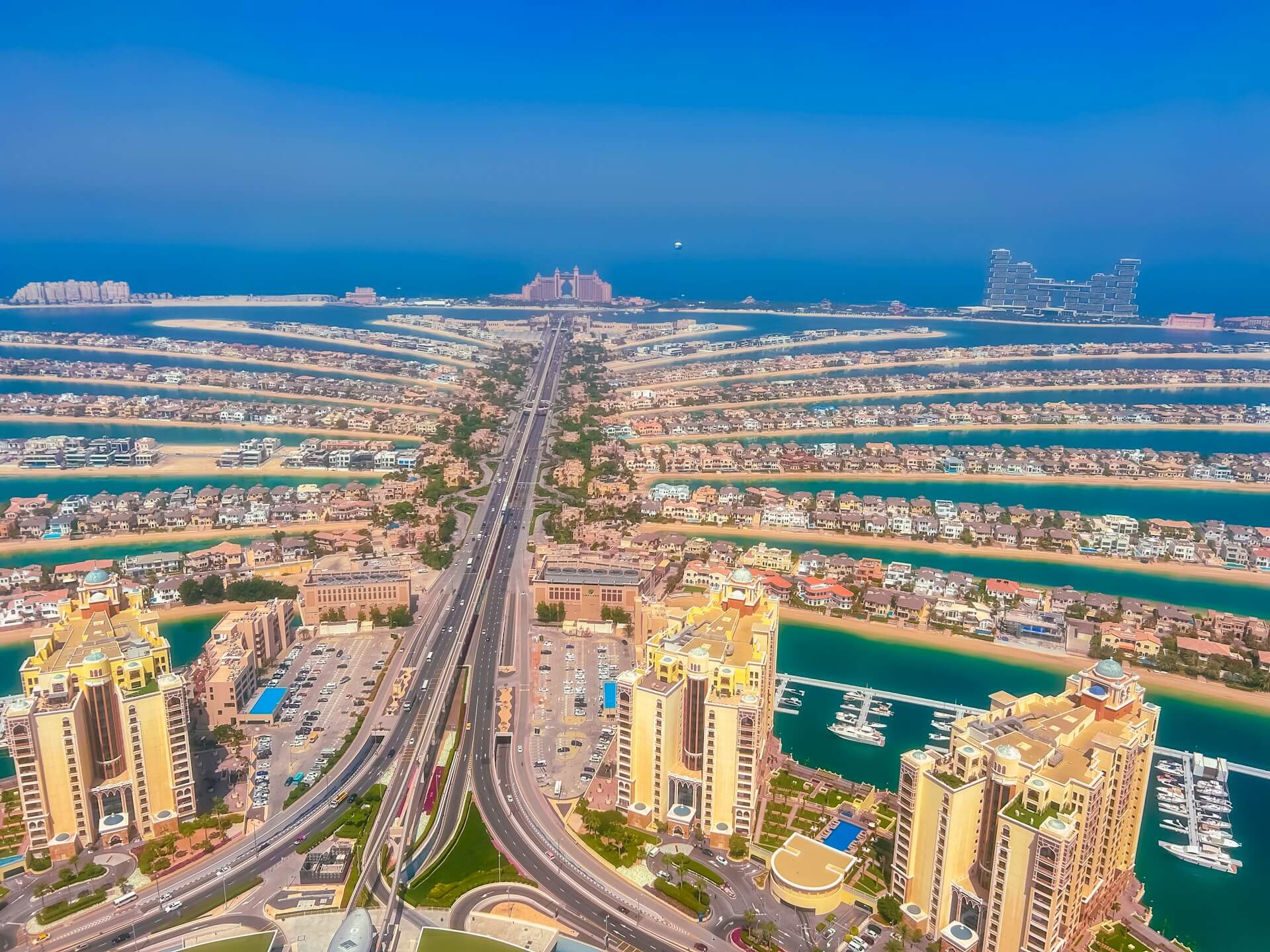
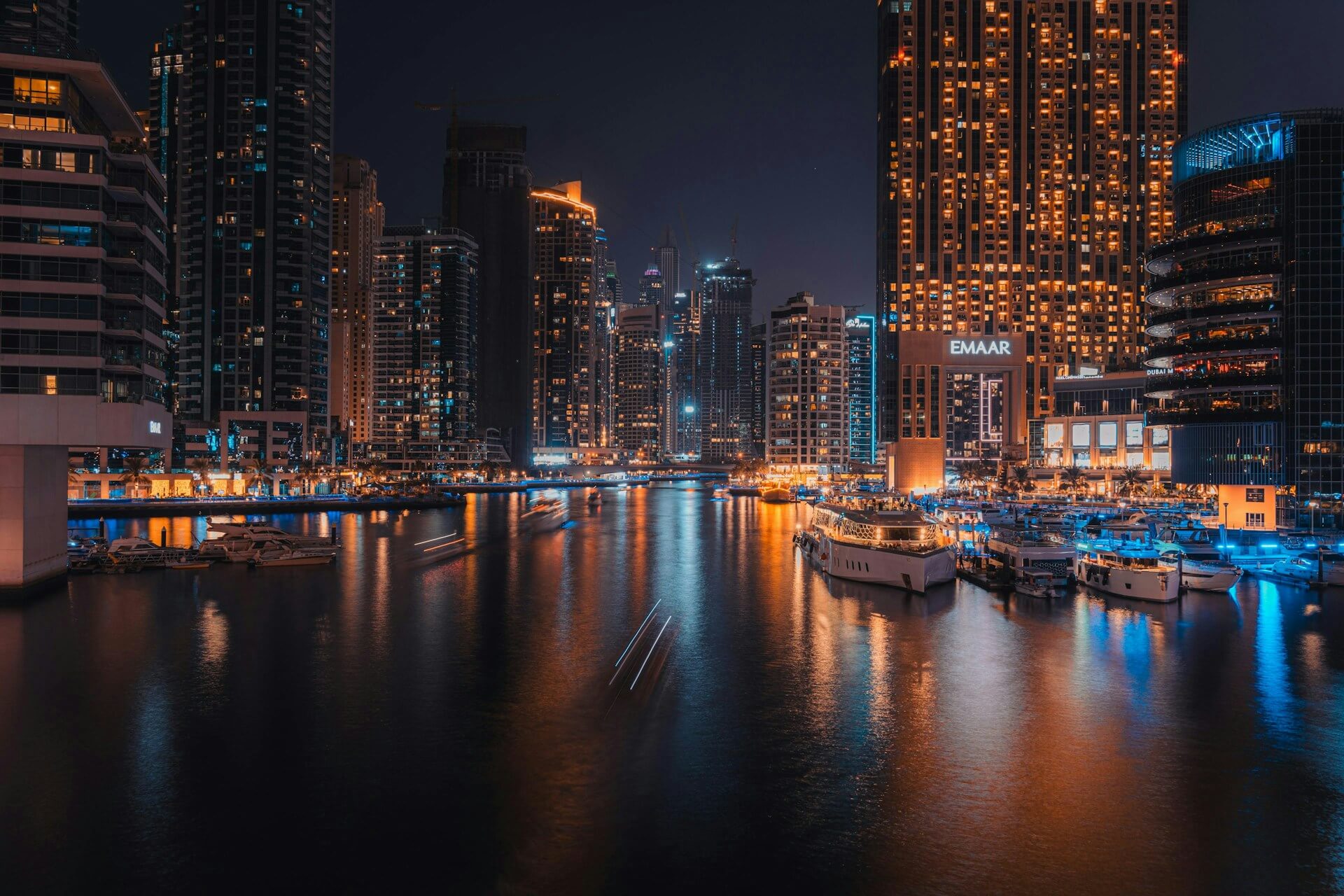
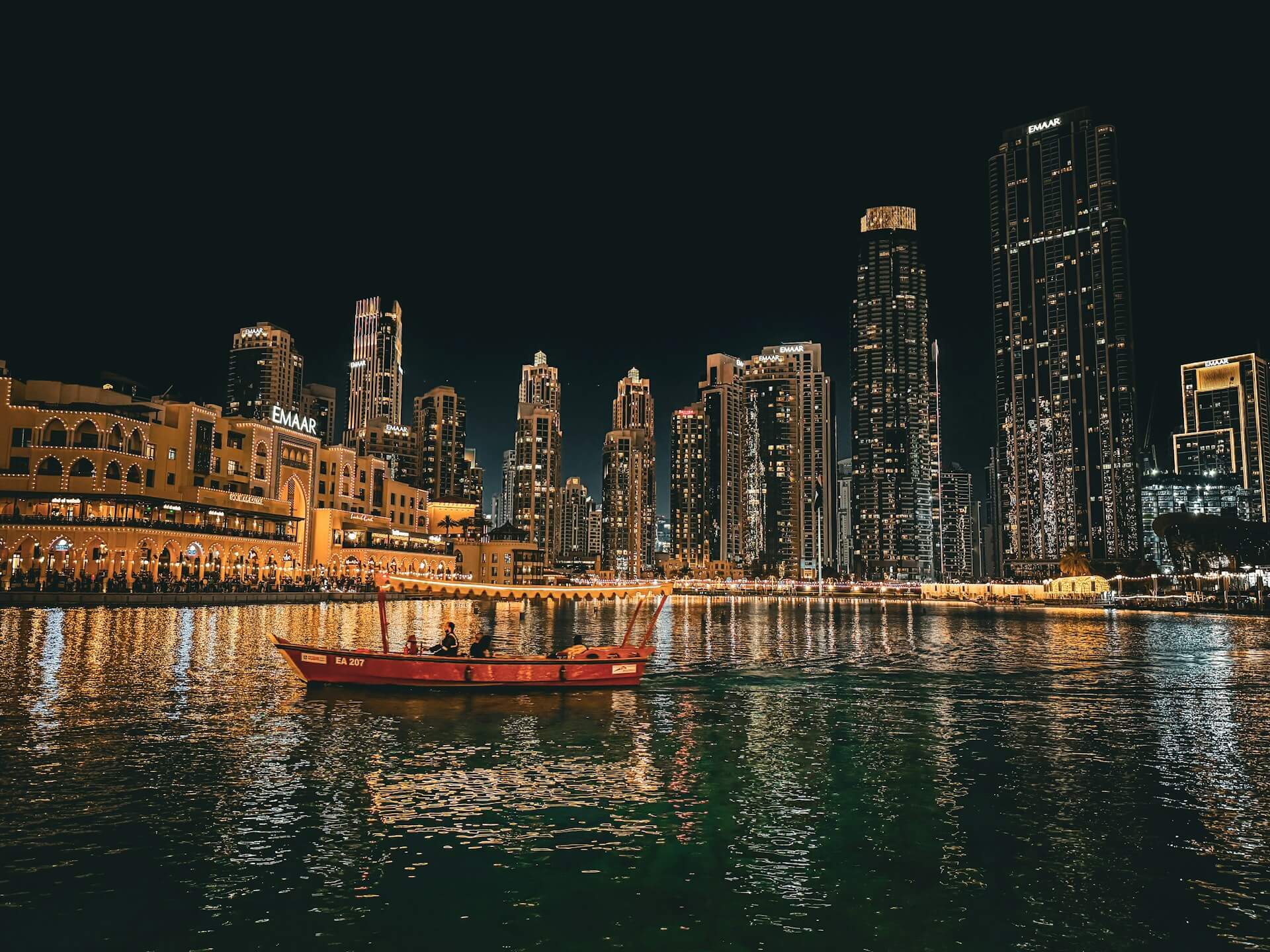
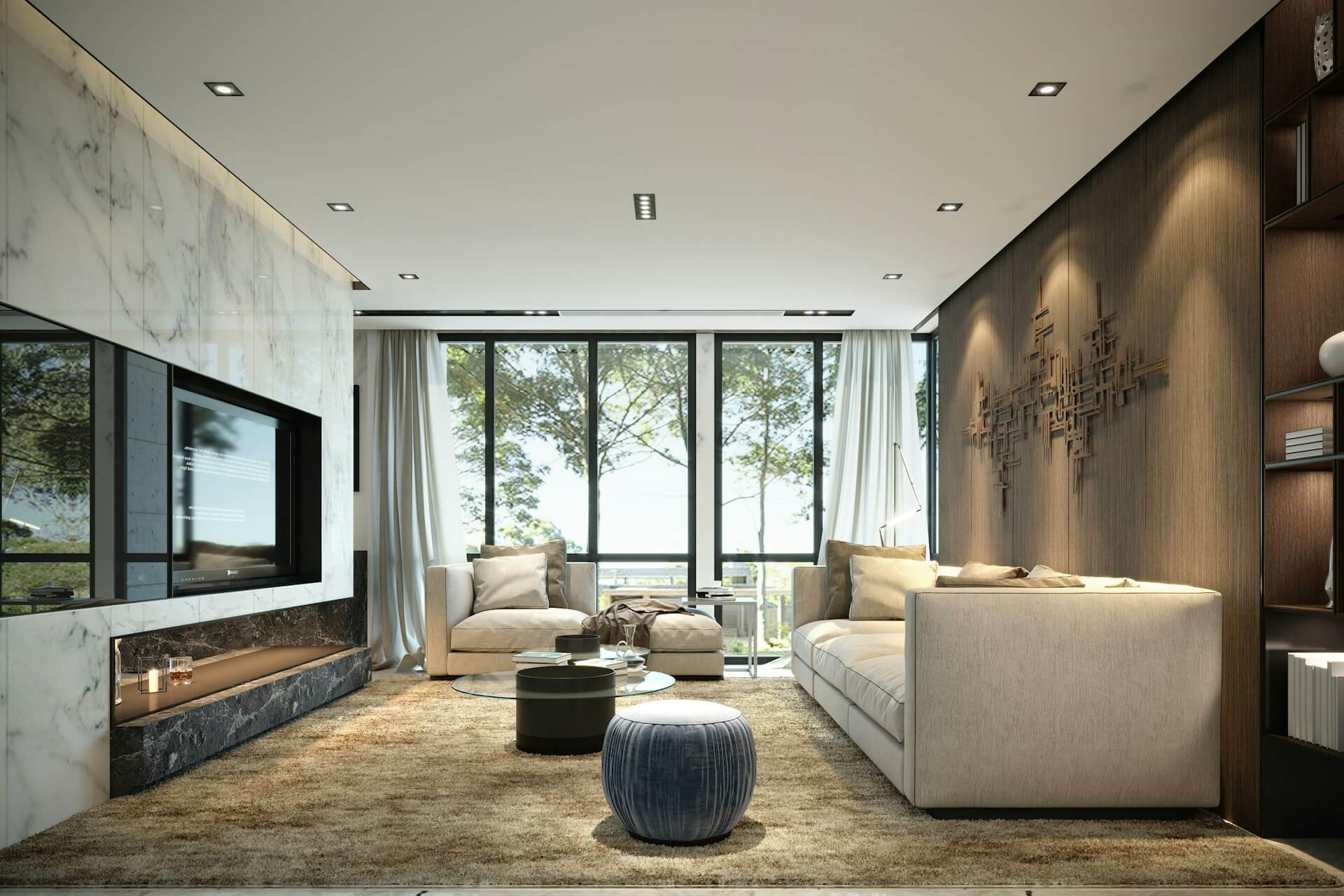

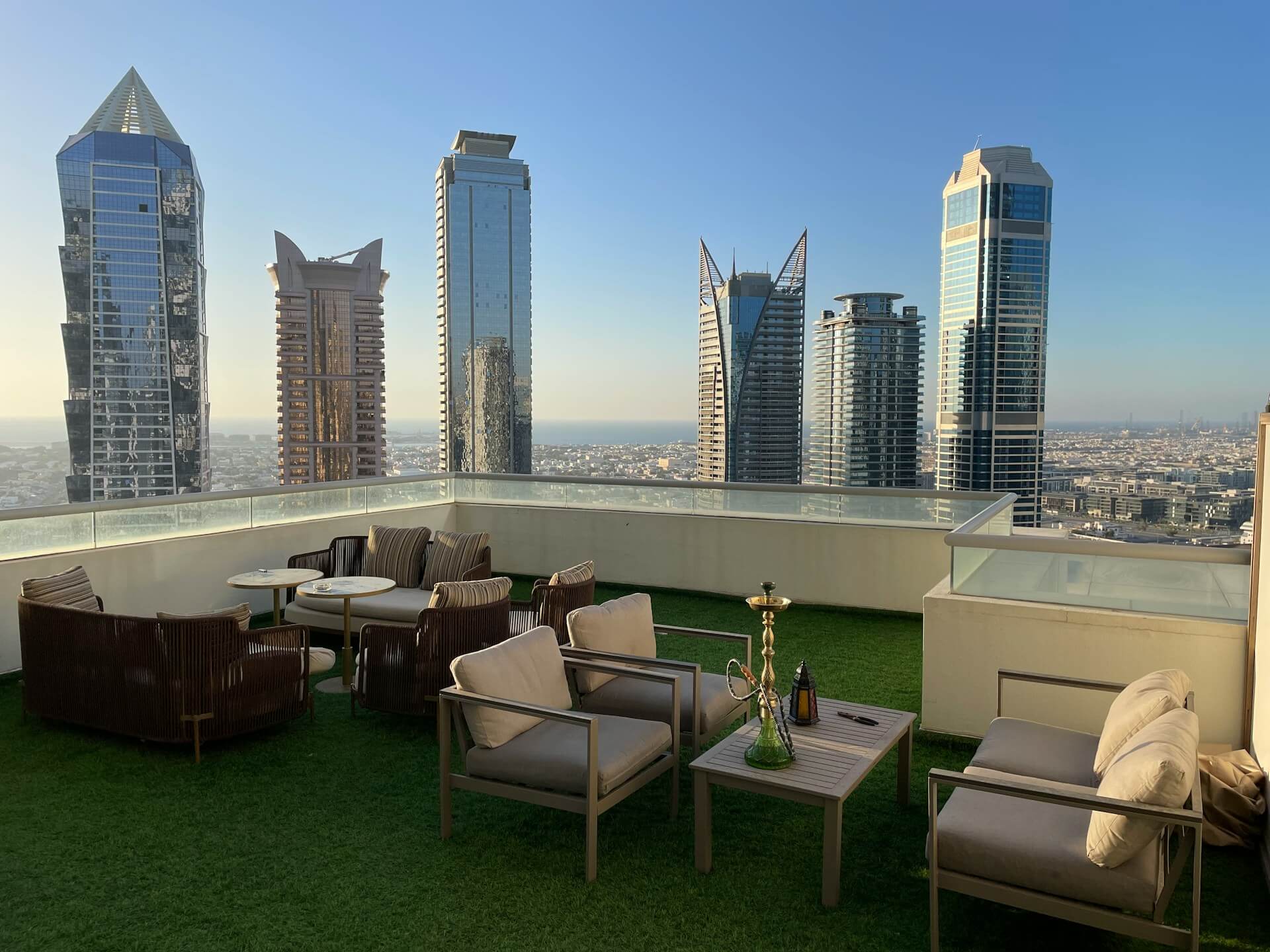
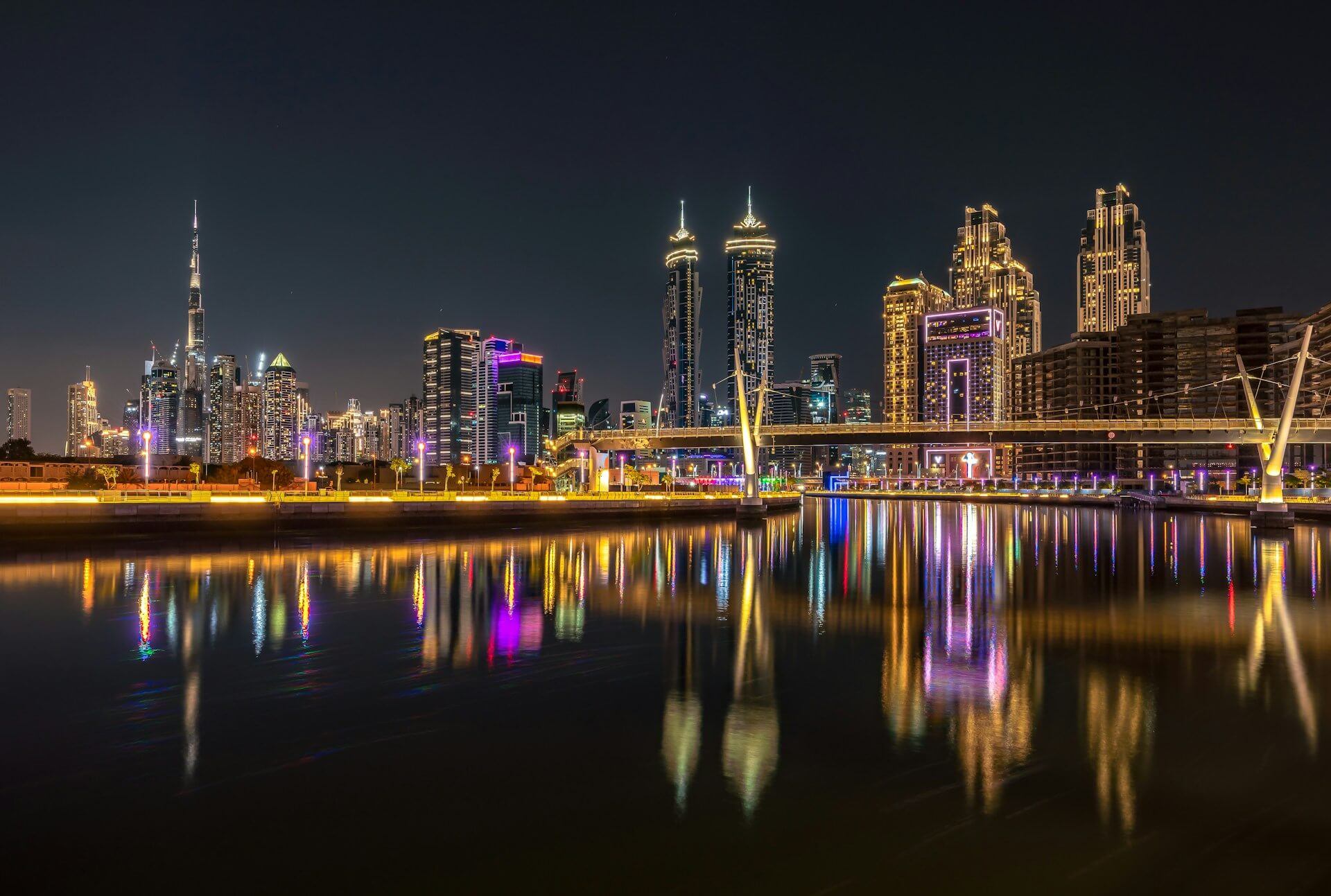
Comfortable long-term and premium rental options across Dubai.
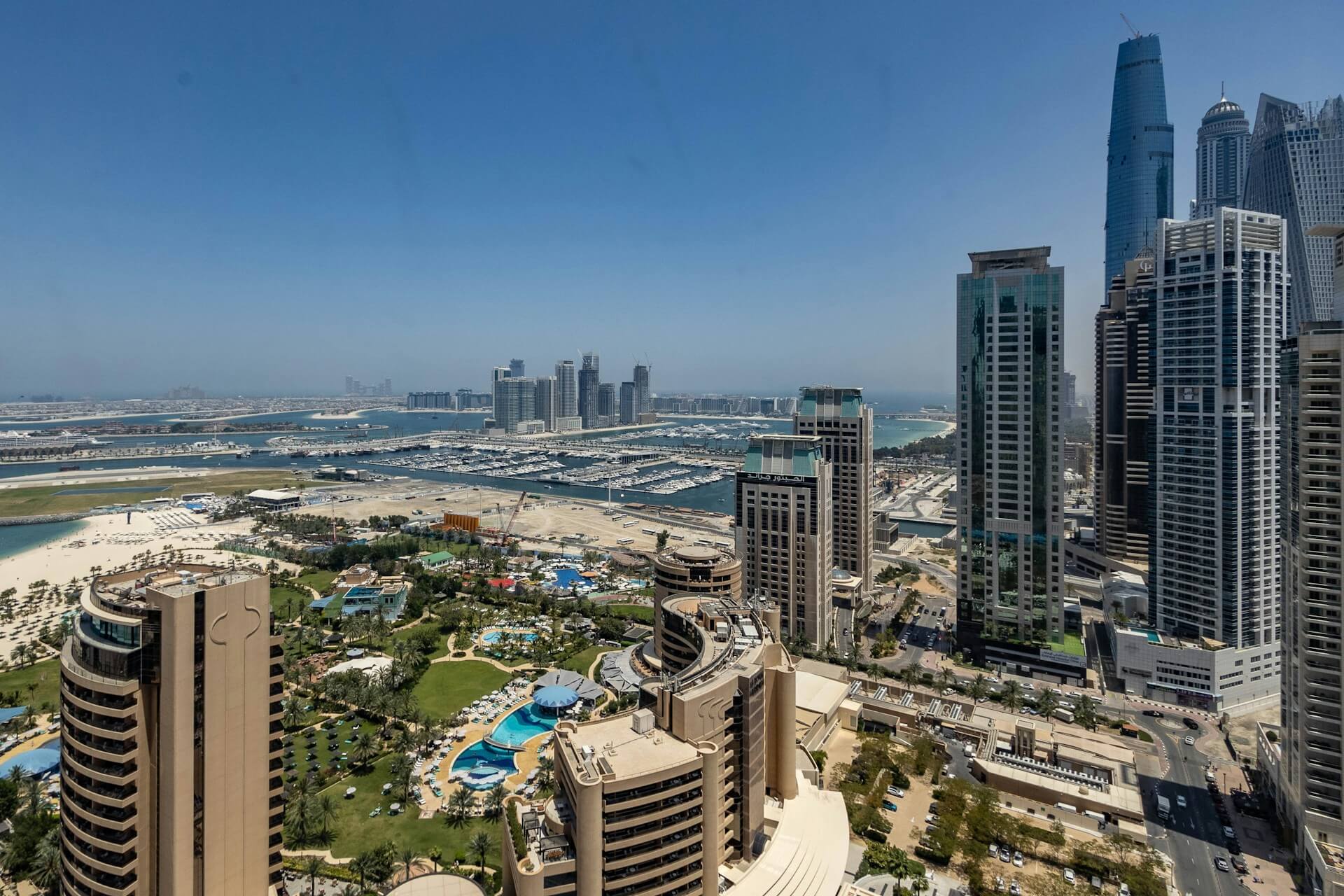

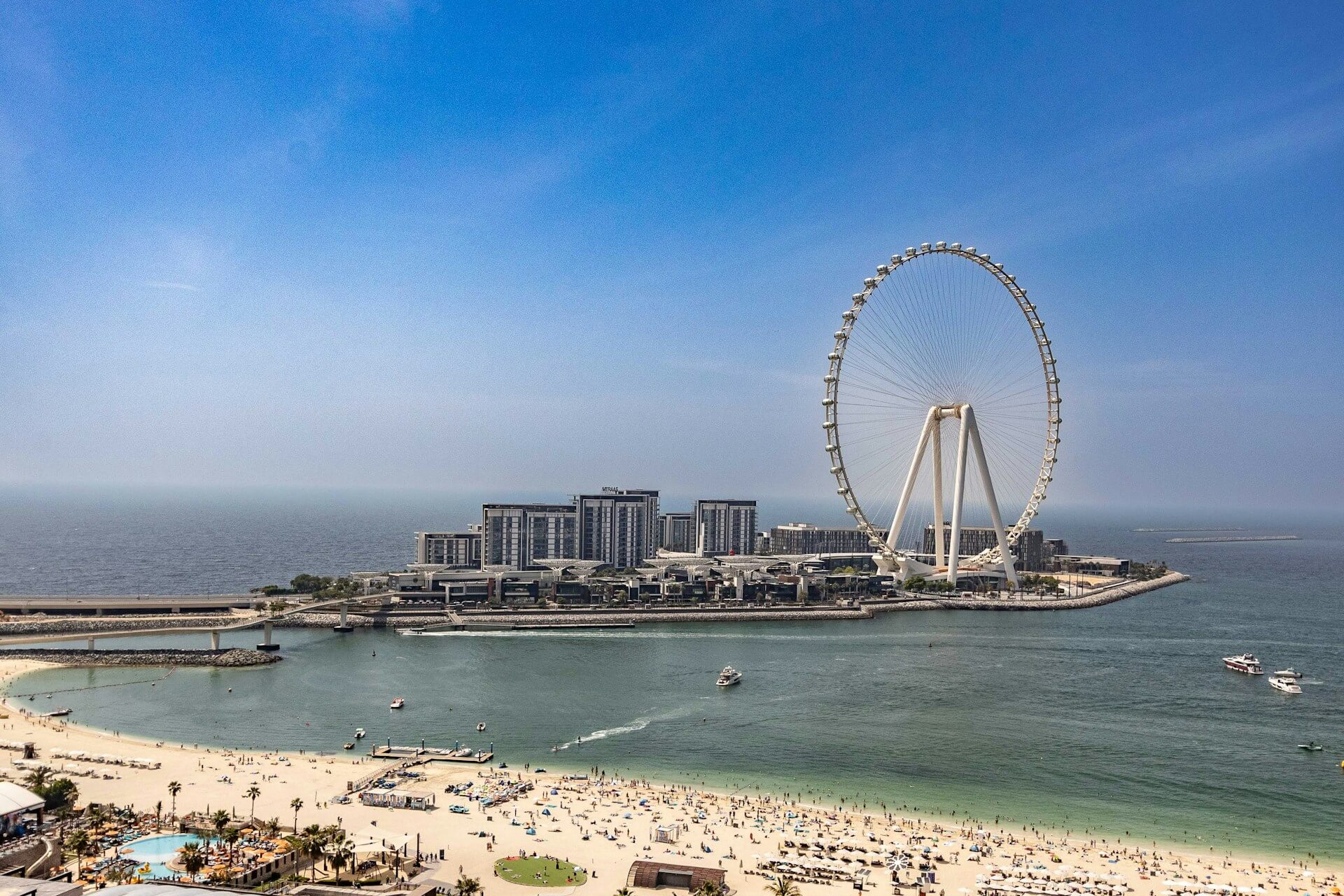
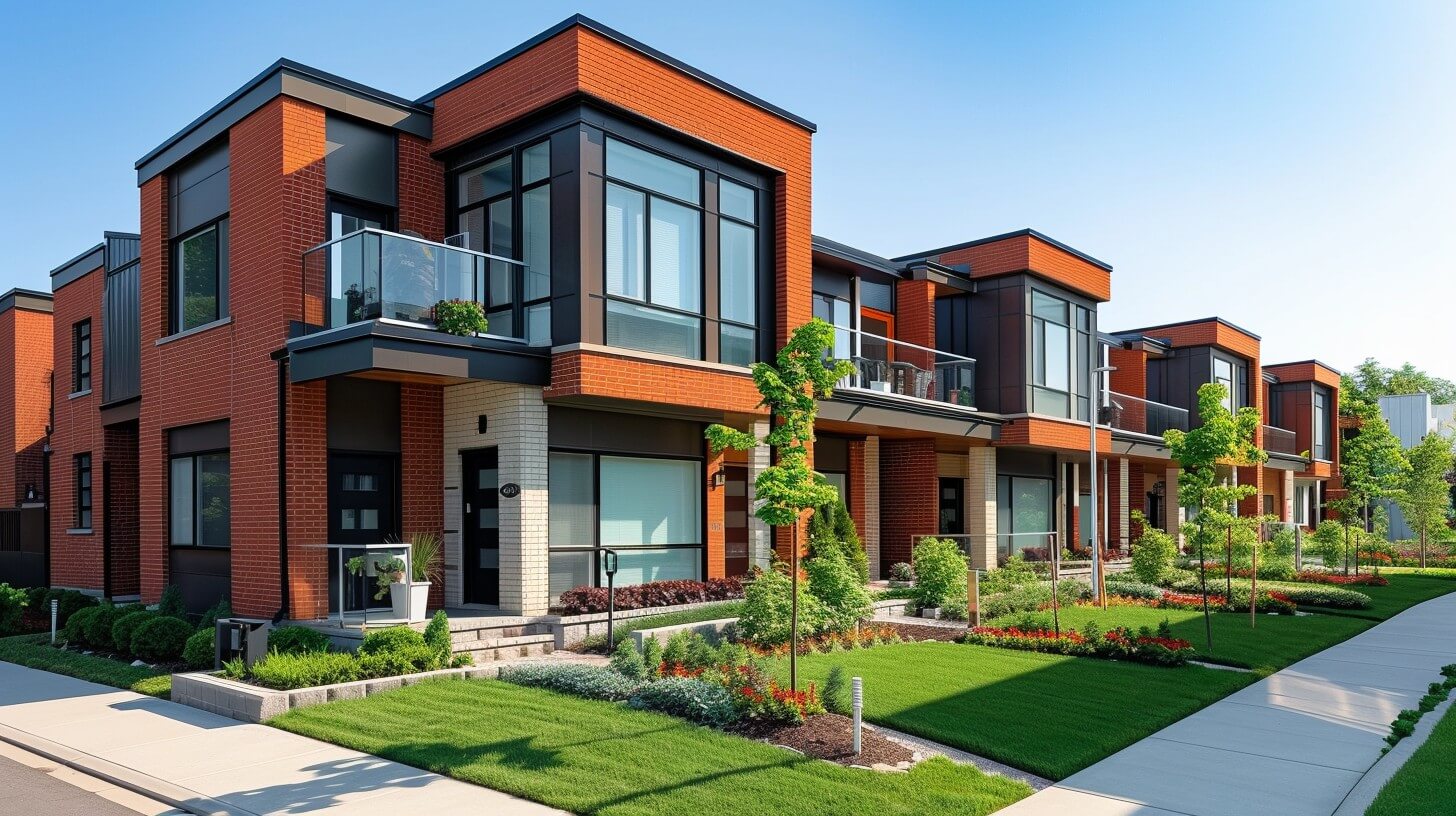
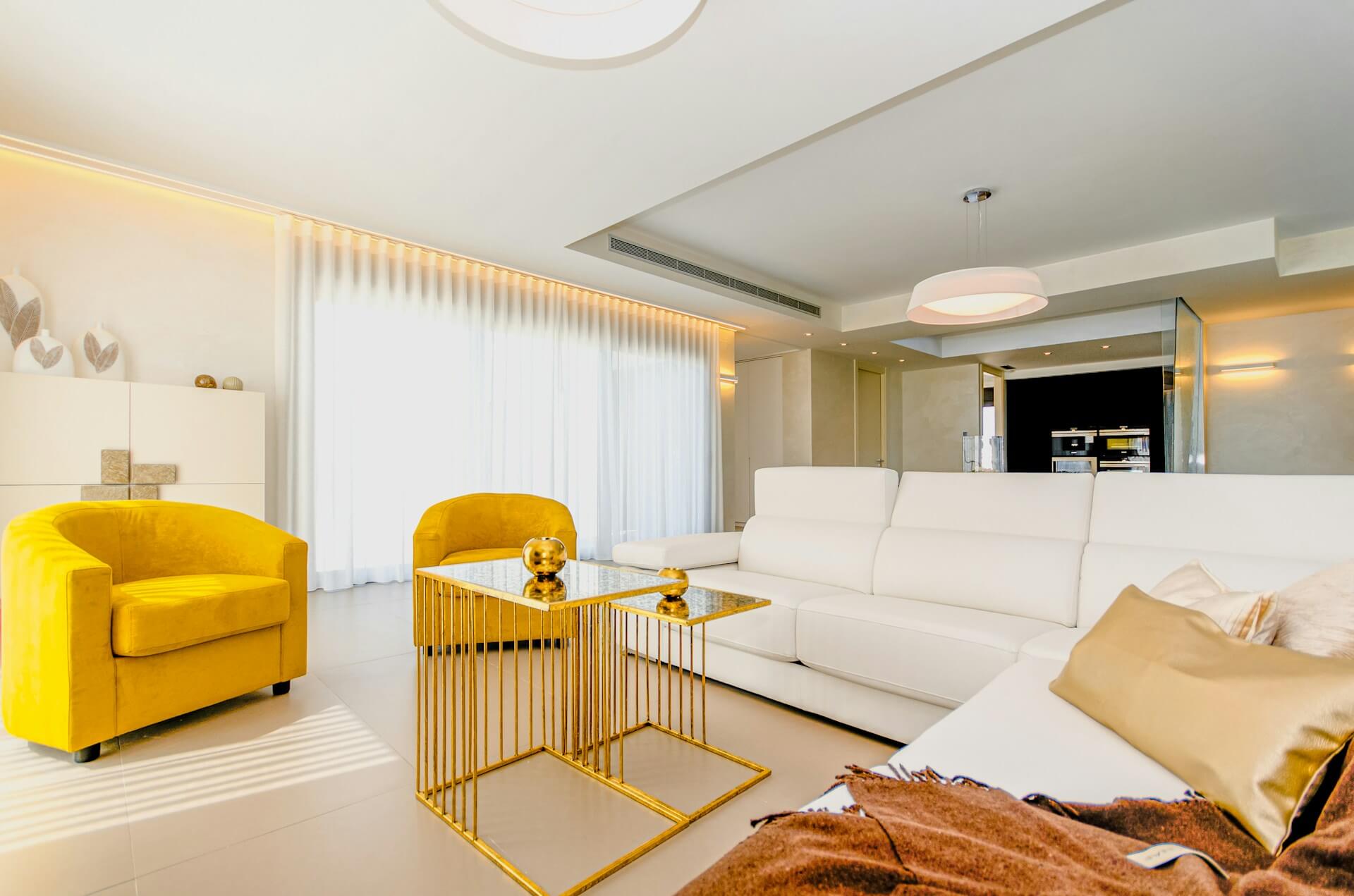
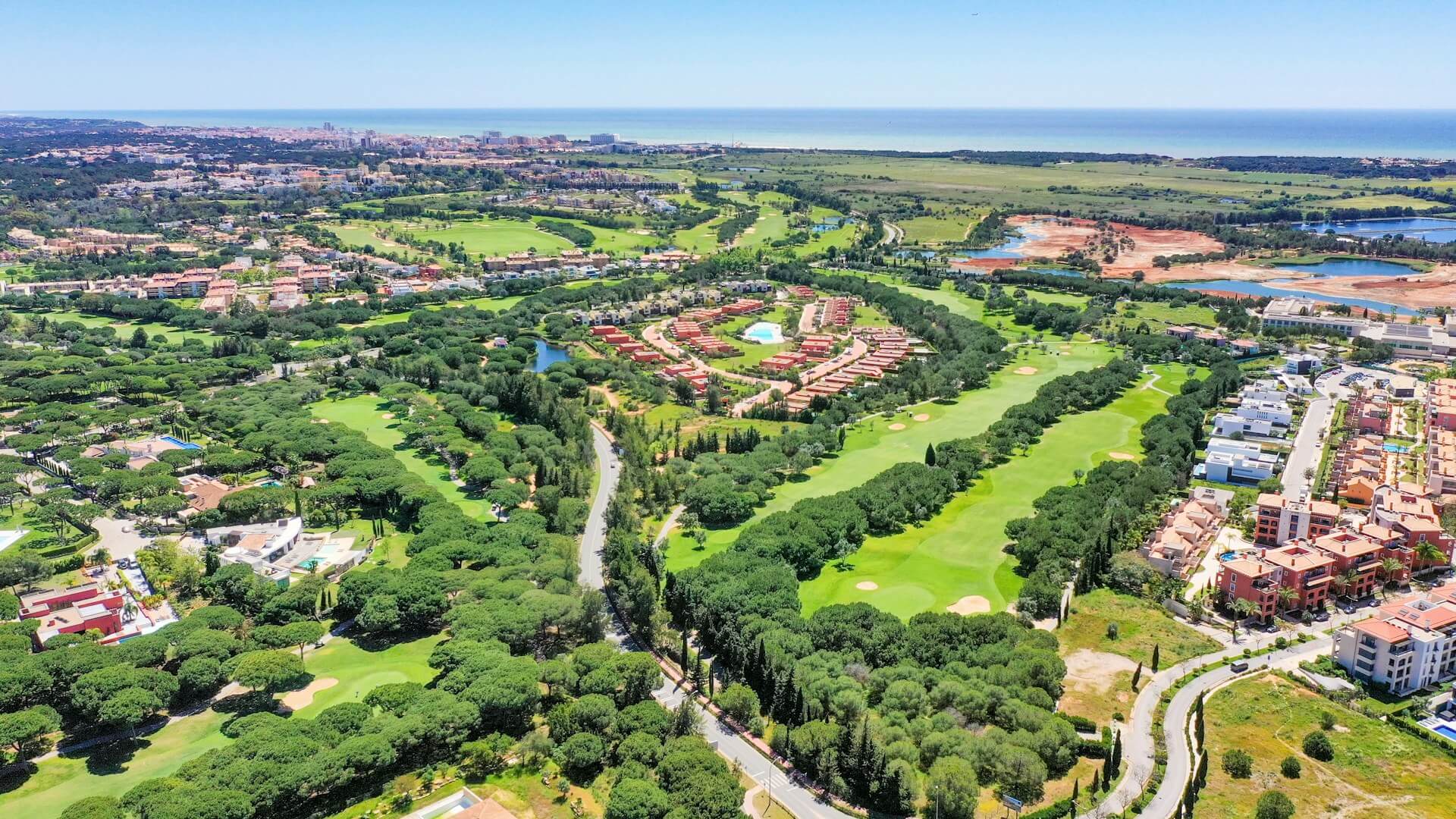
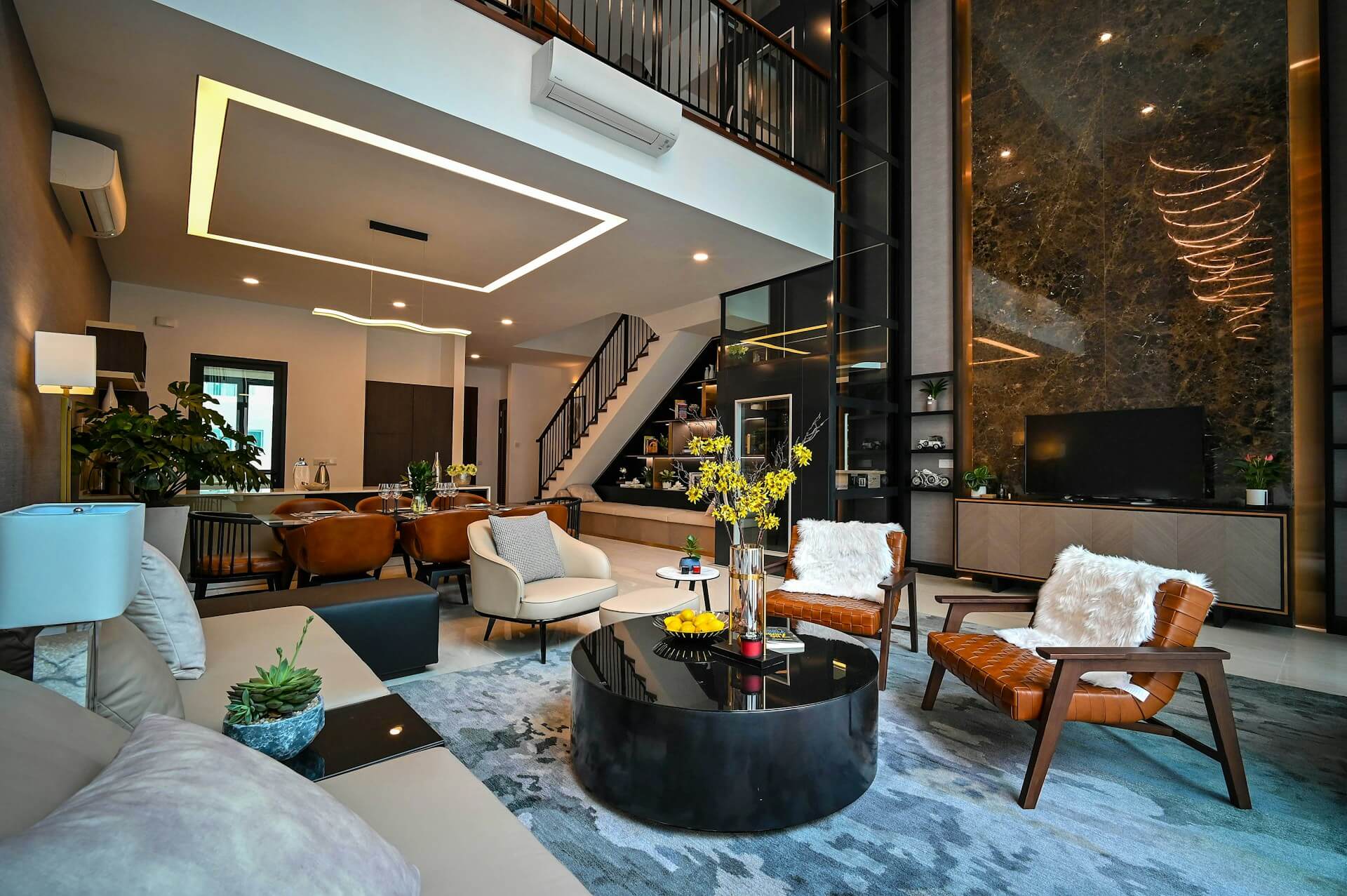
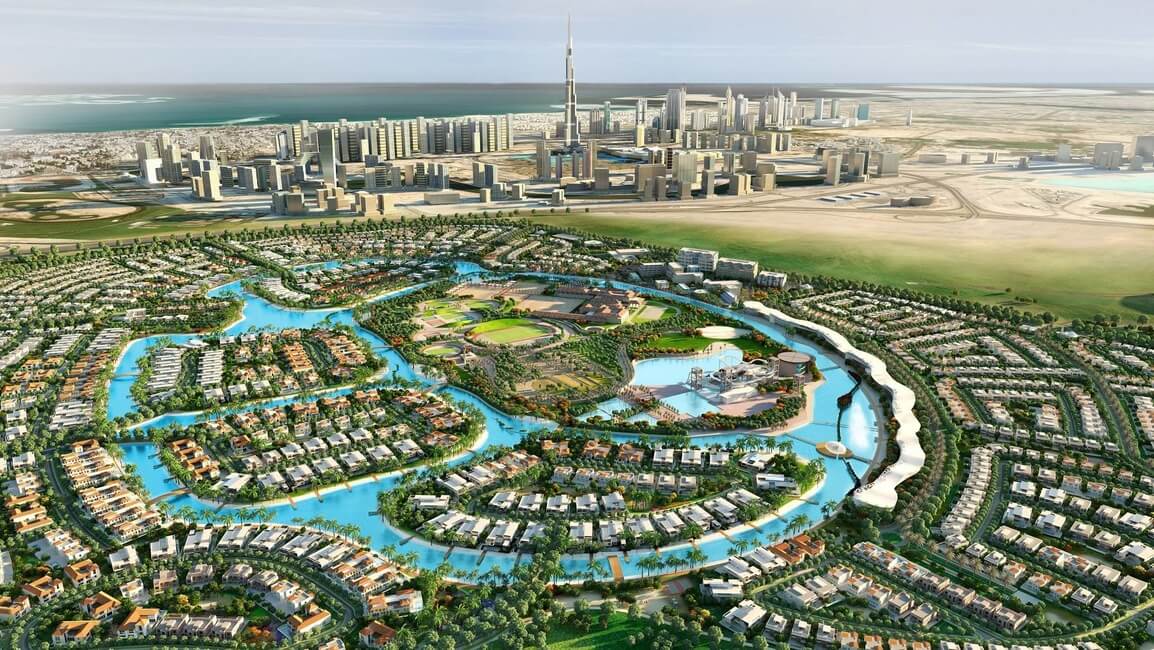
Currently, acquiring a luxury residential unit in Akoya Dubai remains a rational decision with entry capital starting around AED 3.5 million for mid-sized detached properties. Demand centers on long-term tenants seeking exclusive, spacious homes combined with green surroundings, which limits vacancy rates below 6%.
Rental returns average 5.2% annually, outperforming many suburban alternatives in Dubai.
Dubai’s Akoya stands out due to its unique blend of affordable exclusivity and established infrastructure, attracting both expatriates and investment-driven occupants.
Recent enhancements in road connections and anticipated retail expansions support healthier liquidity compared to peripheral locations. Developers’ ready stock offers immediate occupancy, reducing typical delays linked with off-plan purchases.
The current momentum stems from stronger market preference for family-oriented estates away from congested hubs but still within reasonable distance from central Dubai.
Visa reforms and population influx contribute to steady tenant inflow, elevating leasing activity for high-end detached homes within Akoya Dubai. Capital appreciation projections hover around 4% annually, supported by limited new supply.
Securing a residence within Akoya that offers leasing options currently requires an initial capital outlay ranging from AED 2.5 million to AED 5 million, depending on unit size and finish quality.
Demand in Akoya remains driven by families relocating to Dubai, with school proximity and gated security being critical decision points. The sustainable greenery and reduced urban density offer an alternative to high-rise living, appealing to end-users rather than solely investors.
Ticket prices here are considerably more accessible compared to neighborhoods like Emirates Hills or Palm Jumeirah, where entry thresholds start approximately 30-50% higher. This makes Akoya appealing for those targeting asset acquisition with moderate capital but stable long-term appreciation potential.
The community’s infrastructure additions, including retail and educational facilities, enhance its resilience amid Dubai’s expanding suburbs.
Leasing yields average between 6% and 7%, slightly above Dubai’s overall villa market, reflecting limited stock and steady tenant interest. Short-term lease agreements are less common than annual ones due to family-oriented demand, impacting turnover rates and vacancy considerations.
Compared to areas such as Jumeriah Village Circle, Akoya offers less liquidity but benefits from lower competition on asking prices.
Investors prioritizing rental income should weigh Akoya against locations like Arabian Ranches, where yields are marginally lower but resale velocity is better due to established expatriate communities.
For lifestyle buyers, Akoya’s layout provides larger plot sizes and modern designs, favoring those seeking space over centrality–Dubai Marina or Downtown Dubai deliver more convenience but at a premium.
Leasing options in Akoya are predominantly post-completion, with off-plan supply limited and sales pace slower relative to waterfront developments.
This factor reduces speculative risk but requires patience regarding capital release. Off-plan alternatives in Dubai Marina yield higher short-term upside but carry exposure to delivery delays and market corrections.
Not suitable for those focused strictly on quick capital gains or short-term rental arbitrage.
The mid-market segment dominating Akoya often exhibits longer lease tenures, which, while stabilizing returns, limits rapid asset rotation.
Additionally, infrastructure projects are ongoing; future value appreciation depends on timely completion of transport links that will enhance connectivity to central Dubai.
In summary, investing in residential units within Akoya that are available for lease suits medium-term holders aiming for steady cash flow with moderate entry costs and controlled risk exposure.
It caters primarily to families and professionals seeking quiet peripheries rather than investors demanding swift liquidity or transient occupancies.
When selecting an Akoya residence, the monthly budget dictates both location within the community and the available property specifications.
Entry-level prices start around AED 120,000 annually for smaller units in peripheral clusters, while more spacious homes near lake views command upwards of AED 300,000 per year. Prioritize units with three bedrooms or fewer if the budget caps near AED 150,000 annually, as larger family homes exceed AED 250,000 commonly.
Cost variation correlates directly with plot size, finish quality, and proximity to major amenities such as golf courses and international schools.
Residences closer to Dubai’s main highways within Akoya generally demand premiums between 10-15% compared to those deeper in the estate, impacting both yearly maintenance and lease rates. This premium is justified by improved access, reducing commute times to commercial hubs, a critical factor for working professionals.
Investors targeting short-term income should focus on properties with competitive pricing in clusters demonstrating higher turnover and demand, typically with annual rents below AED 180,000.
These properties attract end-users such as young couples or corporate tenants. For those seeking long-term appreciation, homes near the golf course or upcoming retail developments present higher entry costs but also superior capital gains potential, usually 5-7% annual growth. However, liquidity in this segment can be lower, requiring a holding period of at least 3-5 years.
Comparing available options within Akoya, mid-tier budget holders between AED 180,000 and AED 250,000 annually have access to well-finished units with upgraded appliances and premium landscaping, which translates into reduced vacancy rates of under 5%.
This price segment balances between affordability and quality, recommended for families prioritizing lifestyle without compromising financial restraint.
The risk factor increases with ultra-budget properties below AED 120,000 yearly. These tend to be older builds or units located near construction zones, affecting occupant comfort and resale prospects.
Additionally, sub-AED 120,000 options often experience higher vacancy cycles, extending vacancy periods beyond 3 months, which can reduce net rental income. Caution is advised unless the goal is purely capital investment with tolerance for short-term income fluctuations.
Those with budgets above AED 300,000 annually can access brand new townhouses or standalone properties featuring premium furnishings and independent private gardens.
These options are best suited for high-net-worth families or investors targeting luxury corporate tenants. Despite higher upfront costs, these properties demonstrate stronger resilience against market downturns and attract premium tenants, ensuring occupancy rates above 95%.
Entry prices also vary seasonally and by developer incentives.
Monitoring quarterly market reports for promotional offers can reduce initial costs by 7-10%, relevant for buyers with strict budgets who prefer newer construction. Comparing this to resale market rates in Dubai’s broader suburban sectors, Akoya properties hold competitive pricing with better community infrastructure, justifying slight premiums.
In summary, budget allocation within Akoya should guide the choice of location within the estate, property size, and expected tenant profile.
Lower budgets limit options but can yield steady returns if targeting smaller units or peripheral clusters. Mid-range budgets strike a balance between quality and cost efficiency. Large budgets open access to premium residences with solid long-term capital appreciation but require patience due to lower liquidity.
Prioritize private swimming pools with efficient filtration systems and automated temperature control to ensure year-round usability.
Properties with smart home integrations–covering security cameras, lighting, and climate control–offer superior convenience and energy savings, especially relevant in Dubai’s climate.
Check for landscaping that includes automatic irrigation and drought-resistant plants, reducing maintenance costs while maintaining greenery. Villas equipped with backup power generators hold a distinct advantage by ensuring uninterrupted utilities during occasional outages common in fast-growing Dubai suburbs.
On-site parking capacity should match or exceed the number of bedrooms, ideally with covered or shaded options to protect vehicles from harsh sunlight.
Consider layouts providing flexible spaces such as maids’ quarters or home offices, which increase the resale value and appeal to tenants seeking work-from-home solutions.
Kitchen appliances must be modern, energy-efficient, and come with warranties; look for integrated ovens, built-in dishwashers, and high-quality ventilation systems.
Bathrooms featuring water-saving fixtures and contemporary finishes help reduce utility bills and attract long-term tenants focused on sustainability.
Additional security features–including gated compound access, 24/7 monitored CCTV, and individual alarm systems–are non-negotiable for families targeting a safe living environment. Recreational facilities like tennis courts, jogging tracks, or communal parks within the development improve tenant retention and justify higher rental rates.
Connectivity infrastructure, such as pre-installed fiber-optic internet and multiple network points throughout the property, supports high-usage digital lifestyles predominant in Dubai.
Air conditioning systems must be zoned and energy-optimized, as cooling expenses constitute a significant portion of living costs in the region.
The most efficient way to secure a residential unit within the Akoya development begins with selecting a verified platform featuring comprehensive listings and transparent pricing.
Use official real estate portals or authorized brokers to ensure authenticity and legal compliance. Start with filtering search criteria by budget, number of bedrooms, and available booking dates aligned with your requirements in Dubai.
After refining your options, examine detailed property profiles, including floor plans, ownership documents, and community regulations, all commonly accessible on these platforms. Request virtual tours or high-definition video walkthroughs to gain an accurate spatial understanding without physical visits.
Initiate the reservation process by submitting a booking application directly through the online portal or via your agent.
This step involves providing personal identification, proof of funds, and signing preliminary agreements digitally.
Pay close attention to booking fees–typically 5-10% of the total price–which confirm your intent and hold the option temporarily.
Upon successful reservation, coordinate contract review and signing with legal counsel familiar with Dubai’s real estate transactions. Digital notarization and e-signatures are increasingly accepted, accelerating closure timelines significantly. Verify inclusion of all agreed terms: payment schedule, handover dates, and maintenance responsibilities.
Finalize payment through secure channels, separating escrow accounts when possible to mitigate risk.
Most platforms support bank transfers adhering to UAE regulations. Requests for early payment discounts or flexible installment plans should be negotiated before contract execution.
Monitor project updates if booking off-plan, ensuring compliance with the developer’s construction milestones and delivery commitments.
Use the platform’s dashboard or notifications system to track progress, arrange inspections, and schedule final handover in Dubai.
Post-handover, register ownership with Dubai Land Department online to confirm legal title transfer. Digital submission expedites the process, often completing within 7-10 working days, guaranteeing the unit’s entry into official records and supporting future resale or financing options.
Following this sequence mitigates common risks such as bidding wars, fraudulent listings, or unclear contractual terms.
Opt for platforms integrated with Dubai’s real estate regulatory framework to access full market transparency and safeguard investment integrity.
Choosing between short-term and long-duration leasing opportunities in Akoya requires analyzing cash flow dynamics, exit flexibility, and tenant quality within Dubai’s evolving property market.
Short-term contracts here command average nightly rates of AED 900–1,200, driven by tourism and visiting business professionals. These yield gross returns between 7% and 9% annually but incur elevated operational costs, including higher turnover management and furnishing expenses.
Long-term leasing typically secures monthly rents of AED 7,000–9,000 for comparable properties, delivering net yields around 5% to 6%. This option benefits from consistent occupancy, significantly lower management overheads, and stronger relationships with reliable tenants, mostly families and long-term residents in Dubai.
These leases improve cash flow predictability, reducing vacancy risk prevalent with short-let contracts.
Entry capital differs as furnished units tailored for short stays in Akoya include investments upwards of AED 150,000 extra for quality fittings, which may not retain value for longer leases. Conversely, preparing a residence for extended occupancy allows partial customization, focusing on durability and functional finishes, aligning better with Dubai’s tenant demand trends favoring low-maintenance homes.
| Average Monthly Revenue | AED 27,000 – 36,000 (seasonally variable) | AED 7,000 – 9,000 (stable) |
| Gross Rental Yield | 7% – 9% | 5% – 6% |
| Operational Costs | High (cleaning, marketing, furnishing) | Low (basic maintenance) |
| Tenant Profile | Tourists, short-stay professionals | Families, long-term residents |
| Vacancy Risk | Medium to High (season-driven) | Low (contractual stability) |
| Initial Setup Investment | Additional AED 150,000+ for furnishing | Minimal adjustment costs |
Liquidity differs notably: short-term leases attract investors seeking quicker turnover and are less reliant on Dubai’s broader macroeconomic shifts.
However, they expose owners to regulatory risks due to fluctuating tourism policies affecting licensing. Stable long-term tenancies align better with sustained demand from Dubai’s expanding professional and residential base, offering lower risk in resale scenarios.
For market participants focused on capital preservation and steady income in Akoya within Dubai, extended tenancy contracts are more advantageous.
Those prioritizing maximized short-term returns and willing to manage operational complexity can consider brief leases but must monitor Dubai’s hospitality regulations closely.
Entry thresholds vary: furnished accommodations for nightly lets push initial budgets beyond AED 2.5 million for prime properties, factoring in setup and marketing expenses.
Standard fitting long-stay residences require approximately AED 1.8 million to AED 2.2 million capital, with smoother financing options commonly available through Dubai banks.
Risk assessment highlights that short-term lets are vulnerable during low tourist seasons and policy tightening, which can sharply reduce Dubai’s demand spikes in Akoya.
Long-duration leasing carries lower risk of vacancy; however, expected rental growth is moderate, tied closely to Dubai’s gradual wage and population increments.
The Akoya villa rental features a spacious layout with multiple bedrooms and bathrooms, a fully equipped kitchen, a private swimming pool, and an outdoor seating area.
Guests also have access to high-speed internet, air conditioning throughout the property, and a garage for parking. The villa is furnished with modern decor and includes entertainment options such as a flat-screen TV and sound system.
The villa is located approximately 10 minutes by car from the nearest beach, offering easy access for swimming, sunbathing, and water sports.
It is also within a short driving distance to popular local attractions such as markets, restaurants, and cultural sites.
Public transport options are available nearby, making it convenient to explore the surrounding areas.
Yes, the Akoya villa is well-suited for families. The property offers several bedrooms with space for children, and a private pool that is child-friendly with safety features.
The outdoor garden provides a secure area for kids to play. Additionally, the villa is located in a quiet neighborhood, making it a comfortable place for families looking to relax away from busy tourist spots.
To book the Akoya villa, interested guests typically need to submit a reservation request through the rental agency or official website, followed by a deposit payment to secure the dates.
The remaining balance is usually due before arrival. Regarding cancellations, the policy may offer partial refunds if made within a certain period prior to the stay. Specific terms vary depending on the rental provider, so it’s advisable to review the policy carefully before confirming the reservation.
Pet policies vary depending on the villa management; however, many rentals in the area do not permit pets to ensure privacy and cleanliness for all guests.
It is important to check directly with the rental agency or owner if bringing a pet is allowed and whether any additional fees or restrictions apply. If pets are permitted, the villa usually has designated areas for pets to exercise safely.
Clear answers about buying, renting and investing in Dubai property.
Yes. Foreign buyers can purchase freehold property in designated areas such as Dubai Marina, Downtown Dubai, Business Bay, Palm Jumeirah, Dubai Hills and other approved communities.
It depends on your timeline, budget and goal. Buying is usually better for long-term plans, capital growth and rental income, while renting is better for flexibility and easier relocation.
The required budget depends on the area, building quality and property type. More accessible apartments can be found in developing communities, while prime locations and luxury properties require a much higher budget.
In addition to the purchase price, buyers should budget for the Dubai Land Department fee, registration and trustee fees, possible agency commission, mortgage-related costs if financing is used, and ongoing service charges for many buildings.
Yes, many banks in the UAE offer mortgages to foreign buyers. Approval depends on income, documents, deposit amount and the specific property being purchased.
Areas such as Dubai Marina, Downtown Dubai, Business Bay, Dubai Hills, JVC, Palm Jumeirah and Creek Harbour are often considered by investors, but the right area depends on whether your focus is yield, resale value, lifestyle appeal or long-term growth.
Rental yield varies by area, property type, furnishing level and market timing. In practice, many investors look for a balance between strong occupancy, reasonable service charges and sustainable tenant demand rather than chasing headline numbers alone.
Off-plan property is purchased directly from a developer before the project is completed. Buyers often choose off-plan because of payment plans, newer inventory and lower entry prices compared with some ready properties.
A proper review should consider the developer’s track record, payment plan, handover timeline, location quality, future supply in the area and the project’s resale or rental potential after completion.
For ready property, the timeline can move fairly quickly if the price is agreed, documents are prepared and the buyer is ready to proceed. Mortgage purchases usually take longer than cash deals.
Yes, many purchases can be handled remotely with the correct documents and proper support through the process. Remote buying is common for overseas investors and international clients.
The biggest risks are overpaying, choosing a weak location, buying an unsuitable layout, ignoring service charges, or selecting a project with low resale and rental demand. Good selection matters more than marketing promises.
In long-term rentals, rent is commonly agreed for a fixed term and often paid by one or several cheques depending on the landlord, property and negotiation.
Tenants are usually asked for identification and residency-related documents, and the exact set depends on their status in the UAE and the landlord’s requirements.
A security deposit is commonly required before move-in. The amount often depends on whether the property is furnished or unfurnished and should be clearly stated in the rental terms.
In many rental transactions, an agency commission is charged. The amount depends on the deal structure and should be confirmed before signing anything.
Tenants should review the deposit, Ejari registration, utility setup costs, parking terms if relevant, maintenance responsibilities and any conditions related to early termination or renewal.
Yes, negotiation is common. The final result depends on market conditions, the landlord’s flexibility, how long the property has been available and how prepared the tenant is to move forward.
It is important to check the condition of the unit, building quality, noise level, parking, view, maintenance status, contract terms and the reliability of the owner or manager.
Short-term rent offers flexibility and convenience but is usually more expensive. Long-term rent is generally more cost-effective and better suited for clients planning to stay longer.
During an active contract, the agreed rent usually remains fixed. Any increase is generally discussed at renewal and should follow the applicable rules and notice requirements.
This depends on the tenancy contract. Minor day-to-day issues may be handled by the tenant, while major maintenance is commonly the landlord’s responsibility, but the exact wording in the contract matters.
Ejari is the official registration of the tenancy contract in Dubai. It is important for legal recognition of the lease and is commonly needed for practical steps such as setting up utilities.
Yes. Furnished properties can be more convenient and faster to move into, while unfurnished options may work better for longer stays or tenants who want more control over the setup and budget.
We do not rely on random mass listings. We narrow the market based on budget, location, property type, investment goal, lifestyle needs and timeline, so clients can focus only on relevant options.
Yes. Support can include shortlisting, arranging viewings, comparing options, discussing terms, helping with negotiations and guiding the next steps of the transaction.
The best first step is to define the real budget, target areas, purpose, preferred property type and timeline. Once those points are clear, the selection becomes faster, cleaner and much more useful.