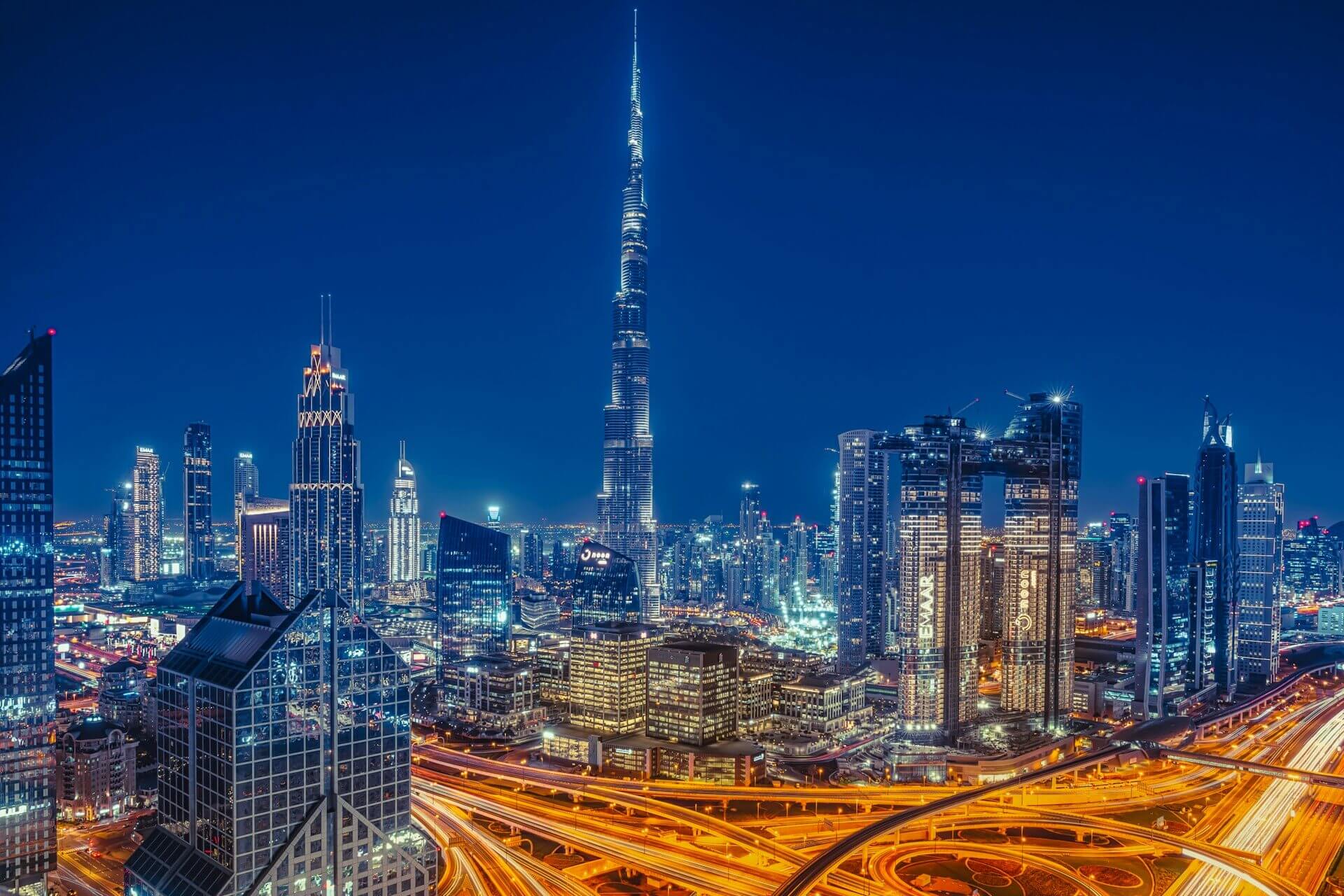
FOR SALE
AED 1,200,000AED 720,000
We help clients buy and rent the right property in Dubai — apartments, villas and investment units matched to budget, area and goals.
Dubai Property Selection focuses on apartments, villas and investment properties in key areas such as Dubai Marina, Downtown, Business Bay, Dubai Hills and Palm Jumeirah.
Instead of sending a huge list of random listings, we prepare a clean shortlist based on your budget, preferred area, bedrooms, timeline and purchase or rental goals.
Premium opportunities in Dubai — from compact investment units to signature villas and penthouses.
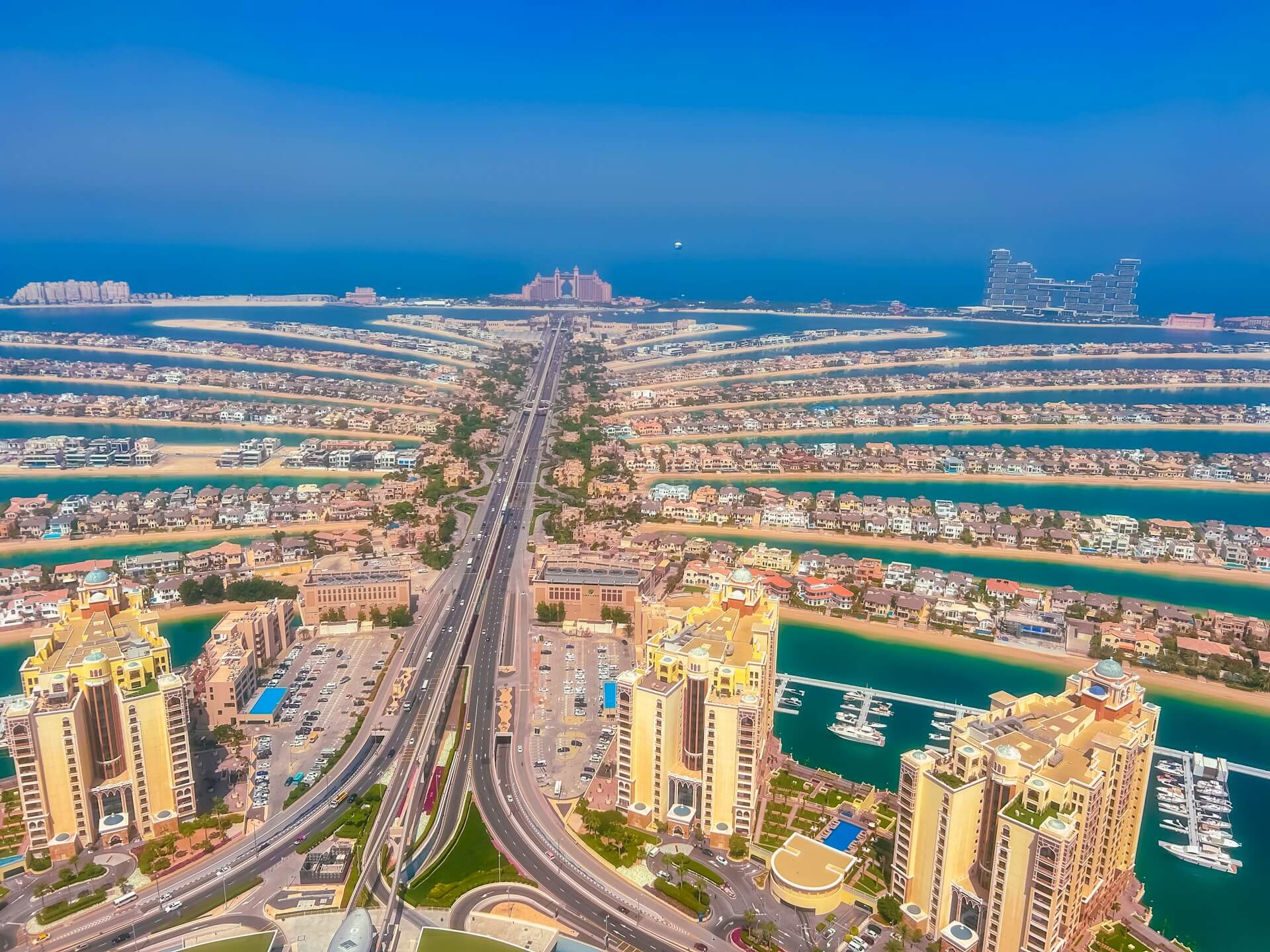
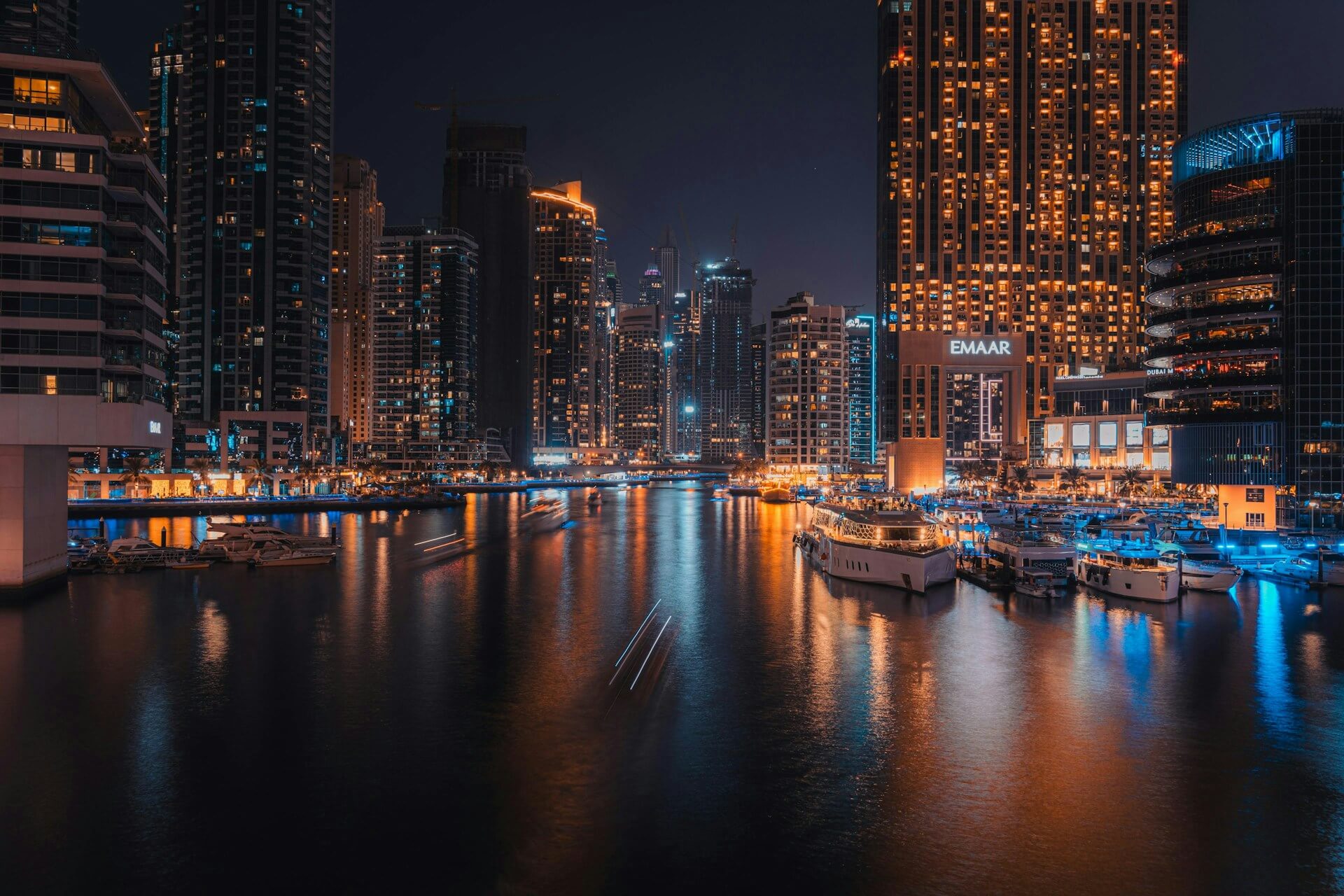
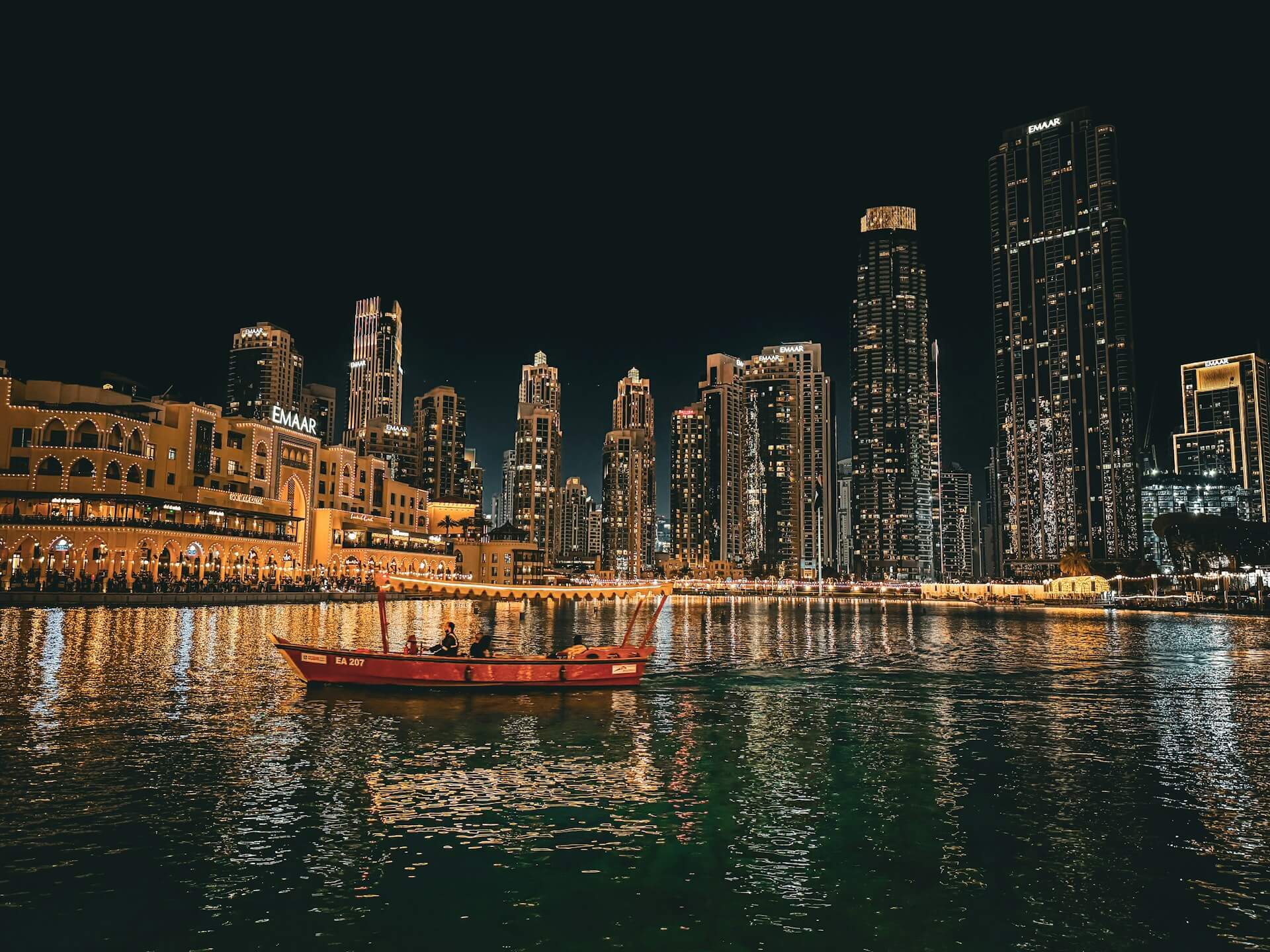
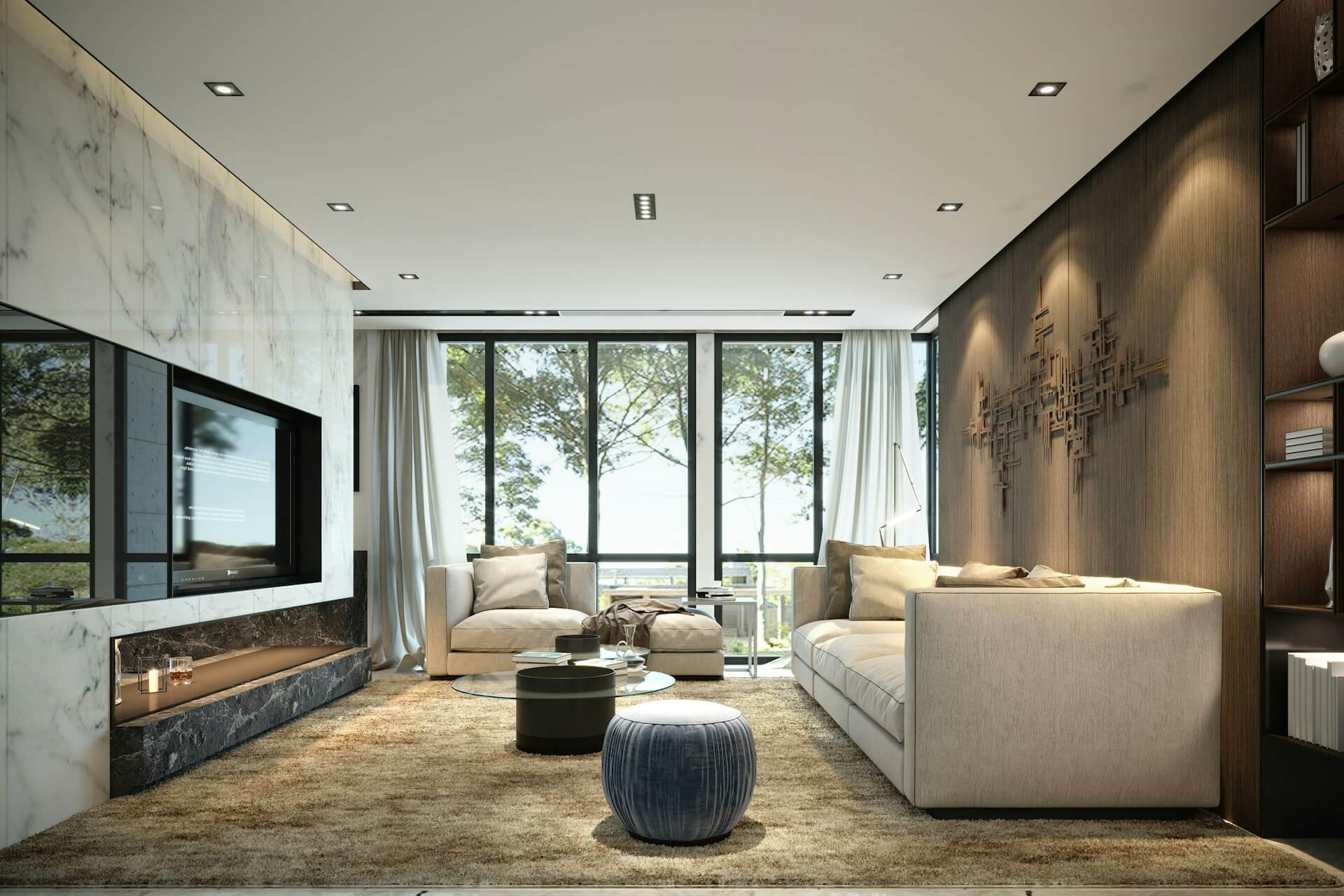
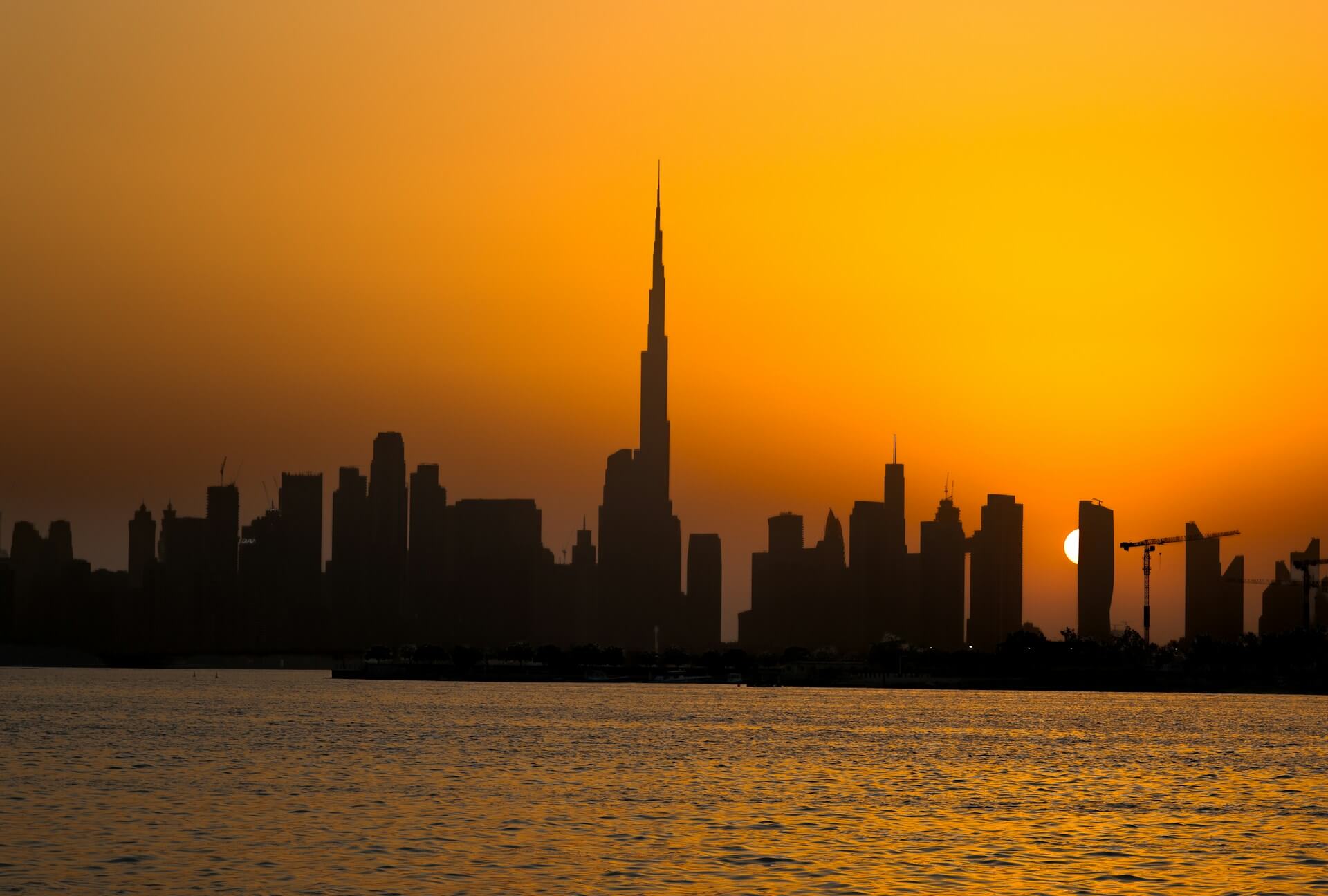
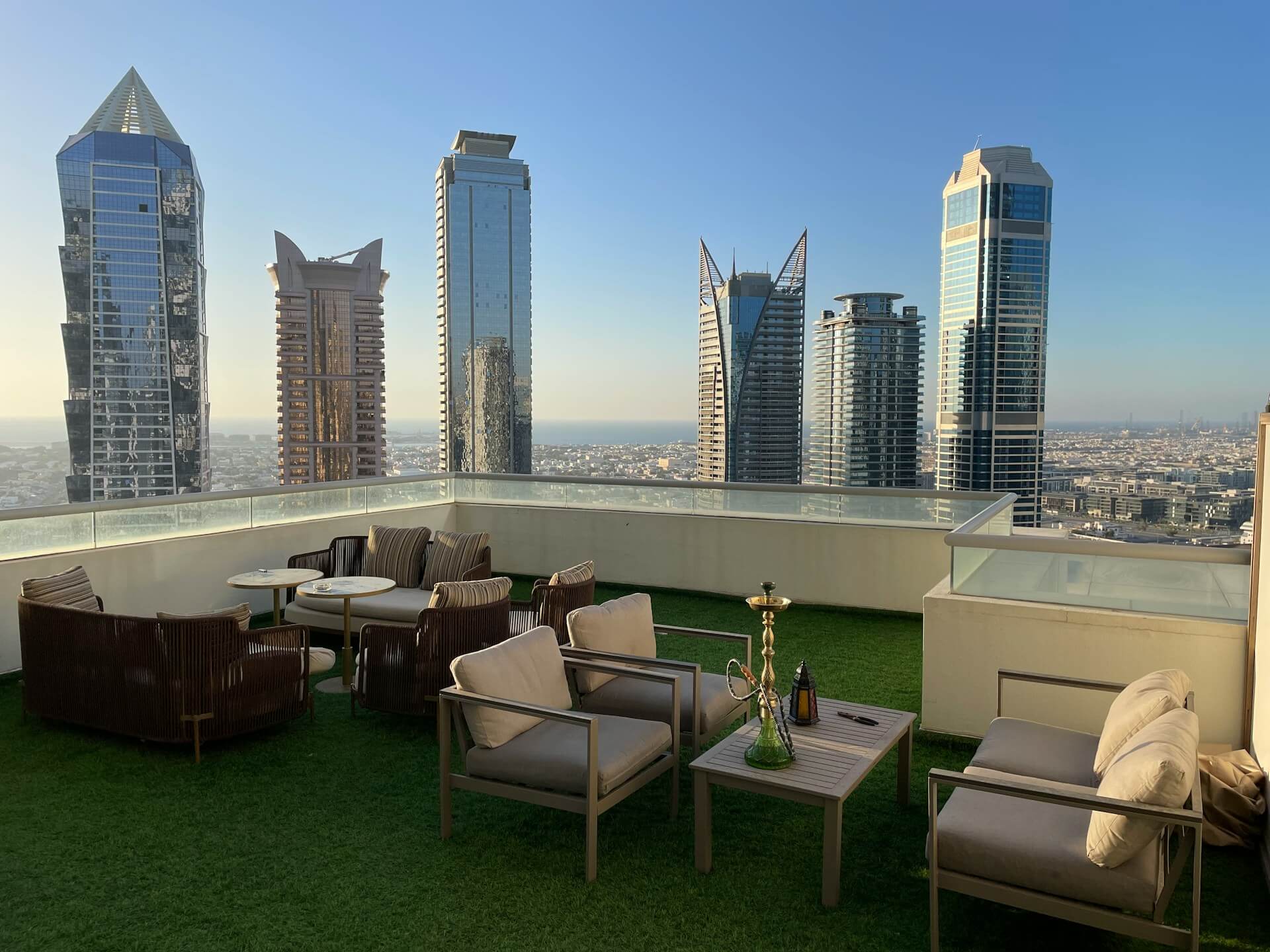
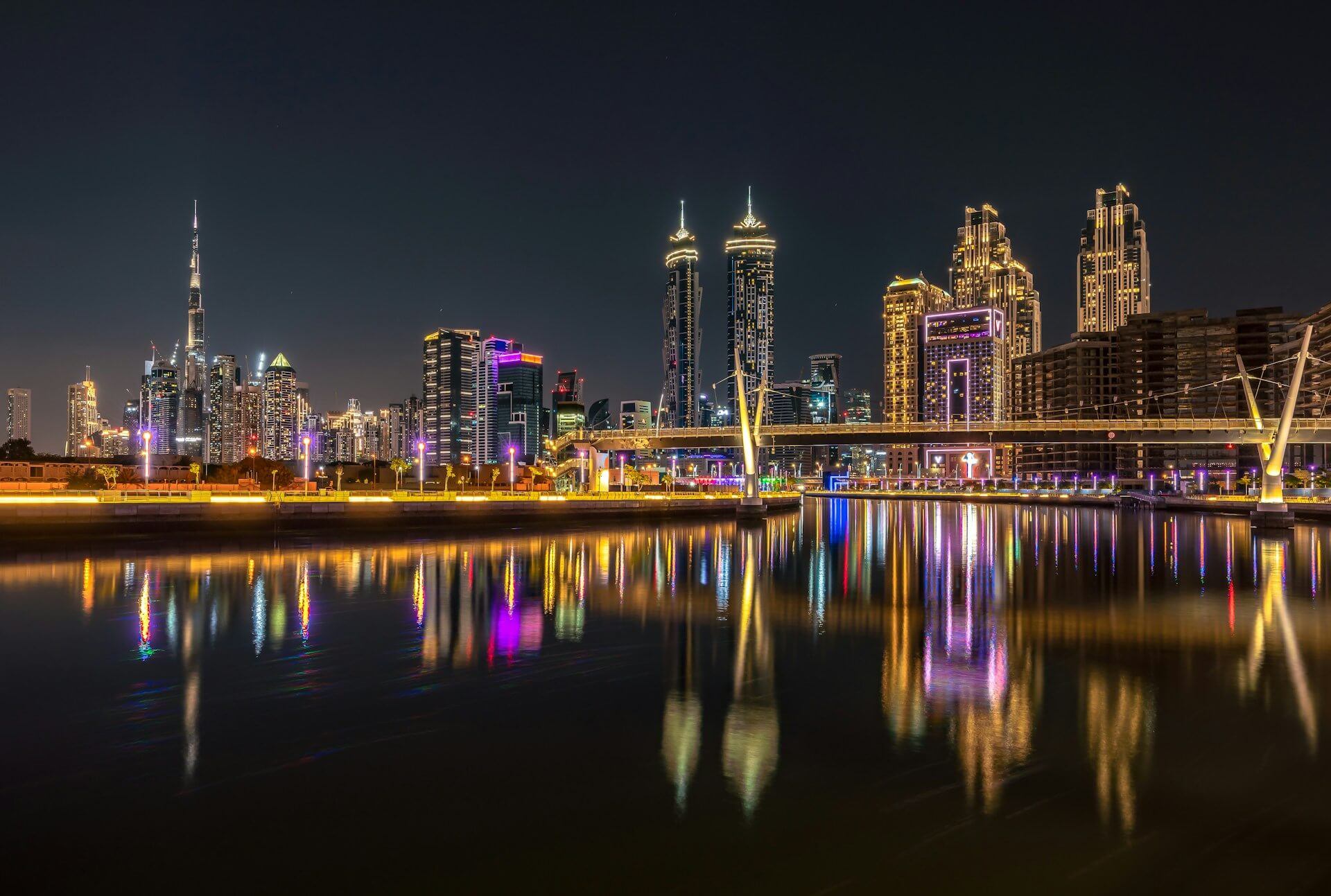
Comfortable long-term and premium rental options across Dubai.
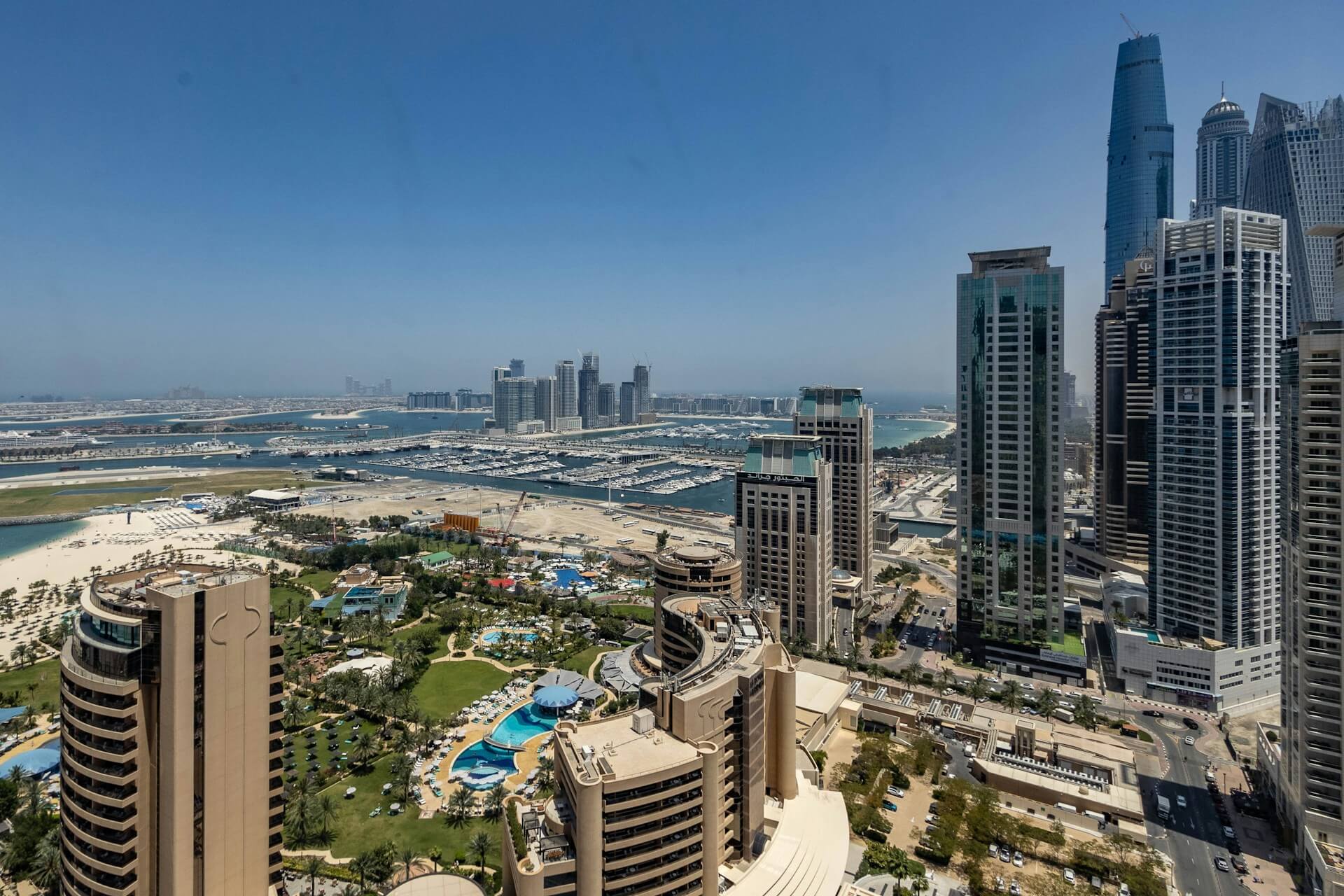

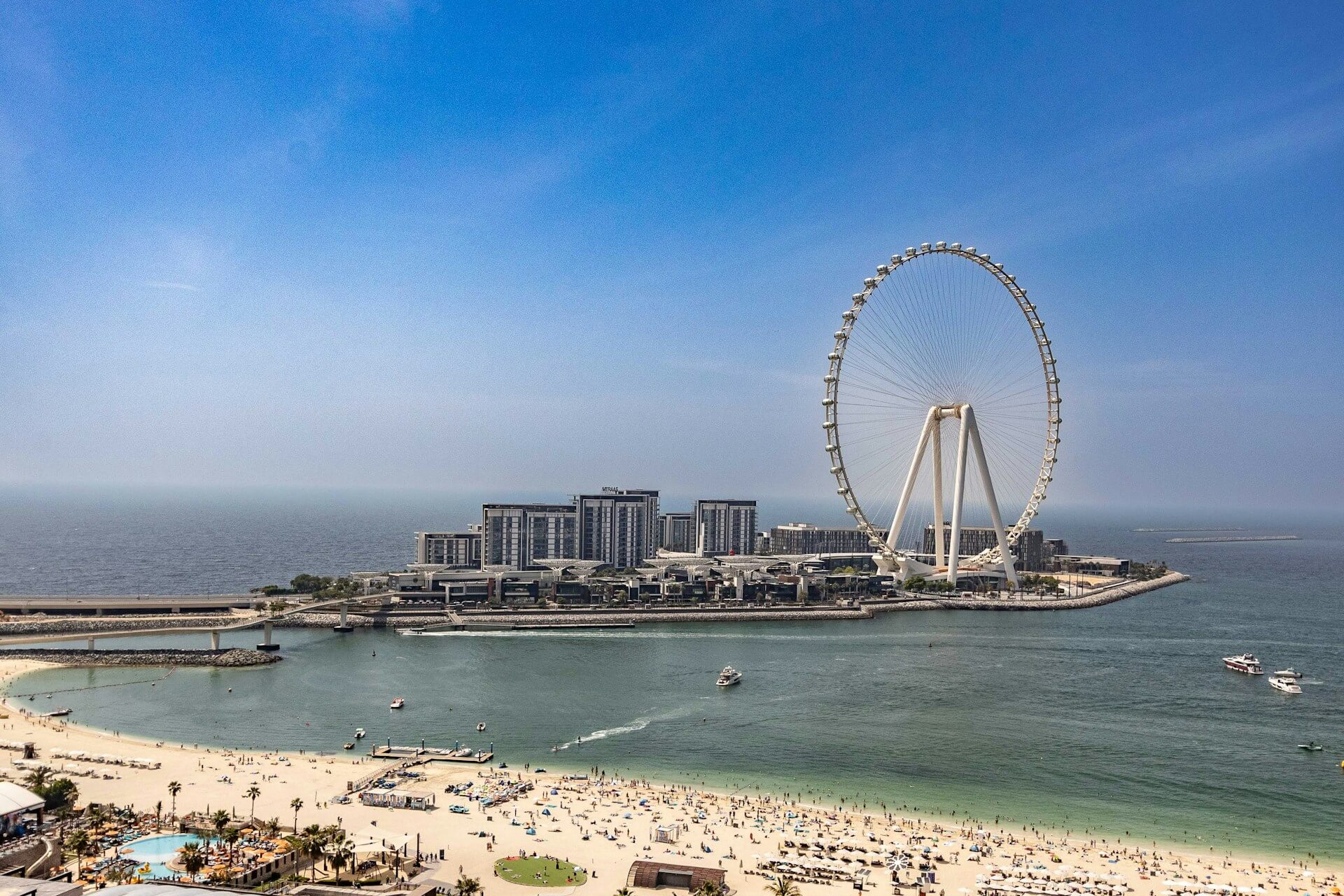
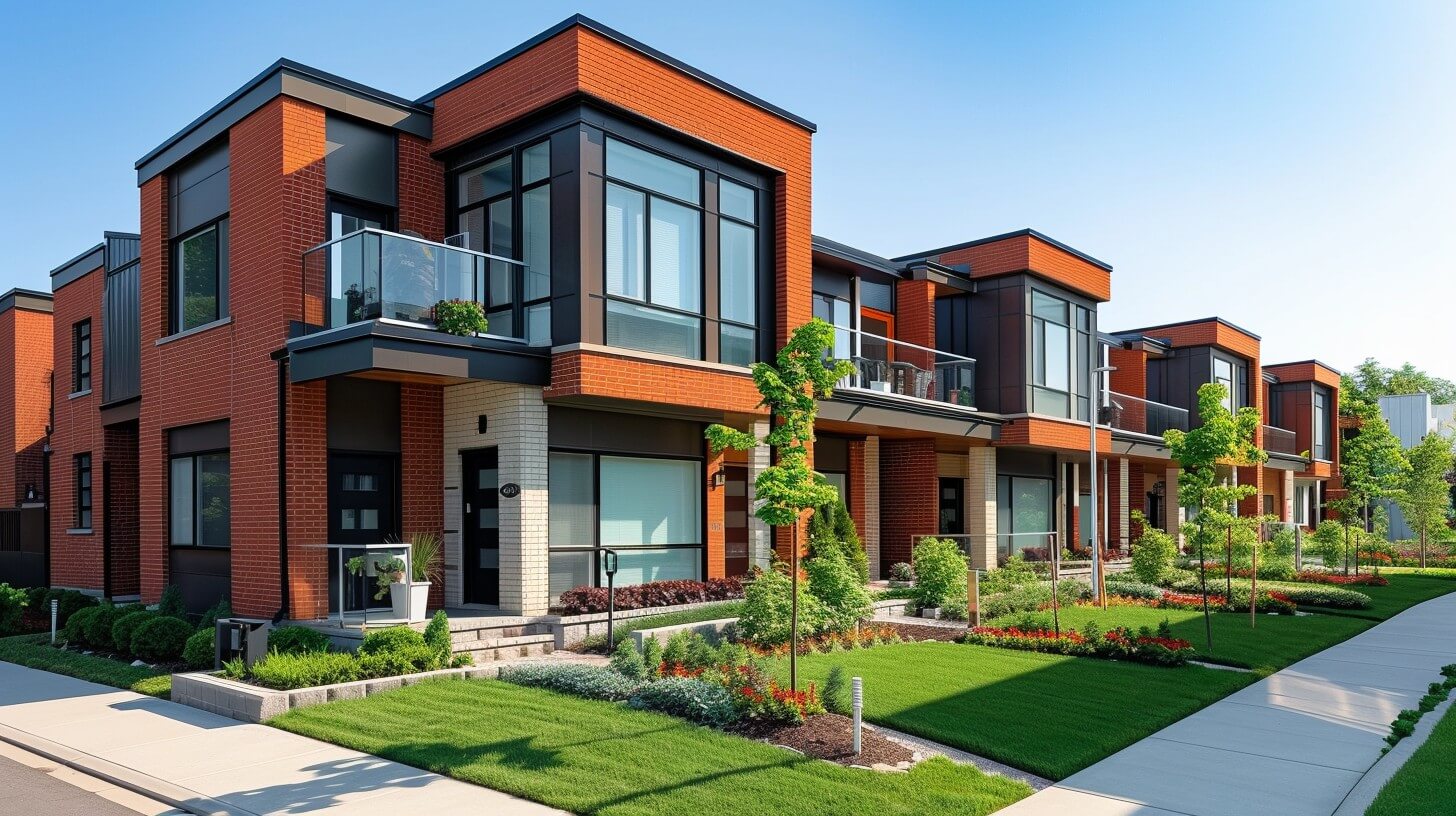
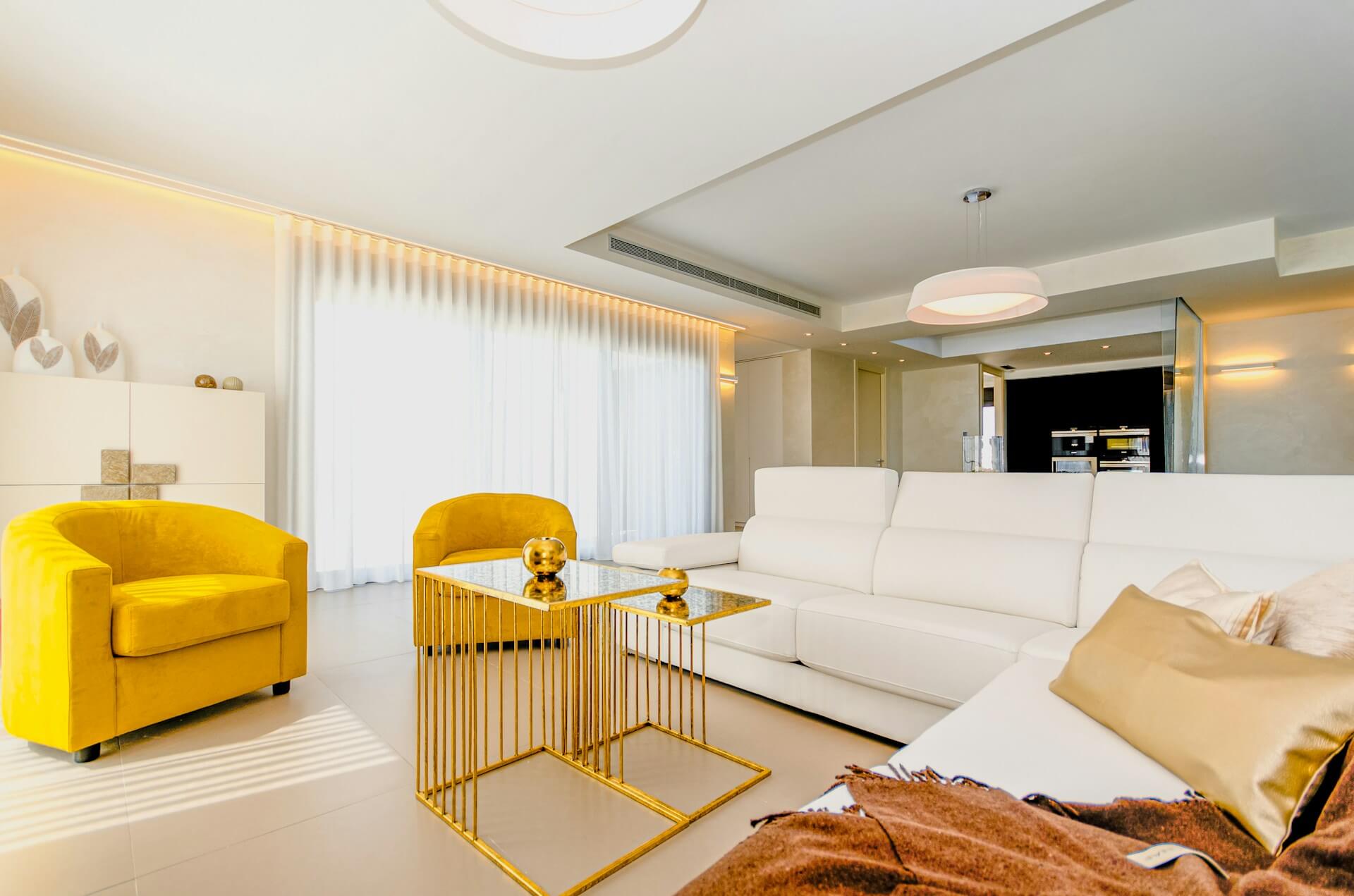
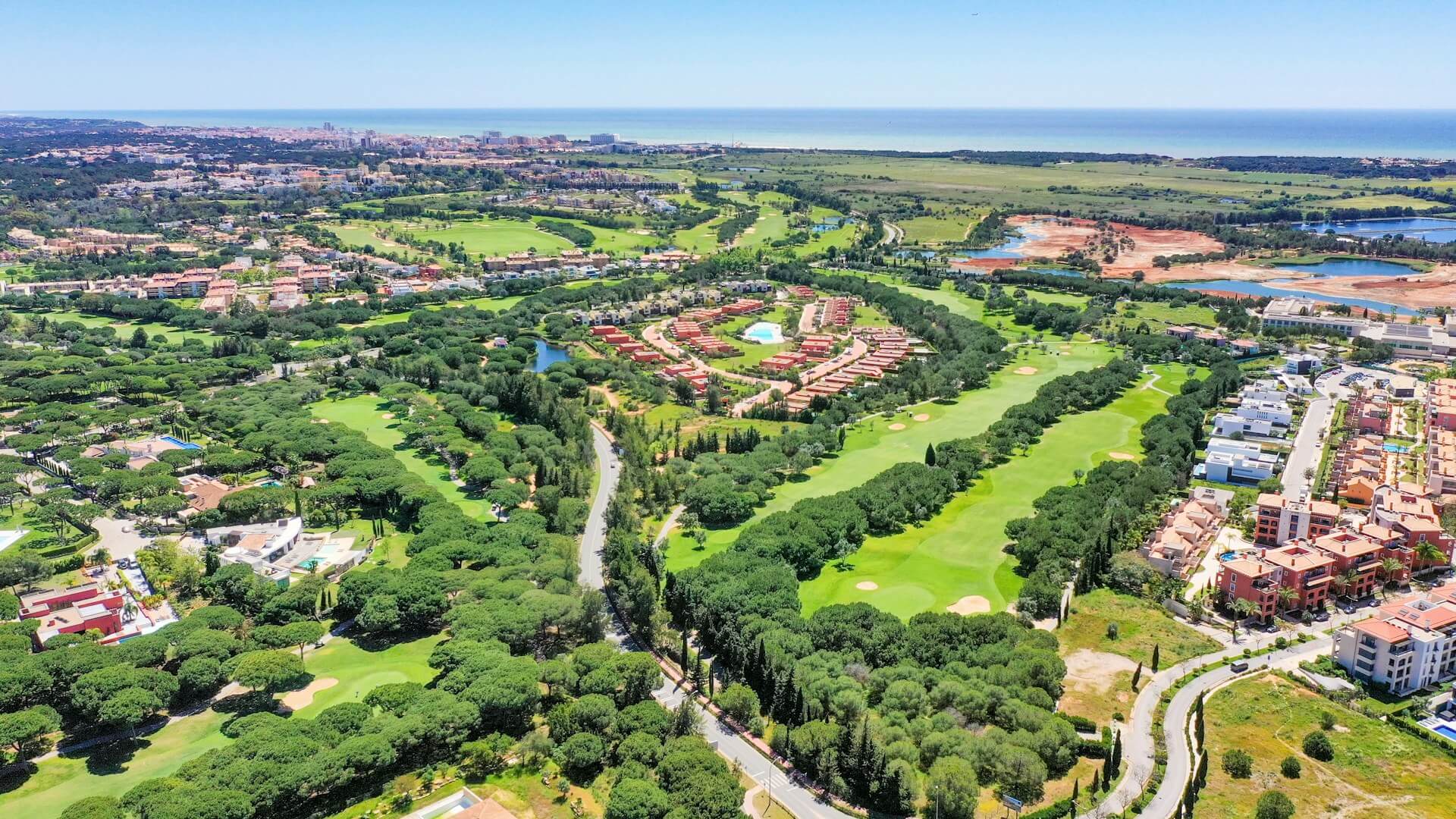
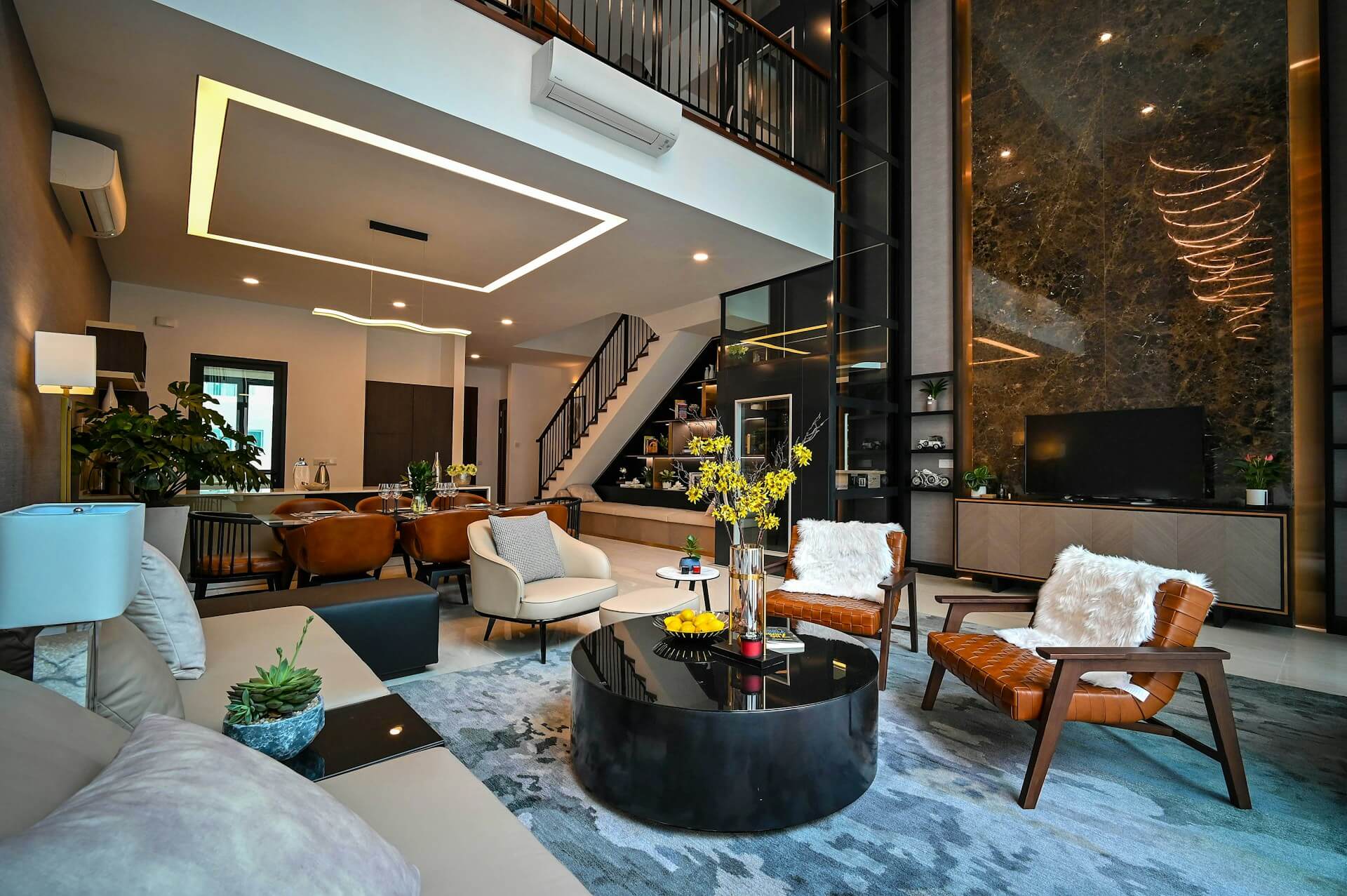
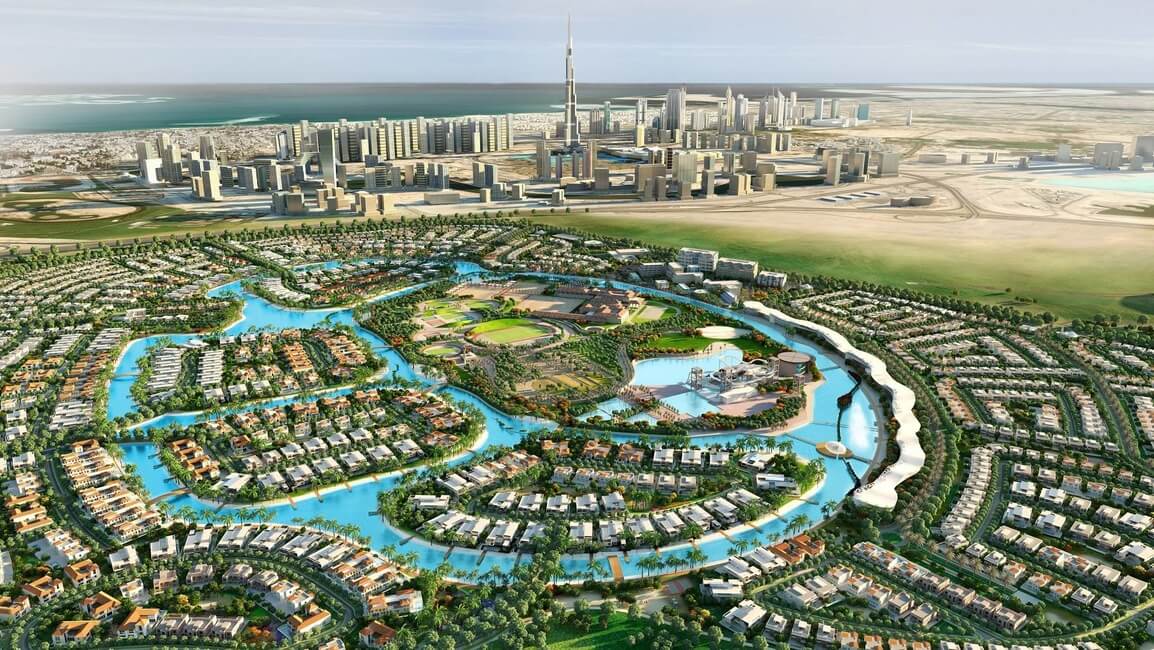
Investing in properties in Dubai to buy remains justified given stable demand fueled by ongoing visa reforms and expanding infrastructure. Entry prices currently start from AED 700,000 for studio units in peripheral zones, while prime segments command upwards of AED 3 million, particularly in waterfront locations. Annual rental yields average 6-7%, with Dubai Marina, Business Bay, and Arabian Ranches leading liquidity and return metrics.
Strong influx of international buyers, supported by 10-year residence permits and flexible mortgage terms, sustains the market momentum.
Limited new completions in several districts compound supply shortages, reinforcing price resilience despite global economic uncertainties. The luxury branded residences are attracting end-users and investors alike, driving premium segment absorption.
Careful selection of the right type and location is key. Off-plan offerings generally require 20-30% down payments, with balance paid over 3-4 years, while ready resale units demand full upfront capital but offer immediate cash flow potential.
Dubai Marina continues to outperform other locales in rental demand and resale turnover, whereas Arabian Ranches offers long-term appreciation with moderate entry costs.
Currently, the market for residential acquisitions in Dubai demands a minimum capital outlay starting from AED 800,000 for studios and one-bedroom units in emerging sectors like Dubai South or Jumeirah Village Circle.
Prime localities such as Dubai Marina and Palm Jumeirah require upwards of AED 1.5 million for comparable units, with luxury villas often exceeding AED 10 million. Entry thresholds directly correlate with targeted ROI and property liquidity.
Selection between freehold or leasehold tenure impacts upfront payments and ownership rights. Dubai’s freehold zones allow foreign nationals unrestricted ownership, boosting demand and resale speed.
Conversely, low-cost regions often feature higher speculative risk due to ongoing development phases and fluctuating infrastructure quality, affecting exit timing.
Mortgage availability influences entry strategies significantly. Banks currently offer financing with loan-to-value ratios up to 80% for first-time buyers, conditional on credit history and income verification. However, down payments average 20%–25%, plus approximately 7% additional fees (including DLD registration and agent commissions).
Cash buyers benefit from negotiation leverage, particularly in established communities like Business Bay.
Emerging sectors enable market newcomers to participate with lower capital and potentially higher upside, but carry delayed rental activation and liquidity constraints.
Established zones show resilient resale markets, facilitating faster asset turnover and rental income continuity. For instance, a two-bedroom apartment in Dubai Marina generates an average gross rental yield of 6% to 7%, whereas the same asset class in Dubai South yields closer to 5% but with notable price appreciation potential driven by Expo 2020 legacy projects.
Investors or end-users should align their capital commitment with expected holding period and exit flexibility.
In Dubai Marina, entry capital required to secure a fully furnished two-bedroom apartment typically reaches AED 2 million, which could support swift lease contracts and a steady income stream. In contrast, off-plan acquisitions in less mature sectors may need only AED 1 million upfront but entail longer project completion timelines and resale unpredictability.
Liquidity varies strongly by community.
Turbulent oversupply in some newly developed localities has resulted in price corrections, advising caution for buyers seeking short-term returns.
Conversely, Dubai Marina and Palm Jumeirah consistently maintain faster resale cycles due to international tenant and investor interest, validating higher entry prices with consistent cash flow.
Matching investment capital with targeted income and exit timeframes in Dubai’s varied neighborhoods remains critical.
Capital deployment below AED 1 million suits speculative investors eyeing off-plan projects with mid-term horizons, while over AED 2 million facilitates immediate income in established zones with stronger tenant demand. Recognizing the trade-offs between entry cost, income potential, and liquidity is key for an informed decision within Dubai.
The starting point for selecting the optimal location for acquisition is understanding the entry capital.
In the Dubai market, average studio apartments in emerging neighborhoods begin at AED 500,000, while areas like Dubai Marina require AED 1.2 million and above.
Prioritize zones where initial capital aligns with your budget but also delivers strong return potential.
Analyze demographic trends within Dubai: communities with high influx from expatriates and young professionals generate consistent rental demand. Dubai Marina, for instance, attracts a large share of working expatriates due to proximity to business hubs and lifestyle amenities, ensuring solid occupancy rates and lower vacancy risks compared to more peripheral districts.
Comparing short-term vacation rental yields reveals up to 7% gross returns in waterfront locations near Dubai Marina, outpacing inland communities where yields average closer to 5%.
If your goal is maximizing cash flow, prioritizing neighborhoods with established tourism appeal and infrastructure like Dubai Marina improves profitability and liquidity.
Assess availability and pricing of ready stock versus off-plan options. Dubai Marina’s resale market offers immediate income, but careful selection is needed due to limited discounted deals. Off-plan options present lower upfront payments (often 10-20% down) with completion timelines of 2-3 years but carry risks linked to construction delays or market fluctuations in Dubai.
Infrastructure developments directly impact asset desirability.
The upcoming metro extensions servicing Dubai Marina will enhance connectivity, likely boosting prices and easing tenant access. In contrast, neighborhoods without scheduled transport upgrades may face stagnation in demand and longer vacancy periods.
Compare the tenant profiles across locations. Dubai Marina primarily hosts single professionals and couples willing to pay premiums for proximity to work and leisure. Conversely, family-oriented communities like Arabian Ranches are less suitable for short-term professional rentals but attract long-term tenants seeking spacious units, which may reduce turnover but limit short-term liquidity.
Risk assessment indicates that newly developed districts with abundant inventory and speculative pricing often experience longer resale timelines and higher volatility in yields.
Dubai Marina’s mature market benefits from balanced supply-demand and historical price growth averaging 5-6% annually, reducing downside potential.
Choosing between waterfront and inland sectors hinges on strategy. Waterfront locations in Dubai Marina typically demand higher initial investments with stronger rental appeal and easier resale. Inland locales might offer entry at 20-30% less but face higher vacancy and limited traffic from visitors or professionals.
Not suitable for investment in Dubai Marina are buyers aiming for minimal capital deployment without exposure to premium market segments or those prioritizing immediate high-yield returns in emerging but unproven neighborhoods.
Also, investors with low risk tolerance should avoid off-plan purchases in Dubai during phases of market downtrend, as liquidity and price growth can stall.
Comparatively, communities with slow infrastructure progress, weak tenant demand, and high supply saturation underperform Dubai Marina in both yield and liquid resale options.
Prioritize neighborhoods with clear transport links, reputable developers, and strong end-user demand aligned with your investment horizon.
Entry capital varies significantly across Dubai’s micro-markets, shaping investment potential and buyer profiles sharply. For instance, Downtown Dubai demands starting budgets around AED 1.5 million for studios, while Dubai Marina begins near AED 1.2 million.
Conversely, emerging communities like Dubai South offer options from AED 700,000 but with lower immediate liquidity.
Price per square foot in Palm Jumeirah exceeds AED 2,500 on average, driven by waterfront demand and limited plots, whereas Business Bay averages AED 1,300–1,500 per sqft, benefiting from recent infrastructure upgrades and office-to-residential conversions.
Arabian Ranches, primarily villa-focused, starts around AED 1,600 per sqft, reflecting suburban appeal with less volatility.
High demand in areas like Dubai Marina anchors itself in tenant inflow, driven by corporate relocations and tourism peaks, supporting yields between 6–7% for one-bedroom units.
Downtown Dubai delivers slightly lower yields around 5.5%, compensated by proven asset appreciation and established amenities. Palm Jumeirah yields are typically under 5% due to premium pricing but offer capital growth linked to international brand residences.
Supply constraints in Business Bay restrict available inventory, causing faster price escalation over the last 18 months compared to areas like Arabian Ranches, where supply exceeds demand, limiting price growth and increasing vacancy risks for investors focused on rental returns.
Off-plan supply concentration in Dubai South inflates entry affordability but mandates longer holding periods to realize gains.
| Palm Jumeirah | 2.5M+ | 2,500+ | 4.5–5 | Medium | Limited |
| Dubai Marina | 1.2M+ | 1,300–1,600 | 6–7 | High | Tightening |
| Downtown Dubai | 1.5M+ | 1,600–1,900 | 5–5.5 | High | Balanced |
| Arabian Ranches | 2M+ (Villas) | 1,600+ | 3–4 | Low | Oversupplied |
| Dubai South | 700K+ | 900–1,100 | 6.5–7.5 | Low | High Off-Plan |
Investors prioritizing swift resale and yield should target Dubai Marina, where end-user demand is strongest due to proximity to business hubs and lifestyle amenities.
Downtown Dubai matches this profile but demands a higher purchase price, impacting initial capital outlay. Palm Jumeirah suits buyers seeking lower risk of value depreciation over time, particularly with branded residences but requires patience on rental payments.
Entry costs in Arabian Ranches restrict buyer pool to high-net-worth segments, exposing investors to slower capital appreciation and tenant turnover challenges inherent to villa-dominant locations.
Dubai South’s affordability tempts speculative investment with longer liquidity horizons and higher vacancy risk, given current infrastructure development pace.
Comparatively, off-plan offerings in Dubai South may underprice resale units in Palm Jumeirah by 30–50%, yet tradeoff manifests in delayed cash flow and increased uncertainty.
Ready-to-move stock in Dubai Marina premiumizes immediate rental income, translating to lower risk but larger capital commitment. Understanding the balance between ready versus off-plan and central versus peripheral positions is critical for matching investment goals.
Short-term rental prospects are optimal in Dubai Marina and Downtown Dubai due to consistent tourist arrivals and corporate occupancy, supporting net yields above 7% with active management.
Palm Jumeirah allows for premium rates but lower turnover frequency, minimizing operational complexity but compressing yield potential. Arabian Ranches has negligible short-term rental demand linked to family-oriented profiles, while Dubai South’s infrastructure awaits growth to sustain this model.
When to avoid acquisitions is as decisive as when to enter. Buyers seeking fast exit should bypass Arabian Ranches due to oversupply and low daily rental demand, increasing resale risk.
Speculators eyeing short-term gains must be cautious with Dubai South and off-plan inventory amid delivery delays and fluctuating regulatory incentives. Palm Jumeirah entry is not recommended for tight budgets, as price declines are limited and liquidity can stall in downturns.
Understanding these variables highlights that entry capital sets the parameter for risk tolerance and expected returns.
For example, AED 1.2 million investments in Dubai Marina typically ensure robust rental income and liquidity, contrasting with AED 700,000 allocations in Dubai South which carry speculative premium and extended hold periods.
Downtown Dubai balances capital growth and rent but at higher entry costs, while Palm Jumeirah favors wealth preservation over yield maximization.
Dubai offers a wide variety of property types for buyers, including apartments, villas, townhouses, and penthouses.
Apartments are often found in high-rise buildings and come with shared amenities like pools and gyms. Villas generally provide more privacy and space, suitable for families. Townhouses bridge the gap between apartments and villas, offering a community feel with multiple units. The choice depends on budget, lifestyle preferences, and desired location within the city.
Foreign buyers can purchase property in designated freehold areas in Dubai without the need for a local sponsor.
The process usually starts with choosing a property and signing a Memorandum of Understanding (MoU) with the seller, followed by paying a deposit. Then, the buyer applies for the property transfer at the Dubai Land Department, which includes paying associated fees. Legal checks and final payment of the remaining balance complete the transaction.
Working with a registered real estate agent and legal advisor can simplify this process.
Several elements affect property prices in Dubai. Location plays a significant role—properties near the coast, business hubs, or major attractions tend to be more expensive.
Property type and size also matter; larger units and villas command higher prices. Market demand fluctuates with economic conditions and investor interest. Additionally, infrastructure developments, availability of amenities, and proximity to public transport influence pricing.
It is useful to monitor market trends and consult experts before making a decision.
Yes, apart from the property's purchase price, buyers should consider extra expenses. These include a registration fee payable to the Dubai Land Department, usually around 4% of the property value. Agent commissions, often 2% of the sale price, may apply as well.
Other possible fees include mortgage registration fees if financing is involved, home insurance, and maintenance charges for communal areas, especially in developments with shared facilities.
Investing in Dubai real estate offers several advantages.
The city provides opportunities for rental income due to its growing population and tourism. The absence of property taxes and capital gains tax enhances investment returns. Dubai's strategic location makes it attractive for international business and residence. Additionally, modern infrastructure, a secure legal framework for property ownership, and ongoing urban development projects contribute to the appeal for investors looking for diverse portfolio options.
Clear answers about buying, renting and investing in Dubai property.
Yes. Foreign buyers can purchase freehold property in designated areas such as Dubai Marina, Downtown Dubai, Business Bay, Palm Jumeirah, Dubai Hills and other approved communities.
It depends on your timeline, budget and goal. Buying is usually better for long-term plans, capital growth and rental income, while renting is better for flexibility and easier relocation.
The required budget depends on the area, building quality and property type. More accessible apartments can be found in developing communities, while prime locations and luxury properties require a much higher budget.
In addition to the purchase price, buyers should budget for the Dubai Land Department fee, registration and trustee fees, possible agency commission, mortgage-related costs if financing is used, and ongoing service charges for many buildings.
Yes, many banks in the UAE offer mortgages to foreign buyers. Approval depends on income, documents, deposit amount and the specific property being purchased.
Areas such as Dubai Marina, Downtown Dubai, Business Bay, Dubai Hills, JVC, Palm Jumeirah and Creek Harbour are often considered by investors, but the right area depends on whether your focus is yield, resale value, lifestyle appeal or long-term growth.
Rental yield varies by area, property type, furnishing level and market timing. In practice, many investors look for a balance between strong occupancy, reasonable service charges and sustainable tenant demand rather than chasing headline numbers alone.
Off-plan property is purchased directly from a developer before the project is completed. Buyers often choose off-plan because of payment plans, newer inventory and lower entry prices compared with some ready properties.
A proper review should consider the developer’s track record, payment plan, handover timeline, location quality, future supply in the area and the project’s resale or rental potential after completion.
For ready property, the timeline can move fairly quickly if the price is agreed, documents are prepared and the buyer is ready to proceed. Mortgage purchases usually take longer than cash deals.
Yes, many purchases can be handled remotely with the correct documents and proper support through the process. Remote buying is common for overseas investors and international clients.
The biggest risks are overpaying, choosing a weak location, buying an unsuitable layout, ignoring service charges, or selecting a project with low resale and rental demand. Good selection matters more than marketing promises.
In long-term rentals, rent is commonly agreed for a fixed term and often paid by one or several cheques depending on the landlord, property and negotiation.
Tenants are usually asked for identification and residency-related documents, and the exact set depends on their status in the UAE and the landlord’s requirements.
A security deposit is commonly required before move-in. The amount often depends on whether the property is furnished or unfurnished and should be clearly stated in the rental terms.
In many rental transactions, an agency commission is charged. The amount depends on the deal structure and should be confirmed before signing anything.
Tenants should review the deposit, Ejari registration, utility setup costs, parking terms if relevant, maintenance responsibilities and any conditions related to early termination or renewal.
Yes, negotiation is common. The final result depends on market conditions, the landlord’s flexibility, how long the property has been available and how prepared the tenant is to move forward.
It is important to check the condition of the unit, building quality, noise level, parking, view, maintenance status, contract terms and the reliability of the owner or manager.
Short-term rent offers flexibility and convenience but is usually more expensive. Long-term rent is generally more cost-effective and better suited for clients planning to stay longer.
During an active contract, the agreed rent usually remains fixed. Any increase is generally discussed at renewal and should follow the applicable rules and notice requirements.
This depends on the tenancy contract. Minor day-to-day issues may be handled by the tenant, while major maintenance is commonly the landlord’s responsibility, but the exact wording in the contract matters.
Ejari is the official registration of the tenancy contract in Dubai. It is important for legal recognition of the lease and is commonly needed for practical steps such as setting up utilities.
Yes. Furnished properties can be more convenient and faster to move into, while unfurnished options may work better for longer stays or tenants who want more control over the setup and budget.
We do not rely on random mass listings. We narrow the market based on budget, location, property type, investment goal, lifestyle needs and timeline, so clients can focus only on relevant options.
Yes. Support can include shortlisting, arranging viewings, comparing options, discussing terms, helping with negotiations and guiding the next steps of the transaction.
The best first step is to define the real budget, target areas, purpose, preferred property type and timeline. Once those points are clear, the selection becomes faster, cleaner and much more useful.