
FOR SALE
AED 1,200,000AED 720,000
We help clients buy and rent the right property in Dubai — apartments, villas and investment units matched to budget, area and goals.
Dubai Property Selection focuses on apartments, villas and investment properties in key areas such as Dubai Marina, Downtown, Business Bay, Dubai Hills and Palm Jumeirah.
Instead of sending a huge list of random listings, we prepare a clean shortlist based on your budget, preferred area, bedrooms, timeline and purchase or rental goals.
Premium opportunities in Dubai — from compact investment units to signature villas and penthouses.
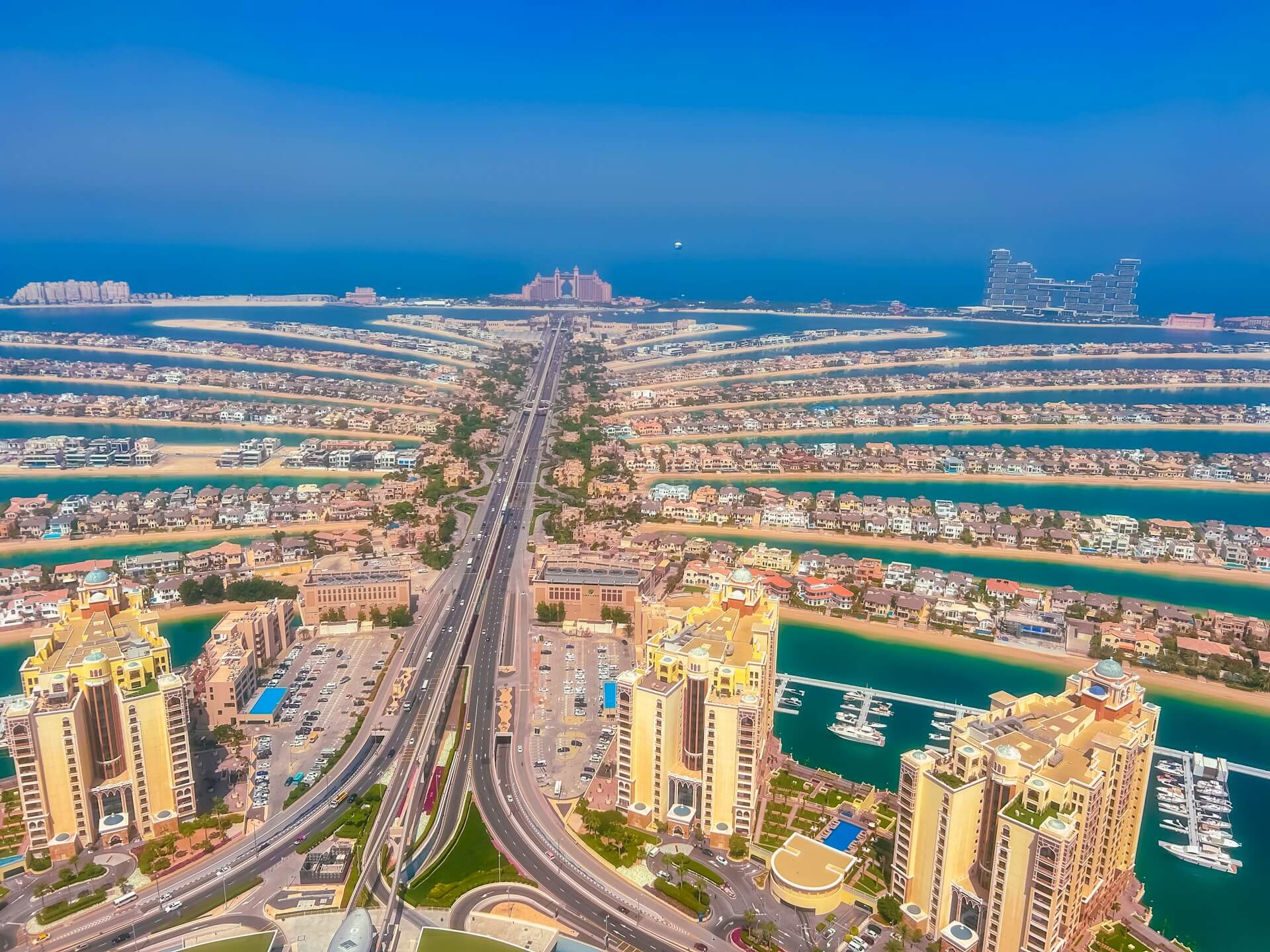
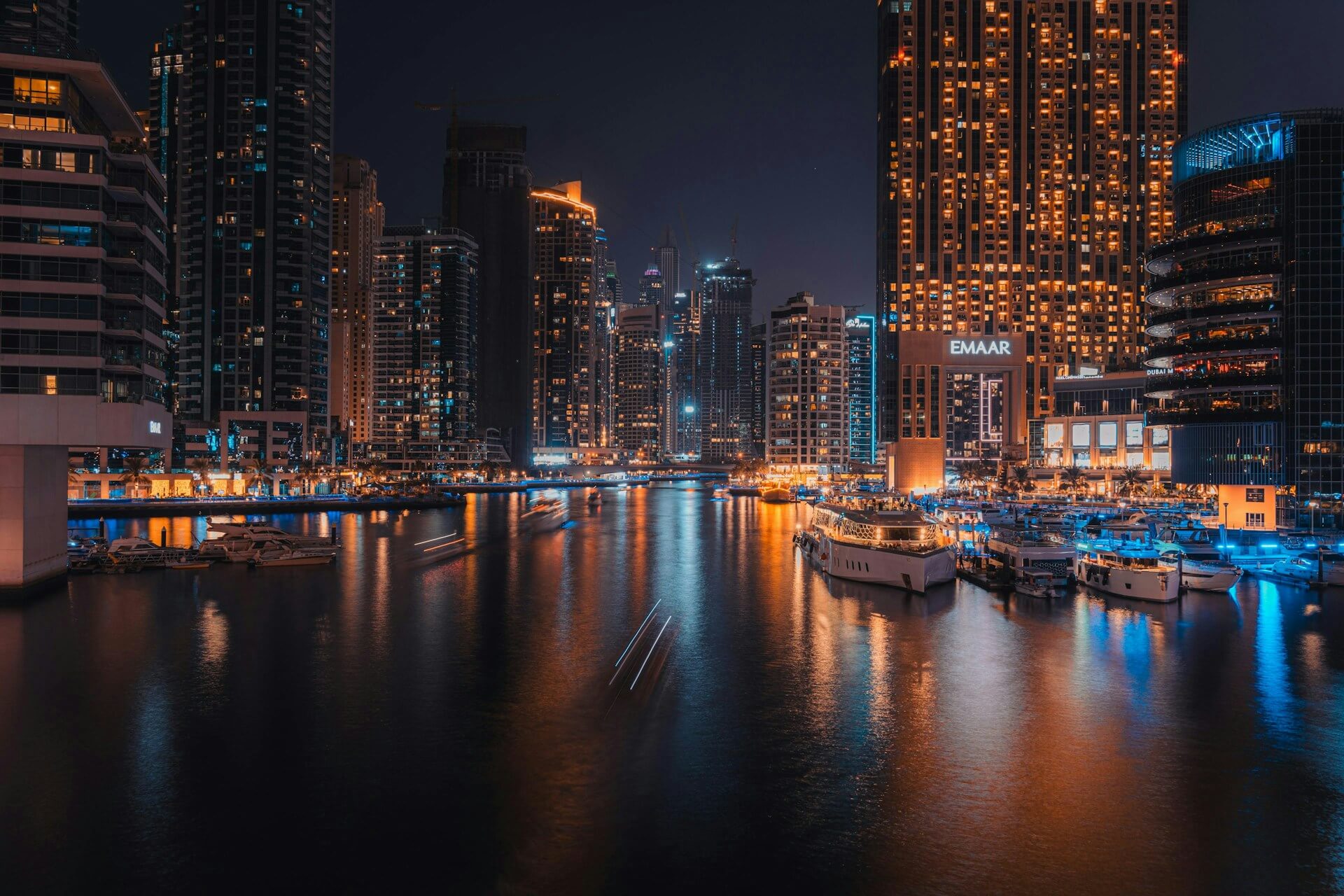
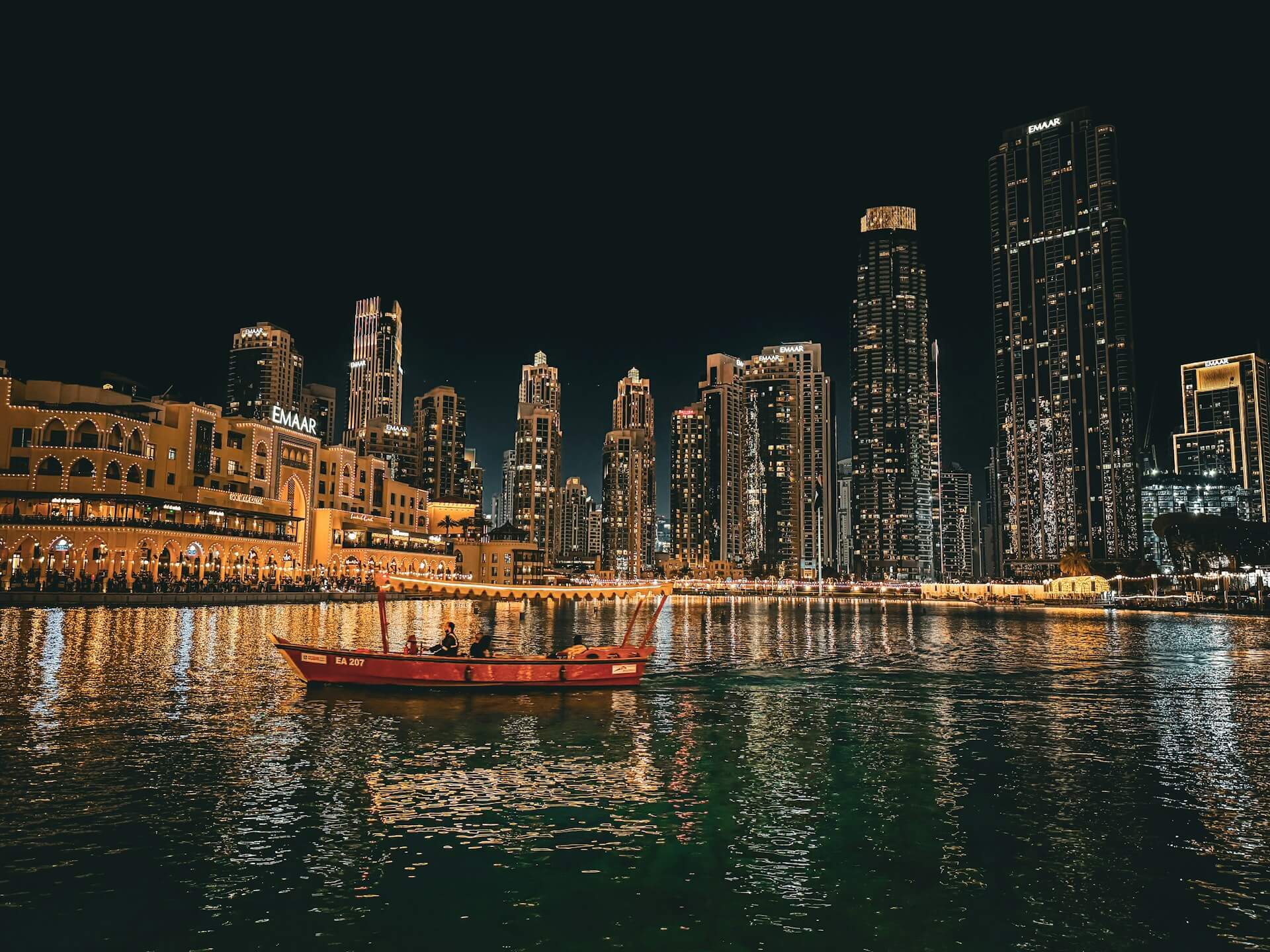
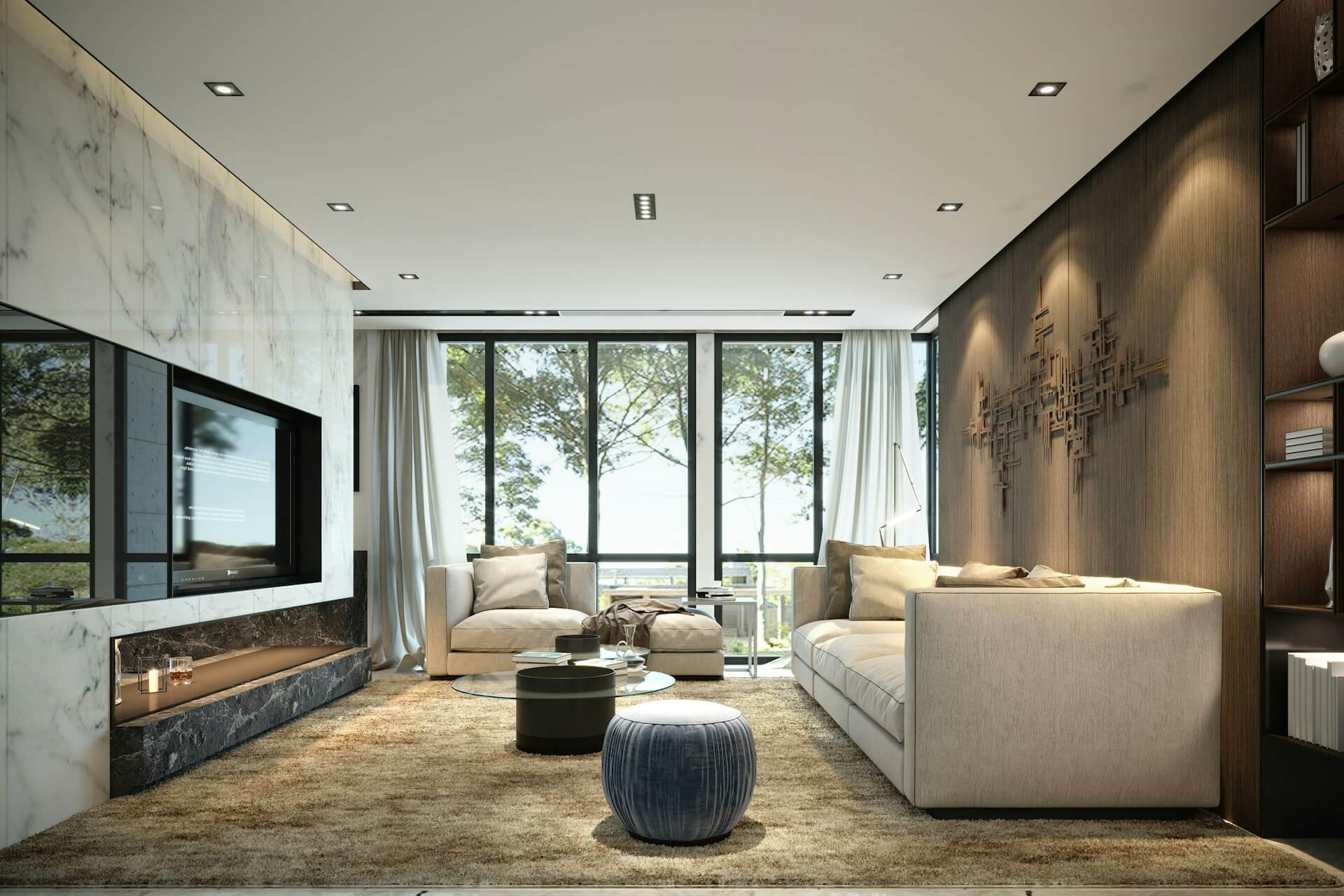
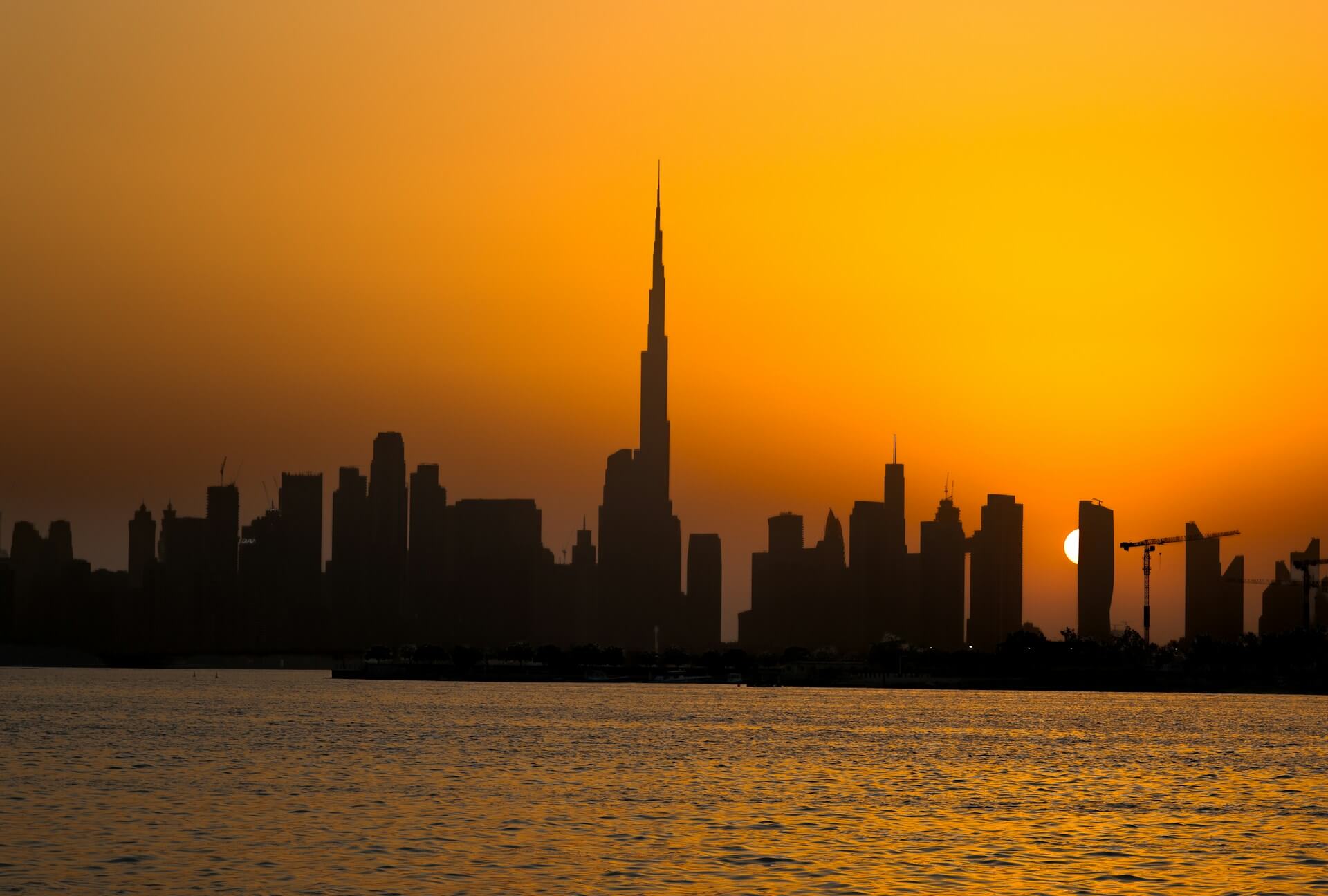
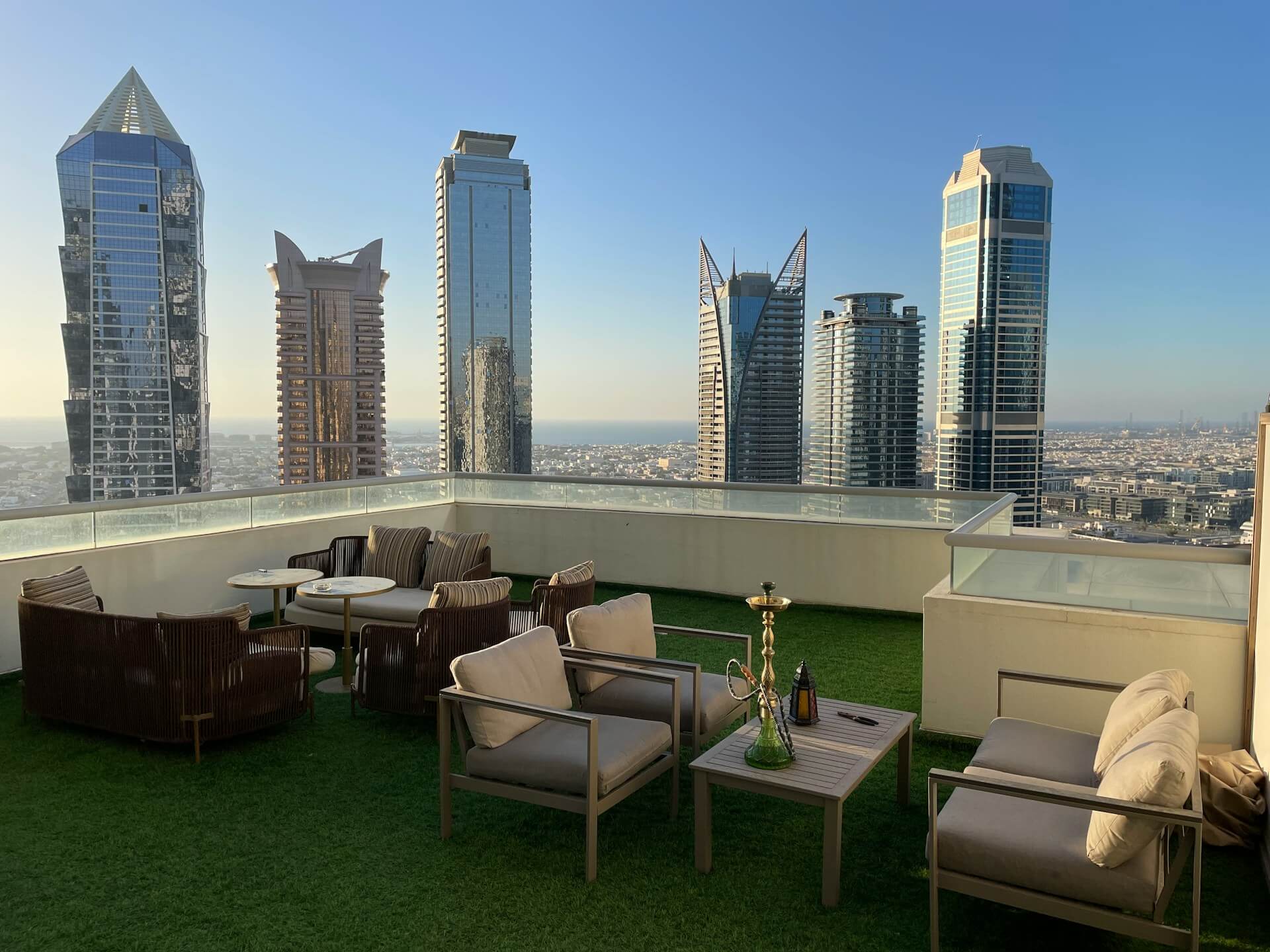
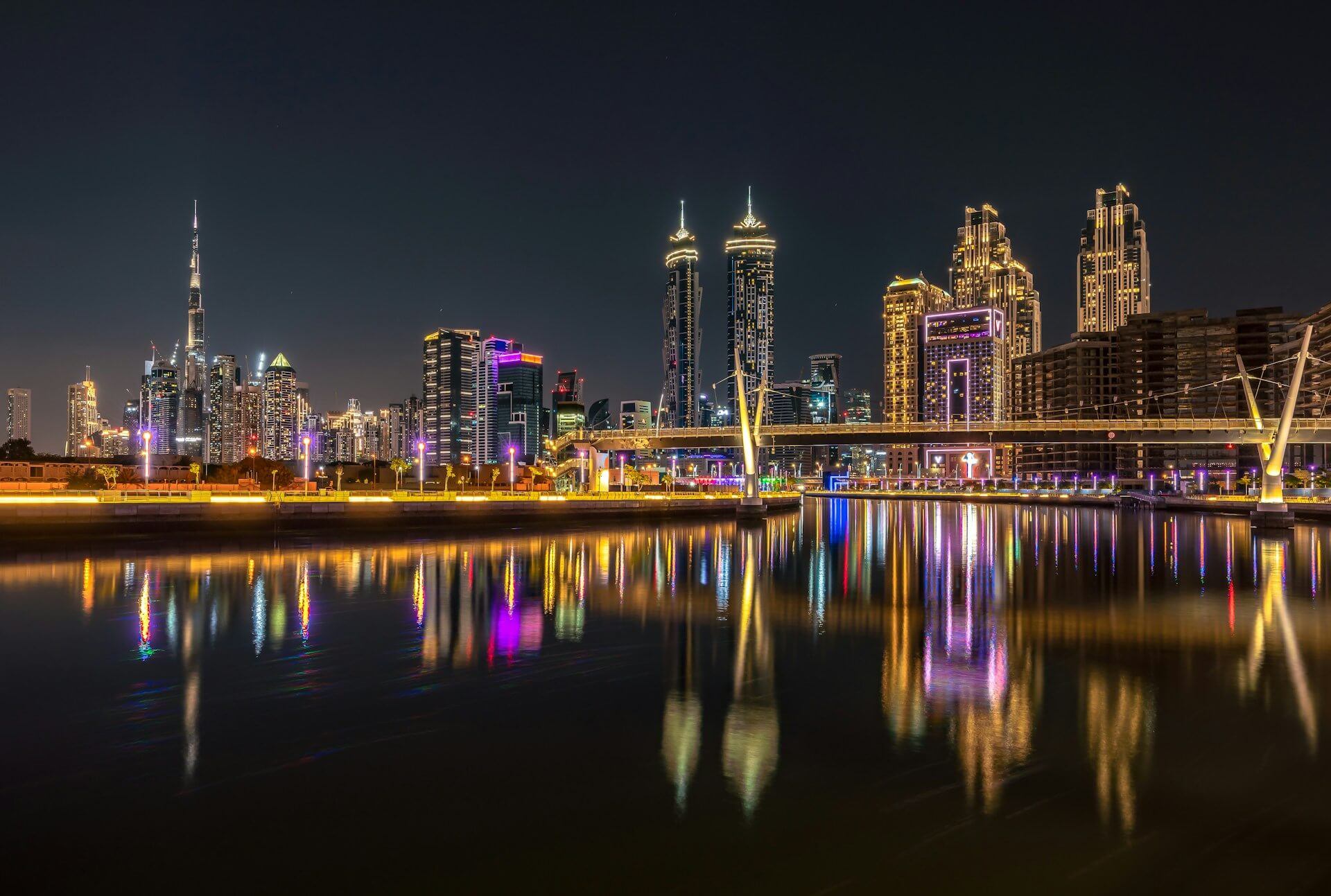
Comfortable long-term and premium rental options across Dubai.
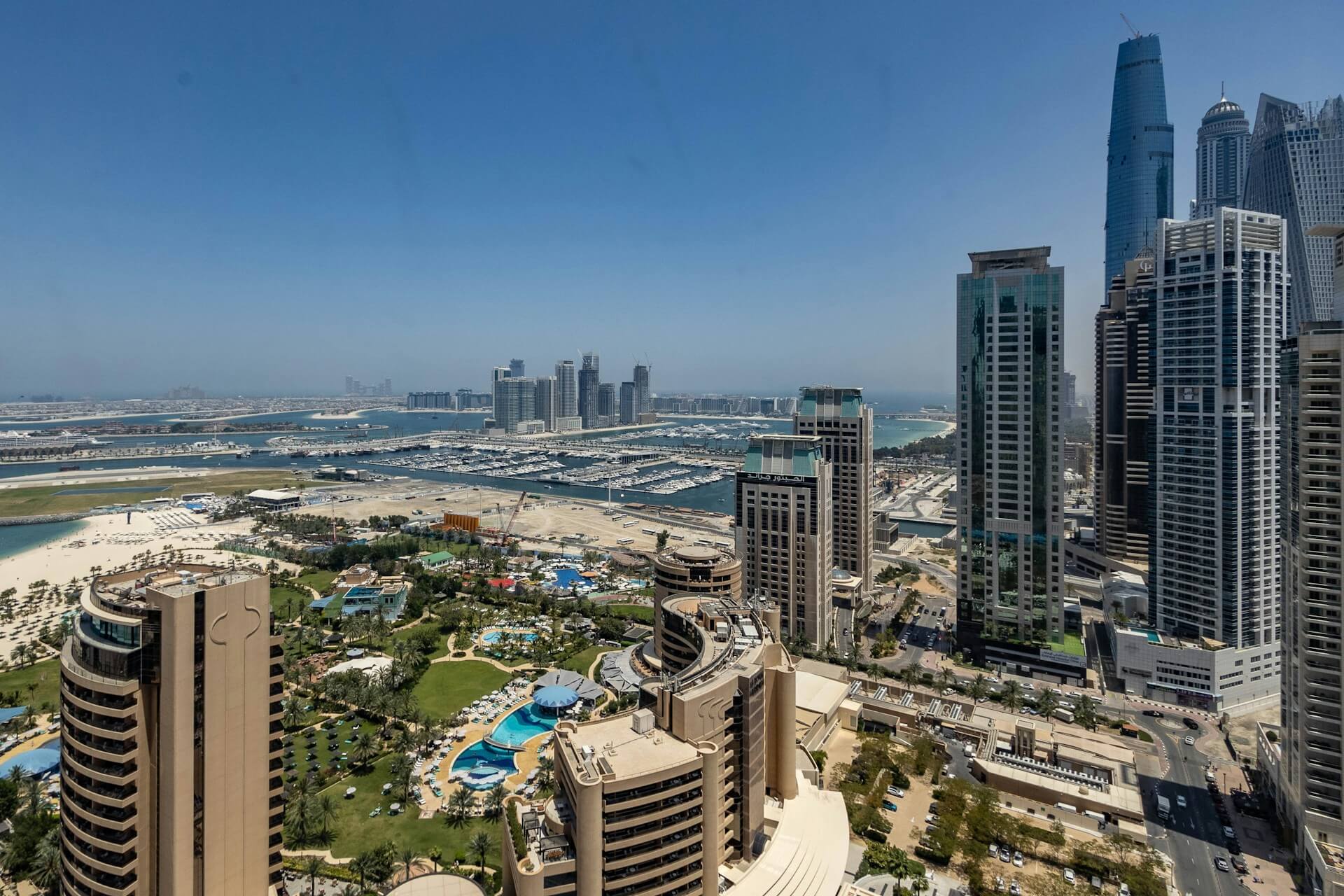
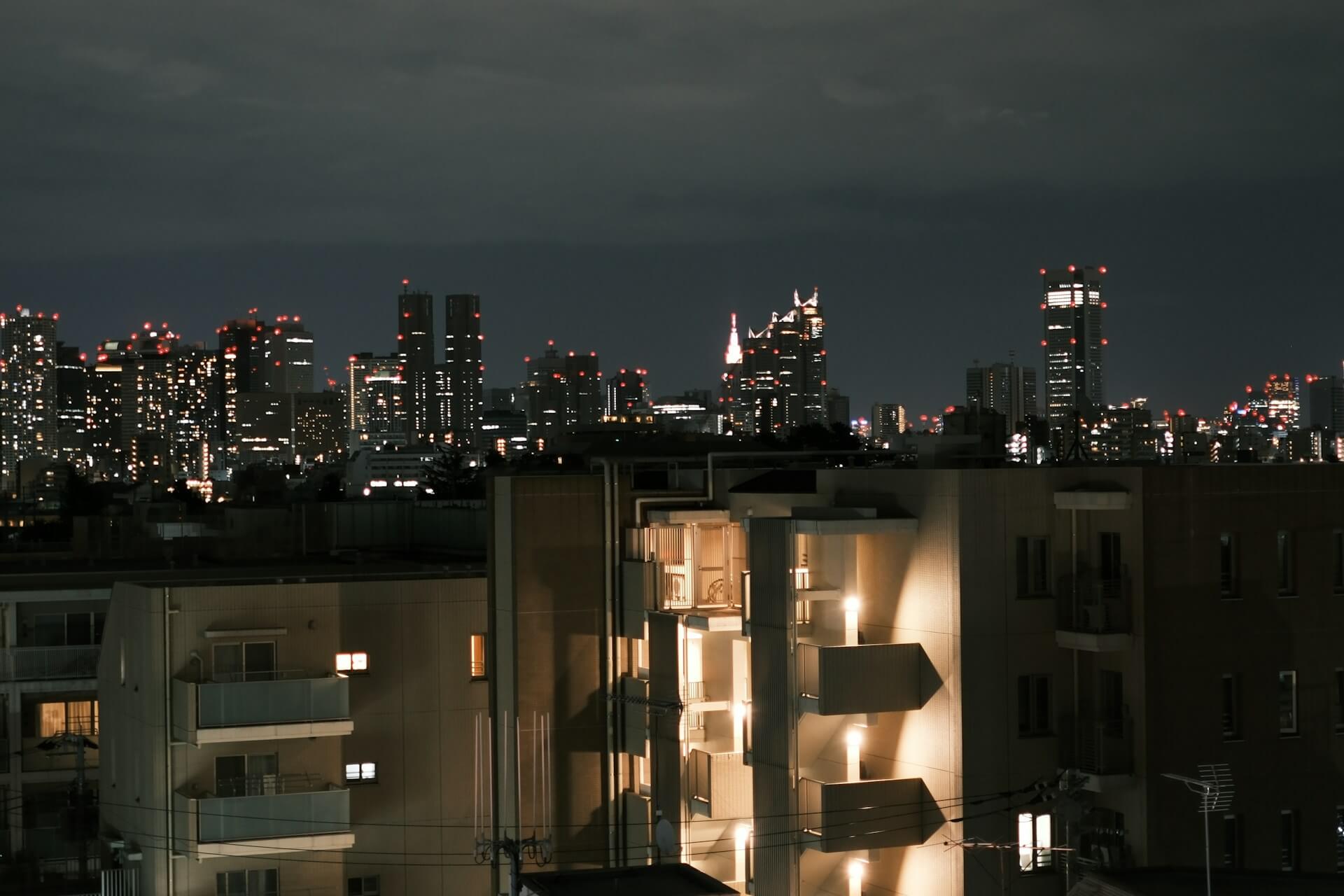
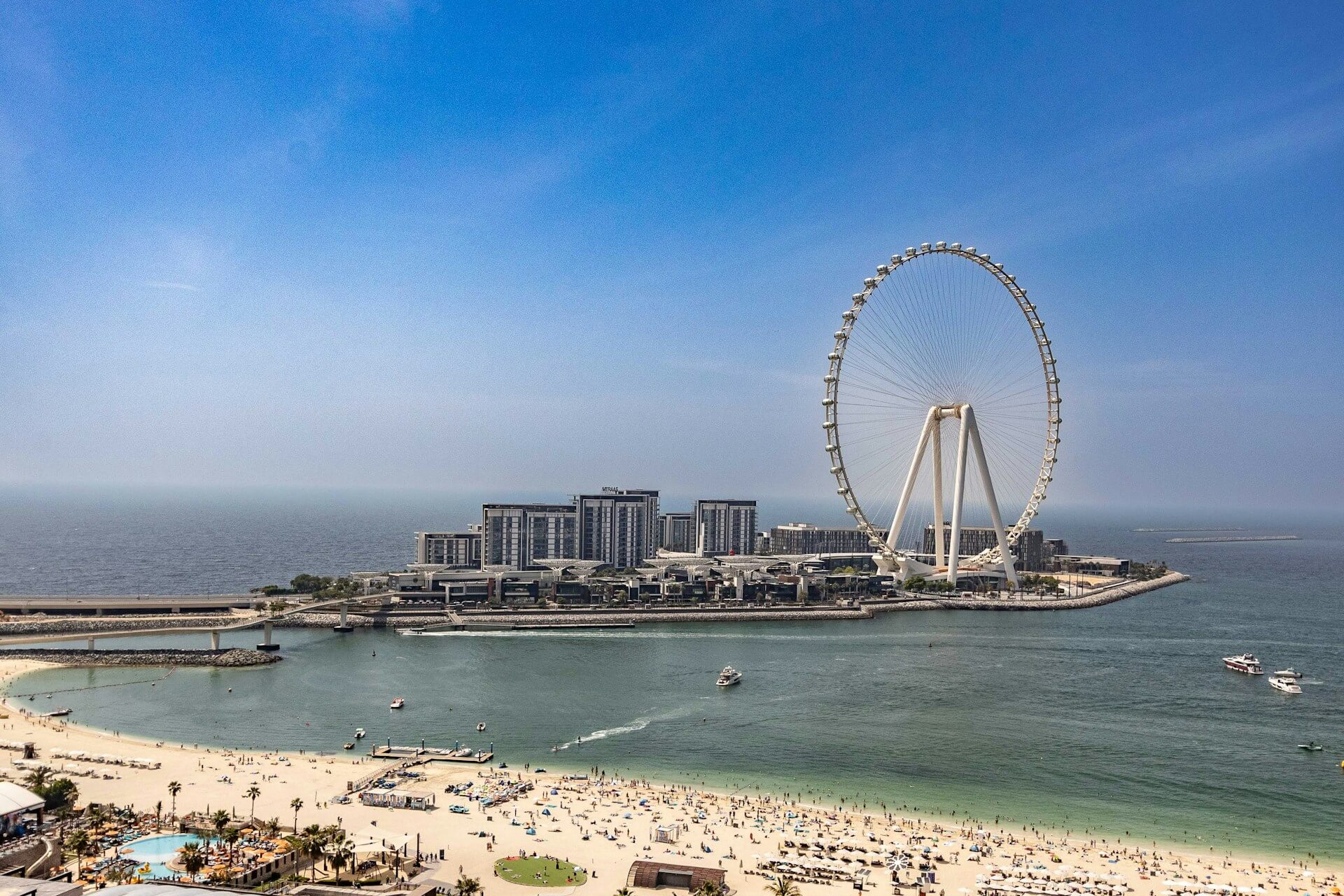
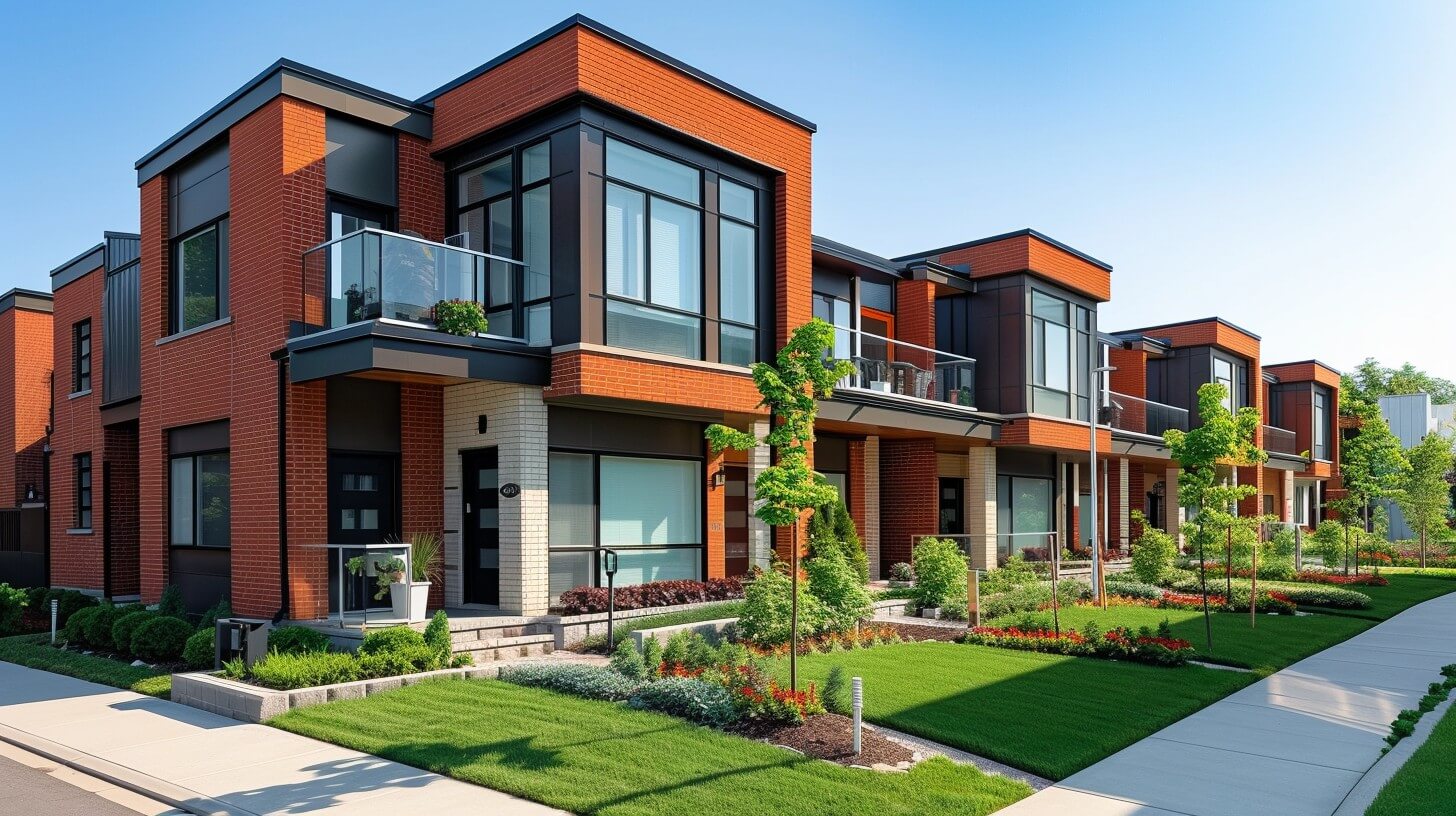
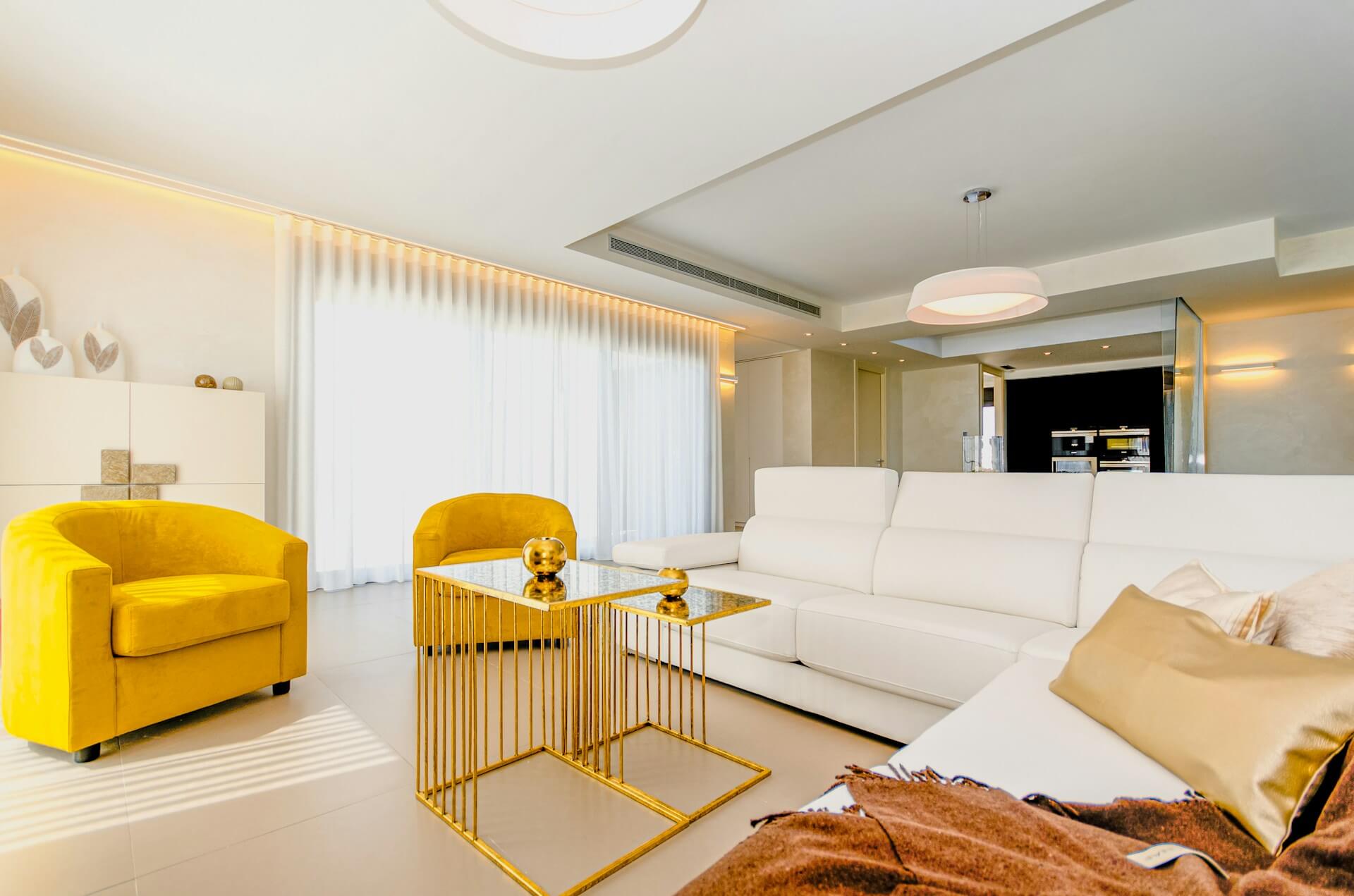
Considering acquisition in Palm Jumeirah real estate requires a minimum capital starting at approximately AED 2.5 million for smaller units, with mid-range options often exceeding AED 4 million.
Current market activity shows the highest demand concentrated in luxury waterfront residences with direct beach access, driven primarily by investors targeting stable rental returns and lifestyle buyers seeking exclusivity within Dubai’s most recognized man-made island.
The Palm Jumeirah market remains active due to constrained new supply and an influx of expatriates relocating to Dubai.
Visa reforms and growing tourism have sustained rental demand, particularly for one to three-bedroom properties. ROI typically ranges from 5 to 7 percent annually, outpacing many other prime locations in the city.
Liquidity is stronger for ready-to-move-in units in reputable clusters compared to off-plan projects, where longer completion timelines add risk despite lower entry prices.
Residential developments along Palm Jumeirah’s crescent exhibit notable price differentials: properties on the trunk offer lower entry points but deliver less attractive appreciation prospects relative to villas and townhouses on the fronds.
Comparing this island with Dubai Marina or Business Bay evidences Palm Jumeirah’s advantage in capital preservation and premium yields, albeit at a higher acquisition threshold and reduced turnover frequency.
Current market data shows that acquiring a unit on Palm Jumeirah requires a minimum capital commitment starting at approximately AED 2.5 million for a one-bedroom layout in established towers.
Villas and garden homes begin at AED 8 million, with luxury penthouses exceeding AED 25 million depending on size and direct waterfront positioning. This price spectrum positions the island’s properties distinctly above Dubai’s average luxury residential costs, reflecting scarcity and exclusivity.
Compared to Dubai Marina or Downtown Dubai, initial outlay here is 15–30% higher for equivalent configurations, driven by the direct beachfront location and unique island infrastructure.
However, this premium correlates with slower depreciation risk and more stable resale values, making the higher entry threshold justifiable for long-term investors prioritizing capital preservation.
For buyers focused on rental income, mid-tier residential projects on the trunk offer slightly lower entry points, around AED 1.8–2.2 million, but with reduced yield prospects.
Investors should weigh these alternatives against the higher-end residences on the fronds, where premium rents compensate increased acquisition costs.
Mortgage availability remains limited compared to mainland Dubai, with down payments typically ranging from 30% to 40%.
This factor elevates upfront liquidity requirements and reduces leverage flexibility for many purchasers.
| Studio / 1-Bedroom (Fronds) | 2.5 | 40 | 5.5 |
| 2-3 Bedroom Apartments (Trunk) | 3.5 | 35 | 5.0 |
| Villas / Garden Homes | 8.0 | 30 | 4.5 |
| Penthouses (Fronds) | 25.0+ | 40 | 4.0 |
Units on the island benefit from limited new supply, keeping prices firm despite regional market fluctuations.
This moderates risk but also restricts opportunities for discounted acquisitions. Buyers should prepare for comprehensive transaction costs pegged around 7% inclusive of fees and transfer charges, which impact total initial investment.
For those balancing lifestyle against investment returns, mid-scale offerings on the trunk currently present a pragmatic compromise.
These provide lower capital entry while maintaining better liquidity compared to detached properties and ultra-luxury estates.
In comparative context, neighborhoods such as Business Bay and Dubai Marina offer lower barriers to entry with prices starting near AED 1.2 million for one-bedroom units and typically higher yields (6–7%). However, these areas face greater inventory volatility and demand fluctuations, contrasting with the island’s sustained appeal to high-net-worth individuals and long-term expatriates.
Start by determining your investment objective: end-use or rental income.
For investors targeting short-term yields, 1- and 2-bedroom configurations deliver the best balance between entry cost and rental demand on Palm Jumeirah. Studios, while cheaper with prices starting around AED 1.1 million, face higher vacancy risks due to limited appeal to families or long-term tenants.
Consider that 3-bedroom or larger units command premiums from AED 4 million upwards, attracting affluent end-users seeking spacious layouts and direct sea views.
These typically yield lower rental yields–around 5% gross versus 7–8% for smaller units–but benefit from stronger capital appreciation potential, particularly in gated enclaves such as Shoreline Apartments or Oceana.
High-floor apartments in buildings with private beach access enhance liquidity and resale speed, critical factors in Palm Jumeirah’s market where resales turnover averages 9–12 months. Conversely, lower-floor units near major roads experience reduced demand and slower sales cycles despite 10–15% lower price points.
Evaluate new launches versus ready inventory based on deliverability and price trends.
Off-plan options in developments like Tiara Residences offer discounts up to 15% compared to completed properties and extended payment plans, but carry construction and market timing risks. Ready units typically command a premium but provide immediate rental returns.
Compare common facilities before choosing: buildings with private pools and gym facilities consistently outperform in rental performance and resale value.
Complexes focused on family amenities see higher retention rates versus boutique buildings targeting singles or couples.
Location within Palm Jumeirah strongly influences pricing tiers. Trunk and Crescent sectors deliver a 10–20% price gap in favor of crescent front residences, driven by panoramic sea views and exclusivity. Entry prices for 2-bedroom units in the trunk start around AED 2.3 million, while crescent offerings begin at AED 3.2 million, reflecting differing demand profiles.
The final choice aligns with buyer profile: investors seeking short-term cash flow prioritize 1-bedroom apartments in mid-tier buildings with steady tourist inflow.
Lifestyle buyers, especially families, gravitate to 3-bedroom or larger homes in exclusive towers with enhanced privacy and direct beach access.
Do not consider units under AED 1 million for rental investment, as these rarely generate competitive yields after service charges and maintenance.
Similarly, avoid properties in older complexes with dated interiors; these suffer from higher vacancy and capital depreciation despite attractive initial prices.
Buying residential units on Palm Jumeirah requires a minimum entry budget starting from AED 2.5 million for a one-bedroom ready property, while rental prices for comparable layouts begin at AED 110,000 per year.
The initial capital outlay for purchasing involves a 4% Dubai Land Department (DLD) fee, 2% agency commission, plus potential mortgage down payments averaging 20-25%. Renting demands upfront payment of 1 to 4 cheques, security deposits, and no ongoing ownership fees.
Ownership offers asset appreciation potential; average capital growth observed was approximately 4-6% annually over the past three years on Palm Jumeirah, outperforming some other Dubai waterfront areas where growth averages 2-3%.
Renters avoid market risk and maintenance costs but face yearly increases averaging 3-5%, influenced by tourism-driven demand and fluctuating expat movements.
Annual service charges on the island range from AED 20 to 35 per sq. ft., considerably increasing holding costs for owners.
These fees impact net yield, which typically stands around 5-6% gross rental return for buy-to-let units. Rented units smooth monthly cash flow without large deposits but do not build equity or benefit from capital appreciation.
Buyers targeting high ROI often select off-plan developments with prices starting near AED 1.8 million, allowing phased payment plans but exposing investors to potential schedule delays and completion risks.
Ready units command premium prices but enable immediate rental income generation. Tenants prioritize flexibility and avoid upfront acquisition costs, critical amid economic uncertainties affecting Dubai’s market.
Liquidity on Palm Jumeirah favors ownership in high-demand buildings such as Oceana or Shoreline Apartments, where resale periods average 3-6 months.
Renting offers instant occupancy but limits control over rental terms and potential relocation costs. Entry costs for investors exceed yearly rental payments by 20-30%, balanced by long-term asset buildup.
For expatriates with short-term plans, renting is cost-efficient, circumventing hefty initial costs and aligning with visa durations.
Investors and end-users with 5+ year horizons benefit more from purchasing, leveraging appreciation and rental yield. Buying introduces risks tied to market cycles and regulatory changes affecting mortgage rates and foreign ownership rules, while rental markets reflect immediate supply-demand dynamics.
When Not to Buy: Avoid purchasing if funds below AED 2.5 million or expected stay is under 4 years.
High service charges and potential market corrections can reduce net returns. Uncertainties in tourism or visa policies may lead to increased vacancy risk, impacting rental income sustainability on Palm Jumeirah.
Those seeking liquidity within months should prefer leasing until market conditions stabilize.
For those targeting residential investments on Palm Jumeirah, Location A offers the most accessible entry, with units starting around AED 2.5 million.
This area delivers steady rental demand from families and professionals attracted by proximity to Dubai Marina and direct beach access, yielding approximately 6% gross returns annually. However, resale liquidity is moderate due to limited new supply and the high family demographic preferring long-term leases.
Location B, positioned closer to the island’s crescent, commands higher prices–minimum entry near AED 4 million–but compensates with stronger short-term rental potential thanks to premium hotels and leisure hubs nearby.
This spot benefits from a larger pool of holidaymakers and business travelers, pushing average occupancy above 75%. Investors focused on turnover and ROI above 7% should prioritize this subzone despite higher initial capital.
Contrasting these, Location C in the inland fronds presents the best balance of unit size and price, with apartments ranging from AED 3 million for three-bedroom layouts. Demand here is driven by long-stay expatriates valuing more spacious interiors for family living.
Although gross yields dip closer to 5%, the area’s resale market shows higher transaction volumes, minimizing holding period risk.
Comparing these micro-locations underlines distinct investment profiles: Location A suits entry-level buyers targeting steady rental income focused on end-users; Location B is preferable for those seeking short-term rental upside and higher volatility; Location C offers a safer capital appreciation path with moderate liquidity.
New developments in Location B attract brand-affiliated real estate buyers, contributing to higher demand and price premiums.
Infrastructure improvements, such as expanded leisure facilities and enhanced transport links around this sector of Palm Jumeirah, further incentivize lifestyle seekers and investment inflows.
Entry cost analysis reveals that Location A requires the lowest capital threshold but has limited upside in rapid capital gains.
Location B necessitates at least 60% more initial investment but aligns better with short-term rental profitability amidst tourist influx. Location C positions itself as a middle ground, balancing moderate capital outlay with clearer exit options due to higher transactional frequency.
It is critical to avoid purchasing in Location B during new project saturation phases when supply temporarily exceeds demand, risking vacancy spikes and rent depreciation.
Similarly, buyers prioritizing long-term stability over yield volatility should bypass smaller, experimental developments in Location B, which are subject to fluctuating occupancy.
Investors pursuing capital appreciation with mid-term horizons will find Location C aligned with their objectives due to consistent family tenant profiles and enhanced liquidity compared to other island parts.
Conversely, end-users valuing lifestyle amenities and hotel adjacency gravitate towards Location B despite higher costs.
In conclusion, each segment within the island delivers a tailored investment risk-return profile.
Entry-level buyers and long-term tenants favor Location A, speculative and hospitality-driven investors should lean into Location B, while conservative growth with reasonable turnover is best sought in Location C. Selecting the appropriate neighborhood depends on defined capital, yield expectations, and exit strategy alignment on Palm Jumeirah.
Palm Jumeirah offers a variety of apartment options including one, two, and three-bedroom units.
Many buildings feature luxury finishes, spacious layouts, and private balconies with views of the sea or Dubai skyline. Some residences are part of high-end complexes with amenities such as pools, gyms, and beach access, catering to different preferences and family sizes.
Living on Palm Jumeirah provides a unique waterfront experience with direct access to beaches and a quieter environment compared to central Dubai neighborhoods.
It combines privacy and exclusivity with proximity to the city’s main business districts. Residents benefit from scenic surroundings and a range of outdoor activities, making it a popular choice for those seeking a blend of luxury and lifestyle.
Public transportation on Palm Jumeirah is somewhat limited but improving.
The Palm Monorail connects the island to the Dubai Tram system, which links to the metro network, facilitating travel to other parts of the city. Additionally, taxis and ride-sharing services are commonly used for getting around, while walking and cycling paths provide easy access within the community.
Prospective tenants should examine factors like location relative to amenities, building facilities, and rental prices compared to their budget.
It’s advisable to check the maintenance quality of the property, security measures, and parking availability. Additionally, understanding the community rules and lifestyle will help ensure a good fit with personal preferences and daily routines.
The Palm Jumeirah offers attractive opportunities for investors due to its status as a premium residential area with strong demand from high-net-worth individuals.
Properties here tend to hold their value well and can generate steady rental income. However, investors should stay informed about market trends and consider factors like long-term development plans and the overall economic climate in Dubai.
Clear answers about buying, renting and investing in Dubai property.
Yes. Foreign buyers can purchase freehold property in designated areas such as Dubai Marina, Downtown Dubai, Business Bay, Palm Jumeirah, Dubai Hills and other approved communities.
It depends on your timeline, budget and goal. Buying is usually better for long-term plans, capital growth and rental income, while renting is better for flexibility and easier relocation.
The required budget depends on the area, building quality and property type. More accessible apartments can be found in developing communities, while prime locations and luxury properties require a much higher budget.
In addition to the purchase price, buyers should budget for the Dubai Land Department fee, registration and trustee fees, possible agency commission, mortgage-related costs if financing is used, and ongoing service charges for many buildings.
Yes, many banks in the UAE offer mortgages to foreign buyers. Approval depends on income, documents, deposit amount and the specific property being purchased.
Areas such as Dubai Marina, Downtown Dubai, Business Bay, Dubai Hills, JVC, Palm Jumeirah and Creek Harbour are often considered by investors, but the right area depends on whether your focus is yield, resale value, lifestyle appeal or long-term growth.
Rental yield varies by area, property type, furnishing level and market timing. In practice, many investors look for a balance between strong occupancy, reasonable service charges and sustainable tenant demand rather than chasing headline numbers alone.
Off-plan property is purchased directly from a developer before the project is completed. Buyers often choose off-plan because of payment plans, newer inventory and lower entry prices compared with some ready properties.
A proper review should consider the developer’s track record, payment plan, handover timeline, location quality, future supply in the area and the project’s resale or rental potential after completion.
For ready property, the timeline can move fairly quickly if the price is agreed, documents are prepared and the buyer is ready to proceed. Mortgage purchases usually take longer than cash deals.
Yes, many purchases can be handled remotely with the correct documents and proper support through the process. Remote buying is common for overseas investors and international clients.
The biggest risks are overpaying, choosing a weak location, buying an unsuitable layout, ignoring service charges, or selecting a project with low resale and rental demand. Good selection matters more than marketing promises.
In long-term rentals, rent is commonly agreed for a fixed term and often paid by one or several cheques depending on the landlord, property and negotiation.
Tenants are usually asked for identification and residency-related documents, and the exact set depends on their status in the UAE and the landlord’s requirements.
A security deposit is commonly required before move-in. The amount often depends on whether the property is furnished or unfurnished and should be clearly stated in the rental terms.
In many rental transactions, an agency commission is charged. The amount depends on the deal structure and should be confirmed before signing anything.
Tenants should review the deposit, Ejari registration, utility setup costs, parking terms if relevant, maintenance responsibilities and any conditions related to early termination or renewal.
Yes, negotiation is common. The final result depends on market conditions, the landlord’s flexibility, how long the property has been available and how prepared the tenant is to move forward.
It is important to check the condition of the unit, building quality, noise level, parking, view, maintenance status, contract terms and the reliability of the owner or manager.
Short-term rent offers flexibility and convenience but is usually more expensive. Long-term rent is generally more cost-effective and better suited for clients planning to stay longer.
During an active contract, the agreed rent usually remains fixed. Any increase is generally discussed at renewal and should follow the applicable rules and notice requirements.
This depends on the tenancy contract. Minor day-to-day issues may be handled by the tenant, while major maintenance is commonly the landlord’s responsibility, but the exact wording in the contract matters.
Ejari is the official registration of the tenancy contract in Dubai. It is important for legal recognition of the lease and is commonly needed for practical steps such as setting up utilities.
Yes. Furnished properties can be more convenient and faster to move into, while unfurnished options may work better for longer stays or tenants who want more control over the setup and budget.
We do not rely on random mass listings. We narrow the market based on budget, location, property type, investment goal, lifestyle needs and timeline, so clients can focus only on relevant options.
Yes. Support can include shortlisting, arranging viewings, comparing options, discussing terms, helping with negotiations and guiding the next steps of the transaction.
The best first step is to define the real budget, target areas, purpose, preferred property type and timeline. Once those points are clear, the selection becomes faster, cleaner and much more useful.