
FOR SALE
AED 1,200,000AED 720,000
We help clients buy and rent the right property in Dubai — apartments, villas and investment units matched to budget, area and goals.
Dubai Property Selection focuses on apartments, villas and investment properties in key areas such as Dubai Marina, Downtown, Business Bay, Dubai Hills and Palm Jumeirah.
Instead of sending a huge list of random listings, we prepare a clean shortlist based on your budget, preferred area, bedrooms, timeline and purchase or rental goals.
Premium opportunities in Dubai — from compact investment units to signature villas and penthouses.
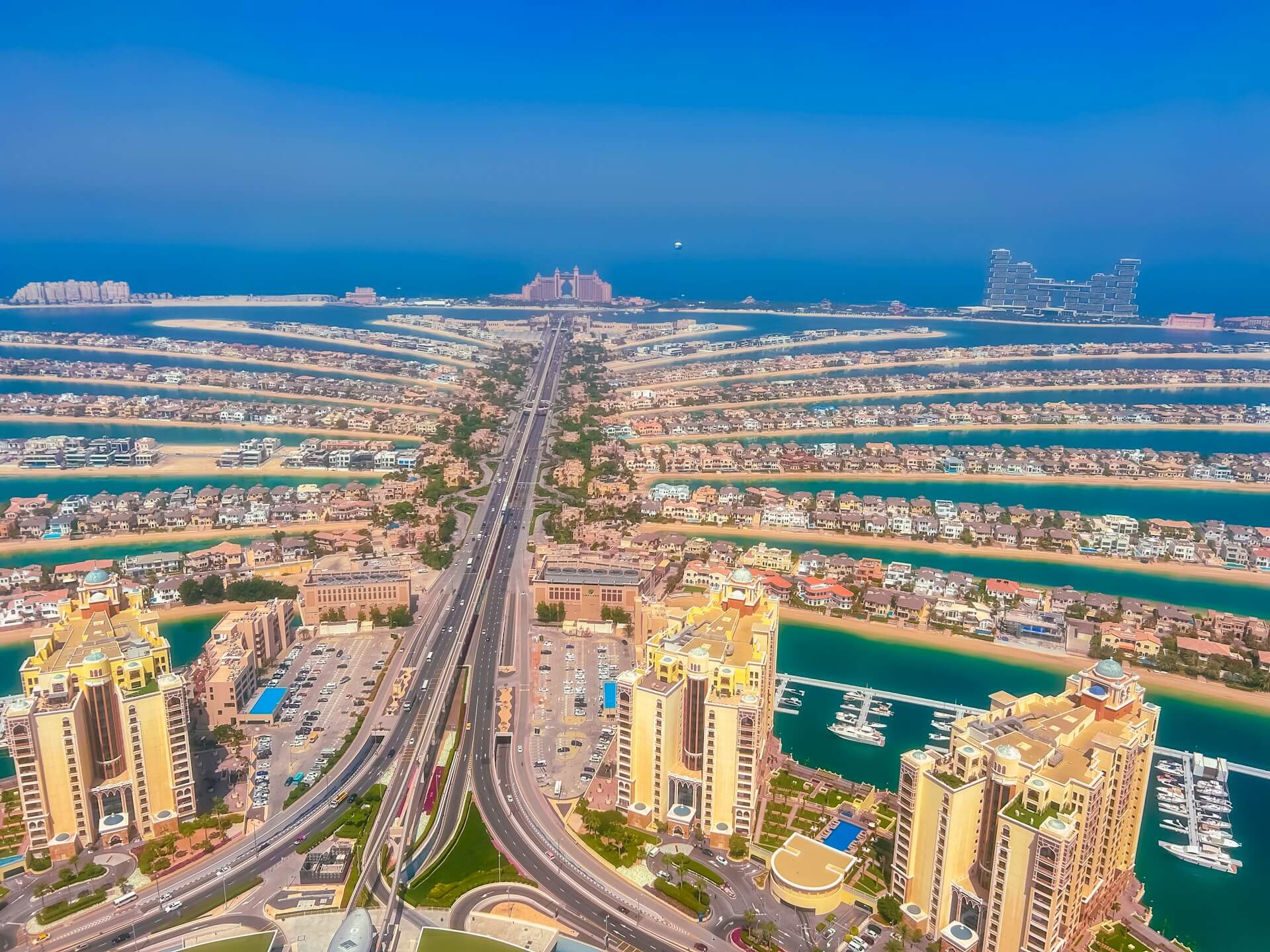

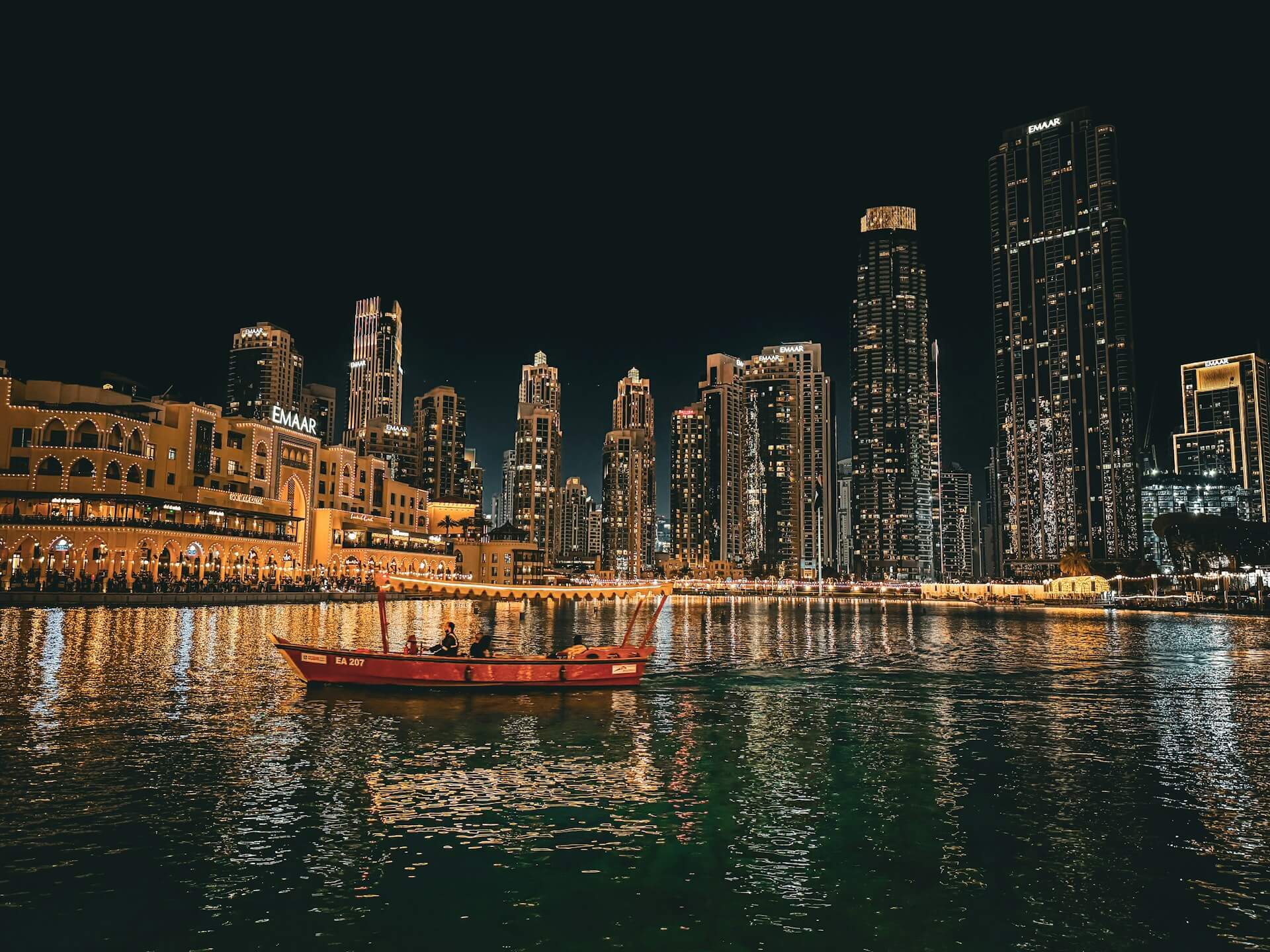
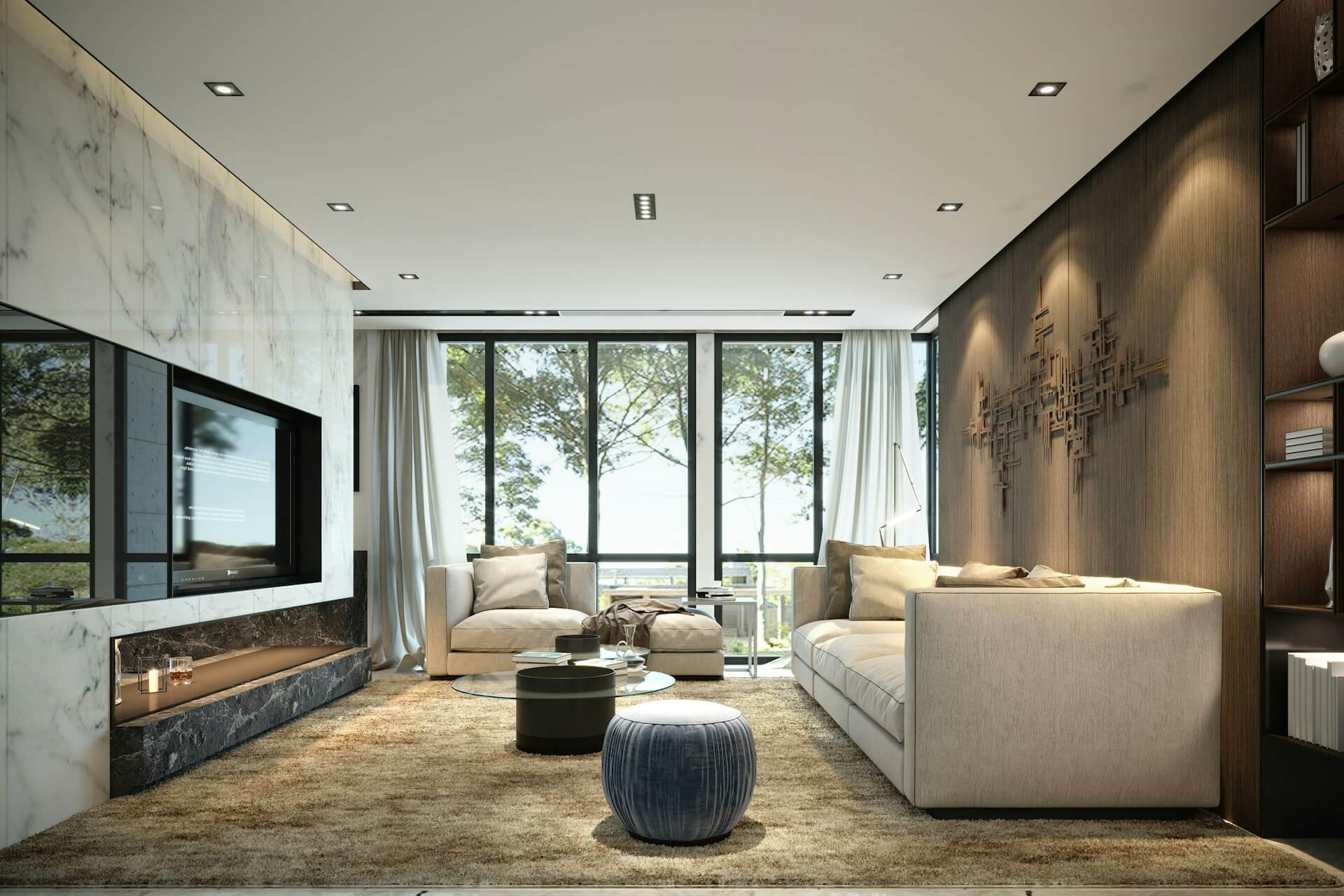

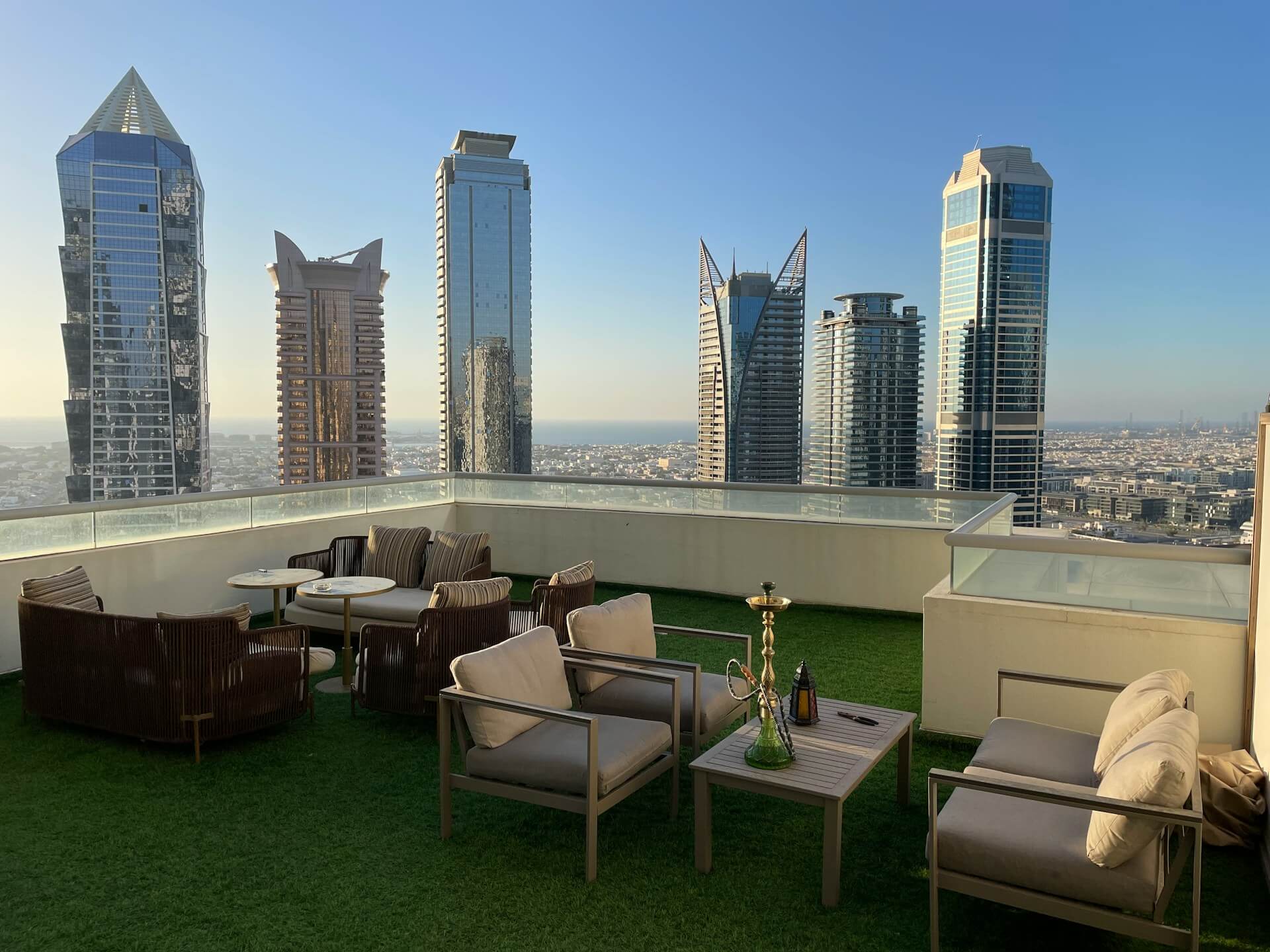
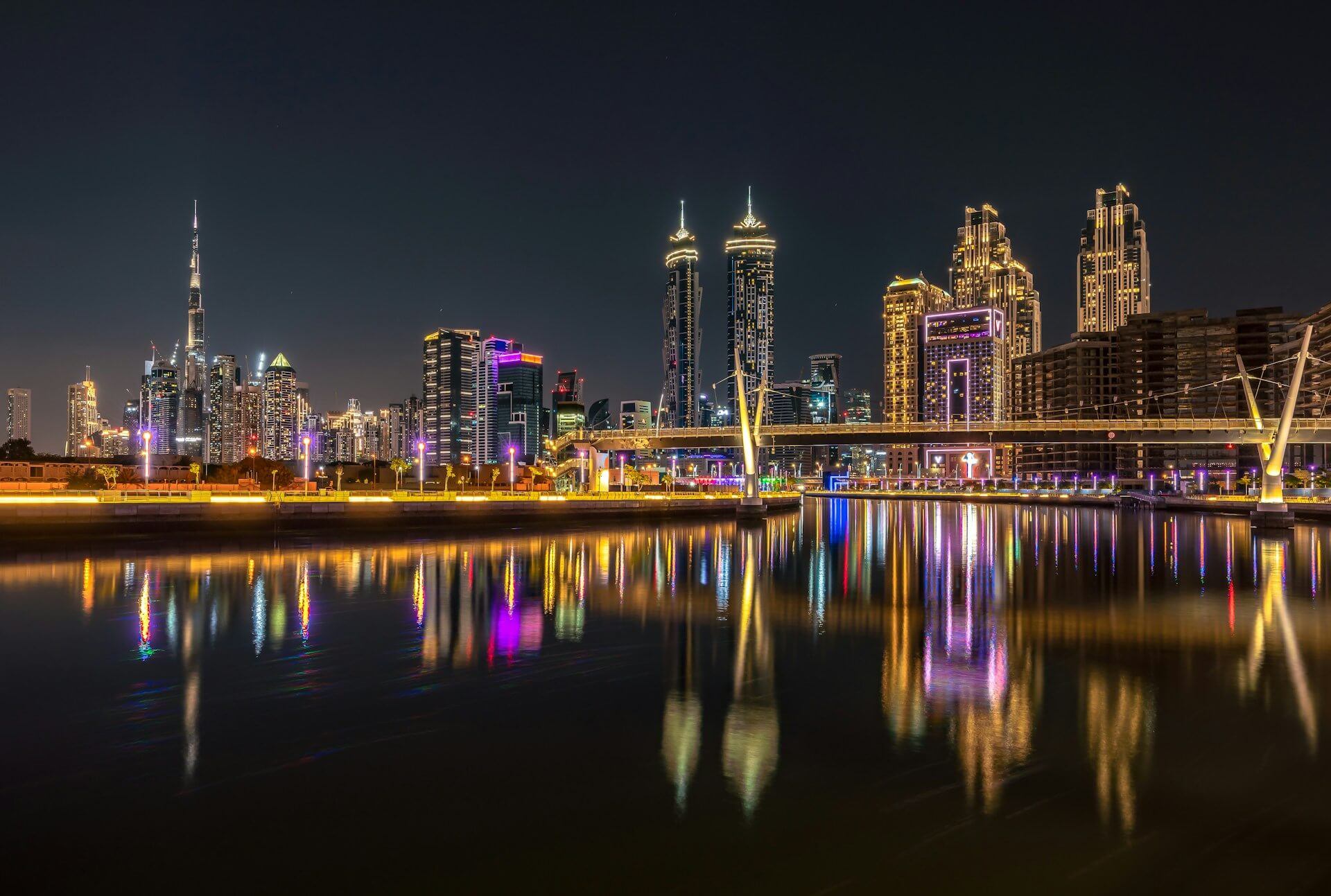
Comfortable long-term and premium rental options across Dubai.
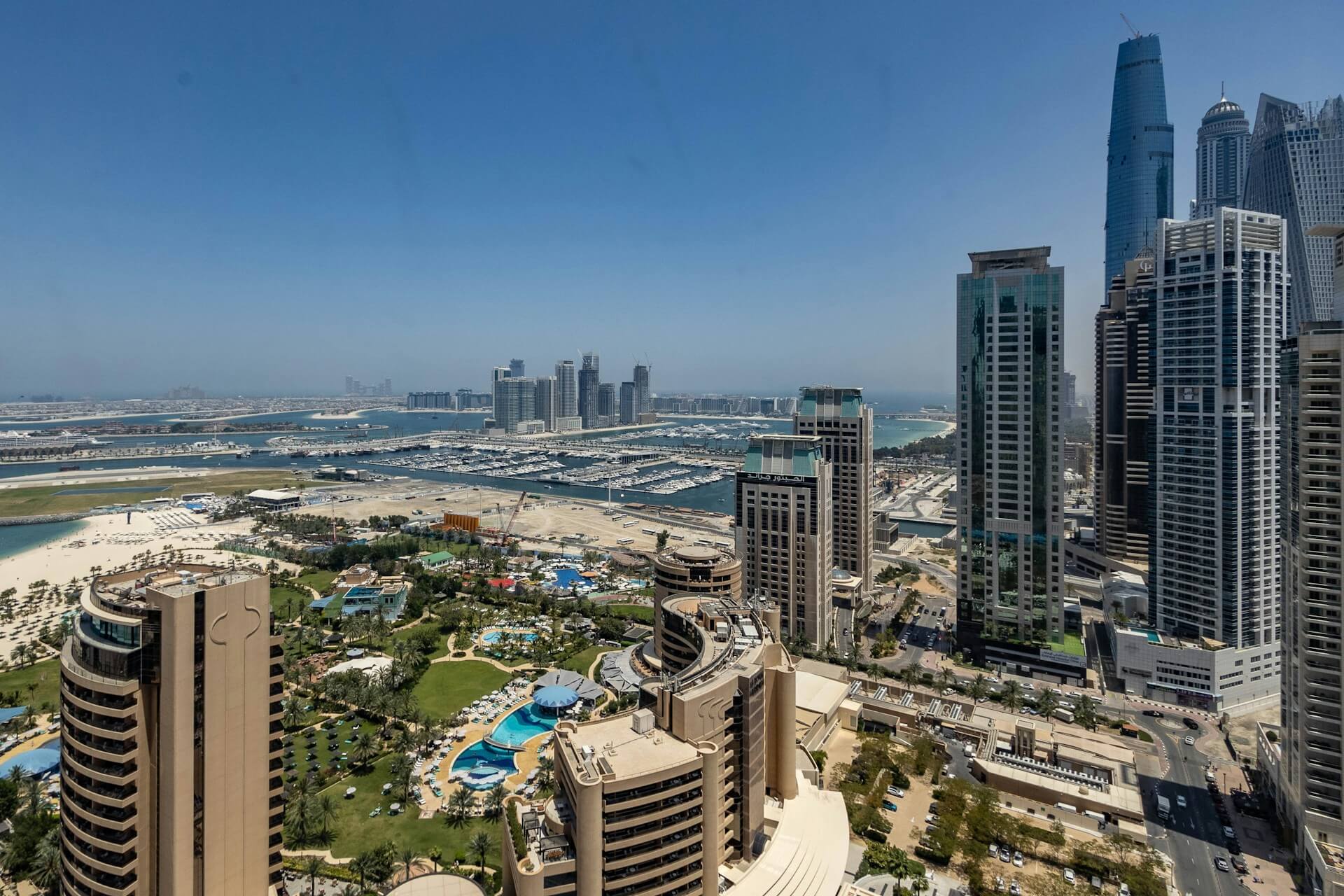

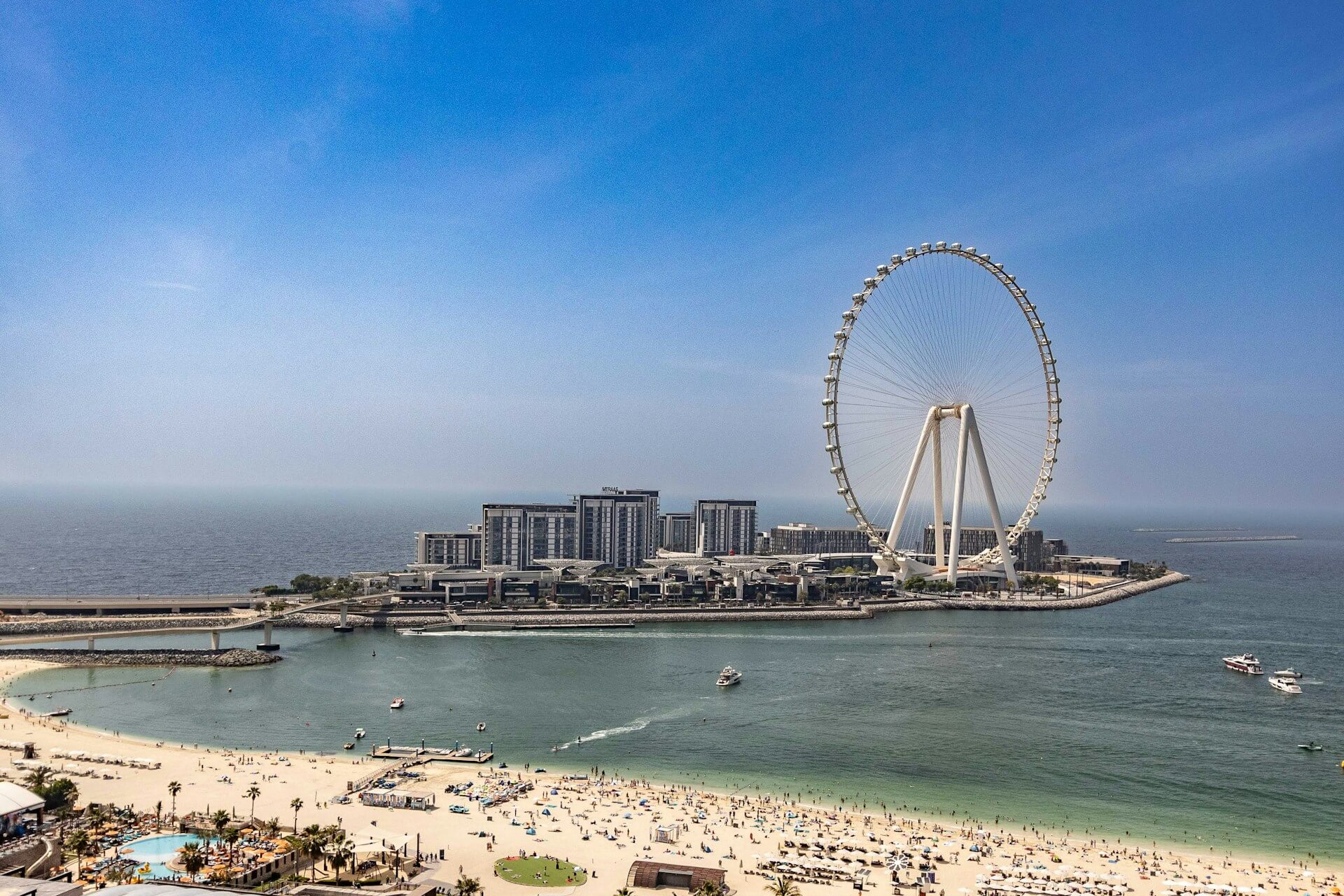
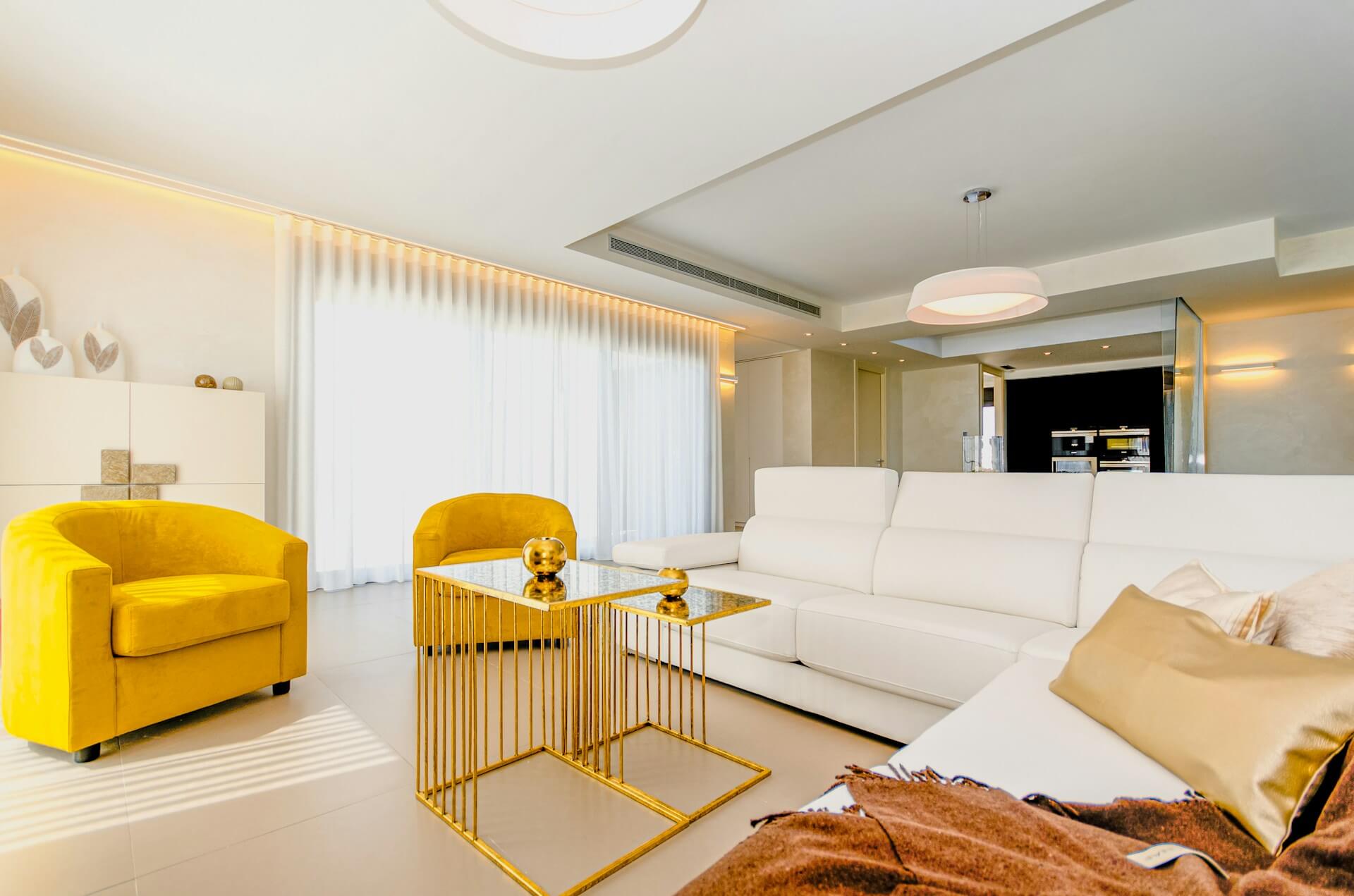
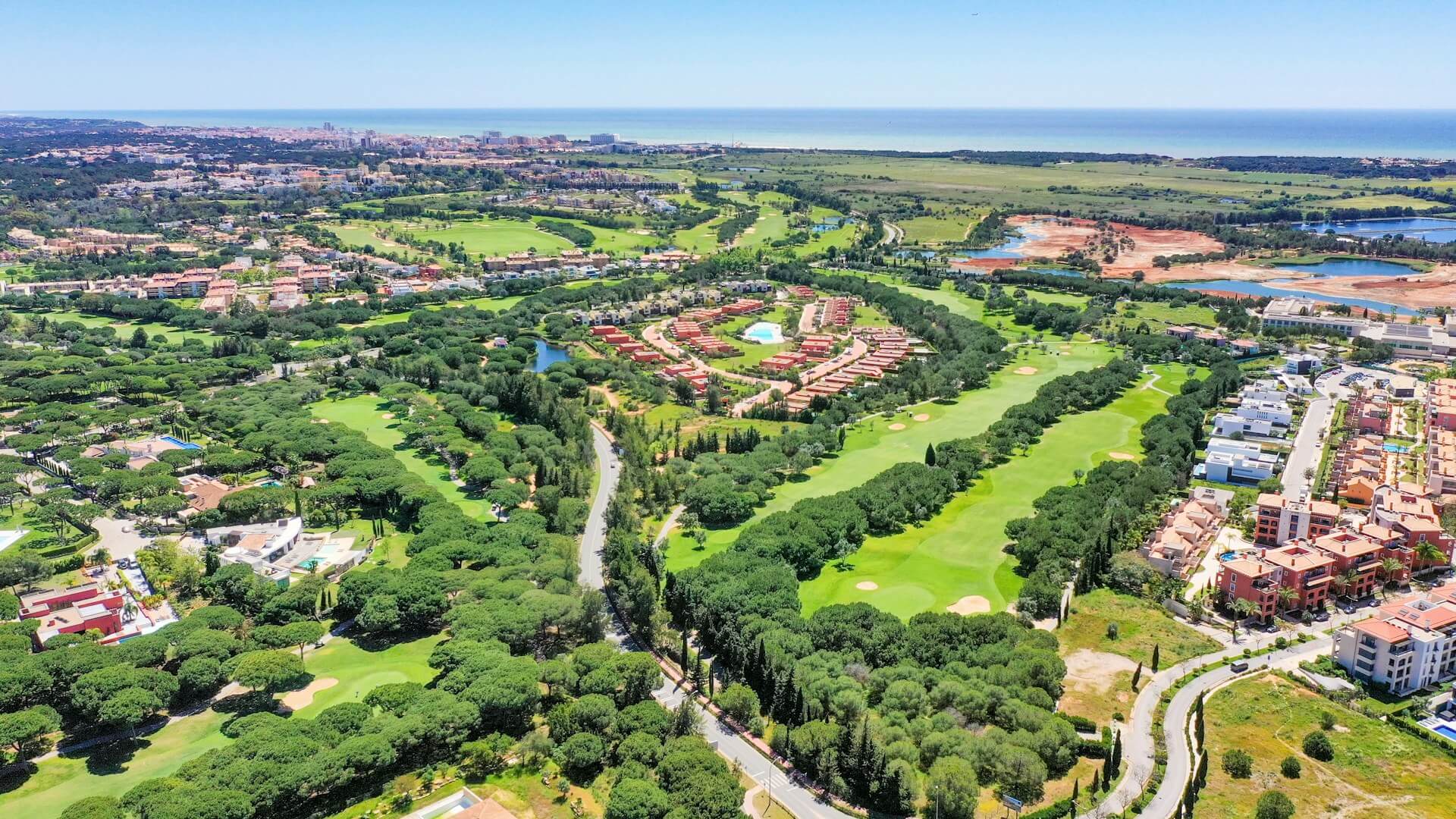
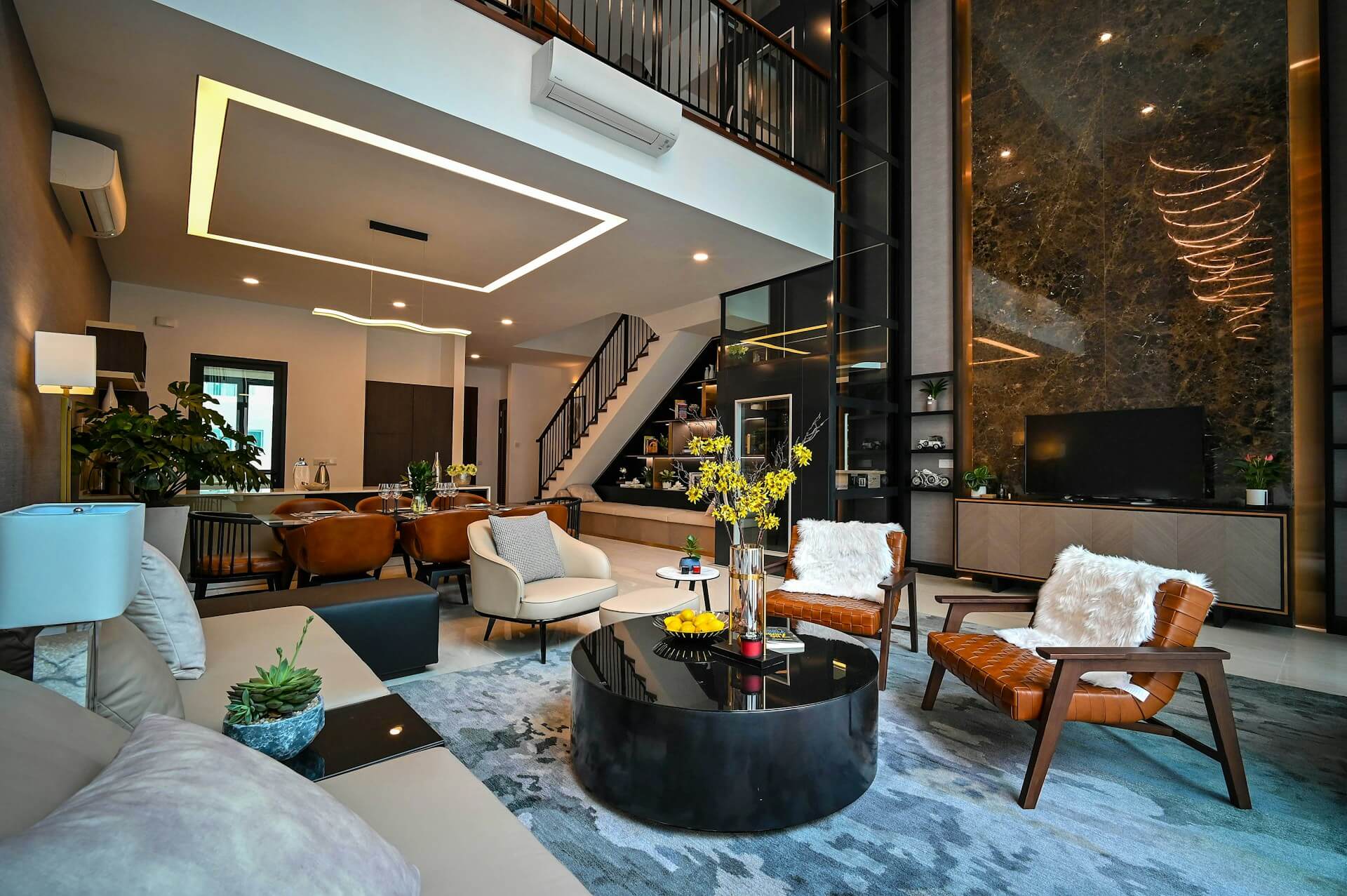
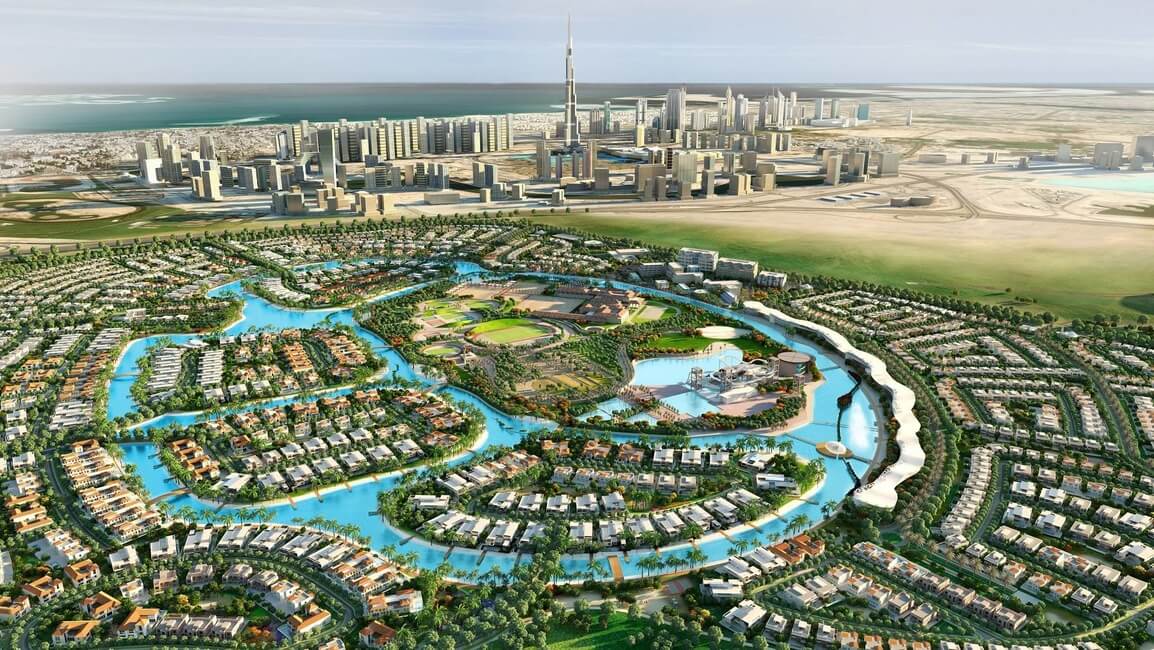
Investors and homebuyers should expect entry prices for a two-room living space in Dubai starting from AED 900,000 in emerging neighborhoods, rising to over AED 3.5 million in prime locations. Demand concentrates strongest in Dubai Marina, Downtown Dubai, and Business Bay, driven by solid rental returns averaging between 6% and 8%, and robust tenant activity fueled by a growing expat population and corporate relocations.
Recent regulatory changes easing loan conditions and visa reforms have heightened market activity, particularly affecting mid-range units in these districts.
In Dubai Marina, two-bedroom units typically command asking prices between AED 1.2 million and AED 2.5 million, with resale assets offering faster turnover than off-plan options.
Meanwhile, Business Bay offers better price points starting near AED 1 million but with slightly lower liquidity on resale. Downtown Dubai commands premiums upwards of AED 2.7 million due to its central location and infrastructural advancements.
For buyers prioritizing quick rental yields and exit options, Dubai Marina currently provides the optimal balance of entry capital and income potential.
The primary driving forces behind this segment’s momentum in Dubai are the growth of short-term leasing arrangements, increasing corporate relocations, and limited new supply in core areas. Projects launched since 2021 in Dubai Marina and Business Bay have tighter inventory levels, which supports price stability and appreciation potential.
These factors collectively sustain an active market environment where two-room units maintain strong appeal among investors and end-users alike.
Acquiring a two-room unit in Dubai requires minimum capital starting from AED 1.2 million in outer districts, with prime sectors like Downtown Dubai or Dubai Marina demanding over AED 2.5 million for comparable layouts.
Mid-tier communities such as Jumeirah Village Circle or Dubai Silicon Oasis offer units between AED 1.3 million and AED 1.8 million, striking a balance between affordability and location quality. Variations in upfront payment also depend on whether the property is off-plan or ready; developers commonly request a 10–20% initial deposit off-plan, whereas ready units require the full payment or mortgage arrangements.
Comparing neighborhoods by entry threshold, Dubai Marina has a higher barrier but compensates with stronger tenant demand and price appreciation.
Conversely, areas like Dubai Sports City provide accessible entry points at AED 1.1–1.4 million but see longer holding periods due to softer secondary market dynamics. Buyers focused on capital preservation often prefer stable locations despite higher initial expenditure.
When budgeting, factor in additional fees: Dubai Land Department charges 4% transfer tax, service charges averaging AED 15 to AED 25 per square foot annually, and registration fees.
Financing costs should be calculated, with most banks offering up to 75% mortgage for expatriates, subject to interest rates hovering around 3.5–4.5% per annum.
For investors, leveraging debt can enhance cash-on-cash returns but increases exposure to market fluctuations, particularly in speculative sub-markets.
Foreign purchasers should also consider visa eligibility tied to property value. Dubai's long-term residency visas are granted for investments above AED 1 million in real estate, making units above this threshold a dual-purpose choice for residence and asset growth.
This policy fuels demand in mid-range and premium segments, particularly in districts with developed infrastructure and accessibility.
In summary, effective capital deployment depends on choosing between established hubs with elevated entry sums and emerging submarkets with more accessible pricing but variable demand.
Clear budget forecasts aligned with area profiles will optimize investment outcomes and investment liquidity in Dubai’s diverse inventory.
The average purchase price of two-bedroom units varies significantly across Dubai districts, affecting required entry capital and investment appeal. In Dubai Marina, prices start at approximately AED 1.6 million, reflecting its position as a mature waterfront destination with strong end-user demand.
Entry here demands the highest budget among popular residential options but offers better liquidity due to consistent rental interest and resale activity.
Business Bay follows closely, with averages around AED 1.4 million. This hub benefits from proximity to Downtown Dubai and offers slightly more affordable pricing with competitive yields near 6%.
The area has a larger supply, slightly affecting scarcity but maintaining strong investor and lifestyle buyer presence.
Emerging localities such as Jumeirah Village Circle provide two-bedroom units averaging AED 950,000.
Lower entry point suits cost-conscious buyers targeting capital appreciation over immediate rental income. However, liquidity in Jumeirah Village Circle varies, with longer selling periods and fluctuating tenant demand compared to waterfront communities.
Palm Jumeirah commands a premium, with two-bedroom properties averaging AED 2.5 million.
This iconic district's pricing includes a luxury premium, restricting entry to capital-rich buyers focused on long-term capital preservation rather than yield maximization. Resale turnover is moderate but steady among affluent end-users and holiday renters.
Al Barsha presents averages near AED 1.1 million, offering a budget-friendly alternative with access to established infrastructure and metro connectivity.
While yields are moderate (around 5%), vacancy tends to be lower due to appeal among families and professionals seeking mid-range options.
Comparing these districts, Business Bay and Dubai Marina offer balanced entry costs and occupancy rates, optimal for investors seeking steady cash flow with moderate capital outlay.
Palm Jumeirah suits portfolio diversification for buyers prioritizing asset security over immediate returns. Jumeirah Village Circle is more speculative, fitting buyers prepared for holding periods to capture future appreciation.
Entry capital varies notably: starting from just under AED 1 million in Jumeirah Village Circle and escalating beyond AED 2 million at Palm Jumeirah. Buyers should align budget with investment goals–whether prioritizing yield, liquidity, or capital growth–and geographic appeal within Dubai.
Districts with restricted new supply such as Dubai Marina maintain stable prices, while areas with ongoing development projects like Business Bay face slight downward pressure on premiums, presenting selective buying opportunities.
Buyers targeting ready-to-move-in options may encounter higher premiums compared to off-plan units in emerging zones.
In summary, two-bedroom residences in Dubai demonstrate price stratification driven by location prestige, infrastructure maturity, and market absorption rates.
Evaluating these parameters is critical to gauge entry feasibility, expected holding period, and exit strategy efficiency in this real estate segment.
Current market data confirms that the monthly rental fees for 2 bedroom units in Dubai vary significantly by location, reflecting differences in demand, infrastructure, and tenant profiles. For investors aiming at stable cash flow, Business Bay offers average rents between AED 85,000 and AED 110,000 annually, translating to roughly AED 7,100 to AED 9,200 per month.
This area attracts professionals seeking proximity to corporate hubs, ensuring low vacancy.
Dubai Marina units command rental amounts from AED 90,000 up to AED 130,000 per year. The higher end corresponds to waterfront developments with premium amenities, while slightly older buildings provide more competitive rates around AED 7,500 per month. Marina's appeal to expats working in media and finance sectors keeps demand consistent.
In contrast, Jumeirah Village Circle (JVC) presents lower monthly payments, averaging AED 50,000 to AED 65,000 annually (approximately AED 4,200 to AED 5,400 monthly).
Lower entry thresholds appeal to families and mid-income tenants, but longer vacancy periods have been observed compared to Business Bay and Marina, affecting short-term yield stability.
Palm Jumeirah, while expensive to purchase, sees rentals ranging AED 130,000 to AED 180,000 per year (AED 10,800 to AED 15,000 per month), suitable for premium tenants expecting seclusion and luxury. The high rent offsets the elevated purchase price but limits the pool of potential tenants to high-net-worth individuals and international visitors.
| Business Bay | 85,000 – 110,000 | 7,100 – 9,200 | Young professionals, corporate employees | Low |
| Dubai Marina | 90,000 – 130,000 | 7,500 – 10,800 | Expats in finance & media | Moderate |
| Jumeirah Village Circle | 50,000 – 65,000 | 4,200 – 5,400 | Families, mid-income residents | High |
| Palm Jumeirah | 130,000 – 180,000 | 10,800 – 15,000 | Luxury segment, high-net-worth individuals | Low |
Comparing yields, Business Bay and Dubai Marina offer gross rental returns in the 5–6% range due to balanced rents and purchase values, making them more attractive for rental-focused acquisitions.
JVC's entry levels reduce initial capital needs, but the yield potential drops below 4.5% because of vacancy and rent fluctuations. Palm Jumeirah can yield around 4%, with appreciation prospects better suited for long-term hold.
Short-term rental potential is strongest in Dubai Marina and Palm Jumeirah, given the influx of tourists and premium visitors. However, regulations and management costs reduce net returns.
Business Bay shows steady demand for corporate leases, ensuring less volatility. JVC’s affordability attracts families planning longer tenures but lacks short-term leasing appeal.
Investors should prioritize Business Bay and Dubai Marina for balanced monthly income and tenant stability. Entry costs are higher but compensated by minimal downtime between leases. For capital-sensitive buyers willing to accept higher vacancy and longer lease-up periods, JVC represents an option with a trade-off in cash flow.
Palm Jumeirah suits those targeting niche luxury tenants with higher upfront investment and the expectation of premium rents.
Monthly rents in Dubai’s prime communities reflect their infrastructure maturity and tenant dynamics.
Business Bay’s connection to Downtown Dubai and easy motorway access supports constant demand. Dubai Marina, with its waterfront walkways and retail, appeals to lifestyle tenants, justifying slight rental premiums. Emerging areas like JVC are more sensitive to macroeconomic shifts, affecting month-to-month occupancy.
When not to enter: Avoid JVC if immediate positive cash flow is necessary, given recurring months of vacancy observed in recent quarters.
Palm Jumeirah investments do not suit investors seeking rapid lease turnover or broad tenant pools. Business Bay may present higher entry capital requirements, and price corrections in this segment require careful timing.
Dubai Marina’s rental market can soften during tourism downturns, impacting short-term rental schemes.
Choosing a monthly rental strategy depends on risk tolerance and investment horizon. For stable monthly income without significant capital, Business Bay offers superior predictability. Dubai Marina remains preferable for higher gross yields and premium lease rates but requires active asset management.
JVC attracts budget-conscious landlords ready for longer vacancy periods. Palm Jumeirah fits luxury portfolios prioritizing exclusivity over rental velocity.
The total entry capital for acquiring a 2 bedroom apartment in Dubai must factor in one-off fees beyond the purchase price. The Dubai Land Department (DLD) charges a 4% transfer fee on the property value, with a 5% discount if paid via a registered mortgage.
For instance, on a 1.5 million AED unit in Dubai, anticipate 60,000 AED in transfer fees, reducible to 57,000 AED if using a mortgage.
Buyers should budget approximately 2-3% of the property price for agency commissions, which typically range from 2% to 2.5% in Dubai’s real estate market.
This commission applies directly to final sale value and is paid upon transaction completion.
Mortgage registration imposes an additional fixed fee of 400 AED plus 0.25% of the loan amount at DLD. Legal expenses for contract review and agreement drafting usually run between 5,000 and 10,000 AED, depending on the firm and complexity. Including these ensures realistic upfront budgeting in Dubai.
Foreign investors should also consider VAT, though it typically applies to commercial transactions and new off-plan sales from developers registered for VAT, priced at 5%.
Secondary market transfers of residential units are generally exempt, but verifying each specific transaction’s VAT status is crucial.
Service charges and community fees begin post-purchase and vary widely depending on building quality and location. Expect annual fees averaging 15 to 25 AED per square foot, payable to developers or homeowners associations, impacting overall holding costs but not initial capital.
Comparing entry costs across Dubai areas, established districts such as Dubai Marina feature higher transaction fees due to elevated prices, while emerging locations may reduce transfer and commission sums, lowering upfront capital requirements.
Nonetheless, higher fees often correspond with stronger resale potential and liquidity.
Neglecting to account for these charges can result in funding shortfalls at closing, delaying possession or even nullifying deals. Thorough financial planning must integrate these standard levies along with the purchase amount for accurate cash flow forecasting.
The average rent for a two-bedroom apartment in Dubai varies depending on the district, building amenities, and property condition.
Generally, monthly rents can range from around AED 50,000 to AED 90,000 per year, which breaks down to approximately AED 4,200 to AED 7,500 per month. Areas like Dubai Marina and Downtown usually command higher rents, while neighborhoods such as International City tend to be more affordable.
Location plays a significant role in pricing.
Prime areas such as Downtown Dubai, Dubai Marina, and Palm Jumeirah offer luxury apartments with higher price tags due to proximity to business districts, entertainment options, and quality infrastructure.
In contrast, communities farther from central Dubai, like Jumeirah Village Circle or Dubailand, usually offer lower prices but may require longer commutes. Community facilities, accessibility to public transport, and nearby schools or malls also influence demand and costs.
Yes, newly developed residential buildings tend to have higher lease or purchase prices compared to older projects.
New developments often feature modern designs, updated interiors, and additional amenities such as gyms, pools, and security systems. Older buildings might offer more competitive rates but could lack some conveniences or require more maintenance. Prospective tenants or buyers should consider their priorities regarding price and amenities before deciding.
Besides rent, several other costs come into play.
These include utility bills (electricity, water, cooling), which can vary greatly depending on usage and accommodation size. Maintenance fees or building service charges may apply, especially in managed communities. Security deposits, typically equivalent to one month’s rent, are common upon signing a lease. Additionally, one should factor in fees for internet, gas, and sometimes parking if not included. It's advisable to check the lease agreement carefully to understand all possible charges.
Purchasing a two-bedroom apartment requires a significant upfront investment, including the down payment (usually around 20-25% of the property value), registration fees, and agent commissions.
While ownership incurs these initial costs, it may prove more economical in the long term compared to renting, especially in areas with high demand and price appreciation. However, owners also face ongoing expenses such as service charges and maintenance. Renting offers flexibility with less commitment but typically carries a higher monthly outgoing without building equity.
The monthly rent for a two-bedroom apartment in Dubai varies depending on the location, building quality, and amenities.
On average, rental prices range from around 60,000 to 110,000 AED per year, which translates to roughly 5,000 to 9,200 AED per month. Areas like Dubai Marina and Downtown Dubai tend to command higher rents due to their central locations and proximity to major attractions, while neighborhoods further from the city center offer more affordable options.
It's also important to consider that rental prices might fluctuate depending on market demand and apartment features.
Clear answers about buying, renting and investing in Dubai property.
Yes. Foreign buyers can purchase freehold property in designated areas such as Dubai Marina, Downtown Dubai, Business Bay, Palm Jumeirah, Dubai Hills and other approved communities.
It depends on your timeline, budget and goal. Buying is usually better for long-term plans, capital growth and rental income, while renting is better for flexibility and easier relocation.
The required budget depends on the area, building quality and property type. More accessible apartments can be found in developing communities, while prime locations and luxury properties require a much higher budget.
In addition to the purchase price, buyers should budget for the Dubai Land Department fee, registration and trustee fees, possible agency commission, mortgage-related costs if financing is used, and ongoing service charges for many buildings.
Yes, many banks in the UAE offer mortgages to foreign buyers. Approval depends on income, documents, deposit amount and the specific property being purchased.
Areas such as Dubai Marina, Downtown Dubai, Business Bay, Dubai Hills, JVC, Palm Jumeirah and Creek Harbour are often considered by investors, but the right area depends on whether your focus is yield, resale value, lifestyle appeal or long-term growth.
Rental yield varies by area, property type, furnishing level and market timing. In practice, many investors look for a balance between strong occupancy, reasonable service charges and sustainable tenant demand rather than chasing headline numbers alone.
Off-plan property is purchased directly from a developer before the project is completed. Buyers often choose off-plan because of payment plans, newer inventory and lower entry prices compared with some ready properties.
A proper review should consider the developer’s track record, payment plan, handover timeline, location quality, future supply in the area and the project’s resale or rental potential after completion.
For ready property, the timeline can move fairly quickly if the price is agreed, documents are prepared and the buyer is ready to proceed. Mortgage purchases usually take longer than cash deals.
Yes, many purchases can be handled remotely with the correct documents and proper support through the process. Remote buying is common for overseas investors and international clients.
The biggest risks are overpaying, choosing a weak location, buying an unsuitable layout, ignoring service charges, or selecting a project with low resale and rental demand. Good selection matters more than marketing promises.
In long-term rentals, rent is commonly agreed for a fixed term and often paid by one or several cheques depending on the landlord, property and negotiation.
Tenants are usually asked for identification and residency-related documents, and the exact set depends on their status in the UAE and the landlord’s requirements.
A security deposit is commonly required before move-in. The amount often depends on whether the property is furnished or unfurnished and should be clearly stated in the rental terms.
In many rental transactions, an agency commission is charged. The amount depends on the deal structure and should be confirmed before signing anything.
Tenants should review the deposit, Ejari registration, utility setup costs, parking terms if relevant, maintenance responsibilities and any conditions related to early termination or renewal.
Yes, negotiation is common. The final result depends on market conditions, the landlord’s flexibility, how long the property has been available and how prepared the tenant is to move forward.
It is important to check the condition of the unit, building quality, noise level, parking, view, maintenance status, contract terms and the reliability of the owner or manager.
Short-term rent offers flexibility and convenience but is usually more expensive. Long-term rent is generally more cost-effective and better suited for clients planning to stay longer.
During an active contract, the agreed rent usually remains fixed. Any increase is generally discussed at renewal and should follow the applicable rules and notice requirements.
This depends on the tenancy contract. Minor day-to-day issues may be handled by the tenant, while major maintenance is commonly the landlord’s responsibility, but the exact wording in the contract matters.
Ejari is the official registration of the tenancy contract in Dubai. It is important for legal recognition of the lease and is commonly needed for practical steps such as setting up utilities.
Yes. Furnished properties can be more convenient and faster to move into, while unfurnished options may work better for longer stays or tenants who want more control over the setup and budget.
We do not rely on random mass listings. We narrow the market based on budget, location, property type, investment goal, lifestyle needs and timeline, so clients can focus only on relevant options.
Yes. Support can include shortlisting, arranging viewings, comparing options, discussing terms, helping with negotiations and guiding the next steps of the transaction.
The best first step is to define the real budget, target areas, purpose, preferred property type and timeline. Once those points are clear, the selection becomes faster, cleaner and much more useful.