
FOR SALE
AED 1,200,000AED 720,000
We help clients buy and rent the right property in Dubai — apartments, villas and investment units matched to budget, area and goals.
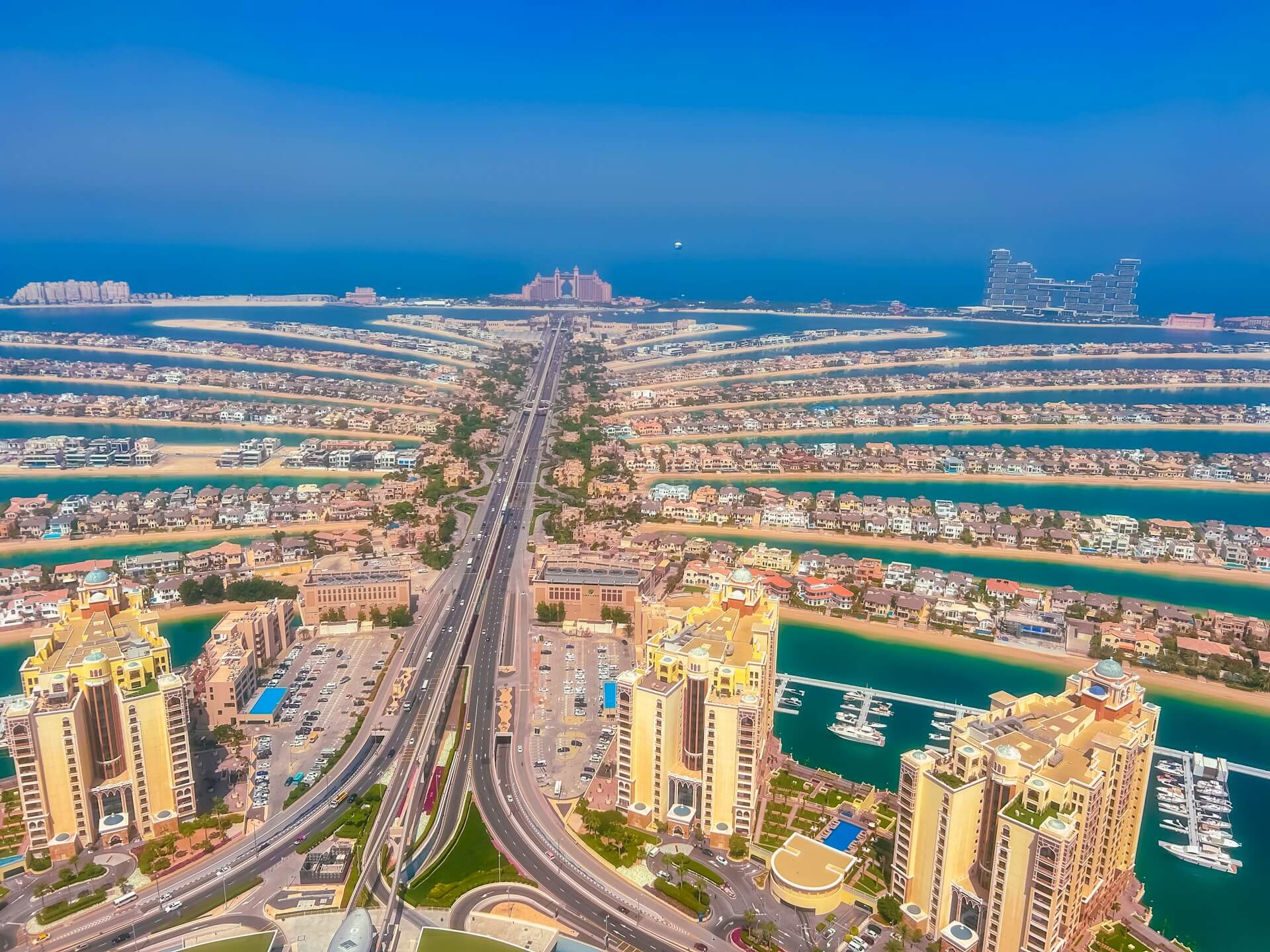
Dubai Property Selection focuses on apartments, villas and investment properties in key areas such as Dubai Marina, Downtown, Business Bay, Dubai Hills and Palm Jumeirah.
Instead of sending a huge list of random listings, we prepare a clean shortlist based on your budget, preferred area, bedrooms, timeline and purchase or rental goals.
Premium opportunities in Dubai — from compact investment units to signature villas and penthouses.

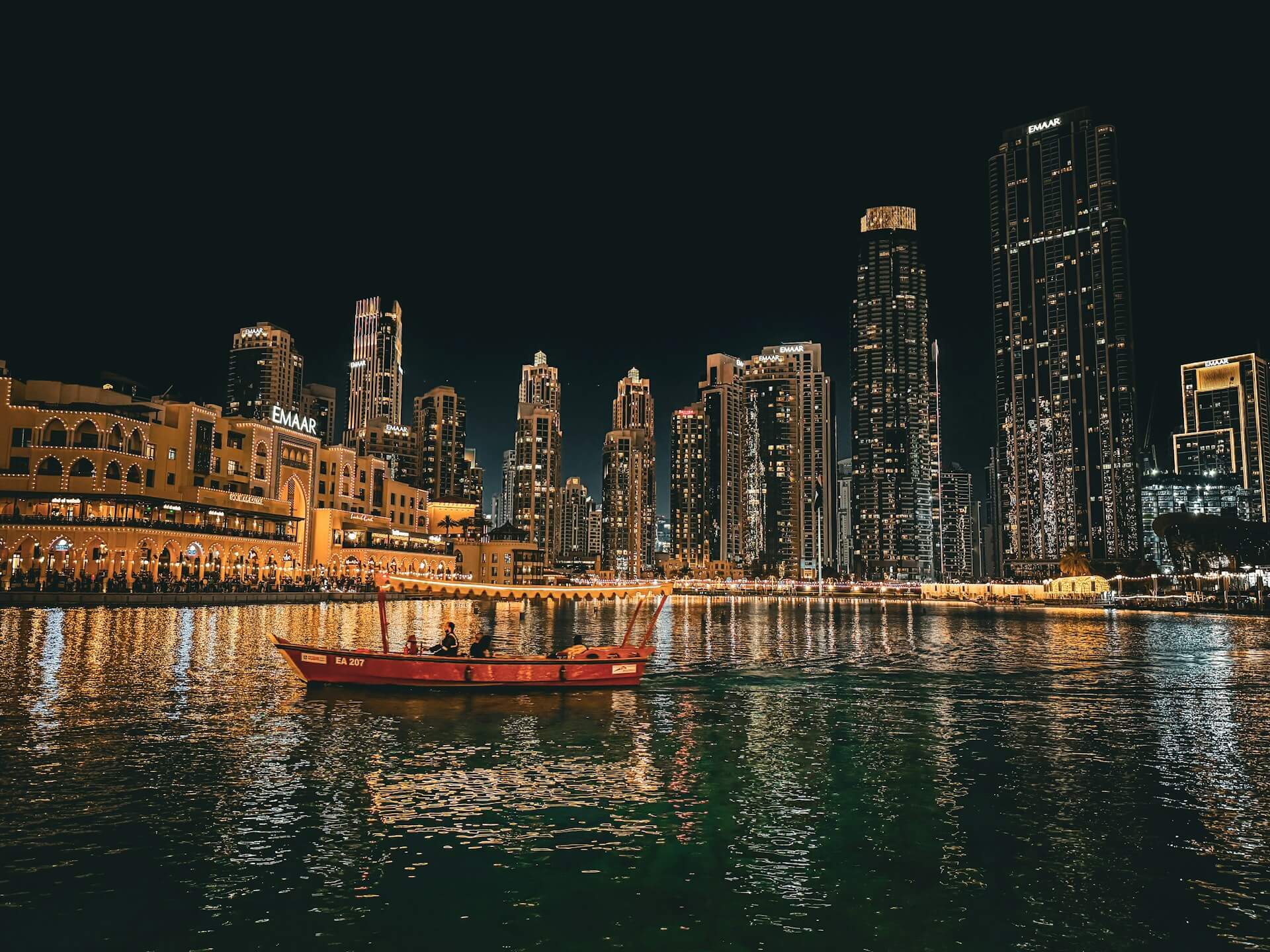




Comfortable long-term and premium rental options across Dubai.
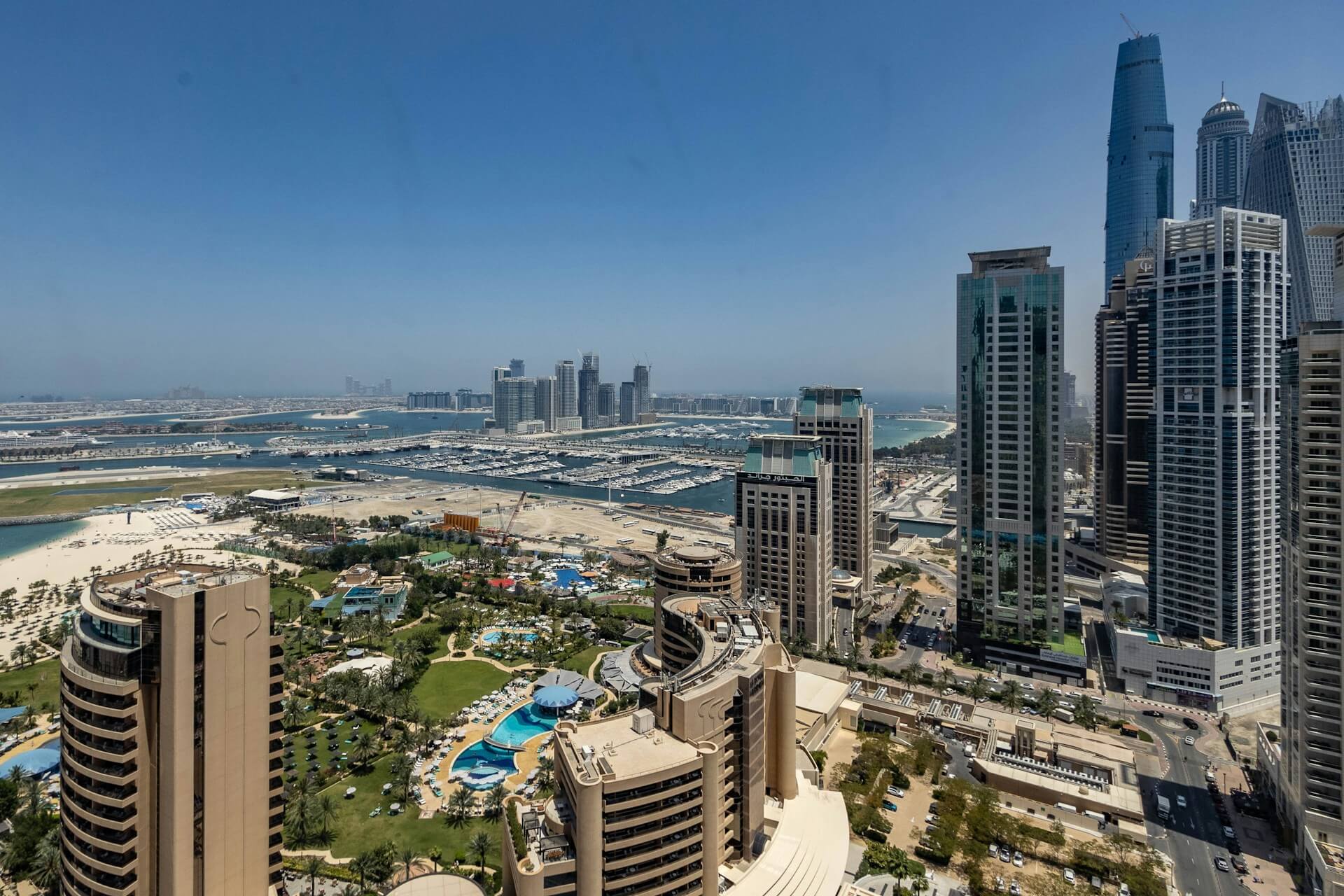

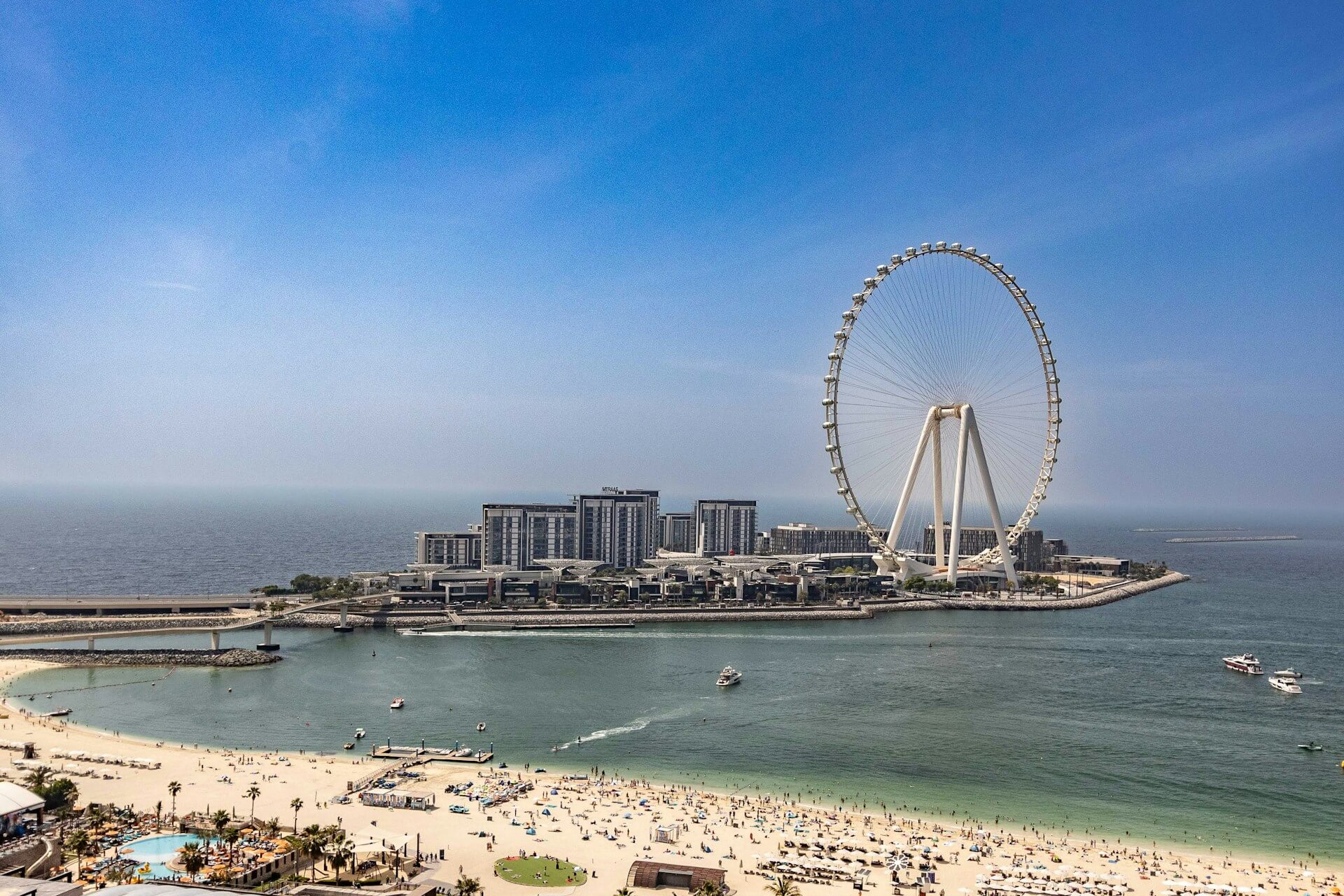
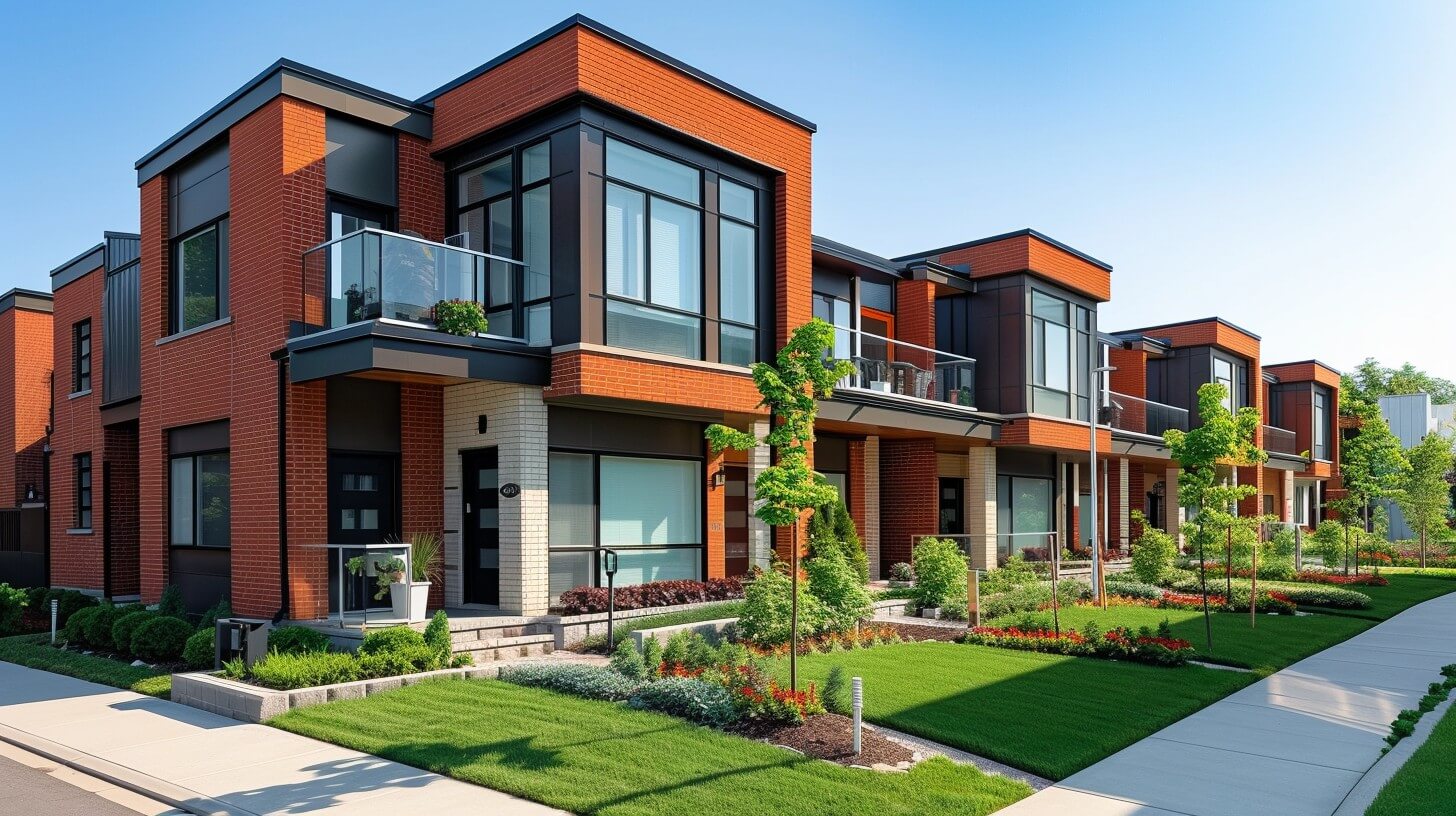


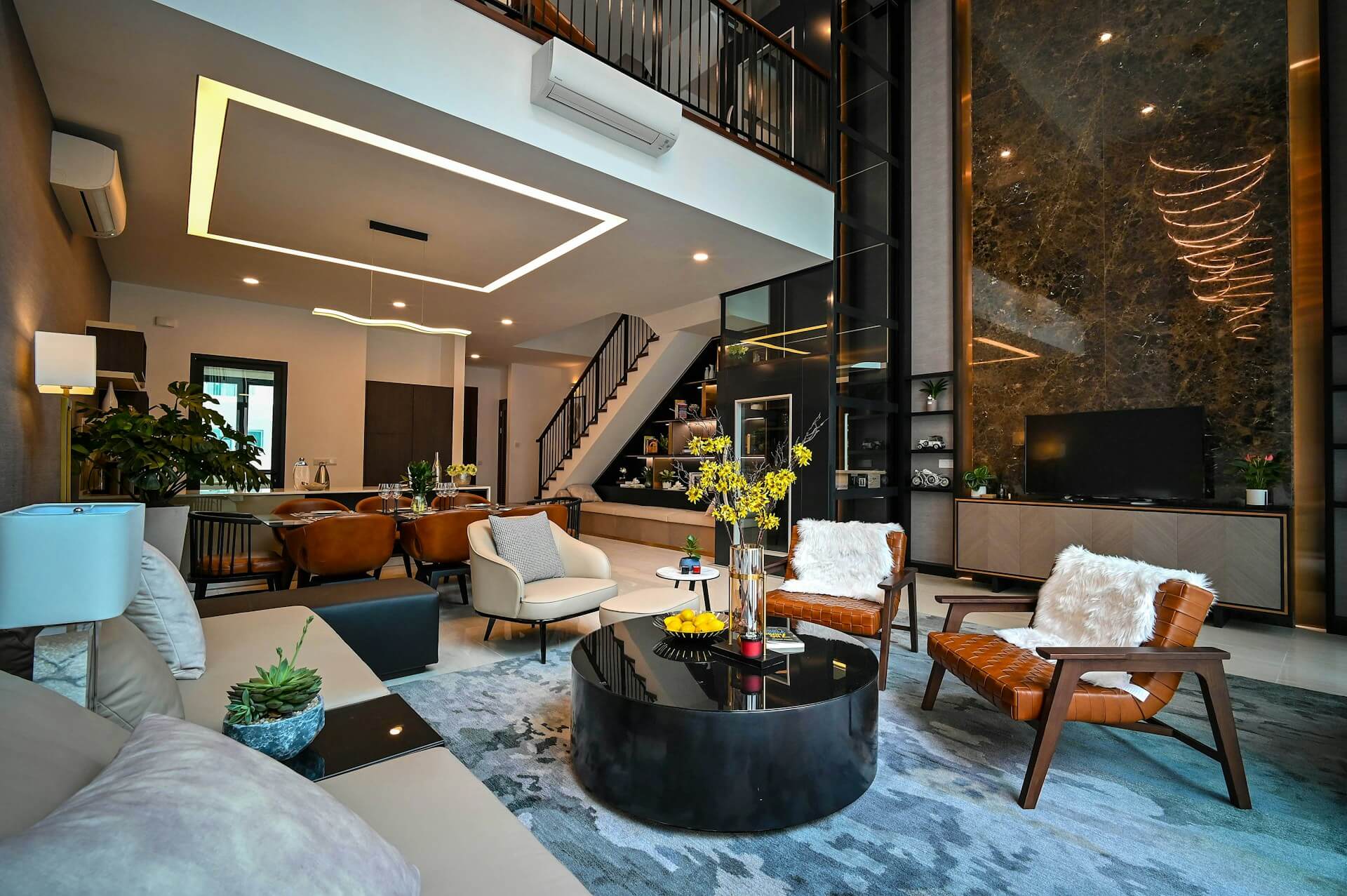
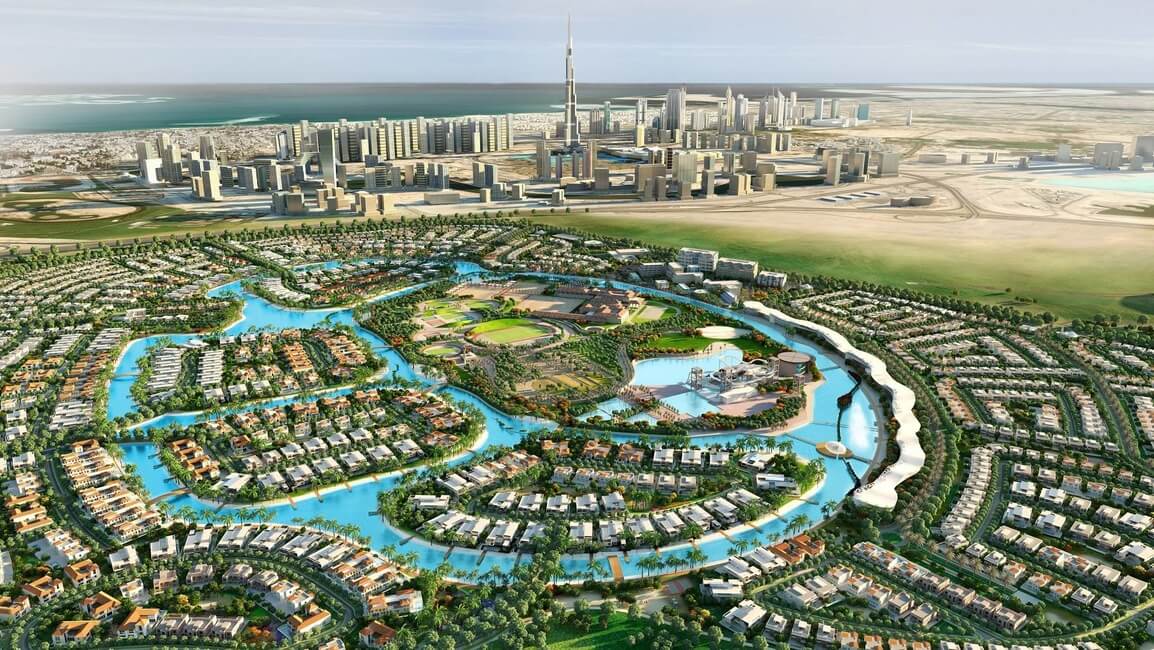
Rent to own schemes in Dubai present a viable alternative to immediate acquisition, especially in key districts where upfront capital surpasses AED 1.5 million for a one-bedroom unit.
Demand concentrates in Business Bay and Dubai Marina due to scalable payment plans and high transaction volumes. Entry-level commitments start around AED 100,000 as down payments, with monthly charges structured partly as eventual equity contributions. This approach suits those aiming to lock pricing now amid moderate price growth forecasts of 5-7% annually in core locations.
Current market movements reflect a surge in visa-related relocation and workforce expansion, pushing leasing-to-own demand upwards.
Limited ready-to-occupy inventory elevates interest in projects offering flexible ownership pathways. The Downtown area maintains stronger liquidity on secondary transactions, while emerging zones like Jumeirah Village Circle show slower turnover and less investor activity.
Capital inflows primarily target apartments, where 60% of rent-to-own deals concentrate, compared to villas which have less standardized programs and higher thresholds.
Buyers should compare total cash outlay against conventional mortgages: rent-to-own requires lower initial deposits but locks capital longer, with typical program durations of 3 to 5 years.
This method reduces entry barrier by 20-30% relative to conventional purchases in Dubai Marina, but yields are often equivalent, averaging 6-8% gross annually on investment properties. Projects with developer-backed guarantees post higher resale values and smoother title transfers upon completion of the tenure.
Evaluating portfolio strategy, investors favor districts with robust end-user demand and steady tourism influx, such as Business Bay, which offers quicker turnover and historically consistent rental premiums.
Conversely, off-plan deals in suburban locations demand caution due to slower appreciation and higher vacancy. Practical due diligence must include developer reputation, structural completion timelines, and the percentage of equity paid upfront.
Entering a rent-to-own agreement in Dubai requires at least 15–30% of the property’s market value upfront, significantly lower than traditional mortgage down payments averaging 25%.
This option suits buyers aiming to build equity gradually without immediate full financing. For example, a 1-bedroom apartment in Dubai Marina priced at AED 1.2 million typically demands AED 180,000 to AED 360,000 as initial commitment under such schemes.
Opting for this hybrid model provides flexibility, but legal due diligence is paramount.
Contracts must clearly outline the portion of monthly payments credited toward the final purchase, duration of the lease-to-purchase period (usually 1–3 years), and penalties for early termination or default. Dubai landlords increasingly require buyers to disclose financing plans upfront, as some programs include rent credits yet exclude maintenance and municipality fees.
Compared to outright property acquisition or long-term leasing, this alternative shifts some financial risk onto the buyer by converting rental payments partially into equity.
Buyers in Dubai Marina, Business Bay, or Palm Jumeirah find stronger program availability due to the premium and relatively stable secondary market values. Emerging communities like Dubai South or Jumeirah Village Circle exhibit fewer structured offerings and higher volatility, increasing potential risk for contract disputes or valuation mismatches at exercise.
Monthly instalments tend to be 10–25% higher than average lease rates alone, reflecting the accumulation of capital toward ownership.
For example, in Business Bay, average monthly rental rates for 2-bedroom units hover around AED 80,000 annually, while rent-to-purchase arrangements reach AED 90,000–AED 95,000 annually due to equity-building components. Buyers must calculate whether this premium aligns favorably with potential property appreciation over the lease term.
Liquidity under rent-to-purchase schemes is reduced compared to conventional ownership as exiting the agreement before completion usually incurs forfeiture of accrued payments.
This challenges those requiring short-term flexibility or facing uncertain income. It contrasts with freehold acquisitions in areas like Dubai Marina, where resale within 6–12 months is more feasible, given market interest and lower restrictions.
Legal frameworks in Dubai support such contracts but lack uniform regulation, making professional property and legal advisory indispensable.
Cases of poorly worded agreements have led to disputes concerning the exact transfer of ownership or hidden costs.
Selecting vendors and legal teams experienced with Dubai rent-to-own transactions is crucial to mitigate such risks.
Investment appeal depends on targeted end-use. Individuals aiming for home possession within 1–3 years benefit where property values show stable or increasing trends, such as in Dubai Marina or waterfront developments.
Conversely, investors seeking quick capital gains or high yield from short-term leasing should avoid rent-to-purchase due to locked funds and limited operational control.
Candidates unsuitable for this pathway include those without steady income to cover elevated monthly payments or uncertain intentions about final purchase post-lease. Market downturns triggering price corrections could reduce property value below accumulated equity, risking negative financial outcomes.
Such scenarios are more likely in speculative or oversupplied sectors like Dubai South or International City.
In comparing lease-to-own versus traditional mortgage financing in Dubai Marina, the former reduces initial capital barrier and credit approval issues but commands higher cumulative cost and reduced liquidity.
Mortgage options generally require 25% down payment, with mortgage rates averaging 3.5%–4.5% annually, while rent-to-own embeds financing within monthly premiums, often exceeding bank lending costs.
For those prioritizing gradual ownership, rent-to-own in Dubai Marina is an efficient bridging option within the residential market, where exit strategies must be clearly mapped at contract initiation.
Ensuring precise financial modeling of total payments against market trends can avoid overpaying relative to outright purchase or leasing alternatives.
Rent to own in Dubai real estate market operates through a dual-phase agreement combining tenancy with a future purchase option, allowing a tenant to apply a portion of monthly payments toward the property’s eventual acquisition.
This structure requires an upfront option fee, typically ranging from 3% to 7% of the property value, paid to secure exclusive purchase rights within an agreed timeframe, usually 1 to 3 years.
During the lease period, monthly payments exceed standard rental rates by 10-25%, with the differential credited toward the down payment.
For instance, a 2,000,000 AED apartment in Business Bay may require an option fee of 100,000 AED and monthly installments of approximately 20,000 AED, where 15,000 AED represents the lease and 5,000 AED contributes toward equity buildup.
The mechanism reduces entry capital compared to traditional purchase methods, eliminating immediate full mortgage qualification and associated large down payments (commonly 20%+).
This benefit appeals especially to professionals relocating to Dubai Marina or families transitioning within Arabian Ranches, offering lower capital commitment while locking in a purchase price amid market volatility.
Market players in Jumeirah Lakes Towers show that success hinges on option period length and contract terms. Shorter terms demand higher monthly premiums but accelerate ownership accrual, while longer agreements lower premiums yet increase exposure to market fluctuations and liquidity risk if the buyer opts out.
Investors analyzing this scheme should assess price trajectories in Palm Jumeirah and Downtown Dubai.
If property values appreciate beyond agreed purchase price, the tenant benefits from below-market acquisition costs. Conversely, stagnant or declining prices impose risks of overpaying or forfeiting accumulated deposits upon contract cancellation.
From a liquidity perspective, rent to buy contracts in Dubai Marina maintain comparably higher resale potential, as units attract end-users unwilling to commit large capital upfront.
In contrast, properties in emerging areas with slower demand may experience extended resale periods, increasing vacancy risk.
| Option Fee (%) | 3-5% | 4-6% | 5-7% |
| Monthly Premium % (over rental) | 10-15% | 15-20% | 20-25% |
| Contract Duration (years) | 1-2 | 2-3 | 1-3 |
| Typical Entry Capital (AED) | 150,000 - 300,000 | 200,000 - 400,000 | 250,000 - 450,000 |
| Resale Liquidity | Medium-High | High | Medium |
Critically, contract clauses must specify procedure if the tenant-buyer defaults or decides not to exercise purchase rights.
Unlike traditional rentals, failure to proceed generally results in loss of option fees and premium credits, making due diligence and legal consultation mandatory.
Decision-making should factor in comparative mortgage availability.
In Business Bay, conventional loans with 20% down are accessible at 3-4% fixed rates, enabling direct purchase for less capital than combined rent to buy fees. However, for those unable or unwilling to secure debt immediately, this scheme offers a pathway to ownership with incremental capital allocation.
Evaluating project maturity and developer reputation is critical.
Ready properties in Dubai Marina with established amenities reduce risk of depreciation during option periods. Off-plan projects carry additional uncertainty, as delays or market shifts can erode expected equity accumulation.
This method suits expatriates with medium-term relocation plans seeking ownership but lacking immediate financing or wishing to hedge against price growth.
It is less advisable for short-term residents or speculative investors not planning to execute acquisition.
For those considering a rent to own contract in Dubai, securing a valid and enforceable agreement requires adherence to specific regulatory conditions under the Dubai Land Department (DLD) framework and the Rental Disputes Center.
First, the contract must be registered with RERA’s Ejari system to gain legal recognition and enforceability. Unregistered agreements are not protected in disputes, which exposes both parties to significant risk.
The contract should specify clear terms on monthly installment amounts, duration before final purchase, and the agreed upon purchase price.
Flexibility for renegotiation or early termination is generally allowed only if explicitly stated. Including penalty clauses for delay or default protects investors and occupiers alike, but these must comply with Civil Code provisions on fairness and reasonableness.
Under Federal Law No. (5) of 1985 (Civil Transactions Law), and its amendments applicable in Dubai, any rent to buy instrument should avoid ambiguity regarding ownership transfer triggers. The transfer of title must occur only after the full agreed payments plus any agreed premiums are made; premature claims to possession without legal transfer are not enforceable.
Developers and private sellers often incorporate a Power of Attorney for title registration upon completion, but this requires separate notarization to be valid.
Escrow accounts, mandated for off-plan developments by DLD, can sometimes safeguard installment payments during a contract term, limiting exposure to default risks.
However, resale of the agreement before purchase completion demands written consent from the original owner, as per tenancy law. Missing this step can render secondary transactions null and expose investors to legal challenges.
Compliance with tenancy laws also involves ensuring the lessee’s permission to use the property matches contract scope, especially for commercial spaces where usage restrictions are tighter.
Reviewing zoning and master community regulations in Dubai prior to signing avoids disputes related to permitted activities and property modifications.
For foreign nationals, adherence to foreign ownership laws in designated zones is imperative. While many projects offer freehold tenure allowing full ownership post-contract, others restrict transferability which must be disclosed upfront.
Consulting a specialized property lawyer familiar with Dubai’s jurisdiction reduces risk of non-compliance or hidden liabilities inherent in hybrid contractual models.
Finally, transparency on costs including DLD fees (4% of sale price), trustee fees, and any agent commissions must be outlined clearly. These upfront disclosures align with RERA’s consumer protection mission and prevent unexpected financial burdens during the eventual sale phase after the rent purchase period concludes.
A rent to own agreement in Dubai generally allows a tenant to lease a property for a set period while having the option to purchase it later.
Part of the monthly rental payments can be credited toward the eventual purchase price. This arrangement benefits individuals who are not yet ready or able to buy immediately but want to secure a property and lock in a price.
Yes, entering a rent to own contract carries some risks.
For instance, if the tenant decides not to buy the property at the end of the lease term, they might lose the additional premiums or deposits paid on top of regular rent. Also, if the property’s market value decreases, the tenant may end up paying more than the property is worth.
Careful review of contract terms is important before committing.
Rent to own allows more time before finalizing the purchase, which can be helpful if a buyer needs to improve their finances or wait on mortgage approval.
Traditional home buying typically requires a larger upfront payment and immediate mortgage approval. However, rent to own may result in higher monthly payments since part of the rent contributes toward ownership, and there’s sometimes less flexibility if the buyer changes their mind.
Rent to own options in Dubai are often found for residential apartments, villas, and townhouse units, especially in new developments or those managed by developers seeking to attract long-term occupants.
The schemes are less common for commercial properties or older buildings. Availability tends to fluctuate depending on market conditions and developer incentives.
Yes, these agreements can sometimes be tailored to suit both parties' preferences.
Terms such as rental period, portion of rent credited toward purchase, and maintenance responsibilities may be negotiable. However, the extent of customization depends on the property owner or developer. It’s advisable to engage a legal adviser to ensure the contract fairly reflects agreed terms.
The rent-to-own option in Dubai allows tenants to lease a property with the possibility of purchasing it later.
Typically, a portion of the monthly rent payments is credited toward the property's future purchase price. During the lease period, tenants have the opportunity to decide whether they want to complete the purchase.
This arrangement can be beneficial for those who may not have full funds for a down payment immediately, as it provides time to save while securing the home. Contracts generally specify the length of the rental term, the portion of rent to be credited, and the final purchase price, creating a clear path from renting to ownership.
Clear answers about buying, renting and investing in Dubai property.
Yes. Foreign buyers can purchase freehold property in designated areas such as Dubai Marina, Downtown Dubai, Business Bay, Palm Jumeirah, Dubai Hills and other approved communities.
It depends on your timeline, budget and goal. Buying is usually better for long-term plans, capital growth and rental income, while renting is better for flexibility and easier relocation.
The required budget depends on the area, building quality and property type. More accessible apartments can be found in developing communities, while prime locations and luxury properties require a much higher budget.
In addition to the purchase price, buyers should budget for the Dubai Land Department fee, registration and trustee fees, possible agency commission, mortgage-related costs if financing is used, and ongoing service charges for many buildings.
Yes, many banks in the UAE offer mortgages to foreign buyers. Approval depends on income, documents, deposit amount and the specific property being purchased.
Areas such as Dubai Marina, Downtown Dubai, Business Bay, Dubai Hills, JVC, Palm Jumeirah and Creek Harbour are often considered by investors, but the right area depends on whether your focus is yield, resale value, lifestyle appeal or long-term growth.
Rental yield varies by area, property type, furnishing level and market timing. In practice, many investors look for a balance between strong occupancy, reasonable service charges and sustainable tenant demand rather than chasing headline numbers alone.
Off-plan property is purchased directly from a developer before the project is completed. Buyers often choose off-plan because of payment plans, newer inventory and lower entry prices compared with some ready properties.
A proper review should consider the developer’s track record, payment plan, handover timeline, location quality, future supply in the area and the project’s resale or rental potential after completion.
For ready property, the timeline can move fairly quickly if the price is agreed, documents are prepared and the buyer is ready to proceed. Mortgage purchases usually take longer than cash deals.
Yes, many purchases can be handled remotely with the correct documents and proper support through the process. Remote buying is common for overseas investors and international clients.
The biggest risks are overpaying, choosing a weak location, buying an unsuitable layout, ignoring service charges, or selecting a project with low resale and rental demand. Good selection matters more than marketing promises.
In long-term rentals, rent is commonly agreed for a fixed term and often paid by one or several cheques depending on the landlord, property and negotiation.
Tenants are usually asked for identification and residency-related documents, and the exact set depends on their status in the UAE and the landlord’s requirements.
A security deposit is commonly required before move-in. The amount often depends on whether the property is furnished or unfurnished and should be clearly stated in the rental terms.
In many rental transactions, an agency commission is charged. The amount depends on the deal structure and should be confirmed before signing anything.
Tenants should review the deposit, Ejari registration, utility setup costs, parking terms if relevant, maintenance responsibilities and any conditions related to early termination or renewal.
Yes, negotiation is common. The final result depends on market conditions, the landlord’s flexibility, how long the property has been available and how prepared the tenant is to move forward.
It is important to check the condition of the unit, building quality, noise level, parking, view, maintenance status, contract terms and the reliability of the owner or manager.
Short-term rent offers flexibility and convenience but is usually more expensive. Long-term rent is generally more cost-effective and better suited for clients planning to stay longer.
During an active contract, the agreed rent usually remains fixed. Any increase is generally discussed at renewal and should follow the applicable rules and notice requirements.
This depends on the tenancy contract. Minor day-to-day issues may be handled by the tenant, while major maintenance is commonly the landlord’s responsibility, but the exact wording in the contract matters.
Ejari is the official registration of the tenancy contract in Dubai. It is important for legal recognition of the lease and is commonly needed for practical steps such as setting up utilities.
Yes. Furnished properties can be more convenient and faster to move into, while unfurnished options may work better for longer stays or tenants who want more control over the setup and budget.
We do not rely on random mass listings. We narrow the market based on budget, location, property type, investment goal, lifestyle needs and timeline, so clients can focus only on relevant options.
Yes. Support can include shortlisting, arranging viewings, comparing options, discussing terms, helping with negotiations and guiding the next steps of the transaction.
The best first step is to define the real budget, target areas, purpose, preferred property type and timeline. Once those points are clear, the selection becomes faster, cleaner and much more useful.