
FOR SALE
AED 1,200,000AED 720,000
We help clients buy and rent the right property in Dubai — apartments, villas and investment units matched to budget, area and goals.
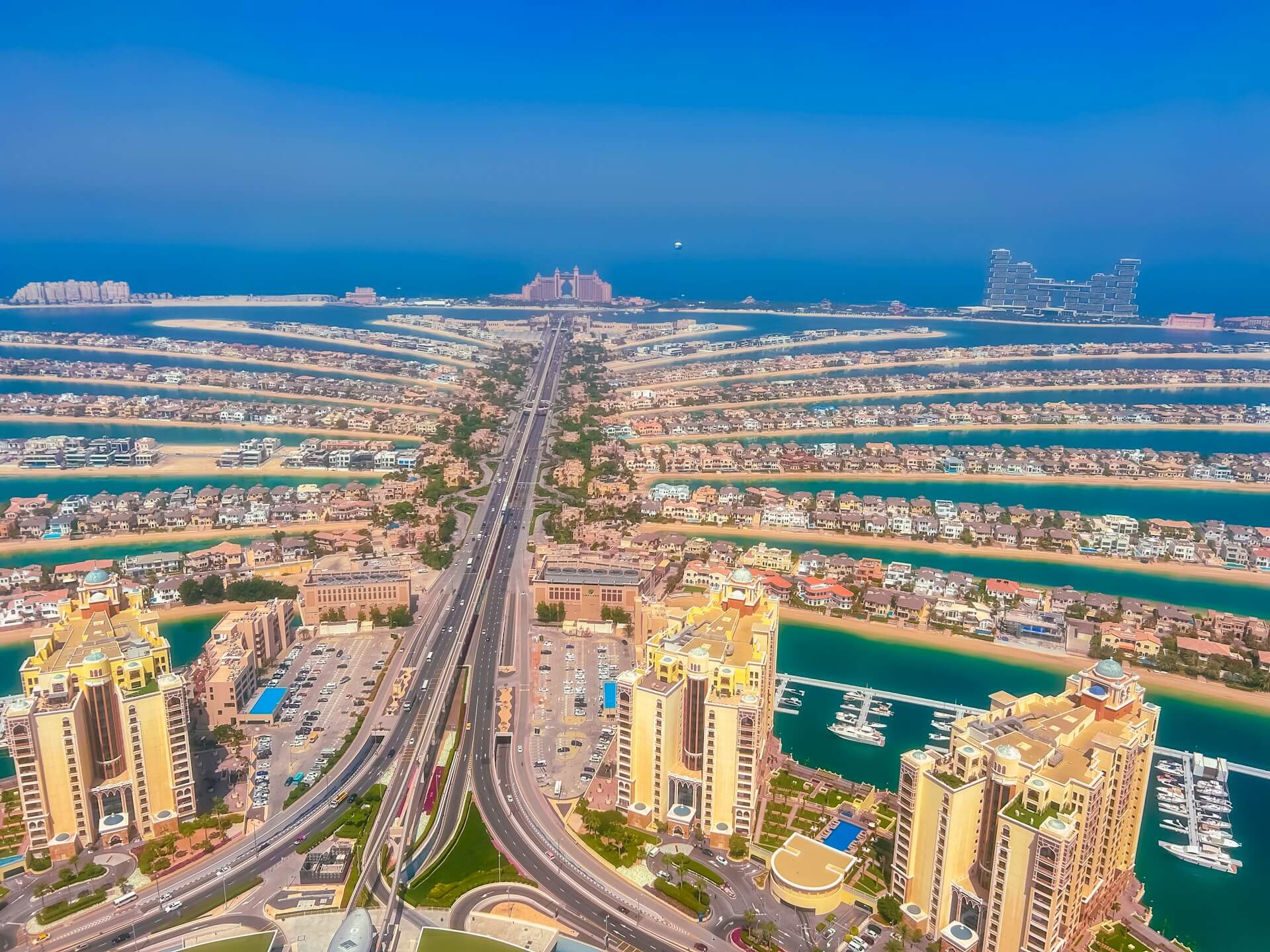
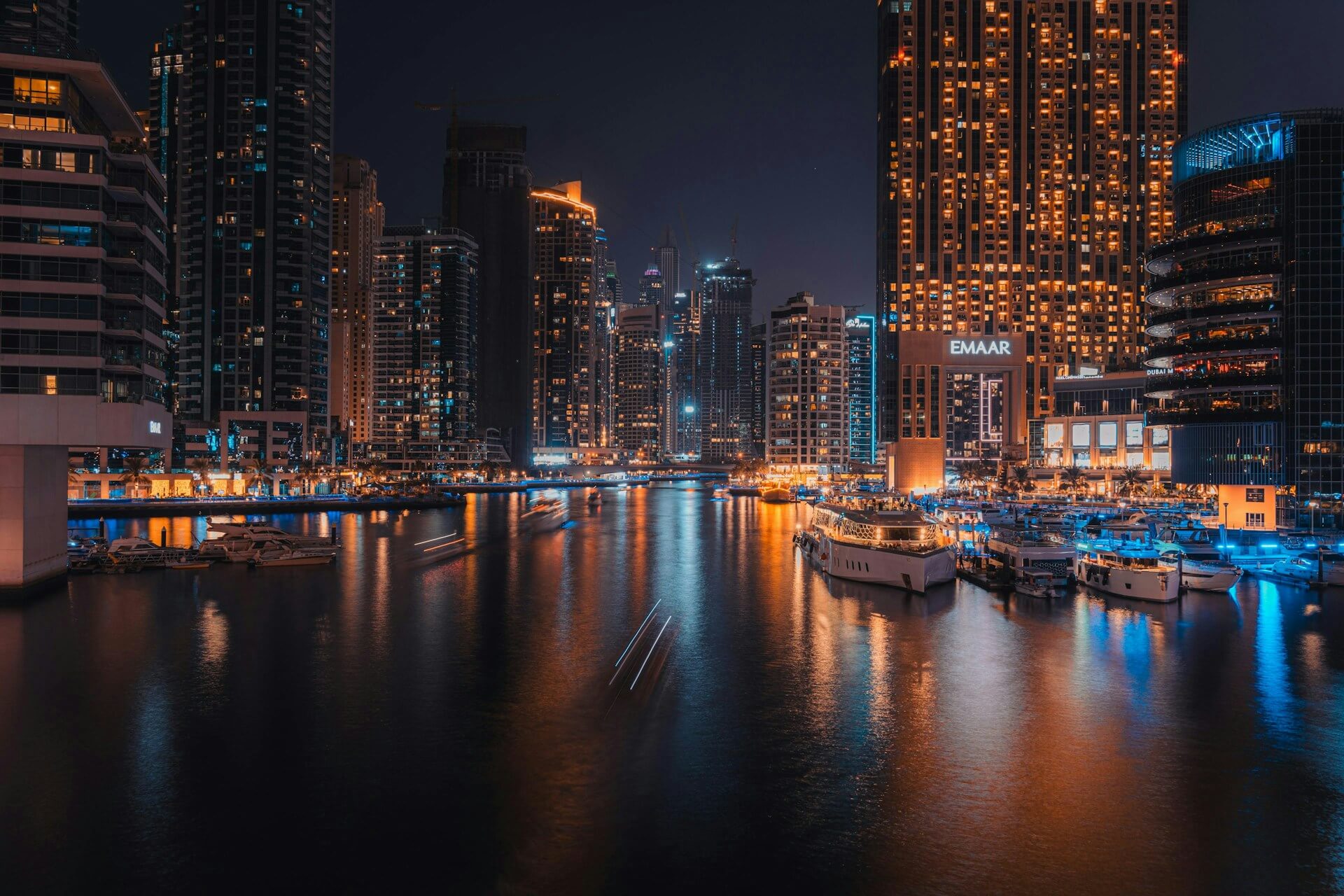
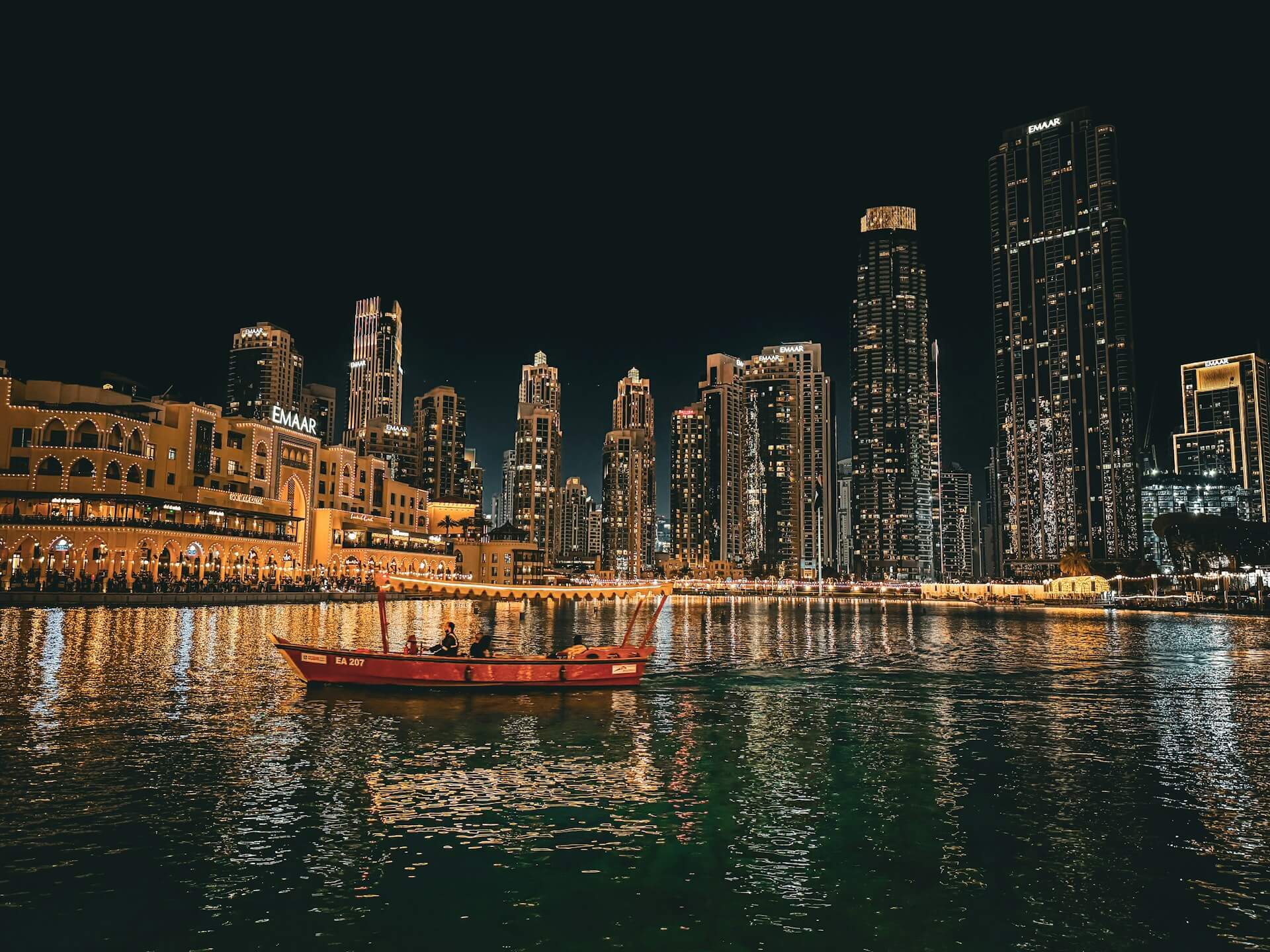
Dubai Property Selection focuses on apartments, villas and investment properties in key areas such as Dubai Marina, Downtown, Business Bay, Dubai Hills and Palm Jumeirah.
Instead of sending a huge list of random listings, we prepare a clean shortlist based on your budget, preferred area, bedrooms, timeline and purchase or rental goals.
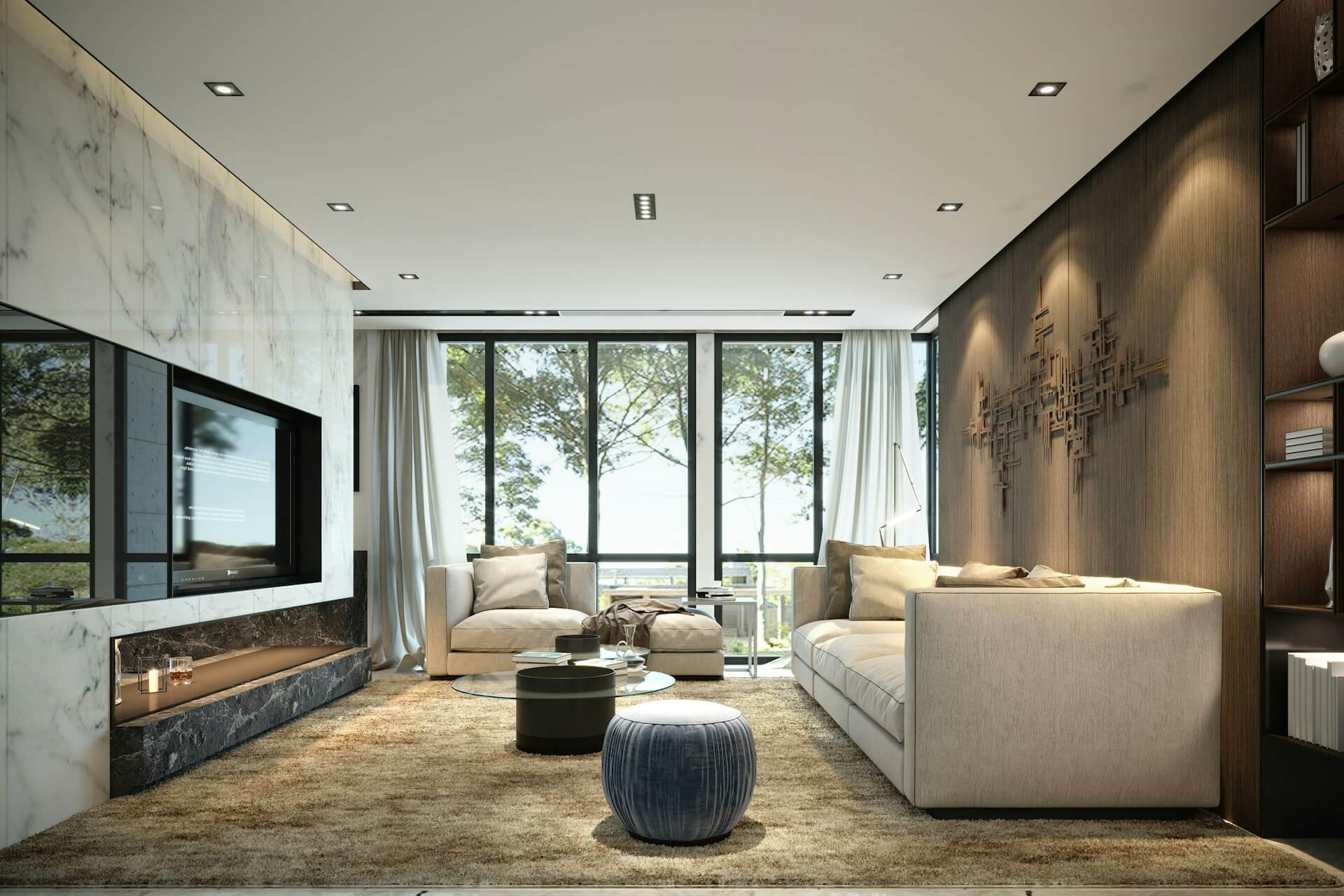
Premium opportunities in Dubai — from compact investment units to signature villas and penthouses.
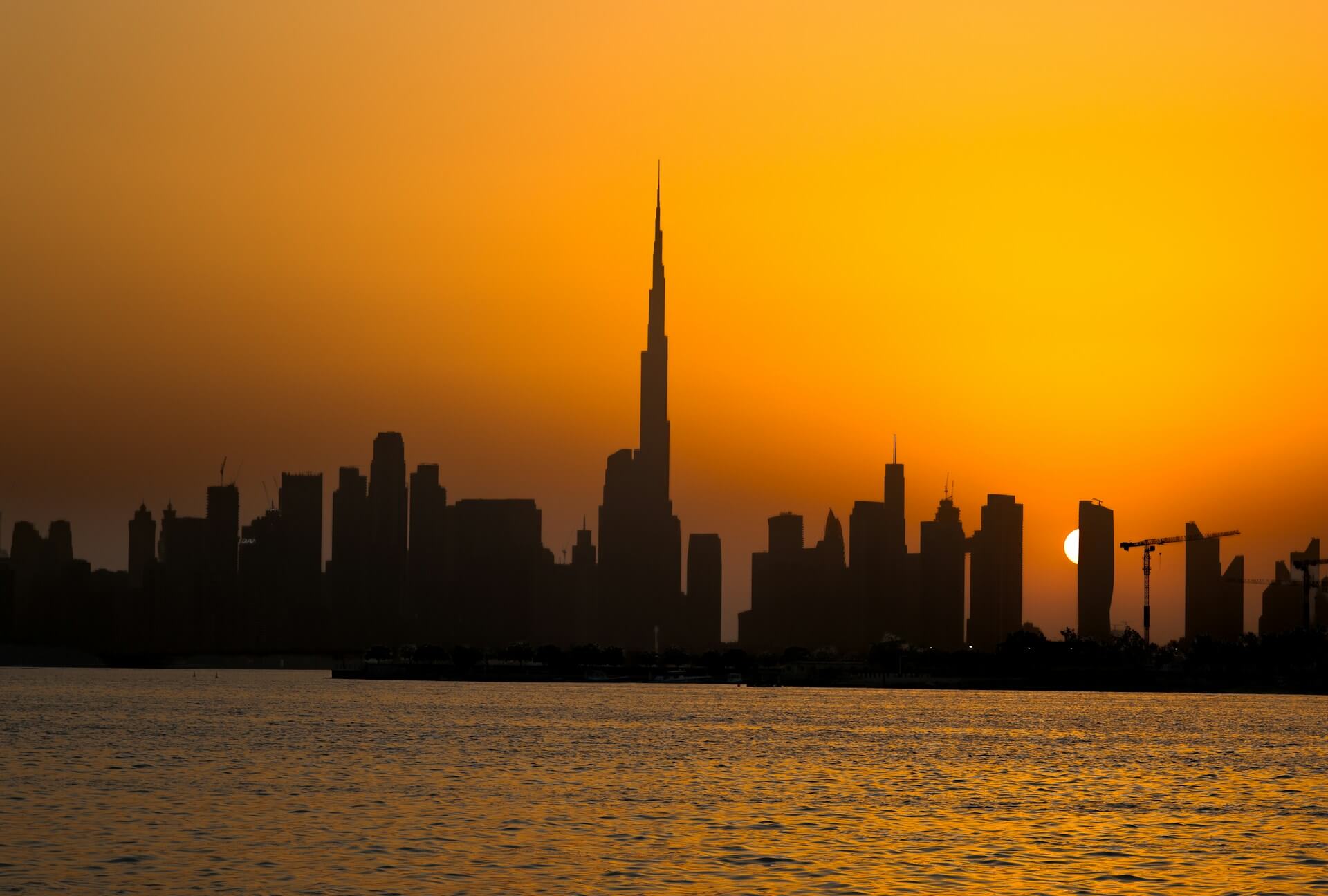
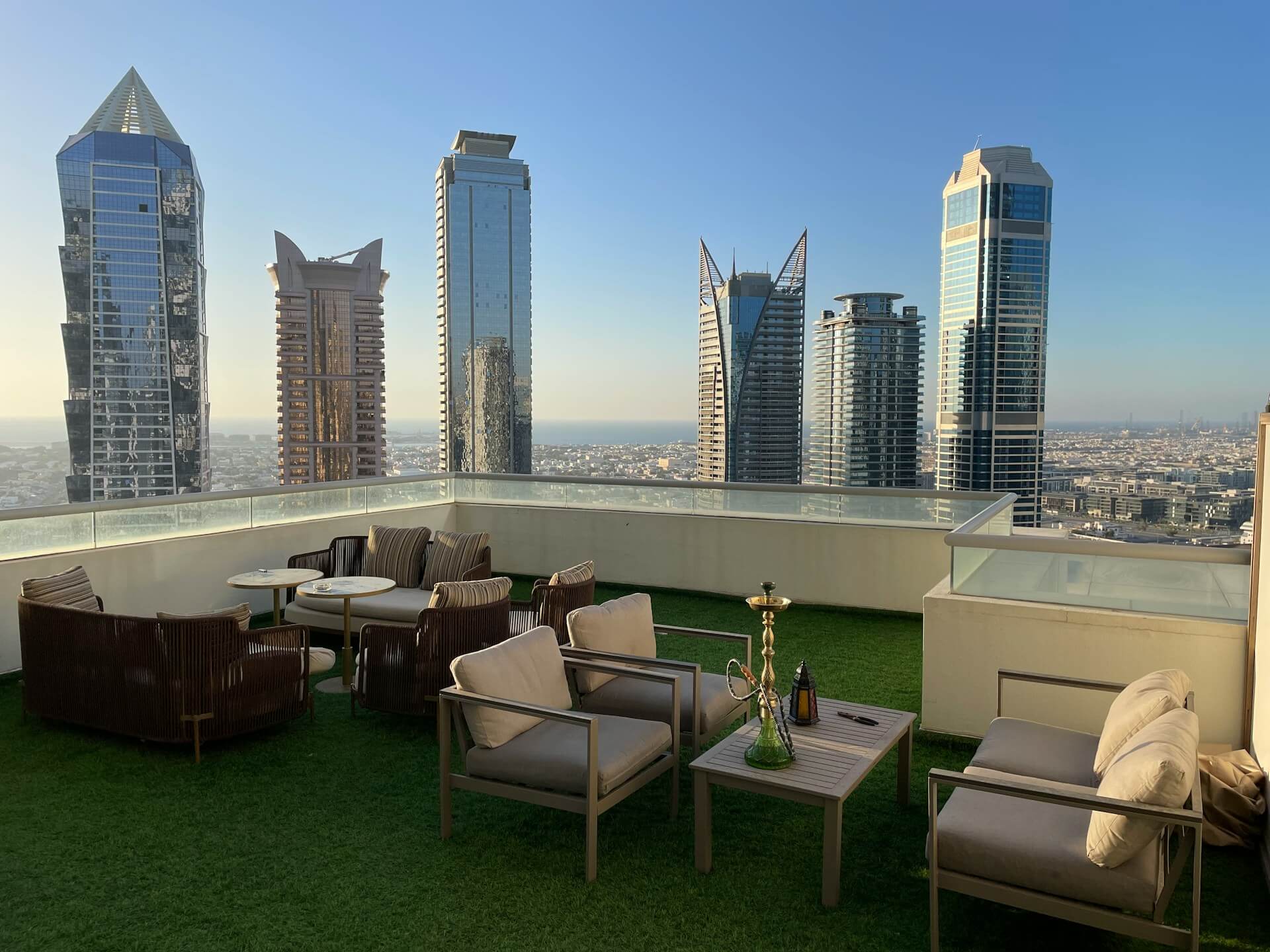
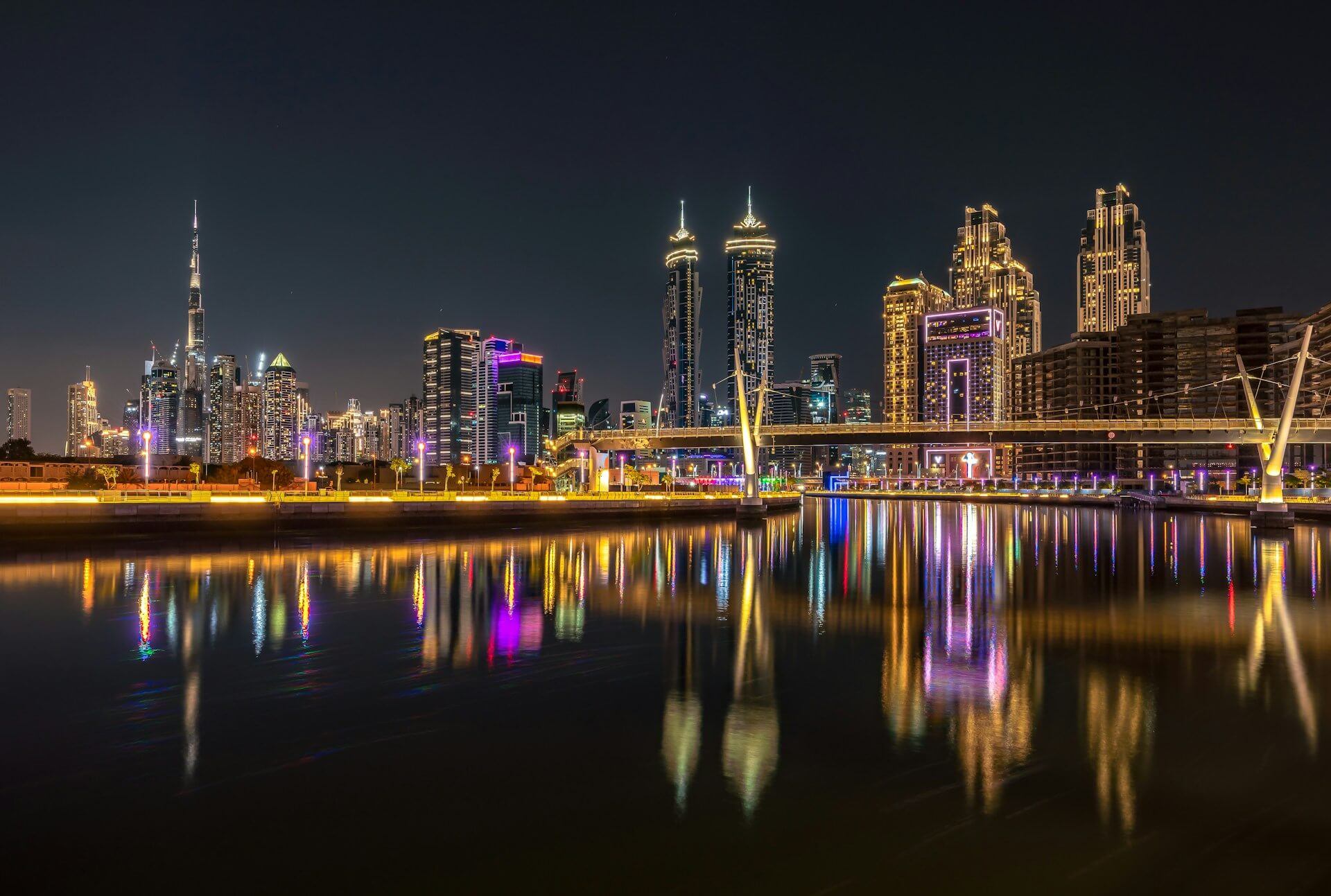
Comfortable long-term and premium rental options across Dubai.
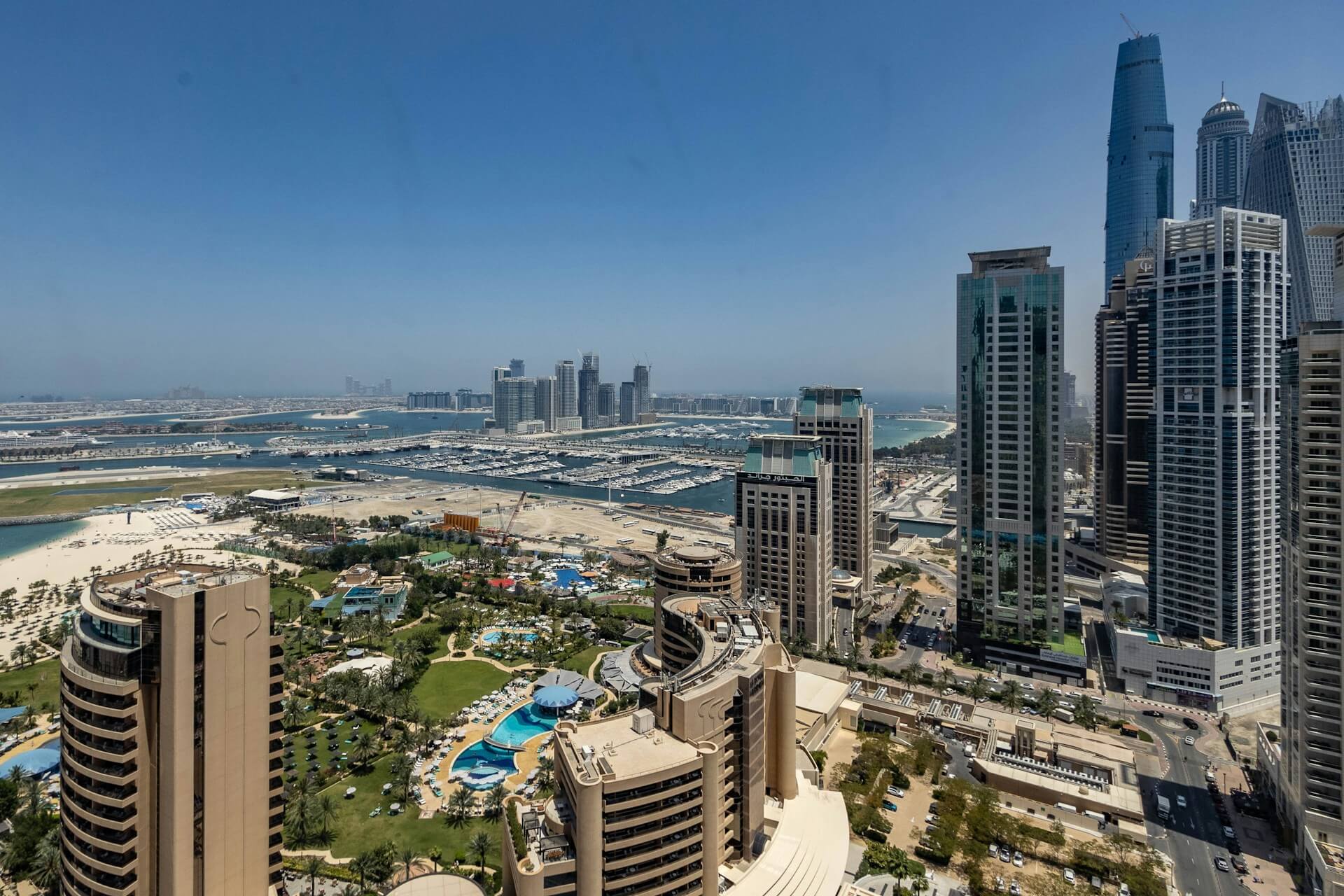

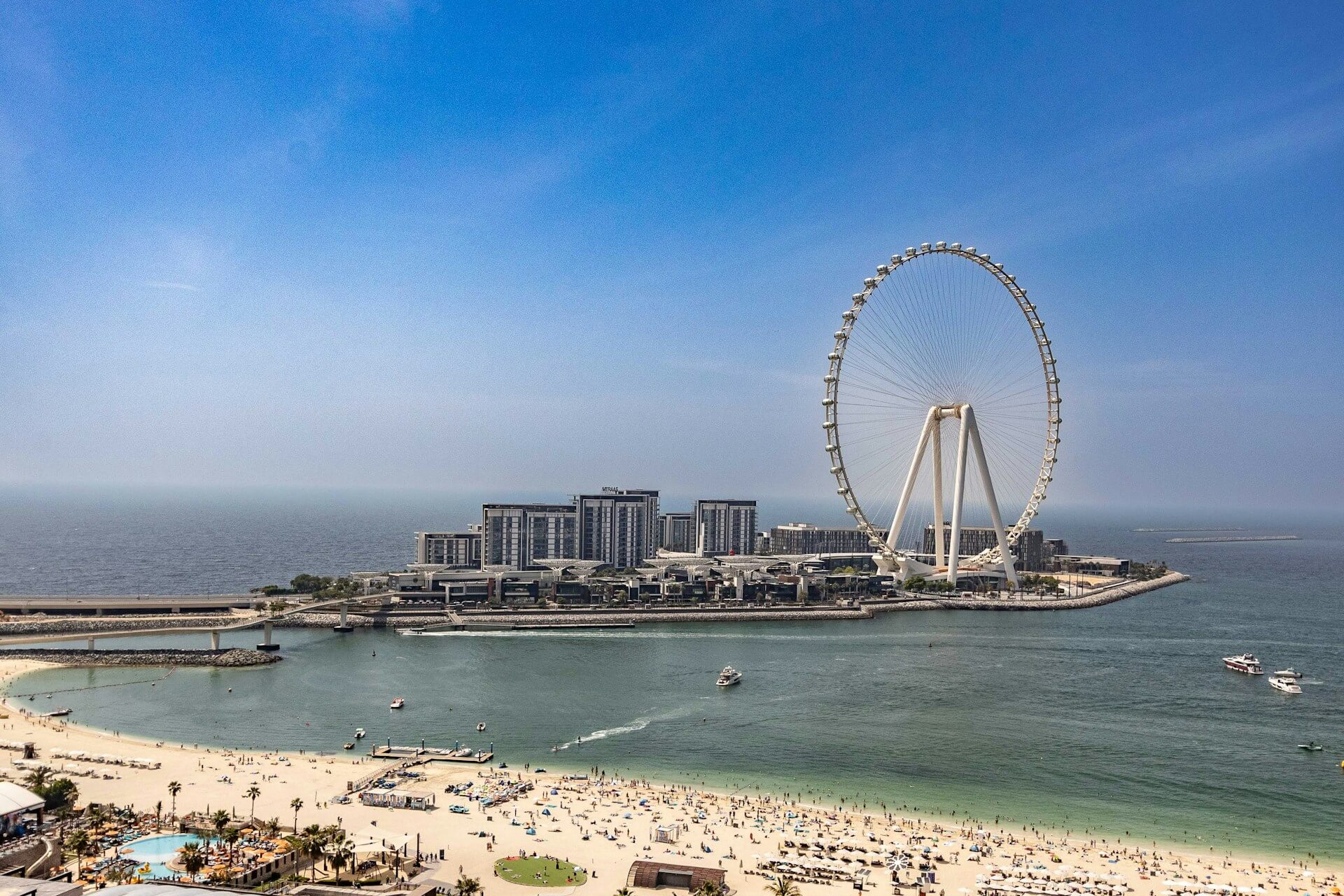
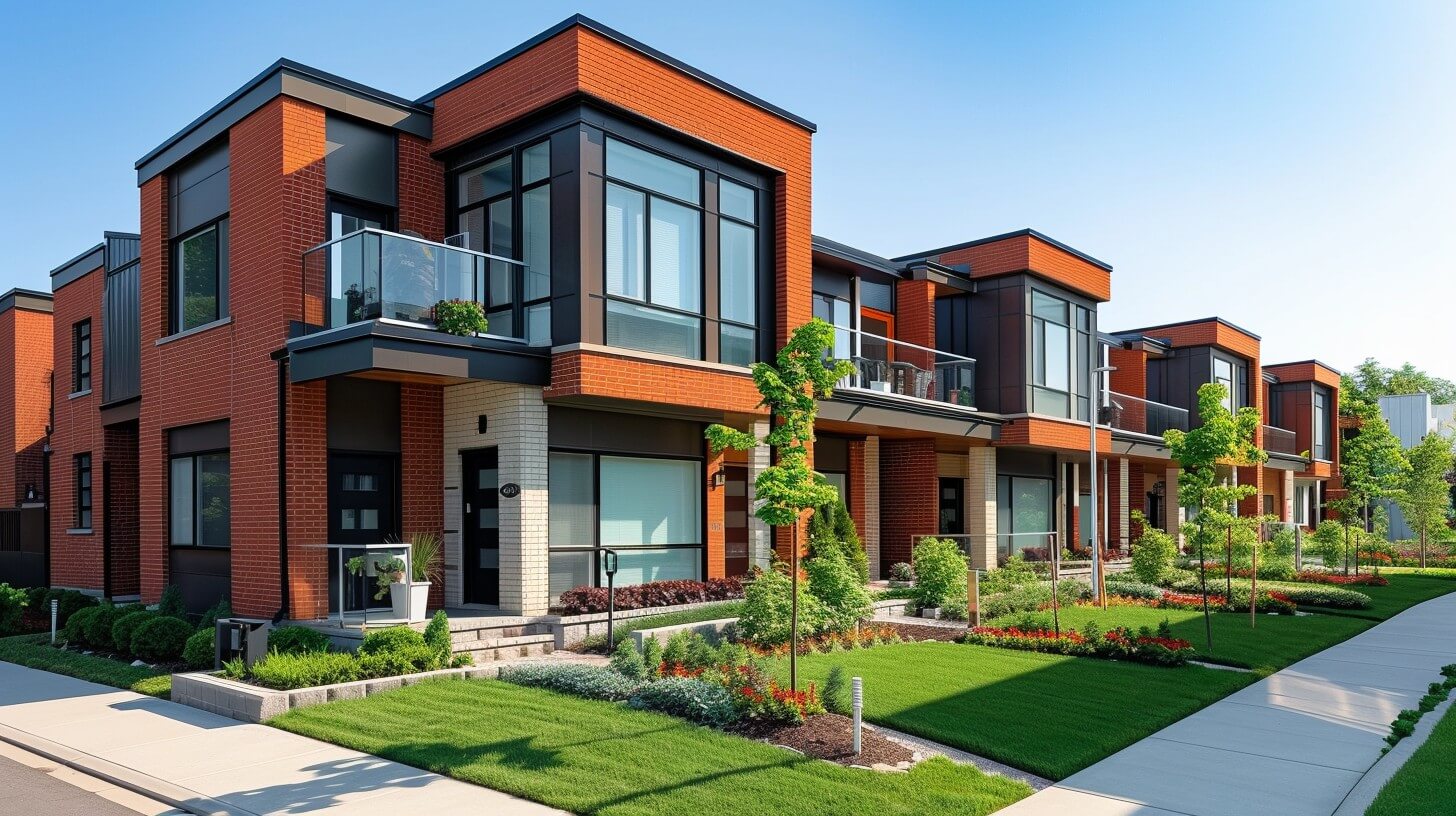
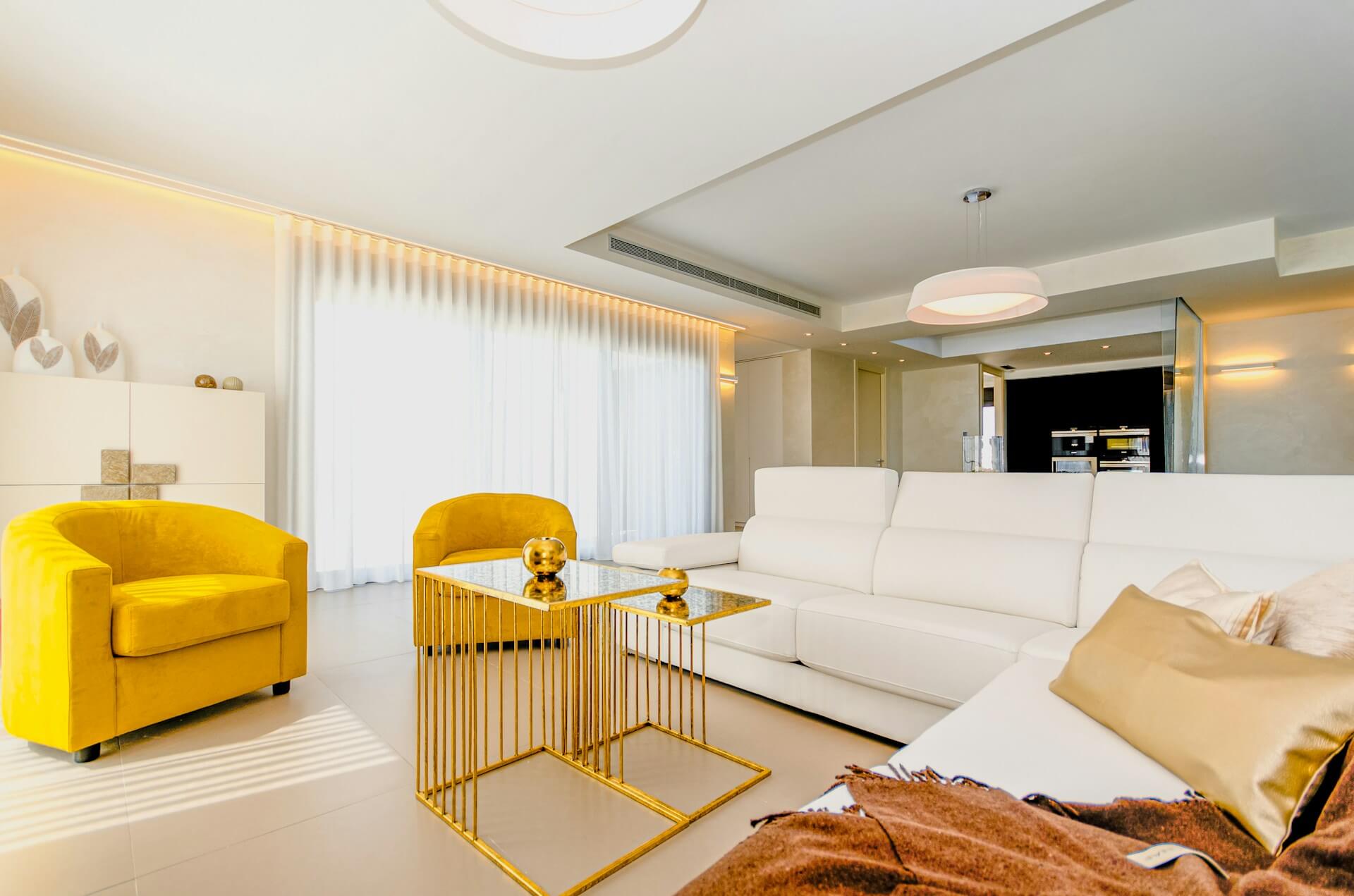
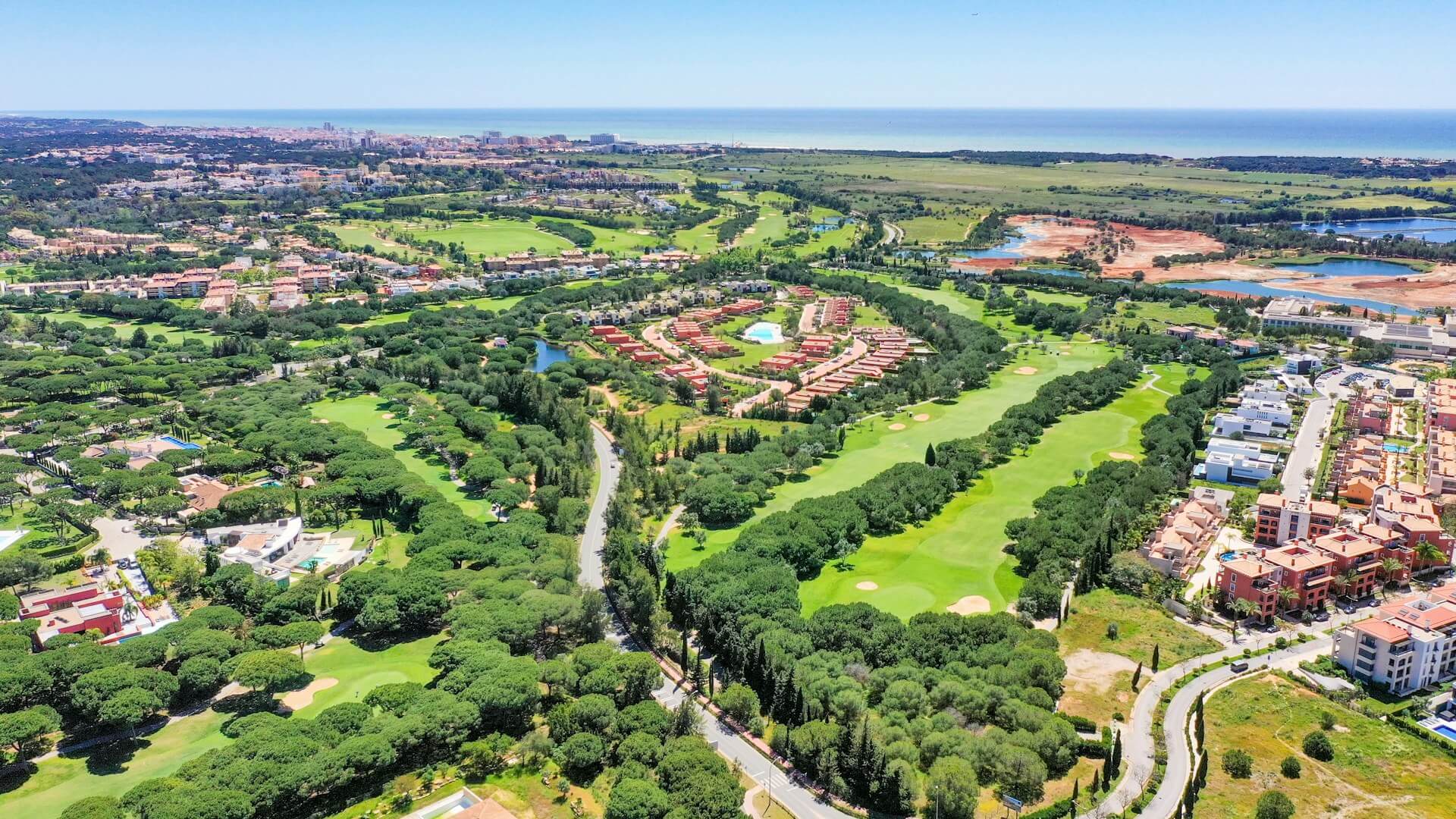
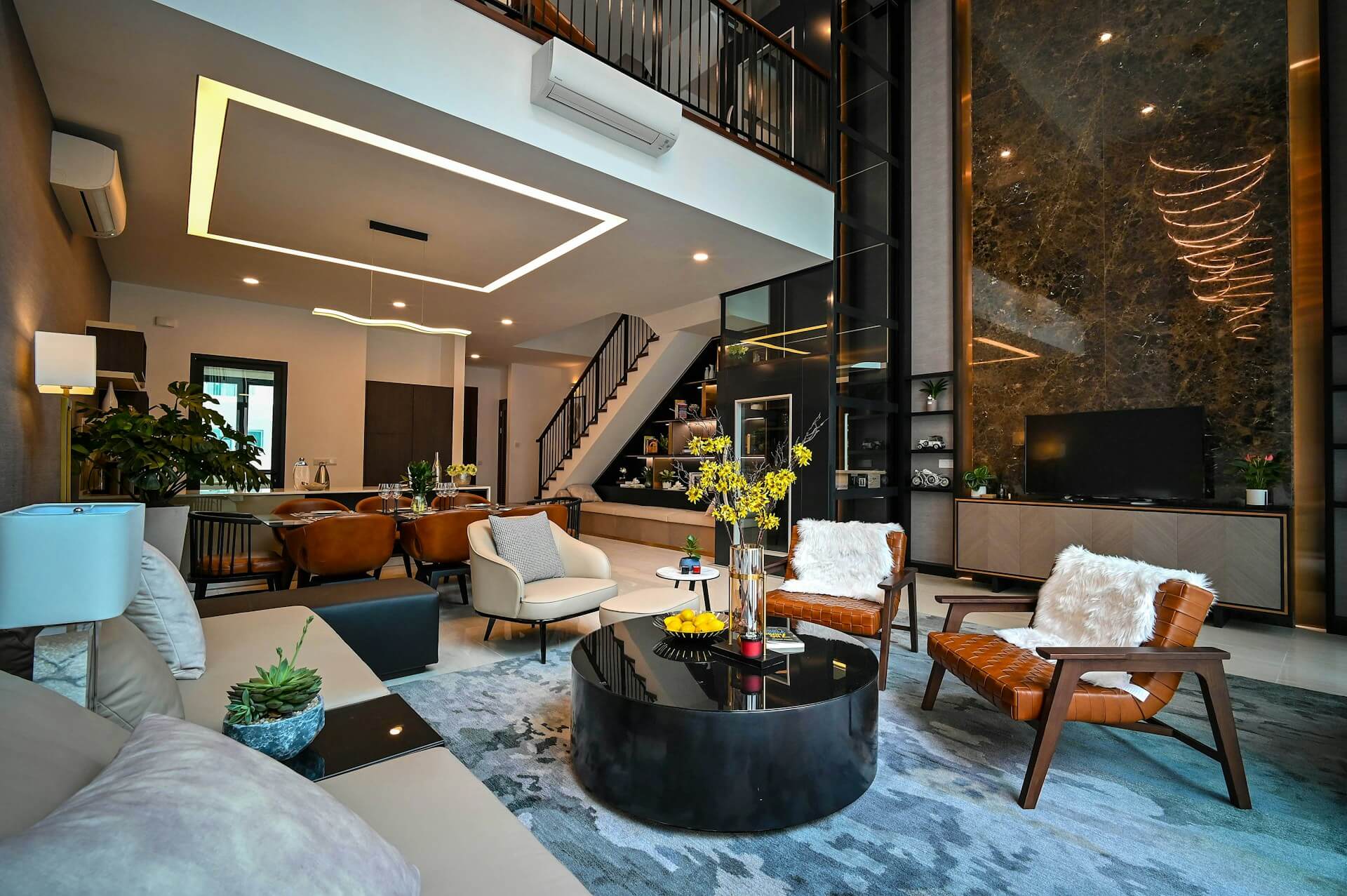
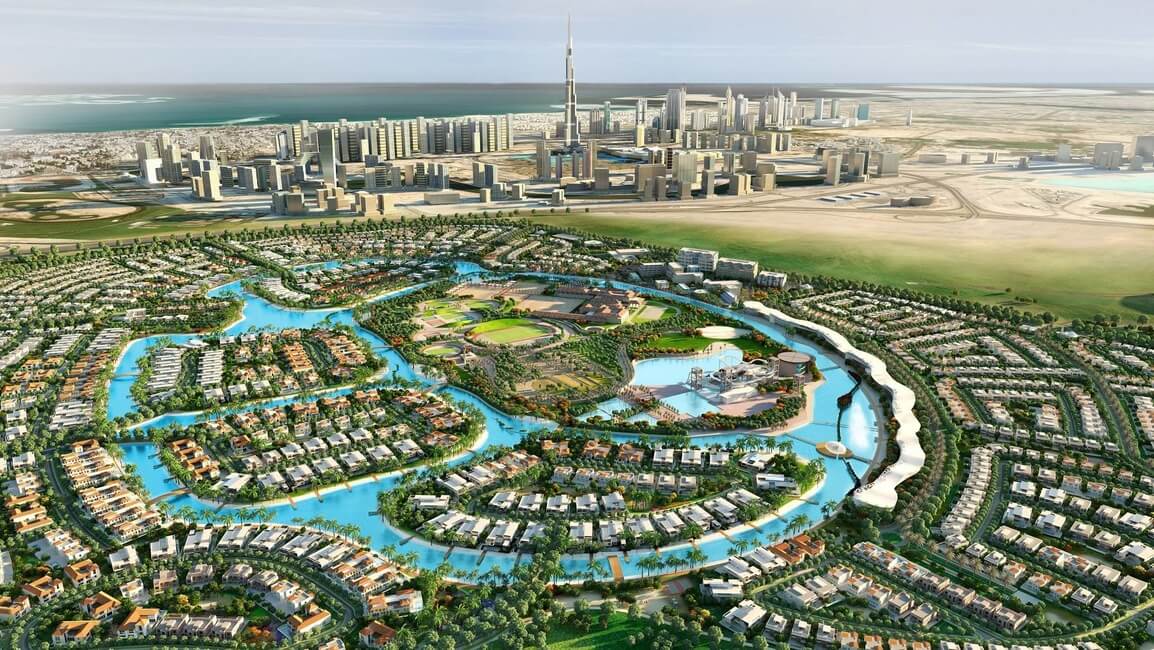
Jumeirah Living apartments in Dubai represent a compelling option for entering the serviced residence segment with entry prices starting from approximately AED 2.5 million for studio units.
Demand is strongest in Dubai Marina, driven by a mix of long-term residents and expatriates seeking fully managed homes with hotel-style amenities. Current rental yields average between 5% and 6%, positioning these units as attractive for investors prioritizing stable cash flow combined with decent capital appreciation prospects.
Liquidity remains favorable compared to other luxury residential offerings in Dubai Marina due to limited stock and strong end-user interest.
Supply constraints within Dubai Marina’s premium residential submarket underpin increased demand dynamics for turnkey serviced homes.
Unlike traditional freehold properties, these assets respond to rising relocation trends anchored by favorable visa conditions and growing corporate leases. Entry capital ranges substantially based on unit configuration, but luxury studios and one-bedroom options remain the most accessible. Investors and owner-occupiers benefit from an established hospitality operator managing these residences, which reduces operational burdens and supports pricing resilience.
This segment’s appeal stems from its unique hybrid status – combining investment-grade real estate with hotel-level services.
Buyers should compare these offerings closely with conventional apartments in Dubai Marina, where management and associated service levels vary widely. The combination of brand reputation, service quality, and location within Dubai Marina contributes to rental premiums 10-15% above standard market rates.
These factors sustain demand despite broader market fluctuations.
Investing in Jumeirah Living Apartments requires a minimum initial capital of approximately AED 3.5 million in Dubai, targeting buyers prioritizing stable asset appreciation combined with consistent rental returns.
This niche product aligns well with executives, expatriates on long-term assignments, and discerning families who value integrated hotel services without compromising residential privacy.
Unlike typical freehold properties in Dubai, these serviced suites integrate hospitality-grade amenities managed under internationally recognized brands, which sustains high occupancy rates averaging 85% annually in Dubai.
The demand surge is fueled by increased government incentives for remote work visas and professional relocations, particularly in premium districts associated with lifestyle and cultural hubs.
Ownership here is differentiated by the hybrid nature of the offering. Buyers benefit from a dual revenue stream: personal use during lease-free intervals and professionally managed short to mid-term rentals, often delivering gross yields between 6% to 7.5% in Dubai’s competitive leasing market.
This contrasts with traditional residential units, which typically yield 5-6% and demand longer vacancy periods due to end-user tenant preferences.
Entry costs vary by location but starting budgets in Dubai for these suites hover above AED 3.5 million, primarily due to the scarcity of branded residences coupled with premium infrastructure integration. Comparatively, regions like Dubai Marina offer similar yield potentials but at higher competition levels and with less consistent service standards, affecting tenant retention and overall cash flow stability.
Liquidity in this segment benefits from robust resale interest among high-net-worth individuals and investment funds focusing on hotel-linked assets in Dubai.
However, the resale market is less agile than conventional units due to narrower buyer profiles and higher entry thresholds. Sellers should expect transaction timelines of 3 to 6 months, dependent on global economic conditions influencing inbound capital flows into Dubai’s luxury sector.
Assess off-plan versus ready alternatives skeptically; although off-plan properties provide lower initial prices and payment plans, they carry construction and delivery risks that may delay entry into Dubai’s active rental market.
In contrast, ready inventory ensures immediate rental generation and aligns with visa-linked residency demands, which have accelerated in recent quarters.
Ideal candidates for acquisition are investors seeking portfolio diversification within Dubai’s upper-tier real estate, expatriates requiring seamless transitions between lifestyle and work environments, and companies securing executive housing with built-in services.
This option is less suitable for first-time property investors or buyers focused solely on capital gains in emerging neighbourhoods due to higher capital requirements and specialized market dynamics.
Purchases are not advisable during periods of heightened global financial uncertainty when foreign exchange volatility undermines investor confidence in Dubai.
Entry at inflated pricing without corresponding adjustments in occupancy levels or service quality can compress yields below 5%, reducing total returns and extending break-even horizons.
For buyers targeting this segment in Dubai, proximity to key business districts like Downtown Dubai and Dubai International Financial Centre (DIFC) is a primary location benefit, ensuring direct access to high-value corporate hubs.
The development sits within 15-minute driving distance from Dubai International Airport, appealing to frequent travelers and international tenants.
Connectivity via Sheikh Zayed Road and major highways offers swift commutes across Dubai, reducing travel time compared to comparable residences in peripheral zones like Jebel Ali or Dubai Silicon Oasis.
Unlike some emerging districts, this area combines urban accessibility without the congestion faced near Dubai Marina peak hours.
The mid- to high-end retail and hospitality options within a 5-kilometer radius increase appeal to lifestyle-driven tenants and expats prioritizing walkable neighborhoods.
Immediate adjacency to metro stations and tram lines enhances public transit options–an advantage over developments south of Dubai Creek Harbour lacking direct metro infrastructure.
Investors should note that real estate in this zone benefits from ongoing infrastructure projects aimed at improving pedestrian pathways and road expansions, projected to reduce congestion by 20% over the next 3 years.
This contrasts with older communities where such upgrades are minimal, impacting long-term resale potential.
Compared to alternative investment hotspots such as Business Bay or Dubai Marina, this locale offers a more balanced supply-demand ratio, reducing vacancy risks. The combination of mixed-use developments in proximity attracts a diversified tenant profile, resulting in steadier rental income streams and decreased turnover.
Entry capital required here typically starts from AED 2.5 million for units aligning with this niche, a competitive figure given the location’s direct access to employment nodes and transportation.
This contrasts with higher thresholds in Palm Jumeirah or Bluewaters Island, where exclusivity drives prices upward but narrows potential tenant pools.
For end-users, the area supports a hybrid work model thanks to nearby co-working hubs, contrasting with fully residential neighborhoods where daily commutes impact productivity.
This advantage caters specifically to professionals and corporate executives relocating to Dubai for medium- to long-term assignments.
Risks connected to this location primarily revolve around potential oversupply stemming from adjacent mixed-use towers entering the market between 2024–2026. However, current inventory levels remain moderate, and planned infrastructure improvements should absorb additional capacity without significant price erosion.
Short-term rental operators may find this location less optimal compared to Dubai Marina or Downtown Dubai where tourist footfall is denser, but it offers superior stability for longer lease contracts.
Yield volatility is lower here, favoring investors with a mid-term horizon rather than speculative flippers.
Overall, this zone’s geographical advantages support sustained demand driven by strong employment growth in financial and professional sectors. Its combination of accessibility, diversified amenities, and controlled supply make it suitable for buyers prioritizing consistent rental performance and moderate entry capital within Dubai.
Choosing a unit in the Dubai real estate market requires precise understanding of how size and layout influence both upfront costs and long-term value.
The collection of residences offers configurations from compact studios to expansive four-bedroom units, each tailored for distinct buyer profiles and investment goals within Dubai.
Studio options start at approximately 450 sq ft, with open layouts maximizing usable space, ideal for single professionals or short-term rentals.
One-bedroom units range between 750 and 1,050 sq ft, typically featuring separate living areas and kitchens, making them attractive for long-term tenants or entry-level buyers in Dubai.
| Studio | 450–500 | Open plan, compact kitchen | 950,000 | Single tenants, short-term rentals |
| 1 Bedroom | 750–1,050 | Separate living room, full kitchen | 1,500,000 | Young professionals, couples |
| 2 Bedroom | 1,250–1,700 | Dual bathrooms, spacious living areas | 2,300,000 | Small families, investors targeting longer leases |
| 3 Bedroom | 1,900–2,400 | Multiple balconies, maid’s room | 3,800,000 | Established families, lifestyle buyers |
| 4 Bedroom | 2,600–3,500 | Expansive living spaces, multiple bathrooms | 5,500,000 | High-net-worth individuals, luxury investors |
Layouts prioritize natural light and fluid space between living, dining, and kitchen areas, but larger units distinguish themselves through increased privacy and dedicated utility rooms, which appeal to family-oriented residents in Dubai.
Entry price per square foot starts near AED 2,200 for studios and one-bedrooms, rising to AED 2,600–AED 2,800 for larger configurations, reflecting additional amenities and premium interior finishes.
Buyers seeking rental yield will find smaller layouts offer quicker leasing turnaround, whereas three- and four-bedroom options forecast lower vacancy rates and higher capital appreciation potential within Dubai.
Compared to alternative housing options in Dubai, these residences show competitive space-efficiency in mid-sized units, particularly two-bedroom plans, which deliver optimal cost per square foot versus standalone villas or more expansive developments.
However, high demand for efficient layouts means early-stage acquisition is advised to capture best pricing and layout choice.
For end-users prioritizing comfortable living space over immediate liquidity, three-bedroom units provide balance between affordability and comprehensive design, including multiple balcony areas and en-suite bathrooms.
Investors focused on short-term leasing may favor one-bedroom apartments with simpler configurations to reduce turnover downtime in Dubai.
Certain layouts with open kitchens and combined living-dining spaces attract younger demographics, while separate kitchens appear more frequently in larger units, aligning with cultural preferences in family segments. The availability of maid quarters in three-bedroom and above units is a decisive factor for buyers relocating with household staff in Dubai.
When considering market absorption rate, studios and one-bedroom units represent approximately 60% of current inventory, making them highly liquid but with moderate capital growth.
Larger layouts constitute a smaller share, supporting price resilience and potential for above-average returns due to scarcity.
The pricing for Jumeirah Living apartments in Dubai starts at approximately AED 2.3 million for one-bedroom units, rising up to AED 8 million for larger three-bedroom configurations.
Entry costs are influenced primarily by the floor level, unit size, and finishing grade–higher floors command premiums of up to 10% compared to lower levels. Unlike typical freehold apartments in Dubai, these branded residences often entail a 5% to 7% annual service charge, reflecting their full-service hotel-style management.
Payment plans usually span 3 years for off-plan units with 10% down payment, 40% interim installments linked to construction milestones, and the remaining 50% payable on handover.
Ready-to-move-in inventory demands full or near-full payment upfront, which can be a significant capital outlay, but offers immediate income potential through rentals in the Jumeirah district of Dubai.
Comparing with other luxury developments in Dubai, the upfront capital required for these serviced units is about 15% higher on average than non-branded freehold offerings in similar waterfront locations within Dubai. This premium is justified by the superior hospitality services and enhanced maintenance agreements included in the fee structure.
Investors targeting the Palm Jumeirah or Dubai Marina typically face lower entry costs but less inclusive payment schemes, often requiring 20%-30% upfront.
For buyers prioritizing mid-term capital appreciation, off-plan payment schedules in this sector allow phased capital deployment, which reduces financial burden during ownership.
However, ready units in Dubai's core exhibit stronger immediate rental returns averaging 6.5% gross, versus 5.2% in peripheral luxury neighborhoods. Payment flexibility is therefore a critical factor when matching investment goals with cash flow availability.
Mortgage financing for branded residences in Dubai is slightly more restrictive. Most banks limit loan-to-value ratios to 60%, compared to 75%-80% for conventional freehold units, reflecting higher perceived risk tied to service fees and resale potential.
Buyers intending to rely on financing will need at least 40% equity to secure approval in Dubai’s current credit environment.
Comparative analysis shows that while entry costs are higher and liquidity slightly lower for branded hotel apartments in Dubai, the integrated amenities and curated services increase tenant retention and reduce vacancy periods.
This trade-off is suitable for investors focused on stable long-term income rather than speculative gains.
Jumeirah Living offers a variety of apartment types, including studios, one-bedroom, two-bedroom, and larger units designed for families or extended stays. Studio apartments are compact and ideal for single occupants or short visits, featuring an open-plan layout that combines living, dining, and sleeping areas.
One- and two-bedroom apartments provide separate bedrooms and living spaces, making them suitable for couples or small families.
Larger apartments often include multiple bedrooms along with additional rooms such as study areas or maids’ quarters, offering more privacy and space.
The design of each apartment emphasizes luxury and comfort, with high-quality fixtures and spacious layouts tailored to different needs.
Residents of Jumeirah Living apartments have access to a wide range of facilities designed to enhance their lifestyle.
Common amenities include swimming pools, fully equipped fitness centers, spa and wellness areas, and outdoor landscaped gardens. Additionally, the buildings often feature 24-hour concierge and security services, housekeeping options, and dedicated parking.
Many locations also provide business centers and event spaces, making it convenient for both work and leisure. These services aim to create a comfortable and convenient environment for those who reside within the community.
Jumeirah Living properties are strategically situated in key urban areas known for their accessibility and vibrant surroundings.
Many of the apartments are located close to business districts, shopping centers, dining options, and cultural attractions. This placement allows residents to enjoy a balanced urban life, with easy commutes to work as well as opportunities for entertainment and relaxation nearby.
Proximity to major transport links also facilitates travel within the city and beyond, making it practical for both short visits and longer-term stays.
Yes, Jumeirah Living apartments are well-suited for extended stays and accommodating families.
Many of the residences offer spacious layouts with multiple bedrooms and living areas, providing comfort and privacy. The availability of housekeeping and maintenance services adds convenience, while on-site amenities contribute to a home-like atmosphere. Safety features and family-friendly facilities ensure that children and adults alike have a pleasant experience.
This combination of space, services, and location makes these apartments a practical choice for those seeking comfortable, longer-term accommodation.
Unlike typical hotel rooms, Jumeirah Living apartments provide fully furnished residences that blend the privacy and amenities of a home with the convenience of hotel services.
Apartments usually include kitchens or kitchenettes, allowing residents to prepare meals, which is ideal for longer stays. Moreover, the spacious layouts and separate living areas offer more freedom than a standard hotel room.
While guests can access services such as concierge, housekeeping, and fitness facilities, the environment tends to be more relaxed and personalized. This setup appeals to professionals, families, and anyone seeking a comfortable and flexible living space without sacrificing luxury.
Residents of Jumeirah Living apartments have access to a range of facilities designed to enhance comfort and convenience.
This includes a fully equipped gym, swimming pools, spa services, and dedicated concierge support. Common areas often feature lounges and landscaped gardens, providing spaces for relaxation and socializing.
Many buildings also offer 24-hour security and valet parking to ensure safety and ease for residents.
Clear answers about buying, renting and investing in Dubai property.
Yes. Foreign buyers can purchase freehold property in designated areas such as Dubai Marina, Downtown Dubai, Business Bay, Palm Jumeirah, Dubai Hills and other approved communities.
It depends on your timeline, budget and goal. Buying is usually better for long-term plans, capital growth and rental income, while renting is better for flexibility and easier relocation.
The required budget depends on the area, building quality and property type. More accessible apartments can be found in developing communities, while prime locations and luxury properties require a much higher budget.
In addition to the purchase price, buyers should budget for the Dubai Land Department fee, registration and trustee fees, possible agency commission, mortgage-related costs if financing is used, and ongoing service charges for many buildings.
Yes, many banks in the UAE offer mortgages to foreign buyers. Approval depends on income, documents, deposit amount and the specific property being purchased.
Areas such as Dubai Marina, Downtown Dubai, Business Bay, Dubai Hills, JVC, Palm Jumeirah and Creek Harbour are often considered by investors, but the right area depends on whether your focus is yield, resale value, lifestyle appeal or long-term growth.
Rental yield varies by area, property type, furnishing level and market timing. In practice, many investors look for a balance between strong occupancy, reasonable service charges and sustainable tenant demand rather than chasing headline numbers alone.
Off-plan property is purchased directly from a developer before the project is completed. Buyers often choose off-plan because of payment plans, newer inventory and lower entry prices compared with some ready properties.
A proper review should consider the developer’s track record, payment plan, handover timeline, location quality, future supply in the area and the project’s resale or rental potential after completion.
For ready property, the timeline can move fairly quickly if the price is agreed, documents are prepared and the buyer is ready to proceed. Mortgage purchases usually take longer than cash deals.
Yes, many purchases can be handled remotely with the correct documents and proper support through the process. Remote buying is common for overseas investors and international clients.
The biggest risks are overpaying, choosing a weak location, buying an unsuitable layout, ignoring service charges, or selecting a project with low resale and rental demand. Good selection matters more than marketing promises.
In long-term rentals, rent is commonly agreed for a fixed term and often paid by one or several cheques depending on the landlord, property and negotiation.
Tenants are usually asked for identification and residency-related documents, and the exact set depends on their status in the UAE and the landlord’s requirements.
A security deposit is commonly required before move-in. The amount often depends on whether the property is furnished or unfurnished and should be clearly stated in the rental terms.
In many rental transactions, an agency commission is charged. The amount depends on the deal structure and should be confirmed before signing anything.
Tenants should review the deposit, Ejari registration, utility setup costs, parking terms if relevant, maintenance responsibilities and any conditions related to early termination or renewal.
Yes, negotiation is common. The final result depends on market conditions, the landlord’s flexibility, how long the property has been available and how prepared the tenant is to move forward.
It is important to check the condition of the unit, building quality, noise level, parking, view, maintenance status, contract terms and the reliability of the owner or manager.
Short-term rent offers flexibility and convenience but is usually more expensive. Long-term rent is generally more cost-effective and better suited for clients planning to stay longer.
During an active contract, the agreed rent usually remains fixed. Any increase is generally discussed at renewal and should follow the applicable rules and notice requirements.
This depends on the tenancy contract. Minor day-to-day issues may be handled by the tenant, while major maintenance is commonly the landlord’s responsibility, but the exact wording in the contract matters.
Ejari is the official registration of the tenancy contract in Dubai. It is important for legal recognition of the lease and is commonly needed for practical steps such as setting up utilities.
Yes. Furnished properties can be more convenient and faster to move into, while unfurnished options may work better for longer stays or tenants who want more control over the setup and budget.
We do not rely on random mass listings. We narrow the market based on budget, location, property type, investment goal, lifestyle needs and timeline, so clients can focus only on relevant options.
Yes. Support can include shortlisting, arranging viewings, comparing options, discussing terms, helping with negotiations and guiding the next steps of the transaction.
The best first step is to define the real budget, target areas, purpose, preferred property type and timeline. Once those points are clear, the selection becomes faster, cleaner and much more useful.