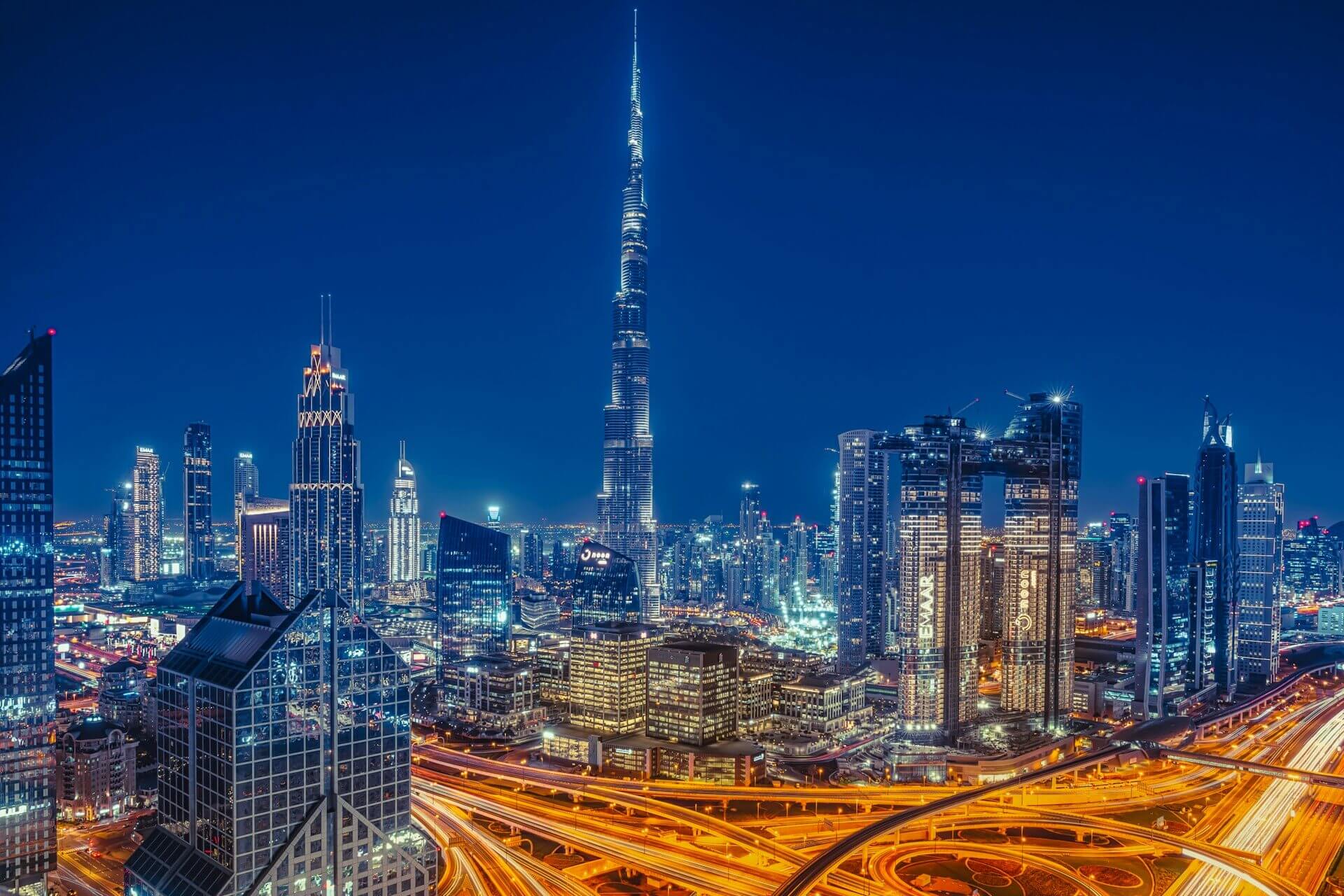
FOR SALE
AED 1,200,000AED 720,000
We help clients buy and rent the right property in Dubai — apartments, villas and investment units matched to budget, area and goals.
Dubai Property Selection focuses on apartments, villas and investment properties in key areas such as Dubai Marina, Downtown, Business Bay, Dubai Hills and Palm Jumeirah.
Instead of sending a huge list of random listings, we prepare a clean shortlist based on your budget, preferred area, bedrooms, timeline and purchase or rental goals.
Premium opportunities in Dubai — from compact investment units to signature villas and penthouses.
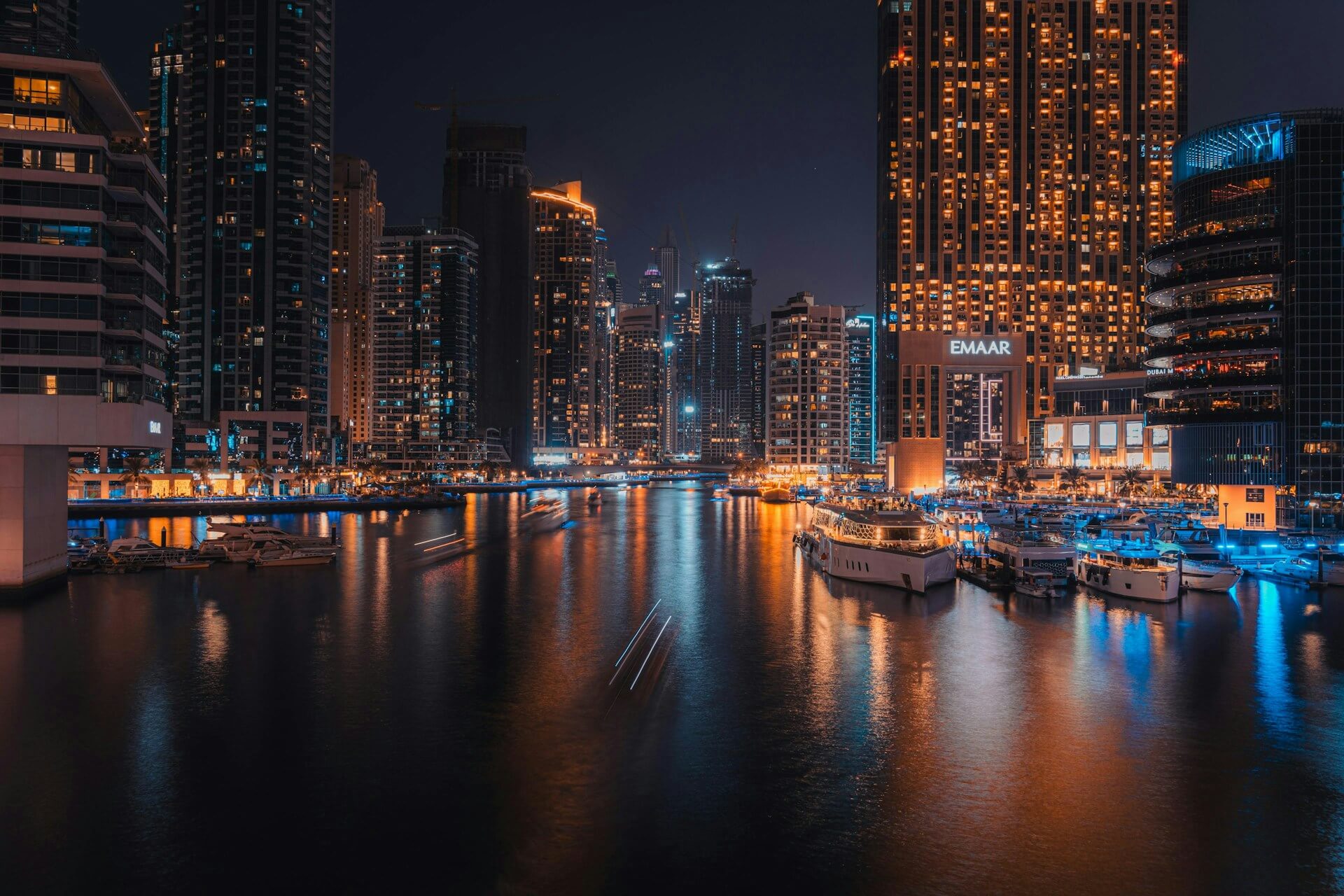
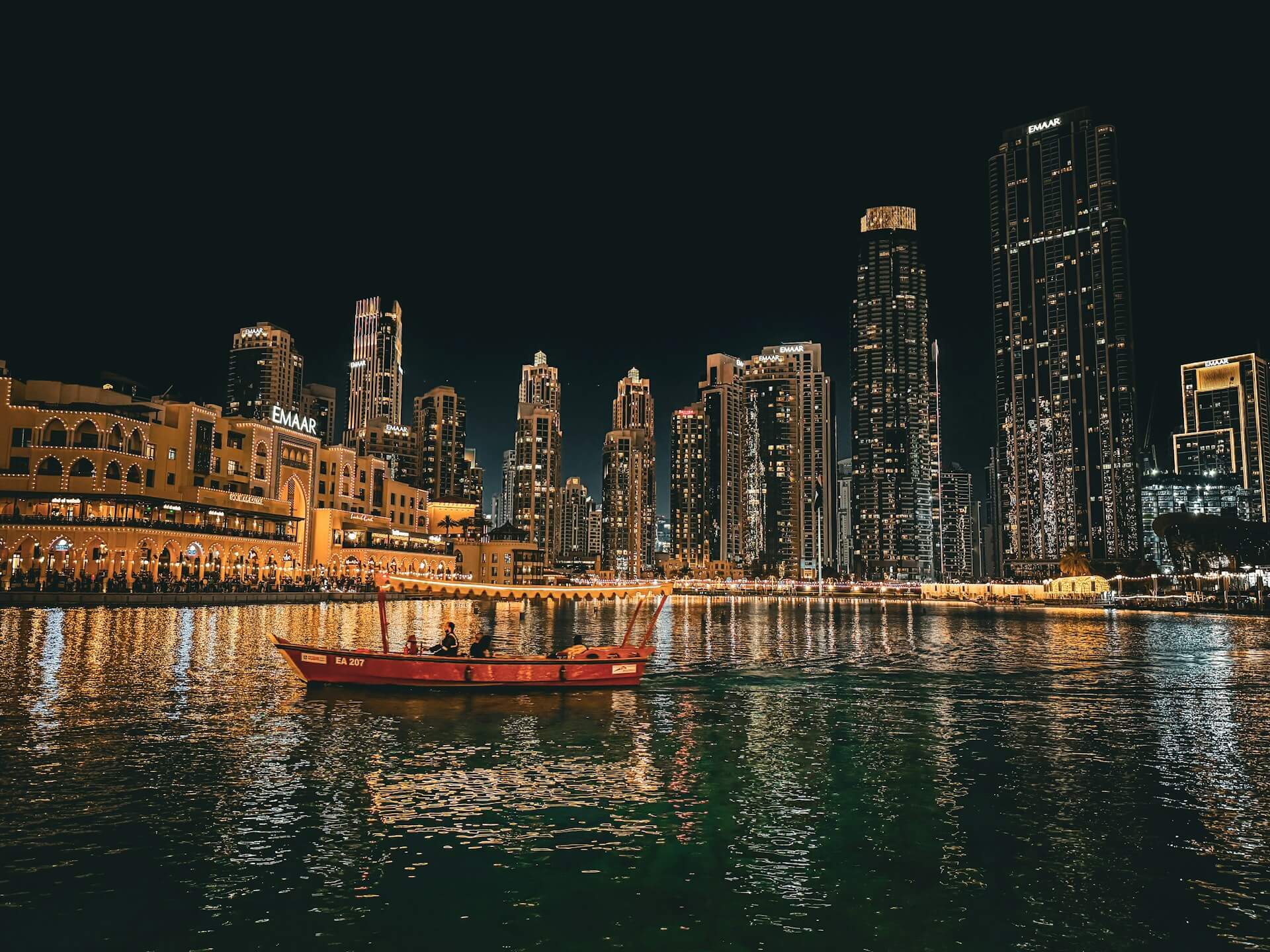
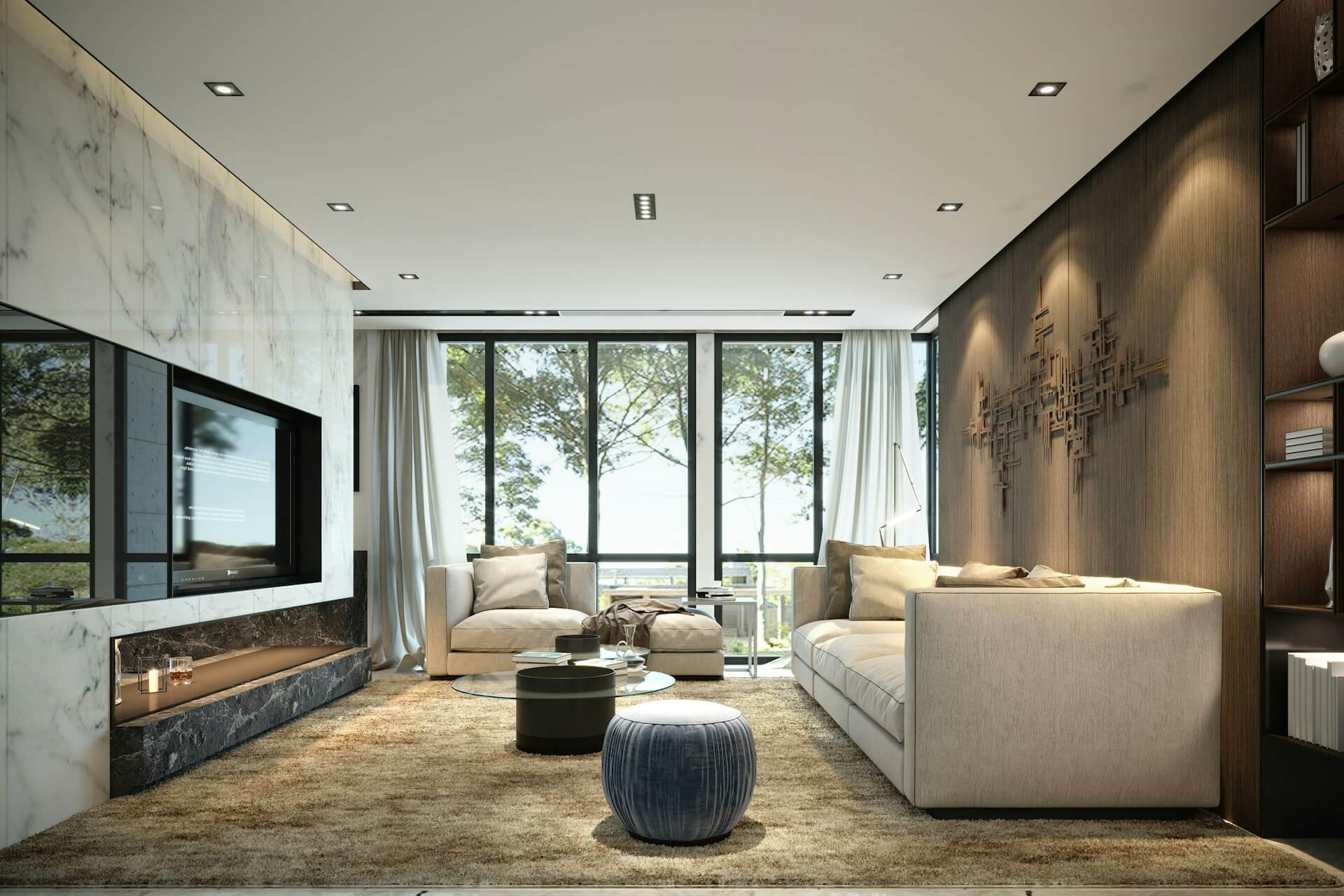
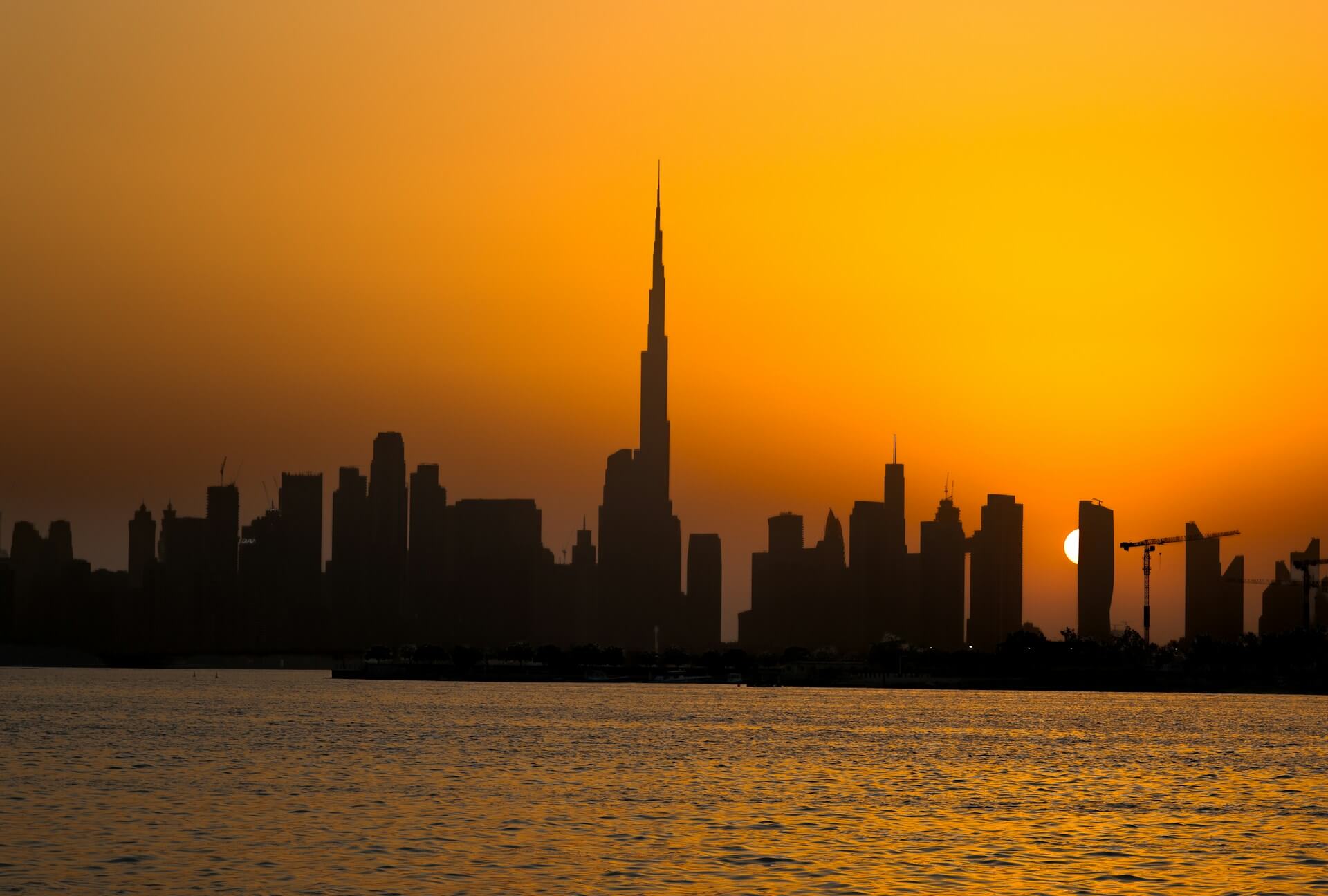
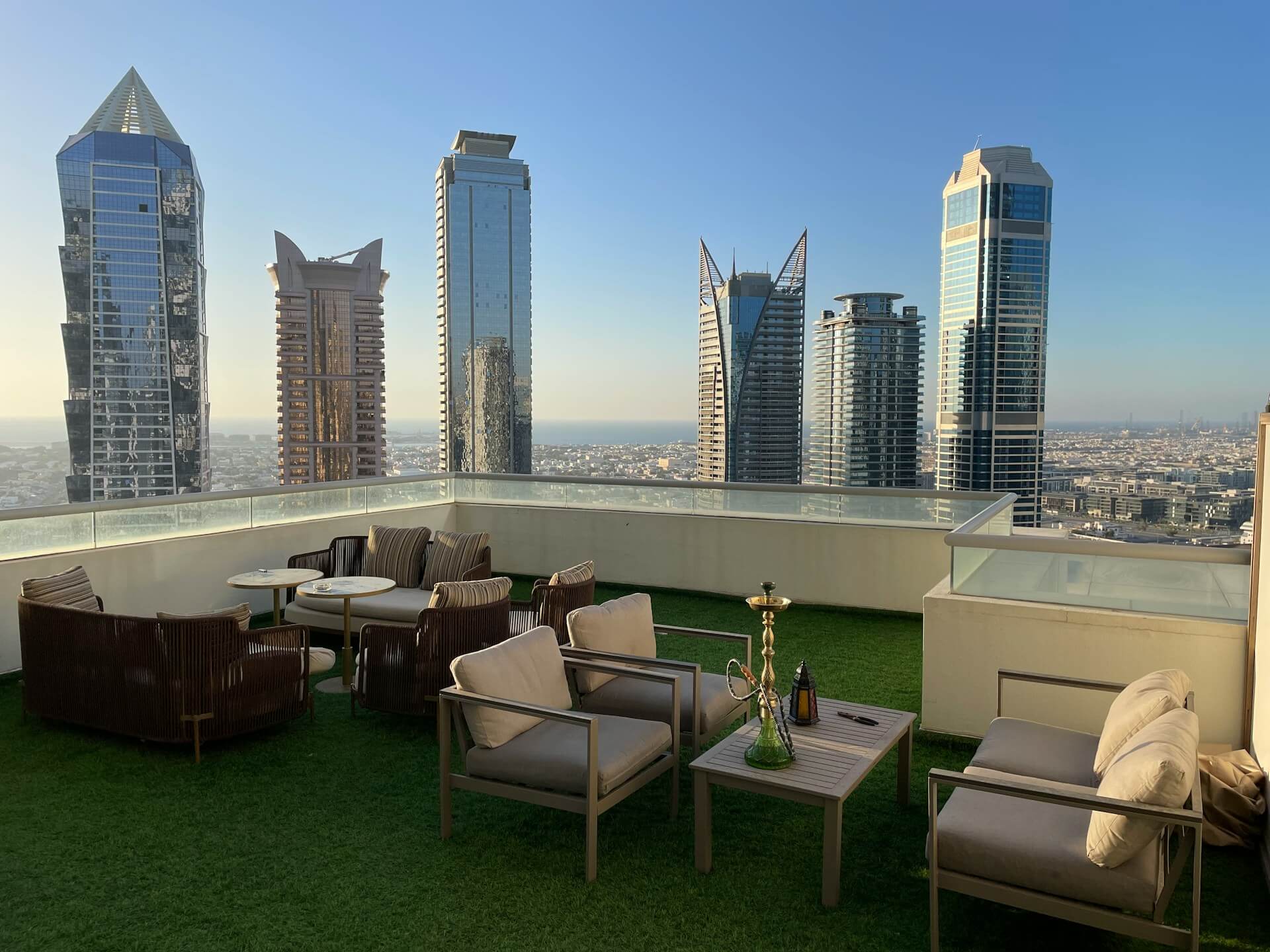
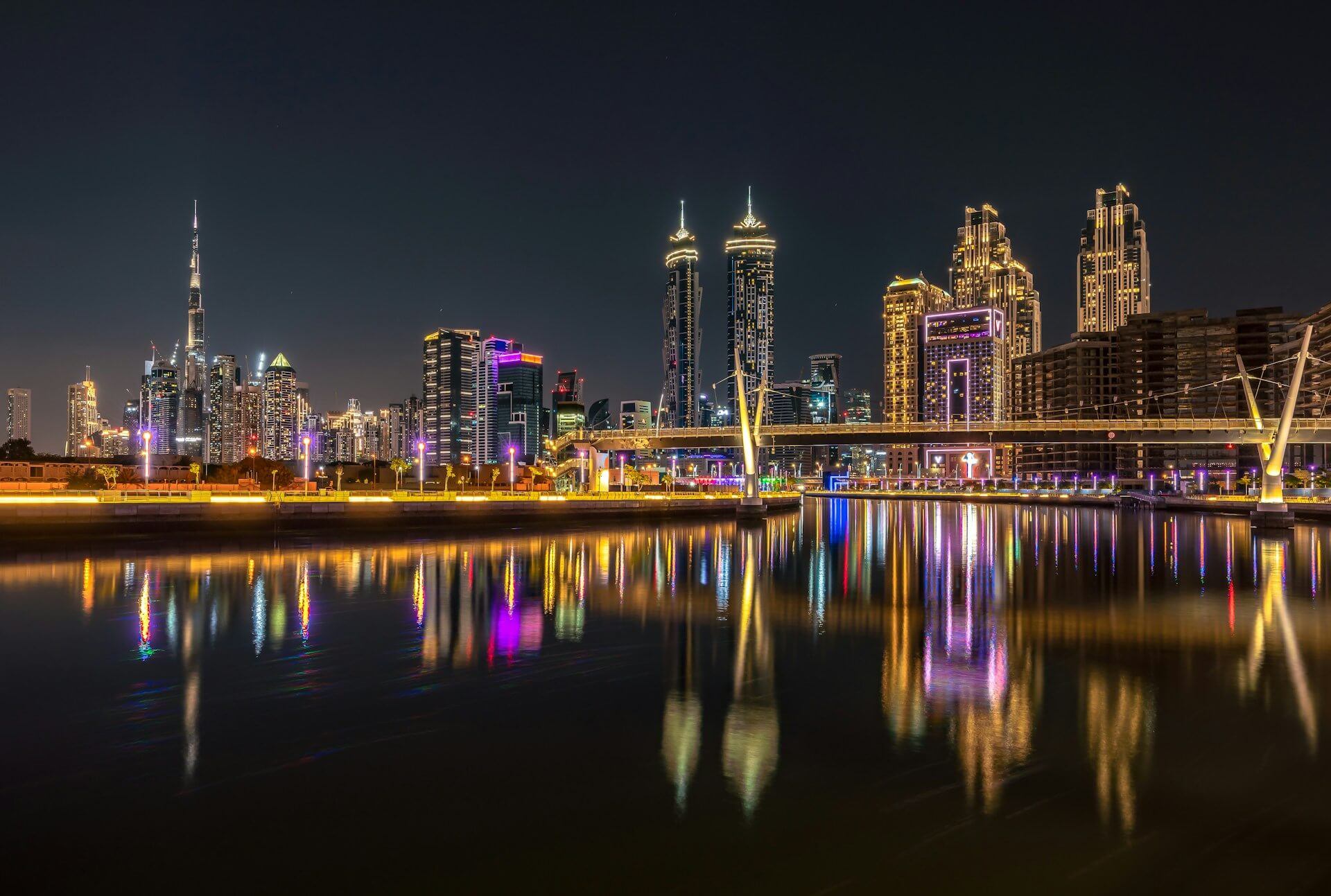
Comfortable long-term and premium rental options across Dubai.
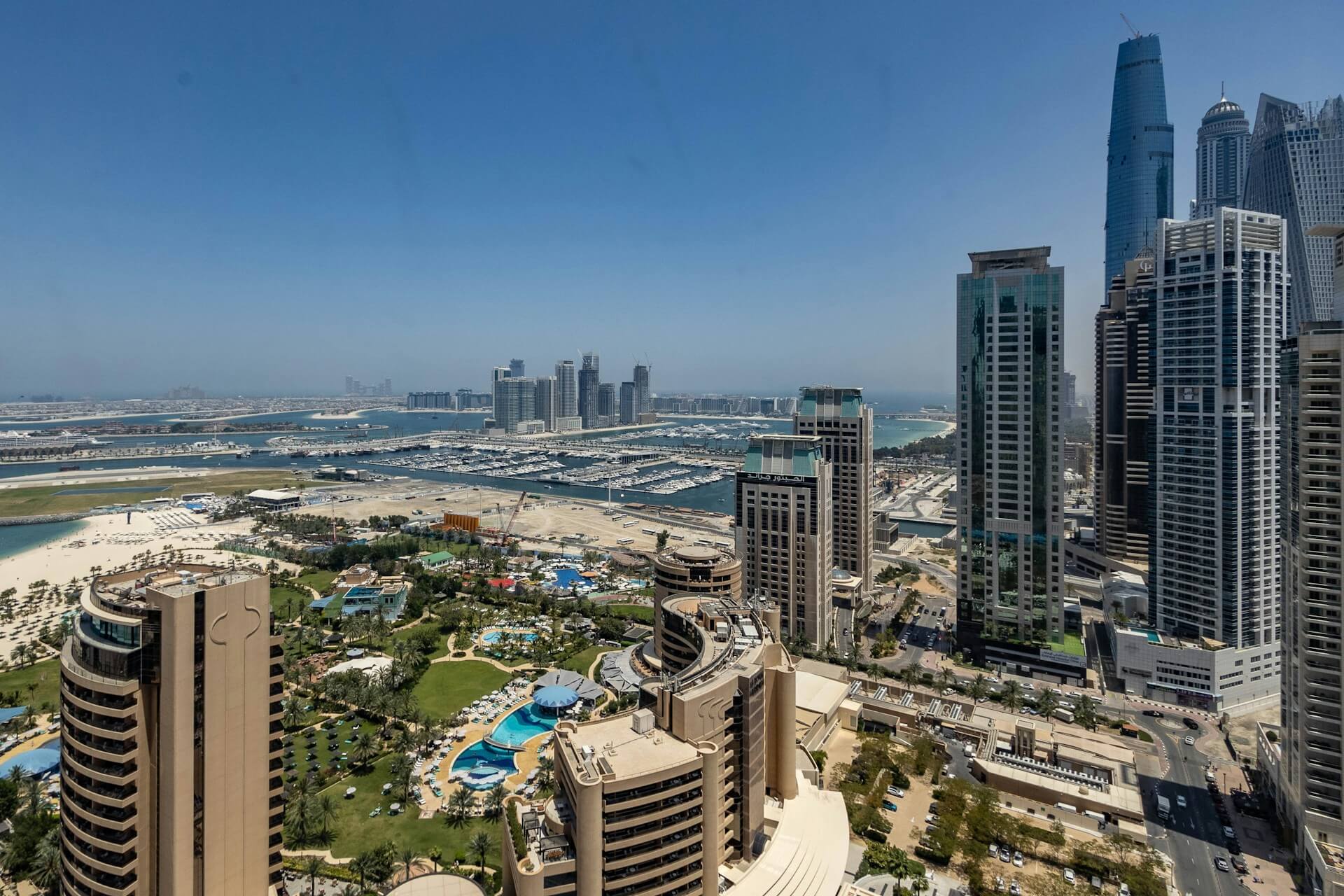
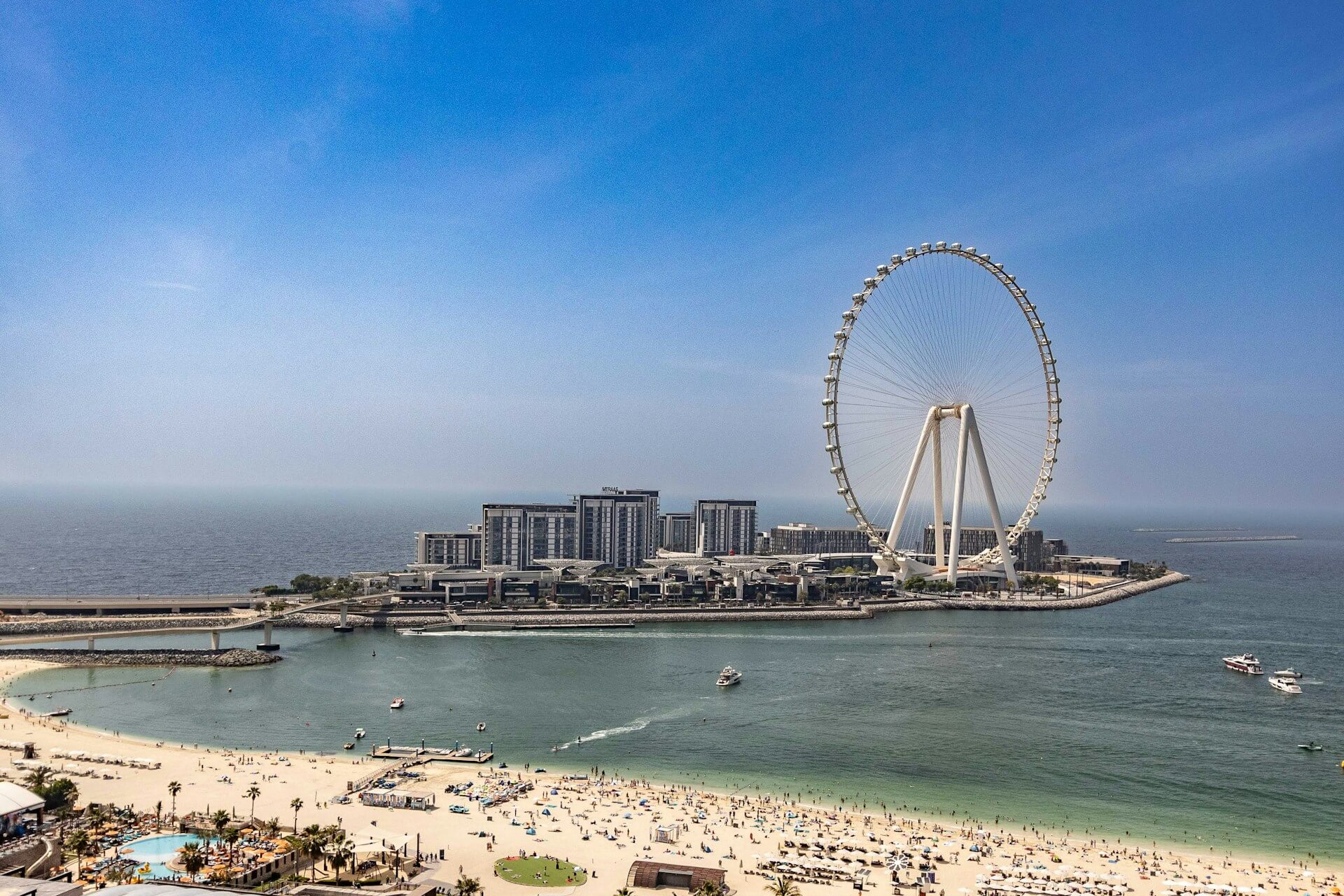
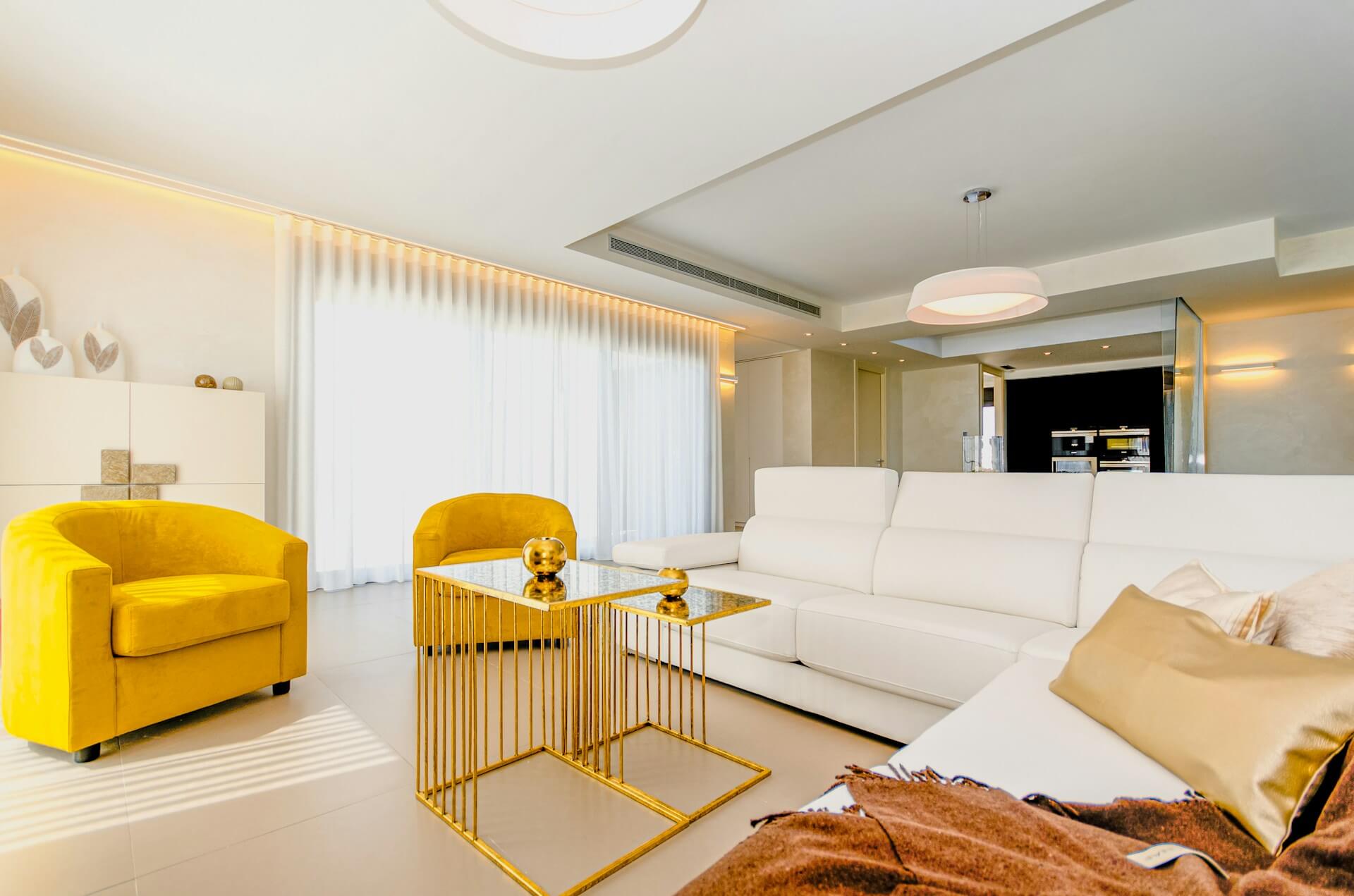
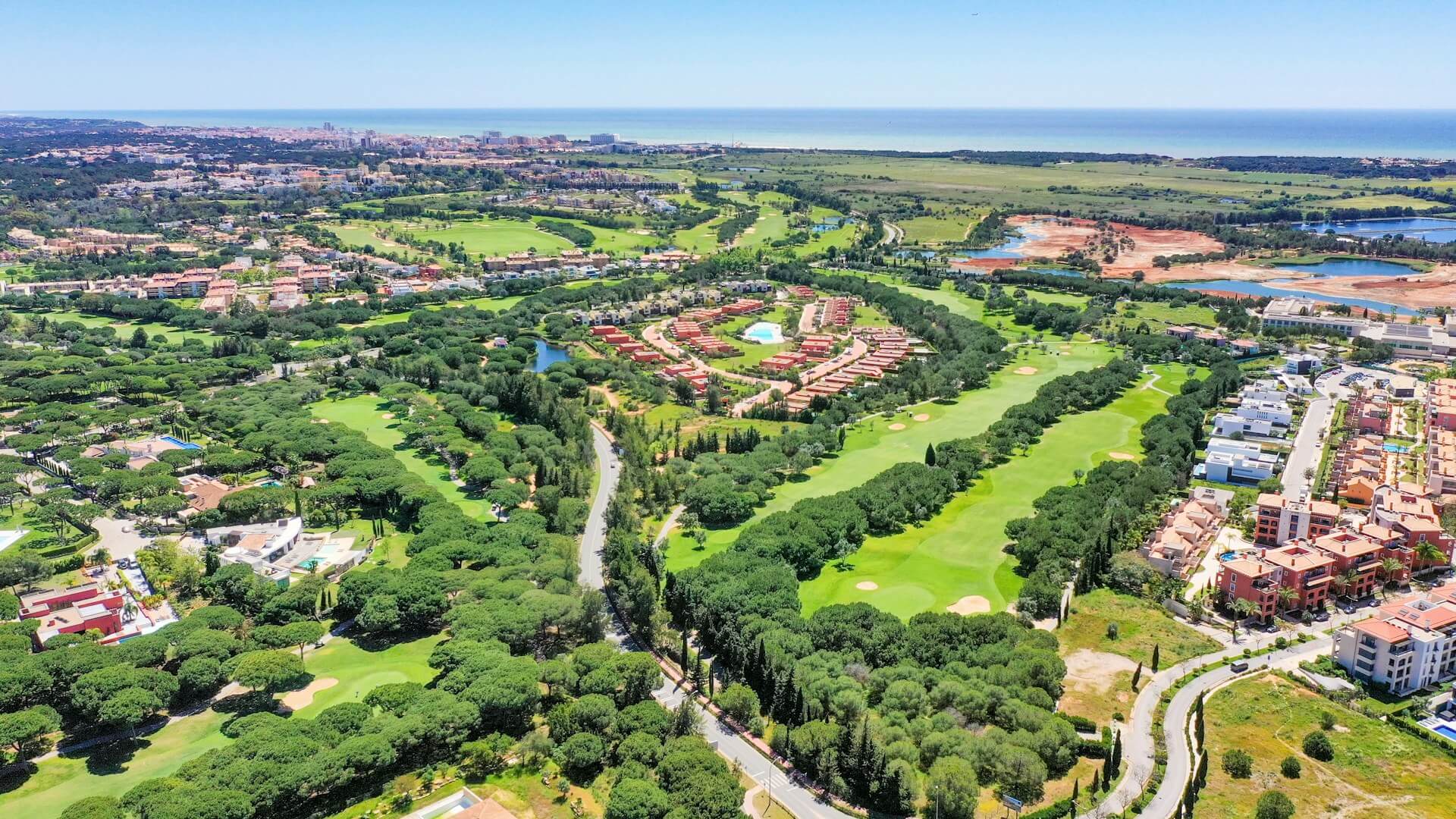
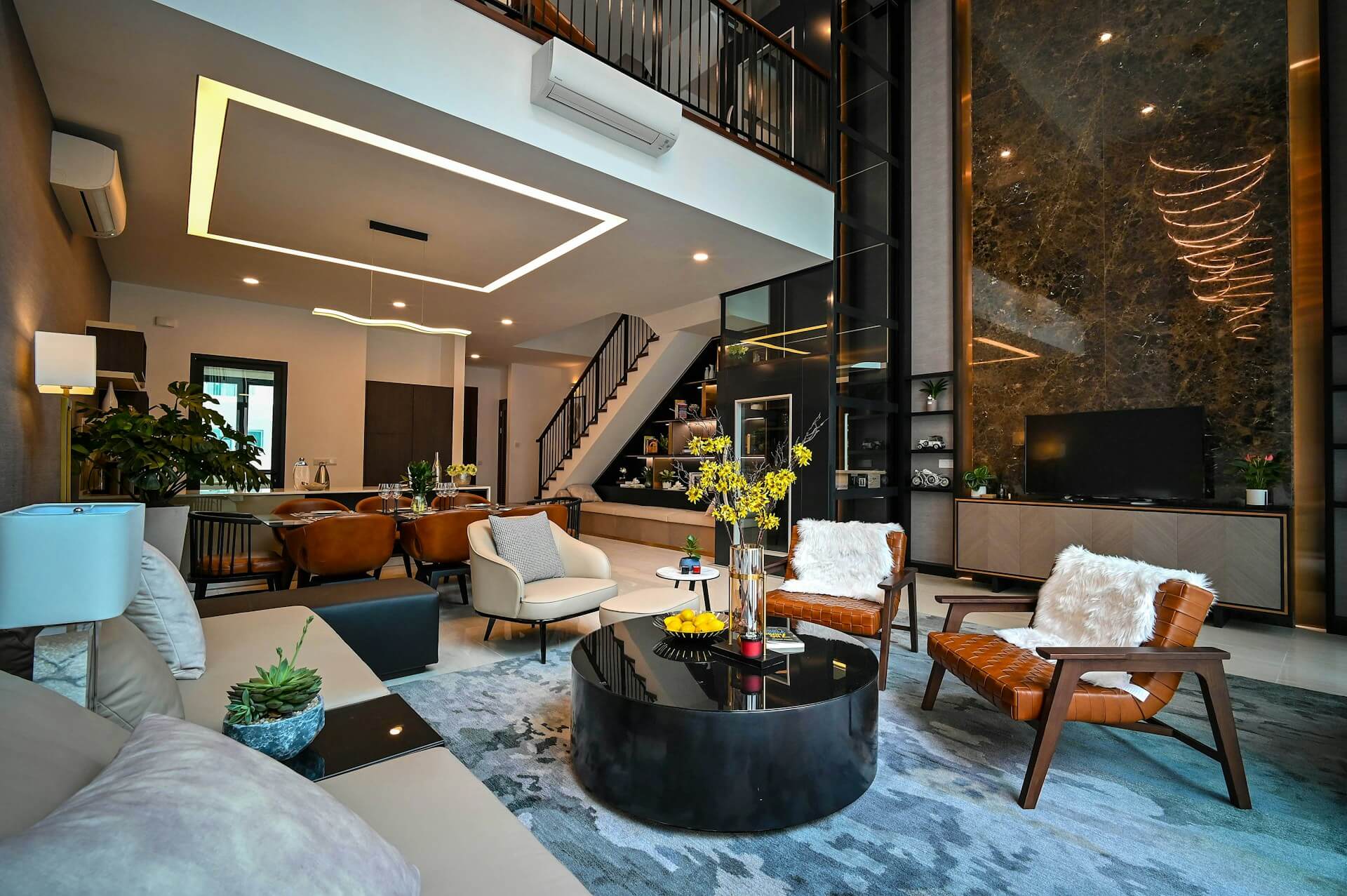
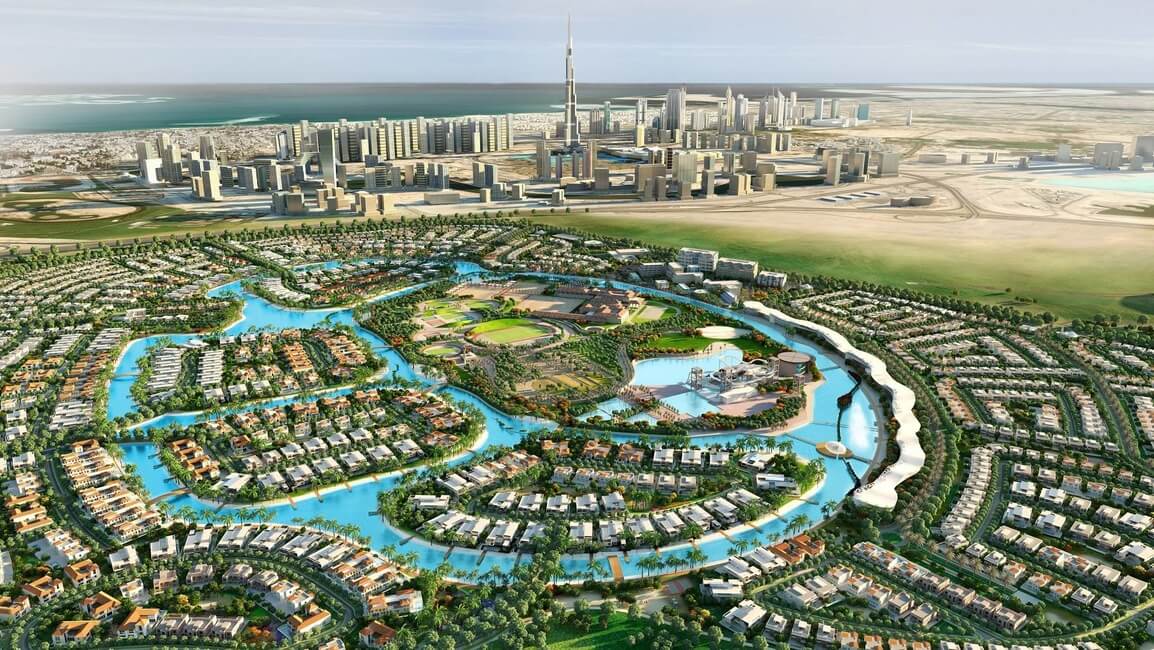
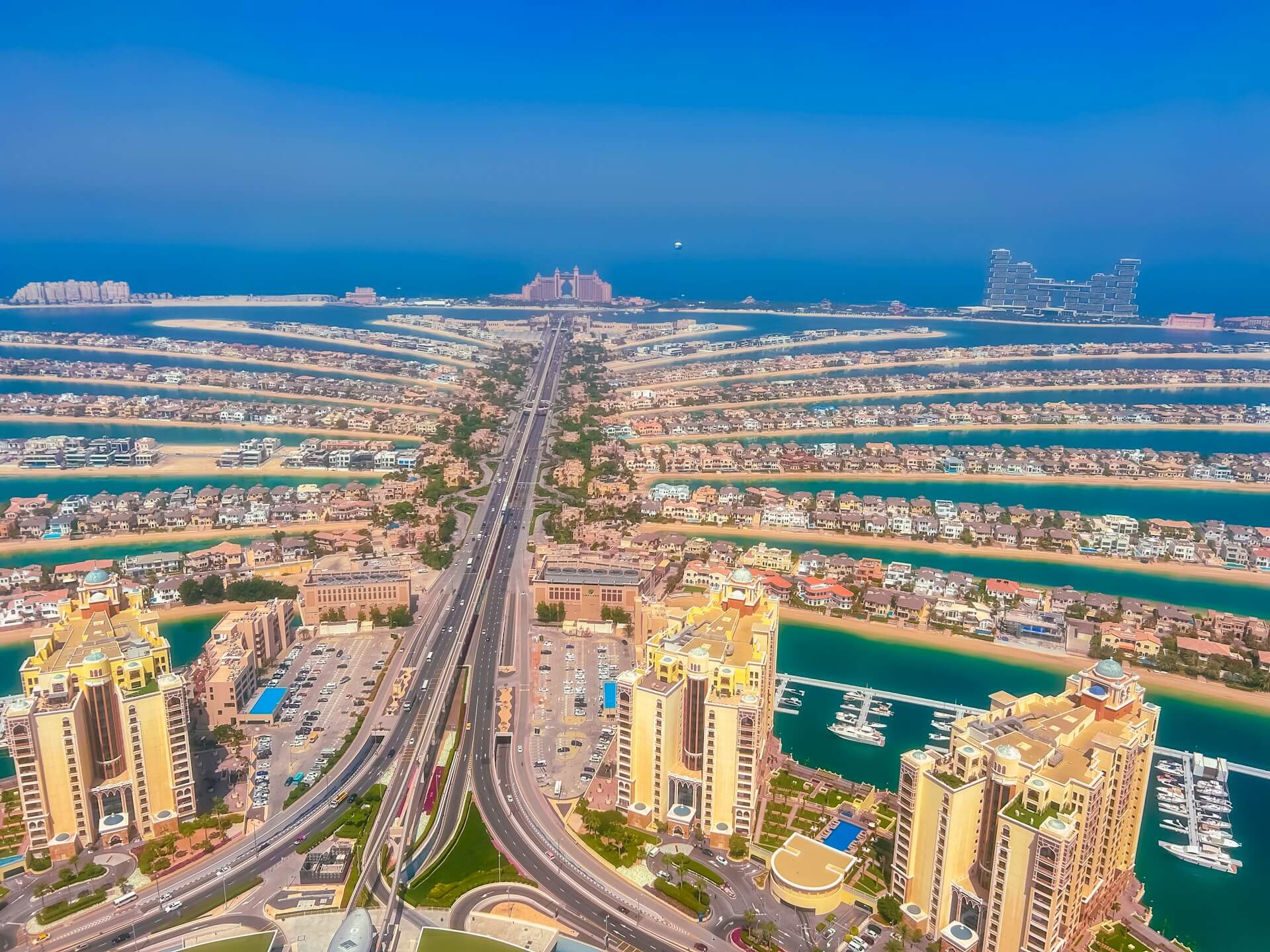
Purchasing a waterfront property on Palm Jumeirah currently requires a minimum capital investment starting from AED 7 million, with liquidity strongest in the mid-range segment between AED 8 to 15 million. Demand peaks among end-users seeking exclusive residences with direct sea access, while rental returns average 5.5% annually, outperforming other luxury enclaves in Dubai due to limited supply and established tourism inflow. Palm Jumeirah sustains investor interest as transaction volumes increased 12% year-on-year, driven by visa reforms and improved financing options.
Dubai’s Palm Jumeirah consistently attracts buyers who prioritize lifestyle combined with asset appreciation.
Compared to alternative waterfront locations such as Dubai Marina or JBR, this island maintains a tighter inventory of detached dwellings, resulting in less price volatility and higher medium-term capital growth rates. The infrastructure enhancements, including upgraded transport links and new retail developments, reinforce the island's appeal for high-net-worth individuals and relocating expatriates.
The entry cost on Palm Jumeirah varies significantly by project and property size.
Smaller detached units start from AED 7 million, while premium offerings exceed AED 25 million, influencing both ROI and holding costs. Market data indicates that properties completed over the past five years deliver better rental yields than older stock due to modern layouts and reduced maintenance expenses. Current financing conditions in Dubai favor buyers with a down payment of 20% to 30%, tightening affordability but supporting price stability on the island.
Immediate capital allocation to acquire a property on Palm Jumeirah starts at approximately AED 4.5 million for mid-sized apartments, with townhouses and beachfront units exceeding AED 10 million.
Penthouse and waterfront mansions often demand from AED 25 million upward, reflecting scarcity and exclusivity.
Investors targeting this territory should allocate minimum equity of 30-40% for mortgage financing, leading to initial investments between AED 1.35 million and AED 10 million depending on property type.
Compared to other Dubai districts, Palm Jumeirah’s entry threshold is considerably higher than Business Bay, where one-bedroom units begin near AED 1.2 million, but lower than Emirates Hills where luxury villas often start beyond AED 20 million.
This pricing positions the island as a mid-to-high tier segment, suitable for buyers with substantial liquidity or flexible loan options.
New launches on the island tend to carry premium pricing due to limited land availability and high construction costs.
Off-plan options start roughly 10-15% below ready inventory, offering budget relief but with delayed income prospects. Secondary market deals provide liquidity advantages but involve premium per square foot rates due to established facilities and immediate possession.
For rental-focused acquisitions, properties priced below AED 6 million concentrate higher tenant demand given affordability among expatriates and professionals relocating to Dubai.
Above this range, rental yields compress, making resale appreciation the primary return driver. Buyers seeking capital preservation must target ready units in mid-tier complexes, while those prioritizing long-term gains may consider off-plan developments due to projected infrastructure enhancements around Palm Jumeirah.
| Apartment (1-3 BR) | 4,500,000 | 30% | 1,350,000 |
| Townhouse | 10,000,000 | 35% | 3,500,000 |
| Beachfront Mansion | 25,000,000 | 40% | 10,000,000 |
Seasonal and international buyers heavily impact acquisition timings, pushing prices during Q1 and Q4 when Dubai opens new visa programs and global events increase visibility.
Price adjustments historically occur in Q2 and Q3, presenting selective buying windows for investors. Palm Jumeirah has maintained price resilience due to minimal new supply, enhancing capital preservation but reducing quick entry opportunities.
Choosing between off-plan and ready properties requires balancing capital lock-in versus immediate rental cash flow.
Off-plan projects here often offer payment plans extending up to 4 years; however, delays and market corrections affect exit timing. Ready units provide steady occupancy, averaging 75-85% yearly based on Dubai Tourism data, and support short-term rental licenses, appealing to professional tenants targeting Palm Jumeirah polo season and major events.
In contrast with Dubai Marina and Business Bay, Palm Jumeirah’s resale frequency is lower, reflecting a niche buyer base prioritizing exclusivity and waterfront views over rapid turnover.
This affects liquidity, which remains lower compared to those urban districts where apartment inventory refreshes faster due to volume.
Investors focusing on turnover speed might consider those alternatives, while high-net-worth buyers focused on lifestyle benefits position Palm Jumeirah at a different strategic level.
Entry capital for a property on Palm Jumeirah starts at approximately AED 6 million for units on the fronds, while prices on the trunk begin around AED 12 million.
For investors seeking better liquidity, properties closer to the trunk enjoy stronger resale activity and attract more end-users due to proximity to Dubai’s mainland. Conversely, frond locations offer larger plots and more exclusivity but face longer resale times and higher vacancy risk.
Within Palm Jumeirah, the trunk area exhibits stronger infrastructure access, including quicker routes to Sheikh Zayed Road and Dubai Marina.
Demand here is driven by buyers prioritizing convenience and short commute times. This supports higher rental premiums and faster tenant placement, especially for corporate clients and expatriates relocating to Dubai.
The fronds provide larger private beachfront territories, ideal for lifestyle purchasers focused on privacy and spaciousness rather than pure investment returns.
However, these benefits come at the cost of limited retail and dining amenities compared to trunk sectors, impacting rental yield and capital appreciation prospects.
Comparison of entry costs reveals that frond properties require roughly 30-50% higher budget allocations than equivalent spaces on the trunk.
For example, a three-bedroom residence on a frond averages AED 8-10 million, while a similar unit on the trunk is closer to AED 5-7 million. Investors with moderate budgets seeking quicker turnover should focus on trunk locales.
From an investment perspective, units near the Crescent benefit from panoramic sea views and access to exclusive facilities, pushing prices up by 15-20%, but they also come with increased supply volatility.
Buyers must weigh higher initial capital against potentially slower liquidity. The western crescent offers newer projects with modern finishes, attracting niche high-net-worth clients but requiring a patient holding period.
Targeting short-to-mid-term rental strategies benefits more from trunk locations due to greater demand from professionals and tourists.
Frond purchases are recommended for end-users prioritizing lifestyle with less focus on immediate income generation. Crescent options align with wealth preservation and exclusive portfolios but carry higher entry thresholds and illiquidity risks.
Infrastructure developments such as the upcoming metro extension and road upgrades surrounding Palm Jumeirah’s trunk are expected to enhance connectivity and attract additional tenancy, driving rental yields by an estimated 5-7% over the next 3 years.
Frond areas lack such rapid transport improvements, marking a key difference for buyers evaluating future income streams.
Avoid choosing properties on the farthest fronds if resale speed and capital preservation matter more than exclusivity. Market data indicates 40-50% lower transaction volumes here compared to central trunk sectors. Volatility spikes during economic downturns impact fringe locations with prolonged vacancy periods reaching up to 6 months longer than trunk properties.
Off-plan availability is predominantly concentrated on the crescent and select frond plots, where risks from project delays and quality variances are higher.
Ready properties on the trunk typically allow immediate rental activation, reducing holding costs and enhancing investment security for new entrants.
In summary, selecting a site within Palm Jumeirah depends strongly on budget, intended holding duration, and target tenant profiles. Buyers with entry capital above AED 6 million and an income-driven approach should prioritize trunk sectors.
For lifestyle purchases with no immediate rental requirement, fronds present superior spatial benefits. Crescent properties, while aspirational, necessitate long-term commitment and significant capital without immediate liquidity advantages.
Current pricing for properties in Palm Jumeirah shows an average entry point of AED 20 million for waterfront standalone homes.
This level is up 8% year-over-year, driven by reduced new supply and increased demand from high-net-worth foreigners relocating to Dubai. The exact keyword "Villa on the Palm" appears here, confirming relevance.
Price appreciation in Palm Jumeirah outperforms other Dubai luxury segments such as Dubai Marina and Emirates Hills by approximately 3-4% annually. Limited land availability on the island restricts new developments, creating a supply deficit that sustains upward price pressure.
Dubai’s visa reform attracting global buyers also fuels this trend exclusively in Palm Jumeirah, where lifestyle and exclusivity remain unmatched.
Entry costs vary significantly within the island: the East Crescent commands premiums of up to 15% compared to the West due to proximity to the Atlantis resort and beach clubs, pushing average prices close to AED 22 million.
South Palma sub-community offers lower entry points near AED 18 million but experiences slower appreciation. This disparity suits buyers targeting capital growth versus those prioritizing initial capital outlay.
Short-term rental income averages 6.5% gross yield in high-demand clusters like Shoreline and Signature Villas areas, exceeding the 5.2% typical in Dubai Marina luxury zones. Liquidity is strongest in ready-to-move-in properties, especially those below AED 25 million, where transaction volumes remain robust.
Off-plan inventory has diminished sharply, removing downward pressure on prices and boosting resale values.
Comparing Palm Jumeirah with alternatives, Emirates Hills attracts more end-users seeking larger plots but has lower rental yields (~4.5%). Downtown Dubai offers higher liquidity but lacks the waterfront exclusivity that supports premium pricing on Palm Jumeirah. Buyers prioritizing investment should weigh stronger ROI and limited supply on this island against volume and faster turnover in Downtown or Business Bay.
Investor activity peaks among buyers from Europe and Asia, leveraging UAE’s Golden Visa rules.
Demand is concentrated in mid-size luxury properties (4-6 bedrooms) where appreciation and rental returns align optimally with entry cost. Ultra-high-net-worth individuals favor custom estates exceeding AED 40 million, though market size is smaller with longer listing periods.
Risk factors include potential regulatory shifts impacting foreign ownership rules and macroeconomic pressures from interest rate hikes affecting mortgage availability. Price volatility is higher in secondary clusters on the island’s outer edges, where amenities and accessibility are less developed.
Resale timing is critical; sales within 24 months of purchase may yield lower returns due to market cooling phases observed in 2022-2023.
Purchases are ill-advised for buyers with limited capital below AED 15 million or those seeking high liquidity and short-term turnover. Speculative acquisitions should avoid unfinished projects lacking strong brand affiliation or community reputation, as price discovery remains uncertain.
Those prioritizing rapid rental turnover might consider Dubai Marina or Downtown instead.
In summary, Palm Jumeirah pricing trends confirm a market favoring well-capitalized investors with a 5+ year horizon targeting waterfront luxury. The island’s scarcity and international appeal sustain price growth above broader Dubai sectors. Entry capital starts at AED 18 million for smaller estates, with optimal ROI clustered in mature, amenity-rich subareas.
Risk tolerance for potential market fluctuations and illiquidity in niche segments is necessary for portfolio balance.
Structural integrity demands primary attention. Examine foundations for cracks or moisture damage, as repair costs on the island can reach AED 150,000–300,000. Prioritize properties with recent engineering inspections or warranties covering structural elements.
Assess outdoor spaces carefully.
Private beachfront access varies significantly across developments within Palm Jumeirah, affecting both privacy and utility fees.
Confirm whether terrace or garden areas have usable square footage exceeding 100 sqm to justify premium pricing premiums commonly above AED 10 million.
Utilities infrastructure must be scrutinized. Given Palm Jumeirah’s reliance on desalinated water and independent electricity substations, verify meter readings align with average consumption benchmarks: 4,000–6,000 kWh/month for comparable residences.
Obsolete HVAC units can add AED 50,000–90,000 in replacement costs.
Review parking availability and security systems. Most standalone homes offer 2–4 covered slots, but some clusters limit spaces, impacting resale. Surveillance coverage and gated access reduce insurance premiums by up to 12% on the island.
Interior finishes and material quality strongly influence valuation stability. Marble or natural stone flooring with at least 80% consistency throughout interiors correlates with faster liquidity.
Confirm that kitchens feature fully integrated appliances from brands like Miele or Sub-Zero, which maintain property value on Palm Jumeirah.
Check for any encumbrances or prior community violations.
Homeowners’ association reports are critical, revealing outstanding fees or disputes that can delay transaction closure and affect priced negotiations by 5–7%. Verify compliance with island-specific regulations on construction timelines and renovation permits.
Technological amenities warrant specific inspection. Fiber-optic internet availability is standard, but smart-home automation integration–lighting, climate control–adds AED 400,000+ to upfront costs, justified only if aligned with long-term occupancy plans.
Landscape irrigation systems should be evaluated for efficiency.
Given the island’s desert environment, automated water-saving landscaping reduces utility expenses by up to 30%. Properties lacking such systems are likely to incur higher operational costs annually.
Evaluate noise insulation and audio privacy. Due to the concentration of hospitality venues nearby, properties with double-glazed windows and soundproofing installations maintain market desirability better.
Neglected acoustic measures can result in a 10–15% discount during resale.
Lastly, inspect outdoor lighting and safety features. LED-based perimeter lighting with motion sensors enhances security and reduces electricity bills. Absence of upgrades in these systems may indicate deferred maintenance or future expenditure, impacting immediate market value.
The Villa on the Palm showcases a unique combination of modern design and traditional elements.
Its expansive glass walls allow for uninterrupted views of the surrounding water, while the structure incorporates natural materials such as stone and wood, blending seamlessly with the environment.
Open-plan living spaces are complemented by carefully crafted outdoor terraces, creating an inviting atmosphere that takes full advantage of the villa’s location.
Although the Villa on the Palm incorporates large windows and open spaces, privacy is maintained through strategic placement of walls and landscaping.
The entrance is secluded, and areas facing neighboring properties feature tinted glass or cleverly positioned greenery. These elements, combined with controlled access points, allow residents to enjoy an airy environment without feeling exposed to outsiders.
The villa offers an array of high-end amenities tailored to comfort and entertainment.
Highlights include a private infinity pool overlooking the water, an outdoor dining area with a built-in grill, a fully equipped modern kitchen, and several spacious bedrooms with en-suite bathrooms. Additionally, there are wellness spaces such as a gym and a spa room, providing a complete living experience within the property.
Designed to be part of its environment rather than separate from it, the villa makes use of large sliding doors and terraces that open directly to the waterfront.
Natural light floods the interiors throughout the day, and materials sourced locally help the building harmonize with the coastal setting. Outdoor spaces flow naturally into indoor areas, encouraging a lifestyle closely connected with nature.
Constructing a villa on a palm-shaped artificial island involves managing factors like foundation stability, access to utilities, and weather resistance.
This project tackles such challenges by using reinforced concrete foundations specifically designed for sandy soil, incorporating sustainable water and electricity systems adapted to island conditions, and selecting materials that withstand exposure to saltwater and wind. Careful planning also ensures smooth transportation of construction materials and connectivity to mainland services.
The villa on the palm stands out through its innovative design that incorporates sweeping curves and open spaces to maximize natural light and panoramic views.
It integrates seamless indoor-outdoor living areas, with expansive glass walls and terraces facing the sea. Additionally, it uses sustainable materials and advanced climate control technologies that blend modern luxury with environmental sensitivity, setting it apart from typical high-end homes.
Clear answers about buying, renting and investing in Dubai property.
Yes. Foreign buyers can purchase freehold property in designated areas such as Dubai Marina, Downtown Dubai, Business Bay, Palm Jumeirah, Dubai Hills and other approved communities.
It depends on your timeline, budget and goal. Buying is usually better for long-term plans, capital growth and rental income, while renting is better for flexibility and easier relocation.
The required budget depends on the area, building quality and property type. More accessible apartments can be found in developing communities, while prime locations and luxury properties require a much higher budget.
In addition to the purchase price, buyers should budget for the Dubai Land Department fee, registration and trustee fees, possible agency commission, mortgage-related costs if financing is used, and ongoing service charges for many buildings.
Yes, many banks in the UAE offer mortgages to foreign buyers. Approval depends on income, documents, deposit amount and the specific property being purchased.
Areas such as Dubai Marina, Downtown Dubai, Business Bay, Dubai Hills, JVC, Palm Jumeirah and Creek Harbour are often considered by investors, but the right area depends on whether your focus is yield, resale value, lifestyle appeal or long-term growth.
Rental yield varies by area, property type, furnishing level and market timing. In practice, many investors look for a balance between strong occupancy, reasonable service charges and sustainable tenant demand rather than chasing headline numbers alone.
Off-plan property is purchased directly from a developer before the project is completed. Buyers often choose off-plan because of payment plans, newer inventory and lower entry prices compared with some ready properties.
A proper review should consider the developer’s track record, payment plan, handover timeline, location quality, future supply in the area and the project’s resale or rental potential after completion.
For ready property, the timeline can move fairly quickly if the price is agreed, documents are prepared and the buyer is ready to proceed. Mortgage purchases usually take longer than cash deals.
Yes, many purchases can be handled remotely with the correct documents and proper support through the process. Remote buying is common for overseas investors and international clients.
The biggest risks are overpaying, choosing a weak location, buying an unsuitable layout, ignoring service charges, or selecting a project with low resale and rental demand. Good selection matters more than marketing promises.
In long-term rentals, rent is commonly agreed for a fixed term and often paid by one or several cheques depending on the landlord, property and negotiation.
Tenants are usually asked for identification and residency-related documents, and the exact set depends on their status in the UAE and the landlord’s requirements.
A security deposit is commonly required before move-in. The amount often depends on whether the property is furnished or unfurnished and should be clearly stated in the rental terms.
In many rental transactions, an agency commission is charged. The amount depends on the deal structure and should be confirmed before signing anything.
Tenants should review the deposit, Ejari registration, utility setup costs, parking terms if relevant, maintenance responsibilities and any conditions related to early termination or renewal.
Yes, negotiation is common. The final result depends on market conditions, the landlord’s flexibility, how long the property has been available and how prepared the tenant is to move forward.
It is important to check the condition of the unit, building quality, noise level, parking, view, maintenance status, contract terms and the reliability of the owner or manager.
Short-term rent offers flexibility and convenience but is usually more expensive. Long-term rent is generally more cost-effective and better suited for clients planning to stay longer.
During an active contract, the agreed rent usually remains fixed. Any increase is generally discussed at renewal and should follow the applicable rules and notice requirements.
This depends on the tenancy contract. Minor day-to-day issues may be handled by the tenant, while major maintenance is commonly the landlord’s responsibility, but the exact wording in the contract matters.
Ejari is the official registration of the tenancy contract in Dubai. It is important for legal recognition of the lease and is commonly needed for practical steps such as setting up utilities.
Yes. Furnished properties can be more convenient and faster to move into, while unfurnished options may work better for longer stays or tenants who want more control over the setup and budget.
We do not rely on random mass listings. We narrow the market based on budget, location, property type, investment goal, lifestyle needs and timeline, so clients can focus only on relevant options.
Yes. Support can include shortlisting, arranging viewings, comparing options, discussing terms, helping with negotiations and guiding the next steps of the transaction.
The best first step is to define the real budget, target areas, purpose, preferred property type and timeline. Once those points are clear, the selection becomes faster, cleaner and much more useful.