
FOR SALE
AED 1,200,000AED 720,000
We help clients buy and rent the right property in Dubai — apartments, villas and investment units matched to budget, area and goals.
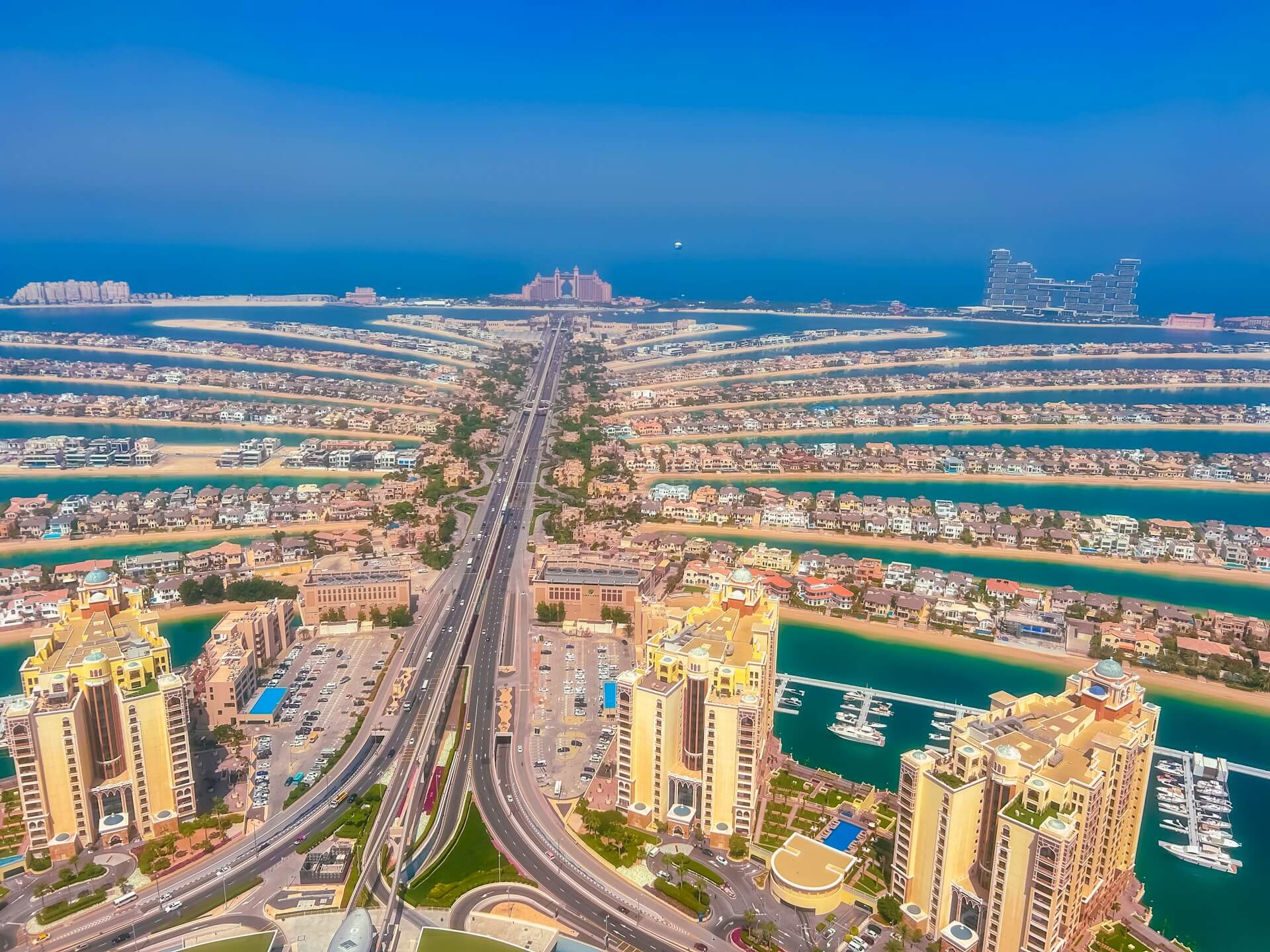
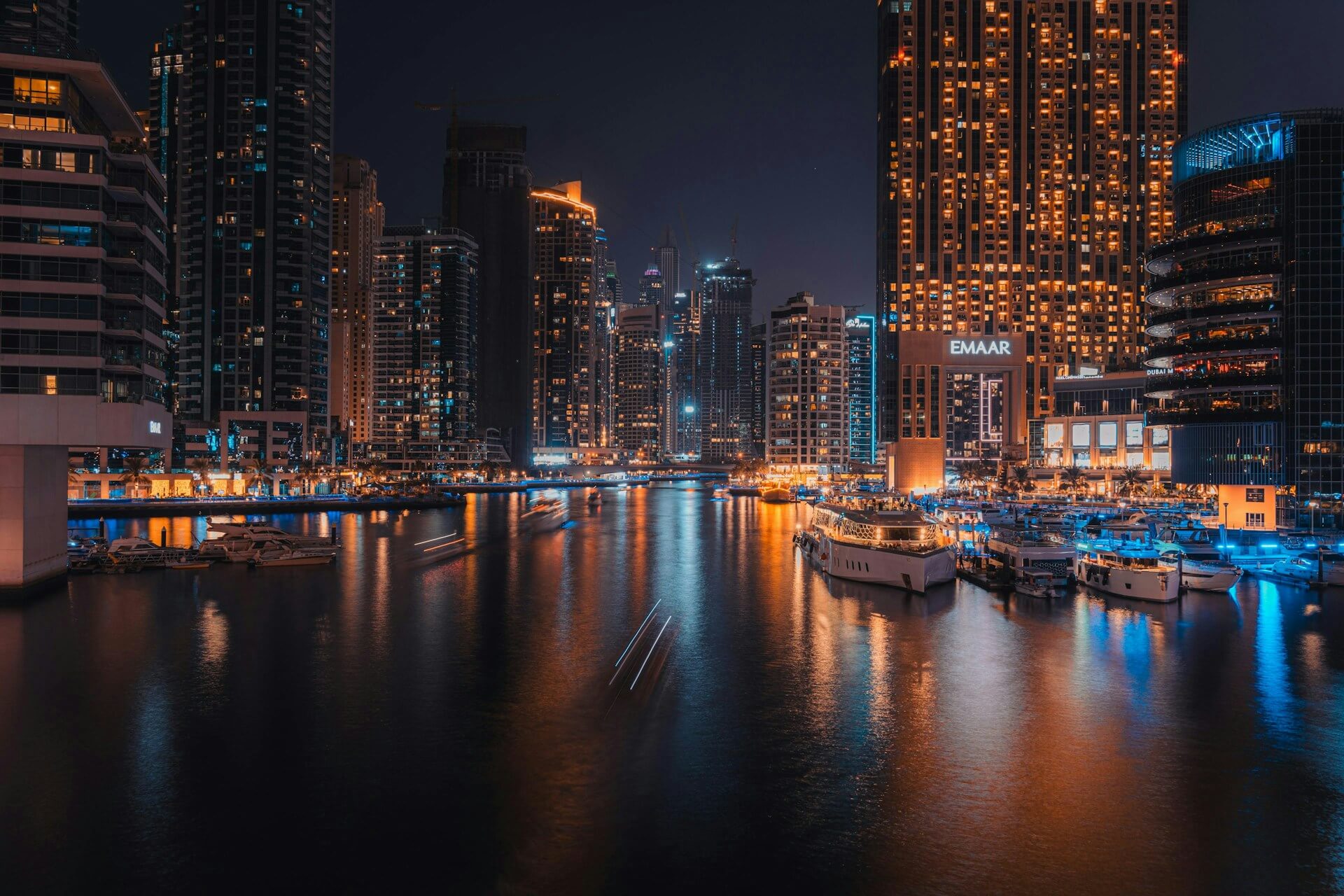
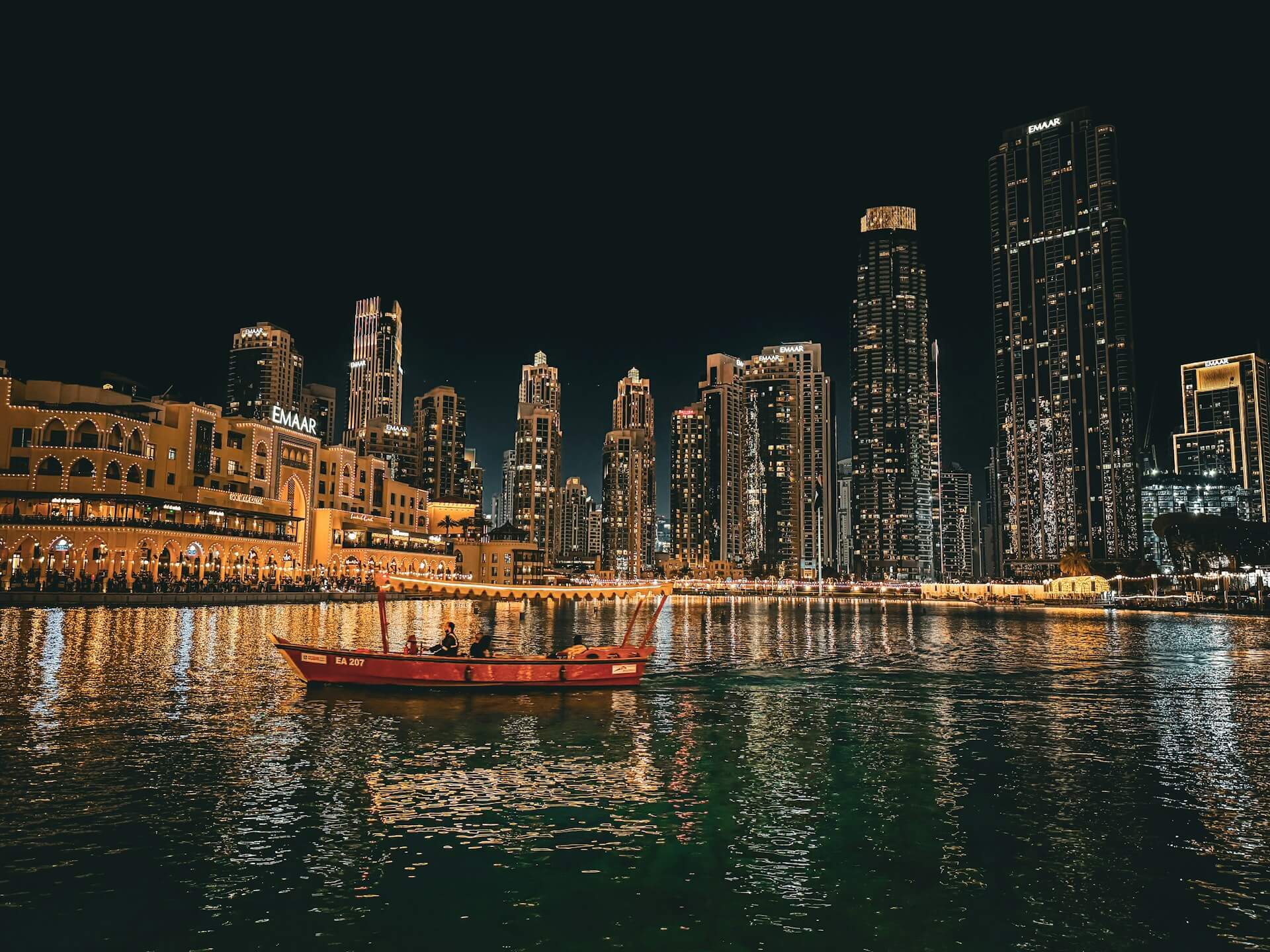
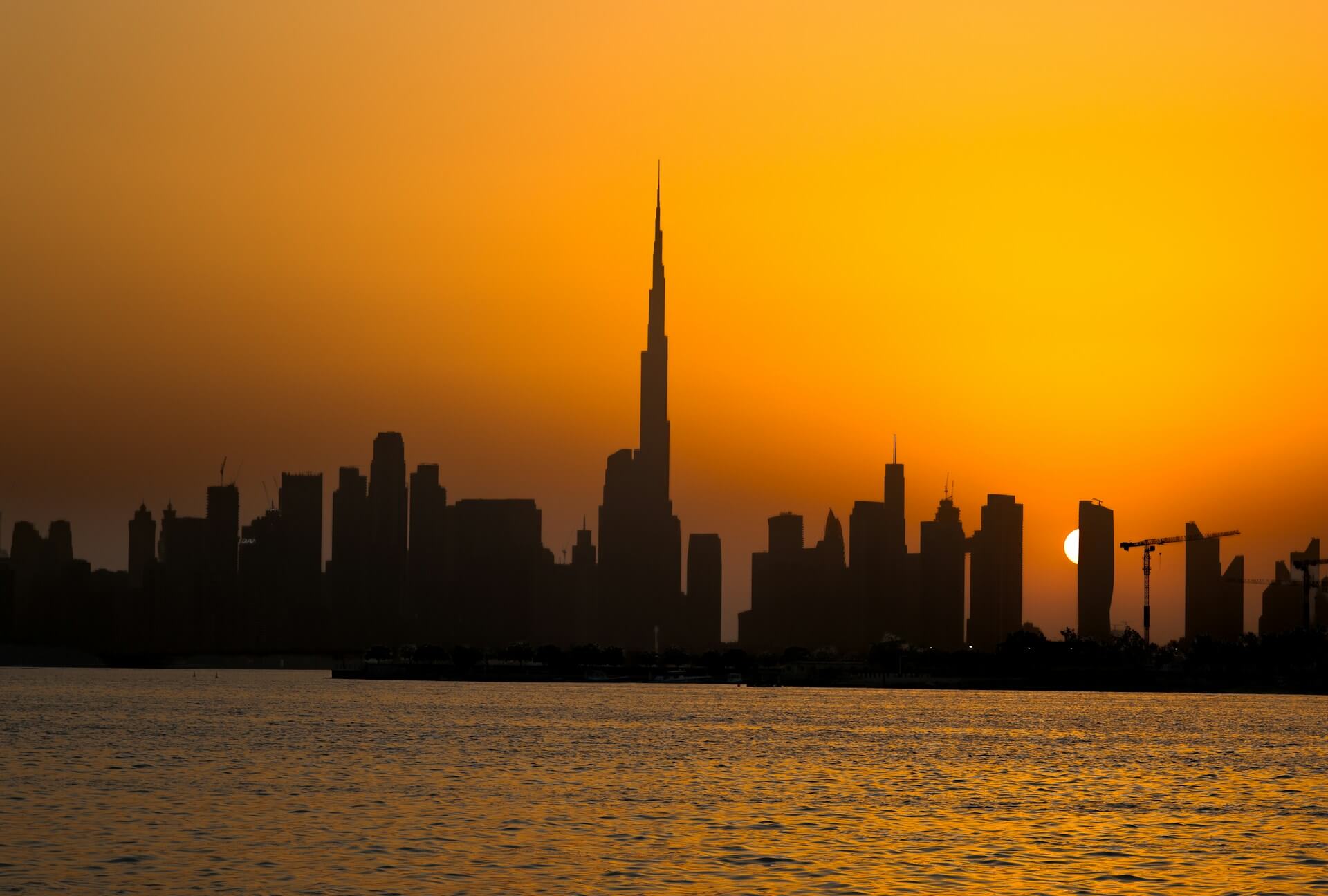
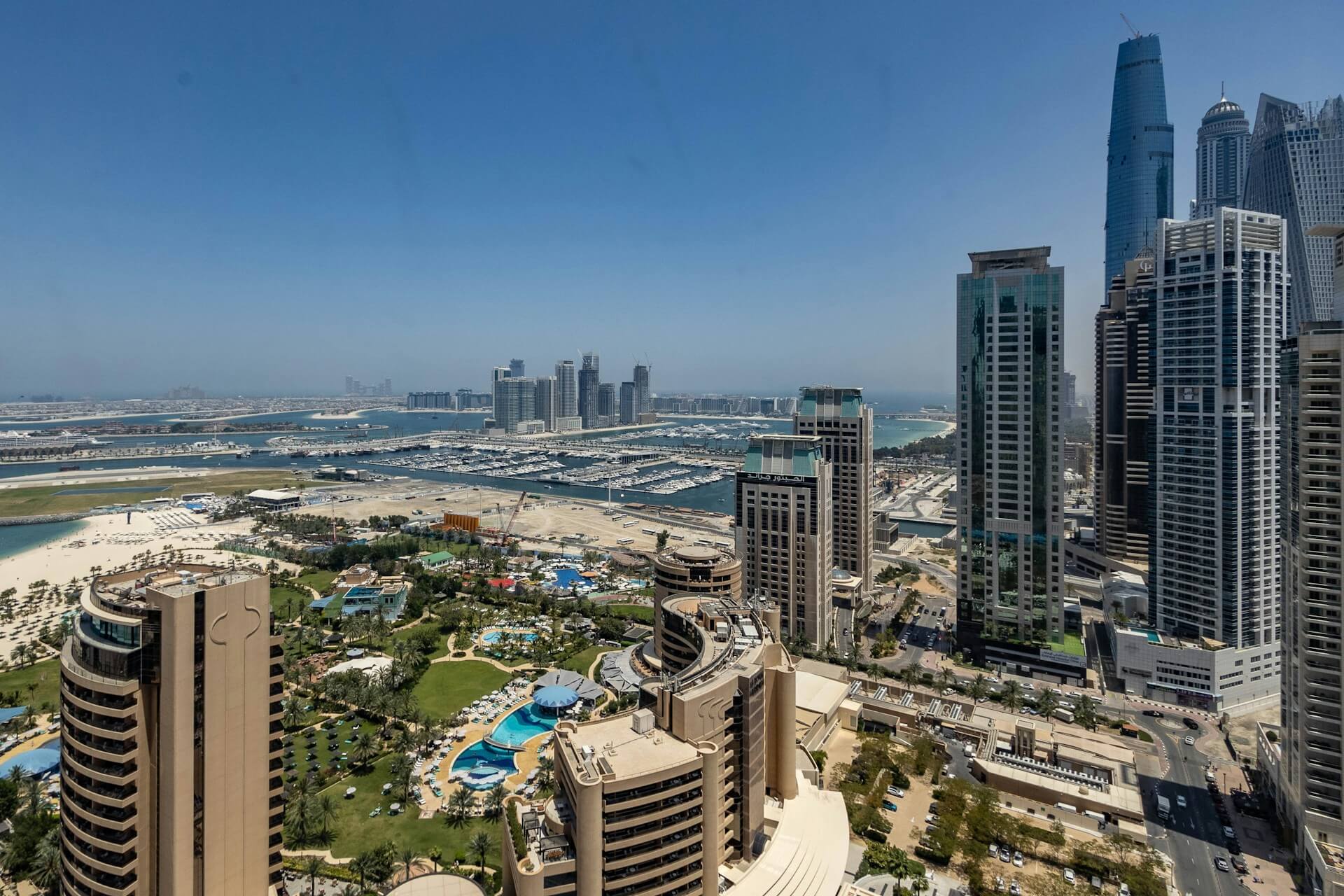
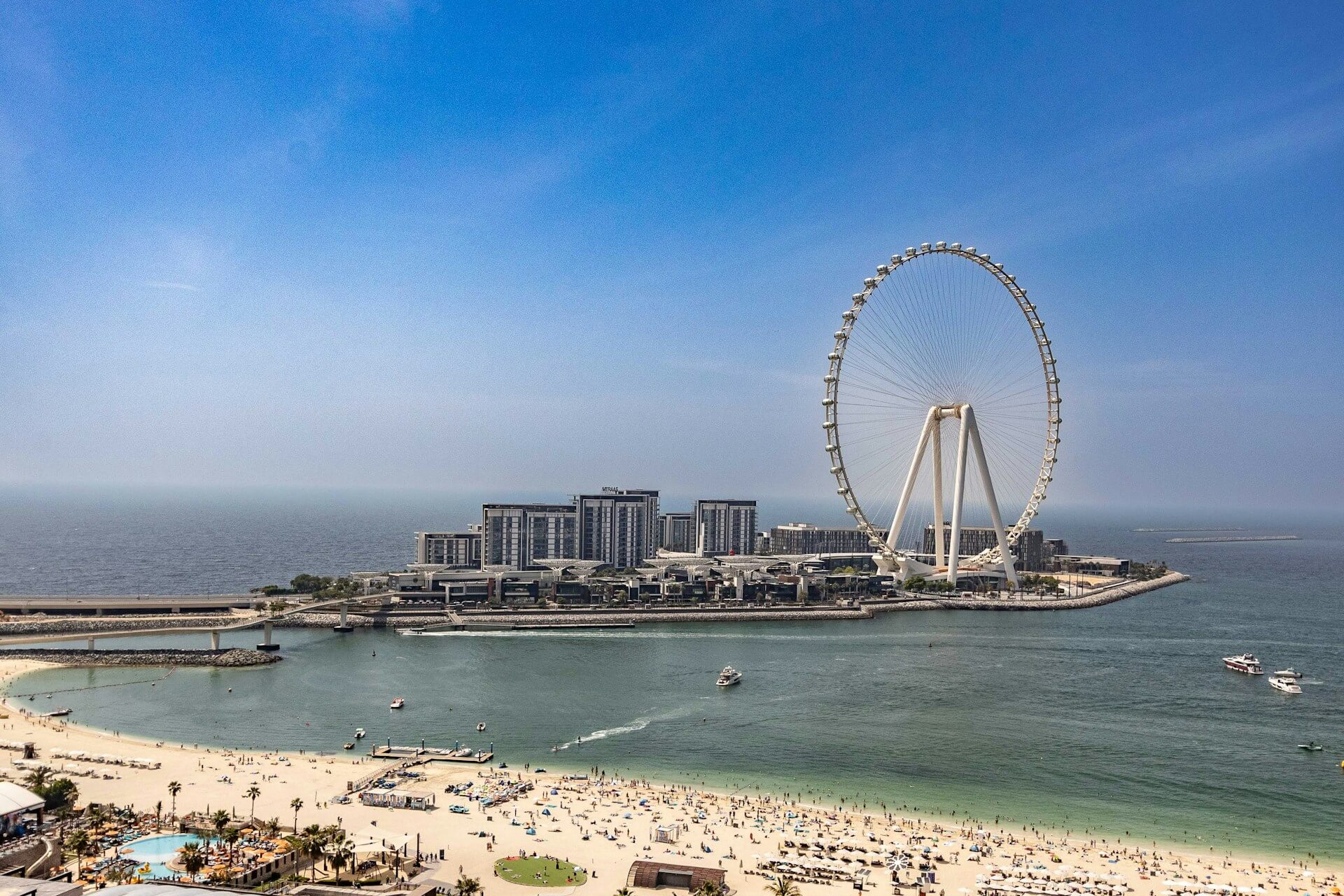
Dubai Property Selection focuses on apartments, villas and investment properties in key areas such as Dubai Marina, Downtown, Business Bay, Dubai Hills and Palm Jumeirah.
Instead of sending a huge list of random listings, we prepare a clean shortlist based on your budget, preferred area, bedrooms, timeline and purchase or rental goals.
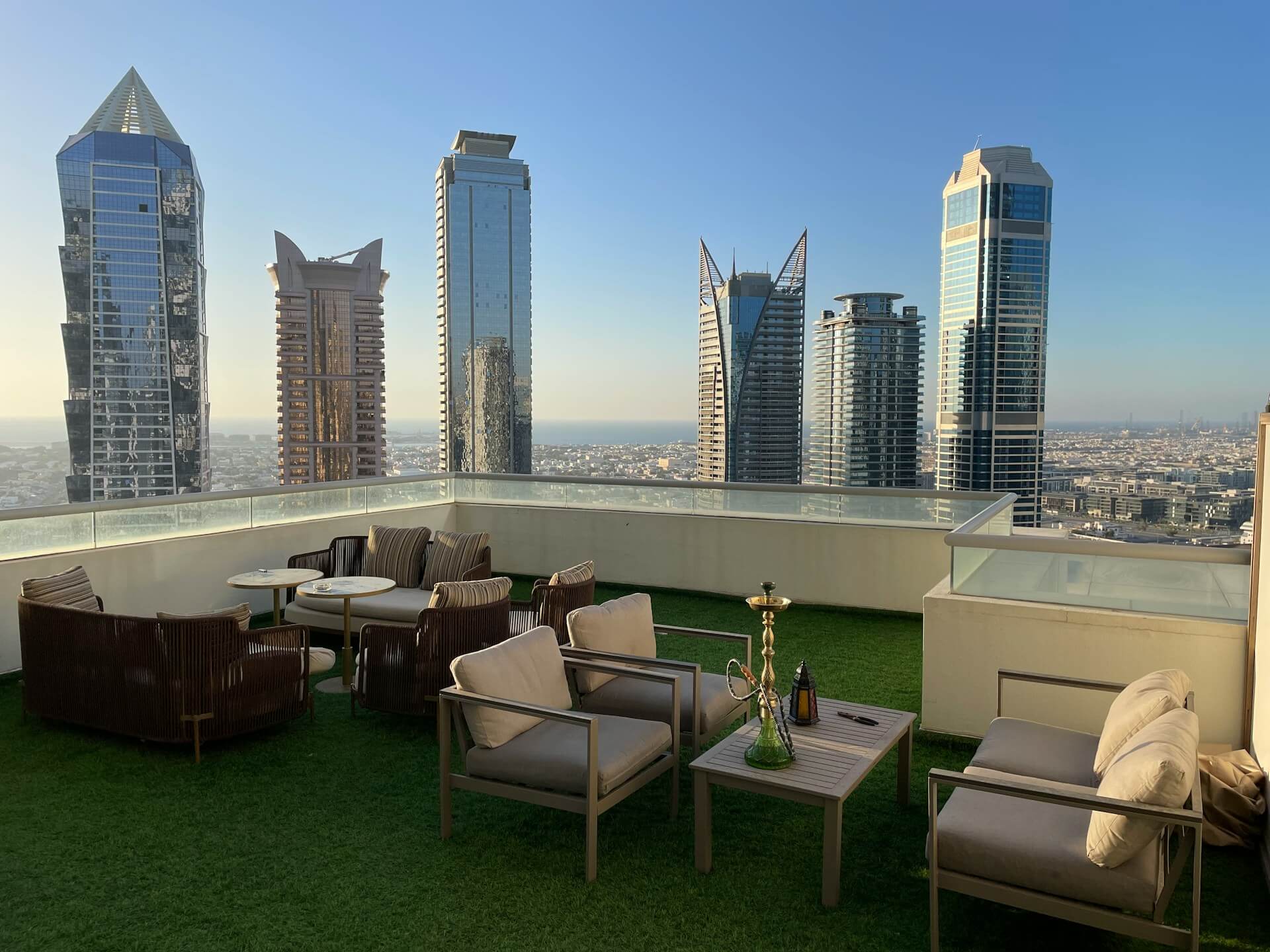
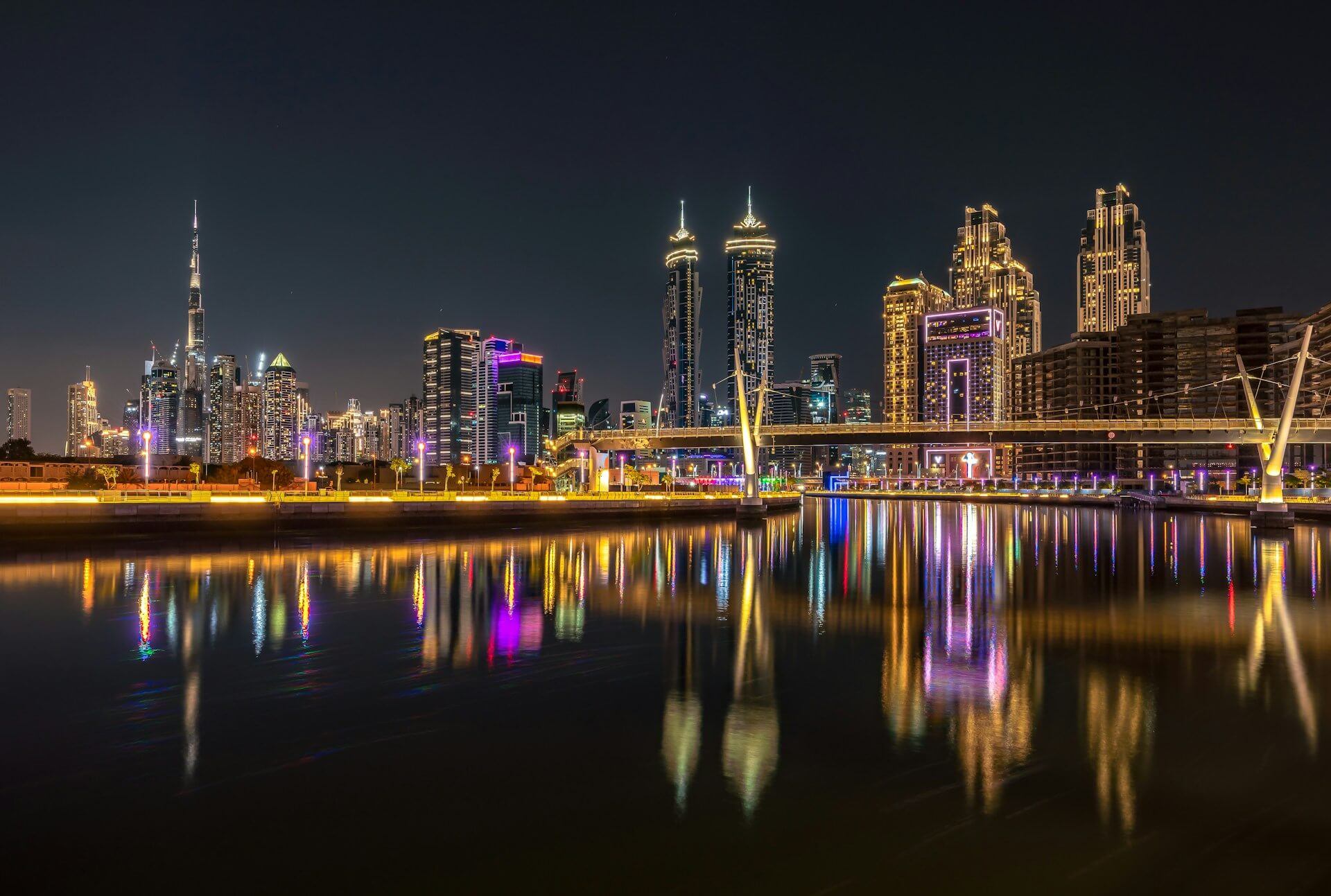
Premium opportunities in Dubai — from compact investment units to signature villas and penthouses.

Comfortable long-term and premium rental options across Dubai.

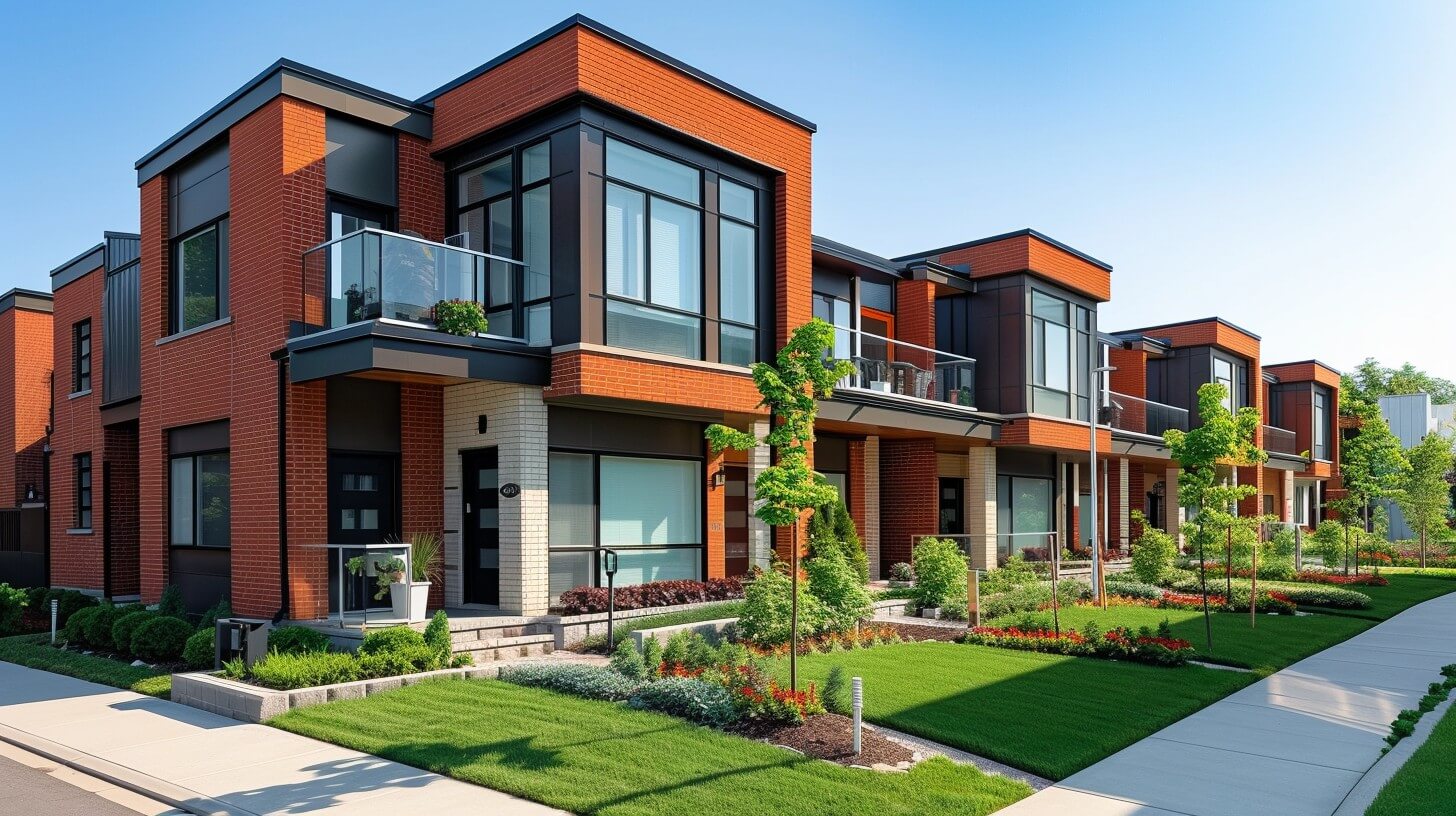

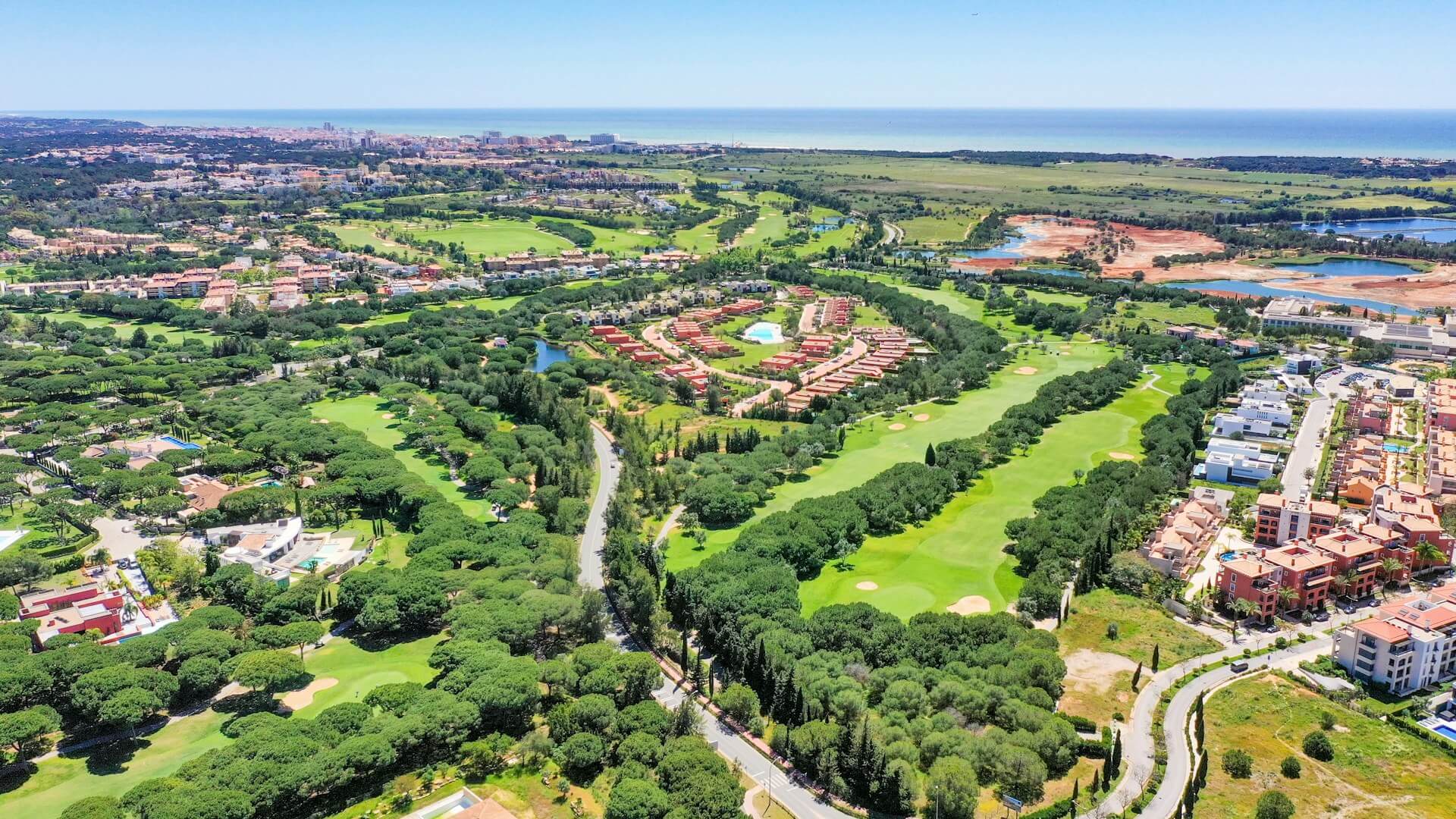
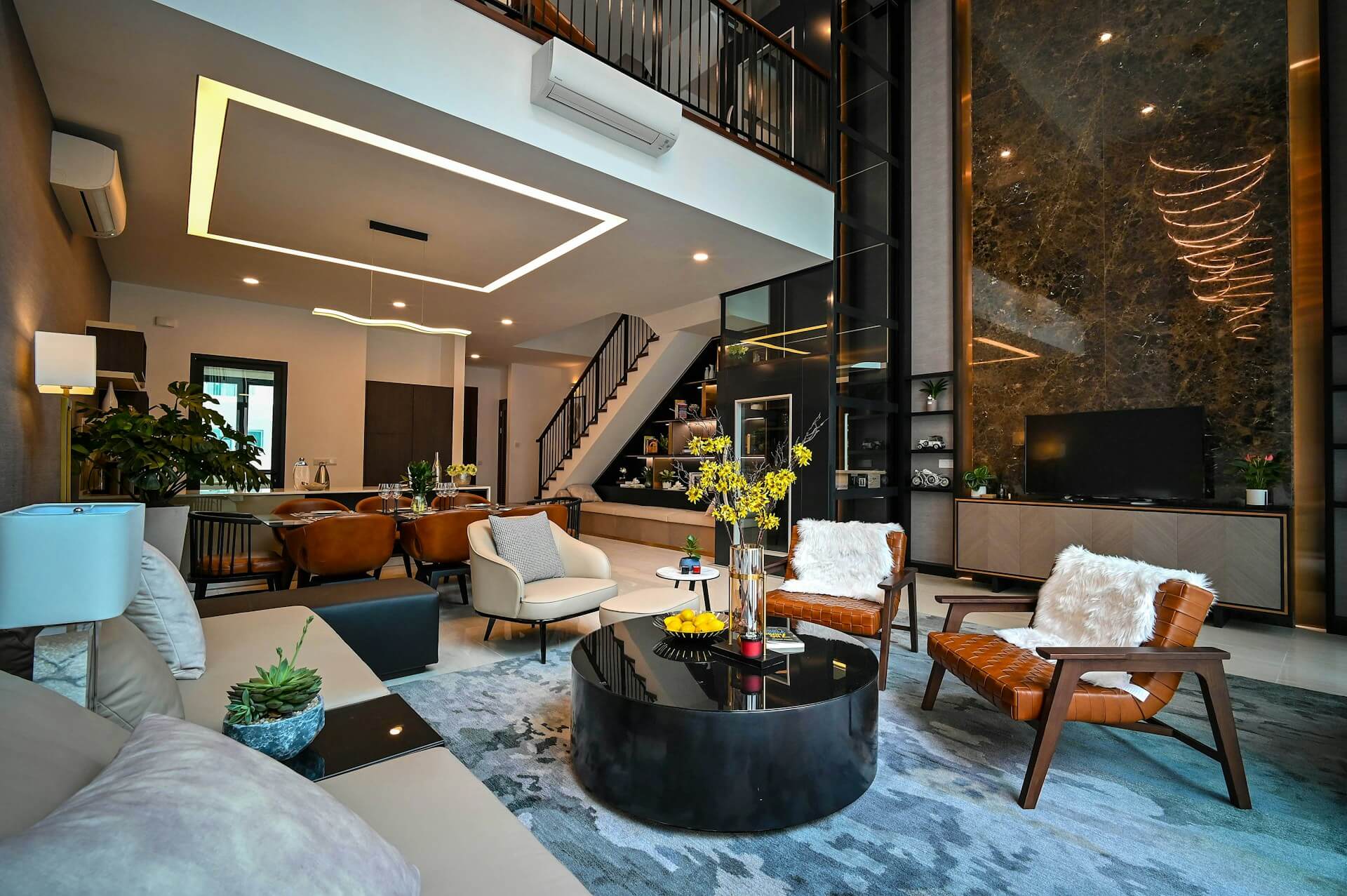
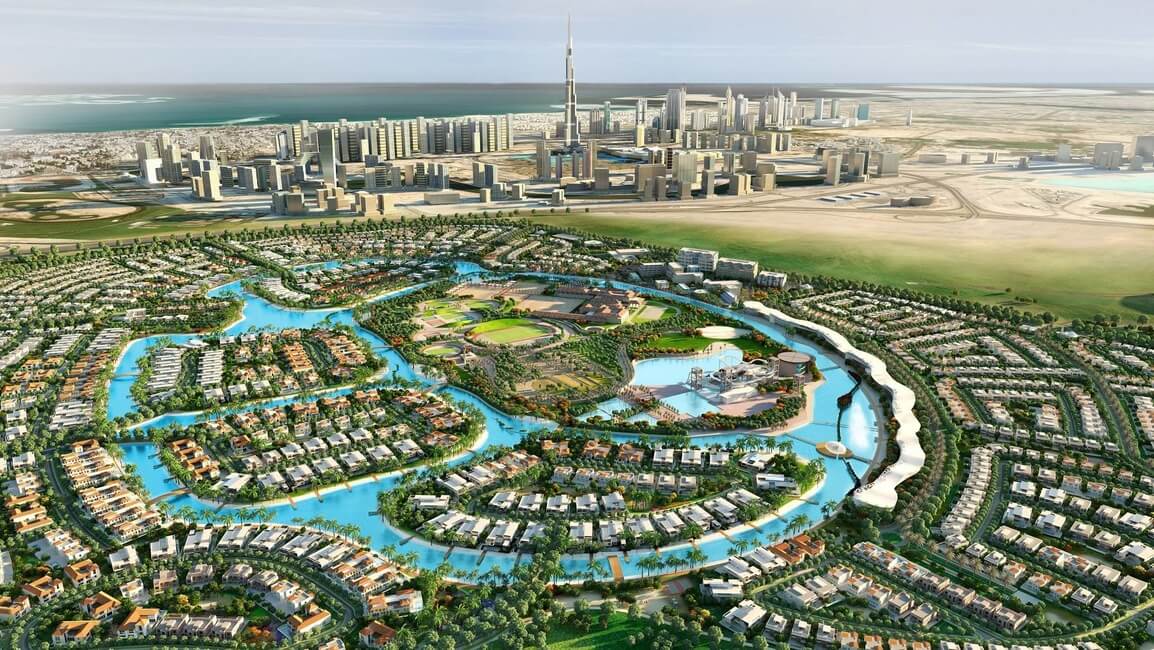
Apartment for sale in Sharjah on installment plan remains a compelling option amid rising demand driven by population growth and visa reforms. Entry capital typically ranges from AED 200,000 to AED 350,000 depending on location and unit size within Sharjah, making it accessible compared to Dubai.
Sharjah offers higher rental yields of approximately 7-8% annually, outpacing many neighboring emirates, with quicker tenant absorption due to ongoing infrastructure projects and expanding commercial hubs.
Demand in Sharjah stems largely from end-users and relocations fueled by affordable housing policies and new free zones encouraging expatriate settlement.
Limited available inventory combined with gradual price appreciation supports sustainable liquidity. Buyers benefit from staggered payment structures easing upfront financial pressure, while projects near Al Majaz and Al Nahda report stronger resale prospects.
Investment viability hinges on selecting developments with ready occupancy certificates and proven rental track records.
Entry costs vary significantly between off-plan launches and completed properties, where premium finishes command steeper down payments. Sharjah’s high occupancy rates reflect a tenant base focused on family housing and longer leases, positioning units here as suitable for investors targeting stable cash flow rather than speculative flips.
Choosing a Sharjah dwelling with an extended payment schedule typically requires an initial down payment ranging from 10% to 20% of the total price, depending on the developer and project tier.
This approach secures access to units in emerging neighborhoods such as Aljada or Mleiha, where prices per square foot start as low as AED 350.
Compared to ready residences in central Sharjah, which demand upfront investments exceeding AED 500,000, phased payment facilities reduce the immediate financial barrier to ownership or portfolio expansion.
Installment structures in Sharjah are often spread over two to four years, with quarterly or biannual installments aligned to project construction milestones for off-plan properties.
This approach differs markedly from limited mortgage availability in the emirate, where conventional lending remains less accessible. Buyers benefit from predictable cash flow management, enabling entry with lower capital without sacrificing future asset value.
Market absorption is strongest for units priced between AED 800,000 and AED 1.5 million, particularly in Sharjah’s Al Nahda and Al Khan districts, where end-users looking for family housing prefer manageable financing terms.
In contrast, luxury developments in Al Majaz command higher down payments and shorter financing horizons, limiting accessibility for mid-tier investors but offering faster capital turnover.
Demand drivers for credit-facilitated purchases link to Sharjah’s growing population–now over 1.4 million–and increasing numbers of residents seeking affordable ownership alternatives near Dubai’s job market. Developers respond with tailored schemes, which can vary by project–from 10% initial payment plus staggered installments, to interest-free options conditioned on completion timelines.
These arrangements outperform cash-only options by attracting a broader buyer base, including first-time purchasers and expatriates with constrained liquidity.
Comparing off-plan and ready properties with deferred payment options requires careful assessment of location-specific appreciation forecasts. Projects in Sharjah’s Al Ramaqia and Al Qasba areas present robust capital growth potential over 5 years due to ongoing infrastructure upgrades and retail development, despite entry capitals similar to less central zones.
Conversely, ready units in Sharjah Industrial Area offer lower price points but slower value appreciation, suitable for yield-focused investors prioritizing rental returns.
Phased payment opportunities should be evaluated against economic risks affecting Sharjah’s real estate demand, such as potential regulatory changes in visa policies or a slowdown in labor-driven population growth. Entrants must consider fallback options if liquidity tightens and monthly installments become burdensome.
Prioritizing developers with proven delivery records and escrow-protected funds reduces exposure to project delays, a significant risk in deferred-purchase scenarios.
For buyers targeting cash-on-cash returns, securing units with post-handover payment schedules in districts with rising rental demand–Aljada’s central precinct, for example–yields net yields in the 6–7% range.
This outperforms older neighborhoods where tenant churn and rental growth stagnate, even if acquisition costs there are marginally lower.
Investors skewing toward capital preservation should prefer ready assets with immediate possession and lease-ready status, despite higher upfront costs.
In sum, securing a property in Sharjah through extended payment facilities offers a viable gateway for budget-conscious purchasers aiming to enter at sub-AED 500,000 thresholds, provided project choice aligns with liquidity and yield objectives.
Larger down payments accelerate equity buildup but concentrate capital risk. Understanding detailed payment timelines alongside district-specific market dynamics is crucial for optimizing acquisition strategies under these flexible financial structures.
To secure a payment-by-increment option in Sharjah, the buyer must present proof of stable income, typically a minimum monthly earning around AED 10,000.
Financial institutions and developers require documented employment contracts or business licenses for self-employed applicants, along with bank statements covering the last 3 to 6 months.
Down payment typically ranges from 10% to 20% of the property's value; readiness to allocate this sum immediately improves approval chances significantly. Developers in Sharjah prefer buyers with a credit score above 650, reflecting financial discipline, which directly influences the structuring of payment schedules.
Residency status affects eligibility–UAE nationals and GCC citizens benefit from more flexible terms, while expatriates often need to secure a valid residency visa linked to their employment or investable funds within the country.
Some developers accept third-party guarantees or salary transfers as additional proof of creditworthiness.
Compared to Dubai, Sharjah's requirements are less stringent on initial deposit size but more focused on consistent proof of income.
Financing approval usually involves debt-to-income ratios not exceeding 40%, ensuring installments align with monthly capacity to avoid default risks.
Applicants with existing loans in Sharjah should maintain a total liabilities ratio below 50% of gross income.
Failure to meet document requirements or financial benchmarks can result in either rejected applications or demands for larger upfront payments.
Preparation of complete paperwork including valid ID, salary certificates, bank slips, and no-objection certificates from employers shortens verification times. Developers often offer tailored schedules but reserve the right to adjust terms based on buyer’s credit evaluation.
To initiate the purchase using an installment arrangement in Sharjah, first verify project eligibility with the developer or authorized agent, ensuring the property’s registration under a deferred payment system.
Confirm the segmented payment schedules, typically spanning 2 to 5 years, which vary by project and affect overall budget planning.
Next, prepare required documentation: a passport copy, valid residency visa in Sharjah or UAE, salary certificate, bank statements for the last three months, and a completed application form. Developers may request a no-objection certificate (NOC) from your current employer if applicable.
Submission of these documents triggers the initial credit assessment to confirm financial capacity without involving traditional mortgage institutions.
After passing eligibility checks, pay the down payment, usually between 10% and 20% of the property’s total cost.
This amount secures your booking and initiates the contractual phase. Keep in mind that in Sharjah, upfront capital requirements are generally lower compared to Dubai, making entry thresholds more accessible for mid-budget buyers.
Sign the preliminary agreement outlining payment installments, timelines, and penalties for delayed payments. Legal review is advised since terms can vary significantly based on developer policies and project type – off-plan projects typically have longer payment durations than ready units.
Once the contract is executed, installments commence according to the agreed schedule.
Payments are generally quarterly, but some developers offer monthly options. Ensure strict adherence to avoid default consequences, including late fees and potential cancellation.
Throughout the installment duration, maintain regular communication with the developer’s finance or customer service department to obtain updated statements and confirmation of paid amounts.
Request detailed invoices with date stamps to prevent any disputes.
Finally, upon full payment, the title deed transfer process begins. Coordinate with the developer and Sharjah Real Estate Registration Department to finalize ownership paperwork.
Be prepared to cover related fees such as registration charges (typically 2% of the property price) and any service fees stipulated in the agreement.
| Eligibility Check | Submit documents, credit evaluation | Passport, visa, salary proof, bank statements | None |
| Down Payment | Pay initial booking amount | 10%-20% of total property value | Upfront capital |
| Contract Signing | Review and sign payment agreement | Legal advices recommended | No extra cost, except legal fees if any |
| Installment Payments | Follow payment schedule strictly | Quarterly or monthly payments | Periodic installments |
| Ownership Transfer | Complete deed registration | Coordinate with developer and authorities | Approx.
2% registration fees plus possible service charges |
When opting for a deferred purchase agreement in Sharjah, expect a structured payment timeline spanning 3 to 5 years on average. Initial down payments usually range between 10% and 20% of the property's total cost, with a few projects demanding up to 30% upfront depending on the developer’s policy and project status.
The balance is divided into equal quarterly or semi-annual installments.
For instance, a 5-year term often involves 20 fixed payments after the deposit, simplifying cash-flow management for buyers. Some schemes incorporate a post-handover payment phase extending 1 to 2 years beyond completion, reducing pressure before full ownership transfer. This tail period is advantageous but may incur slightly higher cumulative cost due to extended credit exposure.
Comparing across Sharjah’s projects, off-plan developments usually offer longer durations–up to 7 years–with lower down payments starting at 5%, targeting investors seeking minimal immediate capital.
Completed properties tend to have shorter terms and higher initial deposits for quicker turnover. This affects liquidity: longer schedules ease entry but delay full asset control, while shorter ones suit end-users needing fast possession.
Buyers should monitor early installment flexibility.
Some developers allow partial prepayments without penalties, enabling accelerated amortization and interest savings where applicable. Conversely, rigid schedules may trap capital for extended periods, impacting investment diversification or resale decisions.
Additionally, value-added charges such as service fees or administrative costs are often split evenly within the installments or billed separately upfront. Clarifying these elements avoids surprises in cash flow planning.
Duration alignment with personal financial capacity and exit strategy remains critical; an overstretched term increases exposure to market fluctuations in Sharjah’s evolving property sector.
Securing ownership through a deferred payment arrangement in Sharjah mandates submission of precise documentation to ensure compliance with local regulations and smooth transaction flow.
Buyers should also prepare certified attested copies of any power of attorney if a third party acts on their behalf.
Delays or missing papers in any items listed not only stall approvals but also increase risk exposure.
Comparatively, regulations in Sharjah enforce more stringent documentation than some other emirates, emphasizing secure title transfer and clear financial vetting on deferred payment acquisitions. Understanding these requirements allows investors to allocate proper time and resources upfront, avoiding costly administrative setbacks.
Purchasing an apartment through an installment plan in Sharjah allows buyers to spread the total payment over a period of time, making it more affordable.
This approach reduces the immediate financial burden and helps in managing budgets more efficiently. Additionally, many developers offer flexible payment schedules, making it easier for individuals or families to plan their finances without the need for a large upfront sum.
Typically, a buyer pays a down payment initially, which can range between 10% to 20% of the apartment’s price.
The remaining balance is divided into monthly or quarterly payments across an agreed period, often spanning several years. Contracts will specify the payment dates, amount, and other obligations. It’s important to review these terms carefully before committing, as adhering to the schedule helps avoid penalties or additional fees.
While many developers offer installment options, eligibility often depends on factors such as residency status, proof of income, and credit history.
Some installment plans may require buyers to be UAE residents or have bank guarantees. It’s advisable to consult with the developer or a real estate agent to understand specific criteria and required documentation before initiating the purchase.
Installment plans are offered for a variety of apartments in Sharjah, ranging from studios to larger multi-bedroom units.
These units are often located in newly developed areas as well as established communities. Depending on the developer, amenities like parking, swimming pools, gyms, and green spaces might be included, providing options that fit different budgets and lifestyle preferences.
Verifying a developer’s reputation is important before entering into an installment agreement.
You can check their track record by looking into completed projects, customer reviews, and any industry awards. It’s also useful to confirm that the development is registered with Sharjah’s real estate regulatory authorities. Consulting trusted real estate agents or legal advisors can further safeguard your interests and help avoid potential issues.
The payment structure usually involves an initial deposit followed by monthly or quarterly installments over a period ranging from one to five years.
The initial down payment often represents 10–20% of the total property price. After that, the remaining amount is divided into smaller, manageable payments, allowing buyers to spread the cost over time without needing a full loan upfront. Some developers may also offer flexible schedules or deferments depending on the project stage.
Buyers should be aware that apart from the installment payments, there may be extra charges such as registration fees, agency commissions, and maintenance costs.
Additionally, certain projects might include a service charge covering shared facilities. It is also important to check if there are penalties for late payments or any clauses that could affect contract terms.
Understanding these factors will help avoid unexpected expenses during the purchase process.
Clear answers about buying, renting and investing in Dubai property.
Yes. Foreign buyers can purchase freehold property in designated areas such as Dubai Marina, Downtown Dubai, Business Bay, Palm Jumeirah, Dubai Hills and other approved communities.
It depends on your timeline, budget and goal. Buying is usually better for long-term plans, capital growth and rental income, while renting is better for flexibility and easier relocation.
The required budget depends on the area, building quality and property type. More accessible apartments can be found in developing communities, while prime locations and luxury properties require a much higher budget.
In addition to the purchase price, buyers should budget for the Dubai Land Department fee, registration and trustee fees, possible agency commission, mortgage-related costs if financing is used, and ongoing service charges for many buildings.
Yes, many banks in the UAE offer mortgages to foreign buyers. Approval depends on income, documents, deposit amount and the specific property being purchased.
Areas such as Dubai Marina, Downtown Dubai, Business Bay, Dubai Hills, JVC, Palm Jumeirah and Creek Harbour are often considered by investors, but the right area depends on whether your focus is yield, resale value, lifestyle appeal or long-term growth.
Rental yield varies by area, property type, furnishing level and market timing. In practice, many investors look for a balance between strong occupancy, reasonable service charges and sustainable tenant demand rather than chasing headline numbers alone.
Off-plan property is purchased directly from a developer before the project is completed. Buyers often choose off-plan because of payment plans, newer inventory and lower entry prices compared with some ready properties.
A proper review should consider the developer’s track record, payment plan, handover timeline, location quality, future supply in the area and the project’s resale or rental potential after completion.
For ready property, the timeline can move fairly quickly if the price is agreed, documents are prepared and the buyer is ready to proceed. Mortgage purchases usually take longer than cash deals.
Yes, many purchases can be handled remotely with the correct documents and proper support through the process. Remote buying is common for overseas investors and international clients.
The biggest risks are overpaying, choosing a weak location, buying an unsuitable layout, ignoring service charges, or selecting a project with low resale and rental demand. Good selection matters more than marketing promises.
In long-term rentals, rent is commonly agreed for a fixed term and often paid by one or several cheques depending on the landlord, property and negotiation.
Tenants are usually asked for identification and residency-related documents, and the exact set depends on their status in the UAE and the landlord’s requirements.
A security deposit is commonly required before move-in. The amount often depends on whether the property is furnished or unfurnished and should be clearly stated in the rental terms.
In many rental transactions, an agency commission is charged. The amount depends on the deal structure and should be confirmed before signing anything.
Tenants should review the deposit, Ejari registration, utility setup costs, parking terms if relevant, maintenance responsibilities and any conditions related to early termination or renewal.
Yes, negotiation is common. The final result depends on market conditions, the landlord’s flexibility, how long the property has been available and how prepared the tenant is to move forward.
It is important to check the condition of the unit, building quality, noise level, parking, view, maintenance status, contract terms and the reliability of the owner or manager.
Short-term rent offers flexibility and convenience but is usually more expensive. Long-term rent is generally more cost-effective and better suited for clients planning to stay longer.
During an active contract, the agreed rent usually remains fixed. Any increase is generally discussed at renewal and should follow the applicable rules and notice requirements.
This depends on the tenancy contract. Minor day-to-day issues may be handled by the tenant, while major maintenance is commonly the landlord’s responsibility, but the exact wording in the contract matters.
Ejari is the official registration of the tenancy contract in Dubai. It is important for legal recognition of the lease and is commonly needed for practical steps such as setting up utilities.
Yes. Furnished properties can be more convenient and faster to move into, while unfurnished options may work better for longer stays or tenants who want more control over the setup and budget.
We do not rely on random mass listings. We narrow the market based on budget, location, property type, investment goal, lifestyle needs and timeline, so clients can focus only on relevant options.
Yes. Support can include shortlisting, arranging viewings, comparing options, discussing terms, helping with negotiations and guiding the next steps of the transaction.
The best first step is to define the real budget, target areas, purpose, preferred property type and timeline. Once those points are clear, the selection becomes faster, cleaner and much more useful.