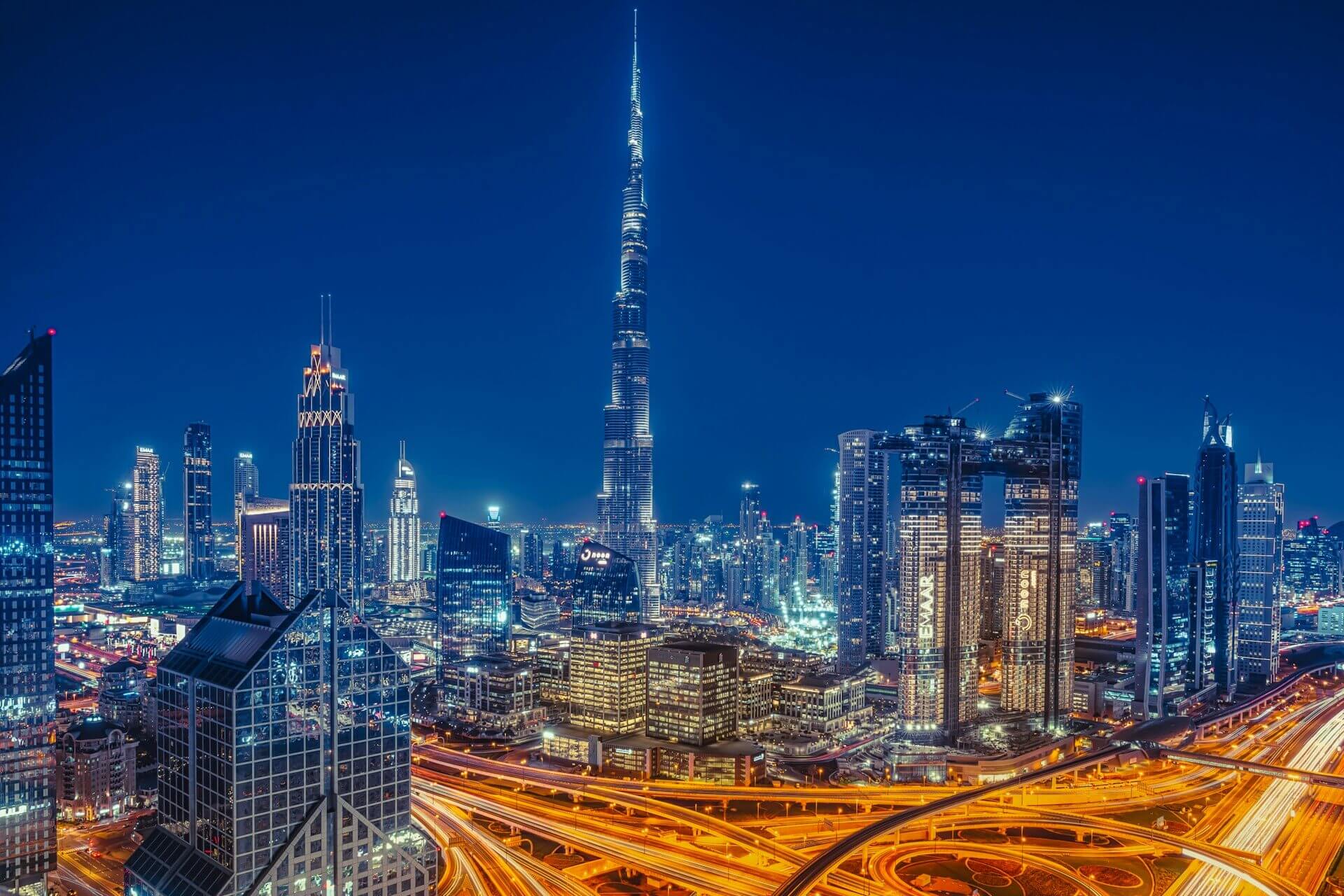
FOR SALE
AED 1,200,000AED 720,000
We help clients buy and rent the right property in Dubai — apartments, villas and investment units matched to budget, area and goals.
Dubai Property Selection focuses on apartments, villas and investment properties in key areas such as Dubai Marina, Downtown, Business Bay, Dubai Hills and Palm Jumeirah.
Instead of sending a huge list of random listings, we prepare a clean shortlist based on your budget, preferred area, bedrooms, timeline and purchase or rental goals.
Premium opportunities in Dubai — from compact investment units to signature villas and penthouses.
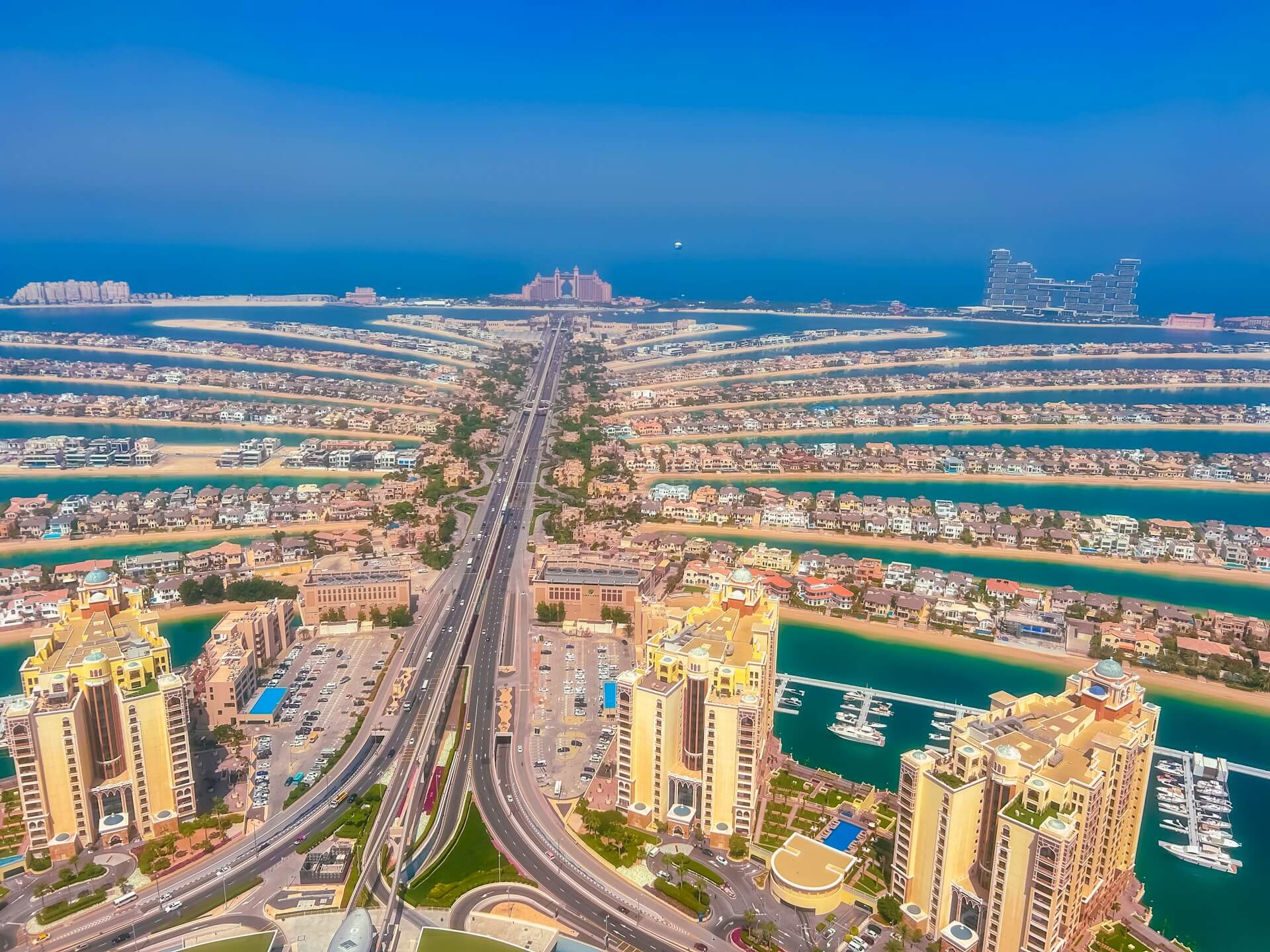
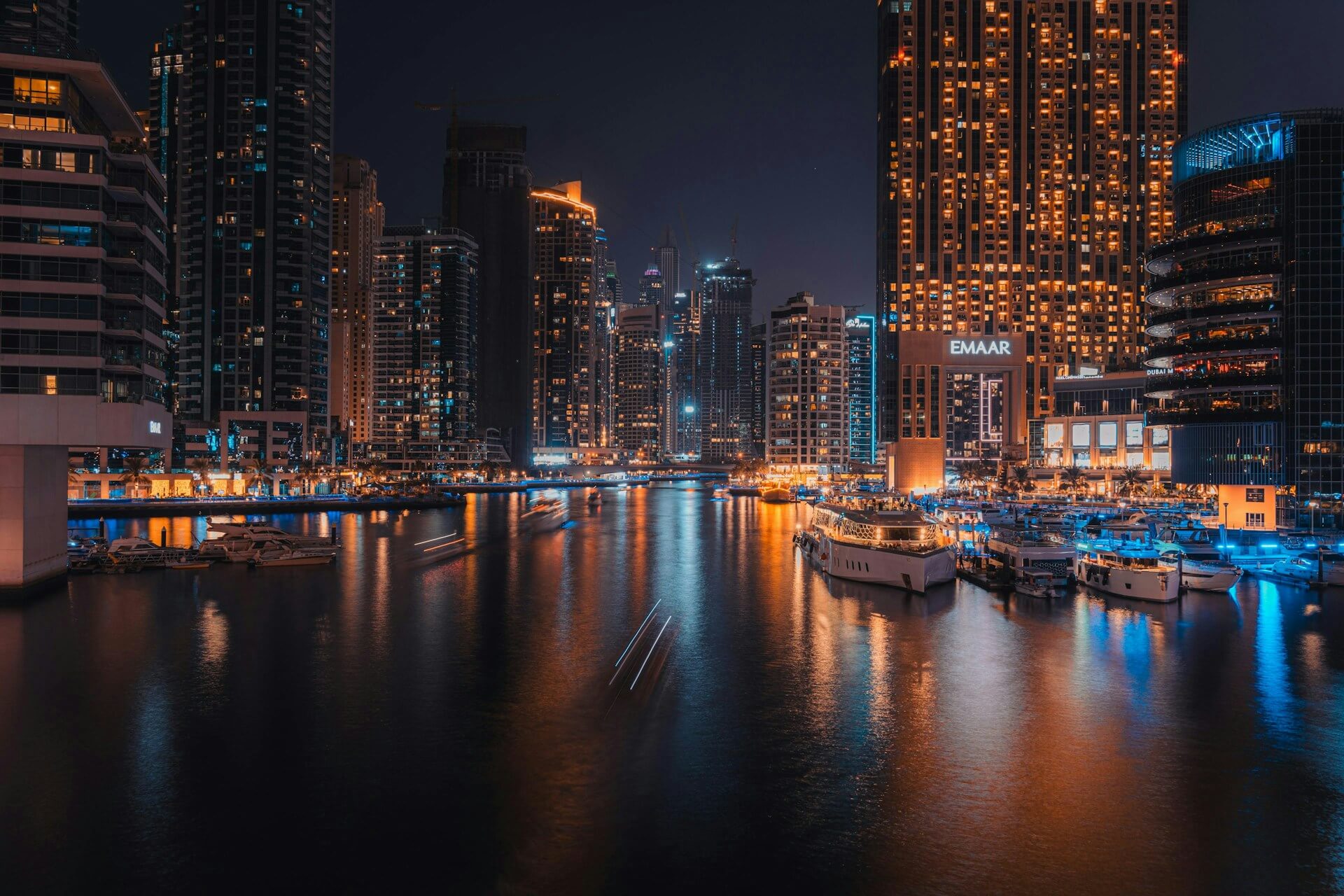
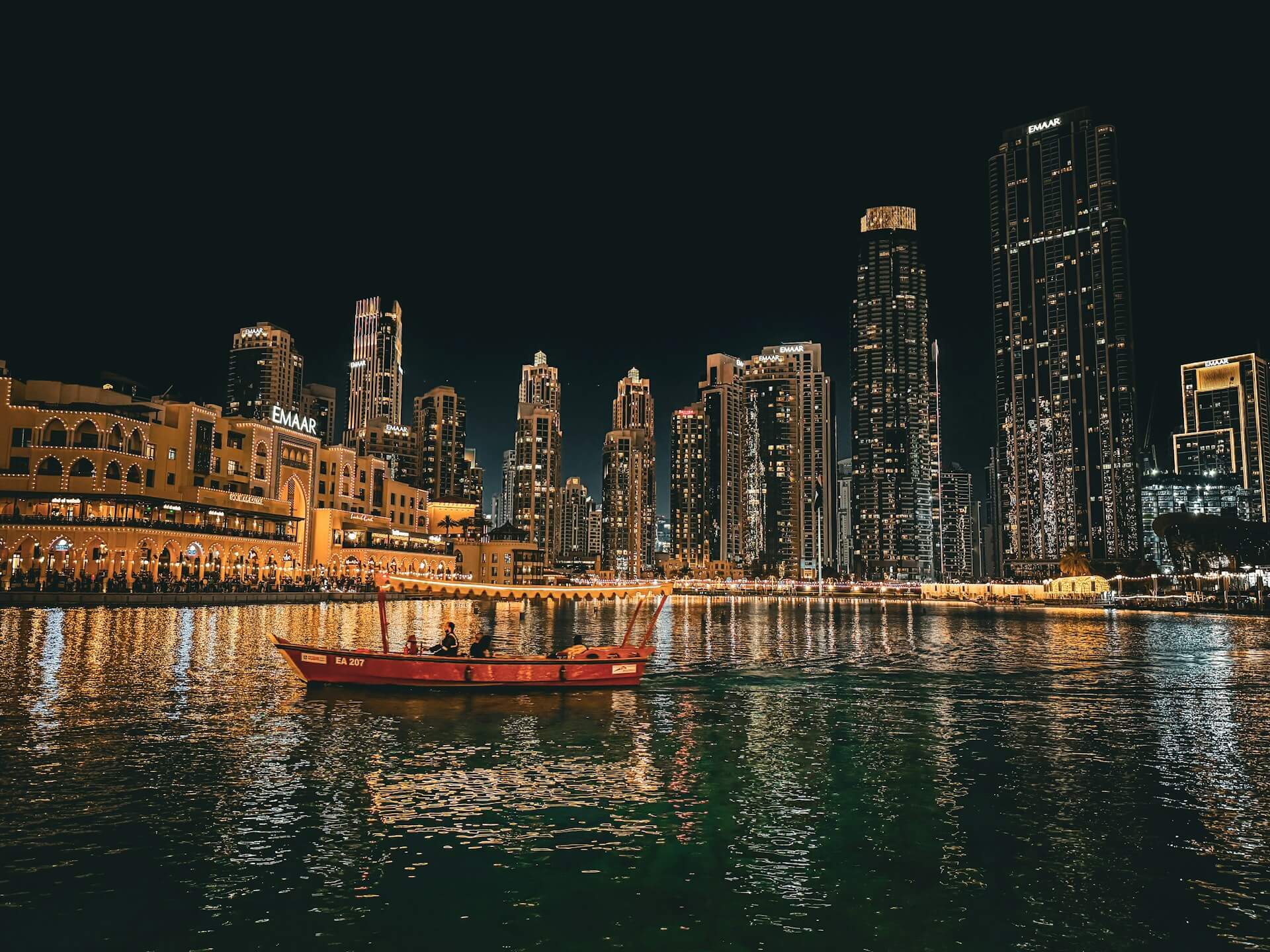
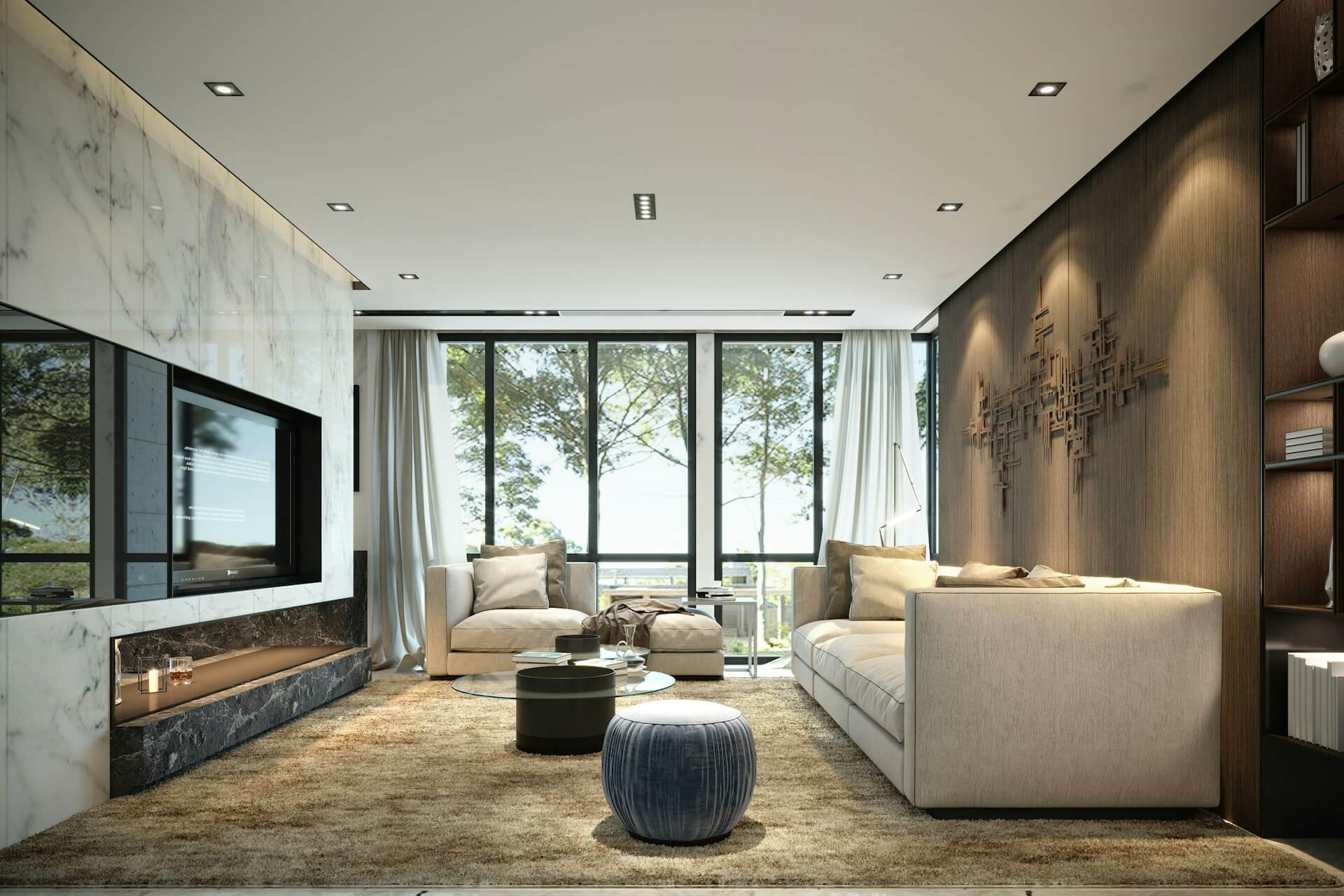
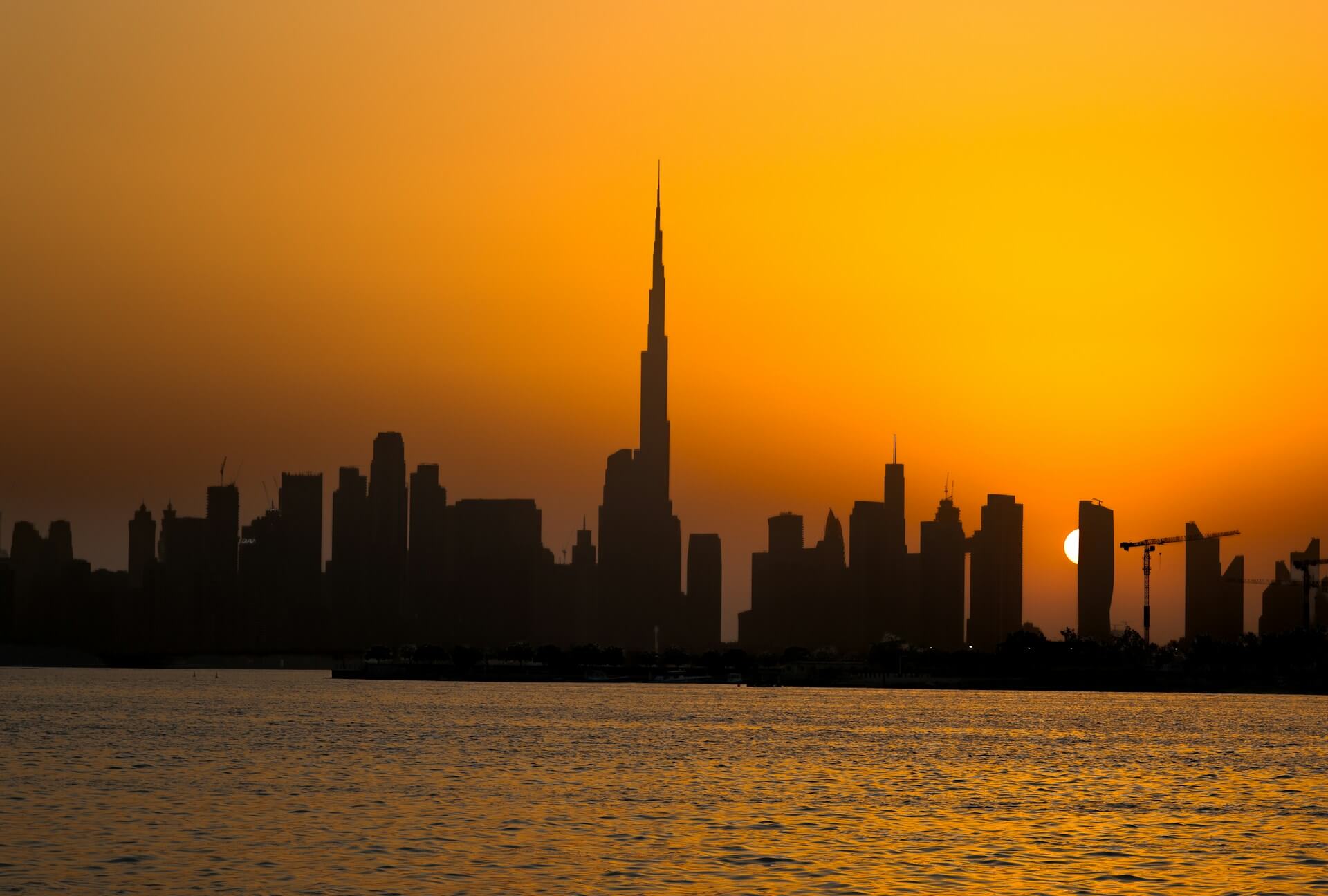
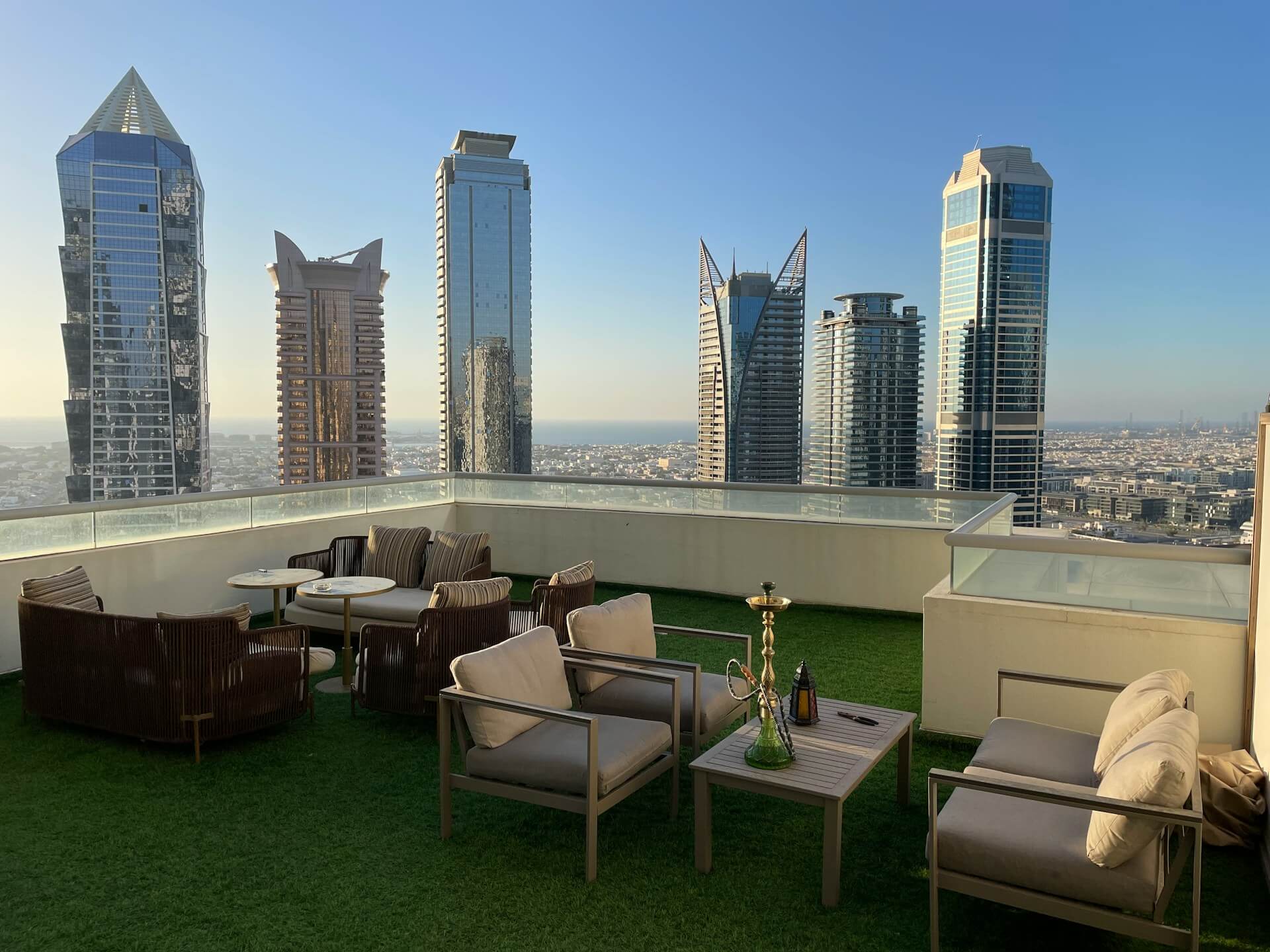
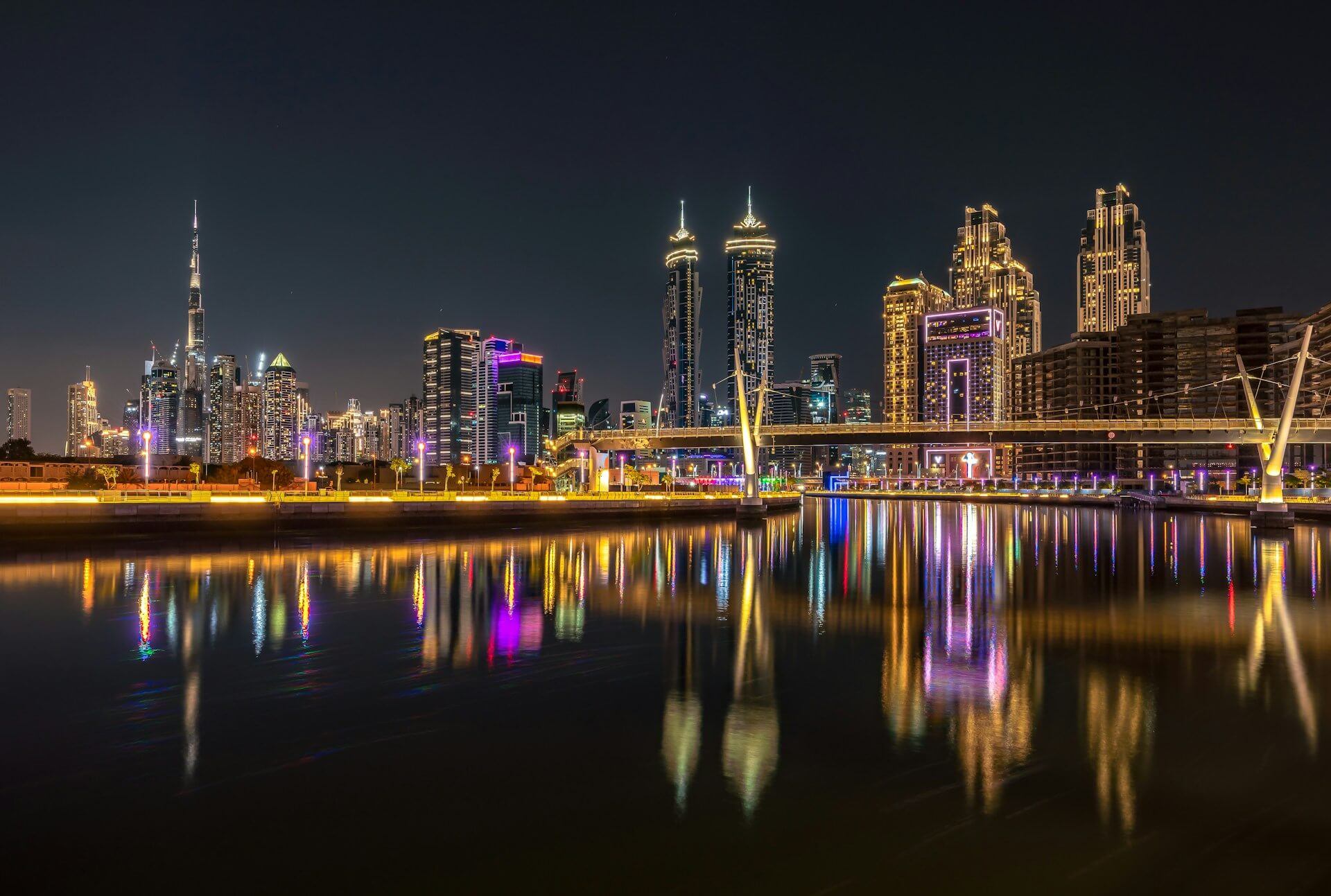
Comfortable long-term and premium rental options across Dubai.
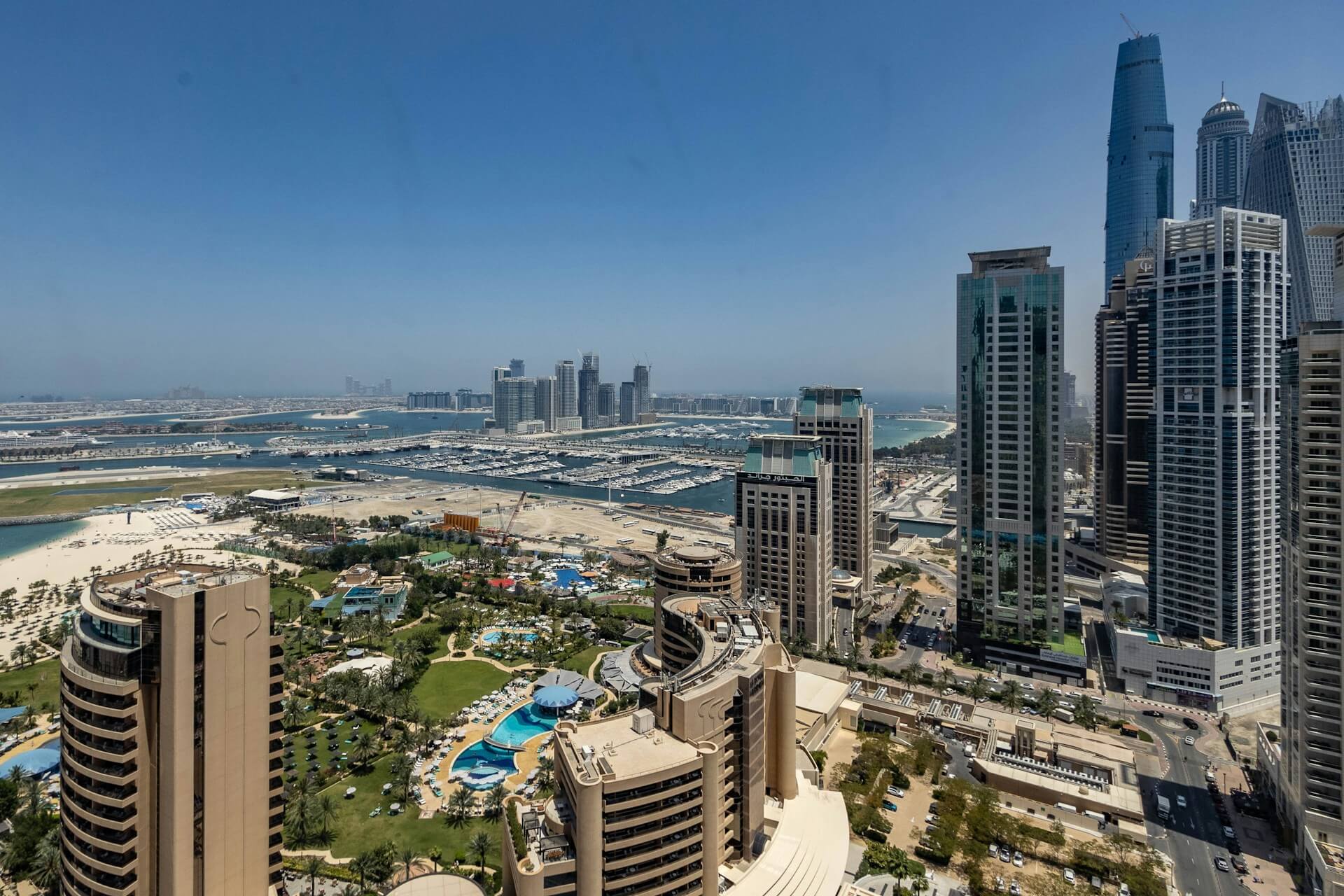
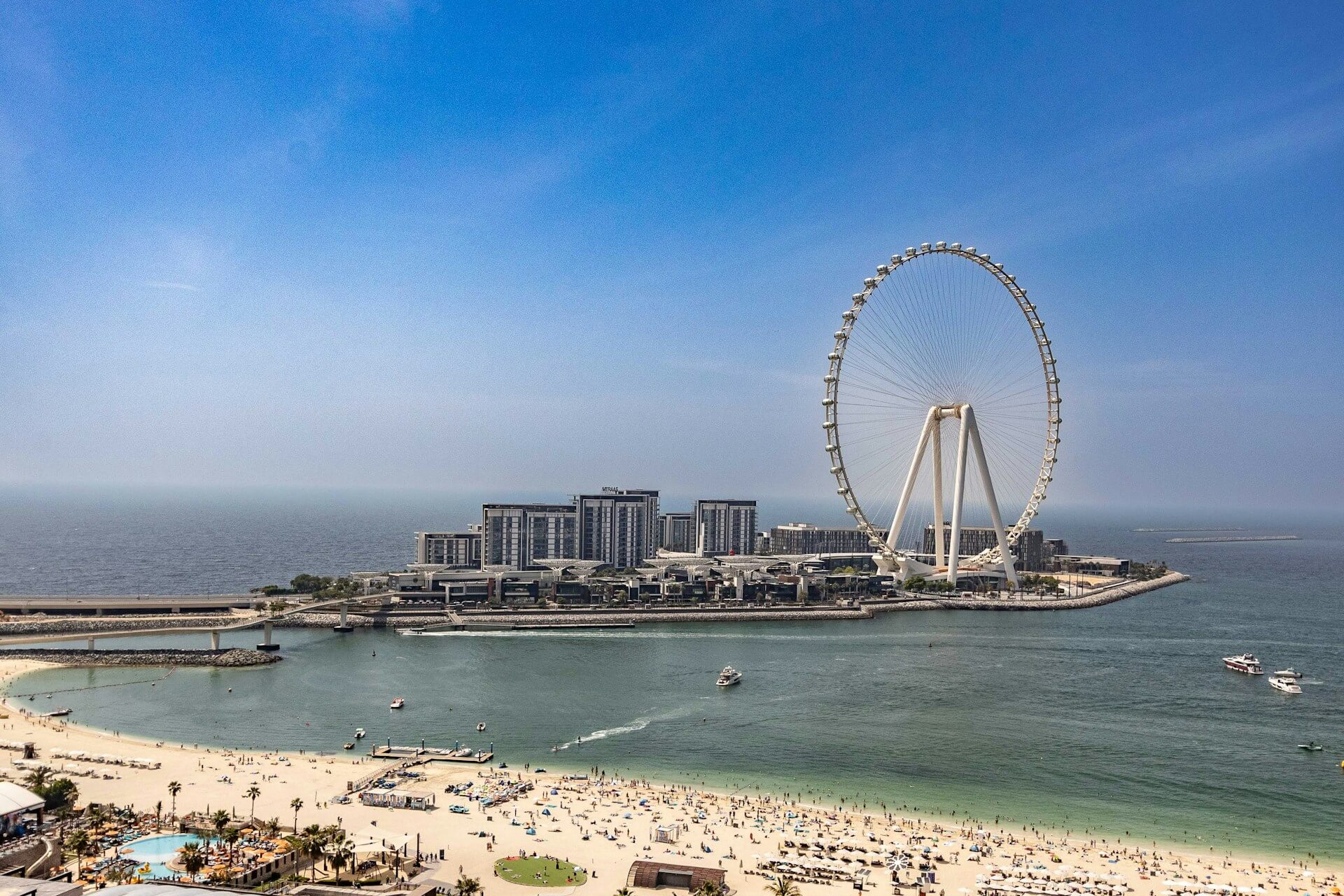
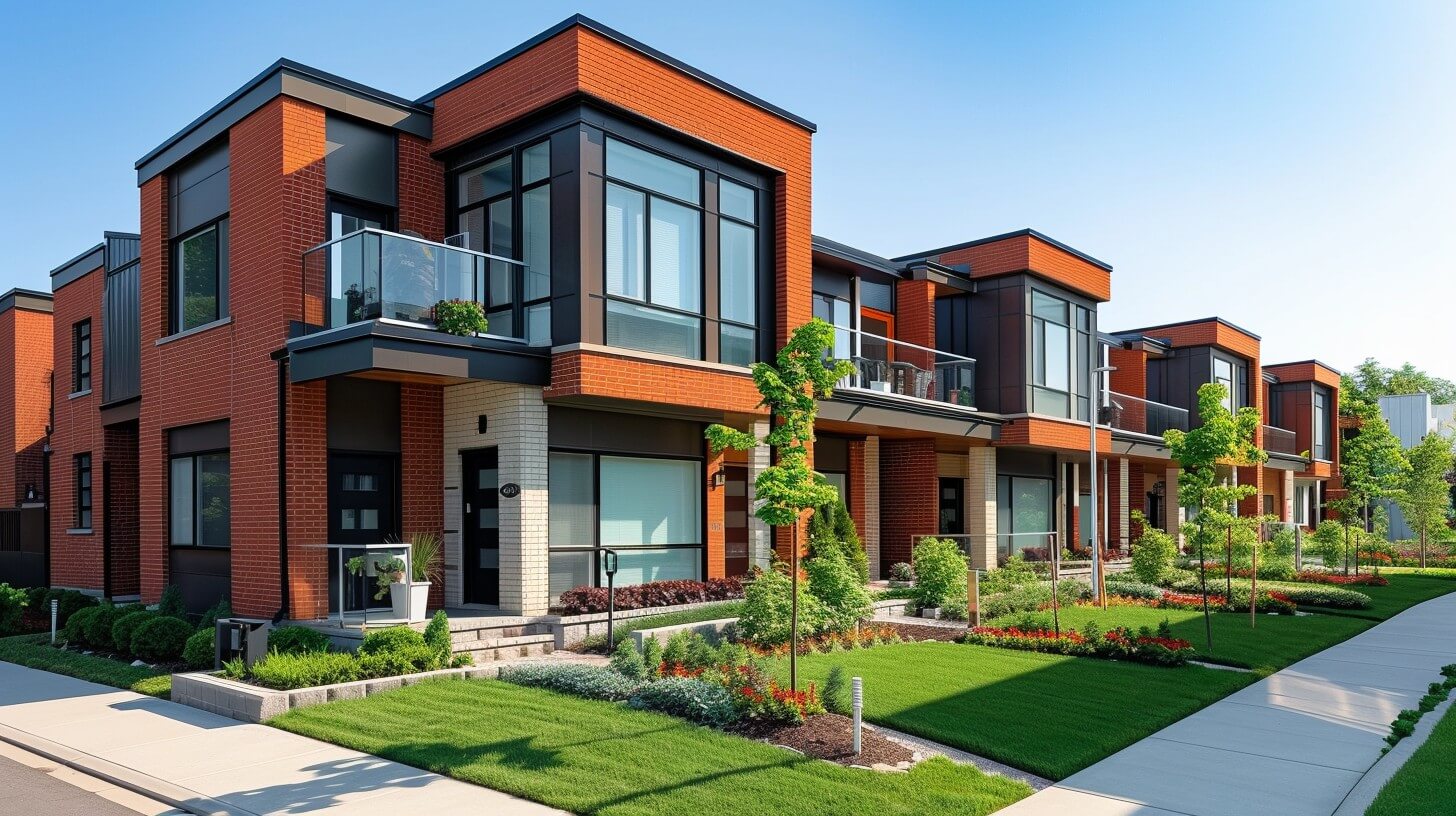
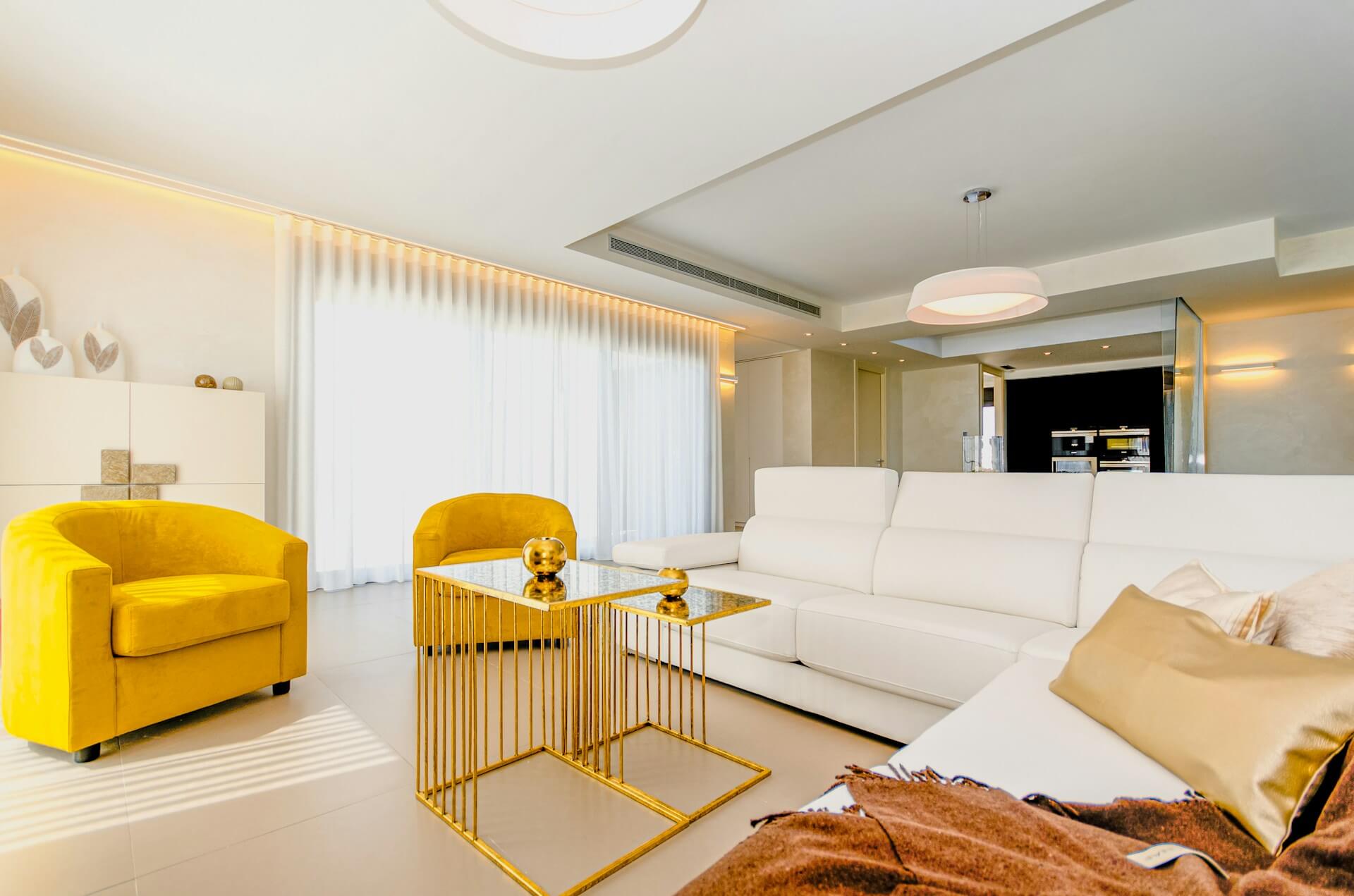
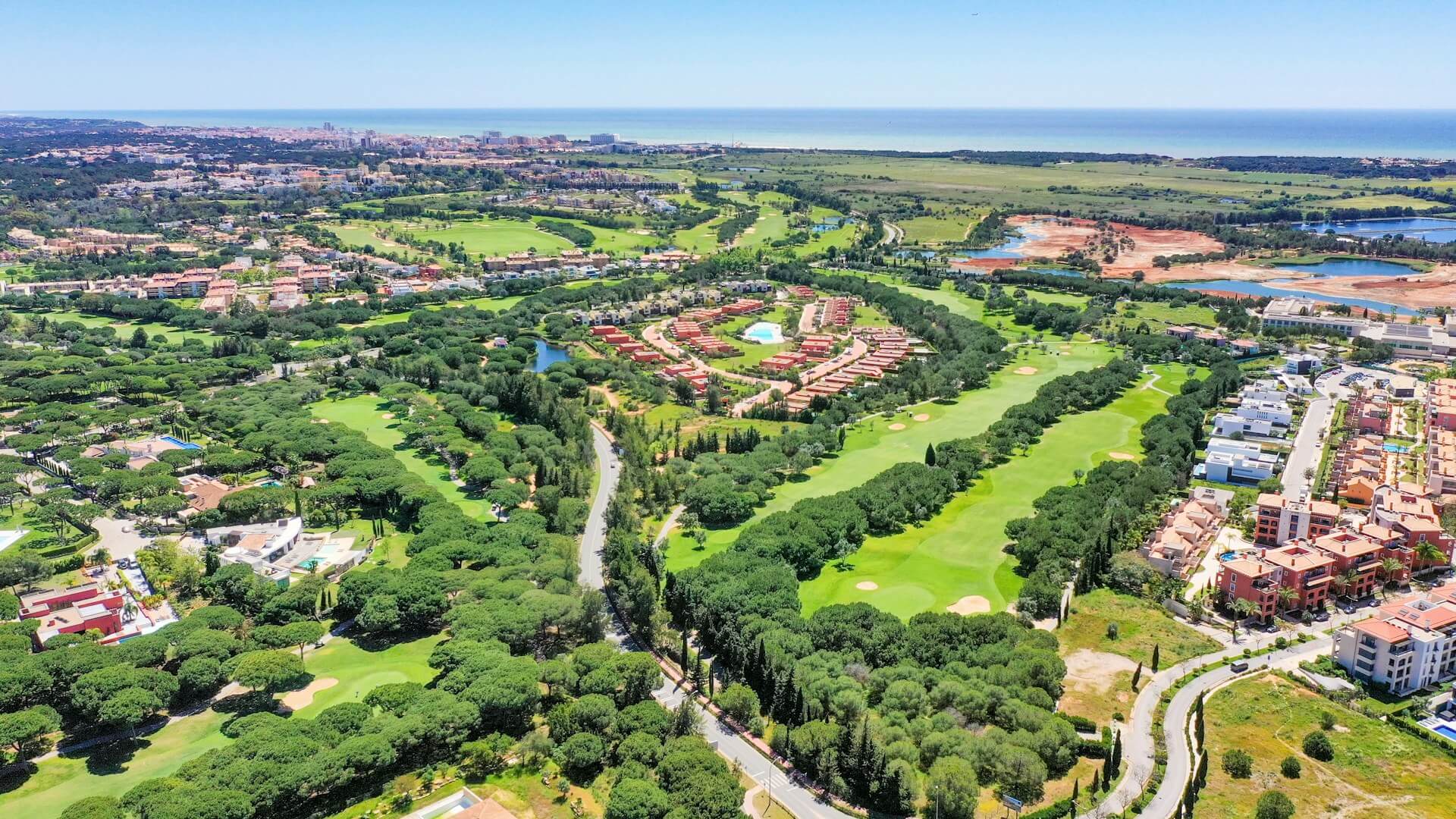
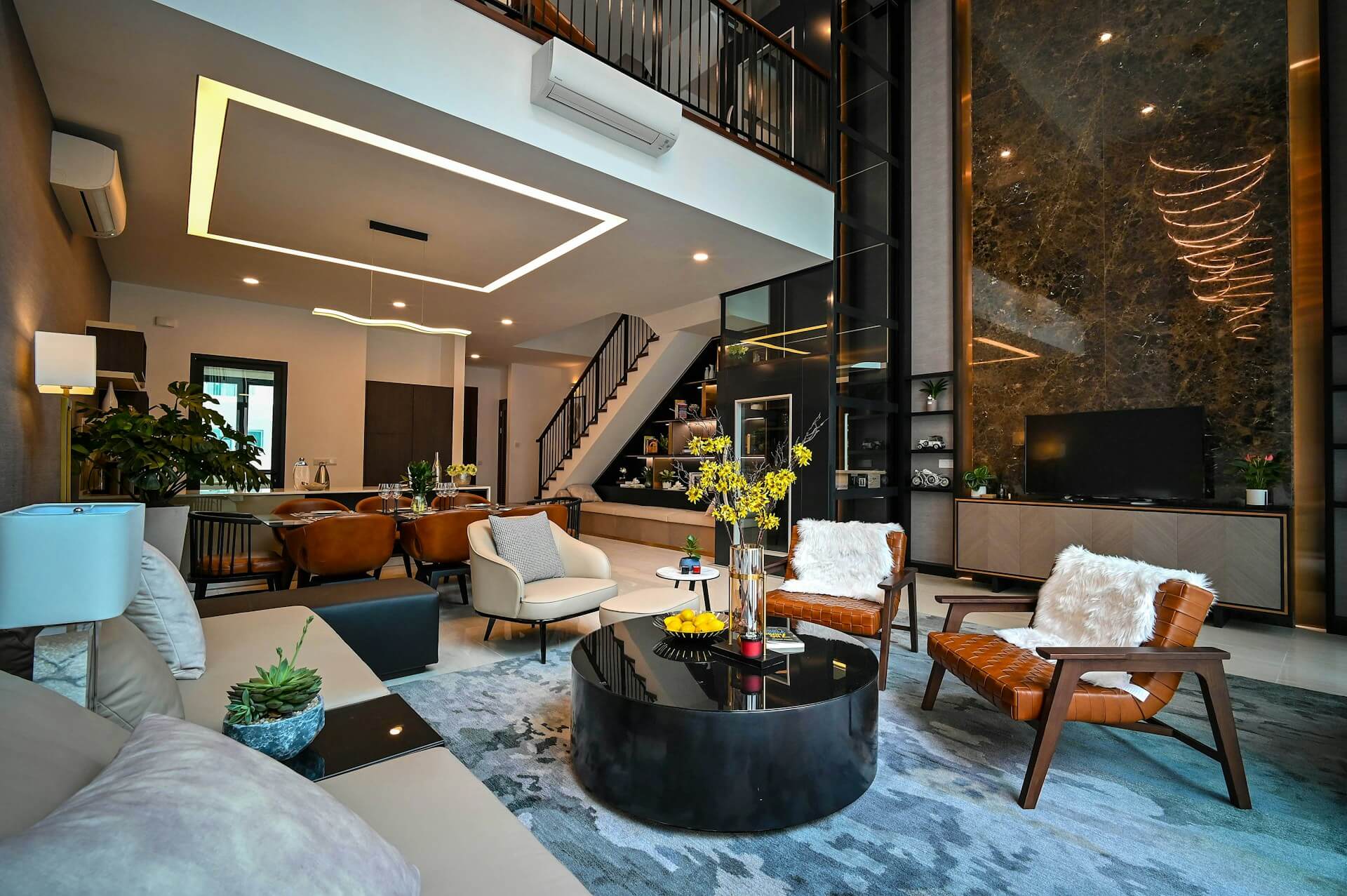
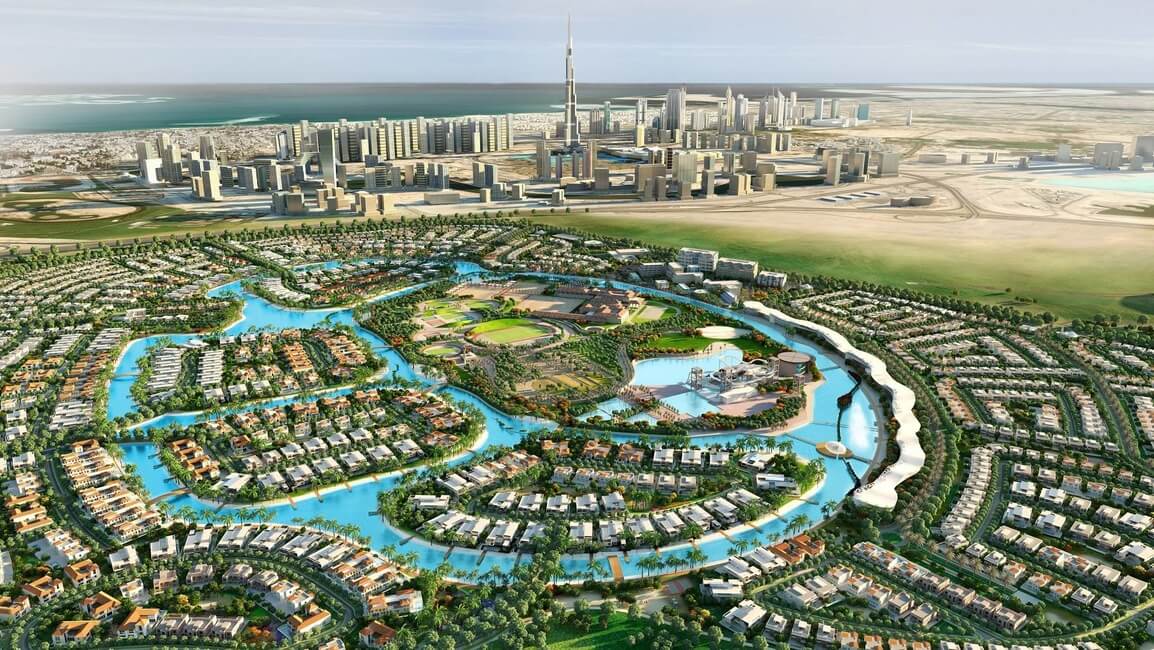
Apartment in Dubai Hills remains a compelling choice for investors and end-users, driven by steady demand, competitive entry prices starting around AED 1.2 million, and rental yields averaging 6% annually. Current market data show a moderate inventory release paired with rising developer activity, ensuring liquidity in this established residential location. Capital inflow is supported by expanding infrastructure and growing relocation interest, particularly from visa-driven buyers and young professionals seeking integrated communities within Dubai.
Demand within Dubai Hills is primarily fueled by limited availability of mid-sized units attracting both families and long-term tenants.
The blend of ready properties and off-plan projects facilitates flexible entry options depending on investment horizon and risk appetite. On average, investors targeting quick resale can expect turnover within 12-18 months, benefiting from above-average occupancy rates compared to competing locales in Dubai.
For those prioritizing cash flow, rental performance is buoyed by educational institutions and healthcare facilities clustered inside Dubai Hills, which reinforce sustained tenant demand.
Price points here outperform alternatives like Dubailand or Motor City when normalized against yield and amenities offered.
While areas like Dubai Marina offer prestige, Dubai Hills provides better affordability and consistent return levels, supported by a mature master-planned environment.
Entry capital ranges broadly: studios and one-bedroom units require approximately AED 1–1.5 million, whereas three-bedroom townhomes start at AED 2.5 million, positioning this market segment as accessible for mid-tier investors as well as owner-occupiers seeking integrated services.
Competition exists between ready and under-construction options; completed units command premium rents with lower vacancy risk, while off-plan sales offer price discounts of 7–10%, albeit with extended capital lock-up.
Buyers with a medium-term horizon benefit from ongoing expansions of retail and leisure infrastructure, enhancing asset desirability without exposing themselves to speculative fluctuations common in newly launched developments.
For those contemplating relocation or family living, Dubai Hills offers more amenities per square kilometer compared to similar price bracket districts like Arabian Ranches. This includes proximity to golf courses, parks, and international schools, which support higher occupancy by quality tenants and end-users.
Investors should monitor upcoming unit supply closely, as the balance currently favors sellers, but increased project launches may alter conditions within 18 months.
Given current mortgage conditions, many buyers access financing at rates near 3.5%, making leverage an attractive option to enhance returns. However, limits on loan-to-value ratios require minimum equity equivalents between 20-30% depending on nationality and emirate regulations. This affects entry capital and should be factored into investment projections and cash flow analysis for acquisition in Dubai Hills.
Comparatively, Downtown Dubai offers faster capital appreciation but demands significantly higher entry, exceeding AED 3 million for similar unit sizes.
Liquidity there is strong but heavily dependent on end-user trends aligned with tourism, introducing volatility absent in the more residentially stabilized Dubai Hills.
Conversely, Jumeirah Village Circle presents lower initial costs but suffers from longer vacancy periods and weaker rental rates, reinforcing Dubai Hills as a middle ground balancing risk, yield, and accessibility.
The profile of buyers best suited for properties here includes mid-tier investors targeting stable cash flow, expatriate families requiring integrated lifestyle services, and professionals benefiting from proximity to business hubs.
Short-term speculative buyers face heightened risk due to potential supply inflations within the master development. Long-term holders benefit from steady capital appreciation, supported by consistent population growth and phased community expansions.
Investment in Dubai Hills is not advisable for those seeking ultra-fast capital gains linked to speculative markets or who cannot commit equity beyond 20% due to financing constraints.
Additionally, buyers focused exclusively on short-term vacation rentals should consider that community regulations limit Airbnb activity, reducing flexibility for high-frequency lease turnover. Secondary market liquidity might tighten slightly during macroeconomic downturns, impacting quick exit strategies.
Established infrastructure and current market dynamics make apartment in Dubai Hills a viable option primarily for investors targeting mid-term rental yields and moderate capital appreciation.
Entry costs are moderate relative to nearby districts, and tenant demand remains robust due to quality amenities and education facilities. Market participants must weigh off-plan risks against ready inventory premiums and select properties aligned with their investment horizon and financing capabilities.
Liquidity rates within Dubai Hills remain above average compared to similar gated communities in Dubai.
Current transaction data shows resale periods averaging 90-120 days, which is notably faster than projects in emerging outskirts like Dubai South, where it can extend beyond 180 days. This stems from Dubai Hills’ mix of mid- to high-range units attracting both end-users and investors, driving steady demand and frequent turnovers.
Comparatively, early secondary market listings in Dubai Hills are priced about 5-10% below original launch prices, but strong community facilities and ongoing infrastructure upgrades support quick absorption of these offerings.
This contrasts with developments like Arabian Ranches where resale discounts often reach 15% or more, causing longer waiting times for exit.
Investors looking for swift capital recycling benefit significantly here, given the area’s appeal to families and professionals relocating within Dubai. This dual demand source reduces vacancy risk and sustains a stable tenant pool, enhancing asset desirability in resale.
To minimize exposure, avoid units on non-central plots or those adjacent to ongoing construction within Dubai Hills, as these tend to face reduced liquidity.
Instead, options with direct golf course views or proximity to retail centers consistently experience heightened interest.
In summary, Dubai Hills demonstrates a superior balance between resale speed and price retention among Dubai’s suburban clusters, making it a practical choice for buyers prioritizing liquidity without sacrificing long-term value.
Start with clearly defining your budget and target use. For investment, units ranging from 700 to 950 sq ft deliver the best balance between entry cost and tenant demand within Dubai Hills.
These sizes typically attract young professionals and small families, yielding average rental returns of 7-8% annually. Larger layouts over 1,200 sq ft suit end-users seeking space but face longer vacancy periods and higher servicing costs, reducing short-term profitability.
Consider the average occupancy rate for unit sizes here: studios and one-bedroom units have occupancy close to 75%, while two-bedroom or larger residences achieve roughly 85%.
This higher interest in larger formats correlates with the area's family-oriented profile and schools nearby. However, two to three-bedroom units priced from AED 1.5 million increase the entry threshold, demanding careful capital allocation.
Resale value stability also varies.
In Dubai Hills, properties sized between 900 and 1,100 sq ft retain market value better due to increased liquidity among both end-users and investors. Units below 650 sq ft see marginal price drops during demand dips, influenced by limited furnishing flexibility and lower appeal to long-term tenants.
Thus, avoid too-small options unless aiming for budget-constrained rental niches.
Compare with competing locations like Arabian Ranches or Business Bay, where entry points for similar floorplans can differ by up to 15%. Dubai Hills’ mid-range unit sizes offer better infrastructure integration, which favors capital appreciation despite marginally higher taxes and service fees.
For investors targeting quick turnover, one-bedroom configurations provide an easier exit due to wider market appeal and lower acquisition costs.
Off-plan purchases often provide larger space incentives–up to 10% extra built-up area at comparable prices–but carry construction and project risk.
Ready-to-move-in options limit size flexibility but ensure immediate rental income, vital if the strategy hinges on cash flow. Assess your risk tolerance before prioritizing either.
When selecting dimensions, factor in lifestyle needs aligned with Dubai Hills’ environment. For residents valuing proximity to parks and retail, two-bedroom layouts between 900 and 1,100 sq ft offer optimal liveability without overpaying.
Larger units above 1,300 sq ft suit buyers requiring home offices or multi-generational living but impact cost-efficiency and liquidity.
For investment buyers, prioritize units under AED 2 million with proven rental demand profiles; this size-range demonstrates lower vacancy risk and higher turnover speed in Dubai Hills.
End-users with longer planning horizons can consider premium layouts where space exceeds 1,500 sq ft, balancing comfort with resale market limitations.
Do not choose excessively large units without guaranteed use or tenant targeting strategy, as these often underperform in occupancy rates and appreciation compared to mid-sized options within Dubai Hills.
Similarly, ultra-compact units below 500 sq ft attract fewer stable tenants outside singles and short-term stays, increasing vacancy risk.
When evaluating properties within Dubai Hills, the array of amenities and facilities is a decisive factor for both investors and end-users.
This master-planned development offers a diversified infrastructure mix designed to maximize convenience and support varied lifestyles, setting it apart from competing projects in the emirate.
On-site educational establishments, such as the Dubai Hills Academy and GEMS Metropole School, support long-term family-oriented residency demand, which contributes to higher occupancy and steadier price appreciation compared to developments lacking schools.
Residents have access to a comprehensive retail experience, anchored by the Dubai Hills Mall, featuring more than 750 retail and dining outlets, facilitating daily needs without leaving the vicinity.
Notably, the championship 18-hole golf course managed by Emaar operates as a premium recreational and social hub, driving footfall and enhancing property value.
The integrated network of roads and transport within the development ensures seamless connectivity to key Dubai routes–Al Khail Road and Mohammed Bin Zayed Road–reducing commute times and elevating resident appeal.
Such infrastructure advantages translate directly into higher liquidity of units here, compared to similar projects with less connectivity.
In terms of community management, properties receive ongoing professional maintenance, waste collection, and 24/7 security services, which reduce operational headaches and stabilize occupancy.
Compared to newer or off-plan schemes where these services are often untested or costly, this level of facility management is a strong positive for investors targeting long-term rental yields.
Compared to other master developments in Dubai, facilities here are more diverse and better integrated, especially for families and active lifestyle buyers.
The presence of commercial and leisure amenities within walking distance supports a balanced live-work-play environment, which sustains demand beyond typical business cycles.
Currently, the market for units in Dubai Hills shows steady price growth driven by limited supply and increasing demand from both end-users and investors. The typical entry point for a one-bedroom residence starts at approximately AED 1.1 million, with two-bedroom options ranging between AED 1.8 million and AED 2.5 million.
Larger units or those in high-demand precincts exceed AED 3 million.
Price escalation over the last 18 months has averaged 7-9% annually, outperforming several comparable districts such as Arabian Ranches, where price increases linger around 5-6%. This premium is attributed to ongoing infrastructure expansions and recent enhancements in retail and educational facilities within Dubai Hills, reinforcing its competitive edge in the mid-to-high segment of the market.
Demand stems from a balanced mix of young families seeking space and professionals targeting proximity to business hubs, contributing to consistent sales velocity.
This contrasts with Downtown Dubai, where luxury buyers dominate but with higher entry costs above AED 3.5 million for similar-sized units, resulting in longer listing durations and elevated vacancy rates.
Comparing ready-to-move-in units versus off-plan offerings, the latter currently provide a 10-12% discount from secondary market prices, but with extended delivery timelines till late 2025.
Buyers willing to wait gain lower capital requirements upfront but face potential price variability linked to macroeconomic shifts. Ready stock commands a premium but ensures immediate rental income and quicker exit opportunities.
Rental yields range between 5.5% and 6.3%, stronger than those in Jumeirah Village Circle or Silicon Oasis, where yields often fall below 5%.
This yield advantage translates into faster payback periods, particularly attractive to investors focusing on short to medium-term cash flow rather than purely capital appreciation.
Within the spectrum of projects, gated communities with integrated amenities show 12-15% higher price points than standalone residential towers.
This premium correlates with higher tenant retention and lower turnover costs, supporting more stable investment returns.
Entry price sensitivity currently affects studios and smaller one-bed units, which face more competition from new launches in surrounding submarkets offering sub-AED 900,000 entry prices.
However, these alternatives lack the quality of recreational and infrastructural provisions found in Dubai Hills, justifying a higher premium for buyers prioritizing long-term appreciation.
For cautious investors, side-by-side comparison with Business Bay and Dubai Marina reveals that despite higher liquidity in those locations, Dubai Hills’ price growth trajectory and lower volatility provide a safer capital preservation environment.
Meanwhile, end-users valuing family-centric living opt for Dubai Hills over pure commercial zones despite slightly higher initial costs.
High entry capital limits suitability for first-time buyers or purely speculative investors.
The development is less advantageous for those seeking sub-AED 1 million properties, as options in this range are scarce and price values do not promise strong short-term gains.
Additionally, delayed payments and macro-financial uncertainties could suppress appreciation if interest rates rise sharply.
Liquidity remains robust but slower than ultra-central areas, with average resale timelines of 3-4 months compared to 1-2 months in Downtown Dubai or Palm Jumeirah. This moderate turnover speed reflects balanced but not overheated market conditions, favorable for investors aiming for stable growth rather than quick flips.
Dubai Hills offers a variety of apartments, including studios, one-bedroom, two-bedroom, and three-bedroom units.
Sizes vary from around 500 square feet for studios up to approximately 1,800 square feet or more for larger units. Each apartment is designed to provide comfortable living spaces with modern layouts, often including balconies that overlook green areas or golf courses.
Transportation options near Dubai Hills are well-developed.
Residents benefit from easy access to main highways such as Al Khail Road and Mohammed Bin Zayed Road, enabling smooth travel to other parts of Dubai. Public transport is also improving, with bus routes connecting the community to metro stations nearby. This makes commuting to the city center or other districts convenient for those living in this area.
Residents enjoy a range of recreational facilities including parks, playgrounds, and cycling tracks throughout the neighborhood.
There is also the Dubai Hills Golf Club, a popular spot for golf enthusiasts. Many apartments are close to shopping centers, cafes, and fitness centers, creating an active lifestyle community. These amenities contribute to a balanced and enjoyable living environment.
Security is a priority in Dubai Hills apartment buildings.
Gated entrances, 24/7 security personnel, and surveillance cameras provide protection for residents. Many buildings have secure parking and controlled access to public areas. This framework helps maintain a safe and comfortable atmosphere for all residents living in the community.
Apartment prices in Dubai Hills vary depending on size and location within the community.
For example, studios may start around AED 700,000, while three-bedroom units can range between AED 1.5 million and AED 2.5 million. Compared to older established areas, Dubai Hills offers competitive pricing, with the added benefit of modern designs and proximity to green spaces.
It represents a balanced option for buyers seeking value and quality.
Clear answers about buying, renting and investing in Dubai property.
Yes. Foreign buyers can purchase freehold property in designated areas such as Dubai Marina, Downtown Dubai, Business Bay, Palm Jumeirah, Dubai Hills and other approved communities.
It depends on your timeline, budget and goal. Buying is usually better for long-term plans, capital growth and rental income, while renting is better for flexibility and easier relocation.
The required budget depends on the area, building quality and property type. More accessible apartments can be found in developing communities, while prime locations and luxury properties require a much higher budget.
In addition to the purchase price, buyers should budget for the Dubai Land Department fee, registration and trustee fees, possible agency commission, mortgage-related costs if financing is used, and ongoing service charges for many buildings.
Yes, many banks in the UAE offer mortgages to foreign buyers. Approval depends on income, documents, deposit amount and the specific property being purchased.
Areas such as Dubai Marina, Downtown Dubai, Business Bay, Dubai Hills, JVC, Palm Jumeirah and Creek Harbour are often considered by investors, but the right area depends on whether your focus is yield, resale value, lifestyle appeal or long-term growth.
Rental yield varies by area, property type, furnishing level and market timing. In practice, many investors look for a balance between strong occupancy, reasonable service charges and sustainable tenant demand rather than chasing headline numbers alone.
Off-plan property is purchased directly from a developer before the project is completed. Buyers often choose off-plan because of payment plans, newer inventory and lower entry prices compared with some ready properties.
A proper review should consider the developer’s track record, payment plan, handover timeline, location quality, future supply in the area and the project’s resale or rental potential after completion.
For ready property, the timeline can move fairly quickly if the price is agreed, documents are prepared and the buyer is ready to proceed. Mortgage purchases usually take longer than cash deals.
Yes, many purchases can be handled remotely with the correct documents and proper support through the process. Remote buying is common for overseas investors and international clients.
The biggest risks are overpaying, choosing a weak location, buying an unsuitable layout, ignoring service charges, or selecting a project with low resale and rental demand. Good selection matters more than marketing promises.
In long-term rentals, rent is commonly agreed for a fixed term and often paid by one or several cheques depending on the landlord, property and negotiation.
Tenants are usually asked for identification and residency-related documents, and the exact set depends on their status in the UAE and the landlord’s requirements.
A security deposit is commonly required before move-in. The amount often depends on whether the property is furnished or unfurnished and should be clearly stated in the rental terms.
In many rental transactions, an agency commission is charged. The amount depends on the deal structure and should be confirmed before signing anything.
Tenants should review the deposit, Ejari registration, utility setup costs, parking terms if relevant, maintenance responsibilities and any conditions related to early termination or renewal.
Yes, negotiation is common. The final result depends on market conditions, the landlord’s flexibility, how long the property has been available and how prepared the tenant is to move forward.
It is important to check the condition of the unit, building quality, noise level, parking, view, maintenance status, contract terms and the reliability of the owner or manager.
Short-term rent offers flexibility and convenience but is usually more expensive. Long-term rent is generally more cost-effective and better suited for clients planning to stay longer.
During an active contract, the agreed rent usually remains fixed. Any increase is generally discussed at renewal and should follow the applicable rules and notice requirements.
This depends on the tenancy contract. Minor day-to-day issues may be handled by the tenant, while major maintenance is commonly the landlord’s responsibility, but the exact wording in the contract matters.
Ejari is the official registration of the tenancy contract in Dubai. It is important for legal recognition of the lease and is commonly needed for practical steps such as setting up utilities.
Yes. Furnished properties can be more convenient and faster to move into, while unfurnished options may work better for longer stays or tenants who want more control over the setup and budget.
We do not rely on random mass listings. We narrow the market based on budget, location, property type, investment goal, lifestyle needs and timeline, so clients can focus only on relevant options.
Yes. Support can include shortlisting, arranging viewings, comparing options, discussing terms, helping with negotiations and guiding the next steps of the transaction.
The best first step is to define the real budget, target areas, purpose, preferred property type and timeline. Once those points are clear, the selection becomes faster, cleaner and much more useful.